Suspicious Beauty
Flowers are often treated like nature’s little decorations, and you’re not wrong to think so! However, amid all the roses and sunflowers lie some of the prettiest ones that come with a less charming side. A few garden favorites can irritate skin, sicken pets, or cause serious poisoning if they’re eaten. You don’t need to fear every bouquet, but it’s worth knowing which lovely blooms deserve a little caution, and we’re here to break them down.
1. Foxglove
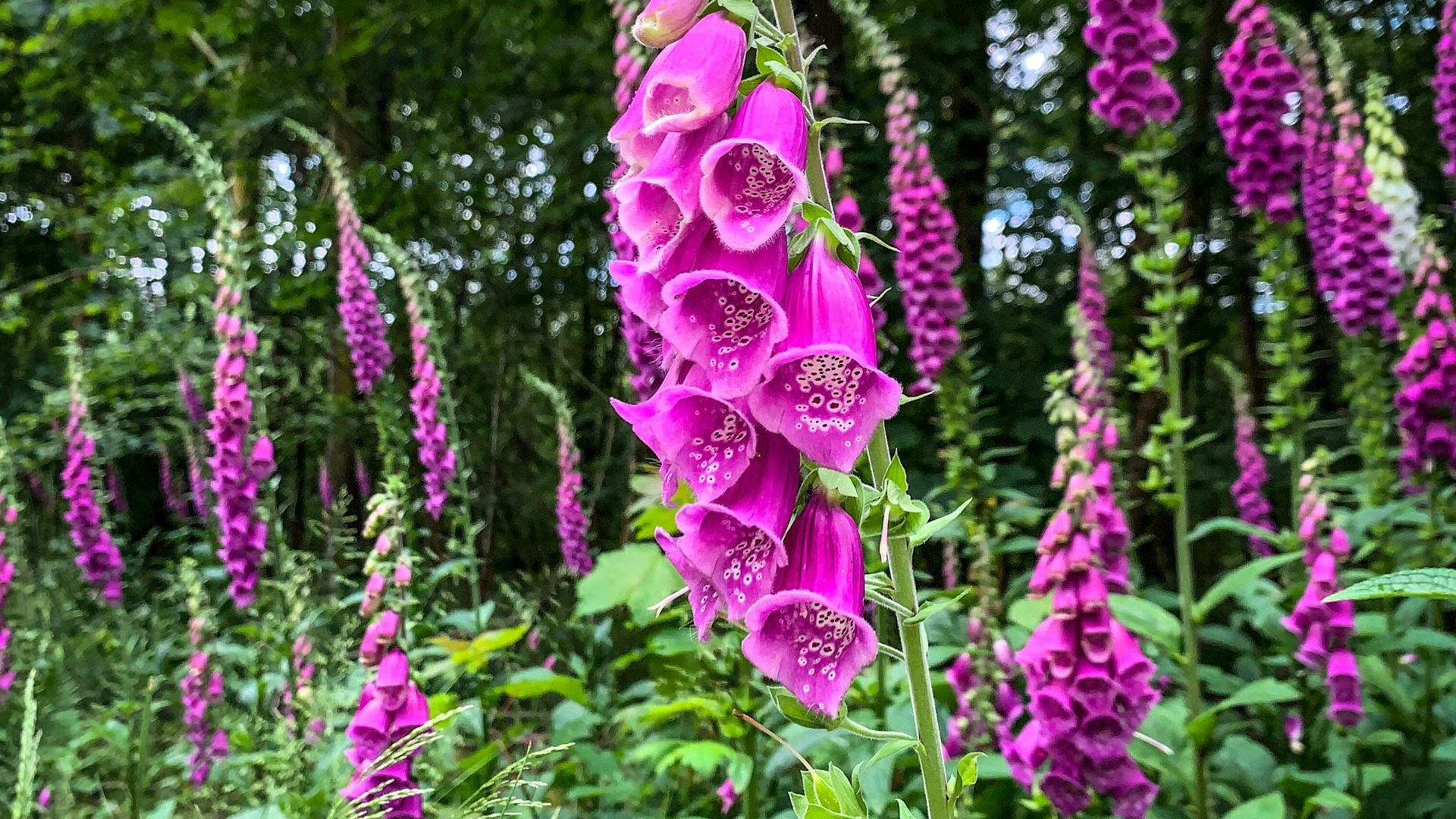
Foxglove has tall, bell-shaped flowers that look gorgeous in cottage gardens, especially in purple, pink, and white. But you might want to admire them from a distance. Every part of the plant contains compounds that can affect the heart if swallowed, so keep them away from curious toddlers or pets who treat the yard like a salad bar.
2. Oleander
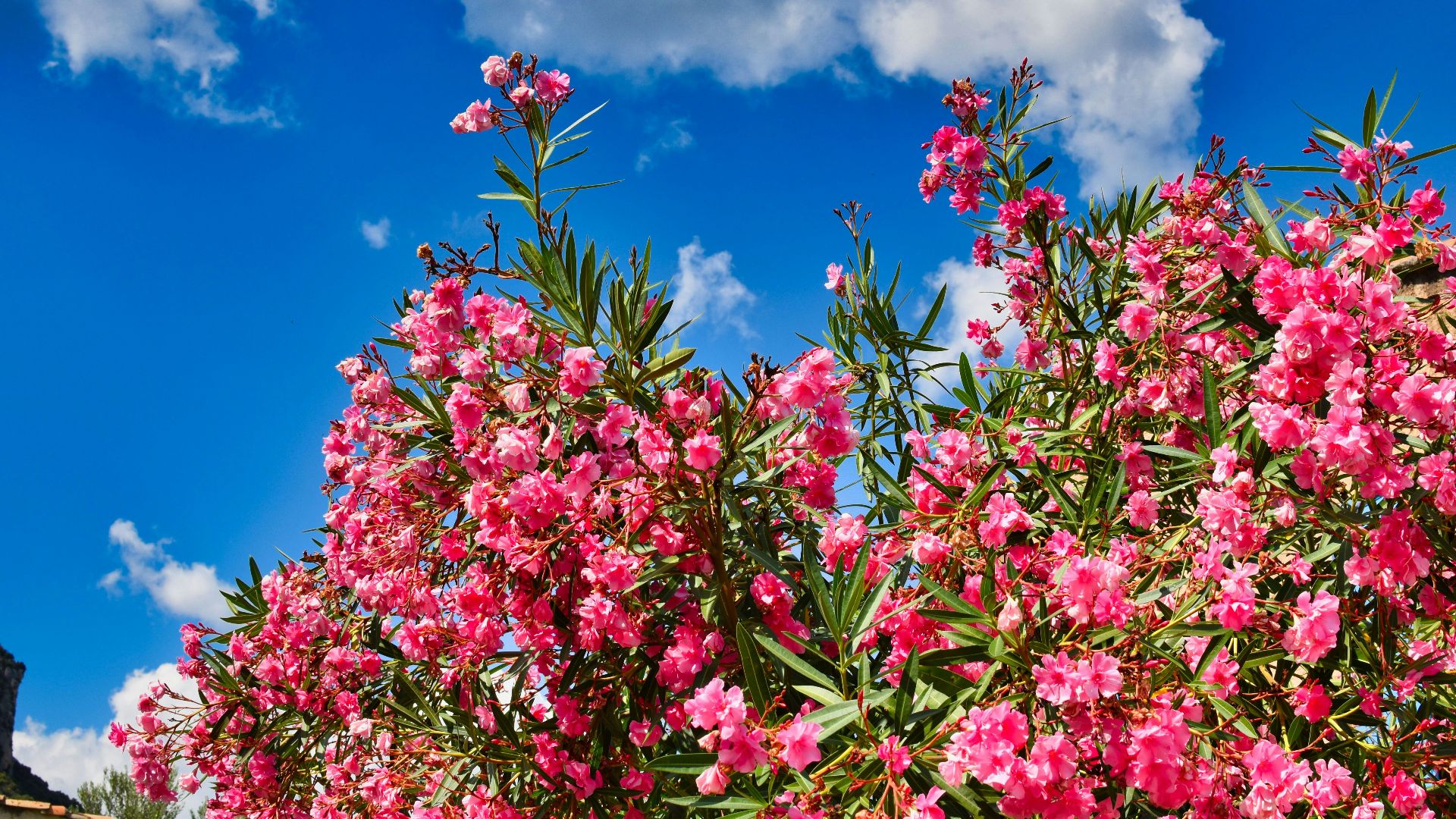
Oleander is beautiful, isn’t it? Despite its deadly nature, it looks wonderfully cheerful with its clusters of pink, red, white, or yellow flowers. Behind that polished appearance, though, it’s highly toxic and can be dangerous if leaves, flowers, or stems are ingested. Even garden clippings should be handled carefully.
3. Lily of the Valley
How could those tiny white bells be harmful? They look like they belong in a fairy-tale garden! Well, the reality is that the plant contains toxic substances that can cause symptoms such as nausea, dizziness, abnormal heartbeat, and confusion if eaten. And since it spreads easily, you’ll want to be thoughtful about where it grows.
4. Hydrangeas
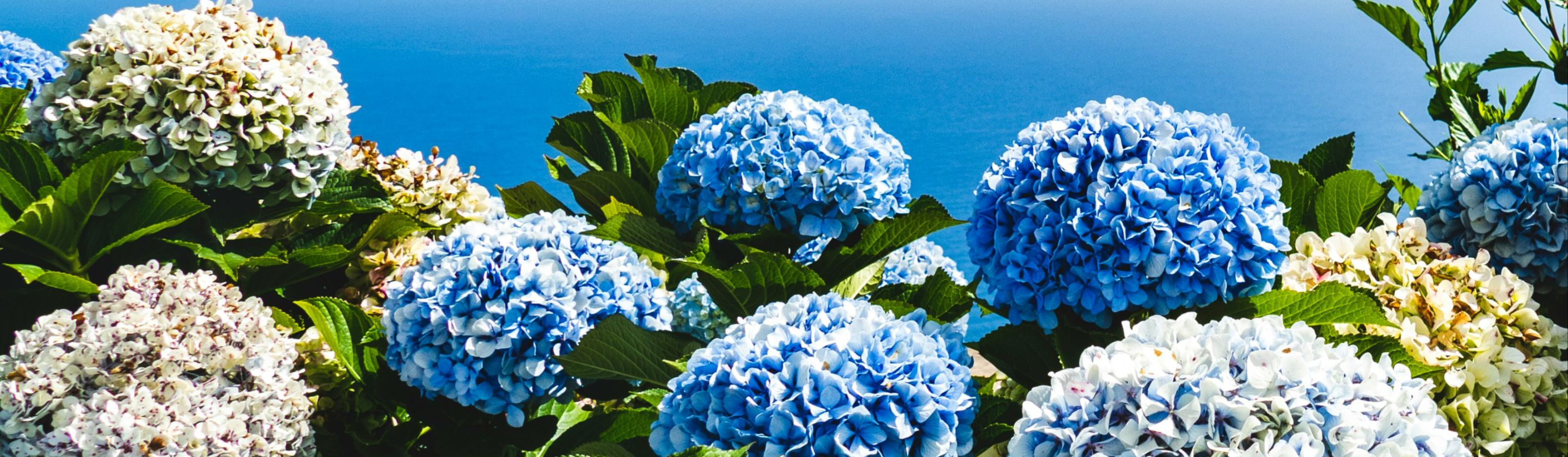
Hydrangeas are famous for their delicate flower clusters, and their colorful blooms can make a yard look instantly girlier. That said, the plant also contains compounds that may cause stomach upset, vomiting, weakness (or more serious symptoms) when consumed in larger amounts. Most won’t nibble a hydrangea on purpose, but dogs and cats aren’t always known for their refined decision-making.
5. Daffodils
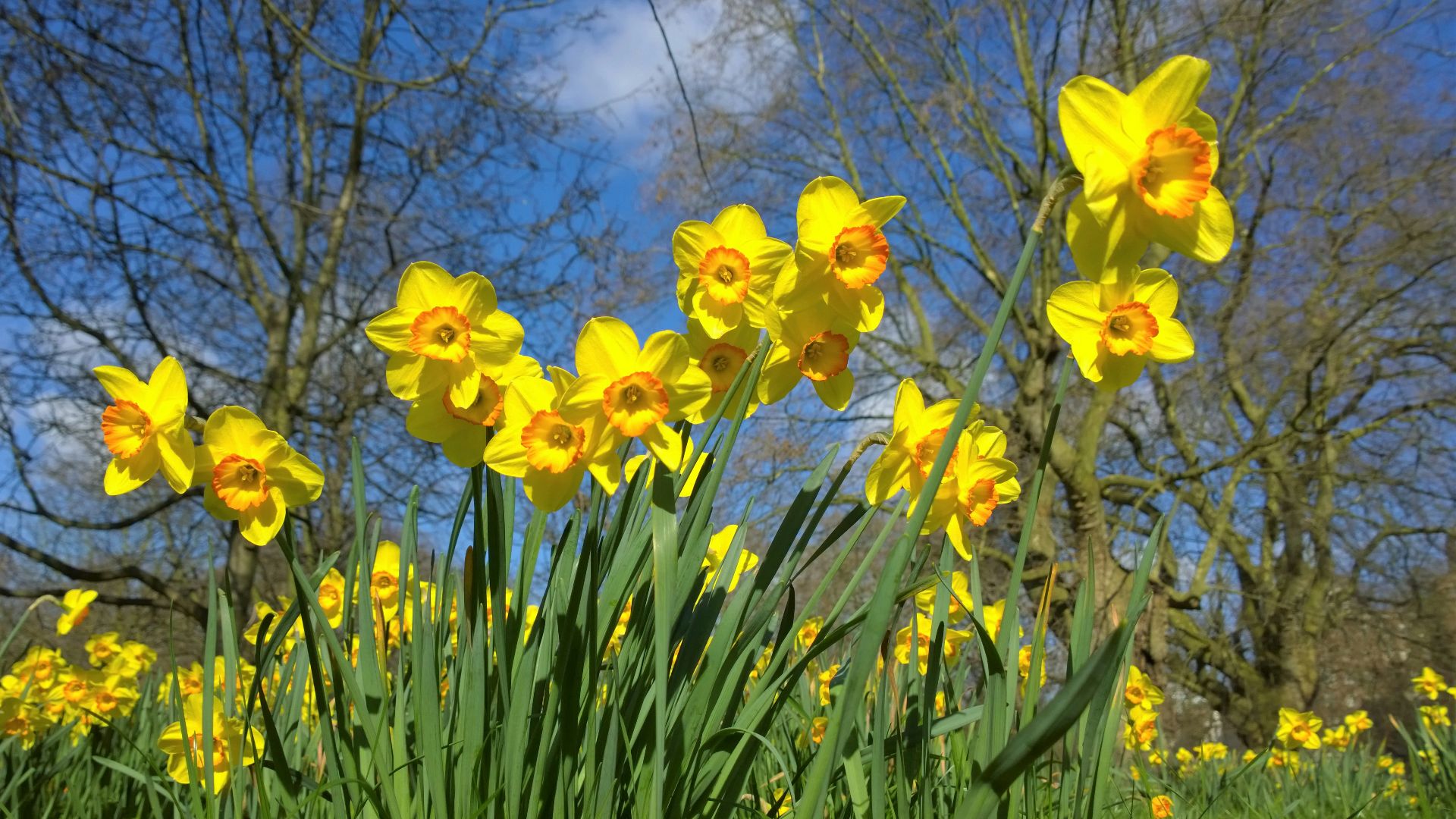
Daffodils are bright, happy, and one of the classic signs that spring has finally decided to arrive. Their bulbs, however, are especially toxic and can be mistaken for onions by someone storing supplies carelessly. Remember: eating any part of the plant can cause illness, so they’re best enjoyed in the ground or in a vase.