Identification Matters More Than Appearance
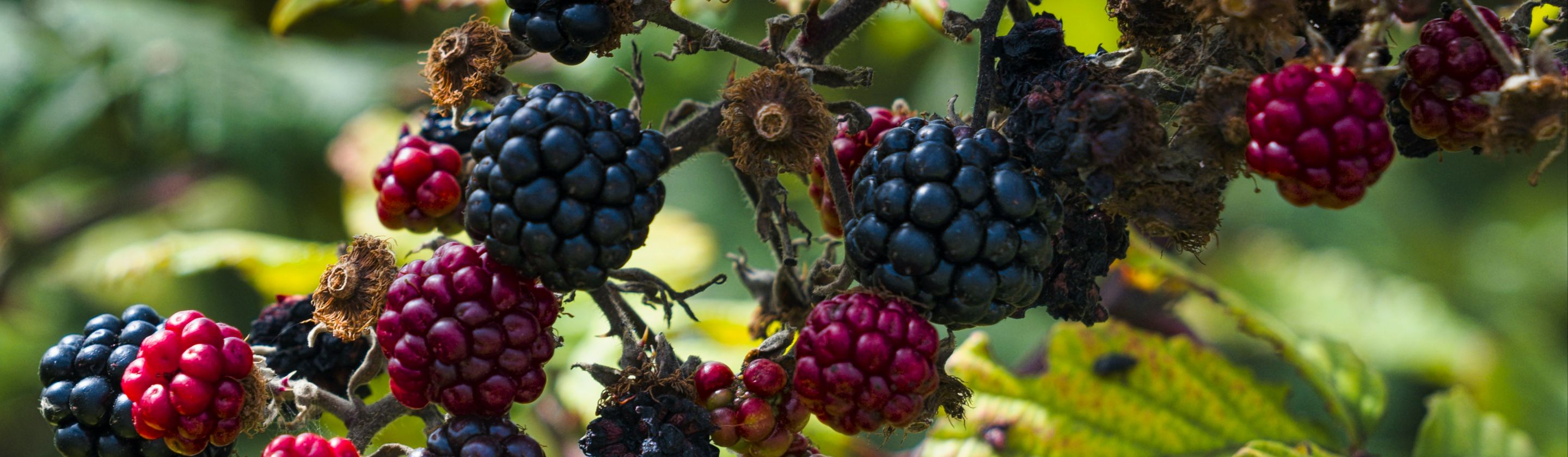
You might be tempted to forage some berries you see while on a walk or in the woods, but before you gather them excitedly, there are a lot of precautions to take. Wild berries can be difficult to identify, and no single color, shape, or smell can confirm whether one is safe. Some poisonous varieties even closely resemble edible fruit, so you should never taste a berry without knowing if it's for sure safe. Here are just five ways to tell.
1. You Can’t Positively Identify the Plant
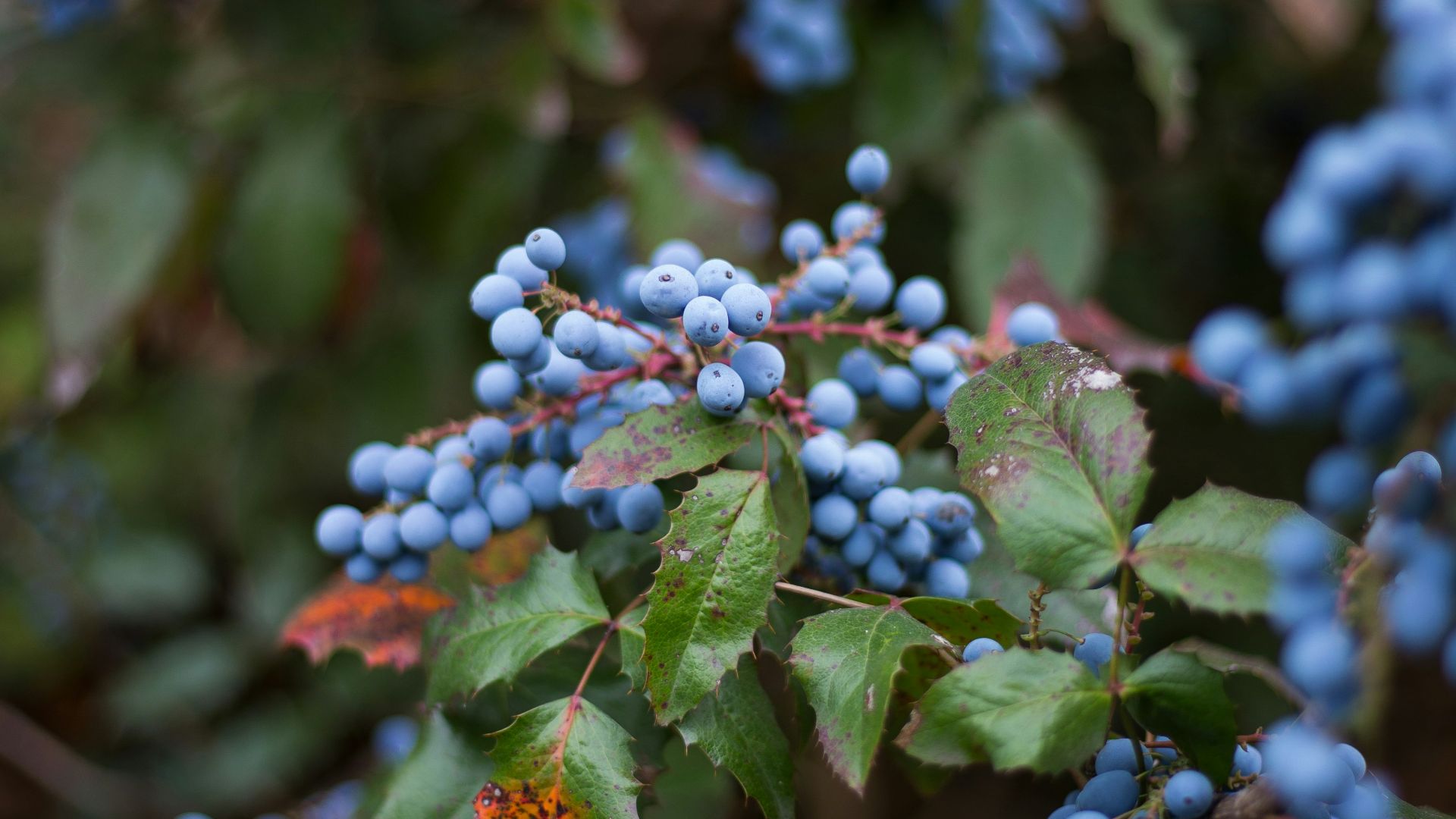
Any time you come across an unfamiliar berry, you should always treat it as potentially harmful. Identification must include the entire plant, such as its leaves, stems, flowers, growing pattern, and location, so when any important detail remains uncertain, leave the berries untouched.
2. It Resembles a Known Poisonous Species
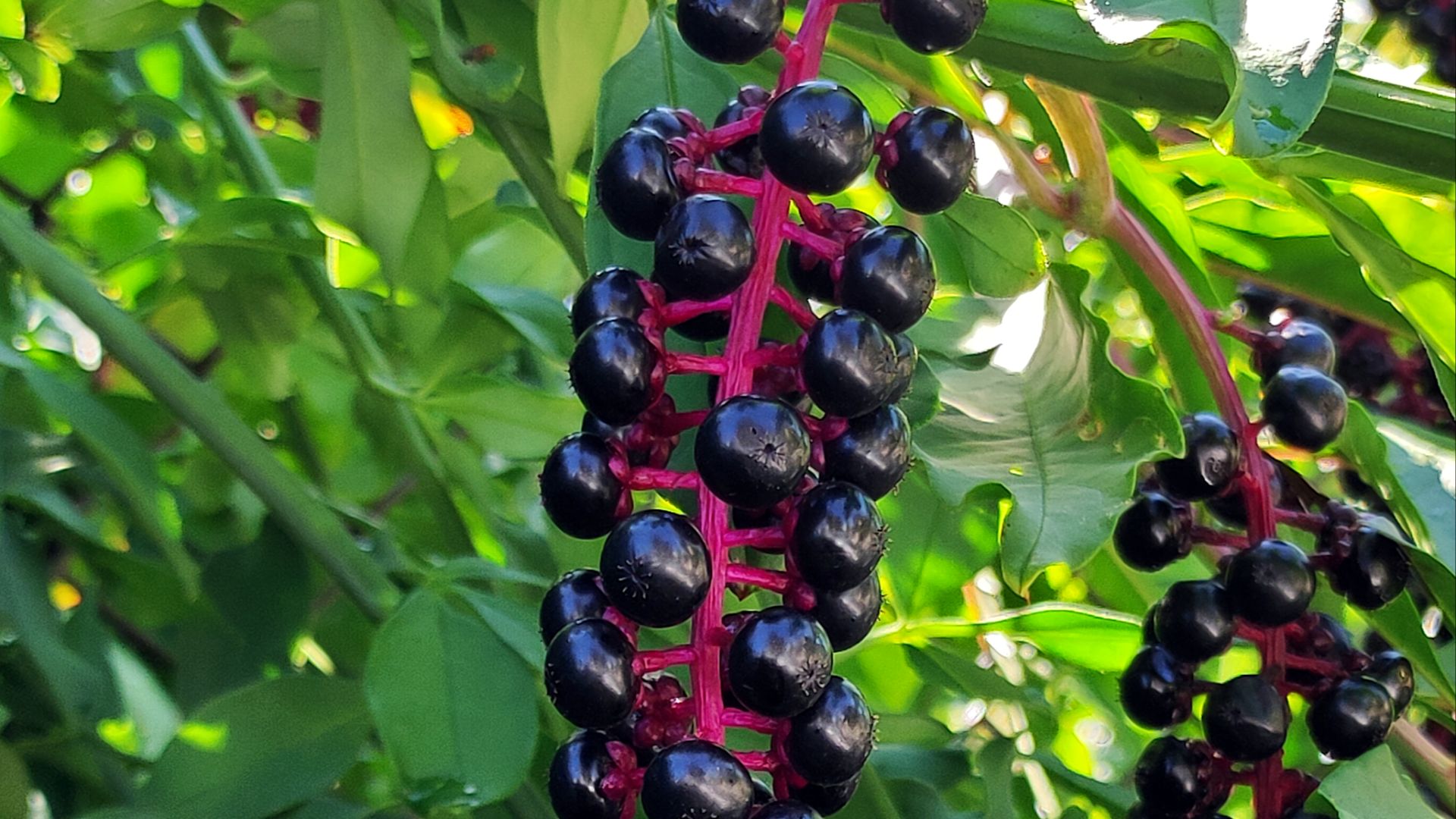
Before gathering any fruit, learn about the dangerous plants that grow in your area. Pokeberries, for example, grow in grape-like clusters but can cause stomach pain, vomiting, and diarrhea when eaten. Similar appearances can highlight red flags just to be safe.
3. The Plant Has Irritating Sap or Oils
Avoid plants that release milky sap, cause skin irritation, or leave an oily residue when touched. These features don’t automatically prove that the berries are poisonous, but they're a strong enough reason not to handle or eat them.
4. Animals Eat It, but You Don’t Recognize It
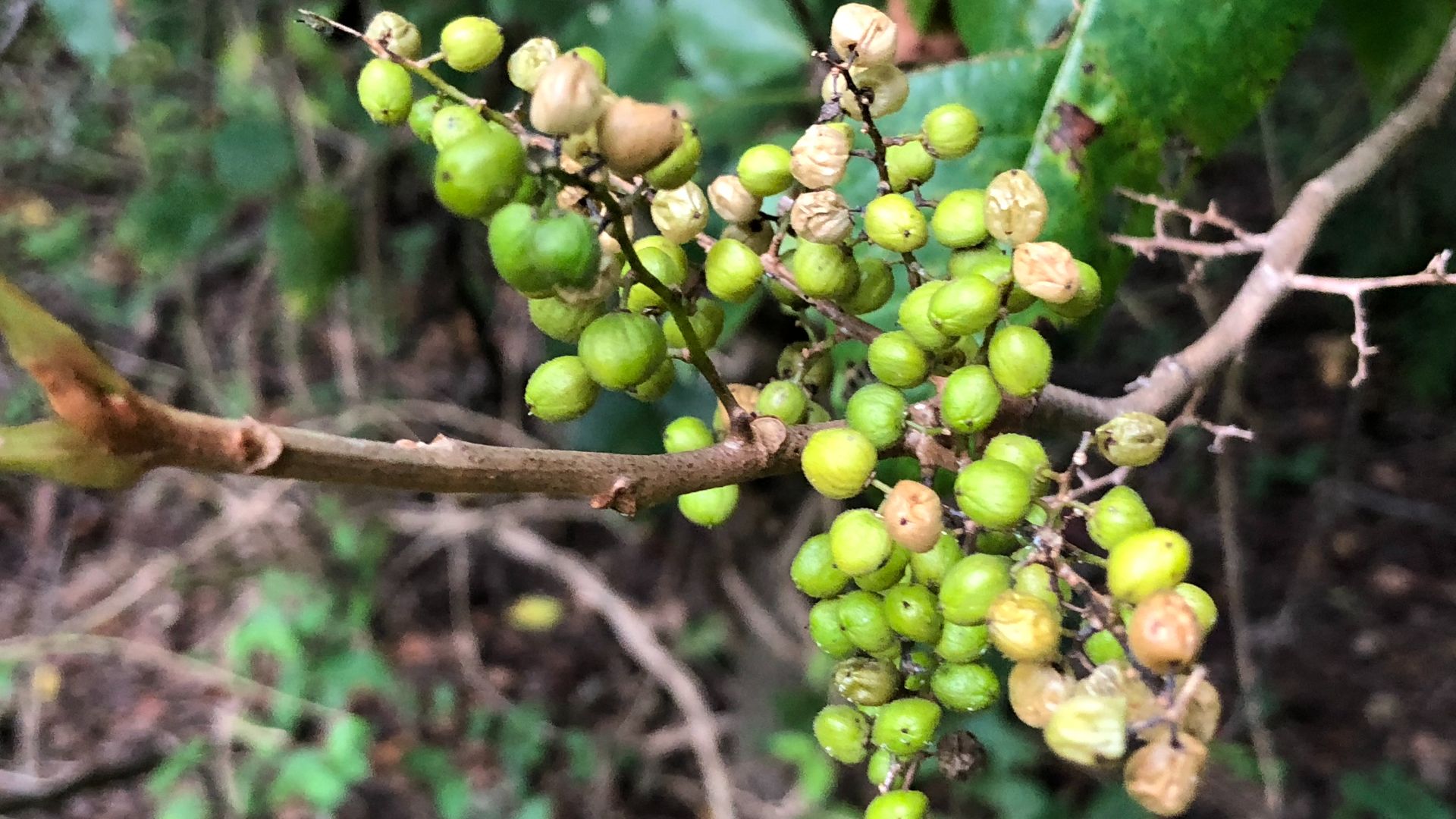
Birds and other wildlife can safely consume certain berries that are harmful to humans, so don't treat that as reason to forage them. Western poison ivy fruits, for instance, are eaten by wildlife even though the plant can harm people.
5. It Causes Symptoms After Accidental Contact or Ingestion
Nausea, vomiting, diarrhea, stomach pain, dizziness, or unusual drowsiness after eating an unknown berry may indicate poisoning. Don’t wait for symptoms to become severe, contact your local poison control center or emergency services immediately and keep a sample or photo of the plant to provide more information.