
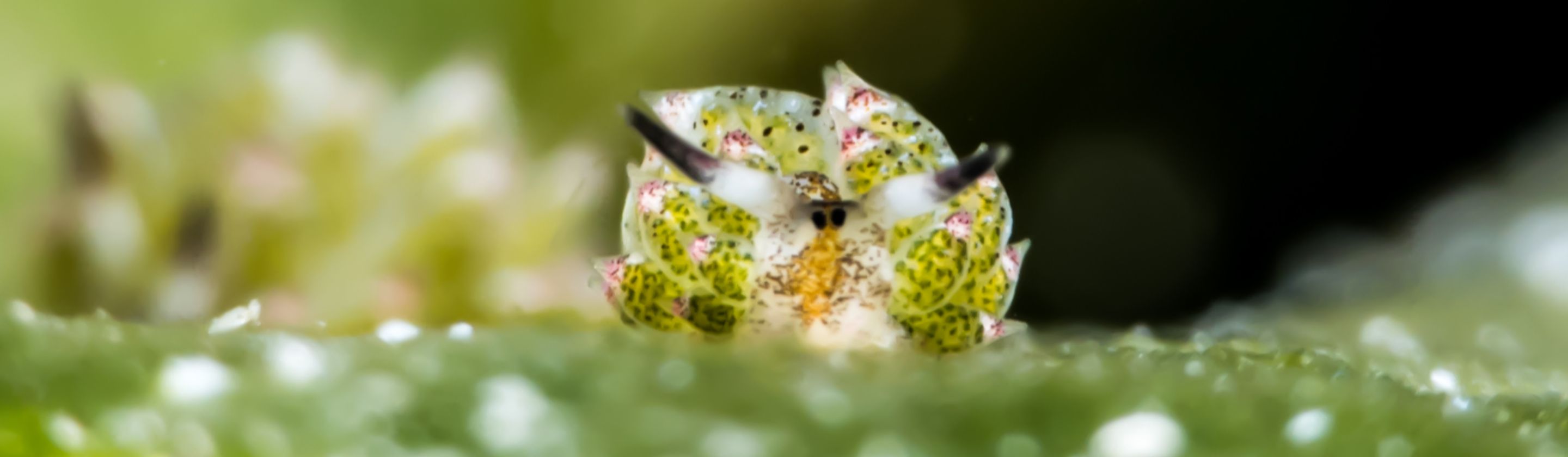
A Small Slug With a Big Reputation
The leaf sheep, scientifically known as Costasiella kuroshimae, is a small sea slug admired for its unusual appearance and fascinating biology. You might not have guessed it was a slug from its name, but one look and we know you'll want to know more about this interesting creature. Here are just five fun facts!
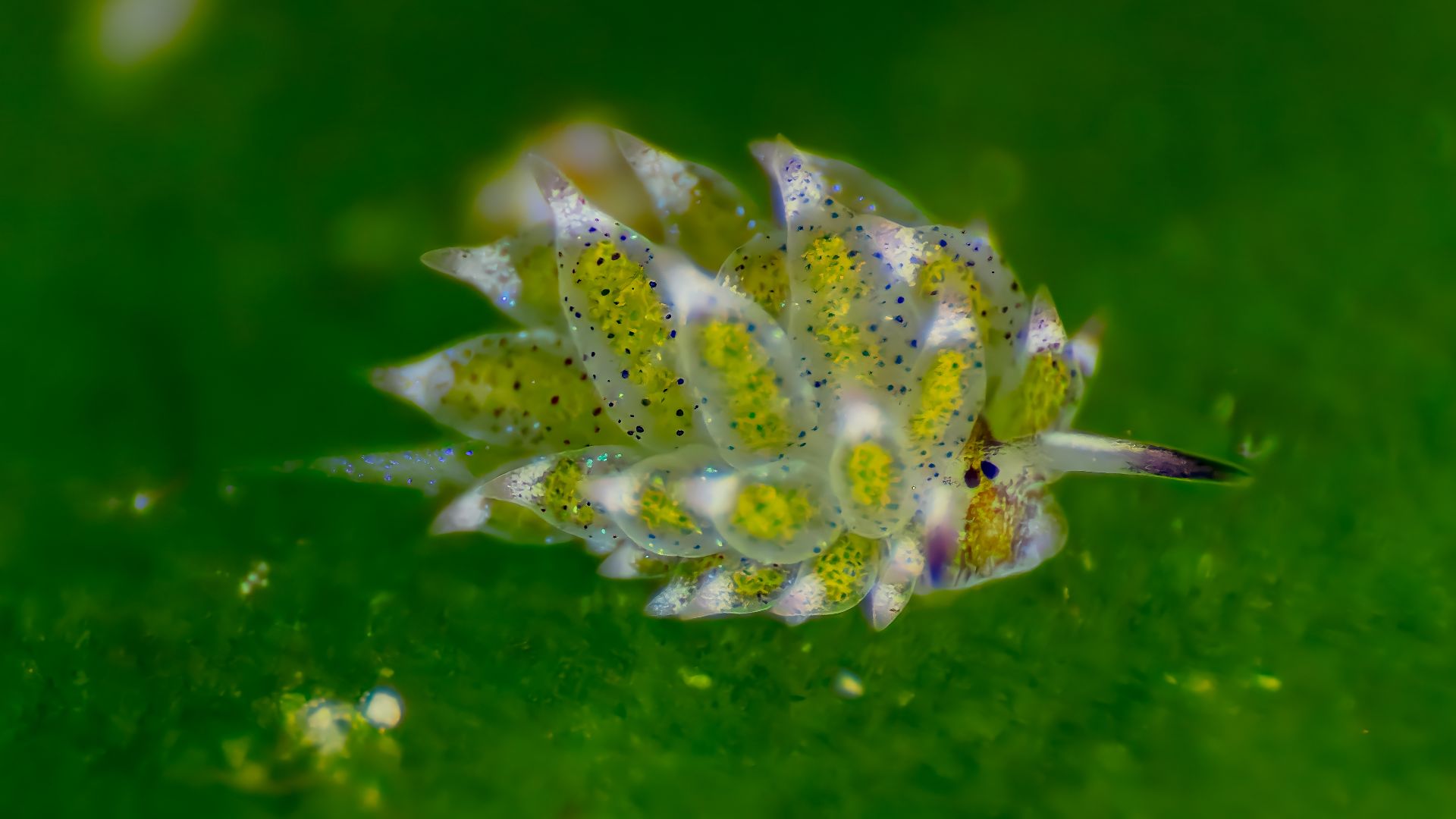
1. It Is a Real Sea Slug
The name might be a little misleading, but the leaf sheep is not a plant, a sheep, or a fictional creature. It's a real animal also known as a shell-less marine gastropod belonging to a group of sea slugs. Its charming common name comes from its rounded face, dark eyes, and small sensory structures on its head.
2. It Was First Described in Japan
The species was first described in 1993 from waters near Kuroshima Island in Japan. Its scientific name, Costasiella kuroshimae, reflects that connection to Kuroshima. Since then, this adorable creature has also been reported in other warm waters such as the Philippines and Indonesia.
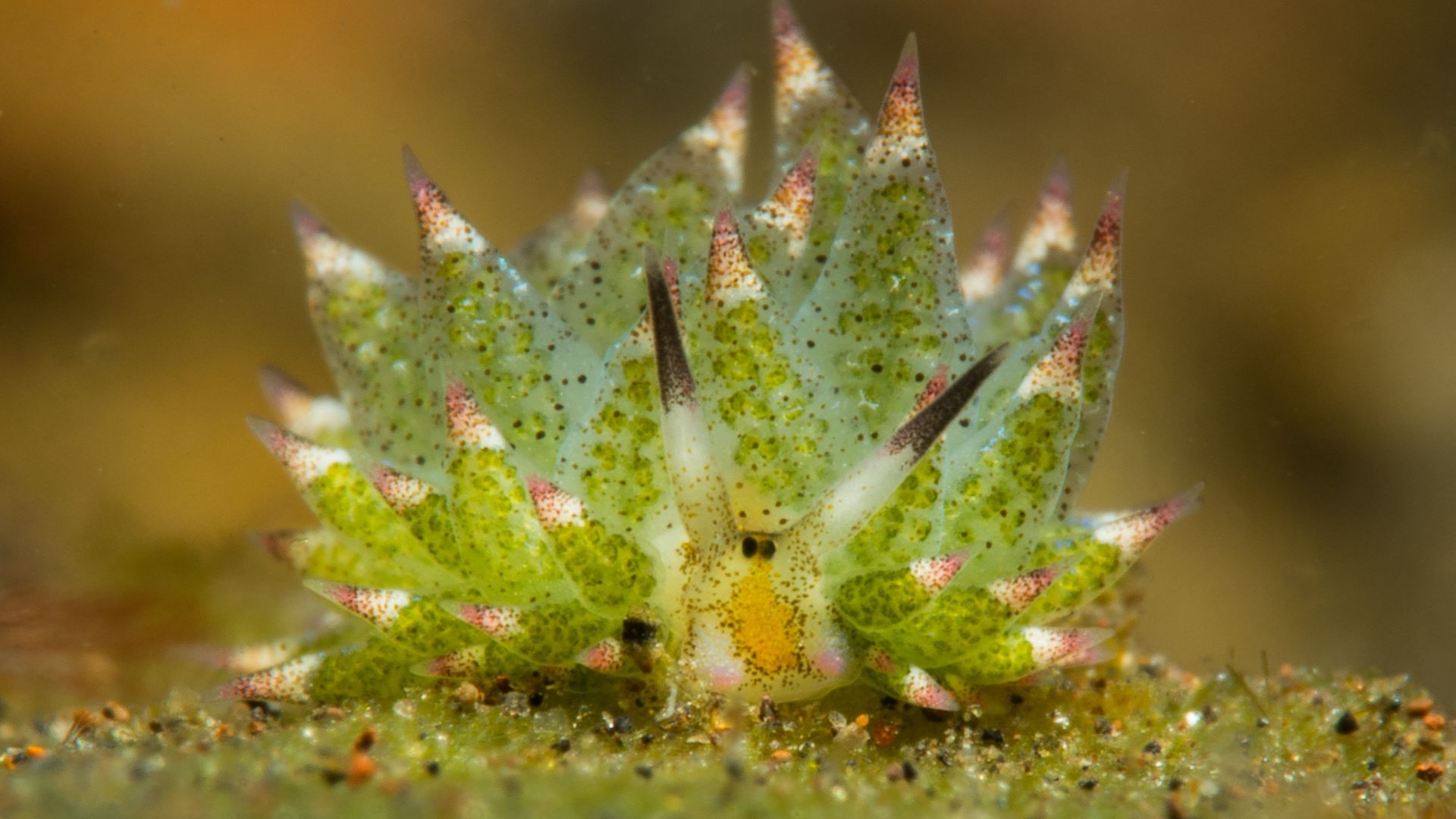 Alif Abdul Rahman on Wikimedia
3. It Feeds on Algae
You might be wondering what such an adorable creature could possibly eat. Well, the leaf sheep spends much of its life around algae, so that's what it eats! It feeds by piercing algal cells and sucking out their contents.
4. It Can Use Chloroplasts From Its Food
When the leaf sheep eats algae, it can retain chloroplasts from that algae inside its own tissues. This process is called kleptoplasty, and the retained chloroplasts can continue to help the slug obtain energy from sunlight for a limited time.
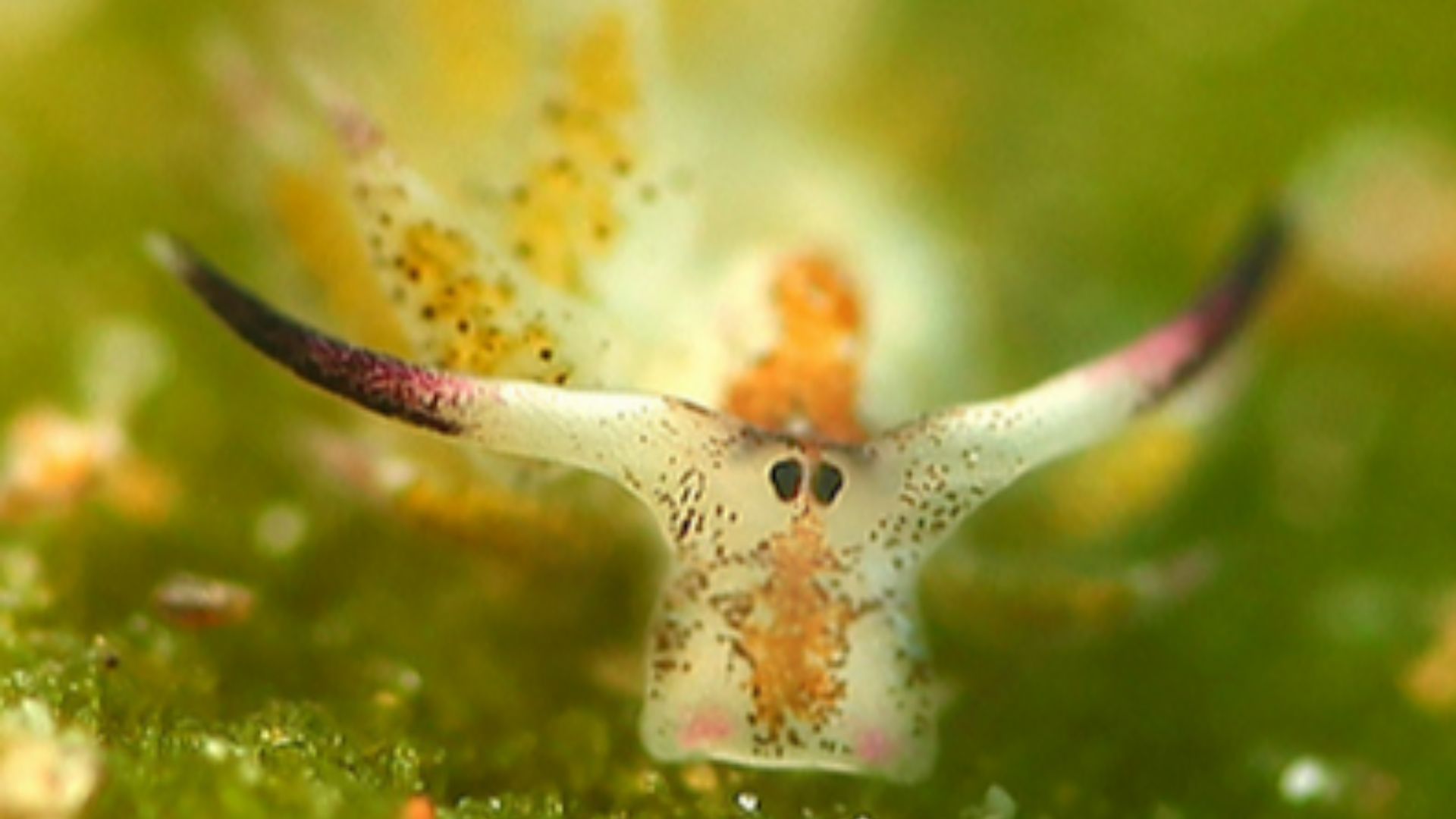
5. Its Body Has Useful Little Structures
The leaf sheep doesn't just look adorable, its body is also very practical. It has small projections on its body called cerata which can help with respiration and also store chloroplasts taken from algae. It also has rhinophores on its head, which help it detect chemical signals in the water.