There’s Plenty to Fear
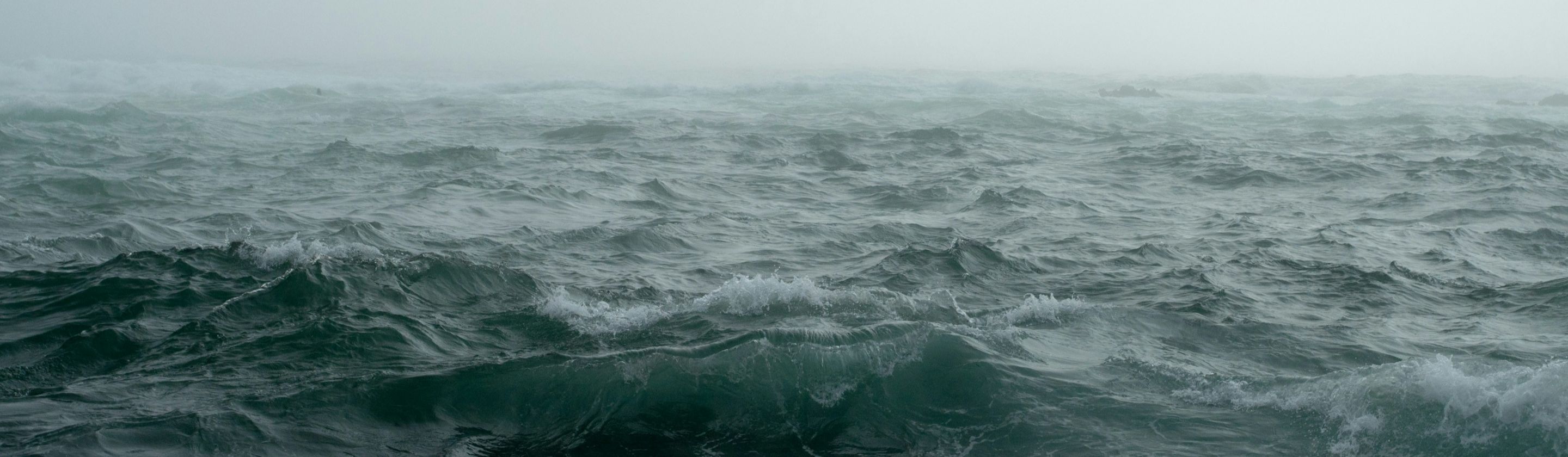
The ocean may look peaceful from a sunny beach, but we’re not talking about gentle waves or a stunning sunset. No, we’re talking about an enormous environment filled with darkness, pressure, violent activity, and creepy creatures. Scientists have made remarkable progress in studying our oceans, but much of the deep sea remains poorly observed. As it turns out, the ocean is absolutely something to fear—and we have five reasons why.
1. Most of It Hasn’t Been Seen Up Close
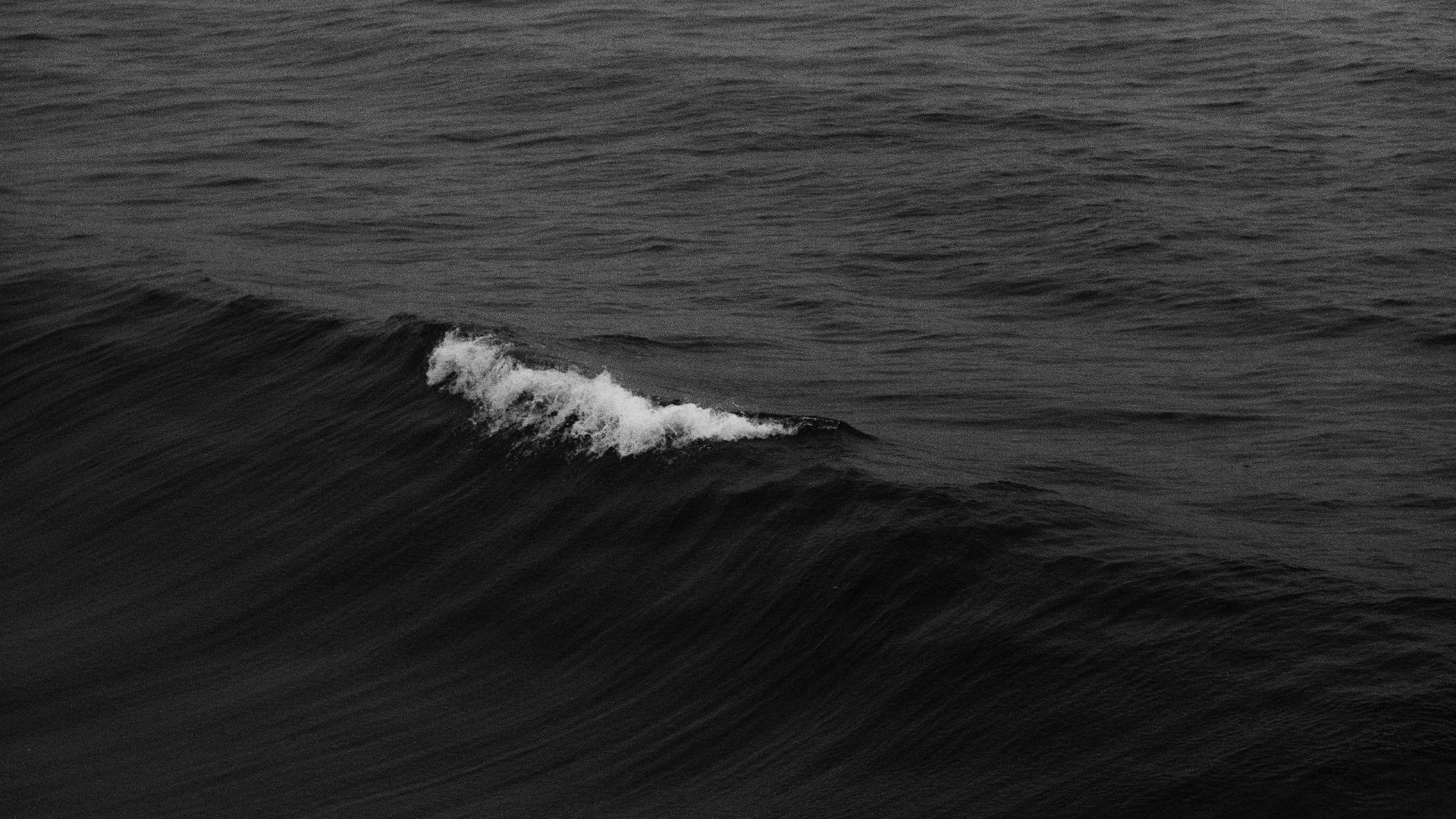
The ocean covers roughly 70% of Earth, but we have directly explored only a small portion of its interior. Remember: mapping the seafloor doesn’t mean scientists have examined everything living there. Vast stretches remain so foreign that researchers regularly encounter organisms and habitats they haven’t even seen before.
2. The Deepest Water Would Crush You
Pressure rises quickly as you descend, becoming hundreds of times greater than atmospheric pressure in the trenches. What does that mean for the average unprotected person? That they couldn’t survive those conditions, and even specialized equipment must be carefully engineered to avoid collapsing.
3. Total Darkness Is Normal
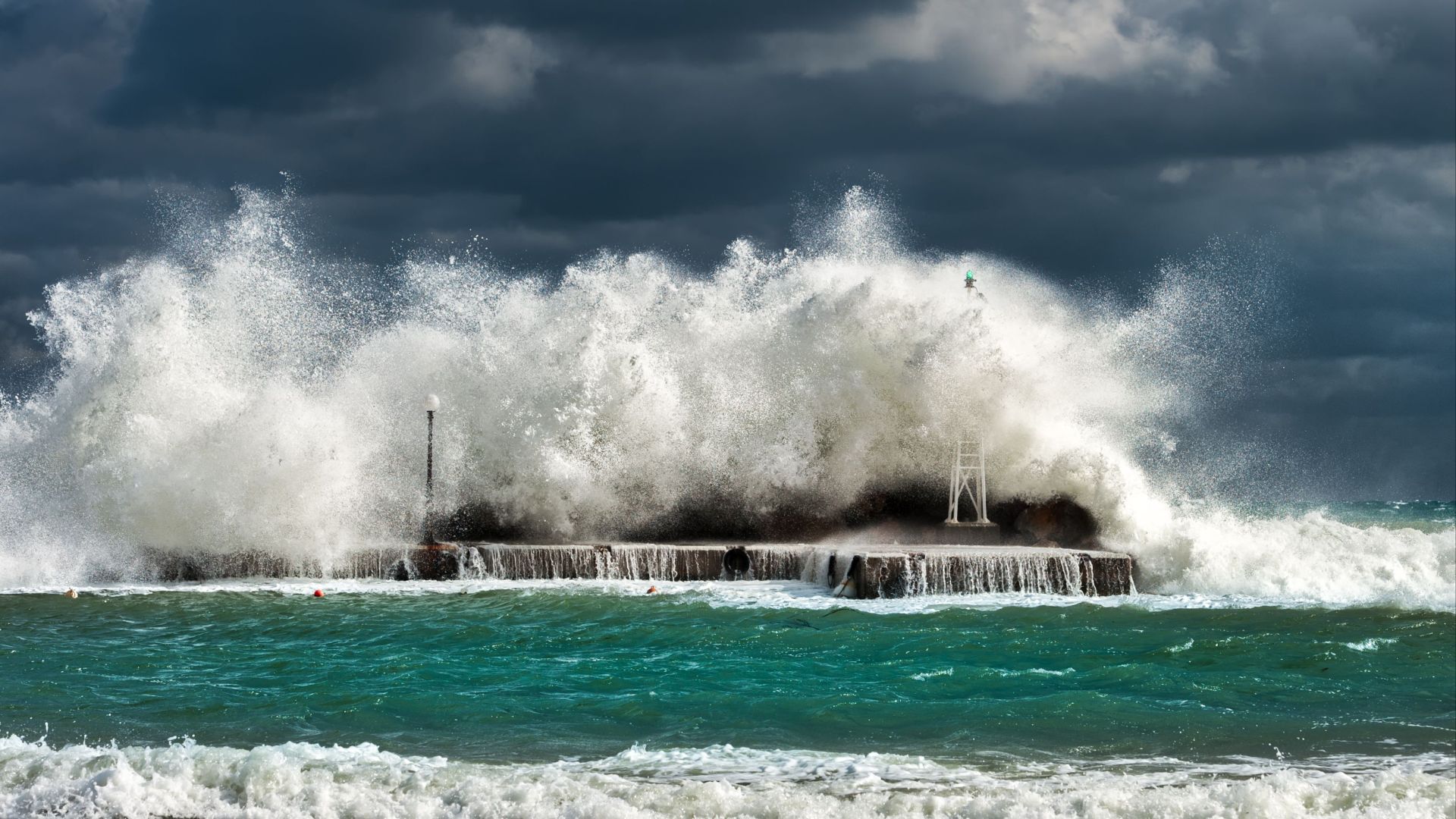
Sunlight fades beneath the surface, and the ocean gets completely dark at depths beyond approximately 3,280 feet. That’s not even the end of it. Temperatures hover near freezing, food is scarce, and many creatures produce their own light to hunt, communicate, or hide. Basically, you have no idea what’s waiting.
4. Rogue Waves
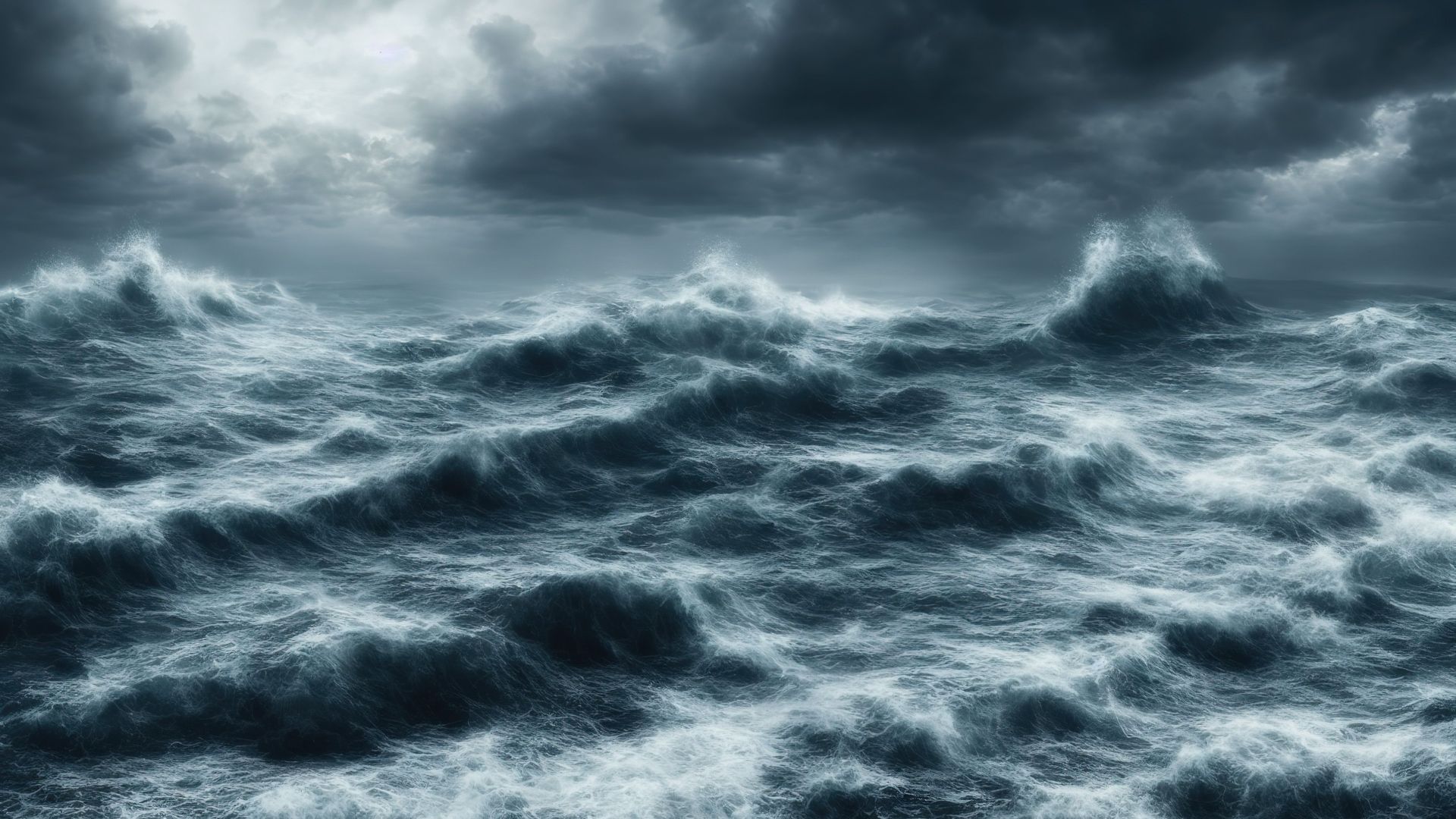
Rogue waves aren’t old sailors’ stories—scientists recognize them as genuine events. Long story short, these walls of water can reach more than twice the height of surrounding waves and can even approach from an unexpected direction. Their unpredictable nature makes them especially dangerous to ships that have no idea they’re coming.
5. Most Volcanic Activity Happens Underwater
Approximately three-quarters of Earth’s volcanic activity occurs beneath the ocean, often along the vast seafloor. That means many eruptions happen more than a mile below the surface, where people on land never see the stuff that would alert us to an eruption, like smoke or lava. The planet’s also continually producing new crust beneath dark water, which is a mildly unsettling thought during your next swim.