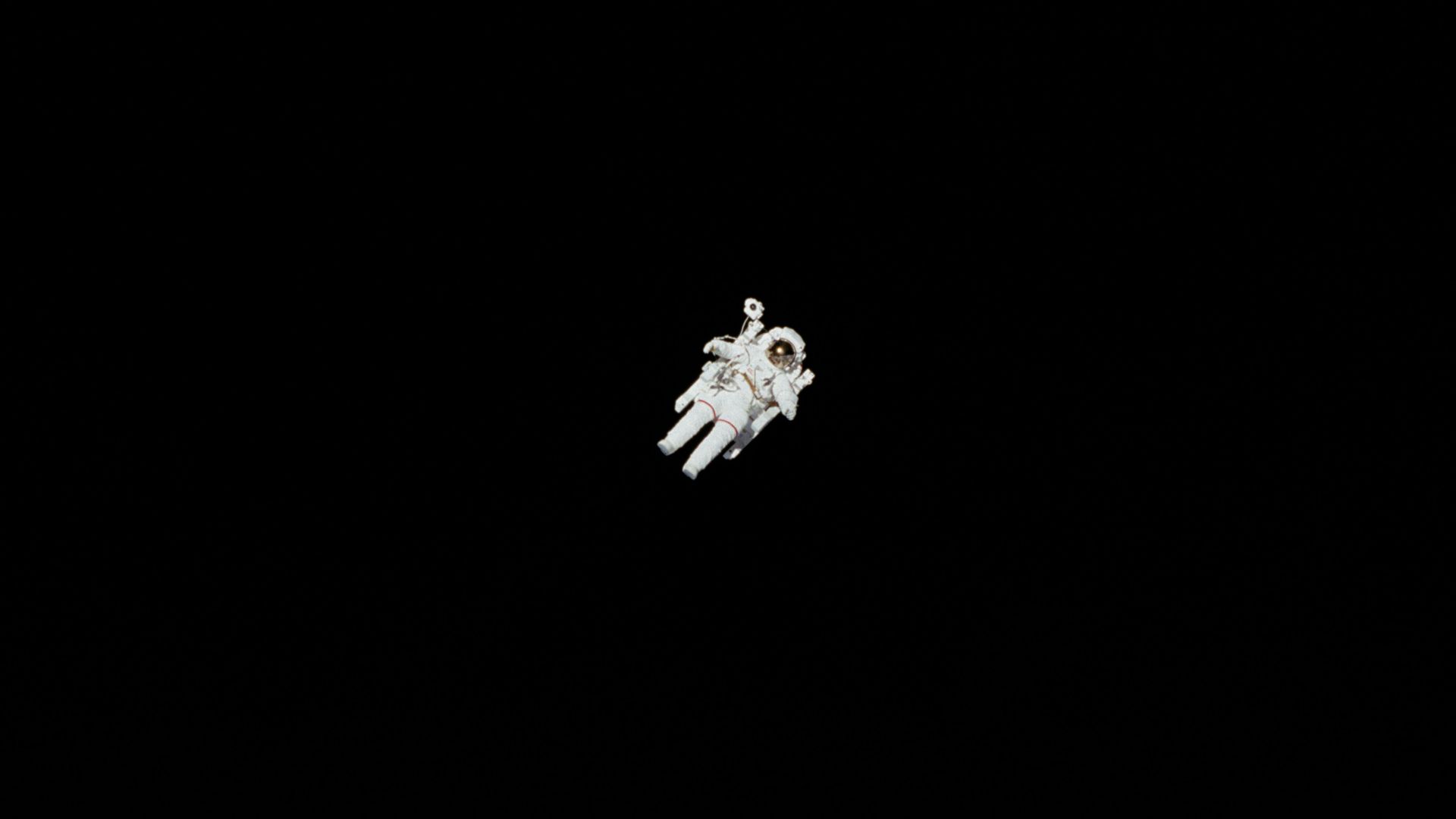

Not Every Mission Makes the Highlight Reel
NASA's history is packed with extraordinary achievements, but space exploration is notoriously unforgiving, and even seemingly minor problems can doom missions. Though they’re at the top of their game, NASA has also fallen victim to missions that went spectacularly off-script.

1. Mariner 1 Went Off Course
NASA's first attempt to send a spacecraft past Venus didn't last very long. Mariner 1 launched in 1962, but problems with its guidance system caused it to veer off course. A range safety officer ordered its destruction less than five minutes after liftoff, bringing the whole thing to a swift close.
2. Apollo 1 Ended In Tragedy
Unlike many failures, Apollo 1 never actually left the launchpad. During a preflight test in 1967, a cabin fire took the lives of astronauts Gus Grissom, Ed White, and Roger Chaffee. The disaster exposed legitimate problems, prompting major changes that ultimately helped make later Apollo missions safer.
3. Mars Observer Fell Silent
Mars Observer was supposed to spend a Martian year studying the planet's surface after launching in 1992. Sounds cool, right? Instead, controllers permanently lost contact with the spacecraft in 1993, just days before it was due to enter orbit around Mars.
4. Mars Climate Orbiter Mixed Up Its Measurements
Sometimes all it takes is one expensive mistake to bring down something basic. NASA lost the Mars Climate Orbiter in 1999 after one team used English units while another expected metric measurements. The result sent the spacecraft way too close to Mars, where it was lost rather than settling into its orbit.
5. Genesis Had a Rough Landing
The Genesis spacecraft successfully collected particles from the solar wind, but bringing those precious samples home was much harder than anyone anticipated. When its return capsule reached Earth in 2004, its parachutes didn’t deploy, and the capsule slammed into the Utah desert. Remarkably, scientists still recovered useful material!