Your Backyard Is Teeming With Life
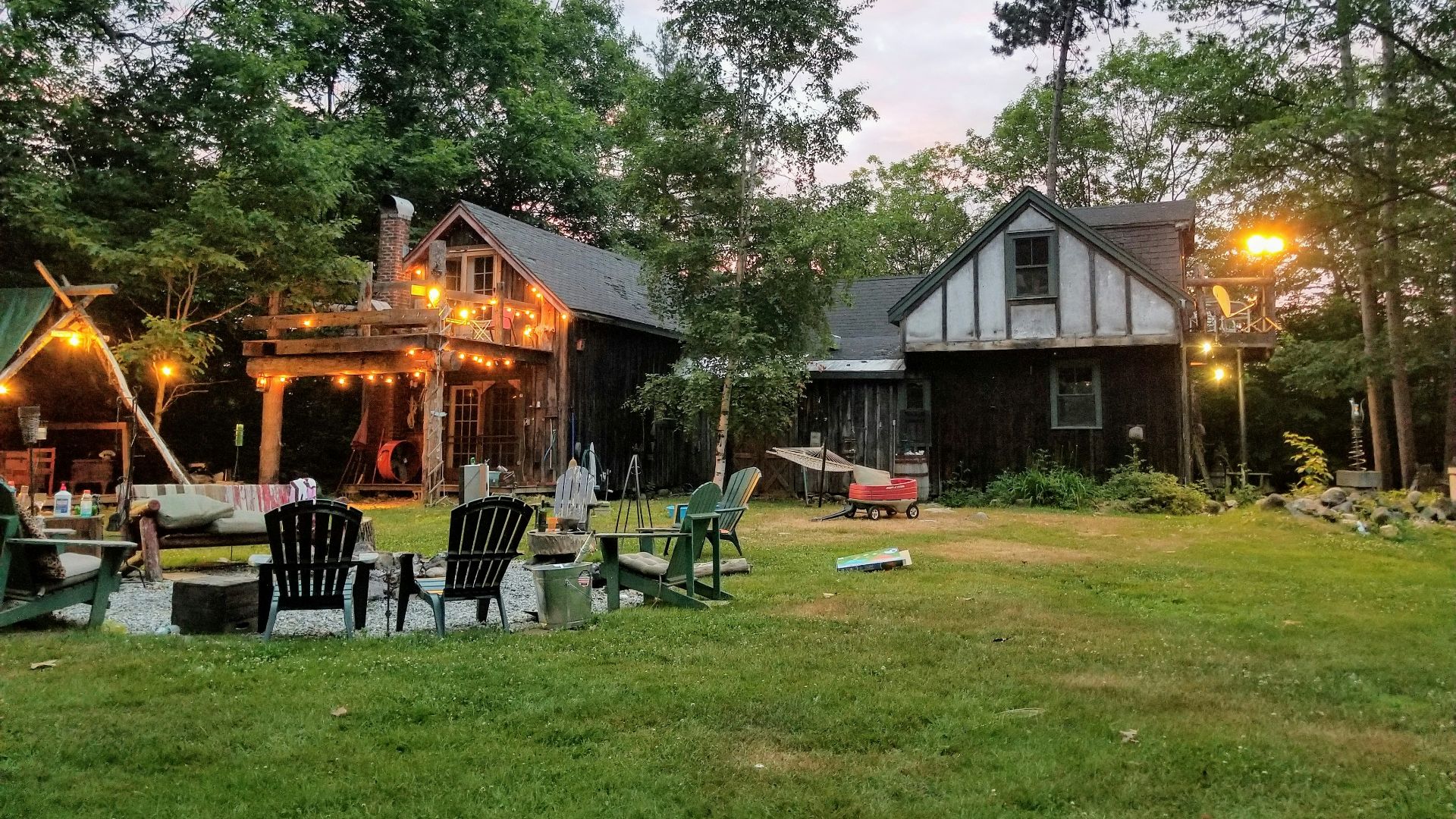
A backyard can be a surprisingly busy place, even when it looks quiet at first glance. Hiding in the leaves, the grass, and behind your trash can are likely little critters just going about their day! Many small animals and insects share the space for food, shelter, and simple day-to-day survival. Some are helpful guests, some are harmless passersby, and a few may test your patience. Here are five critters you’ll commonly encounter, along with what they’re typically doing back there.
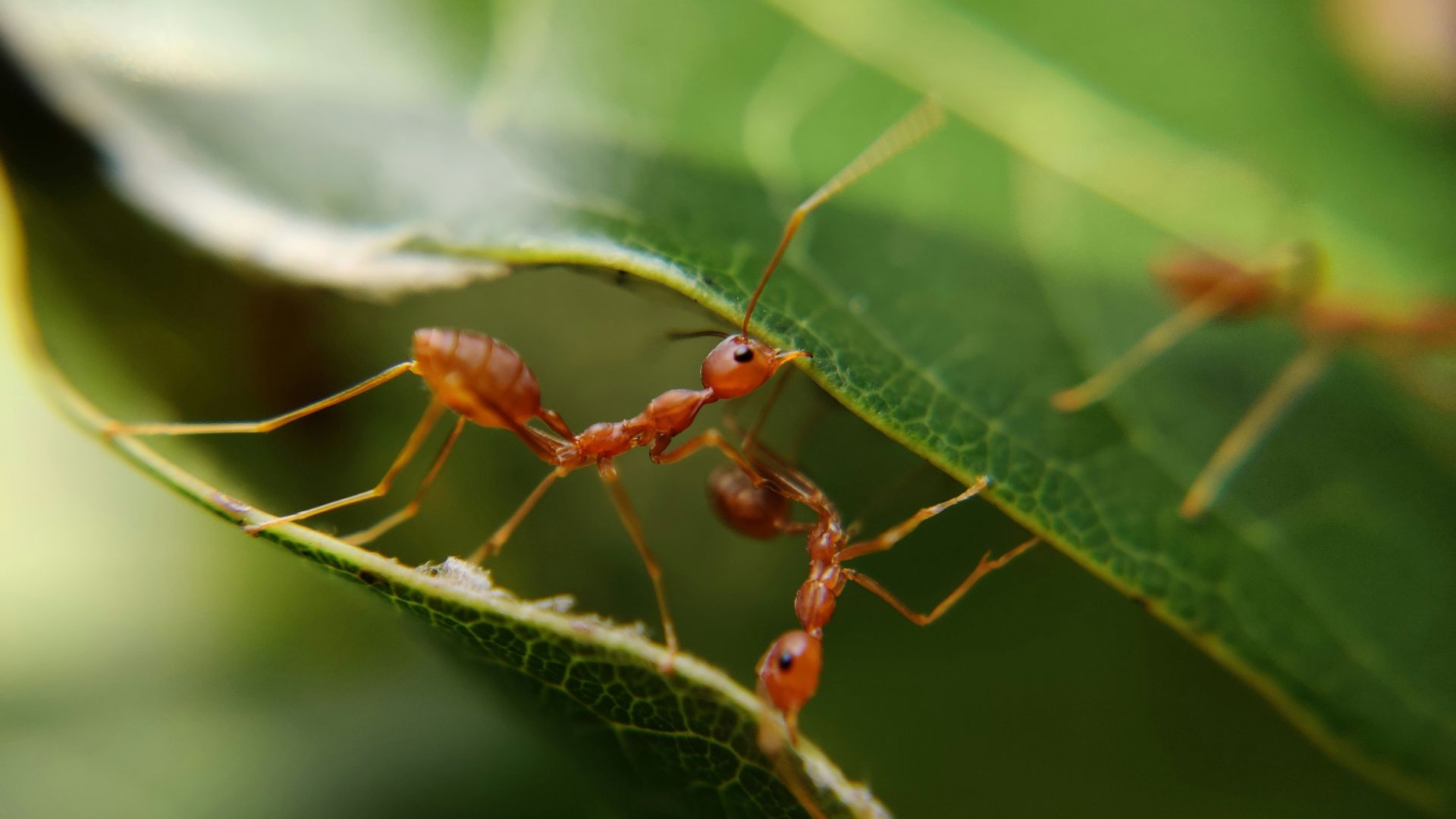
1. Ants
No matter where you go, there likely are ants around and your backyard is no exception. You may notice them moving in lines along patio edges, garden beds, or fence posts. Many species help break down organic material and can even improve soil structure through their tunneling, so as long as they stay outdoors, these are friendly insects to have around.
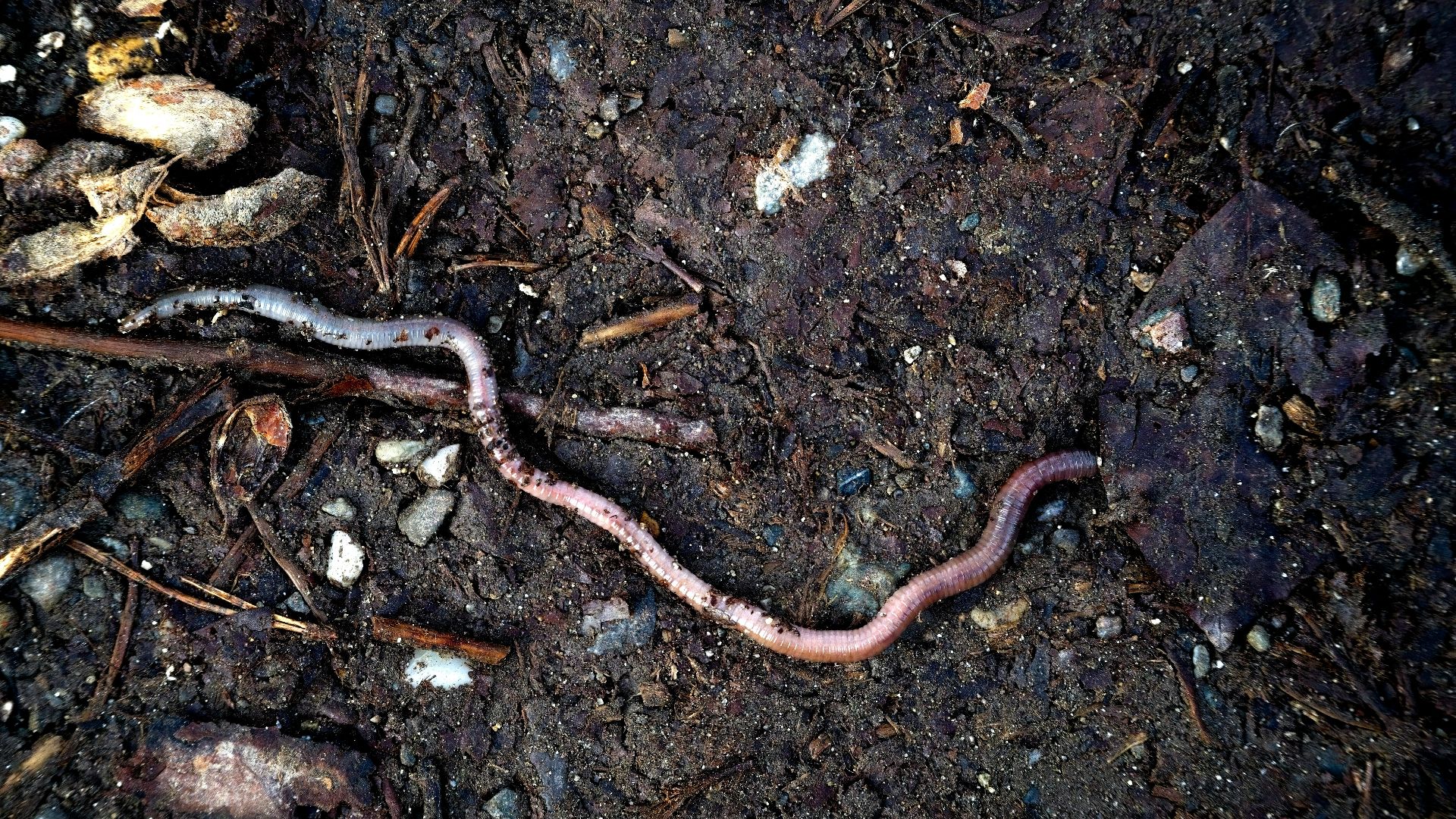
2. Earthworms
Earthworms are easy to miss until you dig in the garden or spot them after a rainy day. They spend most of their time underground, feeding on decaying plant matter and moving through the soil. Their activity can actually help aerate the ground and support healthier plant roots, so even if how they move creeps you out, you want them around.
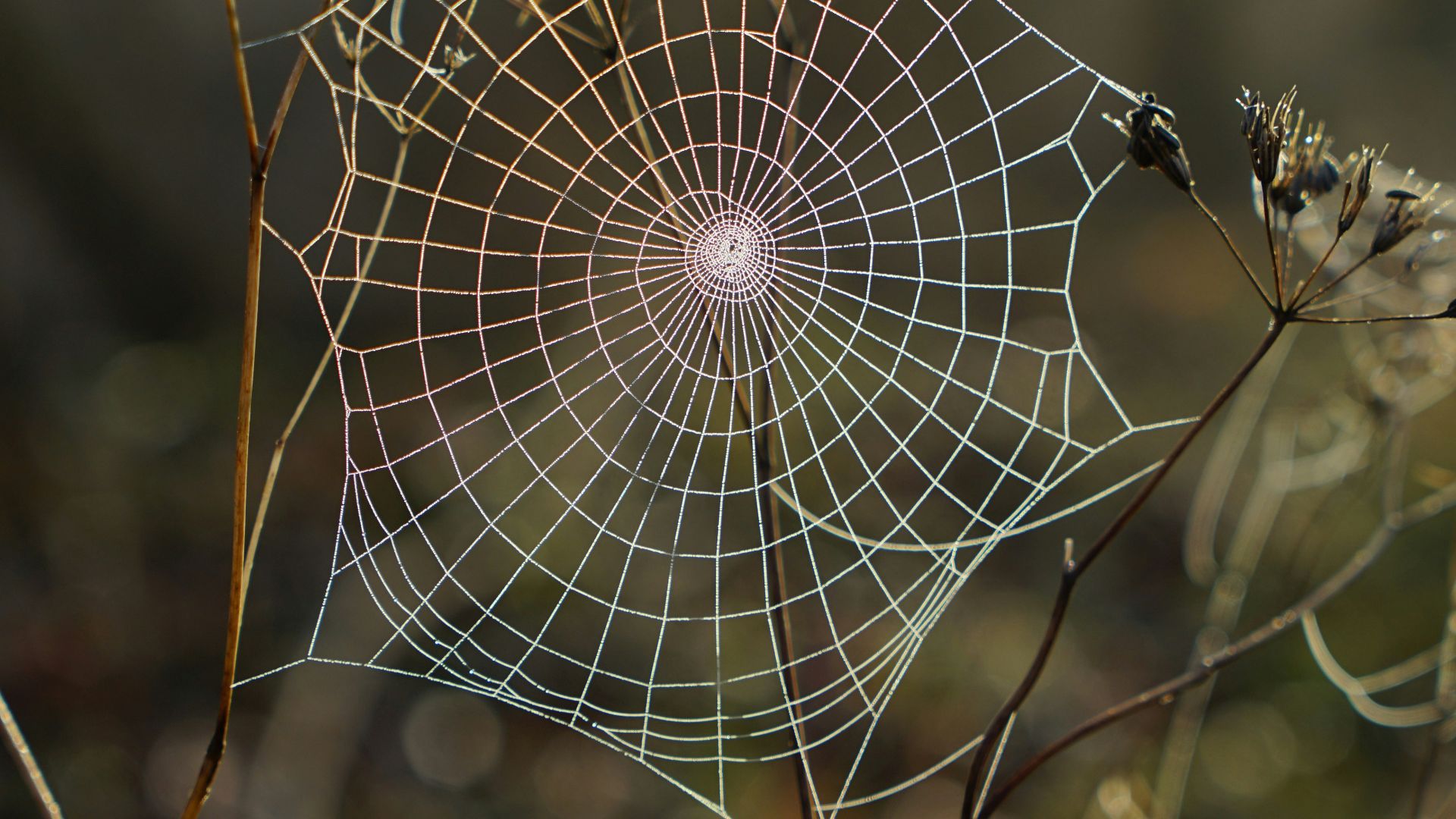
3. Spiders
Arguably the most feared creepy-crawlie around, spiders tend to set up shop in corners where insects are likely to pass by, including near lights, shrubs, and outdoor furniture. On the bright side, most are more interested in catching small prey than interacting with people. Trust us, they're more scared of you than you are of them.
4. Squirrels
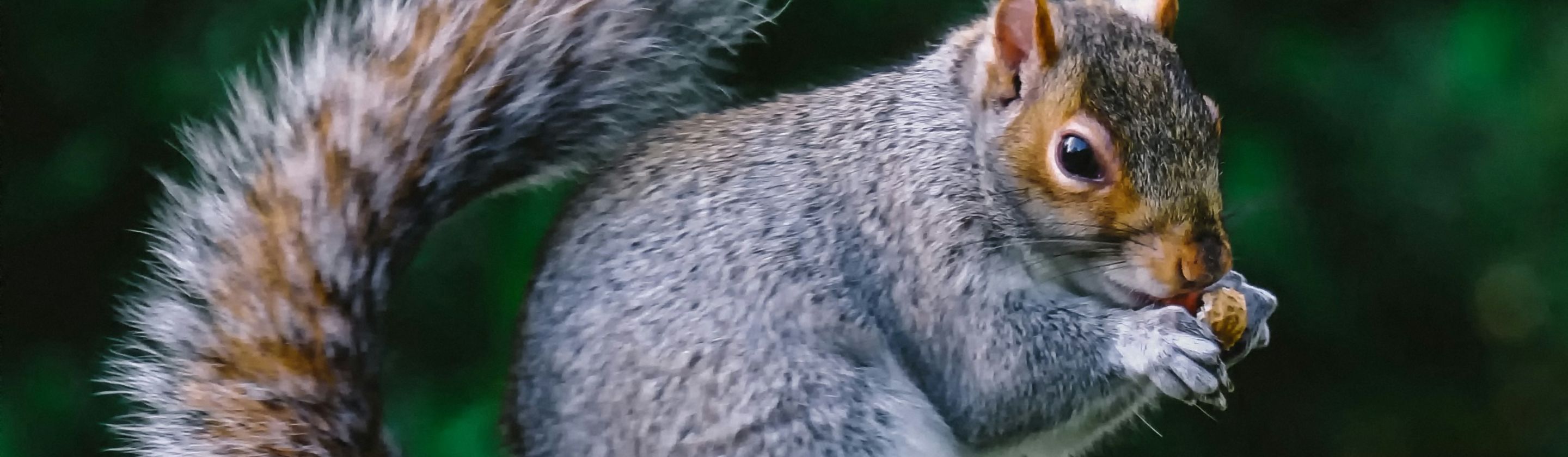
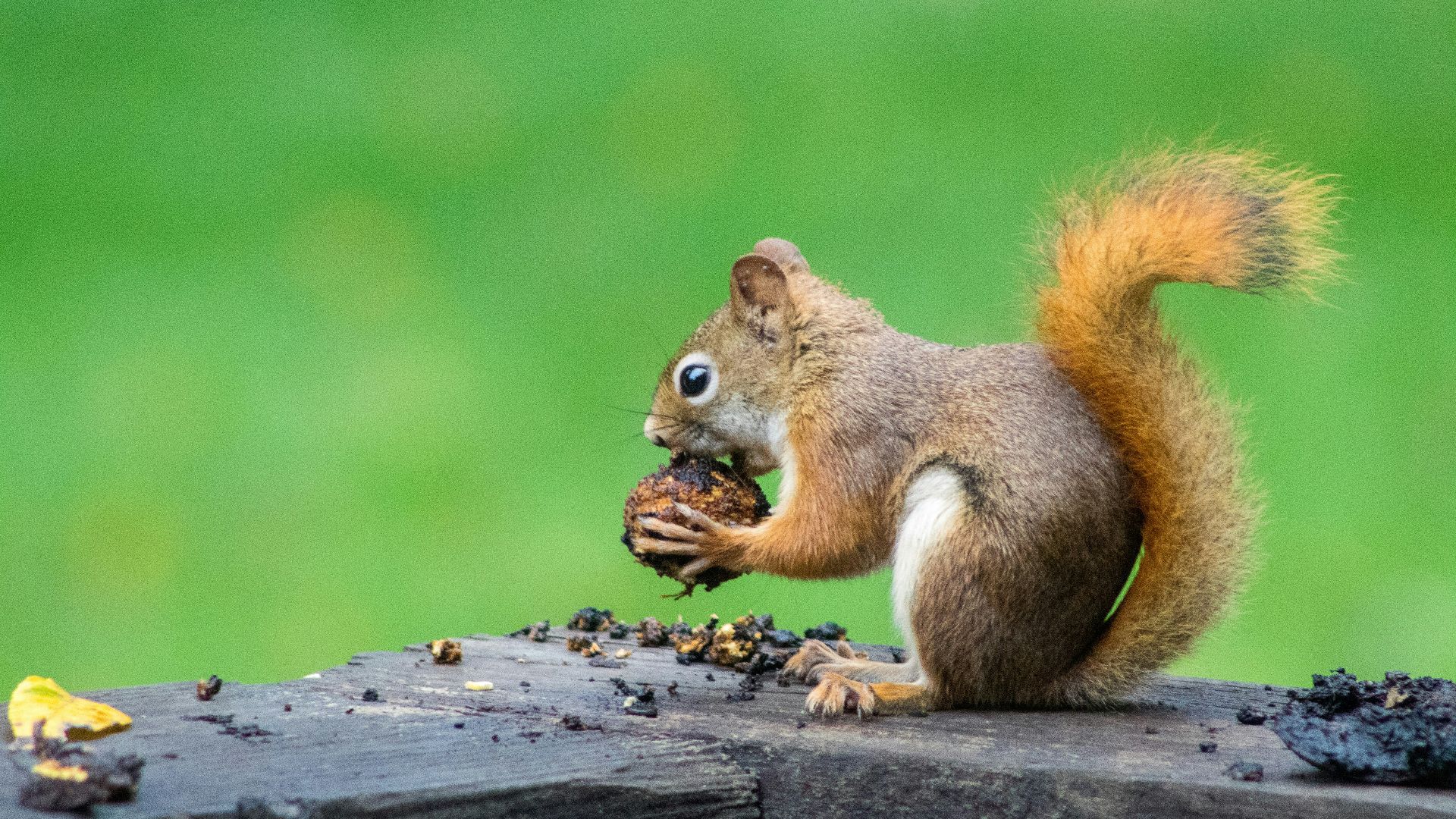
These adorable little critters are frequent visitors in neighborhoods where there are trees, fences, and any bird feeder that's out in the open. Squirrels spend their days foraging, climbing, and occasionally, burying food in your lawn. If you have fruit trees or bulbs, you likely see them around very often.
5. Songbirds
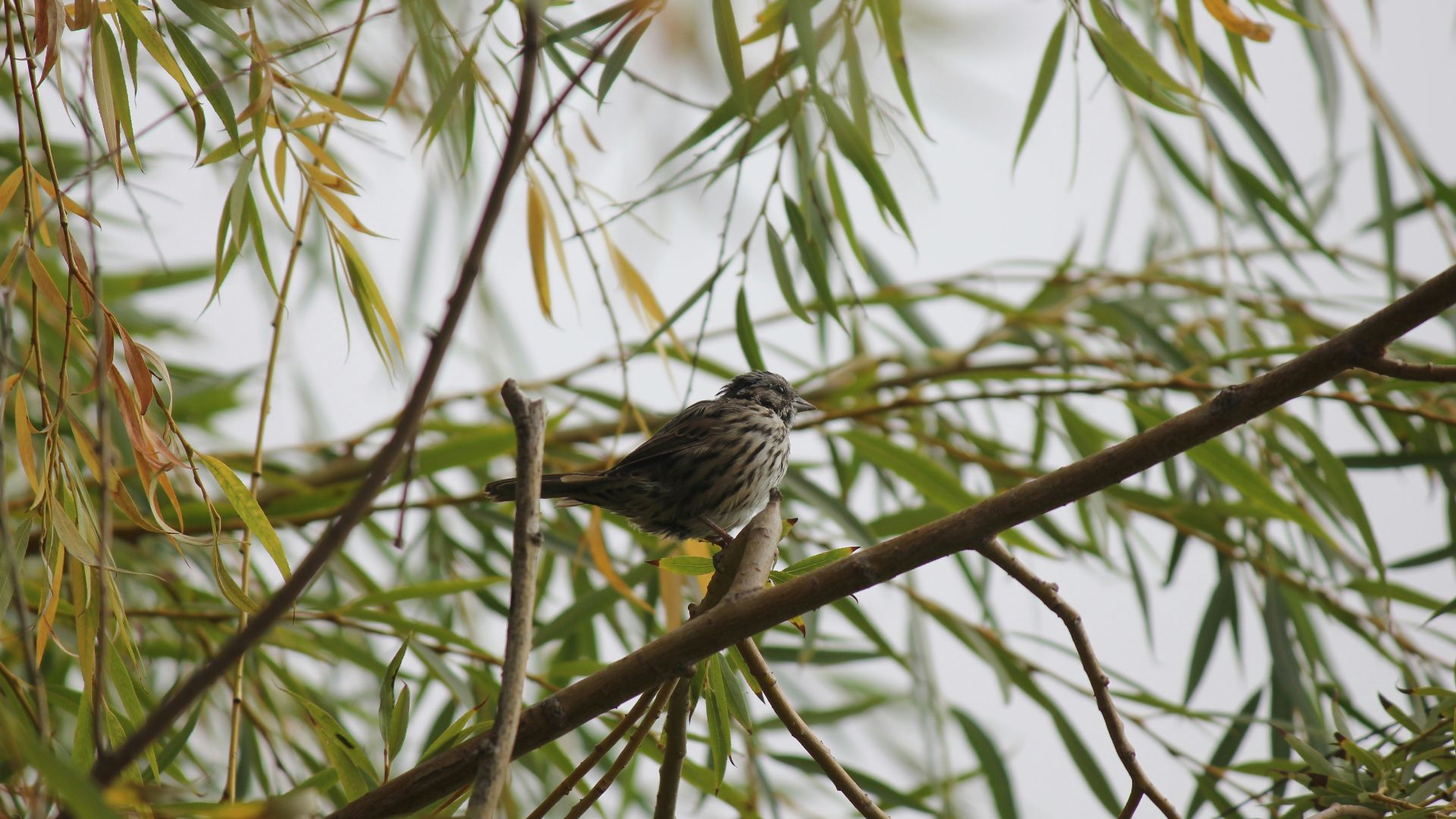
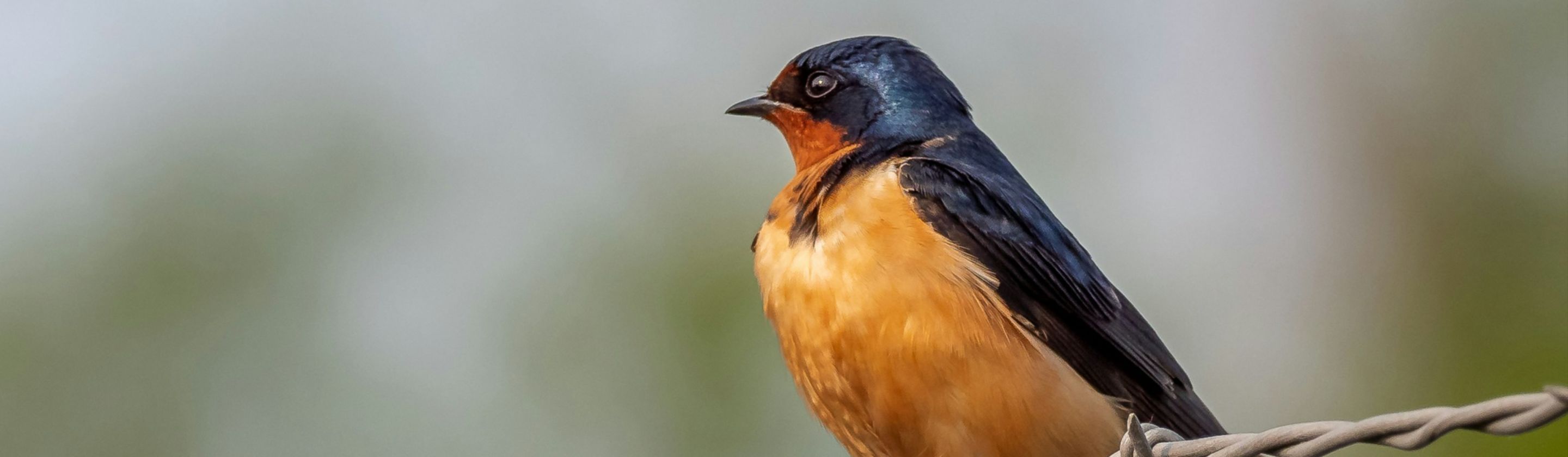
As long as they're not waking you up in the morning, birds are lovely guests to have in your backyard. They’re often hopping along branches and scanning the ground for food in the early hours, with many species helping with pest control by eating insects and larvae around gardens. With a feeder, birdbath, or native plants, you’ll usually see more variety and more frequent visits.