Learn More About The Pacific
You always hear about how little is known about our oceans, but what about what we do know? Today, let's look at the biggest ocean on the planet, the Pacific. This incredible body of water is large, lively, and full of details that reward a closer look. Here are five cool facts that show just how impressive it is.
1) It Is the Largest Ocean on Earth
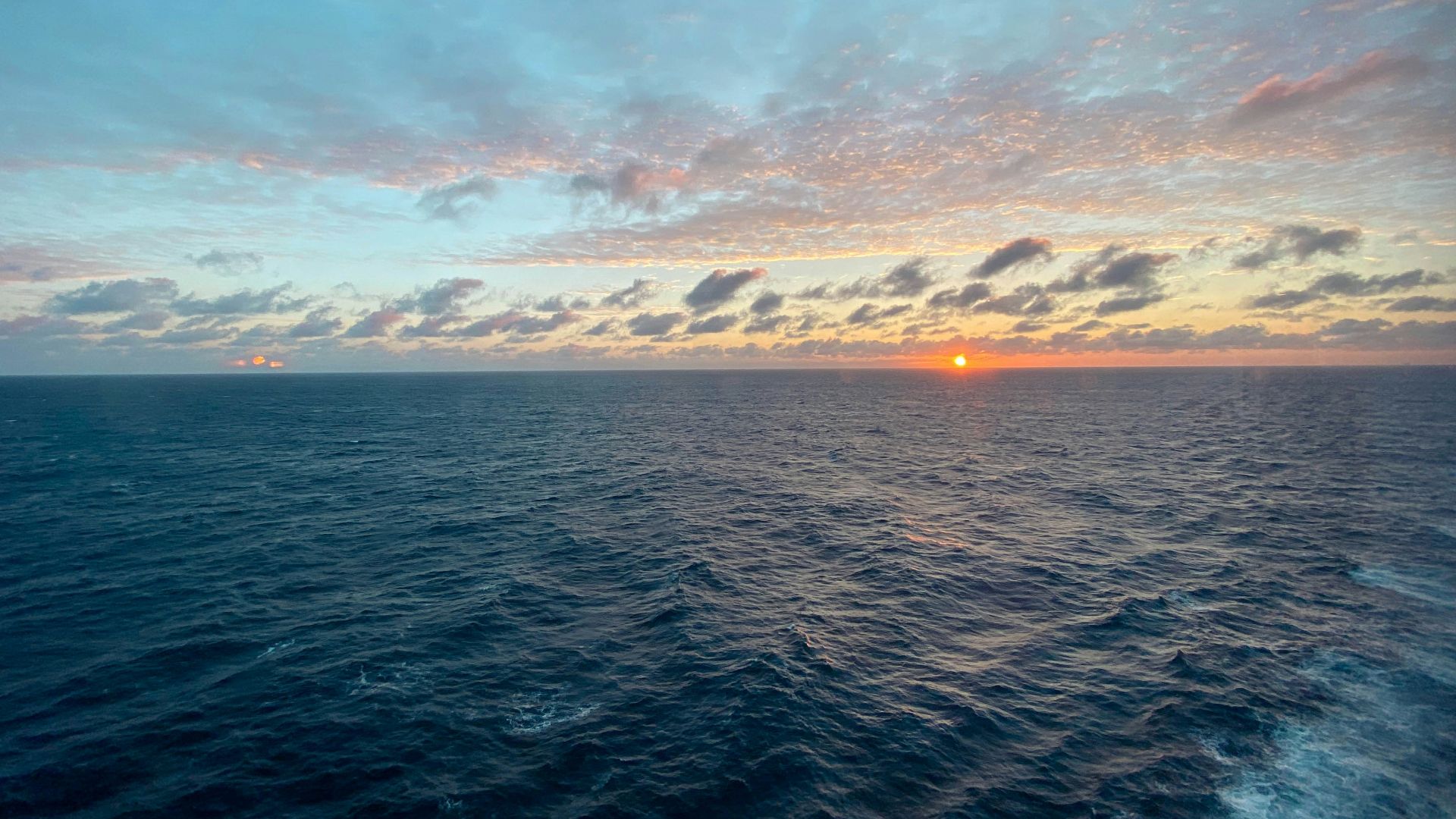
The Pacific Ocean covers more area than any other ocean on the planet. It has an incredible reach, spanning from the Arctic in the north to the Southern Ocean in the south, and from Asia and Australia to the Americas. Its size is so substantial that it contains more than half of Earth’s ocean water!
2) It Contains the Deepest Point in the Global Ocean
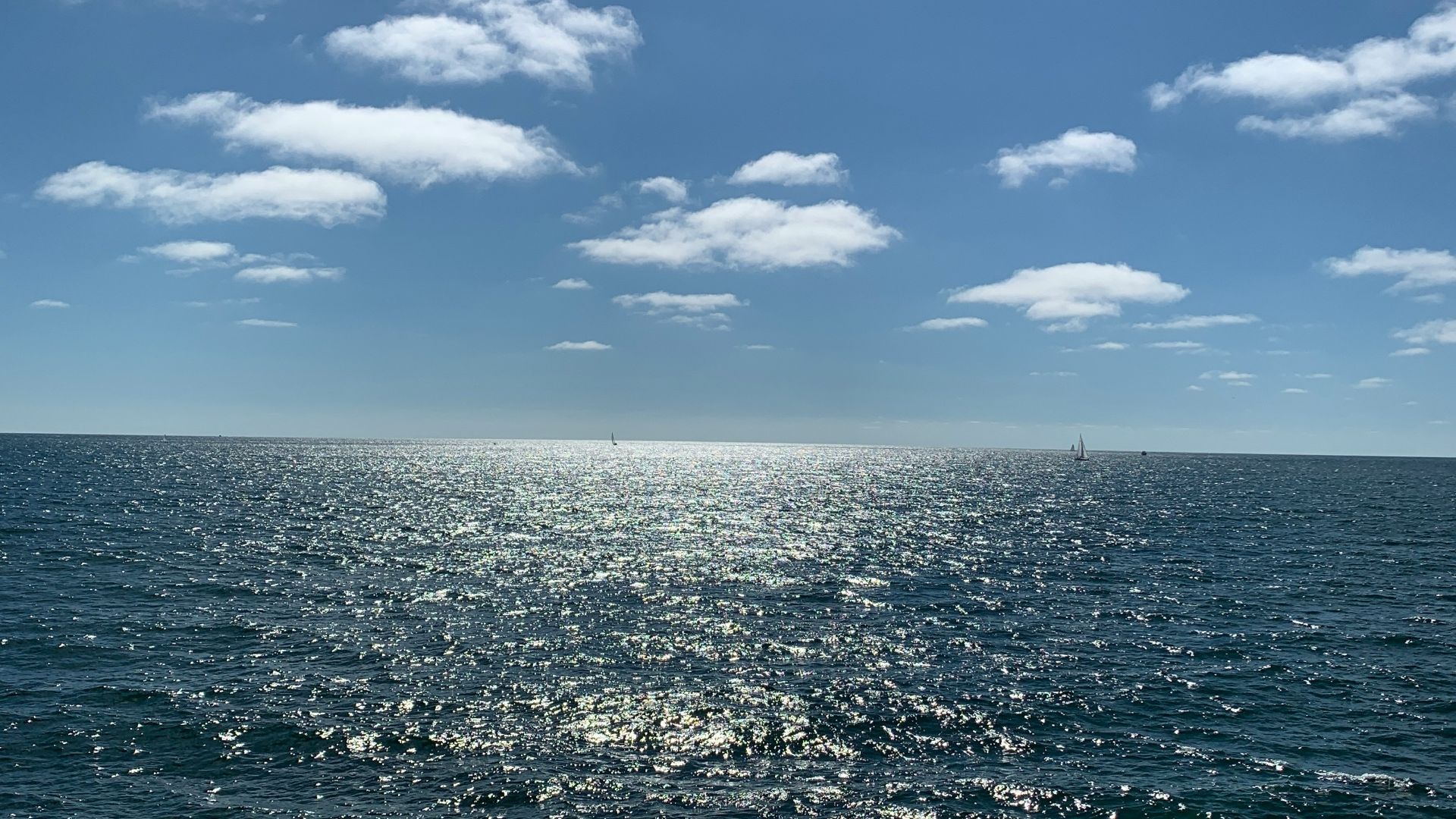
Currently, the deepest known point in the ocean is Challenger Deep, located in the Mariana Trench in the western Pacific. Although the exact depth varies slightly, it roughly reaches 11 kilometers below sea level, making it almost impossible to explore due to the incredibly immense pressure.
3) It Hosts the “Ring of Fire”
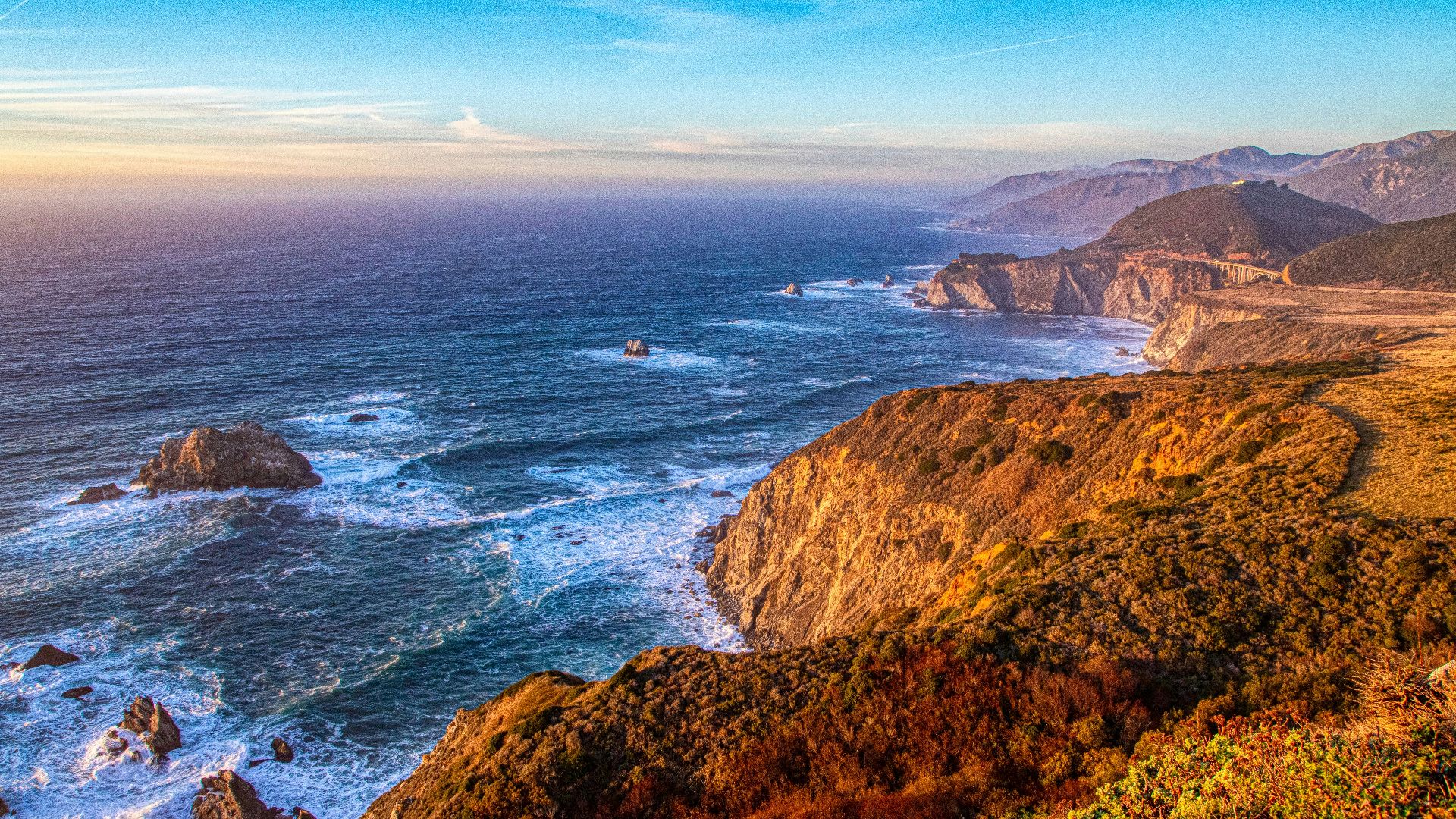
Yes, the Ring of Fire is as terrifying as it sounds! This term is used to describe many of the world’s active volcanoes and major earthquake zones that sit around the edges of the Pacific. This activity happens because multiple tectonic plates meet and interact along the Pacific’s margins, causing nations worldwide to invest heavily in protecting these susceptible areas.
4) It Includes a Remarkable Variety of Islands
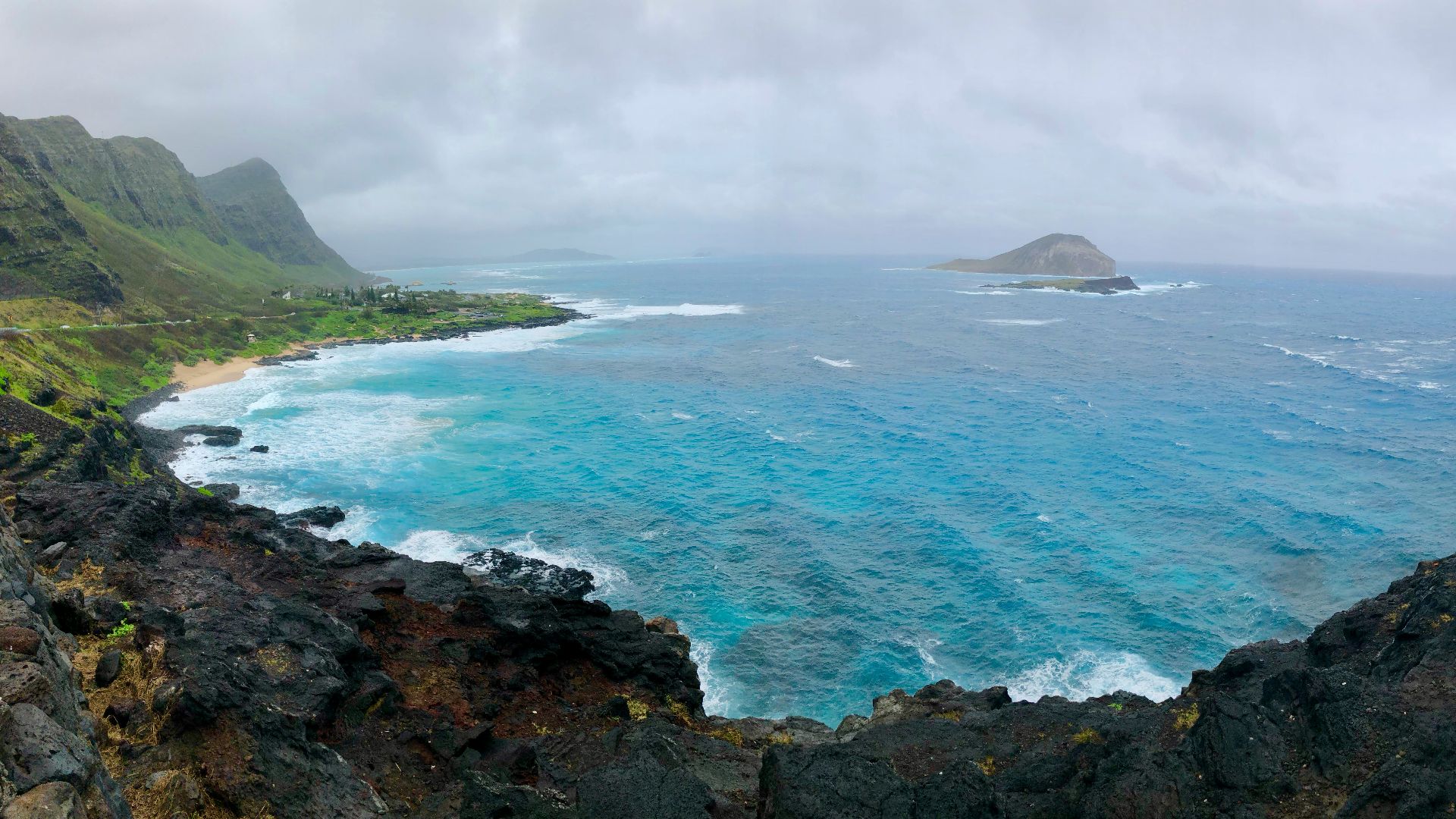
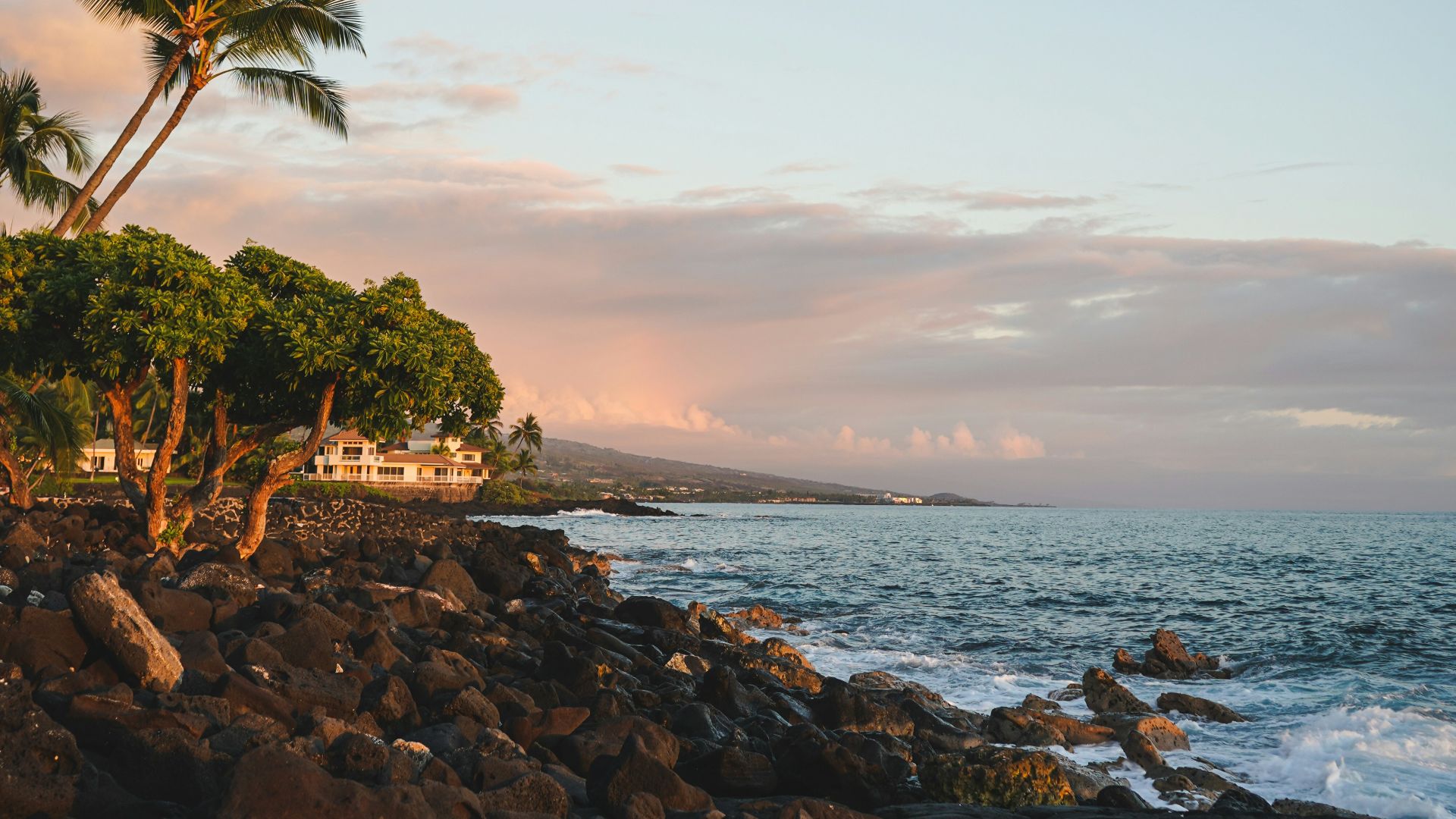
It's not just all water out there in the Pacific! This ocean is home to thousands of islands, ranging from large, populated landmasses to tiny, uninhabited ones. Island groups such as Hawaii, the Philippines, and Polynesia each have distinct geology and cultural history.
5) It Plays a Major Role in Global Climate Patterns
Oceans play a much larger role in our daily lives than most people would think. The Pacific in particular strongly influences climate through ocean-atmosphere interactions. During El Niño and La Niña events, sea-surface temperatures and winds shift in ways that affect rainfall, storms, and temperatures across many regions.