Trees You Can Appreciate
When you go on your walks, one of the best parts about it is getting to enjoy the wonderful nature around you. You might be used to seeing trees everywhere, but have you taken the time to really appreciate their beauty? Noticing a few defining features—like leaf shape, bark texture, or seasonal color—can make a casual walk feel more engaging. Here are five common trees you might spot in your local park that deserve more love and attention.
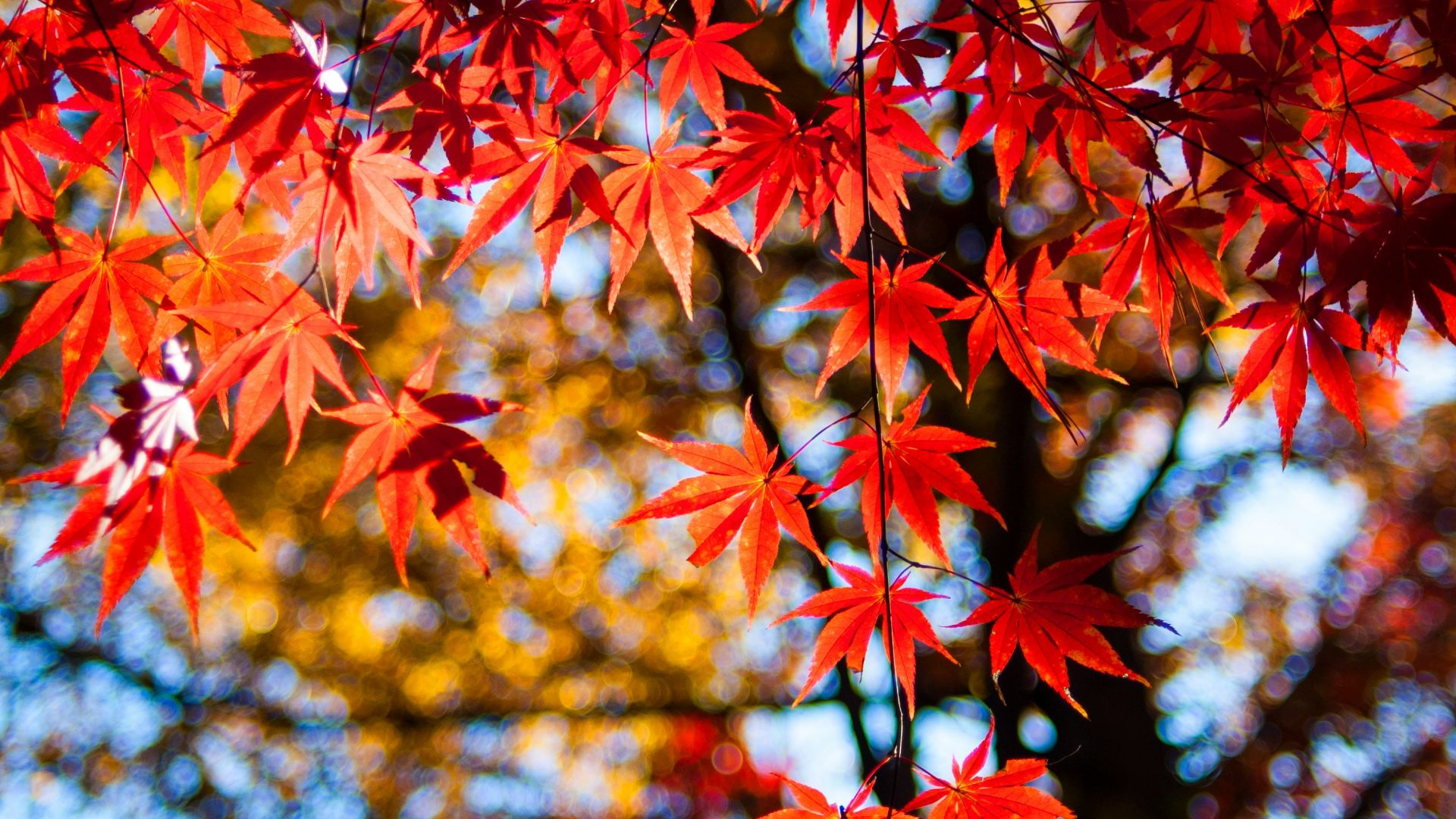
1) Maple
These stunning trees are at their most beautiful in the autumn, when the leaves shift to vibrant colors of yellow, orange, or even red. Maples are commonly planted in parks because they provide generous shade and reliable seasonal color. Their leaves are typically lobed, and many people recognize the classic maple-leaf outline at a glance.

2) Oak
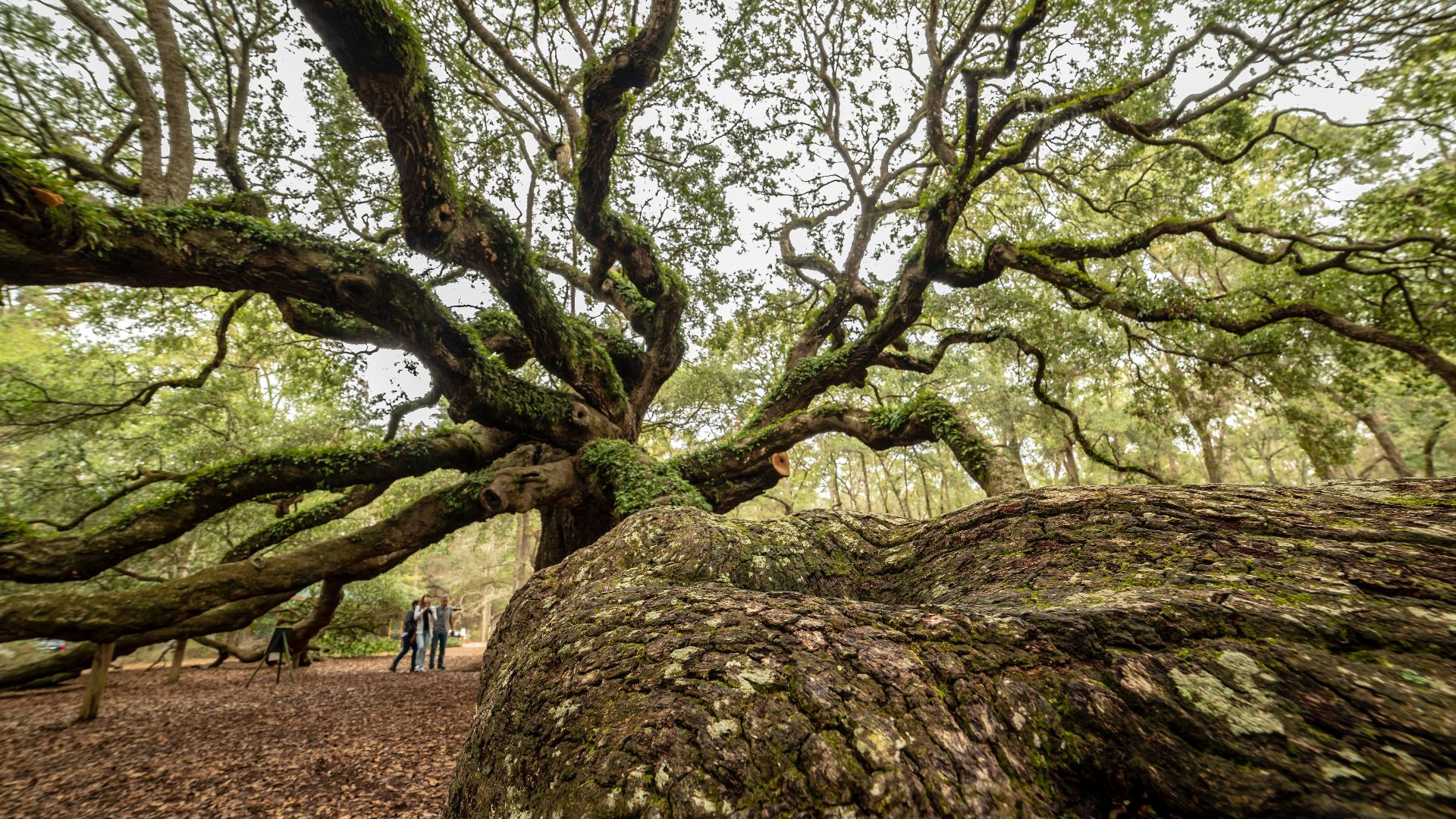
Valued for being strong and sturdy, Oaks make for excellent gathering-spot trees in open lawns. Their leaves often have rounded or pointed lobes, and they may stay on the tree later into the fall than many other kinds. And if you see acorns on the ground, you're likely near an oak (and maybe some squirrels, too!).
3) Birch
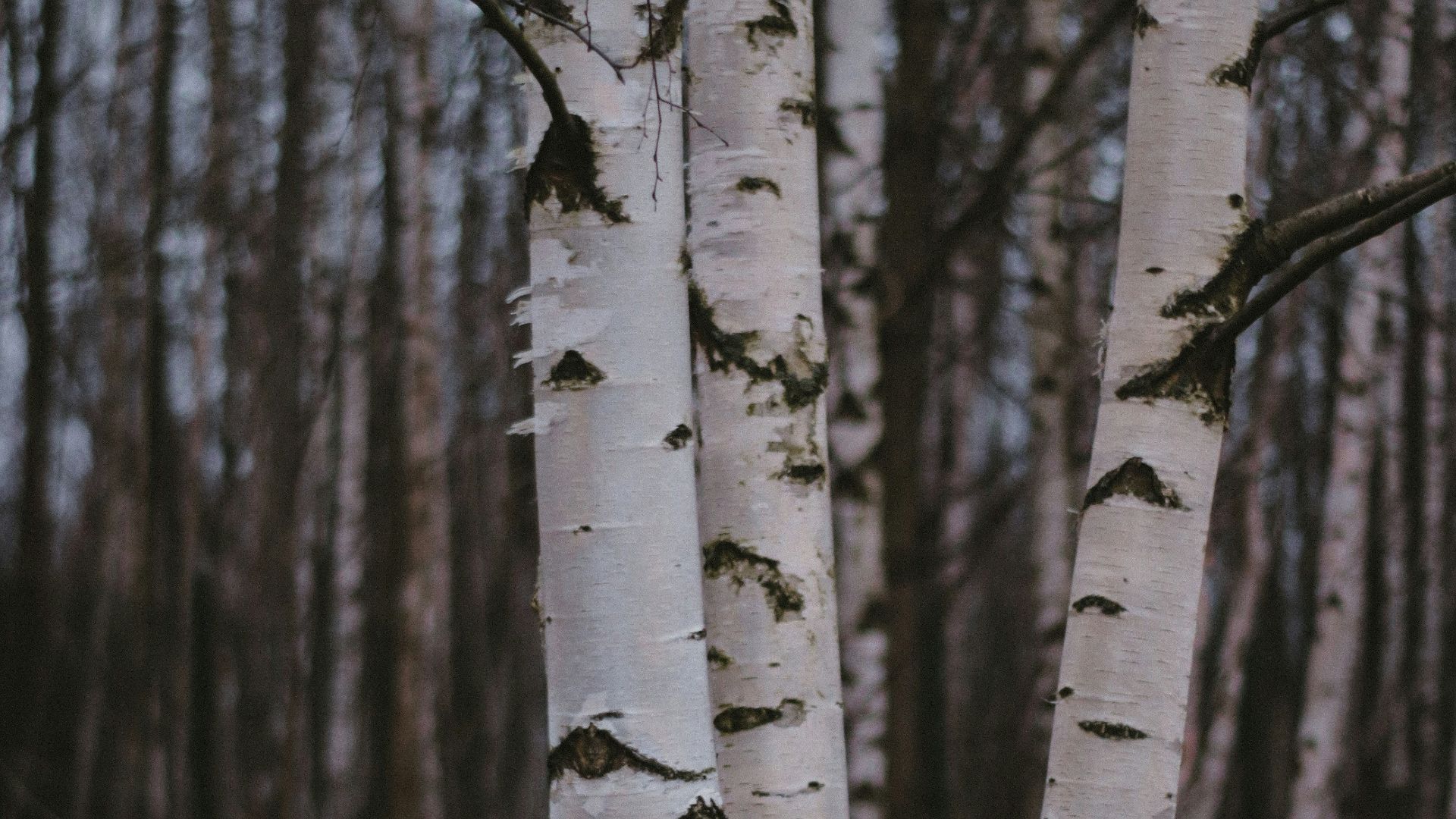
Birches are often admired for their lighter-colored bark, which can look white, silver, or pale gray. And if that isn't enough to tell them apart, the leaves tend to be small, slightly oval, and finely toothed along the edges. These trees look especially tidy in groups, which is why they're frequently used in landscaped park areas.
4) Cherry or Plum
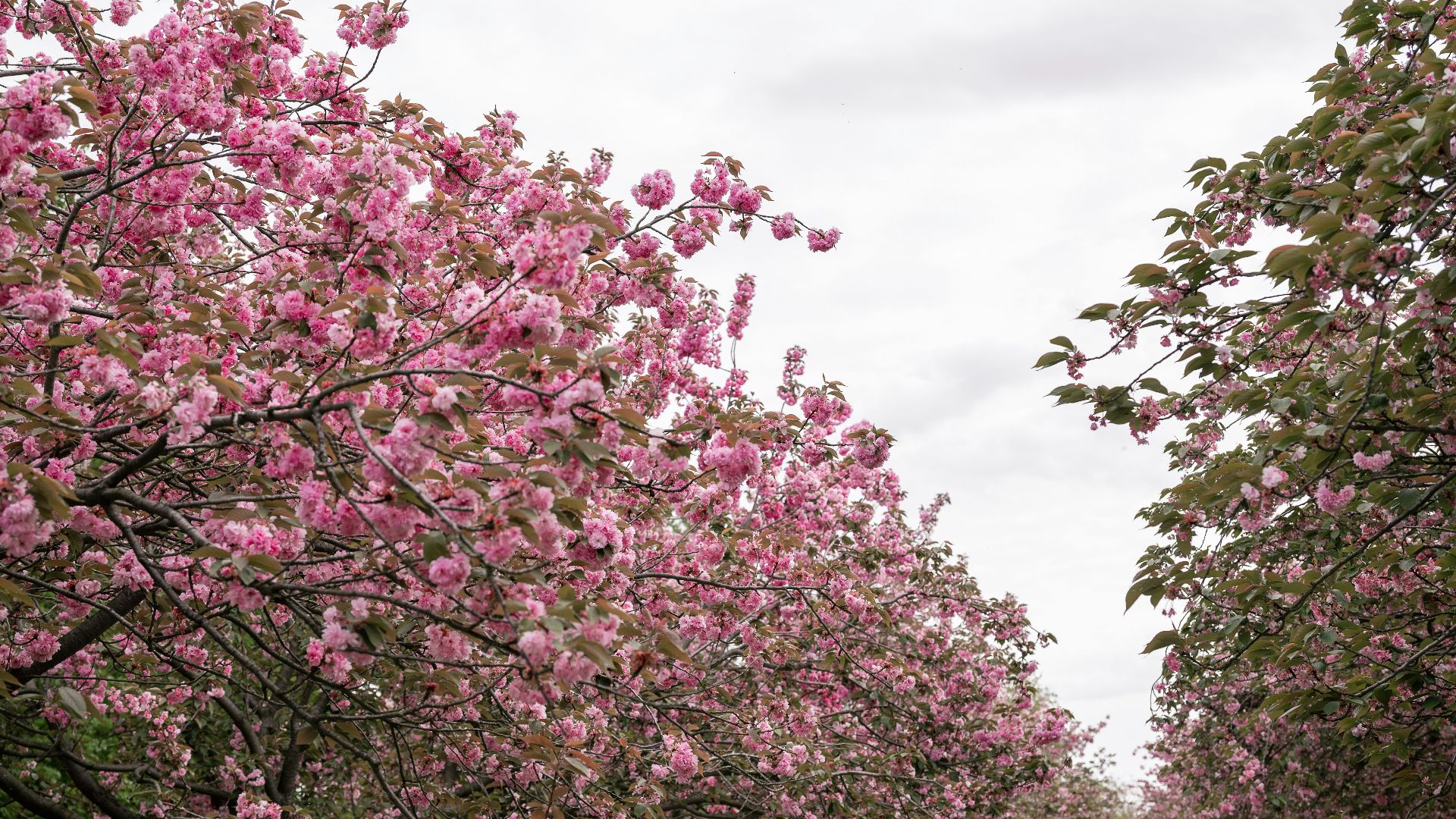
If you live near a park with cherry and plum trees, consider yourself lucky! In the spring, these trees blossom with the most beautiful flowers covering their branches, creating a lovely sight filled with white and pink petals. They're at their peak for only a short window, so make sure you don't miss out!
5) Pine
As evergreen conifers, pines are the reliable trees everyone loves. They keep their needles throughout the year and add steady color in every season. Their needles grow in bundles, and the length and number per bundle can vary by species. Pine cones are a common clue on paths and lawns, especially after windy days.