 Yathin S Krishnappa on Wikimedia
Alaska has a way of making the rest of the map feel a little underdressed. The landscapes are bigger, the weather has a much stronger presence, and the wildlife often looks like something out of a storybook. With that, here are five remarkable creatures whose natural ranges are restricted to Alaska, so if you want to see them in their element, you’ve got one state to thank (and to visit).
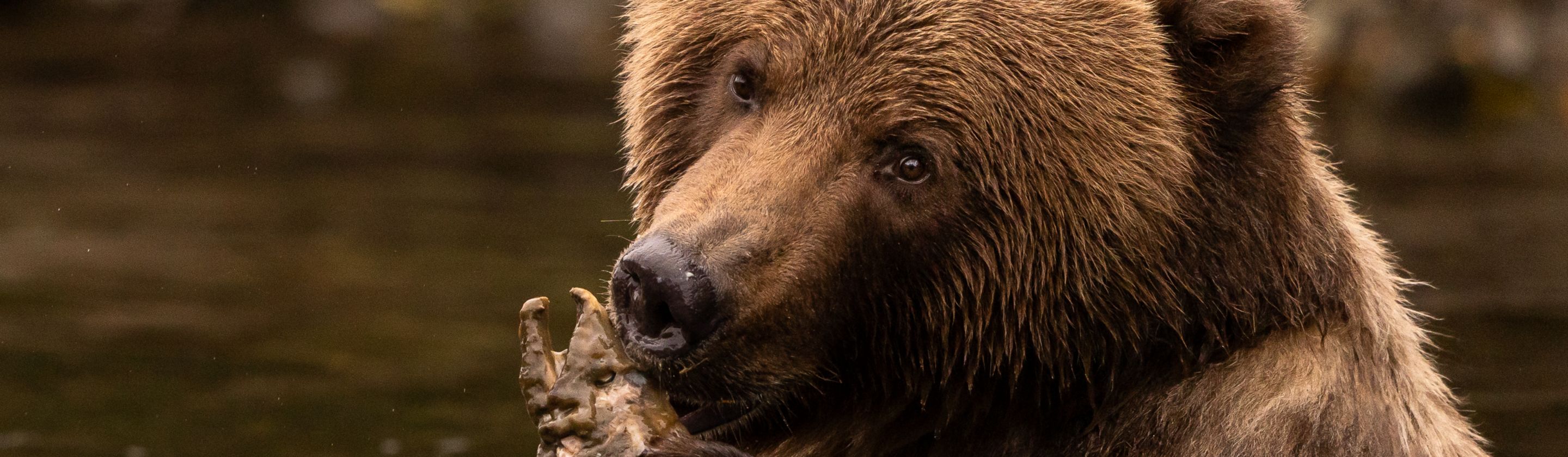
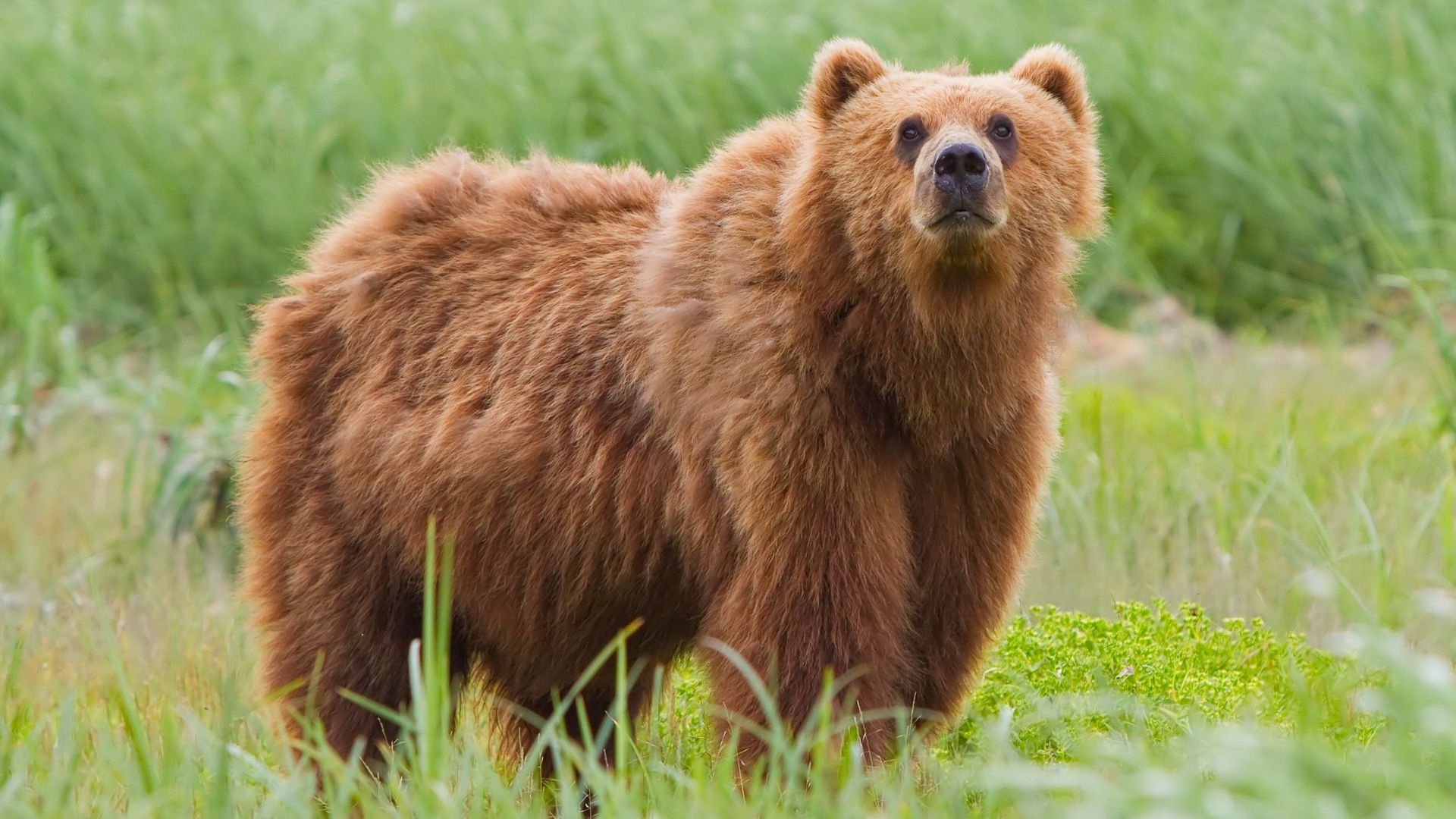
Kodiak Brown Bear
If you imagine an upgraded brown bear, you’re in Kodiak territory. This subspecies lives only on the Kodiak Archipelago, where rich food sources help it grow into one of the largest bears on Earth. You don’t have to be a wildlife expert to feel humbled when a “local” outweighs your car.
Alaska Marmot
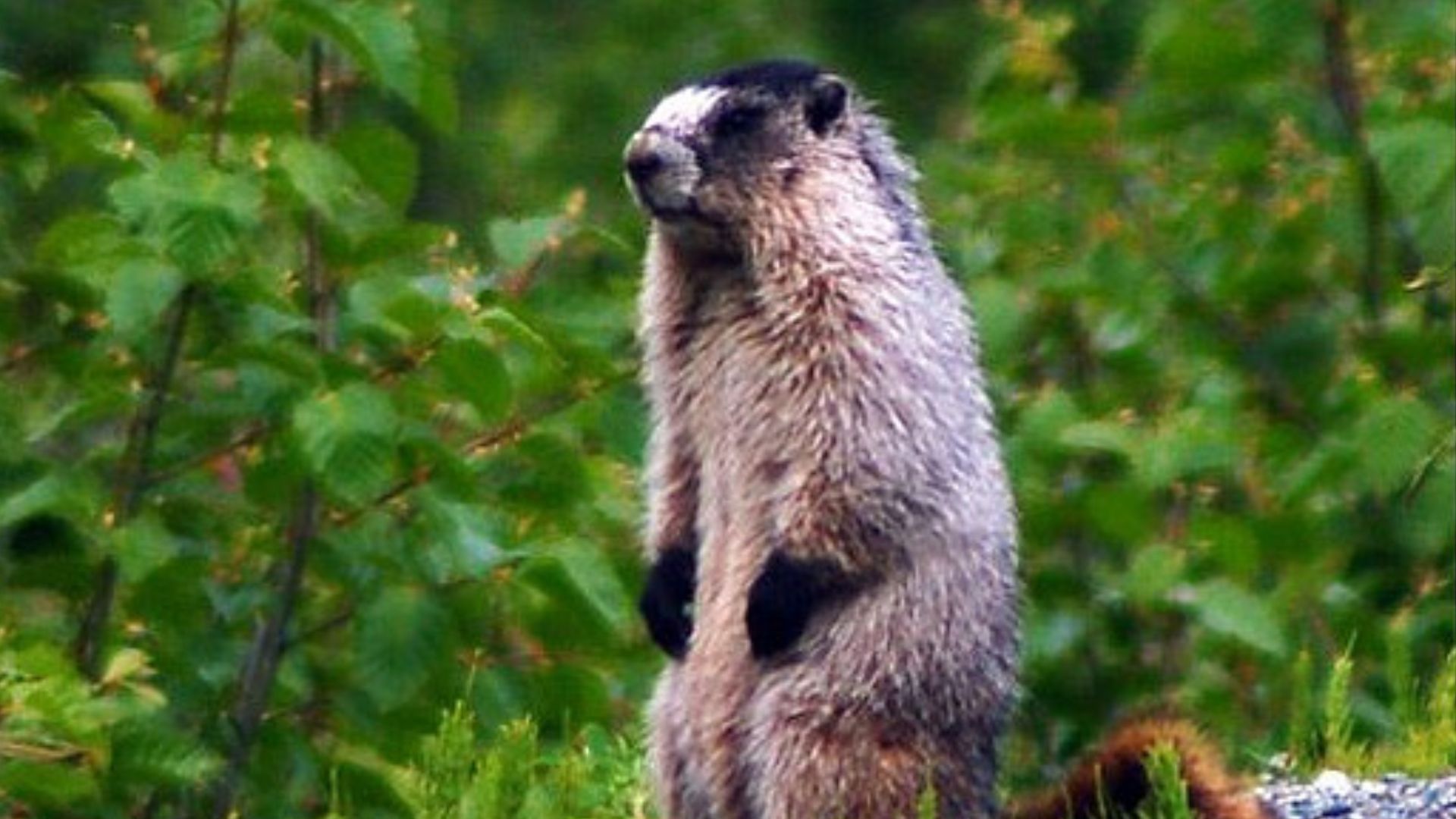
The Alaska marmot is a mountain homebody with a serious commitment to rocky real estate. It’s native to northern Alaska’s high, rugged terrain—especially around the Brooks Range—where it thrives on short summers and long hibernations.
Pribilof Island Shrew
Tiny. Quick. Easy to overlook. Despite it all, you can’t ignore the Pribilof Island shrew! It’s a big deal because it’s endemic to Alaska’s Pribilof Islands in the Bering Sea. Island life tends to produce unusual specialists, and this little mammal is a perfect example of nature getting creative when the neighborhood’s isolated.
Alaska Tiny Shrew
Despite the modest name, this shrew’s recognized as a species unique to Alaska. It keeps close to waterways, which makes sense for an animal that lives life at high speed and needs a reliable buffet of small invertebrates. If you’re scouting wildlife, you’ll need patience—and probably a good sense of humor—since it’s not posing for photos.
St. Matthew Island Vole
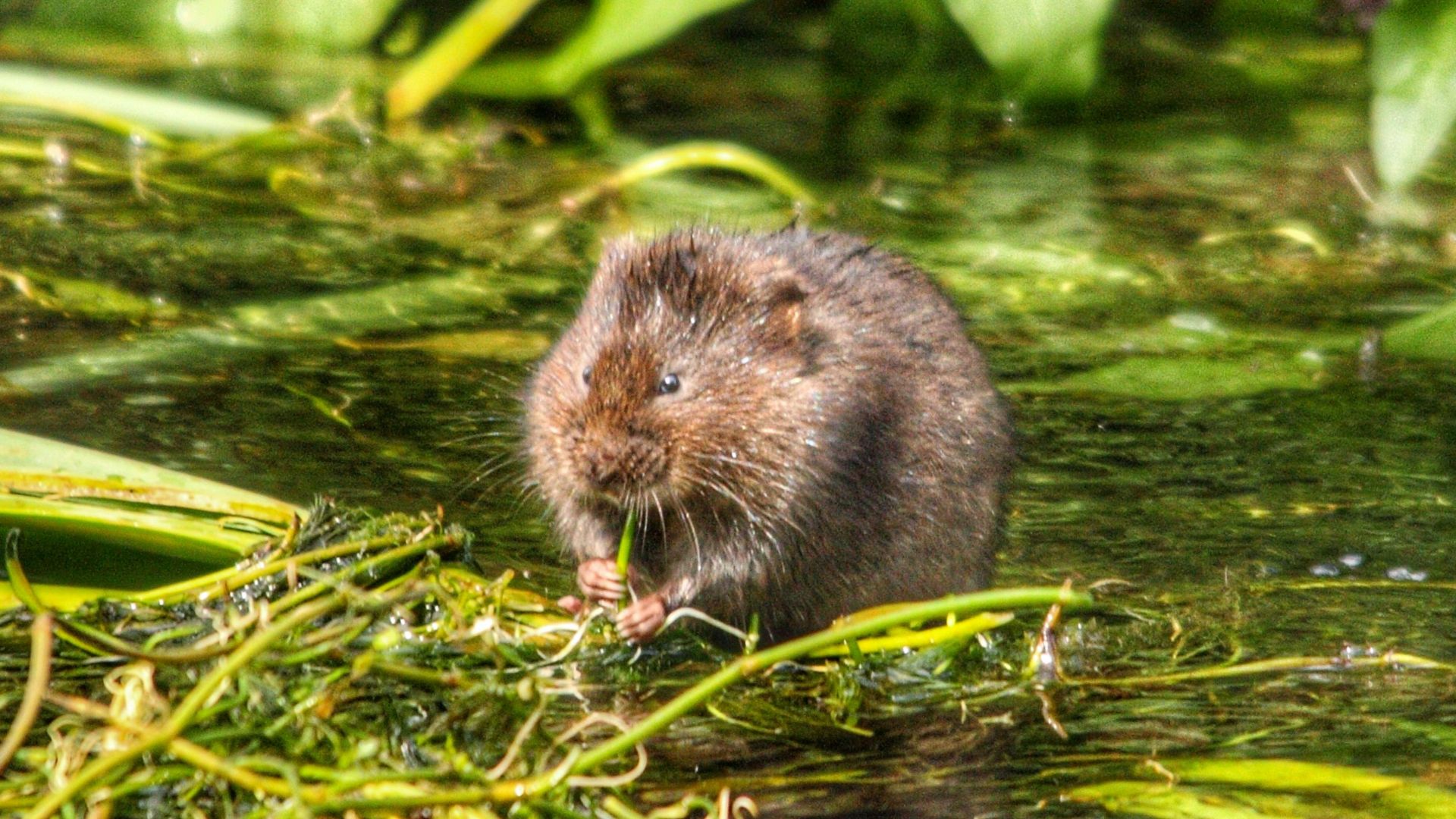
The St. Matthew Island vole is restricted to St. Matthew Island and nearby Hall Island, two remote Bering Sea outposts that feel like the edge of the world. Its entire story is tied to isolation, tundra vegetation, and surviving. Seeing one is a reminder that Alaska’s “hidden” wildlife can be just as fascinating as the headliners.