Fascinating Underwater Animals
The creepy crawlies of the ocean, octopuses are famously intelligent, adaptable, and full of surprises. Not to mention, highly flexible! Beyond the familiar reef-dwelling types, several species stand out for their striking looks, unusual behaviors, and specialized habitats. Here are five that are especially memorable.
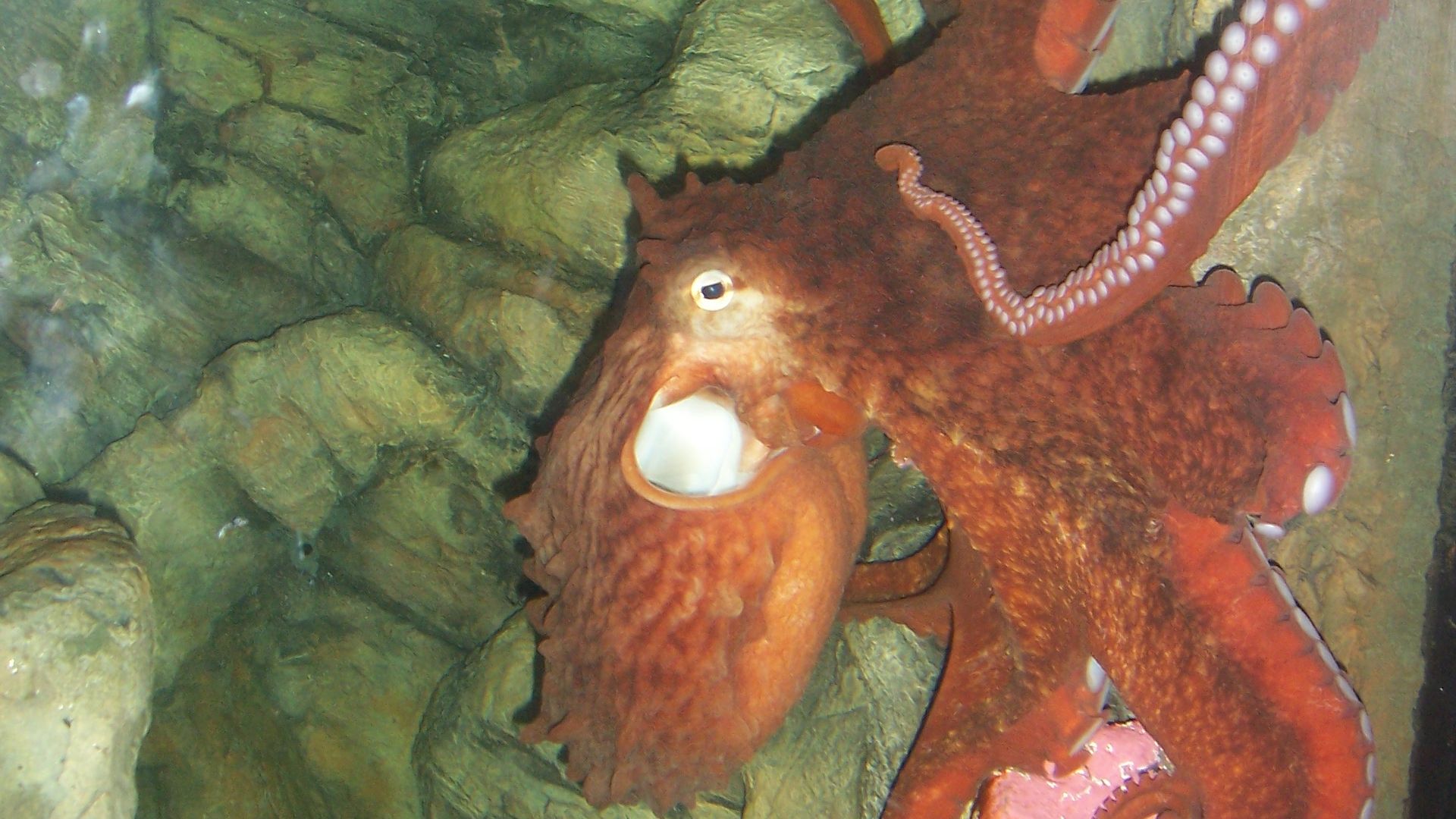
1. Mimic Octopus (Thaumoctopus mimicus)
This species of octopus is able to rapidly change its posture and movement patterns in response to nearby threats. You'll never see it coming or leaving! It's often observed over sandy and silty sea floors, and researchers and divers alike admire how consistently it displays flexible behavior in the wild.
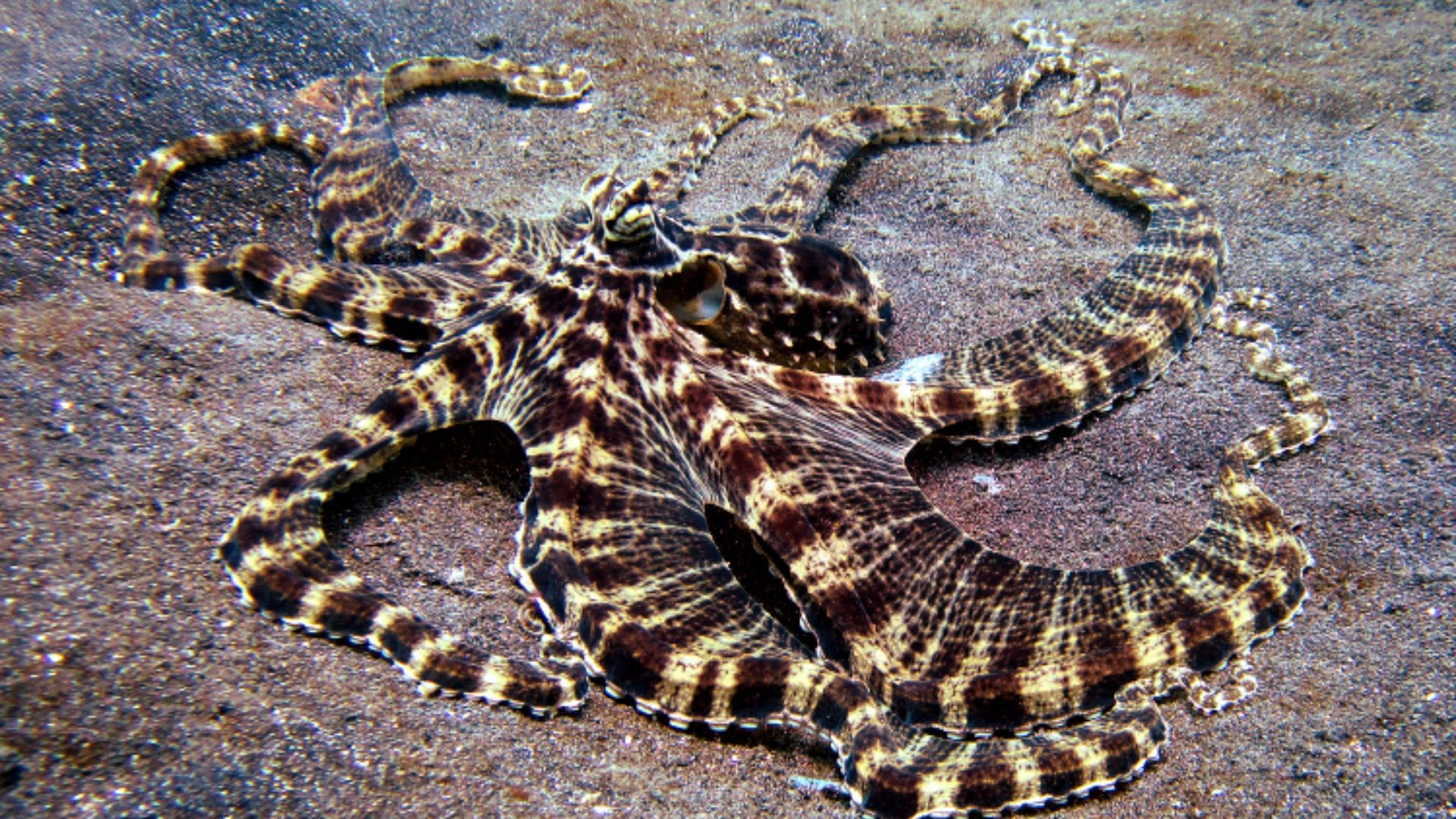
2. Blue-Ringed Octopus (Hapalochlaena spp.)
One look and you'll be mesmerized by this unique-looking species! Blue-ringed octopuses are small, visually striking, and medically significant due to their potent venom. Their bright ring patterns are more visible when they're disturbed, which is an important warning signal to notice. They tend to be secretive, so spotting one responsibly is an unforgettable moment for careful observers.
3. Dumbo Octopus (Grimpoteuthis spp.)
Quite possibly the cutest of its kind, dumbo octopuses live in deep waters where pressure is high and light is scarce. They move using fin-like structures and are typically encountered by deep-sea cameras rather than casual divers.
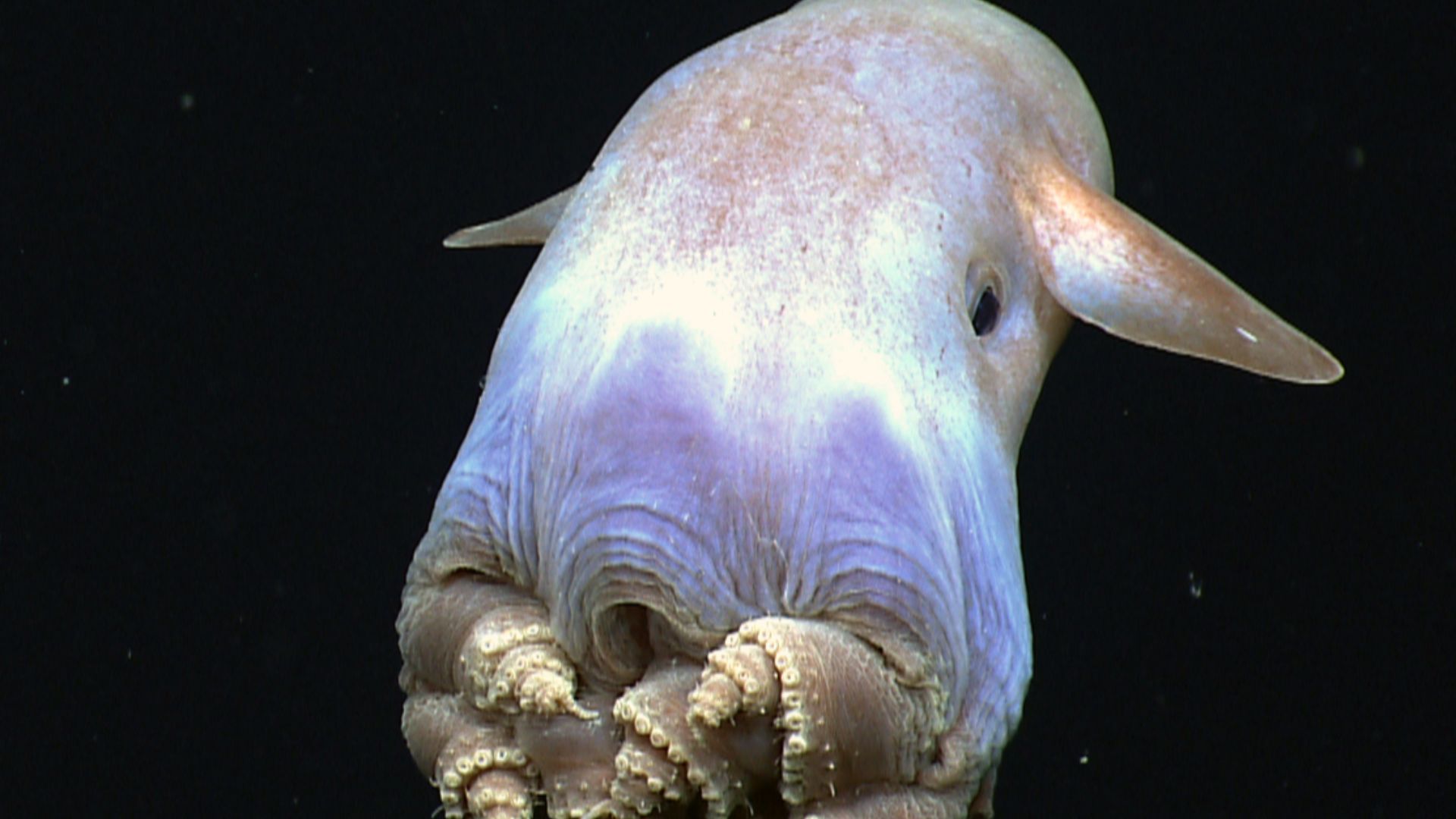 NOAA Okeanos Explorer on Wikimedia
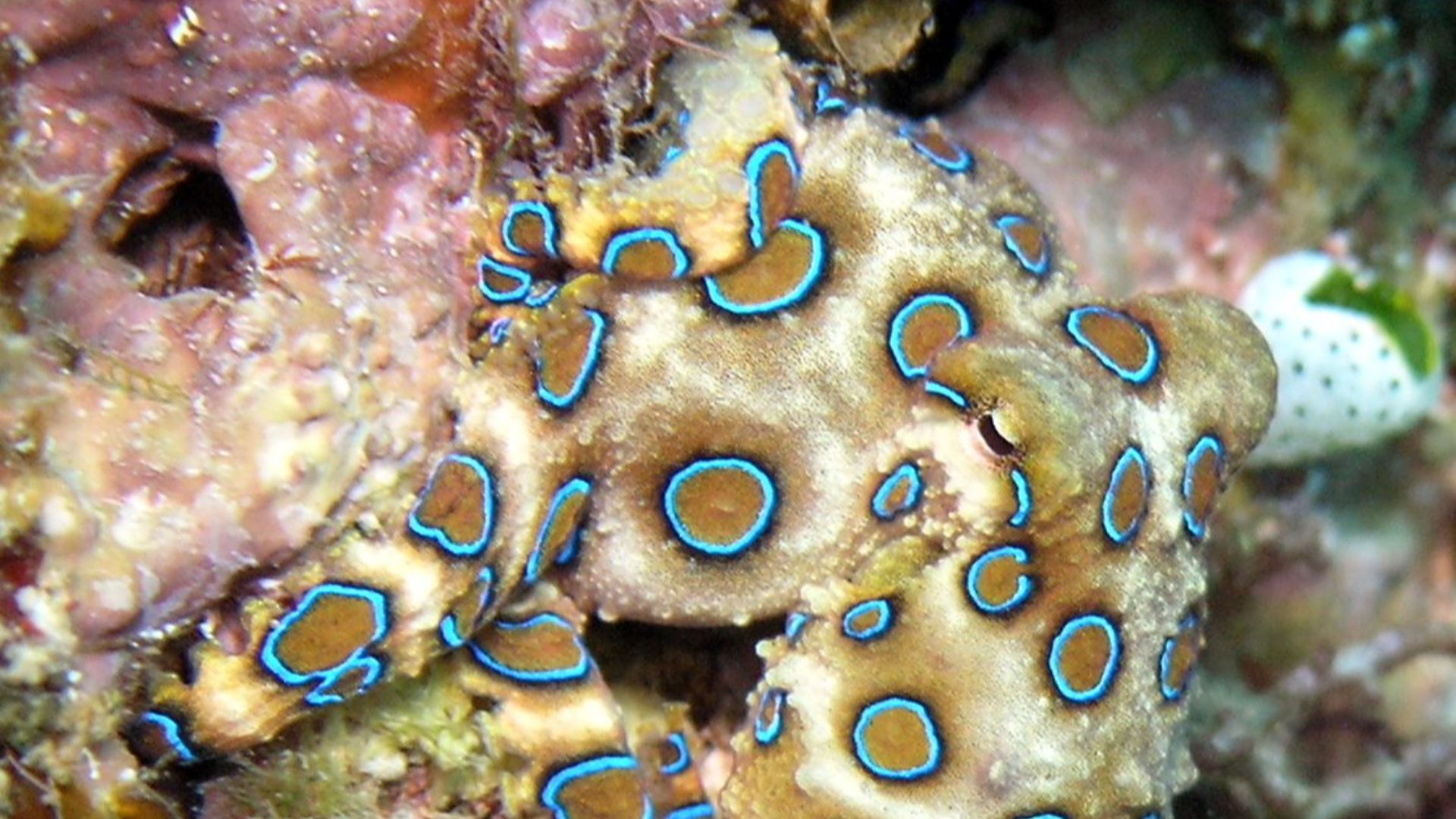
4. Giant Pacific Octopus (Enteroctopus dofleini)
As one of the largest octopus species, you definitely don't want to come across this monstrous creature. The giant Pacific octopus can reach impressive sizes and has a reputation for strength and dexterity. It inhabits the North Pacific and is often associated with rocky habitats and coastal waters.
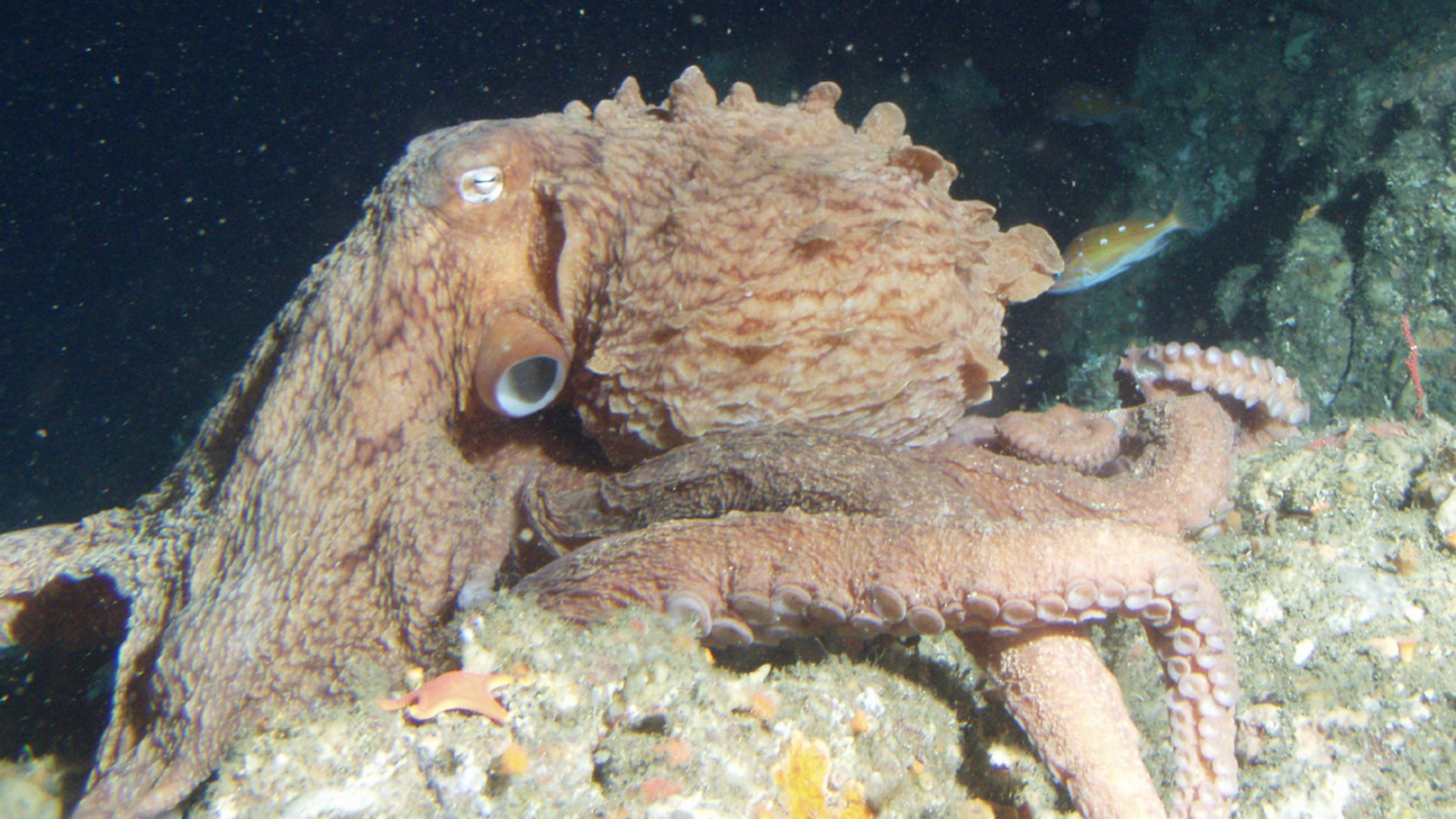 NOAA/R. N. Lea [1] on Wikimedia
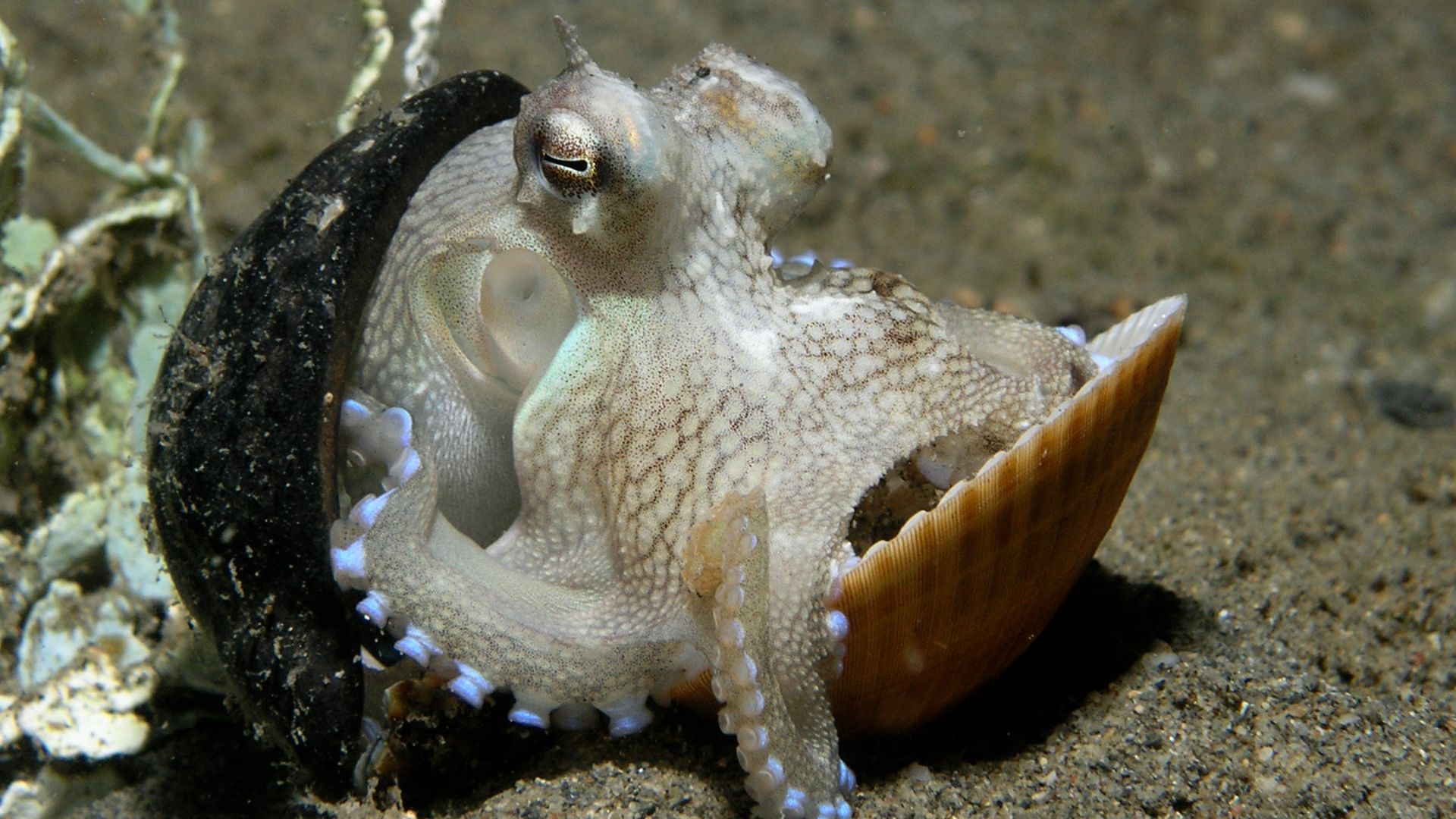
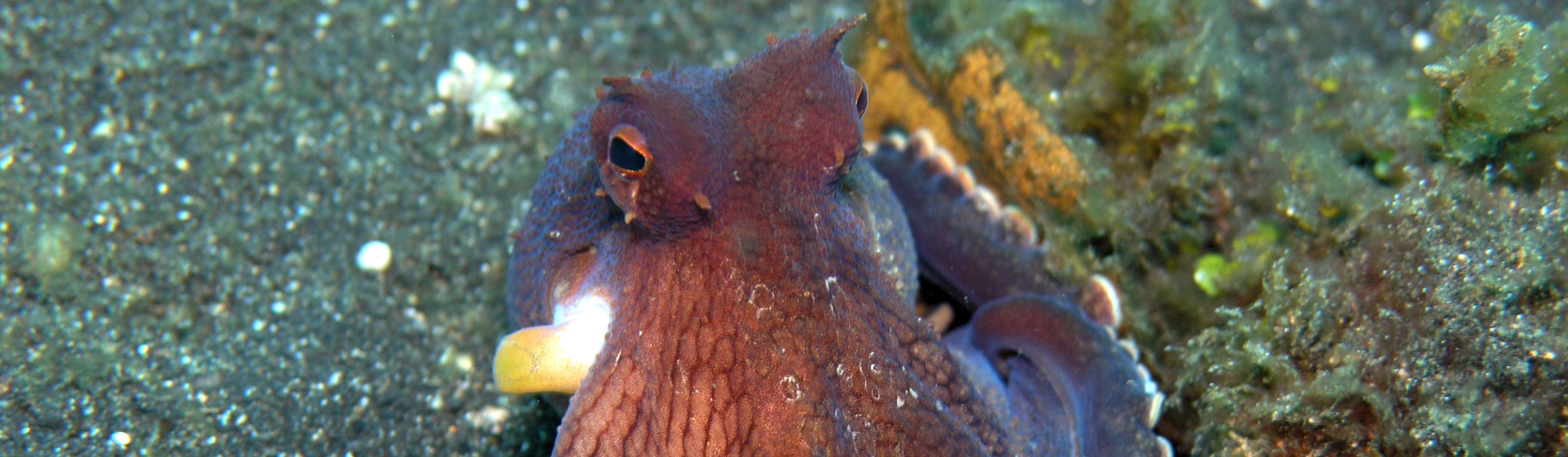
5. Coconut Octopus (Amphioctopus marginatus)
This species may have a fun name, but don't be fooled. This octopus is notable for manipulating objects in its environment, including carrying and arranging items for shelter. It is commonly found on sandy bottoms and is well documented in regions of the Indo-Pacific.