
Zero gravity sounds cool, and it looks even cooler in movies, but some serious changes happen when you’re actually floating through space. In microgravity, fluids drift, muscles get lazy, and your inner ear starts buzzing something fierce—and that’s just the tip of the spaceship. Here are five classic ways weightlessness reintroduces itself.
Fluids Rush Upward
On Earth, gravity keeps a good chunk of your blood in your lower body, but in space, they shift toward your head. Forget about just a puffy face and stuffy nose; researchers also suspect these fluid shifts play a role in vision changes known as SANS.
Bones and Muscles Start Downsizing
Without gravity constantly making our legs and back work, our bodies begin dialing down strength in zero gravity. NASA notes that microgravity can actually drive muscle and bone atrophy, which is why astronauts follow strict exercise routines.

Your Balance Gets Confused
Your vestibular system expects gravity-based cues, which keep things sailing smoothly on Earth. But microgravity changes that sensory input. It can show up as motion sickness or spatial disorientation in space because your brain is trying to reconcile signals that don’t match the rules. Basically, your body is debating which way is up.
The Spine Lengthens
Attention, short kings: with less compression on your spine, you can temporarily get a little taller in space! Now, that sounds good until you remember your back muscles are also adjusting to a new workload, which also contributes to stiffness or discomfort.
Immune Defenses Shift
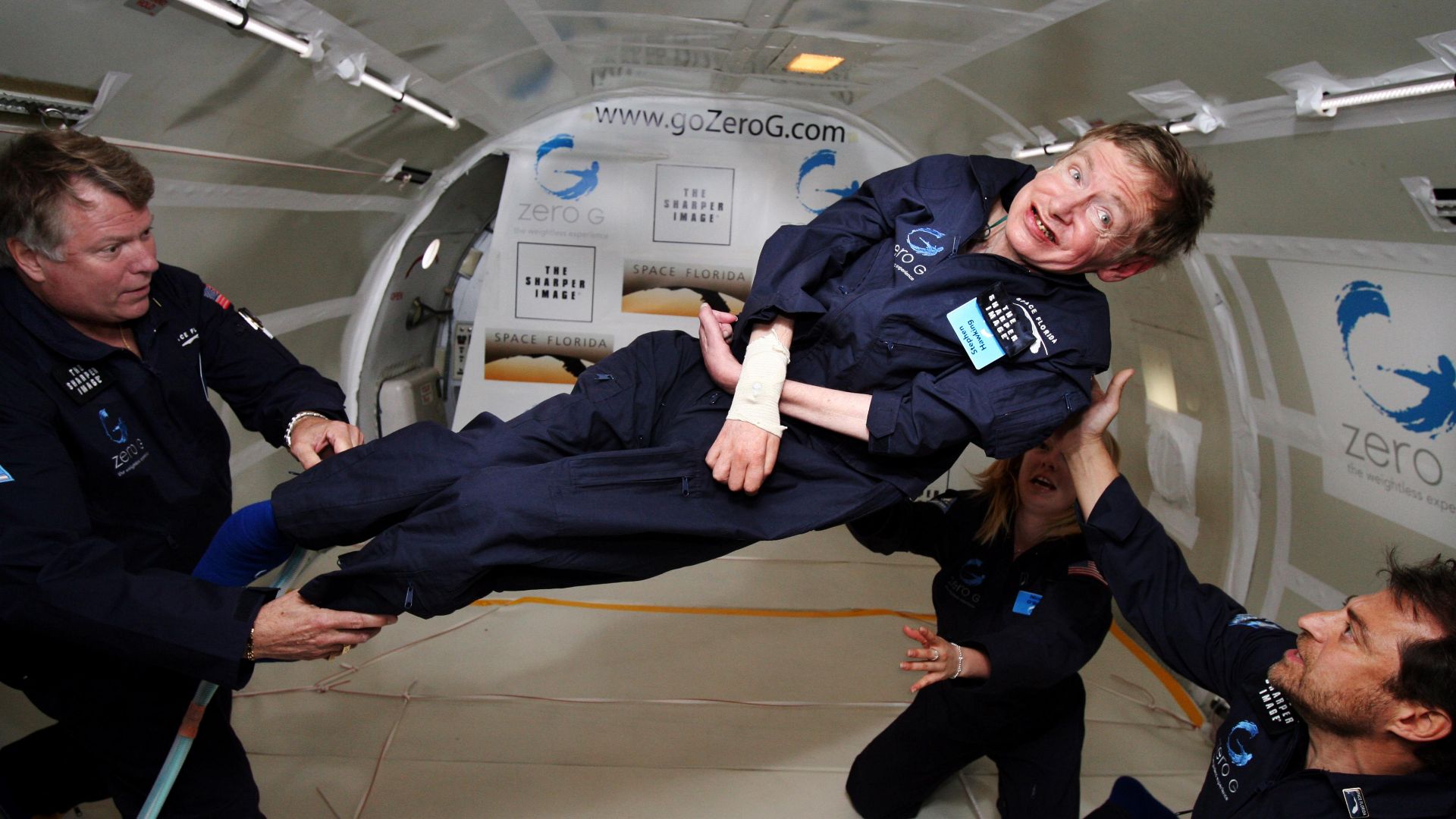 Jim Campbell/Aero-News Network on Wikimedia
Spaceflight piles on stressors, and immune function can change because of it. Microgravity can affect the body’s ability to defend against infections, which is one reason astronauts’ immune responses are so carefully monitored.