
Our Galaxy Is More Dramatic Than It Looks
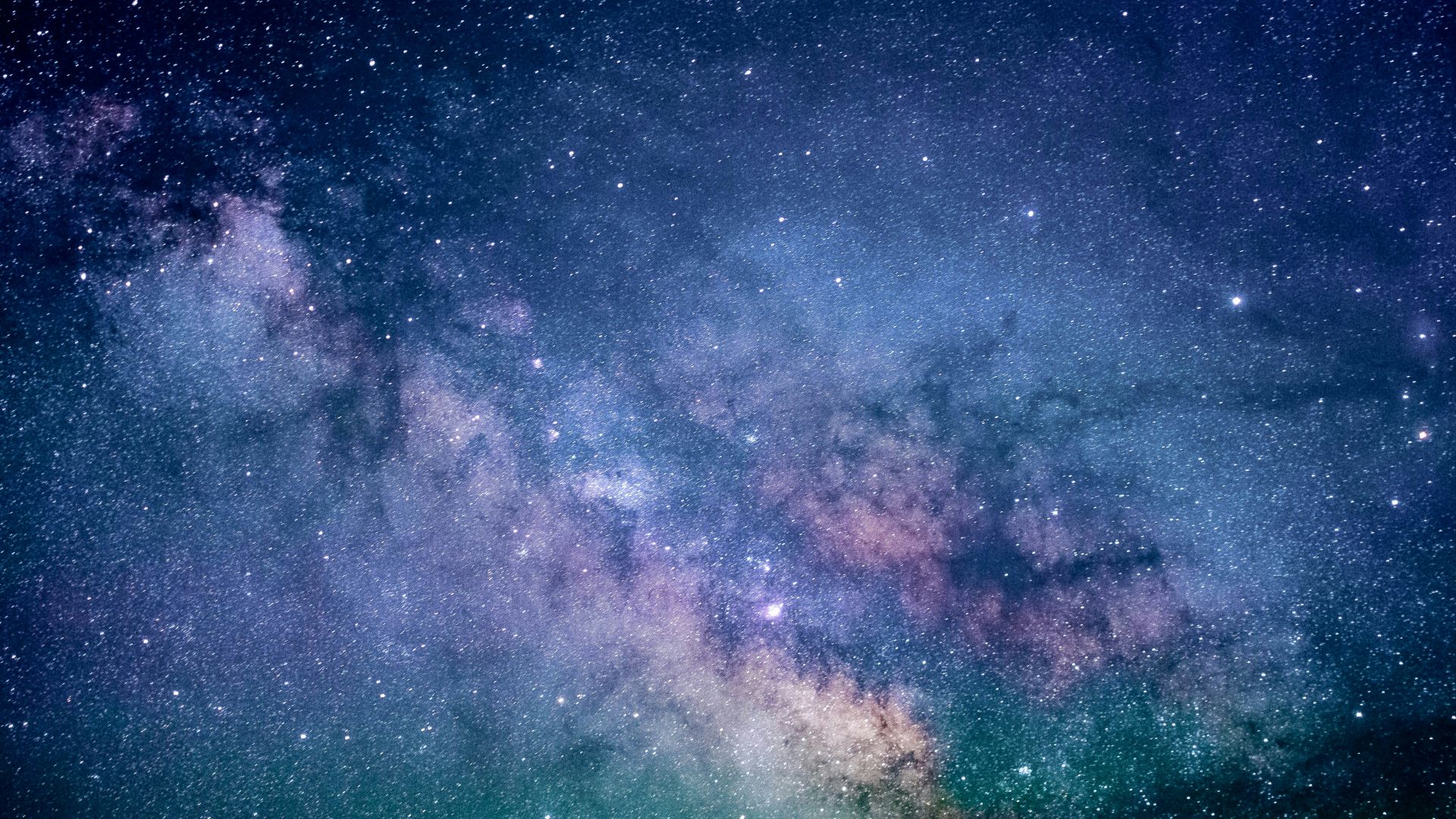
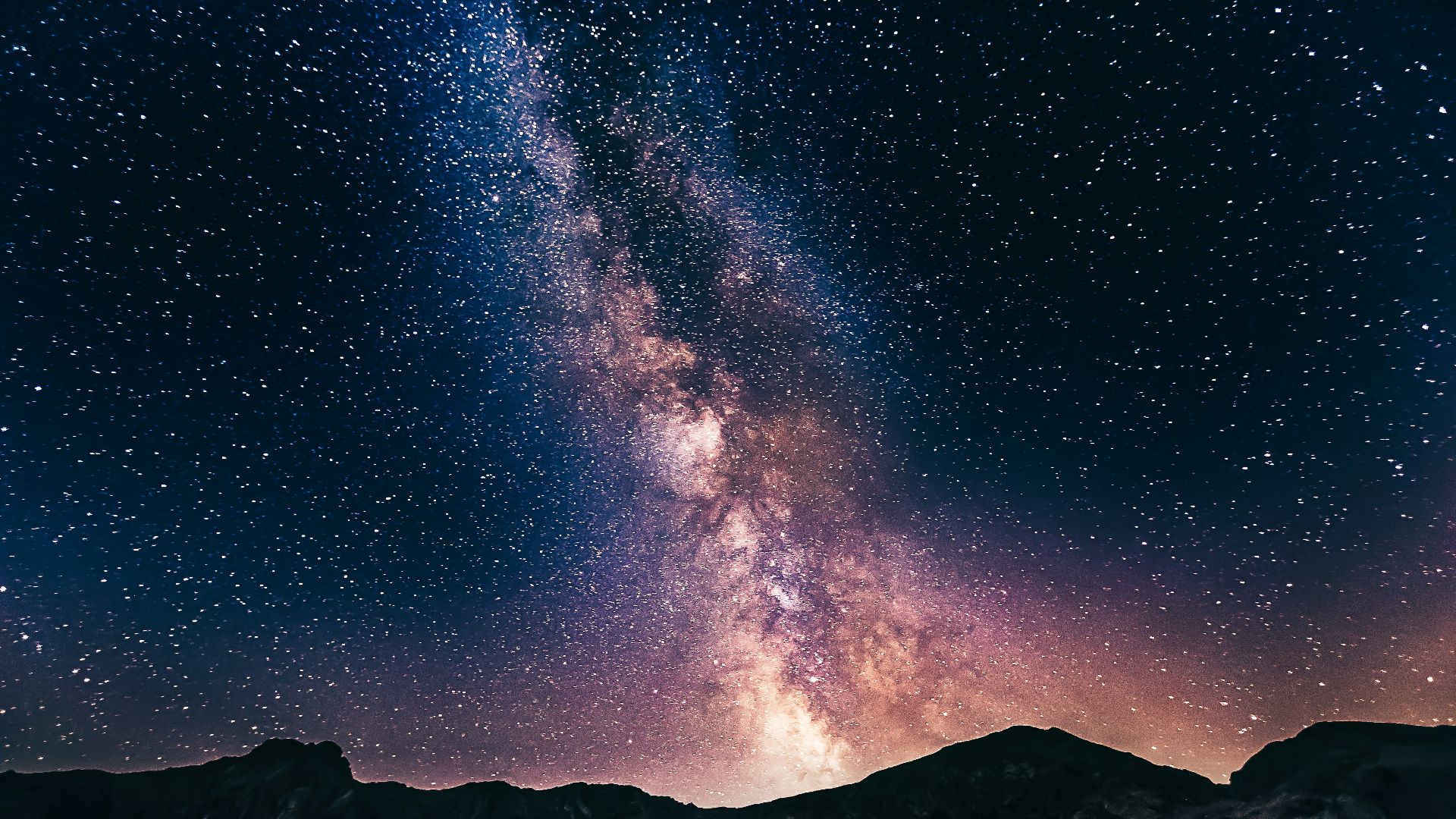
When you look up at the night sky, the Milky Way can seem calm, distant even, and because it’s so far away, it’s easy to assume that there’s not much happening within it. In reality, it’s a vast galaxy packed with enough cosmic commotion to keep astronomers busy for generations. We’re here to break down a few things you might not know about what’s in your very backyard.
It’s Enormous Beyond Imagination
The Milky Way stretches more than 100,000 light-years across, which makes ordinary distance rather quaint. Even more impressive, our solar system sits about halfway out from the galactic center instead of near the middle. Essentially, you’re viewing one neighborhood inside an enormous structure.
The Sun Constantly Moves Through It
Although the night sky can appear still, the solar system is actually traveling around the Milky Way all the time. It takes about 240 million years for the Sun to complete just one orbit of the galaxy! So, while we feel productive answering a few emails, the planet is already in a galaxy-sized lap.

A Black Hole Sits at the Center
At the heart of the Milky Way lies Sagittarius A*, the supermassive black hole at our galaxy’s center. Though it sounds ominous, it’s also one of the most important features astronomers study when trying to understand how galaxies behave. Recent NASA observations have even captured flickers from material close to it.
We Live in a Barred Spiral Galaxy
The Milky Way has a straight bar-shaped region of stars across its center with spiral arms extending outward. Our Sun lies near a small partial arm called the Orion Arm, or Orion Spur, tucked between larger arms. So, don’t just fluff off the Way’s appearance; it’s a wonderfully complex system!
Its Future May Be Messy
For years, the standard story was that the Milky Way would collide with Andromeda in about 4.5 billion years. Unfortunately, more recent data suggest the outcome is less certain, with ESA reporting roughly a 50-50 chance of a collision within the next 10 billion years. Thankfully, we won’t be here.