Be Careful Of These Plants
Sometimes, the most poisonous plants are the ones that draw you in because of how interesting or beautiful they look. They might look perfectly pleasant in gardens, parks, and even homes, but consuming or sometimes even touching them can cause irritation, illness, or worse. Here are five poisonous plants worth recognizing before you get too friendly with the greenery.
1. Oleander
Oleander is a popular ornamental shrub with attractive flowers, but don't be fooled by its pretty appearance, every part of it is toxic. Ingesting even a small amount can affect the heart, stomach, and nervous system.
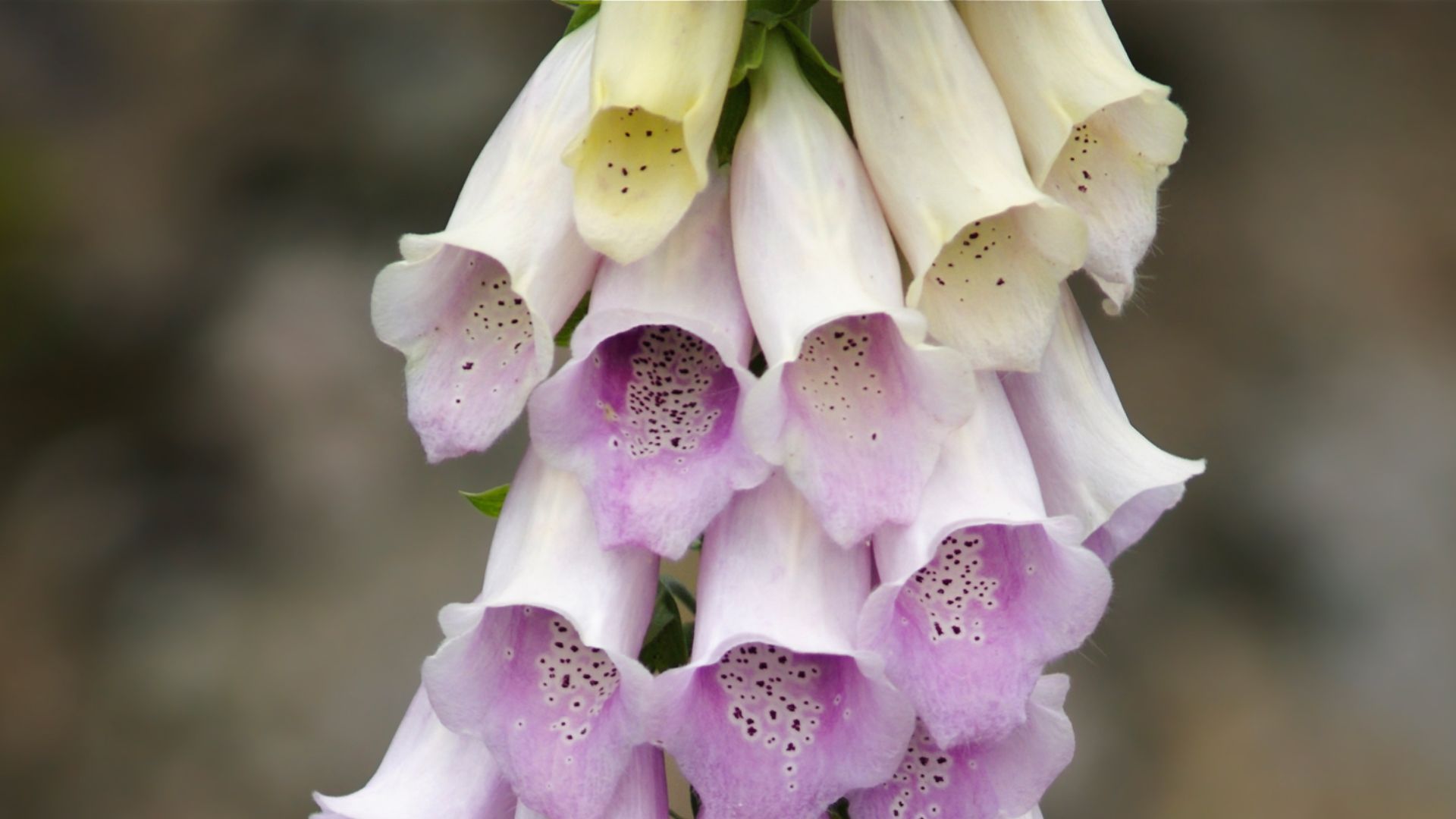
2. Foxglove
Foxglove is admired for its tall spikes of bell-shaped flowers, but it contains compounds that can strongly affect heart function if you accidentally eat the leaves, flowers, or seeds. It may cause nausea, dizziness, and serious heart problems. Gardeners should handle it with care and wash their hands afterward.
3. Lily of the Valley
Lily of the valley has sweet-smelling white flowers and an even sweeter name, yet it's far from harmless if swallowed. The plant can cause vomiting, confusion, and irregular heartbeat. Its berries can be especially tempting to children, so always be wary of your surroundings and not to touch anything.
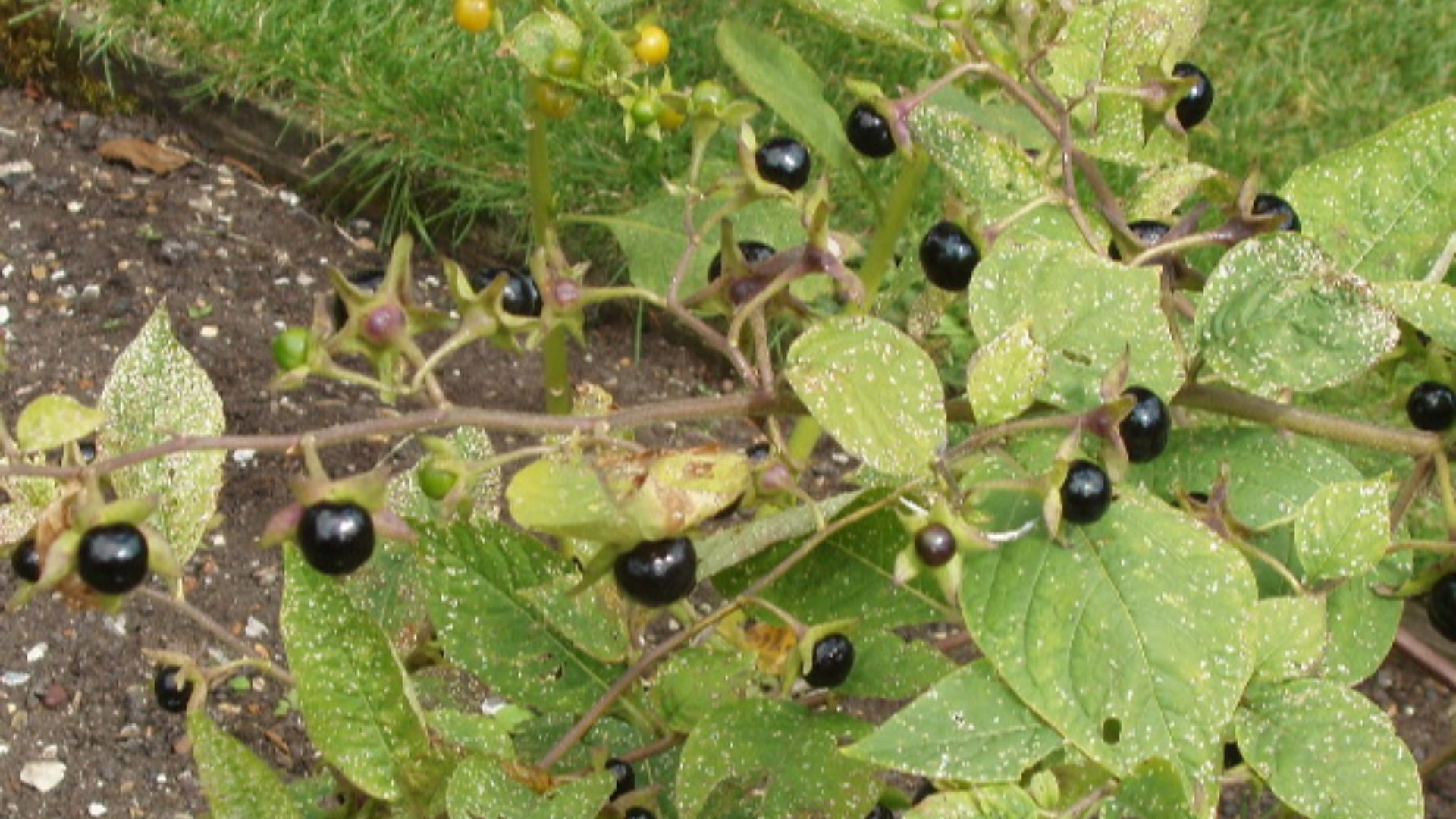
4. Deadly Nightshade
Just listen to the name. Deadly nightshade has glossy black berries that may look appealing, but the plant is highly poisonous. Ingestion can lead to blurred vision, rapid heartbeat, hallucinations, and severe illness.
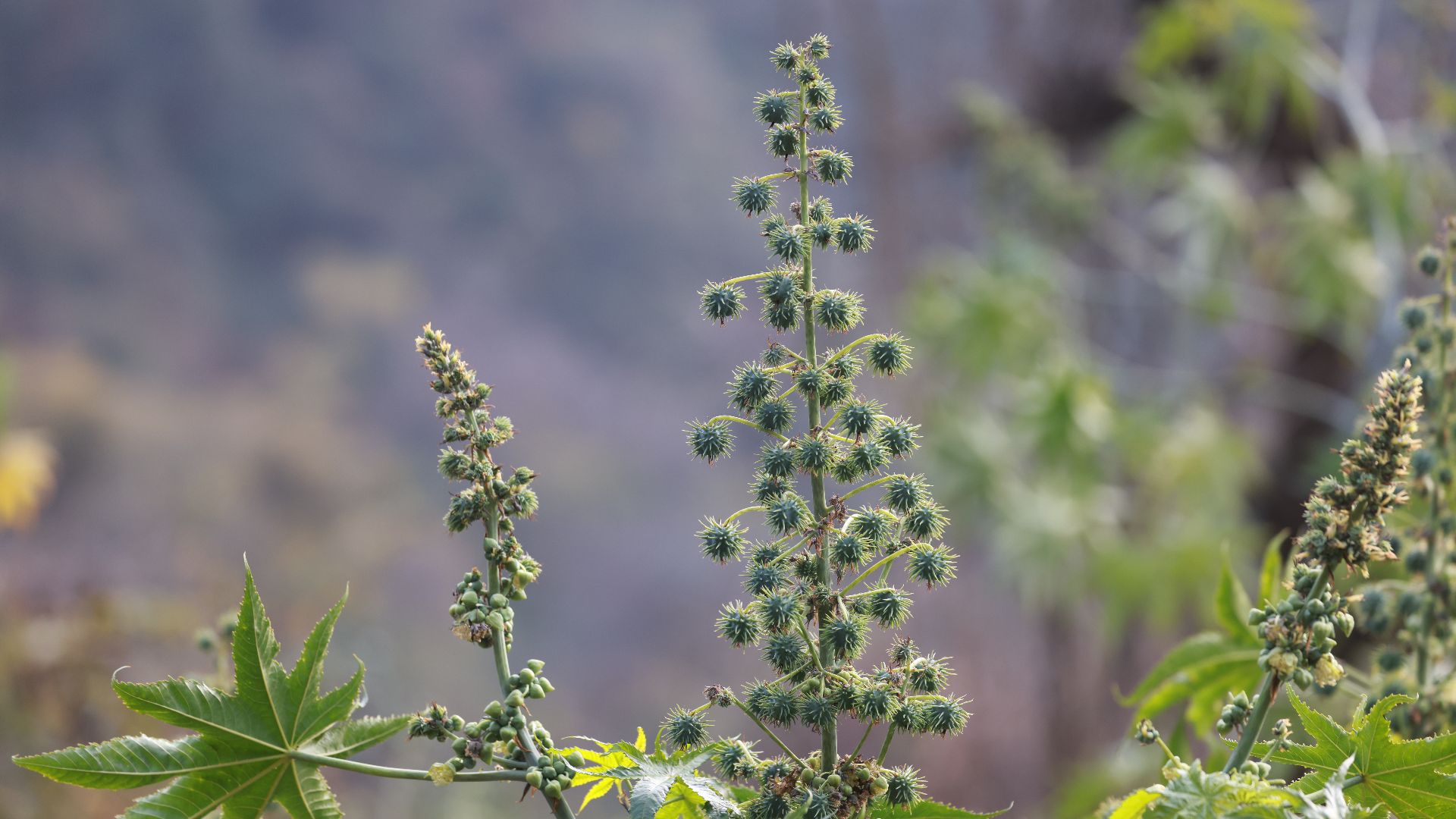
5. Castor Bean Plant
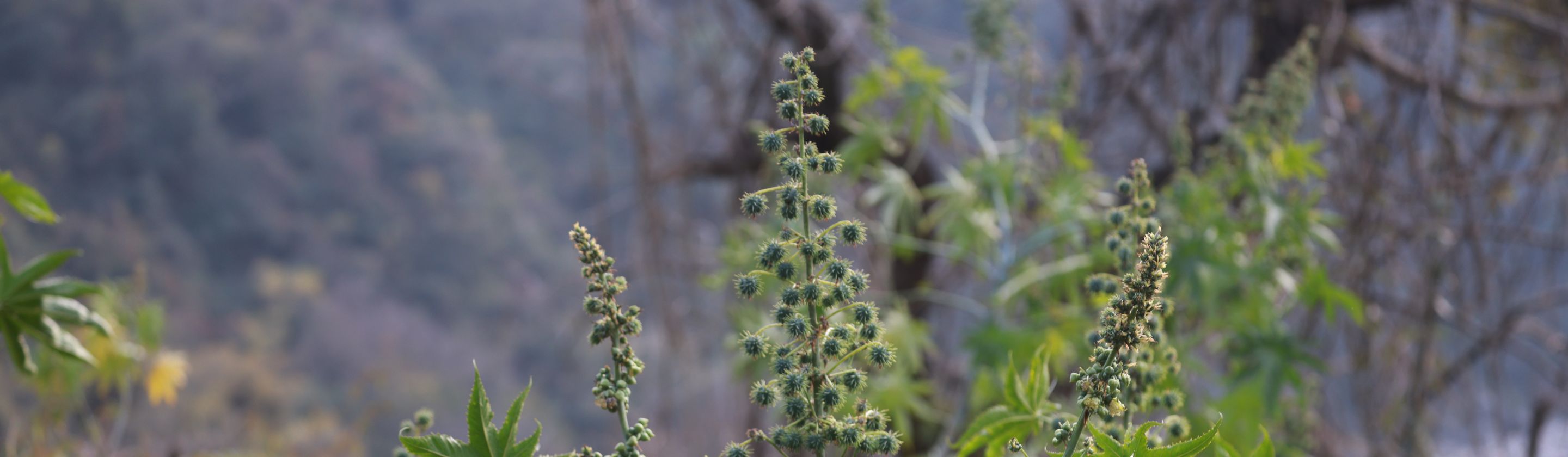
The castor bean plant is known for its bold leaves and striking seed pods, but these same stunning seeds contain ricin, a dangerous toxin. Chewing or swallowing the seeds can cause serious poisoning, so if this plant is present in a garden, make sure it is kept safely away from children or pets.