A Simple Guide To The Bright Worlds Above You
You don’t need a giant telescope, a mountaintop observatory, or the patience of a full-time astronomer to enjoy planet watching. Believe it or not, sometimes all you need is a clear night to spot a few of our neighboring worlds from an ordinary backyard. Come with us as we blast off into some of the most visible planets just outside your door.
Venus
If one planet wants to steal the show, it’s Venus. And who could blame her? Often called the Morning or Evening Star, it shines so brightly that it can look almost unreal in a darkening sky. You’ll usually spot it low near the horizon around sunrise or sunset, and once you notice it, it’ll be hard to peel yourself away.
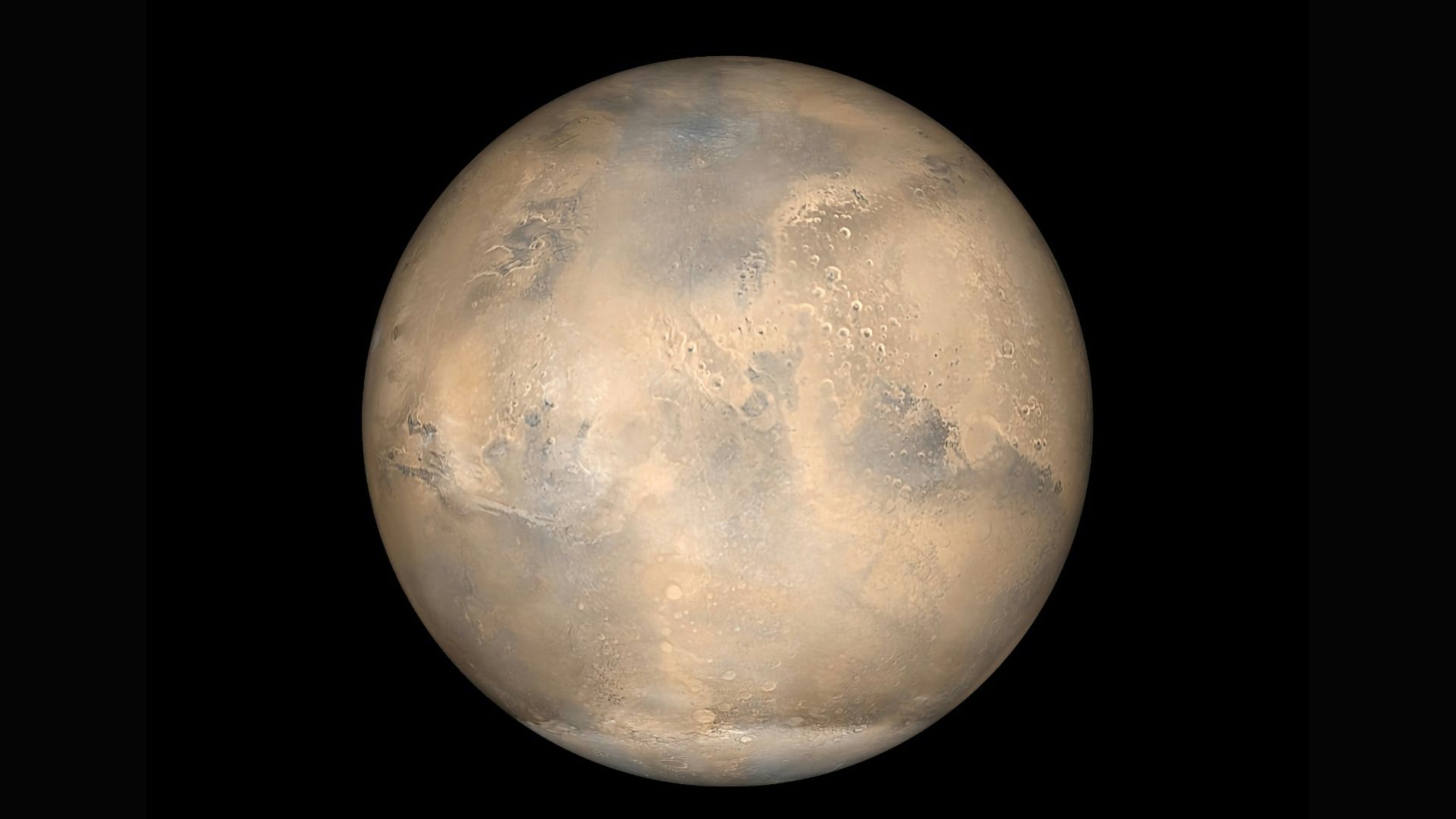
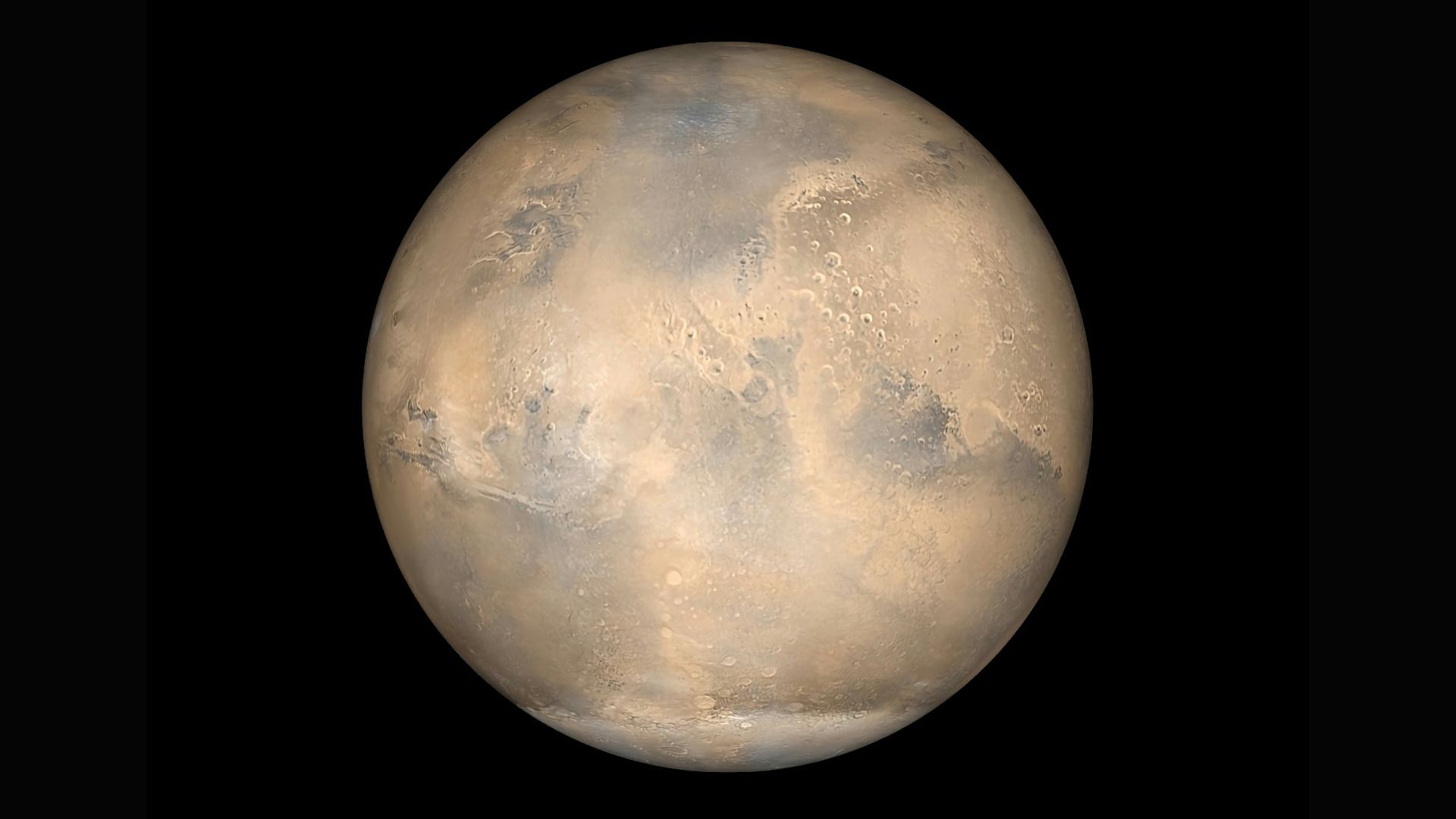
Mars
Mars doesn’t always blaze as brightly as Venus, but it has something even better: personality. Its reddish color helps it stand out from nearby stars, which usually look white or bluish by comparison. Best of all, when conditions are good, you can pick it out without much trouble.
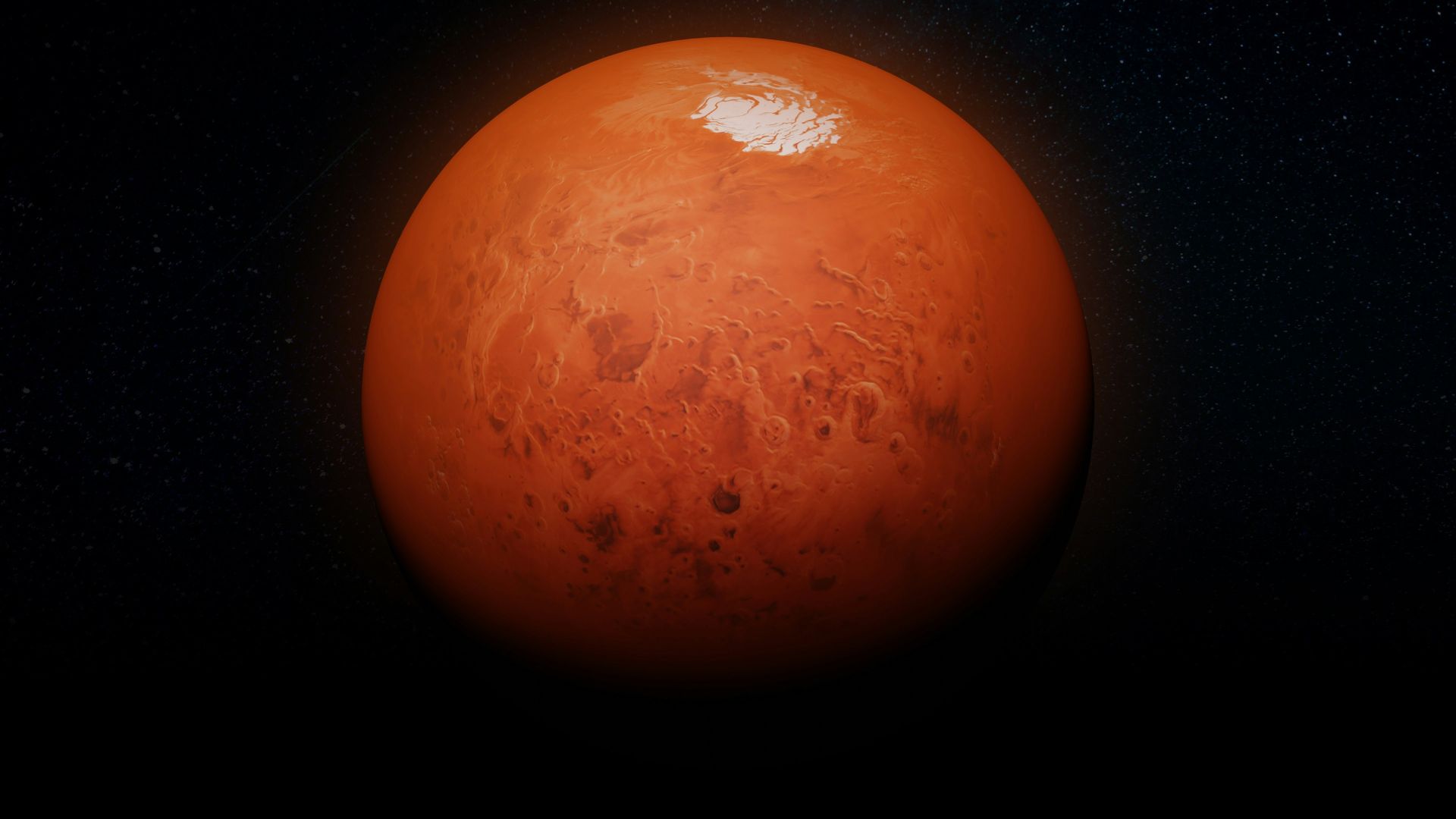 BoliviaInteligente on Unsplash
Jupiter
Jupiter is one of the easiest planets to spot because it shines with a strong, steady light. Even without special equipment, you can often spot it as a bright beacon in the night sky, there to remind you that the solar system is doing just fine hanging right above your head.
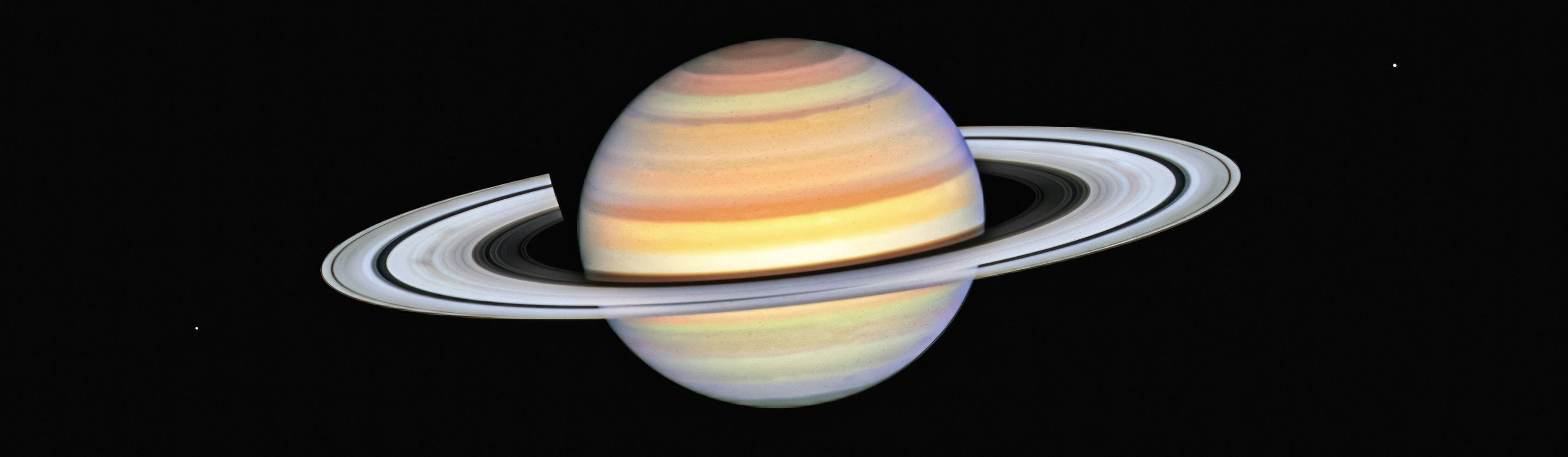
Saturn
Saturn can be a little subtler than Jupiter, but it’s still possible to see on your own. To the average eye, it looks like a modest golden point of light rather than the dramatic ringed wonder you see in photographs. But that’s okay; there’s something very cool about finding it and realizing that those famous rings are still up there.
Mercury
Mercury is the most challenging of the bunch because it stays close to the Sun from our point of view. Basically, you have to catch it during a narrow window near dawn or dusk for a good peek. That said, spotting it feels like a small victory, which makes the effort part of the fun.