The Stairs
I first noticed it in the stairwell at work. Three flights up to my office, same route I'd taken for years, and suddenly I was stopping on the second-floor landing to catch my breath. My heart was pounding like I'd just run a marathon. I stood there, hand on the railing, waiting for the feeling to pass. It did, eventually. I blamed my age—fifty-two isn't old, but it's not twenty-five either. I blamed the extra weight I'd been carrying since the pandemic. I blamed everything except what it actually was. The thing is, when something starts going wrong with your body, you don't want to believe it. You bargain with yourself. You make excuses. I was good at excuses. Really good. I'd been sitting at a desk for too many years, eating too much takeout, skipping the gym I kept paying for every month. Of course I was winded. It made perfect sense. I told myself I'd start exercising next week.
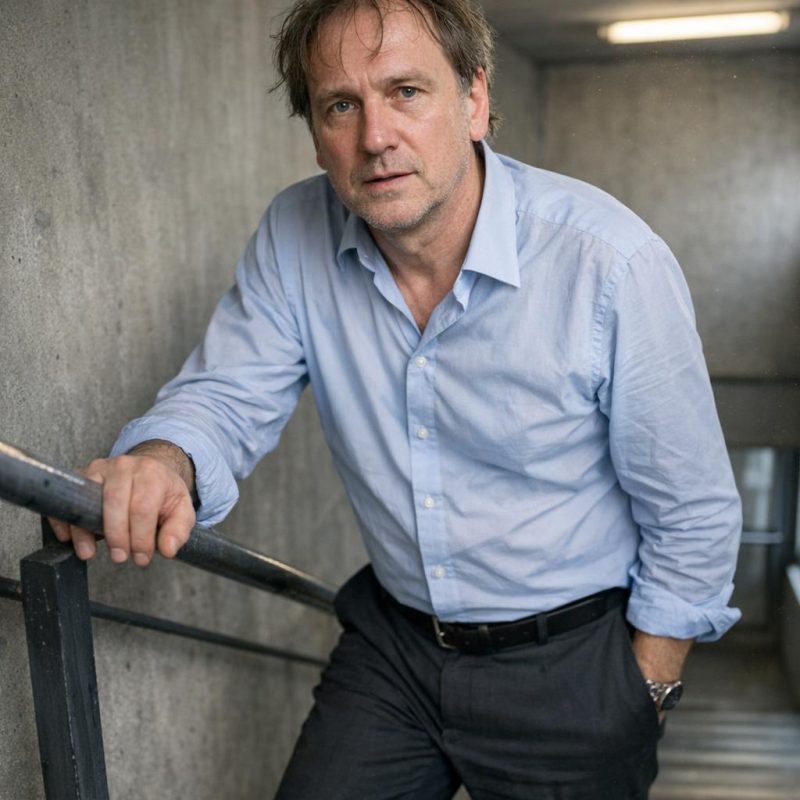 Image by RM AI
Normal Things
The breathlessness started showing up in normal things. Carrying groceries from the car to my apartment—just two bags, nothing heavy—and I'd have to set them down halfway up the walkway. Vacuuming the living room meant stopping every few minutes, pretending I needed to move furniture when really I just needed air. I remember making the bed one morning and having to sit down afterward, dizzy and gasping. That should have scared me. It didn't. Not enough, anyway. I kept rationalizing. Maybe I was coming down with something. Maybe it was allergies. Maybe I'd been holding my breath without realizing it. Your mind does this thing where it protects you from the truth until you can't ignore it anymore. I wasn't there yet. I was still firmly in denial, still convinced this was temporary, still certain it would go away on its own if I just ignored it hard enough. I started taking breaks I'd never needed before.
 Image by RM AI
The Parking Lot
The parking lot at the grocery store is completely flat. No incline, no stairs, nothing that should challenge anyone. I was walking to my car, moving slowly because it was hot outside, when it hit me. My chest tightened. My breath came in shallow gasps that didn't seem to bring in enough air. I stopped walking and just stood there between two rows of cars, one hand on a stranger's hood to steady myself. People walked past me. Nobody stopped. Why would they? I probably looked fine from the outside. But inside, I was panicking. This wasn't exertion. This wasn't being out of shape. This was something else, something wrong, something I couldn't explain away anymore. I waited for it to pass like it always did. It didn't pass. Not quickly enough. Not the way it should have. I made it to my car eventually, sat in the driver's seat with the AC blasting, and faced the thing I'd been avoiding. That's when I knew something was actually wrong.
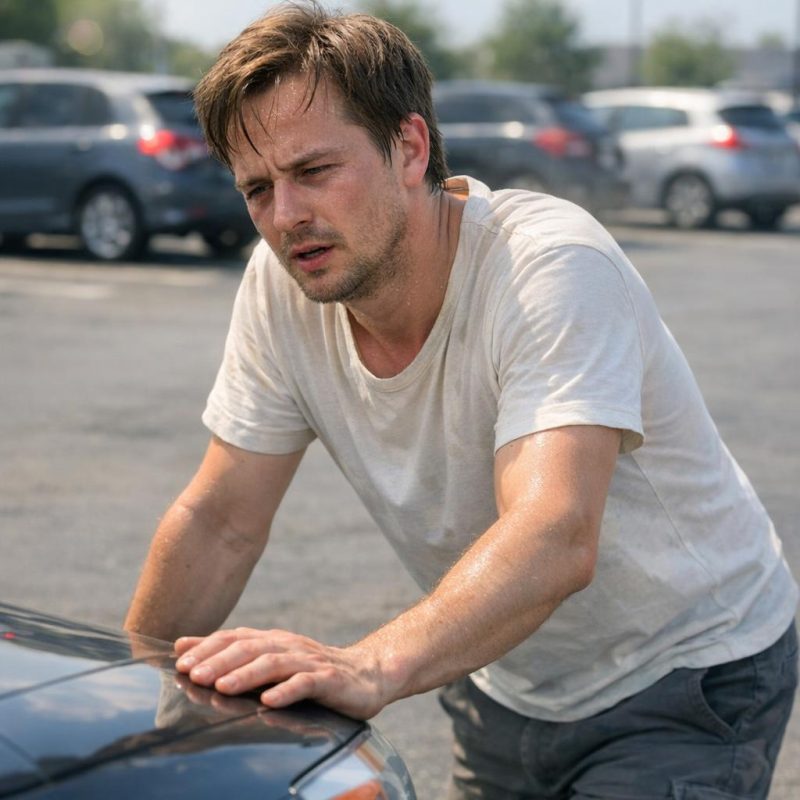 Image by RM AI
Urgent Care
I drove straight to urgent care. I didn't go home first. I didn't call Marcus. I just went, because if I stopped to think about it, I might talk myself out of it. The waiting room was half empty on a Tuesday afternoon. I checked in, filled out the forms, and sat there rehearsing how I'd explain it. 'I get winded easily' sounded so trivial. The nurse called me back and took my vitals. Blood pressure fine. Temperature normal. Oxygen saturation—she looked at the monitor, then at me, then back at the monitor. She didn't say anything, but her face said plenty. Dr. Patel came in a few minutes later. Young guy, kind eyes, the type who actually listens. I described the stairs, the groceries, the parking lot. I tried to make it sound reasonable, like maybe I was overreacting. He didn't treat it that way. He asked questions. Lots of questions. How long. How severe. Any pain. Any coughing. He ordered a chest X-ray and bloodwork immediately. The nurse's expression changed the moment I finished describing my symptoms.
 Image by RM AI
Waiting
They moved fast after that. Chest X-ray within the hour. Then a CT scan. Dr. Patel said the word 'precaution' like it was supposed to be comforting, but his urgency told a different story. I sat in the waiting area texting Marcus, trying to decide how much to tell him. 'Just getting checked out' felt like a lie. 'Something might be wrong' felt too scary. I went with the lie. He showed up anyway, because he knows me too well. He sat next to me holding my hand, not saying much, which was exactly what I needed. The waiting was the worst part. Worse than the tests, worse than the uncertainty. You sit there and your mind goes to the darkest places, and you can't stop it. I watched the clock. I counted ceiling tiles. I tried to convince myself this was all precautionary, that they were being overly careful, that I'd be walking out of here with instructions to exercise more and eat better. The scan took longer than they said it would.
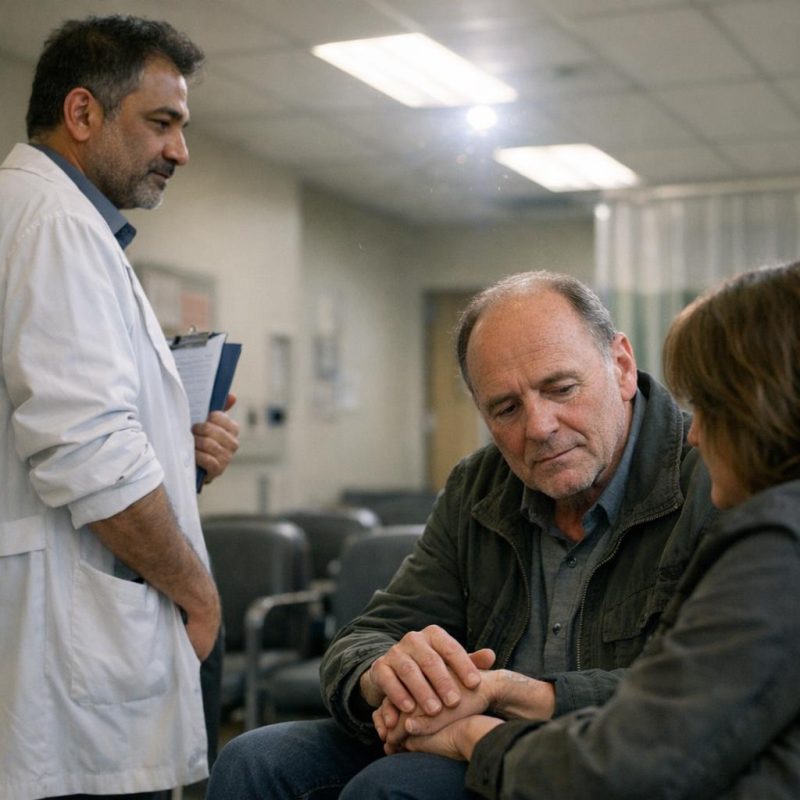 Image by RM AI
The Scan Results
Dr. Patel brought us into a consultation room. Not the exam room. A different room, with a desk and a computer and a box of tissues on the table. That box of tissues told me everything. He pulled up images on the screen—my lungs, gray and shadowy and completely meaningless to me. But his face while he looked at them meant something. 'We found an abnormality,' he said. 'In both lungs. I need you to see a specialist as soon as possible.' I asked him what kind of abnormality. He chose his words carefully. Too carefully. 'There's significant scarring and some masses we need to investigate further. The pattern is concerning.' Marcus squeezed my hand tighter. I asked if it was cancer. Dr. Patel said they couldn't know yet, that the specialist would do more tests, that we shouldn't jump to conclusions. But I noticed something. He used the word 'concerning' three times in two minutes.
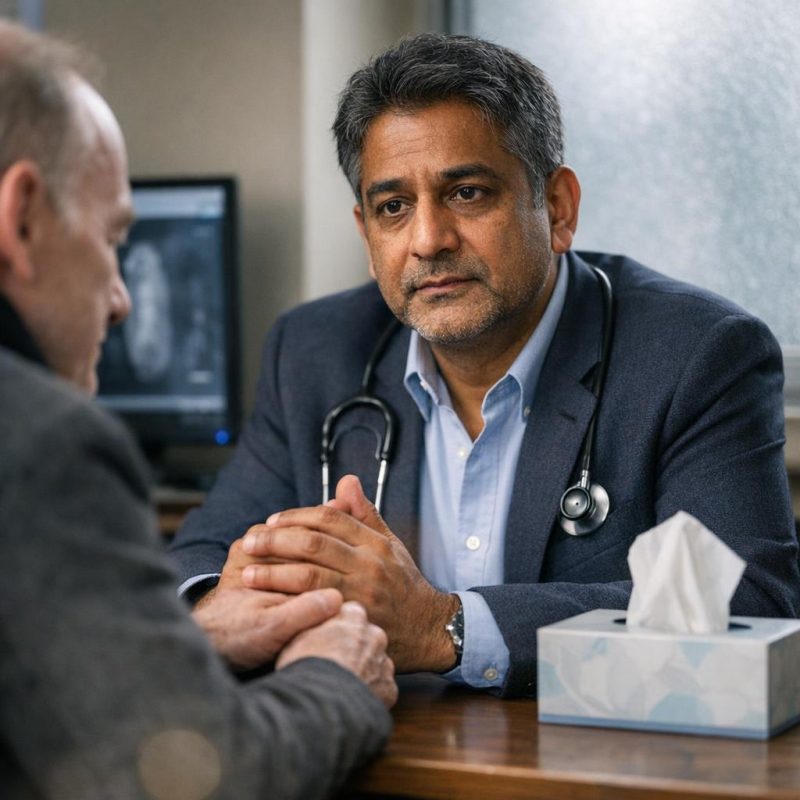 Image by RM AI
How Long
I needed to know one thing. 'How long has this been happening?' I asked. 'How long has whatever this is been in my lungs?' Dr. Patel hesitated. That hesitation lasted maybe three seconds, but it felt longer. Marcus was still holding my hand. The room was too quiet. 'That's difficult to say precisely,' Dr. Patel finally answered. 'But based on the extent of the scarring and the size of what we're seeing, this isn't recent. This has been developing over time.' I pushed. 'How much time?' He looked at me with something like sympathy. Or maybe pity. I couldn't tell the difference anymore. 'These things can progress slowly. Months. Possibly years. It depends on the underlying cause.' Years. I'd been walking around with something growing in my lungs for possibly years, ignoring every signal my body sent me. The guilt hit me hard and fast. 'Longer than you think,' he said.
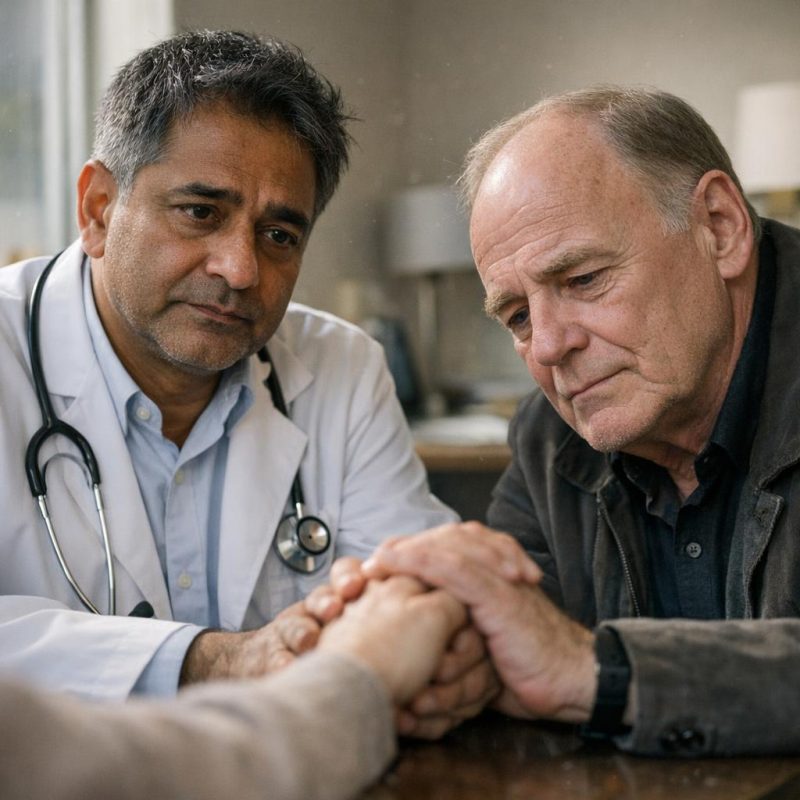 Image by RM AI
The Specialist
Dr. Chen's office was in a different building, all glass and modern furniture that was probably supposed to feel calming. It didn't. She was older than Dr. Patel, measured in her movements, precise with her words. A pulmonologist, Marcus had explained on the drive over. Lung specialist. She reviewed my scans and asked the expected questions about symptoms, timeline, family history. Then she shifted to questions I didn't expect. What did I do for work? How long had I been there? What floor was my office on? Did I know what kind of ventilation system the building had? Had I ever noticed any unusual smells or air quality issues? Marcus and I exchanged a look. I answered as best I could—administrative work, same company for eighteen years, fourth floor, no idea about ventilation, nothing unusual that I remembered. Dr. Chen made notes. Lots of notes. I asked why it mattered. She said they needed to rule out environmental factors. She asked me questions about my job that seemed oddly specific.
 Image by RM AI
The Office
I'd worked in the same building for eighteen years. Same desk, same floor, same commute. You don't really think about your workplace when it's just... there. The building was older, built sometime in the eighties, and yeah, it had its quirks. The heating was unreliable. The carpet was probably original. Sometimes the elevator made a grinding noise that everyone ignored. But it was just a place I showed up to, did my work, and left. I never thought about what I was breathing. Why would I? It's not like I worked in a factory or around chemicals. I sat at a desk and typed emails and filed reports. That's it. But now Dr. Chen's questions kept replaying in my mind. Had I noticed anything unusual? The truth was, I hadn't paid attention. Or maybe I had, and I just wrote it off as normal building stuff. People complained sometimes about stuffiness, about the air feeling stale. Someone in accounting had mentioned a weird smell once. There had been complaints about the air quality, but nothing ever came of them.
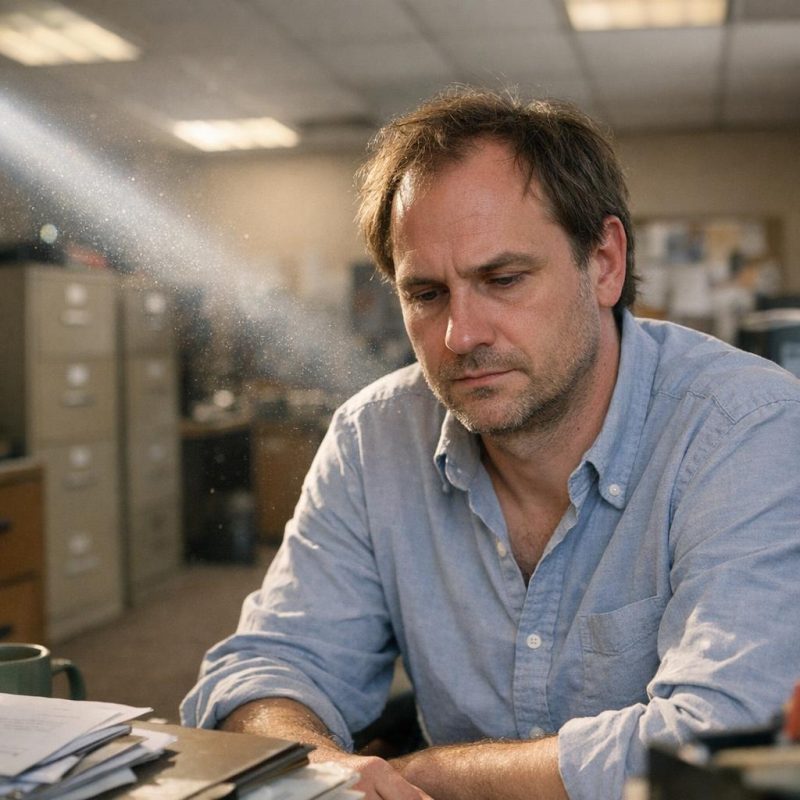 Image by RM AI
More Tests
The bronchoscopy was worse than I'd imagined. They thread a camera down your throat into your lungs while you're half-awake, and even with sedation, you feel it. The gagging, the pressure, the violation of something invading a space that's supposed to be private. Marcus held my hand in the recovery room while I coughed and tried not to cry. They took tissue samples, did more imaging, ran blood work for things I'd never heard of. Dr. Chen's office became depressingly familiar. The waiting. That was the worst part. Sitting around knowing something was wrong but not knowing what or how bad. I tried to go back to work, tried to pretend everything was normal, but I kept catching myself taking inventory of my breathing. Was it worse today? Was that tightness new? Marcus kept saying we'd figure it out, but his eyes told a different story. The nurse told me to expect results in a few days, but Dr. Chen called that same evening.
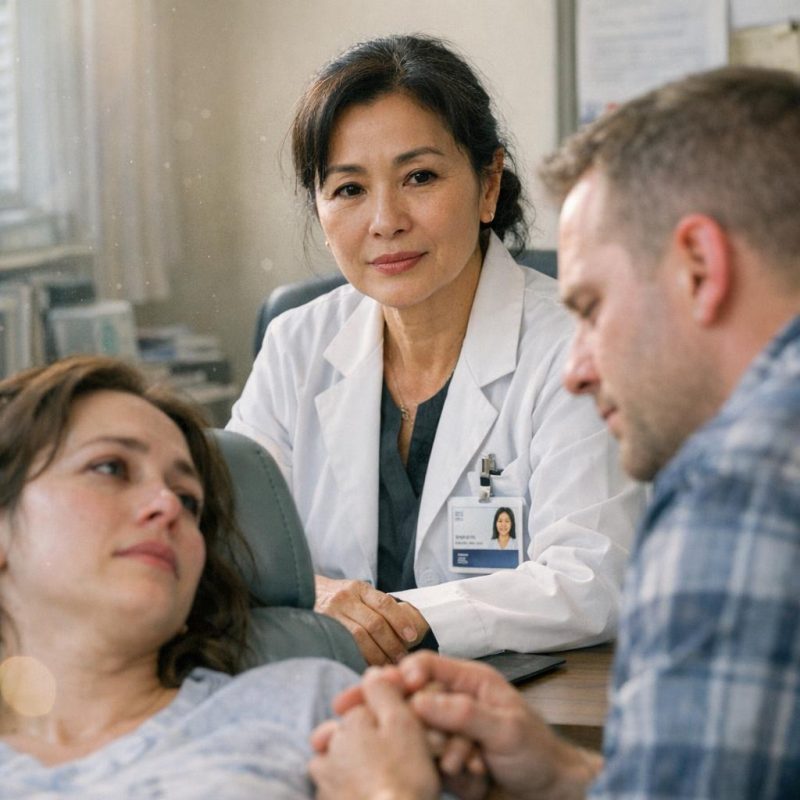 Image by RM AI
The Call
Her voice was different on the phone. More careful. She asked if I had time to talk, and something in the way she said it made my stomach drop. She wanted to go over my work history again, but more detailed this time. Which offices had I worked in? Had I ever been relocated? Were there any renovations during my time there? I grabbed a pen and started writing it all down, like that would make it make sense. I told her about the fourth floor, my current space. Before that, I'd been on the second floor for five years. And before that, when I first started, they'd stuck me in a basement office for three years until a position opened up upstairs. It was cramped and cold and smelled like mildew, but I'd been the new hire. You don't complain. Dr. Chen asked what the ventilation was like down there. I laughed—what ventilation? One sad little vent that barely moved air. When I mentioned the basement office where I used to work, she went silent for a long moment.
 Image by RM AI
Jenna's Message
Jenna's text came out of nowhere. We'd worked together for maybe four years before she transferred to a different department, and we hadn't talked much since. Just the occasional birthday message or holiday greeting. But her text was different: 'Hey, random question—have you been having any breathing problems?' I stared at my phone. I hadn't posted anything about my health anywhere. Hadn't told anyone outside of family and close friends. I texted back asking why she was asking. Her response came fast. She'd been diagnosed with some kind of lung inflammation six months ago. Doctors couldn't figure out why. She was twenty-nine and had never smoked. They kept calling it asthma, but the medication wasn't helping. She'd mentioned it to another former coworker who said they'd heard I was dealing with lung stuff too. Small company, I guess. Word travels. We talked on the phone for an hour. Her symptoms mirrored mine almost exactly. The exhaustion. The cough. The tightness. It felt like too much of a coincidence.
 Image by RM AI
The Diagnosis Meeting
Dr. Chen's office felt smaller this time, or maybe it was just Marcus and me taking up too much space with our dread. She had my file open, pages of test results and images that might as well have been hieroglyphics. She didn't waste time with pleasantries. Chronic interstitial lung disease, she said. Scarring and inflammation consistent with long-term exposure to environmental toxins. Not asbestos, not smoking, not a genetic condition. Something I'd been breathing for years. Marcus asked what kind of toxins. She said they'd need environmental testing to know for sure, but the pattern suggested mold, fungal spores, possibly chemical irritants from poor ventilation and water damage. I asked if it would get better. If there was treatment. She folded her hands on the desk, and I knew the answer before she spoke. We could manage symptoms, slow progression, but the damage already done couldn't be reversed. My lungs had been scarring for years, probably since my twenties. She said the damage was irreversible.
 Image by RM AI
Looking Back
That basement office came back to me in pieces. The smell hit me first in memory—damp, musty, like old wet cardboard that never fully dried. I'd gotten used to it after a while, the way you get used to anything if you're stuck with it long enough. The walls had that textured paint that always looked slightly dirty. There was a water stain on the ceiling that grew every time it rained. I remember joking about it with another temp who worked down there. We called it 'the amoeba.' I'd started getting headaches about six months into working there. And that cough—God, that cough that I'd blamed on everything else. Allergies. The weather. Stress. The ventilation was a joke. One vent, and half the time it just recirculated the same stale air. I'd bought a little desk fan just to feel like something was moving. I'd filed three complaints about the smell, and every time, they said they'd 'look into it.'
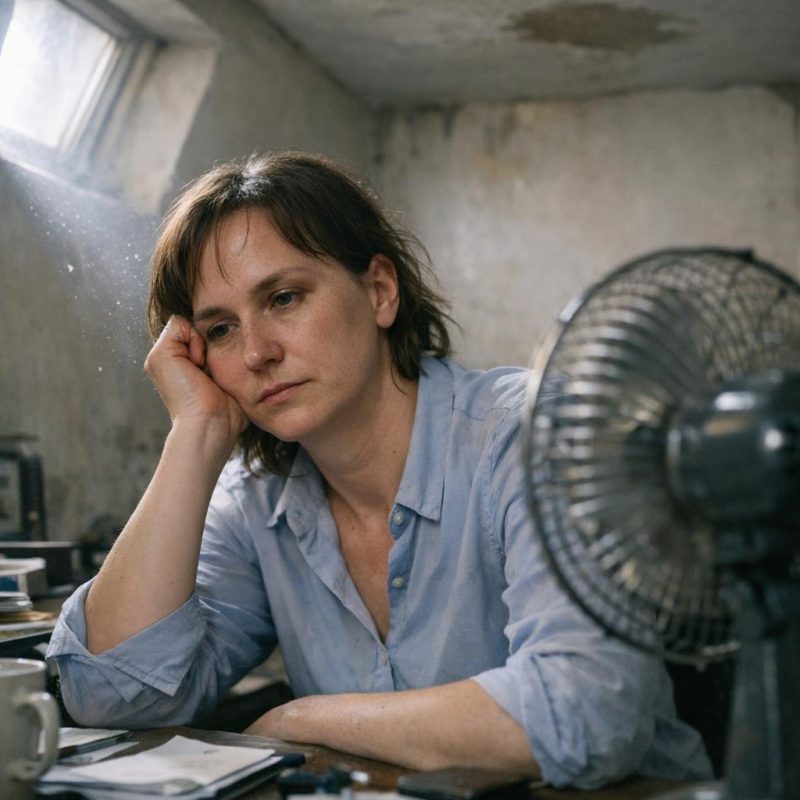 Image by RM AI
Rita's Story
Rita had retired two years ago at sixty-six, earlier than she'd planned. I remembered because she'd seemed almost embarrassed about it at her goodbye party, vague about her reasons. 'Health stuff,' she'd said, waving it off. I found her number through an old company directory and called on a Saturday morning. She picked up on the third ring, and when I told her who I was, there was this pause. Not surprise—recognition. I asked how she was doing, tried to ease into it, but Rita cut through the small talk. 'You worked in that basement too, didn't you?' she said. 'Back when you first started?' I said yes. She exhaled, long and slow. She'd been diagnosed with chronic bronchitis and some kind of immune disorder. Spent a year going through specialists before someone suggested her workplace might be the cause. By then she'd already retired. She'd tried to bring it up with HR once, but they'd stonewalled her. Rita asked me if I'd gotten sick too, like she'd been waiting for this call.
 Image by RM AI
The List
Rita didn't just suspect—she'd kept track. After her diagnosis, she'd started quietly reaching out to people who'd worked in that basement office over the years. Seven names. She read them off to me over the phone, and I recognized every single one. Two had moved out of state. One had passed away from pneumonia complications, though Rita said his lungs had been compromised for years before that. The others had various respiratory and immune problems—chronic bronchitis, unexplained lung inflammation, recurring infections. None of them had worked there at the same time. The assignments were staggered over a fifteen-year period. But we'd all spent time in that same basement space. Rita had tried to report it once, informally, but the company doctor had dismissed it. Said the symptoms were too varied to indicate a common cause. But they weren't varied—not really. We'd all ended up with damaged lungs and bodies that couldn't fight off what they used to. Three of them had been told it was 'early onset COPD' with no clear cause.
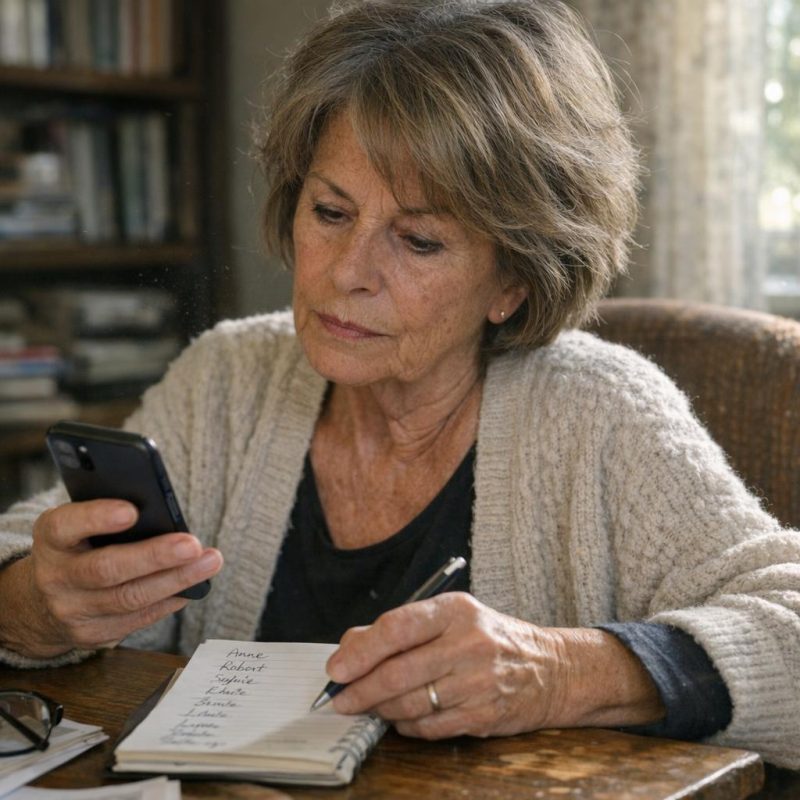 Image by RM AI
Building Records
I started with public records. The county website had building inspection reports going back decades, and I downloaded everything related to our address. At first, it was just bureaucratic noise—permit renewals, elevator inspections, fire safety checks. But then I found the violations. HVAC system flagged for poor ventilation. Moisture issues in the basement level. Follow-up inspections marked 'incomplete' or 'pending.' Some had been cited, supposedly corrected, then cited again six months later for the same damn thing. I made a spreadsheet. Color-coded it. Red for unresolved, yellow for repeated violations, green for actually fixed. There wasn't much green. The pattern was obvious once I laid it out—they'd get cited, pay a fine, promise to fix it, then do the bare minimum until the inspector moved on. Rinse and repeat. My hands were shaking as I scrolled back further, cross-referencing dates with when Rita had worked there, when the others had been assigned to that basement office. The violations went back twelve years—longer than I'd worked there.
 Image by RM AI
The Mold Report
I found the mold report buried in a subfolder of a subfolder on the county environmental health site. It was dated five years ago—right around when I'd started having those first weird respiratory infections I'd chalked up to stress. The report was clinical, thorough, and absolutely damning. Toxic mold species identified in the HVAC system serving the basement and first floor. Spore counts at levels 'significantly elevated' and 'potentially hazardous to occupant health.' Air quality samples showed contamination in multiple zones. I read it three times to make sure I wasn't misunderstanding. This wasn't speculation. This was documented fact, signed by a certified environmental consultant. The recommendations section made my stomach drop: immediate remediation required, temporary evacuation of affected areas during abatement, full HVAC replacement, ongoing air quality monitoring. I checked the building's permit history for that year. No remediation permits. No evacuation notices. No follow-up inspection reports. The report recommended immediate remediation and temporary evacuation. Neither happened.
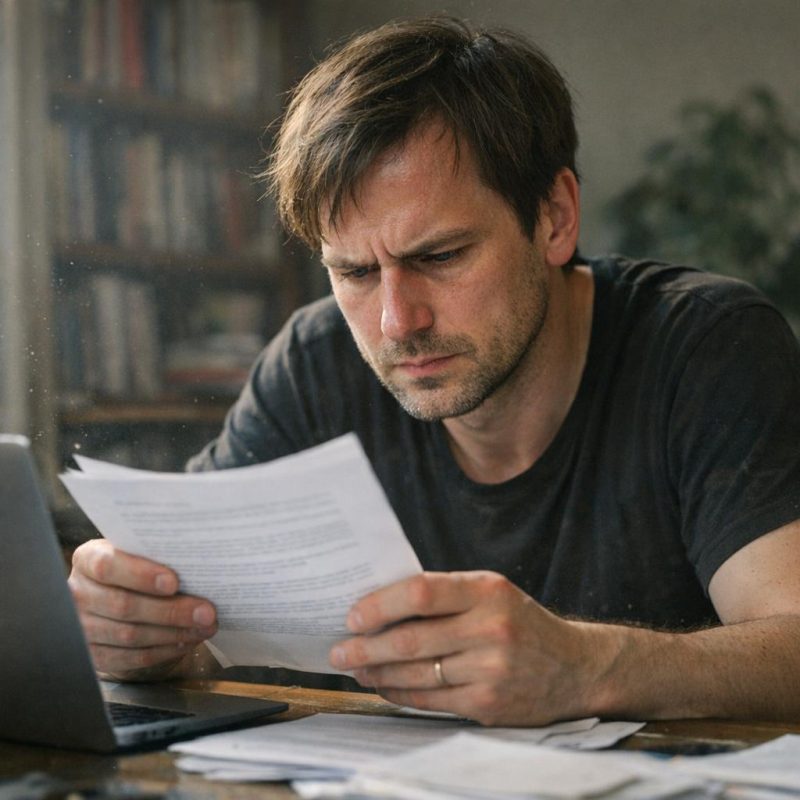 Image by RM AI
Marcus's Doubts
Marcus found me at the kitchen table that night, surrounded by printed reports and highlighted documents. He looked at the mess, then at me, and sighed. 'Teresa, I get it. I do. But this is going to cost money we don't have. Legal fees, expert witnesses, time off work you can't afford.' He sat down across from me, his face tired. 'You're already stressed. Your lungs are already damaged. Is this really worth making yourself sicker over?' I felt the anger rise in my chest, hot and immediate. 'They poisoned me,' I said. 'They poisoned Rita and God knows how many other people, and they knew. They had a report that told them exactly what was happening, and they did nothing.' He reached for my hand. 'I know. And I'm sorry. But you need to think about what this fight is going to take out of you.' I pulled my hand back. I told him this *was* about my health—and everyone else's.
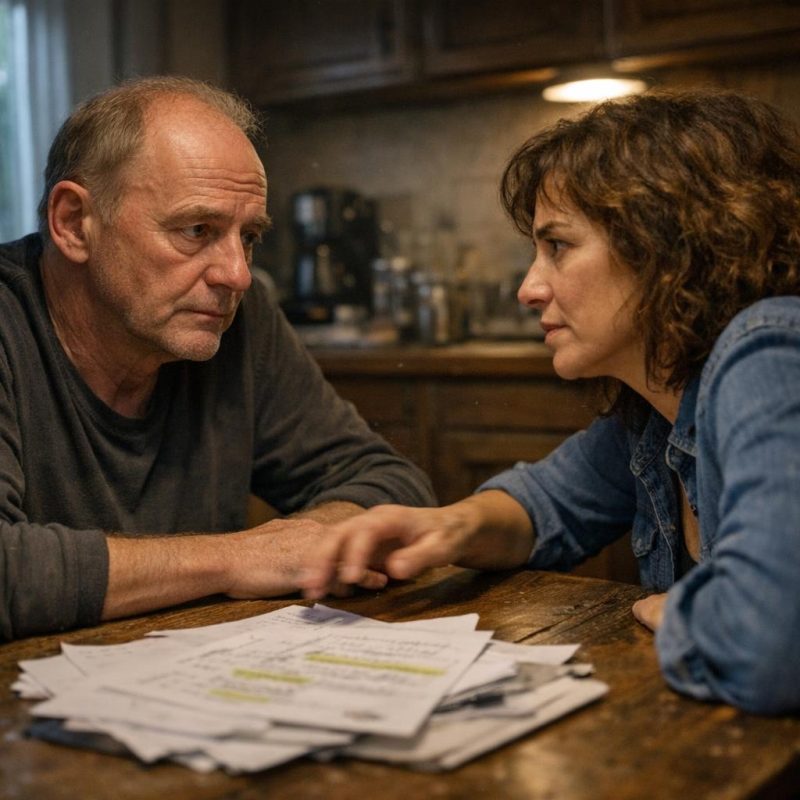 Image by RM AI
Treatment Plan
Dr. Chen walked me through it methodically, like she was building a roadmap I'd need to follow for the rest of my life. Daily inhaled corticosteroids to reduce inflammation. A rescue inhaler for flare-ups. Breathing exercises twice a day to maintain lung capacity. Pulmonary rehabilitation—basically physical therapy for my lungs. No smoking, obviously, though I'd never been a smoker. Avoid air pollution, strong chemicals, dusty environments. Monitor for infections and treat them aggressively before they could take hold. She said the scarring wouldn't heal, but the inflammation could be managed. My lung function could stabilize if I was diligent. 'You'll need to be careful,' she said. 'Your lungs don't have the reserve they used to. A bad flu could land you in the hospital.' I nodded, taking notes, feeling strangely calm. This was real. This was the rest of my life. But it was manageable. It was survivable. 'You caught it before it became fatal,' she said, 'but just barely.'
 Image by RM AI
The Attorney Search
I started calling law firms that handled environmental and occupational health cases. The first lawyer listened politely and said they didn't take cases against property management companies—too hard to prove causation. The second said I'd need at least five other plaintiffs to make it worth pursuing. I told her I had seven. She said to call back when I had fifteen. The third lawyer I called was different. His name was Bill Hendricks, and when I mentioned the building address, he actually laughed. Not a happy laugh—bitter, knowing. 'That building,' he said. 'Jesus. I've been wondering when someone would finally go after them.' He told me he'd consulted on two other cases involving tenants there, both settled quietly out of court with NDAs attached. He'd wanted to pursue it further but couldn't without a plaintiff willing to go public. 'You willing to fight?' he asked. I said yes. The third lawyer I called said he'd been waiting for someone to sue them for years.
 Image by RM AI
Meeting Dr. Morales
Bill sent me to Dr. Morales the following week. His office was in a medical building downtown, cluttered with file boxes and framed degrees. He looked younger than I expected—maybe fifty, with sharp eyes and a firm handshake. He'd reviewed my medical records and the environmental reports I'd sent over. 'Your case is strong,' he said. 'The documentation is unusually clear.' He explained that he specialized in occupational and environmental illness, testifying in cases where workplaces or buildings had made people sick. He'd written papers on toxic mold exposure. He'd consulted with the EPA. And yes, he knew my building. He pulled a folder from his desk and opened it. Inside were notes, timelines, medical summaries. 'I've worked on cases involving that property before,' he said. 'Twice as a consultant, once as an expert witness. Both settled.' He looked at me seriously. 'They know they're liable. The question is whether they'll fight or settle with you.' He'd consulted on three other cases involving the same building.
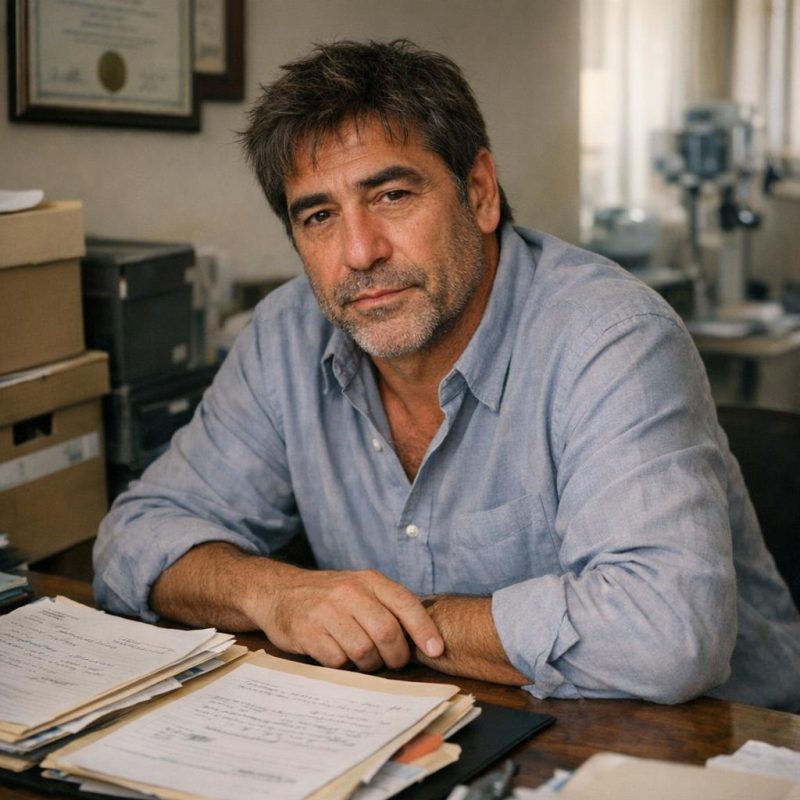 Image by RM AI
The Company Response
The letter arrived certified mail, from a law firm with three names and an address in a downtown high-rise. I knew what it was before I opened it. It was printed on heavy stock, formatted in that aggressive legal style meant to intimidate. They denied any responsibility for my illness. They denied that the building had any health hazards. They denied that any environmental report had ever recommended evacuation or remediation—despite the fact that I had a copy of that exact report. They accused me of making 'unsubstantiated and defamatory claims' and warned that if I continued to spread false information about their property, they would pursue legal action against me for damages. The letter was signed by someone named Gerald Stapleton, Senior Partner. I read it twice, feeling my hands shake with rage. They were threatening me. After poisoning me, after ignoring their own environmental consultant, after years of documented violations—they were threatening *me*. They claimed I had no proof my illness was connected to the building.
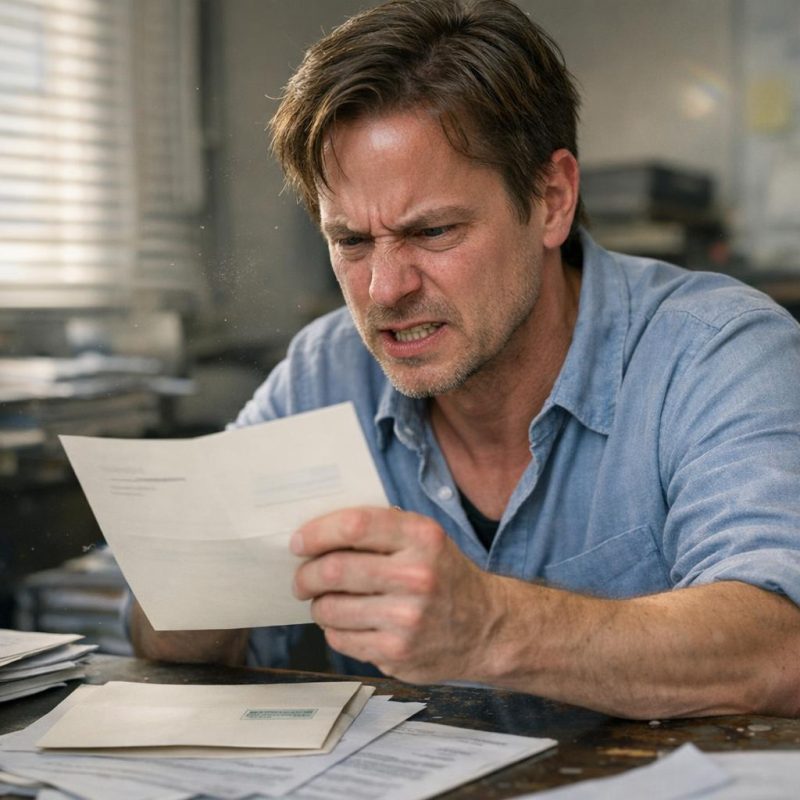 Image by RM AI
Gathering Witnesses
Rita and I started making calls. We had the list of seven people she'd already tracked down, plus a few more names I remembered from my time there. Some had moved. Some didn't want to get involved—too scared of retaliation, too tired to fight. But others were angry. They'd been sick for years, told it was genetic or bad luck or their own fault for not taking care of themselves. Now they had an explanation. A young guy named Sam who'd worked there right out of college said he'd been diagnosed with asthma at twenty-four, despite no family history. A woman named Diane had chronic sinus infections that wouldn't respond to treatment. Another had been hospitalized twice for pneumonia. We sent them copies of the environmental report. We connected them with Bill Hendricks. We built a spreadsheet of names, diagnoses, dates of employment. It grew fast. People started referring others. By the end of the week, we had eleven people willing to testify.
 Image by RM AI
The Leak
The envelope showed up in my mailbox with no return address. Just a plain manila folder stuffed with printed emails. I almost threw it away, thinking it was junk mail. But something made me open it. The emails were internal communications between building management and their insurance company, dated from three years before I even started working there. They'd known. A maintenance supervisor had flagged the HVAC system as contaminated in 2015. An environmental consultant had recommended immediate remediation. And management had replied—I'm not even paraphrasing here—that 'the cost of full remediation would exceed potential settlement costs from employee health claims.' They'd done the math. They'd weighed my lungs, my life, against their bottom line. And they'd decided I wasn't worth the investment. I read through the entire stack twice, my hands shaking so badly I could barely hold the pages. There were follow-up emails discussing 'acceptable liability thresholds' and 'minimizing disclosure requirements.' One email actually said fixing it would 'cost more than potential settlements.'
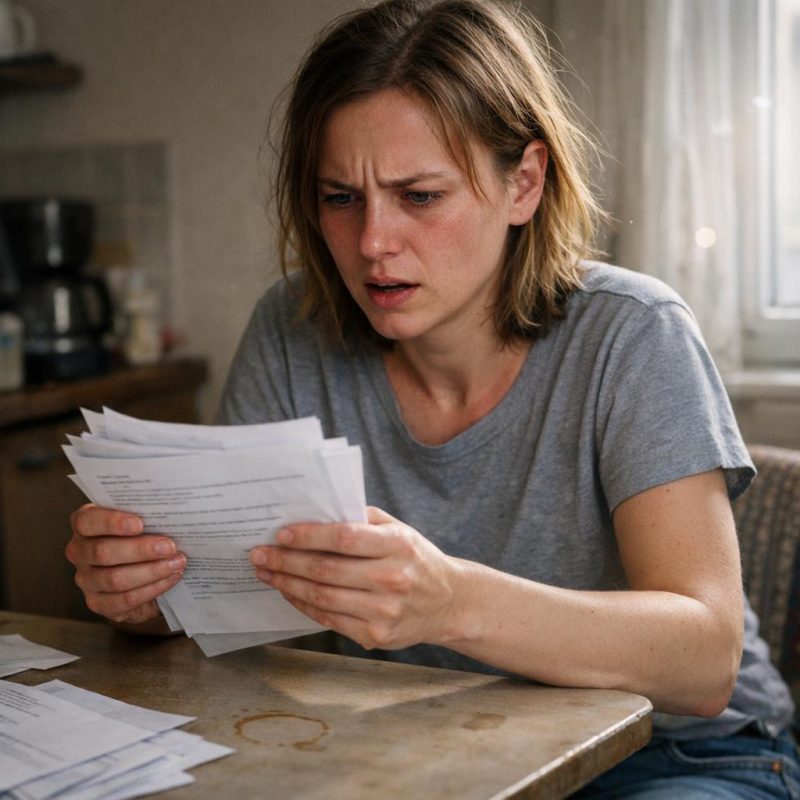 Image by RM AI
Media Interest
The reporter's name was Jennifer Mills, and she called me on a Tuesday afternoon. She'd heard about the lawsuit through some connection with Bill Hendricks' office. She wanted to do a story about workplace environmental hazards and thought my case would be a compelling angle. 'People need to know this can happen anywhere,' she said. 'That employers are making these calculations every day.' I told her I'd think about it. Bill called me an hour later, cautiously supportive but concerned. 'It could help build public pressure,' he said. 'But it also exposes you. They'll scrutinize everything about you.' Marcus thought I should do it. Rita thought I should wait until after the lawsuit settled. Dr. Chen reminded me that stress wasn't good for my recovery. But I kept thinking about those emails. About the cold, calculated decision to let people get sick. Jennifer called back the next morning. I said yes before I could second-guess myself. I agreed to the interview before my attorney could advise against it.
 Image by RM AI
The Interview
They filmed in my apartment, which felt weirdly invasive but also important. I wanted people to see where I lived now, how different my life looked. Jennifer asked me to describe my symptoms. I told her about the coughing, the fatigue, the day I couldn't get out of bed. I showed her my inhaler and the stack of medical bills on my kitchen counter. She asked me how it felt to know the building management had chosen profit over my health. I didn't cry, though I thought I might. I just told the truth. That I'd trusted them. That I'd blamed myself for being weak, for not being able to handle a normal workday. The interview lasted forty minutes but they edited it down to six. They used the part where I said, 'I thought I was dying, and they knew why, and they let it happen anyway.' The camera crew packed up and left. The segment aired during the evening news, and my phone didn't stop ringing for hours.
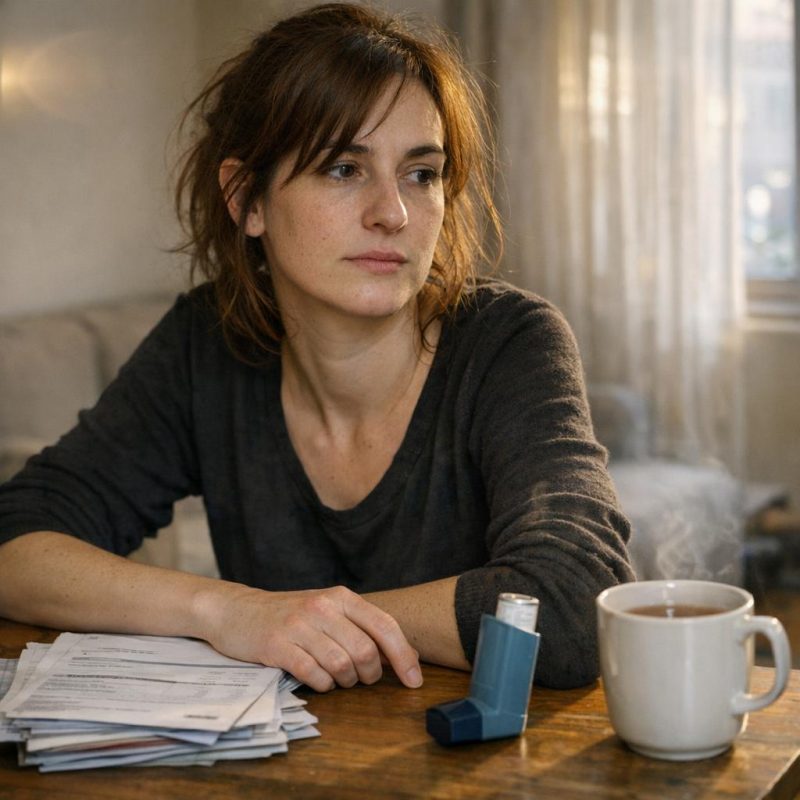 Image by RM AI
Angela's Confession
Angela reached out through email, of all things. Subject line: 'I need to talk to you about Westfield Tower.' She'd been the assistant building manager from 2016 to 2019, during the exact period when management was actively covering up the mold problem. We met at a coffee shop near her current workplace. She looked exhausted, like she hadn't slept in days. 'I knew,' she said, barely making eye contact. 'I saw the reports. I was told to file them away and not discuss them with tenants or employees.' She'd quit eventually, couldn't stomach it anymore, but the guilt had been eating at her. She'd seen my interview and realized she couldn't stay silent. 'I have copies of everything,' she told me. 'Maintenance logs. Budget meetings where they explicitly chose not to fix it. I'll testify. I'll tell them exactly what happened.' I asked her why she was coming forward now. She looked at me with red-rimmed eyes. She said she'd been carrying the guilt for five years.
 Image by RM AI
The Deposition
The deposition took place in a sterile conference room that smelled like air freshener and anxiety. Bill sat beside me. A court reporter typed everything. The defense attorney was a man in his sixties with silver hair and a voice like gravel. He walked me through my employment history, my medical history, every doctor's visit I'd ever had. He asked about my childhood asthma—never mind that it had been mild and resolved by age twelve. He asked about my smoking history. I'd never smoked. He asked if I'd ever lived in an apartment with water damage. I answered everything as calmly as I could. Then he leaned back in his chair and asked, almost casually, 'Ms. Cortez, if you suspected the building was making you sick, why didn't you simply quit your job?' I felt Bill's hand on my arm, a gentle warning not to lose my temper. I took a breath. I wanted to scream. The defense attorney asked me why I didn't leave the building if I knew it was making me sick.
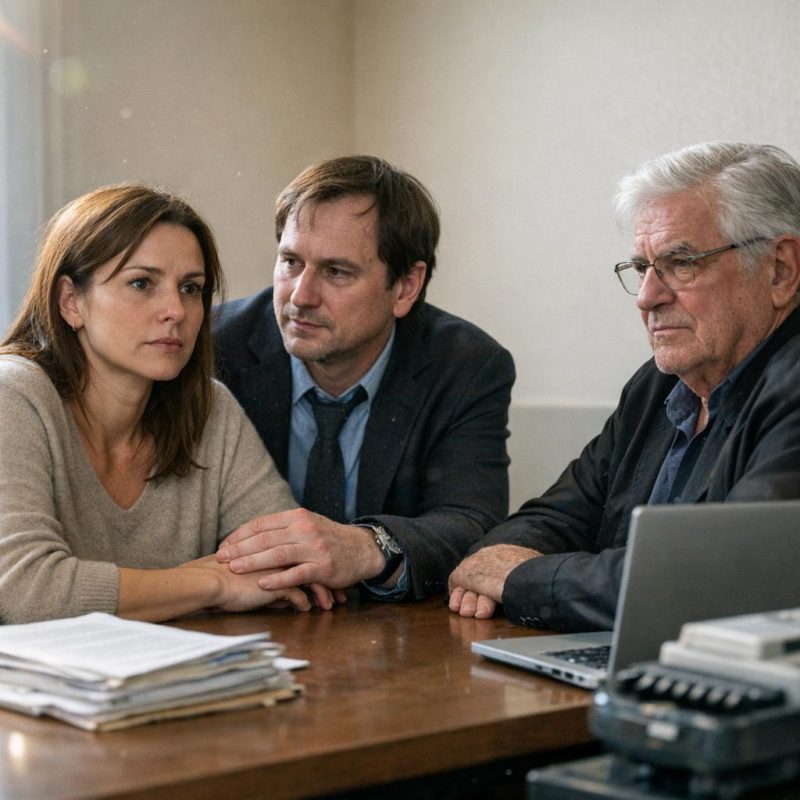 Image by RM AI
Health Decline
I started coughing up blood again in late September. Not much, just flecks in the tissue when I woke up, but enough to scare me. My chest felt tight all the time, like someone was sitting on my ribcage. I'd been pushing too hard—long calls with Bill's office, late nights reviewing documents, media interviews. Dr. Chen ordered new imaging and pulmonary function tests. The results weren't good. My lung capacity had dropped. The inflammation markers in my blood were elevated. She sat me down in her office with that serious expression doctors get when they're genuinely worried. 'Teresa, you need to slow down,' she said. 'I know this lawsuit is important. I know you're fighting for something that matters. But your body is telling you it can't sustain this pace.' I told her I'd rest after the settlement. She didn't look convinced. Neither was I, honestly. Dr. Chen warned me that stress was affecting my lung function.
 Image by RM AI
Nurse Kim's Support
I'd been going to the clinic for treatments twice a week, and Nurse Kim had always been kind but professional. That day, though, I must have looked particularly defeated. I'd just gotten off the phone with Bill about another delay in the lawsuit. My breathing was labored. I felt like I was drowning. Kim set up my nebulizer in silence, but before she left the room, she paused. 'My aunt worked in a factory,' she said quietly. 'They used chemicals without proper ventilation. She died of lung disease at fifty-three.' I looked up at her. She wasn't crying, but her eyes were bright. 'The company said it wasn't their fault. That she should have worn her mask more consistently. They blamed her.' Kim adjusted the flow on my oxygen. 'She fought them for two years before she got too sick to continue. She never got justice.' Kim squeezed my shoulder gently. 'Keep fighting,' she said. 'For all of us.'
 Image by RM AI
The Settlement Offer
Bill called me on a Thursday morning. The building management company had made an offer. Six hundred and fifty thousand dollars. Full medical coverage for life. All I had to do was drop the lawsuit, sign a non-disclosure agreement, and go away quietly. He read me the terms over the phone, his voice carefully neutral. I couldn't speak for a full minute. That money would change everything. No more worrying about insurance. No more medical debt. I could actually rest, focus on getting better. Marcus came over that evening. I showed him the offer. 'What do you want to do?' he asked. I didn't know. The NDA meant I couldn't talk about what they'd done. It meant they'd never admit fault. It meant the next person who got sick would fight this battle alone. But I was so tired. My lungs hurt. My bank account was nearly empty. Marcus didn't tell me what to do. He just held my hand. The number was enough to cover my medical expenses for life—and they knew it.
 Image by RM AI
The Group Meeting
We met at a coffee shop three blocks from the courthouse. All of us. Rita sat at the head of the table, looking exhausted but fierce. Jenna was there too, younger than the rest of us, her hands wrapped around her coffee cup like she was trying to absorb its warmth. I laid the settlement offer on the table. Six hundred and fifty thousand each. Medical coverage for life. Non-disclosure agreement. The silence lasted maybe thirty seconds. Then Jenna laughed, but there was no humor in it. 'They think we'll take their money and shut up,' she said. Rita nodded slowly. She'd been fighting this longer than any of us. She'd buried a coworker who'd gotten sick in that building before anyone knew what was happening. 'If we take this,' Rita said, 'the next person who walks into that office won't know what's waiting for them.' I felt something shift in the room. We were tired. We were sick. But we weren't alone. Rita said what we were all thinking: 'They're counting on us being too tired to keep fighting.'
 Image by RM AI
Rejecting the Offer
I called Bill the next morning. My hands were shaking when I dialed, but my voice was steady. 'We're rejecting the offer,' I said. 'All of us.' There was a long pause. Then he said, 'Teresa, I need you to understand what this means. They'll fight you with everything they have. Discovery will be invasive. They'll dig into your medical history, your personal life, everything.' I knew. God, I knew. But I also knew that taking their money meant disappearing. It meant pretending this hadn't happened. It meant the mold would stay hidden in those walls, and someone else's lungs would pay the price. 'We're going to trial,' I said. Bill sighed, but I could hear something like respect in it. 'Alright,' he said. 'Then let's get to work.' I hung up and sat there for a long time, staring at my phone. There was no going back now. The number they'd offered would have solved every financial problem I had. But some things you can't put a price on. Our attorney said this would get ugly, and he wasn't exaggerating.
 Image by RM AI
Sarah's Diagnosis
Sarah called me on a Tuesday afternoon. I didn't recognize the number, but something made me answer. 'Teresa?' Her voice was small, younger than I expected. 'I got your number from Rita. I... I just got diagnosed.' She was twenty-six years old. Twenty-six. She'd worked as an intern in our office building for less than a year, fresh out of college, excited about her first real job. Now she had early-stage lung damage. The same patterns Dr. Chen had shown me in my own scans. We met for coffee the next day. Sarah looked healthy, athletic even. You'd never know anything was wrong just by looking at her. But she'd been coughing for months. Shortness of breath. Her doctor had dismissed it as asthma until she insisted on imaging. 'I thought I was too young for this to happen,' she said. I wanted to tell her she was. That this shouldn't be possible. But the scans didn't lie. The damage was there, permanent, already changing the trajectory of her entire life. She'd only worked in that building for eight months.
 Image by RM AI
Trial Preparation
The next two weeks became a blur of conference rooms and legal documents. Bill brought in an environmental specialist, a toxicology expert, and a physician who'd testified in similar cases before. They coached me on how to answer questions, how to stay calm under cross-examination, how to explain technical medical terms in ways a jury could understand. We reviewed every doctor's visit, every symptom, every email I'd sent to building management about the smell. They found maintenance logs showing the property management company had received complaints about water damage and musty odors for three years before I got sick. Three years. And they'd done nothing but paint over the stains. Rita's testimony prep was scheduled for a full day. Jenna's for another. Sarah's lawyer was filing a motion to add her case to ours. The defense fought it, of course. They didn't want a twenty-six-year-old in front of a jury. I practiced my testimony every night, standing in front of my bathroom mirror, trying to keep my voice from shaking. Marcus listened to me rehearse until he could recite it himself. The trial was set to begin in three weeks.
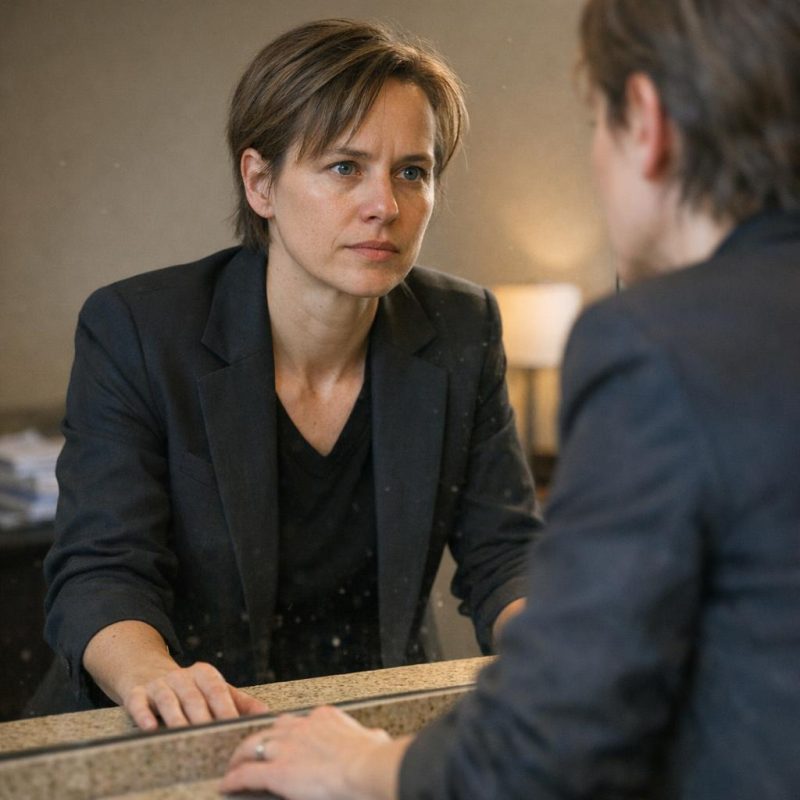 Image by RM AI
Anonymous Threats
The first message came through Facebook. A blank profile, no photo, sent at two in the morning. 'Drop the case. You don't know who you're dealing with.' I deleted it, told myself it was just some internet troll. Then another came the next day. And another. 'Think about your future. Think about Marcus.' That one made my hands go cold. By the end of the week, I'd gotten six messages from different accounts, all with the same theme: back off or face consequences. I showed them to Marcus. His face went pale. 'You need to tell Bill,' he said. 'Now.' The police report took an hour to file. The officer taking my statement seemed unsurprised, almost bored, like this was routine. But the last message changed everything. It arrived while I was sitting in the police station. No words this time. Just an image. One message included a photo of me leaving Dr. Chen's office.
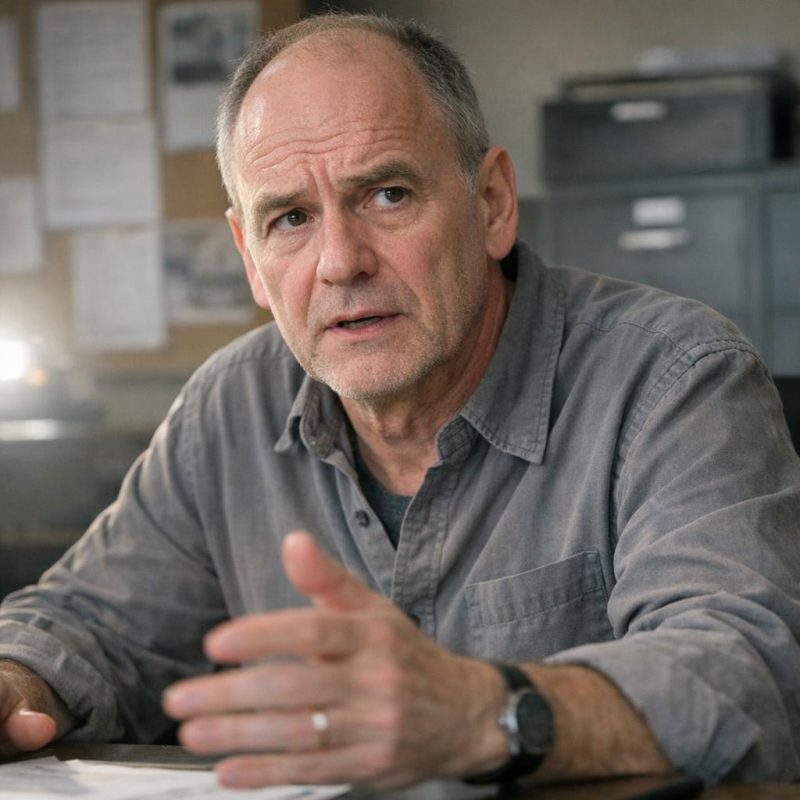 Image by RM AI
Police Report
The detective assigned to my case was a woman in her forties with tired eyes. She looked at the photo on my phone and her expression hardened. 'This is stalking,' she said. 'Clear intimidation. We're going to take this seriously.' Bill filed an emergency motion for a protective order. The judge granted it within forty-eight hours, prohibiting anyone connected to the defense from contacting me outside official legal channels. Security cameras were installed outside my apartment. Marcus insisted on staying over most nights. I wasn't sure if any of it would actually help, but it made me feel less exposed, less vulnerable. The detective called me back three days later. 'We've seen this before,' she said. 'Corporate defendants trying to scare plaintiffs into dropping cases. Document everything. Don't go anywhere alone. And don't let them win.' Her voice had an edge to it, something personal. I wondered if she'd seen someone she cared about go through this. The threats stopped after the protective order was issued. But I couldn't shake the feeling that someone was still watching. Still waiting. The detective said they'd seen this tactic before in corporate cases.
 Image by RM AI
Opening Arguments
The courtroom was smaller than I expected. I'd seen trials on TV, big dramatic spaces with high ceilings. This was just a plain room with fluorescent lights and uncomfortable benches. But when the judge walked in, everything became real. Our attorney stood first. He laid out the case in clear, simple terms: negligent property management, repeated warnings ignored, lives destroyed by preventable exposure to toxic mold. He showed photos of the water damage. He read emails from tenants complaining about the smell. He explained how the building owners had chosen profit over safety, again and again, until people started getting sick. Then the defense attorney stood up. She was polished, confident, expensive-looking. And she went right for our throats. We were exaggerating our symptoms. We couldn't prove causation. We were looking for someone to blame for our own poor health choices. 'Ladies and gentlemen,' she said, looking directly at the jury, 'these are not victims. These are opportunists.' I felt Marcus's hand grip mine under the table. The defense attorney claimed we were 'opportunistic victims looking for someone to blame.'
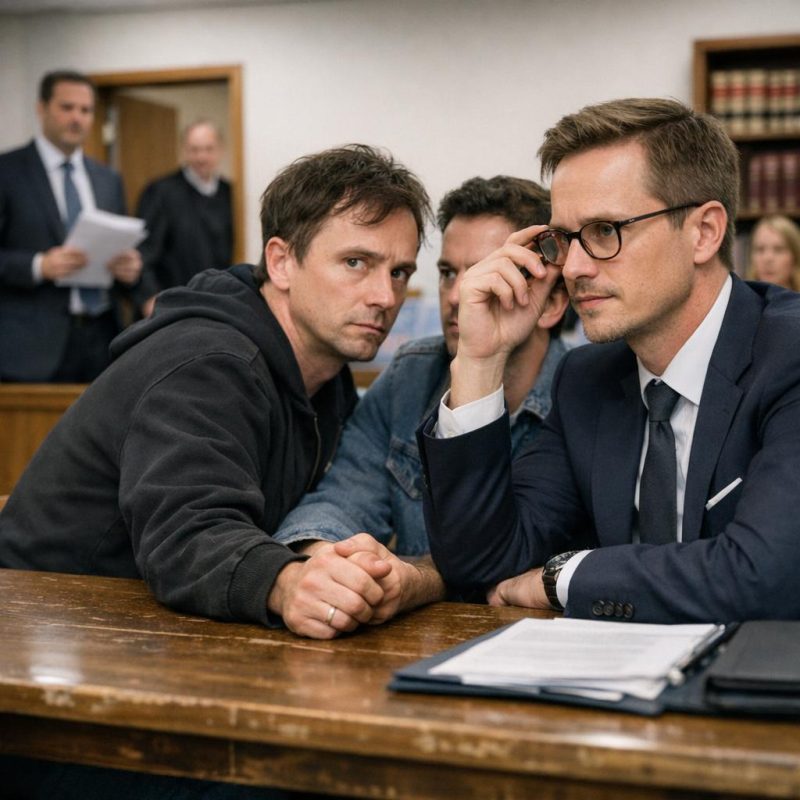 Image by RM AI
Dr. Chen's Testimony
Dr. Chen took the stand on the third day of trial. She wore a dark blue suit and spoke with calm, precise authority. Bill walked her through my medical history, the timeline of my symptoms, the diagnostic process. Then he asked her to explain what she'd found in my lungs. 'The scarring pattern is consistent with prolonged exposure to mycotoxins,' Dr. Chen said. 'These are toxins produced by certain species of mold. The damage is permanent and progressive.' The defense attorney tried to rattle her during cross-examination, suggesting other possible causes. Smoking. Pollution. Genetics. Dr. Chen didn't budge. 'I've reviewed Ms. Torres's complete medical history,' she said. 'The timeline is clear. The damage began after she started working in that building. The pattern is unmistakable.' Then Bill brought out the images. On a large screen, side by side: my lung scans next to those of a healthy fifty-two-year-old. The difference was stark, horrifying. The jury leaned forward to look. One woman in the back row put her hand over her mouth. She showed the jury side-by-side images of my lungs compared to a healthy person's.
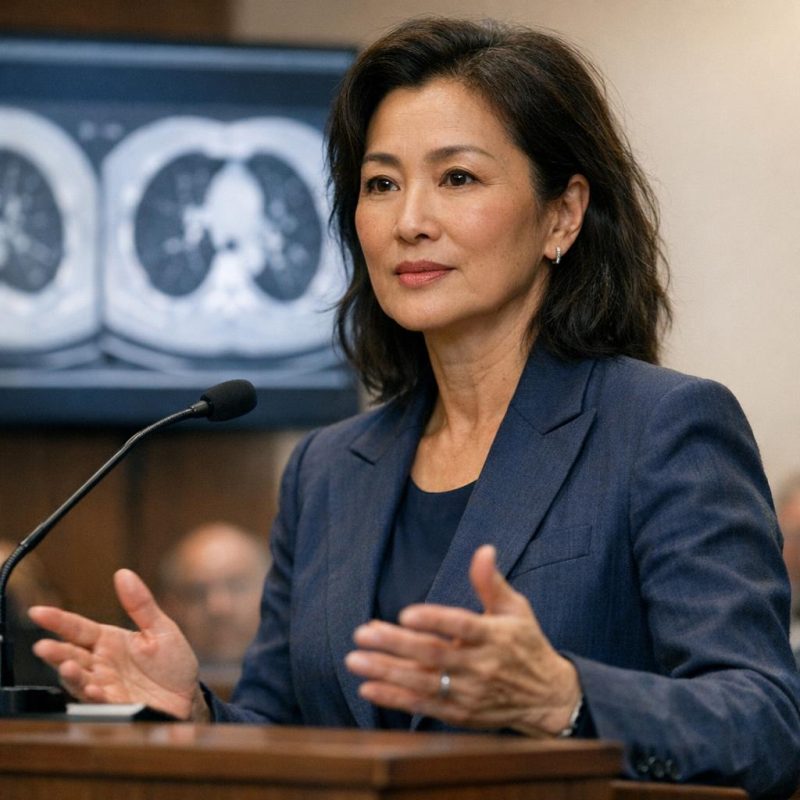 Image by RM AI
Cross-Examination
The defense attorney circled back during cross-examination, pressing hard. He suggested that maybe I'd smoked years ago and forgotten. Maybe I'd lived near a factory as a child. Maybe it was genetic—did I know my grandmother's medical history? Dr. Chen sat perfectly still, hands folded on the witness stand. She waited for him to finish each question before responding. 'I've reviewed Ms. Torres's complete medical history going back thirty years,' she said. 'I've examined her family history. I've consulted with pulmonologists across three states.' He tried to interrupt, but she kept going. 'The scarring pattern in her lungs is not consistent with smoking, pollution exposure, or genetic conditions. The distribution is wrong. The timeline is wrong.' She turned slightly to face the jury. 'This is occupational lung disease, plain and simple.' The defense attorney looked down at his notes, shuffling papers. He tried one more angle—couldn't stress cause similar symptoms? Dr. Chen shut them down: 'The damage pattern is consistent with only one thing—chronic inhalation of mycotoxins and particulates.'
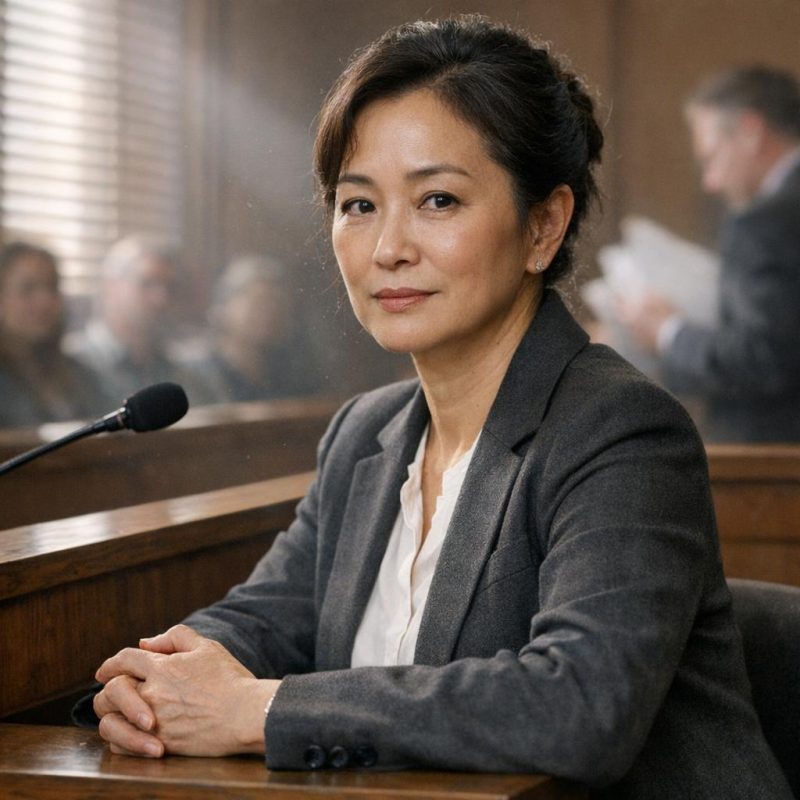 Image by RM AI
The Emails
Bill stood and walked to the evidence table. He held up a printed email, enlarged on poster board for everyone to see. 'This is from the property management company's regional director to the maintenance supervisor,' he said. 'Dated March 2019—six months before Ms. Torres first reported breathing problems.' He read it aloud. The email acknowledged 'ongoing concerns about air quality' in our building. It mentioned 'potential mold remediation' and the cost—$47,000. Then came the kicker: 'Given the expense and lack of formal complaints, recommend deferring action until next fiscal year. Advise staff to increase air freshener usage in common areas.' Someone in the jury box shook their head. Bill put up another email, this one from eight months later. The maintenance supervisor had written back: 'Tenants on third floor asking questions about smell. Should I schedule inspection?' The response from management: 'Let's wait and see. Run a cost-benefit analysis first.' The courtroom went silent as the jury read the email about 'cost-benefit analysis.'
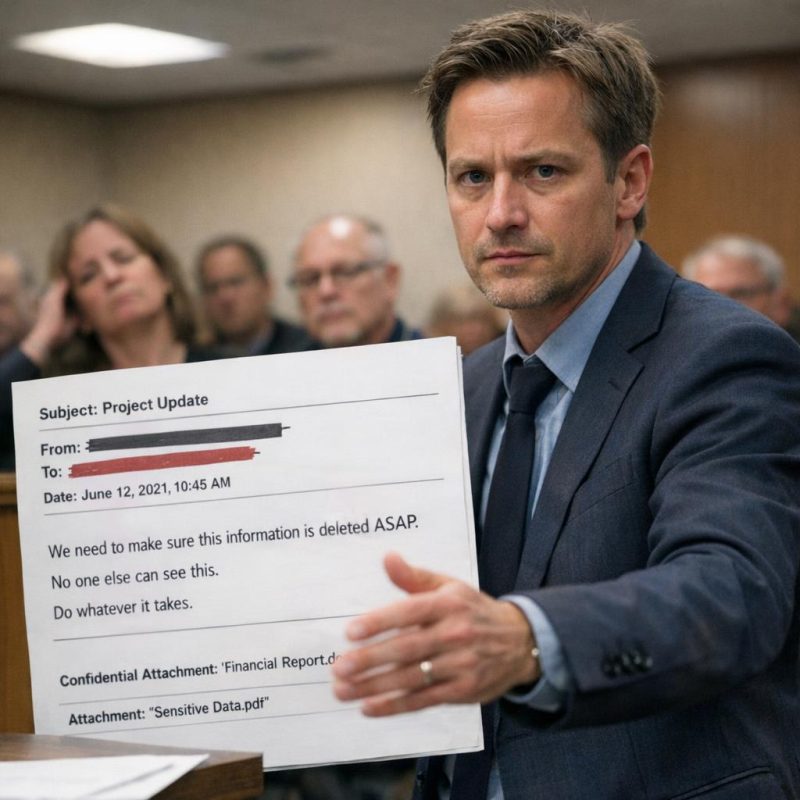 Image by RM AI
Angela's Testimony
Angela looked smaller on the witness stand than I remembered. She wore a gray blazer and kept her hands clasped tightly in her lap. Bill asked her to describe her role at the property management company. She'd been a leasing agent for six years, she said. She'd handled complaints, scheduled maintenance, dealt with tenant concerns. 'Did you ever receive complaints about air quality or mold?' Bill asked. Angela nodded. 'Multiple times. Especially from the third and fourth floors.' 'And what were you instructed to do?' She hesitated, glancing toward the defense table. 'I was told to... to reassure tenants. To say we were monitoring the situation. To offer air purifiers if they pushed hard enough.' Her voice got quieter. 'There were inspection reports. I saw them. But I was told not to share them with tenants unless they specifically requested them in writing.' Bill let that sit for a moment. 'What happened when you suggested bringing in an independent inspector?' Angela's composure cracked. She broke down on the stand: 'They told me I'd lose my job if I reported it.'
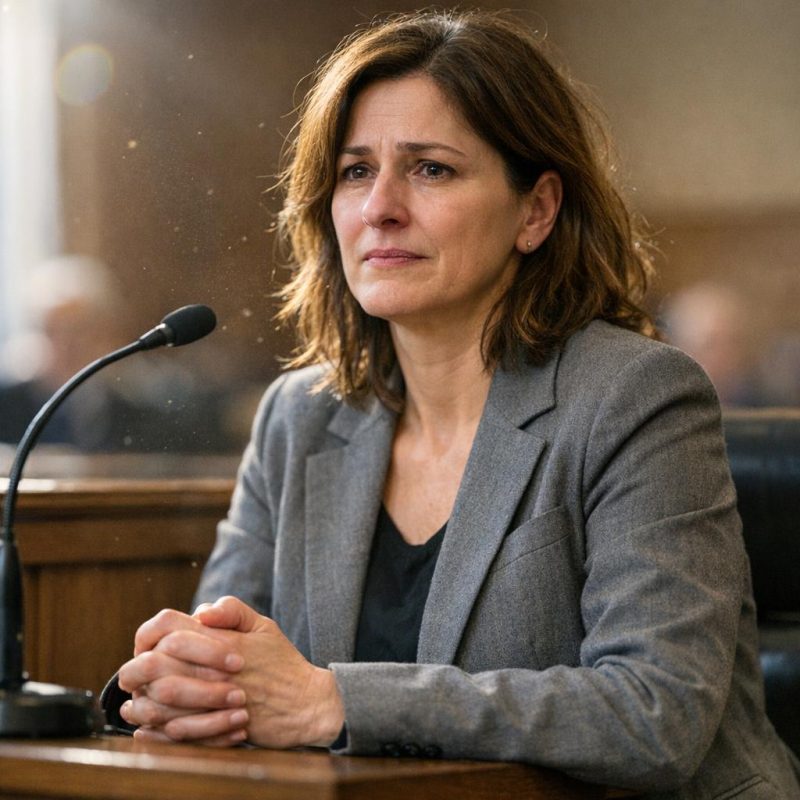 Image by RM AI
Teresa's Testimony
When they called my name, I felt like I was walking through water. The courtroom was so quiet I could hear my own footsteps. I sat down, put my hand on the Bible, swore to tell the truth. Bill started with the easy stuff—my name, my job, how long I'd worked in that building. Then he asked me to describe the first time I noticed something was wrong. I told them about the cough that wouldn't quit. The tightness in my chest during meetings. How I'd started avoiding the stairs because I couldn't catch my breath. I described sitting at my desk, exhausted, thinking I just needed to exercise more. Eat better. Sleep more. 'Did you report these symptoms to anyone?' Bill asked. 'I mentioned it to the building manager once,' I said. 'He told me other people had complained about stuffiness. He said they were working on it.' I looked at the jury. Some of them were taking notes. I told them about walking through that parking lot, unable to breathe, still thinking it was my fault.
 Image by RM AI
The Defense's Case
The defense called their own pulmonologist—a doctor from a private practice in Phoenix who'd reviewed my medical records and the building's inspection reports. He was polished, confident, spoke in careful measured tones. He acknowledged that my lungs showed scarring, yes. But he suggested multiple potential causes. Indoor air quality issues were common in older buildings, he said, but rarely caused permanent damage in otherwise healthy adults. Maybe I had an underlying sensitivity. Maybe I'd had a viral infection that weakened my lungs first. Maybe the damage was already there before I started working in that building. 'Correlation isn't causation,' he said, looking at the jury. 'Ms. Torres's condition is unfortunate, but we cannot definitively prove the building caused it.' He talked about confounding variables, statistical probability, the complexity of respiratory disease. The jury looked less certain than they had before. One woman who'd seemed sympathetic earlier was frowning, arms crossed. I felt my stomach drop. They brought in their own expert who claimed the mold levels were 'within acceptable ranges.'
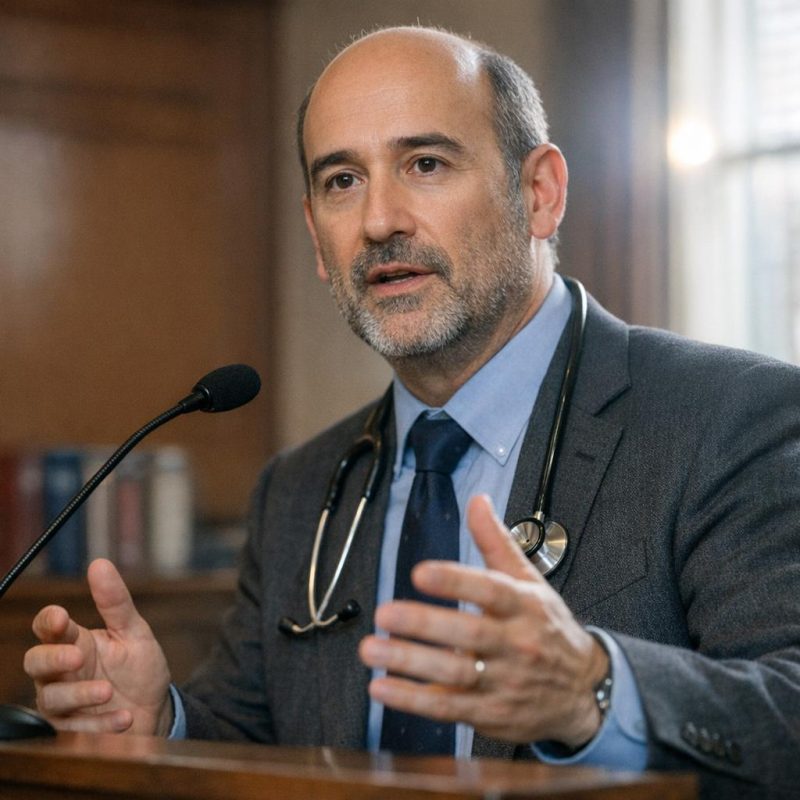 Image by RM AI
Dr. Morales Rebuts
Dr. Morales took the stand the next morning. I hadn't seen him since my last appointment months ago, but he looked exactly the same—calm, unshakeable, completely in command. Bill asked him to respond to the defense expert's testimony. Dr. Morales adjusted his glasses and spoke directly to the jury. 'I've spent thirty years studying occupational lung disease,' he said. 'I've reviewed over two thousand cases of toxic exposure. I've published forty-seven peer-reviewed papers on the subject.' He pulled out a folder thick with research. 'The defense's expert cited acceptable ranges for mold exposure. But those ranges are based on short-term exposure in well-ventilated spaces. They don't account for daily, prolonged exposure in environments with poor air circulation.' He looked at the defense attorney. 'There is no safe level for chronic mycotoxin inhalation. The research is clear.' He walked the jury through case studies—office workers in Seattle, teachers in Florida, all with the same scarring patterns I had. 'Acceptable ranges don't exist for long-term exposure in poorly ventilated spaces,' he said flatly.
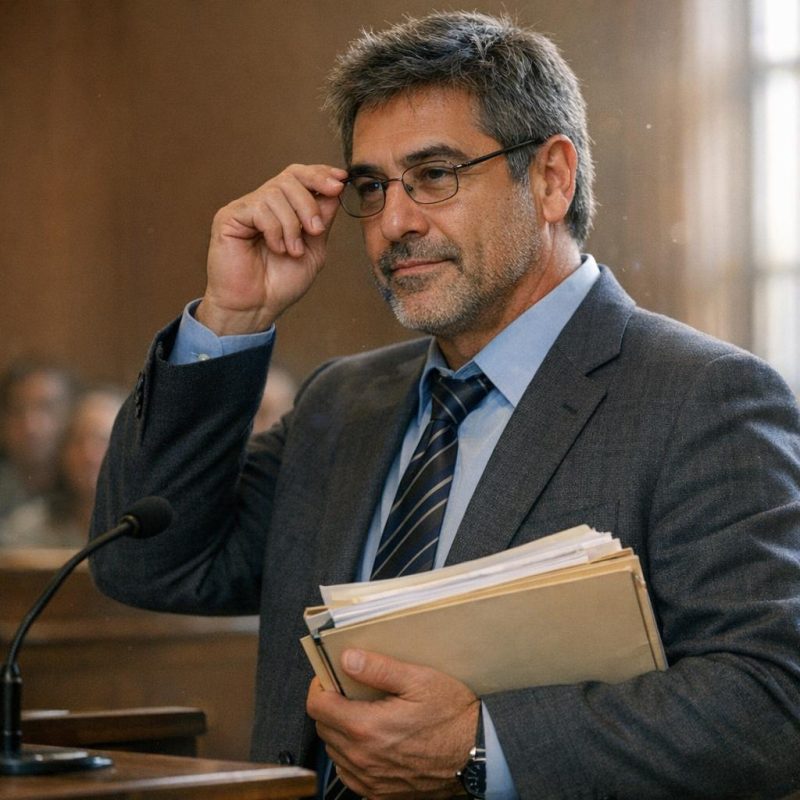 Image by RM AI
Closing Arguments
The closing arguments felt like the whole case compressed into two hours. The defense went first—arguing that we hadn't proven causation beyond reasonable doubt. They talked about the complexity of medical diagnosis, the importance of not jumping to conclusions, the unfairness of blaming a company for something that might have happened anyway. They were smooth, persuasive, almost sympathetic. Then Bill stood up. He walked the jury back through the timeline—the complaints, the emails, the documented mold levels, the inspection reports that were never shared. He showed them my lung scans again. He reminded them of Dr. Chen's testimony, Dr. Morales's expertise, Angela's breakdown on the stand. 'This wasn't an accident,' he said. 'This was a choice. A calculated business decision that someone made, knowing people would get sick.' He pointed to the email about cost-benefit analysis, still displayed on the screen. His voice got quiet. Our attorney ended by asking the jury: 'How many more people need to get sick before we call this what it is—negligence?'
 Image by RM AI
The Pattern Revealed
The jury went to deliberate just before lunch. I sat in the hallway with Bill and his paralegal, drinking terrible coffee from a vending machine. That's when Bill's phone buzzed. He read the message, his expression changing. 'What?' I asked. He looked at me carefully. 'Our investigator just sent something. She's been digging into the parent company's history.' He showed me his phone. The building management company that owned my office building was part of a larger corporate network. And that network had faced similar lawsuits—three of them, in different cities over the past fifteen years. Seattle in 2008. Tampa in 2013. Denver in 2017. All involved office buildings with documented mold problems. All involved sick tenants with respiratory issues. All settled quietly, out of court, with strict non-disclosure agreements. 'They knew,' I said. Bill nodded. 'They've known for years. This is their pattern—ignore the problem, wait for complaints, settle quietly, move on. It's cheaper than fixing it.' My hands started shaking. They'd known exactly what they were doing—and they'd been doing it for decades.
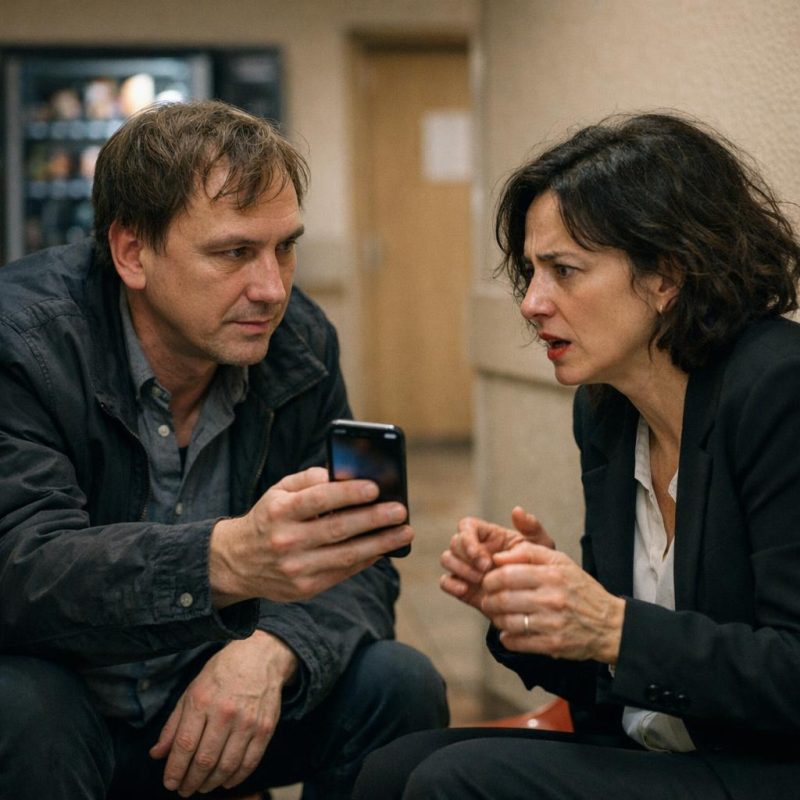 Image by RM AI
The Weight of It
I sat in that hallway for maybe an hour, just staring at Bill's phone screen. Marcus came to find me after getting my text. He sat down beside me without saying anything. I kept thinking about all those other people—Seattle, Tampa, Denver. People I'd never meet who'd probably gone through exactly what I had. The confusion. The doctors telling them it was anxiety or age or stress. The slow realization that something was seriously wrong. And the company had known. They'd known the whole time, in every city, in every building. 'How many people?' I finally asked Marcus. He put his arm around me. 'I don't know.' I felt this wave of fury, but underneath it was something heavier. Grief, maybe. For all of us who'd been collateral damage in some corporate cost-benefit analysis. For everyone who'd trusted their workplace to be safe. The company had chosen profit over people, again and again, because it was cheaper to pay off the sick than fix the problem. Dozens of people, maybe hundreds, had been hurt—and the company just kept doing it.
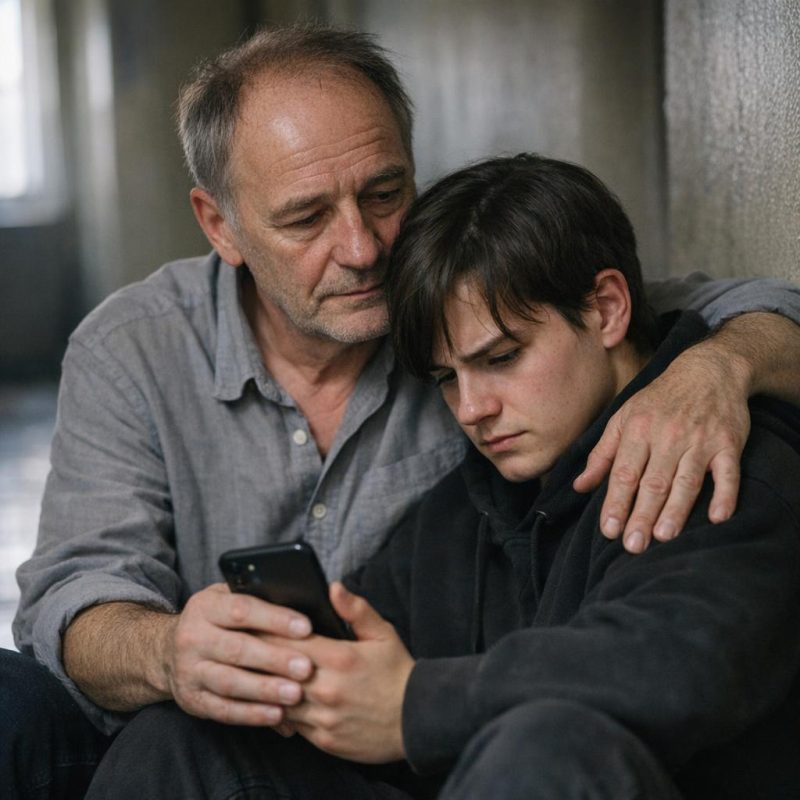 Image by RM AI
Media Explosion
The story broke that evening. One of the local news stations ran it first—'Corporate Pattern of Negligence Revealed in Mold Lawsuit'—and then it spread. By the next morning, it was everywhere. CNN. The Washington Post. Even international outlets picked it up. My phone wouldn't stop buzzing with messages from people I hadn't talked to in years. Bill called to say his office was flooded with media requests. The narrative had shifted completely. This wasn't just about my lawsuit anymore—it was about systemic corporate malfeasance, about companies prioritizing profits over worker safety, about the failure of regulations to protect people. Twitter was having a field day with the company's stock symbol. Consumer advocacy groups were demanding federal investigations. I watched it all from my living room, feeling strangely detached. This was what accountability looked like in the modern age—swift, public, merciless. The court of public opinion had rendered its verdict before the actual jury even came back. By morning, the building management company's stock had dropped 40 percent.
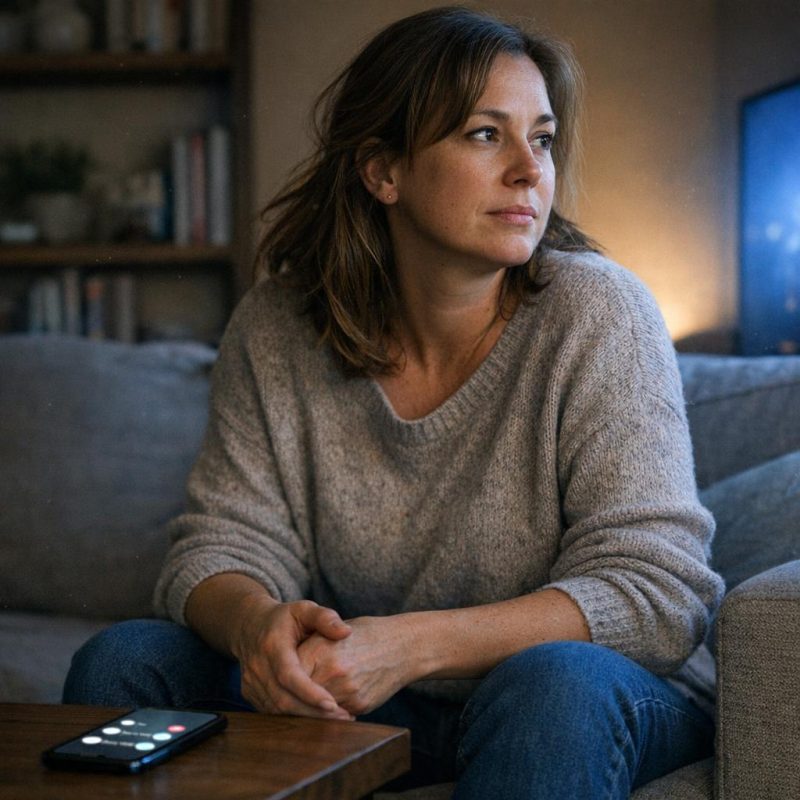 Image by RM AI
The Verdict
The jury came back after two more days. I was back in that hallway, pacing, when the bailiff came out and said they'd reached a verdict. My legs went weak. Marcus took my arm. Rita and Jenna appeared from somewhere—I hadn't even known they were there. We filed back into the courtroom. The jury looked tired. The foreman was a middle-aged man in a cardigan who'd barely made eye contact during the whole trial. The judge asked if they'd reached a verdict. He said yes. My heart was hammering so hard I could hear it in my ears. The clerk took the form, handed it to the judge, who read it without expression and handed it back. 'On the charge of negligence, how do you find?' the clerk asked. 'Liable,' the foreman said. 'On the charge of willful misconduct?' 'Liable.' The courtroom erupted. Bill grabbed my hand. I heard Rita make a sound like a sob. The company's lawyers sat perfectly still, their faces blank. When the foreman read 'liable on all counts,' I couldn't stop shaking.
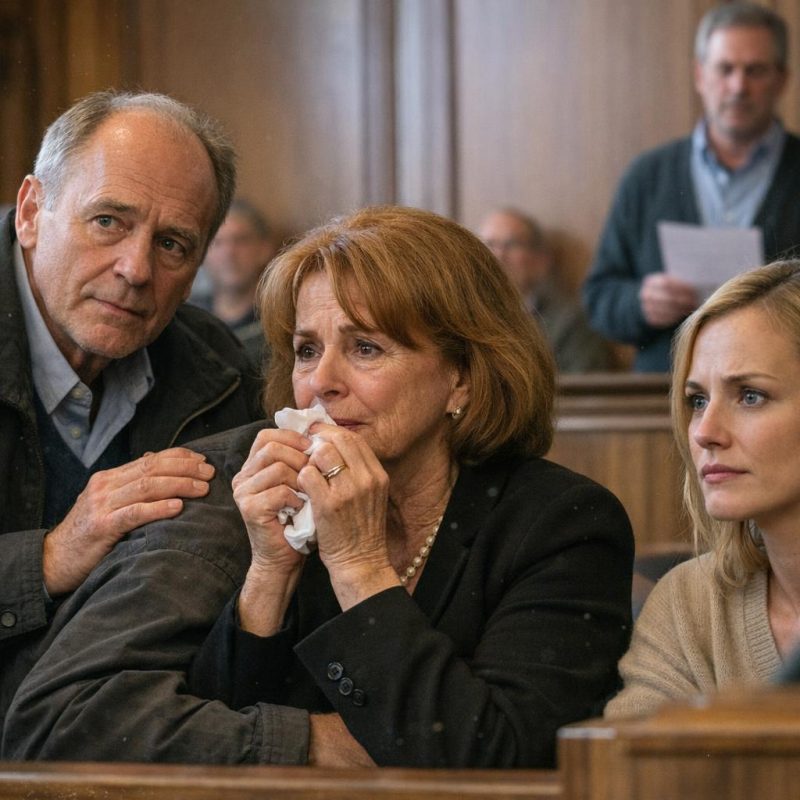 Image by RM AI
Damages Awarded
The damages phase took another day. The jury had to decide not just that the company was responsible, but what that responsibility cost. Bill presented our medical bills, lost wages, diminished earning capacity. He talked about pain and suffering, about the life I'd had before and the limitations I lived with now. The company's lawyers tried to minimize everything, but you could tell the jury wasn't buying it. When they came back, the numbers were staggering. Compensatory damages for medical expenses and lost income. Additional compensation for pain and suffering. And then the punitive damages—the part meant to punish the company and deter future misconduct. That number was ten times higher than everything else combined. The judge read it aloud and the courtroom went silent. Even Bill looked stunned. This wasn't just about making me whole anymore. This was about sending a message to every corporation that thought people were disposable. The punitive damages alone were enough to send a message: this could never happen again.
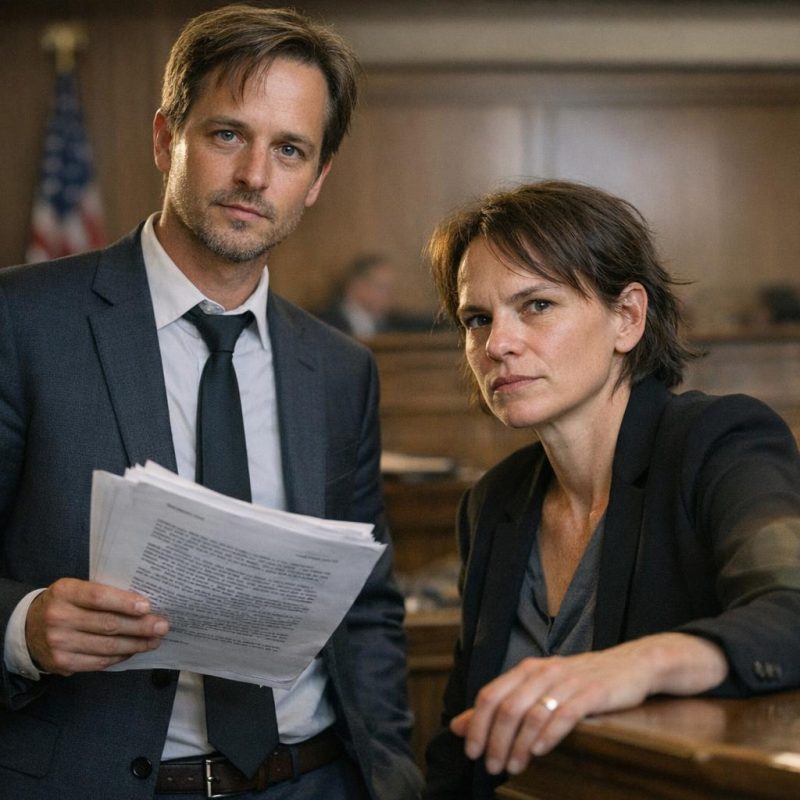 Image by RM AI
The Celebration
We went to a restaurant near the courthouse, all of us—me, Rita, Jenna, Sarah, Angela. Marcus came too, quiet and steady beside me. Someone ordered champagne. Rita kept crying and laughing at the same time. Jenna made a toast about never giving up, about fighting even when the odds seemed impossible. We clinked glasses and for a few minutes, it felt purely good. We'd won. We'd actually won. Sarah talked about going back to school, maybe becoming a paralegal. Angela said she could finally afford the breathing treatments her insurance wouldn't cover. Rita just kept saying 'we did it' over and over. I looked around the table at these women who'd become something like family through the worst experience of our lives. We'd stood together when it would have been easier to stay silent. We'd believed each other when nobody else would. But as we celebrated, I kept thinking about all the people who never got their day in court.
 Image by RM AI
Corporate Fallout
The company's response came within a week. A press release announcing the immediate resignation of their CEO and two board members. A commitment to a comprehensive safety audit of every building in their portfolio, conducted by independent third-party inspectors. New protocols for responding to tenant complaints. Mandatory air quality testing every six months. It sounded good on paper. The media covered it as a victory for accountability, proof that the system could work. Stock analysts said it was a smart move to rebuild investor confidence. I read the press release three times, looking for the catch. Bill said it was more than he'd expected—most companies just quietly paid and changed nothing. But I kept thinking about Seattle, Tampa, Denver. About the people who'd gotten sick in 2008, 2013, 2017. About how the company had known what was happening and had chosen, every single time, to do nothing until they were forced. These new policies were good. They might save lives. It was progress—but it felt like it had come decades too late.
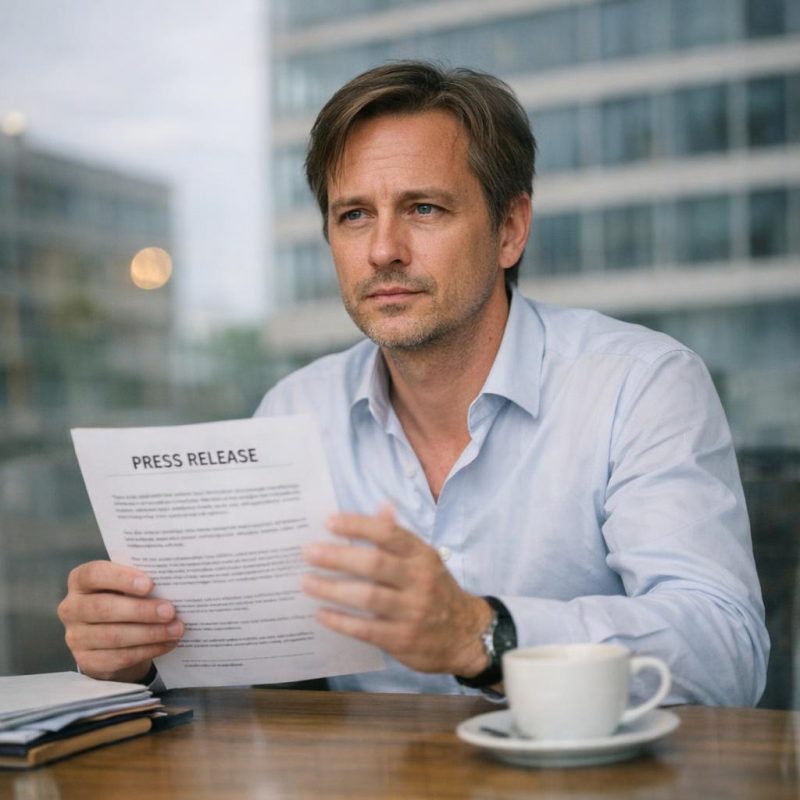 Image by RM AI
New Cases Emerge
The phone calls started about two weeks after the verdict. Bill's office got them first—people from Chicago, Atlanta, Portland, calling to say they'd worked in buildings managed by the same company. They'd had respiratory problems, unexplained illnesses, symptoms their doctors couldn't diagnose. They'd seen the news coverage and suddenly things clicked into place. Then the emails started coming directly to me, forwarded through the advocacy groups that had covered the trial. People sharing their stories, asking what they should do, whether they could sue too. Bill said he was already in touch with attorneys in other cities, helping them build cases. The company's 'comprehensive audit' was finding problems everywhere they looked—mold, water damage, HVAC systems that hadn't been properly maintained in years. Each discovery led to more complaints, more potential plaintiffs. What we'd uncovered wasn't an isolated incident or even a pattern—it was systematic. Our lawsuit had opened a door that couldn't be closed.
 Image by RM AI
Legislative Push
The invitation came from a state representative I'd never heard of. She was sponsoring a bill that would require regular air quality testing in all commercial buildings, with results made public. She wanted me to testify before the committee considering it. I almost said no. Public speaking had never been my thing, and the thought of sitting in front of a room full of politicians made my stomach hurt. But Marcus said I should do it. Bill said my story could make the difference. So I went. The committee room was smaller than I'd expected, more bureaucratic than dramatic. I told them about the cough that wouldn't go away, the doctors who dismissed me, the day I finally got my diagnosis. I told them about the company that had known, that had chosen profit over safety again and again. I told them about the other plaintiffs, the other cities, the pattern that had been hiding in plain sight. I told them what I wished someone had told me: your body knows when something is wrong.
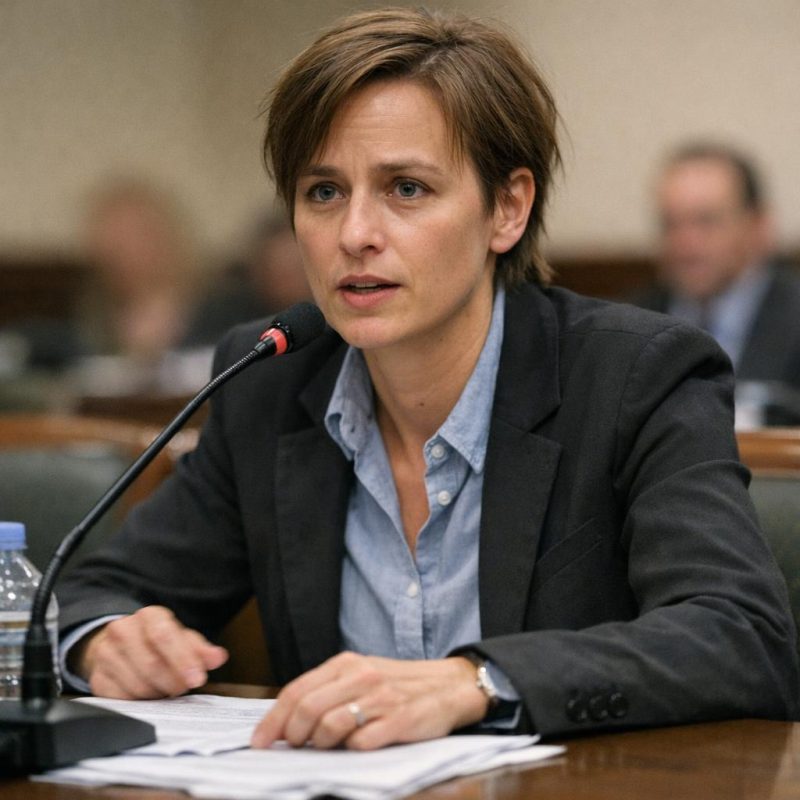 Image by RM AI
The Bill Passes
The bill passed six months after my testimony. I got the call from the representative herself—she wanted me to hear it directly. The vote wasn't even close. Fifteen to three. Commercial buildings would now be required to conduct quarterly air quality testing, with results posted publicly and sent to all tenants within thirty days. Violations would mean serious fines. Repeat offenders could lose their business licenses. I called Sarah immediately, and we both cried on the phone like idiots. She'd come to the signing ceremony with me, weak but determined, her mother pushing her wheelchair. The governor made a speech about accountability and worker safety. He shook my hand. He shook Sarah's hand, held it for a long moment. Then he announced what the press release hadn't mentioned yet. The new legislation had an official name. It was named after Sarah, the youngest victim.
 Image by RM AI
One Year Later
One year after the verdict, I went back to see Dr. Patel for my annual checkup. The scans showed the scarring was stable. No new damage. No progression. My lung function had plateaued at about seventy percent of normal—not great, but livable. I still got winded climbing stairs. I still needed my inhaler more often than I wanted to admit. But I could walk without stopping every few feet. I could laugh without coughing. I could sleep through the night. Marcus had started calling me 'scrappy,' which I pretended to hate but secretly loved. We'd moved to a smaller apartment with better ventilation and windows that actually opened. I'd learned which activities I could handle and which ones I needed to pace myself through. The settlement money helped, but more than that, I'd stopped fighting my body. I'd stopped pretending I was fine when I wasn't. My lungs would never be the same, but I'd learned to work with what I had.
 Image by RM AI
The Foundation
I used part of my settlement to start a foundation. The Sarah Mitchell Worker Safety Foundation. It sounds fancy, but really it was just me, Rita, and Jenna working out of a rented office space that used to be a yoga studio. We created a hotline for workers who suspected environmental hazards in their workplaces. We helped them document symptoms, connected them with doctors who wouldn't dismiss them, referred them to lawyers who'd take their cases seriously. Rita handled the legal side. Jenna, who'd left her corporate job, managed outreach and education. I talked to the callers, listened to their stories, heard the fear and frustration I recognized from my own experience. We started doing free air quality testing for workers who couldn't afford it themselves. We published guides on recognizing the warning signs of toxic exposure. We lobbied for stronger protections. It wasn't just about my building anymore, or even my city. Within six months, we'd received over 300 reports.
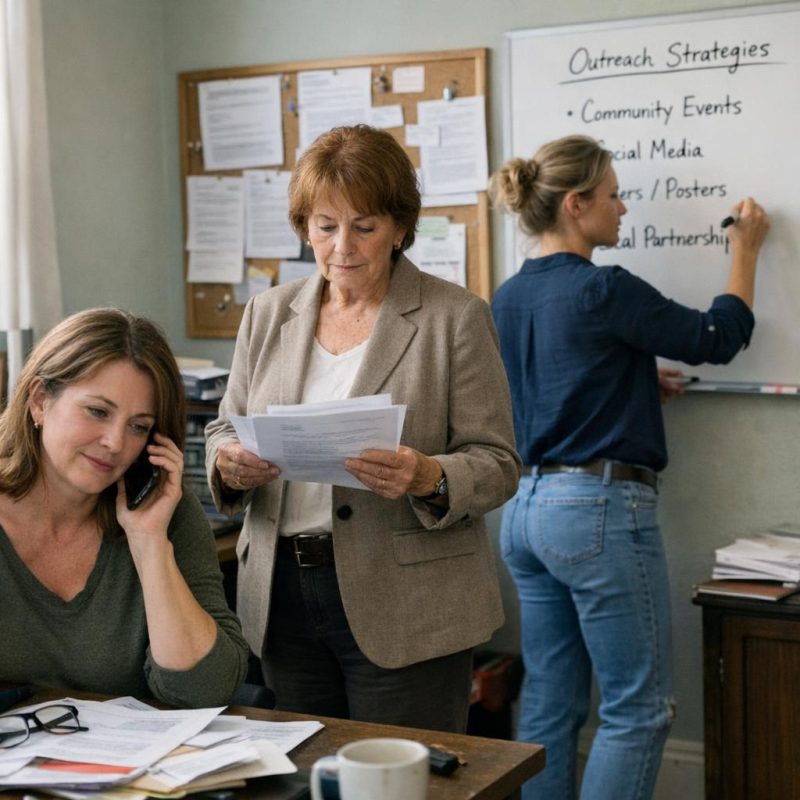 Image by RM AI
Listen to Your Body
So that's my story. The cough that wouldn't quit, the diagnosis that changed everything, the company that had poisoned me and gotten away with it for years. The fight that I never wanted but couldn't walk away from. I'm not a hero. I'm just someone who got sick and got mad and refused to let it go. If you take anything from this, let it be this: listen to your body. When something feels wrong, it probably is. Don't let anyone tell you it's stress or age or that you're overthinking it. Don't wait for permission to advocate for yourself. Get a second opinion. Get a third. Push until someone takes you seriously. Document everything. Ask questions. Demand answers. Your instincts exist for a reason. Mine saved my life, even though I ignored them for way too long. I think about all the years I spent dismissing that cough, all the times I told myself I was fine when I wasn't. Because sometimes, being 'out of shape' isn't the problem—it's the warning.
 Image by RM AI