I Hired My Perfect Sister-in-Law as Our Nanny—Then My Nanny Cam Revealed She Was Stealing More Than Just My Trust
I Hired My Perfect Sister-in-Law as Our Nanny—Then My Nanny Cam Revealed She Was Stealing More Than Just My Trust
The Perfect Solution
I'd been through seventeen interviews in six weeks, and every single one left me with that same hollow feeling in my stomach. You know the one—where you're smiling and nodding while mentally cataloging all the ways a stranger could hurt your kids when you're not looking? My legal career had taught me to spot inconsistencies in testimony, but somehow that skill made finding childcare even worse. I'd cross-examine these perfectly qualified candidates about their CPR certifications and previous employers, all while my brain screamed that I was about to hand my babies to someone I'd known for forty-five minutes. Then Marcus suggested Brooke. His sister had just started a sabbatical from her preschool teaching job, something about burnout and needing a change of pace. We met for coffee on a Tuesday morning, and I watched her interact with a toddler at the next table—the way she instinctively steadied the child's sippy cup, made eye contact at his level, spoke to him like a person instead of a pet. She had early childhood education credentials, five years of classroom experience, and most importantly, she was family. When I formally offered her the position three days later, she teared up and hugged me, saying she'd been hoping I'd ask. I sat in my office and typed the confirmation email, my fingers moving quickly across the keyboard, finalizing the salary and start date. I pressed send and leaned back in my chair, wondering why the relief I expected felt more like the edge of something I couldn't name.
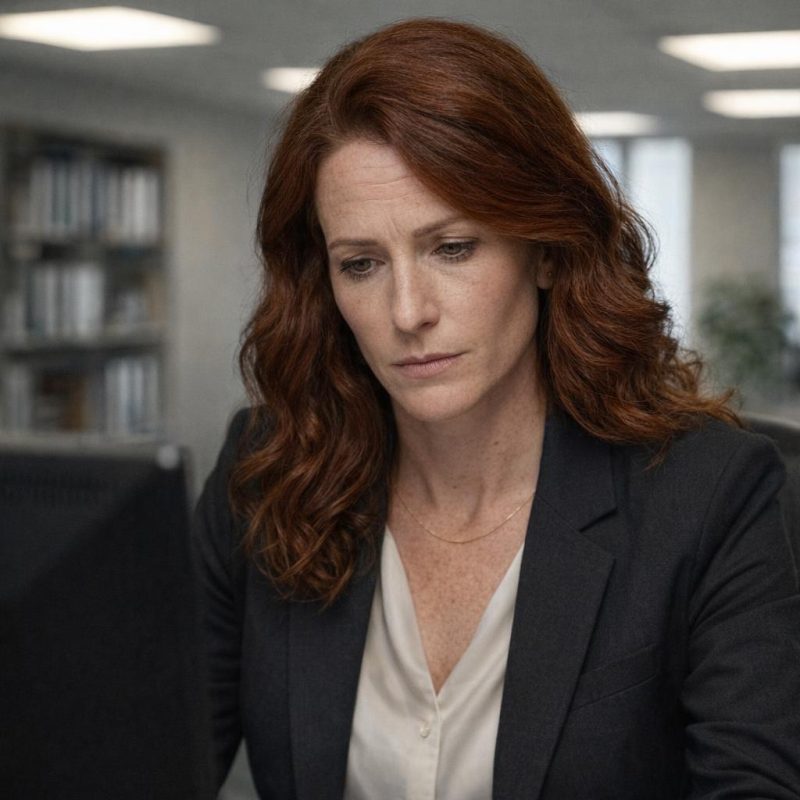 Image by RM AI
Settling In
Brooke arrived at seven-thirty on Monday morning with a canvas tote bag full of activity supplies and the kind of genuine smile that made me feel guilty for ever doubting this arrangement. I walked her through the house routine—Owen's specific breakfast preferences, Mia's tendency to hide her shoes, the emergency contacts magnetized to the fridge. She took notes in a small leather journal, asking questions about allergies and nap schedules that I hadn't even thought to mention. When Mia launched into her usual morning interrogation about why clouds float and whether worms have families, Brooke didn't just answer—she turned it into an impromptu science lesson using dish soap and pepper to demonstrate surface tension. Owen, who normally clung to my leg like a barnacle when strangers appeared, actually let Brooke help him with his cereal spoon. I left for work feeling lighter than I had in months, and Marcus texted me around noon saying his sister was a natural, that he could hear the kids laughing in the background of their phone call. When I came home that evening, the house smelled of fresh-baked cookies, and the kids were building an elaborate block tower while Brooke narrated their architectural decisions like a sports commentator. She gave me a detailed recap of every meal, every bathroom trip, every minor triumph and tantrum. I found myself wondering if anyone could really be this naturally good.
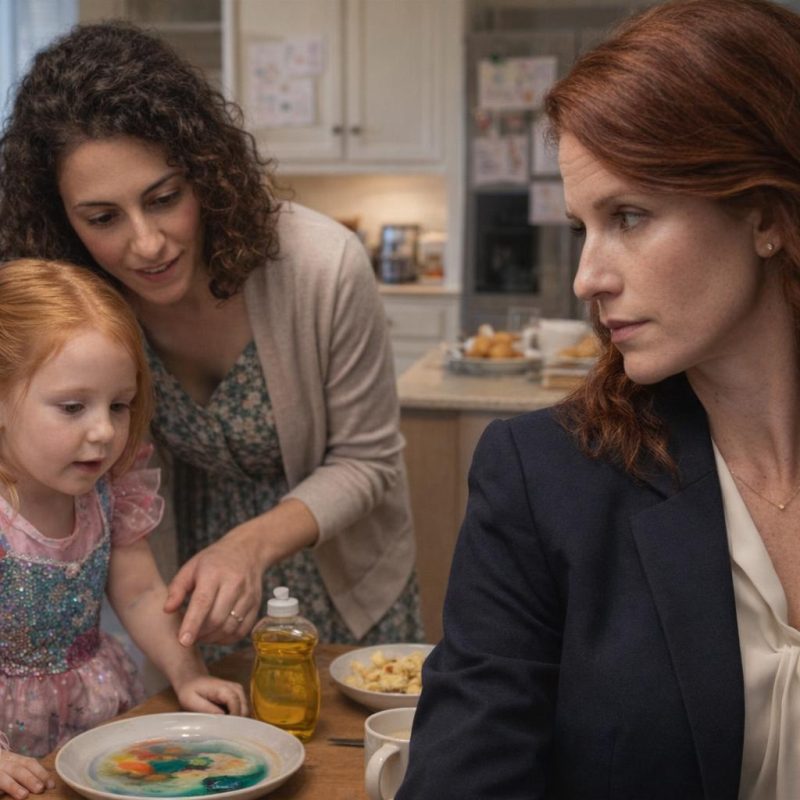 Image by RM AI
The Activity Updates
The first text arrived at nine-fifteen: a photo of Mia crouched on the sidewalk examining a beetle, with a paragraph about her questions regarding insect anatomy and metamorphosis. The second came at ten-thirty—Owen successfully using the potty, complete with a detailed description of the reward sticker system Brooke had implemented and his proud little face. I showed my paralegal the photos during our coffee break, bragging about how lucky I was to have family watching my kids instead of some agency stranger who'd send a single "all good" text at noon. By lunch, I had seven updates in my phone, each one professionally composed with multiple photos and developmental observations that honestly put my own parenting notes to shame. The third update included a homemade playdough recipe and notes about fine motor skill development. My colleague Sarah joked that Brooke should start a parenting blog, and I laughed, but something about the comment stuck with me. That evening, Marcus mentioned how thorough his sister was being, said it was typical of her perfectionist streak. I scrolled through the day's photos before bed, noticing how carefully framed each shot was—the lighting always perfect, the backgrounds always tidy, Mia and Owen always positioned just right. I caught myself searching each photo's background for something I couldn't articulate.
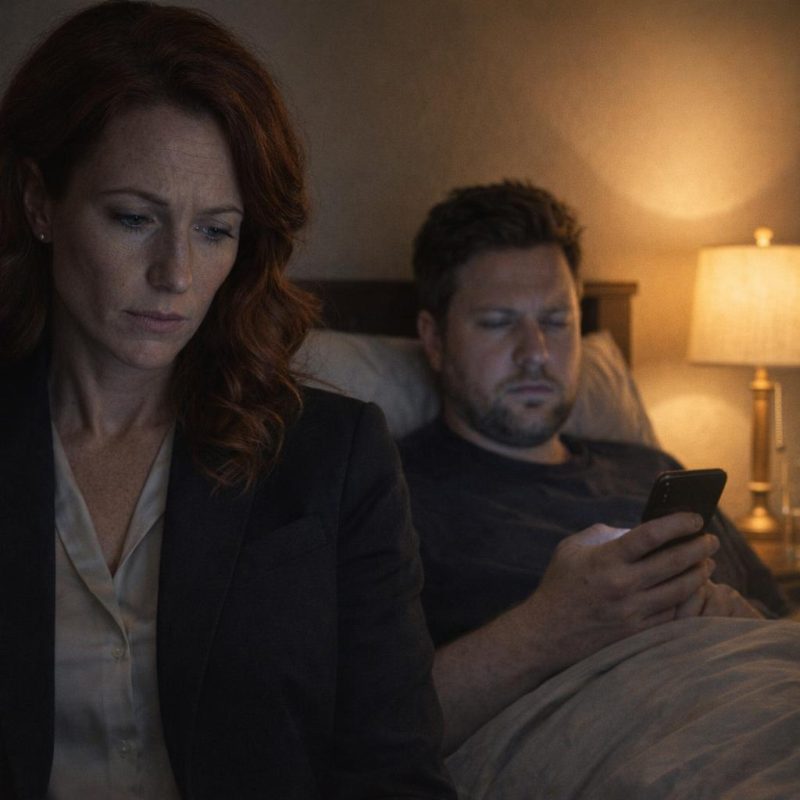 Image by RM AI
Balancing Act
The Henderson civil litigation case exploded into a full trial faster than anyone expected, and suddenly I was spending twelve-hour days in court while my phone buzzed with Brooke's afternoon updates in my briefcase. My senior partner cornered me during a recess to remind me that making partner meant proving I could handle motherhood and billable hours without the firm suffering for it. The subtext was clear: other associates were watching to see if I'd become a liability. When the judge called a late session, I texted Brooke asking if she could stay past six, and she responded immediately with a cheerful "of course, take all the time you need!" No guilt trip, no mention of overtime pay, just genuine support. I received an update at seven-fifteen: kids fed, bathed, and in pajamas, currently reading stories. The professional relief warred with maternal guilt so sharp I had to excuse myself to the bathroom to breathe through it. I arrived home at eight-forty-five to find Brooke reading on our couch, both kids already asleep, the kitchen spotless. She refused extra payment for the late hours, said family doesn't charge family for helping out. She gave me a gentle recap of their evening—Owen's bath-time giggles, Mia's insistence on reading the dinosaur book three times—and I smiled and thanked her while mentally calculating that this was the ninth dinner I'd missed this month. Walking to my car in the dark parking garage earlier, I'd realized I'd forgotten what my children's voices sounded like during daylight hours.
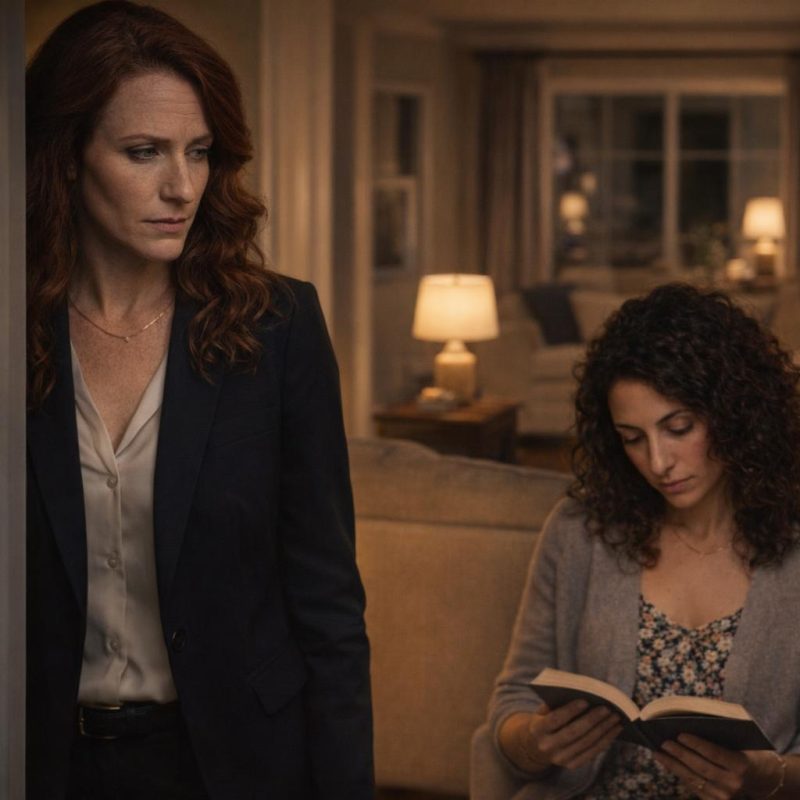 Image by RM AI
Family Dinner
Patricia arrived Sunday afternoon with a casserole dish and her signature pearls, the kind of old-money elegance that always made me feel like I was still auditioning for the family. Brooke helped me prep the roast while entertaining both kids, and I watched Patricia's approving gaze follow her daughter around the kitchen. Over dinner, Patricia shared stories about Brooke's childhood—how she'd always been the one nursing injured birds, organizing neighborhood kids into elaborate games, naturally gravitating toward caretaking roles. The conversation drifted to the importance of keeping family close, trusting blood over strangers, and Patricia squeezed my hand while saying how fortunate I was to have this arrangement. Brooke insisted on handling cleanup so I could visit with Patricia, and I felt that familiar warmth of being included in something solid and traditional. The evening ended with Patricia embracing Brooke in a long hug, thanking her for taking such good care of the family, and Marcus's mother raised her wine glass in a toast to family loyalty across our dining room table while Brooke bounced Owen on her knee, and the scene felt like a portrait I'd been trying to paint since childhood. Later, loading the dishwasher alone, I overheard Patricia tell Marcus that Brooke had always been so good at finding her place in the family, and the comment lingered in a way I couldn't quite explain.
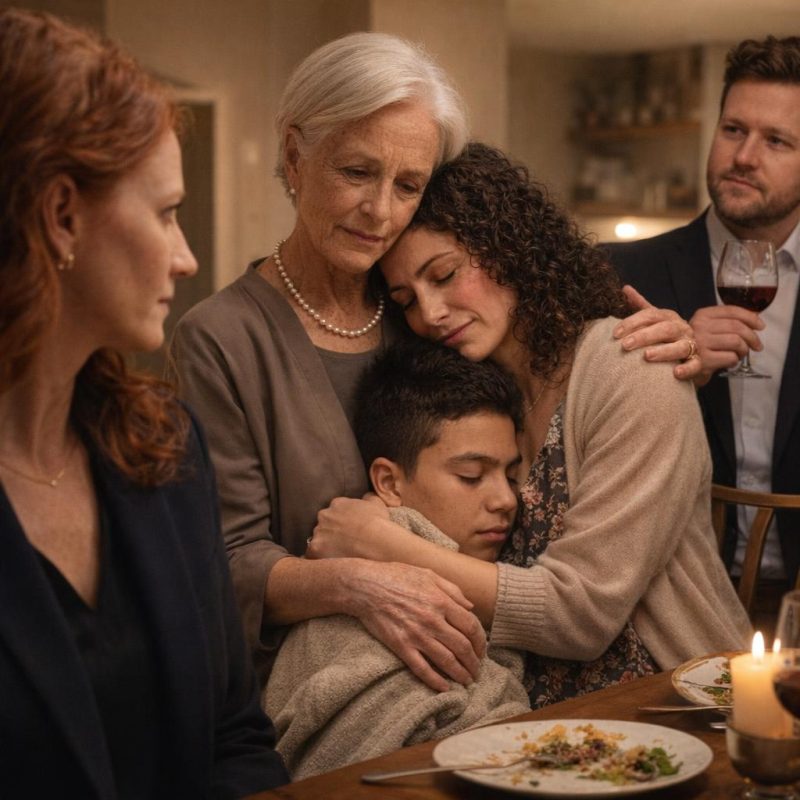 Image by RM AI
The Tantrum
Owen's fever spiked to 102.3 at six-forty-five Tuesday morning, and I had a motion hearing at nine that had been on the calendar for three months. I debated calling in sick, but the Henderson case was at a critical juncture and my absence would derail depositions scheduled for the following week. Brooke arrived early, took one look at Owen's flushed face, and told me she had this handled—her preschool teaching years had given her plenty of experience with sick kids. She started sending temperature readings every thirty minutes, detailed enough to satisfy a pediatrician. During the lunch recess, I called home and heard Owen screaming in the background, but Brooke's voice stayed calm and steady, singing some gentle melody I didn't recognize. By the time I called again at two, she'd successfully gotten medicine into him and convinced him to drink half a bottle of electrolyte solution. Mia had been set up with quiet activities in another room, kept entertained but safely away from her sick brother. I rushed home the moment court adjourned, my heart pounding with that specific working-mother guilt that feels like swallowing glass. Owen was sleeping peacefully in his bed, and Brooke handed me a detailed log of symptoms, medication doses, fluid intake, and temperature readings that would've impressed our pediatrician. When I arrived home two hours later, Owen was sleeping peacefully, and Brooke was wiping down surfaces with the methodical focus of someone cleaning a crime scene.
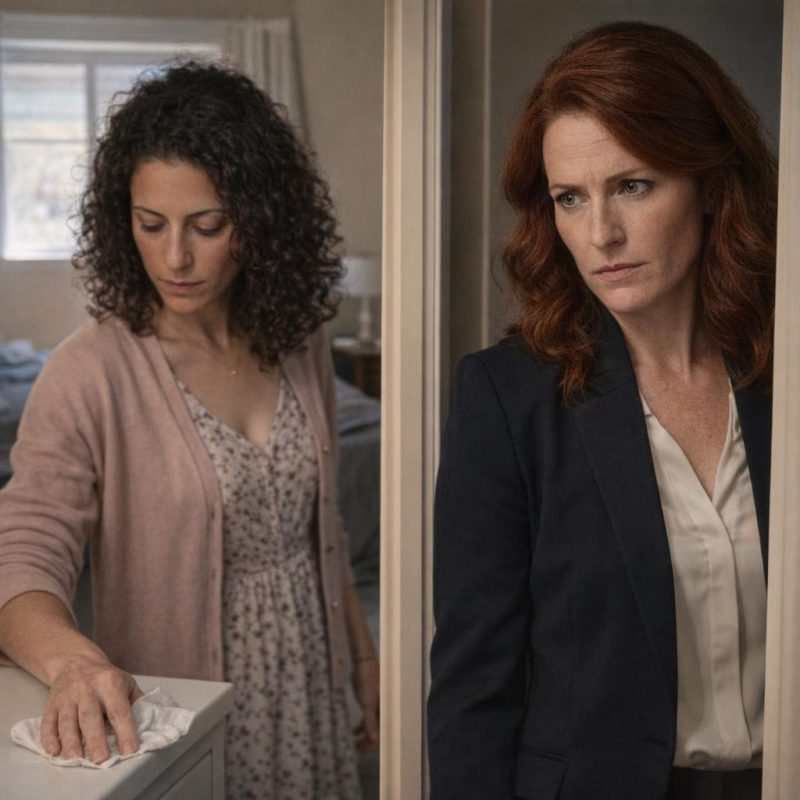 Image by RM AI
Trust and Strangers
Rachel set down her menu and asked how the nanny situation was working out, and I launched into my usual speech about how perfect everything was. She mentioned she'd used a professional agency with extensive background checks, fingerprinting, the whole nine yards, and I found myself getting defensive about my choice to hire family instead. I explained my philosophy—that family provides built-in trustworthiness, that Brooke's love for Mia and Owen was genuine in a way no hired stranger's could be, that her credentials were just as solid as any agency candidate's. Rachel listened with that patient expression she gets when she's about to say something I won't want to hear, then gently asked whether mixing family relationships with employment ever complicated professional boundaries. I insisted my situation was different, that Brooke was genuinely qualified and had been absolutely perfect for the past month. Rachel shared a story about her friend whose family employee started feeling entitled to special treatment, showing up late, taking liberties with household rules. I waved it off—Brooke wasn't like that, she was professional and respectful and honestly better at this job than I'd ever hoped. The conversation moved on to other topics, but something in Rachel's tone stayed with me through the rest of lunch. I sat across from Rachel at lunch and defended my choice to hire family instead of a professional agency, even as my own words sounded rehearsed in my ears. Rachel set down her fork and asked why I was trying so hard to convince her, when it seemed like I was really trying to convince myself.
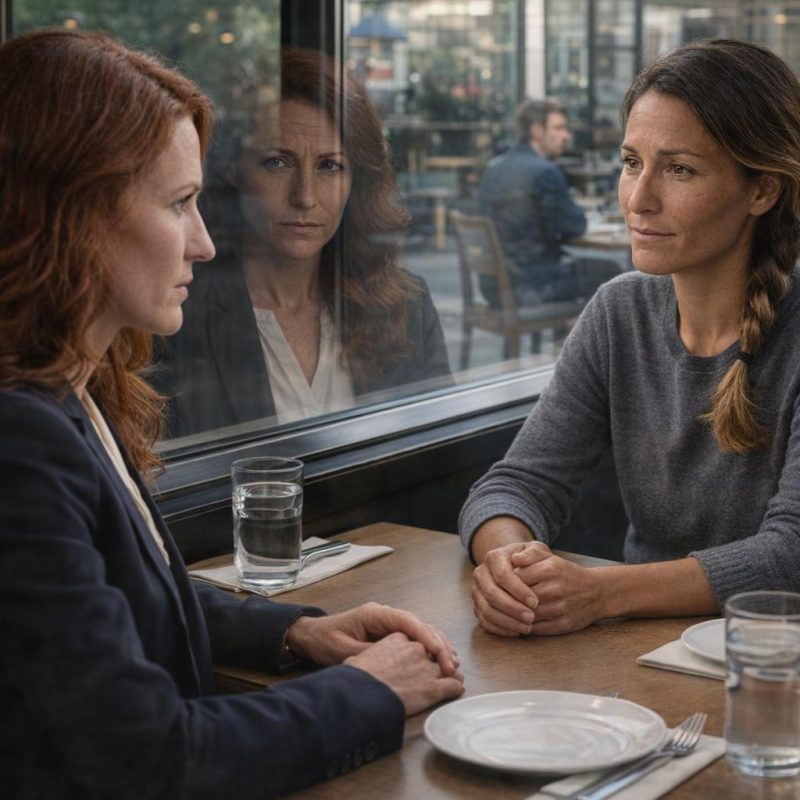 Image by RM AI
Patricia's Praise
Patricia extended her visit through the weekend, and Brooke seamlessly joined our family activities even though she was technically off-duty. Saturday morning she helped Mia build a fairy garden while Patricia watched with obvious pride, commenting on how Brooke had always had such a gift with children. Marcus fired up the grill for an afternoon barbecue, and Patricia told stories about Brooke's childhood that emphasized her special qualities—her empathy, her patience, her natural maternal instincts. During lunch, Patricia mentioned how differently Brooke handled Owen's tantrums compared to "others," and I felt the comment land even though she didn't look at me. Later, while Marcus was flipping steaks, Patricia called Brooke her favorite in a casual conversation about upcoming family gatherings, and Marcus laughed it off, joking that Brooke had always been their mother's preferred child. I noticed the warmth in Patricia's voice when she spoke to Brooke differed from the polite affection she directed at me, but I pushed the observation away as insecurity about being newer to the family. Sunday evening, Patricia departed with a tearful goodbye to Brooke, hugging her for a long moment and whispering something I couldn't hear, then gave me a briefer farewell and a pat on the shoulder. I stood in our backyard watching Patricia embrace Brooke with maternal pride while Marcus grilled steaks, and the weekend felt like proof we'd built something solid. Monday morning, arriving at work, I found myself wondering why Patricia had called Brooke her favorite long before I'd ever joined the family.
 Image by RM AI
Peace of Mind
I spent my lunch break researching nanny cameras after a colleague mentioned she'd installed one for peace of mind, and by the end of the day I'd ordered a system marketed specifically to working parents who just wanted to check in. The package arrived on Friday, and Saturday morning while Brooke took the kids to the park, I positioned the small camera behind a row of books on the living room shelf, angling it to capture the main play area without feeling like I was running surveillance on my own home. The setup took maybe twenty minutes—download the app, connect to WiFi, test the motion alerts. I watched the feed on my phone as I adjusted the angle, making sure it captured the couch and the toy corner where Owen spent most of his time. The cloud recording feature would save clips automatically, and I could check in whenever I wanted without being obvious about it. When Brooke returned with the kids, I didn't mention the camera because explaining it felt like admitting I didn't trust her, which wasn't true—this was just standard precaution, the kind of thing any responsible parent would do. That evening, sitting at my office computer after everyone had gone to bed, I pulled up the test footage and watched our empty living room for a full minute, the timestamp ticking forward on a space where nothing happened. I'd just spent three hundred dollars to confirm what I already believed I knew.
 Image by RM AI
Routine Checks
The first week, I watched entire hour-long segments during my lunch breaks, fast-forwarding only through the boring parts where Brooke sat reading while the kids played independently. The footage showed exactly what I expected—Brooke building block towers with Owen, helping Mia with art projects, preparing snacks in the kitchen doorway where the camera could just catch her movement. Her hourly text updates matched perfectly with what the camera showed: "Snack time, both kids eating well" sent at 10:47, and there on my screen at 10:45 was Brooke setting out apple slices and crackers. By the second week, I'd started skipping through larger chunks, just confirming timestamps and checking that everyone looked happy and safe. My colleague noticed I wasn't checking my phone as anxiously during meetings, and I realized the camera had done exactly what it was supposed to do—given me peace of mind so I could focus on work. Three weeks in, I'd established a routine of pulling up the app, scrolling to a random point in the day, watching maybe ten minutes, then closing it satisfied. The footage was so consistently normal that I stopped actually watching and started just confirming the timestamps matched Brooke's updates, which they always did, perfectly synchronized like clockwork.
 Image by RM AI
Small Displacements
I came through the front door sorting the mail Brooke had left on the entry table, and something felt slightly off about the stack—the credit card bill was underneath the grocery store flyer instead of on top where it usually landed when the mail carrier stuffed everything in our box. I flipped through the envelopes, telling myself the carrier probably just grabbed things in a different order today, but the wrongness of it scratched at the back of my mind as I headed upstairs to change. In our bedroom, I noticed the electric bill sitting on Marcus's desk instead of in the inbox on my office desk where bills always accumulated until I paid them on Sundays. "Did you move any mail around?" I asked Marcus when he came in from playing with the kids. He glanced at his desk, shrugged, said he hadn't touched anything. Downstairs, Brooke explained she'd brought the mail in from the box and might have shuffled some papers when she set her coffee down. The explanation made perfect sense—I'd done the same thing a hundred times myself—but I kept returning to it mentally throughout dinner, during bath time, while reading bedtime stories to Mia. The small displacement felt like a word I couldn't quite remember, sitting just out of reach in my thoughts all evening.
 Image by RM AI
Coffee Confession
I met Rachel for coffee on Tuesday and brought up the mail thing as an amusing anecdote about how returning to work had turned me into a paranoid employer who noticed when envelopes were in the wrong order. She didn't laugh. Instead, she stirred her latte and asked if anything else had seemed off, and suddenly I was listing things I hadn't realized I'd been cataloging—the bill on Marcus's desk, the way Brooke had asked detailed questions about his investment accounts at breakfast last weekend, small moments that felt like nothing individually but together formed a pattern I couldn't quite see. "Does she have access to your personal information?" Rachel asked, practical as always, and I found myself defending the family trust angle even as I heard how weak it sounded. Rachel pulled up an article on her phone about identity theft through household employees and contractors, people who had access to mail and documents and passwords written on sticky notes. "Brooke would never," I said, but the conviction in my voice had thinned since our last conversation about this. Rachel set down her cup and asked me a question I couldn't answer: did I actually trust Brooke, or did I just trust the idea of trusting family?
 Image by RM AI
Rational Explanations
I spent the entire drive home constructing rational explanations for every small oddity, determined to prove to myself that suspicion was just exhaustion masquerading as intuition. The mail could have been shuffled by wind when Brooke opened the box, or by the kids playing nearby, or by Marcus himself who never remembered moving things around the house. Bills got misplaced in busy households all the time—I'd found the water bill in the magazine rack just last month and that was entirely my own doing. Brooke had been absolutely perfect for two months straight, never late, never distracted, always sending updates and photos that matched exactly what the nanny cam showed when I bothered to check. My colleague had warned me that working mothers often developed hypervigilance about childcare, seeing problems where none existed because we felt guilty about not being home. By the time I pulled into the driveway, I'd convinced myself that work pressure was creating paranoia about my home life, that I was looking for reasons to justify the expensive camera I'd installed without telling anyone. I walked through the front door rehearsing my rational conclusions, and Brooke looked up from the couch where she was reading to Owen, her smile warm and welcoming and somehow waiting for something I couldn't name.
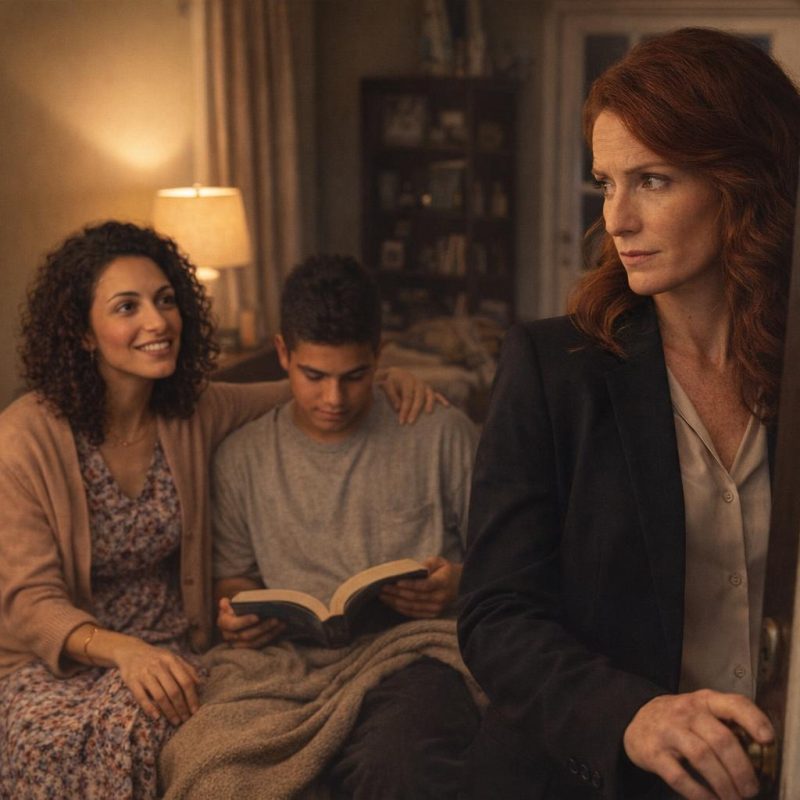 Image by RM AI
Financial Curiosity
Saturday morning at breakfast, Marcus started talking about his recent business success, and Brooke asked him detailed questions about his investment strategies that sounded like friendly sisterly interest until I noticed she wasn't just listening—she was taking mental notes. "How do you manage all those different accounts?" she asked, reaching for the orange juice. Marcus happily explained his portfolio diversification, the trust fund structure his father had set up, the way he kept everything organized across multiple institutions. Brooke inquired about estate planning, where he kept important documents, whether he used a password manager or wrote things down. I watched her face as Marcus joked about being boring with financial details but continued explaining anyway, and I realized her follow-up questions weren't the casual "uh-huh" responses of someone being polite—they were specific, targeted, the kind of questions someone asks when they're actually trying to understand a system. "Do you keep everything locked up, or is it more accessible for emergencies?" Brooke asked, and Marcus laughed, said he probably should be more careful but trusted his home office was secure enough. The conversation shifted to Mia's upcoming school project, but I couldn't shake the observation about Brooke's focused attention, the way she'd absorbed every detail Marcus offered. I watched her attentive nods with a feeling I couldn't name.
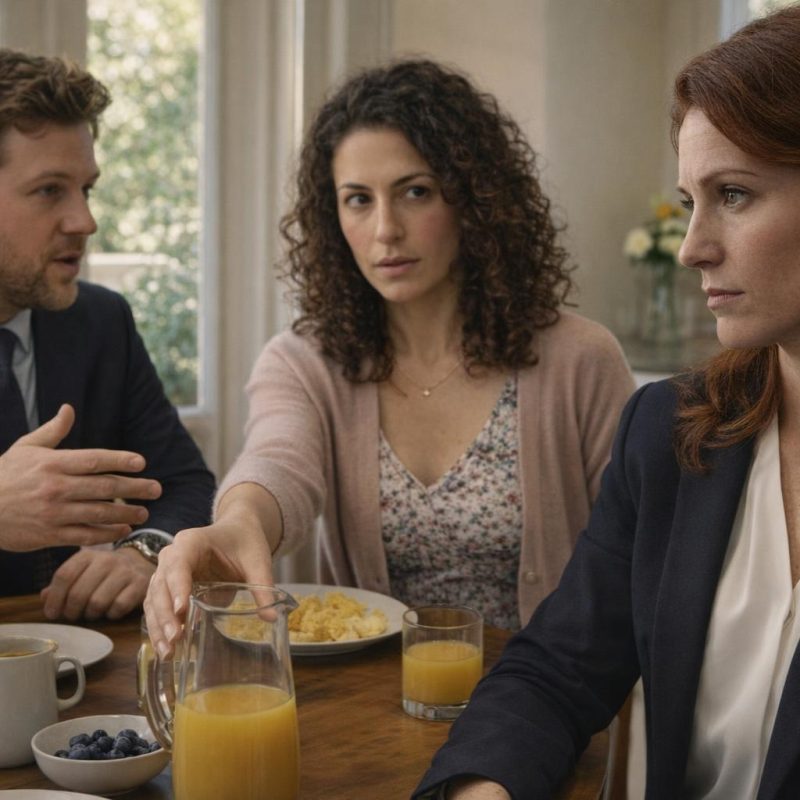 Image by RM AI
The Ledger
I arrived home Tuesday evening to find Marcus's private business ledger on the coffee table, the green leather binding unmistakable because I'd seen it exactly twice before, both times when Marcus was showing me something and immediately returned it to the locked drawer in his study desk. The ledger contained everything—client information, account numbers, detailed financial records he was meticulous about securing. I picked it up, feeling uncomfortable handling private business documents in our common living room, and flipped through pages of numbers and names that shouldn't be accessible to anyone walking past. "Why was your ledger out here?" I asked Marcus when he came downstairs. He looked genuinely confused, said he'd left it locked away this morning, hadn't touched it since yesterday. We went to his study together and he checked the desk drawer—still locked, key in his pocket where it always stayed. "I must have absentmindedly carried it out and forgotten," he said, but I could see he didn't believe it himself. Brooke said she'd been cleaning the living room earlier but hadn't seen any ledger. I returned it to the locked drawer myself, watching Marcus secure it and pocket the key, but that night I dreamed about locked drawers and keys in the wrong hands.
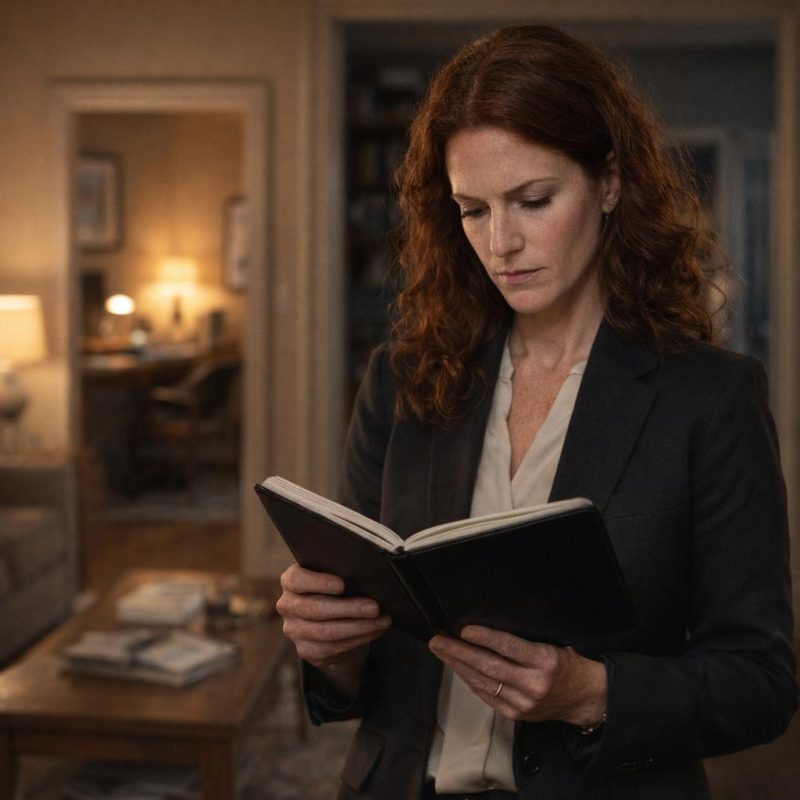 Image by RM AI
Second Guessing
I lay awake cataloging every innocent explanation while Marcus slept peacefully beside me, his steady breathing seeming like evidence that nothing was actually wrong. Maybe my legal training made me see conspiracies in normal household chaos. Maybe returning to work had made me hypervigilant about home security, looking for problems to justify the guilt I felt about not being there during the day. I wondered if I resented Brooke's easy relationship with the kids, the way Mia ran to her first when she got hurt, the way Owen had stopped crying for me at bedtime. Perhaps I was becoming the suspicious employer instead of the grateful sister-in-law, inventing drama where none existed because some part of me wanted to find fault with an arrangement that made everyone else happy. By dawn I'd almost convinced myself to stop looking for problems, to trust the family bond that Marcus valued so highly, to accept that sometimes mail got shuffled and books got moved and locked drawers somehow opened themselves. I came downstairs determined to start fresh, and saw Brooke quickly close her phone screen and set it down when I entered the kitchen, her greeting perfectly normal but that quick gesture standing out like a neon sign I couldn't unsee.
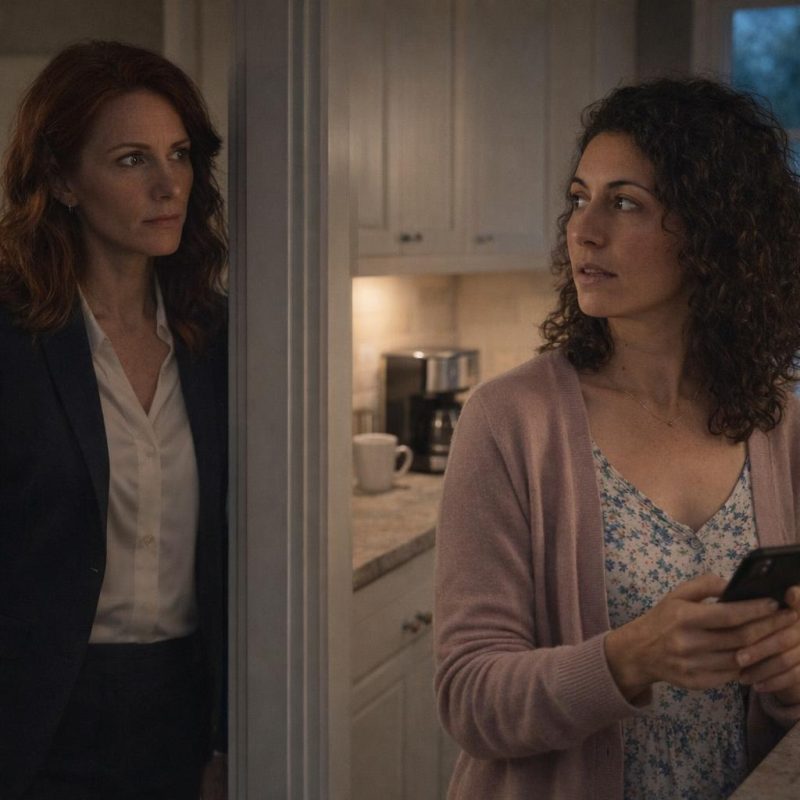 Image by RM AI
Mia's Birthday
Mia's third birthday party was just family—Marcus's mom Patricia, the four of us, and Brooke—which felt intimate and manageable until Brooke carried in a gift so elaborately wrapped it looked like something from a department store window display. The paper had tiny hand-painted butterflies that matched Mia's favorite dress, and I watched my daughter's face light up as she tore through layers of tissue to reveal what I can only describe as an architectural masterpiece. It was a dollhouse, but not just any dollhouse—it was our house, recreated in perfect miniature detail down to the slate-blue shutters and the climbing roses by the front door. Patricia actually gasped and called it the most amazing gift she'd ever seen a child receive, and Marcus kept saying he had no idea Brooke was so artistic, examining the tiny crown molding and miniature light fixtures that actually worked. Mia squealed and immediately started pointing out her bedroom, Owen's room, the kitchen where we made pancakes, completely enchanted by seeing her world shrunk down to doll size. I forced myself to smile and exclaim over the craftsmanship while my eyes kept returning to the study on the second floor, complete with a miniature desk and filing cabinet that matched Marcus's real furniture exactly. The detail was extraordinary—family photos on the tiny walls, books on miniature shelves, even the pattern of our living room rug replicated in what must have been painstaking needlework. Everyone praised Brooke's thoughtfulness and skill, and I stood there feeling like a monster for wondering how she'd memorized every room layout so precisely, for finding something unsettling in a gift that made my daughter happier than anything else that day.
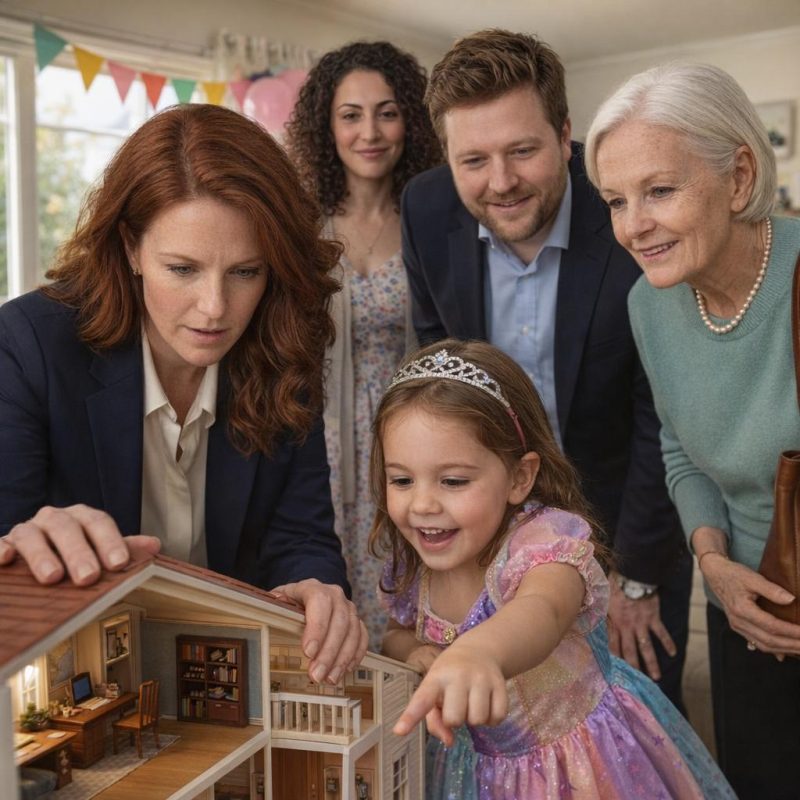 Image by RM AI
The Strange Car
I was working from my home office on a Wednesday afternoon when I noticed the car—a dark sedan with tinted windows parked across the street with its engine running. At first I thought someone was waiting to pick up a neighbor, but after twenty minutes it was still there, no one getting in or out, just idling in the same spot. I could see Brooke and the kids in the backyard through my window, playing some elaborate game involving Owen's stuffed animals and a blanket fort, completely visible and vulnerable if anyone was watching. My hand kept hovering over my phone, trying to decide if calling the police about a parked car made me a paranoid suburban cliché or a responsible mother protecting her children. The car had no company markings, didn't match any vehicle I'd seen in the neighborhood, and something about the way it just sat there felt wrong in a way I couldn't articulate. I was literally pulling up the non-emergency police number when the sedan finally pulled away, driving slowly down the street like it had all the time in the world. I went downstairs with my heart still racing and found Brooke scrolling through her phone with an expression I'd never seen before—focused and serious—that vanished the instant she noticed me on the stairs. When I asked if she'd seen a strange car out front, she looked genuinely unbothered and said no, and I stood there wondering if I was connecting dots that didn't actually form a picture.
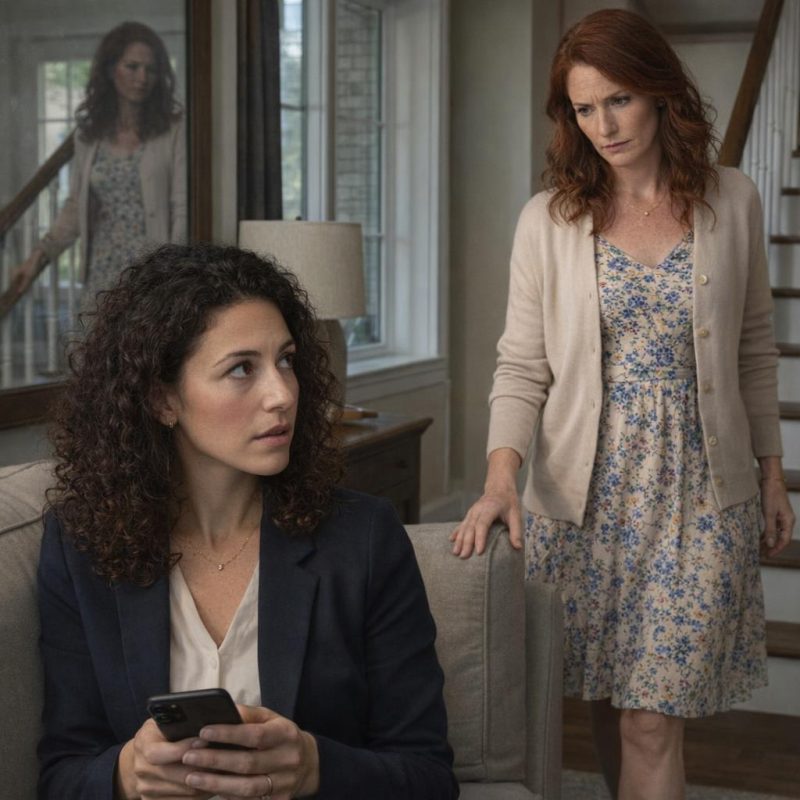 Image by RM AI
Displaced Documents
I opened our home safe to file the completed tax returns, and my passport wasn't in its designated slot. It sounds like such a small thing, but I have a system—I've always had a system—and my passport lives in the front left corner, Marcus's in the front right, with the kids' documents behind them in birth order. Instead, mine was wedged behind Marcus's, and when I started checking further, I realized everything had been moved. The birth certificates were stacked differently, the insurance policies were out of order, the property deed was in front of the car titles instead of behind them. Nothing was missing, but everything had been removed and put back wrong, like someone had taken photos of each document and then tried to replace them from memory without quite remembering the original arrangement. The safe showed no signs of forced entry, the combination hadn't been changed, and when I asked Marcus if he'd opened it recently, he was adamant he hadn't touched it in weeks and definitely hadn't reorganized anything. He suggested maybe I'd done it and forgotten, which would have been reasonable except I knew—I absolutely knew—the exact position of every item in that safe because I'd set up the system myself. Brooke came home with the kids while we were talking, and I watched her hang up her coat and help Owen with his shoes, looking perfectly normal and innocent. I said nothing, just took photos of how everything was currently arranged so I'd know if anything moved again.
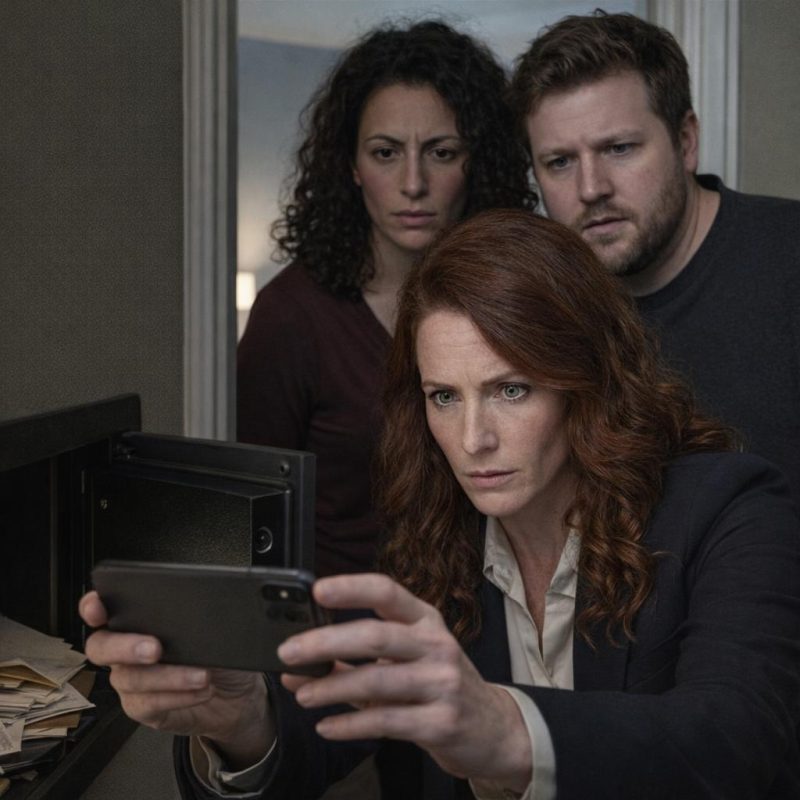 Image by RM AI
Missing Mail
I was reviewing our credit card account online when I noticed we hadn't received a statement in over two weeks, which seemed odd since they usually arrived like clockwork. I pulled up the USPS informed delivery app—you know, that service that photographs your mail before it's delivered—and felt my stomach drop. Three credit card statements marked as delivered, a bank notice about account verification marked as delivered, all within the past two weeks, and I'd never seen any of them. Every single piece contained sensitive financial information, account numbers and balances and transaction histories. When I showed Marcus the tracking confirmations, he suggested the postal carrier might have misdelivered them to a neighbor's mailbox, which was possible except it seemed like a pretty significant coincidence that only financial mail was going missing. We were standing in the kitchen discussing whether to file a complaint with the post office when Brooke came in from the backyard with the kids, and I watched her face as she overheard us talking about missing statements. There was this brief flicker of something—concern, maybe, or calculation—before her expression settled into sympathetic worry. Marcus decided to call the credit card companies to request duplicates, and I made a mental note to go back through the nanny cam footage for mail delivery days, to see if I could spot what was happening to our correspondence. I'd shifted from vague unease to active certainty that something was wrong, even if I couldn't yet prove what.
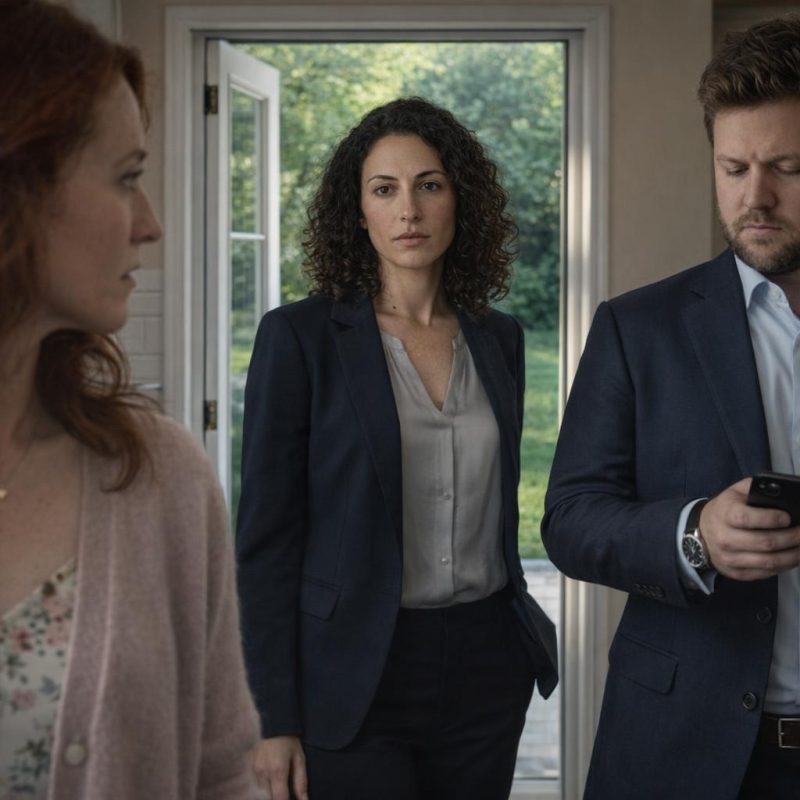 Image by RM AI
The Decision
I closed my office door during lunch break and canceled my plans to meet a colleague for sandwiches, telling myself I needed this time to either confirm my paranoia or validate something far worse. The nanny cam archive sat waiting on my laptop, weeks of footage I'd barely glanced at beyond the occasional spot check, and I realized I was about to cross a line I couldn't uncross. Systematically reviewing hours of video felt like the action of someone who didn't trust their own family, who saw threats in birthday gifts and missing mail and cars that were probably just lost delivery drivers. But I also couldn't shake the accumulation of small oddities—the drawer, the safe, the documents, the mail—that individually meant nothing but together formed a pattern I couldn't ignore. I set up my dual monitors to compare footage timestamps with Brooke's detailed text updates, opened a spreadsheet to track any discrepancies, and acknowledged to myself that finding nothing would actually be a relief rather than a disappointment. I wanted to be wrong. I wanted to discover I was manufacturing problems because returning to work had made me feel guilty about not being home, because some part of me resented how easily Brooke had stepped into the maternal role I'd vacated. The weight of investigating a family member instead of a stranger pressed against my chest as I positioned my fingers over the keyboard, ready to either prove myself a paranoid employer or uncover something I wasn't sure I wanted to see.
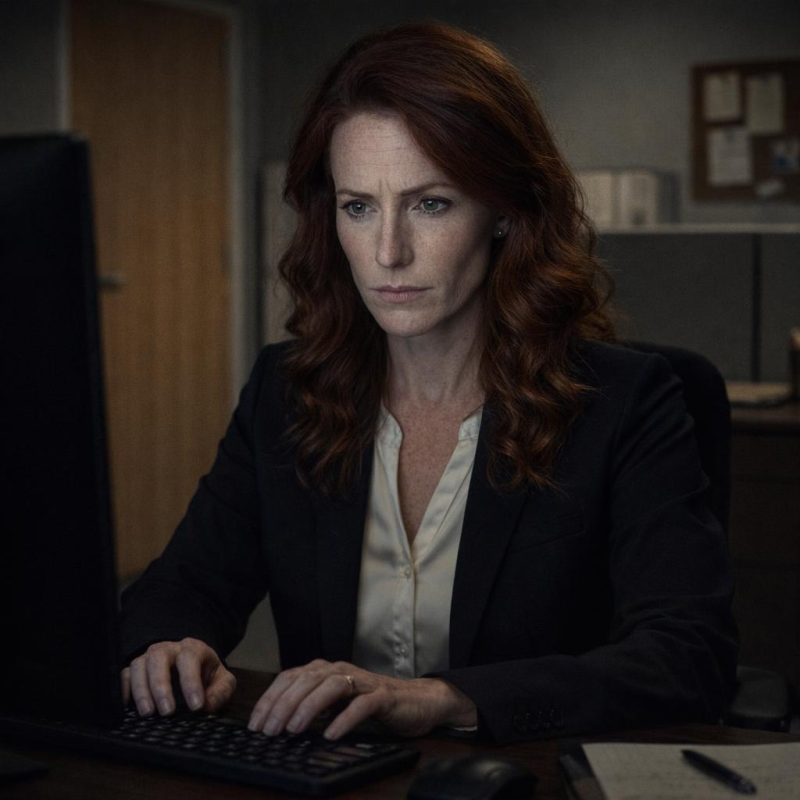 Image by RM AI
The Tedious Search
I spent three lunch breaks watching fourteen hours of archived footage, fast-forwarding through what turned out to be completely appropriate childcare that made me feel more foolish with every passing hour. Brooke read stories with different voices for each character, built elaborate block towers with Owen, helped Mia with her colors and shapes, prepared balanced meals that put my own rushed dinners to shame. The children looked happy and safe in every single frame, laughing and playing and getting the kind of patient attention I'd been too exhausted to provide after long workdays. Her activities matched her detailed text updates perfectly—the playground visit at 10:30, the art project after lunch, the educational games in the afternoon—all exactly as she'd described. I felt embarrassed about my suspicious mind creating conspiracy theories from nothing, about wasting hours looking for problems in what was clearly excellent childcare. I was literally about to close the archive files and delete my tracking spreadsheet, ready to accept that stress was making me see threats where none existed, when I noticed something in the final review. Brooke took phone calls in the hallway, just outside the camera's frame. Not every call, but several times across different days, she'd check her phone, glance toward the camera, then walk into the space I couldn't see. It could have been innocent privacy, not wanting the kids to hear adult conversations, but the pattern stood out now that I was looking for it—the way she always positioned herself just beyond view.
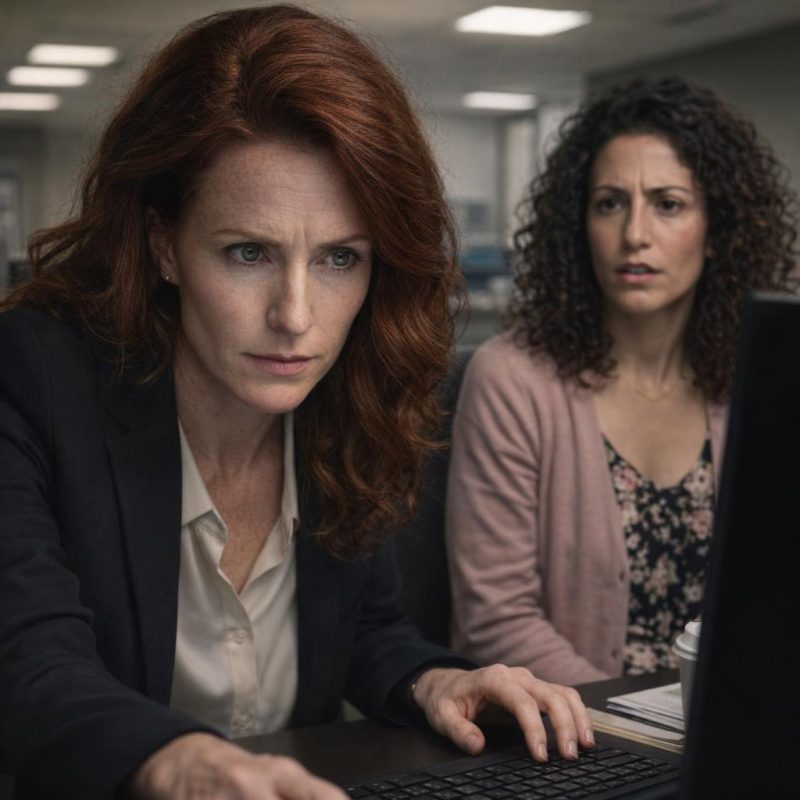 Image by RM AI
The Defense
I brought up the missing mail casually at dinner, mentioning it like an annoying inconvenience rather than the growing concern it had become, and Marcus immediately dismissed it as postal service incompetence. He launched into a story about a colleague whose entire package delivery had been left at the wrong address for weeks, suggesting we file a complaint with the post office rather than worrying about it too much. Then he praised Brooke for being more organized with household management than he'd ever been, saying how lucky we were to have someone so reliable helping us. Brooke looked concerned and sympathetic, expressing genuine-sounding worry about important financial documents disappearing, and offered to start checking the mailbox twice daily to make sure nothing else went missing. Mia was chattering about her dollhouse and Owen was pushing peas around his plate, their presence limiting how much I could actually say about my deeper suspicions. Marcus reinforced his trust in Brooke and suggested maybe I was stressed from the new case load at work, that I was looking for problems that didn't exist because I felt guilty about being away from home. I realized I couldn't voice what I was really thinking—that someone had accessed our safe, that mail was being intercepted, that too many small things weren't adding up—without sounding completely paranoid. I backed down and agreed the postal service was probably at fault, watching Marcus and Brooke's comfortable sibling dynamic across the table and feeling like an outsider in my own family, unable to articulate fears that sounded insane when I tried to put them into words.
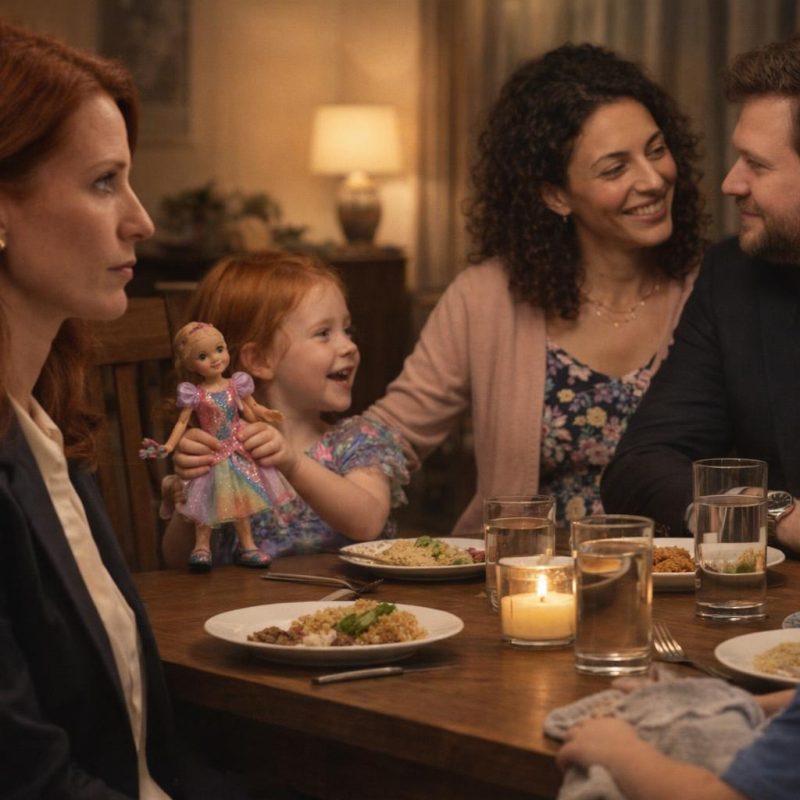 Image by RM AI
Silent Suspicion
I sat at my desk composing text messages to Rachel that I deleted before sending, unable to find words that didn't make me sound like I was having some kind of stress-induced breakdown. How do you tell your best friend you suspect your sister-in-law of... what, exactly? Stealing mail? Memorizing your house layout too well? Taking phone calls in hallways? Written out, my concerns looked like the paranoid delusions of someone who resented another woman spending time with her children, who was projecting work anxiety onto innocent household situations. I wondered if returning to the firm had made me hypervigilant about security, looking for threats in birthday gifts and missing statements because some part of me wanted to justify the guilt I felt about not being home. Maybe I was becoming the suspicious employer instead of the grateful family member, inventing drama where none existed because I couldn't accept that someone else could care for my kids as well as I could. I considered confiding in Marcus but remembered his defensive reaction at dinner, the way he'd immediately attributed my concerns to work stress rather than taking them seriously. My phone buzzed with Brooke's afternoon update—a photo of Mia's finger painting and a detailed description of their day at the children's museum—and I stared at the image of my daughter's proud smile, trying to find something wrong but seeing only appropriate, thoughtful childcare. I couldn't tell if I was protecting my family or destroying it with unfounded suspicion, if my instincts were warning me of real danger or if I was losing my ability to trust anyone, including myself.
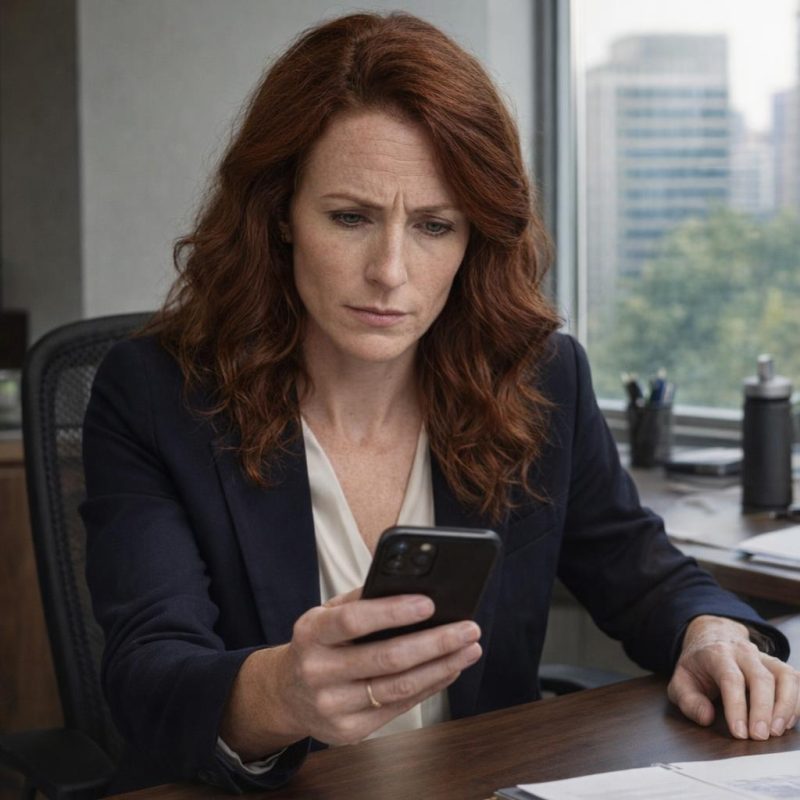 Image by RM AI
Motion Alerts
I told myself I was just being thorough when I configured the nanny cam's motion detection settings during my lunch break, sitting in my parked car with the app open on my phone. The system could send real-time alerts whenever anyone entered the living room or hallway—standard security protocol, really, nothing paranoid about wanting to know when movement occurred in my own home. My hands trembled slightly as I adjusted the sensitivity settings and tested the notifications, watching my phone buzz with a sample alert that made my heart jump even though I'd triggered it myself. I enabled alerts for work hours only, nine to five, when I wouldn't be home to see what was happening in person. The guilt sat heavy in my chest as I saved the configuration, but I couldn't stop myself from clicking the final confirmation button. I wasn't spying on family, I reasoned—I was protecting my children, ensuring their safety, doing what any responsible mother would do with the technology available. The first alert came through thirty minutes after I returned to my desk, my phone vibrating with a notification that read "Motion detected in living room." I fumbled to open the live feed, my heart pounding too fast for what might be absolutely nothing, and watched Brooke walk past the camera toward my home office with Mia and Owen trailing behind her asking questions I couldn't hear through the silent feed.
 Image by RM AI
Coffee Therapy
I texted Rachel during my afternoon break asking if she could meet for emergency coffee, and she responded within minutes saying she'd clear her schedule. We met at the café near my office, and I spilled everything—the missing mail, the displaced documents, the safe I'd found slightly open, the credit card charges I couldn't explain, the way Brooke always seemed to know exactly where everything was in my house. Rachel listened with her arms crossed, her expression growing more concerned with each detail I shared, but not in the way I'd expected. "Have you considered talking to someone?" she asked gently, and I felt my stomach drop. "Like a therapist, I mean. About the stress." She mentioned three colleagues who'd experienced severe anxiety returning to work after maternity leave, how the guilt and pressure could manifest as hypervigilance and paranoid thinking. She pointed out that every piece of evidence I'd described could have innocent explanations, that I'd been excited about Brooke initially and had shifted suddenly to suspicion. "You're working sixty-hour weeks, you're away from your kids, you're handling complex cases," Rachel said, reaching across the table to squeeze my hand. "Maybe the problem isn't Brooke. Maybe it's that you need a vacation before you burn out completely." Walking back to my office, I replayed Rachel's concern about burnout and wondered if I was having some kind of breakdown instead of uncovering the truth.
 Image by RM AI
False Peace
The next four days passed in a blur of cheerful updates and completely normal footage that made me question everything I'd convinced myself was true. Brooke sent detailed texts about the children's activities—Mia's new favorite book, Owen's improved appetite at lunch, their afternoon walk to the park where they'd collected leaves for an art project. The nanny cam showed nothing but appropriate childcare: story time on the couch, snacks at the kitchen table, Brooke helping Mia with a puzzle while Owen napped peacefully. The mail arrived properly sorted, nothing appeared displaced in my office, and Marcus commented over dinner that I seemed more relaxed than I'd been in weeks. I started wondering if Rachel had been right, if the high-pressure return to work had twisted my perception until I saw threats in ordinary household routines. I even considered apologizing to Brooke mentally for the unfounded suspicions, for installing a camera to spy on someone who was doing exactly what we'd hired her to do. I slept better, focused more effectively at work, and briefly thought about dismantling the motion alerts that now seemed like evidence of my own paranoia rather than reasonable precaution. On the fifth morning, I opened my laptop feeling something close to peace restored, ready to admit I'd been wrong about everything. Then I saw the credit monitoring alert flagged as urgent, and the temporary calm shattered like glass.
 Image by RM AI
Small Charges
I clicked through to my credit card statement with my coffee growing cold beside me, scrolling past the familiar charges until I found five transactions I didn't recognize. Eleven dollars at a convenience store, fifteen at a drugstore, nineteen at another pharmacy, thirteen at a gas station, eighteen at a discount retailer—all under twenty dollars, all made during weekday work hours at locations I'd never visited. I called Marcus immediately, reading off each charge and asking if he'd made any of them. "None of those are mine," he said, his voice tight with concern. "Sounds like someone cloned your card number." I noted that the charges had started appearing two weeks ago, all between nine AM and three PM when I was at the office and Marcus was at work. I called the credit card fraud department and answered the representative's standard questions about card security, when I'd last used it physically, whether anyone else had access to my account information. I provided details without mentioning my suspicions about who might have had access to my purse during those exact hours. The company cancelled my card and began their investigation, and the representative mentioned that thieves often test stolen numbers with small purchases before attempting larger fraud. I requested copies of all transaction details including locations and timestamps, then felt my voice shake as the representative asked if anyone else had access to my physical card or account information.
 Image by RM AI
The Notice
I checked my email during a deposition break three days later and found a security notice from our bank flagging an attempted address change on our joint checking account, submitted online seventy-two hours earlier. The request had tried to change our mailing address to a PO box I'd never heard of, located in a town thirty miles away, and the bank's automated security system had blocked it pending identity verification. I stepped into the hallway and called Marcus, who confirmed he'd made no such request and knew nothing about any PO box. We reviewed the online banking access logs together over the phone, and he pulled up the login history showing an access from our home IP address on Tuesday at two forty-five PM. I felt my hands go cold as I opened the nanny cam app and scrolled back to that exact timestamp, watching Brooke walk out of the camera frame toward my home office at two forty-three PM with both children occupied in the living room. She returned eleven minutes later, rejoining Mia and Owen as if nothing had happened, and I couldn't prove she'd entered my office but the timing aligned too perfectly to dismiss. Marcus suggested our password might have been compromised by an external hacker, but I saved and screenshots every piece of evidence without explaining the full scope of my suspicions. The timestamp on the address change request matched exactly with Tuesday afternoon when I'd watched Brooke walk past the nanny cam toward my home office.
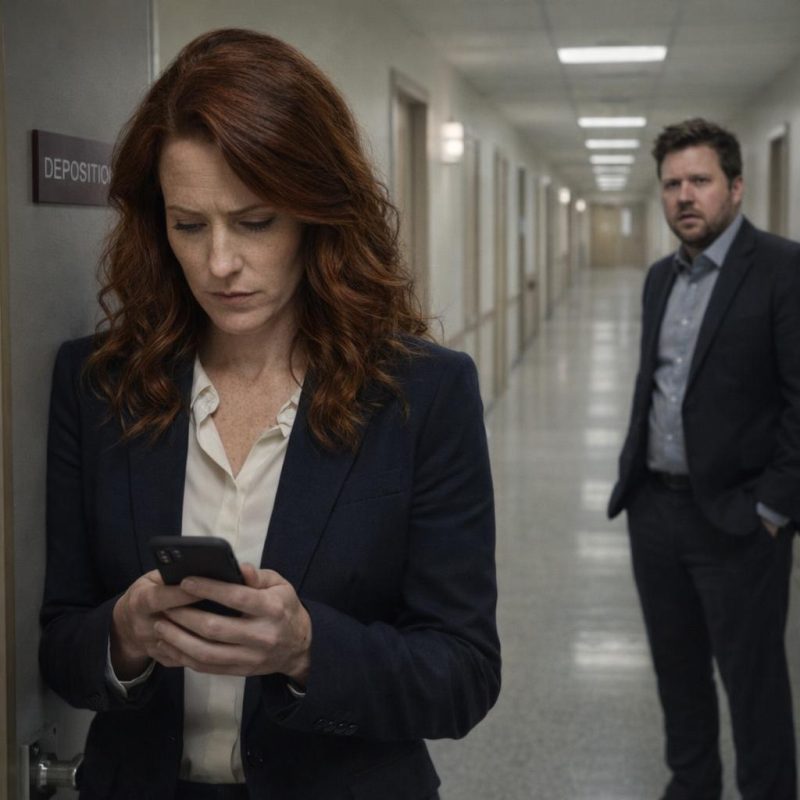 Image by RM AI
Timeline Reconstruction
I sat in the bank parking lot before our security appointment with my laptop balanced on the steering wheel, staring at the investigation spreadsheet I'd been maintaining for two months. The misplaced mail had first appeared three weeks after Brooke started as our nanny. The business ledger I'd found in the living room had been moved on a day when Marcus worked late and I'd come home early from a cancelled meeting. The safe documents had been reorganized during the week I'd taken the children to a doctor's appointment one morning, leaving Brooke alone in the house. The credit card charges began appearing exactly one month into her employment. The address change request had been submitted on Tuesday when I'd confirmed through the camera that Brooke was home with full access to every room. Marcus climbed into the passenger seat and I showed him the timeline, watching his face as he processed the correlation between his sister's presence and every suspicious incident. "That doesn't prove causation," he said carefully. "Household crimes are often committed by outsiders who observe family patterns and know when homes are occupied." I realized in that moment that Marcus couldn't accept his sister might be responsible, that family loyalty would prevent him from seeing what the evidence suggested, and I decided to continue gathering proof before forcing a confrontation that might destroy us. Every single concerning event correlated with days when Brooke had been alone in our house with full access to our private spaces, and the clarity made my hands go numb on the steering wheel.
 Image by RM AI
Impossible Choices
I lay awake beside Marcus at one AM, then two, then three, calculating whether confronting Brooke would protect my children or destroy my marriage. If I accused his sister of identity theft and financial fraud based on circumstantial evidence and I was wrong, Marcus might never forgive me for attacking his family. If I was right and said nothing, my children were spending forty hours a week in the care of someone who might be using our home for purposes I couldn't yet prove, learning their routines and vulnerabilities while pretending to love them. I watched Marcus sleep peacefully, unaware of the impossible choice pressing against my chest, and wondered how much proof I needed before forcing him to choose between his sister and his wife. The children were attached to Brooke now—Mia asked for her constantly, Owen had started calling her "Auntie B" with genuine affection—and removing her suddenly would devastate them if my suspicions proved unfounded. But the violation made my throat tight with protective fury, the thought that they'd been playing in rooms where someone might be accessing our private information. I felt betrayed by the family trust we'd extended, by the assumption that blood relation meant safety, by my own earlier naivety in thinking that hiring family would solve our childcare concerns. At three AM I opened my phone to review the footage again and realized that if I was right, my children had been playing in the same room where their aunt plotted against us for weeks.
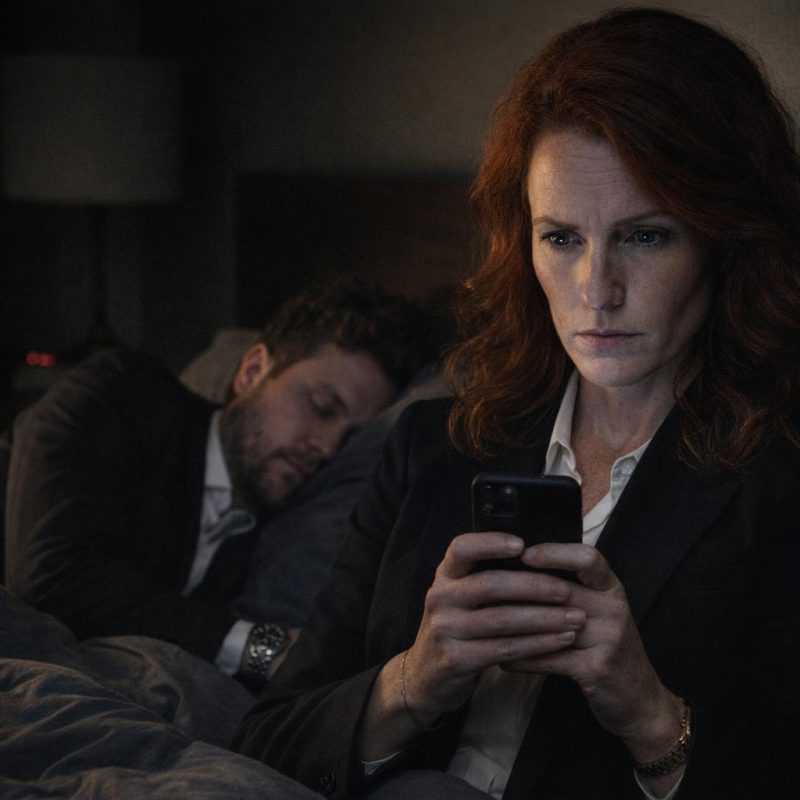 Image by RM AI
The Plan
I spent Monday morning researching patterns in the nanny cam footage, identifying that Tuesday afternoons showed the most movement toward the private areas of our house when the children were typically occupied with quiet activities. I blocked off three hours on my work calendar marked as "document review—do not disturb" and told my colleagues I couldn't be interrupted during the focused session. I tested the live feed connection from my office, positioning my laptop screen away from the glass door where passing coworkers might see what I was watching, and prepared an excuse story about reviewing security footage for a case if anyone asked questions. I sent Brooke a routine text asking about her plans for Tuesday afternoon, keeping my tone casual and motherly, just another working parent checking in on the daily schedule. She responded within minutes with her typical detailed itinerary—playground time after lunch, then quiet activities and snacks, possibly an art project if the children were interested. I confirmed the children would be occupied and away from my office during the window I'd be watching, set my phone to silent except for motion alerts from the camera, and took a deep breath to steady my nerves. I positioned my laptop to face away from the office door and turned the volume low, then sent Brooke a casual text asking about the afternoon schedule as if I were just another trusting mother checking in.
 Image by RM AI
Three O'Clock
I locked my office door at exactly three PM and opened the nanny cam feed with my laptop angled away from the glass wall where anyone passing could see what I was watching. My heart hammered against my ribs as the screen loaded, showing our living room in that slightly grainy quality that made everything look both familiar and strange at the same time. Brooke sat cross-legged on the floor with a picture book open in her lap, reading something about farm animals to Mia while Owen stacked blocks nearby with that intense concentration he got when he was building something important. The scene looked completely normal—exactly what I'd expect to see when I checked in on my nanny and kids on a Tuesday afternoon. I watched Brooke turn a page and do the animal sounds, watched Mia giggle and Owen glance up briefly before returning to his tower. Fifteen minutes passed like this, just ordinary childcare happening in my living room while I sat in my office feeling increasingly ridiculous for taking the afternoon off work to spy on what appeared to be absolutely nothing suspicious. I'd almost convinced myself to close the laptop and return to the brief I was supposed to be reviewing when Brooke paused mid-sentence and glanced toward the camera with an expression I couldn't quite read. She smiled—not at the children, but at something else—and stood up smoothly, telling Mia to keep looking at the pictures while she checked on something, and I watched her walk toward the front door just as the doorbell chimed through the camera's microphone like she'd been expecting someone all along.
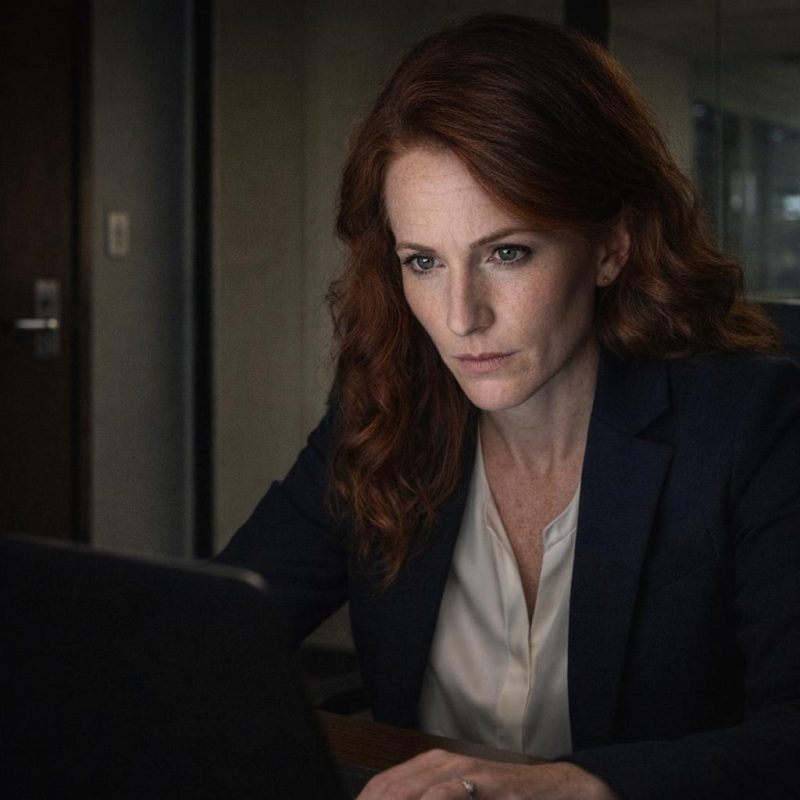 Image by RM AI
The Visitor
I watched Brooke disappear off-camera toward the front door and my first instinct was to grab my phone and dial 911 because who the hell was showing up at my house in the middle of the afternoon when she hadn't mentioned expecting anyone. The sound of the door opening reached the microphone, followed by Brooke's voice greeting someone warmly, and then a man I'd never seen before walked into frame following her back into the living room. My finger hovered over the emergency call button because this had to be some kind of threat or break-in, but the man's body language was all wrong for that—he moved through my house like he'd been there before, comfortable and unhurried, carrying a leather messenger bag that he set down on my coffee table. Brooke settled into the armchair across from him with the kind of relaxed posture you'd use for a planned meeting, not a home invasion. The children looked up briefly at the visitor, then went back to their toys without any sign of alarm or fear. I watched the man sit on my sofa and reach into his bag, pulling out a stack of papers that he spread across the coffee table between them, and even through the grainy camera quality I could see they were mail—envelopes and statements that looked sickeningly familiar because I'd been searching for those exact documents for weeks. Brooke leaned forward to examine the papers with focused attention while the man gestured and talked, his face angled away from the camera so I couldn't get a clear view, and they looked for all the world like two people having a casual business meeting in my living room while my children played on the floor.
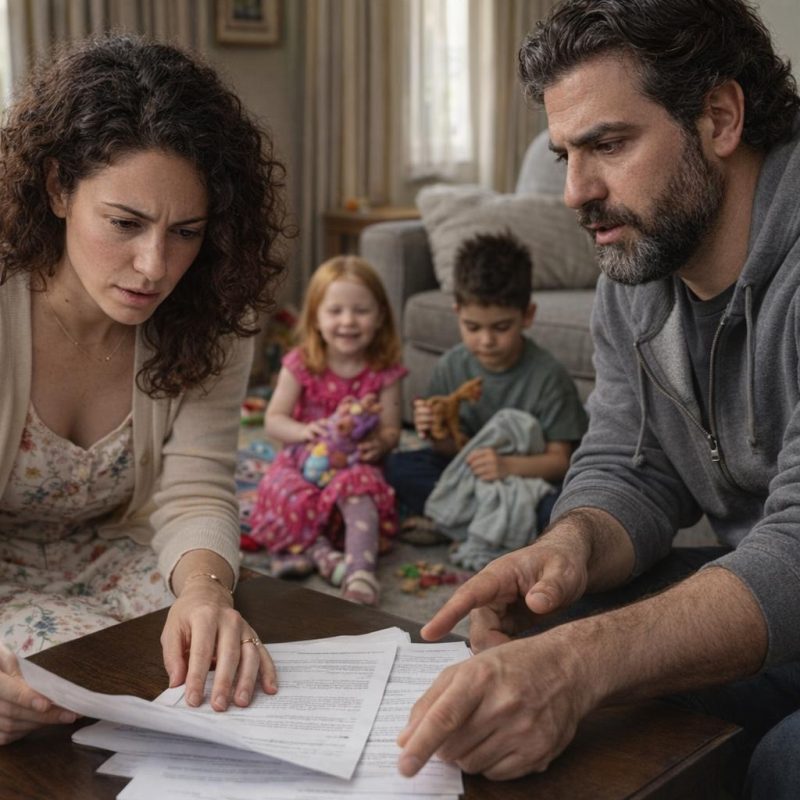 Image by RM AI
First Glimpse
I pulled up my phone with shaking hands ready to call the police because the man on my sofa had to be threatening Brooke somehow, had to be forcing her to cooperate with whatever this was, except she laughed at something he said and the sound came through the speaker warm and genuine and completely wrong for someone being coerced. She gestured toward the hallway that led to my office and the bedrooms, pointing at something while she talked, and the man nodded and made notes on a small pad he'd pulled from his pocket. Mia asked Owen to hand her a puzzle piece and the domestic normalcy of my children playing while this stranger sat in our living room made my skin crawl. I turned the volume up as high as it would go trying to hear what they were discussing, but the camera's microphone only picked up muffled fragments—something about accounts and timelines and verification. The man shifted his position on the sofa and his head turned slightly toward the camera, giving me the first partial view of his profile, just the angle of his jaw and the shape of his ear and something about the way he held himself. I stared at that partial view feeling a strange prickling sensation at the back of my neck, like I'd seen him before somewhere but couldn't place where or when. The feeling was vague and frustrating, just out of reach of actual memory, and before I could get a better look he turned away again and I was left staring at the back of his head while my finger still hovered over the emergency call button and my mind raced through possibilities I couldn't quite grasp.
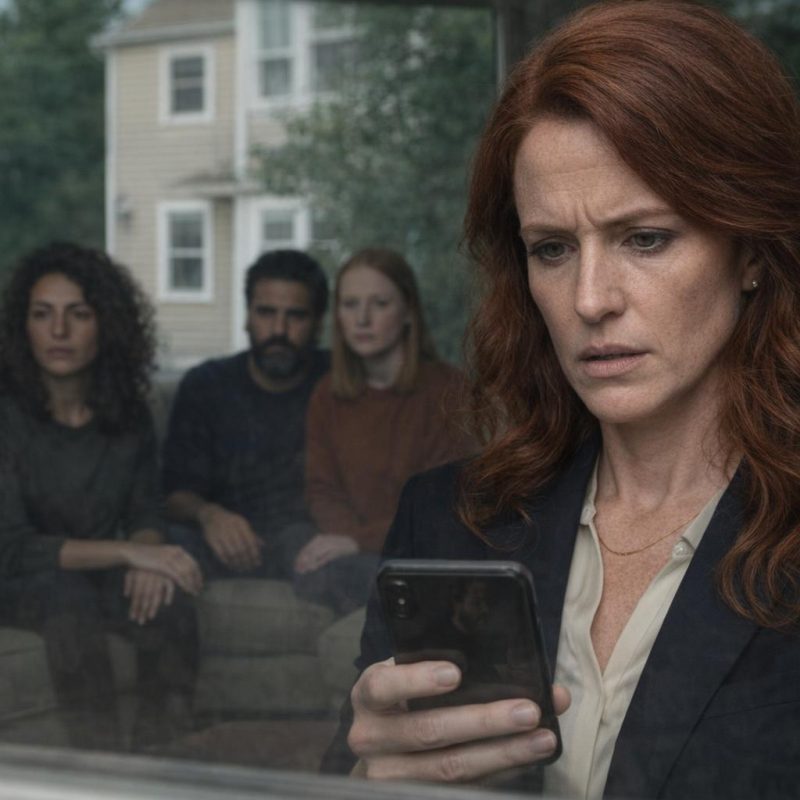 Image by RM AI
The Handoff
I watched Brooke stand up from the armchair and tell the children she'd be right back, her voice cheerful and casual like she was just grabbing a snack from the kitchen. She walked down the hallway toward my office and disappeared from the camera's view while the man remained on the sofa calmly reviewing the documents spread across my coffee table. Mia held up a puzzle piece and asked something I couldn't hear clearly, but the man didn't respond or even glance at my daughter, just kept making notes in his little pad. Two minutes passed—I know because I was watching the timestamp in the corner of the screen—and then Brooke walked back into frame carrying two items in her hands that made my blood turn to ice. My passport, the one I kept in my office desk drawer for work travel. And our spare car keys, the set we kept in the same drawer for emergencies. She handed both items to the man with a casual comfortable gesture, like she was returning a borrowed book or passing him the salt at dinner, and he took them without surprise or hesitation because clearly this was exactly what he'd come for. He flipped through my passport carefully, examining each page while making more notes, and Brooke sat back down in the armchair like nothing unusual had just happened. I gripped the edge of my desk so hard my knuckles went white, watching my sister-in-law hand over my identification and access to my vehicle to a stranger in my living room, and the willing betrayal made my vision narrow until the screen in front of me was all I could see.
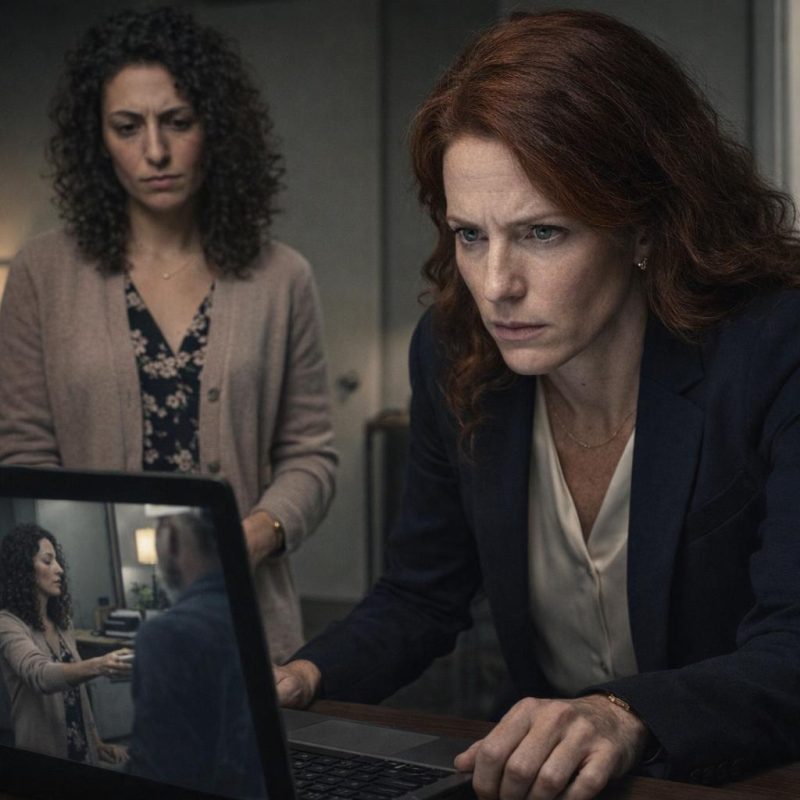 Image by RM AI
The Drive
I shoved my laptop into my bag without bothering to close the programs running and grabbed my car keys with hands that wouldn't stop shaking no matter how hard I tried to steady them. I stuck my head out of my office long enough to tell my assistant I had a family emergency and had to leave immediately, then I ran for the elevator without waiting for questions or offering explanations. The parking garage was three floors down and I took the stairs because waiting for the elevator felt impossible, my phone clutched in one hand with the camera feed still running on the small screen. I threw everything into the passenger seat and started the car, mounting my phone on the dashboard holder so I could watch what was happening at home while I drove. The feed showed the man standing up from the sofa and shaking Brooke's hand in a professional farewell gesture that made me want to scream, like they'd just concluded a successful business meeting instead of whatever the hell I'd just witnessed. I pulled out of the garage and into afternoon traffic, twenty-five minutes from home if I was lucky with the lights, and watched Brooke walk the man toward the front door where he disappeared off camera. She returned to the living room alone with the children, settling back onto the floor to continue the interrupted story time, and I couldn't see the front exterior to know if he'd actually left or was still somewhere on my property. I ran a yellow light turning onto the main road, my eyes flicking between the traffic ahead and the small screen showing my children playing safely while my sister-in-law betrayed us with a smile on her face.
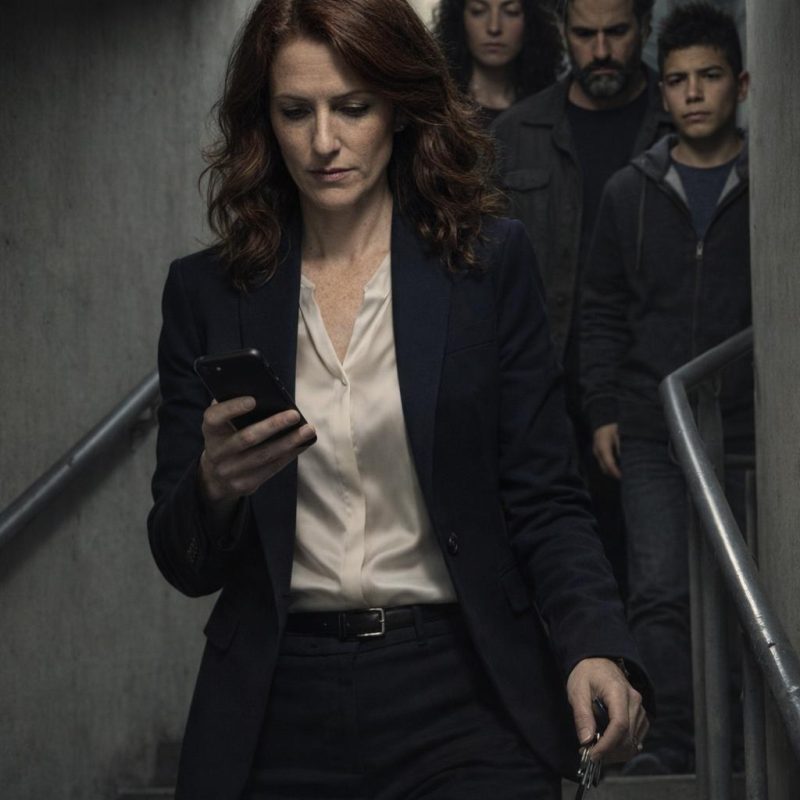 Image by RM AI
The Audio
I stopped at a red light three miles from home and turned the volume on my phone all the way up, desperate to hear what was happening now that the man had left. Mia's voice came through the speaker asking who the nice man was, and I heard Brooke respond with that warm patient tone she always used with the children, explaining that he was a friend helping Aunt Brooke with some paperwork and organizing. The children accepted this explanation without question and went back to their toys, and I watched Brooke pick up her phone and make a call while they were distracted with a puzzle. The audio picked up her side of the conversation clearly now that she'd moved closer to the camera, and what I heard made my stomach drop. She confirmed that the passport was still valid for another four years, mentioned that the credit limit was high enough for what they'd discussed, referenced something about an address change being blocked but having an alternate approach. She talked about accessing bank accounts using information they'd gathered, discussed timeline for completing their arrangement, used words like verification and transfer and documentation in a tone that was businesslike and efficient. The light turned green and I accelerated through the intersection while listening to my sister-in-law casually discuss stealing my identity like she was planning a grocery list. She ended the call and returned her attention to the children, asking Owen if he wanted to help with a craft project, her voice shifting back to that nurturing nanny warmth like she hadn't just been on the phone confirming my passport was valid for whatever fraud they were planning.
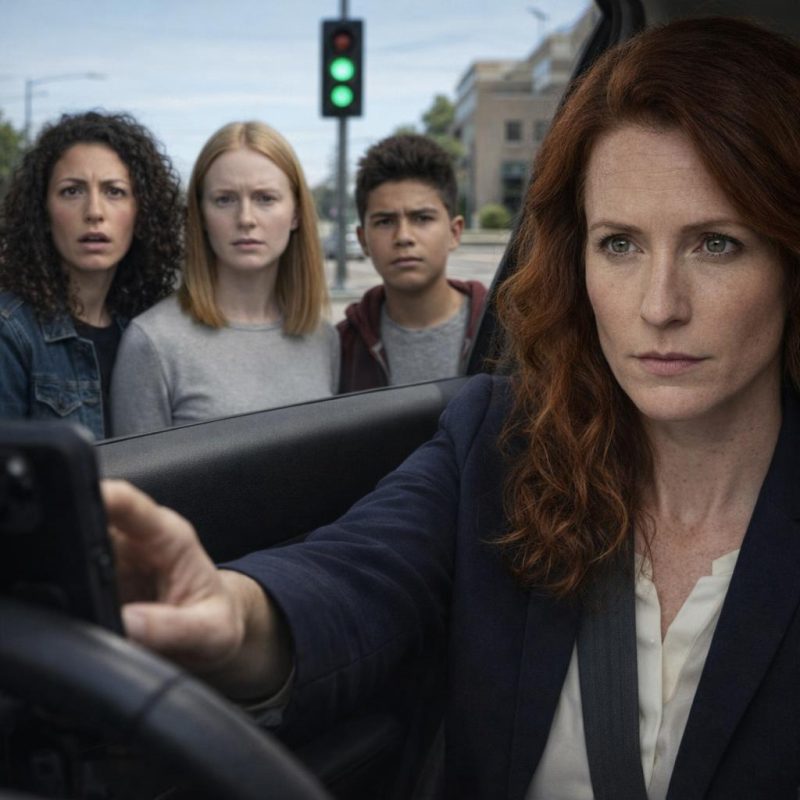 Image by RM AI
The Pattern
I sat in traffic two miles from home listening to Brooke cheerfully explain a craft project to Owen while my mind raced through everything I'd witnessed and heard over the past hour, and the pieces started fitting together in a way that made me feel sick. Her perfect nanny credentials weren't just impressive—they were tools for access. Those detailed activity updates I'd loved weren't maternal care, they were creating a false sense of security while she gathered information. The questions about our finances and schedules and routines weren't friendly interest, they were reconnaissance. The audio from home continued and I heard Brooke make another phone call, this one mentioning our family by name in a way that suggested she'd researched us before ever applying for the position. She referenced the Harrison family being even easier than the last placement, talked about wealthy family targeting being a profitable approach, discussed using the nanny position to gain trust and access to private information. She mentioned her preschool teaching sabbatical as a cover story that had worked for multiple placements, and the words hit me like ice water because they suggested my children weren't her first victims. This wasn't opportunistic theft by someone who'd stumbled into temptation—it felt like something she'd done before to other families who'd trusted her the same way we had. Traffic finally cleared and I pressed the accelerator harder, my hands gripping the steering wheel while I listened to her discuss timelines and verification processes with whoever was on the other end of that call. My children were just one stop in a pattern that had been running for years, and I'd invited it into our home because she had the perfect smile and the perfect references and said everything desperate working parents wanted to hear.
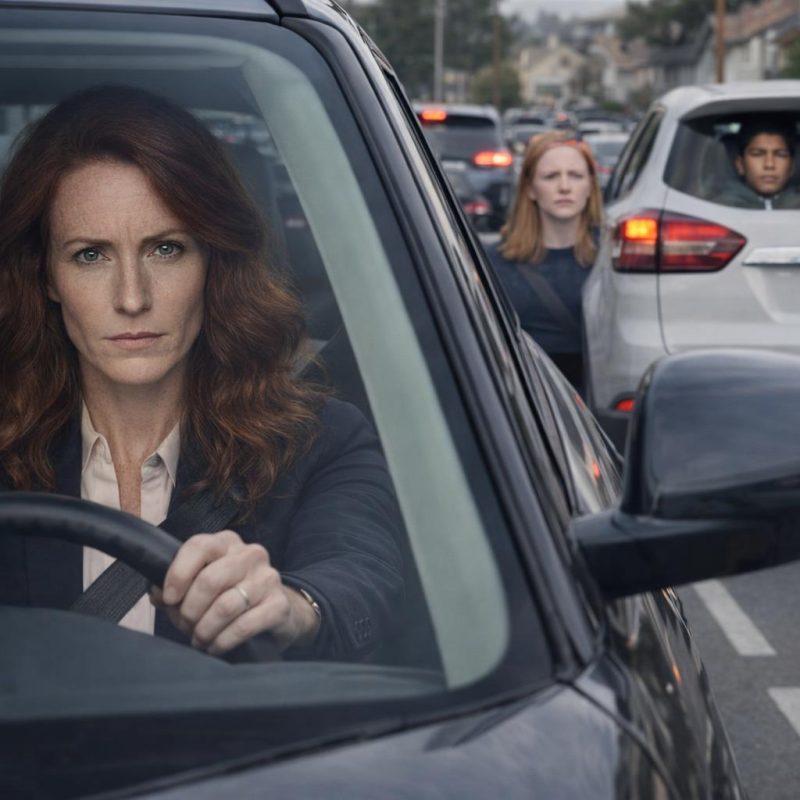 Image by RM AI
Loading the Van
I turned onto my street and saw an unmarked white van parked in my driveway with its rear doors open, and my heart jumped into my throat because this was happening right now, not later when I could plan or prepare. I kept one eye on the road and one on the camera feed, watching Brooke carry a cardboard box through the living room toward the front door while the children remained visible in the playroom off the main area, safely occupied with toys. The man appeared on the feed also carrying items toward the exit—I could see file folders and what looked like document boxes, things that had no business leaving my house. I recognized Marcus's business ledger, the one he kept locked in his study, and a file box that matched the storage container from our home office safe. They were loading my life into that van in an organized efficient manner, moving between the house and the vehicle like they'd done this before and knew exactly how long they had. I made a split-second decision and gunned the engine, accelerating toward my driveway with the intention of blocking the van against the garage so they couldn't leave. I reached for my phone to switch from the camera feed to the regular phone app, ready to photograph everything and call the police the second I had them trapped. I pulled into the driveway positioning my car to block the van's exit route, and through my windshield I watched the man emerge from my front door carrying Marcus's ledger and the file box from our safe, and I knew I had maybe seconds to stop them before they realized what I was doing and tried to run.
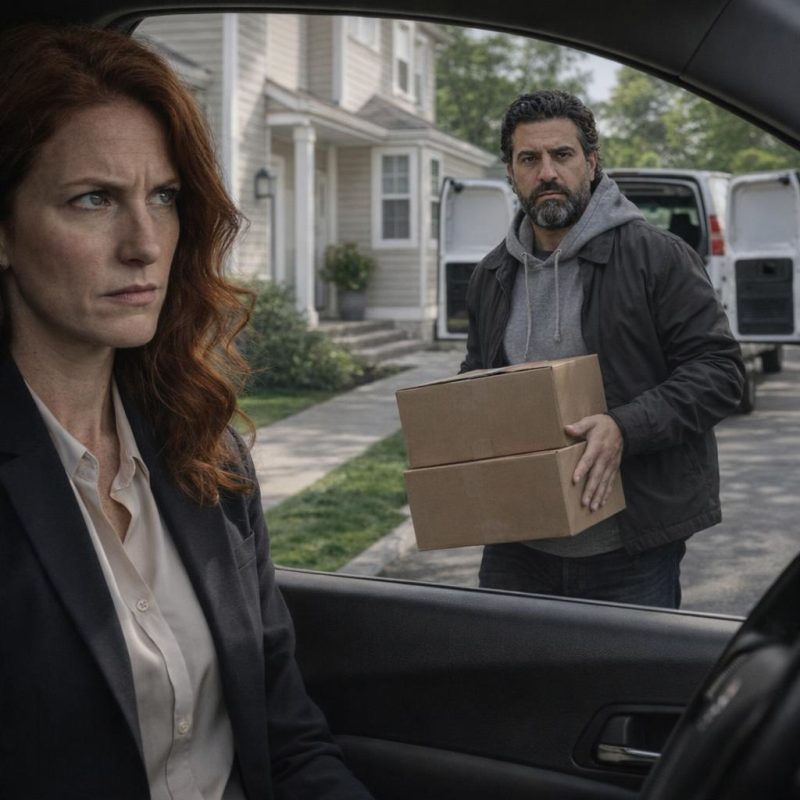 Image by RM AI
The Blockade
I slammed my car into the driveway at an angle that made it impossible for the white van to escape, and through my windshield I watched Brooke freeze mid-step with a box of my documents still in her arms. My tires screeched against the pavement loud enough that neighbors across the street looked up from their yard work, and I saw Brooke's expression shift from focused efficiency to something I couldn't quite read—shock maybe, or the rapid mental calculation of someone whose plan just hit an obstacle. The box in her hands contained visible file folders and document envelopes, things I recognized from Marcus's study and our home office safe, and she stood there on my front porch like a statue holding evidence of her theft. The van's reverse lights flashed once as if the driver considered ramming through my blockade, then went dark as whoever was behind the wheel apparently decided against it. I could see my children through the living room window, still playing safely inside with their toys, oblivious to the standoff unfolding in their driveway. My hand trembled as I locked my car doors with an automatic press of the button, the click echoing in the sudden silence after my dramatic entrance. The man in the van sat motionless behind the partially tinted driver's window, and though I couldn't see his face clearly from this angle, the stillness of his posture made my stomach drop in a way I couldn't explain.
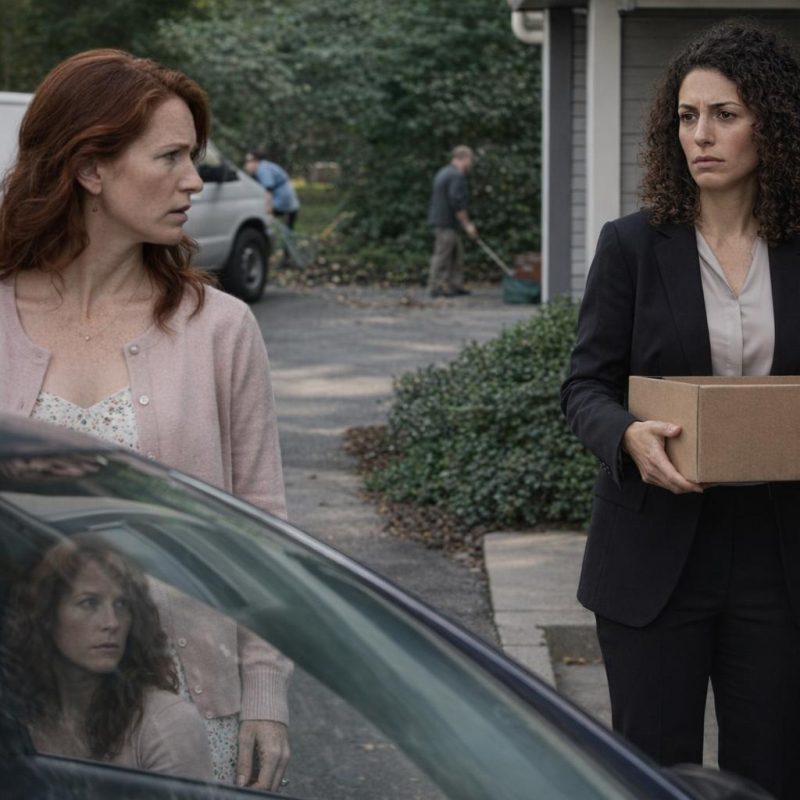 Image by RM AI
Evidence in Motion
I sat in my locked car with shaking hands composing an email to the local police precinct and every member of Marcus's extended family, attaching the live nanny cam link and screenshots of everything I'd witnessed. My fingers moved rapidly across my phone screen as I typed a brief explanation of the identity theft operation I'd documented on camera, adding the photo of the van's license plate I'd just taken through my windshield. I included the fraud division email address I'd looked up weeks ago when I first started suspecting something was wrong, back when I thought I was just being paranoid about a too-perfect nanny. The recipient list grew as I added Patricia's email, Marcus's aunt and uncle, his cousins who'd welcomed me into the family with such warmth at our wedding. I attached the live streaming link from the nanny cam showing the current view of my house, the real-time evidence of what was happening right now in my driveway. I added screenshots I'd saved earlier of the document handoff, the systematic loading of boxes, the coordination between Brooke and this unknown man. My finger hovered over the send button as I watched Brooke set down the box on the porch steps and begin walking slowly toward my car with her hands raised like she wanted to explain something that couldn't possibly be explained.
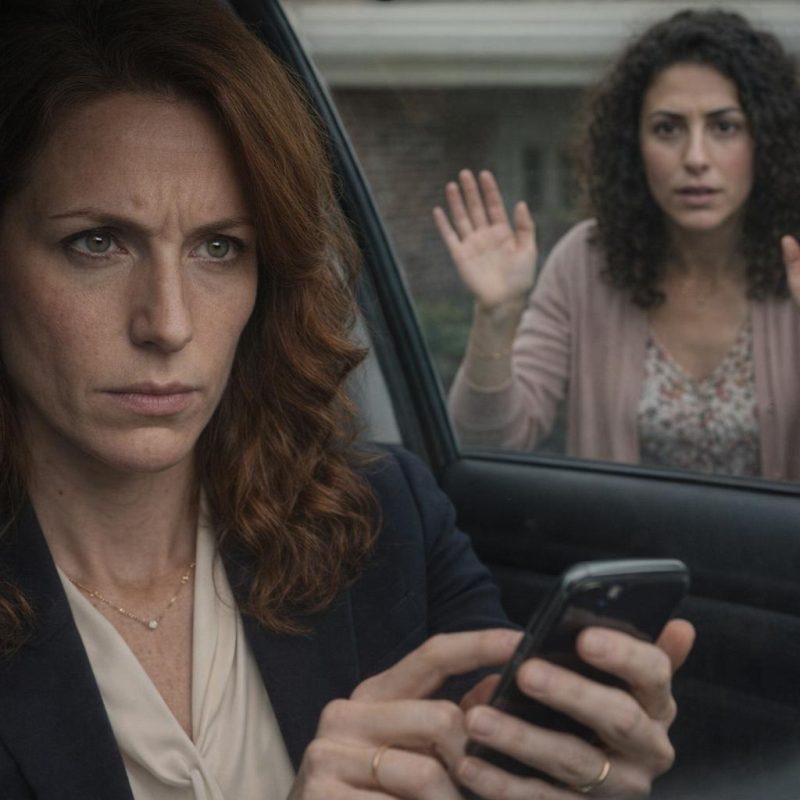 Image by RM AI
The Approach
I watched through my windshield as the van's driver door opened and a man stepped out, walking toward my car with the unhurried confidence of someone who believed he still had control of the situation. He moved around the front of the van with measured steps, wearing the same casual business attire I'd seen on the camera feed earlier, and his composure suggested no panic about being caught in the act of robbing me. Brooke stopped her approach and watched him take over, stepping back like she was deferring to someone with more authority in whatever hierarchy they'd established. I gripped my steering wheel watching him come closer, my phone with the unsent email sitting on the passenger seat within easy reach. The afternoon sunlight hit his face as he cleared the van's shadow, and something about his features triggered a feeling I couldn't place—not quite recognition but something scratching at the edge of my memory. He stopped about three feet from my hood, maintaining what might have been a deliberately non-threatening distance, and his expression carried no fear or guilt, only what looked like calculation or maybe curiosity. He tilted his head studying me through the windshield with a strange familiarity, like he was waiting for me to figure something out, and the way he looked at me sent a jolt of wrongness through my chest that I couldn't name.
 Image by RM AI
Without Distortion
I stared at the man's face without the blur of the camera lens between us, and the late afternoon light revealed features that seemed to assemble into someone I should know but couldn't quite place. The camera's compression and angle had obscured the distinguishing details, but now I could see weathered skin that suggested years of outdoor exposure or maybe just difficult living, eyes that were a familiar shade reminding me of someone I knew. His jaw structure and hairline triggered an uncomfortable sense of recognition that didn't fit any logical category—not a client, not a colleague, not anyone from the neighborhood or the kids' school. He seemed to know I was studying him and he allowed the scrutiny with the patience of someone waiting for me to solve a puzzle he'd set before me. Brooke watched from the porch with an expression that might have been anxiety or anticipation, and I couldn't tell if she was worried about what would happen next or eager for it. My mind raced through possibilities, searching memory for where I'd seen this face, but none of the reasonable explanations fit what my instincts were screaming at me. The man smiled then—a small, patient smile that transformed his face into something devastatingly familiar—and the expression unlocked something in my memory that made my entire body go cold.
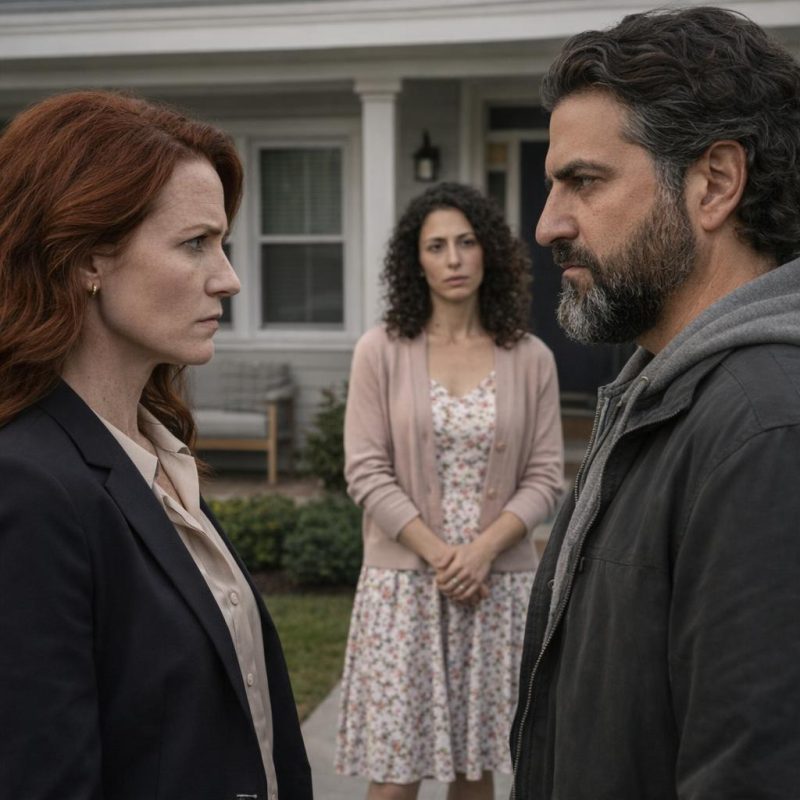 Image by RM AI
The Dead Man
I recognized Daniel Harrison—Marcus's older brother who had drowned in a boating accident five years ago and whose funeral I had attended as Marcus's new girlfriend—standing alive in my driveway. The smile I'd seen in family photos, the one Patricia had cried over at the memorial service, was right there on his living face three feet from my car. I remembered that funeral so clearly because it had been one of the first times I'd met Marcus's extended family, six months into our relationship when everything still felt new and uncertain. Patricia's tears and Marcus's grief at the service now reframed themselves in my mind as performance, as something staged for an audience that included me. I'd met Marcus six months after Daniel's supposed death, at a charity gala that I now understood wasn't a random encounter at all. My family's multi-generational trust fund, the one my grandparents had established and my parents had carefully protected, became the obvious target connecting all these pieces. The entire relationship had been engineered to access my family's wealth, and Brooke's arrival as our nanny was just the final stage of an operation that had been running for five years. Everything I thought I knew about my marriage, my family, and my own judgment collapsed in that single moment of impossible recognition, and I understood that the con hadn't started with Brooke—it had started with the day I met Marcus.
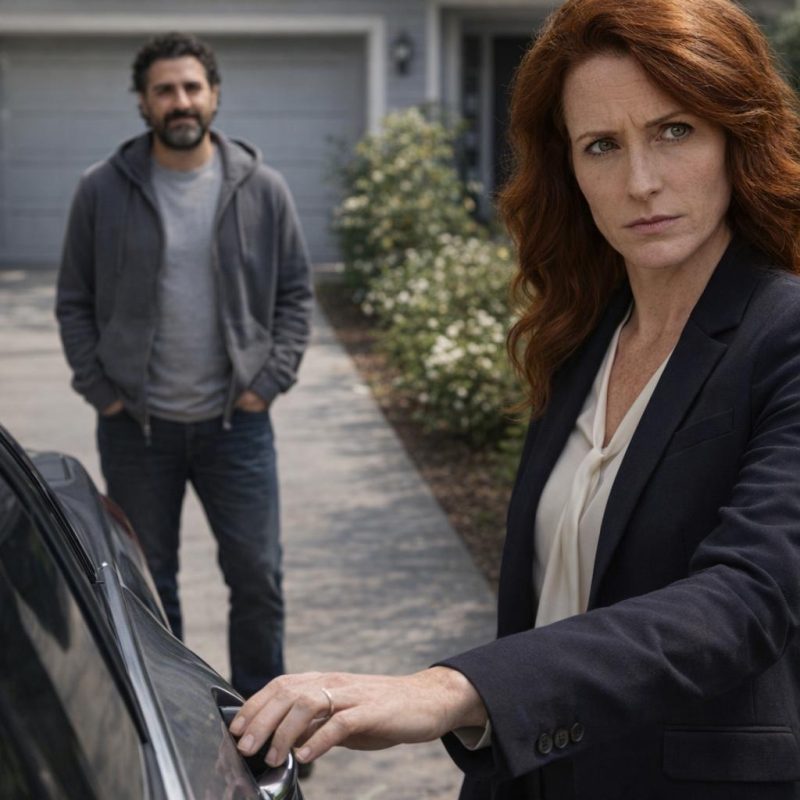 Image by RM AI
The Long Con
I sat frozen in my car as five years of memories replayed with sickening new context—every romantic gesture, every family gathering, every intimate moment recast as performance in service of theft. The charity gala where Marcus and I met was likely a staged encounter, his persistence in pursuing me despite my initial disinterest now revealed as professional dedication to a target. His perfect understanding of what I wanted in a partner, the way his family had welcomed me so quickly to accelerate our timeline, the wedding planned faster than I'd originally wanted—all of it took on new meaning. The pressure to have children soon, which I'd attributed to Marcus's traditional values, was really about deepening the legal and financial entanglement that would give them access to my family's money. Every romantic memory now filtered through the lens of someone who'd been researched, selected, and systematically approached like a mark in a long con. Daniel tapped gently on my window interrupting my spiraling thoughts, and he said my name like we were old friends, with a familiarity that confirmed he'd known exactly who I was long before I ever learned Marcus Harrison existed. His tone suggested we shared a history I'd never been aware of, and I understood that I'd been studied and targeted, that my family trust fund had made me worth five years of their investment and two children conceived as part of their strategy.
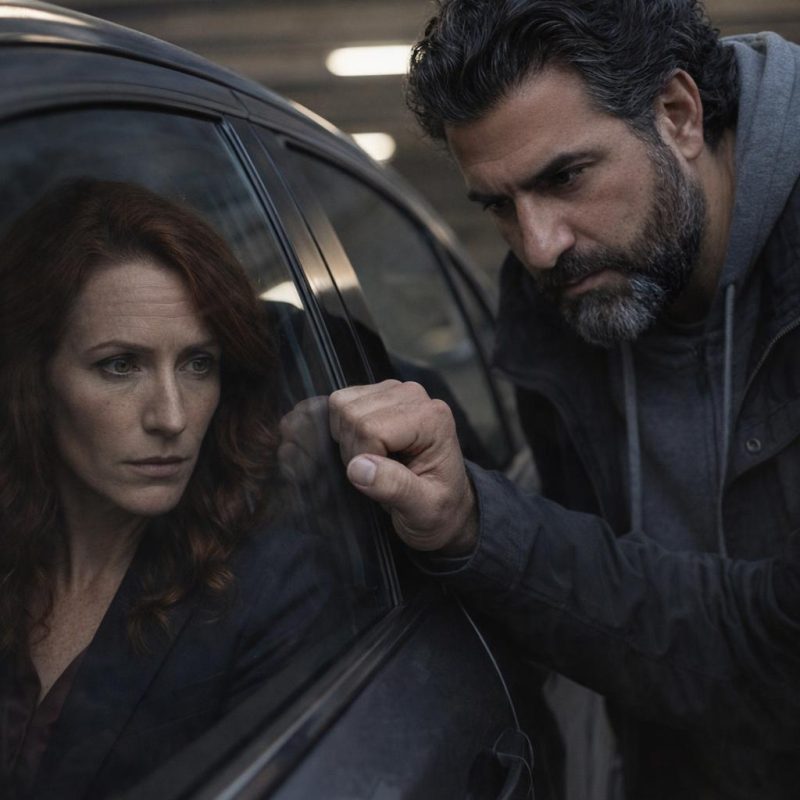 Image by RM AI
The Endgame
I connected the final pieces as Daniel explained through my closed window that they were so close to completing the trust fund transfer that it seemed foolish to involve authorities now. He spoke calmly about the operation as if it were a legitimate family business arrangement, describing the legal pathways they'd been establishing for accessing my family trust fund that my grandparents had established decades ago. He mentioned forged documents and authorization forms already prepared, noting that Marcus had signing authority as my spouse on several accounts they'd been systematically positioning to drain. The marriage had given them the access they needed over time, the patient accumulation of legal rights and financial permissions that would let them strip everything my family had built. He suggested that reporting this now would only hurt the children, using my own kids as leverage in his pitch for my cooperation. Then he mentioned that Marcus had been reluctant at first but had come around once he understood how much money was at stake, and I felt something inside me turn to stone. My husband had known about Daniel being alive, had been complicit in targeting me from the beginning, had looked me in the eye every day for five years while planning to rob my family blind. I refused to respond verbally, maintaining the barrier of my closed window, and my hand moved toward my phone with the prepared email as my resolve solidified into cold determination.
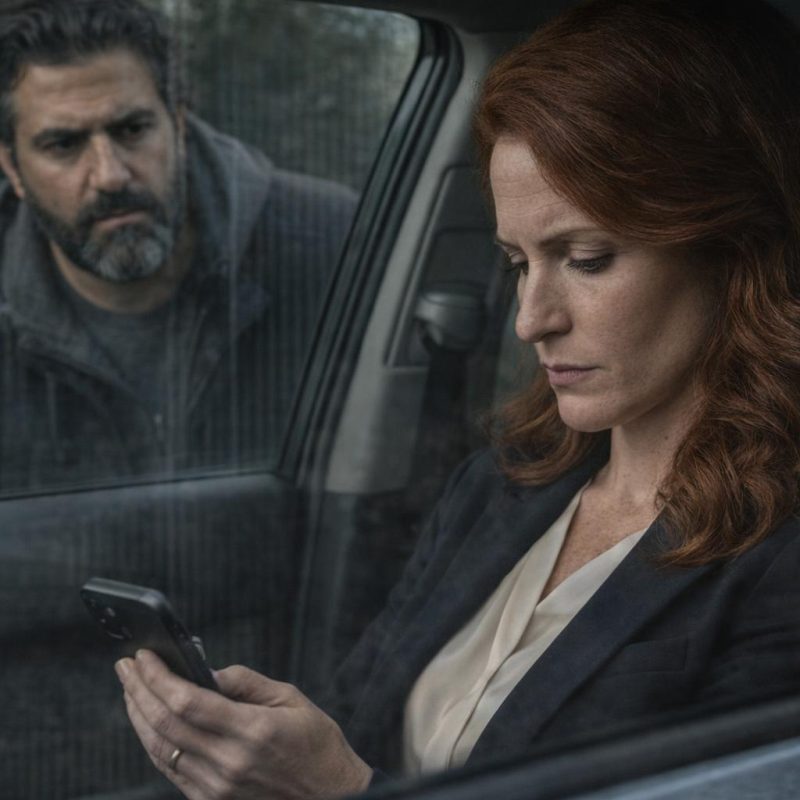 Image by RM AI
Send
I picked up my phone with Daniel still talking through the glass, and I pressed send on the email containing every piece of evidence I'd gathered, watching his expression shift as he realized what I'd done. The email confirmation appeared on my screen showing the message had been delivered successfully to the police fraud unit, Patricia, and every member of Marcus's extended family who'd played their parts so convincingly at that memorial service five years ago. Daniel was mid-sentence offering some financial arrangement that would supposedly benefit everyone involved when he noticed my movement and asked what I'd just done on my phone. His confidence cracked slightly as he tried to see my screen through the windshield glare. Brooke's phone buzzed audibly from her position on the porch, the sound cutting through the tension like an alarm, and I watched her pull it from her pocket with the casual expectation of someone checking a routine notification. Her face went white as she read the incoming message, and she looked up at Daniel with an expression I'd never seen on her carefully composed features before. She called out that the family had received something, her voice tight with panic, and Daniel's composure finally shattered as he understood the scope of what I'd just exposed. The confirmation notification appeared on my screen just as Brooke's phone buzzed with an incoming message, and I saw her face go white when she read the family group text alerting everyone to check their email.
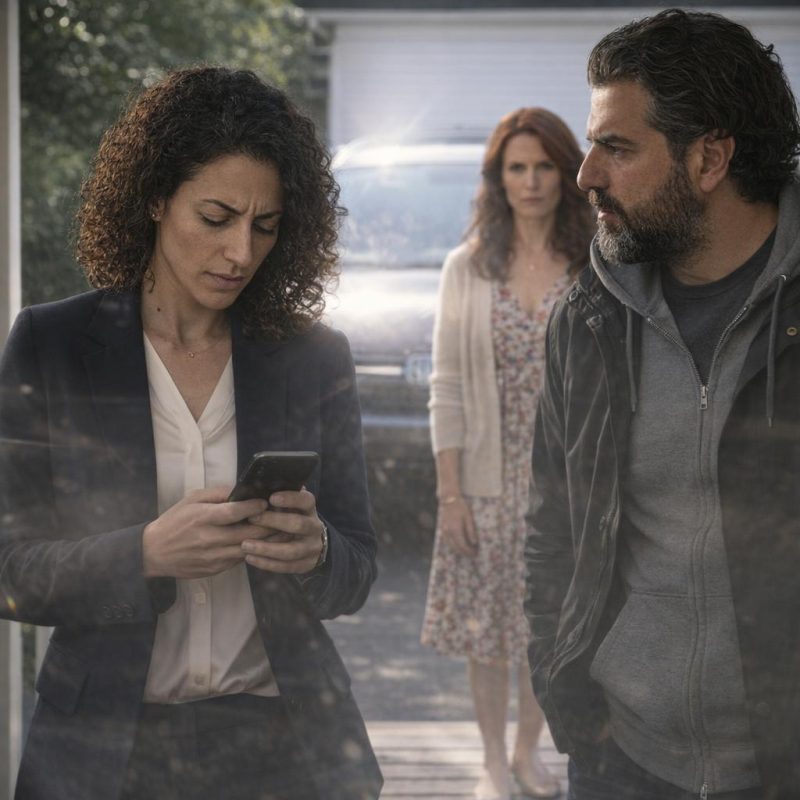 Image by RM AI
Exposed
The confirmation notification was still glowing on my screen when the buzzing started—not just Brooke's phone, but Daniel's too, a cascade of incoming messages that sounded like digital alarm bells going off in sequence. I watched through my windshield as Brooke pulled her phone out again, her thumb scrolling frantically, and she looked up at Daniel with pure panic replacing that carefully maintained composure she'd worn like armor for months. "They're all responding," she called out, her voice cracking. "Your mother, your aunts, everyone's asking what this is about." Daniel's phone lit up with Patricia's name, and I saw his jaw clench as he declined the call. More messages flooded in—I could see the notifications stacking up on his screen even from my position in the car. He paced beside my driver's side door, that businessman confidence crumbling with each buzz, each family member demanding explanations for the evidence I'd just distributed like party invitations. Five years of careful operation, of meticulous planning and performance, unraveling in the time it took for an email to reach its recipients. Brooke approached him asking what they should do now, and I watched him cycle through options in real-time, his expression shifting from calculation to something approaching desperation. For the first time since arriving home, I felt something other than fear—vindication, cold and sharp. He turned back to me with an expression that had shifted from businessman to cornered animal, and he said we could still fix this if I made some calls right now.
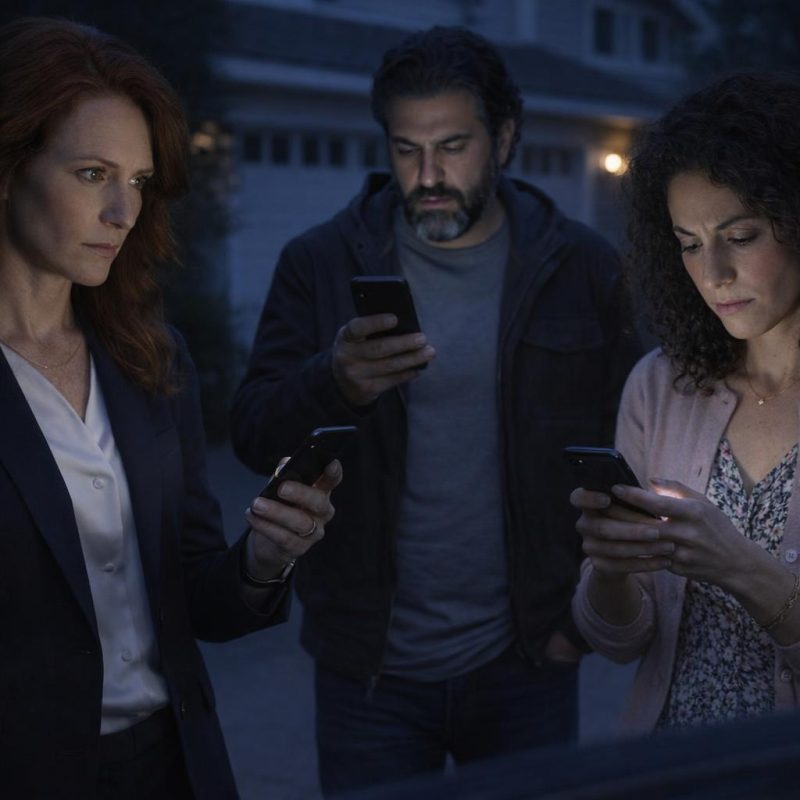 Image by RM AI
Bargaining
Daniel's voice took on this urgent, almost pleading quality I'd never heard before as he leaned closer to my window, his breath fogging the glass. "I can give you money from the operation," he said, like we were negotiating a business deal instead of discussing the systematic theft of my identity. "Enough to make this worth your while." When I didn't respond, didn't even look at him directly, he shifted tactics. "Think about what this does to Marcus," he tried. "You expose us, you expose him too. The kids' father." Still nothing from me. He promised to disappear, to never contact the family again, to give me everything I needed to use against Marcus however I wanted. Each offer hung in the air between us, unanswered, and I felt nothing but contempt for the performance. Then Brooke joined him at my window, tears streaming down her face in a performance I might have believed six months ago. "I grew to genuinely care about Mia and Owen," she said, her voice breaking. "I never wanted them caught in the middle of this. The family pressure, Daniel's plans—I got trapped in something I couldn't control." She pressed her palm against my window. "Please think about what arrest will do to the children." I stared at her tear-streaked face remembering every hourly update she'd sent while plotting to steal my identity.
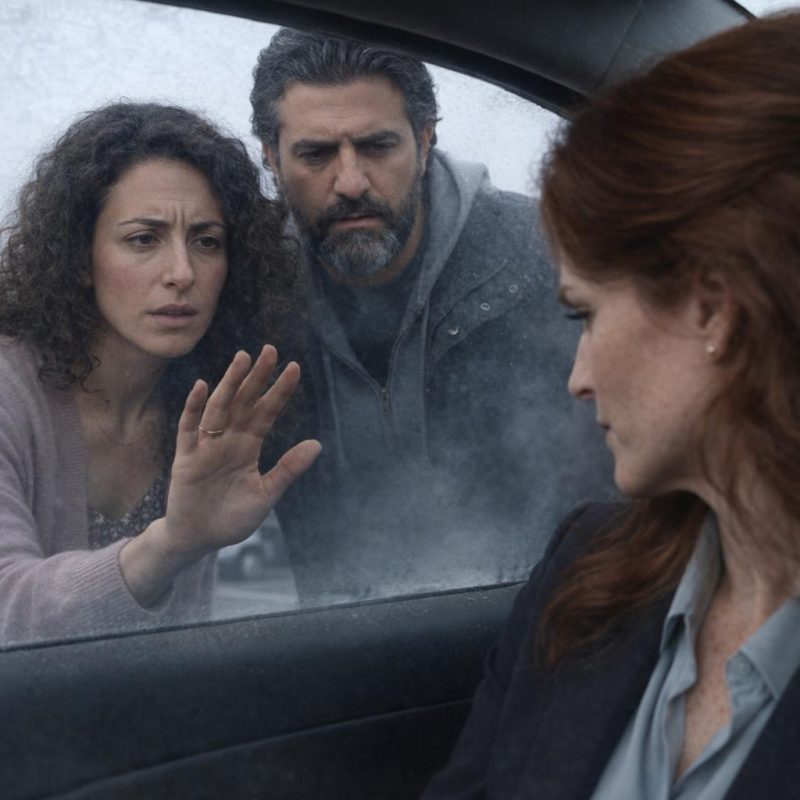 Image by RM AI
The Sirens
The sirens started as distant background noise, the kind you hear in a city and automatically tune out because they're never coming for your street, never heading to your crisis. But these didn't fade. They grew louder, closer, cutting through Daniel's increasingly desperate bargaining and Brooke's theatrical tears. I watched Daniel stop mid-sentence, his head turning toward the sound like an animal catching a predator's scent. His whole body went still for just a second, and I could see him calculating—his van blocked by my car, the street where those sirens were clearly approaching, the backyard and the fence that led to the neighboring properties. "What do we do?" Brooke asked him, her voice small and lost. He didn't answer her. Instead he just broke into a sudden sprint, his dress shoes slapping against my driveway as he ran past her toward the side gate. Brooke stood frozen where he'd left her, her legs apparently unable to carry her anywhere, her face tracking his movement with this bewildered expression like she couldn't quite process that he was leaving her behind. The sirens turned onto our street, and I could see the flash of lights reflecting off neighboring houses, painting everything in alternating red and blue. The sirens turned onto our street and Daniel made his choice, sprinting toward the backyard fence while Brooke stood frozen on the driveway unable to move.
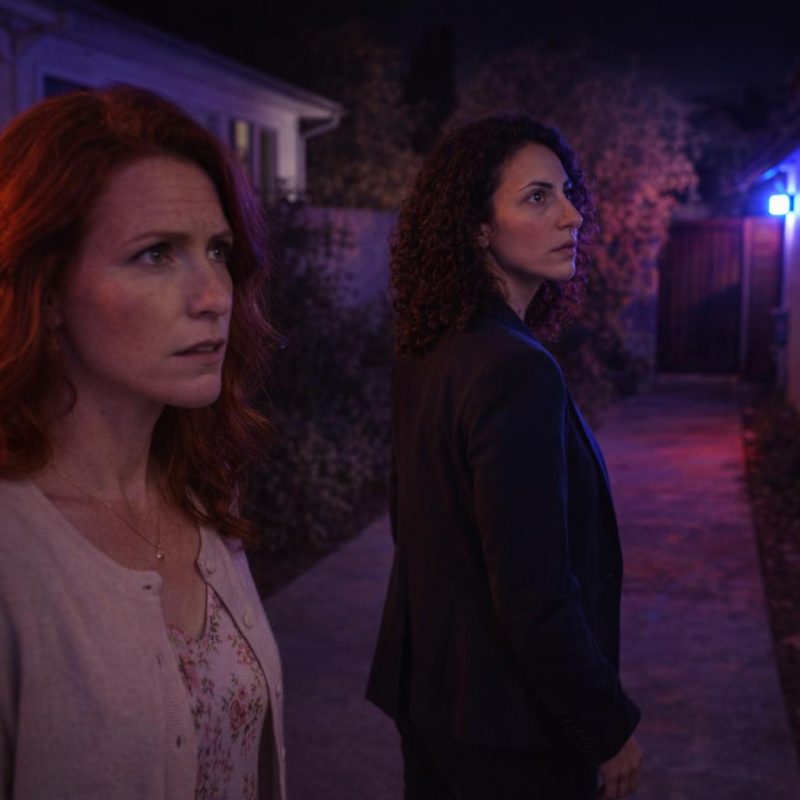 Image by RM AI
Flight and Freeze
I adjusted my rearview mirror and watched Daniel scramble over the back fence with the graceless desperation of someone who'd spent years behind a desk instead of running from police. Two cruisers pulled up behind my car, their lights painting the whole street in alternating red and blue, and officers emerged with that practiced efficiency that comes from responding to situations exactly like this one. One officer spotted Daniel's legs disappearing over the fence and immediately radioed for backup to cover the perimeter streets. The second officer approached Brooke, who was still standing in the middle of my driveway like a statue, and commanded her to show her hands and get on her knees. She complied without resistance, sinking down onto the concrete with her hands raised. A third vehicle arrived carrying Detective Morrison, and I watched him survey the scene—the blocked van, the evidence visible through its windows, Brooke on her knees, me still locked in my car. Officers secured Brooke's hands behind her back with practiced movements, and she looked at me through the windshield with an expression that might have been asking for help, or forgiveness, or just acknowledgment of our shared humanity. Morrison approached my vehicle and knocked professionally on the window, identifying himself and asking if I was the person who sent the email. Brooke sank to her knees on my driveway as officers approached with hands on their weapons, and she looked at me through the windshield with an expression that might have been asking for help I would never give.
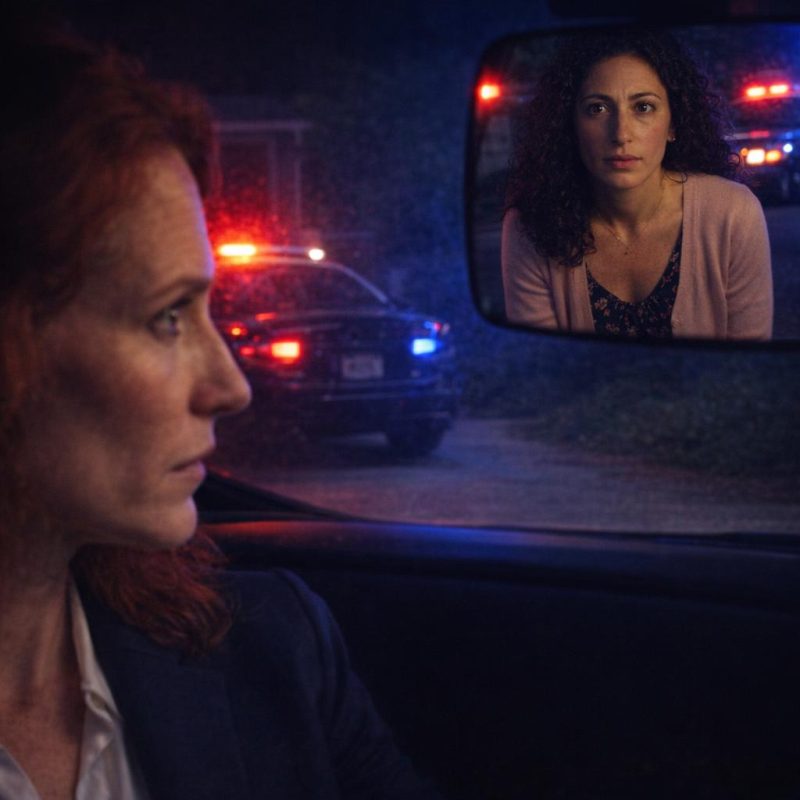 Image by RM AI
The Statement
Morrison confirmed the scene was secure, and I finally unlocked my car door, my hands shaking slightly as I stepped out into the chaos of my own driveway. A female officer brought Mia and Owen outside, and they ran to me immediately, Mia's questions tumbling out about why there were police cars and where was Aunt Brooke going. I held them both, reassuring them while Morrison waited patiently, and our neighbor Mrs. Chen agreed to watch them inside her house during my statement. Sitting on my front porch while officers photographed the van's contents, I walked Morrison through the timeline—the initial suspicions, the nanny cam installation, witnessing Brooke steal documents from our bedroom, the passport handoff, the identity broker conversation I'd overheard. I explained Brooke's position as my sister-in-law, how we'd trusted her completely with our children and our home. When I got to Daniel's identity, Morrison's pen stopped moving across his notebook. "The male suspect is my husband's brother," I said, watching his expression shift. "Daniel Harrison. He supposedly died five years ago." Morrison asked me to repeat that information, and when I confirmed it, I watched him recognize the implications—insurance fraud, faked death, interstate identity theft. He immediately called for additional detectives and federal notification. Evidence technicians continued cataloging van contents and documents in the background. Morrison paused his notes when I told him the male suspect was my husband's brother who had supposedly died five years ago, and his expression told me this case had just become much larger than a simple identity theft.
 Image by RM AI
Apprehension
The radio crackled with the report I'd been waiting for—fleeing suspect apprehended, three yards over, caught trying to scale a neighbor's fence. Officers brought Daniel around the side of my house in handcuffs, his expensive clothing dirty from his attempted escape, looking nothing like the polished businessman who'd stood at my car window making deals just minutes earlier. The perimeter units had blocked his escape route efficiently, and he'd been caught in the Hendersons' backyard before reaching the street. They walked him past me toward the waiting cruiser where Brooke was already secured in a separate vehicle for transport, and I stood there watching, my arms crossed, finally breathing normally for the first time since I'd pulled into my driveway. Daniel paused as he passed me, and he looked directly at me with this calm, almost evaluating expression—no anger, no defeat, just this professional assessment like he was reviewing a chess game he'd lost. He didn't say anything, didn't offer any verbal statement or emotional outburst, just got into the cruiser with practiced compliance like he'd done this before. Morrison noted both suspects secured, and evidence technicians continued cataloging the van's contents in the background. The vindication I felt was sharp and clean. Daniel looked at me as they put him in the cruiser, and instead of anger or defeat, his expression held something like professional respect for an opponent who had played better than expected.
 Image by RM AI
Family Loyalty
"I only did what Daniel and Marcus pressured me to do," Brooke called out from the police car window, her voice carrying across my driveway with that same pleading tone she'd used when begging me to unlock my car. "Family loyalty trapped me in something I never wanted. Please, tell them about the coercion, about how Marcus threatened to cut me off if I refused." She pressed her face closer to the window. "I grew to genuinely love Mia and Owen—you have to remember all the good times, all the care I provided." Morrison interrupted her performance by approaching me with preliminary background findings, his expression grim. "Database search connects her to similar complaints in three states," he said, showing me his tablet screen. "Pattern of wealthy family infiltration through childcare positions." I stared at the list—seventeen families flagged in the initial cross-reference search, a timeline showing Brooke operating independently for years before Daniel's involvement. "Evidence suggests she recruited them, not the reverse," Morrison continued. I processed that information, watching Brooke in the cruiser still calling out her claims of reluctant participation. She wasn't the victim of family pressure—she was the architect. Morrison noted charges would likely be extensive across jurisdictions. Morrison showed me the preliminary evidence log listing seventeen separate families Brooke had targeted over the past six years, and her claims of reluctant participation crumbled against the weight of documented experience.
 Image by RM AI
Marcus Arrives
I heard Marcus's car before I saw it—tires screeching as he turned onto our street too fast, barely stopping before he threw open the door and pushed past the police tape. Officers moved to intercept until I confirmed he was my husband, and I watched him survey the scene with an expression cycling through emotions too quickly to track. He saw the police cruisers, the evidence technicians, our blocked driveway, the van he clearly recognized with a flash of something in his eyes. He approached me, and his first words weren't asking if I was okay or where the children were. "What did you do?" he demanded, his voice tight. "Why did you involve my mother? Do you have any idea what this does to the family reputation?" He referenced the email recipients, expressed concern about legal exposure, worried about Daniel and Brooke in ways that made his priorities crystal clear. Morrison stood nearby observing our interaction without interfering, and I noted what my husband chose to worry about in this crisis—not my safety, not our children's wellbeing, but damage control and family image. The dread I'd been carrying crystallized into bitter confirmation. He stopped ten feet from me and asked what I had done, and in that question I heard everything I needed to know about where his loyalties had always been.
 Image by RM AI
No Explanations
Marcus stood there in our driveway trying to explain himself, and I watched his mouth move without really hearing the words. He claimed he'd only learned Daniel was alive a few months ago—Brooke had convinced him the plan was already too far along to stop. He insisted he'd tried to protect me from knowing the truth, that he'd genuinely fallen in love with me despite how we'd met. The children proved the relationship became real, he said, his voice taking on that pleading quality I'd heard him use with difficult clients. He begged me to understand the impossible position his family had put him in, how he'd never wanted to hurt me and had planned to stop the scheme eventually. I stood there silent, refusing to validate any of it with a response. Morrison stepped closer, his worn notebook appearing in his hand. "Mr. Chen, when exactly did you become aware your brother was alive?" Marcus's eyes darted between us. "And who had access to your wife's financial accounts during this period?" Morrison's tone remained conversational, almost friendly. "I think it would be helpful if you came to the station to answer some questions. Just to clarify the timeline." Marcus's face shifted as he understood what was happening. "Do I need a lawyer present?" Morrison's silence was its own answer, and I watched my husband realize he might be the next one in handcuffs.
 Image by RM AI
No Mercy
I sat across from Detective Morrison in his office the following morning, the fluorescent lights harsh after a sleepless night. He walked me through the charges being filed against Daniel for fraud and faking his death, the identity theft charges against Brooke for accessing my accounts and personal information. I provided every document I had—bank statements, employment records, the detailed log of every hour she'd worked in my home. Morrison asked about Marcus's involvement, his pen hovering over his notebook. "He knew," I said, my voice steady. "I don't know for how long, but he knew and he chose them." Morrison explained the investigation would determine the extent of Marcus's participation, that it might take weeks to build a complete picture. "I won't protect him," I told him clearly. "Whatever he did, whatever he knew—I want the truth documented." I signed the formal complaints against both Daniel and Brooke, my signature firm on each page. Morrison closed his notebook and looked at me with those tired eyes that had seen too many family betrayals. "You're doing the right thing for your children," he said quietly. I nodded, accepting that protecting Mia and Owen meant dismantling everything I'd built my life around.
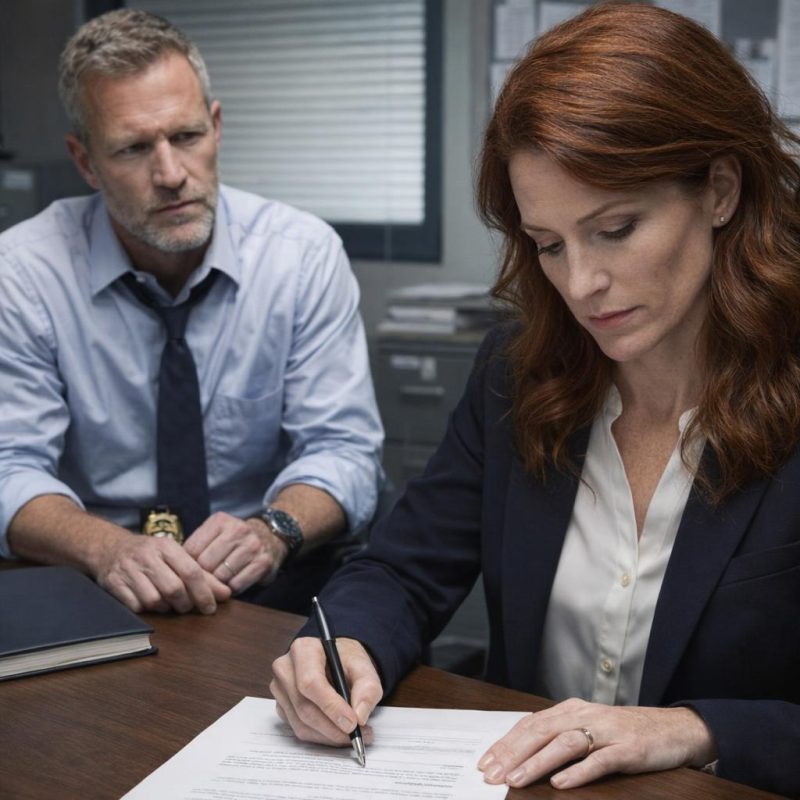 Image by RM AI
Starting Over
The security technician finished installing the final window sensor while I stood in the hallway watching him work. New cameras covered every entry point with encrypted cloud storage only I could access. Deadbolts and motion sensors throughout the house, a control panel that glowed reassuringly green when armed. In the living room, Sarah—my new nanny, hired through a professional agency after three independent background checks—read stories to Mia and Owen. Her references had been verified personally, her credentials legitimate and documented. Mia had asked once where Aunt Brooke went, and I'd given her a simple explanation she'd accepted without pressing. Owen seemed more relaxed, though I might have been projecting my own relief onto his wide uncertain eyes. Marcus had moved out pending the investigation and divorce proceedings. Patricia had called once, sobbing apologies for her children, and I'd listened without responding. The extended family had fractured—some supporting me, others shocked into silence by the truth. The house felt different now, quieter without the constant presence of Marcus's family. I walked through rooms seeing them fresh, without the anxiety of hidden surveillance. That night, I locked the new deadbolt and felt something I hadn't experienced in years: actual safety.
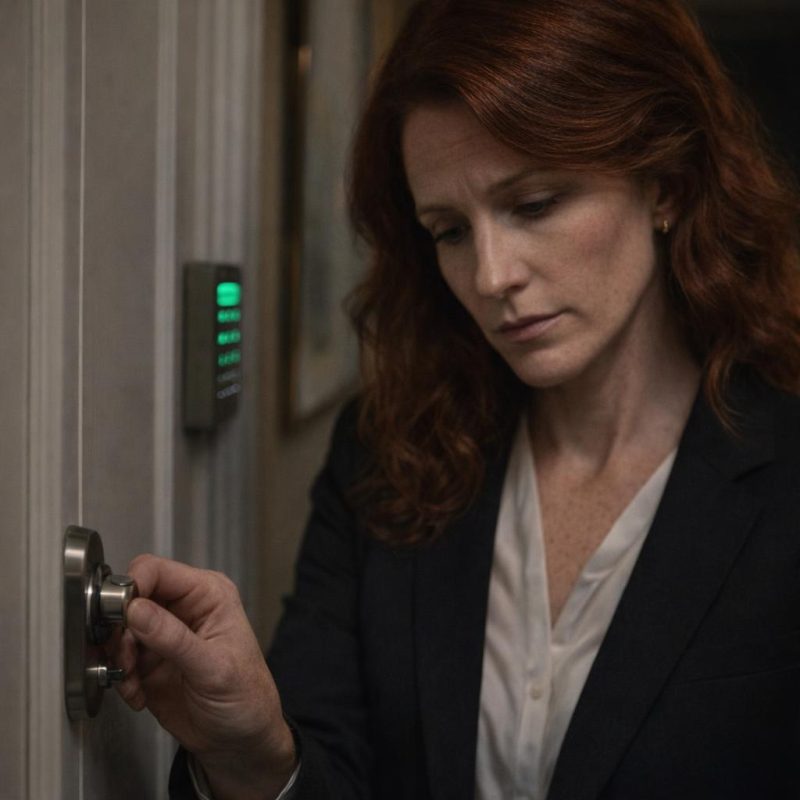 Image by RM AI
Actual Safety
I sat in my quiet living room after tucking the children into bed, the house settled around me in a way it never had before. This was the same room where I'd watched Brooke on camera, studying her perfect performance while missing what was right in front of me. The space felt reclaimed now, peaceful rather than contaminated by memory. I thought about how her perfection had been practiced, rehearsed—those hourly updates designed to create false security while she systematically accessed my life. I'd trusted the family label over actual evidence, mistaken performance for reality. Marcus's trial date was approaching, but I felt strangely detached from the outcome. The children were adapting faster than I'd expected, their therapy sessions helping them process the changes. My own therapist kept asking how I was doing, and I'd started being able to answer honestly. I recognized I'd carry wariness forward, but not permanent damage. My phone buzzed with a text from Rachel: "Coffee tomorrow? No agenda, just checking in." I smiled at the screen, appreciating friendship that had survived my darkest suspicions being proven right. Some relationships don't require constant proof or perfect appearances—they just require showing up. I texted back yes and locked up the house one final time, understanding that real safety has nothing to do with how things look from the outside.
 Image by RM AI