
The First Dismissal
I sat on that crinkly paper in Dr. Harris's exam room, trying to explain the pressure in my chest that had been waking me up at night for two weeks. Not sharp pain—pressure, like someone was sitting on my sternum. He barely looked up from his tablet while I talked. 'You're thirty-four,' he said, like that was the diagnosis itself. 'Healthy weight, no smoking. This is almost certainly stress or anxiety.' I mentioned that it got worse when I climbed stairs. He smiled that patronizing smile I'd later replay a thousand times. 'Everyone gets winded sometimes. I can prescribe you something for anxiety if you'd like, but honestly? I think you just need to relax.' No EKG. No blood work. Nothing. He shook my hand and ushered me toward the door before I could ask more questions. The whole appointment lasted maybe twelve minutes. Walking out of the office, I couldn't shake the feeling that I had just made a terrible mistake by trusting him.
 Image by RM AI
Trying to Move On
I really tried to believe him. For the next week, I downloaded a meditation app and took longer lunch breaks at work, convincing myself this was all in my head. Except the pressure kept coming back, always at random times—while I was answering emails, grocery shopping, trying to fall asleep. It started happening twice a day, then three times. Each episode lasted longer than the one before. I'd grip the edge of my desk and breathe slowly until it passed, telling coworkers I was fine when they asked if I looked pale. Maybe Dr. Harris was right. Maybe I was just wound too tight, working too hard, not managing stress properly. He had fifteen years of medical school and experience. I had Google and a body I apparently couldn't trust. The pressure came again while I was brushing my teeth one morning, strong enough that I had to sit down on the bathroom floor. I told myself he was the expert, but my body was telling me something else entirely.
 Image by RM AI
Maya's Concern
Maya noticed before I said anything. We were meeting for coffee—our usual Tuesday thing—and I must have winced when the pressure hit because she immediately put down her cup. 'That's still happening?' she asked. I'd mentioned the doctor visit casually the week before, played it off as nothing. Now I couldn't hide it. 'He said it's probably anxiety,' I explained, trying to sound confident. Maya's face did this thing it does when she's trying not to explode. 'Jordan, you don't have anxiety. You've had actual anxiety before and this isn't that.' I started making excuses—he's a doctor, he examined me, who was I to question his judgment? She cut me off. 'Have you considered getting a second opinion?' The thought had crossed my mind, but saying it out loud felt like admitting I didn't trust medical professionals. Like I was being difficult. One of those patients. 'Doctors can be wrong,' Maya said firmly, and I realized I had been afraid to admit that.
 Image by RM AI
The Rationalization
That night I lay in bed spiraling. Was I manufacturing symptoms because Maya planted doubt in my head? Was the pressure worse because I was thinking about it more? I'd read about psychosomatic illness, how your mind can create physical sensations that feel completely real. Dr. Harris had fifteen years of experience. He'd examined me. He'd been so certain. Who was I to second-guess him—someone who failed high school biology the first time and had to retake it? Maybe I was the problem. Maybe I was so stressed about being stressed that I was creating this whole thing. The medical system exists for a reason. Doctors train for decades. They don't just dismiss people without cause. I pressed my hand against my chest, feeling my heartbeat, trying to determine if what I felt was normal or not. How do you even know anymore once someone tells you it's all in your head? What if I was manufacturing this in my own head—what if he was right all along?
 Image by RM AI
The Breaking Point
I was making pasta when it happened. Just standing at the stove, stirring sauce, thinking about nothing in particular. The pressure came on so suddenly and so intensely that I gasped out loud. This wasn't like the other times. This was crushing. My vision blurred at the edges and I felt sweat break out across my forehead. The wooden spoon clattered against the pot. I tried to breathe slowly like I'd been doing, tried to talk myself down, but my legs turned to water beneath me. The kitchen tilted. I remember thinking very clearly: I'm going to pass out. I need to get down before I fall down. My knees hit the floor and I knew—this was not in my head.
 Image by RM AI
The Call
I stayed on that kitchen floor for I don't know how long, minutes maybe, waiting to see if I'd die right there next to my refrigerator. The pressure eventually eased enough that I could think again. My phone was on the counter above me. I should call 911. That's what you do when something is terribly wrong. But I kept hearing Dr. Harris's voice: 'You just need to relax.' What if the paramedics showed up and found nothing? What if they exchanged looks with each other like I was wasting their time? What if I got to the ER and they ran tests and everything came back normal and I had a massive bill for being dramatic? I thought about Maya telling me doctors can be wrong, but what if this time the doctor was right and I was just panicking? My heart was still racing. The pressure was dulling but not gone. I reached for my phone with shaking hands, then hesitated—what if they thought I was overreacting too?
 Image by RM AI
Sirens
I made the call. The paramedics arrived in what felt like seconds and also hours. Two of them, efficient and calm, asking questions while checking my vitals. How long had I been experiencing symptoms? I told them two and a half weeks. When did I see a doctor? Ten days ago. What did he say? Nothing was wrong. The older paramedic, maybe fifty, paused with his blood pressure cuff. 'And you've had this chest pressure for how long?' he asked again. 'About two and a half weeks.' He exchanged a look with his partner that I couldn't read. 'And you're just now calling us?' I felt defensive. 'My doctor said it was anxiety.' The paramedic's jaw tightened slightly. 'Days?' the paramedic repeated, and I saw something shift in his expression.
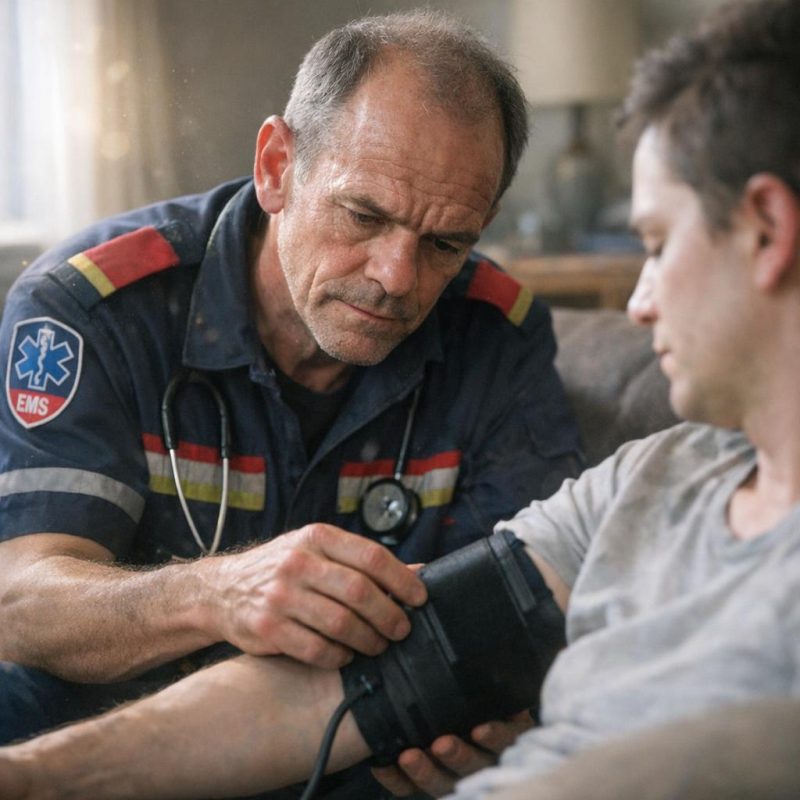 Image by RM AI
The ER
Dr. Chen moved fast. She was younger than Dr. Harris, sharper, and she actually listened when I talked. I explained everything—the pressure, the frequency, the escalation, the appointment where nothing was done. She didn't interrupt. She didn't smile that dismissive smile. When I finished, she was already pulling on gloves. 'We're running an EKG, cardiac enzymes, chest X-ray, and a CT scan,' she said, already flagging down a nurse. Not 'maybe' or 'let's see.' Just immediate action. Within minutes I was being wheeled down hallways, stuck with needles, slid into machines. People were taking me seriously. It felt surreal after weeks of questioning my own reality. Dr. Chen came back while I was waiting for the CT results, my chart in her hands. She looked at my chart, then back at me, and asked the question I had been afraid to hear: 'Why wasn't this evaluated sooner?'
 Image by RM AI
The Test Results
Dr. Chen came back with another doctor, and they both looked at me in a way that made my stomach drop. The CT scan had found something—a dissection in one of my coronary arteries. She explained it carefully, like she was trying not to scare me, but I could see it in her face. This wasn't a 'maybe' situation. This was life-threatening. 'If you had waited another day or two,' she said quietly, 'we might not have been able to help you.' The other doctor nodded, then asked when my symptoms started. I told them. Three weeks ago. Three weeks of pressure, escalating pain, begging to be taken seriously. Dr. Chen's jaw tightened. She didn't say what she was thinking, but I knew. Someone had dropped the ball, badly. They started prepping me for emergency intervention, moving fast, talking in medical shorthand I couldn't follow. The room fell silent, and I understood that I had been closer to dying than I ever imagined.
 Image by RM AI
Admission
They wheeled me up to the cardiac unit after the procedure, hooked me up to more monitors than I could count. The beeping was constant, reassuring in a weird way—proof that my heart was still working. A nurse came in every hour to check vitals, adjust IVs, ask how I was feeling. I didn't know how to answer that. Physically? Exhausted, sore, but stable. Mentally? I kept replaying everything. Every moment of that appointment with Dr. Harris. The way he had smiled, dismissed me, made me feel like I was wasting his time. The way I had believed him, even when my body was screaming that something was wrong. I had almost died because I trusted a doctor who couldn't be bothered to do his job. The fear from the ER was fading, replaced by something sharper, hotter. Lying in that hospital bed, I felt anger starting to replace the fear.
 Image by RM AI
Ryan Arrives
Ryan got there around midnight, breathless and pale. He'd driven straight from a work trip, still in his suit, eyes red. When he saw me in that hospital bed, he just stopped in the doorway like he couldn't process it. Then he was at my side, holding my hand so tightly it hurt. 'They said cardiac intervention,' he said, voice shaking. 'They said you could have died.' I nodded, and he started crying. Ryan never cries. He was angry too—at the hospital for calling him so late, at himself for being out of town, at me for not making him understand how bad it was. But mostly he was angry at Dr. Harris. 'I thought you saw a doctor,' he said. 'I thought you were cleared.' I had told him that, after the appointment. That the doctor said I was fine, that it was just stress. 'You told me the doctor said you were fine,' Ryan whispered, and I had no answer.
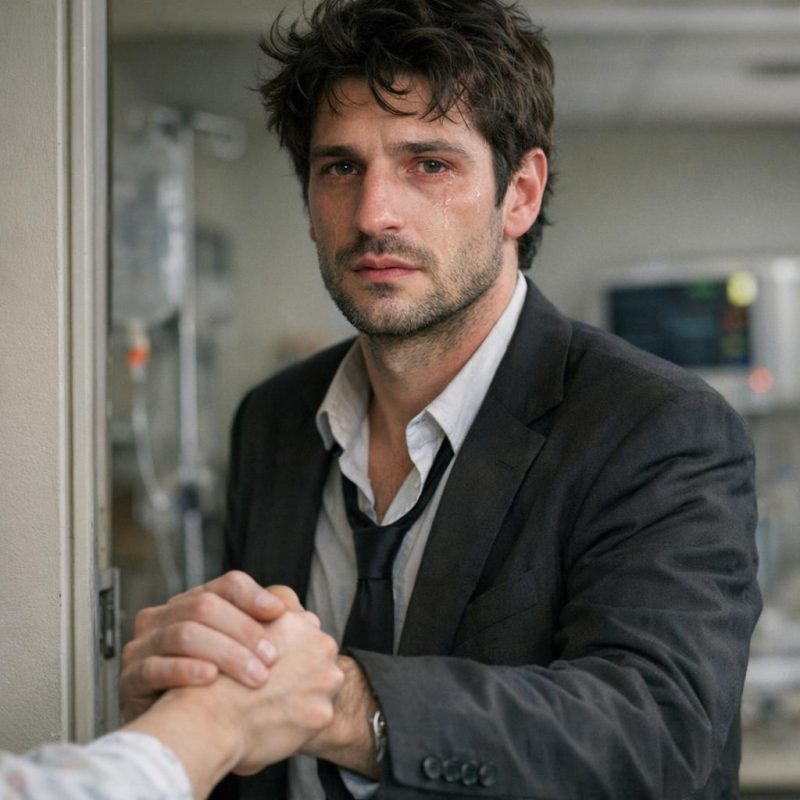 Image by RM AI
The First Night
Ryan eventually left around three in the morning when the nurses insisted I needed rest. But I couldn't sleep. Every time I closed my eyes, I was back in that exam room, trying to explain my symptoms to a man who had already decided I was overreacting. I could see his face so clearly. The polite boredom. The glance at his watch. The patronizing tone when he told me to exercise more. He hadn't even touched my chest. Hadn't listened with a stethoscope. Hadn't ordered a single test. Just sent me home to die slowly. Because that's what would have happened if I hadn't dragged myself to the ER. The cardiac dissection would have ruptured completely, and I'd have been gone before an ambulance arrived. The night dragged on, monitors beeping, nurses making rounds, my brain circling the same thoughts over and over. I kept hearing his voice: 'You'll be fine.' But I wasn't fine—I almost died.
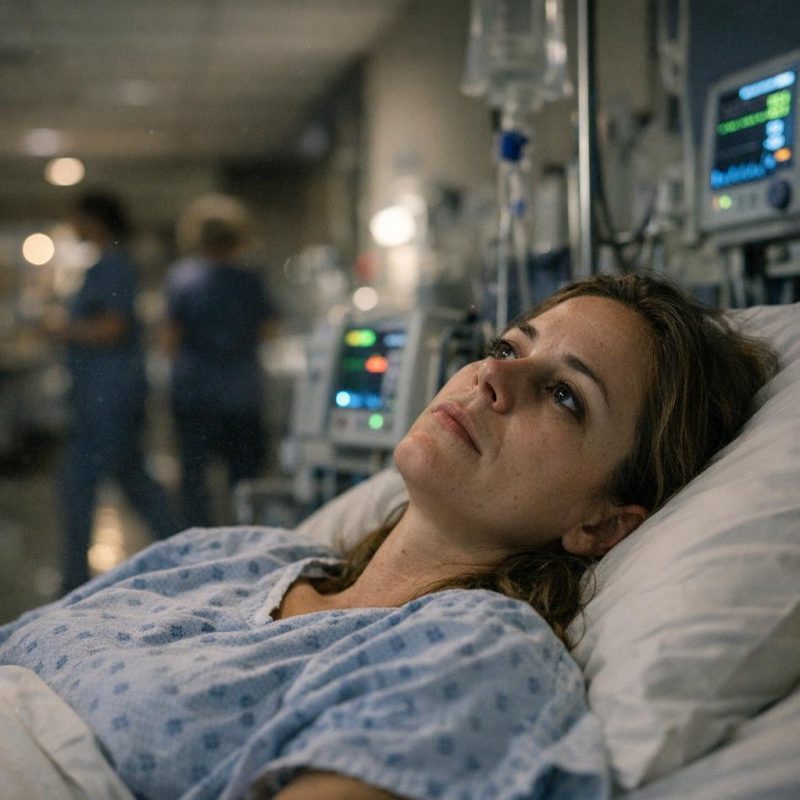 Image by RM AI
Maya Visits
Maya showed up the next morning with coffee she knew I couldn't drink and flowers she knew I didn't care about, but she was there, and that mattered. She sat down in the visitor chair and just stared at me for a minute, then started crying. Maya never cries either. 'I knew something was wrong,' she said. 'When you told me what that doctor said, I didn't believe it. I should have made you get a second opinion right away.' I told her it wasn't her fault, but she shook her head. She'd Googled my symptoms that night, after I'd texted her about the appointment. Everything she read said cardiac evaluation, immediate testing. 'I thought maybe I was overreacting,' she said. 'I thought maybe he knew better.' We sat there together, both of us realizing we'd been trained to trust doctors even when our instincts screamed otherwise. 'I should have dragged you to another doctor myself,' she said, and I realized she blamed herself too.
 Image by RM AI
Recovery Begins
The treatment worked. Within days, my symptoms started improving—the pressure eased, the pain faded. Dr. Chen checked on me daily, monitoring my progress, adjusting medications. Physically, I was healing faster than expected. The cardiac team seemed pleased. They talked about discharge soon, about follow-up appointments, about how lucky I was that I'd come in when I did. Lucky. That word kept coming up. Like it was chance that saved me, not the fact that I'd refused to ignore my body's warnings anymore. My chest didn't hurt when I breathed. I could walk to the bathroom without feeling like I was drowning. But every improvement felt hollow because I couldn't stop thinking about Dr. Harris. How could a trained cardiologist miss something so obvious? How could he look at someone describing textbook cardiac symptoms and do absolutely nothing? My body was healing, but my mind kept circling back to one question: How could he have missed this?
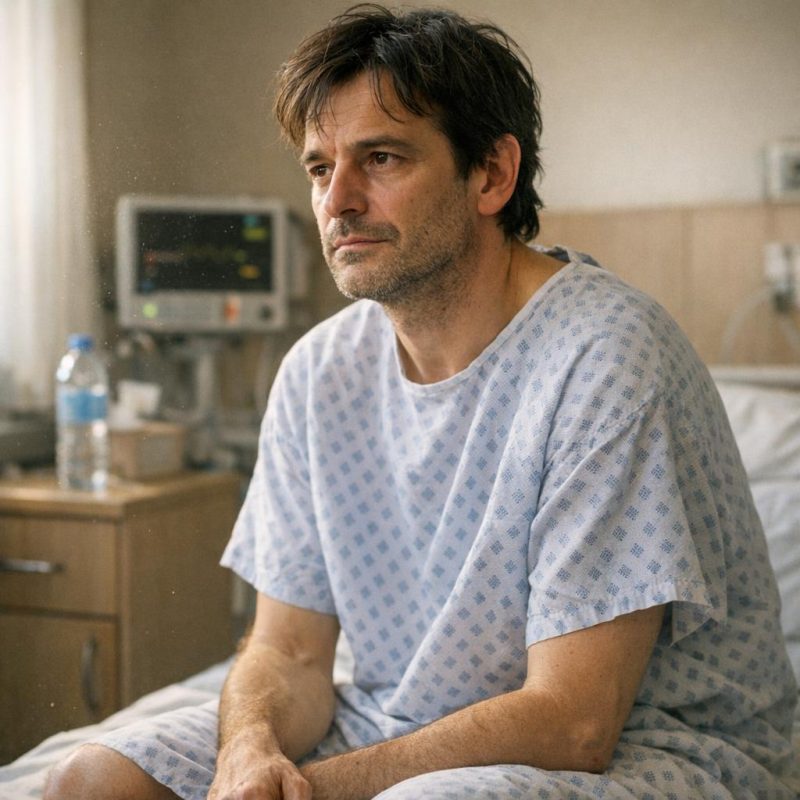 Image by RM AI
Dr. Novak's Perspective
Dr. Novak came to see me on day four. She was the cardiologist managing my case now, mid-fifties with sharp eyes and a no-nonsense manner. She reviewed my chart, asked detailed questions about my symptoms, then went quiet for a long moment. 'Your presentation was very clear,' she said finally. 'Textbook, actually.' I asked her what she meant. She chose her words carefully, like she was walking a tightrope. 'The symptoms you described—progressive chest pressure, pain radiating to your arm, shortness of breath escalating over weeks—those should have triggered immediate cardiac workup. Standard protocol.' She didn't say Dr. Harris's name. Didn't say he screwed up. But I could see it in her face, hear it in the pauses. She was being diplomatic, professional, but she was also telling me something without saying it outright. 'This should have been caught immediately,' she said carefully, and I heard what she wasn't saying.
 Image by RM AI
Research
After Dr. Novak left, I pulled out my phone. Ryan had brought my laptop too, and I started searching. Cardiac dissection symptoms. Coronary artery issues in young adults. Warning signs of heart attack in women. Every single medical website I found described exactly what I had experienced. The chest pressure that felt like an elephant sitting on me. The arm pain. The shortness of breath. The fatigue. There were entire articles about atypical presentations, but even those matched my symptoms. I wasn't an edge case. I wasn't a medical mystery. I was a textbook patient who had been completely ignored. The anger burned hotter now, fueled by black-and-white medical evidence. There was no gray area here, no room for interpretation. Any doctor with basic training should have recognized what was happening. Every article described exactly what I had felt—there was no excuse for missing it.
 Image by RM AI
The Conversation with Ryan
Ryan came back that evening with dinner from the cafeteria—neither of us could stomach much, but they insisted I needed to eat. We sat there picking at limp salads while I talked through everything I'd been researching. The medical articles. The clear symptoms I'd presented. The way Dr. Harris had brushed off everything I'd said. 'I keep thinking about filing a complaint,' I said quietly. 'Like, an official one. With the medical board or whatever.' Ryan set down their fork and looked at me, really looked at me. I could see them processing it all—the implications, the stress, the time it would take. 'You almost died,' they said finally. 'If that's what you need to do, I'm with you. One hundred percent.' But I saw the flicker of concern cross their face. This wouldn't be easy. It would mean reliving everything, probably multiple times. Fighting an uphill battle against the healthcare system that had already failed me once. I didn't know if I had the energy for it yet. 'Whatever you need to do,' Ryan said, but I could see the worry in their eyes.
 Image by RM AI
Discharge Day
Three days after my surgery, Dr. Patel signed my discharge papers. I had a fistful of prescriptions, a binder full of follow-up appointments, and strict instructions about what I could and couldn't do. No heavy lifting. No strenuous exercise. Watch for any signs of chest pain or shortness of breath—which, honestly, felt ironic given how those exact symptoms had been dismissed weeks earlier. The nurse went through everything twice, making sure I understood. Ryan waited in the doorway with my bag, their expression a mix of relief and exhaustion. Walking out of that hospital felt surreal. I was alive. Against all odds, despite the delay in treatment, despite everything, I was still here. But I wasn't grateful—not to Dr. Harris, anyway. I was grateful to my own stubbornness, to Dr. Patel's competence, to whatever force in the universe had kept me breathing long enough to get proper care. The automatic doors slid open, and the afternoon sun hit my face. As I walked out of the hospital alive, I made a decision: I wasn't going to let this go.
 Image by RM AI
The First Call
Two days later, I sat on my couch with my phone in my hand, staring at Dr. Harris's office number. My heart was pounding—the anxious kind this time, not the dangerous kind. I'd rehearsed what I was going to say a dozen times, but my mouth still felt dry when the receptionist answered. 'Hi, I need to request copies of my medical records,' I said, trying to keep my voice steady. 'I was a patient there about three weeks ago.' She asked for my information in that bored, automated tone that receptionists develop. Birth date. Address. Name spelled correctly. I answered everything mechanically, feeling my pulse quicken with each question. This was real now. I was actually doing this. 'We'll have those ready in seven to ten business days,' she said. 'There's a small processing fee.' I agreed to everything. When she asked if there was anything else, I almost said something about Dr. Harris—almost told her exactly why I needed those records. But I didn't. Not yet. The receptionist put me on hold, and I wondered if Dr. Harris even remembered me.
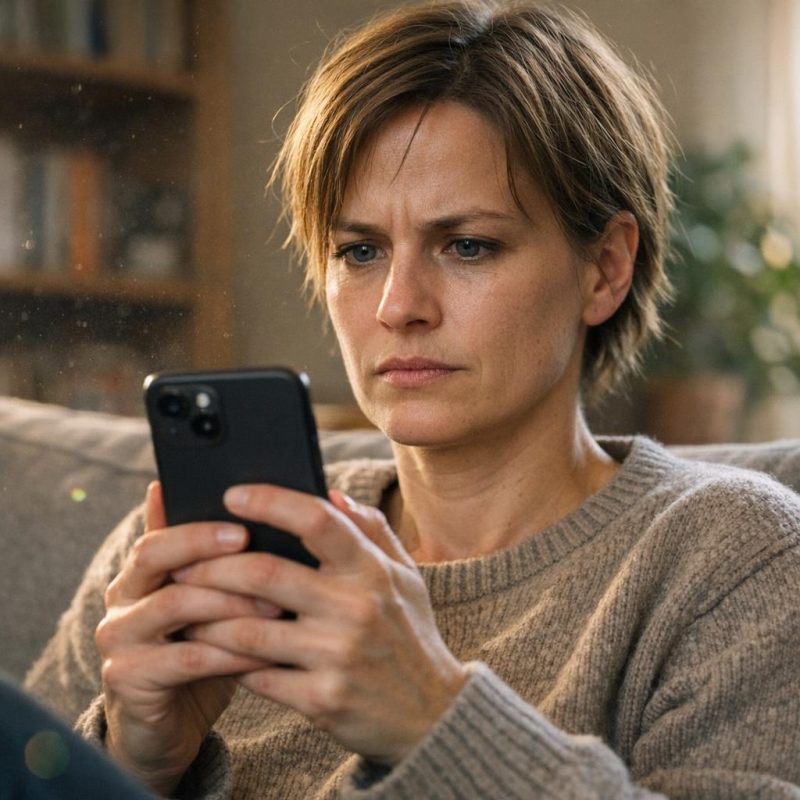 Image by RM AI
Maya's Story
Maya came over that weekend with Thai food and wine—well, wine for her, sparkling water for me since I was still on medications. We sat cross-legged on my living room floor like we were back in college, containers spread between us. I told her everything about the records request, about my plans to file a complaint. She listened in that intense way she has, nodding but not interrupting. When I finished, she was quiet for a moment. 'I've never told you this,' she said finally, 'but something similar happened to me. Years ago, different doctor. I had this pain in my side that wouldn't go away, and he kept telling me it was just stress. Just my diet. Just me being anxious.' She picked at her pad thai. 'It was my appendix. Almost burst before someone finally took me seriously.' I felt something shift inside me—a recognition that this wasn't just about me and Dr. Harris. This was bigger. 'They don't take us seriously until it's almost too late,' she said, and I realized I wasn't alone.
 Image by RM AI
The Records Arrive
The envelope arrived on a Thursday, thicker than I'd expected. My hands shook as I opened it, pulling out the stack of photocopied pages. I flipped through intake forms, test results from the hospital, Dr. Patel's surgical notes. Then I found Dr. Harris's section—two pages from my appointment with him. My eyes scanned the clinical language, the abbreviated medical terminology. And there it was, in his handwriting converted to typed text: 'Patient presents with chest discomfort and arm pain. Appears anxious. Vital signs within normal limits. Physical exam unremarkable.' I read it again. And again. 'Patient anxious, no clinical indication for further testing.' He'd documented my symptoms—he'd heard me—but he'd framed everything through the lens of anxiety. On paper, I looked like a hypochondriac who'd wasted his time. There was no mention of how pale I'd been, how I could barely walk from the waiting room. No documentation of the severity of my pain. Just 'appears anxious' and 'unremarkable.' He wrote 'patient anxious, no clinical indication for further testing'—he had dismissed me on paper too.
 Image by RM AI
Rachel the Nurse
My first cardiology follow-up was scheduled for two weeks after discharge. I sat in yet another medical office, trying not to feel triggered by the sterile smell and fluorescent lighting. A nurse came in to take my vitals—not Dr. Patel, but someone new. Rachel, her name tag read. She was probably late twenties, with kind eyes and a gentle way of wrapping the blood pressure cuff around my arm. We made small talk while she worked. When I mentioned I'd had emergency surgery at the hospital, she asked which surgeon. 'Dr. Patel,' I said. 'She saved my life.' Rachel nodded, typing notes into her tablet. Then, almost casually, she asked who my primary care doctor was. I hesitated. 'Dr. Harris,' I said. 'But I'm looking for someone new.' Something flickered across her face—recognition, maybe, or concern. She glanced at the door, then back at me. 'If you're thinking about filing a complaint,' she said quietly, 'you should. Officially, I mean. Through the proper channels.' My stomach dropped. 'You wouldn't be the first,' she said softly, and my heart started racing again—but not from my heart condition.
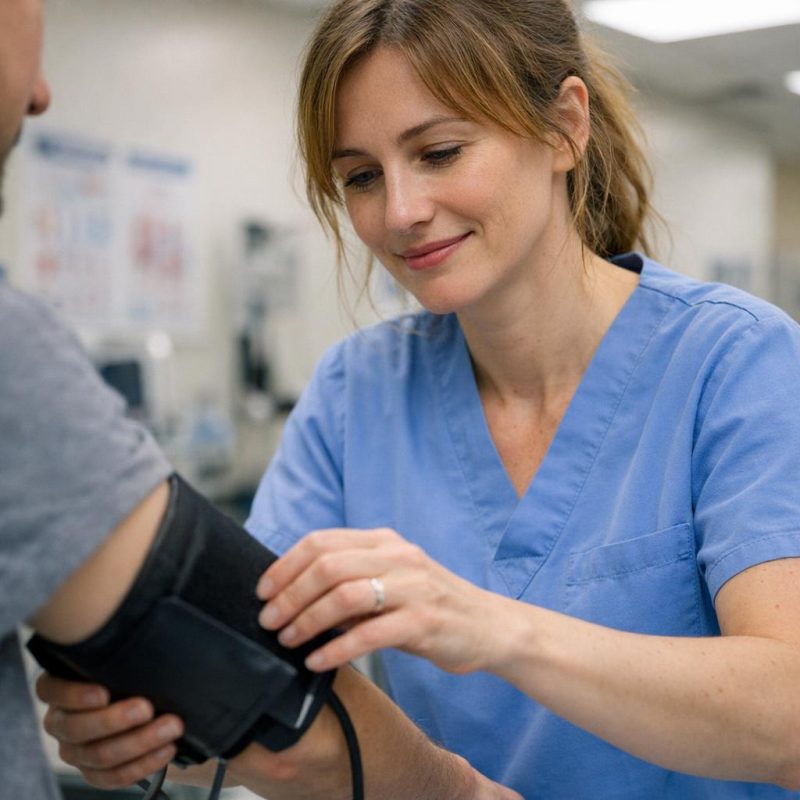 Image by RM AI
The Research Deepens
That night, I couldn't sleep. Rachel's words kept echoing in my head: 'You wouldn't be the first.' I grabbed my laptop and pulled up Dr. Harris's practice page. Below his credentials and office hours was a review section. I'd never thought to check it before—why would I? He'd been recommended by my insurance network. I started scrolling. Most reviews were generic three-stars, people complaining about wait times or parking. But then I found one that made me stop breathing. 'Dismissed my pain as anxiety when I actually had a kidney stone. Suffered for weeks before going to the ER.' I kept scrolling, pulse quickening. 'Told me I was overreacting about my daughter's fever—turned out to be meningitis.' Another one: 'Wouldn't order tests I requested, said I was being paranoid. Different doctor found my thyroid issue immediately.' The pattern was undeniable. Same language, same dismissive approach, same assumption that patients were anxious hypochondriacs rather than people who knew something was wrong with their own bodies. 'Dismissed my pain as anxiety,' one review read, and then another, and another.
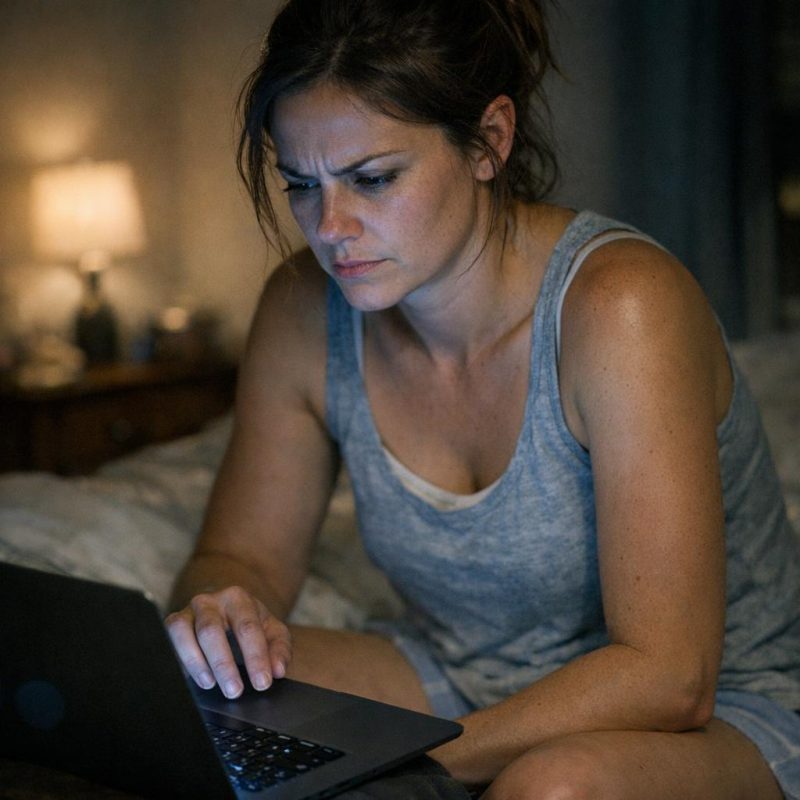 Image by RM AI
Ryan's Worry
Ryan found me at two in the morning, still hunched over my laptop with a dozen tabs open. Patient review sites, medical board complaint procedures, articles about physician accountability. I'd filled three pages of a notebook with names and dates from reviews that matched my experience. 'Jordan,' they said gently, sitting down next to me. 'You need to sleep.' I shook my head. 'Look at all of this. Look at how many people he's—' 'I know,' Ryan interrupted. 'I know. And we're going to deal with it. But not at two AM when you're supposed to be recovering.' They closed my laptop carefully, like they were defusing a bomb. Maybe they were. I could feel how consumed I'd become, how every waking hour was dedicated to building my case against Dr. Harris. 'You're not wrong to be angry,' Ryan said. 'You're not wrong to want justice. But I'm watching you make yourself sick over this, and that scares me.' I wanted to argue, to tell them this was important, that I couldn't let it go. But I saw the exhaustion in their face, the worry lines that hadn't been there a month ago. 'I'm worried about you,' Ryan said, and I realized this was consuming me.
 Image by RM AI
The Formal Complaint
I sat at my desk with the completed complaint form open on my screen, cursor hovering over the submit button. Three weeks of work condensed into fourteen pages. Every dismissed symptom documented. Every appointment where Dr. Harris had waved away my chest pain as stress. The timeline of my declining health, the emergency admission, the diagnosis that should have come months earlier. I'd attached my medical records, included Dr. Novak's notes about the severity of my condition, listed every date and time I could remember. My hands were shaking. This wasn't just venting on a review site anymore—this was official. This would trigger an investigation. Dr. Harris would know I'd filed against him. There would be interviews, depositions, maybe even hearings. Part of me wanted to close the window, delete the draft, pretend I could just move on with my life. But I kept thinking about those other reviews, those other patients whose warnings I'd ignored until it was almost too late. I took a deep breath and clicked. I hit 'submit' and felt a mixture of relief and dread—there was no going back now.
 Image by RM AI
The Waiting Game
The medical board's automated reply said to expect a response within thirty to sixty business days. Sixty business days. That's three months of limbo, three months of wondering if anything would actually happen. I tried to go back to normal life—back to work, back to my routines, back to pretending I could think about anything else. But I couldn't. I'd refresh my email constantly, sometimes every ten minutes, looking for an update that never came. Ryan would catch me checking my phone at dinner, at the grocery store, first thing in the morning before I'd even gotten out of bed. 'Nothing yet?' they'd ask, already knowing the answer from my face. Friends would ask how I was doing, and I'd say 'fine' while mentally calculating how many business days had passed. Twenty-three. Thirty-seven. Forty-nine. The waiting was its own kind of torture, worse in some ways than the original dismissal because at least then I'd known what I was fighting against. Every day I checked my email, waiting for something—anything—to happen.
 Image by RM AI
Maya's Encouragement
Maya came over with Thai food and found me spiraling again, convinced that the silence meant the medical board had dismissed my complaint without even investigating. 'Or maybe it means they're actually doing their job,' she said, unpacking containers of pad thai onto my coffee table. 'Thorough investigations take time.' I picked at my food, not really hungry. 'What if nothing happens? What if I put myself through all of this for nothing?' Maya set down her fork and looked at me directly. 'Jordan, even if the outcome isn't what you want, you've created a paper trail. You've made it official that Dr. Harris dismissed serious symptoms. That matters.' I wanted to believe her, but the doubt had taken root. 'Does it, though? One complaint from one angry patient?' 'You're not doing this because you're angry,' Maya said quietly. 'You're doing this because it was wrong. Because someone needs to stand up and say this was wrong.' She reached across and squeezed my hand. 'You're doing this for everyone he might dismiss next,' she said, and I held onto that.
 Image by RM AI
Dr. Novak's Follow-Up
Dr. Novak was reviewing my latest echo results when she asked, almost casually, 'Did you file that complaint?' I froze, caught off guard. We'd never directly discussed it, though she'd hinted that she would support me if I did. 'I did,' I said carefully. 'With the state medical board.' She nodded, still looking at my chart, her expression unreadable in that way doctors have perfected. For a long moment, she didn't say anything, and I wondered if I'd made a mistake telling her, if there was some professional code I didn't understand. Then she looked up, made direct eye contact, and I saw something in her face—not quite anger, but a kind of quiet acknowledgment. 'Good,' was all she said, but I heard volumes in that single word. She didn't elaborate, didn't ask for details, didn't offer to be a witness or write a statement. She just went back to explaining my test results, the improvement in my cardiac function, the medications we'd continue. But that one word stayed with me long after I left her office. 'Good,' was all she said, but it was enough.
 Image by RM AI
The Anonymous Message
The email arrived on a Tuesday afternoon, from an address I didn't recognize—a string of random numbers and letters at a generic email service. No name in the signature, no identifying details in the message itself. But the subject line made my breath catch: 'You're not the only one.' I stared at my screen, afraid to open it, afraid not to. My first thought was spam, or some cruel prank, but something about the phrasing felt too specific. I clicked. The message was brief, almost terse: 'I saw your review of Dr. Harris. I was his patient too. He dismissed my symptoms for eight months. I also ended up in the ER. I'm not ready to go public yet, but I wanted you to know you're not alone in this. Thank you for speaking up.' I read it three times, then a fourth. Someone else. Another patient who'd been dismissed, who'd suffered, who'd barely escaped the same fate I had. My hands were shaking so badly I could barely type a response. The subject line read: 'You're not the only one,' and my hands started shaking.
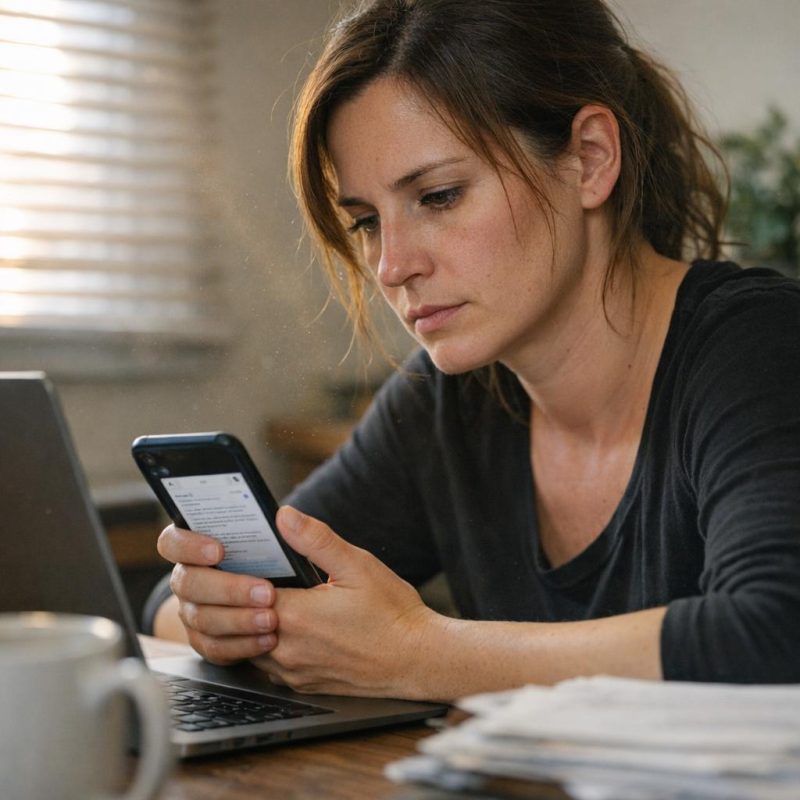 Image by RM AI
The Email Exchange
Over the next few days, we exchanged several emails. They stayed anonymous—no name, no identifying details—but their story was horrifyingly familiar. Chest pains that Dr. Harris attributed to work stress. Fatigue that he blamed on poor sleep habits. Weight loss that he said was probably a good thing. 'He kept telling me I was fine,' they wrote. 'That I was young and healthy and just needed to relax. He made me feel like I was wasting his time.' They'd gone back repeatedly, insisting something was wrong, and each time Dr. Harris had been more dismissive, more condescending. Finally, they'd collapsed at work. Emergency surgery. A condition that should have been caught months earlier with basic testing. 'The ER doctor couldn't believe no one had ordered an ECG,' they wrote. 'He asked how many times I'd seen my primary care doctor, and when I told him, he just stared at me.' I felt sick reading it, recognizing my own experience in every sentence. The final message hit me hardest: 'He told me it was anxiety,' they wrote, 'and I almost died too.'
 Image by RM AI
Ryan's Question
Ryan found me that night, sitting in the dark with my laptop, rereading the anonymous emails for probably the tenth time. They sat down next to me but didn't say anything at first, just waited. Finally: 'Can I ask you something?' I nodded, not trusting my voice. 'Is this about justice, or is it about revenge?' The question hit me like cold water. 'What's the difference?' I shot back, defensive. Ryan didn't flinch. 'Justice is about preventing harm and holding someone accountable. Revenge is about making someone suffer because you suffered. They can look the same from the outside, but they feel different on the inside.' I wanted to argue, to insist I was purely motivated by protecting future patients, by preventing this from happening to anyone else. But sitting there in the dark, I couldn't quite separate my righteous anger from my desire to see Dr. Harris pay for what he'd done to me. 'I don't know,' I admitted finally. 'Maybe both?' Ryan nodded slowly. 'Maybe that's honest, at least.' I didn't have an answer, and maybe that was the answer.
 Image by RM AI
The Second Anonymous Patient
The second anonymous email came three days later, different address but similar subject line: 'Another one of Dr. Harris's patients.' This person had also seen my review, had also been dismissed repeatedly, had also ended up in emergency care. As I read their story, I felt something shift. This wasn't just about my experience anymore, or even about two other people. This was a pattern, a systemic problem, something bigger than any individual complaint. I responded to both anonymous patients, asking if they'd filed complaints, if they'd considered going public. The responses were cautious but interested. 'I don't know if I'm ready to use my name,' the first one wrote back. 'But maybe if there were several of us?' The second was more direct: 'I filed a complaint last year. Nothing happened. They said it was his word against mine.' My mind was racing. One complaint could be dismissed as a disgruntled patient. Two could be coincidence. But three? More? 'Maybe we should all come forward together,' they suggested, and I realized this was bigger than me.
 Image by RM AI
The Medical Board Response
The letter arrived on a Tuesday, printed on official state medical board letterhead with that embossed seal that's supposed to make you feel like important people are paying attention. 'Re: Complaint Filed Against Dr. Marcus Harris, MD,' it read, and my hands actually shook holding it. They acknowledged receipt of my complaint. They were requesting additional documentation—my complete medical records, a detailed timeline of events, contact information for any witnesses. There was a case number assigned to me, which felt both validating and surreal, like I'd been issued a ticket to some bureaucratic nightmare ride. The letter was professional, formal, completely devoid of emotion or any indication of what they actually thought about my complaint. It could have been a form letter, honestly. Probably was. But still, seeing those words in print—'investigation pending'—made something tight in my chest loosen just slightly. They were listening, or at least they were going through the motions. I read it three times, searching for any hint of whether they took this seriously. It was just a form letter, but it meant they were listening—or at least pretending to.
 Image by RM AI
Gathering Evidence
I spread everything out across the dining room table like I was building a case for a true crime documentary. Medical records dating back eighteen months, printed and highlighted. The stack was thicker than I'd expected—all those appointments where I'd complained, where I'd been dismissed, where something was clearly wrong but nobody would look deeper. I had the discharge paperwork from the hospital, complete with the diagnosis that should have been made months earlier. I typed up a detailed timeline with dates, symptoms, what I'd told Dr. Harris each time, what he'd said in response. Ryan helped me draft witness statements—his own recounting what he'd observed, what I'd told him after appointments. I reached out to the two anonymous patients from my review page, and they both agreed to provide their stories as supporting documentation. Every page I added to the pile felt like another brick in a wall I was building, something solid and undeniable. My laptop stayed open with medical journals pulled up, highlighting the standard protocols Dr. Harris had ignored. The pile of evidence grew, and with it, my certainty that this had to end.
 Image by RM AI
Meeting Attorney Mills
Attorney Mills's office was nothing like the medical offices I'd become so familiar with—dark wood, leather chairs, shelves lined with legal volumes that looked like they'd never been touched. He was maybe in his late fifties, gray at the temples, with the kind of measured way of speaking that made everything sound simultaneously reassuring and ominous. I walked him through everything, and he took notes, his expression never changing. When I finished, he set down his pen and looked at me directly. 'You have a strong case for medical malpractice,' he said, and I felt a surge of validation. But then he leaned back. 'However, you need to understand what you're up against. Medical malpractice cases are difficult, expensive, and hospitals have entire legal teams dedicated to protecting their physicians.' He explained that doctors are rarely disciplined, that settlements often include confidentiality clauses, that this could take years. His tone wasn't discouraging exactly, just brutally honest. 'You have a case,' he said, 'but you need to understand what you're up against.'
 Image by RM AI
The Cost of Justice
The retainer alone was five thousand dollars, and that was just to get started. Attorney Mills walked us through the potential costs—expert witness fees, court filing costs, medical record reviews, depositions. We were looking at tens of thousands of dollars, possibly more, with no guarantee of outcome. 'Most medical malpractice cases settle,' he explained, 'but that can take two to three years. And the emotional toll of reliving this repeatedly during depositions and testimony—that's not something to take lightly.' I felt Ryan tense beside me on the leather couch. We didn't have that kind of money just sitting around. We'd already depleted savings with my medical bills. Mills handed us a breakdown of estimated costs, and the numbers swam in front of my eyes. Later, sitting in the car in the parking garage, neither of us spoke for a long moment. I stared at the cost estimate sheet, thinking about everything else we could do with that money. Ryan held my hand and asked, 'Is it worth it?' and I wished I knew.
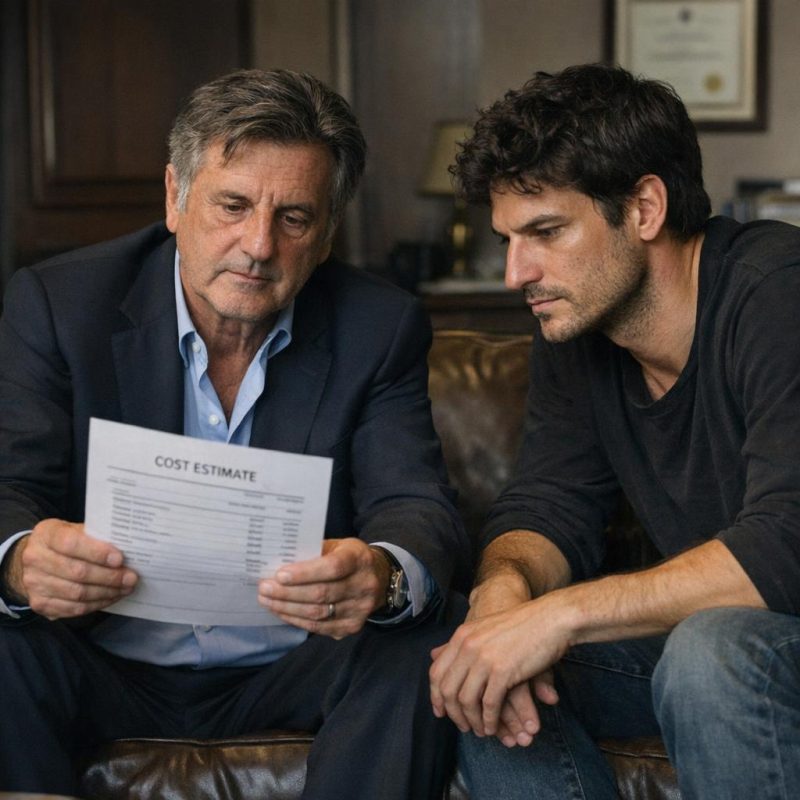 Image by RM AI
The Support Group
The support group met in a community center basement, the kind of fluorescent-lit space that hosts AA meetings and PTA gatherings. There were seven of us that first night—all patients or former patients of doctors who'd dismissed us, ignored us, failed us in ways both subtle and catastrophic. We sat in a circle of mismatched chairs, and one by one, we shared our stories. A woman in her fifties whose breast cancer went undiagnosed for a year because her doctor said she was 'too young to worry.' A man whose heart condition was written off as anxiety until he had a cardiac event. A younger woman whose endometriosis was dismissed as 'just bad periods' for seven years. The details were different, but the pattern was identical—symptoms minimized, concerns dismissed, serious conditions missed until they became emergencies. We talked about the gaslighting, the self-doubt, the rage. Someone brought cookies. Someone else cried. We exchanged phone numbers and promised to stay in touch. Sitting in that circle, hearing story after story, I realized we were all survivors of the same system.
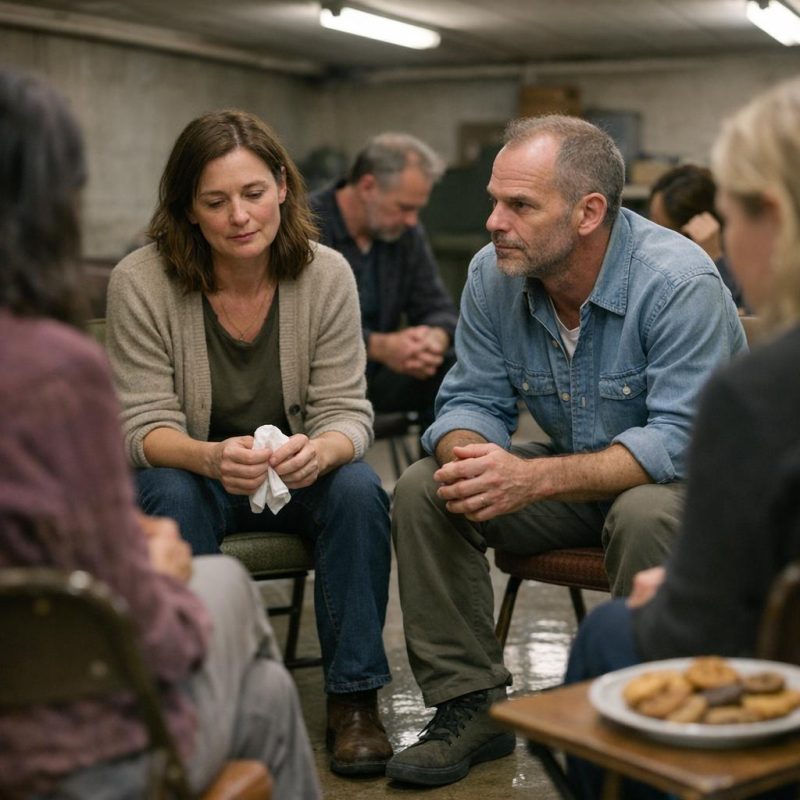 Image by RM AI
Rachel's Warning
I almost didn't recognize Rachel at first—she was in street clothes, a jacket pulled tight around her, meeting me in a coffee shop three towns over from the hospital. She'd reached out through Facebook, asking to meet somewhere private. Her hands wrapped around her coffee cup like she was trying to warm herself, even though it wasn't cold. 'I need to tell you something,' she started, glancing around like she expected hospital administrators to materialize from the espresso machine. 'I've seen this before. Doctors like Harris, they're protected. The hospital administration, they'll circle the wagons. They have protocols for this—crisis management, legal teams, PR strategies.' She leaned forward, her voice dropping. 'I'm not trying to discourage you. What you're doing matters. But you need to know what you're walking into.' She told me about another nurse who'd filed a complaint years ago, how she'd been slowly pushed out of her position. How complaints disappeared into administrative black holes. 'They have lawyers, money, and time,' she whispered. 'Be careful.'
 Image by RM AI
The Hospital's Response
The envelope was thick, expensive paper, the kind that announces its importance before you even open it. From the legal offices of Whitmore & Associates, on behalf of Memorial Hospital. My heart started pounding before I even unfolded the letter inside. It was professionally courteous in that specific way that powerful institutions communicate threats—all polite language and formal requests that barely concealed the iron underneath. They acknowledged the 'concerns' I had raised. They expressed the hospital's commitment to quality care and patient satisfaction. And then, buried in the corporate-speak, the real message: they were requesting a meeting to 'discuss the matter and explore potential resolutions' before any further action was taken. They included a list of dates they were available, all during business hours, like they expected me to just show up on their schedule. The signature at the bottom belonged to a senior partner. They weren't sending junior associates to this. The letter was polite, professional, and terrifying—they were preparing their defense.
 Image by RM AI
Dr. Patel Calls
The phone call came on a Thursday afternoon while I was at work. The number had a local area code I didn't recognize, and I almost sent it to voicemail. 'This is Dr. Patel from the State Medical Board,' the woman's voice said. 'I'm calling regarding your complaint against Dr. Marcus Harris.' My mouth went dry. She explained that she'd been assigned as the lead investigator for my case and needed to schedule a formal interview. Her voice was professional but not cold, measured but not dismissive. I tried to read her tone for any indication of whether she believed me, whether she cared, whether this was just another box to check. 'I've reviewed your initial complaint and supporting documentation,' she continued. 'I'll need to hear your account in detail, and I may have follow-up questions.' We scheduled the interview for the following week. She sent me a confirmation email within minutes—efficient, thorough. 'I need to understand exactly what happened,' she said, and I hoped she was actually listening.
 Image by RM AI
The Interview
Dr. Patel's office was nothing like what I'd expected—warm lighting, plants on the windowsill, a box of tissues positioned carefully on the table between us. She sat across from me with her notepad, pen ready, and I felt my entire body tense. 'Take your time,' she said gently. 'Start wherever feels right.' So I did. I told her everything—the migraines that felt like my skull was splitting, the nausea, the way Dr. Harris waved it all away like I was wasting his time. I described the ER visit, the scan, the tumor they found when it was almost too late. My voice cracked when I talked about the surgery, about waking up terrified I'd never wake up again. She didn't interrupt, didn't check her phone, didn't glance at the clock. She just listened, took notes, nodded at the right moments. When I finished, my hands were shaking and my throat felt raw. She was silent for a long moment, then said, 'Thank you for your bravery.'
 Image by RM AI
The Pattern Emerges
Dr. Patel set down her pen and folded her hands on the table. 'Jordan, I want you to know that your complaint is being taken very seriously,' she said, her tone measured but firm. I nodded, not trusting myself to speak. 'And I need to tell you something that's important for you to understand.' My stomach tightened. 'The Medical Board has received complaints about Dr. Harris before. Multiple complaints.' The room felt like it tilted. 'How many?' I asked. She hesitated. 'I can't share specific details while the investigation is ongoing, but the pattern you've described—dismissiveness, particularly with younger patients, failure to order appropriate diagnostic tests—these themes have appeared in other reports.' I felt something crack open inside me, relief and rage flooding in at once. All this time, I'd wondered if I was overreacting, if maybe I really had been anxious or difficult. 'You're not the first to report this behavior,' she said carefully, and I felt something shift—this wasn't just about me anymore.
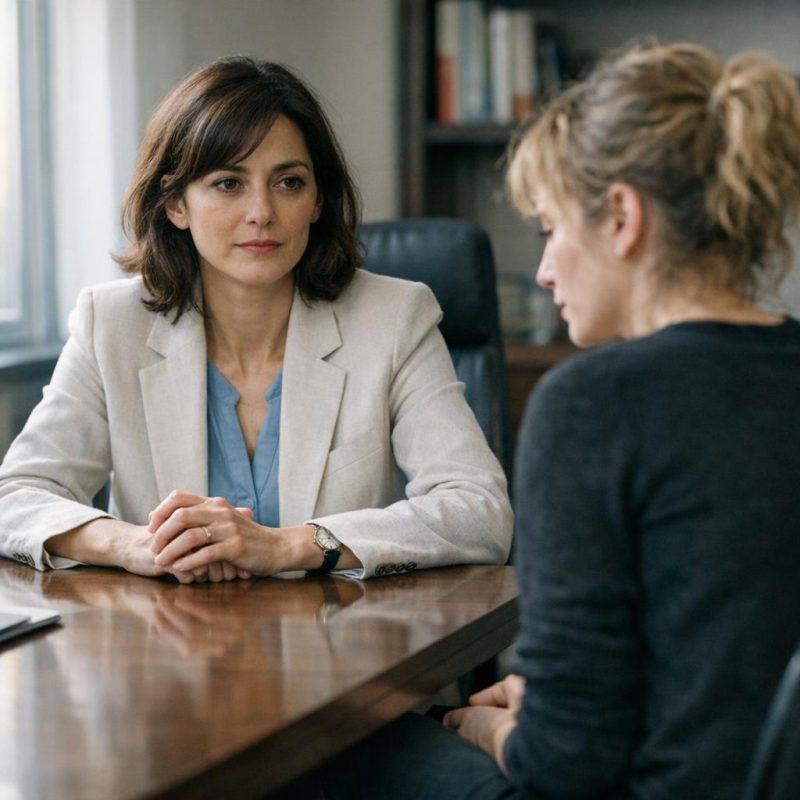 Image by RM AI
The Hospital Meeting
The conference room at the hospital had that sterile corporate feel—polished table, uncomfortable chairs, a pitcher of water nobody touched. Attorney Mills sat beside me, his legal pad covered in notes. Across from us sat two hospital administrators and their lawyer, all three wearing identical tight smiles. 'We appreciate you coming in today, Ms. Jordan,' the older administrator said. 'We've reviewed your case thoroughly, and we want to express our sincere regret for your experience.' I waited. There was always a 'but' coming. 'We'd like to offer a settlement,' the lawyer said, sliding a folder across the table. 'A fair compensation for your medical expenses and distress, in exchange for a mutual agreement to resolve this matter privately.' Attorney Mills flipped through the documents without expression. The number was significant—more than I made in two years. 'We believe this is in everyone's best interest,' the administrator added. 'A lengthy investigation benefits no one.' 'We'd like to resolve this quietly,' they said, and I understood they wanted to bury it.
 Image by RM AI
Claire's Story
Claire reached out to me through Attorney Mills—she'd heard about my case through the network of people who'd filed complaints. We met at a coffee shop halfway between our towns. She was younger than me, maybe twenty-nine, with dark circles under her eyes that looked permanent. 'I took their money,' she said before I'd even ordered my coffee. 'Two years ago. Dr. Harris missed my endometriosis for eighteen months. By the time someone actually listened to me, I'd lost my left ovary.' She stirred her coffee mechanically, not drinking it. 'They offered me a settlement—a decent one—and I signed. I was exhausted, you know? I just wanted it to be over.' Her voice dropped. 'But I see his name still listed on the hospital website. Still treating patients. And I think about all the women sitting in his office right now, being told they're dramatic or anxious, and I can't sleep.' She grabbed my hand across the table, her grip desperate. 'Don't do what I did,' she begged. 'Don't let them make you disappear.'
 Image by RM AI
The Refusal
I called the hospital's legal team and asked for another meeting. Attorney Mills offered to come with me, but I told him I needed to do this part alone. They looked surprised to see me walk in by myself, probably thought it meant I was ready to sign. The administrator smiled. 'Have you had a chance to review our offer?' I placed the unsigned settlement agreement on the table between us. 'I have,' I said. My voice was steadier than I felt. 'And I'm rejecting it.' The smile disappeared. 'Ms. Jordan, I'd encourage you to reconsider. This is a very generous—' 'I don't care how generous it is,' I interrupted. 'You're not buying my silence. You're not making me sign an NDA so Dr. Harris can keep doing this to other people.' The lawyer leaned forward. 'You understand that pursuing this through official channels could take years? That it will be difficult and invasive?' I met his eyes. 'I'm not taking your money,' I said, and I saw their expressions harden—this was war now.
 Image by RM AI
The Discovery
Attorney Mills called me three days later, his voice tight with something I couldn't quite identify. 'Can you come to my office? There's something you need to see.' I drove over during my lunch break, my mind racing through possibilities. He had documents spread across his desk—financial records, emails, internal hospital memos. 'I filed a discovery request as part of building your case,' he explained. 'Standard procedure. But look at this.' He pointed to a spreadsheet with doctor names, departments, and numbers I didn't understand. 'These are performance metrics. The hospital tracks how many diagnostic tests each doctor orders—scans, blood work, imaging.' He highlighted a column. 'And look here. Doctors who stay below certain thresholds receive quarterly bonuses. Significant ones.' My hands went cold. 'You're saying...' 'They were rewarding doctors for ordering fewer tests,' he said slowly, and my blood ran cold.
 Image by RM AI
Connecting the Dots
I couldn't stop thinking about those spreadsheets. I lay awake that night, replaying every appointment with Dr. Harris through a new lens. The way he'd dismissed my request for a scan—'We don't just order expensive tests because patients are nervous.' His irritation when I'd pushed back. His insistence that I was fine, that I needed therapy instead of imaging. What if none of it had been about his medical judgment? What if every time he'd waved away my symptoms, he'd been calculating his bonus? I thought about the timeline—how long I'd suffered before someone finally listened. Three months of worsening headaches. Three months while a tumor grew in my brain. Three months that almost killed me. And Dr. Harris had seen me four times during that period. Four opportunities to order a simple scan. Four times he'd chosen not to. The documents sat on my kitchen table, columns of numbers that represented human beings denied care. I stared at them and thought: What if it wasn't a mistake—what if it was the plan all along?
 Image by RM AI
The Truth Revealed
Dr. Patel asked to meet with me in person to discuss her investigation findings. Her expression when I walked into her office told me everything before she spoke. 'Jordan, I need to share what we've uncovered,' she said, her professional composure cracking slightly. 'The Medical Board has completed a significant portion of our investigation into Dr. Harris and his practice patterns.' She opened a file folder thick with documentation. 'We've identified a clear, consistent pattern spanning at least five years. Dr. Harris systematically undertreated patients—particularly younger patients presenting with symptoms that warranted diagnostic imaging or specialized testing.' My mouth went dry. 'The hospital's financial incentive program created direct monetary rewards for limiting diagnostic tests. Dr. Harris was one of the top earners under this system.' She looked at me directly. 'We have documentation showing he was aware of the program's structure and consciously modified his treatment decisions to maximize his compensation.' The room spun. 'It was deliberate,' Dr. Patel said. 'He knew exactly what he was doing—and the hospital knew too.'
 Image by RM AI
The Reframing
After Dr. Patel left me alone with that file, I sat there replaying every single appointment in my head. That first visit when I'd described the exhaustion, the pain—I could see his face now, that practiced expression of mild concern masking complete indifference. 'Probably just stress,' he'd said, and I'd believed him because doctors know things, right? Every follow-up where I'd begged for tests, for answers, for someone to just look deeper—he'd known exactly what he was doing. The casual dismissals weren't incompetence. They were strategy. Each refusal to order an MRI, each prescription for anxiety medication instead of diagnostic work, each time he'd made me feel like I was overreacting—it had all been deliberate. He'd looked at me and calculated that my suffering was worth less than his quarterly bonus. I thought about the appointment where I'd cried in his office, where I'd literally begged, and he'd patted my shoulder and suggested yoga. The memory made me want to vomit. Every dismissive word, every refusal to test—it had all been calculated, and I had been collateral damage.
 Image by RM AI
The Scale of Harm
Dr. Patel called me back a few days later with more findings. 'Jordan, I need you to understand the full scope of what we've uncovered,' she said, her voice heavy. 'Dr. Harris wasn't just cutting corners with you. We've identified at least forty-seven patients over a five-year period who experienced similar patterns of undertreated symptoms.' My hand went numb holding the phone. 'Forty-seven?' She continued: 'Many presented with serious symptoms that should have triggered immediate diagnostic workups. Some eventually got diagnosed elsewhere—stage three cancers, advanced autoimmune diseases, cardiac conditions. Some...' She paused. 'Some we can't track because they moved, changed insurance, or stopped seeking care entirely.' The implications hit me like a freight train. How many people had given up? How many had died at home, thinking they were just anxious or weak? How many families were mourning right now without ever knowing what had really happened? 'How many people died because of this?' I asked, and she couldn't answer.
 Image by RM AI
The Press Conference
Attorney Mills thought I was crazy when I told him I wanted to hold a press conference. 'You're opening yourself up to scrutiny,' he warned. 'They'll come after you hard.' But I was done hiding. Maya stood next to me outside the courthouse, squeezing my hand as reporters set up their cameras. My prepared statement was shaking in my other hand. When they gave me the signal, I stepped up to the microphones, and for a second I couldn't breathe. Then I thought about those forty-seven other people. I thought about the ones who hadn't made it. 'My name is Jordan, and I almost died because my doctor chose profit over my care,' I began. My voice cracked but I kept going. I told them everything—the dismissed symptoms, the delayed diagnosis, the financial incentive program, the pattern of harm. Maya's hand stayed on my shoulder the whole time. Attorney Mills stood just behind me, his presence a reminder that I had backup. Standing before those cameras, I said the words I'd been holding inside: 'They chose profit over my life.'
 Image by RM AI
The Backlash
The response was immediate and brutal. By that evening, my social media accounts were flooded with messages. Some were supportive, sure, but the attacks came harder and faster. Anonymous accounts called me a liar, an attention-seeker, a failed patient trying to blame doctors for my own problems. The hospital released a statement calling my allegations 'unsubstantiated and irresponsible.' Someone leaked my medical records—illegally—and conservative health blogs picked through them looking for anything to discredit me. 'Patient had history of anxiety,' they wrote, as if that justified everything. Ryan found me on the bathroom floor at 2 AM, scrolling through hundreds of hostile comments. 'Stop reading that,' he said gently, taking my phone. But I couldn't stop. A former colleague of Dr. Harris went on local news calling me 'a disgruntled patient with a vendetta.' My old employer received calls questioning my character. Someone posted my address online. My phone wouldn't stop buzzing with attacks, accusations, and threats—I had made powerful enemies.
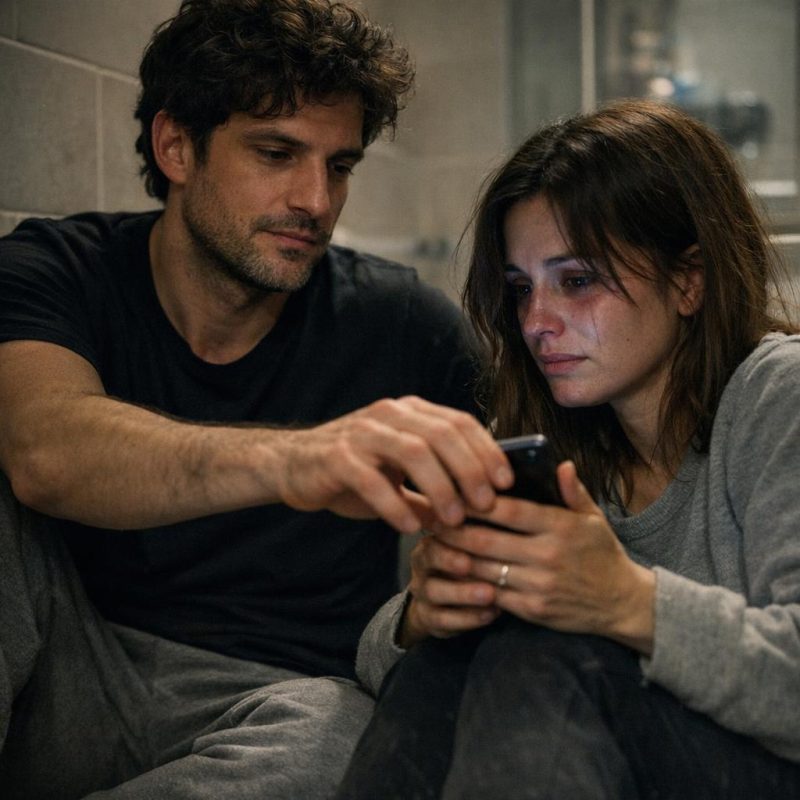 Image by RM AI
The Other Victims Come Forward
Then something shifted. Three days after my press conference, a woman named Claire—the same Claire from the support group—posted her own story on Facebook. She named Dr. Harris. She described her delayed lupus diagnosis. Within hours, her post had thousands of shares. Then another patient came forward on Twitter. Then another. Attorney Mills called me, his voice excited: 'Jordan, my office is getting calls. Lots of calls.' By the end of the week, twelve people had publicly shared their experiences with Dr. Harris. Some I recognized from Dr. Patel's list. Others were new—patients who'd seen the news coverage and finally understood what had happened to them. A local journalist started a series called 'The Cost of Care.' Claire and I met for coffee, and she told me, 'I've been carrying this shame for years, thinking I wasn't sick enough to matter. You gave me permission to be angry.' We organized a gathering—eight of us standing together outside the hospital, holding signs with our stories. News cameras showed up. One by one, they stepped into the light, and together we became impossible to ignore.
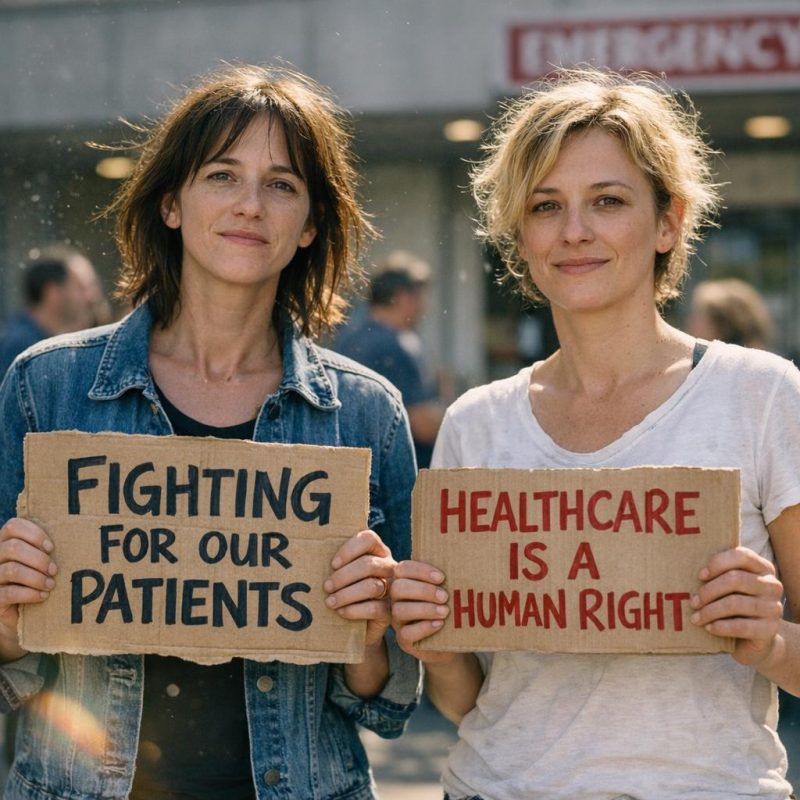 Image by RM AI
The Medical Board Hearing
The medical board hearing took place in a sterile conference room that smelled like institutional coffee and stress. I sat at a long table with Attorney Mills beside me, facing a panel of five board members. Dr. Patel sat off to the side as the investigating officer. And there, across the room at his own table with his attorney, was Dr. Harris. I hadn't seen him in person since before my diagnosis. He looked older, tired, but his expression was carefully neutral. When my turn came to testify, I walked through every appointment, every dismissed symptom, every time he'd refused testing. I kept my voice steady. I presented my records. His attorney objected twice, but the board chair overruled him. 'Ms. Jordan has a right to provide her account.' Other patients testified too—Claire, two others. Each story built on the last, creating an undeniable pattern. When I finished, I had to walk past Dr. Harris's table to return to my seat. As I looked him in the eye across that hearing room, I finally saw what I hadn't before—fear.
 Image by RM AI
Dr. Harris's Defense
When Dr. Harris finally took the stand, his attorney had coached him well. His voice was measured, almost regretful. 'I want to express my deep sympathy for any patient who felt their care was inadequate,' he began. It was a non-apology apology, the kind corporations give after scandals. Then came the defense: the hospital had implemented protocols to reduce unnecessary testing. He was following institutional guidelines. The incentive program existed, yes, but he'd never consciously let it influence his medical judgment. 'The pressure to control costs was immense,' he said, looking directly at the board. 'I was just doing what they asked.' He painted himself as a victim of a broken system, a well-meaning doctor caught between administrative demands and patient care. His attorney produced emails from hospital administrators praising his 'cost-effective practice patterns.' He never once said he was wrong. Never acknowledged that he'd made calculated choices to prioritize money over our lives. 'I was just doing what they asked,' he said, and I realized he wasn't sorry—he was deflecting.
 Image by RM AI
The Board's Decision
The board deliberated for less than two hours. When they called us back into the room, my heart was hammering so hard I thought everyone could hear it. Maya had driven up to be there. Ryan held my hand under the table. The board chair, a stern woman in her sixties, read the decision in a flat, official tone: 'The board finds that Dr. Marcus Harris engaged in conduct that falls below the standard of care expected of licensed physicians in this state.' They listed the violations—negligent care, failure to properly diagnose, prioritizing financial considerations over patient welfare. 'The board hereby revokes Dr. Harris's medical license effective immediately.' She continued: 'We are also referring this case to the district attorney's office for potential criminal investigation.' Dr. Harris's face went white. His attorney put a hand on his shoulder. I felt Maya squeeze my arm, heard Attorney Mills exhale beside me. The board chair's gavel hit the table with a sharp crack. The gavel fell, and for the first time since this began, I could breathe.
 Image by RM AI
The Hospital Investigation
Three weeks after the board revoked Dr. Harris's license, Attorney Mills called me. 'The state health department wants to talk,' he said. 'They're opening an investigation into the entire hospital network.' Apparently, my case had raised red flags about their incentive structures—how they paid bonuses to doctors who ordered fewer tests, kept visits short, and moved patients through like widgets on an assembly line. I met with investigators twice. Answered questions about the billing practices I'd noticed, the rushed appointments, the way Dr. Harris seemed more interested in his schedule than my symptoms. Other patients started coming forward too—people who'd been dismissed, misdiagnosed, or rushed through the system. The hospital's parent company issued a statement about 'isolated incidents' and 'commitment to quality care,' the kind of corporate nonsense that makes your blood boil. But the investigators weren't buying it. They subpoenaed internal documents, financial records, performance metrics. Attorney Mills told me this could lead to federal oversight, structural reforms, real accountability. I realized then, sitting in his office with a stack of legal documents in front of me, that this wasn't the end—it was just the beginning of exposing how deep the corruption went.
 Image by RM AI
The Aftermath
The night after the investigation went public, I sat on the couch with Ryan and just cried. Not the angry tears from before, but something deeper—exhaustion, grief, relief all mixed together. 'We won,' Ryan said softly, pulling me close. But winning felt strange. I'd gotten justice, sure. Dr. Harris would never practice medicine again, and the hospital system was finally being held accountable. But I'd also lost almost a year of my life to this fight. I'd nearly died because someone couldn't be bothered to listen. I'd spent months consumed by anger, by the legal battle, by the desperate need to make sure he couldn't hurt anyone else. My health had suffered. My career had stalled. Some friendships had faded because I couldn't talk about anything else. The panic attacks still came sometimes, triggered by medical appointments or even just seeing a white coat. Ryan kissed my forehead. 'You're allowed to feel however you feel,' he said. And that permission, somehow, made it easier to breathe. I had won, but the cost had been higher than I ever imagined.
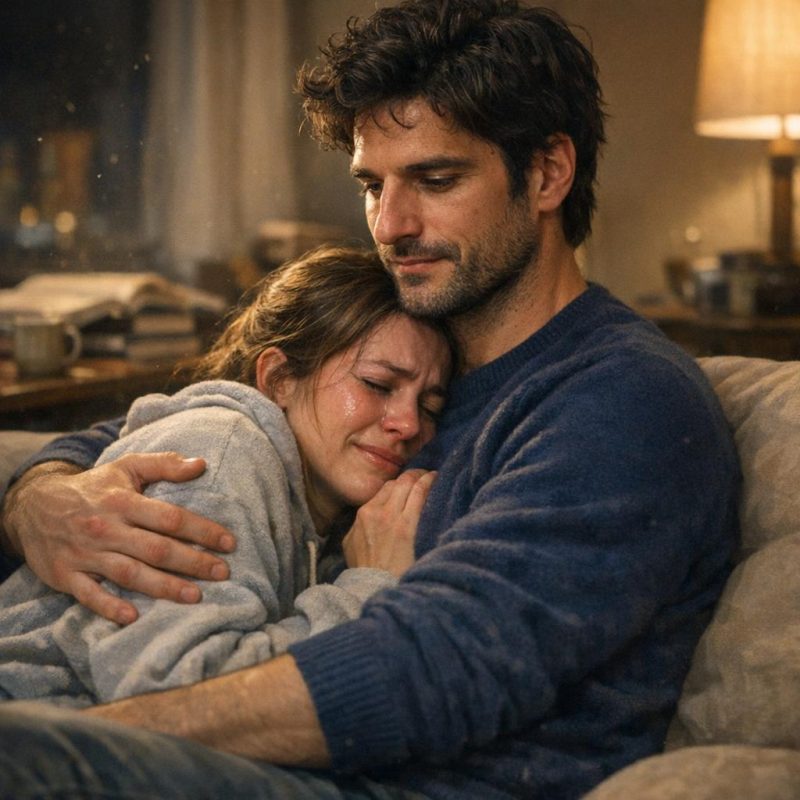 Image by RM AI
Rebuilding Trust
Six months later, I sat in Dr. Novak's office for a follow-up. My heart still raced a little when I entered medical buildings—probably would for a while—but Dr. Novak had been patient with that. She never rushed me. Always explained every test, every result, every recommendation. 'Your cardiac function looks good,' she said, turning the screen so I could see the echo results. 'Really good, actually.' Ryan had come with me, like he did to most appointments now. Dr. Novak didn't mind. She understood that trust, once broken, takes time to rebuild. She'd been one of the doctors who testified about what proper care should have looked like, and I'd never forgotten that. 'How are you feeling emotionally?' she asked. 'About medical care, I mean.' I thought about it. 'Still scared sometimes,' I admitted. 'But less than before.' She nodded. 'That's normal. Trauma doesn't disappear overnight.' She scheduled my next appointment, and as we left, Ryan squeezed my hand. It would take time to trust doctors again, but sitting in Dr. Novak's office, I felt the possibility.
 Image by RM AI
A New Purpose
Rachel called me about speaking at a patient advocacy conference. She'd left the hospital where Dr. Harris worked and now trained medical staff on patient-centered care. 'We need voices like yours,' she said. I wasn't sure at first. Reliving it all in front of strangers felt terrifying. But Maya talked me into it. 'You've already done the hard part,' she said over coffee. 'Now you can make it mean something.' So I spoke. Told my story to a room full of healthcare professionals, patients, advocates. Talked about being dismissed, about nearly dying, about fighting back. The questions afterward went on for an hour. People wanted to know how to recognize the warning signs in their own care, how to advocate for themselves, how to hold systems accountable. I started volunteering with a patient rights organization. Helped other people navigate medical complaints. Pushed for legislative changes to transparency and accountability. It didn't erase what happened to me—nothing could—but it gave the trauma a purpose. I couldn't change what happened to me, but I could make sure it mattered—and that no one else would be dismissed the way I was.
 Image by RM AI