She Received Anonymous Flowers Every Year for a Decade—Until She Found the Hidden GPS Tracker
She Received Anonymous Flowers Every Year for a Decade—Until She Found the Hidden GPS Tracker
The Tenth Bouquet
The delivery person sets the bouquet on the corner of Emma's desk without a word — a full arrangement of yellow roses, wrapped in kraft paper and tied with a simple ribbon, the same as every year. She is in the middle of a call when they arrive, so she mouths a thank-you and waves him off, and it isn't until she hangs up that she actually stops and looks at them. Thirty-four today. Ten years of this. She slides the kraft paper aside, checking out of habit for a card, and of course there isn't one — there never is. She doesn't mind. She has never minded. She sets the bouquet in the spare coffee mug she keeps on her desk for exactly this purpose, fills it from the break room tap, and carries it back like it's the most ordinary thing in the world, because for her it is. The office hums around her, phones ringing, someone's keyboard going at full speed down the hall, and she sits back down and lets the morning keep moving. The yellow petals catch the light coming through the window beside her desk, soft and unhurried, and she feels quietly, simply glad.
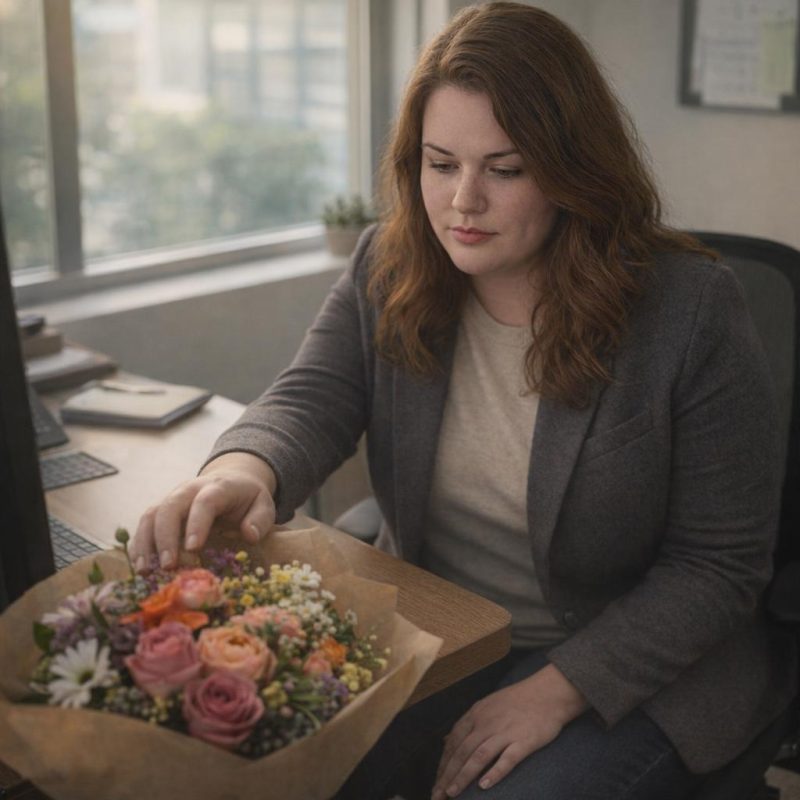 Image by RM AI
The Assumption
By mid-morning Emma has glanced at the bouquet probably a dozen times without meaning to. There's something about having flowers on a desk — they pull the eye the way a candle does, warm and alive in a way that a monitor screen just isn't. Her coworker Jen stops by around ten-thirty to drop off a file and does a small double-take. "Oh, those are gorgeous," she says. "Who sent them?" Emma smiles without even thinking about it. "My husband," she tells her, and the words feel easy and true, the way they always do. Jen makes an appreciative sound and moves on, and Emma turns back to her screen. The roses are the same variety as always — those wide, open-faced yellow ones with the slightly ruffled edges, not the tight grocery-store kind. David has good taste, or maybe he found a florist he trusts and just keeps going back. Either way, she has never asked. It occurs to her, somewhere around noon while she is eating lunch at her desk and half-watching the bouquet catch the light again, that he has never once included a card in ten years — and she finds herself wondering, just for a second, why that is before the thought drifts away like it always does.
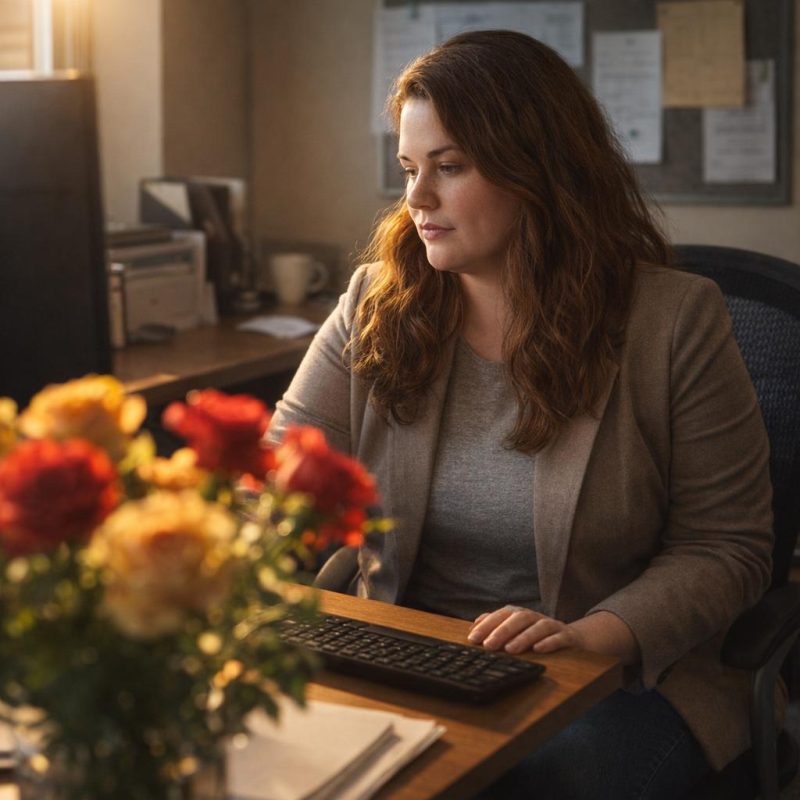 Image by RM AI
First Bouquet
The flowers make Emma think about the first time, the way they always do. She was twenty-four — well, twenty-four and one day, technically, because the first bouquet arrived the morning after her birthday, not on it. She was at her old office downtown, the one with the low ceilings and the broken elevator, and she remembers being completely caught off guard when the delivery came. David and she had only been married for three months at that point. Three months. They were still figuring out whose coffee mugs were whose. She remembers standing there holding the kraft paper and turning it over looking for a card, and there wasn't one then either. She thought it was the most charming thing — this quiet, slightly mysterious gesture from a man she was still learning. She set those first roses on the windowsill of her old office and spent the rest of the day stealing glances at them, feeling like someone who had married exactly right. She called David that evening and thanked him in a roundabout way, not wanting to make a big deal of it, and he had been warm and easy on the phone the way he always was. Ten years ago now. The memory of that first surprise settles warm in her chest, unhurried and familiar.
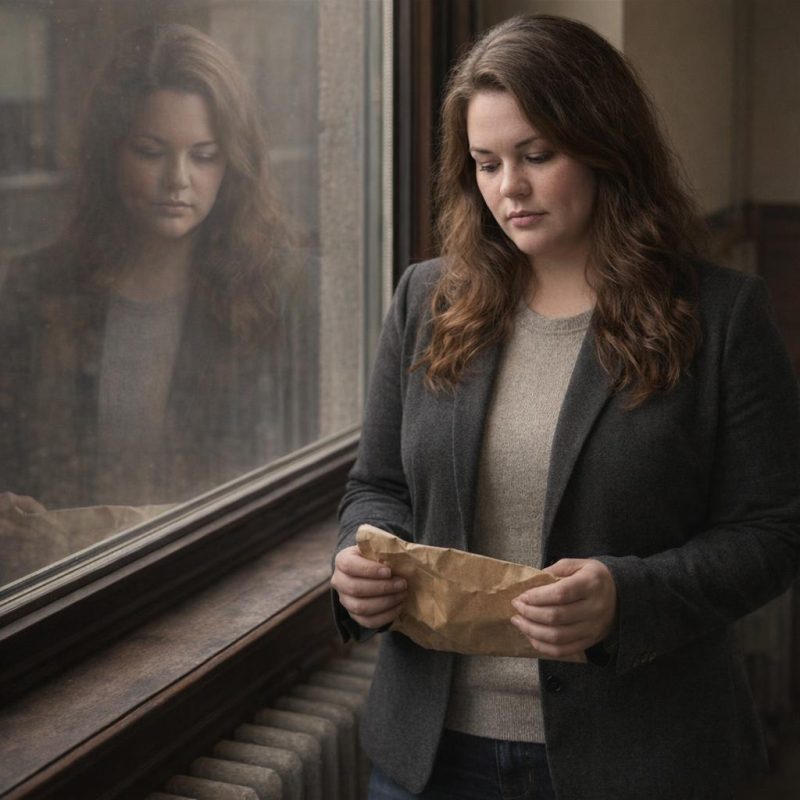 Image by RM AI
The Home Office Ritual
Emma carries the bouquet home tucked under one arm, the kraft paper rustling against her jacket with every step from the parking lot to the front door. David is in the kitchen when she comes in, something on the stove, and he looks up and gives her the easy smile he always gives her when she walks through the door. "Hey," he says. "Hey," she says back, and she keeps moving down the hall toward her home office because she knows exactly where these are going and she doesn't want to lose the light. Her home office faces west, and there's a windowsill just wide enough for a vase, and that is where every birthday bouquet has lived for the past ten years — or as long as they've been in this house, anyway. She fills the vase at the small sink in the bathroom across the hall, trims the stems the way she has learned to, and carries it back. The fit is exact, the way a thing gets when you've done it enough times. She steps back and looks at it for a moment, the yellow petals going soft gold in the last of the evening light, and the vase settles into its usual spot on the windowsill like it never left.
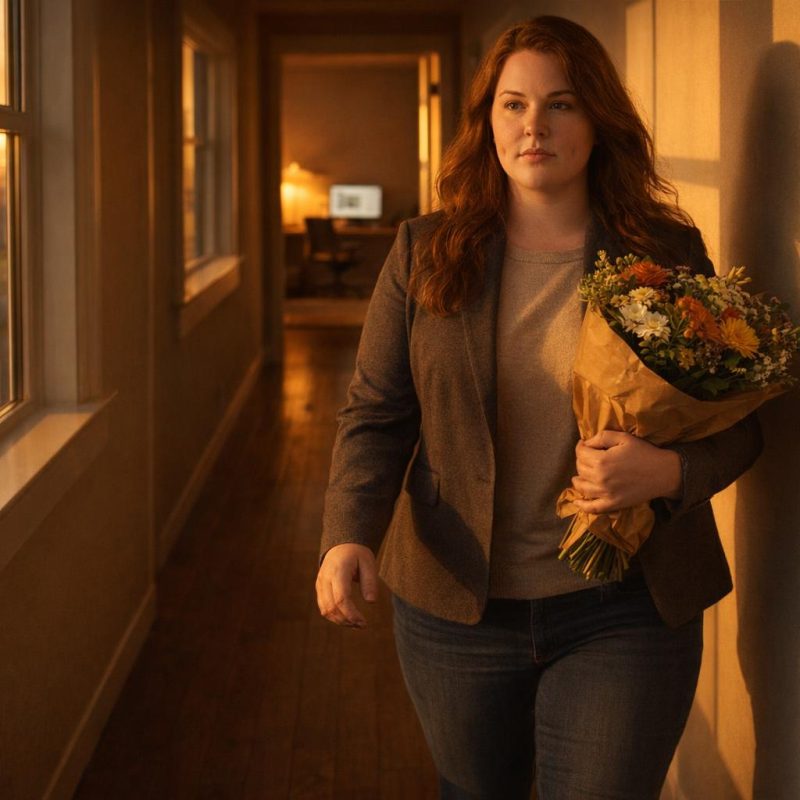 Image by RM AI
Anniversary Preparations
Emma is standing in front of the closet in her good dress, the dark green one David always says he likes, when it occurs to her that she has never actually thanked him. Not properly. Not out loud, in a way that named the thing directly. Ten years of yellow roses arriving on or around her birthday, ten years of smiling at them and feeling loved and quietly assuming — and she has never once looked at him across a table and said: it means something to me. She doesn't know how that happened. She thinks she always assumed he knew, that the warmth between them was thanks enough. But tonight feels different. Ten years of marriage, ten years of flowers — it seems like the kind of thing that deserves to be said out loud, finally. David appears in the doorway of the bedroom, jacket on, looking like himself in the way that still gets her after all this time. "Ready?" he asks. "Almost," she says, reaching for her earrings. She decides tonight she'll finally thank him for the flowers.
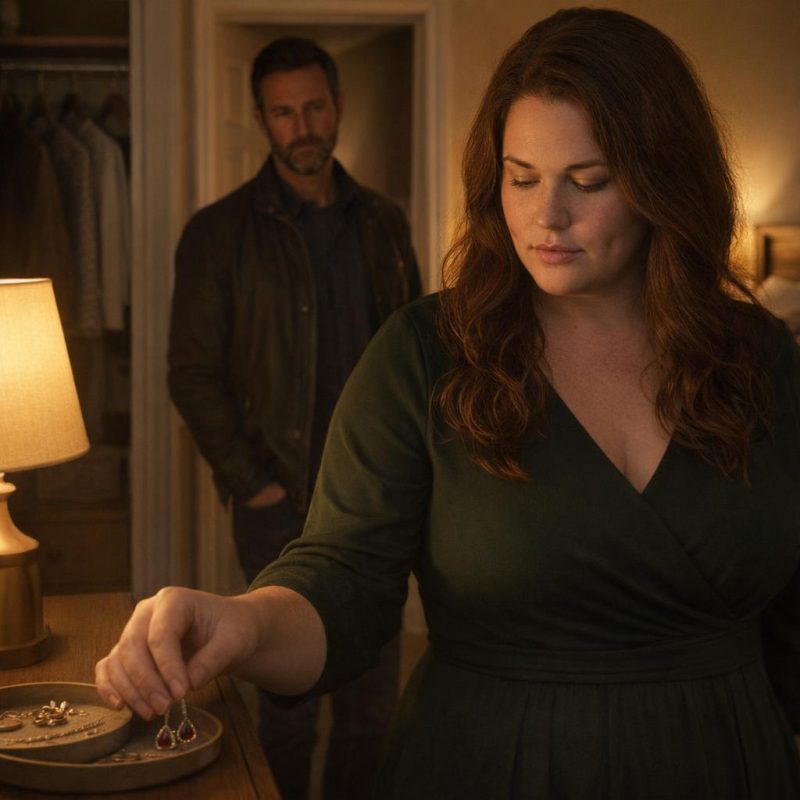 Image by RM AI
The Anniversary Table
They have been coming to this restaurant since before they were married — the one on Clement Street with the low lighting and the corner table by the window that they always ask for and somehow always get. The wine arrives quickly, a Burgundy David chose without looking at the list for very long, and they clink glasses and he says "ten years" in a way that sounds like he still can't quite believe it, and Emma can't either, honestly. They talk about the wedding for a while — the rain that held off until exactly the right moment, the song his aunt requested that nobody knew the words to, the way her mother cried before the ceremony even started. The conversation moves the way it does when you know someone well enough that silence doesn't need filling, easy and unhurried. The candle between them throws warm light across the table. David is leaning forward slightly, elbows on the cloth, listening to her the way he does when he's actually present and not just polite about it. Emma wraps both hands around her wine glass and feels the warmth of the room, the warmth of the decade behind them, and the moment feels right to bring up the flowers.
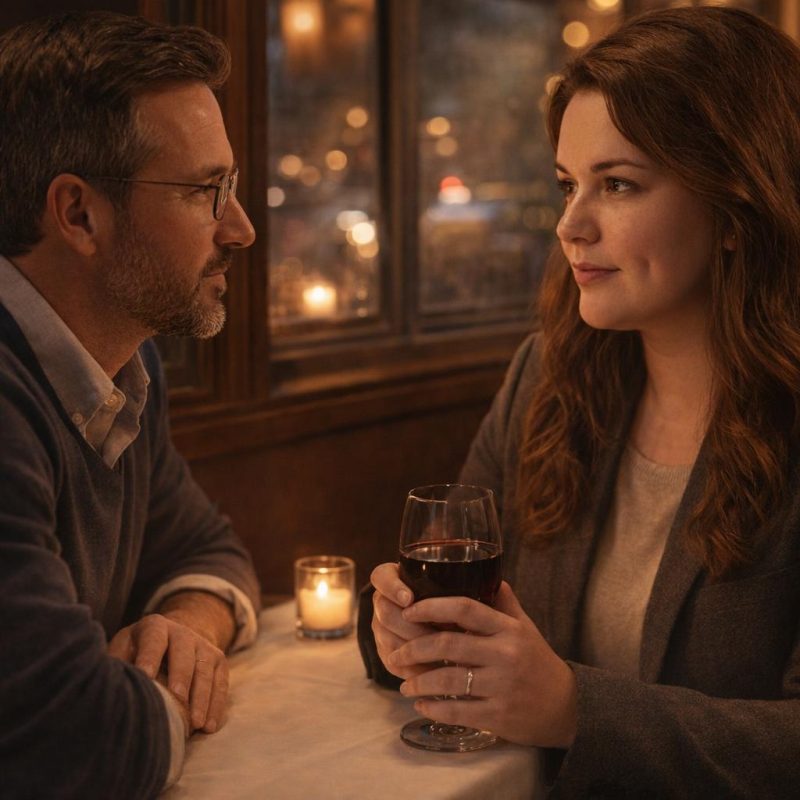 Image by RM AI
The Acknowledgment
Emma sets her glass down and leans in a little. "I want to say something I should have said a long time ago," she tells him. David tilts his head, curious, that small smile still on his face. "The yellow roses," she says. "Every year on my birthday. Ten years in a row now." She watches his expression — still warm, still open. "I've never actually thanked you for them," she says. "Properly, I mean. I just — I want you to know they've always meant a lot to me. Every single year, without fail. It's one of my favorite things about us." She is smiling by the end of it, a little embarrassed by her own sincerity, the way you get when you finally say the thing you've been carrying quietly. And then she watches David's expression shift from warm to confused.
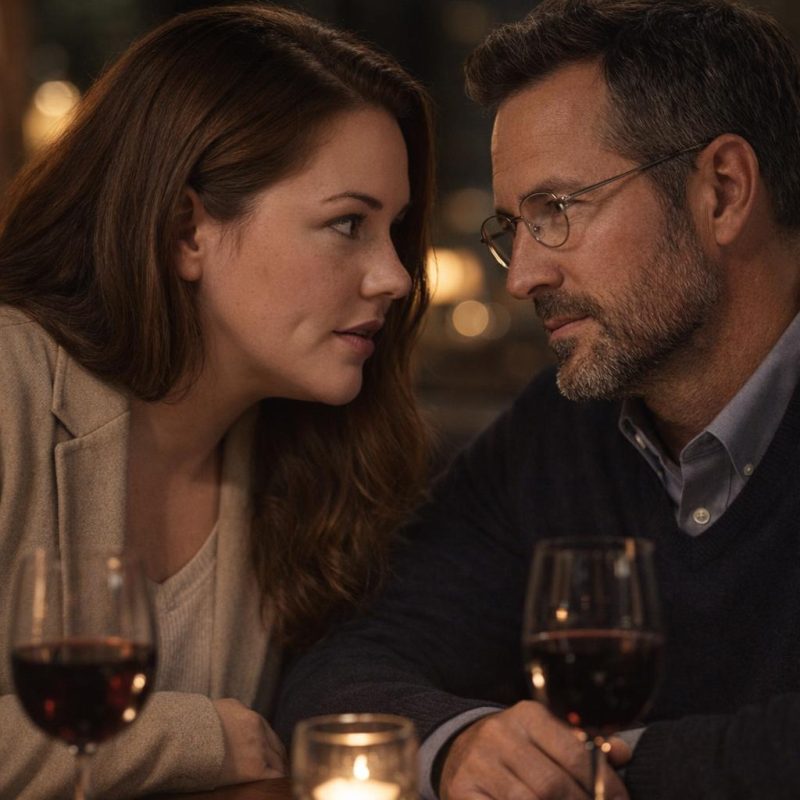 Image by RM AI
The Confusion
The smile is still on Emma's face but it's starting to feel uncertain, like a word you've said so many times it stops sounding right. David is looking at her the way you look at someone when you're waiting for the punchline and starting to suspect there isn't one. "The yellow roses," she says again, slower this time. "The bouquet that comes every year. On my birthday." She watches his face for the flicker of recognition, the oh-right-of-course look, the small laugh at himself for forgetting. It doesn't come. "They're beautiful," she adds, as if more detail will help. "Same florist, same variety, every year for ten years. You've never included a card, which I always thought was just — your thing." She is describing them the way you describe something to someone who was there, hoping the details will shake something loose. David's brow stays furrowed. He opens his mouth, closes it, and the silence between them stretches too long.
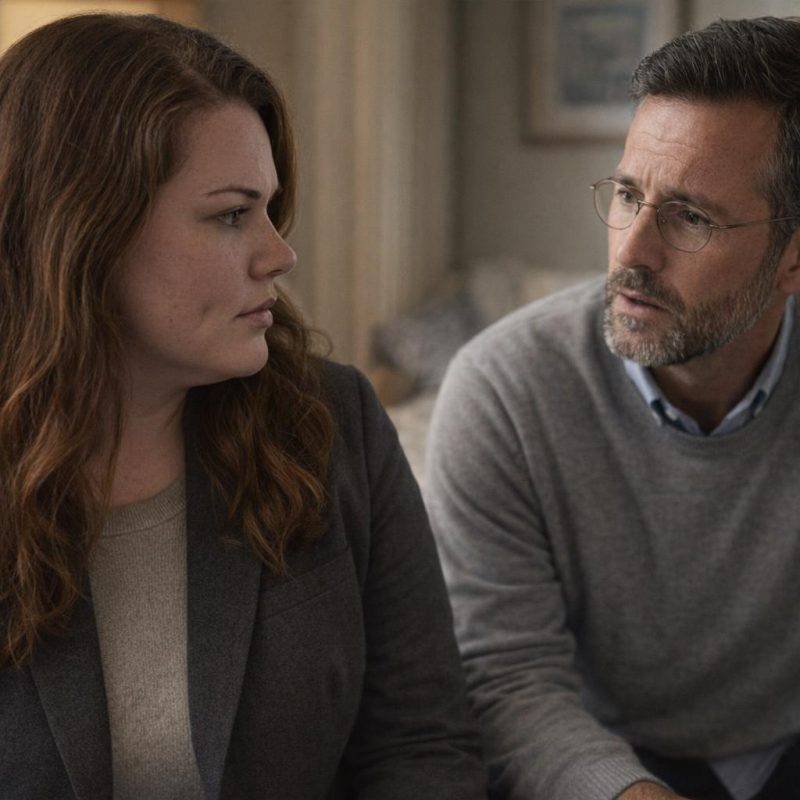 Image by RM AI
The Denial
David sets his fork down. Not dramatically — just quietly, the way you do when something requires your full attention. "I've never sent you yellow roses," he says. "Not once." Emma keeps waiting for the follow-up. The laugh, the correction, the oh-wait-I-forgot. None of it comes. He's looking at her the way she's looking at him — like they're both waiting for the other person to solve something. "Are you sure?" she asks, which is a ridiculous question, but she asks it anyway. "Emma." His voice is steady. "I've never sent them. I didn't know they were coming from anyone specific. I assumed they were from you — from a friend, maybe. I never thought to ask." She sits back in her chair. Ten years. Ten birthdays. Ten bouquets she had quietly, completely attributed to the man sitting across from her, and he had no idea they existed. She tries to find the shape of that and can't. The candle between them keeps burning, small and steady, and the weight of what he just said settles over the table like something that isn't going anywhere.
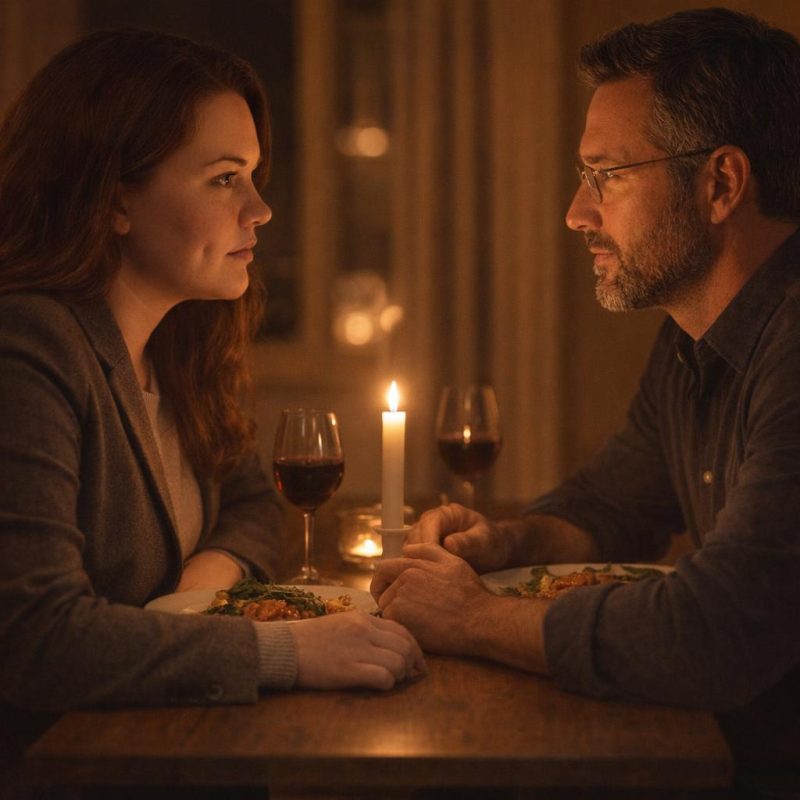 Image by RM AI
The Mother Theory
They order dessert neither of them really wants, just to have something to do with their hands. "Okay," David says, in that careful way he has when he's working through a problem out loud. "Who else would do it? Consistently, every year, same flowers?" Emma turns her wine glass slowly. "My mother," she says, and even as she says it, something in her relaxes a little. Of course. Claire has always been the kind of person who marks occasions with intention — the handwritten notes, the remembered anniversaries, the small gestures that add up over years. It would be exactly like her to send flowers anonymously, to let the gift speak without needing credit. "That tracks," David says, nodding. "She'd do something like that and never mention it." Emma thinks about all the birthday phone calls over the years, her mother's warm voice asking how her day was going, never once saying anything about flowers. She'd always assumed Claire didn't know about them. But maybe that was the point. Maybe the silence was part of the gesture. She decides she'll call her in the morning. The explanation settles around them, almost complete, almost enough.
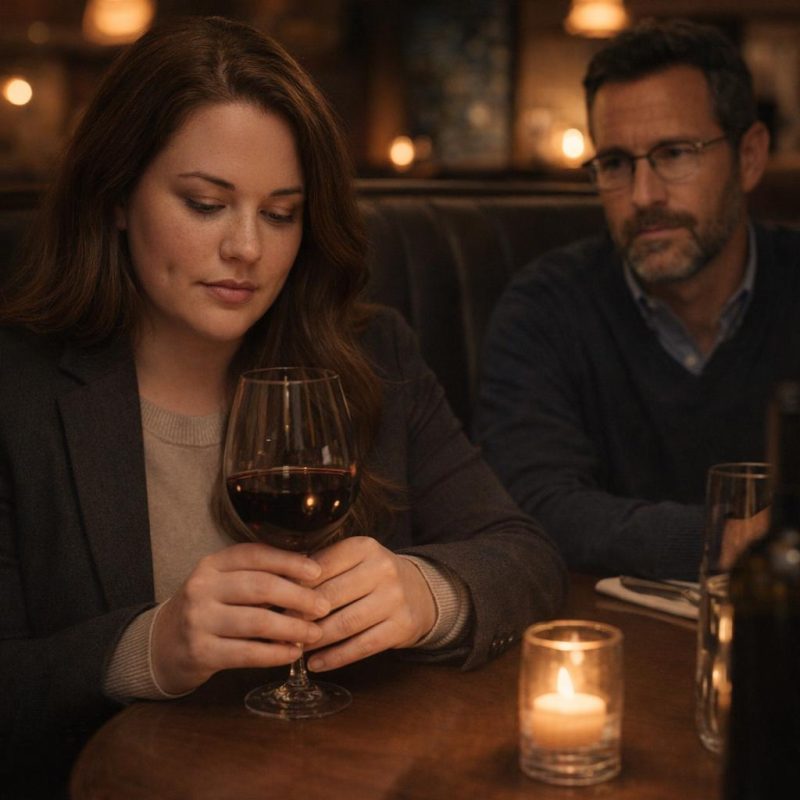 Image by RM AI
The Drive Home
The drive home is quiet in a way their drives usually aren't. David has the radio on low — some station neither of them is really listening to — and the city moves past the windows in streaks of orange and white. Emma watches the familiar streets and finds herself counting backward. Ten years. The first bouquet arrived the spring after they moved into the house on Calloway. She remembers setting it on the kitchen counter and thinking David had outdone himself. She remembers thanking him and the way he smiled and said nothing, which she had read as modesty. She had been reading it wrong for a decade. She tries to remember if her mother ever said anything — a hint, a question about whether the flowers arrived, anything. She comes up empty. But that doesn't mean much. Claire is perfectly capable of keeping a secret she considers a gift. David reaches over without looking and squeezes her hand once, then puts his back on the wheel. She squeezes back. Outside, the neighborhoods scroll past, familiar and unchanged, and the question she can't quite answer hums quietly beneath everything else.
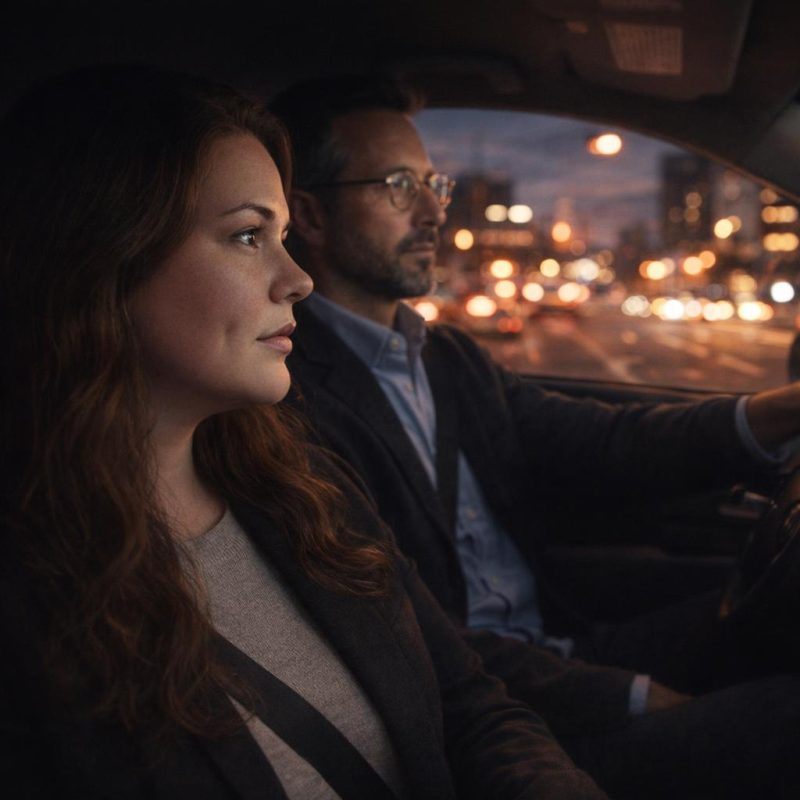 Image by RM AI
The Closer Look
The bouquet is exactly where she left it, on the corner of her desk by the window, the yellow roses open just enough to fill the room with something faint and sweet. She lifts it carefully, the way you handle something you're suddenly not sure about. The arrangement is tight and even — not the kind of thing you get from a grocery store display. Each stem is cut to the same length. The roses are spaced with a consistency that feels less like artistry and more like precision. David leans in the doorway, arms crossed, watching without crowding her. "Anything?" he asks. "Not yet." She turns the bouquet slowly, checking the base of the stems, the paper wrapping, the small printed sticker from the florist. Nothing unusual there. She's about to set it back down when she notices the ribbon — a deep gold satin looped around the paper — and the bow stops her. It isn't a casual knot. Every loop is even, every tail the same length, folded back on itself with a kind of exactness that doesn't happen by accident.
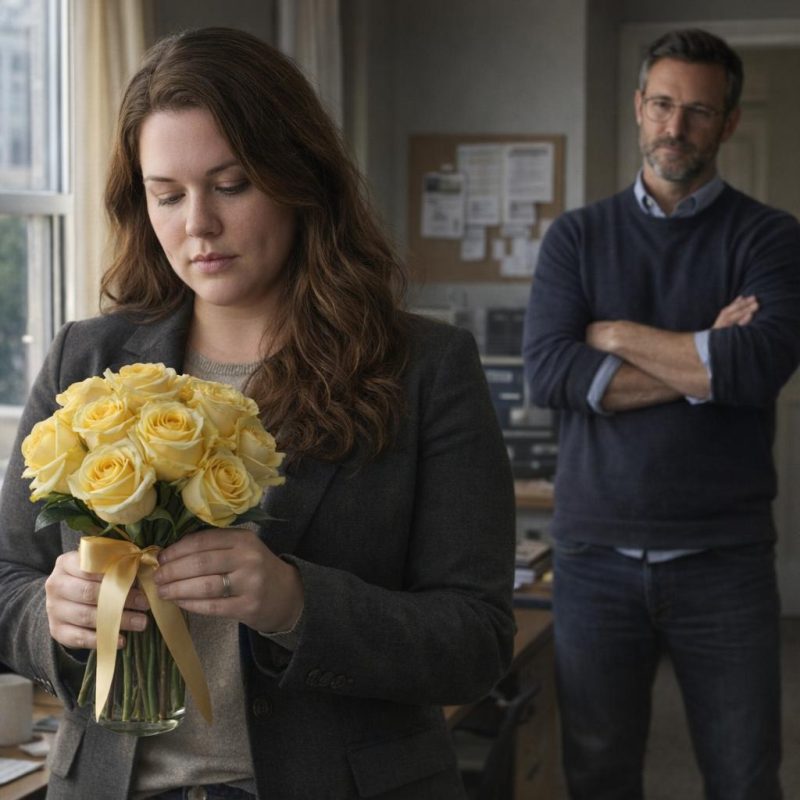 Image by RM AI
The Photo Archive
Emma settles onto the couch with her phone and starts scrolling back through her photos, further and further, the years collapsing into thumbnails. She finds the first one almost by accident — a shot from six birthdays ago, her holding a bouquet in the kitchen, grinning at whoever was behind the camera. Yellow roses. She keeps going. Five years back. Four. Three. Each time, there they are. She starts screenshotting as she goes, lining them up in her camera roll so she can look at them together. The number of roses is the same in every photo she can count clearly — twelve, arranged in the same loose spiral. The paper wrapping is the same cream color. And the ribbon — gold satin, tied in that same careful bow — appears in every image where she can see it. She sits with the phone in her lap for a while after that, the screenshots lined up like evidence of something she hasn't named yet. It wasn't that the bouquets were beautiful. It was that they were identical. Year after year, the same arrangement, the same ribbon, the same quiet sameness reaching across a decade.
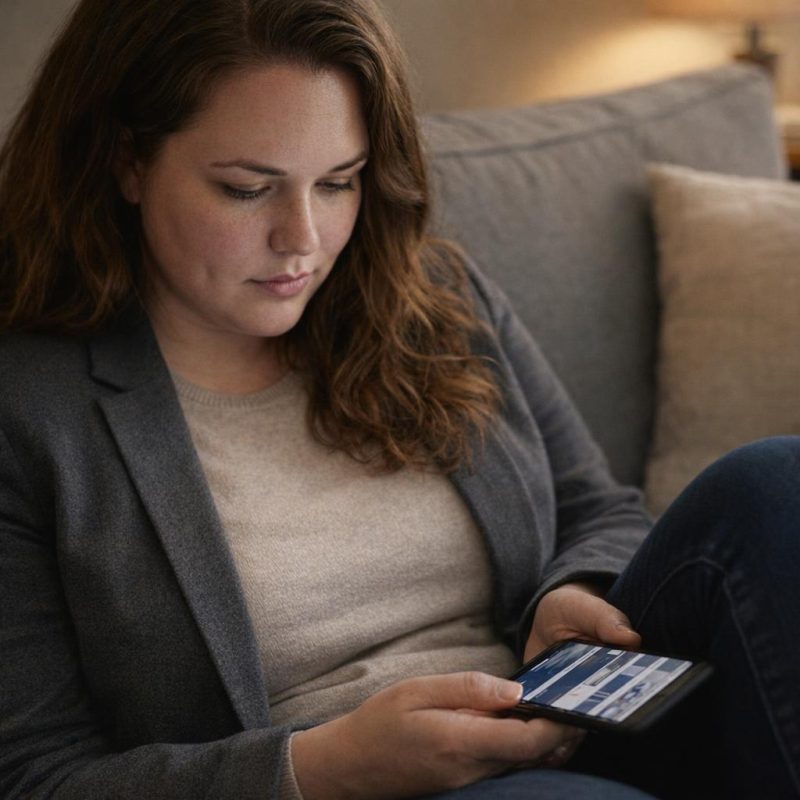 Image by RM AI
The Missing Cards
"There were never any cards," Emma says. David looks up from his book. "What?" "In ten years. Not one card, not one note. Nothing with a name on it, nothing that said happy birthday, nothing." He sets the book down. "You're sure?" "I would have kept them," she says. "I keep everything like that. I have birthday cards from 2009 in a box in the closet." He's quiet for a moment. "That's — yeah, that's strange." They've both been assuming the anonymity was a style choice, a preference, the sender's way of being quietly generous without making it about themselves. But sitting here now, saying it out loud, it sounds different. A card is nothing. A card takes thirty seconds. You don't send someone flowers every year for ten years and forget to sign your name — not unless the absence of a name is the point. Emma doesn't say that last part out loud. She's not sure she's ready to follow that thought all the way to wherever it leads. David reaches over and rests his hand on her knee, and she lets the observation sit between them, the missing cards feeling less like modesty and more like intention.
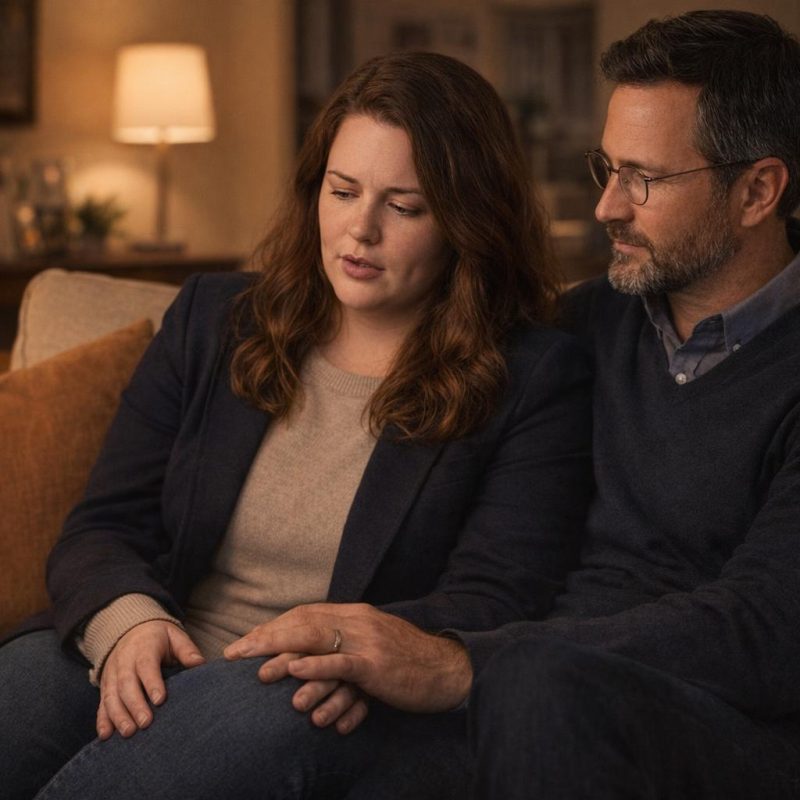 Image by RM AI
The Call to Claire
Emma calls her mother the next morning while David is in the shower. She tells herself she's just confirming what they already think they know. Claire picks up on the second ring, her voice warm and a little surprised — Emma doesn't usually call before nine. "Mom," she says, "I need to ask you something and I need you to be straight with me." She can hear her mother settle, the small shift of attention that means she's listening properly now. "Have you been sending me yellow roses every year? For my birthday?" The pause is short. "Yellow roses?" Claire says. "No, sweetheart. I've never sent you flowers for your birthday. Why would I do it anonymously?" Emma had been holding the question lightly, like something she expected to hand off and be done with. Instead it stays in her hands, heavier than before. She describes the pattern to her mother — ten years, same florist, same arrangement, no card — and she can hear Claire go quiet in a way that isn't comfortable. "Emma," her mother says, and her voice has changed. "Who have you been thinking sent those?" Emma doesn't have an answer. That's the problem.
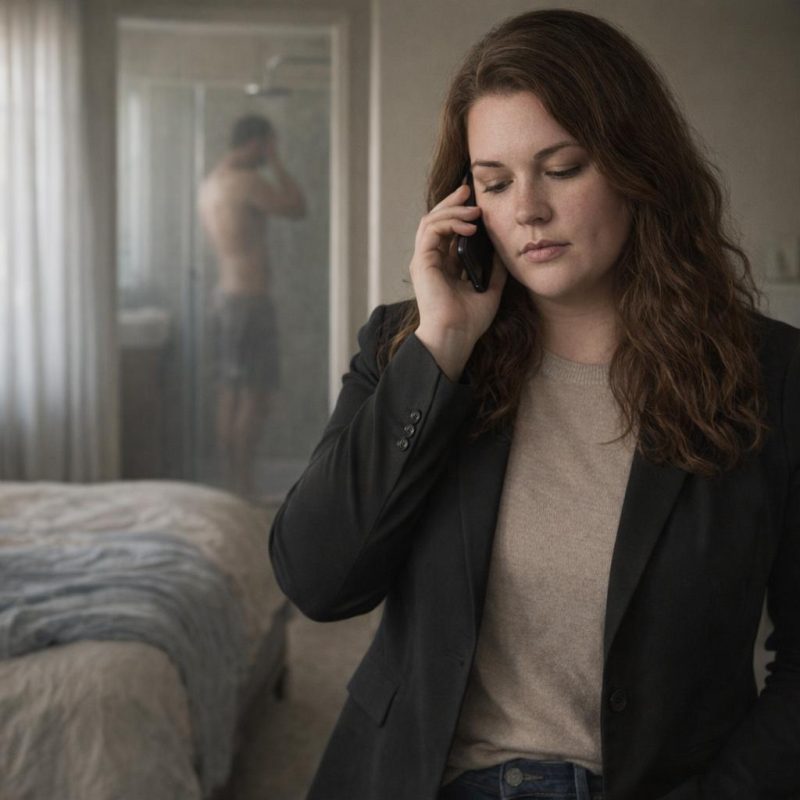 Image by RM AI
Claire's Concern
Claire doesn't let it go. Emma can hear it in the way her mother asks her next question — careful, like she's choosing her words. "Does David know about this?" Emma tells her they talked about it last night, that they'd both assumed it was her. Another silence. "Emma, listen to me," Claire says. "Someone has been sending you flowers every year, on the same day, with no name, for ten years. That's not a sweet gesture someone forgot to sign. That's a pattern." Emma tells her there's probably a reasonable explanation, that it could be an old friend, a colleague, someone who just — Claire cuts her off gently. "Someone who knows your birthday. Someone who knows where you live. Someone who has been doing this consistently for a decade without ever identifying themselves." Emma is standing in the kitchen, and the morning light is coming through the window the same way it always does, and everything looks exactly the same as it did yesterday. "Mom, I think you're —" "There's a word for someone who does that," Claire says, her voice pulled tight and flat. "And I think you should find out who it is."
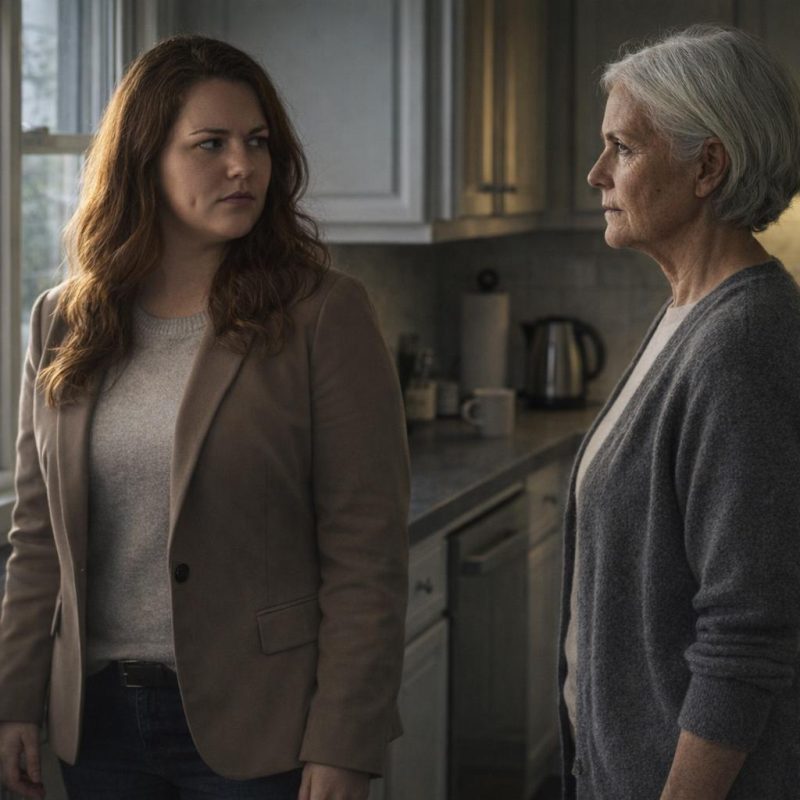 Image by RM AI
The Mental Catalog
After Emma hangs up with her mother, she sits at the kitchen table with a blank notepad and tries to think. Someone who knows her birthday. Someone who knows where she lives. Someone who has been doing this for ten years. She starts with college — her roommate Jess, who moved to Portland and sends Christmas cards but nothing else. Her friend Kayla, who she hasn't spoken to in six years. A handful of people from her study group who she couldn't pick out of a lineup now. None of them feel right. She moves on to her old office, the one she left before she and David got married. There was a guy named Tom who was friendly in a harmless way, a few women she grabbed lunch with occasionally, a manager who sent a LinkedIn request once and nothing since. She goes further back — extended family, distant cousins, a neighbor from her childhood street. She writes down every name she can think of and then stares at the list. She crosses off one name, then another, then another. Some of these people don't even know her current address. Some of them she hasn't thought about in years. She sits there with her pen hovering over the paper, and she cannot come up with a single name that makes any sense at all.
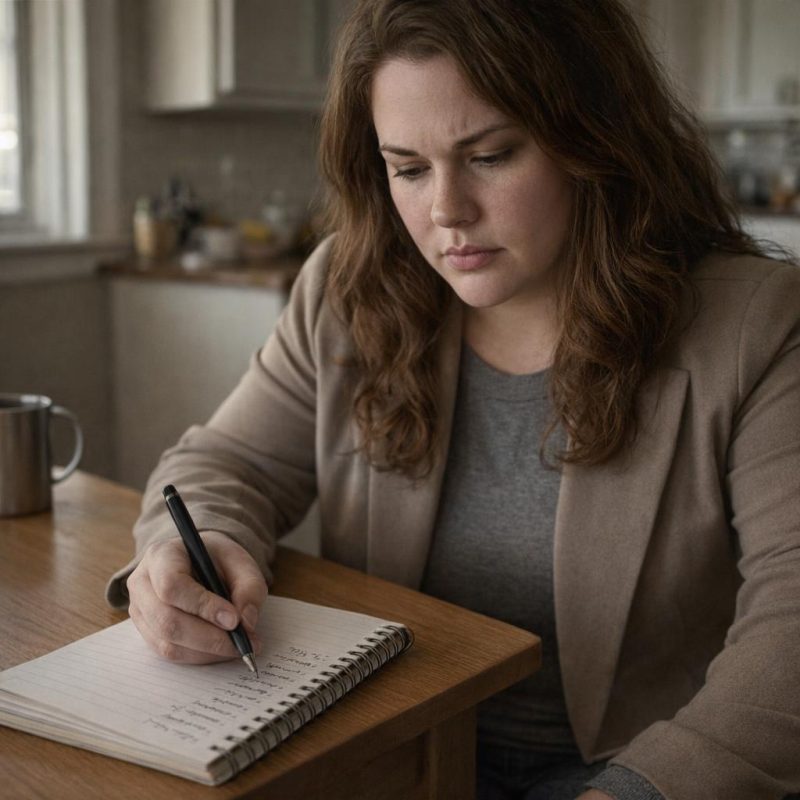 Image by RM AI
The Empty List
David gets home a little after seven and finds Emma still at the kitchen table, the notepad in front of her. He sets his bag down and comes over without saying anything, reading the list over her shoulder. She walks him through it — every name, every category, every reason she crossed each one off. He pulls out the chair across from her and sits down, asking questions the way he does, careful and methodical. What about the guy from her old office, the friendly one? She tells him Tom moved to another state before the second delivery ever arrived. What about extended family, someone who might have had a crush years ago? She shakes her head. She's thought about that. No one fits. David leans back and looks at the ceiling for a moment. He says maybe it's someone Emma doesn't remember well — someone on the edges of her life who she wouldn't think to put on a list. That lands differently than she expects it to. Because he's right. She can account for everyone she actually knows. But she can't account for everyone who might have known her. They sit with that for a while, the two of them at the table, the notepad between them, and the silence where an answer should have been feels heavier than any name she could have written down.
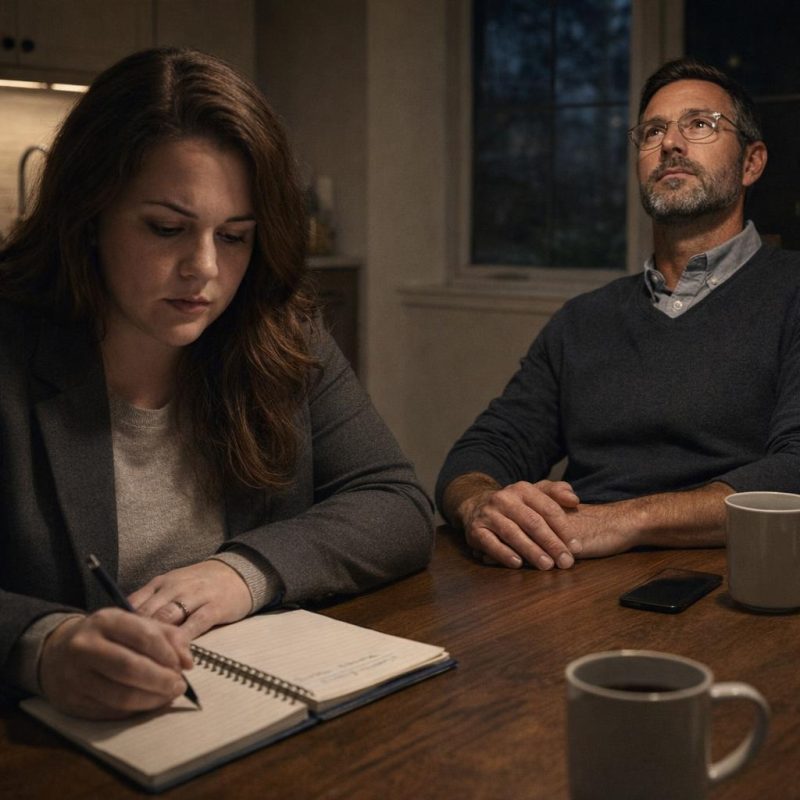 Image by RM AI
The Morning After
They don't talk about much else over breakfast the next morning. David makes coffee and Emma makes toast and they sit across from each other the way they always do, except neither of them reaches for their phones. He asks how she slept. She tells him not great. He nods like he already knew. They circle back to the flowers without really deciding to — it's just where the conversation goes, the way water finds a low point. David wraps both hands around his mug and says Emma should go talk to the florist. Not call, go in person. Ask if they keep records, ask if anyone paid with a card, ask if they remember anything about the orders. It's practical and it makes sense and she tells him he's right. He says they'll figure it out, that they'll work through it the same way they work through everything else. She believes him. But even as she nods and finishes her coffee, something shifts in the back of her mind — a low, quiet awareness she can't quite name. She keeps thinking about what he said the night before, about someone on the edges of her life. She glances toward the kitchen window without meaning to, and then at the front door, and then back at her coffee. The feeling that someone, somewhere, has been paying close attention to her settles quietly into her chest and stays there.
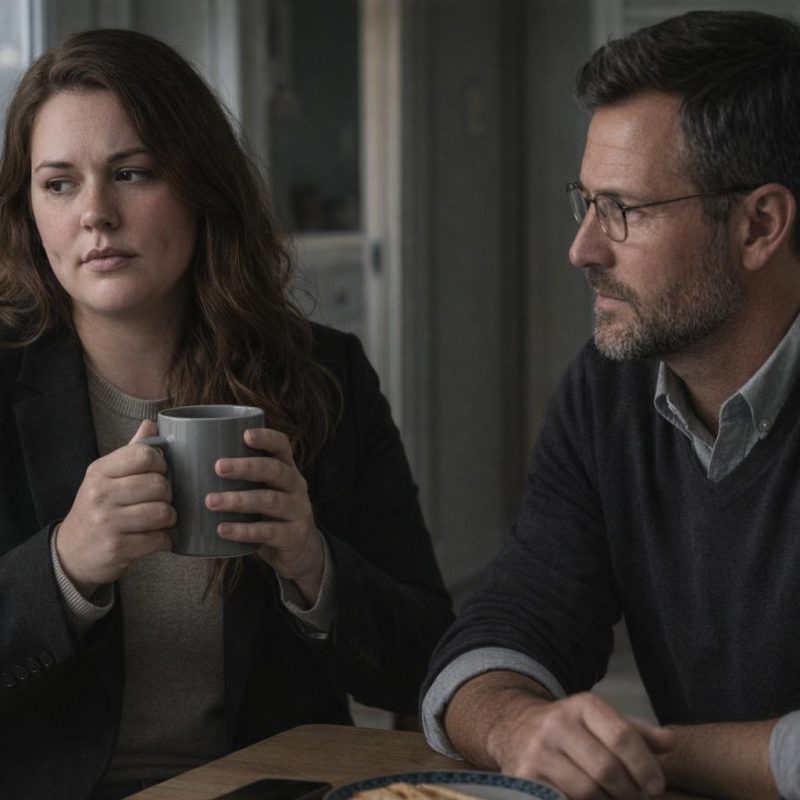 Image by RM AI
The Florist Search
Emma starts with the most recent delivery and works backward. She still has photos on her phone from the last few birthdays — she'd taken pictures of the arrangements the way you do when something is pretty and you don't know why you're documenting it. She zooms in on the images one by one until she can make out the small printed tag tucked into the ribbon on each bouquet. Bloom & Vine. The name appears on the tag in the third photo she checks, and then again in the next one, and the one after that. She pulls up her email and searches for any old delivery confirmations she might have saved. Two more references to the same shop. She opens a browser and types in the name. The website is simple — a small local florist, family-owned, still operating, with an address about twenty minutes from where she's sitting. She writes the address down on the same notepad she used last night, the one still covered in crossed-off names. There's something steadying about having a concrete next step after days of going in circles. She grabs her keys from the hook by the door, checks the shop's hours one more time on her phone, and heads for the car.
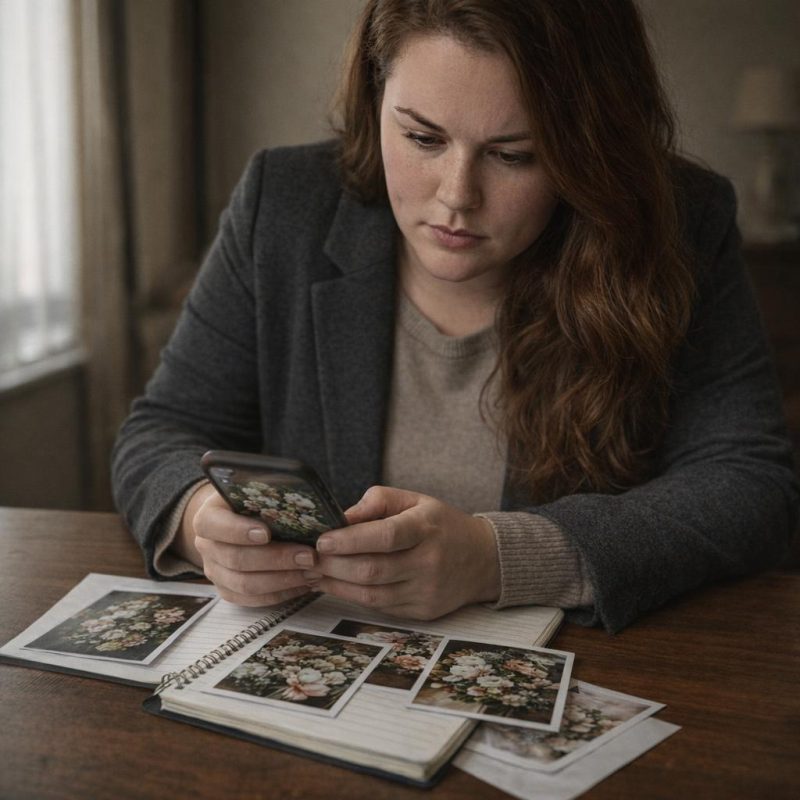 Image by RM AI
Bloom & Vine
Back inside, Emma spreads every photo she's checked across the kitchen table and goes through them again more carefully. Bloom & Vine. Every single tag she can read clearly shows the same name. Ten years of deliveries, and every one of them came from the same small shop twenty minutes away. She looks up their hours — Tuesday through Saturday, nine to five. It's Thursday. They're open right now. She opens a notes app on her phone and starts typing out questions. Do you keep records of recurring orders? Do you have a name or contact information for the person who placed them? Do you remember anything about how they paid? The questions look reasonable typed out like that, almost clinical. But sitting here alone in the kitchen, she's aware that the answers could go in directions she's not ready for. The florist might have nothing. Or they might have a name. And she's not entirely sure which outcome she's more nervous about. She decides she's going alone. She doesn't want to call David away from work for something that might turn out to be nothing, and she doesn't want to wait until tonight. She closes the notes app, picks up her keys, and sits for a moment with the quiet weight of what she might be about to find out.
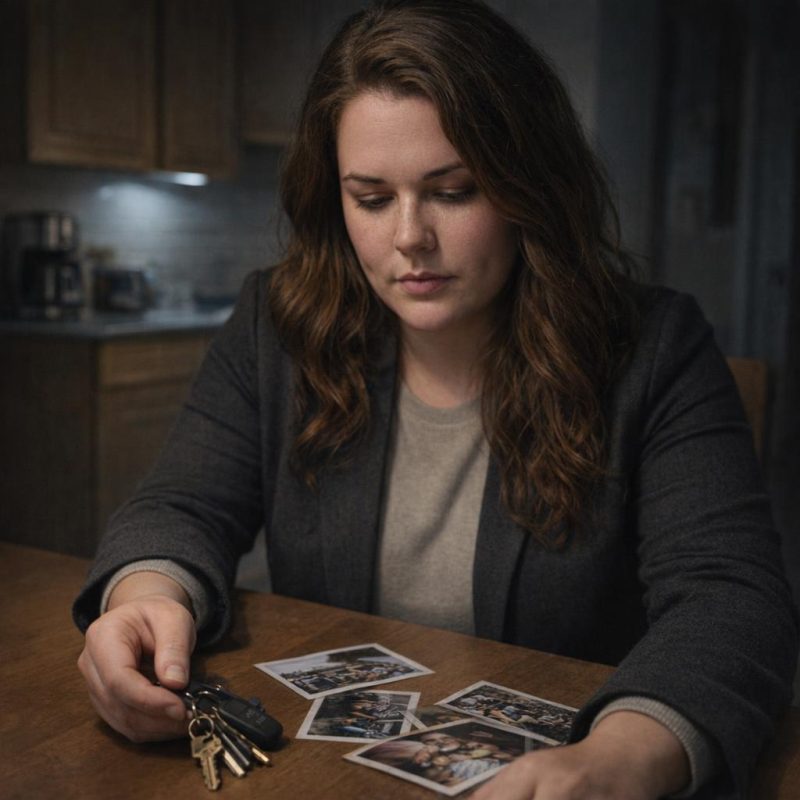 Image by RM AI
The Drive to Answers
The drive takes nineteen minutes. Emma knows because she watches the clock on the dashboard the whole way there, which is something she never does. She rehearses her opening line at the first red light — hi, I've been receiving flower deliveries from your shop for several years and I'm trying to find out who placed the orders. It sounds reasonable out loud. It sounds like something a normal person would say. By the third light she's revised it twice. She doesn't want to come across as alarmed. She doesn't want to tip her hand before she knows whether there's anything to tip. She just wants information. The neighborhood around Bloom & Vine is quiet — a row of small businesses, a dry cleaner, a sandwich place with a handwritten sign in the window. She finds a parking spot directly in front of the shop and sits in the car for a moment after she cuts the engine. Through the glass she can see buckets of flowers arranged near the entrance, splashes of yellow and white and deep red. The shop looks exactly like what it is — small, well-kept, ordinary. She takes a slow breath and lets it out. The hum of the engine fades, and the quiet that replaces it feels full of everything she still doesn't know.
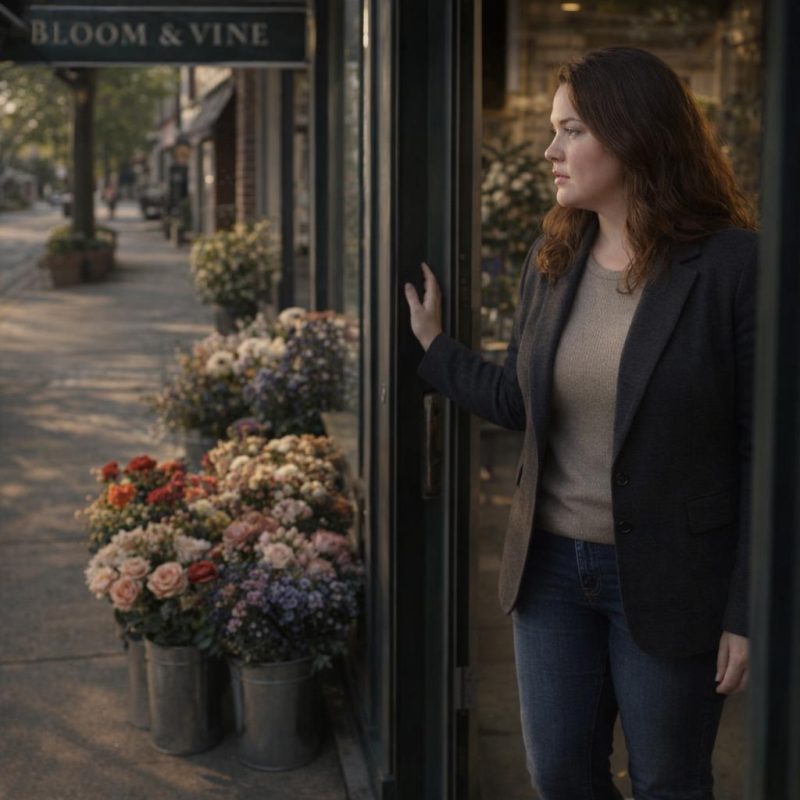 Image by RM AI
The Bell Above the Door
The bell above the door is small and bright, the kind that sounds like it belongs in a different decade. Emma steps inside and the smell hits her immediately — cool air and green stems and something sweet underneath, roses maybe, or something close to them. The shop is narrow but well-organized, buckets of cut flowers lining both walls, small handwritten price cards tucked into each one. A refrigerated case along the back wall holds arranged bouquets wrapped in kraft paper. Everything is tidy in the way that comes from years of habit rather than effort. She moves slowly toward the counter, taking it in. There's a worktable behind the register with stems and ribbon and small scissors laid out in a row. A radio somewhere in the back plays something low and indistinct. She's aware of her own heartbeat in a way she wasn't in the car. She's been rehearsing what to say for twenty minutes and now that she's here, standing on the worn mat just inside the door, every version of her opening line feels either too casual or too alarming. She's still deciding when a woman in her fifties looks up from behind the counter, silver-streaked hair pinned back, a floral apron over her shirt, and smiles at her.
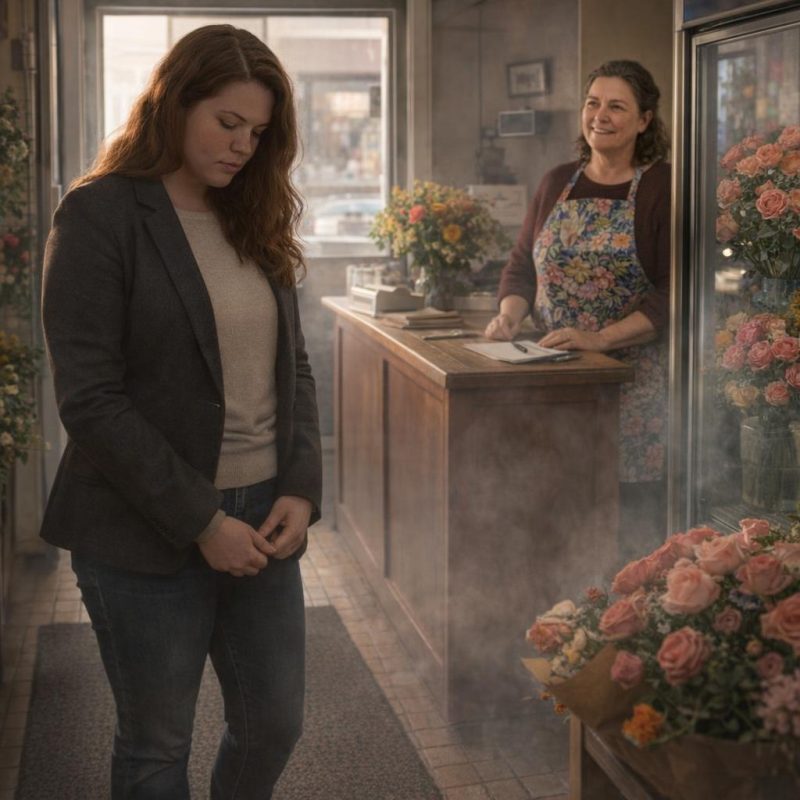 Image by RM AI
The Introduction
The woman asks if she can help Emma find something, her voice easy and unhurried. Emma tells her she hopes so. She gives her name — Emma Hayes — and explains that she's been receiving yellow rose deliveries from this shop every year on her birthday for about ten years. She watches the woman's face as she says it, trying to read whether any of it lands. She explains she's trying to find out who placed the orders, that there was never a name on the cards, and that she'd really appreciate anything the woman might be able to tell her. She keeps her voice level. She doesn't say the word worried. She doesn't say the word scared. She just lays it out plainly and waits. The woman sets down the stem she's been trimming and looks at Emma more carefully, her head tilting slightly. There's a pause — not an uncomfortable one, more like she's sorting through something. Then she says, slowly, yellow roses, every September, same address for years. She says it the way someone says something they've thought about before. Her expression shifts, a quiet recognition moving across her face, and she says, "I remember that order."
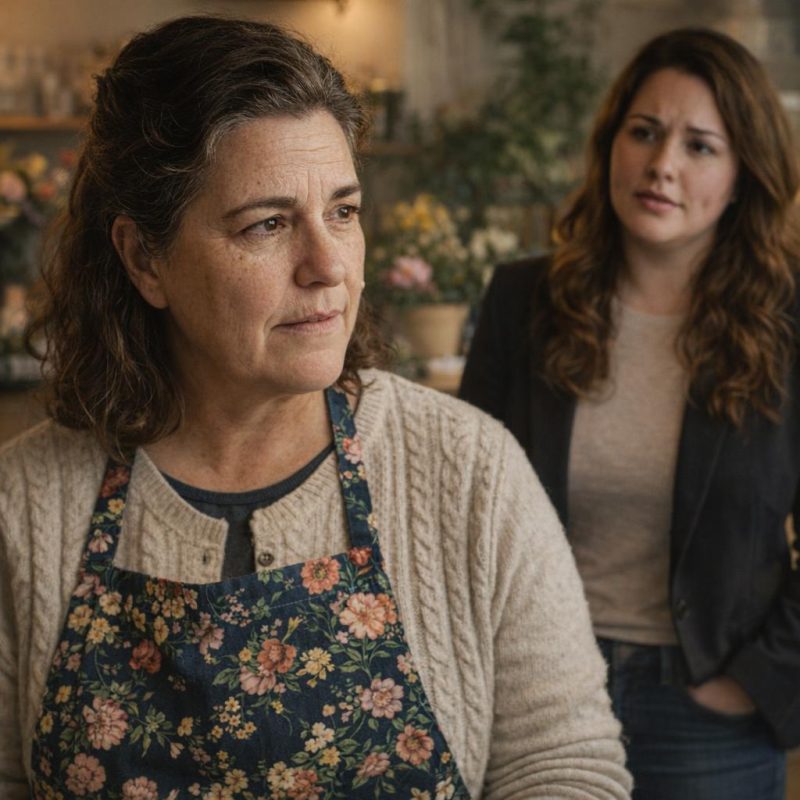 Image by RM AI
The Annual Order
Rita's expression settles into something certain, and she nods slowly. She says yes, she remembers it well — same order every year, yellow roses, same delivery address, going back at least ten years now. She says it like it's a point of professional pride, the kind of order a small shop notices because it never changes. I feel something loosen in my chest — the validation of knowing I wasn't imagining the pattern — and then tighten again almost immediately, because a pattern this consistent, this deliberate-feeling, isn't reassuring. It's something else. I ask her how the customer placed the orders. Did he call ahead? Come in person? Rita says he always came in. Always in September, a few days before the delivery date. I ask if he ever paid by card, left any kind of contact information. Rita shakes her head and straightens the stem she set down earlier. She says he always paid in cash.
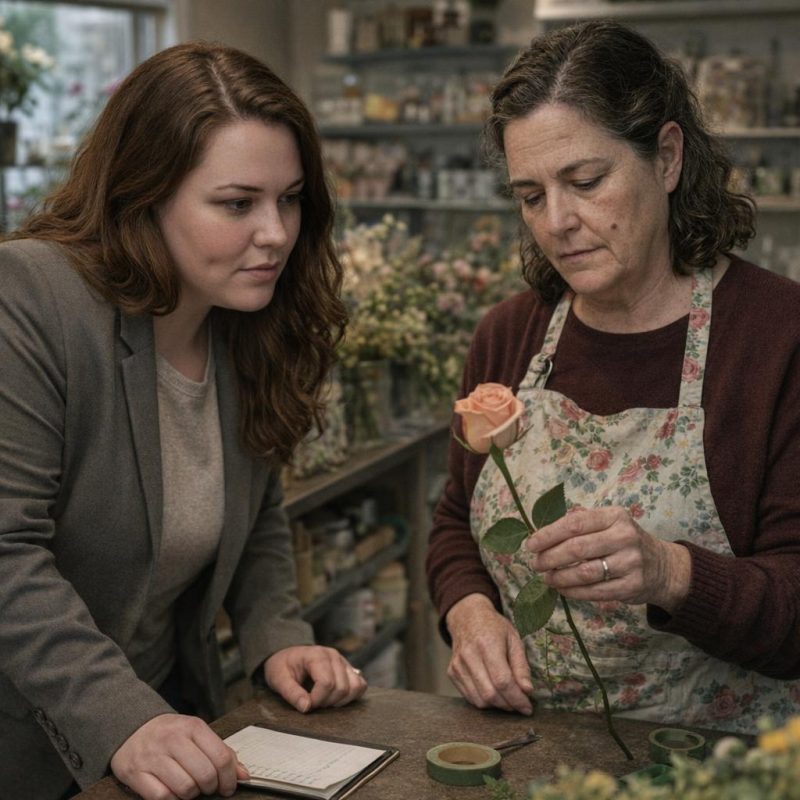 Image by RM AI
The Silent Customer
I keep my voice steady and ask her to tell me more about him — what he was like when he came in. Rita thinks for a moment, then says he was quiet. Not unfriendly exactly, just closed off. He'd come in, say what he needed, pay, and leave. She says he never made small talk, never asked about the shop, never lingered. She says some customers you remember because they're warm or funny or difficult, and some you remember because something about them just sits with you, and he was the second kind. I ask if he ever said anything about who the flowers were for. Rita shakes her head. She says she tried once, early on — just the usual florist small talk, asking if it was for someone special. She says he looked at her in a way that made her not ask again. She pauses after she says it, and her hand lifts slightly from the counter, moving as though she's trying to trace the shape of a feeling she can't quite name.
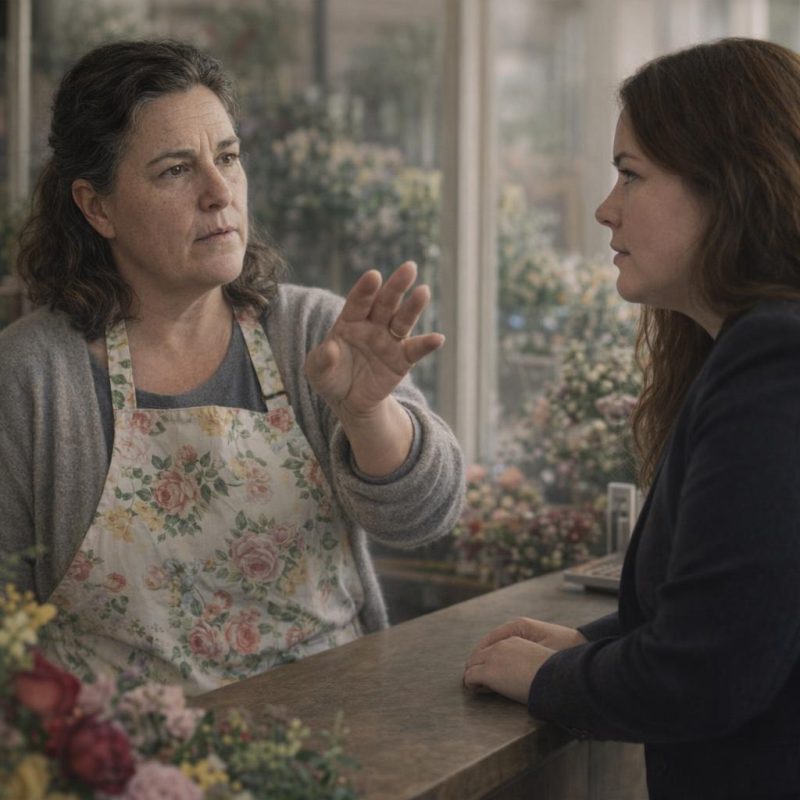 Image by RM AI
The Scar
I ask her if she can describe what he looked like. Rita tilts her head and takes her time with it. She says average height, maybe late thirties or early forties by now, receding hairline, nothing that would make you look twice on the street. I'm writing it down in my head, trying to hold each detail. Then she pauses and says there was one thing. She says she noticed it the first time he came in and every time after — she couldn't help it. She holds up her own right hand and draws a slow line with her finger, starting at the base of her thumb and pulling it across toward her wrist. She says he had a scar there. A big one. Jagged, she says, like it hadn't healed clean. She says it looked old, the kind of scar that's been there a long time, but it was wide enough and uneven enough that it caught the light whenever he reached for his wallet. I ask her to say that part again — the scar, where exactly it ran. She confirms it: thumb to wrist, jagged, old — and the detail lands somewhere in my chest, sharp and specific, like a key turning in a lock I didn't know was there.
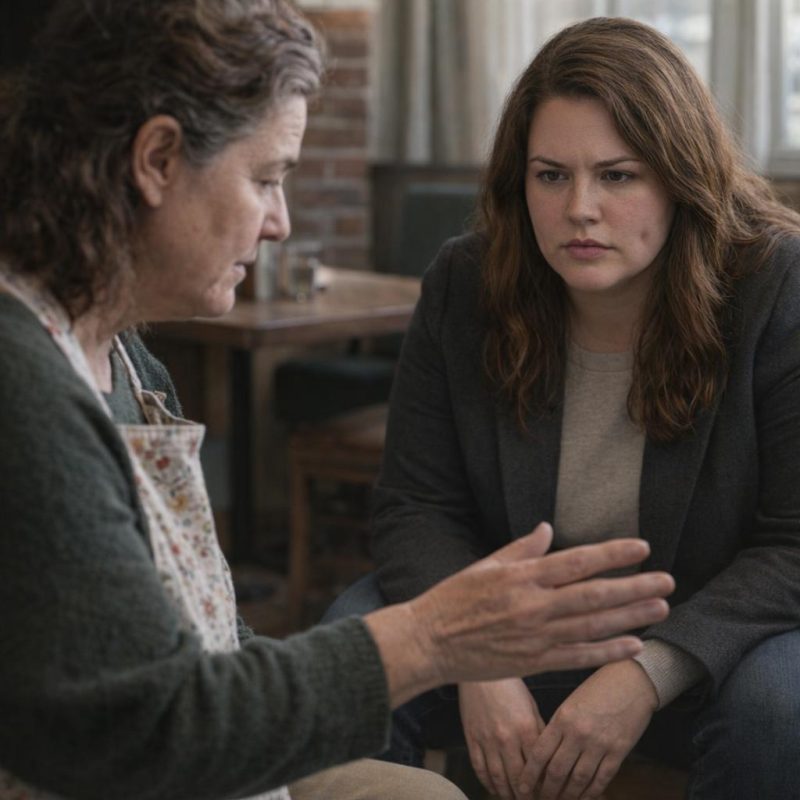 Image by RM AI
The Detail That Matters
I thank Rita — genuinely, more than once — and she waves it off the way warm people do, like it was nothing, though I can tell she's curious about why I'm asking. I don't explain. I just give her my number and ask her to call me if he comes in again, and she agrees without hesitation, tucking the slip of paper under the edge of her register. She says she hopes I get some answers. I tell her I hope so too. The bell above the door chimes as I step back out onto the sidewalk, and the afternoon feels too bright after the dim cool of the shop. I get into my car and sit without starting the engine. The scar. Thumb to wrist, jagged, old. Rita had traced it twice on her own hand and both times the gesture had been the same — unhurried, certain, like the memory of it was still clear. I stare at the steering wheel and let the description settle, turning it over the way you turn over something you're not sure you recognize but feel like you should.
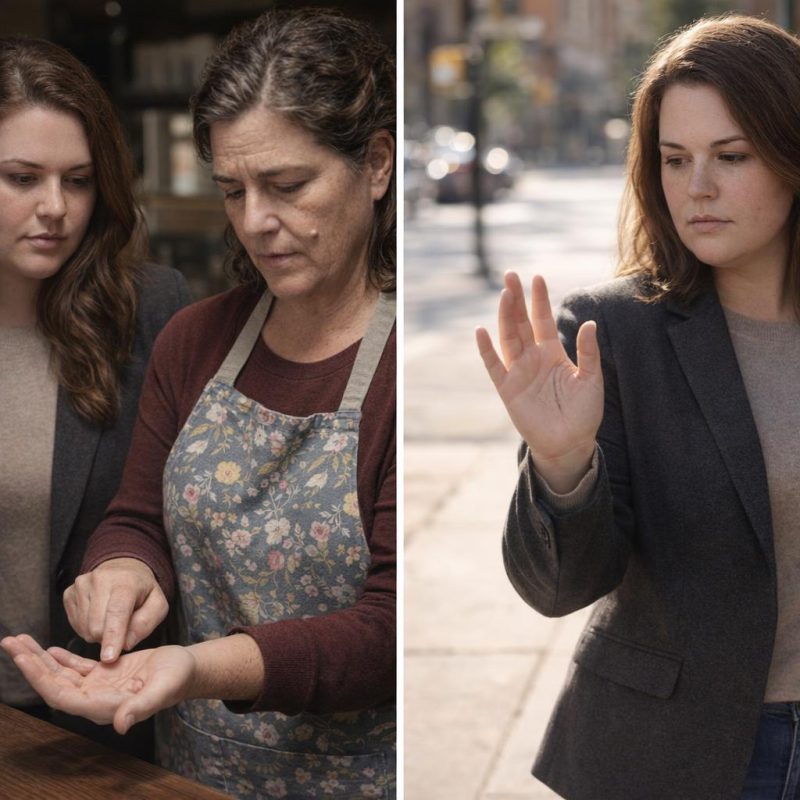 Image by RM AI
The Memory Search
I close my eyes and try to work through it methodically. Coworkers first — I go through the office in my head, desk by desk, and come up with nothing. Friends, neighbors from the last few years, people I see at the gym or the coffee shop on the corner. Nothing. I push further back — five years, seven years — and still the scar doesn't attach itself to anyone specific. I think about the people I knew when I was first starting out, the early jobs, the apartments before this house. I keep hitting walls. The detail feels familiar in the way that some things do when they're hovering just at the edge of memory, close enough that you're sure it's there but far enough that reaching for it only pushes it further away. I sit in the parking lot longer than I mean to. The afternoon light shifts across the dashboard. I start the car eventually and pull out onto the street, telling myself that if I stop trying so hard, it might come on its own — but the feeling that I'm almost there doesn't leave me the whole drive home.
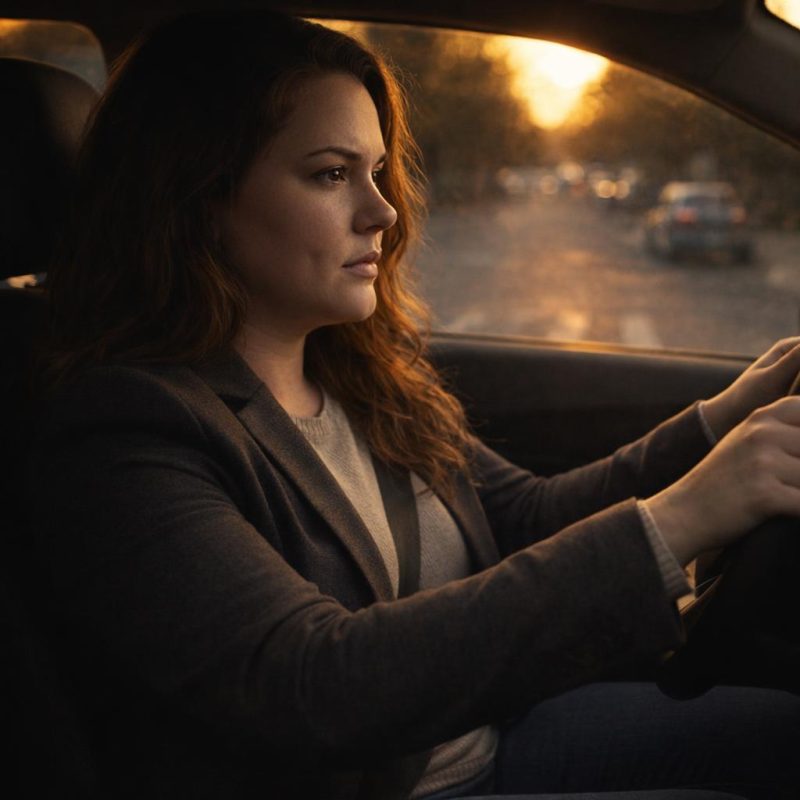 Image by RM AI
The Timeline
By the time I turn onto our street, something has shifted in how I'm thinking about it. I've been searching too broadly — running through everyone I've ever known, which is too much ground to cover. The flowers started ten years ago. Whoever this is, that's when it began. Not eight years ago, not twelve — ten. That number isn't random. Something happened ten years ago that put me on this person's radar, and if I can figure out what that was, I can figure out who it was. Ten years ago, David and I had just moved into this house. New neighborhood, new routines, new faces. I was starting a different job. Everything was in transition. I pull into the driveway and sit for a moment with the engine idling. The timing isn't a coincidence — it can't be. The flowers didn't start because of something I did years before. They started because of something that changed right then, in that specific window of time, and that's where I need to look.
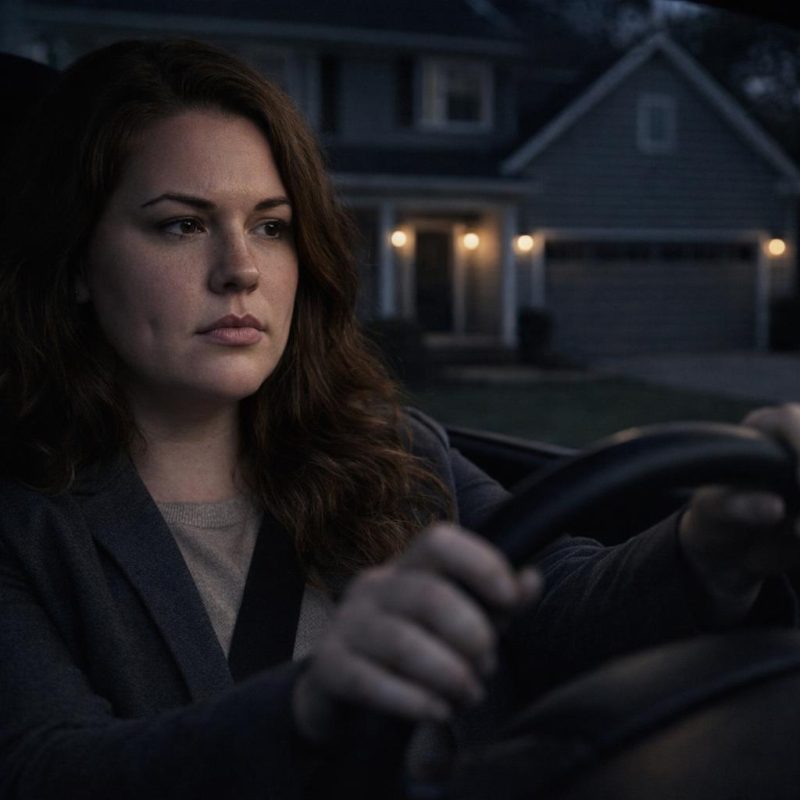 Image by RM AI
The Neighborhood
I go straight to my home office when I get inside, dropping my bag by the door without stopping. The room is quiet, the afternoon light coming in low through the window, and the yellow roses are still there on the sill where I left them this morning. I stop when I see them. They look the same as they always have — full, bright, arranged neatly in the vase — but something about them feels different now, like an object that's been in your house so long you stopped seeing it, and then suddenly you see it again and it doesn't belong. I sit down at my desk and try to think back to the neighborhood as it was ten years ago. The Pattersons were next door then, before they moved to Portland. The Garcias were two houses down. There were a few others I barely knew — people who waved from driveways and that was about it. I go through them one by one, trying to attach faces to houses, and the roses sit in the window behind me, yellow and still, filling the room with a faint sweetness I can't quite ignore.
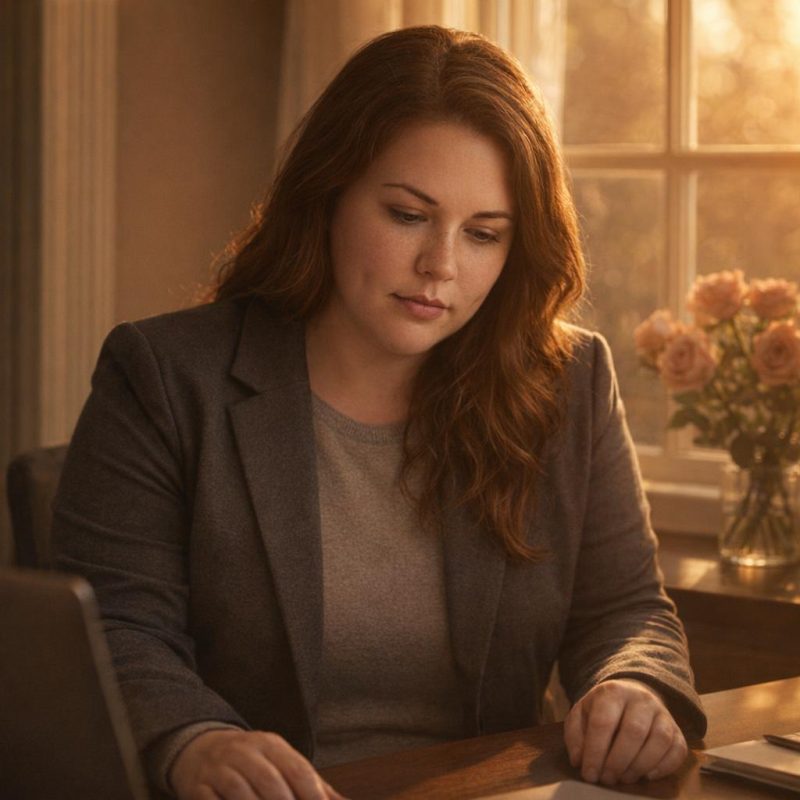 Image by RM AI
The House Across the Street
I pull up a mental image of the street the way it looked back then and work my way around it slowly. The Pattersons, the Garcias, the older couple at the end of the block whose name I never learned. And then the house directly across from ours. I stop on it. It sat empty for a while before someone moved in — a man, by himself, no family that I ever saw. He was quiet. I don't think I ever had a real conversation with him. He kept odd hours, or at least I never seemed to catch him at normal ones. I remember noticing his car in the driveway sometimes late at night when I got up for water, and then not seeing it for days. He didn't stay long — a year, maybe a little more. I try to pull up his face and get only an impression: average height, unremarkable, the kind of person who doesn't leave much of a mark. I reach for his name and come up empty. But the timing of when he left — I sit with that, turning it over — it lines up with exactly when the first flowers arrived.
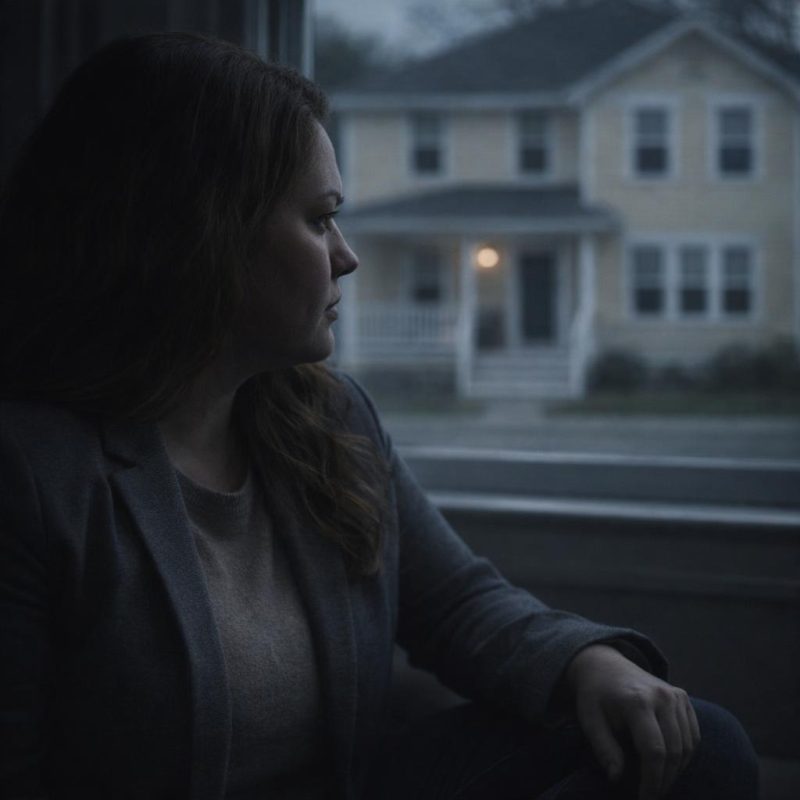 Image by RM AI
The Scarred Hand
I keep turning the memory over, trying to get a clearer look at him. He was out front sometimes — checking the mail, pulling weeds along the edge of his driveway, the ordinary things neighbors do without really registering each other. I never paid much attention. He was just there, the way background things are just there. But I'm pushing harder now, trying to pull something specific out of all that vague impression. And then it comes. Not his face, not his name — his hand. His right hand. I remember it because it stopped me once, the way an unexpected thing will catch your eye before you can look away. A scar, large and jagged, running from his thumb all the way across to his wrist. I'd noticed it when he reached for something — a package, maybe, or the mailbox latch — and I'd looked away quickly the way you do when you don't want someone to catch you staring. I hadn't thought about it since. I hadn't thought about him since. But Rita described that scar. She described it exactly. The same hand. The same mark. I sit very still with that, and the quiet in the room feels different now.
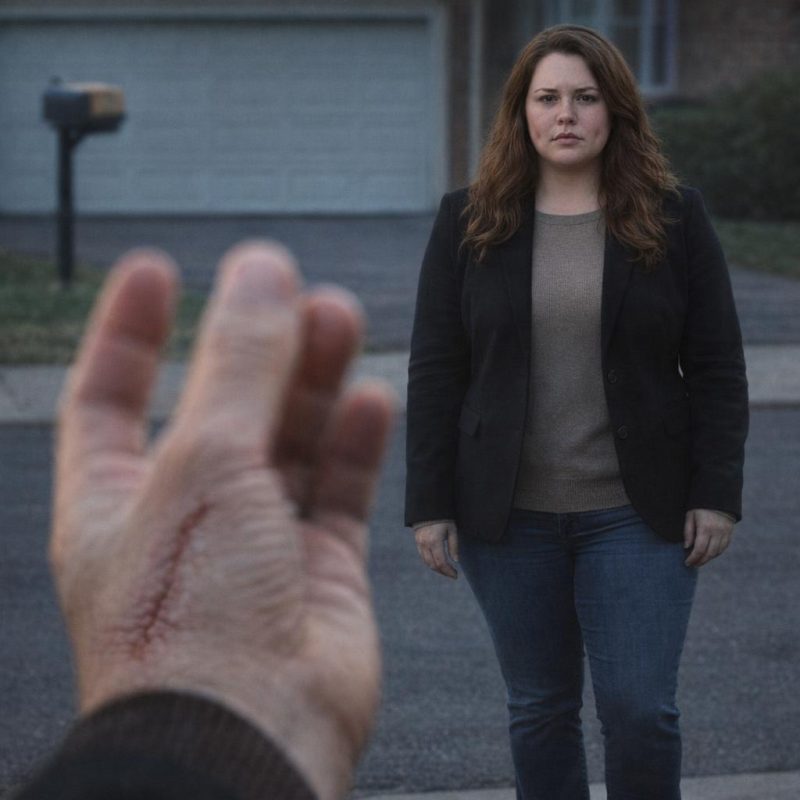 Image by RM AI
The Watcher
Once the scar clicks into place, other things start surfacing. Small things I'd filed away without meaning to. I remember seeing him at his front window more than once — just standing there, not doing anything obvious, the way people sometimes do when they're watching the street. I hadn't thought anything of it at the time. People look out their windows. It's not strange. But I'm thinking about the layout now, really thinking about it, and his house sat directly across from ours. Not at an angle, not a few doors down — directly across. His front window would have looked straight at our front door. Our driveway. The path I took every morning to my car. I try to remember how often I saw him there and I can't get a number, just an impression of it happening more than once, maybe more than a few times. I don't know what he was doing. I don't know what any of it means yet. But the thought of how clearly he could have seen me — my schedule, my patterns, the ordinary shape of my days — settles over me like something I can't shake off.
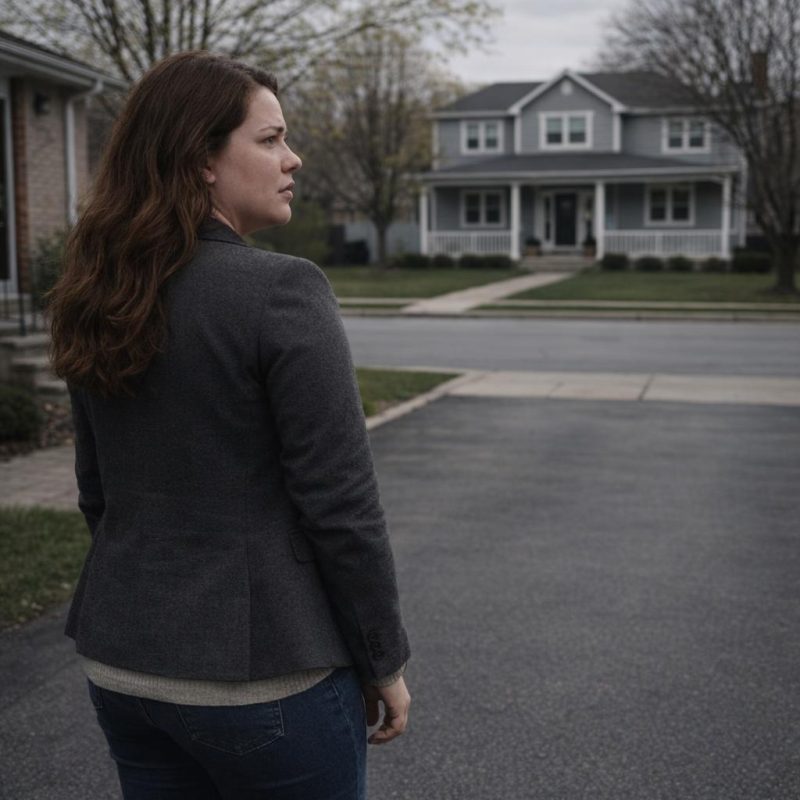 Image by RM AI
The Name
I sit with the image of him at that window and push harder, trying to get past the blur. There has to be more. I lived across the street from this person for over a year. I must have heard his name at some point — a neighbor calling out to him, a package left on the wrong porch, something. I close my eyes and try to put myself back on that street. The Garcias had a dog that got loose sometimes. Mrs. Patterson used to wave from her garden. And then — something. A moment. Someone calling across the yard, maybe one of the Garcias, maybe a delivery driver reading off a label. A name. Short. Two syllables. I reach for it and it keeps sliding away, and then it doesn't. Something settles in my chest — a name, surfacing after years of being buried somewhere I'd stopped looking: Marcus.
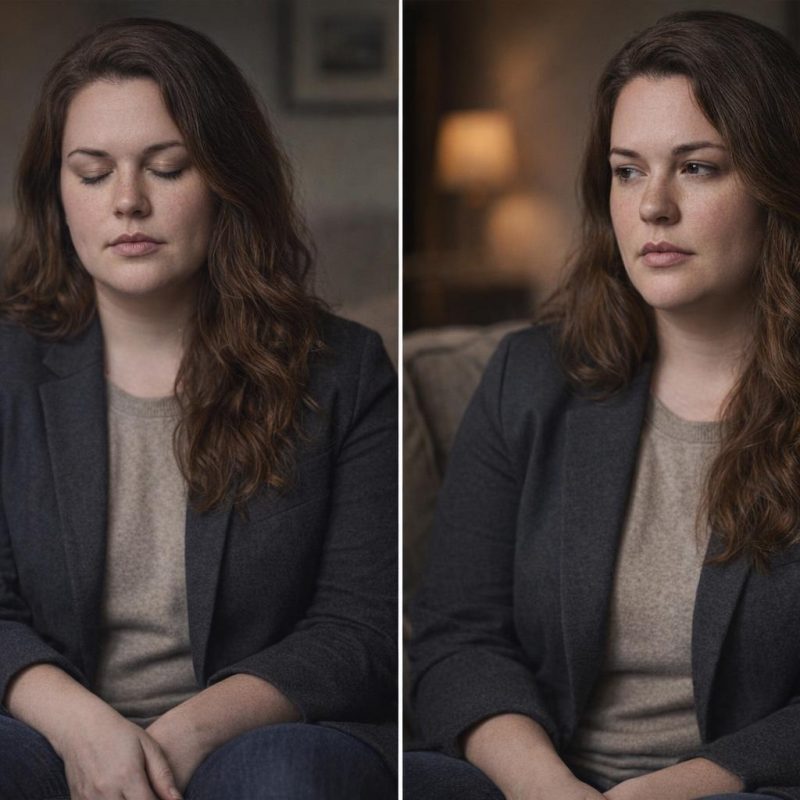 Image by RM AI
Marcus Webb
I open my laptop and sit at the kitchen table with my hands hovering over the keys for a second before I start. I'm not sure what I'm looking for exactly, just something to confirm what I think I remember. I try a few searches — old neighborhood association pages, community forums, anything that might have archived resident information from ten years back. Most of it leads nowhere. Then I find it: a cached page from a local neighborhood directory, the kind that used to get printed and distributed before everything moved online. It's a scan, slightly blurry, but readable. I scroll through the street listings slowly, and there it is — the address across from the house David and I used to rent, the house where I lived when the flowers first started. The name next to it is listed in plain type, no photo, nothing remarkable about the entry at all. Marcus Webb. I stare at the screen and the name sits there, completely still, while something in me does the opposite.
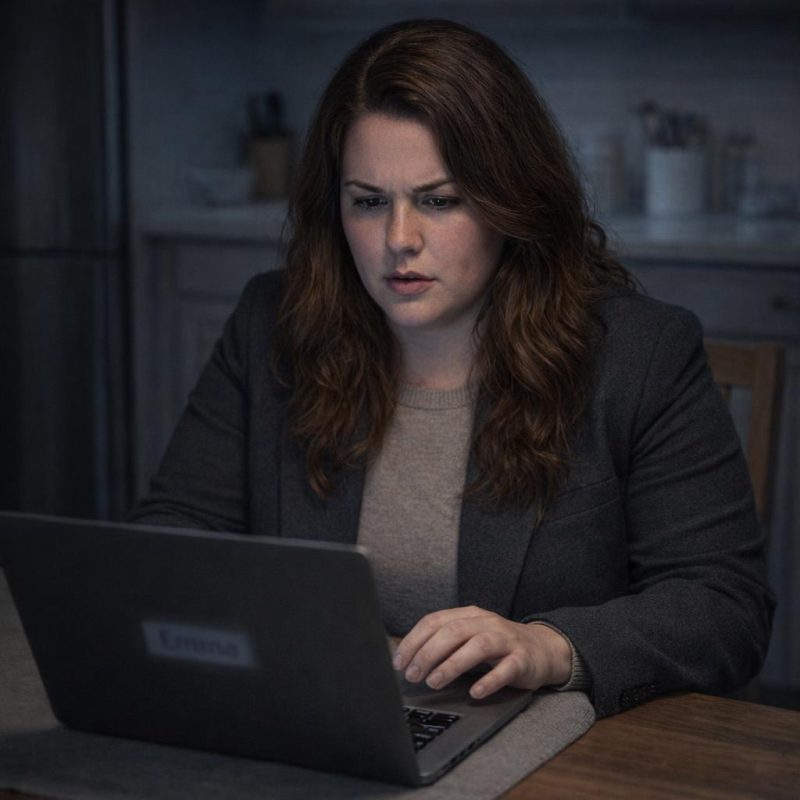 Image by RM AI
The Pattern
I don't close the laptop. I pull up the notes app on my phone instead and start writing down what I know, trying to get the timeline straight. The directory entry has a date range on it — the kind of thing those old printed editions used to include to show when the listing was current. I check it twice. Marcus Webb was listed at that address ten years ago. I sit back and think about the first bouquet. I'd gotten it on my birthday, the year after David and I moved to the new place. I remember it clearly because I'd assumed it was from David at first, and then it wasn't, and we'd laughed about it a little before it started to feel strange. I pull up the memory of that first delivery and hold it next to the directory date. He moved out. And then the flowers started. I write both facts down separately and look at what I've written, and the two lines sit on the page closer together than I expected.
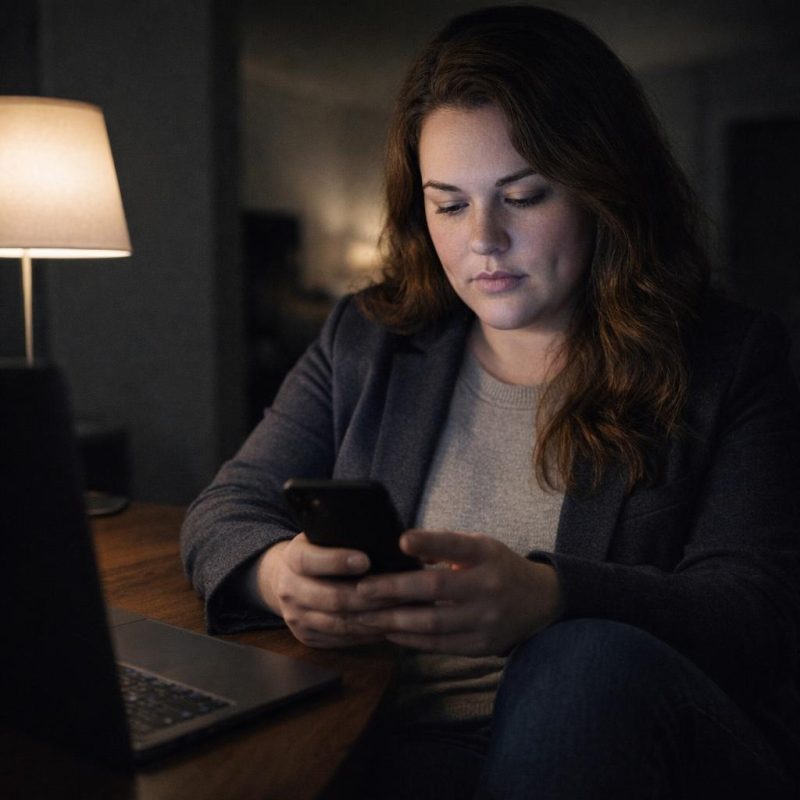 Image by RM AI
The Decade
I set the phone down and just sit there for a minute. Ten years. I keep turning that number over because it doesn't feel real yet. Ten birthdays. Ten bouquets. I think about every single one of them — the white lilies the first year, the mixed arrangements that came later, the way I'd started to almost look forward to them in a strange, unexamined way because they felt like proof that someone out there was thinking of me. I feel sick about that now. I think about all the times I'd set those flowers on the windowsill and gone about my day without a second thought, and the idea that Marcus Webb might somehow be connected to all of it sits in my stomach like something cold and heavy. I don't know where he is now. I don't know what any of this actually means or what he wanted. But I know I need to tell David tonight, all of it, everything I've found. The ten years press down on me and I don't move for a long time.
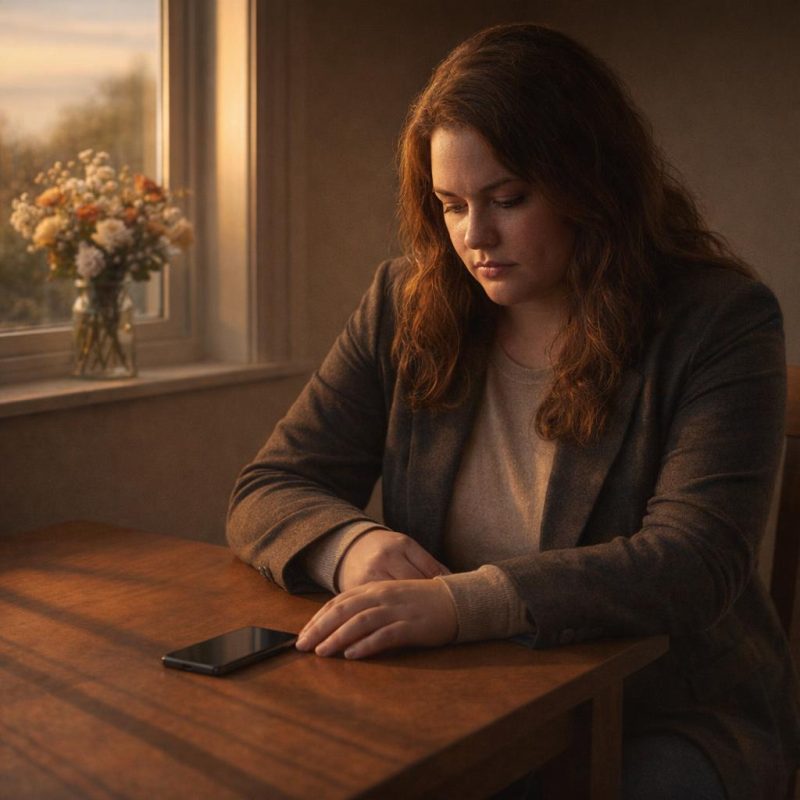 Image by RM AI
The Tracker
I get up from the table and walk to the windowsill where I left the bouquet this morning. It looks the same as it always does — the flowers still fresh, the ribbon still tied neatly around the stems. I pick it up carefully, the way I should have handled it from the start, and I work the ribbon loose with two fingers. I already know what I'm going to find. I found it once and I put it back without fully understanding what I was looking at, and now I understand it differently. The ribbon unfolds in my hands, and there it is — small and flat and unremarkable-looking, the kind of thing you'd walk right past in a drawer full of odds and ends. A GPS tracker. I hold the bouquet very still and look at it. I think about Marcus Webb and the directory listing and the ten years and the window across the street. The device sits in the folds of the ribbon, no bigger than a thumbnail, and I cannot look away from it.
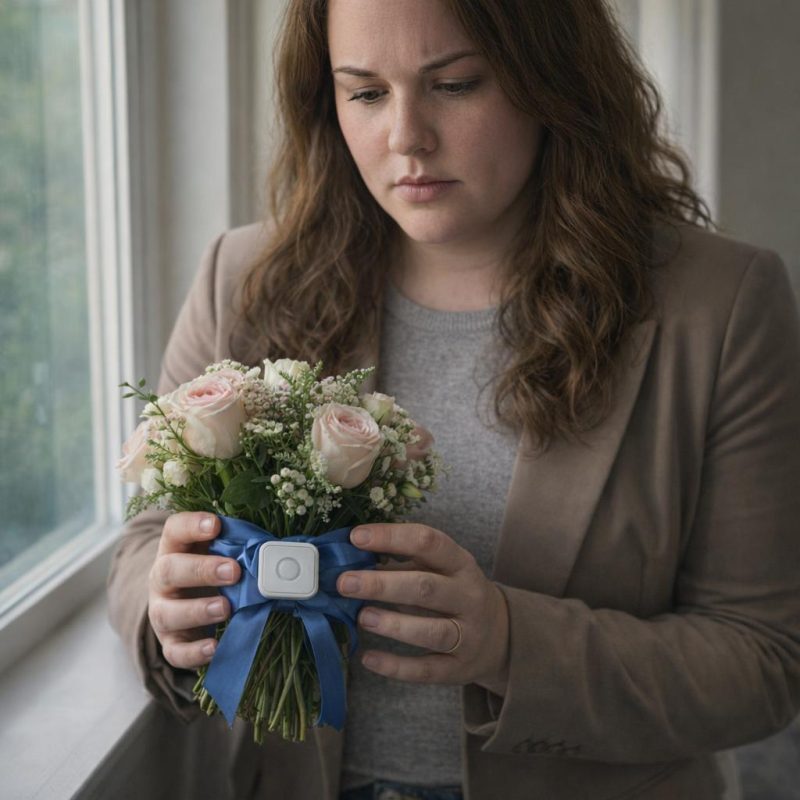 Image by RM AI
The Connection
I set the bouquet down on the table and keep the ribbon in my hands, the tracker still nestled in the fabric. I think about what it actually means to carry one of these things — not in the abstract, but specifically. Every year, a delivery. Every year, this device arriving with the flowers. Every year, a signal going somewhere, to someone. I think about the apartment David and I had before this house, and the one before that, and the city we lived in for two years when his job moved us. I'd gotten flowers at every address. I'd thought it was sweet, in a bewildering way. I'd thought whoever sent them must have gone to some effort to find me each time. I hadn't understood what kind of effort. I hadn't understood what the finding might mean. I look at the tracker in the ribbon and I look at my phone on the table beside it, and the whole shape of it — the flowers, the years, the device, the man with the scar at the window across the street — assembles in front of me all at once.
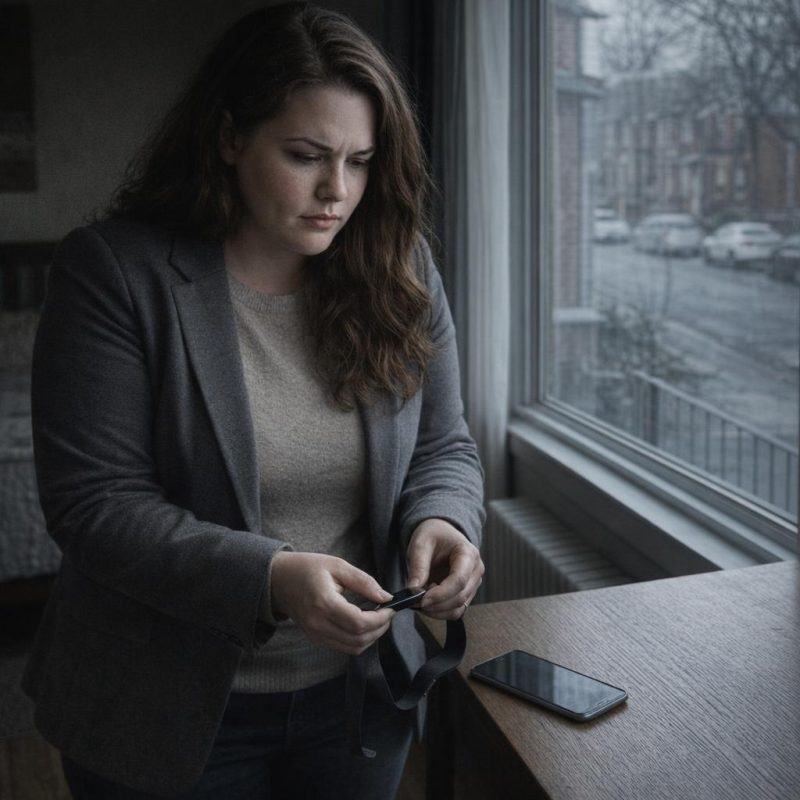 Image by RM AI
The Scarred Hand
Marcus Webb. The name sits in my mind like something I've always known but never looked at directly. I can picture him clearly — late thirties, always in long sleeves even in summer, that quiet way he had of being present without quite announcing himself. He lived in the house directly across the street for almost two years after David and I moved in. I used to see him at his mailbox in the mornings, sometimes in his yard pulling at weeds that didn't seem to need pulling. He'd wave if I waved first. He never started it. I remember one afternoon he was sorting through a stack of envelopes and I noticed his right hand — the way the scar ran from his thumb all the way to his wrist, jagged and pale against his skin. I'd thought it looked painful. I'd thought it looked like something that had happened a long time ago. Rita had described it without hesitating. Large, jagged, right hand, thumb to wrist. I hadn't given her any details to work from. I sit with the ribbon in my hands and think about that morning at his mailbox, his right hand reaching out, the scar catching the light.
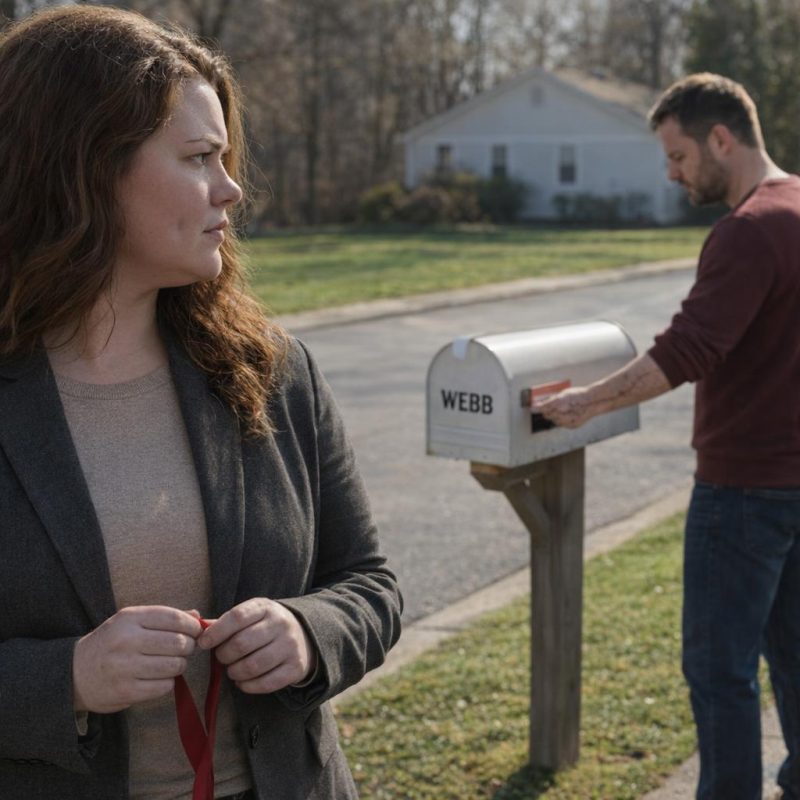 Image by RM AI
The Year He Left
I set the ribbon down and try to work backward through the years. David and I moved into this house eleven years ago. Marcus was already across the street when we arrived — I remember because he helped carry a box when the movers were struggling with the sofa, and I thought he seemed like the kind of neighbor you'd be glad to have. He was gone within a year. Maybe fourteen months, maybe a little less. I remember the moving truck, remember thinking it was early on a Tuesday and wondering where he was headed. I never asked. I never knew him well enough to ask. The first bouquet arrived the following spring. Yellow roses, no card, left on the porch while I was at work. I'd assumed it was a mistake at first, or maybe a gesture from someone at David's office. By the second year I'd stopped trying to explain it and just accepted it as one of those small, pleasant mysteries. I pull up the memory of that first delivery and hold it next to the memory of Marcus's moving truck pulling away, and the gap between them is maybe four or five months. The precision of that sits with me, quiet and heavy.
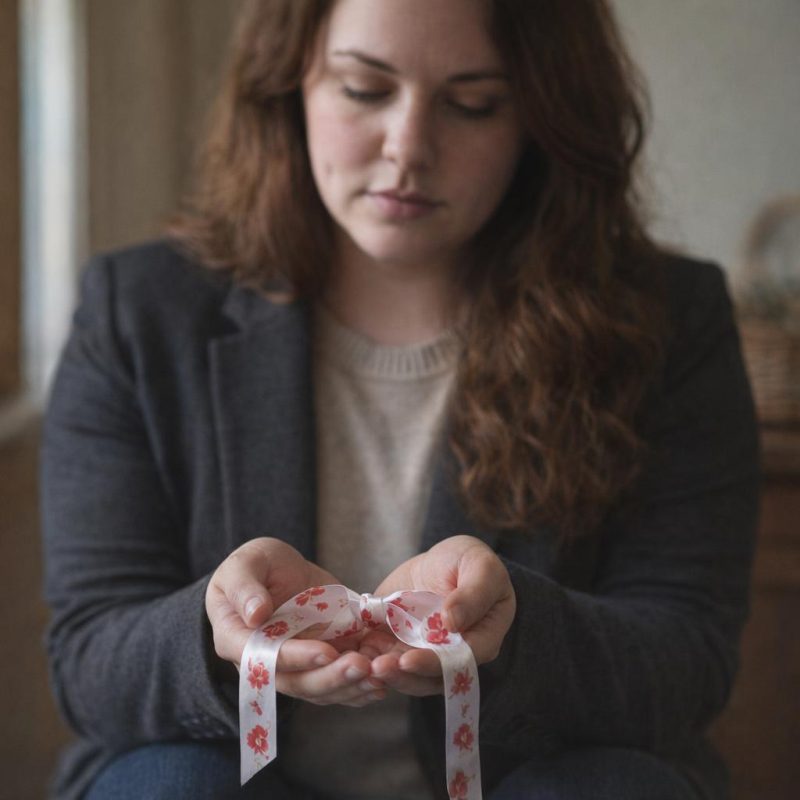 Image by RM AI
The Name in Her Hand
I find a notepad in the kitchen drawer and write it down. Marcus Webb. I press the pen harder than I need to, like the ink needs to mean something. I set the notepad next to the GPS tracker on the table and look at both of them together — his name in my handwriting, and this small device that has been traveling with me for years without my knowledge. I think about what I'm going to say to David. I've been running through it in my head for the last ten minutes and it still doesn't feel like something that can be said out loud in a normal voice. There's the florist visit, and Rita's description, and the scar, and the timeline, and the tracker. There's the fact that I've been carrying this thing — or something like it — every year for a decade. I don't know how to make that sound like anything other than what it is. My hands are shaking a little when I pick up the tracker and hold it. It's so small. That's the part that keeps catching me. I hear tires on the driveway, and then the familiar sound of David's car engine cutting off.
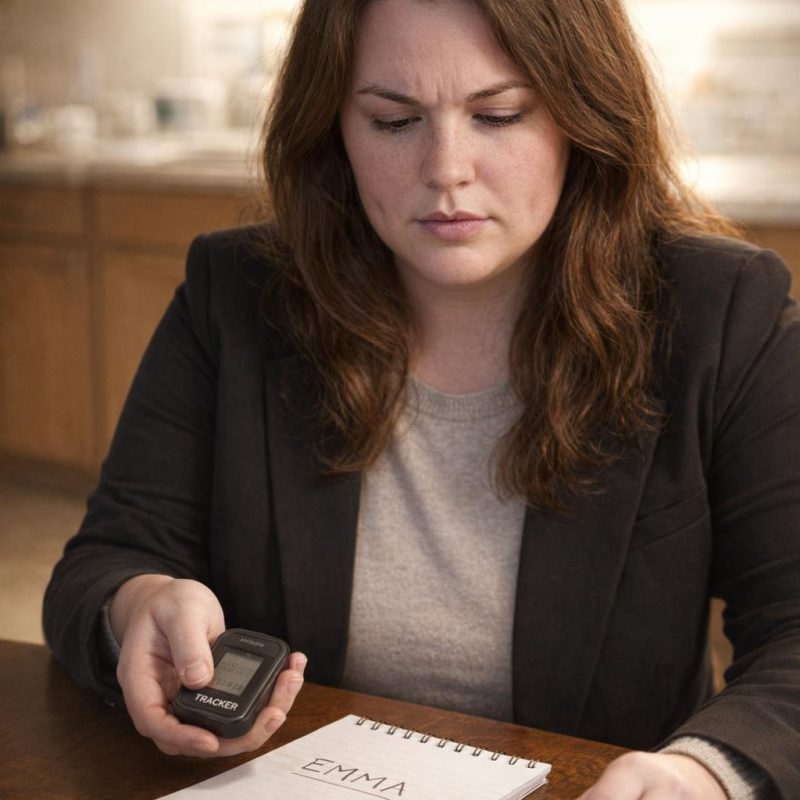 Image by RM AI
Telling David
David comes through the door still loosening his tie and I say his name before he's fully inside. He looks at my face and stops. I tell him to sit down. I start with Rita — the florist, the description she gave me, the scar. I watch him listening, his expression careful and still. Then I tell him about Marcus Webb, about the timeline, about the moving truck and the first bouquet arriving months later. I put the notepad on the table in front of him with the name written on it. Then I put the tracker next to it. I explain what it is, what it does, where I found it — sewn into the ribbon, hidden in the bow. I tell him I think there's been one in every bouquet. I tell him I think it's been going on for ten years. David doesn't say anything for a moment. He picks up the tracker and turns it over in his hand, and I watch his face move through something I don't have a word for — the careful stillness giving way, his jaw tightening, his eyes going somewhere distant and then coming back to me. He sets the tracker down and says, quietly and without hesitation, that we need to call the police tonight.
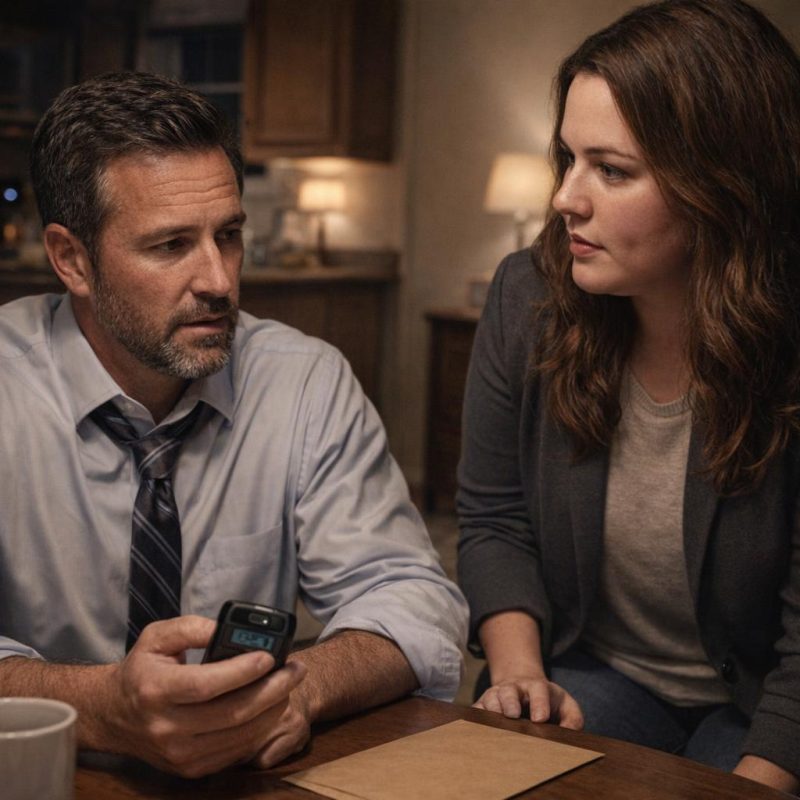 Image by RM AI
The Decade of Surveillance
We sit at the kitchen table and I say it out loud for the first time: every bouquet, every year, a tracker. Ten years of yellow roses and ten years of knowing exactly where I was. Marcus Webb moved away and the flowers started, and the flowers were never about flowers. They were how he kept finding me — every new address, every city, every house. I think about the apartment we had before this one, and the two years in Portland when David's job moved us, and how the bouquets had followed us there too. I'd thought it was sweet. I'd thought someone out there cared enough to track me down. He had. He'd been tracking me down every single year, and I'd been carrying his device home and setting it on my kitchen table and never once understanding what I was holding. David puts his arm around me and I feel the full weight of it land — ten years of my movements, my routines, my daily life, all of it visible to someone I barely knew. The flowers weren't a mystery. They were a leash. And I'd been wearing it without knowing, every year, for a decade.
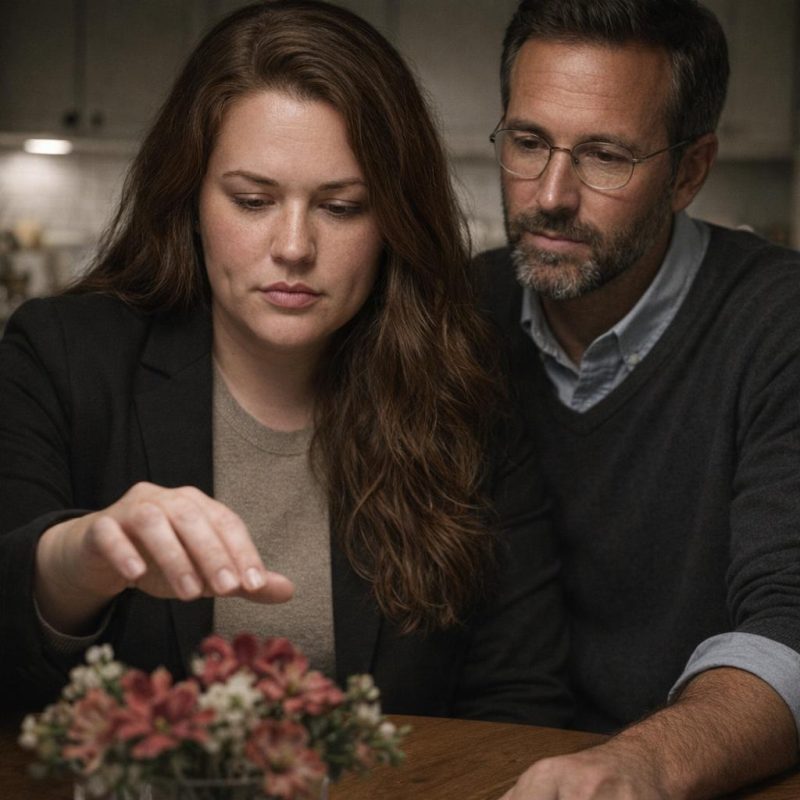 Image by RM AI
The Drive to the Station
David drives. I don't argue about it. I sit in the passenger seat with the tracker in my lap, wrapped in the ribbon, and the bouquet on the floor by my feet. I'd grabbed it on the way out — evidence, David said, and he was right, but holding it now feels wrong in a way I can't quite shake. I keep looking at the yellow roses and thinking about how many times I've put flowers like these in a vase and gone about my day. Outside the window the streetlights are coming on, that early-evening gray settling over everything. I feel numb and I feel angry and both of those things are happening at the same time, which is a strange combination. David reaches over at a red light and squeezes my hand without saying anything. I squeeze back. There's nothing to say that we haven't already said at the kitchen table, and I'm grateful he seems to understand that. I watch the familiar streets go unfamiliar the way they do when you're doing something you've never done before. David turns into the lot and pulls into a space, and through the windshield I can see the entrance to the police station, its lights steady and bright.
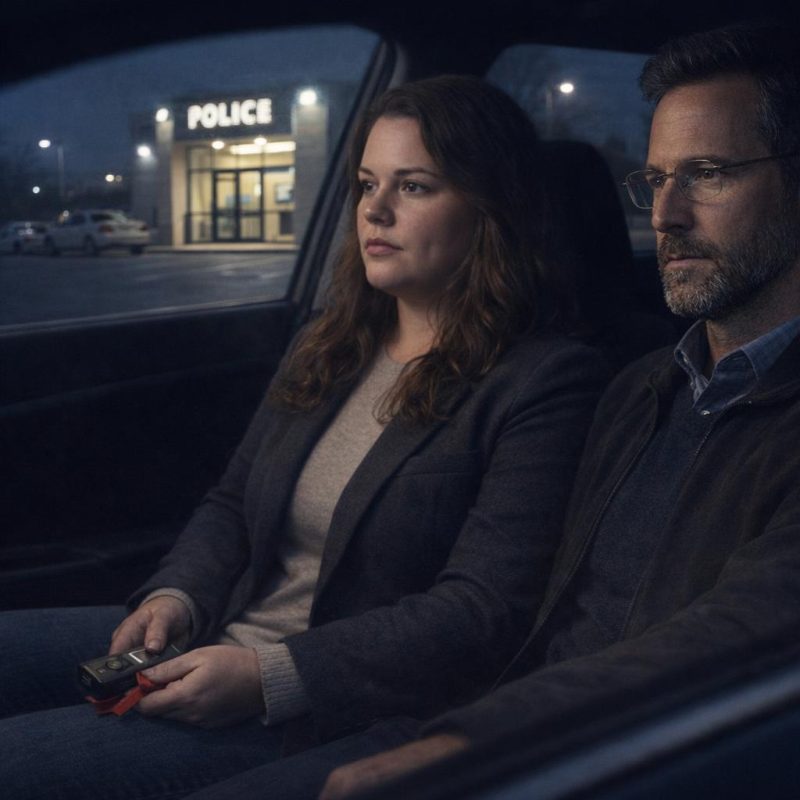 Image by RM AI
Detective Chen
The woman who comes to meet us in the waiting area introduces herself as Detective Chen. She's calm in a way that feels practiced rather than indifferent — the kind of calm that comes from having heard difficult things before and knowing how to hold them. She leads us to a small interview room with a table and four chairs and a window with the blinds half-drawn, and she sits across from us with a notepad and a pen and says, simply, that she's listening. So I start at the beginning. Ten years ago, the first bouquet. Yellow roses, no card, left on the porch. I tell her about every year after that, about the addresses, about the florist and Rita's description of the man with the scar. I tell her about Marcus Webb and the timeline and the tracker. I put it on the table between us. Detective Chen leans forward and looks at it without touching it, and she asks two or three precise questions — dates, delivery windows, whether I still have the ribbon. She writes everything down. David sits beside me with his hand on the table near mine, and I keep talking, and somewhere in the middle of it I feel something loosen slightly in my chest — the particular relief of saying a true thing to someone with the authority to act on it.
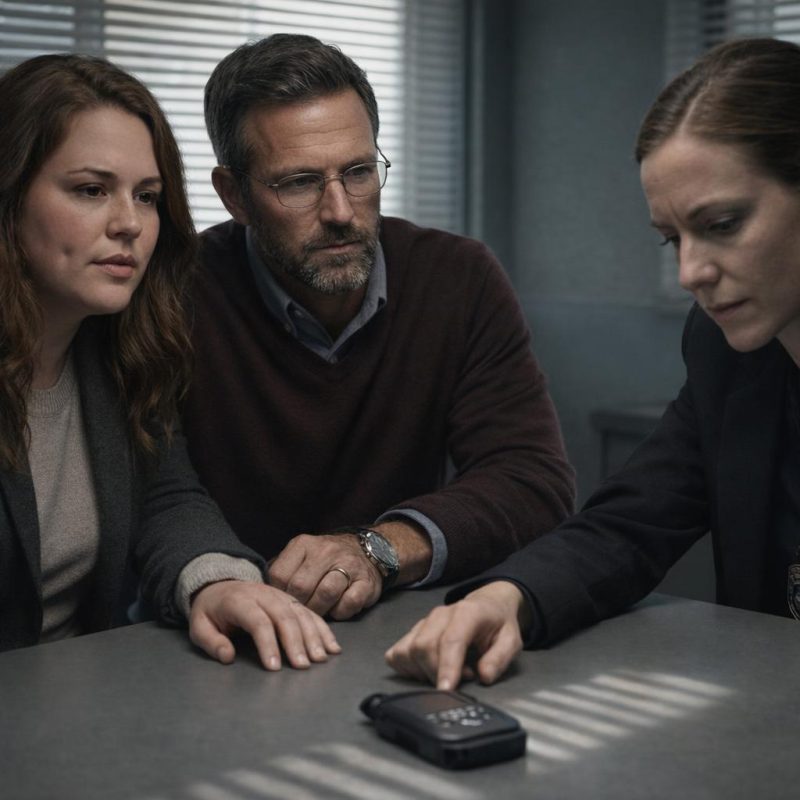 Image by RM AI
The Statement
Detective Chen asks me to walk her through each year's delivery as specifically as I can — month, approximate date, which address I was living at. I do my best. Some years are clearer than others. She writes everything down in a neat, unhurried hand, occasionally asking me to slow down or repeat a detail. When I get to this year she asks about the ribbon specifically — how I found the tracker, what made me look. I tell her about the weight of it, the way the bow sat differently than it should have. She nods like that detail matters. Then she pulls on a pair of gloves, picks up the tracker carefully, and turns it over, examining the seam where it was sewn in. She photographs it with her phone before placing it into a small clear evidence bag, which she seals and labels with a marker. She asks if I've kept any previous bouquets or ribbons. I tell her no, that I'd always thrown them out once they dried. She writes that down too, without any visible reaction. David's hand finds mine under the table. The evidence bag sits on the table between us, the tracker sealed inside it, small and damning.
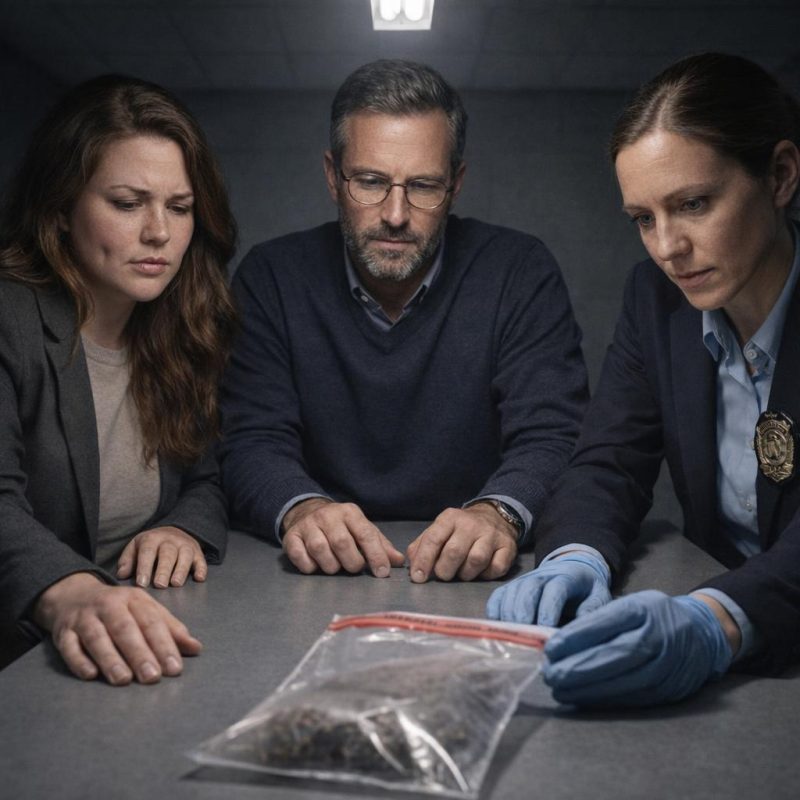 Image by RM AI
Marcus Webb's Name
Detective Chen asks if I have any idea who might have sent the flowers, and I take a breath before I say the name out loud for the first time. Marcus Webb. I watch her pen move across the page. I tell her everything I remember — late thirties, receding hairline, nondescript in the way that makes you forget a face almost immediately. Then I tell her about the scar. A large jagged one, running across his right hand from the base of his thumb all the way to his wrist. I'd noticed it the first time he helped carry groceries in from my car, back when he lived across the street. She asks me to confirm the address. I give it to her — the house directly opposite mine, the one with the green shutters. I tell her he lived there for about two years before he moved away, and that the first bouquet arrived the following spring, maybe six weeks after he was gone. She asks if I've had any contact with him since. I tell her no. Not a call, not a text, not a single word in ten years. She nods slowly, writes something at the top of the page, and turns it slightly so I can see — Marcus Webb, underlined twice.
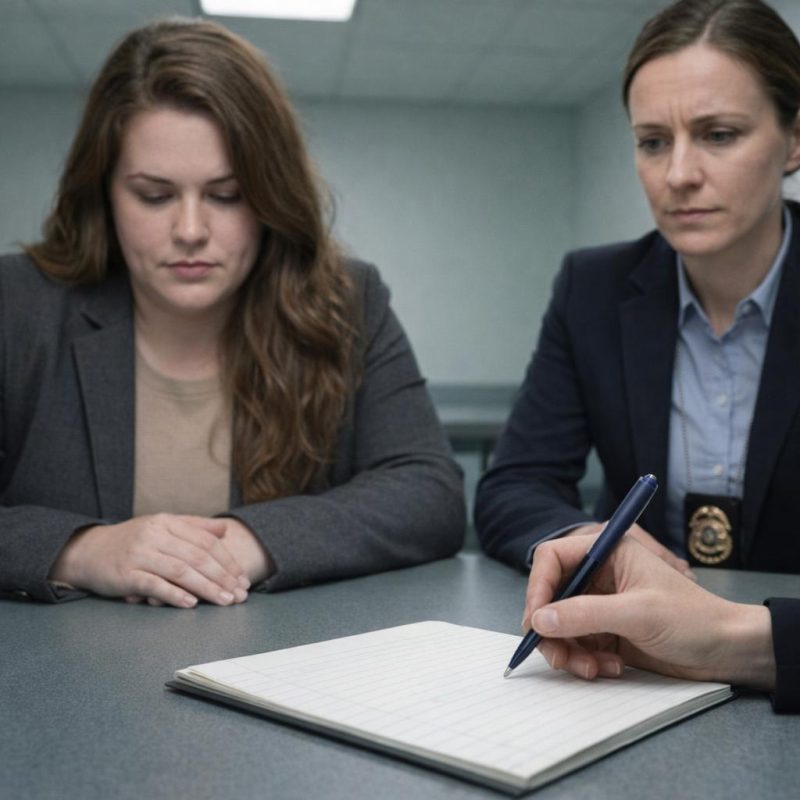 Image by RM AI
The Background Check
Detective Chen opens her laptop and types without looking up, her fingers moving quickly and with purpose. David shifts his chair closer to mine. Neither of us speaks. The kitchen feels smaller than it did an hour ago, the hum of the refrigerator suddenly very loud. I watch the detective's face without meaning to — the way her eyes track across the screen, the small pause when she scrolls, the way she clicks through to a second page and then a third. David's hand finds my knee under the table. I press my palm over his and keep my eyes on Detective Chen. She reads something, scrolls back up, reads it again. The silence stretches long enough that I start counting my own breaths. Then she reaches over and tilts the laptop screen slightly away from me — not dramatically, just enough — and when she looks up, the expression she's wearing is not the careful neutral one she came in with.
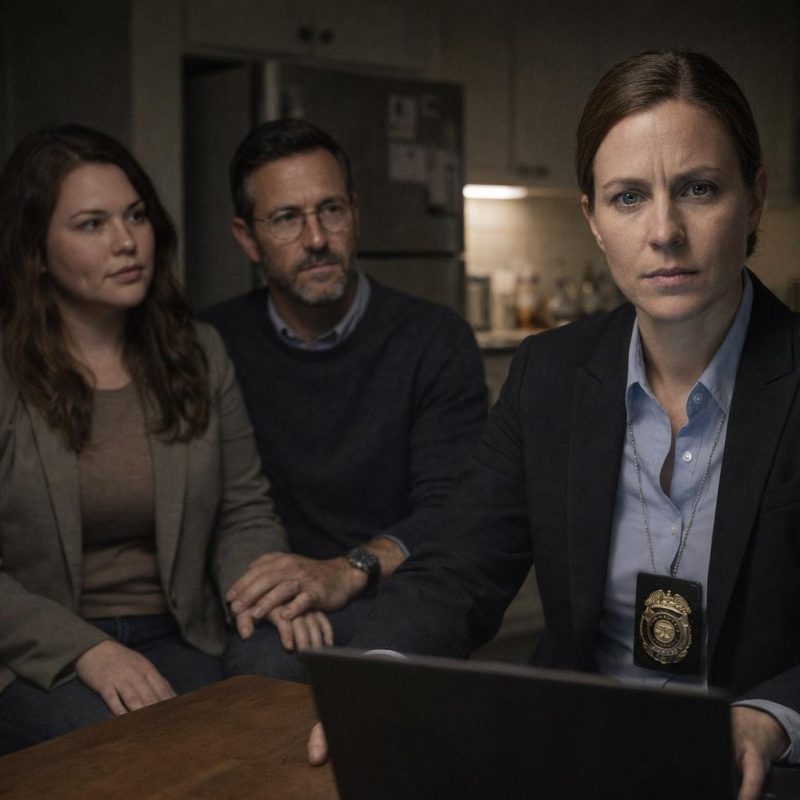 Image by RM AI
The Pattern of Stalking
Detective Chen sets the laptop down and folds her hands on the table. She tells me Marcus Webb has two prior restraining orders on record — both filed by women, both in counties he lived in before he moved to my street. She says the pattern in both cases was the same: surveillance, unwanted contact, gifts left without explanation. One case lasted three years before the victim relocated. I feel David go very still beside me. Detective Chen says the profile fits — women he had limited direct contact with, women who likely had no idea the attention had started. She says this history strengthens my case considerably, that it establishes a documented pattern of behavior the court will take seriously. I nod because I don't have words yet. I'd spent ten years wondering if I was imagining something, and now I'm sitting here learning that I was never the first. The flowers, the tracker, the decade of quiet surveillance — none of it was new for him. That knowledge settles somewhere low in my chest, cold and heavier than I expected.
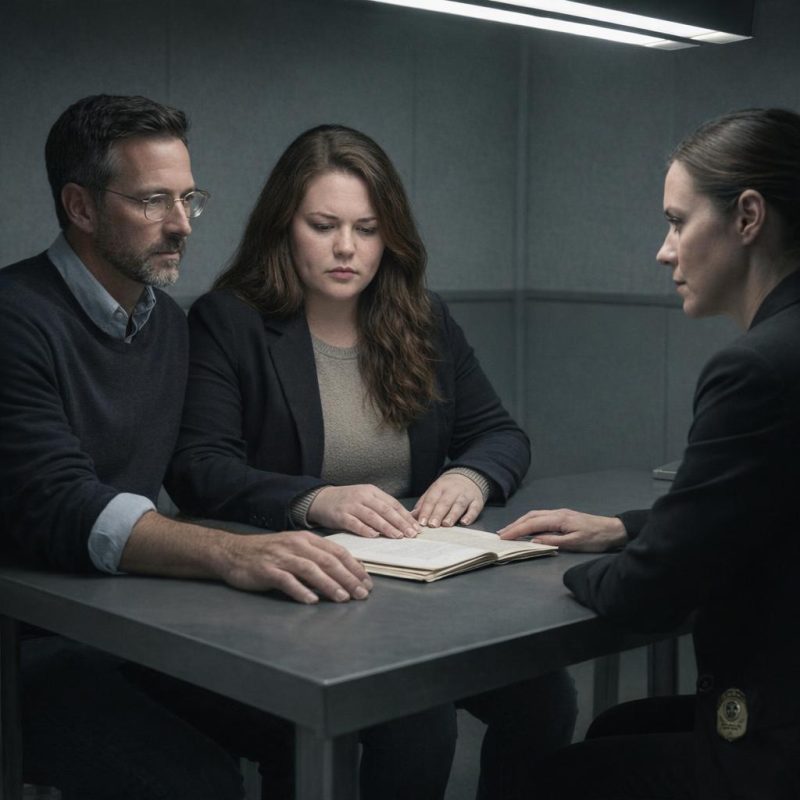 Image by RM AI
The Current Address
Detective Chen turns the laptop back toward herself and runs one more search. It takes less than a minute. She reads the result, and something in her posture changes — a slight straightening, a careful stillness. She tells me Marcus Webb's current registered address is an apartment on Calloway Street. I know that street. I've driven it hundreds of times. Detective Chen says it's less than two miles from my office building. David says something under his breath that I don't catch. I ask her to repeat the street name, even though I heard it perfectly the first time, because some part of me needs the extra seconds. She repeats it. I think about my morning commute — the coffee shop I stop at, the parking garage, the route I walk without thinking because I've walked it so many times. He had been there, close enough to watch all of it, and I had never once felt it. Detective Chen says she'll begin coordinating a search warrant immediately. I sit with the distance — two miles — and how small it sounds, and how it doesn't feel small at all.
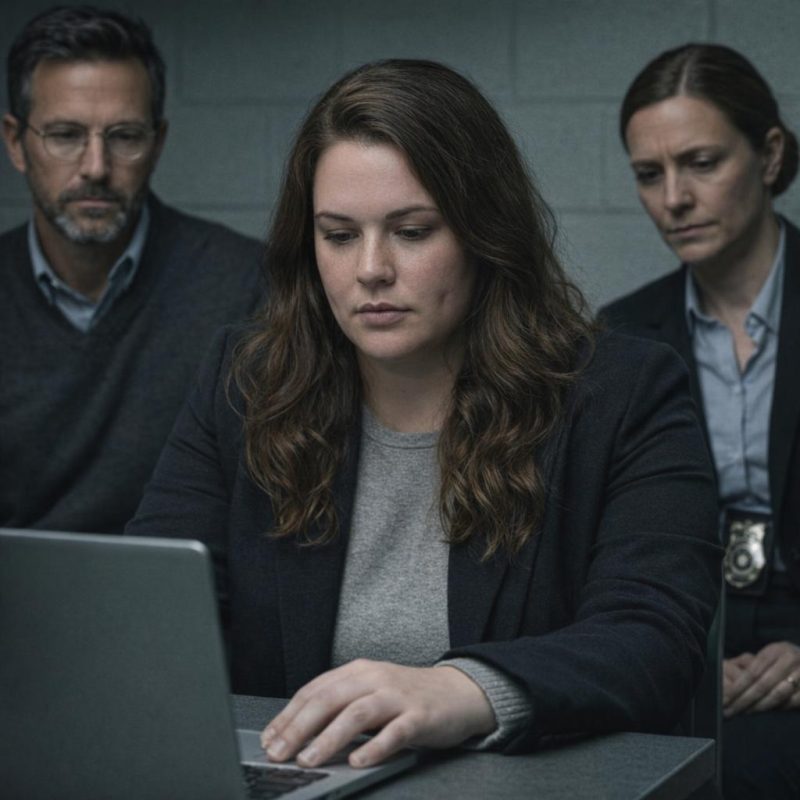 Image by RM AI
The Search Warrant
Detective Chen calls just after noon to say the warrant has been approved. Her voice is steady and efficient — she tells us to go home, stay put, and wait for her to be in touch. David drives. I watch the streets pass without really seeing them. Back at the house, I can't sit. I move from the kitchen to the living room to the hallway and back again, not accomplishing anything, just needing to be in motion. David makes tea. He sets a mug in front of me and I wrap both hands around it and don't drink. He doesn't drink his either. We don't talk much. There isn't a lot to say that we haven't already said, and the waiting has its own weight that conversation doesn't seem to touch. I check my phone more times than I can count. The afternoon light moves across the floor in slow degrees. By early evening the tea is cold and the house is quiet and Detective Chen still hasn't called, and the silence sits around us like something with mass.
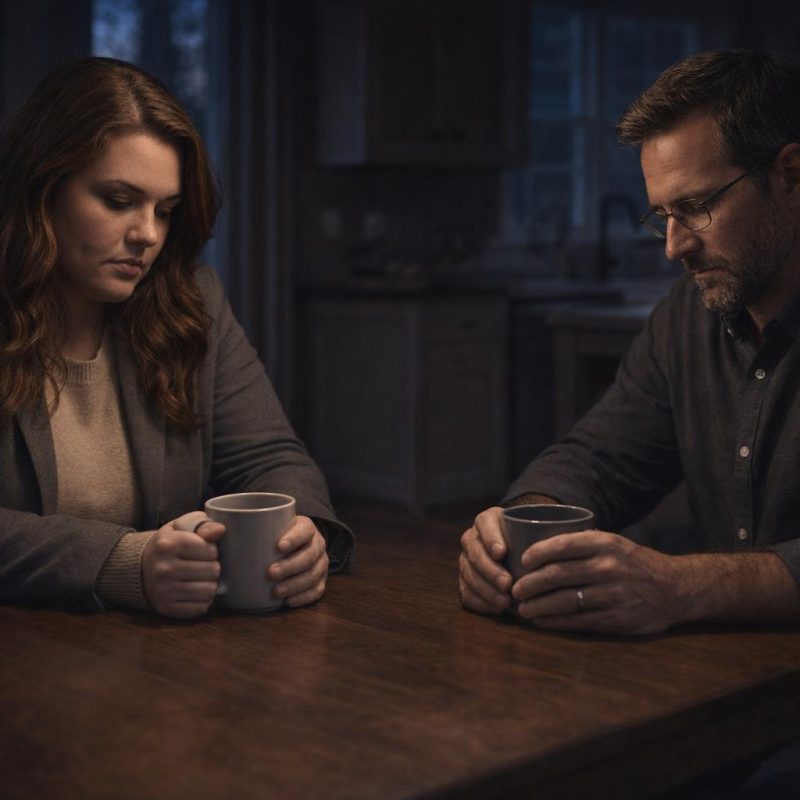 Image by RM AI
The Evidence
My phone rings just after eight. I pick up before the second tone. Detective Chen's voice is measured, but there's something underneath it — a controlled gravity that tells me before the words do. She says they executed the search and found materials consistent with long-term surveillance. Hundreds of photographs, she says. I close my eyes. She says they span multiple years, taken at various locations — my office building, the coffee shop on my commute, the parking garage, the street outside our house. She says they also found detailed maps with my routes marked, and logs — handwritten logs — documenting my movements with dates and times going back years. David is watching my face. I keep my voice flat and ask if there's more. She pauses for just a moment, and then she tells me about the wall.
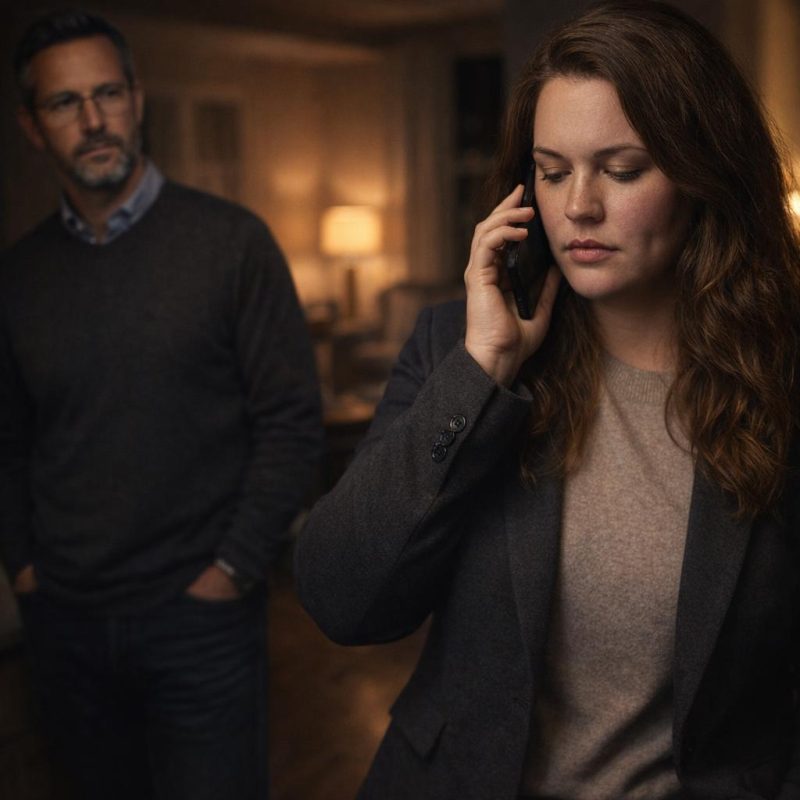 Image by RM AI
The Arrest
I don't sleep much. By morning I'm sitting at the kitchen table with cold coffee when my phone rings again. Detective Chen. She says they located Marcus Webb at his workplace mid-morning and took him into custody without incident. The words land quietly, not with the crash I might have expected. I say, he's in custody, and she says yes, he is being held pending formal charges, and the evidence collected from the apartment supports multiple felony counts. I ask if he said anything. She says that's not something she can share right now. I tell her I understand. David comes in from the hallway and I look up at him and mouth the words — they got him. He crosses the room and puts both arms around me and I let him. Detective Chen is still talking, explaining next steps, but for a moment I just stand there with my eyes closed, feeling the specific weight of a door finally closing. Marcus Webb is no longer free.
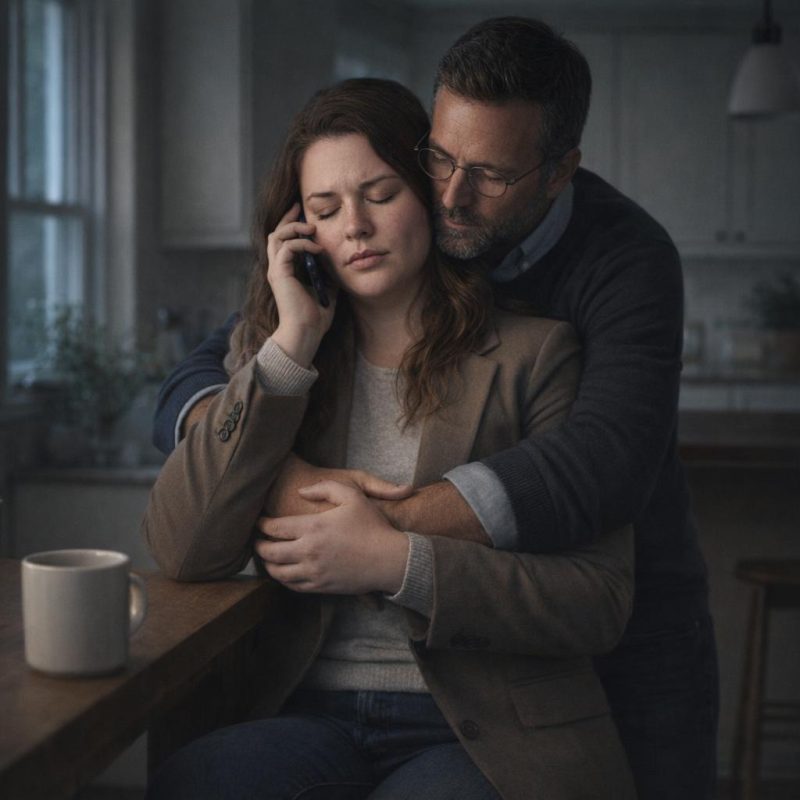 Image by RM AI
The Charges
Detective Chen comes to the house the following afternoon with a folder and a calm, unhurried manner that I've come to find steadying. She sits across from us at the kitchen table and walks us through everything. Marcus faces charges of stalking, criminal surveillance, and unlawful use of an electronic tracking device — each count supported by the evidence recovered from his apartment. She explains that the prior restraining orders from other jurisdictions will be entered into the record and will carry weight at sentencing. Then she explains the restraining order process — that I can file for an emergency protective order immediately, and that given the documented history and the physical evidence, a permanent order of protection is well within reach. She says the word permanent with a quiet emphasis, like she wants to make sure it lands. It does. David reaches over and squeezes my hand. I ask Detective Chen to go through the charges one more time, and she does — stalking, criminal surveillance, unlawful electronic tracking, with additional counts still under review — and I listen to each one like it's a lock turning.
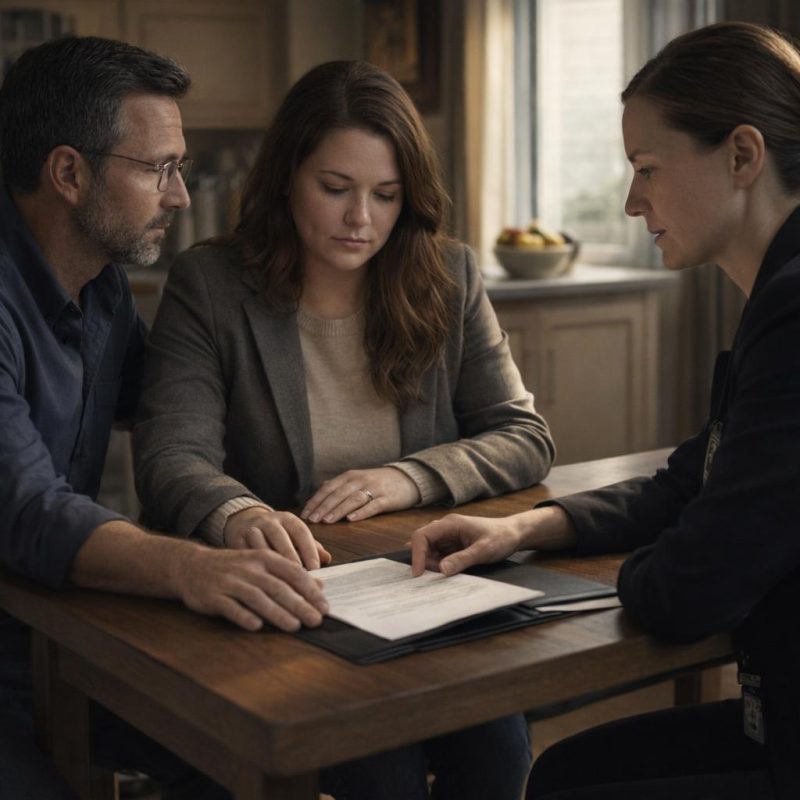 Image by RM AI
The Restraining Order
The courthouse is quieter than I expected. David and I arrive early, and I sit in the hallway outside the courtroom with the folder of evidence in my lap — the photographs, the GPS device documentation, the decade of delivery records Rita had pulled, the prior restraining orders from other jurisdictions. I've read through all of it so many times that the pages feel soft at the edges. When they call my name, I walk in and I say everything I need to say. I describe the flowers arriving every year on my birthday. I describe finding the tracker under my car. I describe what it felt like to understand that someone had been watching me for ten years. The judge listens without interrupting. She reviews the evidence Detective Chen submitted — the surveillance logs, the photographs from Marcus's apartment, the device itself. David is in the gallery behind me, and I don't have to turn around to know he's there. The judge asks two clarifying questions, then removes her glasses and sets them on the bench. She signs the order. The clerk hands me the document — my name at the top, Marcus's name below it, the judge's signature at the bottom — and the protection is official.
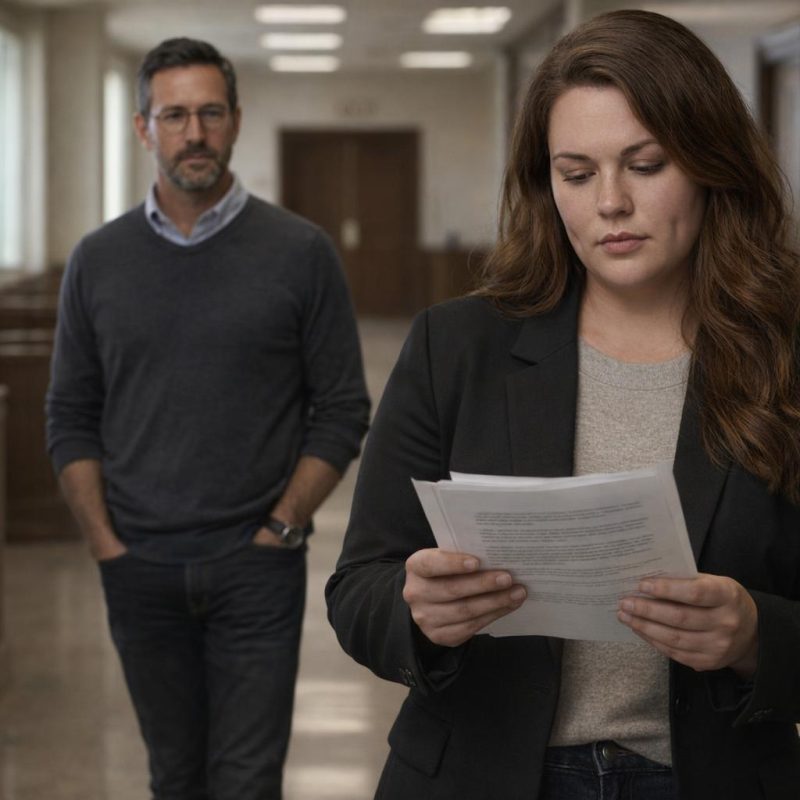 Image by RM AI
The Security System
We start the weekend after the court date. David picks up the security system on Saturday morning — cameras, motion-sensor lights, a new deadbolt set for every exterior door — and we spend the whole day working through the house together. He drills the camera mounts above the front door and the back entrance while I run the cables and test the angles on my phone. We argue mildly about the placement of the side-yard light, and I win, and it feels good to have an opinion about something this small. By afternoon we've covered every entrance. I set up the alert notifications so that any motion after midnight sends a ping directly to my phone. David installs the last deadbolt on the garage door just before dinner, and I stand in the kitchen watching him test it — lock, unlock, lock again — until it catches clean every time. We eat takeout on the couch afterward, both of us tired in the good way, the kind of tired that comes from doing something that needed doing. The house feels different. Not perfect, not untouchable, but ours in a way it hadn't felt in a long time, and I let that settle over me like something earned.
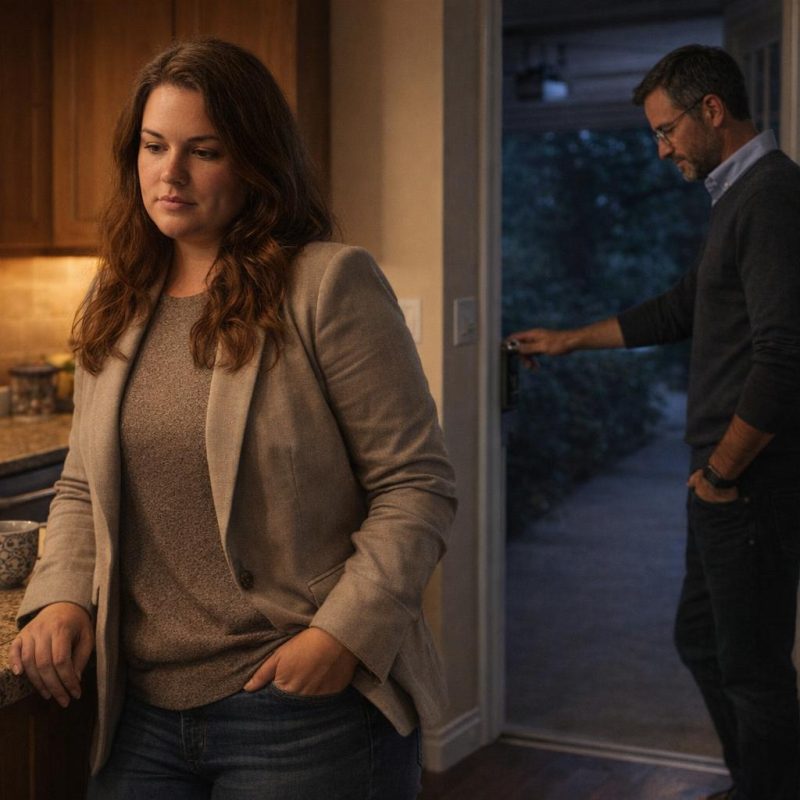 Image by RM AI
The First Session
The therapist's office is on the third floor of a building downtown, and the waiting room has a white noise machine outside the door that I appreciate more than I expected to. I've been putting this off for two weeks, telling myself I was fine, that the legal process was enough, that I didn't need to sit in a chair and talk about my feelings. I was wrong. She asks me to start wherever feels natural, and I start with the flowers — the first delivery, how I'd thought it was romantic, how I'd kept them in a vase on the kitchen counter and felt quietly pleased. Then I tell her about the years that followed. The way the pleasure had slowly curdled into something I couldn't name. The tracker. The photographs on Marcus's wall. She doesn't rush me, and she doesn't look at me with pity, which I'd been afraid of. She says the word violation and it fits in a way I hadn't let myself use before. We talk for fifty minutes and I schedule another appointment before I leave. Walking out into the afternoon, I don't feel fixed — I know it doesn't work that way — but something in my chest had loosened, just slightly, like a knot that had finally been acknowledged.
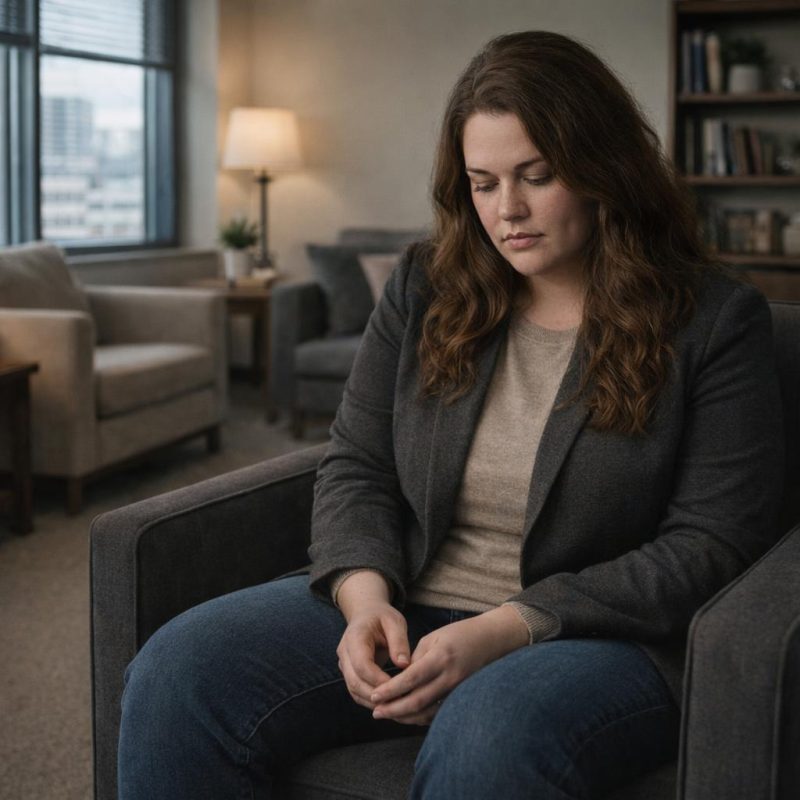 Image by RM AI
No Yellow Roses
My thirty-fifth birthday falls on a Thursday. David leaves red tulips on my desk before I wake up — a full bunch of them, deep red, with a card in his handwriting that says simply, 'Ten more years, and then ten more after that.' I read it twice and hold it for a moment before I get up. Claire drives in from her place and meets us at the restaurant David picked, and she hugs me at the door the way she always has, both arms, no hesitation. We eat well. We laugh about things that have nothing to do with any of this. Claire tells a story about her neighbor's dog that goes on too long and gets funnier the longer it goes. David orders dessert without asking and I don't complain. At some point during dinner I realize I've been checking the door every time someone walks in — an old habit, the kind that doesn't unlearn itself in a few weeks. But no delivery arrives. No yellow roses appear on the table, or at the office, or anywhere else. I sit with that absence through the whole meal, and somewhere between the dessert and the drive home, it stops feeling like a missing thing and starts feeling like exactly what it is: the first birthday that belongs only to me.
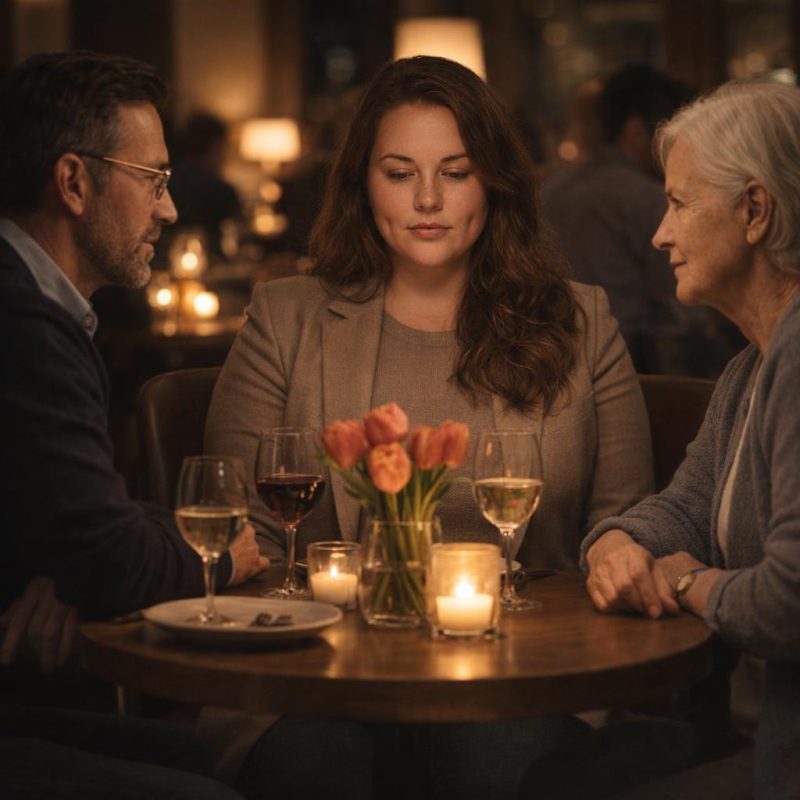 Image by RM AI