
My Husband's Secret Second Plane Ticket Led Me to a Truth More Devastating Than Infidelity
My Husband's Secret Second Plane Ticket Led Me to a Truth More Devastating Than Infidelity
The Comfortable Rhythm
People always say marriage is hard work, and I used to nod along like I understood what they meant. But honestly? Eleven years in, and the hardest thing about being married to Mark was remembering to match his level of organization. He kept a color-coded filing system for our taxes, remembered every anniversary of every small thing — the date we got our dog, the date we closed on the house — and he was always, always early. To everything. Doctor's appointments, dinner reservations, flights. I used to joke that he'd show up to his own funeral twenty minutes ahead of schedule, and he'd laugh and say at least he wouldn't be the one holding everyone up. That was us. Comfortable, predictable, solid. We had a three-bedroom house in a neighborhood where people actually waved at each other, a golden retriever named Biscuit who had claimed the left side of the couch as his own, and a routine that fit us like something worn in over years. It wasn't the kind of marriage that made for dramatic stories at dinner parties. Nobody was sweeping anyone off their feet after eleven years. But there was something deeply reassuring about knowing exactly where you stood, about a life that ran the way it was supposed to. I used to sit on the back porch in the evenings and feel the particular satisfaction of that — the quiet, unremarkable rightness of it all.
 Image by RM AI
The Seattle Conference
Mark had been to Seattle so many times for work that he packed for it the way other people pack for a weekend at their parents' house — on autopilot, barely thinking about it. He knew which hotel had the best coffee in the lobby, which sessions were worth attending and which ones were just vendors dressed up as speakers. I sat on the edge of the bed and watched him fold shirts into his suitcase with that methodical precision of his, and he talked the whole time about how this particular conference was going to be three days of recycled slides and rubber chicken dinners. He said it every time, and every time he went anyway, because that was just the job. I handed him his phone charger from the nightstand — the one he always forgot — and he kissed me on the cheek and said he'd text when he landed. We'd done this exact routine so many times it had its own comfortable choreography. I walked him to the door, Biscuit trailing behind us hoping for a walk that wasn't coming. Mark scratched Biscuit behind the ears, told me not to eat cereal for dinner every night, and then he was rolling his suitcase down the front path. I stood in the doorway and watched his car back out of the driveway and disappear down the street.
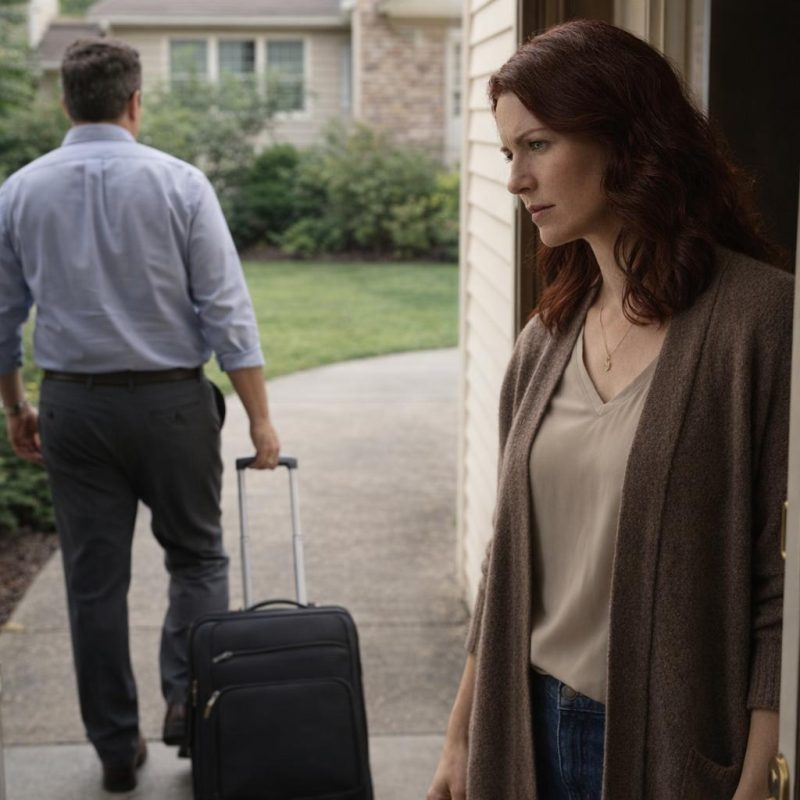 Image by RM AI
Working From Home
The house had its own personality when Mark was away, and I'd made my peace with it years ago. It was quieter, obviously, but not in an uncomfortable way — more like the difference between a room with music playing and a room without. I set up my laptop at the kitchen table instead of the home office, because I could, and I worked through the morning with Biscuit asleep under my chair. Mark texted around noon to say the hotel Wi-Fi was terrible and the first keynote had run forty minutes over. I sent back a sympathetic emoji and a photo of Biscuit looking dramatically bored on the couch. He replied with a laughing face. That was the whole conversation. I walked Biscuit in the late afternoon, made myself pasta with whatever was in the fridge, and ate it standing at the counter reading something on my phone, which was a habit Mark gently complained about whenever he was home. I didn't mind the solo dinners. I didn't mind the quiet evenings or the extra space in the bed. It wasn't loneliness exactly — more like a mild awareness of his absence, the way you notice a familiar background sound only once it stops. I watched some television I knew he wouldn't have chosen, and by ten o'clock the house had settled into its familiar nighttime stillness around me.
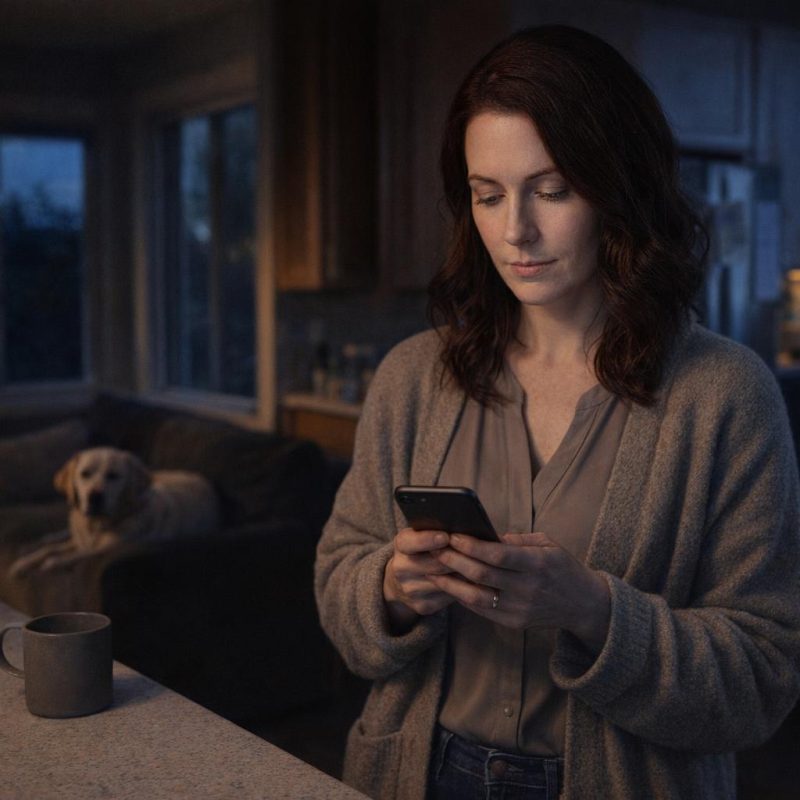 Image by RM AI
The Early Return
The text came in on a Wednesday afternoon while I was in the middle of a work call. I saw it flash across my screen and didn't read it properly until I'd hung up. Mark said the final two days of sessions had been canceled — something about a scheduling conflict with the venue — and he was going to catch an earlier flight home. He'd be back Thursday evening instead of Saturday. I read it twice, not because anything seemed off, but just because it took a moment to recalibrate. I'd mentally planned the rest of the week around having the house to myself, and now I was doing a quick mental shuffle — pick up something decent for dinner, maybe tidy the living room, which had drifted into the comfortable disorder that only happened when he wasn't around. I texted back that I was glad, that I'd make sure there was actual food in the house for once. He sent back a thumbs up. I closed my laptop a little earlier than usual that afternoon and ran the vacuum over the downstairs carpet, which probably didn't need it but felt like the right thing to do. There was something genuinely nice about the idea of him coming home early — a small, unexpected gift dropped into the middle of an ordinary week.
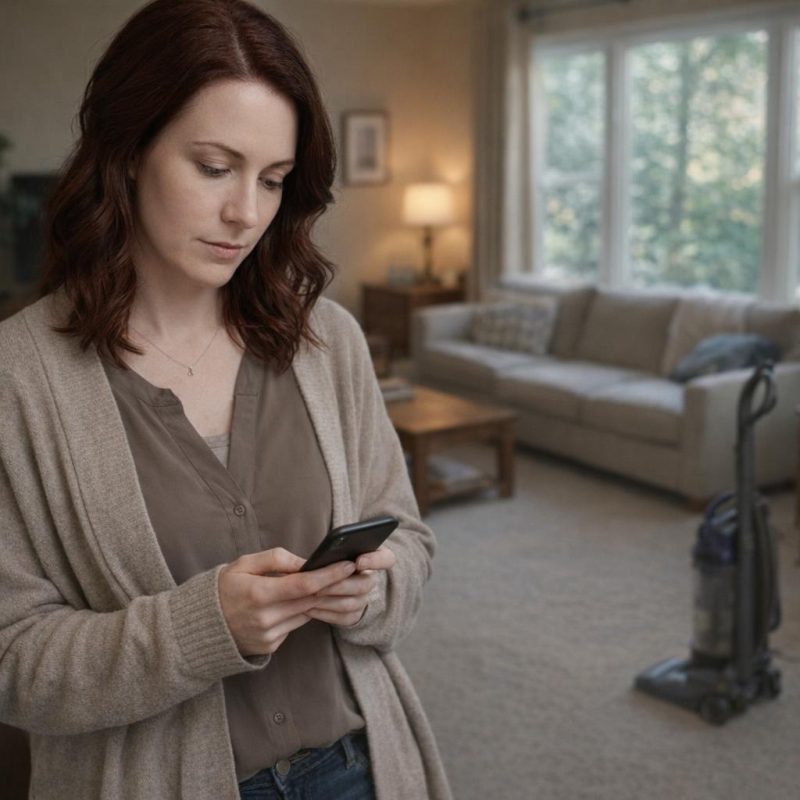 Image by RM AI
Tired But Home
He looked tired. That was the first thing I noticed when he came through the front door Thursday evening — not bad tired, just the particular worn-out look of someone who'd been traveling and sitting in conference rooms and making small talk for days on end. He set his suitcase down just inside the door instead of taking it straight upstairs the way he usually did, and he kissed me on the forehead and said it was good to be home. Biscuit went absolutely frantic, spinning in circles and shoving his nose into Mark's hands, and Mark laughed and crouched down to make a proper fuss of him, which seemed to take the edge off whatever the trip had cost him. I'd made dinner — an actual dinner, not cereal — and he seemed genuinely grateful for it in a quiet, low-key way. He talked a little about the conference while we ate, the usual complaints about the sessions that ran long and the networking dinners where everyone said the same things to each other. He said he was glad the last two days got cut. He said nobody had wanted to stick around anyway. It all sounded completely ordinary, the same debrief we'd had after every work trip for years. I cleared the plates and he refilled his water glass, and when I looked over at him I noticed the tiredness sitting deep behind his eyes, the kind that a good night's sleep doesn't always fix.
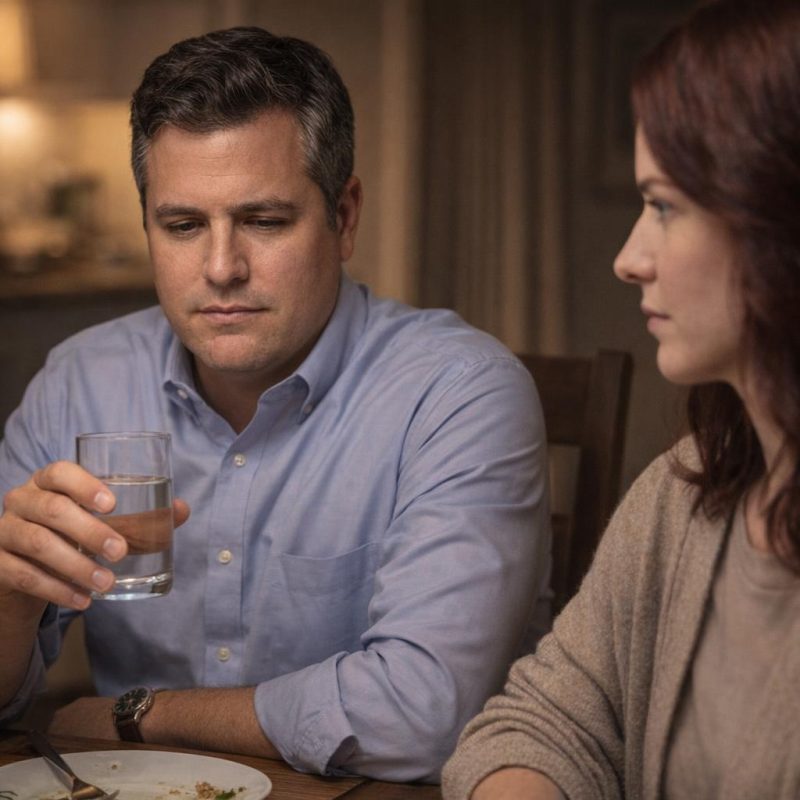 Image by RM AI
Lucky Break
He unpacked that same night, which was unusual — Mark was a leave-the-suitcase-on-the-floor-for-three-days kind of person when he was tired, so I noticed it without making anything of it. I was sitting on the bed reading while he moved back and forth between the suitcase and the closet, and he kept talking, filling in more details about the conference. The venue had double-booked something, he said. The organizers had sent an email Thursday morning telling everyone the final sessions were scrapped and they were free to go. He said half the attendees had already checked out by noon. He said it like it was mildly funny, the kind of low-stakes chaos that makes for a decent story at the office. I asked if he'd at least gotten some decent meals out of it, and he said the hotel restaurant had been surprisingly good, which he hadn't expected. He folded his last shirt and zipped the empty suitcase and slid it under the bed, and then he sat down next to me and let out a long breath. He said he was just relieved to get out of there. I put my book down and told him I was glad he was home. He nodded, and that was the end of it — just two people settling back into an ordinary evening, the conversation already drifting toward what was on television.
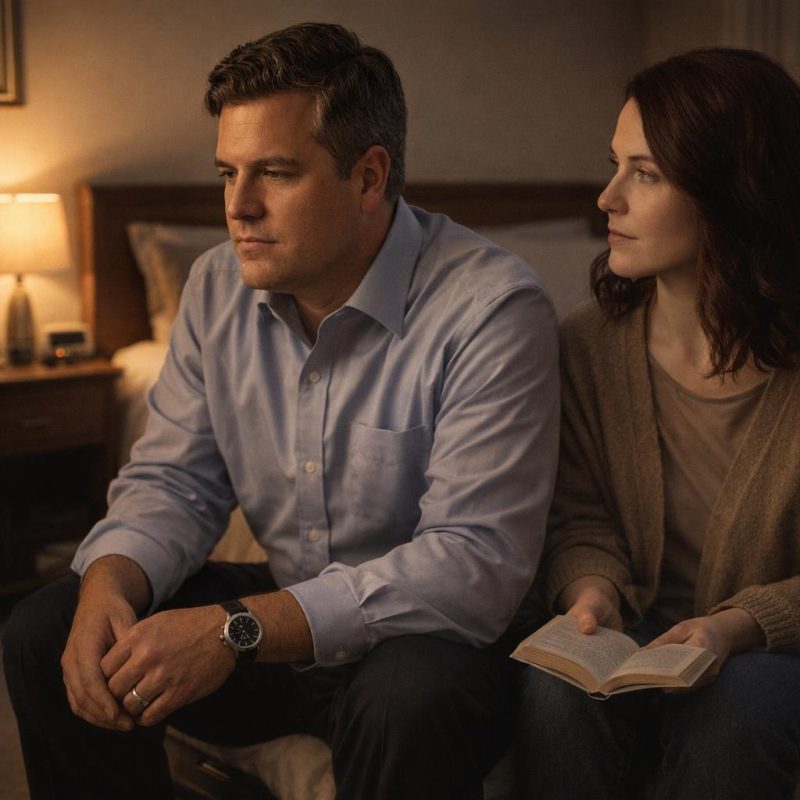 Image by RM AI
Weekend Routine
The weekend felt like every other weekend, which was exactly what I needed after the week's small disruptions. Saturday morning we drove to the farmers market and argued mildly about whether we needed more olive oil, which we did not, and bought it anyway. We walked Biscuit through the neighborhood in the afternoon, the long route that took us past the park, and Mark talked about a project at work that was giving him trouble and I half-listened and made the right noises and it was comfortable in the way that only years of practice makes comfortable. We made dinner together — his pasta sauce, my garlic bread, the division of labor we'd settled into without ever discussing it — and ate at the kitchen table with the back door open because the evening was warm enough. Sunday was slower. Coffee and the newspaper, Mark doing the crossword on his phone while I read, Biscuit stretched across both our feet under the table. We didn't do anything remarkable. We didn't need to. That evening we ended up on the couch watching something neither of us had seen before, and at some point I looked over and saw him laughing at something on the screen, genuinely laughing, head tipped back, completely at ease.
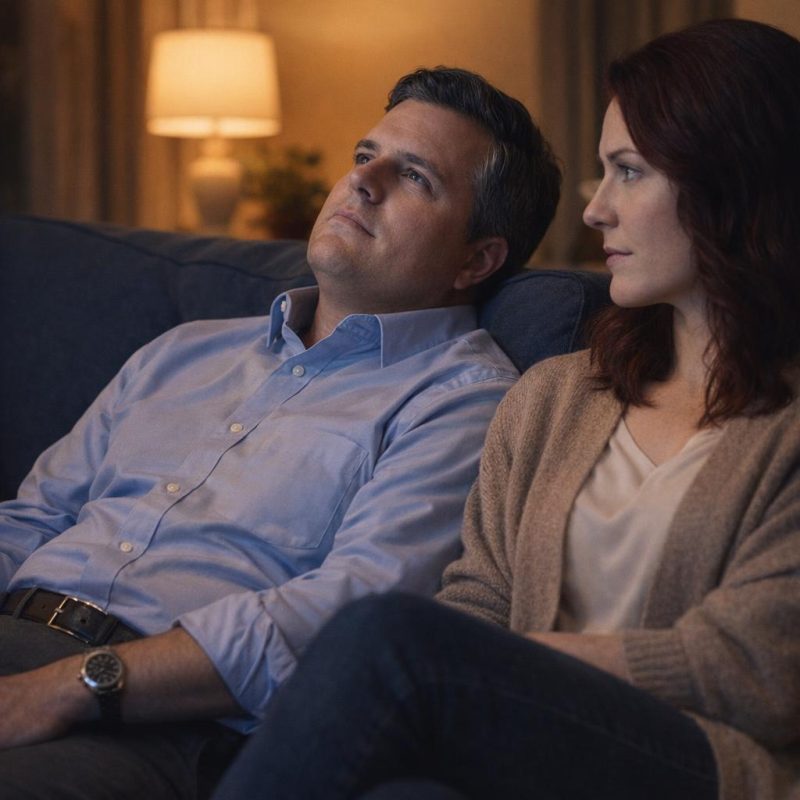 Image by RM AI
First Week Back
The week after that settled back into its usual shape without any effort at all. Mark was up early and out the door by eight, and I'd hear his car pull out of the driveway while I was still on my first cup of coffee. I worked from home, same as always — calls in the morning, focused work in the afternoon, Biscuit rotating between his bed and the patch of sunlight by the back door. Mark mentioned a few things about work over dinner, a deadline coming up, a colleague who was making a project more complicated than it needed to be. I told him about a frustrating client email I'd had to navigate. We talked the way people talk when they know each other well enough that the small things are worth mentioning. We watched television in the evenings. We went to bed at a reasonable hour. By Friday I couldn't have told you anything specific that had happened that week, which is its own kind of thing — not emptiness, but the particular texture of a life that's running the way it's supposed to. I loaded the dishwasher after dinner and listened to Mark moving around upstairs, the familiar sounds of the house doing what it always did, and there was nothing in any of it that felt like anything other than exactly what it was.
 Image by RM AI
Working Wednesday
Wednesday started the way most Wednesdays did. I was at my desk by eight-thirty with a second cup of coffee going cold beside my keyboard, working through a backlog of emails that had piled up overnight. Biscuit had claimed his usual spot in the patch of sunlight near the back door, and the house was quiet in that particular way it gets when it's just the two of us. I had a video call at ten that ran long, the way they always do, and then another at noon that I almost forgot to dial into. I ate lunch at my desk — leftover pasta, eaten too fast — and spent the early afternoon on a project that needed more concentration than I had left to give it. By three o'clock I was in that low-energy stretch where the work gets slower and the coffee stops helping. I was in the middle of rereading the same paragraph for the third time when my phone buzzed on the desk beside me. I didn't recognize the number — a toll-free prefix, the kind that usually means a survey or a warranty reminder. I almost let it go to voicemail. I picked it up anyway.
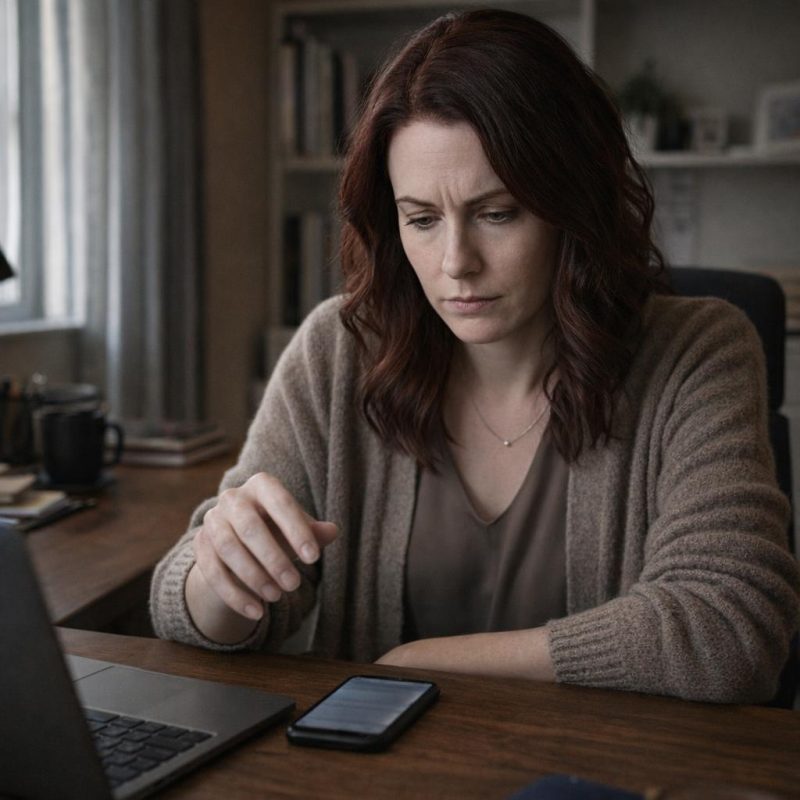 Image by RM AI
The Airline Call
The woman on the other end introduced herself as a representative from the airline's customer service department. Her voice had that practiced, pleasant quality — the kind that's been trained to sound warm without being familiar. She said she was calling about a rebooking credit connected to a recent reservation and asked if she was speaking with Emma. I said yes. She explained that the primary account holder had listed me as a secondary contact, which was why she was reaching out. It all sounded routine enough — the kind of administrative call that happens when travel plans change and credits need to be applied somewhere. She asked me to verify my email address before she could proceed, which I did. She thanked me and said she just needed to confirm a few details about the reservation before the credit could be processed. I was half-listening, honestly. I had one eye on the document still open on my laptop. The call felt like the kind of thing that would take three minutes and then be over, and I'd go back to the paragraph I'd been stuck on. I said sure, go ahead. There was a small pause on her end, the sound of keys clicking, and then she said she just needed a moment to pull up the full record.
 Image by RM AI
The Discrepancy
She apologized before she said it, which was the first thing that made me actually pay attention. She said there was a small discrepancy in the reservation history that she wanted to flag before processing the credit. I set down my pen. She explained that the return itinerary had been modified twice — once about a week before the trip, and once the day before departure. I told her Mark had come home a day early, that he'd mentioned a change in the schedule, and I assumed that explained it. She said yes, that accounted for one of the modifications. Then she paused again, and I could hear her choosing her words. She said the original booking had included two travelers. She said it quickly, like she was trying to get through it, and then immediately added that she was sorry for volunteering the information, that it wasn't strictly relevant to the credit, and that she hadn't meant to cause any confusion. I told her it was fine. I told her not to worry about it. I kept my voice even and thanked her and said I'd wait for the confirmation email. After I hung up, I sat there with the phone still in my hand, and the words just stayed there — two travelers — sitting in the quiet of the room.
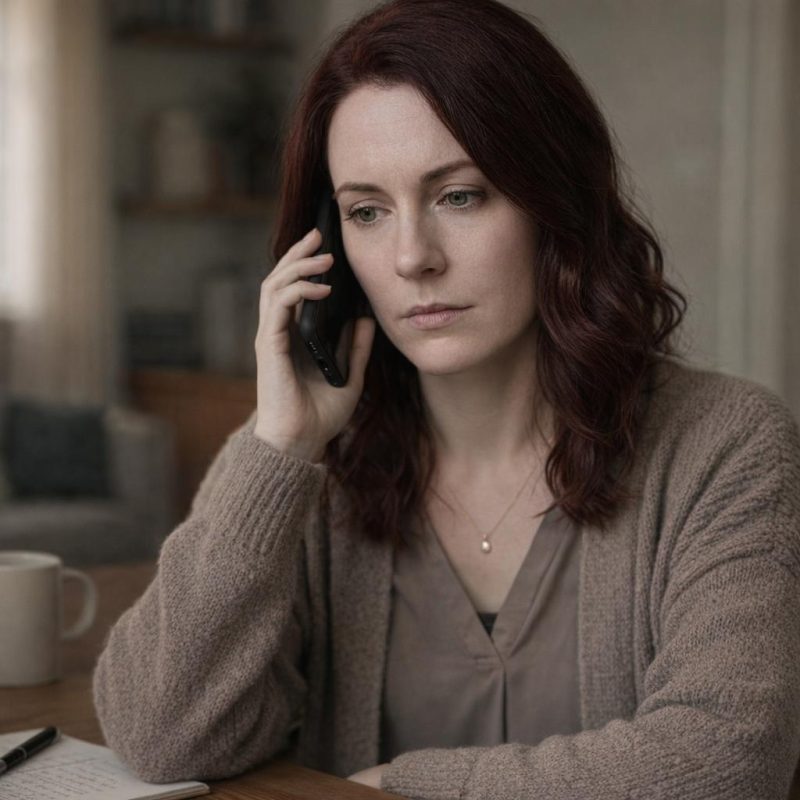 Image by RM AI
Innocent Explanations
I went back to my laptop, but the paragraph I'd been stuck on wasn't going anywhere. I kept turning the call over in my head, looking for the angle that made it nothing. A coworker, obviously — that was the most likely thing. Mark traveled for work a few times a year, and sometimes those trips were coordinated with colleagues. It would make sense to book under one reservation, split the cost through the company account, whatever the logistics were. I didn't actually know how his company handled travel expenses. I'd never had reason to think about it. Or a clerical error — those happened all the time. Someone at the travel desk books two seats by mistake, catches it, cancels one. The airline's system flags it as a discrepancy because that's what their system does. That was probably it. I made myself a cup of tea I didn't really want and stood at the kitchen window for a few minutes watching the backyard. Biscuit came and sat beside me, which helped. By the time I heard Mark's car in the driveway that evening, I'd mostly talked myself down. It was nothing. It was almost certainly nothing. But I'd decided I was going to mention it anyway, just casually, just to hear him explain it and be done with it.
 Image by RM AI
The Flash
I waited until we were in the middle of making dinner — the comfortable, low-stakes part of the evening when conversation comes easily. I was chopping vegetables and Mark was at the counter opening the mail, and I kept my voice light when I brought it up. I said an airline called today, something about a rebooking credit on your account. I said they had me listed as a secondary contact. I wasn't looking directly at him when I said it, but I was aware of him the way you're aware of someone in your peripheral vision, and I caught it — just for a second, something moved across his face. It was there and then it wasn't, the way a shadow passes when a cloud shifts. He recovered so quickly that I almost doubted I'd seen it at all. He looked up from the mail and said, what airline call? His tone was easy, curious, the same voice he'd use asking what was for dinner. I explained about the rebooking credit, kept my own voice casual, watched him nod along like it was mildly interesting at best. He said huh, that's weird, and went back to the mail. But I stayed with that half-second — the one before he'd had time to arrange his expression — and I couldn't quite let it go.
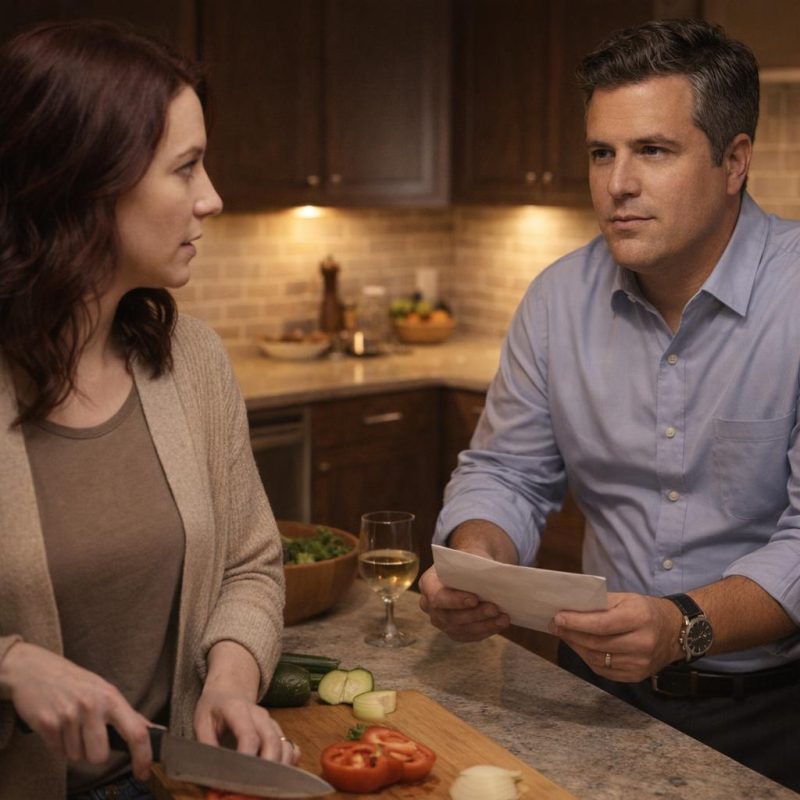 Image by RM AI
Probably a Coworker
I mentioned the second passenger while I was transferring the vegetables to the pan, still keeping it light. Mark laughed — a short, easy laugh — and said that was weird, he had no idea what that would be about. I said the airline mentioned the second ticket was canceled the day before the trip. He shrugged and said it was probably a coworker, that sometimes the travel coordinator booked things together and then split them when plans changed. It was a reasonable answer. It was the same answer I'd come up with myself that afternoon. I asked which coworker. He thought about it for a second — or did something that looked like thinking about it — and then said he wasn't sure, honestly, it might have been a mix-up with someone else's reservation entirely. And that was the part that stayed with me after dinner, after we'd moved on to other things. Mark remembered details. He remembered the name of the waiter at a restaurant we'd been to twice three years ago. He remembered the exact date of a minor car repair from 2019. The idea that he couldn't recall which colleague had been booked on the same flight as him, on a trip that had happened less than two months ago, sat in the back of my mind like a splinter I couldn't quite reach.
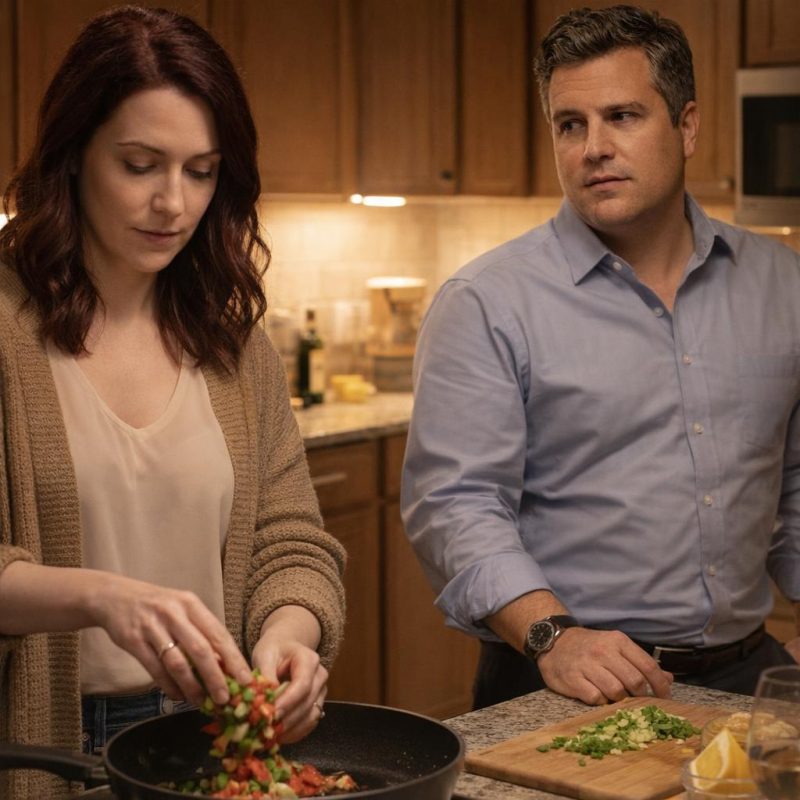 Image by RM AI
Small Things
I didn't say anything else about it that night, or the next day, or the day after that. But I kept thinking about the trip in a way I hadn't before — turning it over, looking at the edges of it. Mark had been at a three-day industry conference about two hours away. He'd texted me photos the first afternoon, a few shots of the venue, a panel he'd attended. He'd called me both evenings, or — I stopped on that thought. He'd called me the first evening. The second evening, I'd texted him around seven and again around nine, and he hadn't responded until almost midnight, saying he'd been at a networking dinner and his phone had been in his jacket. I'd accepted that without a second thought at the time. I also remembered that he'd come home with almost no business cards, which had struck me as slightly odd because he usually came back from these things with a small stack of them. None of it was anything on its own. Each piece had a perfectly reasonable explanation sitting right next to it. But they were accumulating in a way I couldn't ignore, and by Thursday evening I found myself opening my laptop and pulling up the photos he'd shared from the conference.
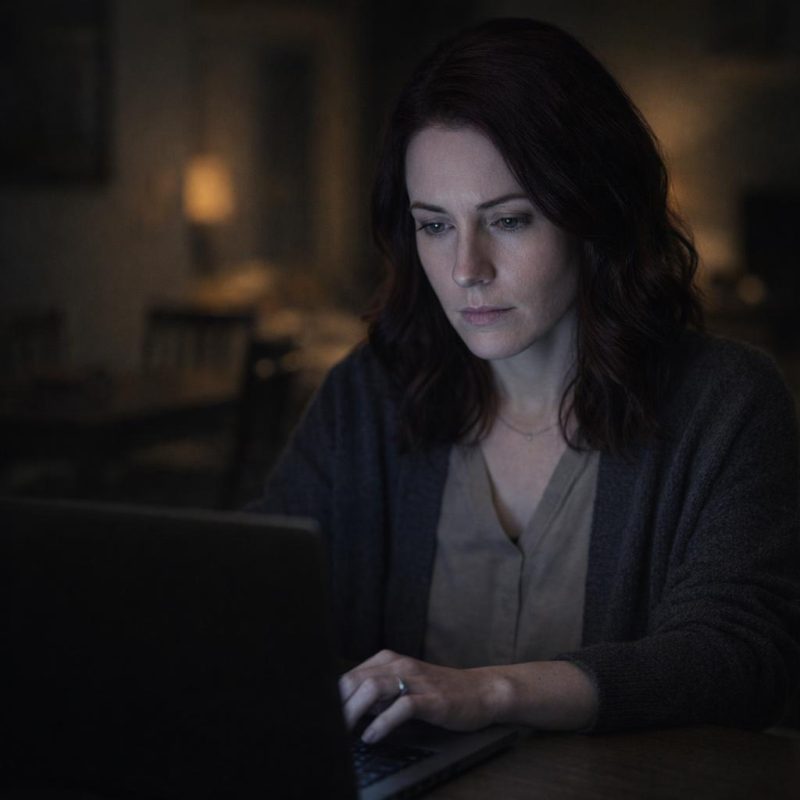 Image by RM AI
Daytime Only
He'd sent me eleven photos over the course of the trip, and I went through them slowly this time, actually looking. There was the hotel lobby when he arrived, a wide shot of the main conference hall, a panel discussion with a projected slide visible at the front of the room. A lunch spread on a long table, a few colleagues I half-recognized from company events. Two shots from what looked like a mid-afternoon break, people standing around with lanyards and coffee cups. The last one was timestamped at four-fifty in the afternoon on the second day. I scrolled back through all of them. The earliest was ten-fifteen in the morning on day one. The latest was four-fifty on day two. Every single photo was from daytime — morning sessions, lunch, afternoon breaks. Mark had mentioned a networking dinner on the first evening and a group dinner on the second. He usually took at least a few photos at those things, the kind you take when you're at a restaurant with colleagues and someone orders something interesting or the view is good. There were no evening photos. Not one. I sat with the phone in my hand and looked at the gap where those photos should have been.
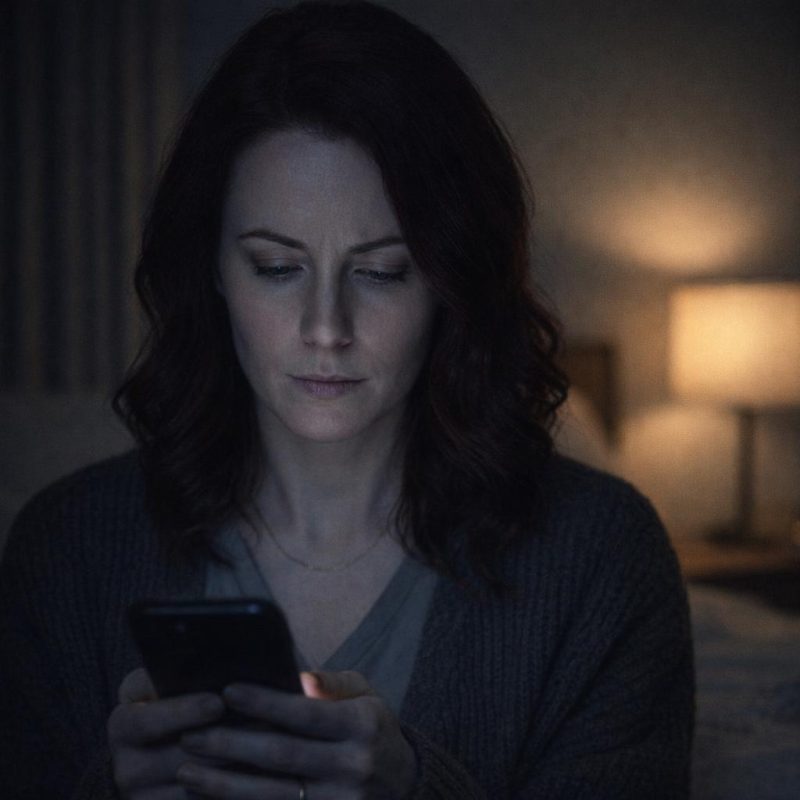 Image by RM AI
The Five-Hour Gap
The photos had pulled me back into the text thread before I even made a conscious decision to look. I scrolled up to the week of the conference and found the whole conversation laid out in front of me. I'd texted him at six-twelve on the first evening, something casual, just asking how the day had gone. He'd replied within a few minutes, said it was good, that they were heading to dinner soon. That was the last message from him until eleven-forty-seven. Almost five and a half hours. I remembered that night now. I'd been watching something on TV and had texted him again around eight, then again around nine-thirty, just the kind of nothing messages you send when you're used to someone being reachable. No response to either of them. At the time I'd told myself he was at a networking dinner, that those things ran long, that he'd probably had his phone in his pocket all night. When his reply finally came through just before midnight, it was short — sorry, long night, talk tomorrow — and I'd accepted that without a second thought. I set the phone down, then picked it up again and scrolled back to that thread from the first evening of the conference, the one with the five-hour gap sitting in the middle of it like a held breath.
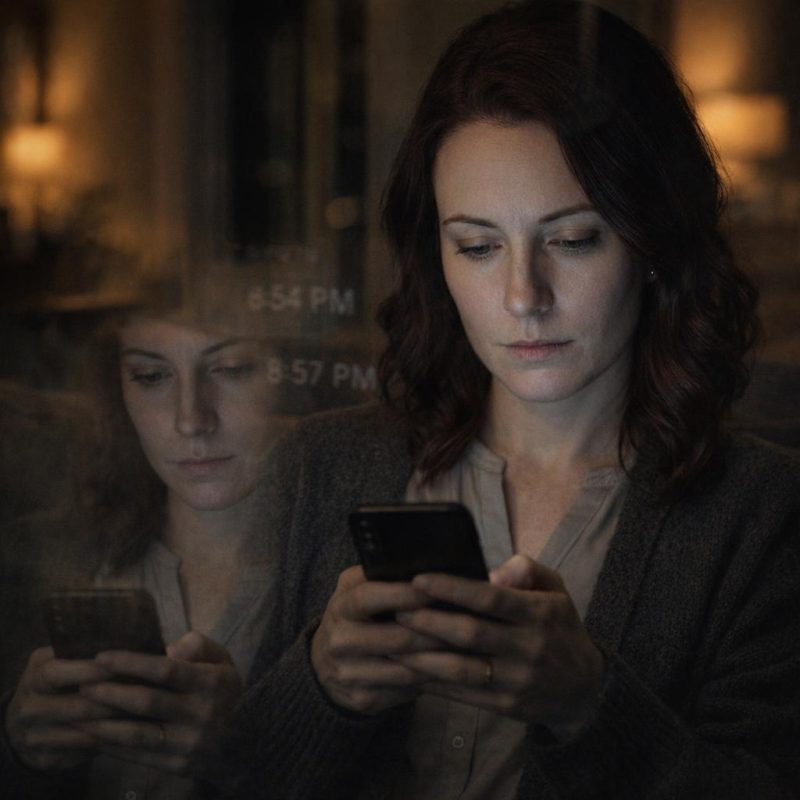 Image by RM AI
Fewer Business Cards
I kept coming back to the business cards. It sounds like such a small thing, and I know that. But Mark was meticulous about networking. Every conference he'd ever attended, he came home with a stack of cards held together with a rubber band, sometimes two rubber bands, and he'd spend an evening at the kitchen table going through them, making notes on the backs, entering contacts into his phone. It was practically a ritual. This time, when he'd unpacked, I'd noticed the stack was thin. Maybe six or seven cards, loosely tucked into the front pocket of his bag. I'd registered it briefly and moved on, the way you move past a hundred small things in a day. Now I was turning it over. If he'd spent less time at the sessions, less time at the dinners, less time doing the thing he always did at these events — then where had that time gone? I wrote it down in the notes app on my phone, just to have it somewhere outside my own head. Second ticket. No evening photos. Five-hour gap. Handful of business cards. Four items. Four things that individually meant nothing and together meant I didn't know what. I set the phone face-down on the coffee table and sat there with the list sitting quietly in the back of my mind.
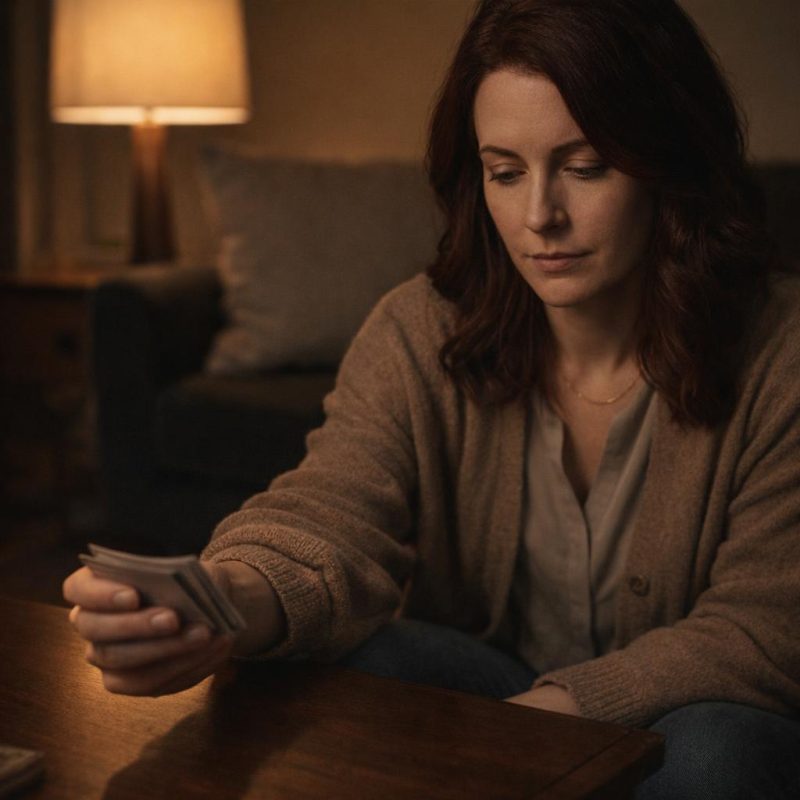 Image by RM AI
Overreaction
I gave myself a serious talking-to the next morning. I stood at the kitchen counter with my coffee and went through it methodically, the way I would have approached a problem at work. The airline made a mistake with the booking — it happened, systems glitched, names got duplicated. Mark had been at a conference for two days, not a month. He'd sent photos. He'd called. The five-hour gap was a networking dinner that ran long, exactly what he'd said it was. The business cards were just a slow conference, maybe fewer interesting contacts than usual. I was taking a handful of unremarkable details and constructing something out of them because I was anxious and because the airline call had unsettled me more than I'd admitted to myself. Mark had been my spouse for eleven years. I knew how he loaded the dishwasher and which side of the bed he needed and what his voice sounded like when he was actually lying versus when he was just tired. I knew him. I repeated that to myself a few times while I rinsed my mug. I knew him. I got dressed, went to work, answered emails, sat through a meeting about quarterly projections, and did everything a person does when their life is completely fine. But somewhere underneath all of it, quiet and persistent, the feeling hadn't moved.
 Image by RM AI
Resurfacing
Four days passed and I couldn't stop. That was the honest truth of it. I'd be in the middle of something — replying to an email, making dinner, standing in the shower — and one of the details would surface again. The second ticket. The gap in the photos. Five hours of silence. The thin stack of business cards. I hadn't brought any of it up with Mark again. I didn't know how to without sounding like I'd been building a case, which I supposed I had been, even if I didn't want to call it that. We moved through the house together in the evenings the way we always did, and I smiled at the right times and asked about his day and told myself I was fine. Then Lauren called on a Thursday afternoon, her voice bright and purposeful the way it got when she had a plan. She mentioned a charity fundraiser that weekend — a good one, she said, the kind with an actual open bar and interesting people — and asked if I wanted to come. I said yes before she'd finished the sentence, and when I hung up the phone I sat for a moment with the relief of having somewhere to be that had nothing to do with any of this.
 Image by RM AI
Watching Carefully
I started watching him the way you watch someone when you're trying to catch something you can't name. Not obviously — I wasn't standing in doorways staring. It was subtler than that. I noticed when he checked his phone and how long he looked at it before setting it down. I noticed when he answered a question about work and whether the answer had the same texture it used to, that easy fluency he had when he was talking about something real. Most of the time he seemed fine. He made dinner twice that week, remembered to pick up the dry cleaning, laughed at something on TV the way he always laughed. But there were moments — a pause before he answered something simple, a distracted look that crossed his face and then cleared — that I filed away without saying anything. The exhausting part wasn't what I was finding. It was the watching itself. Tracking every small thing, holding it up to the light, deciding whether it meant something. By the end of the week I was tired in a way that had nothing to do with sleep, the kind of tired that comes from paying too much attention to someone you used to be able to just be with.
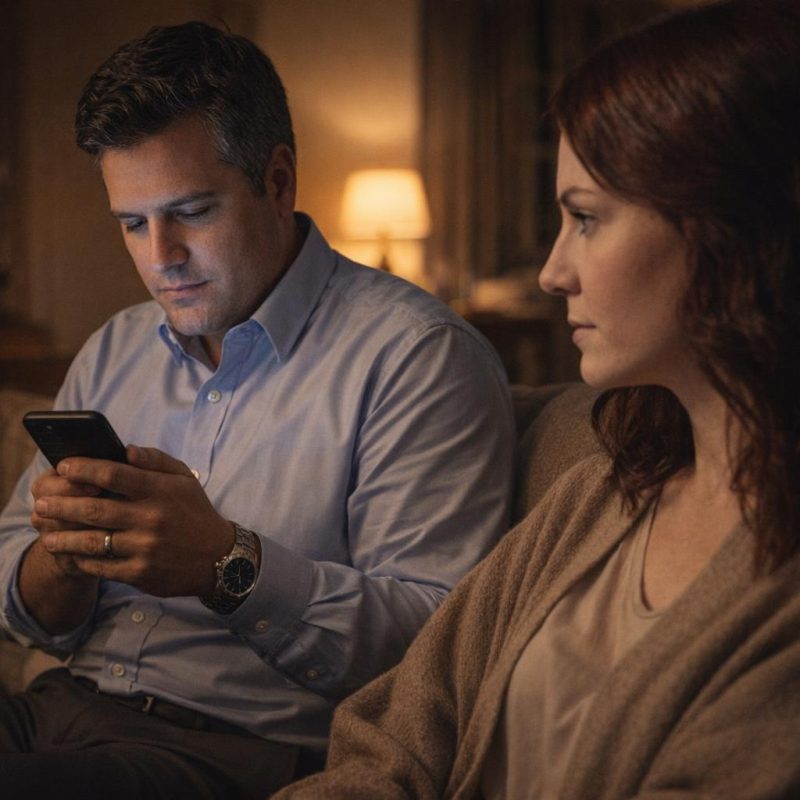 Image by RM AI
Casual Questions
I brought up Seattle over dinner on a Wednesday, keeping my voice easy, the way you do when you're asking about something you're supposedly only mildly curious about. I asked which sessions he'd found most useful. He named one, something about supply chain forecasting, and gave me a sentence or two before trailing off. I asked about the keynote speaker. He said it was fine, pretty standard stuff. I asked about the networking dinner on the first night — who he'd sat with, whether he'd made any good contacts. He said it was a decent group, mentioned one name I didn't recognize, and then said something about the food being better than he'd expected and moved on to asking whether I wanted more pasta. I let it go and watched him refill his glass. The thing about Mark was that he used to come home from these trips full of it — the conversations he'd had, the ideas that had come up, the people who'd said something interesting. He'd talk through dinner and sometimes after, and I'd half-listen and ask questions and it was one of those rhythms we had. This time his answers were short and complete in a way that left no room to follow up. I cleared the plates and didn't push, and the vagueness of it sat with me long after the kitchen was clean.
 Image by RM AI
Preoccupied
It wasn't just the conference anymore. Over the following days, Mark seemed to be somewhere else entirely, even when he was sitting right across from me. I'd say something and he'd respond a beat too late, like he'd been listening from a distance and had to travel back. I asked him once if everything was okay at work and he said yes, just a lot on his plate, and smiled in a way that didn't quite reach his eyes. I asked if he was sleeping all right. He said he was fine, just tired. I stopped asking after that because the answers weren't answers, they were just words shaped like answers. Sometimes he'd carry his phone into another room without saying why. I told myself people had stressful weeks. I told myself I was still reading into things. But the distance between us felt different from ordinary stress, less like weather and more like something with edges. One evening I came into the living room and found him in the armchair, completely still, phone in hand, staring at the screen without scrolling, without typing, without moving at all.
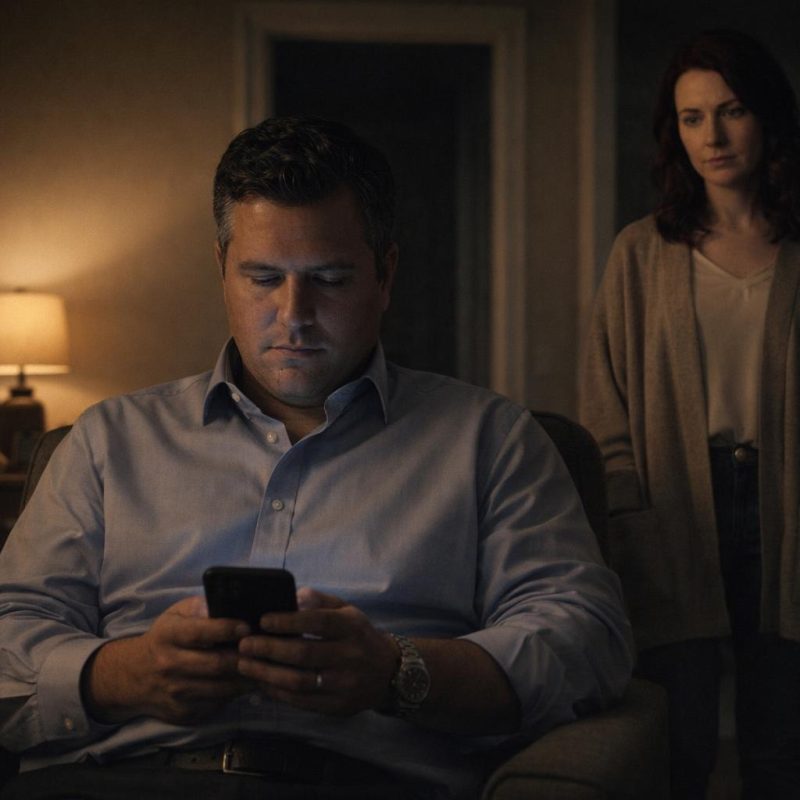 Image by RM AI
What Else
I sat with it for a long time after he went to bed. Not the phone, not any single thing — just the accumulated weight of the past two weeks. The second ticket was the thing I kept returning to. Not because it was the biggest piece, but because it was the one I couldn't explain away. Everything else I could build a case against if I tried hard enough. Conferences had slow evenings. Networking dinners ran long. People came home distracted from work trips. But a second ticket, booked under a name that wasn't mine, on a flight my spouse had taken without mentioning it — that one didn't have an innocent explanation I could reach. And if there was something he'd kept from me about that trip, then I had no way of knowing where it stopped. Eleven years. I turned that number over in my mind the way you turn over something you've been carrying so long you stopped noticing the weight. I thought I knew the shape of our life together, the texture of it, the parts that were solid. Sitting there in the quiet of the living room, I wasn't sure I could trust any of it. The man I'd been married to for eleven years felt, in that moment, like someone I might not know at all.
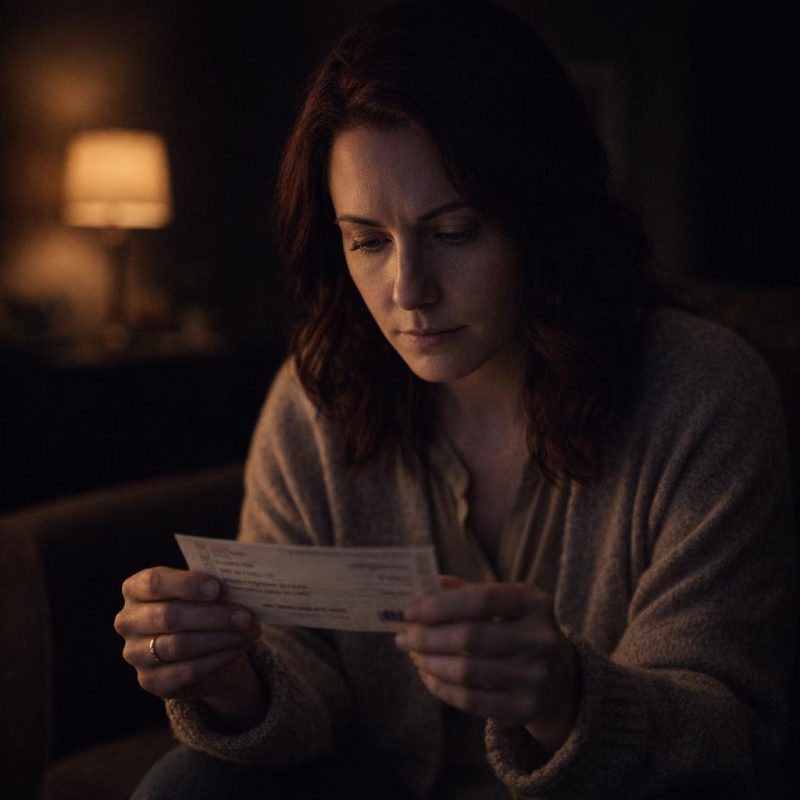 Image by RM AI
Deciding to Dig
I told myself I was just going to think about it. That's how it started — sitting at the kitchen table the morning after Mark left for work, coffee going cold beside me, telling myself I wasn't actually going to do anything. But the second ticket kept pulling at me. I'd spent two weeks building explanations and tearing them down, and I was tired of living inside my own head with nothing solid to hold onto. If there was something to find, I needed to find it. And if there wasn't, I needed to know that too. I felt guilty the moment I stood up. That's the part nobody tells you about — the guilt of suspecting someone you love, the way it sits in your chest like something you swallowed wrong. I kept thinking about what it would mean if I was wrong. What it would say about me that I'd gone through his things. I stood in the hallway for a long moment, hand on the wall, talking myself into it. He kept his travel documents in the filing cabinet in the spare room — receipts, itineraries, the folder he'd used for years. I'd seen him pull from it a dozen times. I walked to the spare room, opened the cabinet drawer, and lifted the folder open.
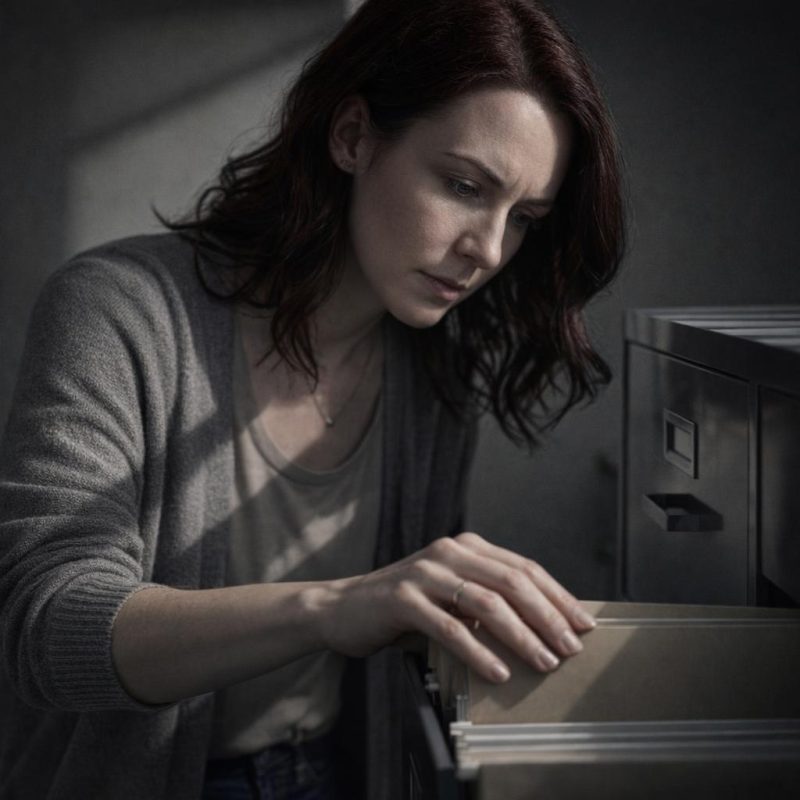 Image by RM AI
The Statements
I spread everything out on the desk the way you'd lay out a puzzle — methodically, trying to keep my hands steady. The statements from the Seattle trip dates were easy enough to find. I went through them line by line, the way I used to go through budget reports at work, looking for anything that didn't belong. Hotel charges: the Marriott downtown, four nights, exactly what he'd told me. Conference registration fee. A handful of restaurant charges — nothing extravagant, the kind of places you end up at when you're eating with colleagues and nobody wants to make a decision. A pharmacy run. A coffee shop near the convention center, twice. I kept waiting for something to jump out at me. Some charge to a florist, a jewelry store, a hotel that wasn't the one he'd mentioned. But there was nothing like that. Just the ordinary paper trail of a business trip, the kind I'd seen him come home from a dozen times before. I sat back in the chair and felt the air go out of me. I'd been so certain there would be something obvious, something I could point to. Instead there was just the familiar pattern of hotel and meal charges, unremarkable and entirely expected.
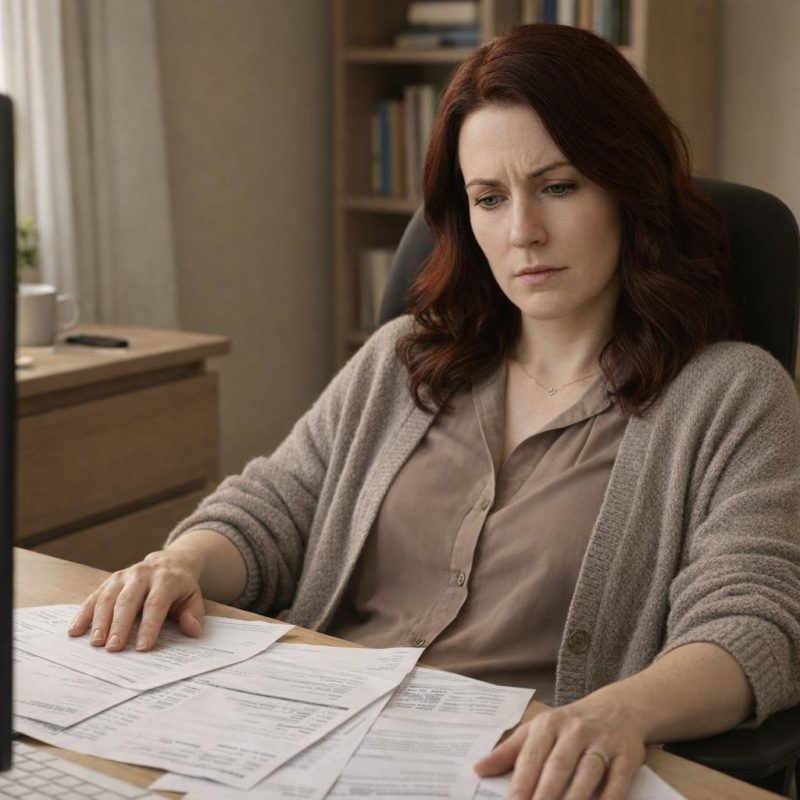 Image by RM AI
The Uber Charge
I almost put everything back. I had the folder half-closed when I decided to go through the loose receipts one more time — the paper ones, the kind that fall out of wallets. Most of them were nothing. A parking stub. A coffee receipt I'd already noted. And then a small printed slip I almost missed because it had folded in half against the back of the folder. An Uber receipt. I wouldn't have thought twice about it except for the timestamp: a Thursday evening, the same week as the conference. I pulled up the itinerary on my phone to check. Thursday was the night he'd gone quiet — the five-hour gap when his texts had slowed to nothing and he'd told me later he'd been tired and turned in early. I typed the destination address into my phone's map. It wasn't the hotel. It wasn't the convention center or any of the restaurants nearby. The pin dropped in a residential neighborhood several miles from downtown Seattle — the kind of quiet street with houses and driveways, nowhere near anything conference-related. I sat there staring at the screen, the receipt still in my hand, the address sitting there in a residential area miles from downtown.
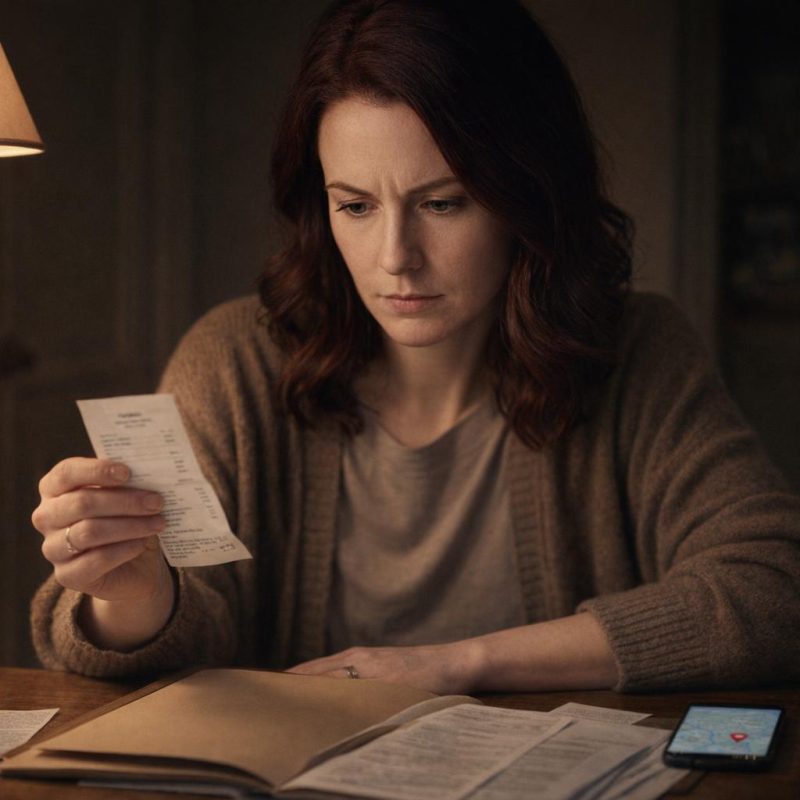 Image by RM AI
Two Weeks Later
Two weeks. That's how long I'd been carrying the Uber receipt around in my head, turning it over the way you work a splinter you can't quite reach. I'd photographed it and put the folder back exactly as I'd found it, and since then I'd done nothing with it except think. I'd looked up the street again three or four times, as if the neighborhood might change into something that made sense. It never did. Just a quiet residential block in a part of Seattle I had no connection to and no explanation for. I hadn't confronted Mark. Every time I came close to it, I'd think about what I actually had — one Uber receipt and a gap in his texts — and I'd lose my nerve. That wasn't evidence of anything specific. It was a question, not an answer. But the questions kept stacking. The second ticket. The five-hour silence. The address in a neighborhood that had nothing to do with his conference. Each one on its own was something I could talk myself out of. Together they sat in my chest like a stone I couldn't put down, and I didn't know how much longer I could keep carrying the weight of all those unanswered questions.
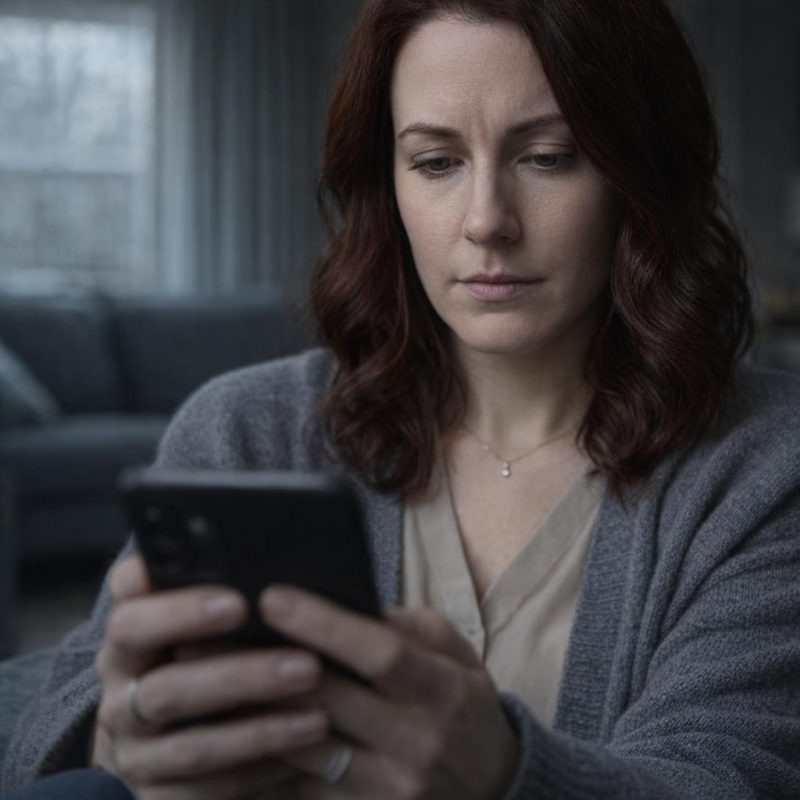 Image by RM AI
Lauren's Invitation
My phone rang on a Tuesday afternoon and Lauren's name came up on the screen, and I felt something loosen in my chest just seeing it. I picked up before the second ring. She was calling about a charity fundraiser the following Friday — one of those well-organized evening events at a downtown venue, the kind she always seemed to know about before anyone else. She mentioned it would be good for networking, that there'd be interesting people there, that she'd already bought two tickets and wanted company. I said yes before she'd finished the sentence. I think she was a little surprised by how quickly I agreed. I told her I'd been cooped up and needed to get out, which was true enough. What I didn't tell her was that I'd spent the last two weeks barely sleeping, going over the same receipts and the same map pin until the images had worn grooves in my thinking. I didn't tell her about any of it. Lauren was warm and perceptive and I wasn't ready to say any of it out loud, not yet. But just having somewhere to be next Friday — somewhere that had nothing to do with Mark or Seattle or residential neighborhoods I couldn't explain — felt like setting down something I'd been holding for a very long time.
 Image by RM AI
Getting Ready
I gave myself an hour to get ready, which turned out to be more than enough time to second-guess every decision I made. I tried on two dresses before settling on the black one, the reliable choice, the one I always reached for when I didn't have the energy to think too hard. I did my makeup carefully, the way I used to before I'd started rushing through mornings. Concealer under my eyes. A little more than usual. I was standing at the bathroom mirror, blending the edges, when I actually stopped and looked at myself — not the way you glance at your reflection to check that everything's in order, but really looked. The concealer was doing its job, mostly. But there were lines around my eyes that hadn't been there six months ago, a tightness in my jaw I couldn't quite relax, a flatness behind my expression that I recognized as exhaustion wearing a presentable face. I'd been telling myself I was holding it together. Standing there under the bathroom light, I wasn't so sure. I leaned closer to the mirror and the woman looking back at me looked more tired than I'd expected.
 Image by RM AI
Making Conversation
The venue was the kind of place that made you stand up a little straighter when you walked in — high ceilings, warm lighting, the low hum of a room full of people who were all trying to seem at ease. Lauren was already in her element by the time we'd handed over our coats, moving through the crowd with the easy confidence of someone who'd done this a hundred times. She introduced me to a couple she knew from a previous event, then to a woman who worked in nonprofit development, then to a man whose name I immediately forgot but whose enthusiasm for the evening's cause was hard not to match. I found myself talking about the charity — a children's literacy program — with more genuine interest than I'd expected. Someone made a joke about the auction items and I laughed, and it surprised me, the way a real laugh can when you've been bracing yourself for a long time. Lauren caught my eye across the group and smiled, and I smiled back. For a little while, standing in that warm room with a glass of wine and people who had no idea what my week had looked like, I let myself settle into the comfortable rhythm of small talk.
 Image by RM AI
The Event Manager
It was maybe an hour into the evening when Lauren touched my arm and steered me toward the far side of the room. She'd spotted someone she wanted me to meet — a woman named Christine, she said, who did conference and event management and was absolutely someone worth knowing. Christine was mid-forties, composed, the kind of person who remembered names and details without seeming to try. We shook hands and fell into easy conversation about the event, the venue, the logistics of running something this size. She was good company. At some point the conversation shifted the way it does at these things, toward the practical — what do you do, what does your partner do. I mentioned that Mark worked in the same general industry, that he traveled for conferences fairly regularly. Christine tilted her head slightly, something shifting in her expression. She asked his last name. I told her. She was quiet for just a moment, and then she said she thought she knew him — and my heart stopped moving for a full second.
 Image by RM AI
Check-In Confusion
I kept my face as neutral as I could manage. Christine nodded, said yes, she was fairly certain — she'd worked the registration desk at the Seattle summit last month and remembered faces. I asked, as casually as I could, how she knew him. She said it was mostly because of a mix-up during check-in, something that had stuck with her because it had taken a few minutes to sort out. The room felt warmer than it had a moment ago. Lauren was still standing beside me, holding her wine glass, not quite following the conversation yet. I asked Christine what kind of confusion, and I heard my own voice come out steadier than I felt. She tilted her head slightly, the way people do when they're pulling up a specific memory, and smiled a little — the polite, apologetic smile of someone about to explain a minor administrative headache. I nodded along, watching her face, waiting. The word she'd used — confusion — sat between us in the air, and I couldn't stop turning it over.
 Image by RM AI
His Daughter
Christine laughed a little, the way you do when a story is harmless in retrospect. She said it was nothing serious — just one of those check-in glitches where a party gets split between welcome groups. They'd put Mark in one group and his daughter in another, and it had taken a few minutes to get them reunited. She said it like it was the most ordinary thing in the world. I stared at her. I heard the words. I just couldn't make them land anywhere that made sense. I told her, very quietly, that Mark didn't have a daughter. Christine's smile disappeared. Not gradually — it just went. She looked at me, then at Lauren, then back at me, and the silence that dropped over the three of us was the kind that fills a room completely. Lauren's hand moved slightly toward my arm and then stopped. Christine opened her mouth once and closed it again. I stood there holding my glass, and somewhere underneath the noise of the party still going on around us, I was trying to locate something solid to stand on, because the floor had stopped feeling like the floor. Mark had no daughter. He had never had a daughter. That was simply not a thing that existed.
 Image by RM AI
Maybe Someone Else
Christine recovered first. She shook her head quickly and said maybe she was thinking of someone else — there had been a lot of attendees, it was easy to mix up names. She said it with a kind of careful brightness, the tone people use when they want very badly to undo something. I nodded. I said of course, no worries, these things happen. But something in me didn't accept it. She had remembered him specifically. She had said his name without hesitation when I mentioned it. People don't confuse a name and then reconstruct an entire check-in story around the wrong person. Lauren was watching me with that particular look she gets — not alarmed exactly, but paying close attention, her eyes moving between me and Christine. She touched my arm and asked quietly if I was okay. I said I needed some air, that it had gotten warm in there, and I smiled at Christine and thanked her for the conversation. Then I picked up my bag, turned away from both of them, and walked toward the exit without looking back.
 Image by RM AI
Searching All Night
I don't remember much of the drive home. I know I stopped at two red lights and that the radio was on, but I couldn't tell you what was playing. I pulled into the driveway, left my coat in the car, and went straight to the kitchen table where my laptop was sitting. I didn't turn on the overhead light. The screen was enough. I typed in the name of the Seattle summit and started with the official conference website — the agenda, the speaker list, the sponsor pages. Nothing. I moved to the attendee directory, which was partially public, and scrolled through it twice. Then I went to the conference hashtag on every platform I could think of, opening tabs until the browser bar was nothing but favicons. I looked through post after post — panels, luncheons, networking shots, someone's photo of the hotel lobby at sunrise. I checked the timestamps. I cross-referenced the dates against the week Mark had been away. The hours moved without me noticing. At some point I realized my tea had gone cold and I hadn't touched it. I kept scrolling, kept opening, kept searching, because stopping felt worse than anything I might find.
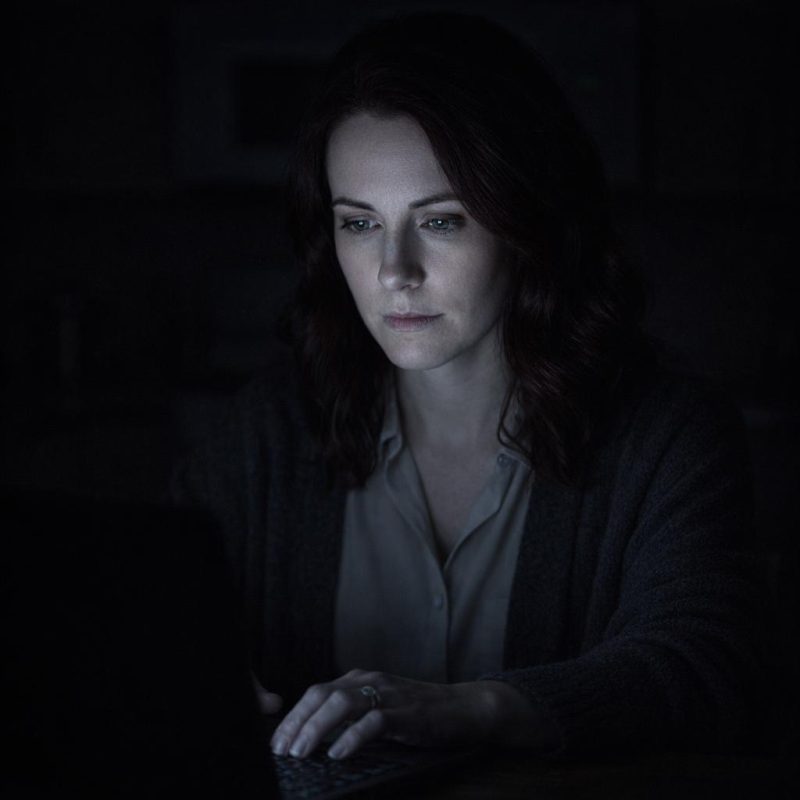 Image by RM AI
The Group Photo
It was somewhere past two in the morning when I found the photo gallery. A catering company had posted a full set from the networking dinner on the second evening — long tables, name badges, the kind of candid shots where half the people are mid-sentence. I scrolled through slowly this time, not frantically. I was tired enough that my eyes had started to blur at the edges. I almost missed it. He was in the background of one of the wider shots, not centered, not posed — just standing near the edge of the frame the way people do when they're between conversations. And beside him, close enough that their shoulders were nearly touching, was a teenage girl. She wasn't looking at the camera. Neither was he. They were just standing there together, in the particular way of two people who are with each other rather than simply near each other. My hand moved to the trackpad before I'd made any conscious decision about it, and I clicked on the photo to enlarge it.
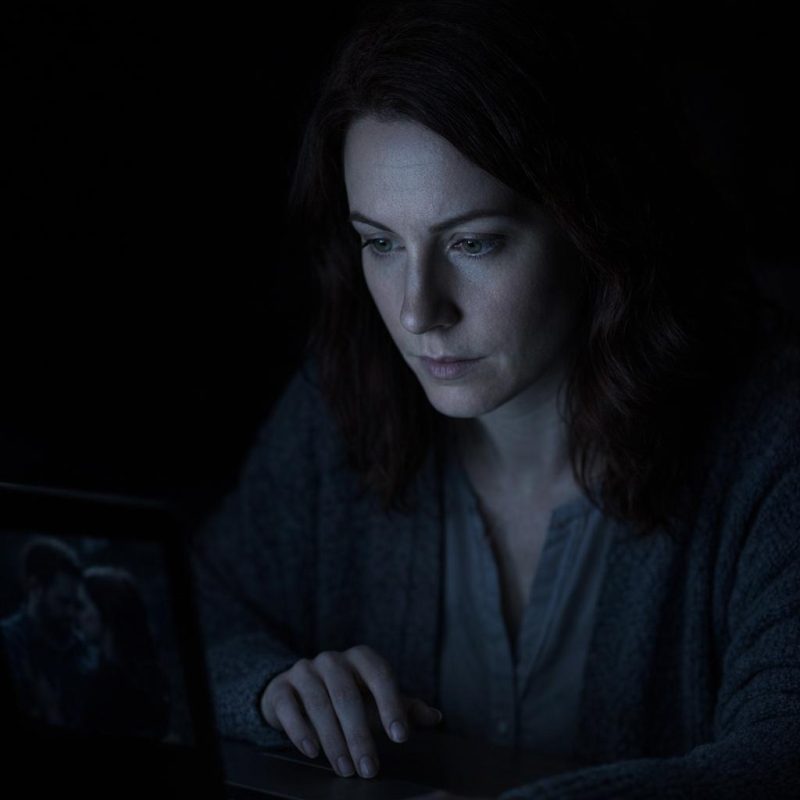 Image by RM AI
Something Familiar
The image expanded and I leaned closer to the screen. The girl looked to be around fourteen or fifteen, slight, with dark hair pulled back. She was turned slightly toward Mark, not quite facing him, not quite facing away. They weren't touching. But the space between them was the kind of space that exists between people who have already decided they belong in the same frame. I studied her face. There was something about it — not something I could name yet, just a quality that snagged at me, the way a word does when it's on the tip of your tongue and won't come. I looked at the way she was standing, the angle of her shoulders, the slight downward tilt of her chin. I looked at Mark beside her, his posture familiar in the way that eleven years makes a person's posture familiar. I sat back from the screen for a moment, then leaned in again. My stomach had turned over in a slow, nauseating way, and I pressed one hand flat against the table as if that might help. The sick feeling had settled into my chest and wasn't moving.
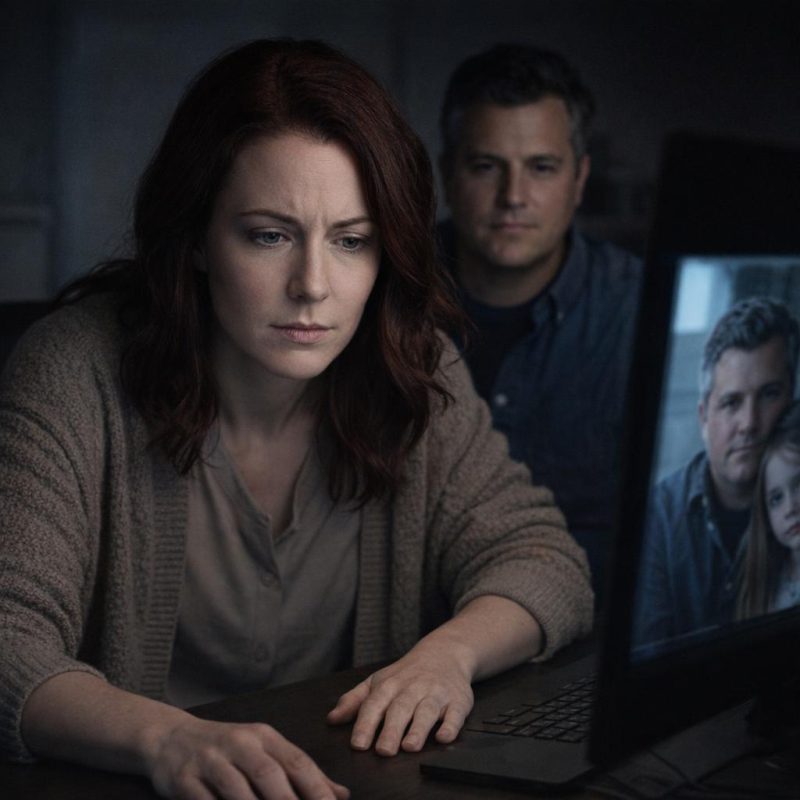 Image by RM AI
Recognition
I zoomed in further. The image pixelated at the edges but her face stayed clear enough. I went through her features the way you do when you're trying to place someone — the line of her jaw, the set of her mouth, the way her brows sat. The familiarity kept building, kept pressing at something I couldn't quite reach. It wasn't her hair. It wasn't the shape of her face exactly. It was something more specific than that, something that lived in a particular part of her expression, and the closer I looked the more unsettled I became, as though I were approaching something I wasn't ready to see. My hands had started to shake. I noticed that in a distant way, the way you notice physical things when your mind is somewhere else entirely. I set the laptop down on the table and picked it up again. I zoomed in one more time. Whatever it was I was almost seeing, it was right there, just at the edge of recognition, and the feeling it produced in me was not relief at being close to an answer. It was dread, quiet and specific, spreading through my chest like cold water.
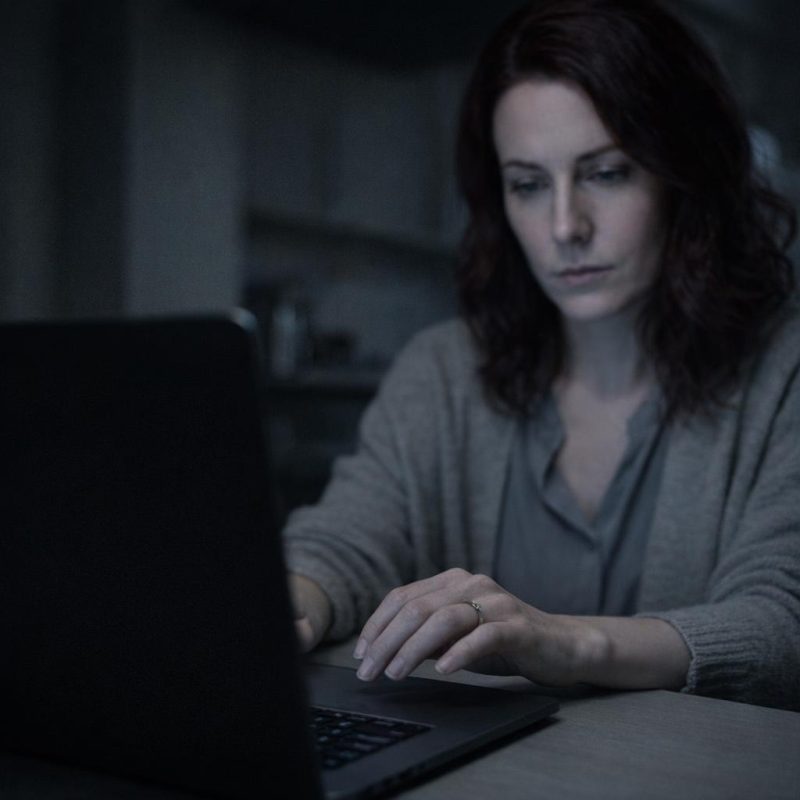 Image by RM AI
His Eyes
And then I saw it. The eyes. I don't know why it took me as long as it did, because once I saw them I couldn't unsee them — couldn't imagine how I'd looked at this photograph for the better part of an hour without landing on them immediately. Mark's eyes. The same shape, the same particular quality, the way they sat slightly deeper than you'd expect, the way the outer corners turned down just a fraction. The eyes I saw every morning across the breakfast table. The eyes I had looked into on our wedding day. Eyes I would have recognized anywhere, in any face — and here they were, looking back at me from a photograph of a teenage girl I had never met. My hands were shaking badly enough that I had to set the laptop down. I pulled up the print dialog without thinking about it, clicked confirm, and listened to the printer in the next room start up. I stood in the kitchen while it ran, not moving, not thinking anything coherent. Then I walked over, picked up the page, and stood there holding a photograph of my husband standing beside a teenage girl who had his eyes.
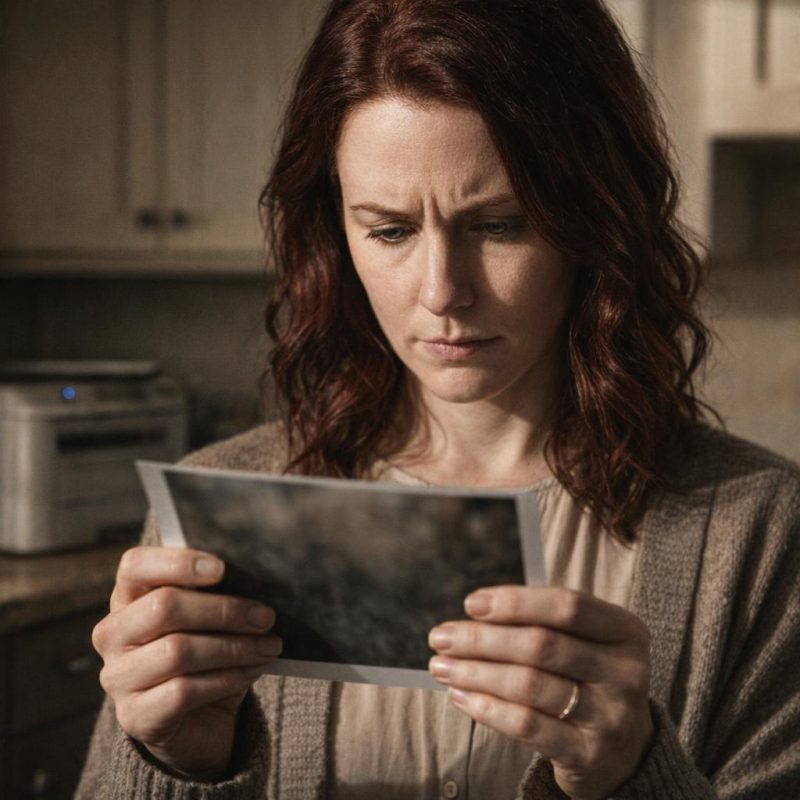 Image by RM AI
Preparing the Confrontation
I stood at the printer for a long time after the page came out. The photo was clearer in print than it had been on the screen — sharper, more real, more impossible to explain away. I set it on the kitchen table and sat down across from it like it was something I needed to negotiate with. Mark's eyes looked back at me from a sixteen-year-old girl's face, and no amount of staring made that less true. I tried out sentences in my head. I found this at the conference. I need you to tell me who she is. I know you know her. None of them felt right. They all sounded either too calm or too unhinged, and I couldn't figure out which version of myself was going to walk through this conversation. I got up and made tea I didn't drink. I sat back down. I rehearsed the words again, slower this time, trying to find the ones that would hold steady when my voice wanted to break. Outside, the light was going flat and gray, the way it does in the late afternoon when the day is almost done. I picked the photo up one more time, turned it over, set it face-down, then turned it back. The paper was warm from the printer still, and it felt heavier than a single sheet of paper had any right to feel.
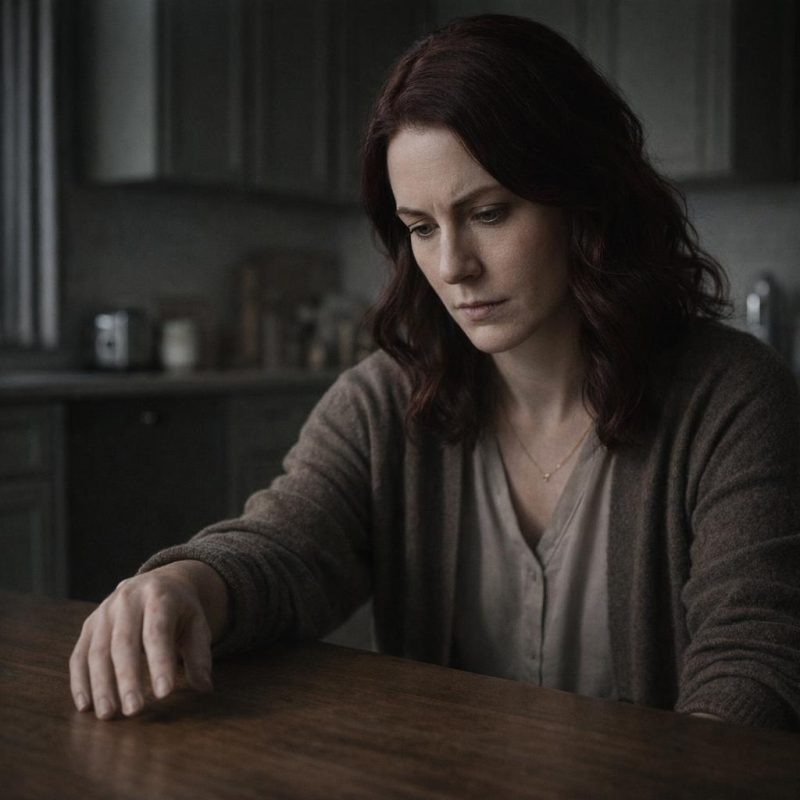 Image by RM AI
His Arrival
I heard his car before I saw it — the particular sound of his engine slowing as he turned into the driveway, the same sound I'd heard a thousand times without thinking anything of it. I was already at the kitchen table when his key hit the lock. The photo was face-down in front of me. I'd decided that much, at least — I wasn't going to lead with it. I was going to let him walk in first. Let him be normal for one more minute. He pushed the door open and called out my name the way he always did, that easy, habitual greeting that meant nothing and everything. He set his briefcase down by the door. He looked tired in the way he'd looked tired for months, and I'd always just assumed it was work. He moved to the counter and put his keys down — that small, automatic click of metal on granite — and asked how my day was in a voice that expected a regular answer. I said we needed to talk. He turned around then, and something shifted in his face, just slightly, the way a person's face shifts when they hear those four words and understand they mean something. I kept my hands flat on the table. The photo sat between us, still face-down, and the kitchen was very quiet except for the ordinary sound of his keys settling on the counter.
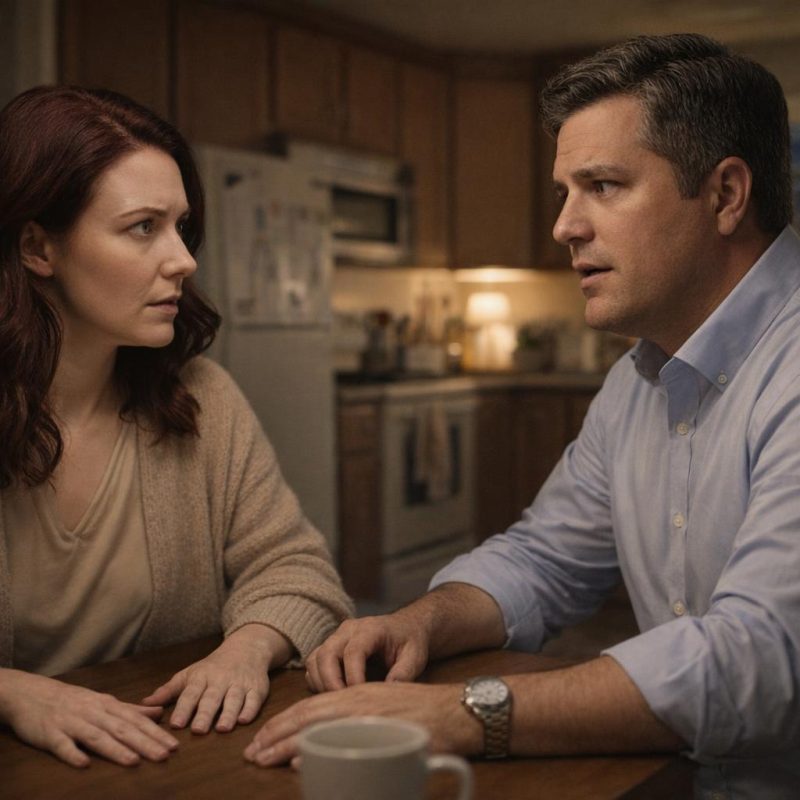 Image by RM AI
The Photo
I turned the photo over and slid it across the table toward him without saying anything at first. I'd rehearsed a whole speech, but when the moment came, the words felt unnecessary. The image said enough. He looked down at it, and I watched his hands go still. He picked it up slowly, the way you pick something up when part of you already knows you don't want to see it clearly. I asked him who she was. My voice came out steadier than I expected, which surprised me. He didn't answer. He just kept looking at the photo, and the longer he looked, the more certain I became that I wasn't wrong about what I was seeing. I asked again — who is she, Mark — and this time my voice did shake, just at the edges. He set the photo down on the table between us, carefully, like it was fragile. He still hadn't spoken. I could hear the refrigerator humming. I could hear my own breathing. I had spent all afternoon preparing for anger or denial or a convincing lie, and I hadn't prepared for this — for the way he just sat there, not moving, not deflecting, not reaching for an explanation. And then I watched the color leave his face entirely.
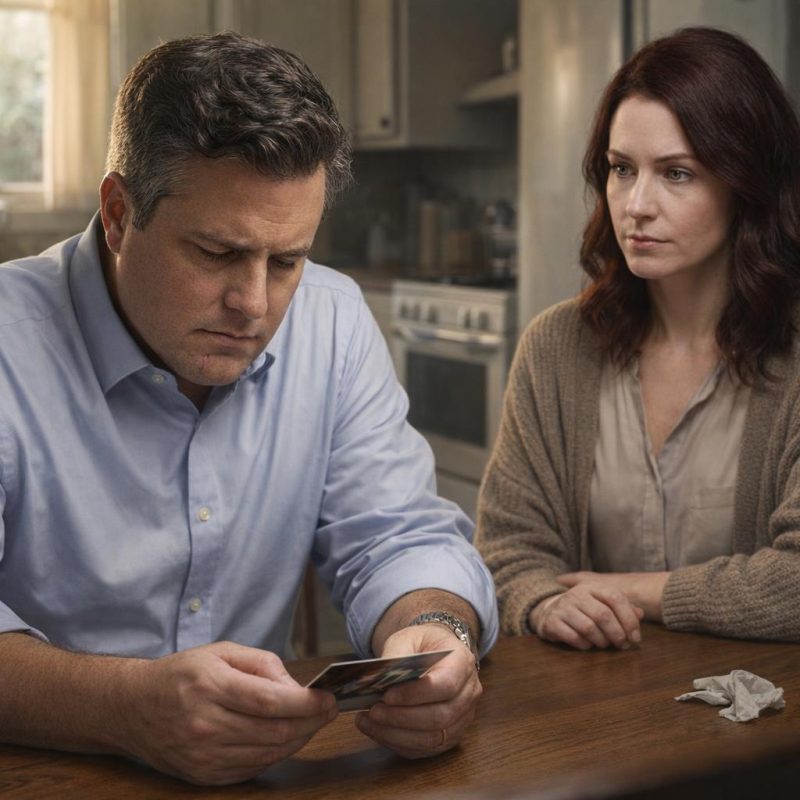 Image by RM AI
The Weight of Silence
He pulled out the chair across from me and sat down heavily, like his legs had simply stopped cooperating. He didn't look at me. He put his elbows on the table and pressed his face into his hands, and then he just stayed there. I watched him. I didn't say anything because I didn't know what to say, and because some part of me understood that whatever was happening inside him right now was real, whatever it turned out to be. The silence stretched. The refrigerator kept humming. A car passed outside. I counted the seconds without meaning to and lost count somewhere around forty. His shoulders moved once, a small, tight movement, like something was pressing against the inside of his chest. I had imagined this confrontation so many times in the last few hours — imagined him defensive, imagined him smooth, imagined him reaching for a plausible story — and none of those versions had looked like this. This looked like a man who had been waiting for something to finally arrive. I didn't move. I kept my hands on the table and I waited, because there was nothing else to do. Then he lifted his head, and his eyes were red when he finally looked up at me.
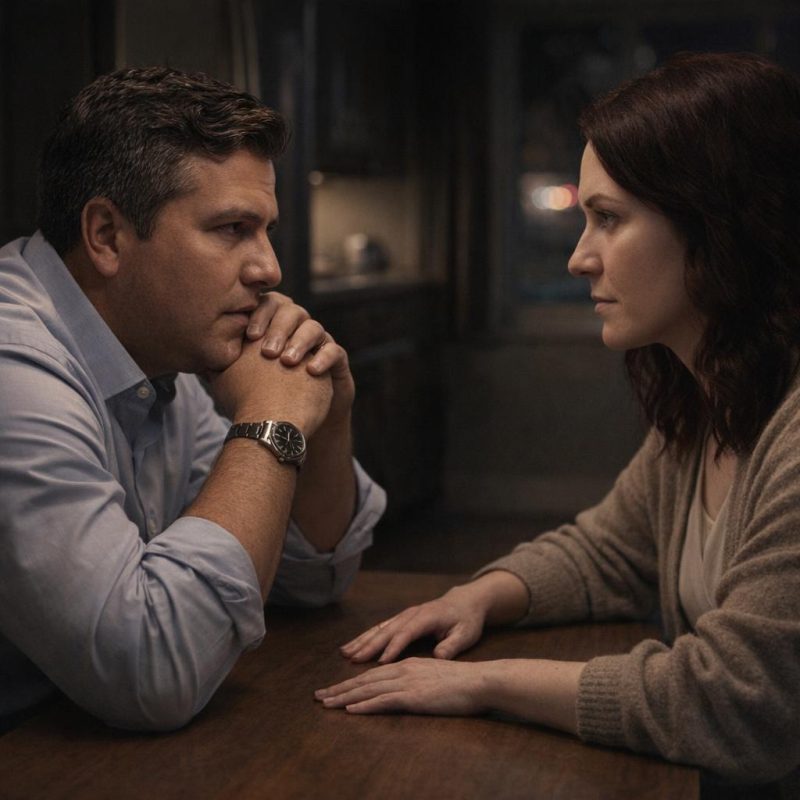 Image by RM AI
Not What You Think
He said it wasn't what I thought. Those exact words, in that exact order, and I felt something bitter and almost laughable rise in my throat. I told him that was what everyone said. I heard how flat my voice sounded and I didn't try to soften it. He looked at me across the table and he looked exhausted in a way that went beyond tired — older, somehow, than he had looked that morning, like the last few hours had done something to him that months of ordinary stress hadn't managed. He said the story was complicated. He said he needed me to let him explain. I told him I'd been sitting in this kitchen for three hours with a photograph of a teenage girl who had his eyes, and that I was done waiting for him to find the right words. My hands were shaking again. I pressed them flat against the table to make them stop. He nodded, slowly, like he was agreeing to something that cost him. He opened his mouth, closed it, opened it again. I could see him trying to find the beginning of something, some thread he could pull that would make the rest of it follow. So I asked him again, and this time I didn't let my voice shake at all: if it wasn't what I thought, then what was it?
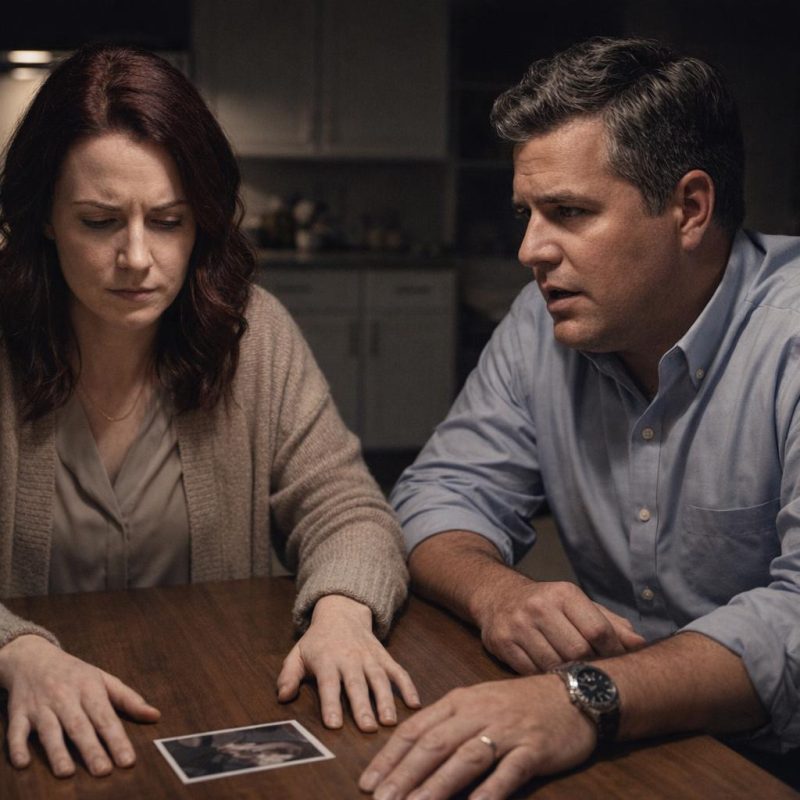 Image by RM AI
The Daughter He Never Knew
He started talking, and I made myself listen without interrupting. Before he met me, he said, there had been someone — a brief relationship, a few months, nothing that had felt like it would matter in the long run. It ended badly. She moved away. He never heard from her again, and eventually he stopped thinking about her at all. Sixteen years, he said. Sixteen years of nothing. And then six months ago, out of nowhere, she reached out. I watched his face while he talked. He wasn't performing this. His voice kept catching in places where a rehearsed story wouldn't catch. He said she had contacted him because she was ill — seriously ill — and that she had a daughter. His daughter. The girl in the photo. Sixteen years old, he said, and he hadn't known she existed for a single day of her life until six months ago. I heard the words. I understood them individually. But the shape they made together didn't fit inside anything I knew how to hold. I had walked into this conversation certain I understood what I was dealing with — a secret, a betrayal, something with a name I already knew. And now I was sitting across from my spouse of eleven years while the entire architecture of what I thought I was confronting collapsed and rebuilt itself into something I had no name for at all.
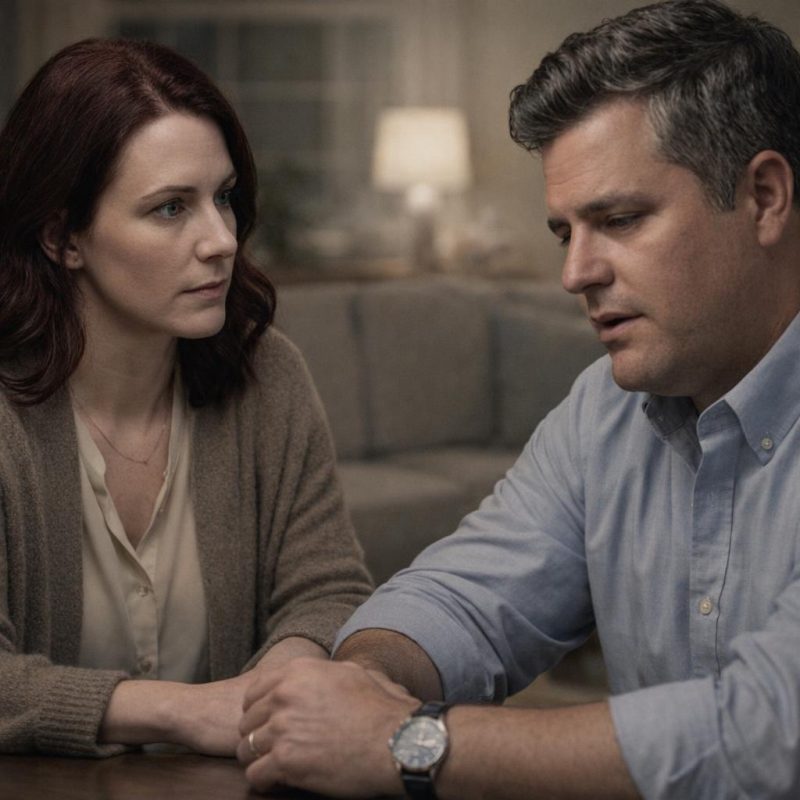 Image by RM AI
Terminal Illness
He kept talking, and I kept listening, because stopping him felt impossible now. The birth mother — Rachel, he said her name quietly, like it cost something — hadn't reached out for money. She hadn't reached out to restart anything between them. She was dying, and she knew it, and she had a sixteen-year-old daughter who was about to be left without anyone. That was why she'd called. Not for herself. For Sophia. She wanted to make sure their daughter had family on the other side of what was coming. She had told Mark he had a right to know he had a child, and she had told him their daughter had a right to know she had a father. That was the whole of it. I sat with that for a moment. A woman I had never met, facing something I couldn't imagine facing, had made a phone call that had quietly dismantled the last six months of my marriage — and she had done it not out of anger or want or unfinished business, but because she was trying to take care of her child before she ran out of time. I didn't know what to do with that. I didn't know where to put it. The kitchen was very still around me, and I sat inside the terrible weight of a dying woman's final act.
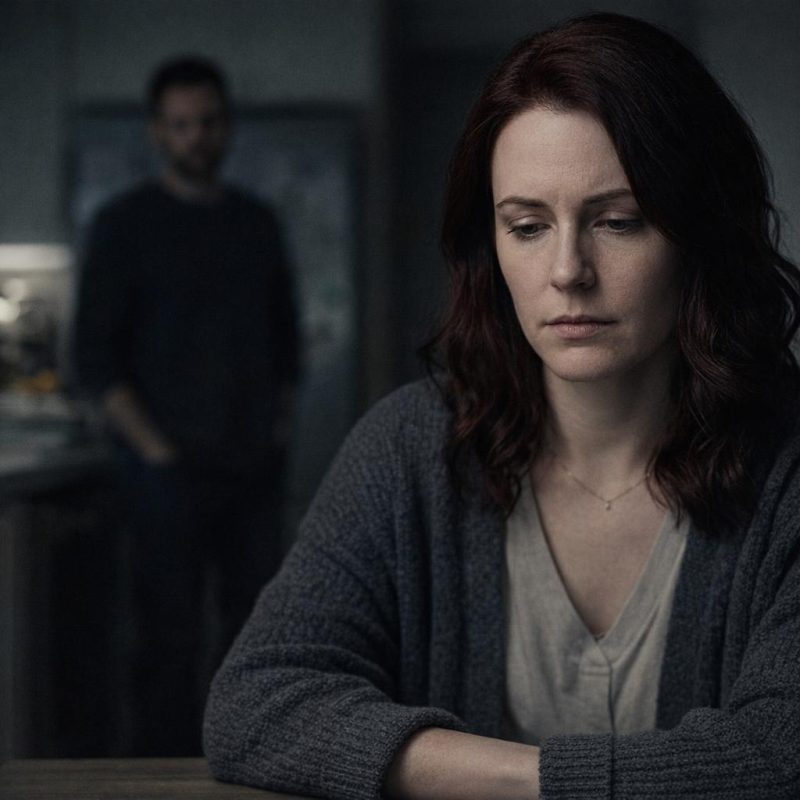 Image by RM AI
Six Months of Verification
He hadn't believed it at first. He told me that plainly, without trying to make himself sound better than he was. His first thought had been that it was some kind of scam — a story designed to extract money from someone who might feel guilty enough to pay. So he'd insisted on a DNA test before he would agree to anything else. He hired a lawyer. He spent weeks on phone calls and in consultations, verifying details, checking documents, making sure that what Rachel was telling him was real before he let himself believe any of it. The results came back and confirmed everything. And then he had spent the months since trying to figure out what to do with a truth that had no obvious next step. I listened to all of it. I didn't ask questions yet — I just let him lay it out, piece by piece, the whole hidden architecture of the last six months. The DNA tests. The legal consultations. The phone calls he'd taken in his car so I wouldn't hear. The conference where he'd finally met Sophia in person for the first time. All of it carried alone, in the margins of our ordinary life together, while I had been sitting across from him at dinner every night without any idea what he was holding.
 Image by RM AI
The Canceled Ticket
The second ticket. That was the part I'd been turning over since the airport, the detail that had felt the most damning — a seat booked in someone else's name, a return flight he'd never mentioned. Mark explained it quietly, without defensiveness. He had booked two seats on the return flight because he'd hoped Sophia would come back with him. Not to move in, not to upend everything overnight — just to spend a few days here, to see where he lived, to begin something that felt real instead of theoretical. They had talked about it over email for weeks before the conference. She had seemed willing, even cautiously excited. He had let himself believe it might actually happen. But the morning of the return flight, she had texted him from her hotel room. She couldn't do it. She wasn't ready. The idea of stepping onto a plane and landing in a life she didn't know, with a father she had only just met in person, had become too much. He had sat in the airport alone, staring at the empty seat beside him on the boarding pass, and then he had come home. I sat with that image for a moment — a sixteen-year-old girl standing at the gate and then turning back, too frightened to board.
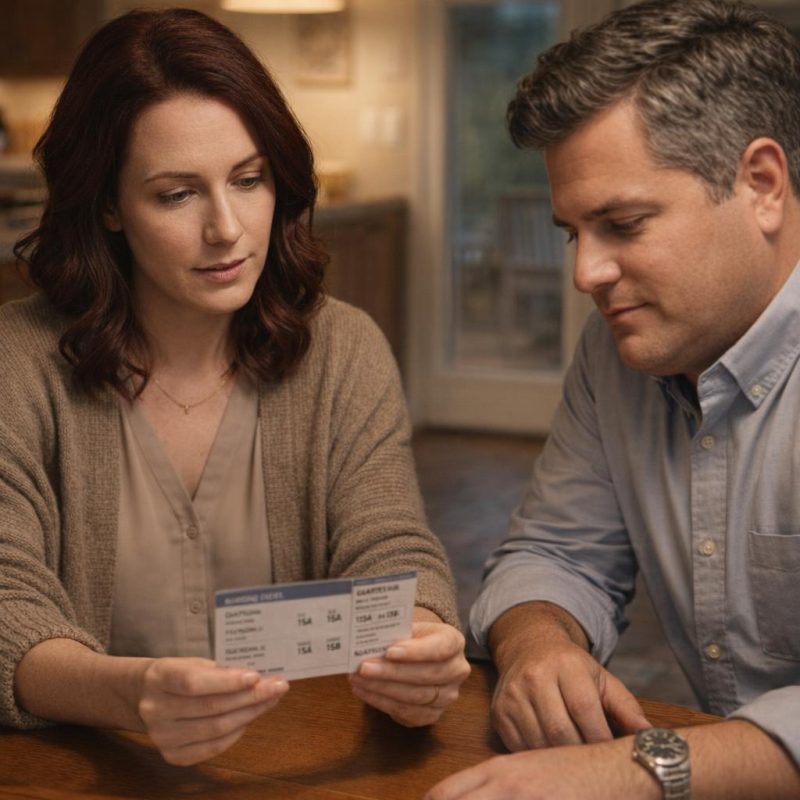 Image by RM AI
Terrified of Judgment
I asked him the question I'd been holding since the beginning of the night. Why hadn't he told me? Not after the DNA results came back. Not after the legal consultations. Not after any of the dozens of moments over six months when he could have sat down across from me and said: something happened, and I need to tell you about it. He looked at me for a long moment, and then his eyes filled. Not the careful, controlled expression he'd been holding all evening — actual tears, the kind that come before a person is ready for them. He said he had wanted to tell me every single day. He said he had rehearsed it in his head more times than he could count. But every time he got close, the same fear stopped him. He was terrified I would hear the words — a daughter, a woman from before, a secret he'd been keeping — and that I would be gone before he could finish the sentence. He thought if he verified everything first, if he could hand me proof instead of just a story, it would be easier to believe. He thought certainty would protect him from losing me. His voice dropped to almost nothing when he said it. He had been so afraid of exactly what had happened anyway — that I would think the worst before he could explain — and that fear had kept him silent for six months.
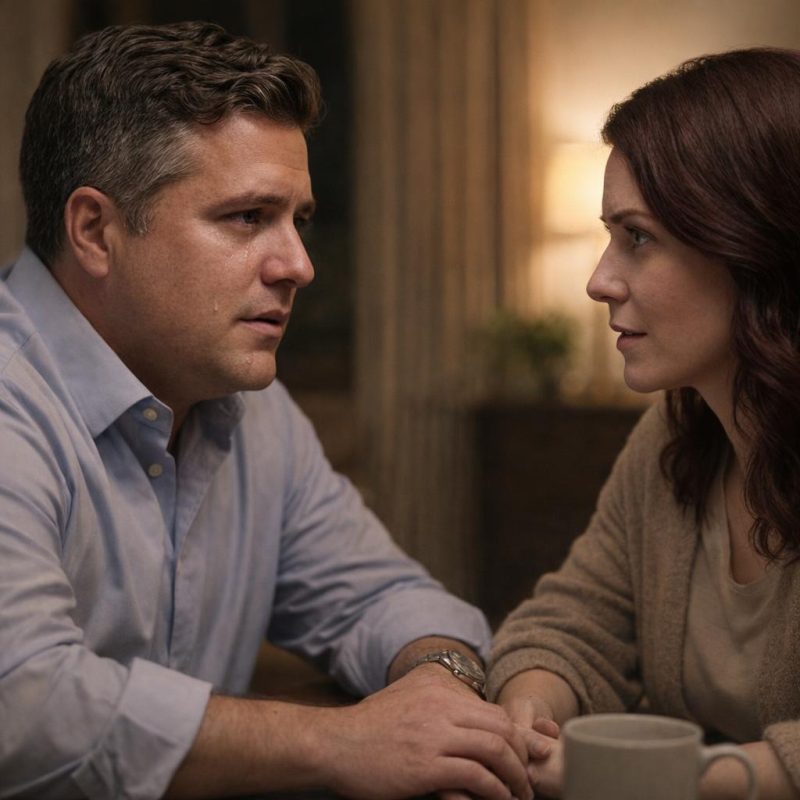 Image by RM AI
The Folder
He stood up without saying anything and crossed to where his briefcase sat near the door. I watched him open it and pull out a manila folder, thick with papers, the kind of folder that takes months to fill. He carried it back and set it on the coffee table in front of me, and his hands weren't steady when he let go of it. He said it was everything. All of it. He said I didn't have to read it tonight, but that he wanted me to have it. I opened the cover. The first page was a printed email chain — the initial contact from Rachel, formal and careful, the kind of message someone writes and rewrites before sending. Behind it were more emails, then a set of legal documents with a law firm's letterhead, then a page I recognized immediately as a DNA results summary, the kind with percentages and reference numbers that leave no room for interpretation. Tucked near the back were photographs. A girl at different ages — school photos, a candid shot at what looked like a birthday party, a more recent one where she was clearly a teenager. She had Mark's eyes. I sat there with the folder open across my lap, the photographs face-up on top, and the weight of it — all those months compressed into paper — settled over me like something I couldn't put down.
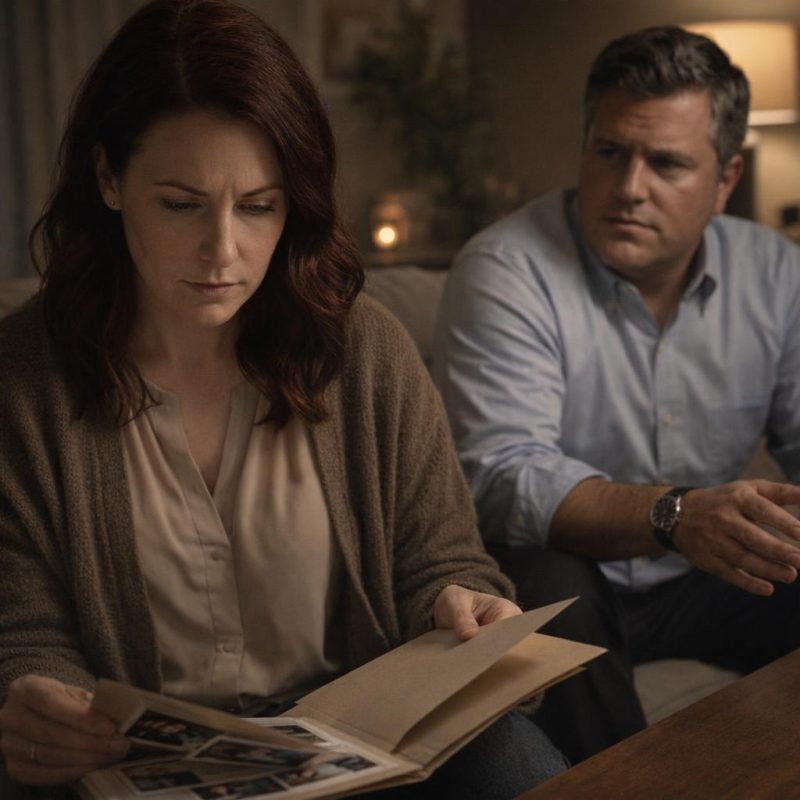 Image by RM AI
Reading Until Midnight
I read for hours. Mark moved to the armchair across the room at some point and stayed there, not speaking, not turning on the television, just present in the way someone is when they know the only thing they can offer is to not leave. I went through the emails in order, from the first cautious message Rachel had sent to the point where the tone shifted — where Mark's skepticism softened into something more careful, more deliberate. I read his questions to the lawyer. I read the custody and guardianship documents, dense with legal language that still managed to convey the weight of what was being discussed. I looked at the DNA results again, longer this time, reading the footnotes. I went back to the photographs and held them under the lamp. The girl in the most recent photo was standing outside what looked like a school building, her posture slightly guarded, her expression somewhere between cautious and curious. She looked like someone trying to figure out how much to give away. By the time I set the last page down, the clock on the mantle read just past midnight. The room had gone quiet around us. I sat with the folder closed in my lap, and the reality of it — not a suspicion, not a story, but documented and dated and undeniable — had settled into something I couldn't argue with anymore.
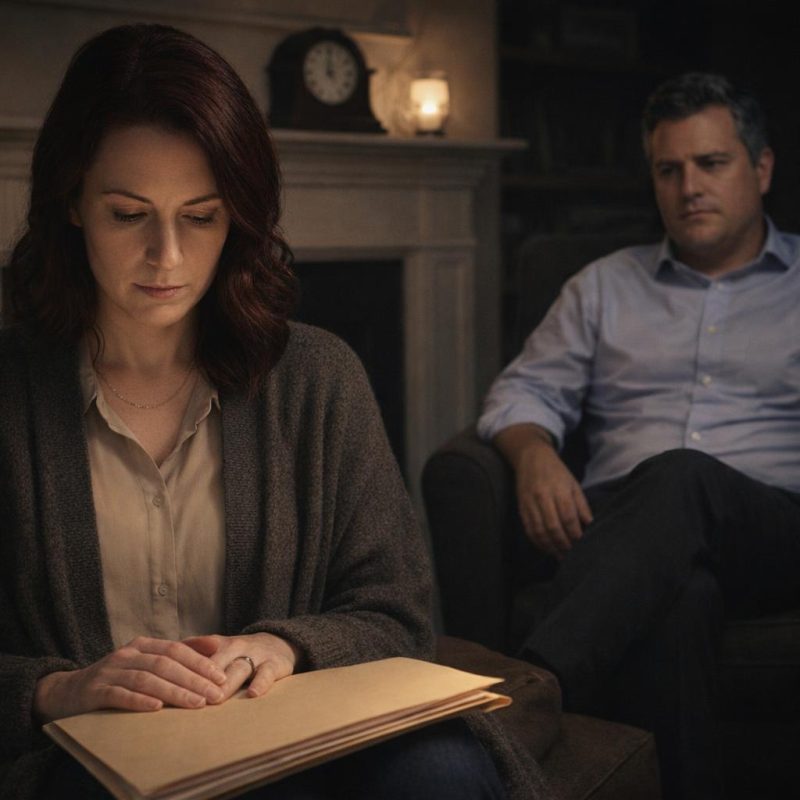 Image by RM AI
A Different Betrayal
I closed the folder and looked at him. He was watching me from the armchair, still and waiting, the way he'd been for the last two hours. I told him I understood it wasn't an affair. I said it plainly, because I wanted him to hear it clearly — I had read every page, and I knew what this was and what it wasn't. But then I told him that understanding that didn't make the rest of it hurt less. He had carried this for six months. He had made phone calls and hired lawyers and flown to a conference and sat across from his daughter for the first time — and I had known none of it. I had been in the same house, eating dinner at the same table, sleeping in the same bed, and he had kept an entire parallel reality from me. That wasn't protecting me. That was shutting me out of something that was going to change both of our lives, and doing it alone, without asking me if I wanted to be included. He nodded. He didn't try to argue or explain further. He just said he knew, and then he said he was sorry, and the way he said it was quiet enough that I believed he meant it. But sorry didn't close the distance I felt sitting there. The hurt of being excluded — not from the secret itself, but from the six months of carrying it — sat in my chest like something that wasn't going anywhere soon.
 Image by RM AI
What Six Months of Lies Mean
I told him I didn't know if I could trust him anymore. Not because of what had happened sixteen years ago — that was before me, before us, and I understood that. But because of what had happened in the last six months, inside our marriage, while I was right there. He had looked me in the eye every single day and said nothing. He had answered my questions about work trips and late nights and distracted silences, and every answer had been a version of the truth with the most important part removed. I told him that was a skill I hadn't known he had. That was the part that frightened me — not the secret itself, but how easily he had kept it. He said there was nothing else. He said this was everything, the whole of it, and that once it was out he had never intended to keep it hidden forever. He said he was going to tell me after the conference, that the trip was supposed to be the end of the secrecy. I told him I wanted to believe that. I said it honestly, because I did want to believe it. But wanting to believe something and actually trusting it were two different things, and trust wasn't something that came back just because someone asked for it in a single conversation. I looked at him across the room and asked if there was anything else — anything at all — that he hadn't told me.
 Image by RM AI
Considering Leaving
I told him I needed some time alone and went to the bedroom. I didn't slam the door. I just closed it behind me and sat on the edge of the bed in the dark for a while before I turned on the lamp. I could hear him somewhere else in the house — a chair moving, the faint sound of water running — and the ordinary sounds of it felt strange against everything the night had become. I sat there and tried to think clearly. Eleven years. That was what I kept coming back to. Eleven years of a marriage I had believed in, a life we had built together, a version of him I thought I knew completely. And then six months. Six months of a secret that had changed the shape of everything without my knowing it. I tried to weigh them against each other and found I couldn't do it simply. The eleven years weren't erased. But they weren't untouched either. I thought about leaving. I let myself actually think it through — packing a bag, calling Lauren, finding somewhere to be that wasn't this house tonight. And then I thought about staying. About what staying would require, what it would mean to try to rebuild something from here. Neither answer felt clean. I sat with both of them for a long time, and the question that kept surfacing wasn't whether I still loved him — I knew the answer to that — but whether love, on its own, was enough to work with.
 Image by RM AI
His Impossible Position
I sat there long enough that the lamp on the nightstand started to feel like the only warm thing in the room. I tried to do something I hadn't managed yet that night — I tried to put myself in his position, back at the beginning, the moment Rachel's first email arrived. What would I have done with that? A message out of nowhere, claiming a child existed, from someone he hadn't spoken to in over sixteen years. I thought about how I would have reacted if he had walked in that first night and told me. I wanted to believe I would have been calm and rational and supportive. But I knew myself well enough to be honest. My first instinct would have been the same one I'd had at the airport — I would have assumed the worst before I let him finish. He had known that. He had known it because he knew me, and that knowledge had trapped him. He had been trying to protect Sophia from being dismissed before she was real, trying to protect Rachel's story from being disbelieved, trying to protect our marriage from a conversation he wasn't sure we could survive. And underneath all of it, he had been terrified — not of being caught, but of losing me the moment I heard the words. I still felt the sting of being left out. That hadn't gone anywhere. But sitting there in the quiet, I could finally see the shape of the fear that had kept him silent all those months.
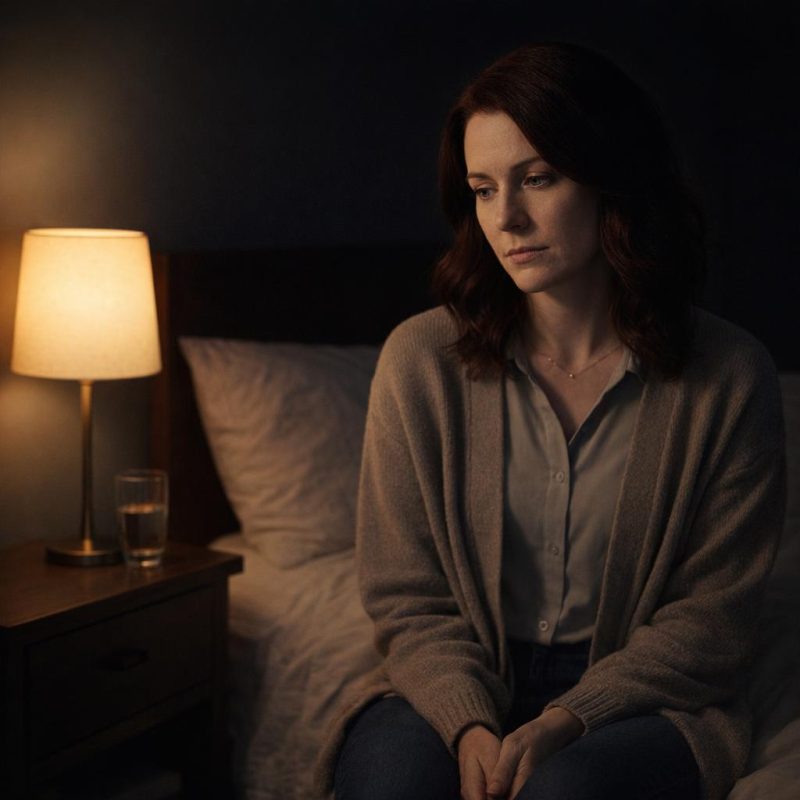 Image by RM AI
Meeting the Daughter
I found him exactly where I expected — sitting at the kitchen table, hands wrapped around a mug that had long gone cold, staring at nothing. He looked up when I came in, and I could see how much effort it took him to hold still, to not reach for me or say something that might break whatever fragile thing was happening. I sat down across from him. Not next to him. Across. That felt important. I took a breath and told him I needed to meet her. He blinked. Set the mug down slowly. "Are you sure?" he asked, and his voice came out careful, like he was afraid the question itself might change my mind. I told him I couldn't make any decisions about us — about any of this — without understanding the full picture. That meant her. He nodded, and something moved across his face that I wasn't ready to call relief yet. He said he'd talk to Rachel, that he'd arrange it when she was ready, that he wouldn't push. I told him I understood. Then I said the thing I hadn't planned to say out loud — that I needed to see this girl who had his eyes.
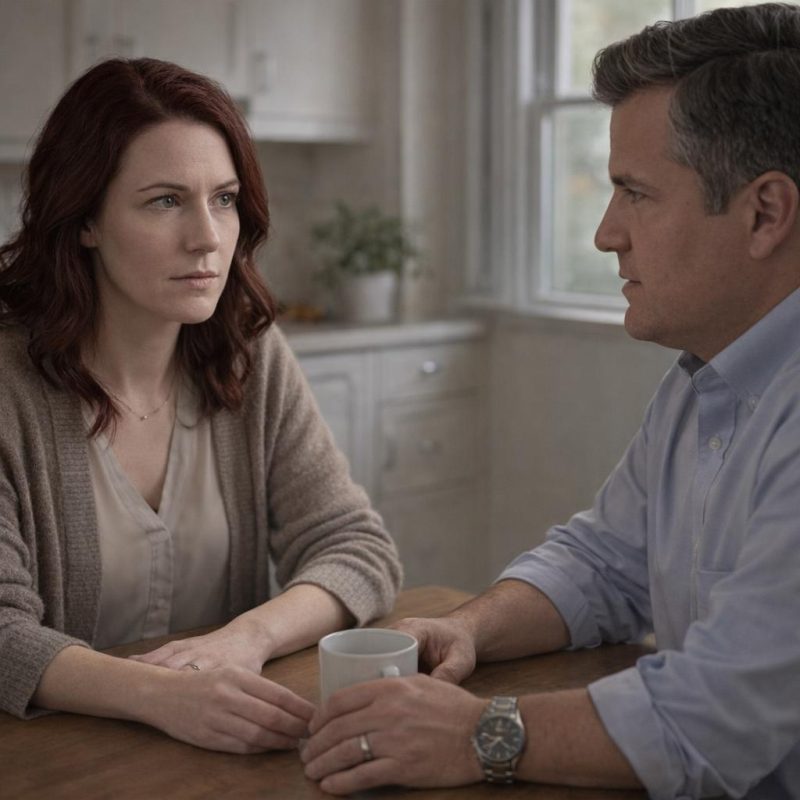 Image by RM AI
Difficult Conversations
We talked until well past midnight. Not the kind of talking that fixes things — the kind that maps out how broken they are so you at least know what you're working with. Mark told me everything he'd held back over those six months: the first email from Rachel, the DNA test, the phone calls with Sophia that had left him shaking, the way he'd driven around the block twice before coming home some nights because he didn't know how to walk through the door carrying all of it. I listened. I didn't interrupt much. At some point I told him that the secrecy had done more damage than the secret itself, and he said he knew that now, and I believed him. I set out what I needed going forward — no more closed tabs, no more vague answers, no more decisions made alone that affected both of us. He agreed to all of it without negotiating, which told me something. We both said, at different points, that the marriage we'd had before that airline call was gone. We weren't going to get that version back. But somewhere around two in the morning, with the kitchen light too bright and both of us exhausted, we started talking about what a different version might look like instead.
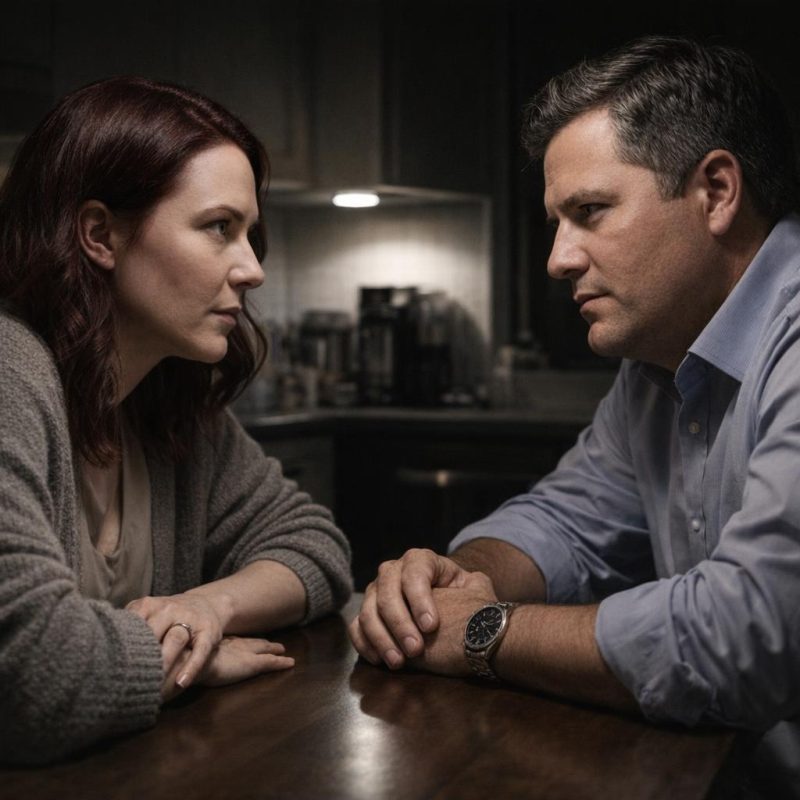 Image by RM AI
When Everyone Is Ready
A few days later, Mark called Rachel. I wasn't in the room for it, but he told me everything afterward — which was itself a small, new thing, the telling. Rachel had been calm, he said. She'd told him that Sophia already knew I'd found out, and that Sophia had gone quiet when she heard. Not upset, just quiet. Processing. I understood that. Mark said Rachel thought a few weeks would help, maybe more — that Sophia was still adjusting to so many things at once, and adding a meeting with her father's spouse was a lot to ask of a sixteen-year-old who hadn't asked for any of this. I agreed. There was no version of this that should be rushed. I started to let myself imagine it in small pieces — a coffee shop, maybe, somewhere neutral and ordinary. What I would say. Whether I would recognize his eyes in her face the way I was afraid I would. I didn't know if I was ready. I wasn't sure ready was even the right word for it. But I was committed to trying, and that felt like enough to hold onto for now.
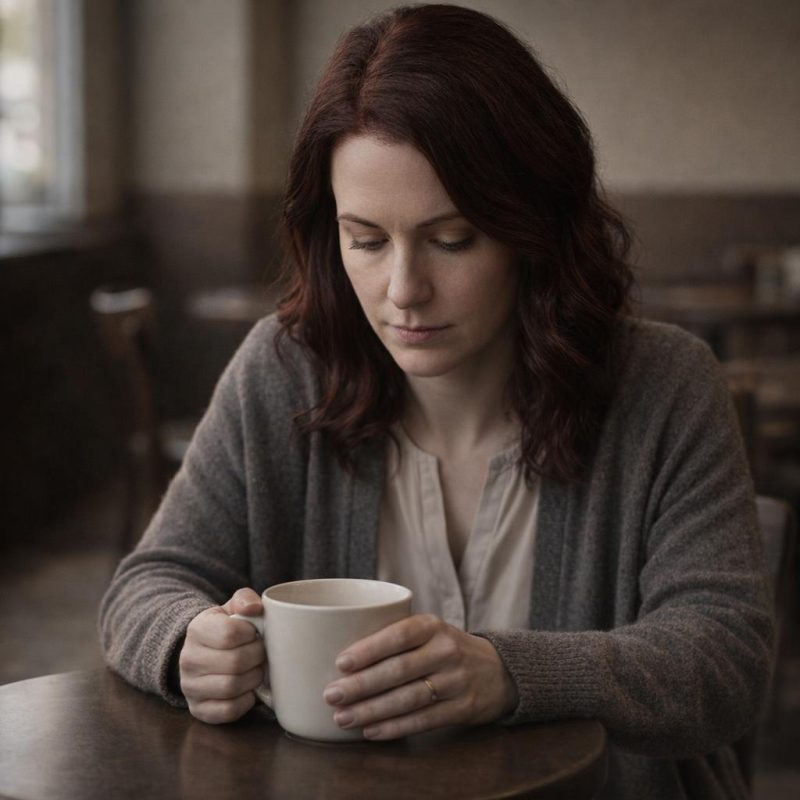 Image by RM AI
Choosing to Rebuild
I told Mark I was staying. I said it plainly, on a Tuesday morning, while he was rinsing a coffee cup at the sink. He turned around and I could see he'd been bracing for the other thing for so long that this took a moment to land. I told him staying didn't mean we were fine, and it didn't mean I'd stopped being angry, and it didn't mean the last six months hadn't cost us something real. He said he understood. I believed him. We weren't the couple who had stood in a hotel ballroom eleven years ago making promises we thought we understood. That version of us was gone, and I'd spent enough nights grieving it that I could finally say so without it undoing me. What we had now was a marriage that knew what it was capable of surviving, and a future that included a sixteen-year-old girl neither of us had planned for. The airline call had been looking for one kind of secret and found something else entirely. I picked up my coffee, looked at the man I'd spent eleven years building a life with, and told him we'd take it one day at a time.
 Image by RM AI