My Gas Tank Kept Running Empty Overnight. When I Finally Set Up a Camera, I Realized I'd Been Wrong About Everything.
My Gas Tank Kept Running Empty Overnight. When I Finally Set Up a Camera, I Realized I'd Been Wrong About Everything.
The First Sign
I walked out to my car on a Tuesday morning, coffee in hand, already running through my mental checklist for the day. That's when I noticed the gas gauge sitting at just under half a tank. I could've sworn I'd filled up over the weekend, but honestly, the past few days had been a blur of meetings and errands. Maybe I'd only meant to fill up and got distracted? It's the kind of thing I do when I'm stressed—plan something, then completely space on actually doing it. I stood there for a minute, keys dangling from my finger, trying to reconstruct my weekend. Had I stopped at the station on Saturday or just driven past it? The memory felt fuzzy, unreliable. I climbed into the driver's seat and made a mental note to pay better attention next time. These little lapses were getting annoying, like forgetting where I put my phone or whether I'd locked the front door. Just another sign I needed to slow down and be more present. I pulled out of the driveway, already halfway to convincing myself it was nothing. But somewhere in the back of my mind, a tiny voice whispered that something felt off, even if I couldn't explain why.
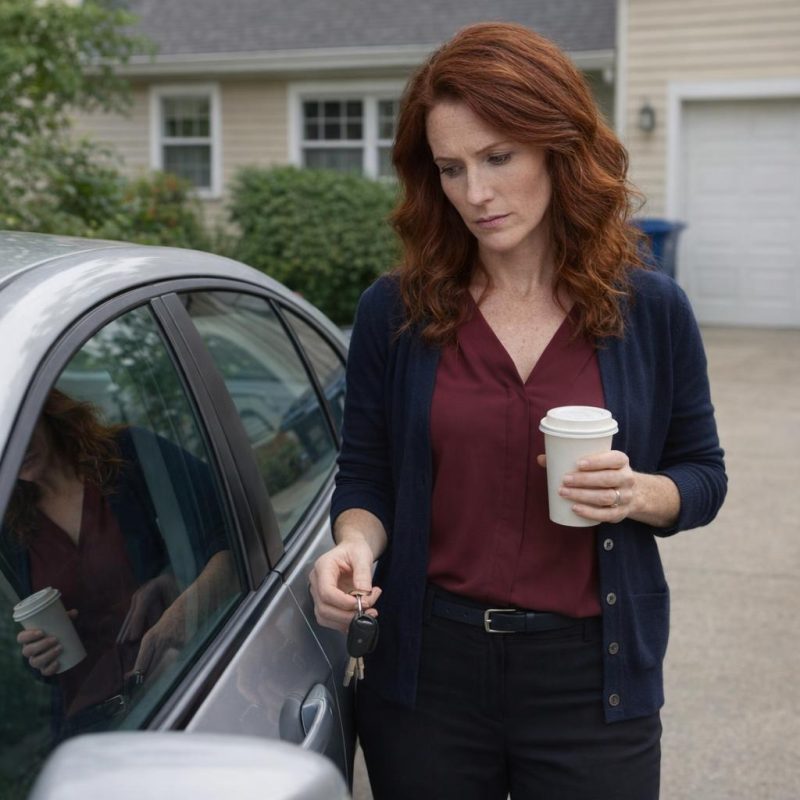 Image by RM AI
Pattern Recognition
Wednesday morning, same routine, same coffee, but this time the gauge read closer to a quarter tank. I actually stopped mid-step on the driveway and stared at it through the window. That couldn't be right. I'd driven maybe twenty miles yesterday, thirty tops. I got in and turned the key, watching the needle settle exactly where I'd seen it from outside. My first thought was a leak—maybe something had finally given out in the fuel line. The car was eight years old, not ancient but not new either. I crouched down and checked under the chassis for any wet spots or the smell of gasoline. Nothing. Then I wondered about evaporation, though I knew that was ridiculous. Did temperature changes affect fuel levels that much? I'd never heard of it, but I pulled out my phone and did a quick search anyway. The results talked about vapor recovery systems and sealed tanks, nothing that explained losing this much fuel overnight while parked. I sat back in the driver's seat and made myself note the exact position of the needle before heading to work. Two nights in a row felt like more than coincidence, but I wasn't ready to admit what that might mean.
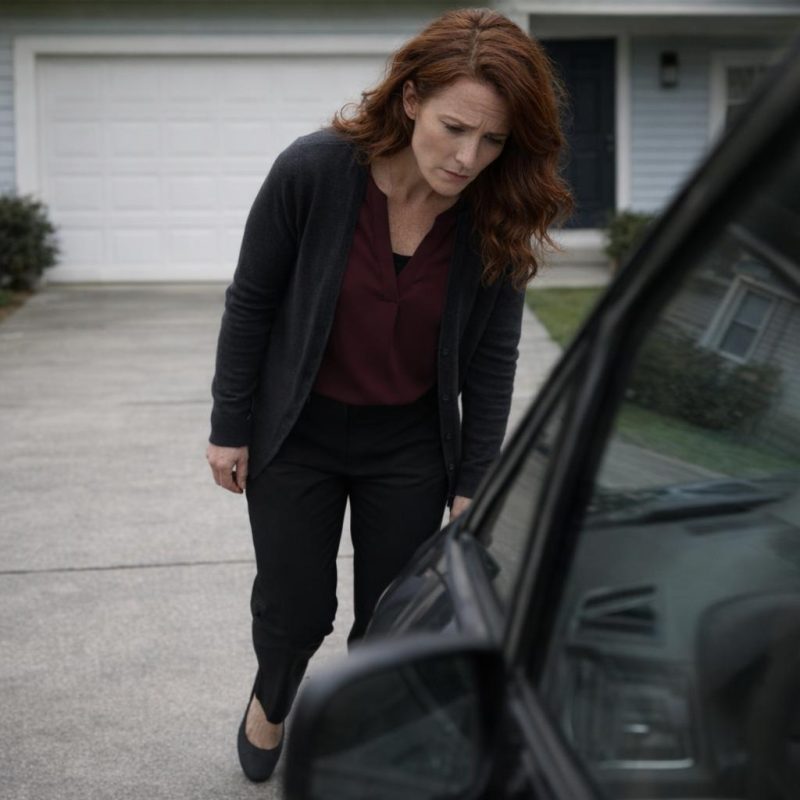 Image by RM AI
Digital Deep Dive
By lunch on Thursday, I'd fallen down a complete rabbit hole of car forums and automotive troubleshooting sites. I sat in my cubicle with a sad desk salad, scrolling through thread after thread about mysterious fuel loss. Most people described faulty fuel pumps that caused poor mileage, or evaporative emission system leaks that triggered check engine lights. Some mentioned fuel gauge sensors going haywire, showing empty when the tank was full or vice versa. I read about vapor canisters and purge valves, terms I'd never heard before and barely understood now. One guy swore his fuel was disappearing because of a crack in his tank that only leaked when the car sat at a certain angle. Another blamed it on a computer glitch in the dashboard display. The thing was, none of these explanations quite fit. My car ran perfectly fine—no warning lights, no rough idling, no trouble starting. The fuel wasn't vanishing while I drove, only overnight while it sat in my driveway. I bookmarked a few threads to read later and closed my laptop, feeling more confused than when I'd started. Every search result pointed to mechanical issues, which should have been reassuring, except my car ran perfectly fine.
 Image by RM AI
The Mechanic's Verdict
Friday afternoon, I drove to Tom's garage on the edge of town, the place with the faded sign and the perpetual smell of motor oil. Tom had been working on cars longer than I'd been alive, and if anyone could find what was wrong, it'd be him. He listened while I explained the situation, nodding along with his arms crossed over his stained work shirt. Then he spent the better part of an hour with my car up on the lift, checking every inch of the fuel system. I watched him test the fuel pump, inspect the lines, examine the tank itself for cracks or damage. He even hooked up his diagnostic computer to check the sensors and emission systems. When he finally wiped his hands on a rag and walked over, I was already bracing for bad news. "Everything's fine," he said, his weathered face showing genuine puzzlement. "No leaks, no faulty parts, nothing. Your car's in good shape." I paid for the inspection and thanked him, but my hands felt shaky as I drove away. I'd wanted a simple answer, something fixable. Instead, I left the garage with a clean bill of health for my vehicle, which somehow made me feel worse.
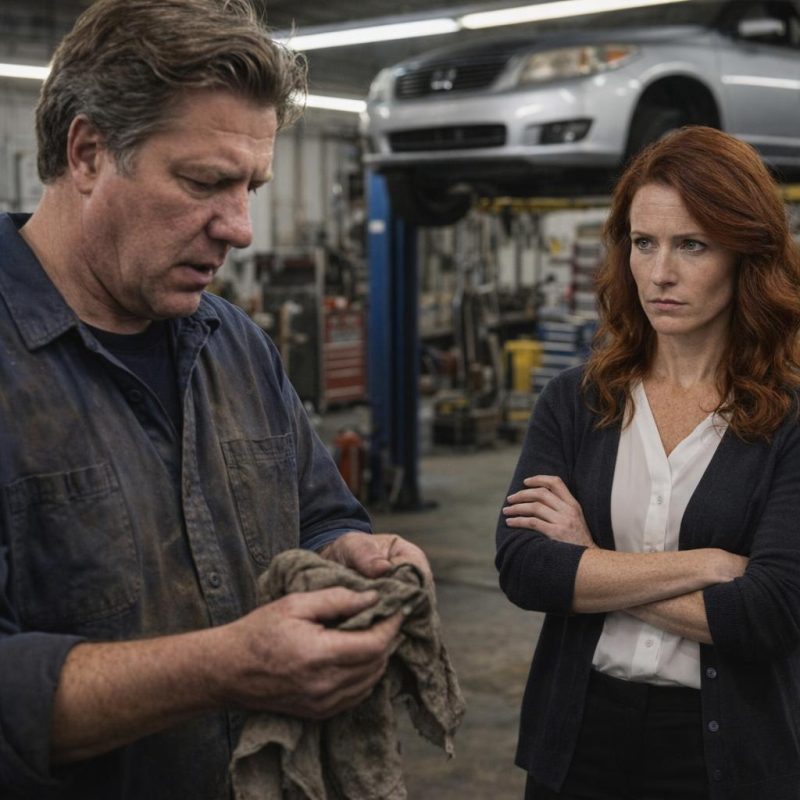 Image by RM AI
Undeniable Consistency
I became obsessed with checking that gauge. Every night before bed, I'd go out to the driveway in my pajamas and slippers, phone flashlight illuminating the dashboard. I'd note the exact position of the needle, sometimes taking a photo just to be sure. Then every morning, I'd check again before I even started the engine. Monday night: just above a quarter tank. Tuesday morning: nearly empty. Tuesday night after filling up: three-quarters full. Wednesday morning: half a tank. The pattern held for five consecutive nights, and the consistency was what got to me. This wasn't random. The amount lost each night was remarkably similar, give or take a little. If it was a mechanical problem, wouldn't it be more erratic? Leaks don't follow schedules. Faulty sensors don't drop the reading by the same increment every single night. I stood in my driveway on that fifth morning, watching the sun come up, and felt something cold settle in my stomach. I'd been looking for a malfunction, some explainable flaw in the machine. But machines don't follow patterns this precise. Whatever was happening, it followed a schedule, and that realization made my stomach turn.
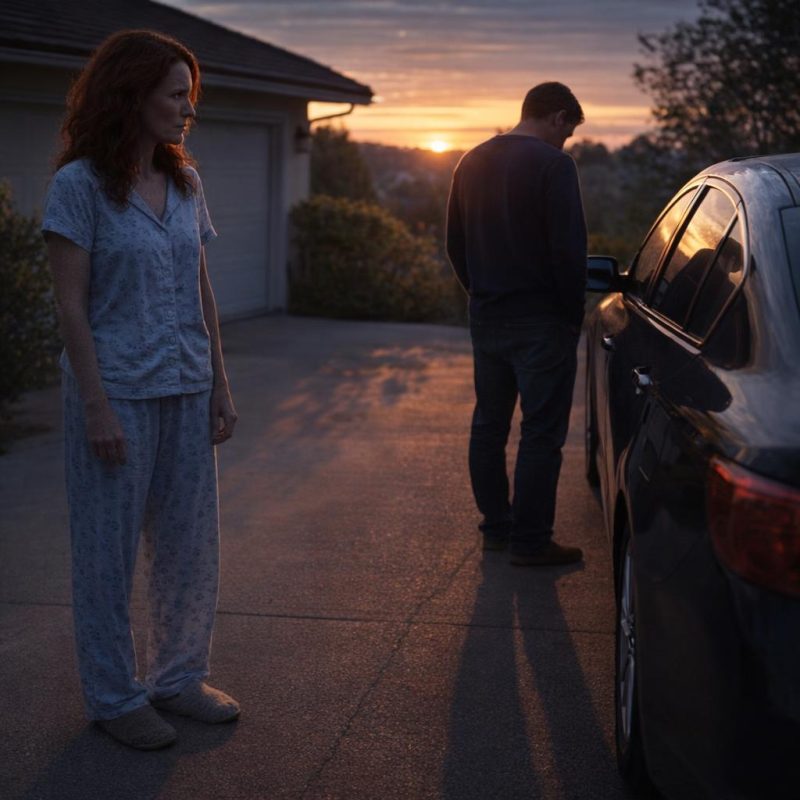 Image by RM AI
Documentation Begins
I started treating it like a research project, because that's what I do when things don't make sense—I document everything. I created a spreadsheet on my laptop with columns for date, time, fuel level, temperature, and odometer reading. Every evening at exactly nine PM, I'd go out and record the data, taking a photo of the gauge with my phone for backup. Then again every morning at six-thirty AM before work. The notebook on my nightstand filled with numbers and observations. I noted whether it had rained, whether the car was parked in exactly the same spot, whether I'd driven more or less than usual that day. I even started writing down what I'd eaten for dinner, just in case there was some bizarre connection I was missing. My coworker asked why I looked so tired, and I lied and said I wasn't sleeping well, which was true enough. I couldn't stop thinking about those numbers, running calculations in my head during meetings. The odometer proved I wasn't driving in my sleep or forgetting trips. The temperature variations didn't correlate with the fuel loss. Every variable I tracked led nowhere. The notebook filled with numbers that refused to make sense, and I couldn't stop checking the next entry.
 Image by RM AI
Safe Neighborhood
Late one night, I finally let myself search for what I'd been avoiding: "gas theft suburban neighborhoods." The results were mostly news articles from cities, stories about people siphoning fuel in parking lots or apartment complexes. I found crime statistics showing it was primarily an urban problem, concentrated in areas with higher poverty rates or near highways. I checked my own neighborhood's crime reports through the local police website. The last incident reported on my street was a stolen package three months ago. I scrolled through the neighborhood watch forum, reading posts about lost cats and suspicious cars, but nothing about fuel theft. Nobody else seemed to be experiencing what I was experiencing. I hovered over the "new post" button, thinking about asking if anyone had noticed anything strange, but I couldn't bring myself to do it. What would I even say? That my gas was disappearing and I had no proof of anything except my own meticulous notes? They'd think I was paranoid or careless or both. I closed my laptop and sat in the dark living room, feeling completely alone with this. My neighborhood had never had this kind of issue, which meant either I was the exception or I was losing my mind.
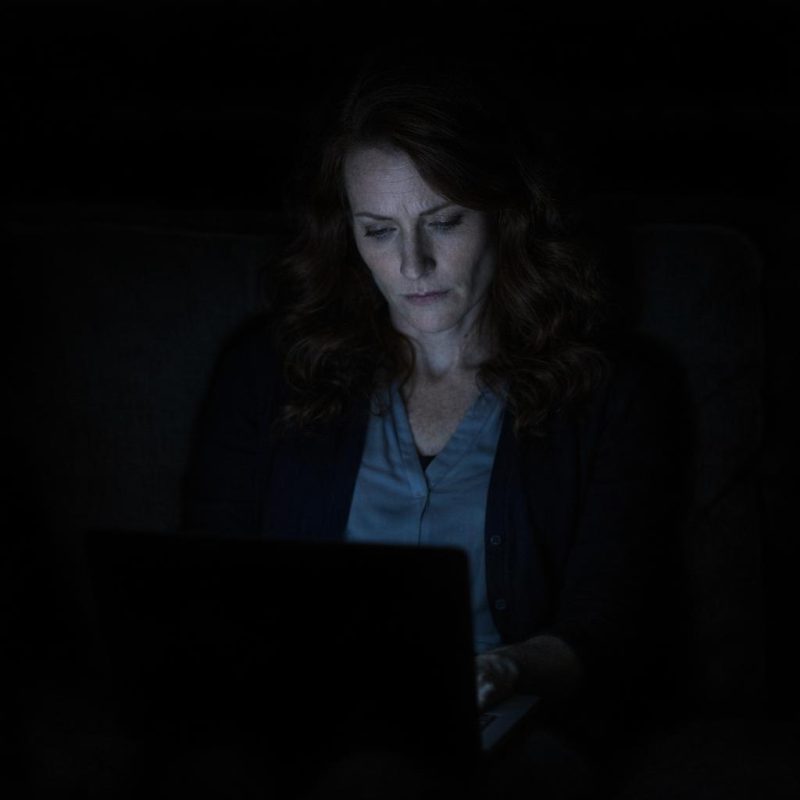 Image by RM AI
Confiding in Rachel
I called Rachel on Sunday afternoon because I couldn't carry it alone anymore. She answered on the second ring, and I could hear her TV in the background. "So this is going to sound weird," I started, and then I just told her everything. The fuel loss, the mechanic's inspection, the spreadsheet, the research, all of it. I half-expected her to laugh or suggest I was overthinking things, but she just listened. When I finished, there was a pause, and then she said, "That's really strange. Have you been writing all this down?" I told her about my documentation system, and she made this thoughtful sound. "Good. Keep doing that. And maybe start noting the exact times, like down to the minute. If something's actually happening, you'll want that record." We talked about whether I should file a police report, but what would I even report? Missing fuel with no evidence of how or why? Rachel said to hold off but keep her updated. "I believe you," she said before we hung up, and those three words hit me harder than I expected. I'd been half-convinced I was imagining things, making patterns out of nothing. Rachel's steady belief that something was actually wrong made it real in a way I'd been avoiding.
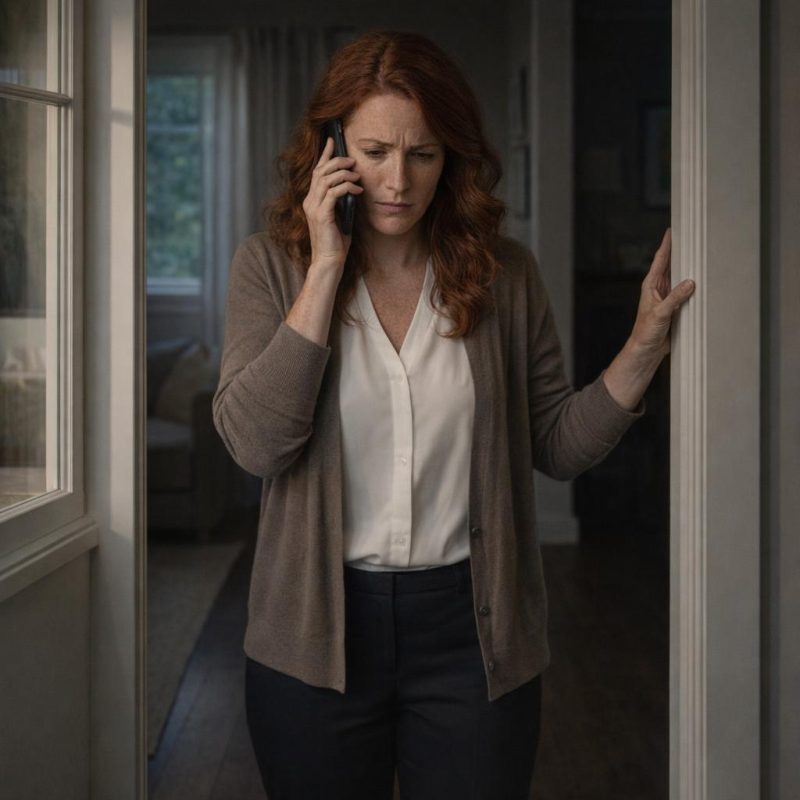 Image by RM AI
Photographic Evidence
I started taking pictures of my gas gauge every night at exactly 9 PM. I'd set an alarm on my phone, and when it went off, I'd go outside with my keys and snap a clear photo showing the gauge reading and the timestamp. The first few nights felt ridiculous, like I was performing some paranoid ritual that would eventually prove I'd been worrying over nothing. But I kept doing it anyway. I made sure each photo was sharp enough to read the exact level, saved them all to a dedicated folder on my phone, and backed everything up to cloud storage immediately. Rachel had said to document everything, and this felt like the most concrete evidence I could gather without actually catching someone in the act. By the fourth night, I didn't even think about it anymore. The alarm would go off, I'd grab my keys, take the picture, come back inside. It became as automatic as brushing my teeth before bed. And honestly? That normalization was the worst part. I hated how quickly this level of vigilance started to feel routine, like being constantly on guard was just my life now.
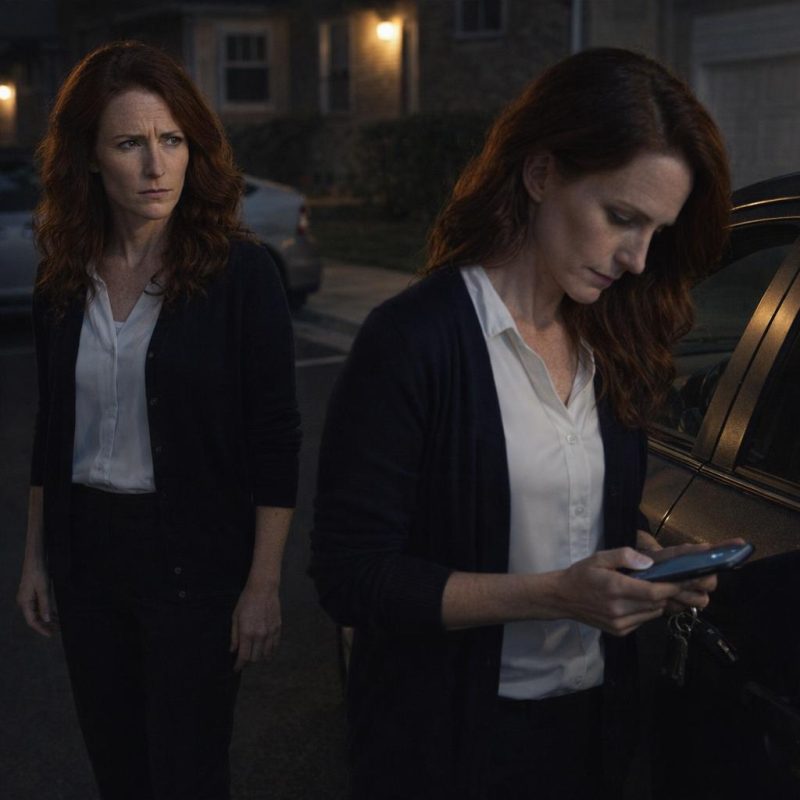 Image by RM AI
Seven Days
By Sunday night, I had seven consecutive photos lined up in my folder. I sat on my couch and scrolled through them one by one, watching the pattern emerge with sickening clarity. Monday: three-quarters full. Tuesday morning: just over half. Tuesday night: three-quarters again after I'd filled up. Wednesday morning: half. Every single night showed a drop. I pulled out my calculator and did the math, measuring the gauge positions as precisely as I could from the photos. The average loss was consistent, almost mathematically so. There was no variation, no nights where it stayed full or dropped more dramatically. Just the same steady drain, night after night after night. This wasn't a faulty fuel sensor giving random readings. This wasn't condensation or evaporation or any mechanical explanation. The consistency was almost worse than if it had been random, because randomness could be coincidence. This was a pattern. Patterns meant intention. Someone was doing this deliberately, and they were doing it every single night without fail. The fear that had been lurking at the edges of my awareness finally settled in my chest like a stone.
 Image by RM AI
The Camera Decision
I spent Monday evening researching security cameras on my laptop, comparing features and reading reviews until my eyes burned. I needed something with good night vision, something discreet enough that it wouldn't be obvious from the street, something I could monitor from my phone. I finally settled on a model that checked all the boxes and clicked through to checkout. My finger hovered over the purchase button for a solid thirty seconds. This felt like crossing a line somehow, moving from documentation to active surveillance. But what choice did I have? The photos proved something was happening, but they couldn't tell me who or how. I selected expedited shipping, entered my payment information, and completed the order. The confirmation email arrived immediately, and I stared at it on my phone screen. I told myself this was just a reasonable precaution, that plenty of people had security cameras and it didn't mean I was paranoid or overreacting. But as I closed my laptop, I couldn't shake the question that had been nagging at me since I started this whole investigation. What scared me more—the possibility that the camera would catch someone on my property, or the possibility that it would show nothing at all and I'd have to accept I was losing my mind?
 Image by RM AI
Neighborly Small Talk
I was checking my mail on Wednesday afternoon when Dylan walked over from his house across the street. He had that easy smile he always wore, the one that made him look like he'd just heard a good joke. "Hey, neighbor," he called out, and we ended up chatting about the upcoming neighborhood association meeting. He mentioned something about the street maintenance schedule and how the city was supposed to repave our block next month. We talked about the weather, how it had been unseasonably warm, and he asked if I had any plans for the weekend. The whole conversation lasted maybe five minutes, completely normal and pleasant. He was friendly without being pushy, made eye contact, laughed at the right moments. When he headed back to his house, I stood there with my mail in my hands, watching him go. And that's when I realized I'd been studying him the entire time we'd talked. Not just him, actually. I'd been doing it with everyone lately, watching my neighbors more carefully, looking for something off in their expressions or their words. I couldn't even say what I was looking for. Just something that didn't fit, some sign that would explain what was happening to my car.
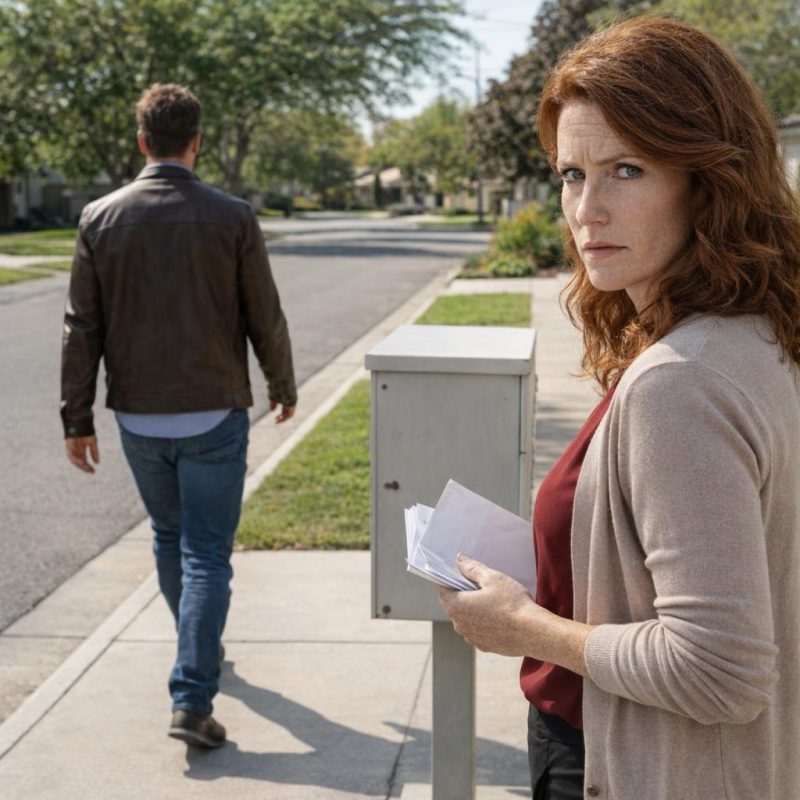 Image by RM AI
Installation Night
The camera arrived Thursday afternoon, and I waited until after dark to install it. I didn't want anyone seeing me set it up, didn't want to answer questions about why I suddenly needed surveillance. I positioned it on the corner of my garage where it had a clear view of my driveway and the driver's side of my car. It took me three tries to get the angle right, testing the view on my phone app until I was satisfied. I configured the motion detection settings, adjusting the sensitivity so it wouldn't trigger every time a leaf blew past. The night vision kicked in automatically as the light faded, turning my driveway into a grainy black-and-white image on my screen. I tested it by walking through the frame myself, watching the recording play back with a timestamp in the corner. Everything worked perfectly. The little red recording light blinked steadily as I went back inside, locked my door, and tried to act like this was a normal Thursday night. But my heart was racing, and my hands felt cold. I kept pulling up the camera app on my phone, watching the live feed of my empty driveway. I couldn't decide if I wanted it to catch something or stay dark and quiet all night long.
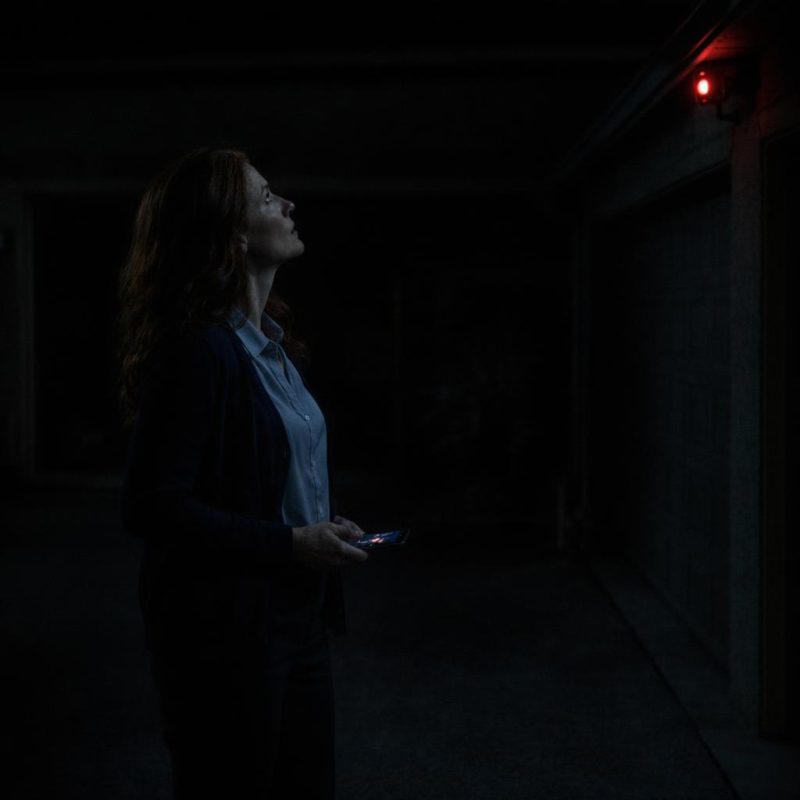 Image by RM AI
Restless Hours
I barely slept. Every time I started to drift off, I'd jerk awake and grab my phone to check the camera app. The live feed showed my driveway in night vision, still and empty. Around midnight, I got a motion notification and my heart jumped into my throat, but it was just a cat crossing through the frame. At 1:47 AM, another alert—a car driving past on the street. I lay there in the dark, hyperaware of every sound outside. A dog barking three houses down. Wind rattling my bedroom window. The distant hum of someone's air conditioner. My phone buzzed again at 2:19 AM with another motion alert, and I stared at the notification without opening it. Then another at 2:23 AM. I told myself I'd wait until morning to review the footage, that watching it in real-time would just make me more anxious. But knowing those alerts were sitting there, waiting, made it impossible to relax. When my alarm finally went off at seven, I felt like I'd been awake all night. I checked my gas gauge before I even looked at my phone. Lower again, just like every other morning. My hand shook as I reached for my phone, seeing three motion notifications stacked on my lock screen.
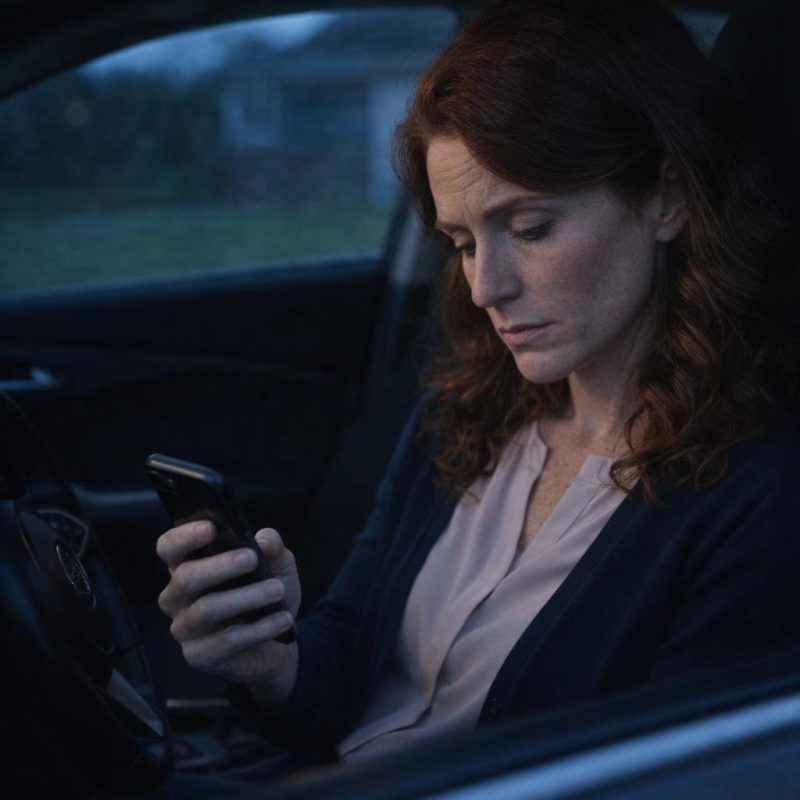 Image by RM AI
Morning Confirmation
I sat in my car in my own driveway, staring at my phone. The gas gauge showed the familiar drop, that predictable loss that had become my new normal. My thumb hovered over the camera app icon. I'd been so determined to get answers, so focused on catching whoever was doing this. But now that the moment was here, I felt sick. What if the footage showed someone I knew? What if it showed nothing at all and I had to accept that something was wrong with me instead of my car? I opened the app. The notification list showed the three alerts from the night, each with a thumbnail preview. The first two looked like nothing, just shadows and empty space. The third one, timestamped 2:17 AM, showed a dark shape in the frame. I tapped it, and the footage began to load. The video opened on my driveway in grainy night vision, everything rendered in shades of gray and black. Empty. Silent. Just my car sitting there under the streetlight's glow. I held my breath and pressed play, watching the timestamp tick forward in the corner of the screen.
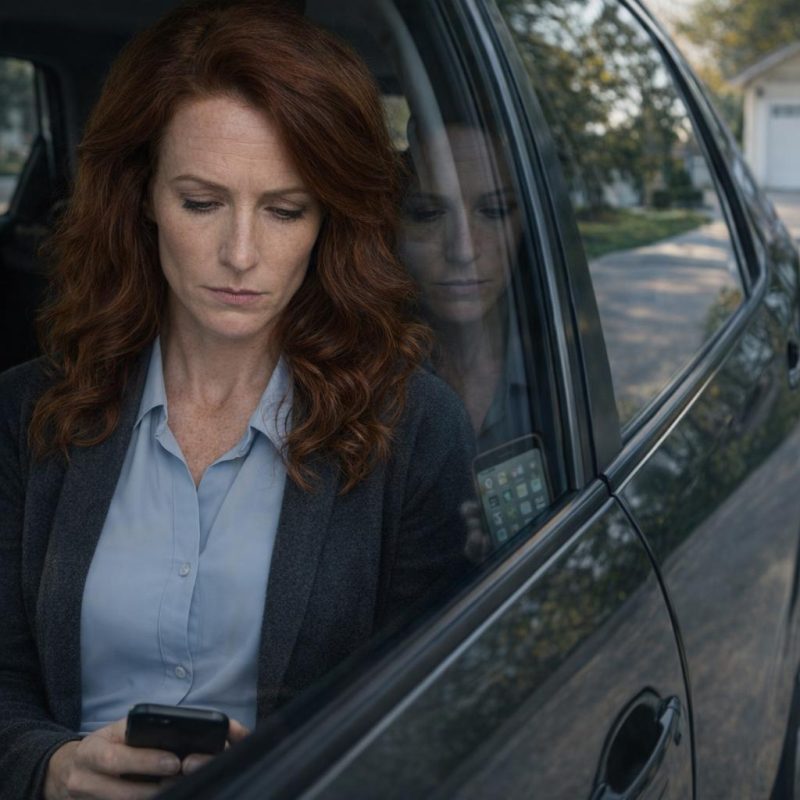 Image by RM AI
Two AM Visitor
At 2:17 AM, a figure moved into the frame from the left side. I watched them walk across my driveway with purposeful steps, not hesitating or looking around. They went straight to my car, directly to the driver's side where the fuel door was located. The night vision made everything murky, and the angle wasn't quite right to see their face clearly. They were wearing dark clothing, maybe a hoodie, and they moved with confidence. Not sneaking exactly, but not casual either. They spent several minutes at my car, and I could see their arms moving, doing something I couldn't quite make out in the grainy footage. Then they straightened up, glanced around once, and walked back out of frame the same way they'd come. The whole thing took less than five minutes. I rewatched it immediately, then again, trying to catch some detail I'd missed. But the darkness and the camera quality made it impossible to identify them. What I could see, though, was how they moved. There was no fumbling, no trial and error. The way they walked straight to my car, knew exactly where to go, what to do. This wasn't their first time.
 Image by RM AI
The Act Itself
I scrubbed through the footage frame by frame, focusing on the section where the figure crouched beside my fuel door. There was no ambiguity about what was happening. They had something in their hands, a tube or hose, and they were working it into my gas tank with practiced movements. The night vision showed their arms moving in a steady rhythm, and I could see liquid flowing through what had to be a siphon. They weren't fumbling or struggling. The whole process took about four minutes, and they never once looked uncertain about what they were doing. I saved that segment separately, labeling it with the timestamp and date. Watching someone steal from me in real time, even recorded, made my stomach twist. It wasn't just about the money anymore. Someone had been coming to my property, touching my car, taking what was mine, and I'd been completely unaware. When they finished and stood up, they did something that made my breath catch. They turned and looked directly toward my house, holding that position for several long seconds before walking away into the darkness. I couldn't see their face, but I could feel the weight of that glance, and it stayed with me long after I closed the video file.
 Image by RM AI
Grainy Shadows
I spent the next hour trying every trick I could find to enhance the footage. There were apps that claimed to sharpen video, tools that promised to clarify faces, and I tried them all. I zoomed into every frame where the figure's face should have been visible, adjusting brightness and contrast until my eyes hurt. Nothing worked. The resolution just wasn't there. When I zoomed in, faces turned into pixelated blurs, features dissolving into gray and black squares that told me nothing. I could make out general details, sure. Height looked to be around six feet, maybe slightly under. The build seemed average to athletic, not heavy but not thin either. The clothing was definitely dark, probably a hoodie and jeans, but I couldn't distinguish any logos or identifying marks. I saved the best screenshots anyway, even though they were frustratingly vague. The figure remained a shadow, a shape, a presence without an identity. I had proof someone was stealing from me, clear evidence of the act itself, but nothing that would tell me who was standing in my driveway at two in the morning.
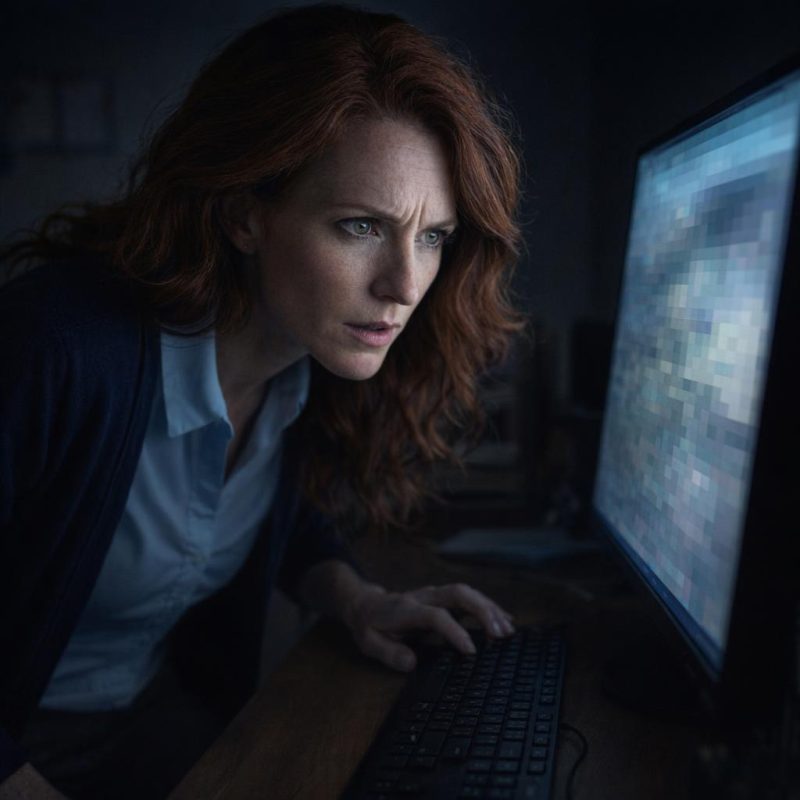 Image by RM AI
Mental Inventory
I started making a mental list of everyone who regularly walked past my house or had reason to be in the neighborhood. The couple three doors down who jogged every morning. The teenager across the street who walked his dog late at night. The mail carrier, the UPS driver, the guy who delivered for the meal kit service. There was the lawn crew that serviced half the block, the pool maintenance workers, the pest control technician who came monthly. My neighbors on both sides, the family behind me, the retired couple at the corner. I thought about recent visitors, people who'd been to parties on the street, contractors who'd worked on various houses. The more I considered it, the more uncomfortable I became. So many people fit the general description I had. Average height, average build, comfortable moving around the neighborhood. I realized I saw dozens of people every week without really looking at them, without noting details that might matter now. The list was longer than I wanted to admit, and none of them seemed more likely than any other. It could be someone I passed regularly, someone I'd waved to or made small talk with, or it could be a complete stranger who'd simply chosen my street as hunting ground.
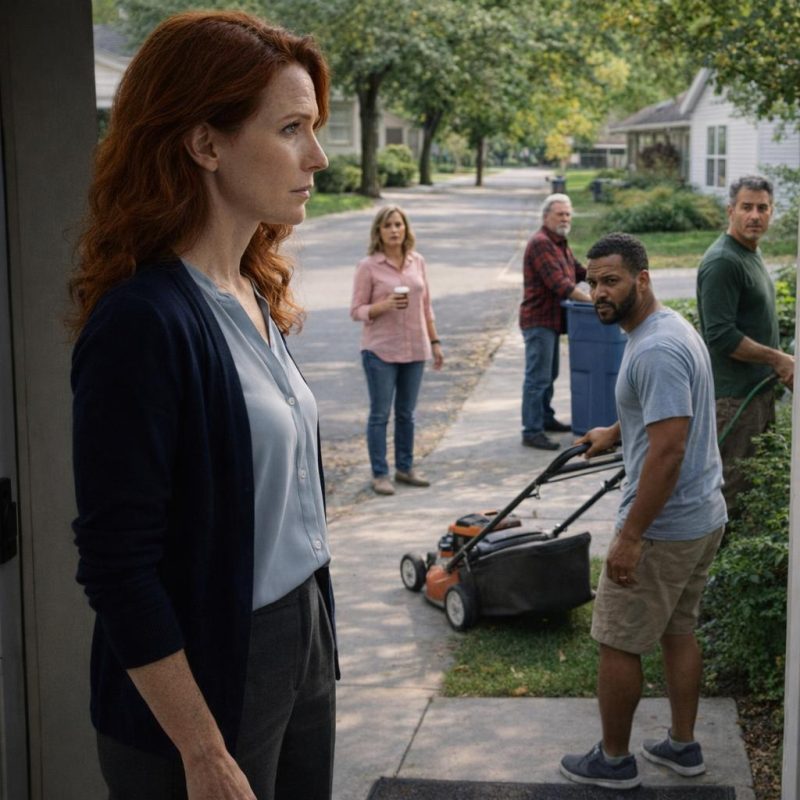 Image by RM AI
Higher Resolution
I ordered a better camera that same morning, paying extra for next-day delivery. When it arrived, I spent an hour positioning it at a different angle, higher up and aimed more directly at where someone would stand to access my fuel door. This one had significantly better night vision and higher resolution. I tested it repeatedly, walking through the frame myself, checking the playback to make sure it captured face-level detail clearly. The difference was obvious. Where the first camera had given me murky shapes, this one showed crisp images even in darkness. I left the original camera running as a backup angle, figuring two perspectives were better than one. As I finished the installation, a new worry crept in. What if they'd already noticed the first camera? What if that's why they'd looked toward my house before leaving? Maybe they'd seen it and wouldn't come back, or maybe they'd come back angry that I was watching. I had no way to know if I'd tipped my hand too early. Still, if they did return tonight, I'd finally see who was stealing from me, assuming they hadn't already decided my car was too risky now.
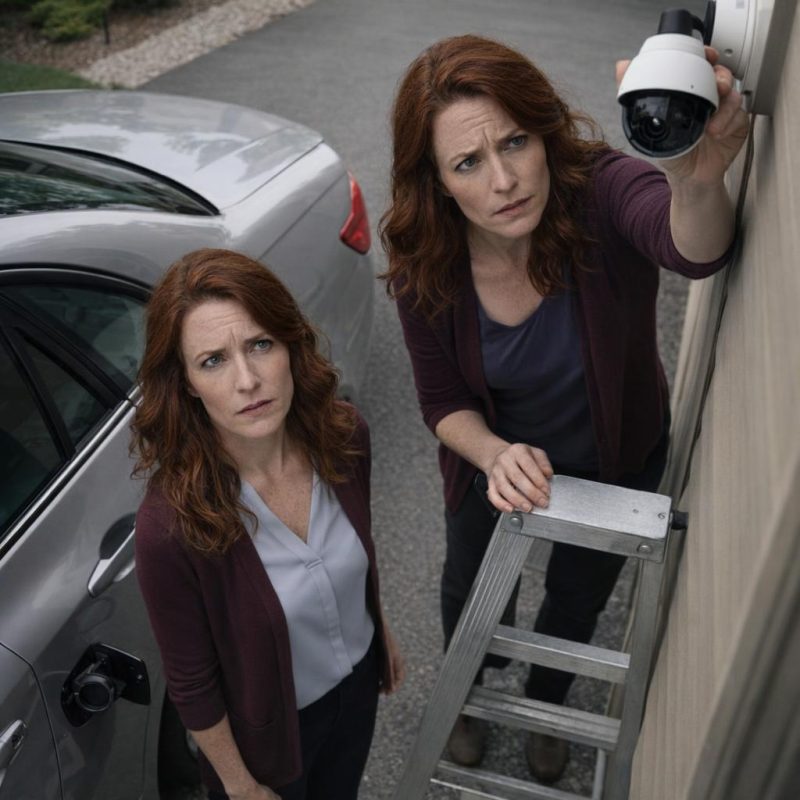 Image by RM AI
Return Visit
The upgraded camera proved its worth that very night. I checked the footage the next morning and there they were, returning at 2:14 AM with the same confident stride. This time, though, I could see so much more. The clarity was remarkable compared to the first camera. I could distinguish their height more accurately, definitely around six feet, maybe five-eleven. Their build was athletic, shoulders broad but not bulky, moving with an ease that suggested they were comfortable in their body and familiar with the area. The way they walked showed no hesitation, no nervousness. They knew where they were going and what they were doing. I watched the footage three times in a row, pausing frequently to study every detail I could make out. Their gait, the way they held their shoulders, how they moved their arms. I took notes on everything, building a profile in my mind. But despite the improved quality, their face remained frustratingly obscured. The angle still wasn't quite right, or they kept their head down at crucial moments, or the hoodie shadowed too much. I was closer to answers, definitely closer, but still unable to see the one detail that mattered most.
 Image by RM AI
Nagging Recognition
Something nagged at me as I reviewed the footage for the fourth time. It wasn't anything specific I could point to, just a feeling that tugged at the edges of my awareness. The way the figure moved felt familiar somehow, like a song I'd heard before but couldn't name. I focused on their gait, the rhythm of their steps, how they held their weight. There was something there, some quality of movement that my brain recognized even if I couldn't consciously place it. I tried to think through everyone I knew, matching the walk to faces and names, but nothing clicked. Maybe I'd seen this person walking in the neighborhood before and my subconscious had filed it away. Maybe it was someone I passed regularly without really noticing. The familiarity remained vague and frustrating, like a word on the tip of my tongue that wouldn't come no matter how hard I concentrated. I made detailed notes about the specific characteristics of their movement, hoping that writing it down might shake something loose in my memory. It didn't. The recognition stayed just out of reach, and that bothered me more than not seeing their face, because it suggested I might actually know this person.
 Image by RM AI
Building the Case
Over the next few days, I compiled everything into organized files on my computer. Five consecutive nights of clear footage, each showing the same pattern. The figure arriving around 2 AM, spending four to five minutes at my car, then disappearing back into the darkness. I created a folder structure by date, added written logs describing what each video showed, and made backup copies on an external drive and in cloud storage. I documented the fuel loss amounts from my receipts, matching them to the dates of the videos. I pulled the clearest screenshots showing the figure at my car, even though their face remained obscured. I wrote a summary document outlining the pattern, the timing, the estimated financial impact. The folder grew heavier with each addition, and I found myself opening it repeatedly, staring at the files as if they might reveal something new. I couldn't shake the feeling that I was documenting something bigger than gas theft, though I couldn't articulate why. Maybe it was the consistency of it, the calculated timing, the comfort level the person showed. Whatever it was, the evidence file felt like more than just proof of stolen fuel.
 Image by RM AI
Legal Groundwork
I spent my evening researching what police would need for a theft report. I found the local department's website and read through their procedures for filing complaints. They wanted documentation of the incidents, evidence if available, estimated value of stolen property, and any identifying information about suspects. I had all of that except the last part. Multiple videos showing the same person, detailed logs, receipts proving my fuel costs, screenshots and written descriptions. I checked the station hours and made a list of what to bring. I calculated the total value of stolen fuel over the past few weeks, and the number was higher than I'd expected. Everything the legal websites listed as requirements, I'd already met. I had a solid case, properly documented, impossible to dismiss as paranoia or coincidence. The research confirmed what I already knew but had been avoiding. I had no excuse left to avoid making this official. Tomorrow, I'd go to the police station and file a formal report, and whatever happened after that would be out of my hands.
 Image by RM AI
Rehearsal
I stood in my living room that night, practicing what I'd say to the police. Out loud, to an empty room, like I was rehearsing for a presentation. "Over the past few weeks, I've documented a pattern of fuel theft from my vehicle." Too formal. "Someone's been stealing gas from my car every night." Too blunt. I tried different versions, adjusting my tone, finding the balance between concerned citizen and paranoid weirdo. I laid out all my documentation on the coffee table—printed screenshots, written timeline, USB drive with video files, receipts showing my increased fuel costs. Everything organized chronologically, easy to follow, impossible to dismiss. I made notes on index cards about key points to emphasize. The consistency of the pattern. The video evidence. The financial impact. I anticipated questions they might ask and prepared answers that sounded rational and measured. By the time I finished, I'd run through the explanation maybe a dozen times, and each version sounded more reasonable than the last. I felt almost confident walking through it. But I couldn't shake the worry that none of it would matter if the officer on duty decided I was overreacting to something that didn't warrant their time.
 Image by RM AI
Official Report
The police station smelled like burnt coffee and industrial cleaner. I approached the front desk with my folder of documentation, and the officer there—name tag reading Torres—listened to my initial explanation without the eye roll I'd been bracing for. He led me to a small interview room and sat across from me, pen ready. I walked him through everything. The pattern of fuel loss. The surveillance footage. The timeline showing weeks of consistent theft. Torres watched the video clips on my laptop, leaning forward slightly, his expression neutral but attentive. He asked clarifying questions about dates and times, about the value of fuel stolen, about whether I'd noticed anything else unusual. His tone stayed professional throughout, taking notes in neat handwriting, never once suggesting I was wasting his time. He completed an official theft report, had me sign it, and provided copies of everything for their records. "Investigations like this can take considerable time," he said, handing me a card with a case number written on it. "We'll look into it, canvass the area, see what we can find. But I want you to have realistic expectations about the timeline." I left feeling validated that someone official had taken me seriously, but uncertain about what would actually come of it.
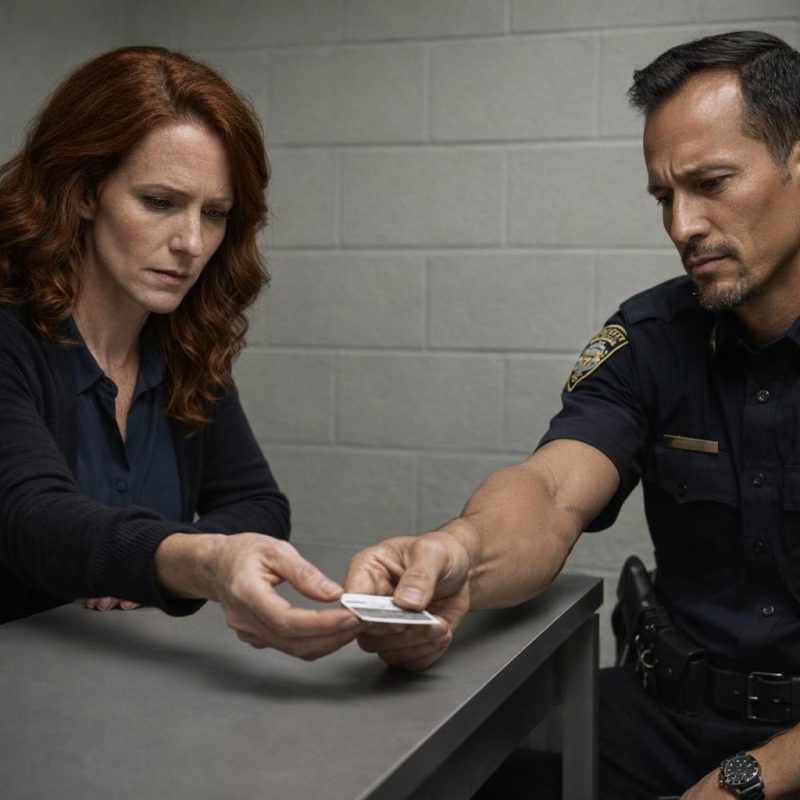 Image by RM AI
Waiting Game
Torres called three days later while I was at work. I stepped outside to take it, hopeful for news. "Just wanted to update you on your case," he said, and my stomach dropped at his tone. They were looking into it. They'd started canvassing the neighborhood, checking records, following standard procedures. But no leads yet. The video footage quality wasn't clear enough for identification purposes. No one they'd spoken to had seen anything. He asked if the pattern had continued, and I confirmed it had—fuel still disappearing nightly, same as before. "Keep documenting everything," Torres said. "Continue with your cameras. If anything changes or you capture clearer footage, let me know immediately." I thanked him and ended the call feeling worse than before I'd filed the report. At least when I was handling it myself, I felt like I was doing something. Now I'd handed off control to people who were following procedures and protocols, and I was just supposed to wait while someone kept stealing from me every single night. The waiting felt more frustrating than not knowing had ever been.
 Image by RM AI
Changed Behavior
The figure showed up again on Thursday night, and I watched the footage the next morning with my coffee going cold. Something was different. Their movements were faster, more efficient. They approached my car quickly, glancing around constantly—left, right, over their shoulder. The whole process took maybe three minutes instead of the usual seven or eight. They kept their head down more than before, body angled away from where I'd mounted the visible camera. The positioning seemed intentional, though I couldn't be certain. Were they aware of being watched but hadn't stopped coming? I rewound the footage and watched again, studying their behavior. The way they checked their surroundings. The rushed quality to their actions. The careful positioning. Had they spotted the cameras? Were they adjusting their approach, or was I reading too much into it? I considered adding more cameras, hidden ones this time, positioned where they wouldn't be obvious. But that felt like escalation, and I wasn't sure if escalation would solve anything or just make things worse. What worried me most wasn't whether they'd stop—it was whether they'd just become more careful, more strategic, harder to catch.
 Image by RM AI
Witness Corroboration
Mrs. Chen caught me at the mailbox on Saturday afternoon. She lived three houses down, always impeccably dressed even for yard work, and I'd exchanged pleasantries with her maybe a dozen times over the past year. "Jordan, dear," she said, walking over with her small dog on a leash. "I've been meaning to mention something. I've seen someone walking past your house late at night. Several times over the past few months, actually." My heart rate picked up. "Really? When?" She frowned, thinking. "I can't remember exactly. I'm often up late reading, and I'll see someone walk by my window. Slowly, like they're looking at the houses. It struck me as odd because our street is so quiet after dark." She couldn't describe them clearly—just a figure, average height, dark clothing. No specific dates, just a vague sense of multiple occasions. "Have you noticed anything unusual?" she asked. I told her about the fuel theft, keeping it brief, and her eyes widened. "Oh my. I'll keep watch from my window," she offered. "If I see them again, I'll call you immediately." Walking back to my house, I felt less alone knowing someone else had observed the same strange activity, but also disturbed that this had been happening long enough for multiple neighbors to notice.
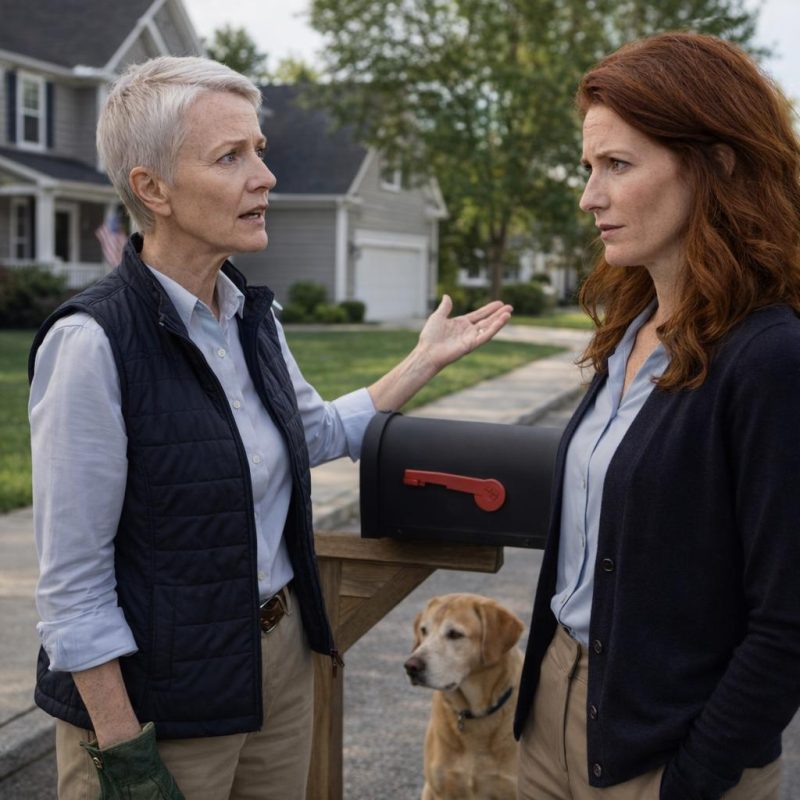 Image by RM AI
Extended Timeline
That evening, I pulled up my calendar and bank statements, determined to establish a clearer timeline. I went back six months, cross-referencing my fuel purchases with my actual driving patterns. And there it was, staring at me from the screen. More frequent fill-ups than my commute justified. Weeks where I'd bought gas three times instead of once. Months of unexplained fuel consumption that I'd attributed to my car's age, to my driving habits, to anything except the obvious truth. I found a note I'd written to myself in March: "Check engine—fuel efficiency seems off." Another in April: "Maybe time for tune-up? Going through gas too fast." I'd dismissed my own concerns repeatedly, accepting explanations that made me feel less paranoid. The pattern was visible now, looking backwards with the knowledge I had. But at the time, I'd been blind to it. Or maybe I'd chosen not to see it, because seeing it would have meant accepting something disturbing was happening. This hadn't started recently at all. I'd just finally noticed what had been happening all along, and the realization made me feel foolish and violated in equal measure.
 Image by RM AI
Retrospective Patterns
I spent Sunday morning searching through my text history with Rachel, looking for any mention of my car or fuel costs. The messages painted a clear picture I'd somehow missed while living through it. "This car is killing me with gas money," I'd texted her in February. "Filled up AGAIN today. I swear I just did this three days ago." Rachel had responded with a joke about my lead foot. In March: "Seriously considering trading this gas-guzzler in. It's ridiculous." In April: "You know that feeling when your gas gauge is lying to you? I filled up Thursday and it's already at half." Every complaint dismissed as car problems, as my own poor driving, as anything except what it actually was. I found emails to my mechanic asking about fuel consumption, dated back eight months. He'd checked everything and found nothing wrong. Because nothing was wrong with the car. I calculated the approximate total fuel stolen over that time period, and the number made me feel sick. Eight months. Maybe longer. I'd been a target for eight months, and I'd only just figured it out a few weeks ago. I added all the historical evidence to my case file and emailed it to Torres, though I doubted it would speed up his investigation.
 Image by RM AI
Memory Reframing
Lying in bed that night, unable to sleep, I started remembering other small incidents I'd written off as my own carelessness. The garage door I'd found open one morning in May, certain I'd closed it the night before. The motion sensor light that kept triggering around two AM for a week straight, though I never saw anything when I looked outside. Items in my car that seemed slightly moved—my sunglasses in a different spot, the seat adjusted back an inch. Keys I'd thought I'd lost, only to find them in an obvious place the next day. Times I'd come home and felt like something was different, though I couldn't identify what. I'd blamed all of it on stress, on working too much, on getting older and more forgetful. But now, with everything I knew, those incidents took on new meaning. Were they connected to the fuel theft? I had no proof. No way to demonstrate that any of it was related. But I couldn't shake the feeling that the gas disappearing from my tank was just the most obvious piece of something larger, something I still didn't fully understand. And that feeling kept me awake until dawn, wondering what else I'd missed.
 Image by RM AI
Comprehensive Documentation
I couldn't sleep, so I opened a new document and started typing. Every weird thing from the past year that I could remember. The garage door I'd found open in May. The motion sensor lights going off at two AM for a week straight. My sunglasses moved in the car. The seat adjusted back. Keys I'd lost and then found in obvious places. That feeling when I'd come home and something felt different, though I couldn't say what. I added dates where I could remember them, descriptions of what I'd noticed, notes about what I'd thought at the time. Most of it was vague. None of it was proof of anything. But seeing it all listed out, chronologically, made my stomach turn. The list kept growing. I had to keep reminding myself that just because things happened around the same time didn't mean they were connected. Correlation isn't causation—I knew that. But I also knew I was going to show this list to the police anyway, even if it made me look paranoid. Because the correlations kept piling up, and I couldn't ignore the pattern anymore, even if I couldn't prove it meant anything.
 Image by RM AI
Bureaucratic Limbo
I called the station three days later asking for Torres. He picked up on the fourth ring, and I could hear other voices in the background. I asked if there'd been any progress on my case. He sighed—not unkindly, but tired. He said the case was still under review, but they had limited resources for property crimes. They'd canvassed my neighbors and come up empty. No new leads from the footage I'd provided. The case remained open, technically, but there wasn't much active investigation happening. I asked about escalation options. He suggested I continue documenting anything suspicious. His tone was professional, apologetic even, but the message was clear: this wasn't a priority. I thanked him and hung up, feeling deflated. The polite bureaucratic language translated to 'this isn't a priority,' and I realized I might be on my own for a while longer. I stared at my phone for a long time after that call, wondering what I was supposed to do next.
 Image by RM AI
New Assignment
Torres called back two days later, and I almost didn't answer because I figured it was more bad news. But his voice sounded different this time—more official. He said a detective had been assigned to my case and would be in touch soon. I asked when. He said probably within the next few days. I'd barely processed that information when my phone rang again that same afternoon. The woman on the line introduced herself as Detective Christine Hayes. Her voice was direct, no-nonsense, the kind that made you sit up straighter even over the phone. She asked if I could meet tomorrow to go over everything. I said yes immediately. She asked a few preliminary questions—how long the thefts had been happening, whether I'd noticed anyone suspicious, if I felt safe at home. I answered as clearly as I could, trying not to sound too eager or too paranoid. She said to have all my evidence ready for review. Detective Hayes introduced herself that afternoon with a directness that made me think she might actually take this seriously.
 Image by RM AI
Thorough Review
I met Detective Hayes at the station the next morning. She was tall, lean, with short gray-streaked hair and a gaze that felt like it could see through walls. We sat in a small conference room, and she spent two hours going through every piece of footage I'd collected. She watched each clip carefully, sometimes rewinding to look at specific moments. She asked about my schedule, my routine, when I usually left for work and came home. She wanted to know about my neighborhood layout, which houses had clear sightlines to my driveway, who lived where. She reviewed the timeline of fuel thefts, asked about the documentation of past suspicious events. She took notes in careful shorthand that I couldn't read upside down. When I mentioned items that seemed moved in my car, she asked which items and when. She wanted to know if anyone had access to my property—house keys, garage codes, anything. She made notes in a careful shorthand and said she'd need to follow up on several leads, which was more than anyone else had offered to do.
 Image by RM AI
Counter-Surveillance Concern
Three nights passed without anyone appearing on camera. My fuel gauge stayed exactly where I'd left it each morning. For the first time in months, nothing was taken. I should have felt relieved, but instead I felt uneasy. Had they noticed the cameras? Had my conversation with the police scared them off? Or were they just waiting, watching to see what I'd do next? I kept reviewing the camera placements, wondering if they were too obvious, if I'd made myself more vulnerable by showing my hand. The sudden change in pattern felt wrong somehow. If someone had been bold enough to come onto my property repeatedly for months, why stop now? I reported the change to Detective Hayes, and she said it could mean several things, none of which she elaborated on. If they knew about the cameras, what else might they know about my security measures—and what would they do differently now?
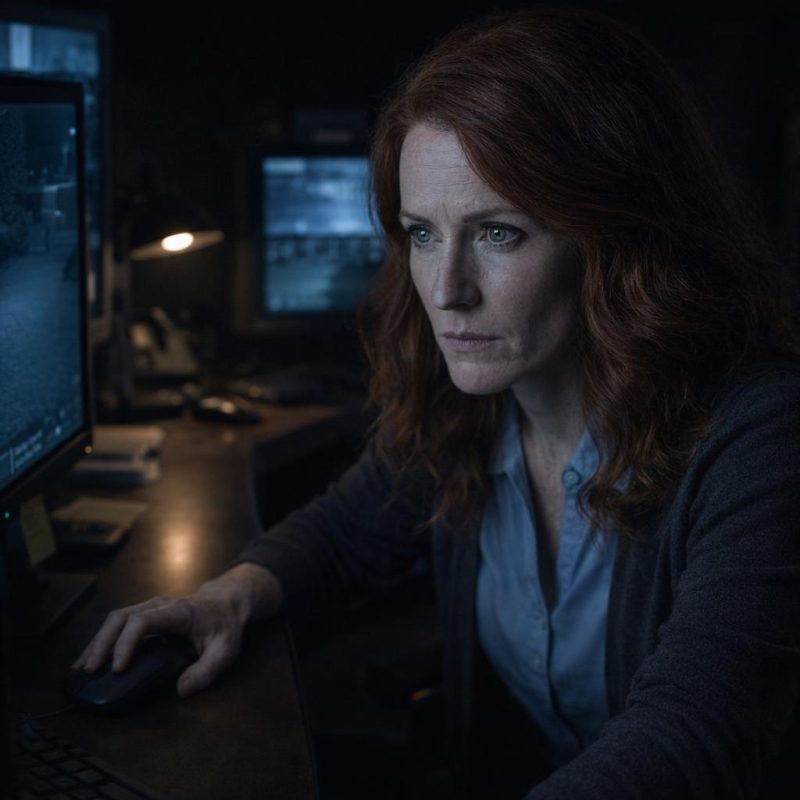 Image by RM AI
Perimeter Security
I went to the hardware store and bought three more cameras. I installed one covering the back door, another watching the side yard, and a third with a better angle on the garage. I configured them all for motion detection and set up notifications on my phone for every zone. I tested the coverage by walking around my property from different approaches, making sure there were no blind spots. The overlapping fields of view made my house look like a fortress on the monitoring app. I called Detective Hayes to let her know about the expanded surveillance. She said it was a good idea and to send her access to the feeds. I spent an hour that evening just watching the live views on my phone, checking each camera angle, making sure everything was recording properly. My property was becoming a fortress, but I felt less safe than ever. If someone was testing my defenses, I wanted to know exactly where and when—even if part of me was terrified of what I might see.
 Image by RM AI
Expanded Intrusion
The new cameras paid off faster than I expected. On the first night, footage from the side yard camera showed a figure moving along the fence line, pausing at each window to check the locks. The second night, the same camera captured someone testing the side gate latch, pushing gently to see if it would open. They moved carefully, deliberately, spending several minutes at each potential entry point. The figure examined my property like they were taking inventory, checking every vulnerability. Their face was still angled away from the cameras, still not clearly visible, but their familiarity with the layout was obvious. They knew where to step, which areas had motion sensor lights, how to move without triggering too much attention. I saved every clip and called Detective Hayes immediately. She viewed the footage remotely and said she was elevating the case priority. This wasn't about fuel anymore—someone was checking my property for vulnerabilities, and I had no idea what they were planning.
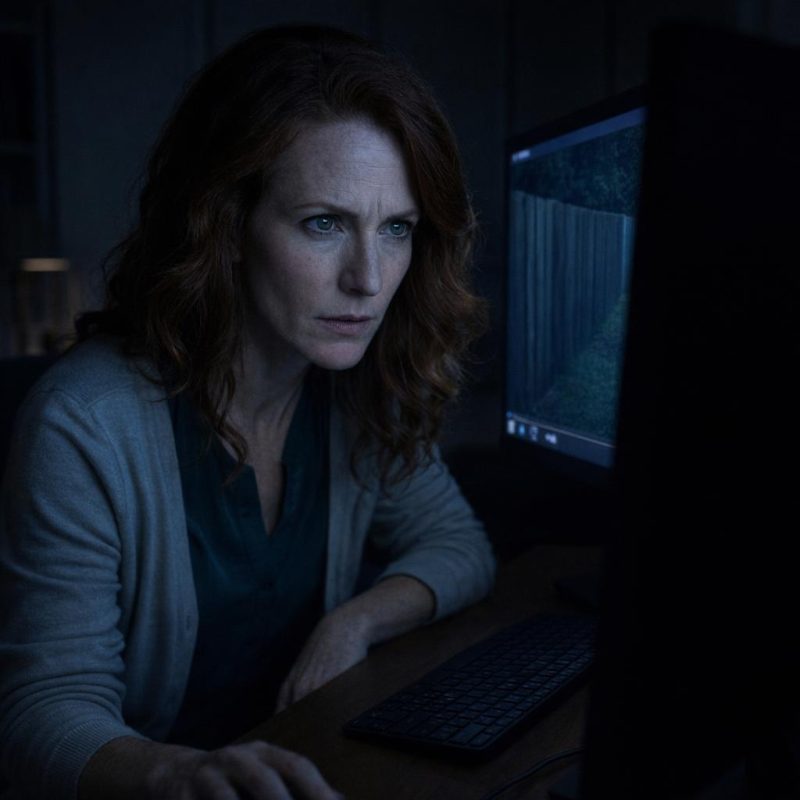 Image by RM AI
Threshold Crossed
I was drinking coffee the next morning when I checked the overnight footage. The back door camera had captured activity around three AM. I watched the figure approach the door, closer than they'd ever come before. Then I saw it—a hand reaching out, fingers wrapping around the door handle. They turned it slowly, testing whether it was locked. The handle moved down, then back up. The door didn't open. They stood there for nearly a minute, hand still on the handle, as if considering their options. Then they stepped back and disappeared from frame. I watched the clip three times, my coffee going cold on the counter. My entire body went cold with it. They hadn't tried to force it open, hadn't pulled out tools or tried to break in. But the fact that they'd touched it at all, that they'd tested it so carefully, meant something had changed. They hadn't tried to force it open, but the fact that they'd touched it at all meant the boundary between outside and inside had been crossed.
 Image by RM AI
Emergency Meeting
I didn't sleep that night. I couldn't. Every time I closed my eyes, I saw that hand on my door handle, testing it, turning it slowly like they had all the time in the world. By five AM, I gave up pretending and drove straight to the police station with my phone clutched in my hand like evidence at a crime scene. The footage felt like it was burning through my pocket. Detective Hayes met me in the lobby before I even finished signing in, her gray-streaked hair still damp like she'd rushed through a shower to get there. We went to a small room with a table and two chairs, and I showed her the video without saying much because what was there to say? She watched it once. Then twice. Then a third time, leaning closer to the screen, her eyes tracking every movement of that figure at my door. She asked about anyone who had access to my property, anyone who knew my schedule, anyone who might have reason to be that comfortable approaching my house at three in the morning. I answered everything I could think of, my voice sounding hollow in that small room. Then she picked up her phone and made a call requesting technical analysis, and when she hung up, she told me the investigation was escalating to priority status.
 Image by RM AI
The Match
I spent the entire day at Rachel's apartment, pacing between her kitchen and living room like a caged animal waiting for news. My phone sat on the coffee table where I could see it, and I checked it every few minutes even though I knew Hayes would call when she had something. The call finally came late afternoon, and I answered before the first ring finished. Hayes said the technical analysis had yielded results. They'd compared the footage against known references in the area, and the build and gait matched someone they could identify. My heart was hammering so hard I could barely hear her next words. She declined to share the identity over the phone, said she needed me to come to the station the next morning instead. There was something in her voice I'd never heard before, something careful and heavy, like she was carrying bad news and trying not to drop it on me through the phone. Rachel was watching my face from across the room, and whatever she saw there made her come sit next to me. I spent the rest of the evening trying to prepare myself for possibilities, running through scenarios in my head, but nothing I imagined came close to what Hayes would tell me.
 Image by RM AI
A Familiar Face
Hayes was waiting for me in the same small room when I arrived the next morning. She explained the analysis process, how they'd compared the footage frame by frame, looking at height, build, the way the person moved. Then she slid a photograph across the table and asked if I recognized the man in it. I looked down at the photo, and the floor dropped out from under me. Dylan Matthews. My neighbor. The guy who lived two houses down and always waved when he saw me getting my mail. I felt my face go numb, then hot, then cold again. Hayes was saying something about how the video matched his build and gait, how they were confident in the identification, but her voice sounded like it was coming from underwater. I remembered seeing Dylan just last week, remembered him smiling at me while I loaded groceries from my car, asking how I'd been. The whole time this had been happening. The whole time he'd been stealing from me, he'd been standing in his driveway making small talk like we were friends. Hayes asked about our relationship, and I heard myself explaining that he was a longtime neighbor, that he'd always seemed trustworthy, that I'd never had any reason to suspect him of anything.
 Image by RM AI
Every Kindness Remembered
I sat in my car outside the police station for twenty minutes, unable to turn the key in the ignition. My hands were shaking. I kept replaying every interaction I'd ever had with Dylan, every casual conversation across our yards, every friendly wave. He'd offered to check on my house once when I mentioned a work trip. Said he could water my plants, keep an eye on things. I'd thanked him but said I'd be fine. He'd asked another time if I ever thought about exchanging spare keys with neighbors, you know, just in case of emergencies. I'd considered it. I'd actually stood there thinking it was a good idea, a smart thing to do. I'd almost said yes. The memory made me feel sick. How many times had he appeared while I was doing yard work, asking casual questions about my schedule? How many times had I mentioned being away for the weekend, going to visit family, working late? I'd handed him everything he needed to know without even realizing it. I finally called Rachel and told her. She went quiet for a long moment, then said she was going to be sick. I drove back to her apartment feeling like my skin didn't fit right anymore, like everything I thought I knew about my life had been a lie.
 Image by RM AI
The Full Picture
Hayes called me back to the station two days later, and I knew from her voice that whatever she had to tell me was worse than I thought. She presented evidence methodically, like she was trying to soften the blow by making it clinical. Dylan had made a copy of my house key eight months ago. They had records from a local key cutting business, a receipt with his name on it. But that wasn't the worst part. Hayes explained that their investigation had discovered a deeper pattern. They had footage from a neighbor's security camera that showed Dylan entering my home during one of my work trips last year. Not just approaching my house. Not just testing the door. Actually going inside. The gas theft was just the surface, she said. The only thing I'd noticed. He'd been entering my home for over a year, moving through my space, touching my things, existing in my house while I slept upstairs or sat at work thinking everything was fine. Hayes detailed a timeline of suspected entries, dates when I'd been away or at work, times when he'd had hours to do whatever he wanted in my home. I sat there feeling like I was going to throw up, understanding that every trip I'd taken, every late night at the office, had been an opportunity for him.
 Image by RM AI
Inside My Walls
Hayes pulled up footage on her laptop and turned the screen toward me. It was from a neighbor's security camera, angled toward the street but catching a clear view of my back door. The timestamp showed six months ago, a Tuesday afternoon when I would have been at work. I watched Dylan walk up to my back door with a key already in his hand. No hesitation. No looking around nervously. He moved like he belonged there, like he was coming home to his own house. He unlocked the door and stepped inside, and I watched the door close behind him. Hayes fast-forwarded through the footage. Thirty-two minutes later, he came back out, locked the door behind him, and walked away. He wasn't carrying anything visible. He'd just been inside my house, in my space, for half an hour. Hayes explained this was one of multiple documented entries. They had other incidents captured during different time periods, different cameras, all showing the same thing. Dylan walking into my house like he had every right to be there. I couldn't watch anymore. I felt rage and violation fighting for space in my chest, both of them so intense I couldn't breathe. He'd been inside my walls, moving through my life like a ghost, and I'd never known.
 Image by RM AI
Borrowed and Returned
Hayes asked if I'd ever noticed items that seemed moved or missing, and suddenly everything clicked into place. The book that had moved from my bedroom shelf to the coffee table. I'd thought I was losing my mind. Kitchen items I'd found in the wrong drawers, tools in my garage that seemed slightly out of place. That necklace I'd been sure I'd left on my dresser but found in my jewelry box instead. I'd blamed myself every single time, thought I was being forgetful or careless. But it had been Dylan. He'd been taking things, using them, and putting them back. Not stealing them. Just borrowing them like my house was a library he could visit whenever he wanted. Hayes documented each incident I remembered, writing everything down, and I felt this strange mix of validation and horror. I hadn't been imagining things. I hadn't been losing my mind. Dylan had been moving through my possessions, using my things, and returning them just carefully enough that I'd doubt myself instead of suspecting the truth. He'd almost gotten away with it perfectly. If he'd just been a little more careful, if he'd returned everything exactly as he'd found it, I might never have noticed anything was wrong.
 Image by RM AI
The Visible Thread
I was back at Rachel's apartment that night, sitting on her couch and staring at nothing, when it finally hit me. The gas theft was Dylan's mistake. His one careless move. Everything else he'd done had been invisible, deniable. Moving my things around could be explained away as my own forgetfulness. Entering my house left no trace if he was careful. But the gas was different. Fuel loss was measurable. It was documentable. It was the one thing I could prove was actually happening and not just in my head. Rachel sat next to me processing the same realization. If Dylan had been just slightly more careful with the fuel, if he'd taken less or spaced it out more, I might never have noticed. I might still be living in my house right now, completely oblivious, while he continued to come and go as he pleased. The thought made my skin crawl, but there was something else underneath the horror. A strange, sick gratitude. The gas theft was the visible thread that unraveled everything else. It was the one violation I could see, and it had exposed all the ones I couldn't. If he hadn't gotten careless about the fuel, I might never have discovered any of it, and that thought kept me awake for hours.
 Image by RM AI
Next Steps
Detective Hayes called me in two days later to discuss next steps. We sat in the same conference room where I'd first told her everything, but this time she had a folder thick with documentation. She walked me through what they'd compiled—the footage from my cameras, the key analysis showing unauthorized copies, witness statements from Rachel and other neighbors who'd seen Dylan around my property. They had enough for a search warrant, she explained, and they were planning to execute it within the week. Then she outlined the plan for bringing Dylan in for questioning. They'd confront him with the evidence systematically, give him opportunities to explain himself, document his responses. Her voice was calm and methodical, like she was describing a routine procedure, but I could see the focus in her eyes. She understood what this meant. Then she asked if I wanted to be present during the questioning. Not in the room, she clarified, but observing from behind the two-way mirror. I could see his reactions, hear what he said, be part of the process without direct confrontation. My mouth went dry at the thought of seeing him again, of hearing whatever excuses or justifications he might offer. But I heard myself say yes before I could talk myself out of it.
 Image by RM AI
Safe Distance
I stayed at Rachel's apartment the day they executed the search warrant. Hayes had advised me to be nowhere near the neighborhood while they worked, and I was grateful for the excuse. Rachel took the day off work and kept me distracted with movies and takeout, but I couldn't focus on anything. Every time my phone buzzed, my stomach dropped. The call finally came that evening. Hayes's voice was careful when I answered, measured in that way that meant she was choosing her words deliberately. They'd found things, she said. Items that appeared to belong to me. Some jewelry, some books, clothing, small personal effects. Things I'd thought I'd lost or misplaced over the past year. They were catalogued now, photographed, documented as evidence. She needed me to come to the station tomorrow to formally identify everything. I felt sick knowing my belongings had been in his house this whole time, that he'd been keeping pieces of my life like trophies. Rachel squeezed my hand as I agreed to come in the next day. Hayes's voice carried the weight of someone about to deliver news nobody wanted to hear.
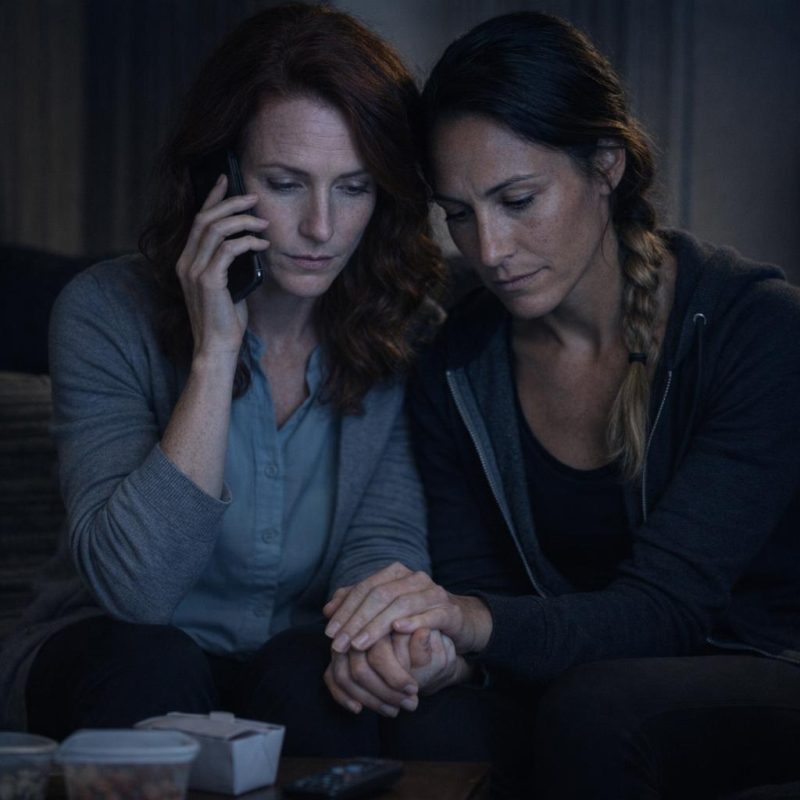 Image by RM AI
Inventory of Theft
The evidence room was smaller than I expected, fluorescent-lit and clinical. Hayes led me to a table where my belongings were laid out in neat rows, each item tagged and photographed. I recognized the silver bracelet my grandmother had given me first. I'd torn my apartment apart looking for it six months ago. Next to it was a book I'd been reading, one I'd assumed I'd left at a coffee shop. Then a scarf, a pair of earrings, a small framed photo of my parents. Each item hit like a separate violation. These weren't things I'd forgotten about—these were things I'd actively searched for, things I'd blamed myself for losing. I'd thought I was careless, disorganized, forgetful. But he'd been taking them, piece by piece, building some kind of collection. Hayes documented each identification, her pen moving steadily across her notepad. The last item was a photograph of me that had been displayed on my bedroom dresser. It showed me laughing at something off-camera, completely unguarded, taken by a friend during a weekend trip. I had to sit down before my legs gave out.
 Image by RM AI
Face to Face
Hayes positioned me in the observation room before bringing Dylan in. Through the two-way mirror, I watched him enter the interview room with that same easy confidence I'd seen a hundred times. He sat down, relaxed, like this was just a casual conversation. Hayes started with the footage, playing clips of him entering my house on her laptop. He watched without much reaction. Then she presented the recovered items, one by one, explaining where each had been found in his garage. He shrugged. Called it neighborly borrowing. Said he'd noticed I was forgetful, that items would be left outside or I'd mention losing things, so he'd been keeping them safe for me. Planning to return them eventually. He described entering my house as checking on things during my absences, making sure everything was secure. His voice was calm, almost amused, like he was explaining something obvious that we were all overreacting about. Hayes pressed him on the copied keys, the systematic entries, the months of surveillance. He maintained he'd meant no harm, that he was just being a good neighbor keeping an eye on things. Then he looked directly at the mirror, smiled slightly, and I felt my blood turn to ice.
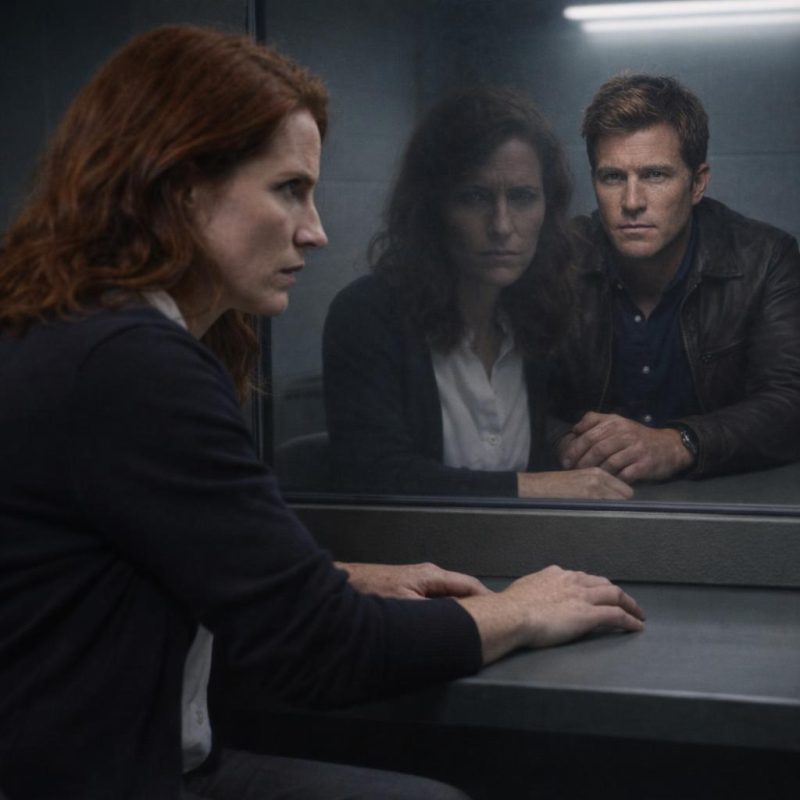 Image by RM AI
My Words on Record
Hayes brought me into a different conference room to give my formal victim impact statement. She set up a recording device and explained this would be part of the official case documentation. I'd prepared notes, but when I started speaking, I barely looked at them. I described the timeline—noticing the gas theft, setting up cameras, discovering the entries. I explained what it felt like to learn someone had been living in my life without permission, moving through my private spaces, touching my belongings, watching me without my knowledge. I talked about the gaslighting, how I'd blamed my own memory for things he'd done, how I'd questioned my sanity before I questioned him. I described the loss of safety, the inability to sleep in my own home, the constant feeling of being watched even after I knew the truth. My voice stayed steady through most of it, clinical almost, like I was describing something that had happened to someone else. But when I got to the photograph, the one from my bedroom, I felt something crack. I explained what it meant that he'd been in that space, that he'd taken something so personal from the most private part of my home. When I finished speaking, the room was silent, and I realized I'd been crying without noticing when it started.
 Image by RM AI
Pattern of Behavior
Hayes called me three days later with news I hadn't expected. Two other neighbors had come forward after hearing about Dylan's arrest. Both women, both living within a few blocks of my house. One had been experiencing mysterious intrusions for months—items moved, things missing, that same creeping sense that someone had been in her home. The other had been dealing with it for three years. Three years of thinking she was losing her mind, of blaming herself for forgetfulness, of feeling unsafe in her own space. She'd never reported it because she had no proof, nothing concrete, just that persistent feeling of violation. When she heard about my case, everything clicked into place. Hayes was expanding the investigation to include both victims. The combined evidence painted a clear picture of systematic targeting, of Dylan methodically working his way through the neighborhood. I felt validation hearing I wasn't alone, that my experience was part of a documented pattern. But underneath that was horror at the scope of what he'd been doing. One of them had been dealing with this for three years and thought she was going crazy until she heard about my case.
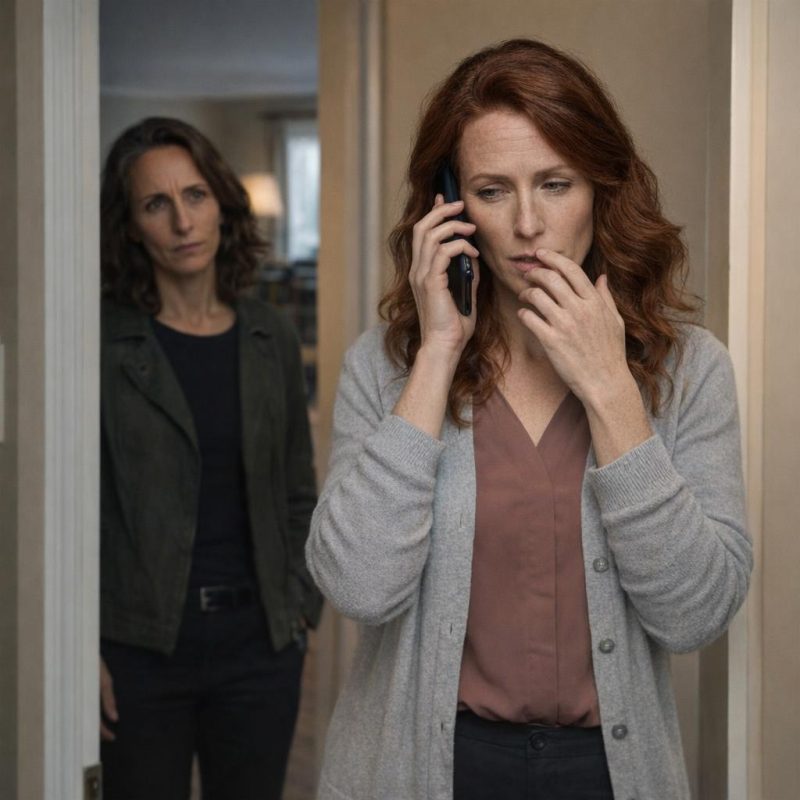 Image by RM AI
The Wife Who Knew
I was at the station reviewing some final documentation when Hayes told me Melissa Matthews had come in. Dylan's wife. She wanted to provide testimony. Hayes asked if I was okay with being present, and I nodded, not trusting my voice. Melissa looked smaller than I remembered, her eyes red-rimmed and exhausted. She'd brought documentation—dates and times she'd noticed Dylan's odd behavior, items she'd found that didn't belong to him, conversations that hadn't made sense at the time. She confirmed she'd known something was wrong but had been too afraid to speak up. Dylan was controlling, she explained quietly. He monitored her movements, her phone, her conversations. She'd learned not to question him. Hayes documented everything while Melissa spoke, her testimony corroborating details from the investigation. Then Melissa turned to me directly. She apologized, tears streaming down her face, for not warning me, for not stopping him, for being too scared to act. She said she'd known he was obsessed with the neighborhood, with watching people, but she hadn't understood the full extent until the arrest. I sat there frozen, feeling anger and sympathy crash together in my chest. She apologized to me with tears streaming down her face, and I didn't know whether to comfort her or scream.
 Image by RM AI
Taken Away
Hayes called to tell me they were executing the arrest that afternoon. I didn't plan to go, didn't think I needed to see it. But when the time came, I found myself driving to my old street, parking a block away where I could see Dylan's house. Police cars were already there, official and unmistakable. I watched from across the street as they brought him out. He was in handcuffs, flanked by two officers, charged with multiple counts of burglary, theft, stalking, and unauthorized entry. The charges covered me and the other victims, months of systematic violations finally documented and prosecuted. I expected to feel satisfaction, relief, some sense of victory. Instead, I just felt hollow. Dylan walked to the police car with his head up, no shame in his posture, no visible distress. Then he saw me standing there. Our eyes met across the distance, and I waited for some reaction—anger, embarrassment, even acknowledgment of what he'd done. But his expression didn't change at all, as if this was just another minor inconvenience in his day.
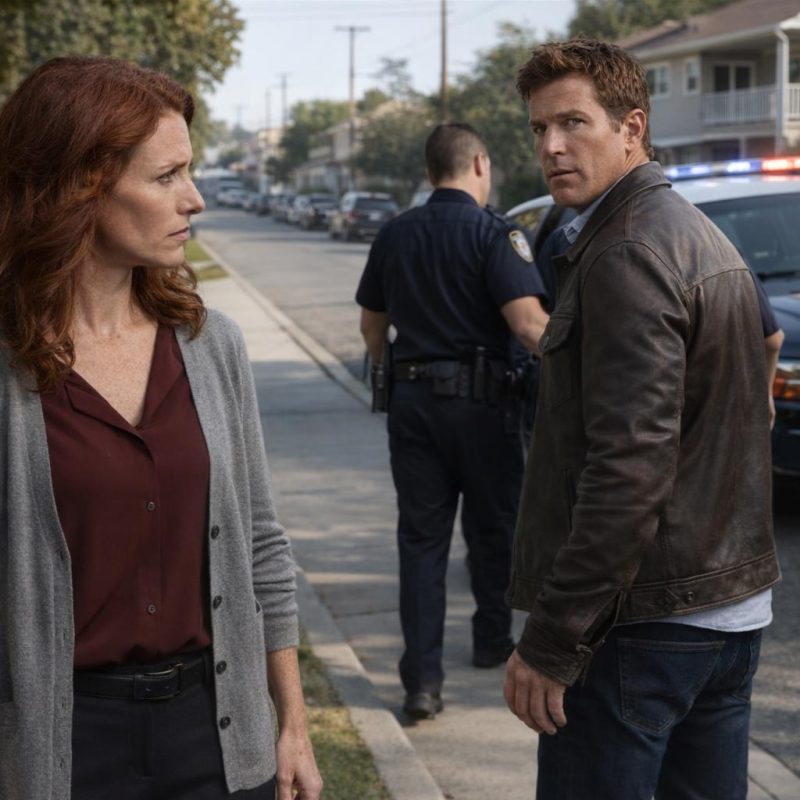 Image by RM AI
Securing Home
Rachel came with me to meet the locksmith, standing in my driveway with her arms crossed while he worked through every door. I'd called him that morning, told him I needed everything changed immediately, and he didn't ask questions when I said someone had unauthorized access. The deadbolts came off first, then the handles, each one replaced with new hardware that only I would have keys for. While he worked on the doors, the security company installed sensors on every window, cameras at each entrance, a control panel by the front door that would alert me to any breach. Rachel walked the perimeter with the installer, pointing out the side gate, the garage door, every possible entry point Dylan had exploited. I changed the garage door opener code myself, standing there with the manual, erasing the old sequence. The restraining order sat on my kitchen counter, official and binding, prohibiting any contact or approach. When everything was finished, I walked through each room, touching the new locks, checking the sensors, removing items Dylan had touched and replacing them with new ones. The process felt empowering and exhausting in equal measure. Rachel left after dark, and I stood alone in my living room with the system armed, every access point secured, and I wondered if I would ever actually feel safe there again.
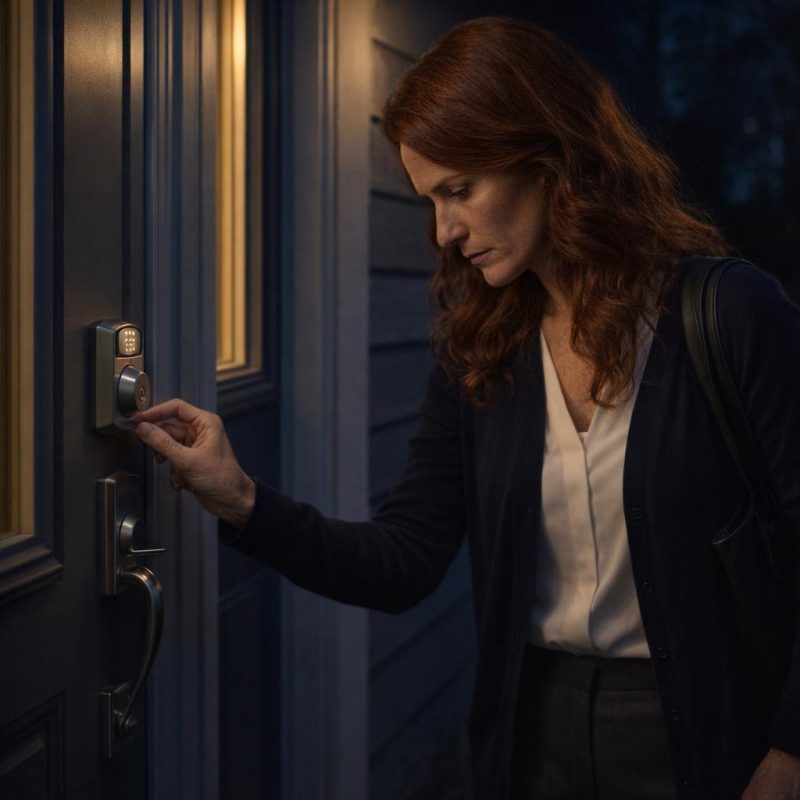 Image by RM AI
First Night Back
I returned to the house after staying with Rachel for three days, my overnight bag feeling heavier than it should. Before I even brought it inside, I checked every lock, tested each one twice, confirmed the security system was armed and monitoring. The app on my phone showed all sensors green, all cameras recording, everything functioning exactly as it should. I lay in bed that night listening to every sound—the house settling, the refrigerator cycling, branches scraping the window. Each noise sent me reaching for my phone, pulling up the camera feeds, scanning the empty rooms and dark yard. I reminded myself that Dylan was in custody, that the restraining order provided legal protection, that I'd done everything possible to secure the space. But knowing something intellectually and feeling it emotionally are completely different things. Exhaustion finally pulled me under around two in the morning, though I woke three more times before dawn, checking my surroundings each time. When morning light finally came through the curtains without any incidents, I felt a small, fragile victory. I'd survived the night alone. Recovery would happen like this, I realized—one uneventful night at a time, gradually rebuilding what had been taken.
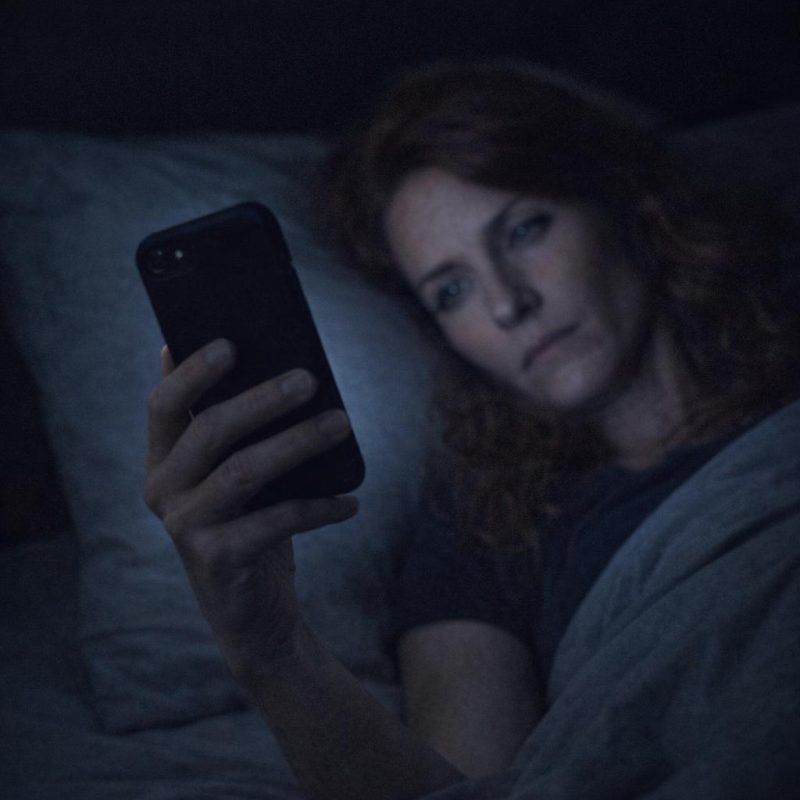 Image by RM AI
Rebuilding Trust
Over the next two weeks, I kept adding layers. Motion-sensor lights went up along the walkway and back porch, flooding the yard with brightness at any movement. I hired someone to reinforce the door frames, adding longer screws and strike plates that couldn't be kicked through. Security film went on all the ground-floor windows, making them harder to break. Each addition felt like reclaiming territory, taking back control one improvement at a time. I created routines around checking the systems, morning and night, until it became automatic rather than anxious. Each day without incident built a little more confidence. I started returning to my regular schedule, going to work, running errands, coming home without that spike of dread. Rachel visited regularly, her presence a steady reminder that I wasn't alone in this. I began inviting other friends over again, cooking dinner at home for the first time since the discovery. One evening Rachel came over and we sat on the porch with wine, watching the sunset paint the street gold. Neighbors walked dogs, kids rode bikes, everything moving in its normal rhythm. The street didn't feel threatening anymore—it just felt like a street. And for the first time in months, that was enough.
 Image by RM AI
Looking Forward
I drove past Dylan's house on my way to work, like I did every morning now. It stood empty, windows dark, his car gone while he awaited trial. I thought about how this whole thing started—just noticing my gas tank running low, a small detail that didn't make sense. I could have dismissed it, convinced myself I was forgetting trips or miscalculating mileage. I'd doubted myself plenty along the way, second-guessed every observation, wondered if I was overreacting. But I'd trusted my perception anyway, documented everything, stayed methodical even when it felt paranoid. That persistence revealed the truth. I considered how close I'd come to never knowing, to living next door to someone violating my space indefinitely, and felt grateful I'd paid attention to my instincts. Out of habit, I glanced at my gas gauge. Full, exactly where I'd left it. Such a small confirmation of restored normalcy, but it meant everything. I felt something shift as I pulled onto the main road—a sense of reclaimed autonomy, of moving through the world on my own terms again. The gas gauge read full, and as I merged into traffic, I felt something I hadn't felt in a long time: like I was finally going somewhere I chose.
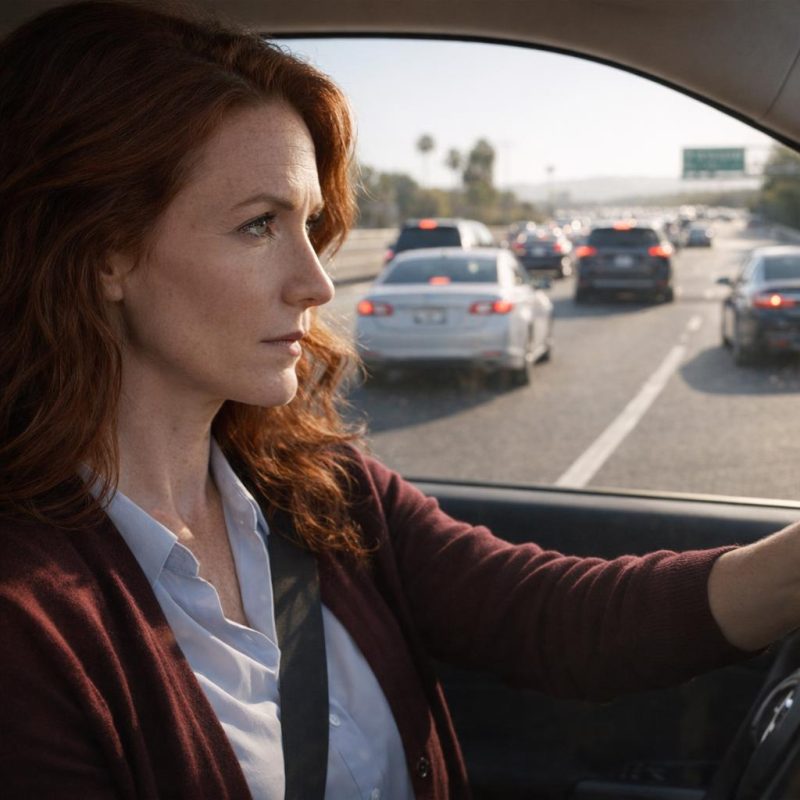 Image by RM AI