
I Gave Up My Inheritance for Grandma's Old Recipe Book — My Siblings Thought I Was Crazy Until I Found Page 42
I Gave Up My Inheritance for Grandma's Old Recipe Book — My Siblings Thought I Was Crazy Until I Found Page 42
The Weight of Pearls
The funeral home smells like lilies and carpet cleaner, and I keep thinking Grandma Evelyn would have hated both. She was a roses-and-fresh-bread kind of woman, not this. I stand near the front, close to the casket, because I can't make myself move away just yet. People file past — neighbors I half-recognize, a few of her church friends, some faces I've never seen before — and every single one of them says she was wonderful, she was so kind, they'll miss her terribly. I want to ask where they were last February when she was alone on a Tuesday afternoon and I drove forty minutes to sit with her and watch old game shows. I don't ask. I just nod and say thank you. Marcus stands near the back with his hands in his jacket pockets, looking like he's waiting for a meeting to start. Elena is beside him, phone tilted slightly so it's not obviously visible, but I can see her thumb moving. I don't say anything about that either. When the last mourner finally drifts out and the room goes quiet, I sit down in the front pew and just breathe. The flowers are too sweet and the carpet is too soft and none of it is her, but the silence, at least, feels honest.
 Image by RM AI
The Victorian's Shadow
We drive out to the house the next morning, and I'm not ready for how different it feels without her in it. The Victorian sits at the end of the block the same as always — the wraparound porch, the dark green shutters, the rose bushes she pruned every spring — but something is missing that no amount of familiar architecture can replace. I unlock the front door with the spare key Thomas gave us and step inside first. The smell hits me immediately: cedar and old books and something faintly floral, like her perfume is still caught in the curtains. Marcus walks in behind me and immediately starts moving through the rooms with his phone out, not taking calls, just — photographing things. The fireplace mantle. The built-in bookshelves. The bay window in the sitting room. Elena drifts toward the front windows and says, almost to herself, that this neighborhood has really come up in the last few years, that the Hendersons two doors down listed for nearly eight hundred thousand last spring. I wander into the kitchen and run my hand along the counter where Evelyn taught me to roll pie crust, and I try to just be here for a minute. Then I hear Marcus's voice from the hallway, low and clipped, and I catch the words property value and current market before I realize he's on the phone with someone.
 Image by RM AI
Division Lines
We end up at the dining room table, the three of us, with cups of tea nobody is really drinking. Marcus sets his phone face-down and says we need to be practical, that Evelyn would have wanted us to handle this responsibly. I notice he says practical the way some people say obviously — like the word itself is supposed to close the conversation. Elena agrees immediately, pulls out a small notebook, and says they should get professional appraisals done on everything, the furniture, the jewelry, the art on the walls. I think about the small watercolor above the sideboard that Evelyn bought at a church sale in 1987 because she liked the colors, not because it was worth anything. Marcus nods and says the estate lawyer will be reaching out soon to walk us through the formal process, but in the meantime they should document everything. The conversation moves to dividing the physical possessions, and they talk about it the way you'd talk about sorting a storage unit — efficiently, without sentiment. I keep my hands around my mug and mostly listen. At one point Elena looks at me and says it's probably cleanest to just sell everything outright, liquidate the whole estate, split it three ways. I don't answer right away. The words hang in the air above Evelyn's good china, and the room holds them there, quiet and heavy.
 Image by RM AI
Rooms of Memory
After Marcus and Elena leave I walk through the house by myself, and it feels completely different without their voices filling it up. I stop in the sitting room first, at the shelf of porcelain figurines Evelyn collected over fifty years — little shepherdesses and bluebirds and a small fox she called Gerald for reasons she never fully explained. I pick up Gerald and hold him for a moment, then set him back exactly where he was. The kitchen pulls me in next. The rolling pin is still hanging on the hook by the window. The ceramic canister set she's had since before I was born sits on the counter in the same order it always has: flour, sugar, tea, coffee. I stood on a step stool at this counter when I was six years old and learned that you fold the butter in, you don't press it. In the sitting room, her reading chair still faces the window, a library book on the side table with a bookmark about two-thirds through. She didn't finish it. I don't move the bookmark. I climb the stairs slowly and stand in the doorway of her bedroom. The quilt on the bed is the one she made herself, squares of fabric from old dresses and curtains and things I half-remember. Everything is exactly where she left it, arranged with the quiet care of someone who always knew where things belonged. I stand there in the doorway and let the stillness settle around me.
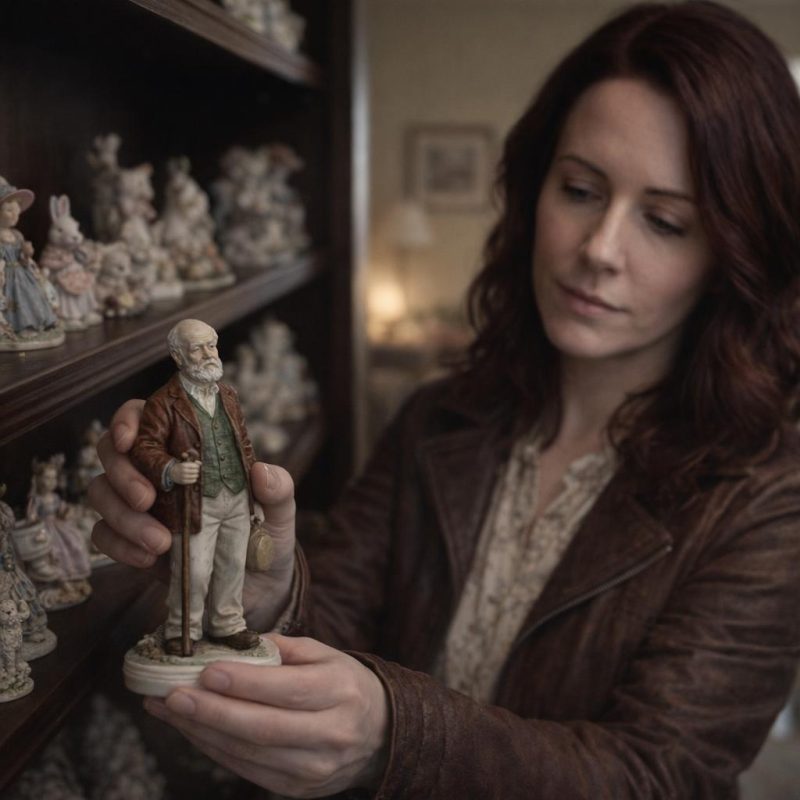 Image by RM AI
The Lawyer's Office
Thomas Aldridge's office is the kind of place that's designed to feel calm — neutral walls, good lighting, a bowl of wrapped mints on the corner of the desk. He's patient and methodical, and he walks us through the will in plain language, which I appreciate. Evelyn divided the estate equally among the three of us, he explains, which means the Victorian house, the contents, and any remaining financial accounts are split in thirds. Marcus asks immediately about the appraisal timeline and whether the house can be listed before the estate formally closes. Thomas explains the process carefully, says there are steps that have to happen in sequence, and Marcus writes something in the margin of the document in front of him. Elena is typing on her phone the entire time, and I watch Thomas notice this and choose not to comment. I ask about the personal property — the furniture, the books, the things inside the house — and Thomas says those are typically handled through mutual agreement among heirs, or through a formal division process if agreement isn't reached. He says it gently, but the word if lands with a little weight. The meeting is almost over when Thomas opens a second folder and begins summarizing the estimated total value of the estate, and I watch Marcus go very still across the table as Thomas reads the number out loud.
 Image by RM AI
Marcus Takes Position
Two days later we're back in Thomas's office, and Marcus comes in with a folder I've never seen before. He sets it on the table and slides it toward the center like he's been waiting for the right moment, which maybe he has. He says he's been thinking about the best outcome for everyone, and that the cleanest solution is for him to retain the Victorian property and buy out Elena and me at fair market value. He says fair market value the way people say it when they've already decided what that number is. The folder contains printed pages — comparable sales in the neighborhood, price-per-square-foot analysis, a summary sheet with a figure at the top that he says reflects current conditions. Elena picks it up immediately and starts reading. Thomas explains the legal mechanism for one heir purchasing the others' interests, says it's a common arrangement, entirely workable if all parties agree on valuation. Marcus mentions, almost as an aside, that he's already spoken with a mortgage broker about financing the buyout. I reach across and take the folder when Elena sets it down. The pages are tabbed and highlighted. The comparable sales are real addresses, real numbers. Someone spent real time putting this together, and it wasn't in the last two days.
 Image by RM AI
Elena's Countermove
Elena doesn't even wait for Marcus to finish his sentence before she says no. Not the number, not the methodology, not any of it. She says she wants an independent certified appraiser, someone with no connection to any of us, and she says it in a tone that makes clear this isn't a suggestion. Marcus tells her his research is thorough, that he pulled the comps himself from public records, that there's nothing in that folder that wouldn't hold up to scrutiny. Elena says that's exactly what someone would say if the numbers were convenient. Thomas steps in and recommends they agree on a neutral third-party appraiser, says it's the standard approach when heirs disagree on valuation, and that it protects everyone. Marcus says fine, but he wants approval over the firm. Elena says absolutely not. Thomas writes something down. I sit with my hands in my lap and watch them go back and forth — Marcus citing square footage and recent renovations, Elena citing conflict of interest and fiduciary responsibility — and I feel myself getting quieter with every exchange, like I'm slowly stepping back from a table I'm still technically sitting at. The meeting ends without any agreement on who appraises what or when, and as we file out into the hallway, Marcus and Elena are still arguing about which firms are acceptable and which ones Elena claims Marcus has used before.
 Image by RM AI
The Recipe Book
I go back to the house on a Thursday afternoon, between the second and third rounds of emails about appraisal firms. I don't have a specific reason. I just need to be somewhere that doesn't feel like a negotiation. I make myself a cup of tea in Evelyn's kitchen and stand at the counter for a while, not doing much of anything. Then I start opening drawers, the way you do when you're not looking for something in particular — the junk drawer by the stove, the one with the good scissors and the rubber bands, the narrow one beside the sink. Behind a folded stack of dish towels in the cabinet below the counter, my hand finds something solid and soft at the same time. I pull it out. It's a small book, maybe six inches tall, bound in dark brown leather that's gone soft and creased at the corners. I know it before I even open it. I've seen it on this counter my whole life, propped against the flour canister while Evelyn measured and stirred and talked to me about things that mattered. Her handwriting is on the cover in faded ink — a recipe book, her recipes, the ones she made from memory and finally wrote down so they wouldn't be lost. I sit down at the kitchen table and hold it in both hands, the worn leather warm against my palms.
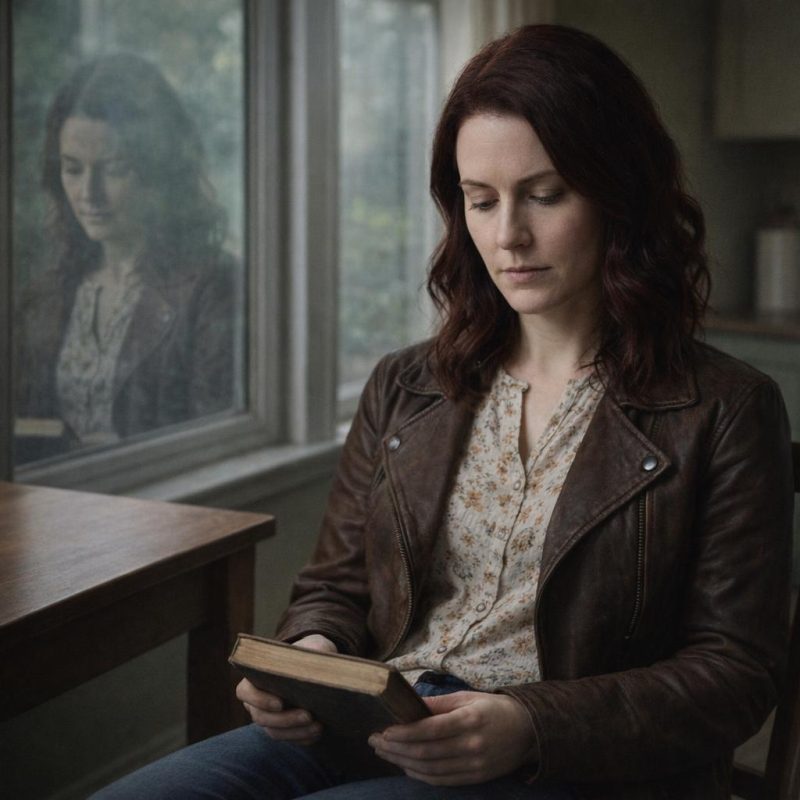 Image by RM AI
An Unusual Request
I sit with the recipe book in my lap for a long time that evening, on my couch with the lamp on and the rest of the apartment dark. I've been getting emails all week — appraisal updates, comparable sales figures, a thread between Marcus and Elena about whether to sell the Victorian house as-is or stage it first. None of it feels like Evelyn. None of it feels like anything except a transaction I didn't ask to be part of. I think about what I actually want from her life. Not the house, not the furniture, not whatever the jewelry appraiser decides the pearls are worth. I want this. The worn leather cover, the faded ink, the way her handwriting gets a little looser toward the bottom of each page like she was writing from memory and the words were coming faster than her hand. I want the sugar cookie recipe and the apple pie and the bread she made every Sunday without measuring anything. I want to be able to sit in my own kitchen and feel like she's still in the room. I'm going to tell Marcus and Elena at the next meeting. I'm going to say I want the book and nothing else, and I'm going to mean it. The thought settles into my chest like something that was always supposed to be there.
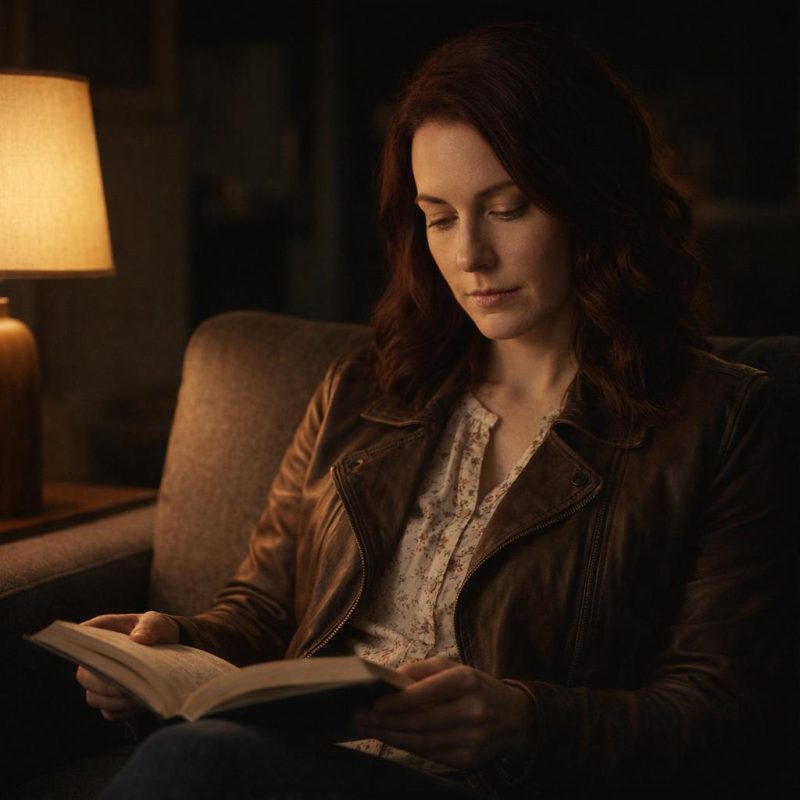 Image by RM AI
The Announcement
Thomas has a conference table in his office that's too big for the room, and the three of us sit at one end of it like we're trying not to take up too much space. He's walking through the updated asset summary when I say I need to stop him for a minute. Marcus looks up from his phone. Elena sets down her coffee. I tell them I've made a decision about my share of the estate. I say it clearly, the way I practiced it in the car: I want the recipe book. Just the book. I'm prepared to waive my claim to everything else. Thomas asks me, in his careful measured way, whether I understand what I'm relinquishing — that my one-third share represents a significant sum. I tell him I understand. Elena says, "The recipe book." Not a question, exactly. More like she's testing whether she heard me right. I explain that it belonged to Evelyn in a way nothing else did, that she made it herself, that it matters to me. Thomas says the waiver will need to be formalized in writing and he can have the paperwork ready within the week. I nod and look back at Marcus and Elena, and the look that passes between them is fast and quiet and impossible to read.
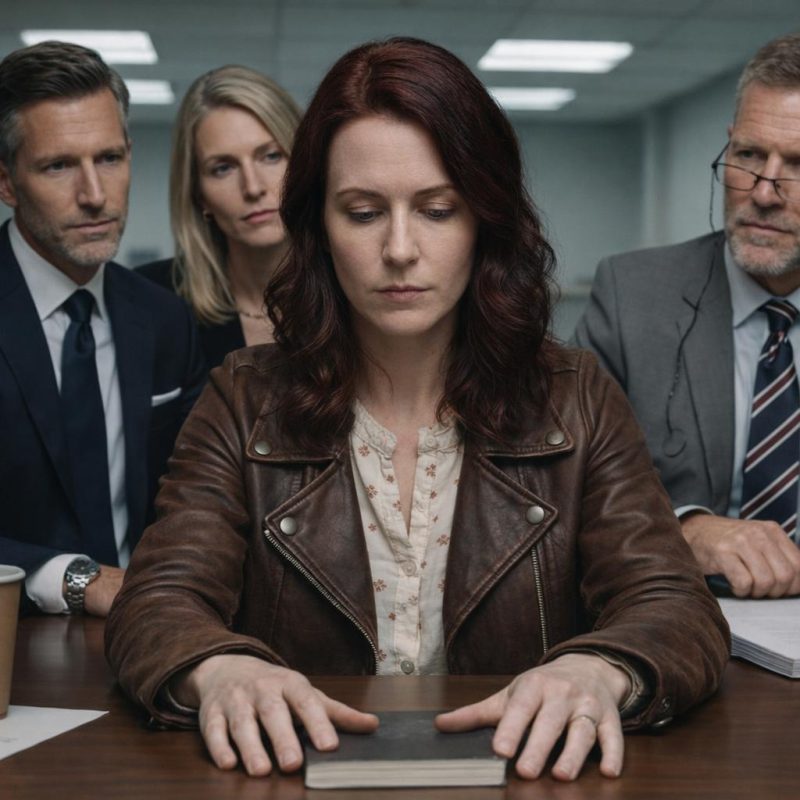 Image by RM AI
Practical Concerns
Marcus waits until Thomas steps out to refill his water before he says anything. He doesn't raise his voice. He never raises his voice. He just leans back in his chair and asks if I've actually thought this through. He says I'm walking away from four hundred thousand dollars — maybe more, depending on how the house appraises. He says he's not trying to be harsh, he's trying to be realistic, and that sentiment is a fine thing but it doesn't pay a mortgage. Elena chimes in to ask, almost gently, whether I'm having money trouble, whether there's something going on I haven't told them. I say no. I say this is just what I want. Marcus mentions our parents, says they'd want me to be practical, says Evelyn herself was practical about money even if she didn't talk about it much. I don't have a good answer for that one, and I can feel the silence filling in around me. Thomas comes back and reminds everyone, diplomatically, that I'm legally entitled to make this choice and that his job is to facilitate it, not evaluate it. Marcus nods like he agrees, but the look on his face doesn't change. I carry the weight of his disappointment out of the room with me when we finally wrap up.
 Image by RM AI
The Waiver
The waiver document is four pages long. Thomas walks me through each section at the table, his reading glasses on, his voice steady and unhurried. He's good at this — making something feel manageable without pretending it's small. I read every line. I'm relinquishing my one-third claim to the estate, including the Victorian house, the contents, the investment accounts, all of it. In exchange, I receive clear legal title to one personal item: a handwritten recipe book, dark brown leather cover, approximately six inches by eight inches, currently in my possession. Marcus and Elena sit across from me and don't say anything. I pick up the pen. My hand doesn't shake, which surprises me a little. I sign where Thomas indicates, and he countersigns as witness, and that's it. Thomas slides a copy across the table to me and says the book is now legally mine. Marcus gathers his papers. Elena checks her phone. I sit there for a moment after they've started moving, looking at my signature on the page — the ink still slightly wet, the letters of my name sitting there in the quiet like something I can't take back.
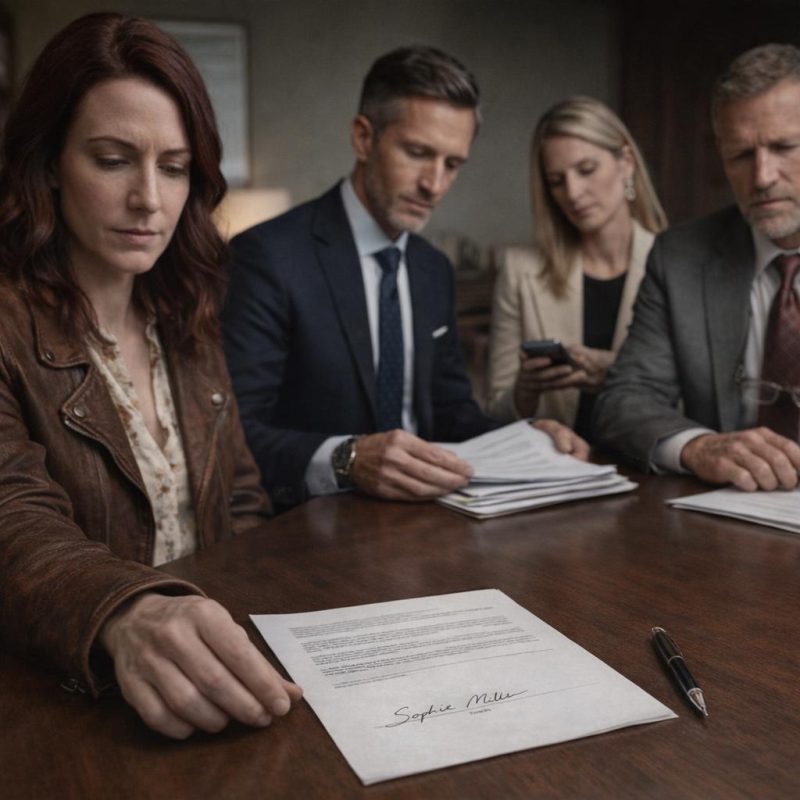 Image by RM AI
Elena's Verdict
Elena calls that evening, just after seven. I'm still in my coat when my phone lights up with her name. She says she's not calling to argue, she just wants to talk. She sounds measured, careful, the way she gets when she's decided something in advance. She says she's worried about me. She says she's been thinking about retirement planning, about how quickly things can shift financially, and that four hundred thousand dollars is the kind of cushion that changes what your future looks like. I tell her I know what I gave up. She says she's not sure I do, not really, and that she's seen people make emotional decisions after a loss and regret them for years. I try to explain — about the book, about Evelyn, about what it means to have something she actually made with her hands. Elena listens, or at least she's quiet while I talk. When I finish, she says she hopes I've spoken to a financial advisor. I say I haven't. There's a pause, and then she says she loves me but she can't keep watching me make choices like this, and that she can't help someone who won't help themselves.
 Image by RM AI
Bringing It Home
I set the recipe book on my kitchen counter when I get home, right where the flour canister would go if I had one, and I stand back and look at it for a minute. My apartment is quiet in a way that feels different from usual — not peaceful exactly, just empty of other people's opinions. I think about Marcus's voice in that conference room, about Elena's pause before she said goodbye. I wonder, not for the first time, whether I made a mistake. Four hundred thousand dollars is not nothing. I know that. But then I look at the book sitting there on the counter, the worn leather, the soft crease at the spine, and the wondering quiets down a little. I make tea. I eat leftover rice standing at the counter. I keep glancing at the book the way you glance at something you're not quite ready to touch yet. Finally I pull out the stool, sit down, and open the book to the first page.
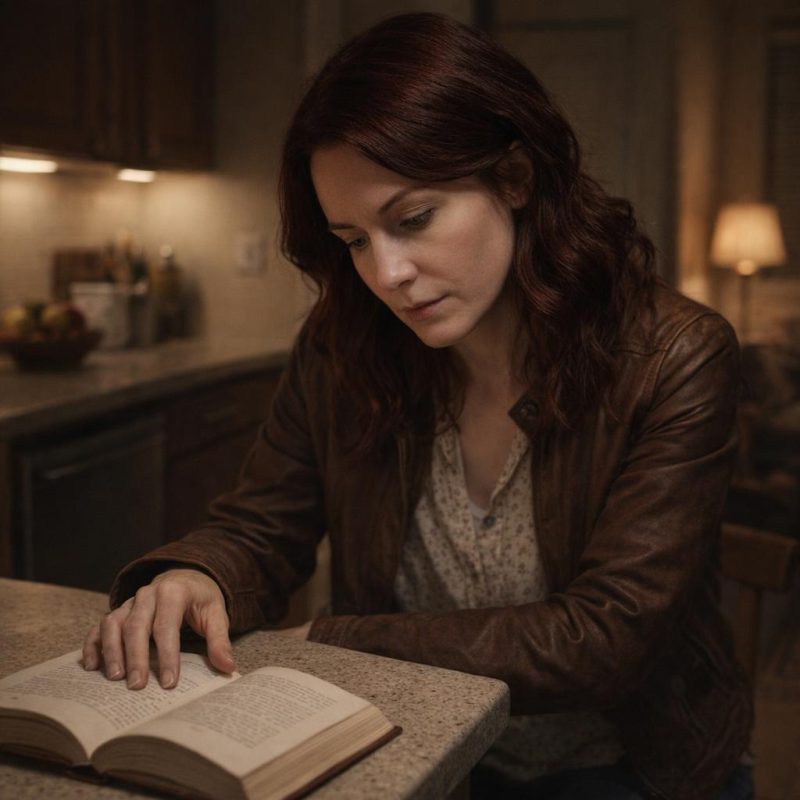 Image by RM AI
First Recipe
The first recipe is sugar cookies. Of course it is. Evelyn's handwriting fills the page in that particular way she had — neat at the top, a little looser by the time she got to the baking temperature, like she was already thinking ahead to the next step. The measurements are precise: two and a quarter cups flour, three-quarters cup butter, one teaspoon vanilla, no shortcuts noted anywhere. I gather what I have, make a quick run to the corner store for butter, and spend the next hour following her instructions line by line. My kitchen smells like hers did on Saturday mornings. I don't rush it. I crimp the edges of each cookie the way she showed me, pressing the fork down twice, the way she always said once was never enough. When the timer goes off I let them cool for exactly the three minutes she specified, and then I eat one standing at the counter. It's exactly right. The same sweetness, the same slight crunch at the edge, the same soft center. I close my eyes, and I'm eight years old in Evelyn's kitchen, and she's telling me I did a good job.
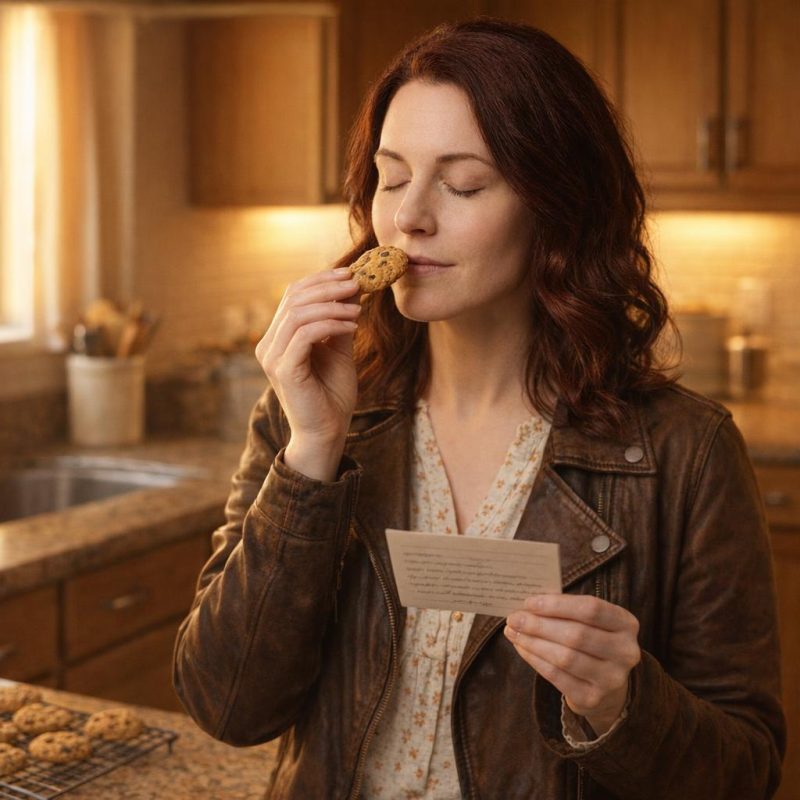 Image by RM AI
Sunday Afternoons
I spend the rest of the afternoon with the book open on the counter, moving from recipe to recipe the way you flip through an old photo album — slowly, stopping at the ones that catch you. I try the apple pie next. I remember standing on a step stool to reach the counter, Evelyn guiding my hands around the edge of the crust, showing me how to crimp it just so, patient in a way that never felt like patience, just like time. The pie takes longer than I expect and I burn the first edge a little, which feels right somehow, like I'm still learning. I mix bread dough in the late afternoon, the kitchen warm and floury, and I think about Sunday dinners at the Victorian house — the long table, the good dishes, the way Evelyn always acted like feeding people was the most natural thing in the world. By the time the bread comes out I'm tired in a good way, the kind of tired that comes from using your hands. I sit at my kitchen table with a slice of warm bread and butter, and the afternoon light comes through the window at a low angle, and the whole apartment smells like her house used to, and for a little while that's enough.
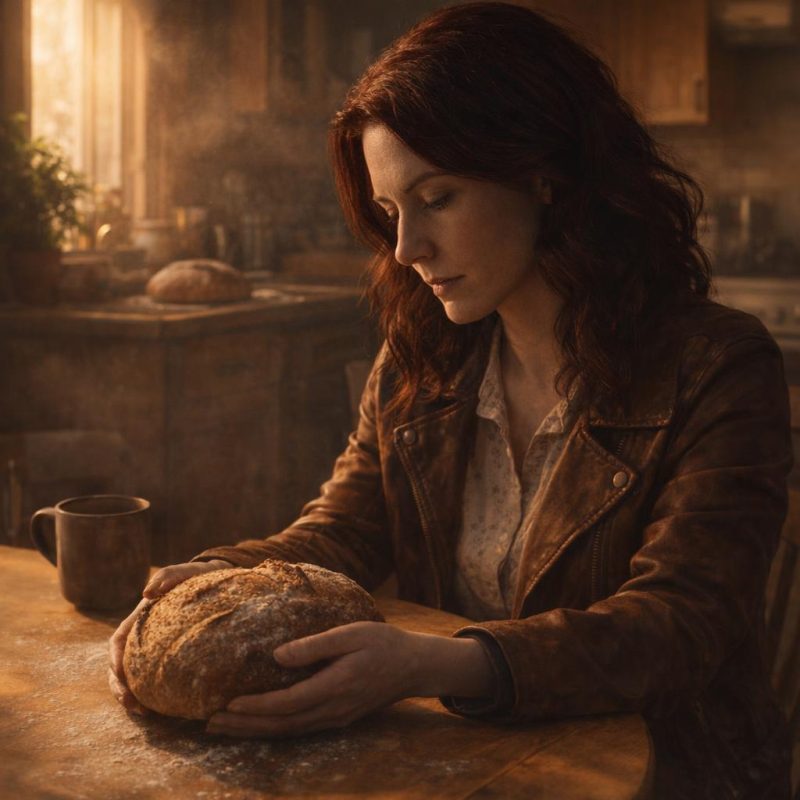 Image by RM AI
Evelyn's Voice
I don't know when I start reading the margin notes instead of the recipes themselves, but at some point that's what I'm doing — sitting at the kitchen table with the book tilted toward the lamp, following Evelyn's handwriting along the edges of the pages. The notes are small, practical things at first. 'Don't rush the rising' beside the dinner roll recipe. 'Low heat is key' next to the custard. 'Let it rest — it knows what it's doing' under the pot roast. I can hear her voice in every one of them, that particular mix of patience and certainty she had, like she'd made peace with the fact that good things take time and she wanted you to make peace with it too. I find a note beside the birthday cake recipe that says 'made this for your mother's birthday, 1974' and I have to set the book down for a second. She kept track of all of it. Every occasion, every person it was made for. I pick the book back up and keep turning pages, and then I stop. There, in the margin of a recipe I don't recognize, in handwriting a little softer than the rest, are three words: 'patience, dear one.'
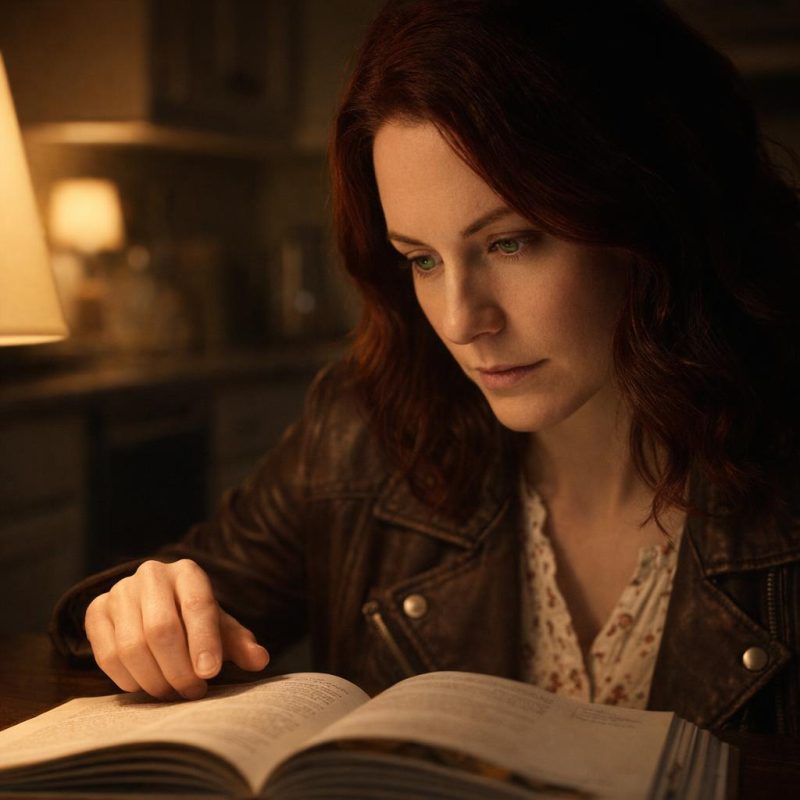 Image by RM AI
Variations in Ink
I page through the book more slowly now, not cooking, just looking. It's the kind of thing I do when I'm trying to understand something — go back to the beginning, move through it in order, pay attention to what I might have skimmed past. That's when I notice the ink. Some recipes are written in blue, others in black, and a few of the older-looking ones in something closer to brown that might have been black once. The handwriting stays the same throughout — Evelyn's careful, slightly forward-leaning script — but the ink shifts, sometimes mid-section, sometimes between recipes. I find myself wondering how many years this book spans. Some pages are soft at the edges from handling, the paper almost velvety where fingers have touched it most. Others are crisper, less worn, like they were added later when the book was already half-full. I think about Evelyn at different ages sitting down to write in it — young, then middle-aged, then the woman I knew with the silver hair and the pearls — and the book starts to feel less like a collection of recipes and more like a kind of diary, one written entirely in flour and butter and careful instruction. I close it gently and leave my hand resting on the cover, that quiet curiosity still turning over somewhere in the back of my mind.
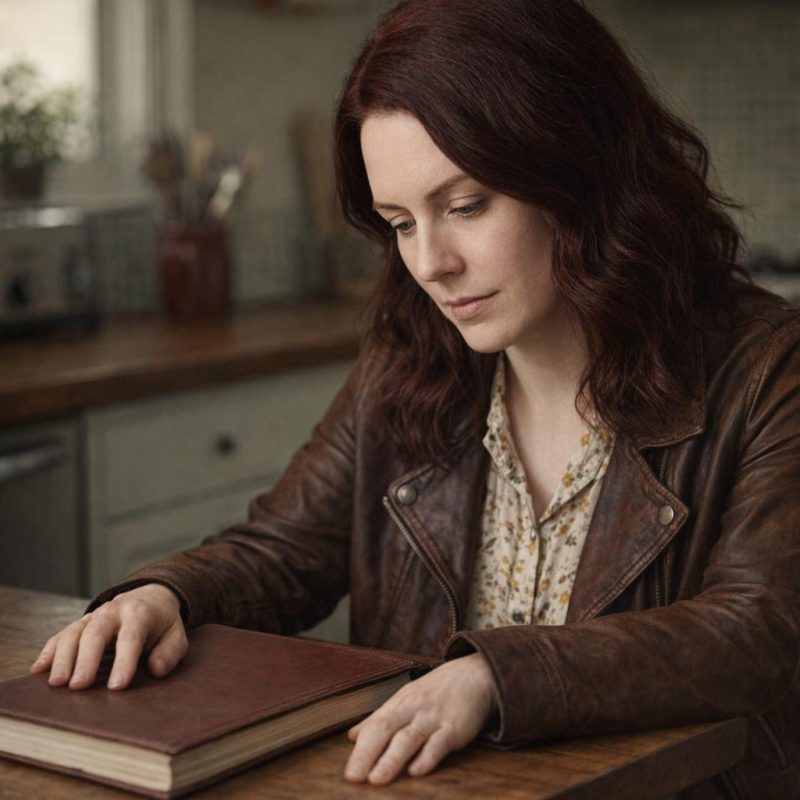 Image by RM AI
Working Through
I decide to work through the book from the very beginning, page by page, the way you'd read something you wanted to actually understand. I'm not trying to cook everything — some of it I just read, tracing the instructions with my finger, letting the dishes come back to me. The lemon cake on page eleven is one I don't remember at all, and I make it on a Tuesday afternoon mostly out of curiosity. It comes out denser than I expect, fragrant and a little tart, and I eat two slices standing at the counter before I even think to sit down. There are pages of preserves and pickles I'd forgotten about — whole summers of canning that Evelyn did every year, the pantry shelves lined with jars. I find a recipe for Christmas cookies marked 'family favorite' in red ink, the only red ink in the whole book, and I feel a small ache at that. The pages with the most stains are the ones she made most often, I figure — the ones that got splattered and handled and set down on wet counters. Those are the ones that feel most alive. I work through the afternoons this way, unhurried, the book open beside whatever I'm making, and there's a particular satisfaction in moving page by page, in not skipping ahead.
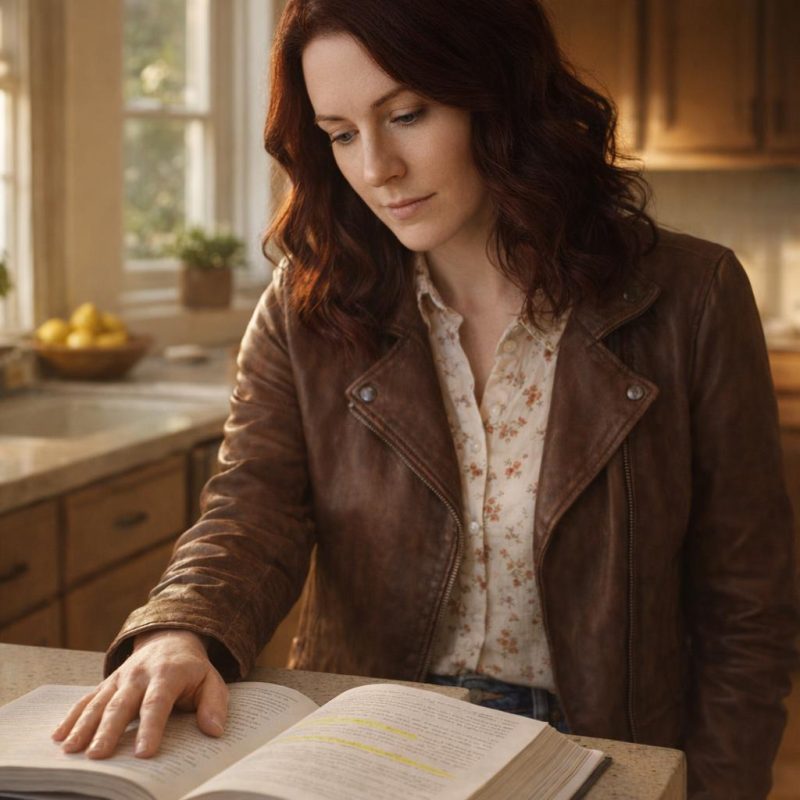 Image by RM AI
Incomplete Instructions
I reach the strawberry preserves recipe on a quiet Thursday morning and I read it twice before I realize something feels off. The ingredient list starts normally enough — strawberries, sugar, lemon — but then it just stops. No pectin, no water measurements, no yield. The instructions pick up mid-process, as if the first few steps were assumed knowledge, but the proportions aren't there either. I flip back, thinking maybe I missed a facing page, but there's nothing. I tell myself Evelyn probably knew this recipe so well she didn't bother writing the obvious parts down, the way experienced cooks do. That makes sense. I keep going. But then I hit a jam recipe two pages later with the same kind of gap — a list that trails off, instructions that start in the middle. And then a bread recipe after that, missing its yeast quantity entirely. I hold the book up to the window to check if anything has faded, but the ink looks fine, the pages intact. I flip ahead, scanning more carefully now, and I find three more recipes with the same kind of missing pieces — not damaged, not faded, just incomplete, like someone left out every other step.
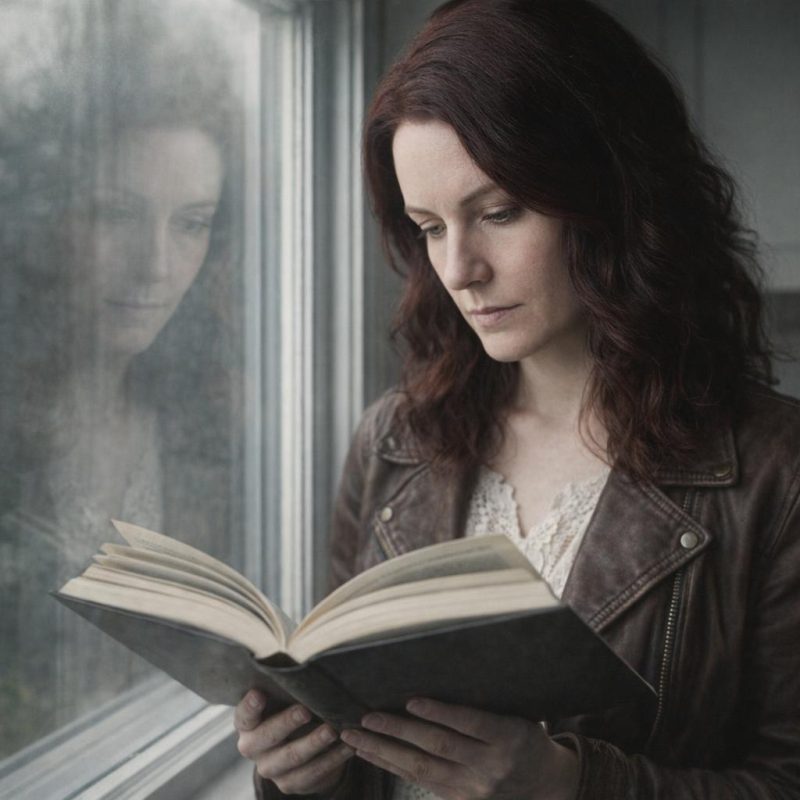 Image by RM AI
Strange Notations
I go back to the pickled vegetable recipe and look at it properly this time. I'd skimmed it before, but now I sit with it. The instructions themselves are fine — standard enough, brine ratios, processing times — but the margins are different. There are small notations I don't recognize, written in the same careful hand as everything else but using symbols I can't place. A small triangle next to the dill. What looks like 'CH-6' beside the vinegar measurement. 'ZH-3' written at the bottom of the page with a faint underline. I flip to the other incomplete recipes and check their margins too. Some have similar markings, some don't. I try to think whether these could be old European cooking terms — Evelyn grew up in a different country, after all, and maybe her mother used a system I've never encountered. Or maybe it's just personal shorthand, the kind of private notation anyone develops after decades of cooking the same things. I search a couple of the abbreviations online and get nothing useful. I write them down in a notebook anyway, thinking maybe they'll make more sense in context if I keep reading. I close the recipe book and sit back, the notations still turning in my head, not alarming exactly, just sitting there unresolved.
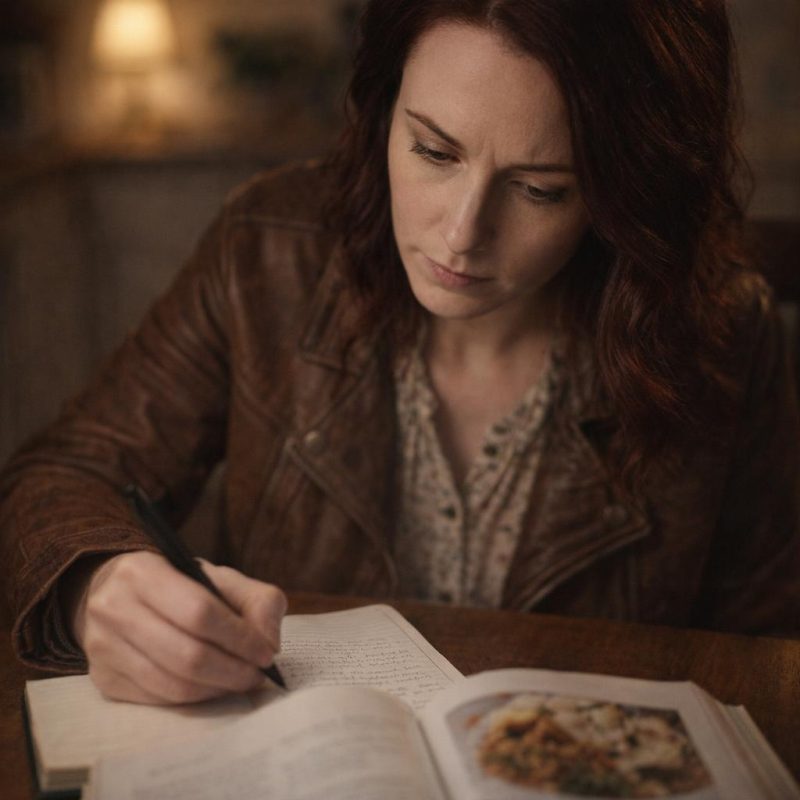 Image by RM AI
The Call
Marcus calls just after seven, while I'm washing up from dinner. I almost don't answer, but I do. He sounds tired in a way I haven't heard from him before — not defeated, just worn down, like someone who's been arguing the same point for weeks and is starting to feel the weight of it. He tells me that he and Elena can't agree on the property appraisal. They've each hired their own lawyers now, which I already suspected was coming. He says Elena is being unreasonable, that she's inflating her expectations based on a market assessment that doesn't account for the renovation costs. I listen and make the right noises and don't take sides, which seems to frustrate him a little. Then he asks, almost as an aside, whether I've given any more thought to reconsidering my waiver. I tell him I haven't, that I'm happy with the recipe book, and there's a pause on his end that says more than he does. 'The legal fees are mounting,' he says finally, and I can hear the exhaustion in it. I tell him I'm sorry, and I mean it, even if I don't mean it the way he wants me to. After we hang up I stand at the sink for a moment, the water still running, and I feel the particular quiet of being outside something that would have swallowed me whole.
 Image by RM AI
Return to the Oddities
I can't stop thinking about the notations. I try to put the book aside for a day and I manage about half of one before I'm back at the kitchen table with my notebook open beside it. I go through the recipes I'd flagged and add two more to the list — a spiced pear recipe near the back with 'GE-4' written in the lower margin, and a fig preserve with a small symbol I can't identify at all, something like a circle with a line through it. I start making a proper list: which recipes have the unusual markings, what the markings say, where on the page they appear. It's the kind of thing I do when something doesn't quite fit — I make it orderly, give it structure, see if the structure tells me something. The recipes with notations don't seem to share an obvious theme. Some are preserves, one is a cake, one is a bread. Some are in blue ink, some in black. I look at the list and turn it over in my mind, trying to find the thread. I count the entries in my notebook: five recipes, all with the same kind of unexplained marks.
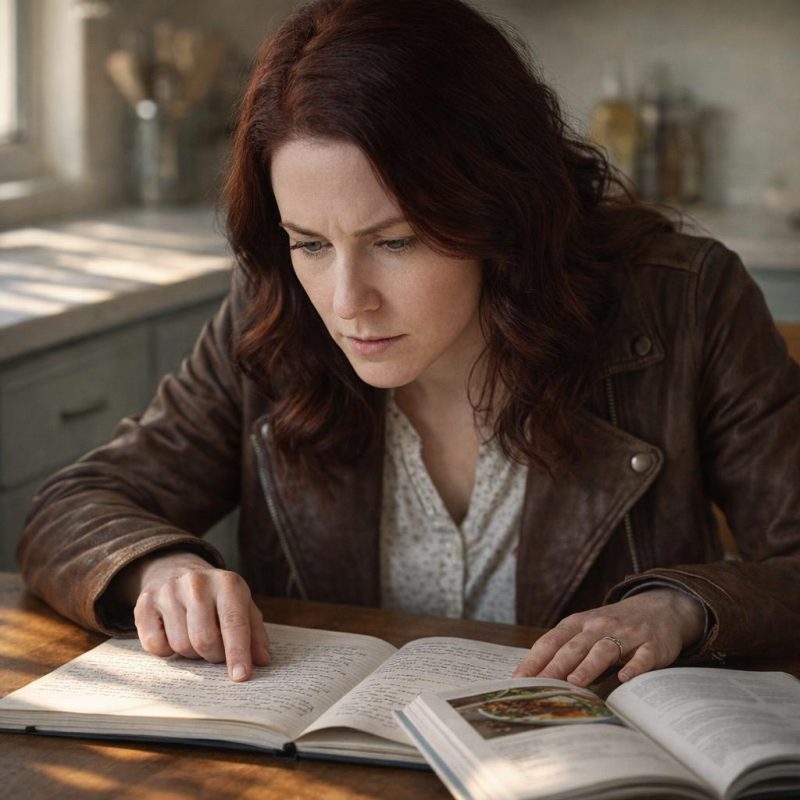 Image by RM AI
Impossible Ingredients
I start with the ingredient names I don't recognize, the ones that don't appear anywhere else in the book. I type 'essence of bergamot-7' into the search bar expecting to find some obscure European pantry staple I've simply never encountered. Nothing comes back — not a product, not a historical reference, not even a forum post from someone asking the same question. I try 'crystallized verbena compound' next. Still nothing. I check a historical cooking database I find through a library link, the kind that catalogs old European recipes and regional terminology. I search through it carefully. No matches. I sit back and consider the possibilities. Maybe Evelyn made her own preparations and named them herself — home cooks do that sometimes, especially with infusions and extracts. Maybe something got lost in translation from another language, a term that made sense in German or French but came out strange in English. Maybe she was working from her mother's notes and copied something down without fully understanding it herself. All of those feel plausible. I pull up the search results again and scroll through them anyway, looking for anything I might have missed. The screen shows the same thing it showed before: no results found.
 Image by RM AI
Precision and Error
I keep coming back to one thing: Evelyn was not a careless woman. I don't mean that in a vague, sentimental way — I mean it in the most literal sense possible. She measured flour to the gram on a kitchen scale she'd owned for forty years. She kept her spice jars alphabetized and labeled in her own handwriting, refilled before they ran low. Her household accounts were balanced to the cent, every receipt filed in a small accordion folder she kept in the second kitchen drawer. I used to tease her about it when I was a teenager, calling her the most organized person alive, and she'd just smile and say that precision was a form of respect — for the ingredients, for the people eating, for the work itself. So when I sit here looking at ingredient names that don't exist anywhere in any database I can find, I can't make myself believe she simply wrote them down wrong. Evelyn didn't write things down wrong. She didn't guess at measurements or approximate quantities or leave gaps in her records. Whatever these strange entries are, they don't feel like mistakes — and that feeling is the thing that unsettles me most.
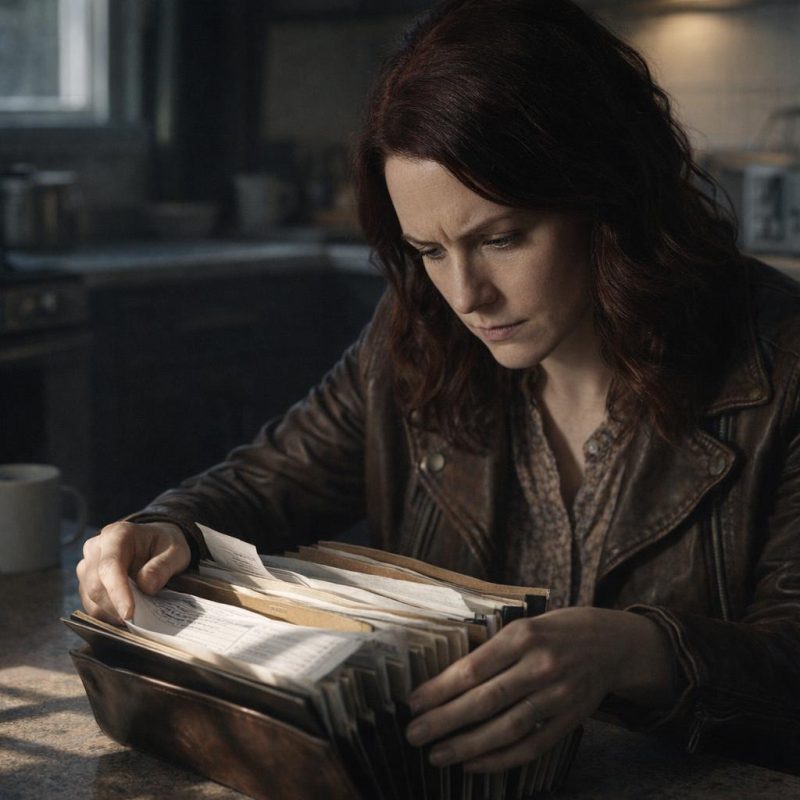 Image by RM AI
Page Forty-Two
I decide to go through the book page by page, front to back, the way I should have done from the start instead of jumping around. Most of the early pages are exactly what I expected — handwritten recipes in Evelyn's careful script, the ink slightly faded, the paper soft at the edges from years of handling. Some pages have small grease stains or a dusting of flour caught in the binding. They feel used, lived-in, the way a real recipe book should feel. I turn through them steadily, reading titles, noting the occasional unfamiliar ingredient, moving on. Then I reach page forty-two. The recipe at the top is titled 'Hard Candy' in Evelyn's handwriting, the letters neat and deliberate. But the page itself is different from the ones before it — cleaner, the paper crisper, with none of the soft wear I've been running my fingers over for the past hour. I don't read it yet. I just look at it for a moment, aware that something in my attention has shifted, the way it does when a room goes quiet and you can't immediately say why. I sit with that stillness, not quite ready to move forward.
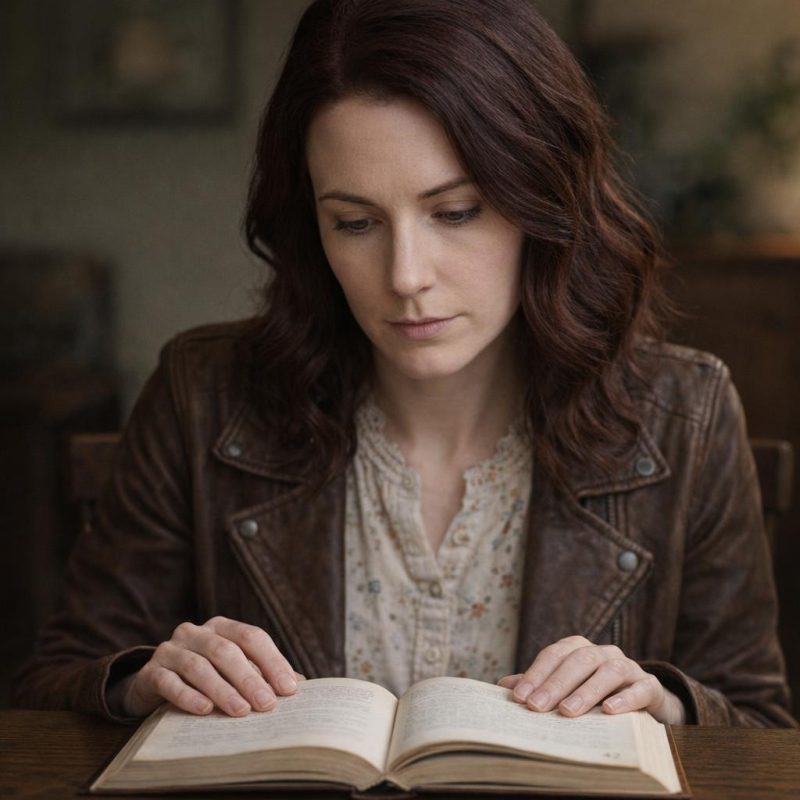 Image by RM AI
Numbers Instead of Measures
I read the Hard Candy recipe once, slowly, expecting my brain to catch up and make sense of it. It doesn't. I read it again. Then a third time. There are no ingredients listed — not in the usual sense. Where Evelyn would normally write 'two cups of sugar' or 'one teaspoon of vanilla,' there are only numbers. Six-digit sequences, each on its own line, formatted the way a list of measurements might be formatted, but with nothing beside them to explain what they measure. I count them: six sequences in total. No temperatures. No timing. No method. No note about yield or storage or who the recipe came from. Just the title at the top — Hard Candy — and then the numbers, arranged in a clean column down the page. I read through them again, slower this time, as if the meaning might surface if I give it enough patience. It doesn't surface. My heart rate has picked up in a way I can't entirely account for, a low hum of something I can't name sitting just behind my sternum. I set the book down on the table and look at the page without touching it, the six sequences sitting there in Evelyn's careful handwriting, quiet and completely still.
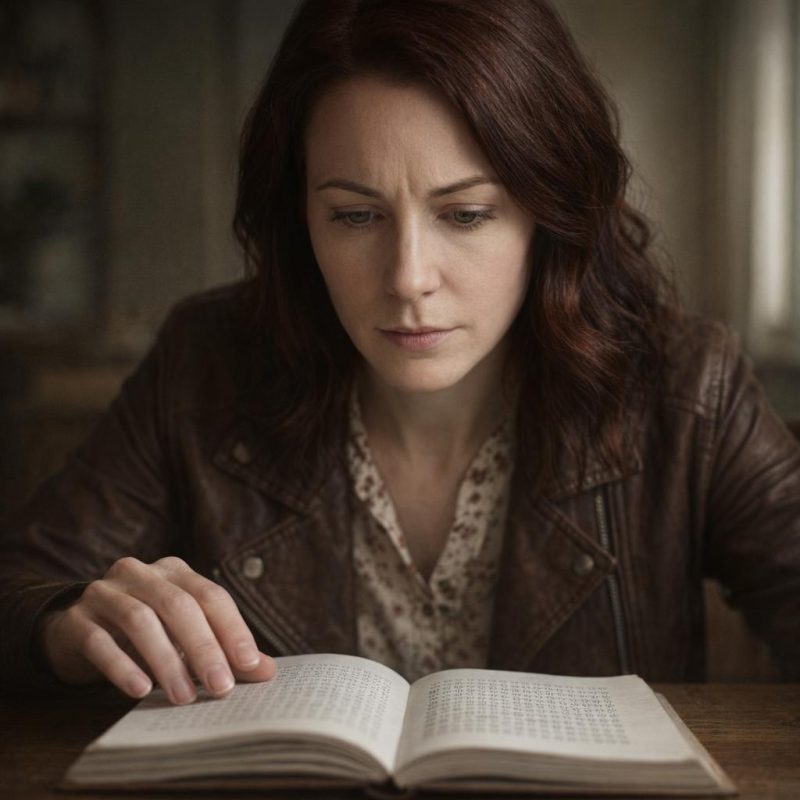 Image by RM AI
Six Digits Each
I get up and find a notebook in the kitchen drawer — a plain spiral one I use for grocery lists — and I bring it back to the table. I copy each number down by hand, one per line, checking each digit against the page as I write it. When I'm done I check them again, sequence by sequence, making sure I haven't transposed anything or missed a digit. All six are exactly six digits long. No letters mixed in, no dashes or decimal points, no symbols of any kind. Just six clean strings of numbers, each one the same length as the last. I stare at them on the notebook page for a while, trying to let my mind move freely over the possibilities. Dates, maybe — but six digits without separators could mean almost any date format, and six of them in a row doesn't suggest a calendar. Product codes, maybe, or some kind of catalog reference. Maybe a filing system Evelyn used for something I don't know about. I don't land on anything that feels right. I cap the pen, fold the notebook open to that page, and set it beside the recipe book. Then I pull my laptop closer and start searching for what six-digit numerical sequences are actually used for.
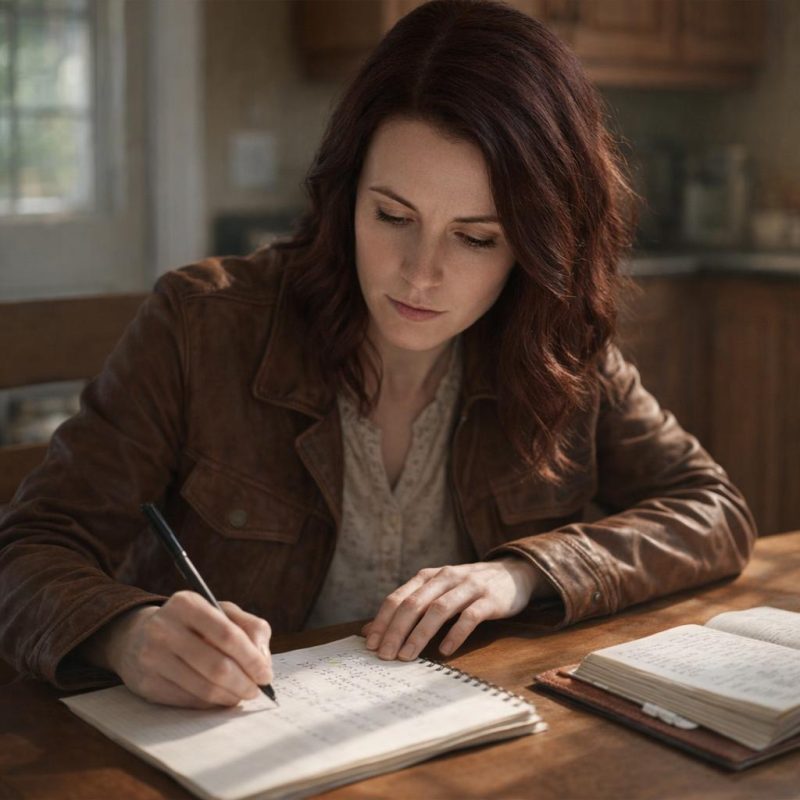 Image by RM AI
Searching for Patterns
I start with the most obvious possibilities and work outward from there. Postal codes — but the sequences don't match any format I can verify, and besides, Evelyn lived in one place her entire adult life. Library catalog numbers are next, and I spend longer on that than I expect to, pulling up a few different classification systems and comparing the structure. Nothing fits cleanly. I look into date encoding — Julian dates, ordinal dates, compressed formats that drop the century — and I find enough variation in those systems that I can't rule it out entirely, but I can't confirm it either. I try product codes, inventory numbering systems, old European reference formats. I find a forum thread about numerical ciphers used in mid-century correspondence and read through the whole thing without finding anything that matches the pattern in front of me. Each search opens two or three new directions, and I follow them, and they lead somewhere adjacent but not quite right. At some point I notice the light in the room has changed — the afternoon has gone gray without my noticing — and the notebook is still open beside me, the six sequences waiting. I lean back in my chair and let the quiet settle around me, the cursor blinking in an empty search field.
 Image by RM AI
Too Structured
I go back through everything I've written in the notebook — the search results, the theories I've crossed out, the formats that almost fit but don't. And the longer I look at it, the more one thing becomes impossible to set aside: these numbers feel too consistent to be anything accidental. Six sequences, all exactly six digits, all formatted identically, all appearing on a single page that's cleaner and less worn than every page around it. If Evelyn had been jotting down a stray reference or copying something without understanding it, the formatting would be looser. She would have written a note beside it, or left it incomplete, or mixed it in with actual recipe content. She didn't. The page feels deliberate in a way I can sense even if I can't yet explain it. I think about the fact that she left this book specifically to me — not to Marcus, not to Elena, not to anyone else. I think about how she knew I would read it carefully, the way she always said I paid attention to things other people walked past. I close the notebook and set it on top of the recipe book and sit with my hands flat on the table. Whatever this is, I'm not ready to say a word about it to either of my siblings. That much feels settled and solid in my chest.
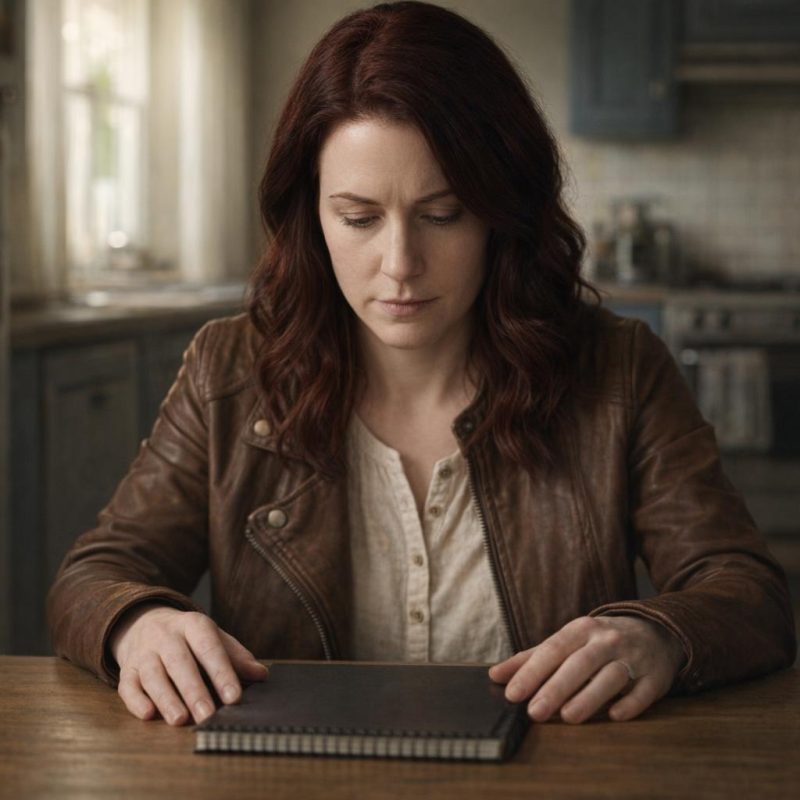 Image by RM AI
Marcus Calls Again
Marcus calls on a Tuesday afternoon while I'm at the kitchen table with the notebook still open in front of me. I close it before I answer, which is probably unnecessary, but I do it anyway. He wants me to talk to Elena — specifically, to talk sense into her, which is how he phrases it, as though I have some influence over her that he's simply been too reasonable to use himself. He says the legal costs are getting out of hand, that her lawyers are billing for things that shouldn't be billable, that someone needs to make her understand she's spending money that should be part of the estate. I tell him I'm not getting in the middle of it. He pushes a little, suggesting I'm the neutral party, the one Elena might actually listen to. I tell him again, more clearly, that I have everything I wanted from the estate and I'm staying out of the dispute. There's a pause, and then he says he's been thinking about Grandma's belongings — the ones that weren't formally listed, the smaller things. His voice is even, almost casual. Then he asks if I've been going through her things.
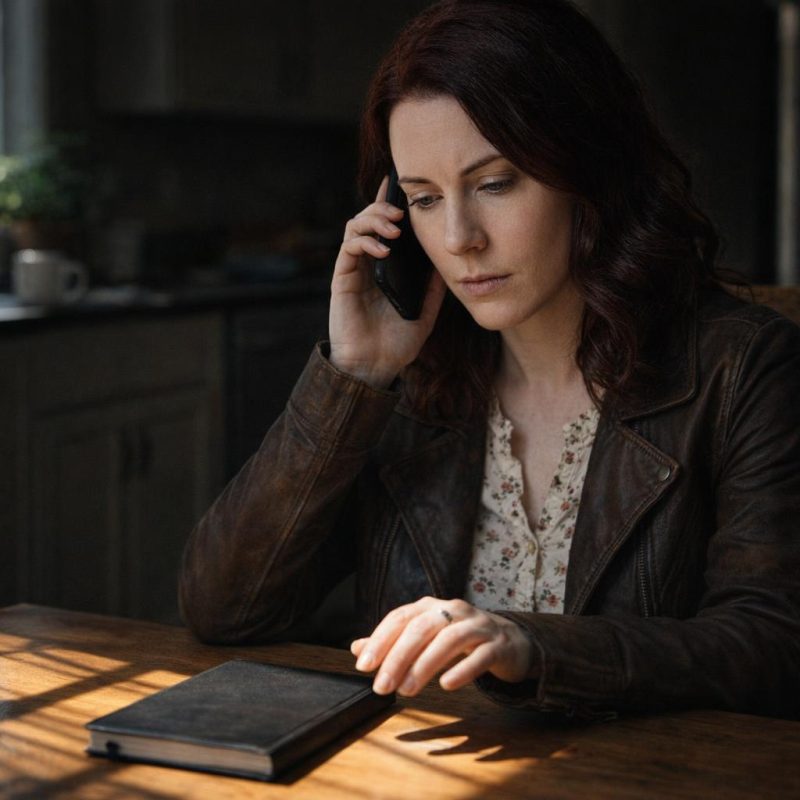 Image by RM AI
Deflection
I keep my voice easy. I tell him yes, I've been going through the recipe book — baking from it, actually. I mention the shortbread cookies I made last weekend, the ones with the cardamom that came out better than I expected. I mention that I've been working through her pie recipes too, that it's been a nice way to feel close to her. All of that is true, which helps. Marcus makes a small sound that might be acknowledgment or might just be him waiting to see if I'll say something more useful. I don't. I ask him how the estate timeline is looking, whether Thomas has given him any updated projections, and that's enough to redirect him — he has opinions about Thomas's projections, and he shares them at length. By the time he winds down, we're well past any questions about the recipe book. He says he'll call Elena himself, that he doesn't know why he thought I'd be any help, and I tell him I hope it goes well. The call ends. I set the phone down on the table next to the closed notebook and sit for a moment, the conversation already fading, the numbers still waiting.
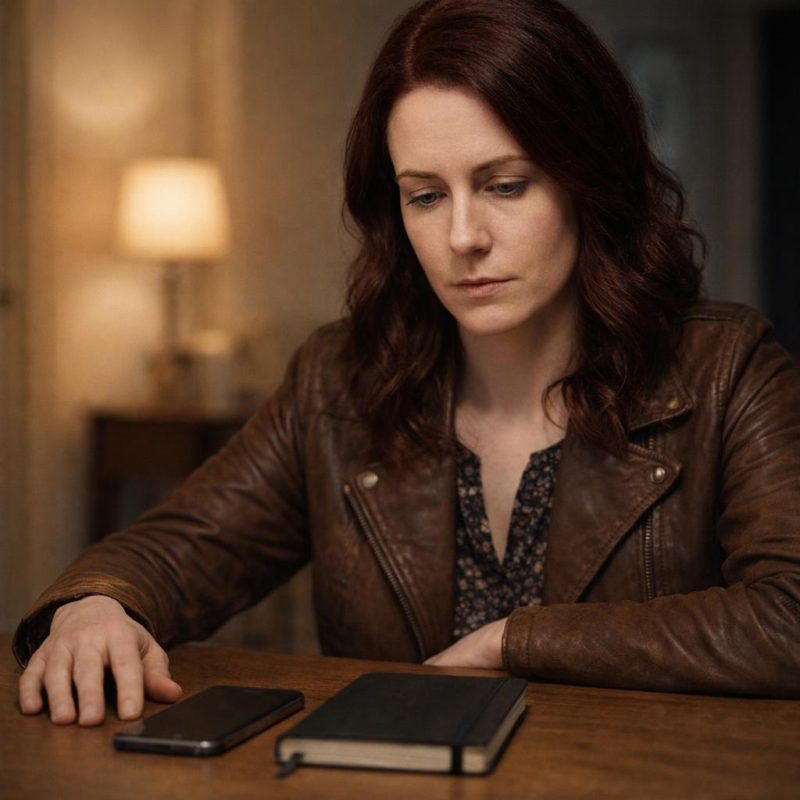 Image by RM AI
Grandmother's Past
After I hang up with Marcus, I sit with the notebook for a while longer, then close it and put it somewhere safe. The numbers aren't going anywhere. But I keep thinking about Grandma Evelyn — not the version of her I knew at Sunday dinners, the one who pressed cardamom cookies into my hands and called me her little magpie. I mean the version of her that existed before I was born, the one I never thought to ask about. I pull out the old family documents box I inherited along with the recipe book — a battered shoebox, really, stuffed with papers nobody else wanted. I go through it slowly. There are birthday cards, a few old photographs, some receipts so faded they're barely legible. And then, near the bottom, I find her passport. Not the last one, the burgundy one from the nineties that I remember. This one is older, smaller, a pale blue booklet with her maiden name on the cover. I open it carefully, the pages stiff and slightly yellowed. The stamps are faint but readable. Switzerland, 1962. Switzerland, 1965. Switzerland, 1968. Three separate trips, each one stamped with quiet precision, and not a single word she ever said to me about any of them.
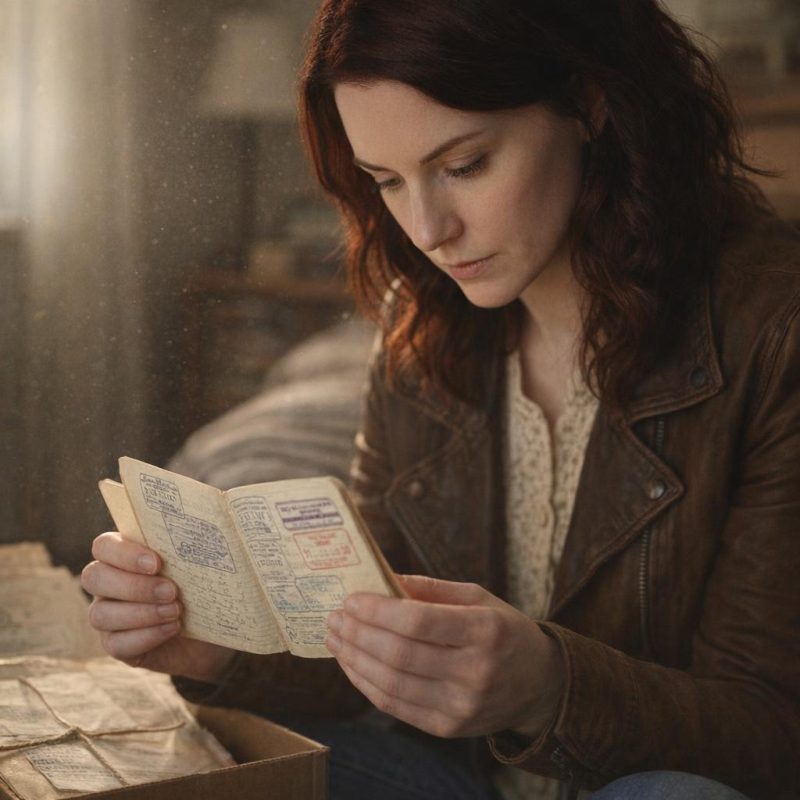 Image by RM AI
The Sixties
I do the math sitting at my kitchen table with a cup of tea going cold beside me. In 1962, Grandma Evelyn would have been in her mid-thirties. Not a young woman on a gap year adventure, not a retiree with time to fill. A woman in the middle of her life, with a family, with responsibilities. Three trips to Switzerland in six years. I try to think about what that would have meant back then — the cost of it, the logistics, the sheer intention it would have taken. I look things up. Switzerland in the 1960s drew tourists, yes, but it also drew people with specific purposes: business, medical, financial. I search for any Swiss connection in the family history I know, and I come up empty. No relatives mentioned, no friends, no stories about a Swiss pen pal or a colleague who moved abroad. I find a few old letters in the shoebox, but none of them are postmarked from Europe. I sit back and look at the passport again, at those three neat stamps. Whatever took her there, she kept it entirely to herself. The woman I thought I knew so completely turns out to have had a whole quiet chapter I never even knew to look for.
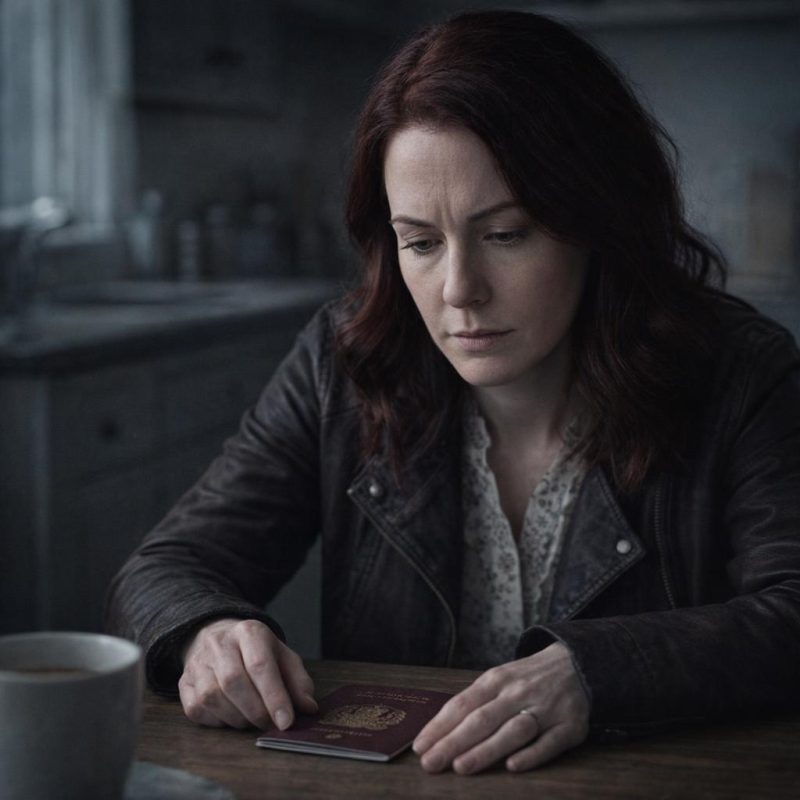 Image by RM AI
Account Codes
I don't sleep well that night. By morning I'm back at my laptop, and I'm not searching for Grandma Evelyn's history anymore — I'm searching for Swiss banking. I tell myself I'm just being thorough, just following the thread wherever it goes. What I find stops me cold. Swiss numbered accounts have been around since the 1930s. In their classic form, they were identified not by a name but by a sequence of numbers — a code known only to the depositor and a small circle of bank officers sworn to secrecy. The accounts were legal, widely used by wealthy private clients, and designed specifically to keep the depositor's identity out of any paperwork. I read about the access codes used to verify account holders: numerical sequences, typically six digits in older systems, sometimes paired with a secondary identifier. I open the notebook. I look at the numbers on page 42 — the ones I've been staring at for days, the ones that don't belong to any recipe I've ever seen. Six digits. Then a space. Six more digits. Then another grouping. I count them again, slowly, my finger moving across the page. The structure looks like it could match the format I've just been reading about.
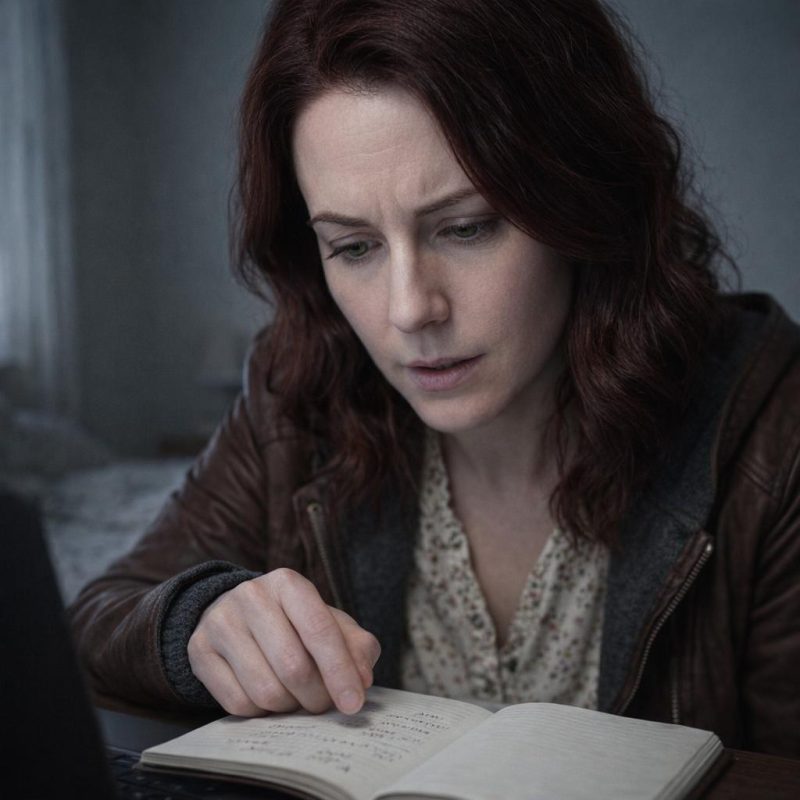 Image by RM AI
The Specialist
I spend two days talking myself out of it before I do anything. Then I spend one more day convincing myself that doing nothing is its own kind of decision. I find a consultant through a financial research firm — someone who lists Swiss private banking among their specialties, with credentials I spend an embarrassing amount of time verifying. I write the email four times before I send it. I keep it vague but specific enough to be useful: I'm researching a family estate matter, I've come across what may be documentation related to a Swiss account opened in the 1960s, I'm trying to understand the process for establishing whether such an account still exists and how an heir would go about making a legitimate inquiry. I hit send before I can rewrite it a fifth time. The response comes back within forty-eight hours, which surprises me. The consultant is careful, measured, clearly used to handling sensitive questions from people in exactly my position. He explains that accounts opened in that era were not automatically closed upon the depositor's death — that without an active closure instruction, many remained in a kind of suspended status, technically open, accruing or simply holding. Some, he writes, are still active today.
 Image by RM AI
Numbered Accounts
I read everything I can find. The Swiss banking privacy system wasn't just a policy — it was a philosophy, written into law in 1934 and treated as something close to sacred for decades afterward. A numbered account meant your name appeared nowhere in the institution's general records. The account existed as a number, and the number was yours alone to carry. Bankers who disclosed client information faced criminal prosecution, not just professional censure. For someone who needed to keep financial matters entirely separate from family life — away from inheritance complications, away from curious eyes — it would have been close to perfect. I think about Grandma Evelyn, about the careful way she moved through the world, the way she kept her own counsel even when everyone around her was loud and opinionated. I think about the pearls she wore every single day, the way she folded her hands when she was thinking, the way she never once said more than she meant to. I think about three trips to Switzerland in six years, and a recipe book she left specifically to me, and a page of numbers that sit on that page like they belong to something other than a kitchen. I don't reach for any conclusion. I just sit with all of it, the pieces arranged in front of me like a table set for a meal I haven't been invited to eat yet.
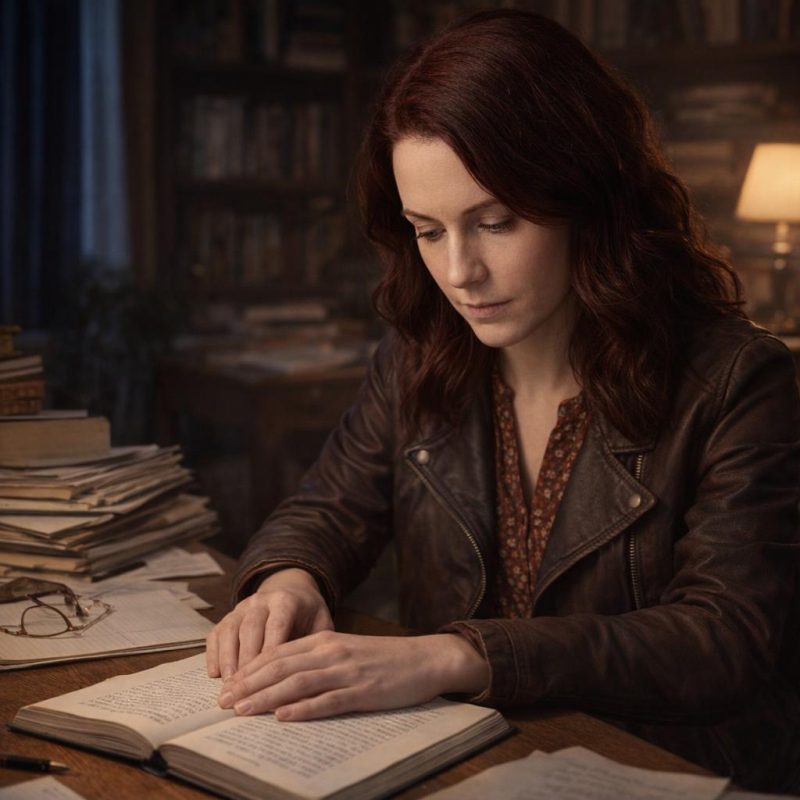 Image by RM AI
Format Match
I print out two pages from my research — one showing the standard format for Swiss numbered account access codes from the 1960s, one showing a later variation used through the 1970s. Then I open the notebook to page 42 and set it beside them. I go through each sequence carefully, digit by digit. The first grouping: six digits, no letters, no symbols. Check. The second grouping: a secondary six-digit sequence, separated by a line break in the original format, which in the recipe book appears as a gap between what looks like two separate ingredient measurements. Check. The third element: a shorter four-digit identifier that the consultant's email described as a branch or institution code in older systems. I look at the last cluster of numbers on the page. Four digits. Check. I sit back. I've been careful not to let myself get ahead of the evidence, not to build a story out of wishful thinking. But the format isn't close — it isn't almost right. Every element lines up. I look at the passport stamps again, at the dates, at the careful handwriting in the recipe book, at the numbers arranged on that page. Everything I've gathered settles into a shape that feels, for the first time, less like a question and more like something worth pursuing.
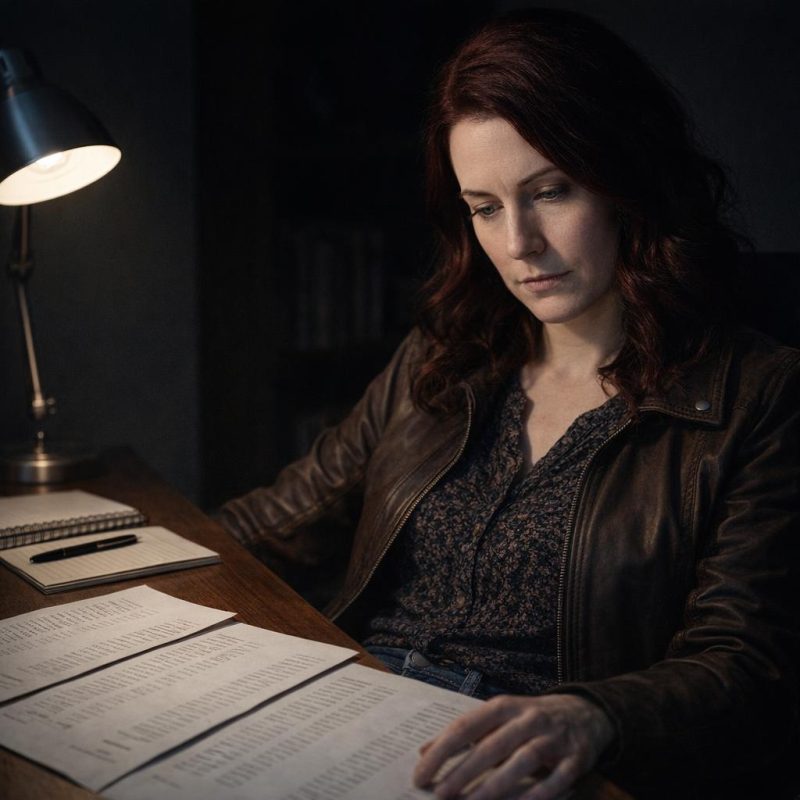 Image by RM AI
Documentation
I give myself one evening to feel the weight of it, and then I get practical. I go through the shoebox again, this time with a list. Grandma Evelyn's birth certificate is there, folded into thirds inside a plain envelope. Her old passport — the blue one with the Swiss stamps — I already have. I request a certified copy of her death certificate from the county office, which takes four business days and costs less than I expected. I pull together the documents establishing my status as her granddaughter and named heir: the will, the estate paperwork Thomas filed, a copy of my own birth certificate tracing the line. I write the formal inquiry letter three times, then have a stranger on a legal forum look at the structure of it before I write it a fourth time. I keep the language precise and unemotional. I am writing on behalf of the estate of Evelyn — I give her full legal name — regarding a possible account relationship established in the 1960s. I include the document copies, the heir documentation, and my contact information. I do not include the numbers from the recipe book, not yet — the consultant said to establish identity first, any specific reference details second. I seal the envelope. I drive to the post office myself rather than leaving it in the mailbox. My hands are steady by the time I slide it through the slot, which surprises me.
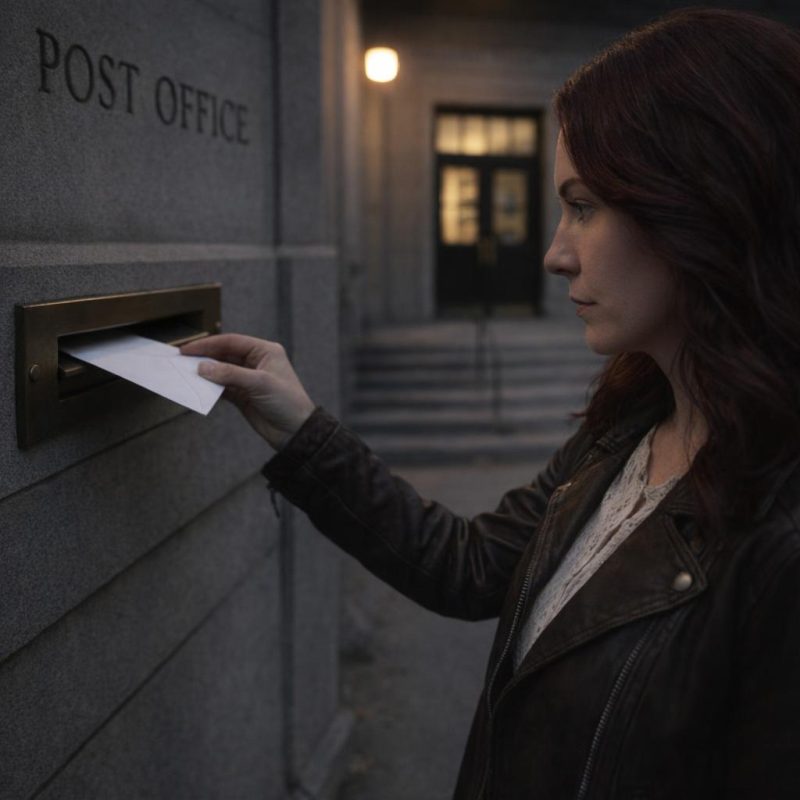 Image by RM AI
Waiting
The waiting is its own kind of work. I check my email in the morning before I'm fully awake, then again after coffee, then again at noon even though I've told myself I won't. I try to read. I try to watch something. I make a batch of Grandma Evelyn's shortbread and eat three pieces standing at the counter, which helps for about twenty minutes. Marcus calls twice and I let it go to voicemail both times. Elena sends a text about the estate timeline and I type a reply that says I'll look into it, which is technically true. I keep the recipe book on the kitchen table, closed, the way you might keep a letter you're not ready to open. I've done the research. I've checked the format. I've sent the documents. Whatever is on the other side of this — an account that exists, an account that doesn't, an explanation I haven't thought of yet — I won't know until Switzerland decides to write back. I find myself thinking about Grandma Evelyn at thirty-five, boarding a plane with her careful posture and her pearls, carrying something she never told a single person about. The not-knowing feels enormous, but it also feels, somehow, like exactly where she would have wanted me to be.
 Image by RM AI
The Bank Responds
The email arrives on a Tuesday morning while I'm still in my robe, and I almost miss it because the subject line is in German. I run it through a translator twice before I trust what I'm reading. The bank — the actual bank — has acknowledged my inquiry. They've received my initial documentation. They're processing it. There's a list of additional items they need: notarized proof of my relationship to Grandma Evelyn, a certified copy of her death certificate, a certified translation of two of the documents I sent, and a copy of my passport with a notarized signature. The email is formal and precise, the kind of language that doesn't waste a single word. I read it four times. Then I sit down at the kitchen table with the recipe book still closed in front of me and just breathe. This is real. Something is real. I don't know yet what's in that account — if there even is an account — but they're taking me seriously enough to ask for more. I pull out a notepad and start writing down everything they've requested, item by item, my handwriting steadier than I expect. The weight of what might actually be waiting on the other side of all this paperwork settles over me like something I can't quite name.
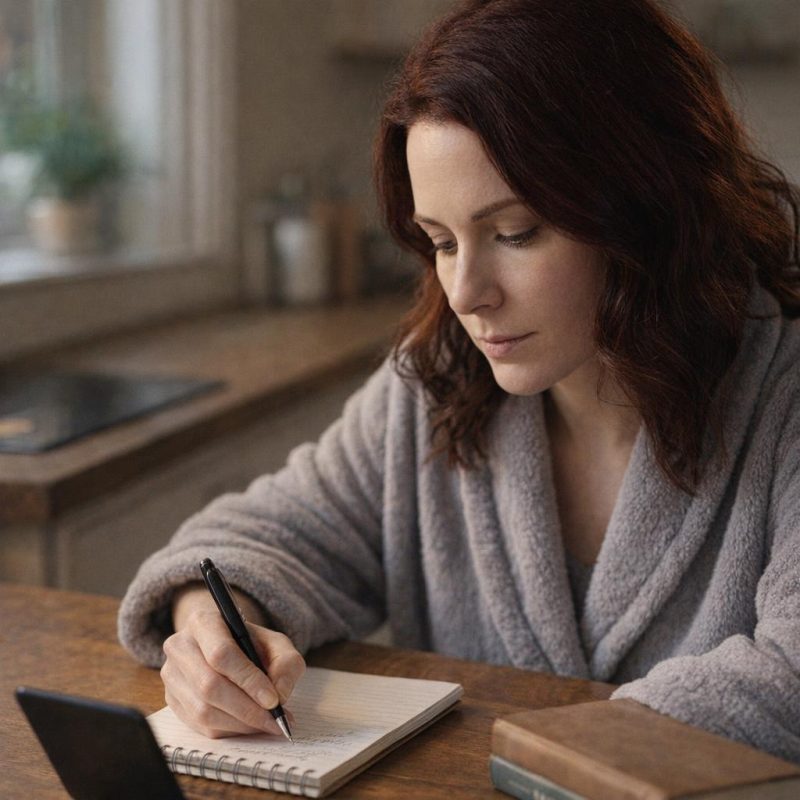 Image by RM AI
The Account Exists
It takes eleven days to gather everything — the notarized documents, the certified translations, the death certificate, the probate paperwork — and another six before the bank sends its final verification email. I'm at my kitchen table when it comes through, the same spot where I've been doing all of this, the recipe book still sitting nearby like it's been keeping watch. The email is encrypted, and I go through the decryption steps Werner's office outlined, my hands moving carefully, deliberately. Then the document opens. They've confirmed the account. Account number matching the sequence from page forty-two of Grandma Evelyn's recipe book. Established 1964 by Evelyn Crawford Bennett. Active and untouched for decades. I read the line about the account status twice. Then I read the line below it — the one with the approximate current value — and I have to set my phone down on the table and press both palms flat against the wood because the room has tilted sideways and I need something solid. The Victorian house that Marcus and Elena have been fighting over for months, the one I walked away from without a second thought — the number on my screen makes it look like a footnote.
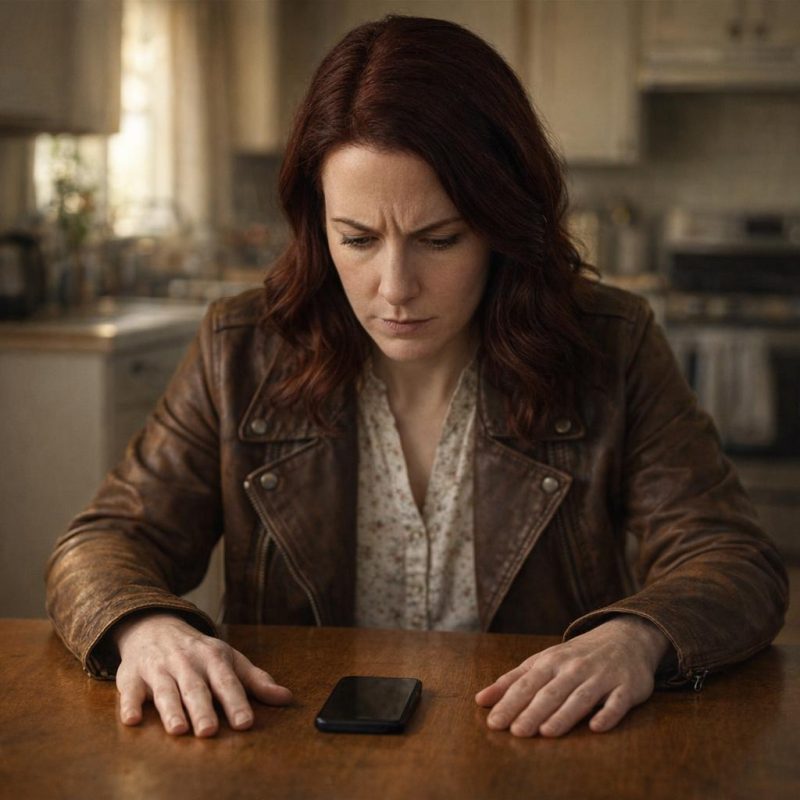 Image by RM AI
The Full Picture
I spend the rest of that day going through every page of the account documentation, reading slowly, making notes in the margins of a legal pad. The account isn't just a savings balance sitting in a vault somewhere. Grandma Evelyn built something. There are stocks — blue-chip American companies she purchased in the early 1960s, names I recognize, companies that have split and grown and compounded for sixty years. There are bonds. There are securities I have to look up just to understand what I'm reading. The records show deposits made over several years, each one careful and deliberate, the kind of financial architecture that takes patience and intention. Her handwriting appears in some of the older scanned documents, the same neat cursive from the recipe book, and seeing it here — in bank records, in investment confirmations — makes my throat tighten in a way I wasn't prepared for. She knew exactly what she was doing. She built this quietly, over decades, and she kept it completely separate from everything else. I do the conversion from Swiss francs to US dollars three times because I don't trust myself the first two times. The number I keep landing on sits just above four million dollars. Then I scroll to the attached investment schedule and see the full list of original stock certificates from 1962 and 1963, still held, never sold.
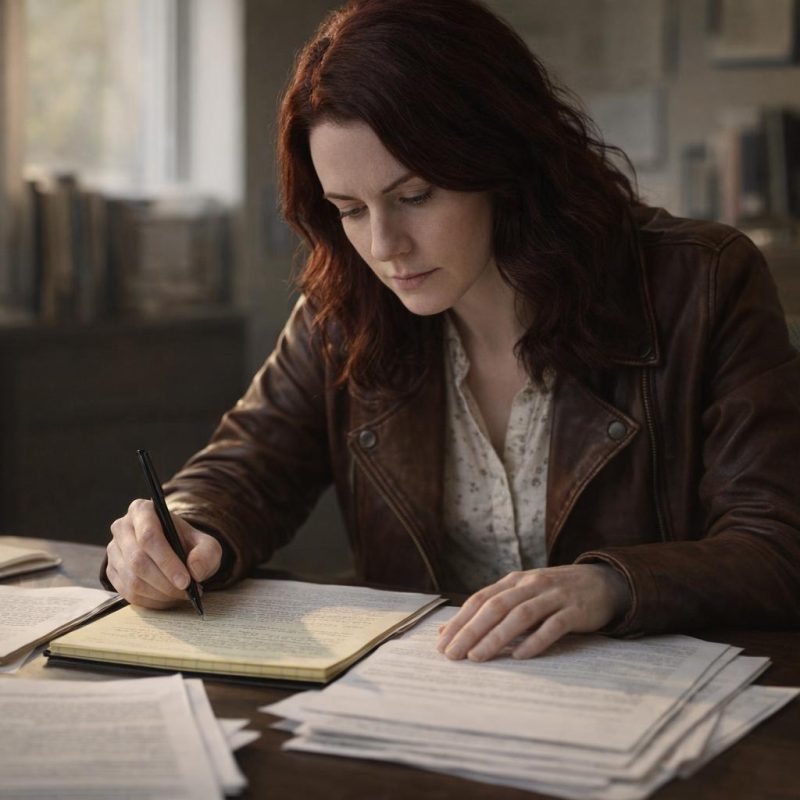 Image by RM AI
Proof of Identity
I give myself one day to sit with it, and then I get to work. The bank's requirements are specific and I treat them like a checklist, which is the only way I know how to move through something this large without freezing. I pull my birth certificate, my passport, my grandmother's death certificate, the probate documentation Thomas filed on behalf of the estate. I find a notary two towns over and spend a morning getting everything stamped and signed. The certified translations I'd already ordered come back, and I review each one before including it in the packet. I scan everything, keep digital copies, send the originals via tracked international courier. Then I wait. I don't tell Marcus. I don't tell Elena. I don't tell anyone. I keep the recipe book on the kitchen table and I make tea and I wait. The confirmation email arrives eight days later, quieter than I expect — a single paragraph from Werner Schmidt's office stating that my documentation has been reviewed, that my status as Evelyn Crawford Bennett's legitimate heir has been verified, and that the bank is proceeding to the final stage of the transfer process.
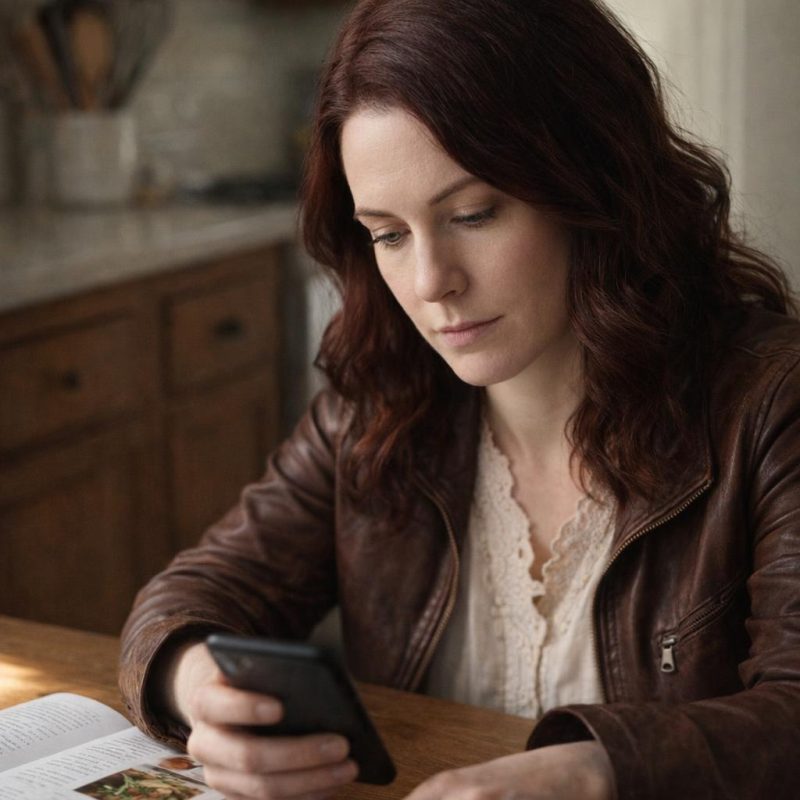 Image by RM AI
Werner Schmidt
Werner Schmidt joins the video call exactly on time, which somehow doesn't surprise me. He's in his early fifties, wire-rimmed glasses, a gray suit that looks like it was pressed an hour ago, and he speaks with the kind of careful precision that makes every sentence feel considered before it leaves his mouth. He confirms my identity verification is complete. He walks me through the account holdings in detail — the stocks, the bonds, the securities, the current valuations — and I take notes even though I've already memorized most of it, because having something to do with my hands helps. He explains the transfer procedures: the forms I'll need to sign, the banking information I'll need to provide, the tax documentation required on the American side. He tells me there are no competing claims on the account. No other parties have ever inquired about it. He says my grandmother maintained the account in good standing for the entirety of its existence, and there's something in the way he says it — measured, respectful — that makes me think he understood, at least a little, what kind of woman she was. I ask him how long the full transfer will take once I submit the final paperwork. He looks at his notes, then back at the camera, and tells me that once everything is in order, the account will be transferred fully into my name.
 Image by RM AI
The Dispute Continues
Elena calls on a Thursday afternoon while I'm reviewing transfer documents, and I let it ring twice before I answer, making sure my voice is settled. She launches in immediately — Marcus has filed some kind of motion challenging the appraisal methodology, the house came in higher than either of them expected, and now he's trying to use a different comparable set to justify a lower buyout figure. She's hired a second lawyer. She says the legal fees are becoming genuinely painful. I make the right sounds — I see, that's frustrating, I'm sorry you're dealing with that — and I mean them, in the distant way you can mean something that no longer touches you. Then she asks, almost as an aside, whether I'm sure I don't regret walking away from my share. I tell her I'm sure. She makes a small sound that might be pity or might be disbelief, and then she's back to talking about square footage and comparable sales and what her lawyer thinks the judge will do. I listen until she winds down, and after we hang up I sit for a moment with the phone in my lap. The transfer documents are still open on my laptop. The recipe book is on the shelf behind me. The distance between the world Elena is fighting so hard inside and the one I'm quietly standing in feels, in that moment, like something I couldn't have measured even if I'd tried.
 Image by RM AI
Final Documentation
The final packet takes me two full days to assemble correctly. Werner's office sends a checklist and I work through it line by line: the authorization forms, signed and notarized; the banking information for the receiving account I've opened specifically for this transfer; the tax documentation, which requires its own separate notarized certification; the signature cards, which have to match my passport exactly. I check everything twice before I scan it. I check the scans before I send them. I send a confirmation email to Werner's office and receive an automated acknowledgment within the hour. Then there's nothing left to do but wait for the Swiss banking authorities to complete their final review, which Werner has told me typically takes between five and ten business days. I make tea. I sit at the kitchen table. The recipe book is in its usual spot, and I find myself looking at it differently now — not as a mystery anymore, but as a gift I finally understand the full shape of. Grandma Evelyn spent decades building something in careful silence, and she trusted me to find it. The waiting now feels different from all the waiting before it — steadier, quieter, like standing on ground that has already held.
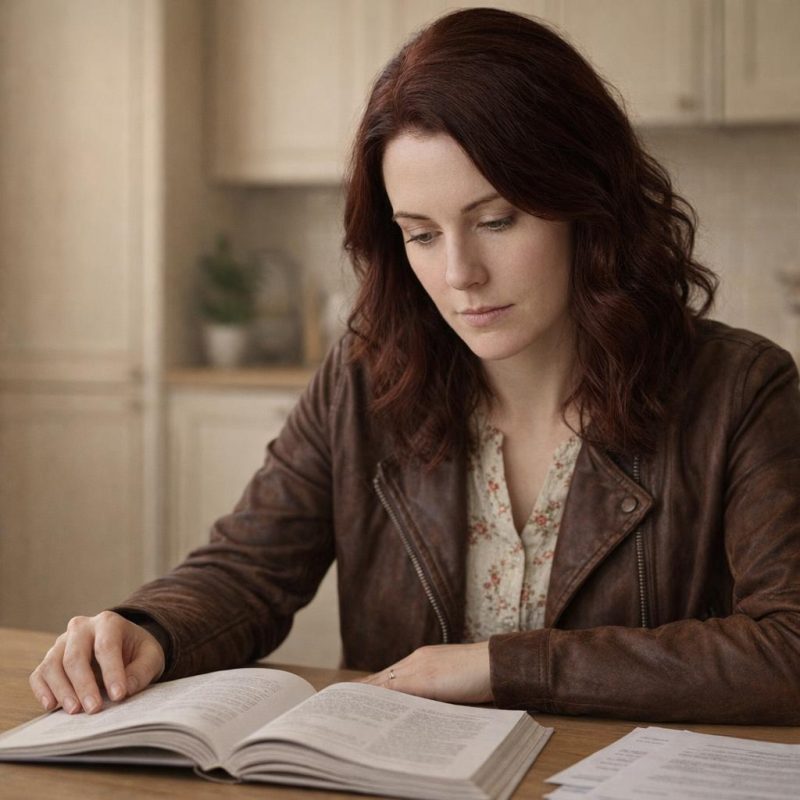 Image by RM AI
Approval Granted
Seven business days. That's how long it takes. I'm making coffee on a Wednesday morning when my phone buzzes with the encrypted email notification from Werner Schmidt's office, and I set the coffee down and sit at the table before I open it. I go through the decryption steps slowly, carefully, the same way I've done everything in this process. The document loads. It's a single page, formal letterhead, Werner's name at the bottom above a digital seal I've come to recognize. The Swiss banking authorities have completed their review. New access credentials are attached in a separate encrypted file. I'm instructed to confirm receipt, which I do, my reply typed in three words: confirmed, thank you. Then I sit back and read the authorization line at the top of the page — transfer approved, all assets to be released to Sophie Crawford, sole verified heir — the words steady on the screen, not tilting, not disappearing, just there.
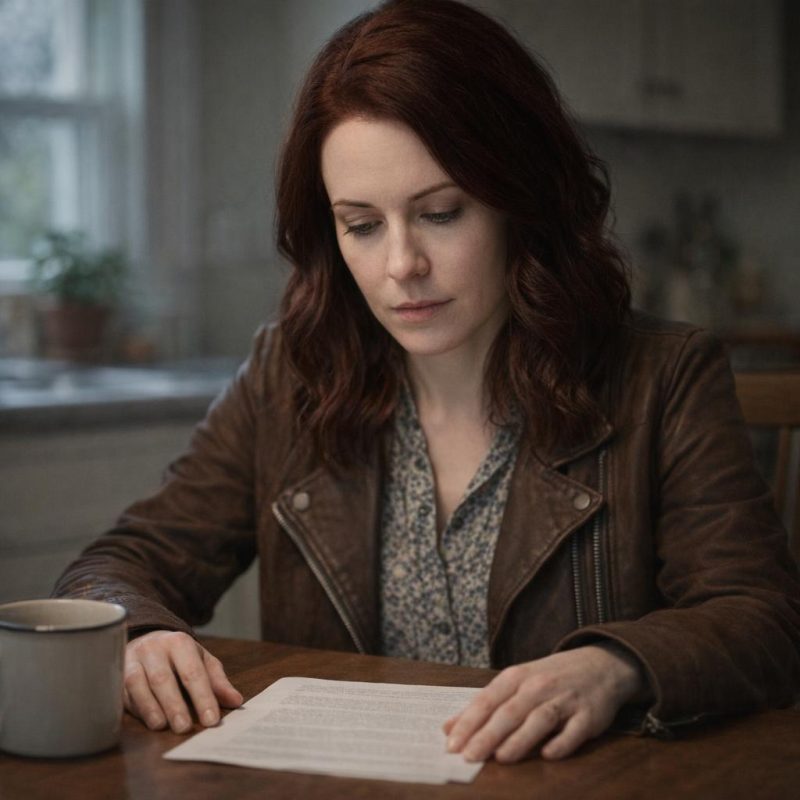 Image by RM AI
Family Dinner
The restaurant Marcus picks is the kind of place with cloth napkins and a wine list that takes itself very seriously, which feels about right for a dinner that's really just a negotiation with appetizers. I get there first and order water and sit with my hands in my lap, watching the door. Marcus arrives looking like he hasn't slept, which is new for him. Elena is four minutes behind, and she doesn't apologize for it. They order drinks before they even look at the menu, and within ten minutes the whole thing unravels into the argument I've been watching build for months. Marcus says Elena's demands on the house valuation are unreasonable. Elena says Marcus has been slow-walking the process to pressure her. They both mention legal fees like they're personal injuries. I cut my salmon into small pieces and say things like 'that does sound frustrating' and 'I can see why you'd feel that way,' and neither of them asks about the recipe book, not once. They don't ask what I've been doing at all. I sit between them and listen, and the whole evening has this strange quality to it, like watching a film I already know the ending of, from a seat I'm not sure I belong in anymore.
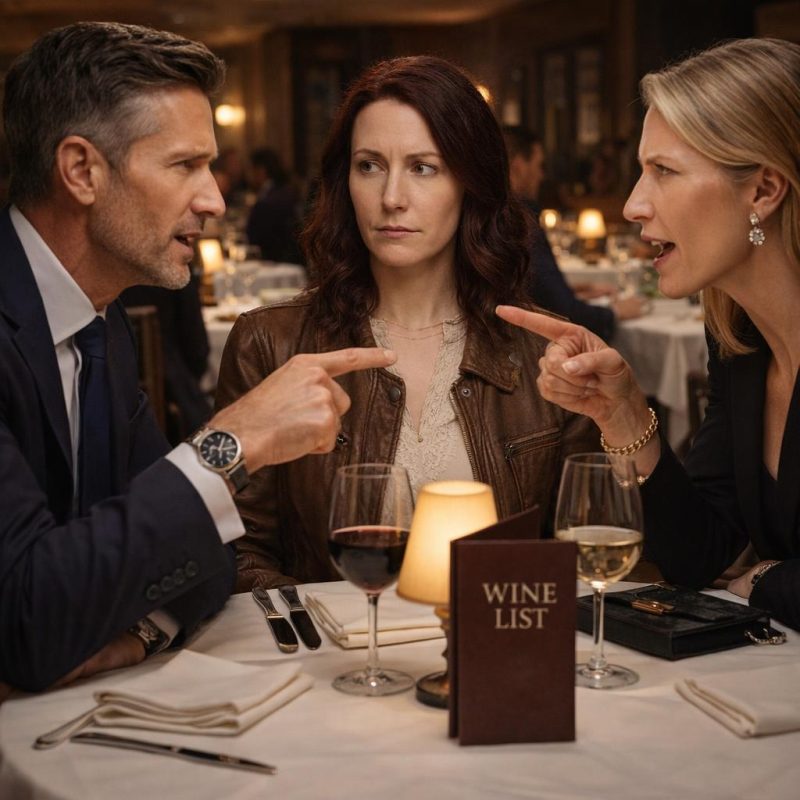 Image by RM AI
Evelyn's Wisdom
I've been thinking about the 1960s a lot lately — not in an abstract way, but in the specific way of imagining my grandmother as a young woman, stepping off a train in Zurich with that quiet, deliberate composure she carried her whole life. She made those trips before any of us existed. Before my mother existed. She was building something in the years when no one would have thought to look, and she built it so carefully that it held for six decades without a crack. What I keep coming back to is that she knew. Not in a vague, hopeful way — she knew her grandchildren. She watched Marcus turn every family gathering into a transaction. She watched Elena calculate the value of every room she walked into. And she watched me sit in her kitchen and ask her to teach me how to make her apple cake, not because I wanted the recipe but because I wanted another hour with her. She hid the account details in the one place she was certain only I would ever treat with care. Not a safe. Not a lawyer's envelope. A recipe book that smelled like her kitchen. She trusted me to find it, and to understand it, and to be quiet about it. The weight of that trust settles over me now, steady and warm, like her hand on my shoulder.
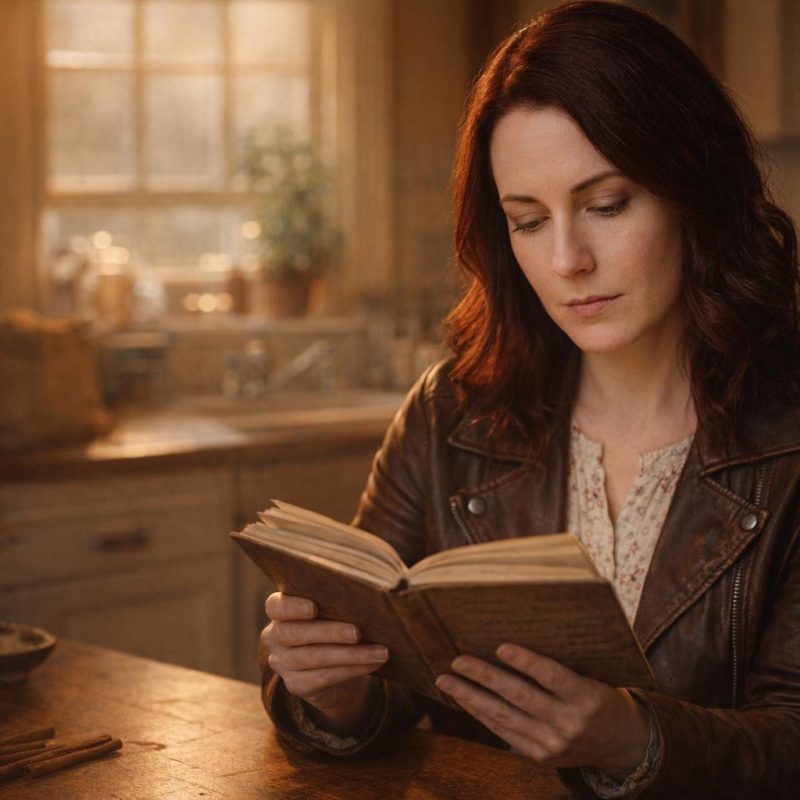 Image by RM AI
Transfer Complete
Werner's email arrives on a Tuesday morning, and it's shorter than I expect — three sentences, formal and precise, the way all his correspondence is. The transfer is complete. The account is now registered in my name. New access credentials are attached. I sit at my kitchen table in yesterday's sweater and follow the login steps one at a time, the way he walked me through them on the phone last week. The portal loads slowly, and for a moment the screen just shows a spinning indicator, and I have this irrational fear that it will come back empty, that I'll have dreamed the whole thing. Then the dashboard resolves. My name is at the top. The portfolio summary loads beneath it — equities, bonds, a cash position, all of it itemized in clean rows with current valuations. I read the total figure twice. Then a third time. I set the laptop down on the table and look out the window at the ordinary Tuesday street outside, the neighbor walking her dog, a delivery truck idling at the curb. Everything out there looks exactly the same as it did an hour ago. The number on the screen doesn't feel like money yet. It feels like a letter from my grandmother, finally delivered.
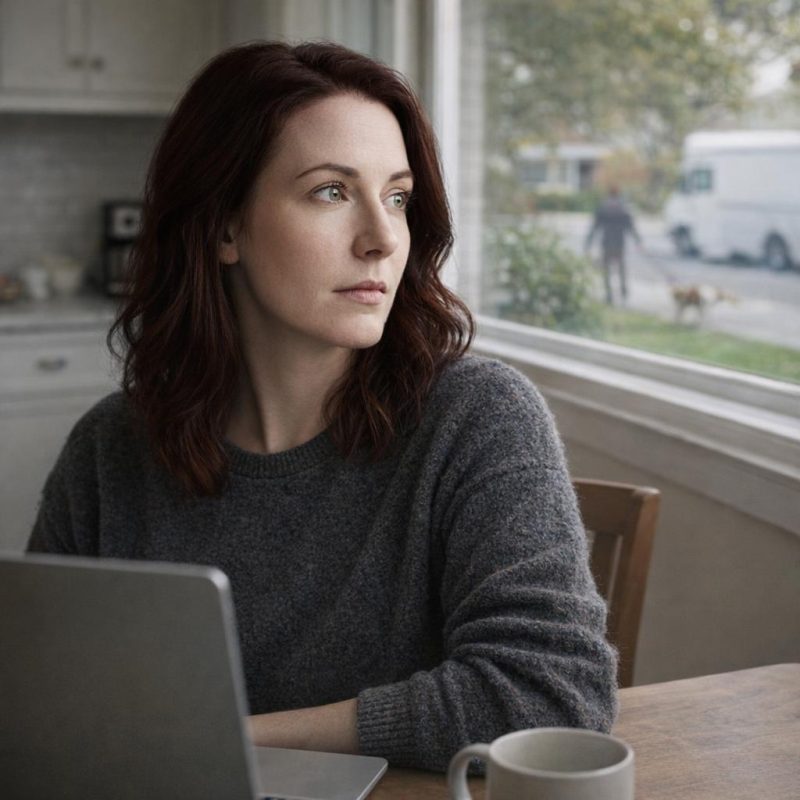 Image by RM AI
Moving Assets
Werner and I spend three sessions on the phone over two weeks, working through the transfer plan in the methodical way he seems to approach everything — unhurried, precise, nothing left to assumption. The liquid funds move first, wired in two tranches to my US account, each one confirmed with a receipt I save in a folder I've labeled, boringly and deliberately, 'household finances.' The investment holdings take longer. There are forms, signatures, a brokerage account I open specifically for this purpose, chosen for its privacy features and its unremarkable name. Werner walks me through the tax reporting requirements with the patience of someone who has done this many times, and I take notes in a spiral notebook I keep in my desk drawer. Each confirmation email that arrives feels like a small, solid thing — not exciting exactly, but grounding, the way crossing something off a list feels grounding. I'm not spending any of it yet. I'm not even thinking about spending it. Right now I'm just making sure it's safe, that it's mine in every legal and documented sense, that there are no loose ends. By the end of the second week, the last holding clears. I close the confirmation email and sit back, and the feeling that settles in isn't triumph — it's something quieter, closer to the feeling of finally locking a door you've been worrying about all night.
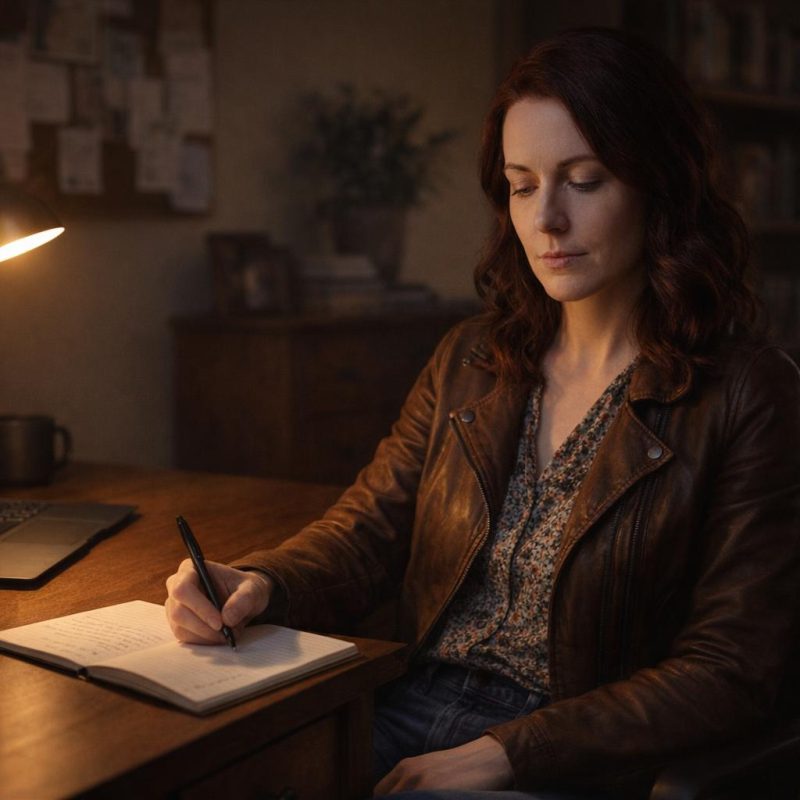 Image by RM AI
Covering Tracks
I go through everything twice. Every email thread with Werner, every document from the Swiss banking authority, every piece of correspondence — I check the return addresses, confirm they all came to my personal email and my apartment address, nothing routed through any account or address connected to the estate. The Swiss account never appeared in Evelyn's will. Thomas confirmed that months ago, without knowing why I was asking. It was never inventoried, never disclosed, never part of the probate process, because Evelyn made sure it wouldn't be. I'm just making sure I haven't accidentally created a thread that leads somewhere it shouldn't. The paper copies I printed during the verification process go through my shredder in batches. I keep only what I'm legally required to keep, filed and labeled and stored in a locked box in my closet. The recipe book goes back on my kitchen shelf, between a bread cookbook and a dog-eared copy of something I bought at an airport three years ago. It looks like exactly what it appears to be. I've been texting Marcus and Elena at normal intervals — nothing more, nothing less than usual. I buy groceries. I go to work. I act like a person with nothing particular on her mind. Then one afternoon I come home from the office and there's a letter on the floor beneath my mail slot, a cream-colored envelope with a Zurich postmark.
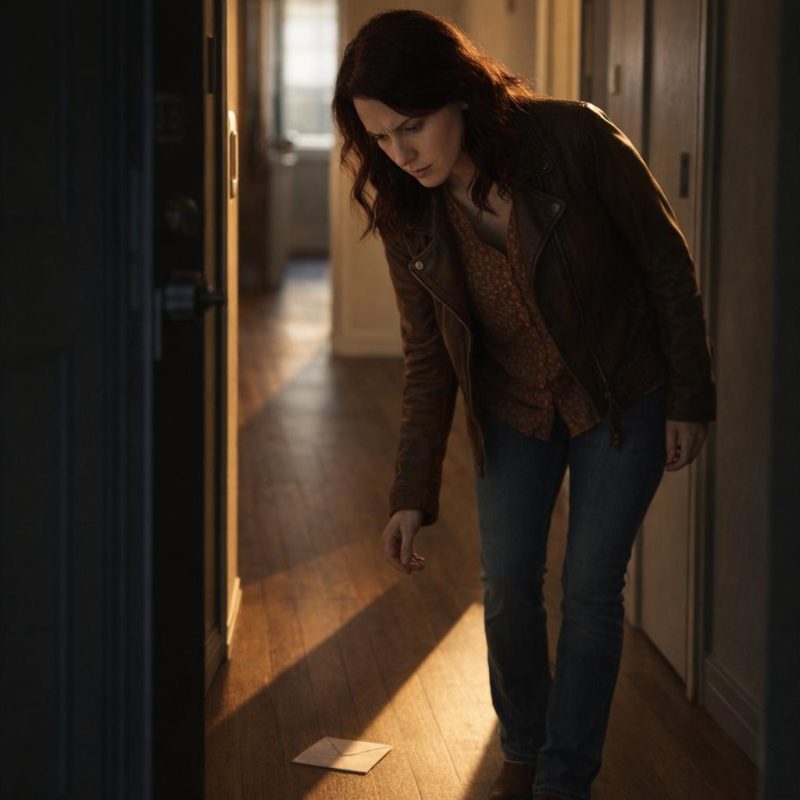 Image by RM AI
Elena's Suspicion
I don't hear Elena knock — I'm in the kitchen when she just appears at my door, which means she texted from the lobby and I missed it, and now she's standing in my entryway with her coat still on, looking around my apartment the way she always does, like she's appraising it. I let her in and offer coffee and she says sure, whatever, and drifts toward the kitchen counter while I fill the kettle. The Zurich envelope is sitting right there. I'd opened it that morning and left it out without thinking, because I wasn't expecting anyone. Elena picks it up before I can say anything. She turns it over, reads the return address, and looks up at me. 'Why are you getting mail from Zurich?' she asks. Her voice is even, curious, not accusatory — but her eyes don't leave my face. I feel the floor shift slightly beneath me, the way it does when you step wrong on a stair. The kettle starts to heat. I keep my expression neutral and reach for two mugs, buying myself exactly the three seconds I need. Elena holds the envelope up a little, waiting, and I watch her fingers close around it.
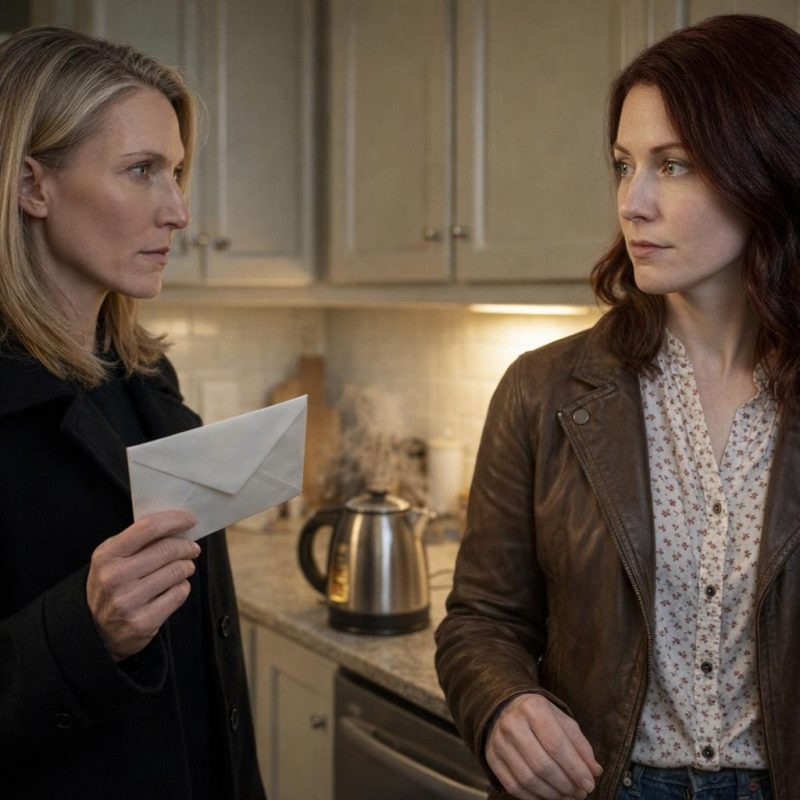 Image by RM AI
The Explanation
I tell her I've been doing research. I say it the way you say something that's been true for a long time, not the way you say something you just invented. I tell her that going through Evelyn's things made me want to understand her better — the years before she was our grandmother, the person she was when she was young. I found references to her Switzerland trips in some old letters, I say, and I contacted a historical archive in Zurich to ask about records from that period. I pull out Evelyn's old passport from the drawer where I've kept it since the estate process started — the one with the Swiss entry stamps from 1962 and 1964 — and I set it on the counter between us. Elena picks it up and flips through it, and I watch her expression shift from sharp to something softer, something almost wistful. 'That is such a you thing to do,' she says, and there's no edge in it, just a kind of tired affection. She sets the passport down and wraps both hands around her coffee mug. She asks a few more questions — what did the archive say, did I find anything interesting — and I answer them carefully, keeping it vague and warm, the way you talk about a project that matters to you. Then she finishes her coffee, says she has to meet Marcus about the house appraisal, and leaves. The door clicks shut behind her, and the apartment goes quiet.
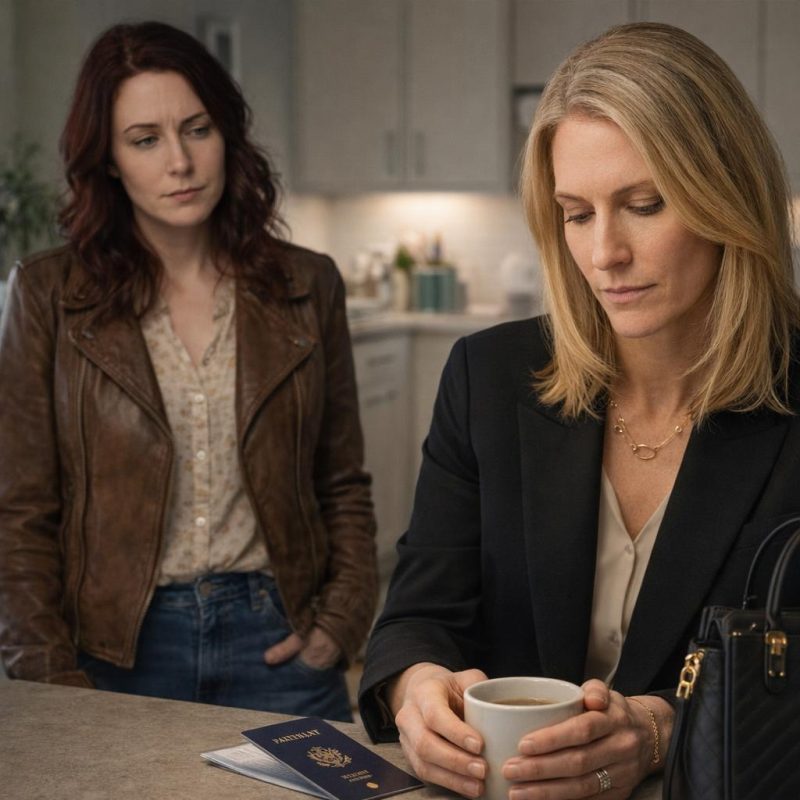 Image by RM AI
Final Transfer
The final wire transfer goes through on a Thursday, at 11:47 in the morning, according to the timestamp on Werner's confirmation. I'm sitting at my kitchen table when it arrives, the same table where I first opened the recipe book, where I first held page 42 up to the light and understood what I was looking at. The confirmation is brief — transfer complete, account balance zero, closure processed per client instruction. I read it once, then close the laptop. The Swiss account that Evelyn opened in 1962, that she tended quietly for sixty years, that she hid inside a handwritten recipe for apple cake — it's gone now, dissolved into accounts with my name on them, in a country she never lived in but somehow planned for. I sit for a while without moving. The recipe book is on the shelf across the room, spine out, ordinary-looking. Everything she built, everything she protected, everything she trusted me to find — it's safe. It's done. The apartment is very still, and in that stillness I feel something I don't have a clean word for, somewhere between gratitude and grief and the particular peace of finishing something that was always meant to end exactly here.
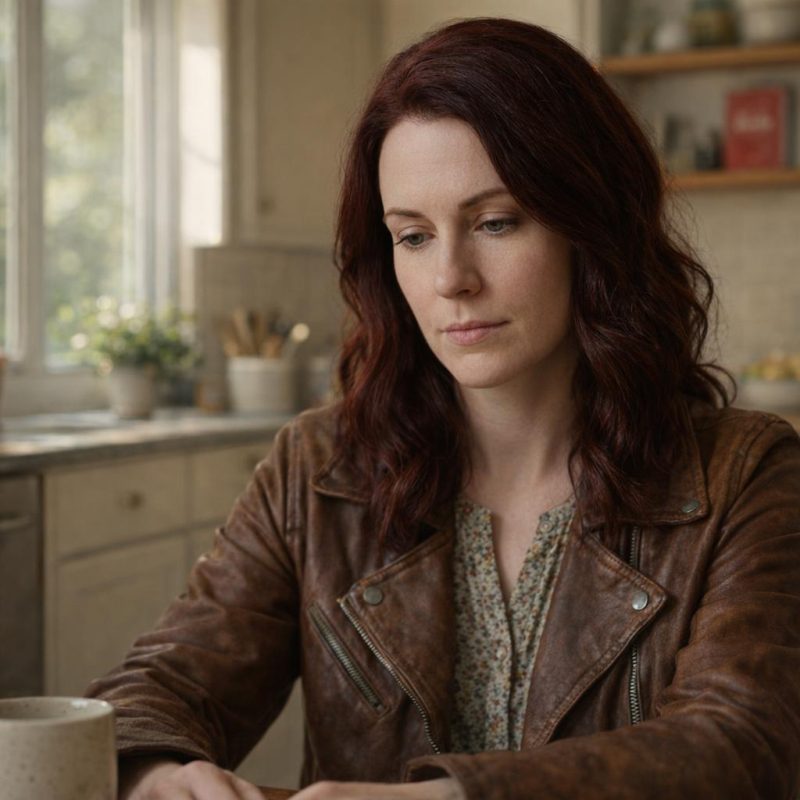 Image by RM AI
Untraceable
I spend the better part of a morning going through everything one last time — account statements, transfer confirmations, Werner's correspondence, the original documentation from the Geneva office. I lay it all out on the kitchen table in chronological order, the way you'd check a map after a long trip to confirm you actually went where you thought you went. The Swiss account was opened in Evelyn's name alone, never listed in any estate inventory, never disclosed to Thomas or anyone else involved in the probate process. The transfers moved through two intermediary accounts before landing in mine, each step documented, each step clean. There is no thread connecting any of this to the estate Marcus and Elena are still fighting over. No shared account numbers. No overlapping institutions. No paper trail that leads anywhere near the Victorian house or the lawyers circling it. I read through the final confirmation one more time, then stack everything neatly and slide it into the fireproof box I bought last month. I close the lid. The latch clicks into place, and the sound is small and certain — everything Evelyn built for me is exactly where it belongs, and no one is coming for it.
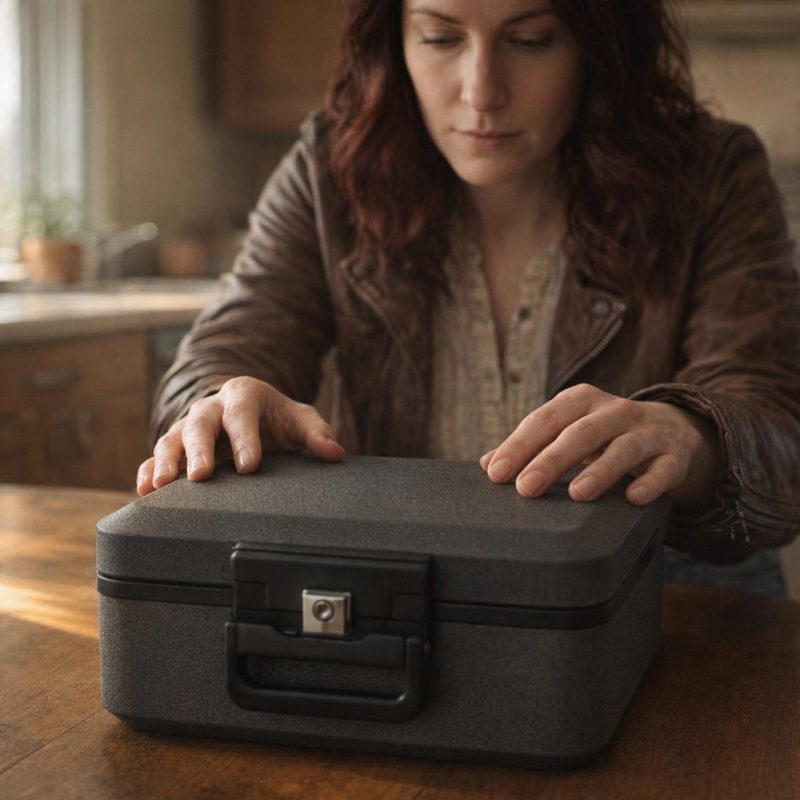 Image by RM AI
The Battle Continues
Marcus calls on a Tuesday afternoon, which is how I know it isn't good news — he only calls when he needs an audience for his frustration. I let it go to voicemail, then listen while I'm making tea. His voice is tight and clipped, something about the appraisal being contested again, something about Elena refusing to agree to a sale price, something about legal fees that have apparently crossed six figures and show no sign of stopping. I call him back because not calling would require an explanation I don't want to give. He talks for twenty minutes. I say 'mm' and 'that's frustrating' and 'I'm sorry to hear that' in the right places, and I mean none of it unkindly — I just genuinely have nothing to add. The Victorian house is their problem now, their battlefield, their inheritance. I chose a handwritten recipe book and they thought I'd lost my mind, and I have never once, not for a single afternoon, wished I'd chosen differently. When we hang up I stand at the window for a moment, tea warm in my hands, and the distance between their world and mine feels like the most peaceful thing I've ever been given.
 Image by RM AI
The True Gift
I make the almond cookies on a Sunday, the ones from page 17, the ones Evelyn used to set out on a blue plate every Christmas without fail. The recipe is written in her careful, slightly slanted hand, and I've memorized it by now, but I still prop the book open on the counter because I like seeing her handwriting while I work. I think about what she actually gave me, and it wasn't the money — or it wasn't only the money. It was the fact that she looked at all three of us and understood something true about each one. She knew Marcus would see a number. She knew Elena would see an opportunity. And she knew I would see her. That's what she trusted. Not my financial savvy, not my legal instincts, not anything I'd done to earn it — just the simple fact that I would pick up a recipe book and feel something real. The cookies come out the same golden color they always did, and the kitchen smells exactly the way her kitchen used to smell on cold December mornings, and I stand there in that warmth with the quiet understanding that being truly known by someone is its own kind of inheritance.
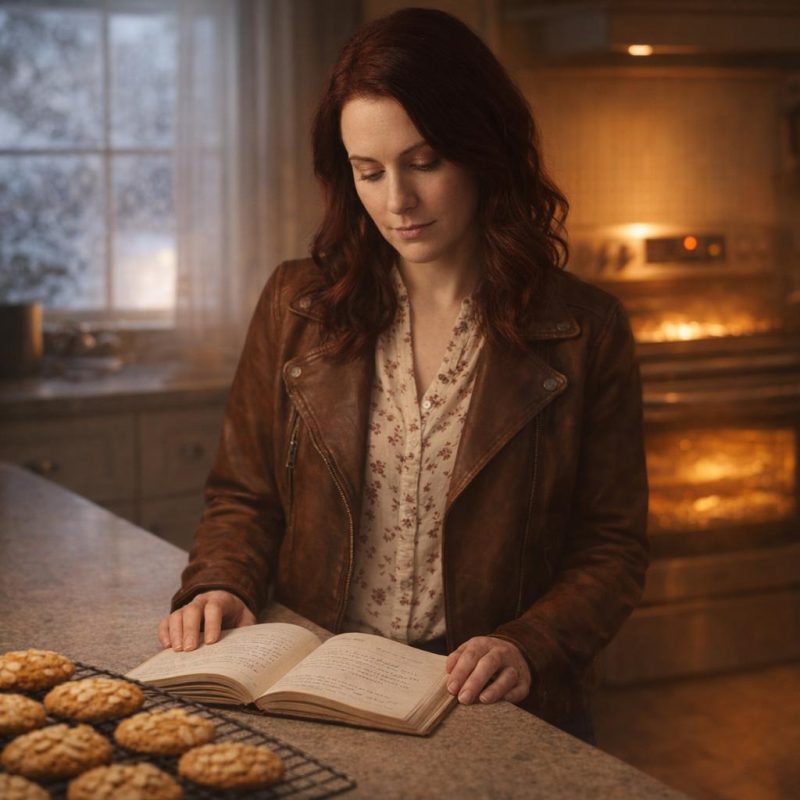 Image by RM AI
What Really Mattered
The estate dispute is still open, last I heard. Months in, six figures spent, and neither Marcus nor Elena has moved an inch toward compromise — which surprises no one who knows them. They'll settle eventually, or a judge will settle it for them, and whichever way it lands, they'll each walk away convinced the other one cheated. I don't think about it much. The recipe book sits on my kitchen shelf between a jar of sea salt and a small clay pot Evelyn brought back from somewhere she never told me about. I use it regularly. I've made the apple cake twice, the lemon tart, the almond cookies more times than I can count. No one in my family knows what was hidden inside it. No one knows about Werner or the Geneva account or the transfers or any of it. Evelyn kept her secret for sixty years, and I intend to keep it just as long. She didn't leave me money. She left me proof that she saw me clearly, chose me deliberately, and trusted me completely — and that, more than any number in any account, is the thing I'll carry.
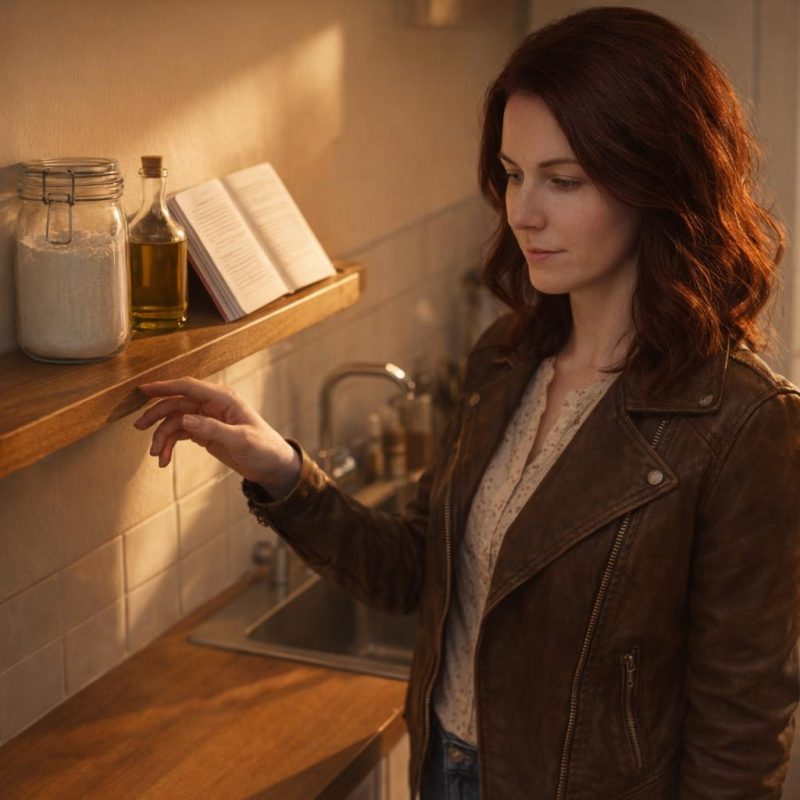 Image by RM AI