
I Defended My Son Through His Divorce—Then His Ex-Wife Handed Me An Envelope That Made My Blood Run Cold
I Defended My Son Through His Divorce—Then His Ex-Wife Handed Me An Envelope That Made My Blood Run Cold
The Sunday Call Tradition
Every Sunday at noon, I'd position myself in the armchair by the phone—the same chair my husband used to read the paper in before he passed three years ago. The house had gotten so quiet since then. You know that kind of quiet where you can hear the refrigerator humming two rooms away? That was my life now. Most days I'd go hours without speaking to anyone except maybe the checkout girl at the grocery store. But Sundays were different. Sundays I had something to look forward to. Mark started calling every week after the funeral, and he hadn't missed a single Sunday since. Not one. While other mothers at church complained about their kids forgetting to call for months at a time, I could set my watch by my son. Noon exactly, every single week. I'd sit there watching the second hand on the wall clock, feeling that little flutter of anticipation in my chest. Some people might think it's silly, a grown woman getting excited about a phone call, but when you live alone and your social calendar consists of church on Sunday mornings and book club once a month, that weekly call becomes the highlight of your week. The phone rang right on schedule, and I smiled before I even picked it up.
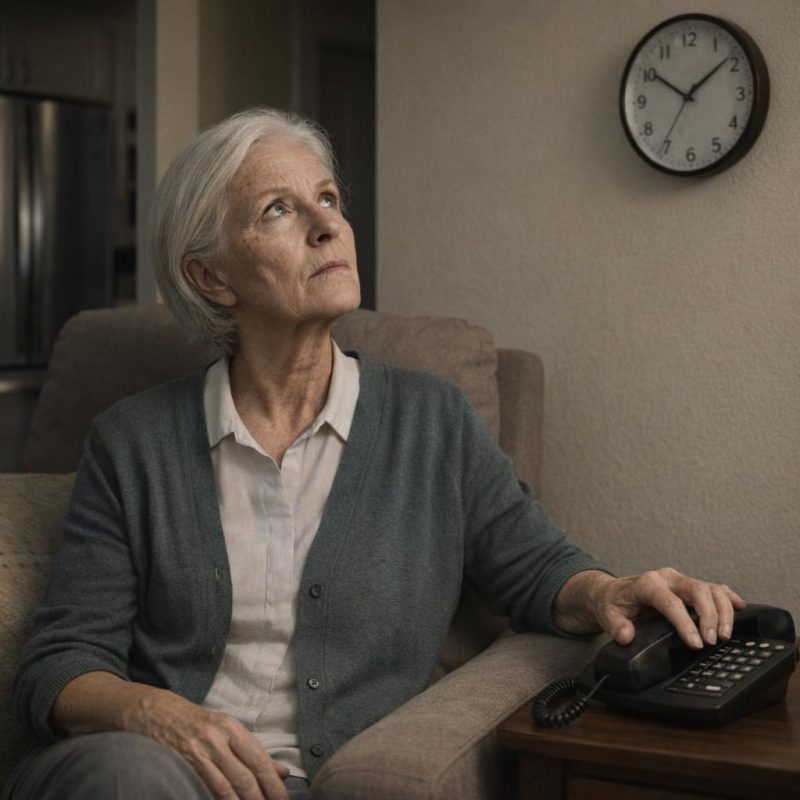 Image by RM AI
Finally Free
"It's done, Mom," Mark said, and I could hear something different in his voice—lighter, like a weight had been lifted off his shoulders. "The divorce papers are signed. It's finally over." I let out a breath I didn't know I'd been holding. The past eighteen months had been so hard on him, watching his marriage fall apart like that. "Oh honey, I'm so relieved for you," I told him, settling deeper into my chair. "How are you holding up?" He was quiet for a moment, and I could picture him in his apartment, probably standing by the window the way he always did when he was thinking. "I'm okay. Better than okay, actually. I just... I wish you could have seen how she acted during the proceedings, Mom. The outbursts, the accusations. My lawyer said he'd never seen someone so unstable in a settlement negotiation." My heart ached for what he'd been through. "You did everything you could to make it work," I assured him. "Sometimes people just aren't who we thought they were." "Thanks for always being in my corner," he said softly. "I don't know what I would've done without you." He started to tell me about Emily's behavior during the proceedings, and I settled in to listen.
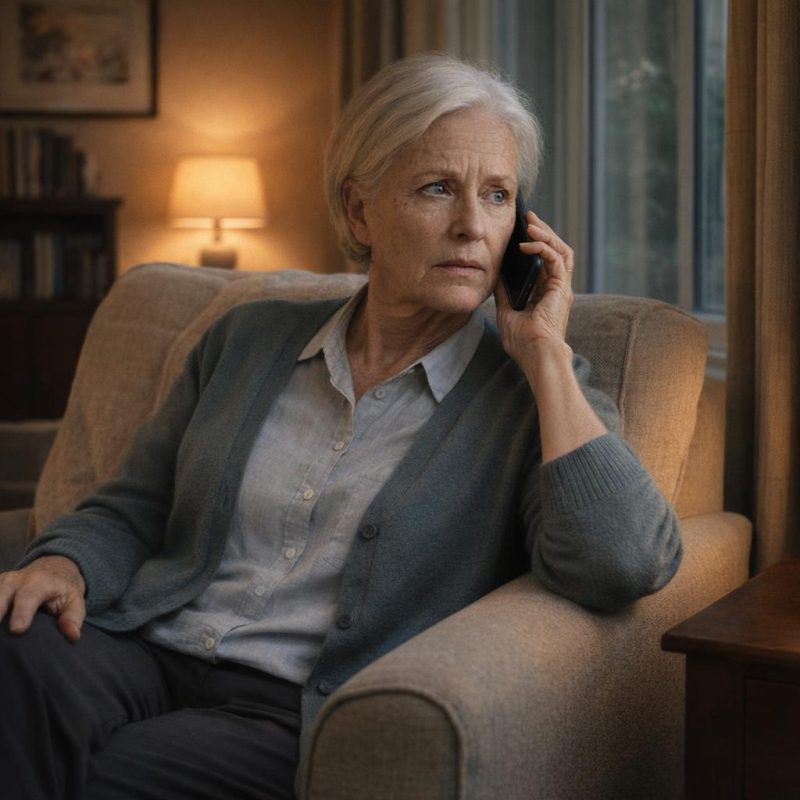 Image by RM AI
The Loans I Never Questioned
After we hung up, I found myself pulling up my online banking, scrolling back through the past two years. Four transfers to Mark. I counted them twice to be sure. The first one was in March, two years ago—$3,200 for medical bills Emily had racked up. Emergency room visit, he'd said, and their insurance had that high deductible. What was I supposed to do, let my son drown in medical debt? Then there was the $1,800 in June for marriage counseling. He'd been so hopeful about that, thought maybe a professional could help them work through Emily's issues. Another $2,500 in November when Emily's spending had gotten out of control and they were behind on rent. And the last one, $4,000 just four months ago for the lawyer retainer when she'd filed for divorce. Each time Mark had called, voice tight with stress, explaining the situation, promising he'd pay me back once things settled down. And each time I'd transferred the money without hesitation because that's what mothers do, isn't it? We help our children when they're struggling. I never pressed him about repayment, never even brought it up. He had enough to worry about. Each loan seemed so reasonable at the time, and he always said he'd pay me back when things settled down.
 Image by RM AI
The Quiet House
I closed the laptop and walked through the house, my footsteps echoing on the hardwood floors. This place used to hold three voices—mine, my husband's, and Mark's when he still lived at home. Now it was just me and the sounds I made moving from room to room. The living room where we used to watch movies together. The kitchen where I'd cook Sunday dinners for the family. The guest room that nobody ever stayed in anymore. My friends from the old neighborhood had mostly moved to be closer to their grandchildren or relocated to those active senior communities in warmer states. The ones who remained were busy with their own families, their own lives full of babysitting duties and family gatherings I wasn't invited to because, well, I didn't have grandchildren. Church on Sunday mornings gave me a few hours of human interaction, and there was book club once a month, but that was about it. The grocery store trips, the occasional doctor's appointment—that was my social life now. I'd gotten used to the silence, learned to fill my days with crossword puzzles and gardening and old movies on TV. The silence had become normal, but Mark's weekly calls made it bearable.
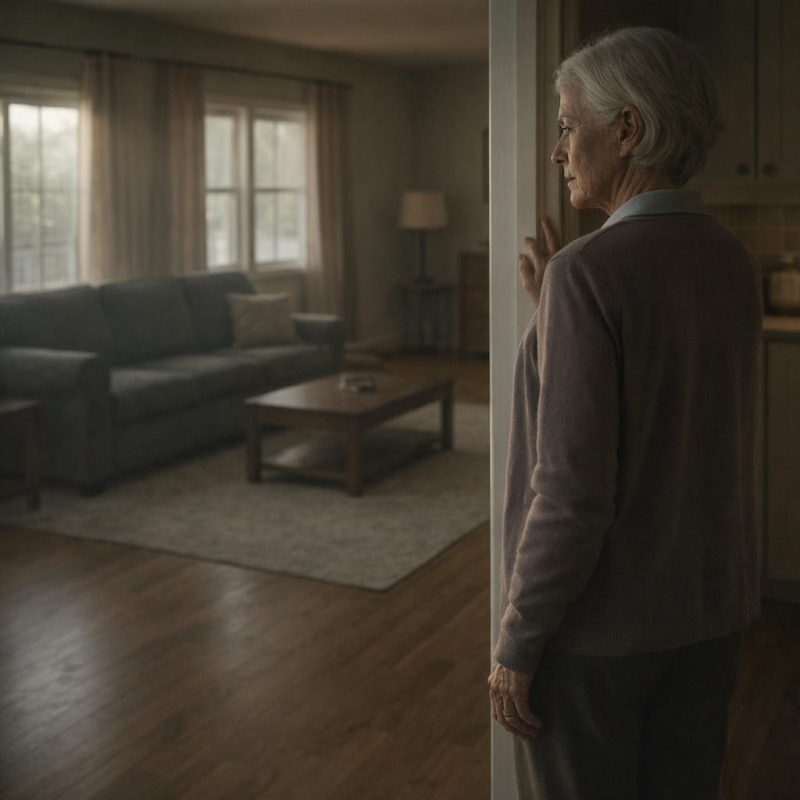 Image by RM AI
Defending My Son
"Linda, can I ask you something?" Margaret cornered me after book club, her voice low and careful like she was approaching a skittish animal. We were standing by the refreshment table, and I was just reaching for a cookie when she asked, "Have you heard Emily's side of the story?" I felt my spine stiffen. "I don't need to hear Emily's side," I said, probably sharper than I should have. "I know my son." Margaret's eyes went soft with that pitying look I couldn't stand. "I just thought maybe—" "Mark calls me every single Sunday at noon," I interrupted, setting down my plate. "He has never missed a week. Not once in three years. That's the kind of man he is—reliable, honest, caring. Whatever Emily might say about him, whatever excuses she's making for why the marriage failed, I know the truth." The other women had gone quiet, pretending not to listen. "He's probably too embarrassed to face any of us," I continued, meaning Emily. "When you've behaved the way she did, caused the kind of chaos Mark described, you don't exactly want to show your face around the family." I told her I didn't need to hear from Emily because I knew my son, and I believed him completely.
 Image by RM AI
A Mother's Pride
That night I couldn't sleep, so I went into Mark's old bedroom. I'd kept it exactly the way he left it when he moved out for college—track trophies lined up on the shelf, honor roll certificates framed on the wall, his high school graduation photo on the dresser. I sat on the edge of his bed and ran my hand over the navy blue comforter, remembering the boy who used to sleep here. He'd been such an easy child. Never talked back, never stayed out past curfew, never gave me a single reason to worry. His teachers always commented on how polite he was, how respectful. Coach Henderson used to say Mark was the most coachable athlete he'd ever trained. I picked up one of his trophies, feeling the weight of it in my hands. Third place, regional track meet, junior year. He'd been so proud of that one. I'd done something right as a mother, hadn't I? Raised a good man, a decent man. The kind of son who called his widowed mother every single week without fail. Whatever Emily might be telling people about him, whatever version of events she was spinning to make herself look better, it couldn't be true. Whatever Emily said about him couldn't be true because I had raised him right.
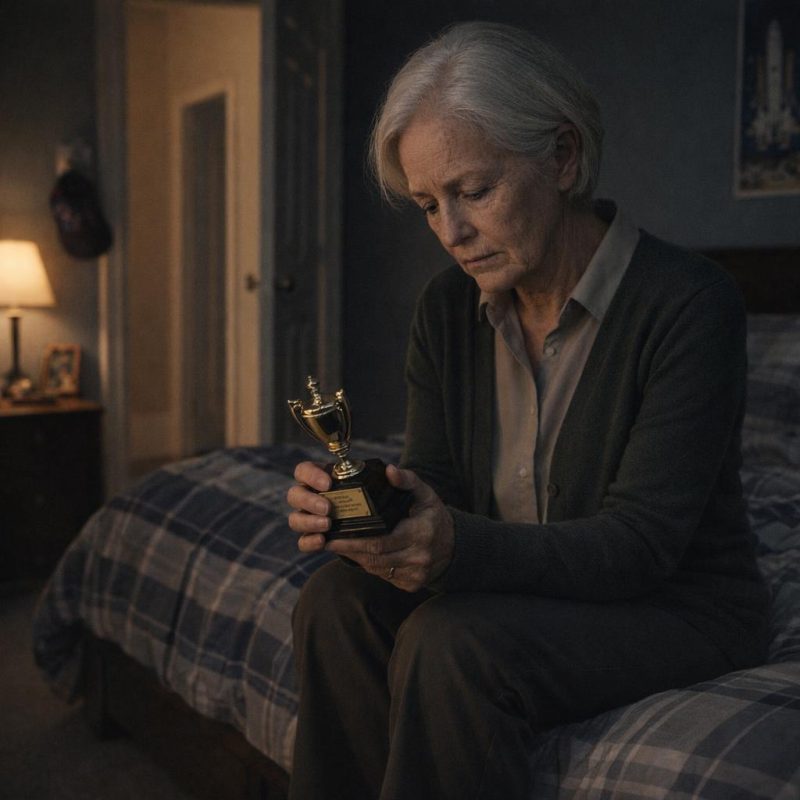 Image by RM AI
Bitterness and Blame
The next Sunday, right at noon, the phone rang. "Hey Mom," Mark said, and I could hear traffic in the background. He must have been out running errands. "How was your week?" We chatted about my garden, about the book club meeting, about nothing in particular. Then I asked, trying to sound casual, "Have you heard from Emily at all? Since the divorce was finalized?" His voice changed, got tighter. "She's still sending messages. Still trying to blame me for everything that went wrong. She can't accept that she's the one who destroyed our marriage." I made a sympathetic sound. "Some people just can't take responsibility for their own actions." "Mom, I need to ask you something," he said, and there was an edge to his voice I didn't recognize. "If Emily tries to contact you—and she might—please don't engage with her. Don't take her calls, don't respond to emails or letters. Nothing." "Of course, honey, but why would she—" "She's been saying things. Trying to turn people against me. I just worry that she might try to poison you against me too, tell you her twisted version of what happened." My chest tightened with protective anger. He asked me not to speak with her if she ever called, saying she might try to turn me against him.
 Image by RM AI
Counting My Blessings
That Sunday morning I sat in my usual pew, third row from the back on the left side, and bowed my head during the prayer time. "Thank you, God, for my son," I whispered. "Thank you for giving me Mark." Around me I could hear the shuffling of the congregation, someone's phone buzzing on silent, Mrs. Patterson's hearing aid whistling softly. After the service, I lingered by the coffee station and overheard Janet complaining to Ruth about her daughter. "Three months," Janet was saying. "Three months since I've heard from her. Not even a text message." Ruth nodded sympathetically. "My son only calls on Christmas and my birthday. If I'm lucky." Another woman chimed in about her kids being too busy with their own lives to visit. I stood there holding my Styrofoam cup of weak coffee, feeling something I'm not proud of—a little surge of superiority. These women with their neglectful children, their complaints about being forgotten and ignored. I had Mark. Mark who called every single Sunday without fail. Mark who needed me, who valued my support, who made time for his aging mother no matter what else was going on in his life. So many women my age complained about neglectful children, but I had Mark's devoted attention.
 Image by RM AI
The Absent Daughter-in-Law
I tried to remember the last time I'd actually seen Emily. Not just heard about her through Mark's updates, but seen her face-to-face. It took me a minute, standing there in my kitchen with my coffee going cold, but then it came to me—Christmas. Over a year ago now. Mark had brought her to my house for dinner, and she'd sat at my table barely saying two words the entire evening. I remembered watching her push food around her plate, giving one-word answers when I asked about her work. At the time, I'd thought she was being moody, maybe even rude. Mark had been so patient with her that night, trying to draw her into conversation, touching her hand gently when she stared off into space. I'd felt sorry for him then, dealing with a wife who couldn't even make an effort during the holidays. Now, knowing what I knew about her instability, that dinner made perfect sense. She'd probably already been pulling away from him, already creating problems in their marriage. And now? Now she was probably too ashamed to face me, too embarrassed to look me in the eye after what she'd put my son through.
 Image by RM AI
The Story I Believed
That evening I went through my usual routine—dinner at six, the news at seven, a cup of chamomile tea before bed. My house was quiet, the way it had been since Robert passed, but I'd grown comfortable with the silence. As I rinsed my teacup in the sink, I thought about everything Mark had told me over the past months. The story was clear, really. Emily had become unstable, withdrawn, impossible to live with. Mark had tried everything—patience, understanding, even suggesting counseling. But you can't help someone who won't help themselves, can you? He'd made the difficult decision to file for divorce, to protect himself from her erratic behavior. I understood the whole situation completely. My son was better off without someone who couldn't appreciate what she had, who couldn't see how lucky she was to have a man like Mark. I turned off the kitchen light and headed upstairs, feeling certain in my knowledge of what had happened. I had no reason to doubt anything Mark had told me, no expectation that my understanding would ever be challenged.
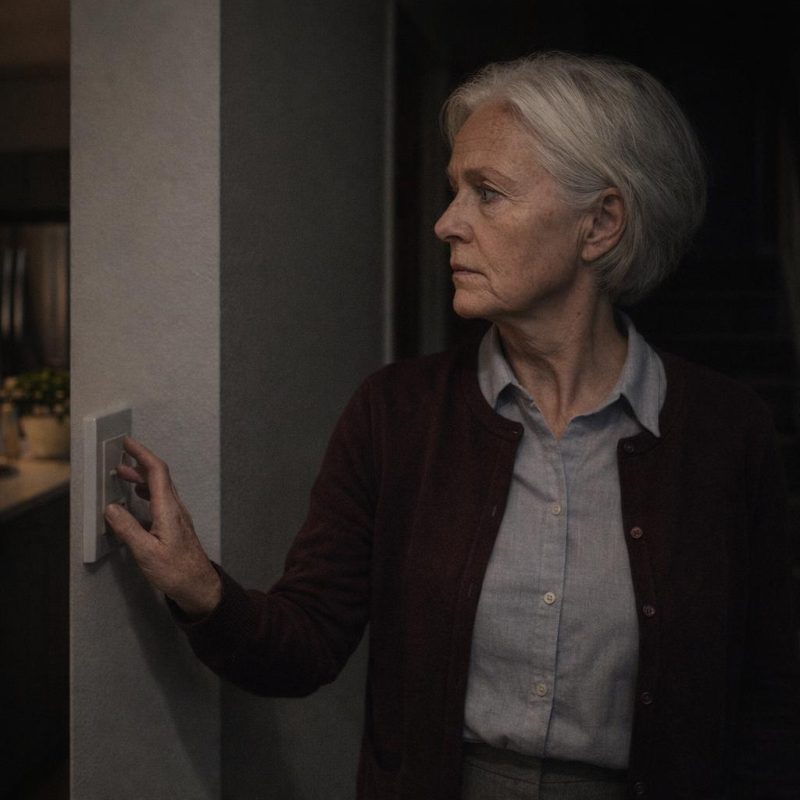 Image by RM AI
The Unknown Number
My phone rang on a Tuesday afternoon while I was folding laundry in the living room. I glanced at the screen and saw a number I didn't recognize—no name, just digits. My first thought was telemarketer. Or one of those scam calls about my car's extended warranty, even though my car was twelve years old and I'd never had a warranty to extend. I set down the towel I was folding and stared at the phone vibrating on the coffee table. I really should just let it go to voicemail. That's what everyone says you're supposed to do with unknown numbers these days. But something made me hesitate. Maybe it was legitimate—a doctor's office calling about an appointment, or the pharmacy. The phone kept ringing. Third ring. Fourth ring. On impulse, just before it would have clicked over to voicemail, I reached out and swiped to answer. I didn't say anything at first, just held the phone to my ear and waited.
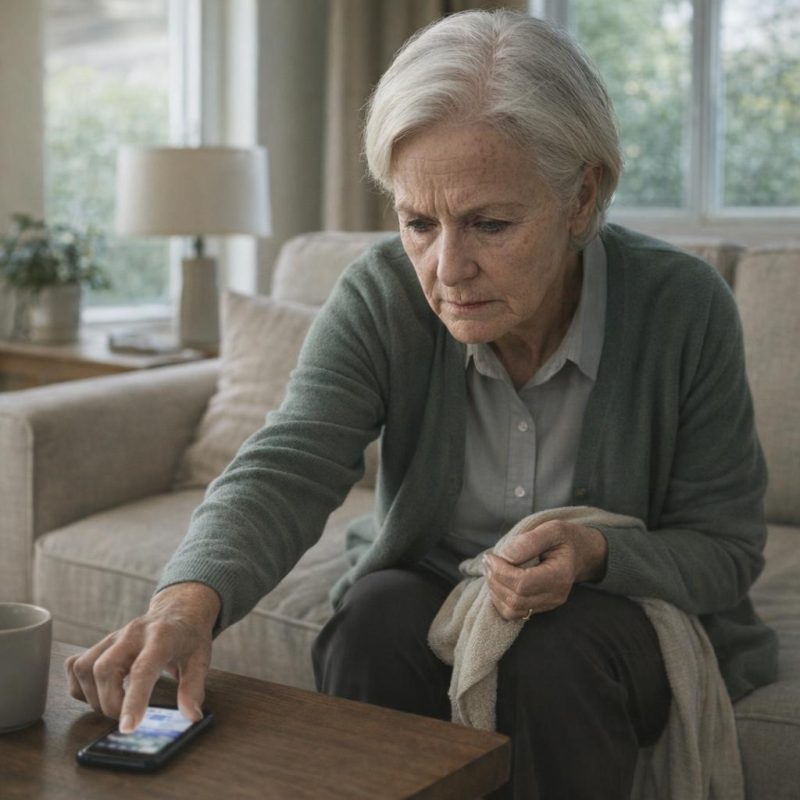 Image by RM AI
A Voice From the Past
The voice on the other end was so quiet and tired that I almost didn't recognize it at first. 'Linda? It's Emily.' I felt my whole body go rigid. Emily. Mark's ex-wife. The woman who'd put my son through hell. My defenses shot up immediately, my grip tightening on the phone. I waited for the anger, the accusations, the blame. I braced myself for her to start screaming about Mark, to launch into some tirade about how the divorce was his fault. But instead, there was just this long, exhausted silence. When she spoke again, her voice was calm. Unnervingly calm. 'I know this is unexpected,' she said. 'But I was wondering if we could talk. Just for a few minutes.' I stood there in my living room, surrounded by half-folded laundry, completely thrown off balance. This wasn't the unstable, erratic woman Mark had described. This was someone who sounded bone-tired but completely in control. Something about her steady composure made my prepared defenses feel suddenly useless.
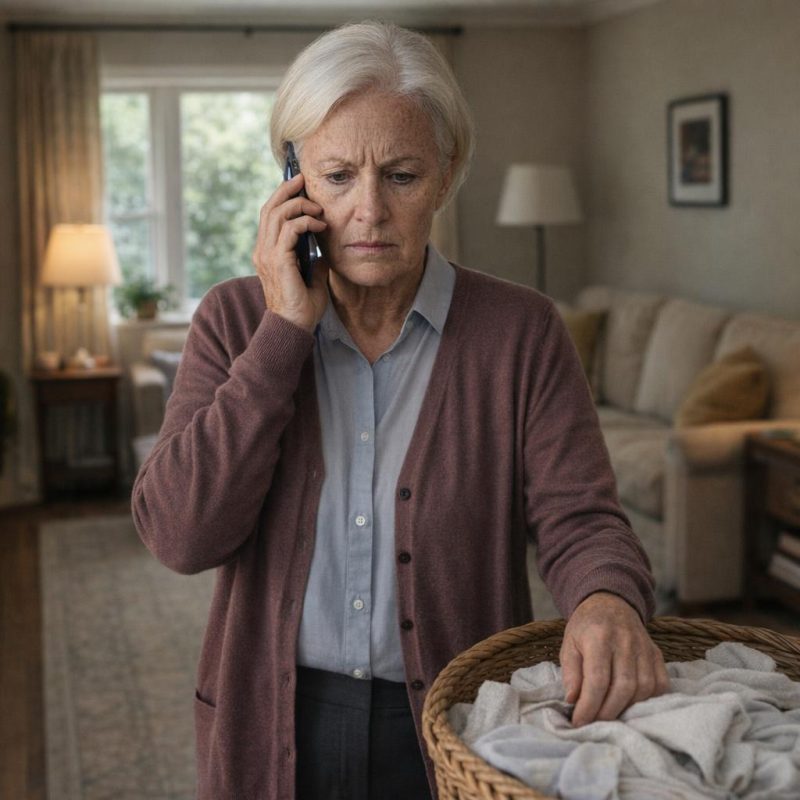 Image by RM AI
The Request
Emily explained that she'd been cleaning out her attic and found a box of Mark's old belongings—some books, a few framed photos, things he must have forgotten when he moved out. 'I thought you might want them,' she said. 'Or you could give them to Mark. I just... I'd like to drop them off, if that's okay.' My first instinct was to say no. To tell her to mail them, or leave them on a curb somewhere, or just throw them away. Why should I make this easy for her? But something in her voice stopped me. That same exhausted calm, like she was too tired to play games or cause drama. 'When were you thinking?' I heard myself ask, and immediately wondered why I was agreeing to this. 'Thursday afternoon?' she suggested. 'Around two? I won't stay long, I promise.' I found myself saying yes. After we hung up, I stood there staring at my phone, genuinely confused about why I'd agreed. Maybe it was curiosity. Maybe it was that strange, steady tone in her voice that didn't match anything Mark had told me about her.
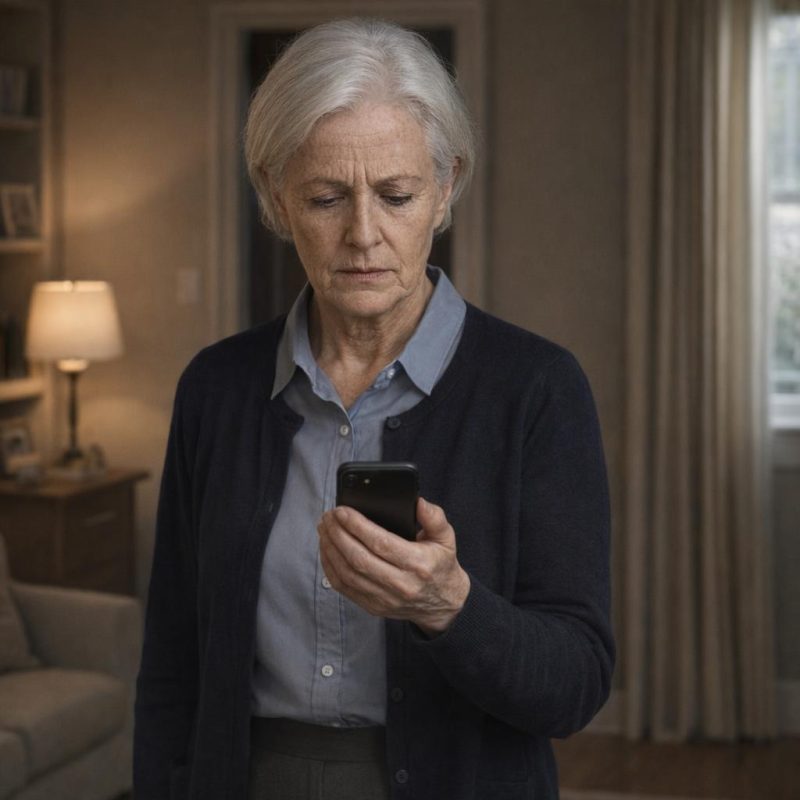 Image by RM AI
Preparing for Battle
Thursday morning I couldn't sit still. I kept checking the clock, watching the hours crawl toward two o'clock. I rehearsed responses in my head, preparing for every accusation I thought Emily might make. If she blamed Mark for the divorce, I'd remind her about her own instability. If she claimed he'd been cruel, I'd point out how patient he'd been. I had evidence—months of phone calls where Mark had confided in me, where I'd heard the pain in his voice. I knew my son. I knew his character. Whatever lies Emily brought to my door, I was ready to defend him. I straightened the living room twice, then made myself a cup of coffee I didn't drink. At one-thirty I checked my reflection in the hallway mirror, smoothing my cardigan. At one-forty-five I sat on the couch, then stood up again. When the doorbell finally rang at exactly two o'clock, I took a deep breath and walked to the door. I opened it ready to defend my son against whatever accusations she'd come to make.
 Image by RM AI
The Envelope
Emily stood on my porch looking like a different person than I remembered. She'd always been slim, but now she looked almost fragile, her straight black hair pulled back in a low ponytail that emphasized the hollows under her cheekbones. Dark circles shadowed her eyes. She wore jeans and a plain sweater, and she held a small cardboard box in one arm. In her other hand was a thick manila envelope, the kind with a metal clasp. 'Thank you for seeing me,' she said quietly, and her voice had that same exhausted calm from the phone call. She set the box down on the porch but kept holding the envelope. I waited for her to say something else, to launch into whatever speech she'd prepared. But she just stood there, looking at me with those tired dark eyes. Then, without a word, she held out the envelope. I took it automatically, surprised by the weight of it. It was stuffed full of something—papers, maybe. Documents. The envelope felt heavy in my hands, substantial.
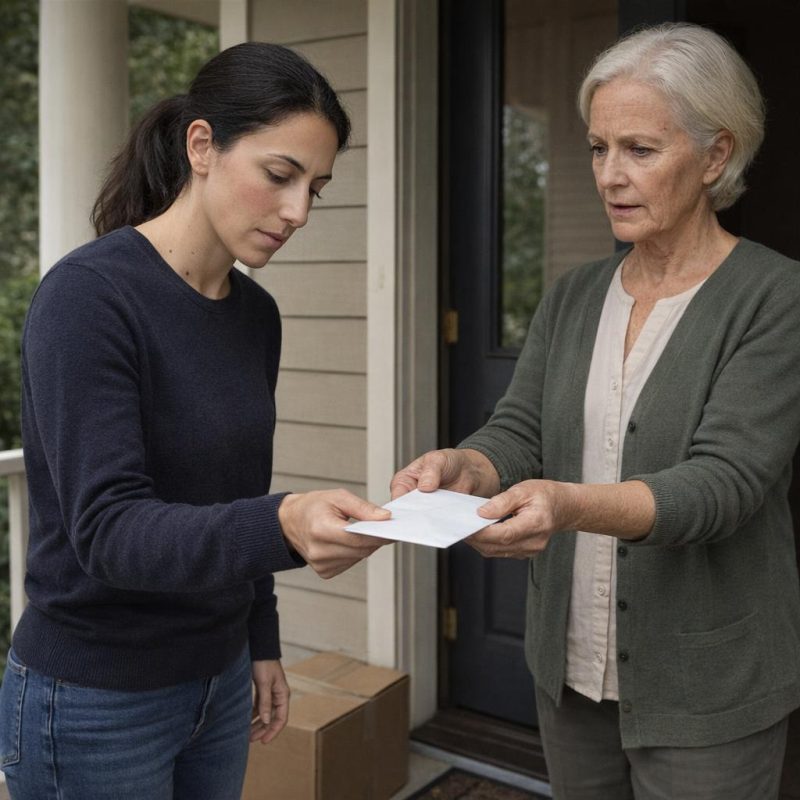 Image by RM AI
One Simple Question
Emily looked at me for a long moment, and I saw something in her expression I hadn't expected—not anger, not bitterness, just a kind of weary resignation. 'Did Mark tell you I was the problem?' she asked softly. The question caught me off guard, but I felt my defenses rising immediately. 'Emily, I don't think we should—' I started, ready to launch into everything I'd rehearsed. But she held up one hand, stopping me. She didn't look angry. She just looked tired. So incredibly tired. She pointed at the manila envelope in my hands, and when she spoke again, her voice was barely above a whisper. 'Just look at the dates, Linda. That's all I ask. Look at the dates.' Before I could respond, before I could ask what she meant, she turned and walked back down my porch steps. I stood there holding the envelope, watching her get into her car and drive away, her words echoing in my head. Just look at the dates.
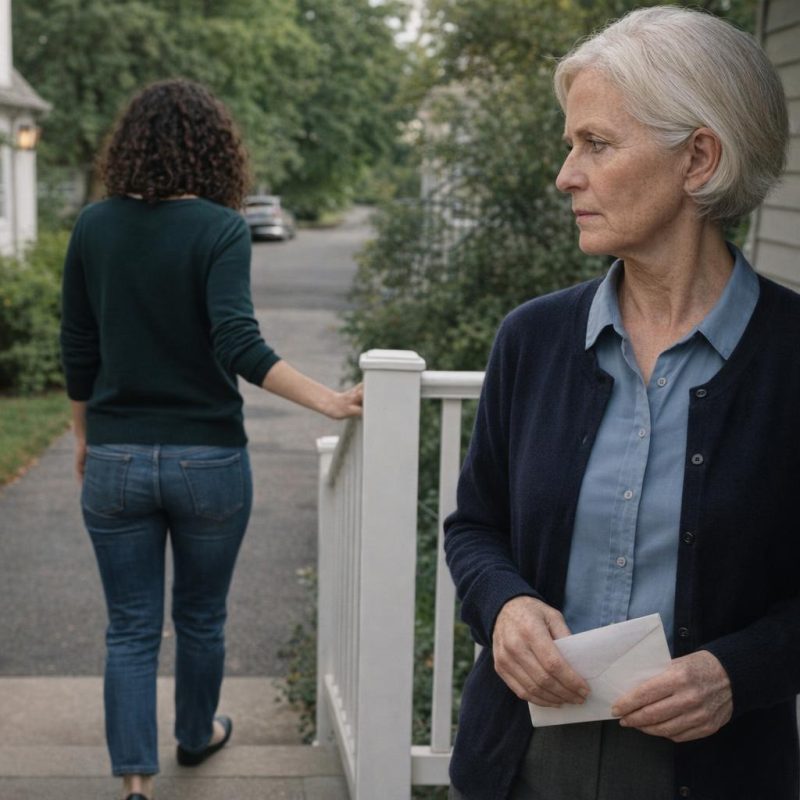 Image by RM AI
The Unopened Truth
I stood at my kitchen table staring at the sealed manila envelope, Emily's car already disappearing down the street. The house felt too quiet around me, just the hum of the refrigerator and my own breathing. The envelope was heavier than I expected, stuffed full of something. Papers, probably. Documents Emily thought would prove whatever point she was trying to make. Part of me wanted to walk straight to the trash can and drop it in without looking. Mark had warned me she might try something like this, hadn't he? That she'd twist things, make him look bad to justify her own behavior during the marriage. I set the envelope down on the table and stepped back from it, crossing my arms. Just look at the dates, she'd said. What dates? Dates of what? I paced to the sink, filled a glass with water I didn't drink, set it down. The envelope sat there on my kitchen table like it was waiting for me. I told myself I didn't owe Emily anything, that opening it would be a betrayal of Mark's trust. But my hands were already reaching for the flap.
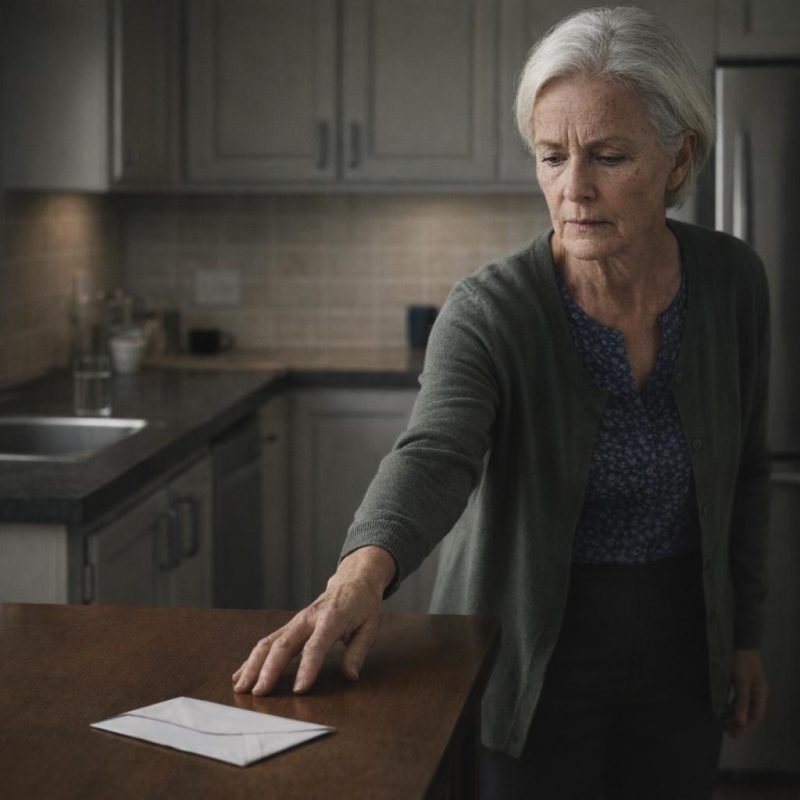 Image by RM AI
Breaking the Seal
I pulled back the metal clasp and opened the envelope, my heart beating faster than I wanted to admit. The contents slid out onto the table in a neat stack, papers clipped together in sections. Emily had organized everything carefully, I'd give her that. I pulled the first bundle toward me, squinting at the header. Bank statements. Multiple pages of them, printed on that thin paper banks use. I scanned the top page, looking for something that would tell me what I was supposed to see. Account numbers, transaction dates, columns of deposits and withdrawals. None of it meant anything to me at first glance. I flipped to the second page, then the third, my eyes moving over rows of numbers without really processing them. Why would Emily give me someone's bank statements? Were these hers? Was she trying to show me her financial situation during the marriage? I set those pages aside and reached for the next bundle, but something made me look back at the first statement again. The first thing I saw was a bank statement with an account number I didn't recognize.
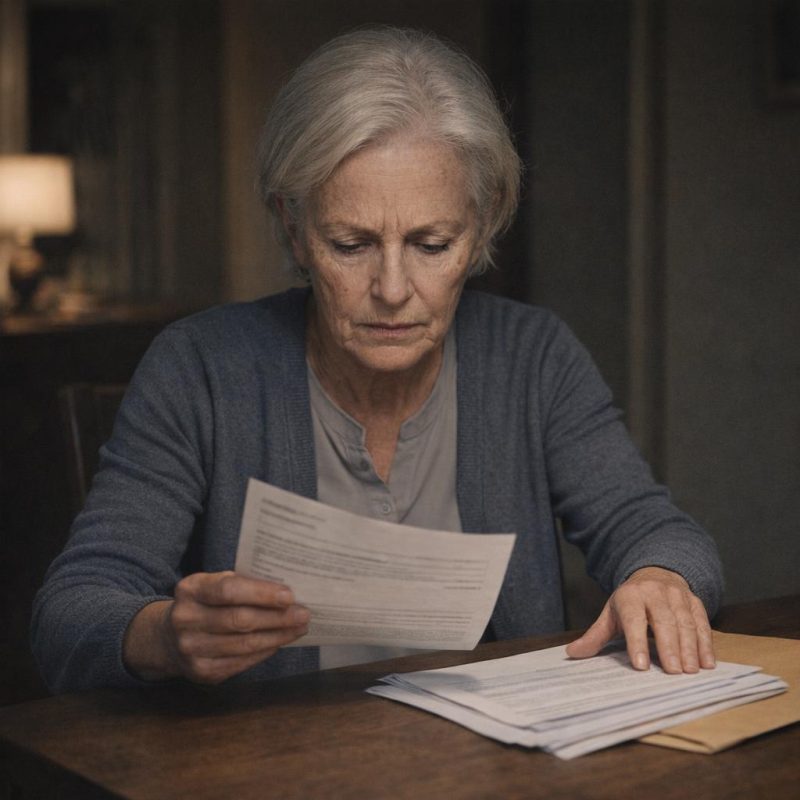 Image by RM AI
Numbers That Don't Lie
I spread the bank statements across my kitchen table and saw Mark's name on an account I never knew existed. There it was, printed right at the top: Mark A. Patterson. Account holder. I blinked at it, confused. Mark had never mentioned having an account at this bank. We'd talked about his finances plenty of times over the past few years, especially when he'd needed help. He'd always said he was barely scraping by, that the divorce had cleaned him out. But here was an account with his name on it, showing a balance that made my stomach flip. I pulled the statements closer, studying the transaction history. Large withdrawals, thousands of dollars at a time, spread out over months. Some deposits too, though I couldn't tell where they came from. The amounts were significant. Not struggling money. Not barely-getting-by money. I felt confused about why Emily would have these, how she'd even gotten them. And why hadn't Mark told me about this account? Maybe it was old, closed now. Maybe that's why he'd never mentioned it. But the dates on the statements were recent. Very recent. The dates of the withdrawals began to swim before my eyes as I reached for my own records.
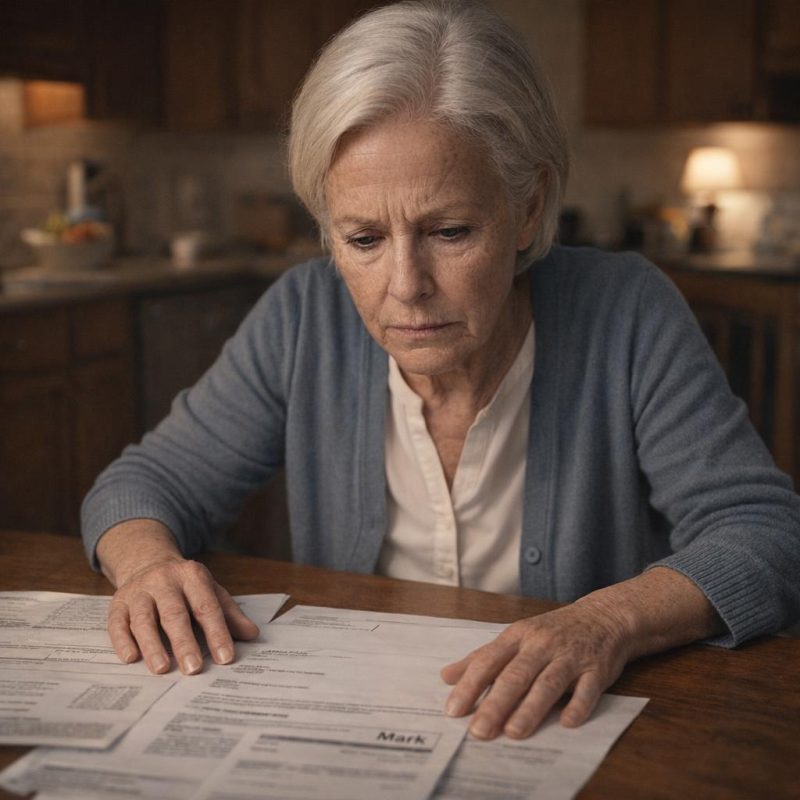 Image by RM AI
The Perfect Match
I laid my bank records next to Mark's statements and watched the dates align with horrible precision. My hands shook as I traced the timeline with my finger. March fifteenth, Mark had withdrawn four thousand dollars from his secret account. March twenty-second, he'd called me crying about being short on rent, asking for two thousand. I remembered that call. I remembered the panic in his voice. June third, another withdrawal, this time thirty-five hundred. June tenth, another call, another crisis, another fifteen hundred I'd transferred to him within the hour. The pattern repeated down the page. August, October, January. Every single time Mark had come to me saying he was desperate, saying he didn't know how he'd make it through the month, he'd withdrawn money from this account just days before. Not small amounts either. The withdrawals were always larger than what he'd asked me for, sometimes double. I sat back in my chair, staring at the numbers. My chest felt tight. There had to be an explanation. There had to be a reason this looked so bad. But I kept staring at those dates, and they kept lining up perfectly, and my mind kept trying to make sense of what that meant. Every time I had loaned Mark money, he had withdrawn twice that amount from this secret account just days before.
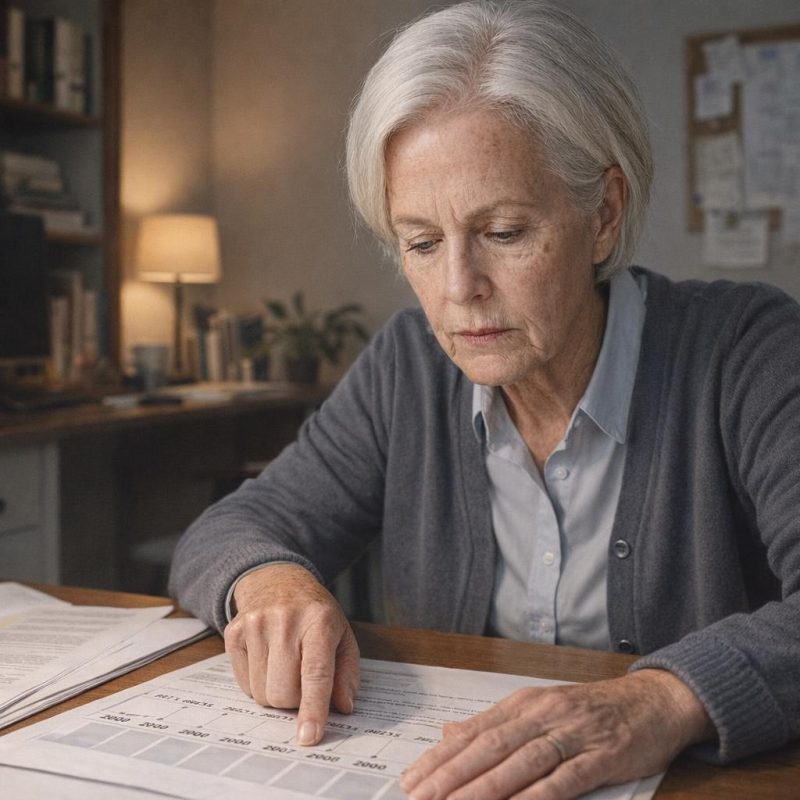 Image by RM AI
Looking for Reasons
I sat at the kitchen table trying to find innocent explanations for why Mark would have a secret account and ask me for money he didn't seem to need. Maybe the account was for something specific, something he couldn't touch. A trust fund from his father? But Robert hadn't left Mark a trust fund, I would have known. Maybe it was an investment account that had penalties for early withdrawal, and Mark had only taken money out when he absolutely had to. That could explain the large withdrawals. But then why ask me for money at all? Why not just take what he needed from his own account? I shuffled through the statements again, looking for something I'd missed, some detail that would make this make sense. Maybe Emily had doctored these somehow. People could fake documents, couldn't they? But the paper felt real, the printing looked official, and the account numbers and routing codes all seemed legitimate. I pressed my palms against my eyes. Mark must have had good reasons. He was my son. I'd raised him. I knew him. There had to be an explanation I just wasn't seeing yet. Maybe there was a reasonable explanation I just couldn't see yet, but my hands wouldn't stop shaking.
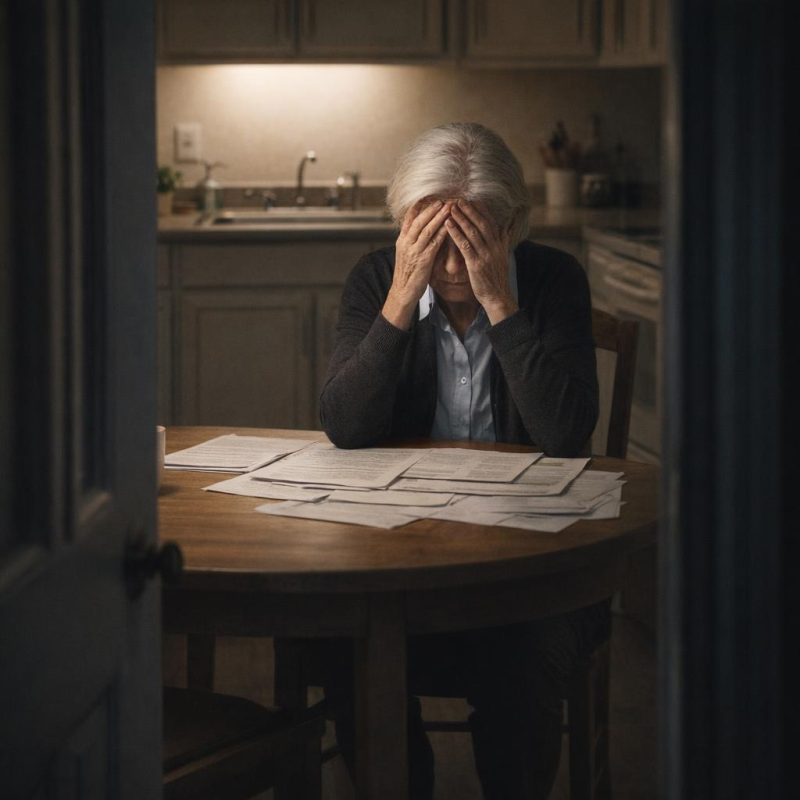 Image by RM AI
Seven Years of Paper
I pulled more documents from the envelope and found bank statements going back seven years, each one showing the same pattern of withdrawals before Mark asked me for help. Seven years. I spread them out in chronological order across my entire kitchen table, and the pattern was undeniable. It went back to when Mark and Emily were still newlyweds, when I'd first started helping him with what he'd called 'unexpected expenses.' Every time. Every single time he'd called me with an emergency, there was a withdrawal from this account within the week before. The car repair that cost three thousand dollars. The medical bill he said insurance wouldn't cover. The time he said his paycheck had been delayed and he couldn't make his mortgage payment. Before each crisis, Mark had taken money out of this account. I counted them. Eleven times over seven years. Eleven times he'd withdrawn his own money, then called me days later saying he was desperate. The amounts added up to more than sixty thousand dollars he'd taken from this account, and I'd given him nearly thirty thousand on top of that. I felt sick. This wasn't a few coincidences; this was every single time he'd called saying he was struggling.
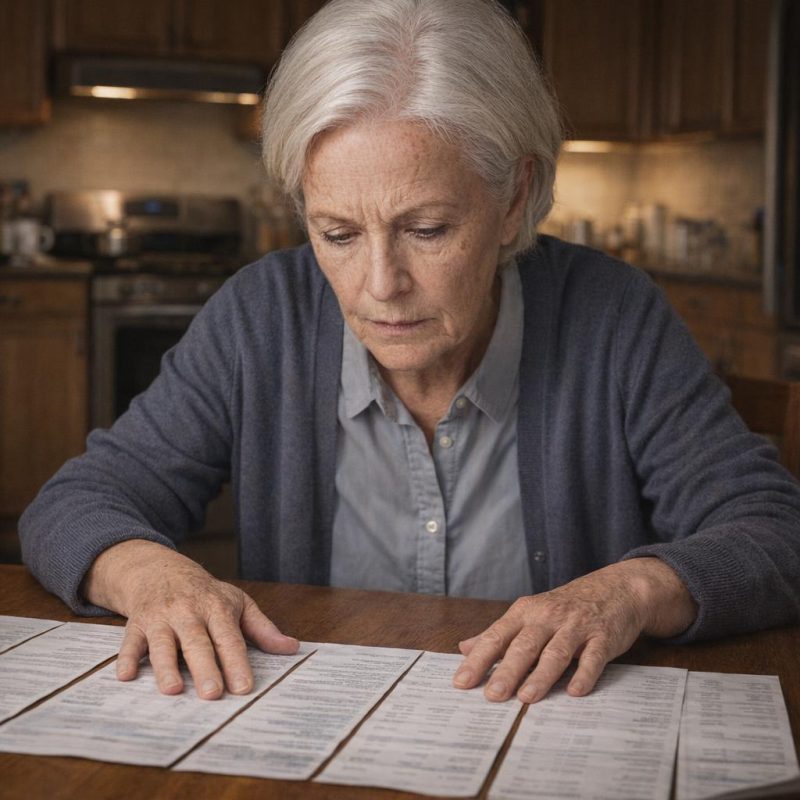 Image by RM AI
The Urge to Call
I picked up my phone three times to call Mark and ask him about the account, but each time I put it down without dialing. My thumb hovered over his name in my contacts. I could call right now. I could ask him to explain. He'd have an answer, wouldn't he? He'd tell me what this account was for, why he'd never mentioned it, why the dates lined up the way they did. He'd make it make sense. But something stopped me each time I started to press the call button. Some instinct I didn't want to examine too closely. What if he had a smooth explanation ready? What if he sounded so reasonable, so hurt that I'd doubted him, that I'd end up apologizing for even asking? I set the phone down and stared at the statements spread across my table. Part of me wanted to hear his voice, wanted him to fix this, to make it okay. But another part of me, a part that was growing louder, dreaded what he might say. Or worse, dreaded how easily I might believe whatever he told me. Something stopped me from giving him a chance to explain, and I didn't want to examine why.
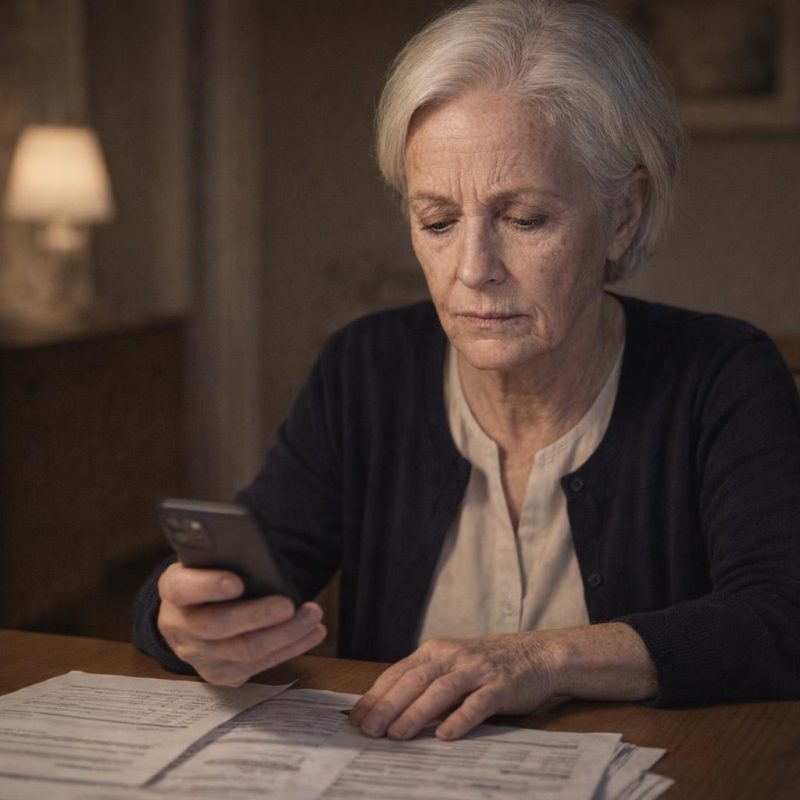 Image by RM AI
The Medical File
At the bottom of the stack I found a psychiatric evaluation with official letterhead, and my first thought was that this must be Emily's diagnosis proving her instability. Finally. Something that would explain why she'd put together this whole packet of misleading information. Mark had told me Emily had issues, that she'd twisted reality, that she'd made his life hell with her paranoia and accusations. Here was the proof. The document was thick, multiple pages clipped together, with the logo of a psychiatric practice I recognized from town. My heart actually lifted a little. This would show that Emily had been the problem all along, that Mark had been telling the truth about her mental state. Maybe the bank statements would make sense once I understood that Emily had been unwell, that she'd misinterpreted normal financial decisions as something sinister. I pulled the evaluation toward me, my fingers finding the edge of the first page. I could already imagine calling Mark, apologizing for doubting him even for a moment, telling him I understood now what he'd been dealing with. I opened the file expecting to see Emily's name, already preparing to feel vindicated.
 Image by RM AI
The Wrong Name
The name on the psychiatric evaluation wasn't Emily Chen. It was Mark Morrison. I blinked and read it again, certain I'd misread, that my eyes had skipped a line or that this was some kind of administrative error. But no—there it was, typed clearly at the top of the form: Patient Name: Mark Morrison. Birthdate: March 14, 1985. My son's birthdate. My son's full legal name. I set the paper down on the table and picked it up again, as if the physical act of handling it differently might change what it said. My brain kept trying to make it make sense, kept insisting there had to be some explanation. Maybe Emily had included the wrong document by mistake. Maybe this was someone else named Mark Morrison, though what were the odds of that? I read the header a third time, my finger tracing under each word like I was back in elementary school learning to read. The evaluation was dated five years ago, from a psychiatric practice right here in town. Mark had never mentioned any psychiatric treatment. Not once. Not in five years of Sunday phone calls, not in any conversation we'd ever had. My hands started shaking as I held the paper, and I realized I had no idea what I was even looking at anymore.
 Image by RM AI
Words I Don't Understand
I forced myself to read past the header, into the actual clinical notes. The diagnosis was listed in bold: Severe Personality Disorder with Narcissistic and Antisocial Features. The words felt like they were in a foreign language even though I understood each one individually. The psychologist had written detailed observations about manipulative interpersonal patterns, about superficial charm that masked a lack of genuine empathy. There were notes about Mark's ability to present different versions of himself to different people, about his skill at identifying what others wanted to hear. I read one sentence three times: Patient demonstrates limited capacity for authentic emotional connection and views relationships primarily through a transactional lens. The clinical language made it sound like they were describing a stranger, not my son who called every Sunday, who'd cried at his father's funeral, who sent me flowers on Mother's Day. Further down the page, I found a note that made my stomach clench: This evaluation was court-ordered as part of family court proceedings. Patient showed no interest in treatment recommendations and terminated sessions immediately upon fulfilling legal requirements. Mark had been ordered by a court to get a psychiatric evaluation, and he'd never said a word to me about it.
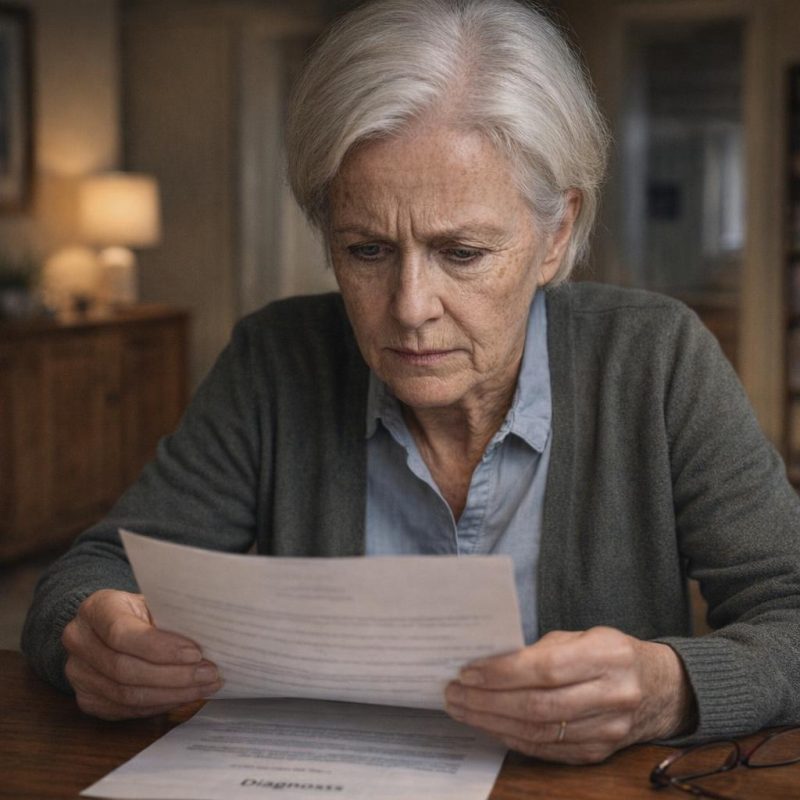 Image by RM AI
The Therapy He Never Mentioned
I tried to think back to five years ago, searching my memory for any sign that something had been wrong, that Mark had been struggling or in legal trouble or going through anything that would require court-ordered therapy. But I came up empty. Five years ago was 2018, and I could remember that year pretty clearly because it was two years after Robert died, when I was finally starting to feel like myself again. Mark had called every Sunday at noon, just like always. We'd talked about his work, about whether I was eating enough, about the garden and the weather and nothing that mattered very much. He'd never mentioned therapy. He'd never mentioned any kind of court proceeding. He'd never said anything that would have made me worry or ask questions. But during that same period, during our divorce conversations over the past year, Mark had told me everything about Emily's supposed psychiatric problems. He'd described her paranoia, her mood swings, her refusal to get help. He'd painted such a detailed picture of her instability that I'd felt like I understood exactly what he'd been dealing with. The contrast hit me like cold water—Mark had hidden his own court-ordered evaluation while broadcasting every alleged flaw in Emily's mental health. Why would he do that?
 Image by RM AI
Calling Paul
I sat there with my phone in my hand for at least twenty minutes, maybe longer, trying to decide who I could call. Most of my friends wouldn't understand these documents, and I wasn't ready to explain them anyway. I kept thinking about my brother Paul, who'd been a detective for thirty years before he retired. Paul knew how to look at evidence, how to see patterns that other people missed. He'd always been someone I could trust, even when we didn't talk as often as we should. I pulled up his number and just stared at it, my thumb hovering over the call button. What would I even say? That I needed him to look at some papers? That I thought my son might have lied to me? It sounded crazy even in my own head. But I couldn't sit here alone with these documents anymore, couldn't keep second-guessing what I was seeing. I pressed the call button before I could talk myself out of it. Paul answered on the second ring with his usual gruff hello, and I asked if he could come over, trying to keep my voice steady. I must not have succeeded because he didn't ask any questions, didn't make any jokes about me finally needing his help. He just said he'd be there in fifteen minutes, and I heard him grabbing his keys before we even hung up.
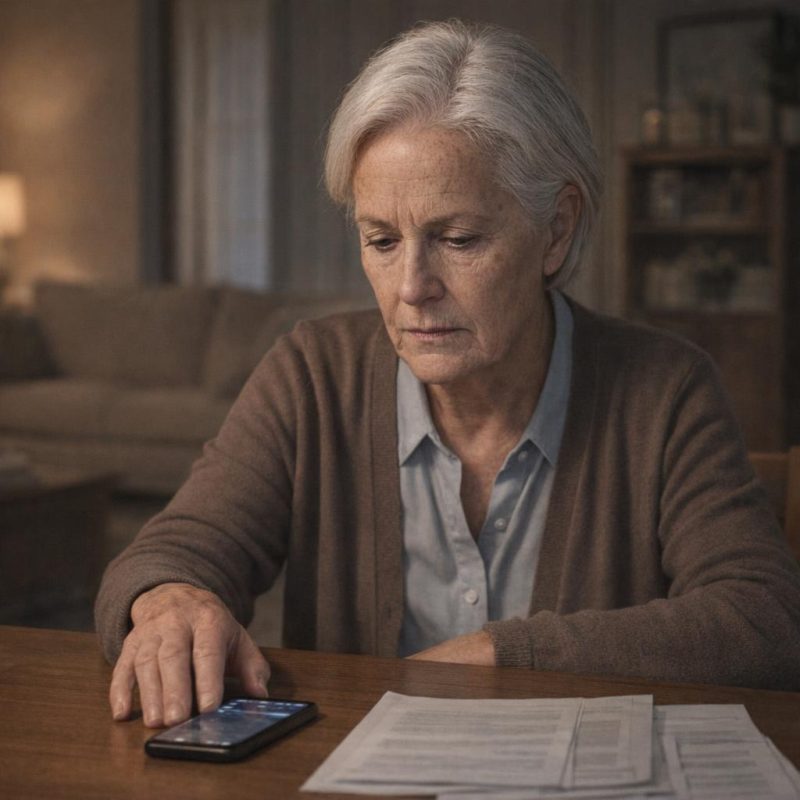 Image by RM AI
Paul's Silence
When Paul arrived, I showed him the manila envelope and watched him spread everything across my kitchen table with the methodical care of someone who'd spent decades examining evidence. He started with the bank statements, his reading glasses perched on his nose as he compared dates and amounts. I'd made coffee but neither of us touched it. I kept hoping he'd look up and tell me I was overreacting, that there was some simple explanation I'd missed. Instead, his expression just got more serious as he worked through the papers. He cross-referenced the statements with the loan documents I pulled from my filing cabinet, the ones showing when I'd borrowed money and how much. His finger traced lines between deposits and withdrawals, and I could see him building some kind of timeline in his head. When he got to the psychiatric evaluation, he read it slowly, twice, his jaw tightening. The kitchen was completely silent except for the sound of papers rustling and the clock ticking on the wall. After about ten minutes, Paul looked up at me, and his face told me everything I needed to know. I wasn't imagining things. I wasn't being paranoid or unfair. Whatever I was seeing in these documents, Paul saw it too, and it was bad enough to make a retired detective look genuinely worried.
 Image by RM AI
Financial Exploitation
Paul set down the psychiatric evaluation and looked at me with that careful expression he used to use when he had to deliver bad news to families. He said the words slowly, in his calm detective voice: "Linda, what I'm seeing here looks like financial exploitation. Depending on how far this goes, it could potentially qualify as elder abuse." The room tilted a little. Elder abuse. Those were words for other people, for sad stories you heard on the news about vulnerable seniors being taken advantage of by strangers or caregivers. Not for me. Not involving my own son. Paul kept talking, explaining the pattern he saw in the bank statements, the timing of my loans matching up with Mark's deposits, but I could barely focus on the details. My hands felt cold. Paul's voice cut through my fog: "Does Mark have access to any of your other accounts? Your property documents? Any financial records?" I opened my mouth to say no, then stopped. I'd given Mark power of attorney for medical decisions a few years ago, after a health scare. But had there been other papers in that stack? I honestly couldn't remember what all I'd signed. "I don't know," I admitted, and saying it out loud made me feel sick. I didn't actually know what my son had access to.
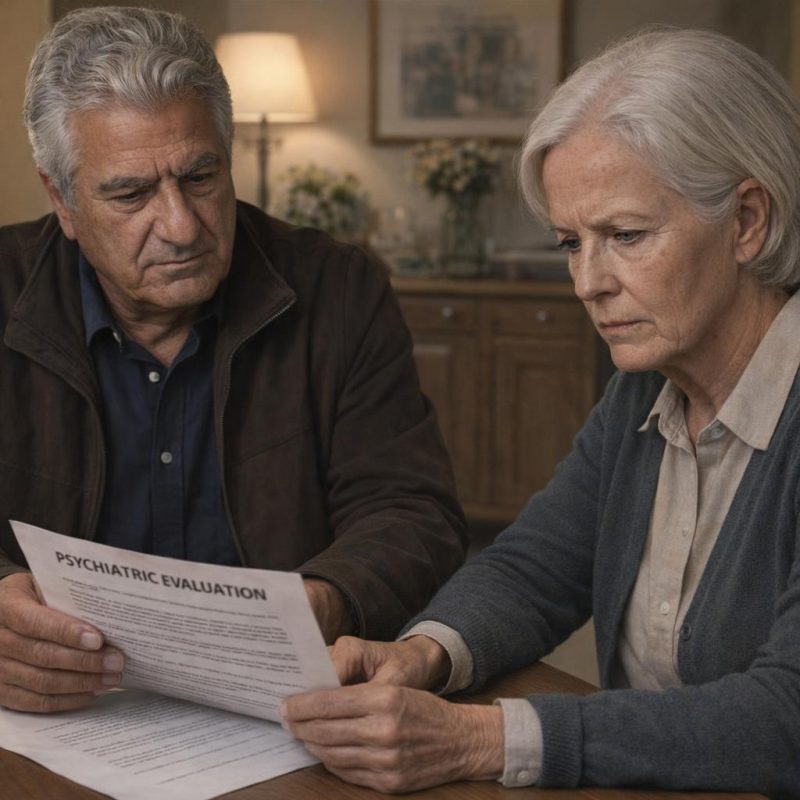 Image by RM AI
Checking the Records
Paul was quiet for a moment, then suggested we pull my property and mortgage records from the county website, just to be thorough. My stomach dropped even though I had no reason to think we'd find anything wrong. I'd owned this house outright since Robert died, the mortgage paid off with his life insurance. There shouldn't be anything to find. But I got my laptop anyway and navigated to the county assessor's page while Paul watched over my shoulder. I typed in my address with shaking fingers, then clicked through to the property records section. The page took forever to load, or maybe it just felt that way. I watched the little spinning circle on the screen and felt my heart pounding in my ears. This was my house. I'd lived here for thirty-four years. I knew every creaky floorboard and every stain on the ceiling. There couldn't be anything wrong with the records. While we waited for the page to load, Paul asked quietly, "When's the last time you pulled your credit report?" I looked at him blankly. I honestly couldn't remember. Maybe never? Robert had always handled that kind of thing, and after he died, I'd just tried to keep up with the bills and not think too much about the rest. "I'm not sure," I said, and Paul's expression told me that was exactly what he'd been afraid I'd say.
 Image by RM AI
The Avoided Call
Sunday morning came and I woke up with my stomach in knots, dreading noon in a way I never had before. Paul had stayed over in the guest room, insisting he didn't want me alone right now, and I was grateful even though I felt ridiculous needing my little brother to babysit me at sixty-two. We sat in the living room as the morning crawled by, not talking much, both of us watching the clock. At exactly noon, my phone rang with Mark's name on the screen, the same as it had every Sunday for three years. I stared at it, my hand frozen. Paul nodded at me, a small gesture of approval, and I let it ring. Four rings, five, then it went to voicemail. I could hear Mark's voice faintly through the speaker, that familiar tone he always used with me—warm, concerned, the dutiful son checking in on his mother. He sounded confused that I hadn't answered, a little worried, asking if everything was okay and to call him back when I got this. The message ended and I just sat there, the phone still in my hand. Paul asked if I wanted to listen to it, and I shook my head. I couldn't bring myself to play it again, couldn't stand to hear that concerned-son voice now that I'd seen those documents. For the first time in three years, I'd broken our Sunday routine, and I couldn't even explain why it felt like such a huge, irreversible step.
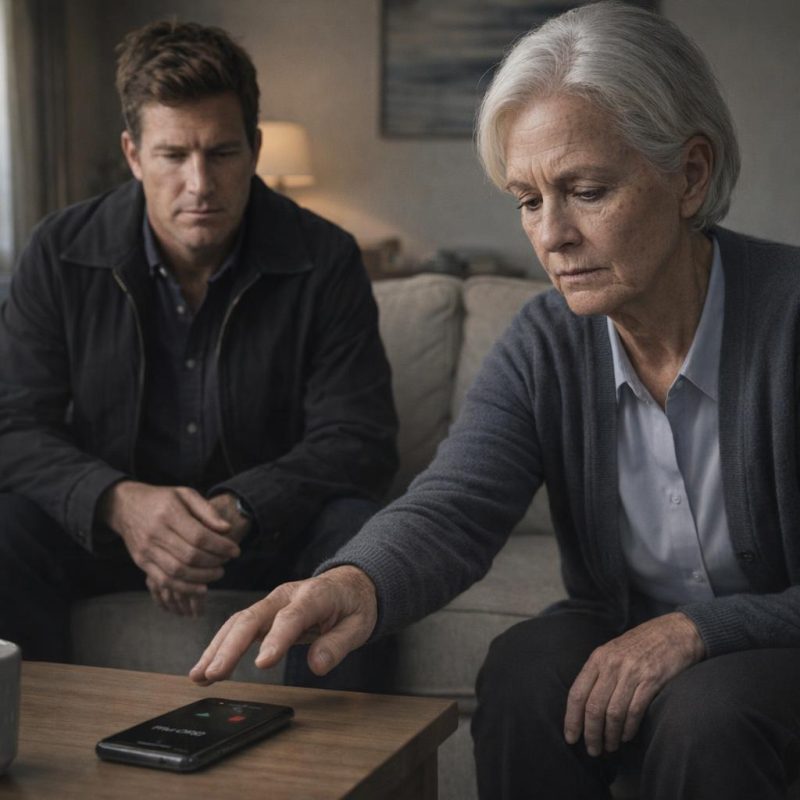 Image by RM AI
Paul's Investigation
Paul left Monday morning with a determined look I recognized from when he used to work cases, telling me he'd be back when he had something concrete. I spent the day wandering through my house like a ghost, picking up books I couldn't read, turning on the TV and not hearing a word. Every time my phone rang I jumped, terrified it would be Mark calling again, asking why I'd missed our Sunday call. I couldn't eat. I made coffee and let it go cold on the counter. The house felt different now, like the walls themselves had been lying to me. I kept thinking about all those documents in Emily's envelope, spread across my dining room table where I'd left them, and I couldn't bring myself to look at them again. Monday night I barely slept. Tuesday morning dragged on forever, each hour feeling like three. I kept checking my phone for the time, willing it to move faster and also dreading what Paul would find. When I finally heard his car in the driveway Tuesday afternoon, I went to the door and saw him walking up with a manila folder tucked under his arm. The expression on his face—grim, angry, sad all at once—made every muscle in my body tense. I didn't want to know what was in that folder, but I knew I had to look.
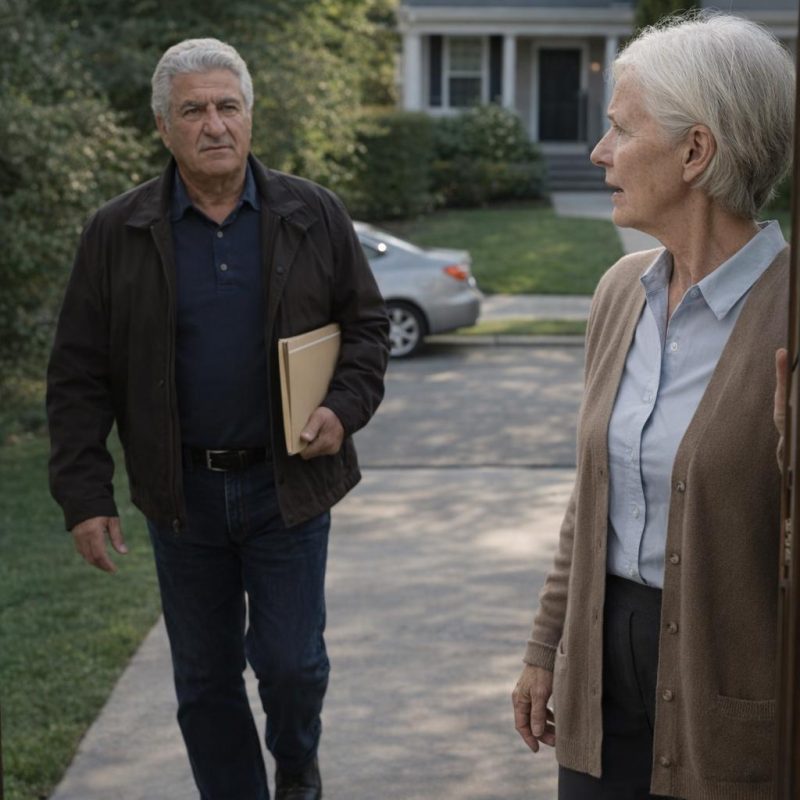 Image by RM AI
Documents I Signed
Paul came inside and asked if I had copies of any financial documents Mark had brought me to sign over the years. The question seemed odd, but I went to my file cabinet in the spare bedroom and started pulling folders. I found papers I barely remembered—forms Mark had brought over during visits, always with some reasonable explanation about estate planning or beneficiary updates. He'd been so patient with me, sitting at my kitchen table while I signed, telling me it was just routine stuff to make things easier down the road. I'd trusted him completely, never thought to read the fine print. Paul went through each document carefully, his jaw getting tighter with every page. There were insurance forms, bank signature cards, something about my retirement account. Then he pulled out one I didn't recognize at all—a legal-sized paper with official letterhead. The title at the top read 'Power of Attorney for Financial Decisions,' and my signature was right there at the bottom, dated two years ago. I stared at it, trying to remember signing it, trying to remember Mark explaining what it was for. My mind was completely blank. I had no memory of this document at all.
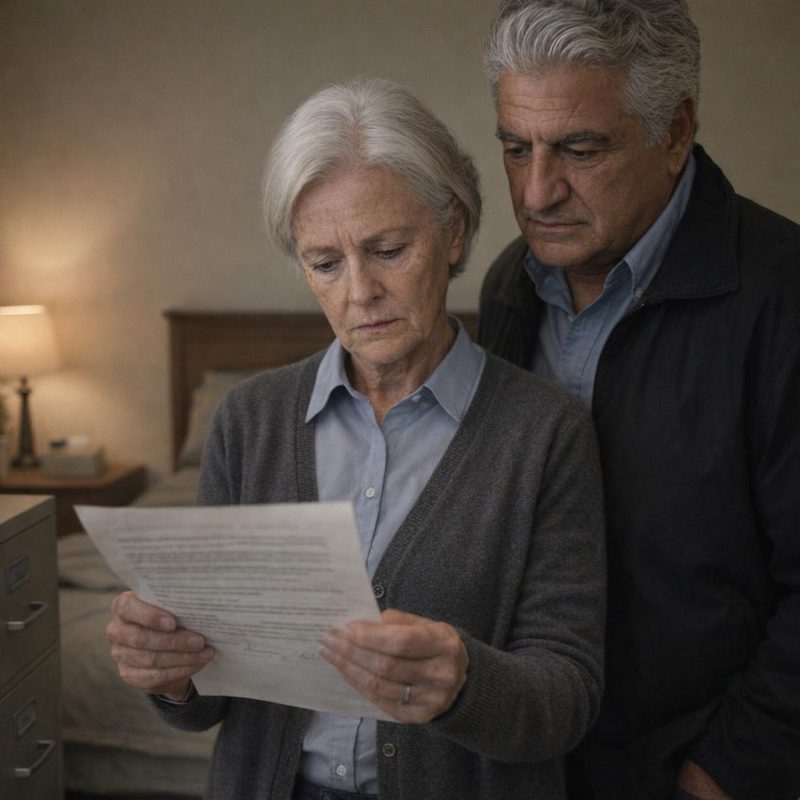 Image by RM AI
The Second Mortgage
Paul set his own folder on the table and opened it slowly, like he was giving me time to prepare. Inside were photocopies of loan documents, bank records, property filings. He pulled out a mortgage application and slid it toward me. The header said it was for my house, my address printed right there in black and white. The loan amount was seventy-five thousand dollars. The date was eighteen months ago. I looked at Paul, confused, because I'd never taken out a second mortgage. My house had been paid off for fifteen years—that was one of the things I was most proud of after Robert died, that I'd managed to keep it free and clear. Paul's voice was gentle but firm when he explained that this mortgage existed, that it was registered with the county, that someone had borrowed against my house. I looked down at the signature line on the application. It looked like my name. The letters were formed the way I formed them, the loops and curves familiar. But something about it felt wrong. I pulled out my checkbook from my purse and signed my name on a blank deposit slip, then held it next to the mortgage signature. The slant was different. Mine curved left, the way it always had. The one on the mortgage curved right.
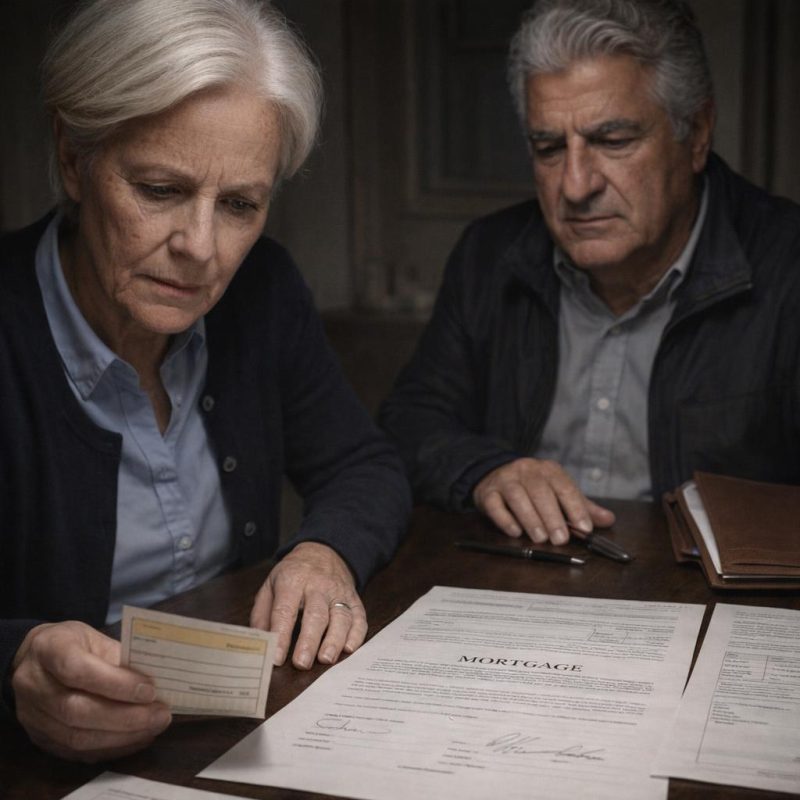 Image by RM AI
The Wrong Slant
I stared at the two signatures side by side, my hand shaking slightly as I held the papers. My signature had always leaned to the left—I'd been taught to write that way in grade school and it had never changed. The signature on the mortgage application definitely slanted right, a subtle difference but unmistakable once I saw it. I grabbed another document from my file cabinet, an old tax return, and compared that signature too. Same left slant. Then I looked at the mortgage again. Right slant. Paul was watching me carefully, and I could see he'd already noticed what I was seeing. He asked quietly if Mark was left-handed. The question hit me like cold water. I thought back to all those dinners, all those visits, watching Mark sign credit card receipts at restaurants, watching him write notes on my calendar. Yes. Mark was left-handed. I'd noticed it years ago because Robert had been left-handed too, and I'd thought it was sweet that they shared that trait. Left-handed people's writing slants right. Right-handed people's writing slants left. The forgery was backwards because Mark had tried to copy my signature with his opposite hand.
 Image by RM AI
Messages to Rebecca
After Paul left that evening, I went back to Emily's original envelope, the one that had started all of this. I'd been so focused on the financial documents that I hadn't looked at everything inside. At the bottom, underneath the bank statements and property records, I found a stack of printed emails. They were formatted like screenshots, with timestamps and email addresses visible at the top. The messages were between Mark and someone named Rebecca—a name I'd never heard before. I didn't know any Rebecca. The emails went back two years, dozens of messages in a thread that seemed casual and familiar. I sat down at the dining room table and started reading from the top. The first email was from Mark, dated about eighteen months ago, talking about his day at work and then mentioning his 'future plans.' He wrote about being patient, about waiting for 'things to be settled,' about how it would all be worth it soon. The tone was so casual, so confident, like he was discussing a job promotion or a vacation he was planning. I read his words over and over, trying to understand what 'things being settled' meant. My hands felt numb holding the papers.
 Image by RM AI
The Inheritance Promise
I kept reading, scrolling through the printed emails in chronological order. Rebecca wrote back asking when Mark thought he'd have the money for the house they'd been looking at. Mark's response made my vision blur. He said he would have 'the inheritance' within a year or two, that it was just a matter of time. He talked about the amount like it was already his, like he was just waiting for a check to clear. The inheritance. My inheritance. Money I was still alive to spend, a house I was still living in, savings I'd worked forty years to build. He was discussing it with this woman I'd never met like it was already theirs. Then I saw the phrase that made my stomach drop. Mark had written, 'once Mom is gone,' in the middle of a sentence about their timeline for buying property. Not 'if something happens to Mom.' Not 'when Mom passes away someday.' Just 'once Mom is gone,' matter-of-fact, like he was waiting for a lease to expire. There was no grief in those words, no sadness, no sense of loss. Just a financial calculation, a waiting game. I was an obstacle between him and money, nothing more.
 Image by RM AI
Waiting for Death
I forced myself to keep reading even though every email made me feel sicker. Mark had been updating Rebecca regularly about me—about my health, my doctor appointments, my medications. He mentioned that my blood pressure was high and I'd started a new prescription. He noted that my arthritis was getting worse and I'd complained about my knees hurting. He was tracking my physical decline like someone monitoring a stock portfolio, reporting each new ailment to this woman as if it were relevant financial information. In one message from six months ago, Rebecca had asked how much longer Mark thought it would be. His response was a joke. He'd written, 'Hard to say—she's tougher than she looks. Could be five years, could be five months. Either way, I'm set up for when it happens.' He'd put a laughing emoji after it. A joke about whether his mother would last another five years. I had to put the papers down and close my eyes. My stomach was churning and I thought I might actually be sick. This was my son, the boy I'd raised, the man I'd defended through his divorce, talking about my death like it was an inconvenient delay in his business plans.
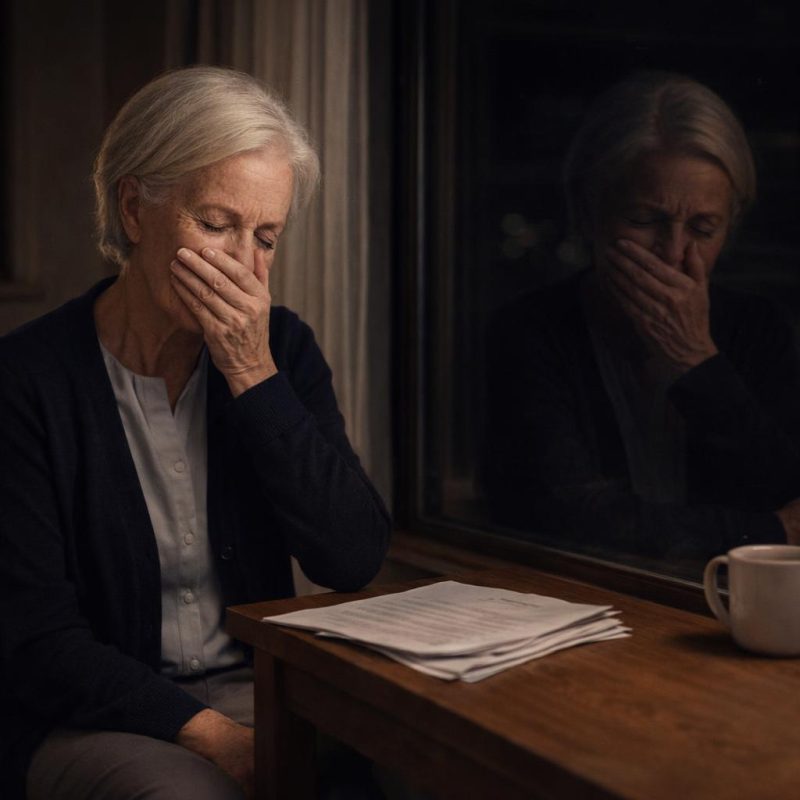 Image by RM AI
The Pattern Paul Knows
When Paul came back the next morning, I showed him the emails. He read through them with that detective expression he used to wear, detached and analytical. Then he sat down across from me and explained that he'd seen this pattern before in financial exploitation cases when he was on the force. It usually involved an adult child or relative who had access to an elderly person's finances. They start with small, legitimate-seeming requests for money—loans they promise to pay back, help with bills, that kind of thing. Then they gradually take more control, getting added to bank accounts, obtaining power of attorney, isolating the victim from other family members who might notice. Eventually they escalate to forgery and outright theft. Paul said the perpetrators are almost always waiting for an inheritance, but they can't wait patiently—they start draining assets beforehand, sometimes leaving the victim with nothing. He looked at me with those sharp blue eyes and said the pattern was textbook. I thought about Mark's progression—the loans that started after Robert died, the documents he'd brought me to sign, the power of attorney I didn't remember, the forged mortgage. He'd followed every single stage Paul described, step by step, exactly like a manual.
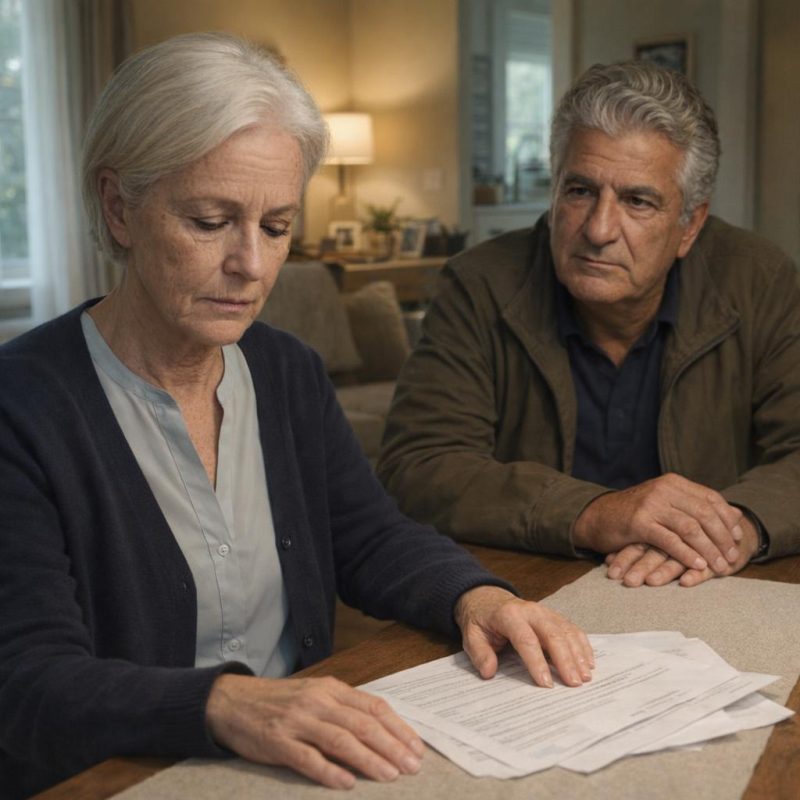 Image by RM AI
Every Transaction
I spread every financial record I had across my dining room table—bank statements, canceled checks, credit card bills, handwritten notes I'd kept in a folder marked 'Mark's Loans.' Paul sat across from me with his reading glasses on, organizing the documents chronologically while I traced each transaction with my finger. The first loan was from seven years ago, just six months after Robert died. Five thousand dollars because Emily needed emergency dental work. Then three thousand for car repairs. Another four thousand when their furnace died in January. Each request had come with a story that made perfect sense at the time, and I'd written the checks without hesitation because that's what mothers do. Paul asked me quietly if I'd ever requested receipts or documentation for any of these emergencies. I shook my head, feeling my face flush with shame. Why would I? He was my son. The amounts grew larger as the years went on—eight thousand here, twelve thousand there. By the time I added up the final column, my hand was shaking. The total amount I had given him came to nearly sixty thousand dollars, and I couldn't remember ever questioning a single request.
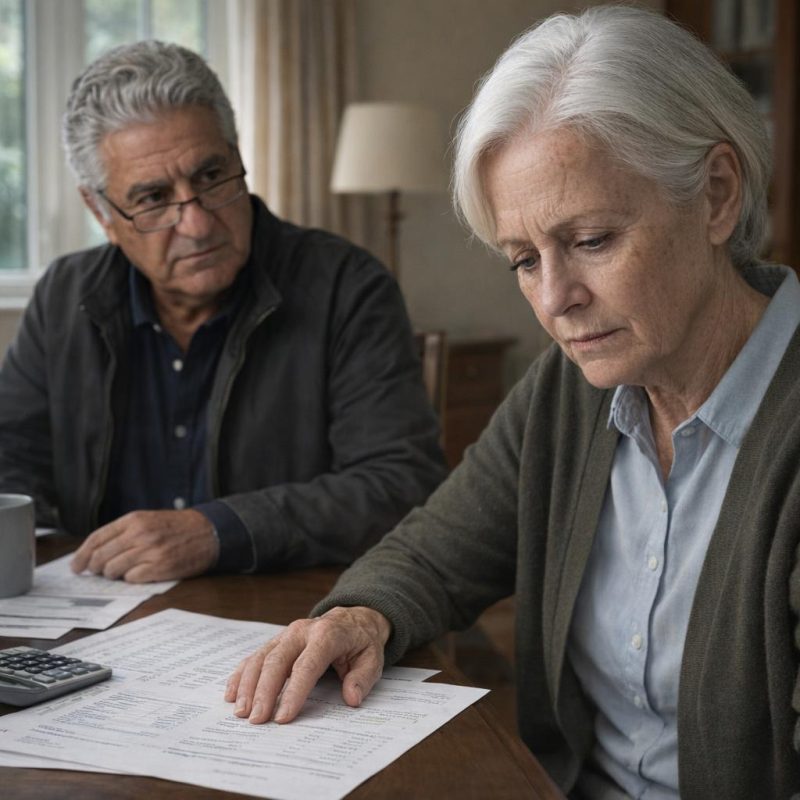 Image by RM AI
The Wall Between Us
I sat back from the table and thought about every time Mark had warned me not to contact Emily. There was the time she'd called my cell phone during Sunday dinner, and Mark had gently suggested I let it go to voicemail because Emily was 'going through something' and might say hurtful things. The birthday dinner Emily had invited me to three years ago that Mark said would be awkward because Emily was angry with him and might take it out on me. The Christmas card I'd wanted to send that Mark said would just upset her during a difficult time. Paul asked what Mark had told me about Emily before the divorce, and I recounted the stories—how she was jealous of our relationship, how she resented the time he spent with me, how she'd become unstable and unpredictable. Each warning had seemed protective at the time, like Mark was shielding me from unnecessary drama. But sitting there with Paul's sharp blue eyes watching me, I started to see a different shape forming in the fog of my memories. A wall had formed between us, and I wondered how much of it I had helped build without knowing.
 Image by RM AI
Paul's Evidence Board
Paul laid out his findings the next morning like a detective presenting a case file. He'd created a timeline on several sheets of paper taped together, showing Mark's financial requests mapped against other events. The psychiatric evaluation sat at the beginning, marked with a red circle. Then came the first small loan requests, gradually increasing in size and frequency. Paul showed me how Mark had gained access to various documents—the power of attorney I didn't remember signing came right after I'd mentioned feeling overwhelmed by paperwork. The forged mortgage happened six months after Mark had tested a smaller boundary by having me sign bank documents without reading them carefully. Paul pointed out that Mark's in-person visits had decreased as his financial access increased, replaced by those Sunday phone calls that I'd treasured. He'd even mapped the calls against the loan requests, and I could see that Mark often asked for money within a week of our conversations. The visual representation made my head swim with its terrible logic. Everything Mark had done followed a progression that Paul had seen before, and I couldn't look away from the evidence.
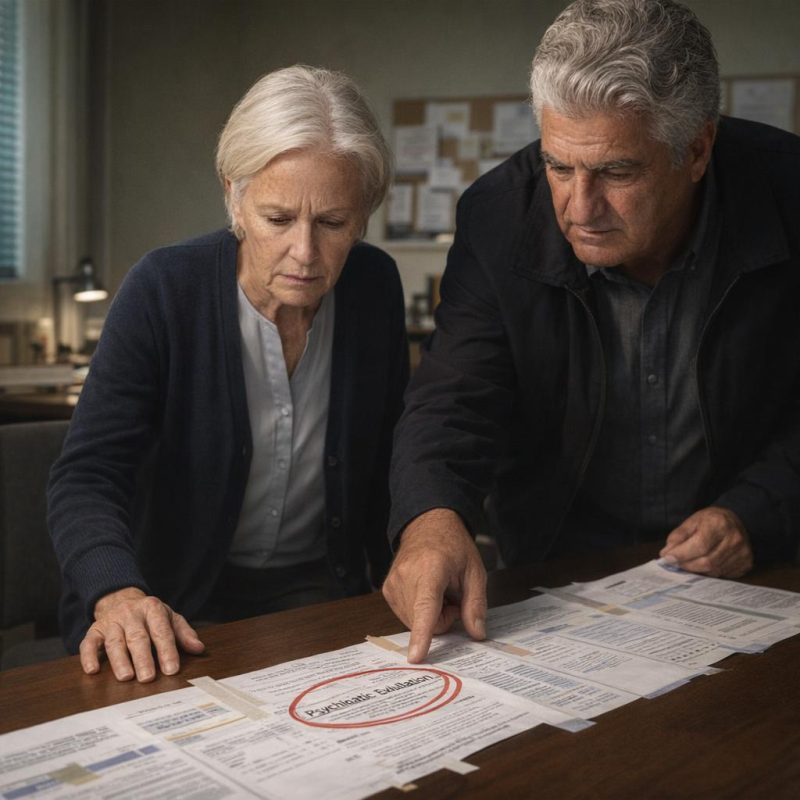 Image by RM AI
The Opposite Lie
I called Emily that evening, my hands trembling as I dialed the number from the envelope. She answered cautiously, her voice quiet and careful. I asked her what Mark had told her about me during their marriage, and there was a long pause before she spoke. Emily said Mark had described me as controlling and demanding, someone who insisted on constant attention and resented her presence in his life. He'd told her the Sunday calls were my idea, that I'd become clingy after Robert died and needed Mark to check in every week or I'd fall apart. He'd said I was always asking for his time and money, that I wanted him to choose between his mother and his wife. I sat there listening, feeling something cold settle in my chest. I told Emily what Mark had said about her—the jealousy, the instability, the resentment. We were both silent for a moment, and then Emily said something that made my blood run cold: 'He told us each the opposite story.' Both of us had come to believe we were the problem, and we had never thought to compare notes until it was almost too late.
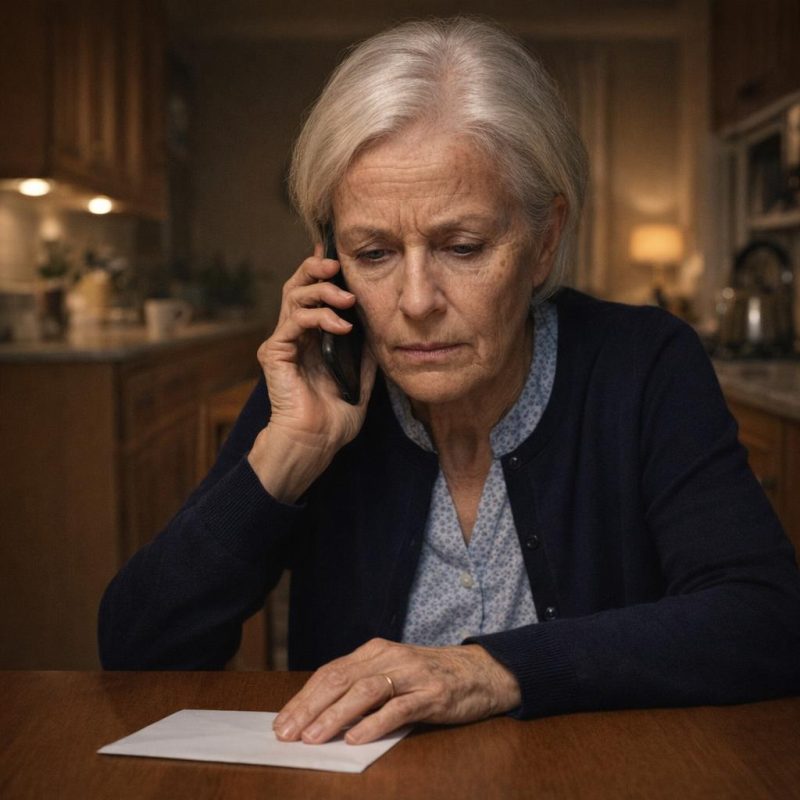 Image by RM AI
The Shape of the Monster
I sat alone at my kitchen table after midnight, reading through all the evidence one more time. The bank statements showing sixty thousand dollars in 'loans' that were never repaid. The psychiatric evaluation declaring me competent while Mark told others I was declining. The emails to Rebecca discussing 'the inheritance' and planning for 'once Mom is gone.' The forged mortgage that would have left me homeless. The Sunday calls that I'd cherished, thinking they meant my son loved me, when really they were just surveillance to make sure I was still alive and still useful. The full truth finally assembled itself with devastating certainty: my son had been systematically gaslighting both Emily and me for years, telling us each that the other was the problem, keeping us isolated so we'd never compare stories, all while positioning himself to inherit everything I owned the moment I died. Every loan was theft. Every warning about Emily was manipulation. Every expression of concern was calculation. The man I had raised, defended, and loved unconditionally had never seen me as his mother—only as an obstacle between him and my money.
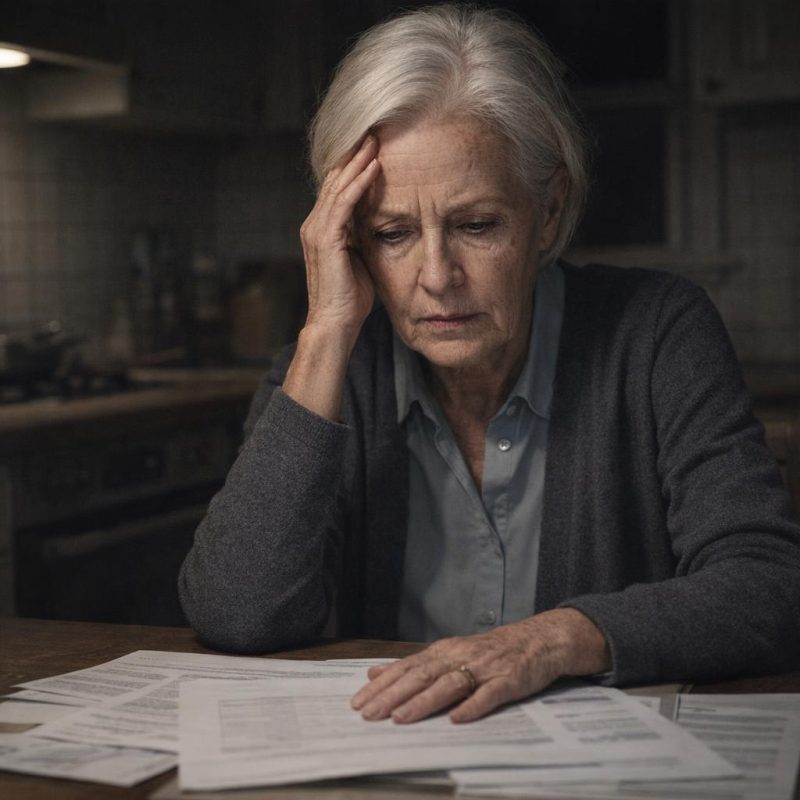 Image by RM AI
Mourning the Living
I wept for the son I thought I had, grieving him as if he had died, because in every way that mattered the boy I raised had never really existed. I pulled out old photo albums and looked at pictures of Mark as a child—birthday parties, school plays, family vacations. The smiling boy in those photos seemed like a stranger now, or maybe I was the stranger, seeing him clearly for the first time. I cried for the relationship I'd believed we had, for the Sunday calls that had meant everything to me and nothing to him, for every moment of pride in my motherhood that now felt tainted and foolish. Robert and I had raised him with love and values, or so I'd thought. But somewhere along the way, Mark had learned to see people as resources instead of human beings, and I'd been too blind to notice. The grief felt like drowning, waves of it washing over me until I couldn't breathe. But underneath it I could feel something harder taking shape—a resolve I didn't know I had.
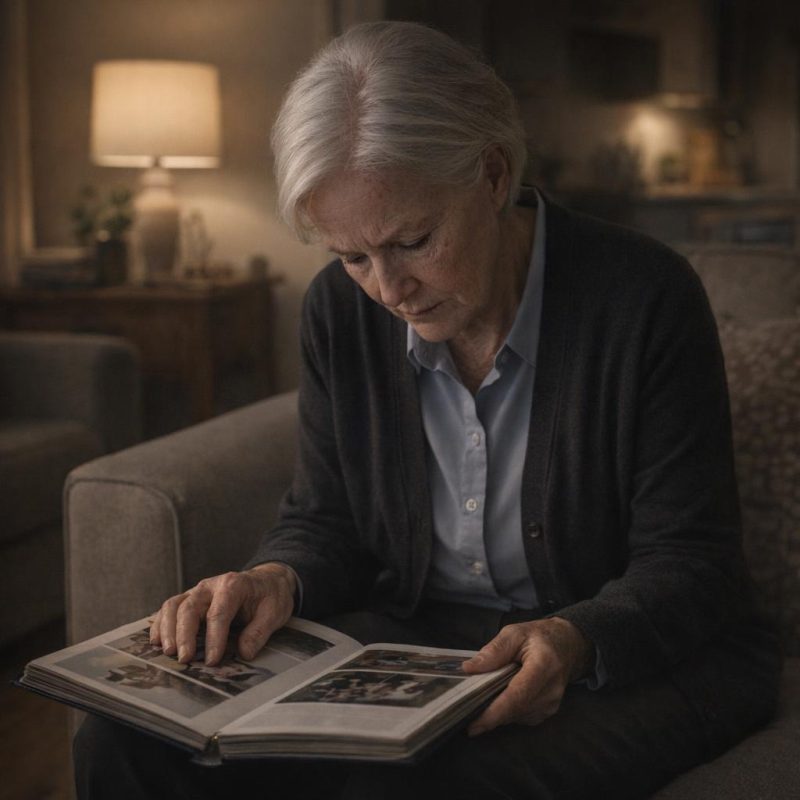 Image by RM AI
Attorney Russo
I sat in Attorney Russo's office the next morning, my hands folded in my lap as I explained my situation. Paul had recommended her as someone who handled family financial abuse cases, and she listened without judgment, taking careful notes as I described the forged mortgage, the sixty thousand in loans, the gaslighting, the emails about my inheritance. She had sharp eyes behind reading glasses that hung on a chain, and she didn't waste time with sympathy or shock. Instead, she explained exactly what an irrevocable trust was and how it would work. All my assets would be transferred into the trust, managed by an independent trustee, accessible only to me during my lifetime. Upon my death, everything would go to beneficiaries I designated—charities, Emily, anyone but Mark. Once established, the trust couldn't be undone or contested. Mark would have no claim to anything, no matter what documents he forged or stories he told. She said the irrevocable trust would take everything out of Mark's reach forever, and I told her to draw up the papers immediately.
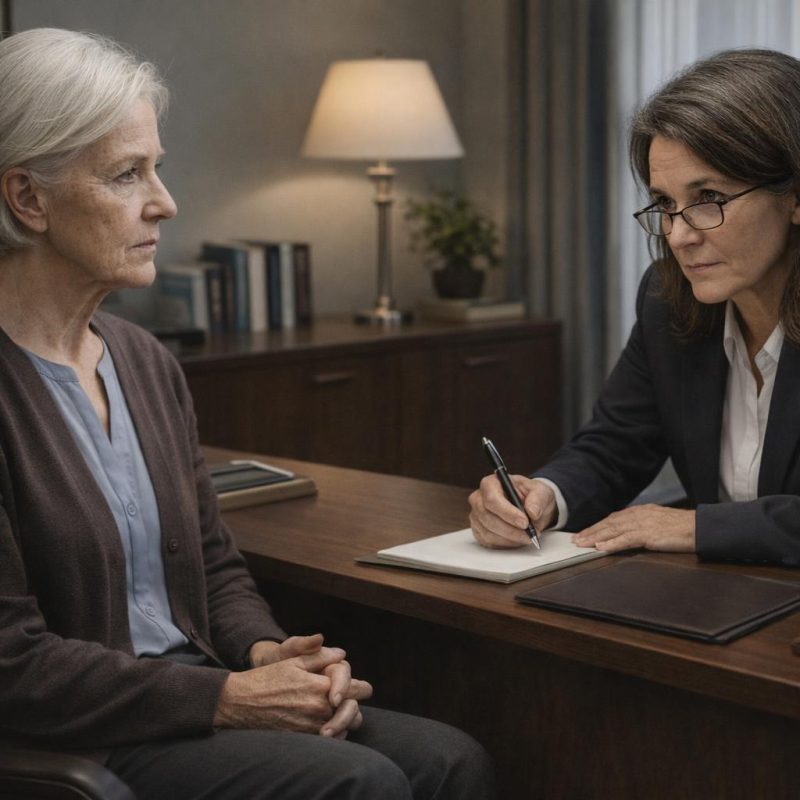 Image by RM AI
Moving in Silence
I spent the next three days quietly transferring accounts, changing beneficiaries, and erasing Mark from every financial document I owned. Paul helped me identify every account Mark might know about, and we closed them systematically, opening new ones at different banks with passwords and security questions he'd never guess. I updated my will to remove Mark entirely, leaving everything to the irrevocable trust Attorney Russo was establishing. There was a joint account Mark had access to for 'emergencies'—I withdrew every penny and closed it. I changed the beneficiaries on my life insurance policies, my retirement accounts, everything. Each signature felt like cutting a thread that had bound me to someone who'd never really existed. Paul sat with me through most of it, steady and methodical, making sure I didn't miss anything. By Friday evening, the work was done. My son had been surgically removed from my financial life, and he had no idea anything had changed.
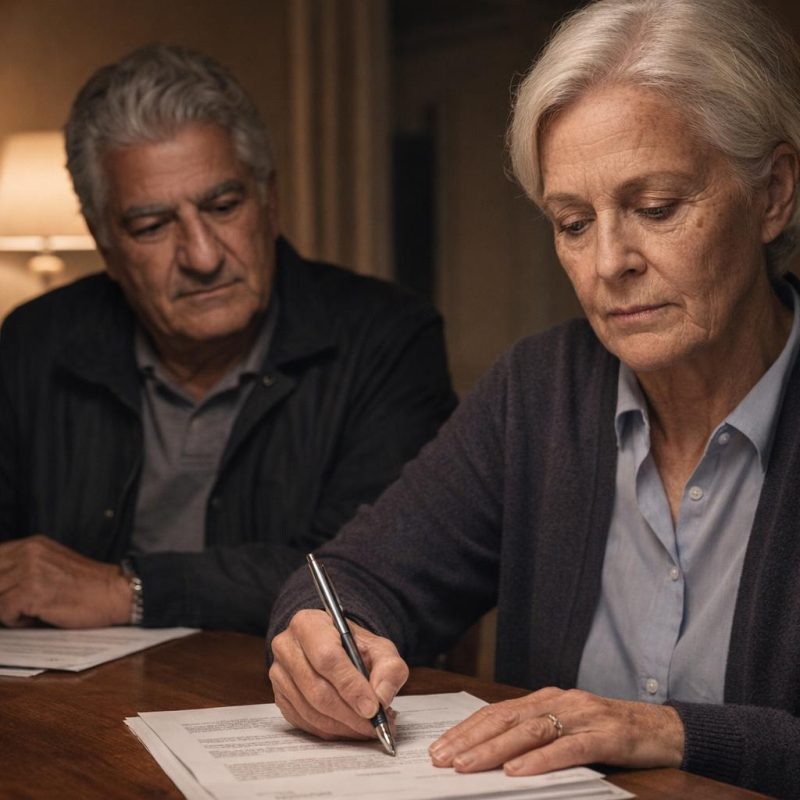 Image by RM AI
The Performance
Sunday arrived and I sat in my kitchen with my phone in front of me, waiting for noon. When it rang at exactly twelve o'clock, I took a breath and answered with the same warmth I'd used for years. "Hi, sweetheart," I said, and the word felt like glass in my throat. Mark's voice came through cheerful and concerned, asking how I was feeling after missing last week's call. I told him I'd had a stomach bug but was better now, and he made sympathetic noises that would have comforted me a month ago. Now I heard the performance behind every word—the careful modulation, the practiced concern. He asked about my week and I invented pleasant details while my hands shook. He mentioned nothing unusual about his own life, just work and errands and the same surface-level updates he always shared. When he said he'd talk to me next Sunday, I agreed and felt my chest tighten. "I love you, Mom," he said before hanging up, and I forced myself to say it back. I told him I loved him before hanging up, and the words tasted like ash in my mouth.
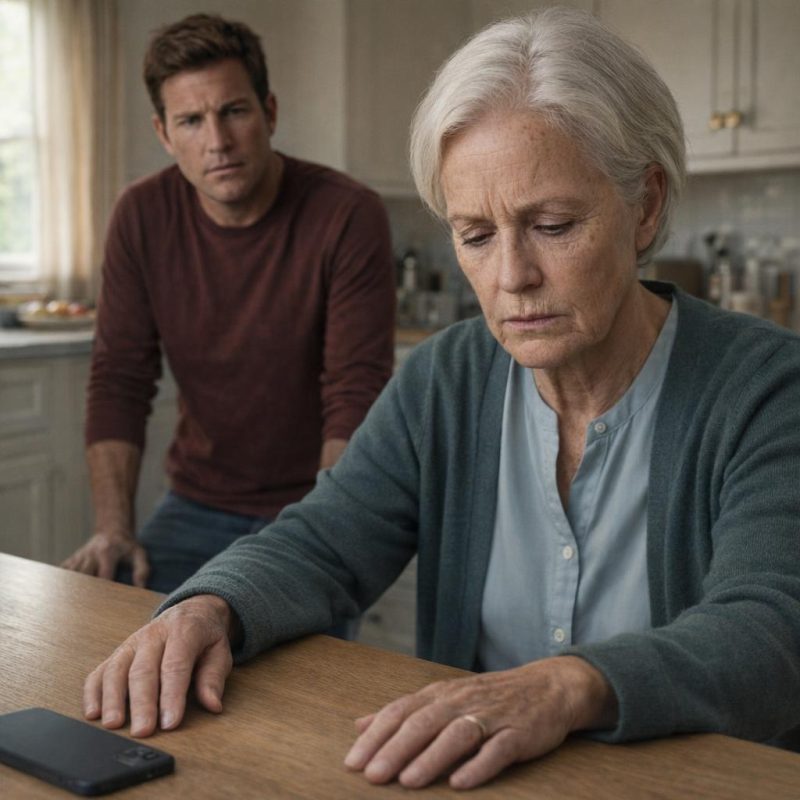 Image by RM AI
The Report
Paul drove me to the police station on Monday morning, his presence steady beside me as we walked through the glass doors. Detective Chen met us in a small interview room, his manner professional and efficient as he shook our hands. I spread the documentation across the table—bank statements, the forged mortgage, printed emails, everything I'd gathered. Detective Chen examined each page carefully, his expression neutral but focused. He asked detailed questions about Mark's access to my documents, and I explained the power of attorney I'd unknowingly signed years ago. Paul provided his analysis from his own investigation, pointing out the timeline of withdrawals and the pattern of manipulation. Detective Chen nodded slowly, making notes. "This looks like a clear case of forgery and financial exploitation," he said, his voice calm and matter-of-fact. He told us the investigation would proceed quietly—they didn't want to alert Mark before they had everything in place. "We'll contact you when we're ready to make an arrest," he said, and I felt something settle in my chest. Detective Chen said they would investigate quietly and contact us when they were ready to make an arrest.
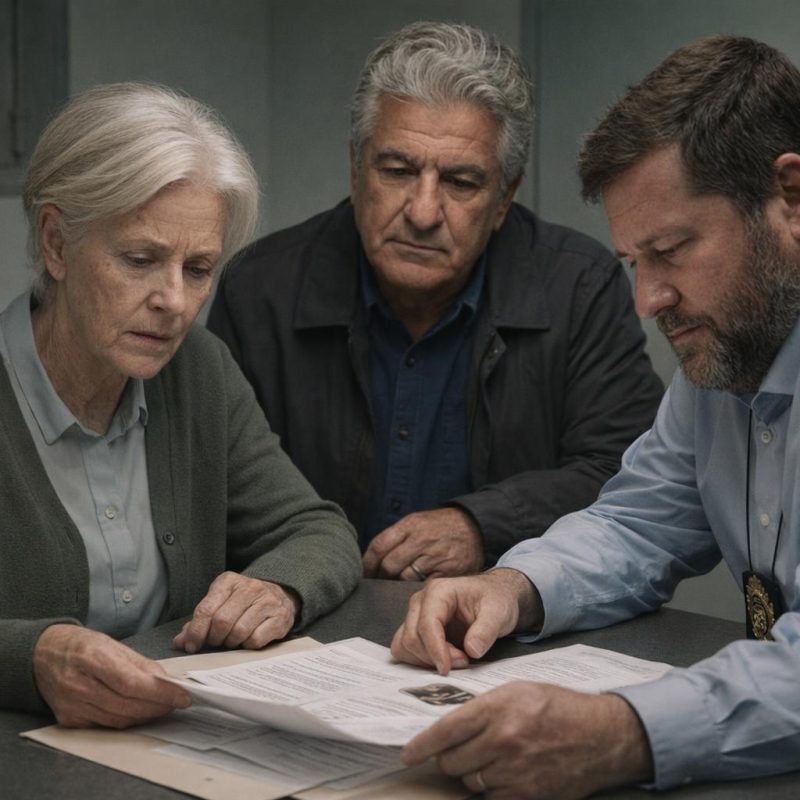 Image by RM AI
Changing the Locks
The locksmith finished installing the new deadbolt on Tuesday afternoon, testing it twice before handing me the keys. I watched him add a security chain to the front door, the kind that would hold even if someone tried to force their way in. After he left, I walked through my house testing every lock, feeling the solid click of each new mechanism. I'd coordinated with Detective Chen about timing—the plan was to confront Mark this Sunday when he arrived for our usual lunch. Police would be positioned nearby, waiting for my signal if things escalated. I stood in my living room looking at the photos on the mantel, all those pictures of Mark at different ages, and felt like I was looking at a stranger's child. The house felt different now, fortified but also hollow. I knew that the next time Mark came to my door, he would find it sealed against him. He would try his key and it wouldn't work, and everything would change in that moment. Sunday was three days away, and I had never dreaded anything more in my entire life.
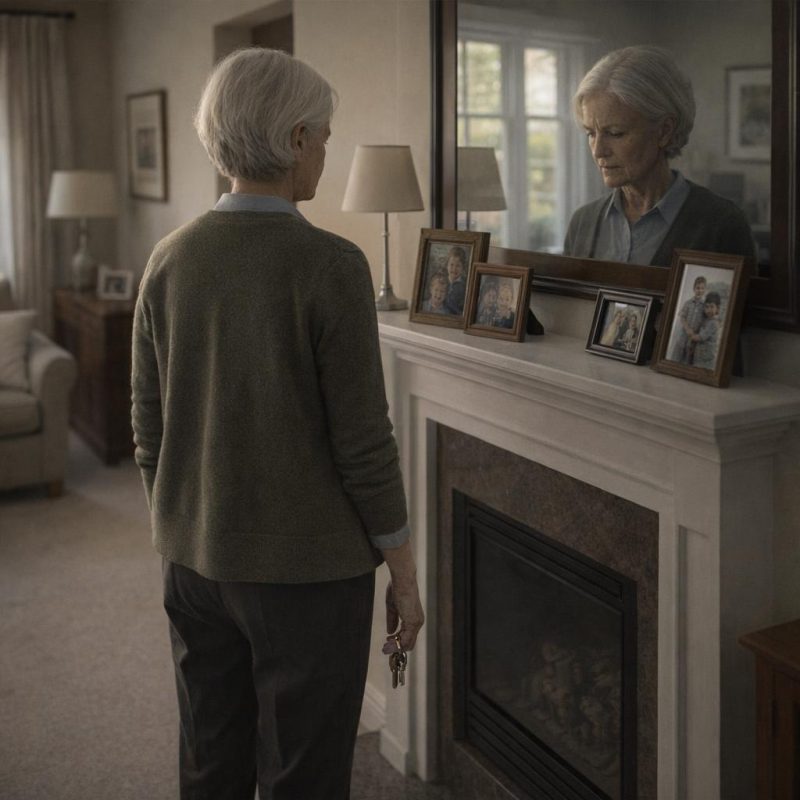 Image by RM AI
The Longest Morning
I woke before dawn on Sunday, the sky still dark outside my bedroom window. Sleep had been impossible anyway—I'd spent most of the night staring at the ceiling, rehearsing what I would say. I went to the kitchen and tried to eat breakfast but couldn't swallow more than a few bites. Paul called at eight to confirm the police were in position around the corner, ready to respond if I needed them. I thanked him and hung up, then watched the clock on my microwave tick forward with agonizing slowness. Every sound made me jump—a car passing on the street, the house settling, the refrigerator humming. I rehearsed my words again and again, but they kept dissolving in my mind. The morning stretched into hours that felt like days, each minute crawling past while my heart hammered against my ribs. I couldn't sit still, couldn't focus, couldn't do anything but wait. At eleven forty-five I heard a car door shut in my driveway, and my heart began to race.
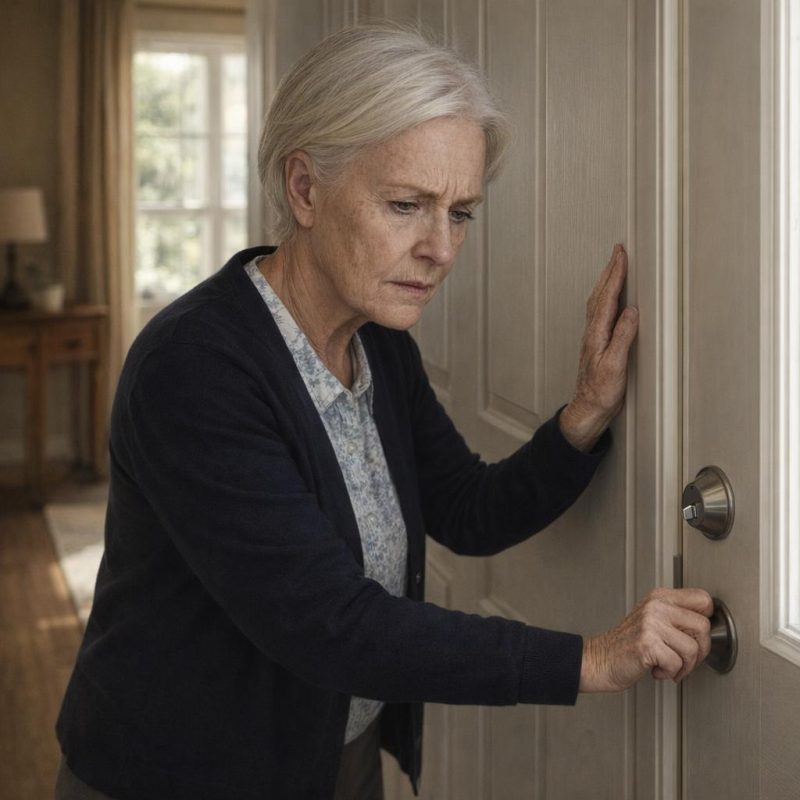 Image by RM AI
The Locked Door
Mark knocked on my front door with his usual cheerful pattern—three quick raps, a pause, then two more. I stayed frozen in the kitchen, my hand pressed against the counter. He knocked again, and I heard him call out, "Mom? You there?" His voice sounded normal, concerned, exactly like it always did. I didn't move. I watched through the peephole as he reached for his key, saw him slide it into the lock. The new mechanism didn't accept it. He tried again, jiggling the key, and I saw confusion cross his face. "Mom?" he called louder, knocking harder now. "What's going on? Are you okay?" His expression shifted from concern to irritation as he pounded on the door, no longer the polite knock of a visiting son. "Mom, open the door! What's wrong with the lock?" My hand shook as I reached for the intercom button on the new security system I'd had installed. Through the peephole I watched confusion shift to irritation on his face, and then he started pounding.
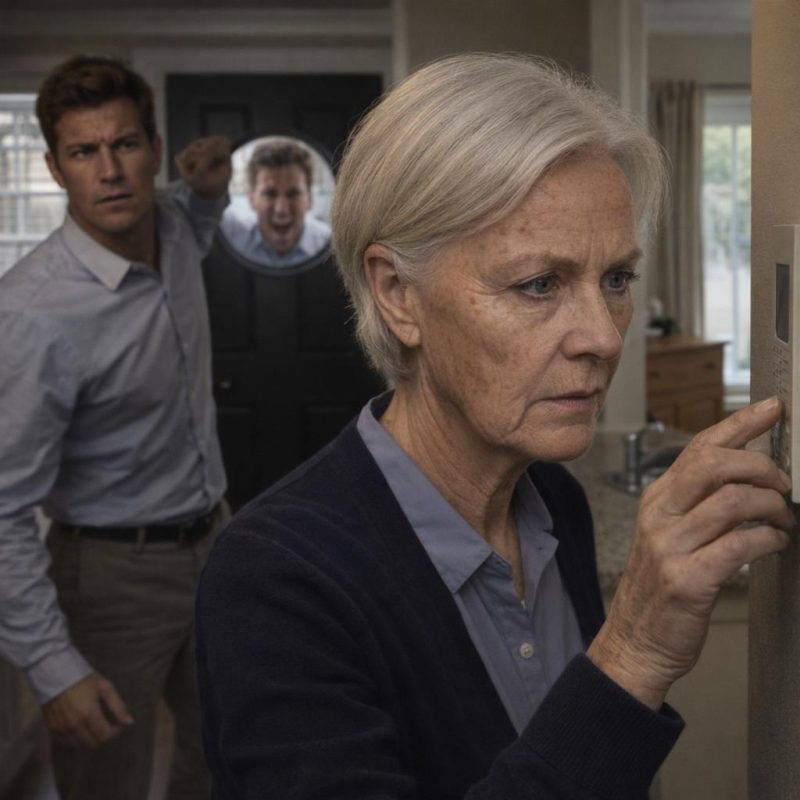 Image by RM AI
The Mask Falls
I pressed the intercom button and my voice came out steadier than I expected. "I'm not opening the door, Mark." His face immediately rearranged itself into concern, the transformation so smooth it would have fooled me a month ago. "Mom, are you okay? What's going on?" I took a breath. "I know about Emily. I know about the envelope." Through the peephole I watched the pleasant expression fall away like a mask sliding off. His eyes went cold in a way I'd never seen before. "What did that bitch tell you?" The venom in his voice made me flinch. "I've seen the bank statements," I said. He started cursing, demanding I open the door immediately, his voice rising to a shout. "You're being ridiculous! You're paranoid! Open this goddamn door!" He slammed his palm against it hard enough to make the frame rattle. This was the man Emily had lived with, the one she'd tried to warn me about. This wasn't concern or confusion—this was rage at being denied what he wanted. The man snarling at my door was a stranger wearing my son's face.
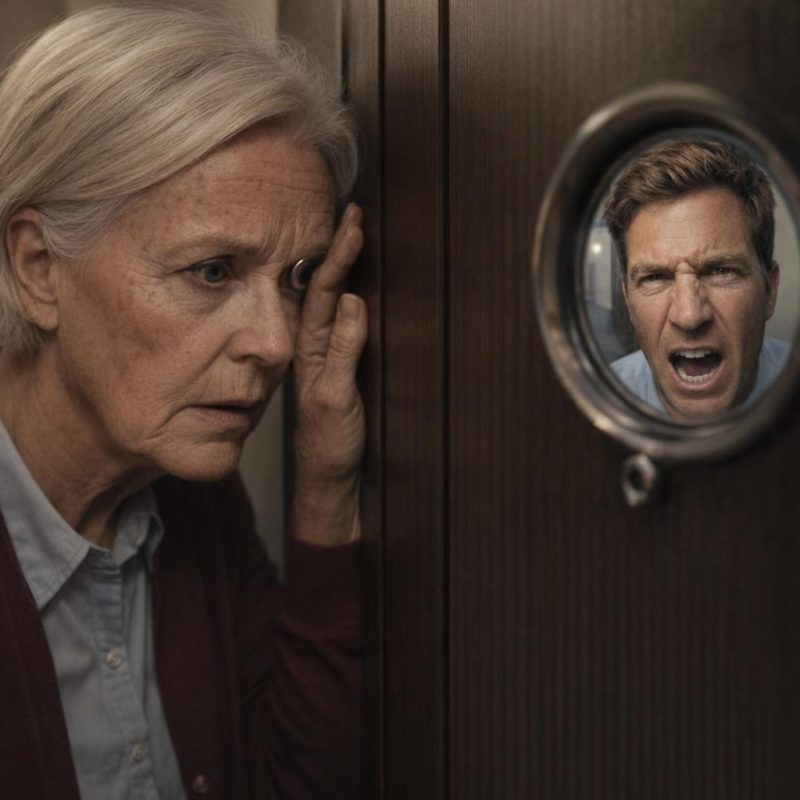 Image by RM AI
Through the Glass
"I know about the secret bank account," I said through the intercom, my voice shaking but clear. "The one you had for seven years before you ever asked me for money." Mark's face flashed through emotions too quickly to track. "Mom, I can explain that—" "I know about the forged second mortgage," I continued, cutting him off. "The one you took out in my name." His composure cracked completely. "Emily's lying to you! She faked those documents!" "I've seen the emails to Rebecca," I said. "About my inheritance. About how much you'd get when I died." He started shouting that I was confused, that I needed help, that Emily had poisoned my mind against my own son. But even as the words poured out, his eyes had gone flat and calculating. I watched him cycle through denial, anger, and finally something cold and methodical. He was already thinking ahead, already planning his next move. He told me I was confused and sick and that Emily had poisoned me against him, but his eyes said he knew the game was over.
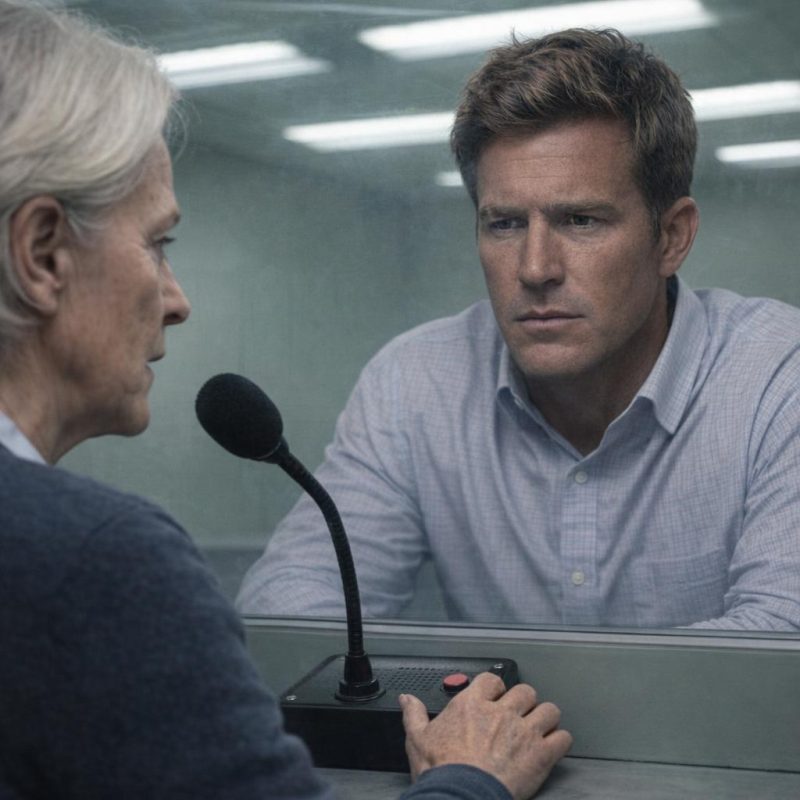 Image by RM AI
The Victim Routine
Mark's entire demeanor shifted suddenly, his voice going soft and wounded. "Mom, I can't believe you're doing this to me. I'm your son." The transformation was so complete it would have worked on me before. "Emily manipulated those documents somehow. You know she hated me." He pressed his palm against the door like he was reaching for me. "I've been there for you every Sunday, calling you, checking on you. Doesn't that mean anything?" I recognized the victim routine from everything Paul had described, the way Mark repositioned himself as the injured party. "I'm done believing you," I said. "Please, just open the door and we can talk face to face," he pleaded. "Like family." I took a breath. "The police already have the forged mortgage, Mark." He went very still. "Detective Chen is investigating the fraud." I watched the last flicker of hope die in his eyes, watched the performance drain away completely. I told him the police already had the forged mortgage, and I watched the last flicker of hope die in his eyes.
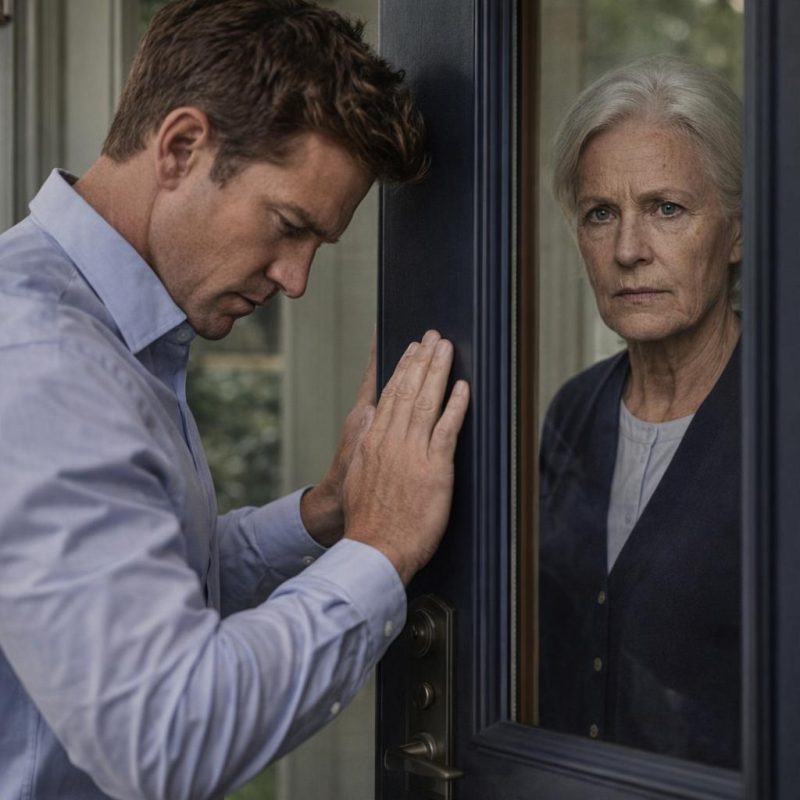 Image by RM AI
Justice at the Door
I sent the text to Detective Chen—just the word "now"—and watched through my front window as two uniformed officers emerged from around the corner of my garage where they'd been waiting. Mark saw them coming and his whole body went rigid. He started talking immediately, that smooth voice kicking in even as they approached. "Officers, there's been a misunderstanding. I'm just here visiting my mother." They didn't respond, didn't slow down. Detective Chen appeared behind them, his expression professionally neutral. "Mark Brennan, you're under arrest for mortgage fraud and financial exploitation of a vulnerable adult." The words hung in the air like something solid. Mark's face went white. "This is insane. Mom, tell them—" But I stayed at the window, silent. One officer pulled Mark's arms behind his back and I heard the metallic click of handcuffs. "You have the right to remain silent," the officer began, and Mark kept protesting over the Miranda rights, his voice rising. "I didn't do anything! She's confused, she doesn't understand what she's signing—" Paul appeared from the side yard and came to my door. I finally unlocked it and let him in, but I couldn't look away from the window. They were walking Mark to the patrol car now, his hands cuffed behind him, still talking, still explaining. They opened the back door and guided him inside. Before they closed it, Mark turned and looked directly at my house, searching for me. I stepped closer to the window and let him see my face clearly, and I made sure he knew I was watching every second of this.
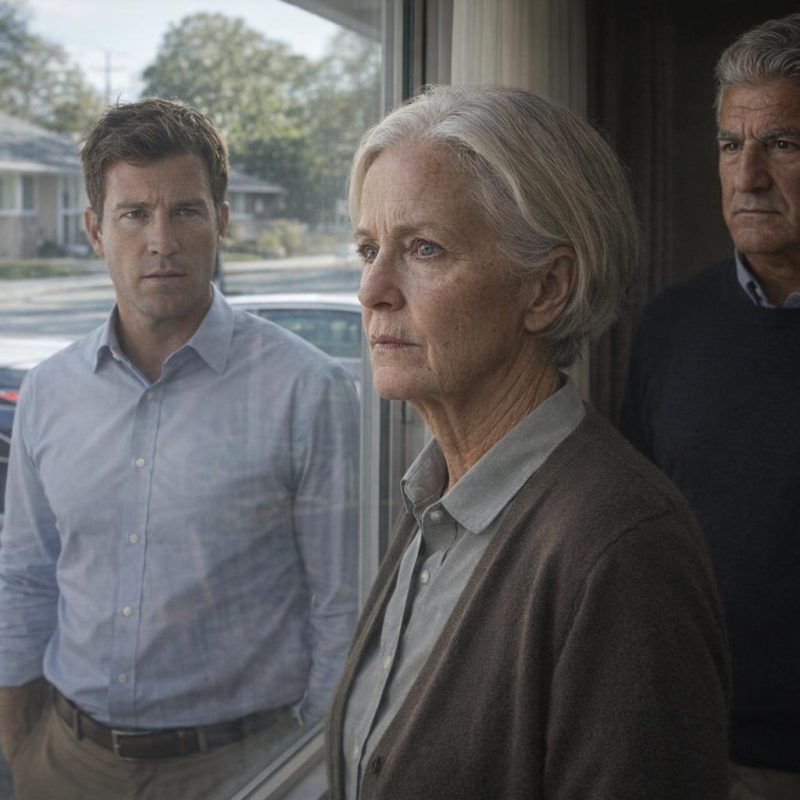 Image by RM AI
After the Storm
Paul sat across from me at my kitchen table, the same table where I'd opened Emily's envelope what felt like a lifetime ago. The house was so quiet. Not peaceful quiet—the kind of quiet that comes after something breaks. I kept expecting my phone to ring, kept half-listening for Mark's voice explaining this all away. "Are you okay?" Paul asked, and I realized I'd been staring at the salt shaker for who knows how long. I didn't know how to answer him. Was I okay? My son was in police custody. The Sunday calls would never come again. I didn't know if what I felt was grief or relief or some terrible combination of both. Paul didn't push, just sat there with me while I processed a reality that would never go back to what it was. After a while, I picked up my phone and scrolled to Emily's number. She'd risked everything by delivering that envelope to me. She'd walked up to the house of a woman who believed she was unstable, who'd been told she was a liar, and she'd handed me the truth anyway. I pressed call. Emily answered on the second ring, her voice quiet, like she'd been expecting to hear from me. I told her about the arrest, about watching Mark being taken away in handcuffs. My voice cracked when I thanked her for having the courage to come forward, for saving my life—because that's exactly what she'd done.
 Image by RM AI
Two Women at a Table
Emily and I sat across from each other at a small Italian place neither of us had been to before, neutral territory for two women who'd been kept apart by the same man for years. The first few minutes were awkward—what do you say to your son's ex-wife after he's been arrested for trying to steal your house? But then I asked her what the marriage was really like, and something shifted. Emily described years of gaslighting, of Mark telling her she was remembering things wrong, that she was too emotional, too unstable. "He told me you were controlling," she said quietly. "That you demanded all his time and money, that you manipulated him with guilt." I felt something cold settle in my chest. "He told me you were mentally ill. That you'd tried to turn our family against him." We compared timelines, pieced together how thoroughly Mark had manipulated us both, keeping us isolated so we'd never compare notes. Emily admitted she almost didn't deliver the envelope, terrified I wouldn't believe her. I told her I'd almost thrown it away unopened. We sat with how close he'd come to succeeding. By the time dessert came, we were laughing—dark, exhausted laughter at the absurdity of it all. When the check arrived, we exchanged phone numbers and made plans to meet again next week, not as family by marriage but as survivors by choice.
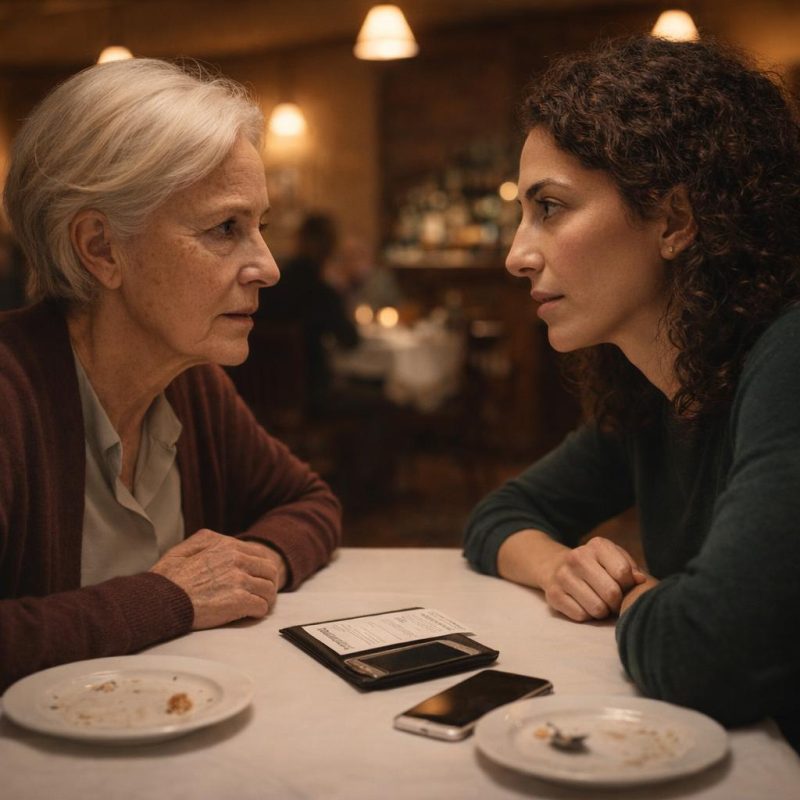 Image by RM AI
A New Kind of Sunday
I woke up that Sunday morning and automatically looked at the clock. Old habits. Noon came and went with no phone call, and I felt the absence like a missing tooth—your tongue keeps going to the empty space. I let myself sit with it, this grief for a ritual that had been surveillance all along. I wondered if Mark had ever actually loved me or if I'd only ever been a resource to manage, a retirement account with a heartbeat. The house was quiet, but it didn't feel empty the same way it used to. I had lunch plans with Emily next week. Paul had promised to check in regularly—not out of obligation, but because he actually cared. I got up and made coffee, sat at my kitchen table in a shaft of morning sunlight. On the counter was a photo of Mark at eight years old, gap-toothed and grinning. I looked at it for a long time, feeling complicated grief for a boy who either never existed or was lost somewhere along the way. I'd never fully know which was true. But I knew I'd survived. I knew I wasn't alone anymore. I knew the difference now between people who loved me and people who used me. I sat there in the morning light with my coffee, and for the first time in years I felt like I was truly seeing my own life clearly.
 Image by RM AI