In Blackest Night
From silent space monsters with the power to warp reality to galaxy-devouring time tunnels, black holes are some of the most mysterious and terrifying objects in the universe. And it turns out there may be good reason for their bad reputation. So if you weren’t scared of black holes already, these five facts will surely change that.
1. They’re Everywhere
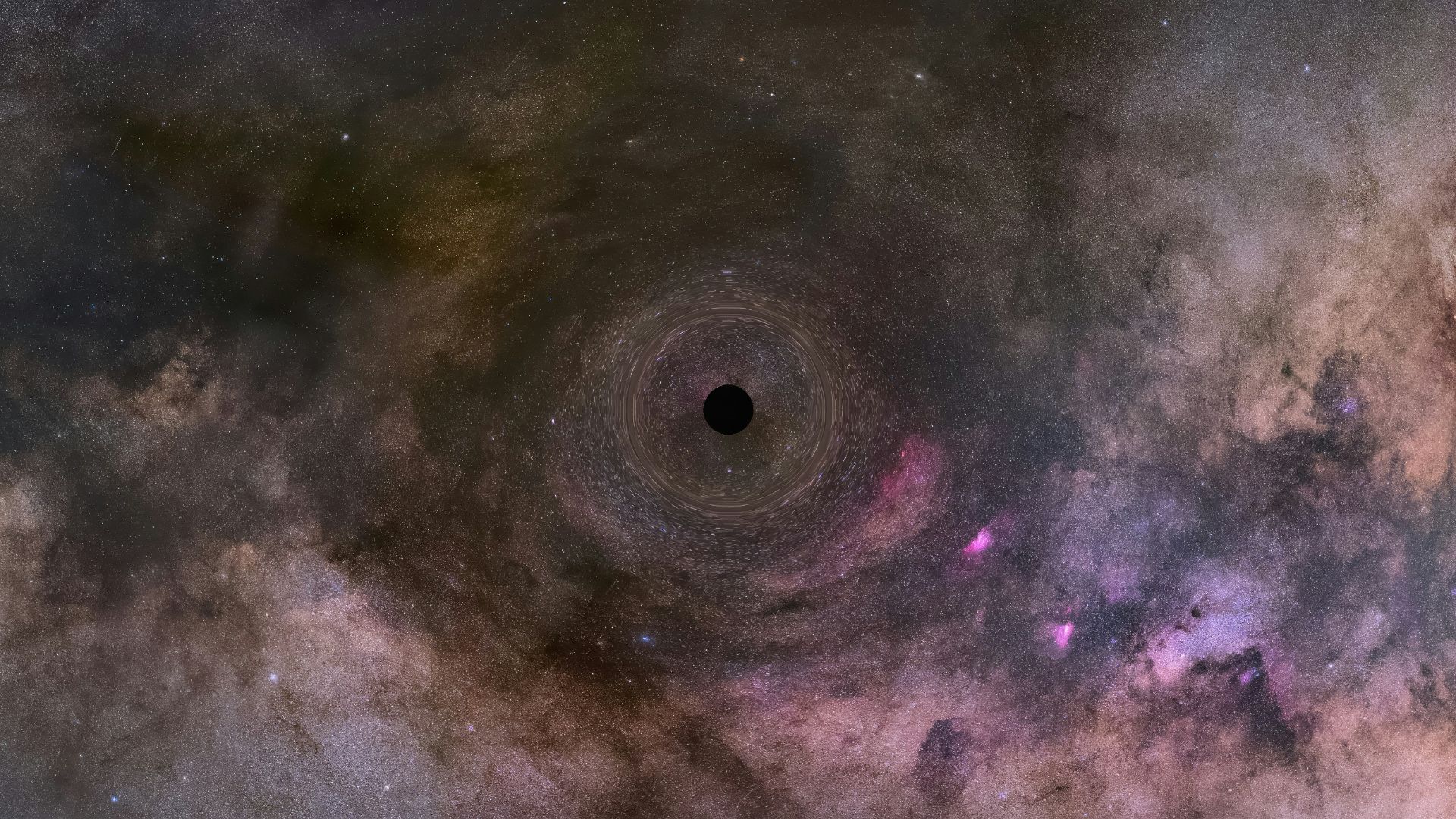
The galaxy is probably home to millions of black holes, orbiting the stars but almost impossible to see. These dense objects distort space-time so severely that even light cannot escape. But if they are not pulling in matter or tugging on nearby stars, we are unlikely to know they are there. In fact, there are plenty in our own Milky Way.
2. Falling In
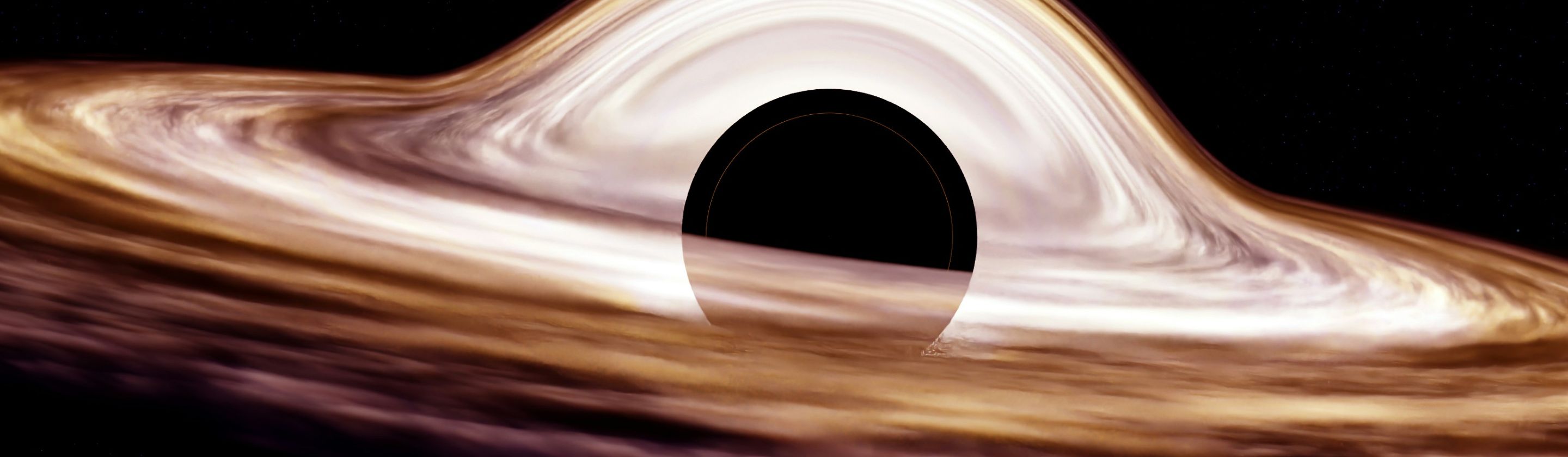
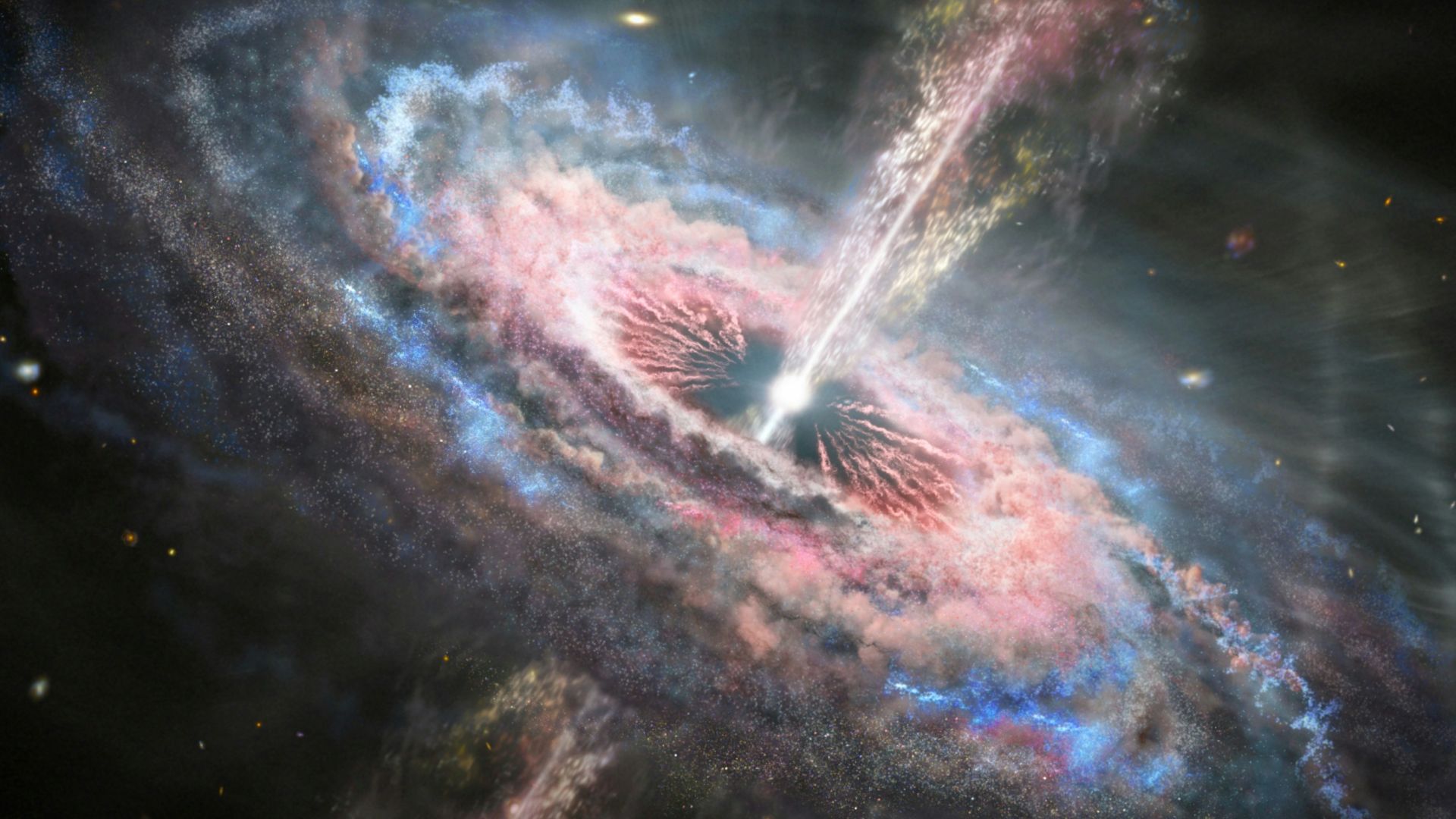
If you fell into a black hole, you could never get out. Not even light can escape a black hole! It has such strong gravity that once something crosses the event horizon, or point of no return, it will never escape. Black holes gobble up everything from gas to stars to planets.
 NASA Hubble Space Telescope on Unsplash
3. Primordial Black Holes
Some believe that these micro black holes could have been created shortly after the Big Bang. The early universe was full of hot, dense clumps of matter. These would be the seeds of stars, galaxies, and black holes. If these clumps were dense enough, they could have collapsed into tiny black holes right after the Big Bang. Scientists call these holes primordial black holes.
4. Supermassive Black Holes
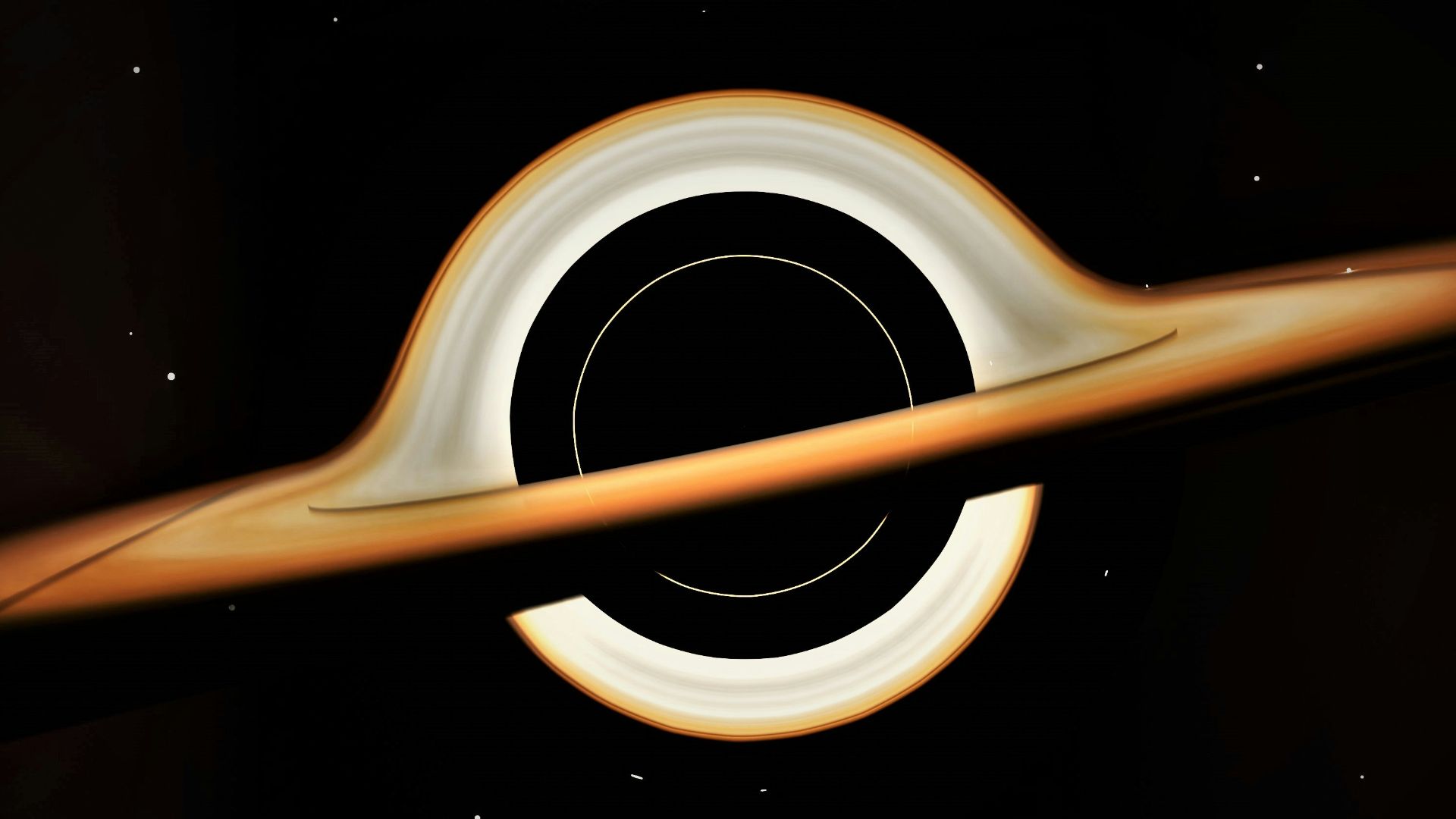
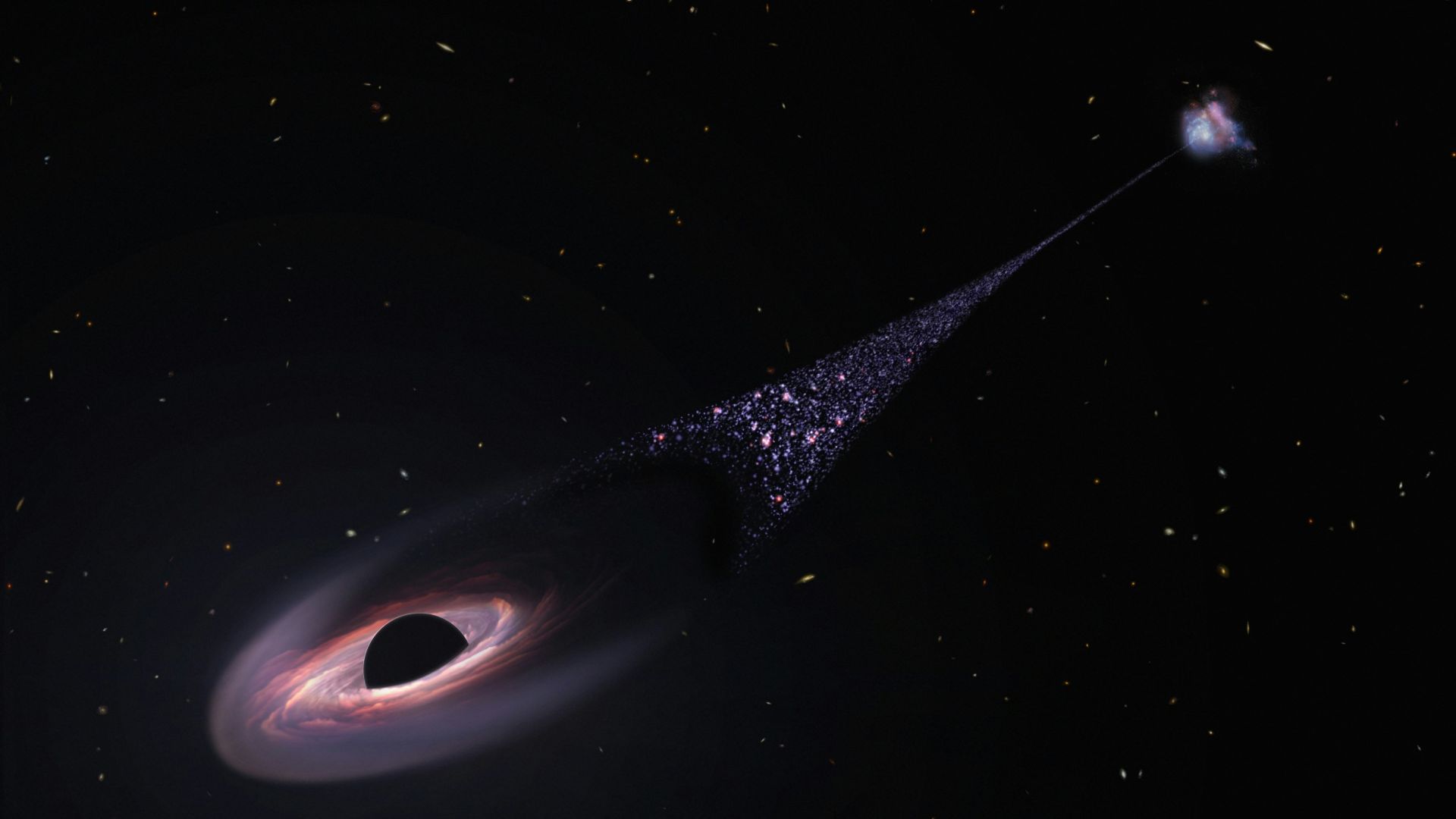
Most galaxies have huge black holes at their centers that are millions or even billions of times as massive as the Sun. The one at the center of our own Milky Way galaxy is called Sagittarius A*, and it is over four million times the mass of the Sun. Astronomers are not sure how such giants came to be. Did they form already so big? Or did they just eat stars and gas for billions of years to become so massive?
 NASA Hubble Space Telescope on Unsplash
5. Their Origin
The end of a massive star can bring about a supernova, a sort of cosmic phoenix. As it runs out of nuclear fuel, the outward force it generates becomes unable to resist gravity, which pulls everything inward with colossal strength. This cataclysmic collapse engulfs the entire star, blasting the outside layers into space while the interior collapses to an infinitely dense point: a stellar black hole.