
I Welcomed My Son's Fiancée With Open Arms—Until I Discovered The Horrifying Truth She'd Been Hiding
I Welcomed My Son's Fiancée With Open Arms—Until I Discovered The Horrifying Truth She'd Been Hiding
The Call That Changed Everything
The call came on a Tuesday morning in March, just after eight o'clock. I was standing at the kitchen sink rinsing my coffee cup when the phone rang, and something about the sound of it — the ordinary, unremarkable ring — made me set the cup down very carefully before I answered. My husband had collapsed at work. By the time the ambulance arrived, he was already gone. Heart attack, they said, as if two words could hold the weight of thirty-two years. I don't remember making the calls I must have made after that. I don't remember sitting down or standing up or how the morning turned into afternoon. What I remember is Mark. He was twenty-one, just finished his junior year, four hours away, and he drove every one of those miles without stopping. I know because he called me from the road — once, just to say he was coming — and then he was simply there, his car in the driveway, his footsteps on the porch. I opened the door before he could knock. We stood in the entryway for a long time, his arms around me and mine around him, neither of us saying a word, the house quiet around us in a way it had never been before.
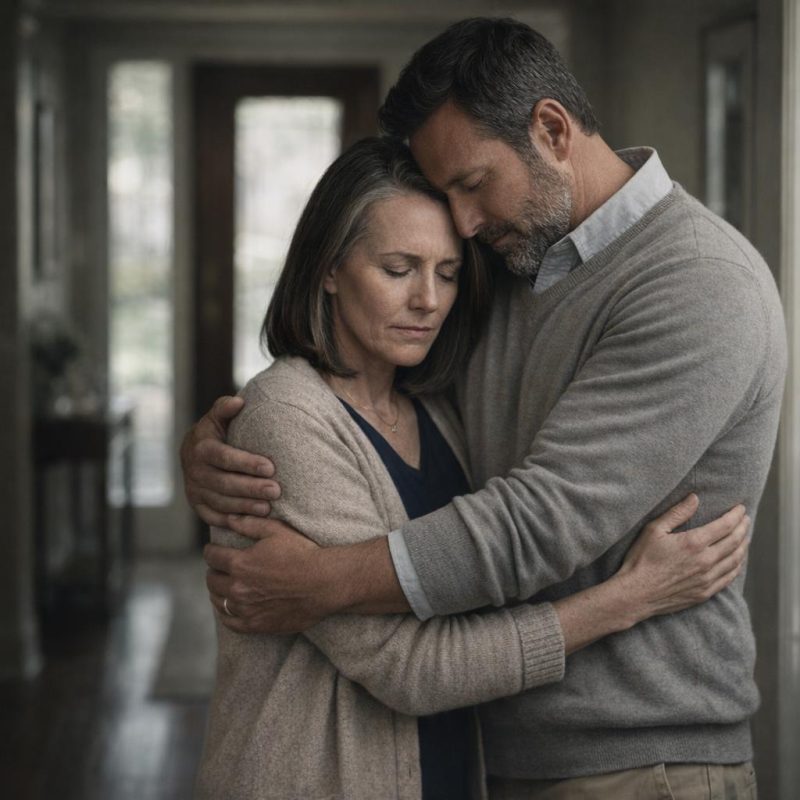 Image by RM AI
Becoming Each Other's Person
The funeral passed the way funerals do — in a blur of casseroles left on the porch, neighbors whose names I kept forgetting, and a receiving line that felt like it lasted three days. Mark stayed for two weeks. He slept in his old room, drove me to the bank and the attorney's office, sat with me through the paperwork that death generates in such relentless quantities. When he finally had to go back to finish his senior year, I stood in the driveway and watched his car until I couldn't see it anymore, and then I went inside and the house was very quiet. But something had shifted between us in those two weeks — something I didn't have a name for yet. We had always been close, the way mothers and sons are close, but this was different. This was two people who had looked at the same loss from the same angle and decided, without saying so, to hold each other up. He started calling in the evenings, just to talk. Not because anything was wrong. Not because he needed something. Just to hear my voice, he said once, and I understood exactly what he meant. Then one night, maybe three weeks after he'd gone back, my phone lit up with his name — and he said, simply, "Just checking in, Mom. How was your day?"
 Image by RM AI
The Morning Calls Begin
Mark graduated in May and took a job at a firm in the city, forty minutes from my house by highway. He found a small apartment, bought a secondhand couch, and called me the first morning he drove to work. I remember I was in the garden when the phone rang, kneeling in the dirt with my gloves still on, and I pulled one off to answer it. He was stuck in traffic, he said, and he just wanted to talk. After that, the morning commute calls became their own kind of ritual. He'd call somewhere between seven-fifteen and seven-forty-five, and I started keeping my phone on the kitchen counter instead of buried in my purse, charged and close. We talked about nothing that would matter to anyone else — his new coworkers, whether my tomatoes were coming in, the weather, a podcast he thought I should try. But those calls were the architecture of my mornings. I'd pour my second cup of coffee and wait for the phone to light up, and when it did, something in me settled. The miles between us stopped feeling like distance. I never said any of that out loud, of course. I didn't need to. There was a steadiness to those calls, a reliability that asked nothing of me except to pick up — and I always did.
 Image by RM AI
Sunday Dinners
It started one Sunday in October, about six months after Mark had moved to the city. He called in the afternoon and said, almost offhandedly, "What if I just came over for dinner?" I had a pot roast already going — I'd made it out of habit, the same recipe I'd made his whole childhood — and I told him to come. He arrived at five with a bottle of sparkling cider and his father's easy way of filling a kitchen with noise. We cooked the egg noodles together, him stirring and me seasoning, and we ate at the table until it was dark outside. He didn't leave until almost ten. The following Sunday, he showed up again without either of us mentioning it. I hadn't planned anything special, just roasted chicken and whatever vegetables I had, and he ate two plates and stayed to help with the dishes. By the third Sunday, I'd started planning the menu on Thursday. We never made a formal agreement about it. There was no conversation where we decided this was our thing now. It simply became true, the way the best traditions do — not announced, just gradually, quietly present. I'd hear his car in the driveway on Sunday afternoons and feel the week settle into place around me, like the last piece of something sliding home.
 Image by RM AI
Years of Closeness
Three years went by like that — steadily, warmly, in the rhythm we had built together. The morning calls continued most days, sometimes short, sometimes long enough that I'd still be on the phone when I should have been starting lunch. Sunday dinners held. We spent Thanksgiving at my kitchen table, just the two of us, and Christmas too, and neither of us seemed to feel the lack of a crowd. Mark would stop by unannounced sometimes, on a Wednesday evening or a Friday after work, when something at the office had gone sideways or he just didn't want to be alone in his apartment. I never minded. I kept the pantry stocked with things he liked — the good coffee, the crackers he ate by the sleeve, the particular brand of soup he'd loved since he was twelve. I knew how rare what we had was. I'd seen enough of my friends' relationships with their grown children — the monthly calls, the obligatory holiday visits, the careful distance — to understand that this was something different. I didn't take it for granted, not for a single Sunday. So when my phone buzzed past midnight one Thursday and his name was on the screen, I didn't hesitate — I just got up and unlocked the front door, because I already knew he'd be standing on the porch with takeout and that look on his face that meant it had been a hard one.
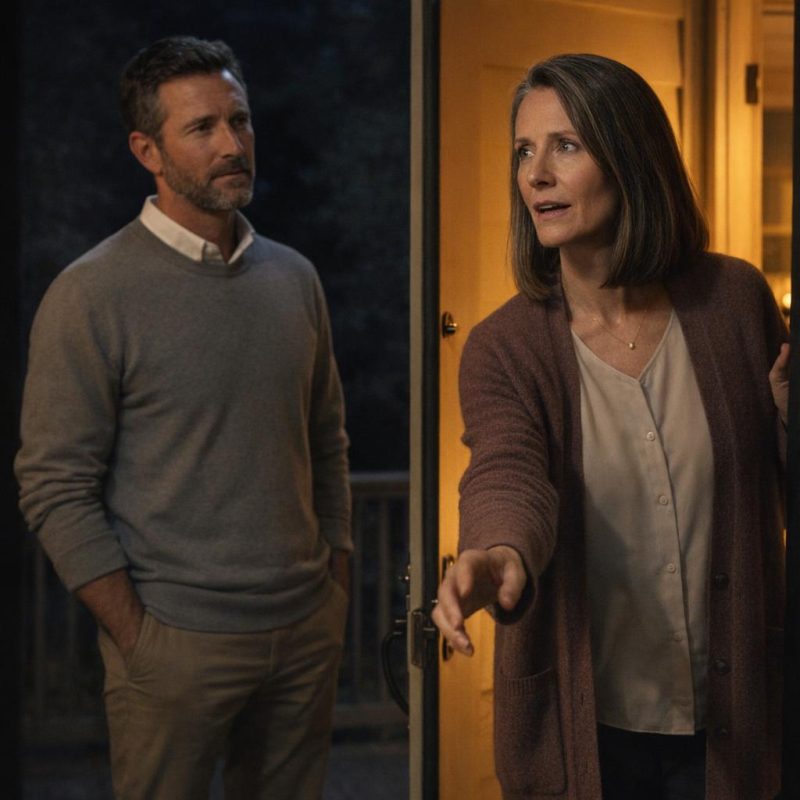 Image by RM AI
The Little Craftsman Bungalow
Mark had been looking at houses for about four months when he found the craftsman bungalow on Alderton Street. It had a leaky faucet, an overgrown backyard, and original hardwood floors under thirty years of carpet, and he called me before he called the realtor back to confirm the offer. I remember standing in my living room listening to him describe it — the built-in bookshelves, the covered porch, the way the afternoon light came through the front windows — and feeling something open up in my chest. He wanted to know what I thought. I told him it sounded like him. He put in the offer that afternoon. The first weekend after closing, we drove over together with rollers and drop cloths and two gallons of a warm gray he'd picked out from a paint chip the size of a postage stamp. It took three coats to get the color right. We worked through Saturday and into Sunday, moving furniture, taping trim, arguing cheerfully about whether the second coat was dry enough. By Sunday evening the living room was done and we were both exhausted and paint-speckled and sitting on the floor eating pizza straight from the box. I drove home that night with my arms aching in a good way. When I got home and pulled off my cardigan, I found a long smear of warm gray across the left sleeve — and no amount of washing ever fully took it out.
 Image by RM AI
The Parking Garage Call
Mark had been working toward the promotion for eighteen months. I knew the timeline the way I knew most things about his work life — through the morning calls, through the Sunday dinners where he'd talk through his frustrations and his hopes while I refilled his coffee. He'd been passed over once already, and I'd watched him absorb that disappointment and keep going, which told me more about who he was than any success would have. So when my phone rang on a Thursday afternoon in April and I saw his name, I picked up expecting nothing in particular. He was in the parking garage, he said. Still in his car. He'd just come from a meeting with his director. I could hear something in his voice before he got the words out — a kind of compressed, barely-contained quality, like he was holding something large very carefully. And then he told me. I sat down on the kitchen stool and pressed my hand over my mouth and felt the tears come before I'd even decided to cry. He thanked me — actually thanked me — for always believing he could do it, and I told him his father would have been so proud, and then neither of us could talk for a moment. I don't know how long we stayed on the phone like that, both of us crying, him in a parking garage and me in my kitchen. Then I heard his voice break open with something that was pure, uncomplicated happiness.
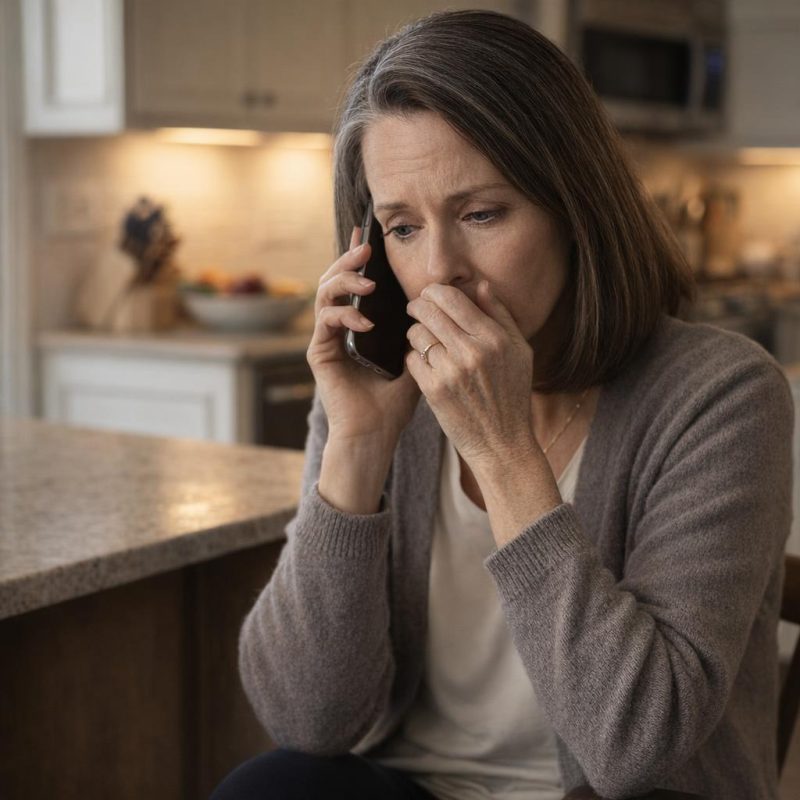 Image by RM AI
What Patricia Noticed
Patricia came to stay for a long weekend in early November, the kind of visit where we cooked too much food and stayed up too late talking. Mark came for Sunday dinner, the way he always did, and I watched my sister watch us — the easy way we moved around each other in the kitchen, the shorthand we'd developed over years of cooking the same meals in the same space. He stayed until nearly nine, and after his car pulled out of the driveway, Patricia sat back in her chair and was quiet for a moment. "I've never seen a mother and son like that," she said finally. "Not in real life." I told her I knew how rare it was. She shook her head a little, like she was still working something out. "Most women our age are lucky if they get a phone call once a month," she said. "You two have built something." I didn't argue with her. I just nodded and looked at the table where his coffee cup was still sitting, the one he always used when he came over, the one I'd stopped putting away in the cabinet because it was always going to be needed again by Sunday. Patricia was right. We had built something — carefully, quietly, out of grief and love and ten thousand ordinary moments. I sat with that for a long time after she went to bed, and it felt like more than enough.
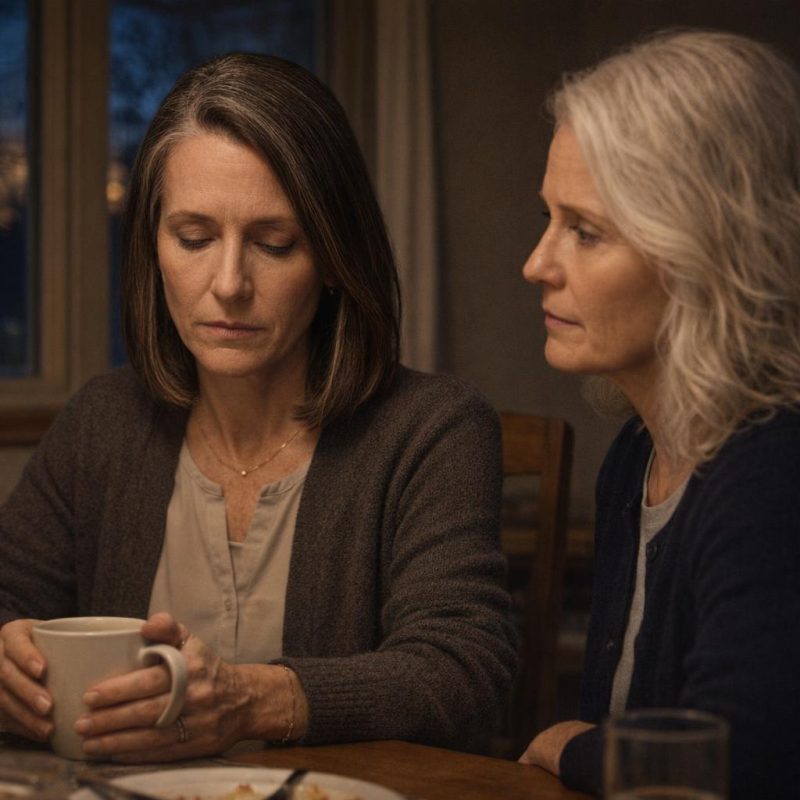 Image by RM AI
His Plus-One
Mark's company threw their holiday party at a downtown hotel two years running, and both times he asked me to be his plus-one. Not a coworker. Not a date. Me. I wore my good black dress the first year — the one I'd bought for his father's work dinners and hadn't touched since — and I told myself I would behave. I did not behave. The DJ played something with a beat I couldn't quite track, and I got the footwork completely wrong, and Mark stood across from me on the dance floor laughing so hard he had to put his hand on my shoulder to steady himself. I didn't stop. I just kept going, wrong steps and all, because his laugh was worth every bit of it. The second year he called me in early December before I'd even thought to ask, and said, 'Same deal as last year?' like it was already decided. I said yes before he finished the sentence. There were younger women there, colleagues his age with better shoes and better rhythm, and he danced with me anyway — his mother, in her good dress, getting every step wrong. I drove home both nights with my cheeks still warm, feeling something I didn't have a precise word for, only that it felt like being chosen, and that it was more than enough.
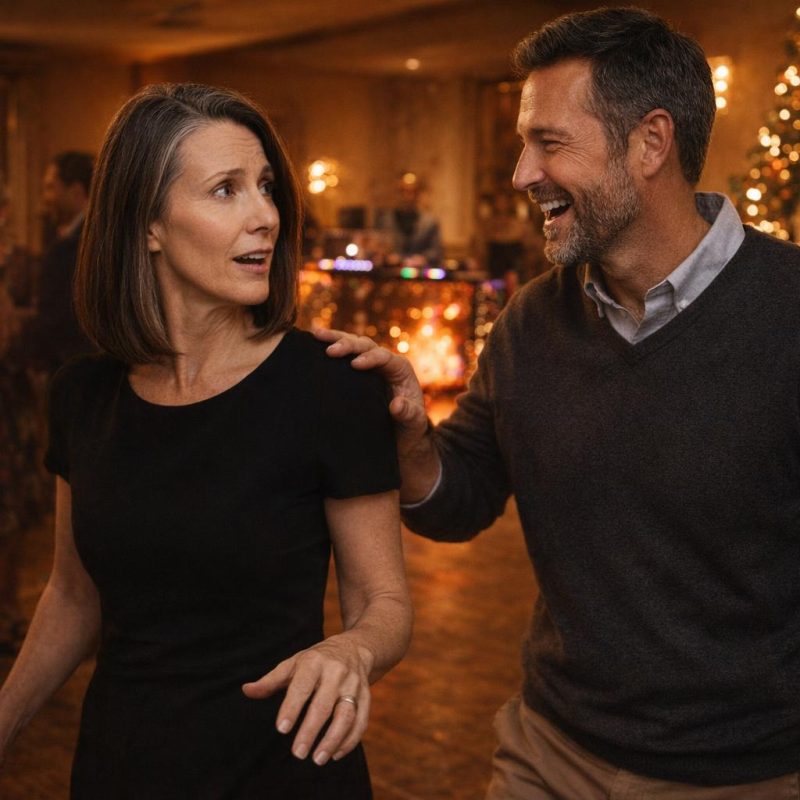 Image by RM AI
Waiting for the Tow Truck
He called me at eleven-fifteen on a Tuesday night in February, and I knew from the first word that something was wrong. His car had broken down on the interstate, about forty minutes out, and he'd pulled onto the shoulder. I asked if he was safe. He said yes. I told him I was on my way. He started to say he'd already called roadside assistance, that I didn't have to — and I was already putting on my coat. I filled the thermos with the last of the coffee from dinner and drove out in the dark, and when I found his hazard lights blinking on the shoulder I felt the knot in my chest loosen. We sat on the guardrail together waiting for the tow truck, passing the thermos back and forth, and at some point we started laughing about nothing — the cold, the absurdity of it, the way the passing trucks shook the ground. It was nearly one in the morning and we were both tired and a little punchy and it was, somehow, one of the better hours I can remember. When the tow truck finally pulled up, Mark looked over at me and said, 'I knew you'd come.' I said of course I came. He said, 'No — I mean I called you before I called roadside assistance. I knew you'd come first.'
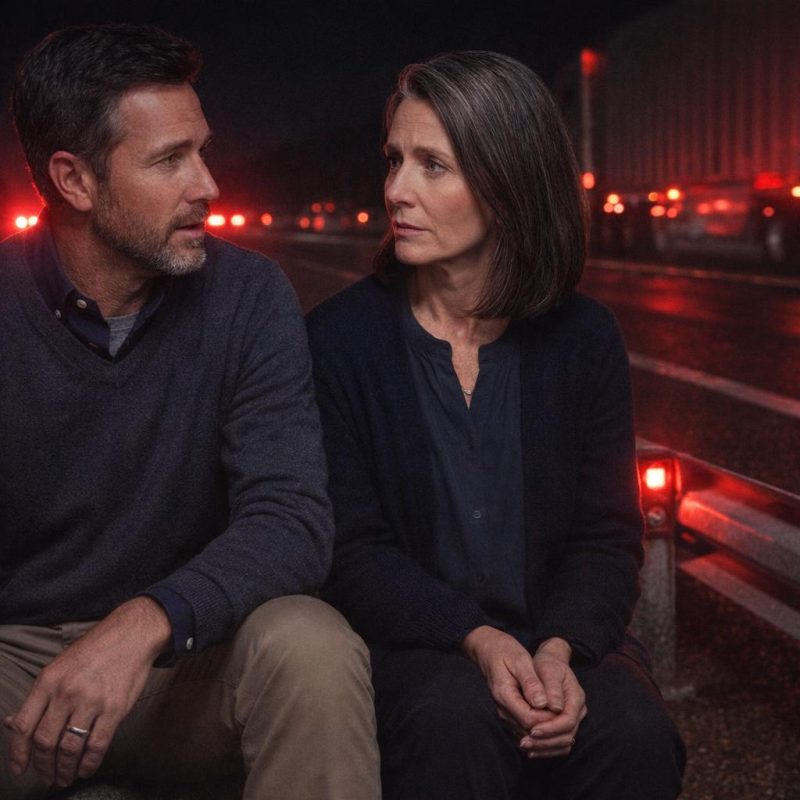 Image by RM AI
The Health Scare
It started with a routine scan that came back with something the doctor called 'worth a closer look,' which is the kind of phrase that sits in your chest like a stone. I mentioned it to Mark on the phone that afternoon, keeping my voice light, telling him it was probably nothing, that I'd know more in a week. I genuinely thought I'd handled it well. He showed up at my door that evening without calling first. He didn't make a big production of it — just knocked, came in, sat down on the couch beside me, and we watched television for a couple of hours without talking much about anything important. At some point I fell asleep. When I woke up, the blanket was over me — the old wool one his father used to pull off the back of the armchair on cold nights — and the house was quiet. I assumed Mark had let himself out and gone home. It wasn't until the next morning that my neighbor mentioned she'd seen a car in my driveway well past midnight. I knew it was his. He'd stayed out there in the dark, in the cold, just to make sure I was all right, and he'd never said a word about it. The results came back clear that week, but I held onto that image of his car in the driveway for a long time after, and it settled over me like the blanket itself.
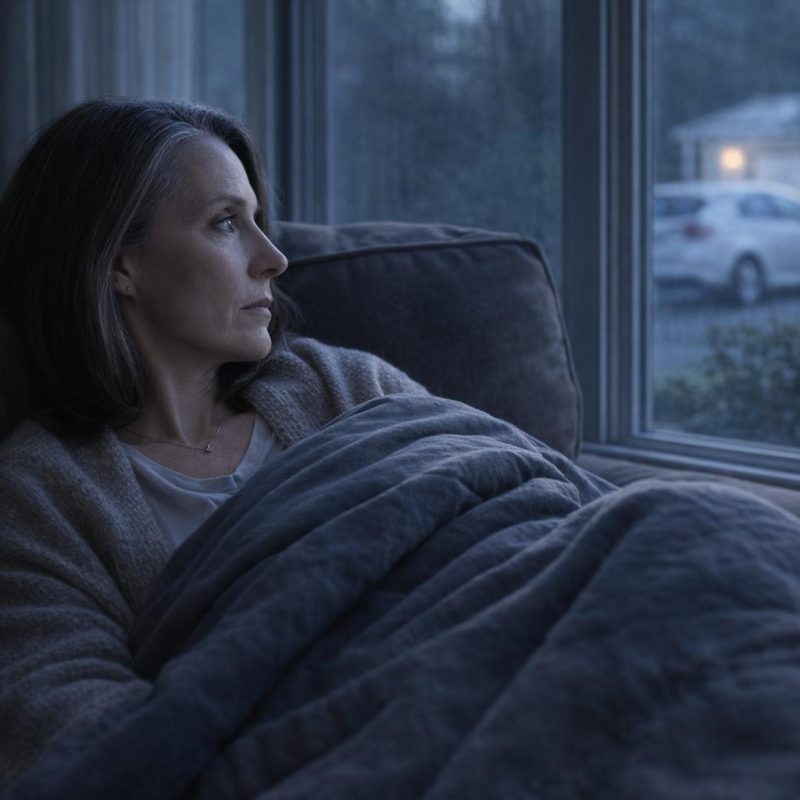 Image by RM AI
Kevin's Teasing
Mark's birthday party that summer was the kind of backyard gathering he was good at — mismatched lawn chairs, a cooler full of drinks, music coming from a Bluetooth speaker balanced on the porch railing. His friends filled the yard with noise and laughter, and I stayed long enough to feel like a guest rather than a mother, which I considered a personal achievement. At some point Kevin — who had known Mark since their first week of college and had the easy confidence of someone who'd earned the right to tease — raised his bottle in my direction and said, loud enough for the whole yard to hear, that Mark had the most devoted mother-son relationship of any grown man he'd ever met. There was laughter. Someone made a comment I didn't fully catch. I felt my face go warm and started to say something deflecting, the way you do. But Mark just looked over at Kevin with a completely unbothered expression and said, 'Yeah, and?' Two words. No embarrassment, no qualification, no glance in my direction to check how I'd taken it. Just that — easy and certain, like the answer was obvious. Kevin laughed and moved on, and the party kept going around us. I stood there with my drink and felt something settle quietly in my chest, the kind of pride that doesn't need an audience.
 Image by RM AI
Wanting More for Him
I want to be honest about something, because I think it matters for everything that came after. I never needed Mark to stay. That's not what our closeness was about, and I knew the difference — or I believed I did. I wanted him to find someone. Not to fill a gap or to give me something to do on holidays, but because he was the kind of person who had so much to give, and I thought about him coming home to an empty apartment and it made me ache a little. He deserved someone to come home to. Someone who would know his habits and his moods and the way he got quiet when he was working something out. I thought about it more than I admitted, even to myself. So when he mentioned it over dinner one evening in the spring — almost offhand, the way he mentioned things he didn't want to make a big deal of — I felt something lift in my chest. He said he'd been on a few dates. Nothing serious yet, he said, but he was open to it, and he smiled a little when he said it, like the idea pleased him. I didn't push for details. I just smiled back and refilled his glass, and when he looked up and said, 'You're not going to interrogate me?' I laughed and said I was saving it for later. He said he'd been on a few dates, nothing serious, but he was open to it.
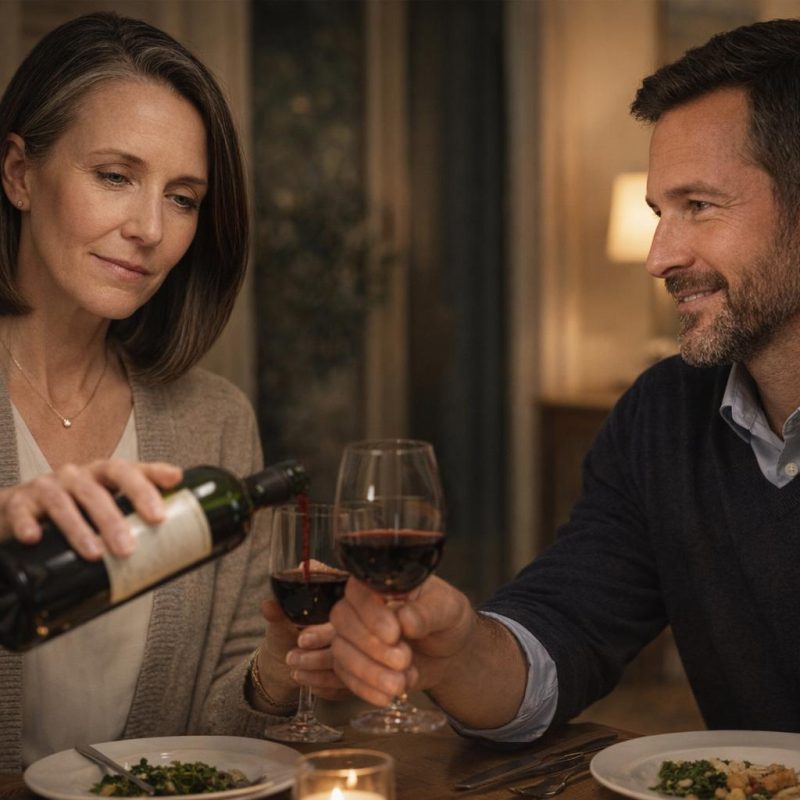 Image by RM AI
A Decade of Sundays
Ten years is a long time to do anything consistently, and we had done it — the Sunday dinners, the morning calls, the small reliable rhythms that had become the architecture of both our lives. I marked it without ceremony, the way you mark things that matter too much for a fuss. I just stood at the stove one Sunday in October, stirring something that didn't need stirring, and thought: ten years. The table behind me was set the way it always was, his coffee cup already out, and I let myself think about what might come next. Not with anxiety — that surprised me, looking back. With something closer to openness. I thought about him bringing someone home. I let the image form slowly: a woman sitting at this table, learning which burner runs hot, figuring out that Mark takes his coffee before he's fully awake and shouldn't be spoken to seriously until the second cup. Someone who would become part of the fabric of things rather than a disruption to it. I thought about what it would mean to gain someone rather than lose something. I had spent enough years being careful with hope that I recognized the feeling when it arrived quietly, without fanfare. I set down the spoon and let myself imagine her — this unknown woman who might someday sit across from my son and make him laugh — and I found I was ready.
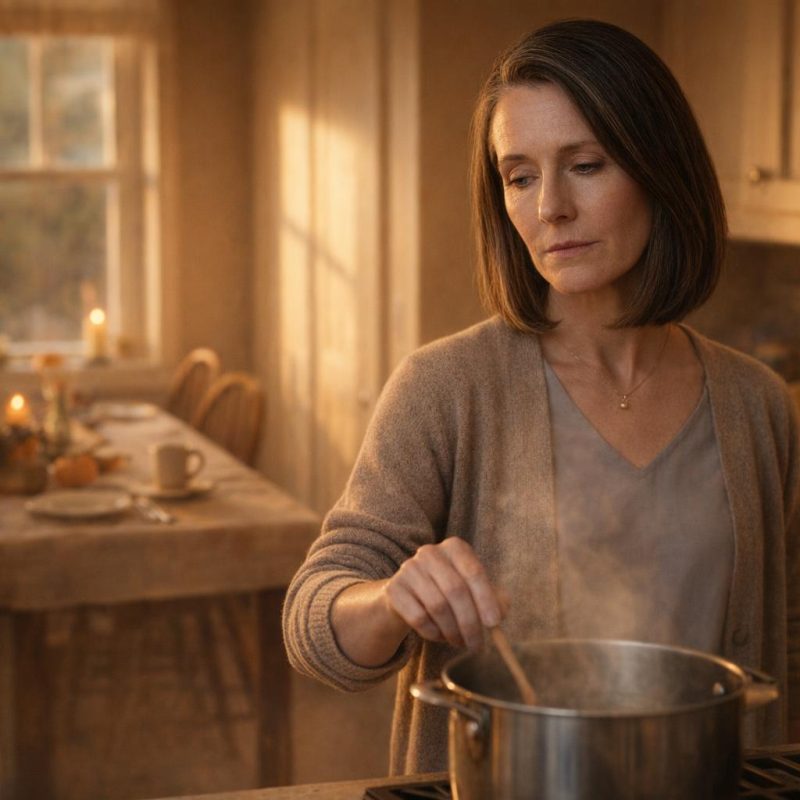 Image by RM AI
Diane's Observation
Diane and I met for coffee on a Saturday in late January, the kind of gray winter afternoon that makes a warm cup feel like an act of self-preservation. We talked about her daughter's new job and my sister Patricia's latest renovation project and the general business of lives moving forward. At some point the conversation turned to Mark, the way it often did — Diane had watched him grow up in the peripheral way that close friends do, through stories and occasional dinners and the accumulation of years. She said he deserved to meet someone wonderful. I agreed immediately, with more feeling than I'd expected, and she looked at me over her cup with that particular expression she had — the one that meant she was paying closer attention than the conversation required. I told her I'd been thinking about it more lately, that something felt like it was shifting, though I couldn't have said what exactly. She nodded like that made sense to her. We sat with it for a moment, the comfortable silence of two people who have known each other long enough not to fill every pause. Then she set her cup down and said, with the quiet certainty she sometimes had about things, that she had a good feeling about this year. I drove home through the gray afternoon with the windows fogging slightly at the edges, and something in me felt, for the first time in a long while, like leaning forward.
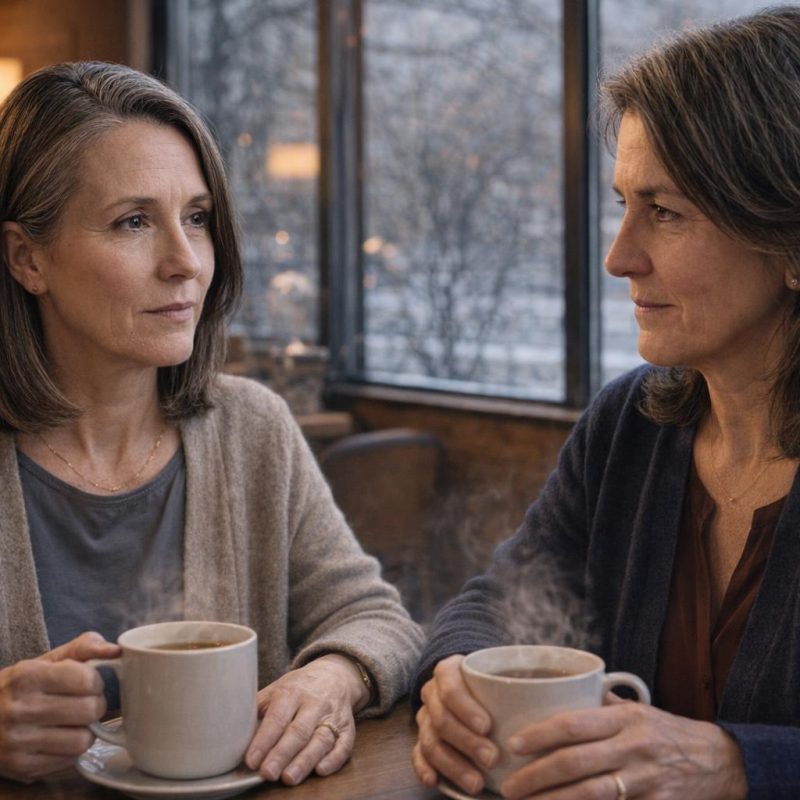 Image by RM AI
The Wednesday Call
It was a Wednesday evening in October, which was already unusual. Mark and I had our rhythms — Sunday dinners, Thursday morning calls — and a Wednesday call outside of that pattern had a different weight to it, the way an unexpected knock at the door does. I was in the kitchen when my phone rang, drying a dish I'd already dried twice, and when I saw his name I felt a small flutter of something I couldn't name. I answered and said hello and he said hi, and then there was a half-second pause that told me everything and nothing at once. His voice was higher than usual — not upset, not worried, but lit up in a way I hadn't heard in a while. He said, 'Mom, I have something I want to tell you.' I sat down at the kitchen table without thinking about it, the dish towel still in my hands. My heart did a small, involuntary leap — the kind you can't talk yourself out of. I didn't say anything. I just waited, the way you wait for something you've been hoping for without letting yourself say so out loud. The silence between us stretched for just a moment, warm and full of whatever he was about to say, and I held my breath without meaning to.
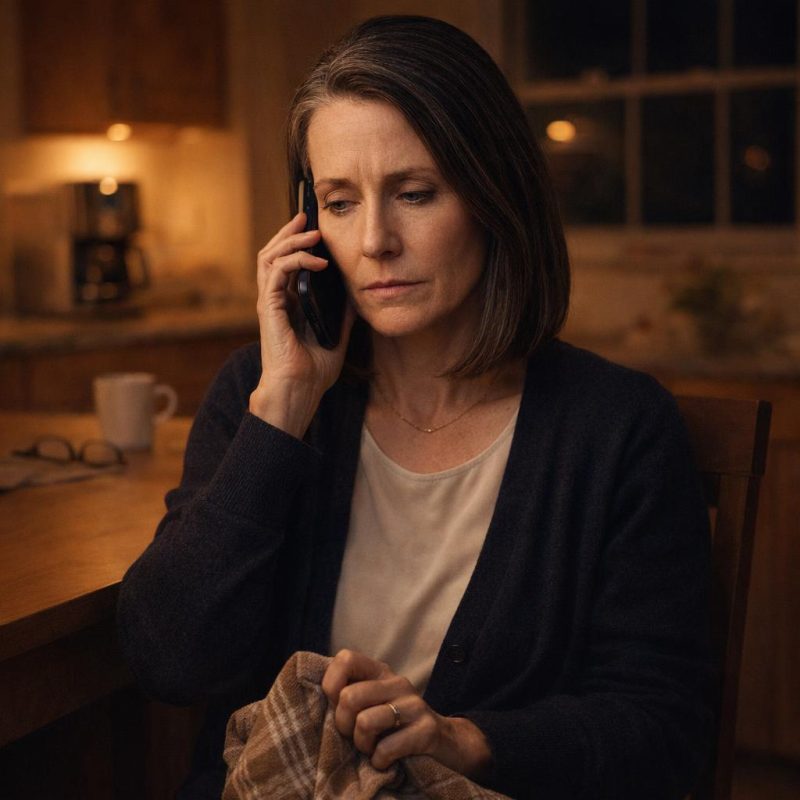 Image by RM AI
Washing Dishes Together
He told me about her on a Sunday, which felt right. We were standing at the sink after dinner the way we always did — me washing, him drying — and he brought her up the way you bring up something you've been carrying around for a while, carefully, like you're finally setting it down. He said her name was Vanessa. He said she worked in finance and was, and I remember this exactly, intimidatingly smart. He laughed a little when he said it, the way he used to laugh when something genuinely surprised him. I asked him the two things I always knew I'd ask when this moment came: was she kind, and did she make him laugh. He got quiet in the way he only gets when something really matters to him — not sad quiet, but still quiet, the kind that means he's choosing his words. He said yes to both. He said she made him happy in a way that felt new. I told him to bring her to Sunday dinner whenever they were ready, no pressure, just whenever it felt right. The breath he let out after I said that — slow and easy, like something in him had been braced for a different answer — settled into the quiet kitchen around us.
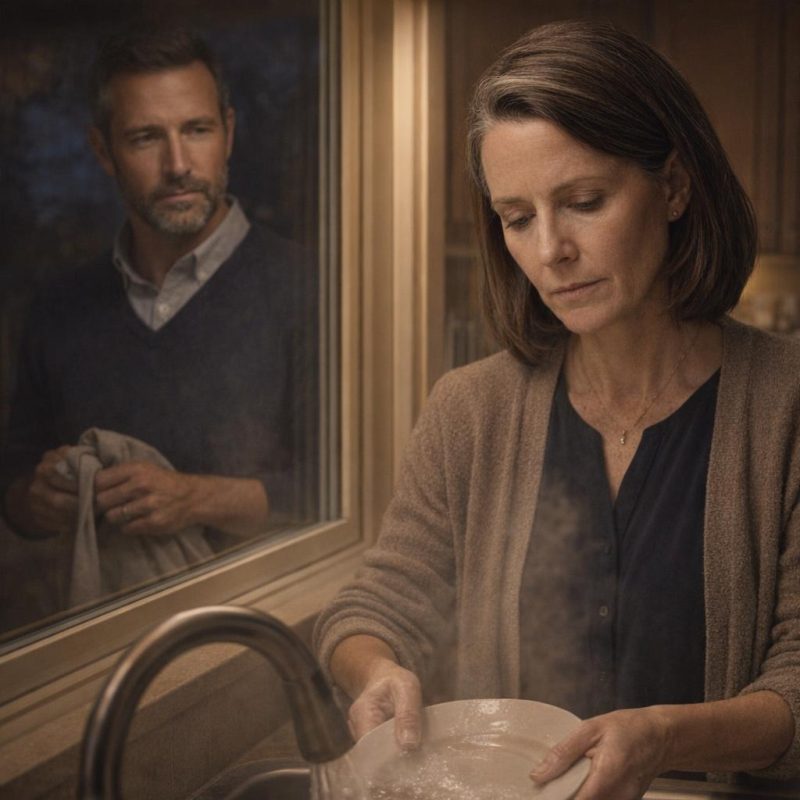 Image by RM AI
Learning About Vanessa
He called during his morning commute most days, the way he always had, but that week the calls felt different — fuller somehow, like he had more to say and was glad to say it. He mentioned things Vanessa had told him, small things, the kind you only share when someone is on your mind. She had recommended a book — something about behavioral economics — and he said he thought I'd like it too, which made me smile because it meant she'd been paying attention to what he told her about me. He said they'd gone hiking over the weekend and she'd kept pace with him the whole way, which he said with a kind of pleased surprise, like he hadn't expected it. I listened to all of it and felt something loosen in my chest that I hadn't realized was tight. After his father died, I had watched Mark carry a particular kind of loneliness that he never quite named and I never quite knew how to reach. Hearing him talk about her — the easy way the words came, the lightness underneath them — felt like watching a window open in a room that had been closed for too long.
 Image by RM AI
Meeting Vanessa
I cleaned the house twice that Sunday and changed the tablecloth once, which tells you everything about the state I was in. Mark had warned me she was punctual, and she was — they arrived right on time, and I was at the door before they even knocked. Vanessa was polished in a way that could have felt intimidating but somehow didn't. She had a firm handshake and looked me in the eye and said it was so nice to finally meet me, and something in the way she said 'finally' made me feel like Mark had talked about me, which mattered more than I expected. She offered to help in the kitchen almost immediately, and she wasn't just being polite — she actually rolled up her sleeves and asked where things were. Mark sat at the kitchen table and watched the two of us move around each other, and I could see the relief on his face from across the room. Dinner was easy. The conversation moved without effort. She asked good questions and listened to the answers and laughed at the right moments. When they left and I closed the door behind them, the house felt the same as it always had — just a little warmer, like it had made room for her without any trouble at all.
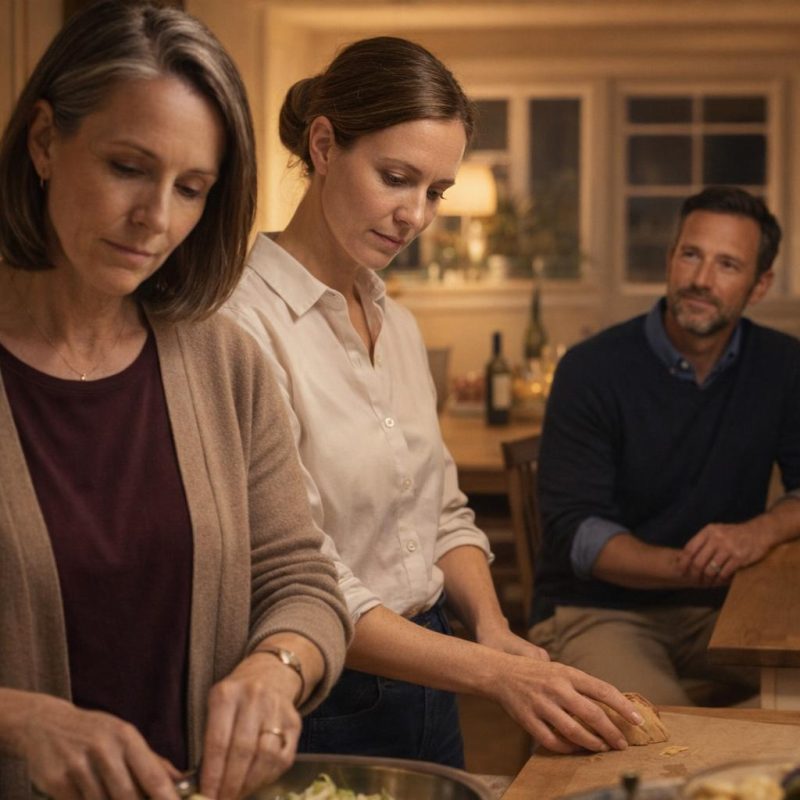 Image by RM AI
Vanessa's Good Memory
She came back the next three Sundays, and I started to notice things. Not big things — small ones, the kind that accumulate quietly. The second week, she asked how my friend Ruthanne's knee surgery had gone, which I had mentioned only once, in passing, weeks before. The third week, she asked if I'd finished the novel I'd been reading when she first came to dinner. I hadn't expected her to remember either of those things, and the fact that she did made me feel genuinely seen in a way I hadn't anticipated. She asked Mark one evening what his favorite meal had been growing up, and he said pot roast with egg noodles without even hesitating, the way you answer a question about something that lives in your bones. I told her about the recipe — my mother's originally, passed to me, nothing fancy but everything right — and she pulled out her phone right there at the table and started typing. She asked me to slow down so she could get the details. Mark caught my eye from across the table and gave me a small, private smile, the kind that meant he'd seen it too, and I felt a quiet bloom of something that felt very much like approval.
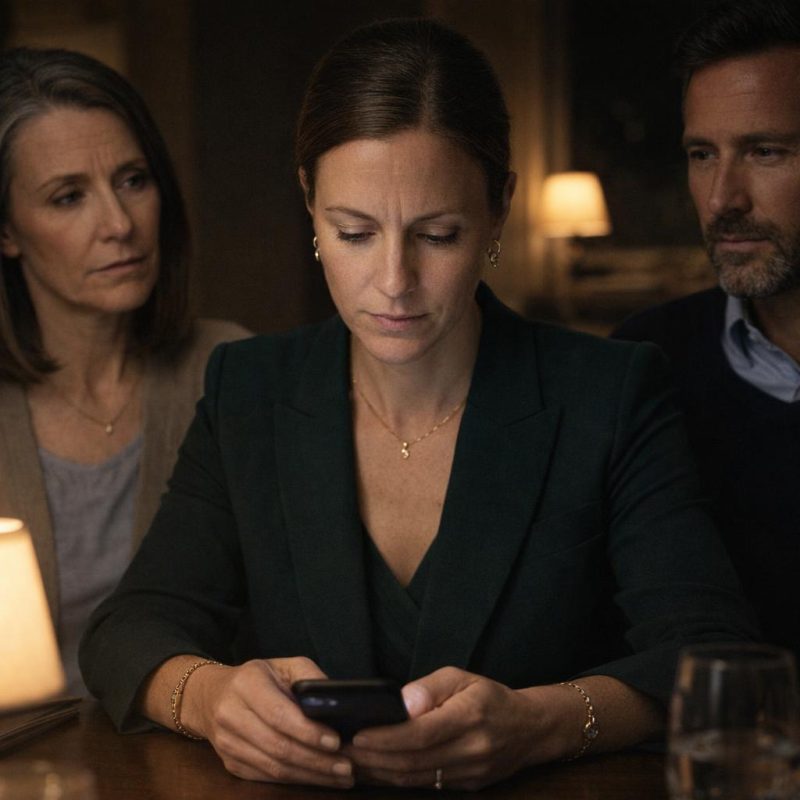 Image by RM AI
The Pot Roast She Made for Him
She called on a Tuesday, which surprised me. Not Mark's phone — hers. She said she wanted to try making the pot roast for Mark on his birthday and asked if I'd be willing to teach her properly, in person, not just from the notes she'd typed. We picked a weekday afternoon when Mark was at work, and she showed up with a small notebook and a pen, which I hadn't expected. She wrote down every step — how long to sear each side, which vegetables went in first, how much liquid, when to lower the heat. She asked about the seasoning my mother had used and whether I'd ever changed it, and I told her I'd tried once and gone back to the original, and she wrote that down too. At some point she asked what Mark had been like as a little boy, and I found myself telling her things I hadn't talked about in years — the way he used to line up his toy cars by color, how he'd cried at the end of Charlotte's Web and then pretended he hadn't. She listened with her pen resting on the page, not writing, just listening. By the time the roast was in the oven and the kitchen smelled the way it always had on Sunday afternoons, something in me had gone very quiet and very full, the way it does when you pass something you love into hands you trust.
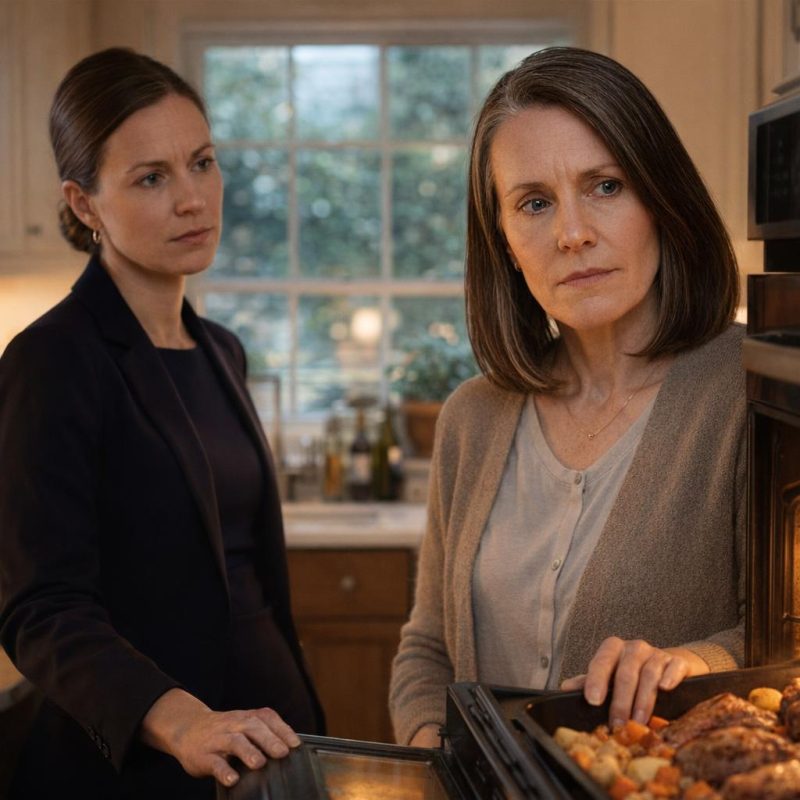 Image by RM AI
Fitting Into the Rhythm
By the time the holidays came around, I had stopped thinking of Sunday dinner as something Mark and I did and started thinking of it as something the three of us did. It happened gradually, the way most real things do — not a single moment but a slow accumulation of ordinary ones. Vanessa learned where I kept the extra serving spoons. She knew I liked the radio on low while I cooked and never turned it up. She understood, without being told, when Mark and I needed a moment to talk about something that belonged to just the two of us, and she'd find something to do in the kitchen or step outside to check her phone, easy and unbothered about it. Mark looked happier than I had seen him in years — not the performed happiness of someone trying to seem fine, but the real kind, the kind that shows up in small things, in the way he moved through a room. I started setting three places at the table without thinking about it, the way you stop thinking about habits once they've become part of the shape of your days. Some evenings, after they'd gone and I was washing up alone, I'd look at the three chairs pushed back from the table and feel the particular warmth of a house that had been well and truly used.
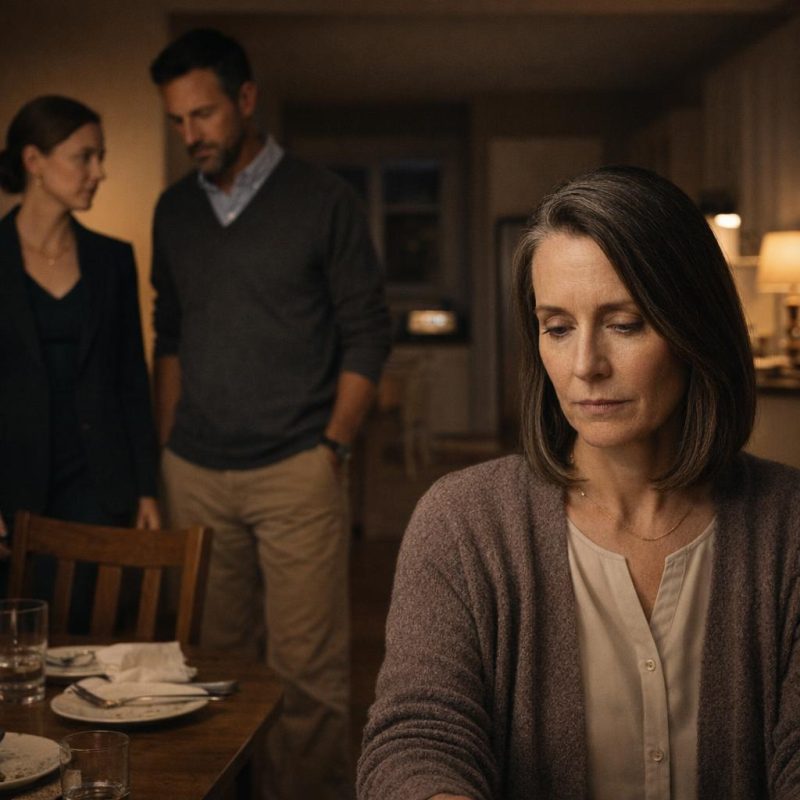 Image by RM AI
The Weekend Getaway Invitation
We were clearing the table one Sunday in early spring when Vanessa mentioned the inn. She said she'd been reading about a small place up the coast — a garden, a good restaurant, the kind of quiet that was hard to find. She was stacking plates when she said it, not making a production of it, just talking. And then she looked up at me and said, 'You should come with us. I think you'd love it.' I remember setting down the bowl I was holding. I hadn't expected it. I'd spent enough time with couples to know that a long weekend away was usually their territory, and the fact that she'd thought to include me — not as an afterthought, not out of obligation, but as someone she actually wanted there — caught me off guard in the best way. I started to say something about not wanting to intrude, and Mark cut me off before I got three words out. He said, 'Mom, come on. It would be great.' He said it the way he used to say things when he was a teenager and genuinely meant them, no performance in it at all. We spent the rest of the evening looking up dates on our phones, all three of us leaning over the table together.
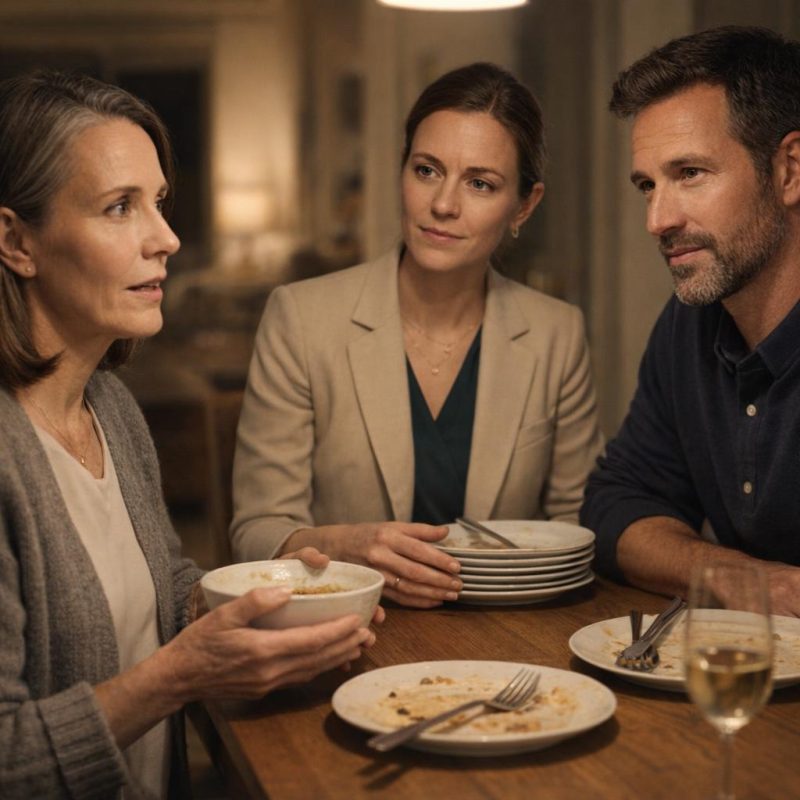 Image by RM AI
The Happiest Year
Spring turned to summer and summer turned to fall, and somewhere in the middle of all of it I stopped counting the months and just lived in them. Vanessa was there for Easter and the Fourth of July and the ordinary Sundays in between. Mark still called during his morning commute most days, and his voice still had that lightness in it that I'd first noticed the year before. I let myself imagine things I hadn't let myself imagine in a long time — holidays with more chairs at the table, a house full of noise, the particular joy of watching your child build a life that is genuinely good. I called my sister Patricia one afternoon and told her I felt lucky, and she asked what kind of lucky, and I said twice over — once for Mark, and once for Vanessa. Patricia laughed and said it was about time. I hung up and sat in the kitchen for a while, the afternoon light coming through the window the way it does in October, long and golden and unhurried. I had no reason to think anything was wrong. The table had three places. The calls still came. Everything felt exactly as settled and right as it looked.
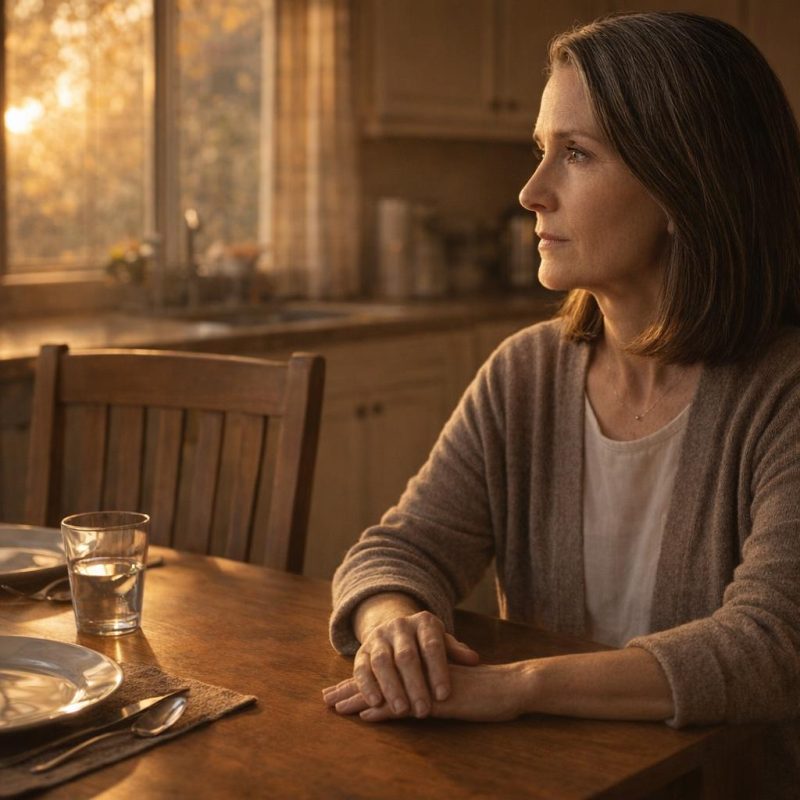 Image by RM AI
Thanksgiving With Three
Thanksgiving morning came in cold and bright, the kind of November day where the light is sharp and the air smells like woodsmoke and something about it makes you feel like the year has been worth it. Vanessa arrived before nine, still in her coat, carrying a bag of fresh herbs she'd picked up on the way. Mark came in behind her looking pleased with himself, the way he always did when he'd managed to do something right. We fell into an easy rhythm in the kitchen — me at the stove, Vanessa chopping, Mark setting the table and staying out of the way the way men do when they know better. At some point I needed the good serving spoons, the ones I keep in the second drawer to the left of the sink, the drawer that visitors never find on the first try. I started to tell her where to look, but she was already pulling it open, already reaching in, already setting them on the counter beside the roasting pan. She didn't ask. She just knew. I stood there for a moment watching her move back to the cutting board, and I told myself that was what belonging looked like.
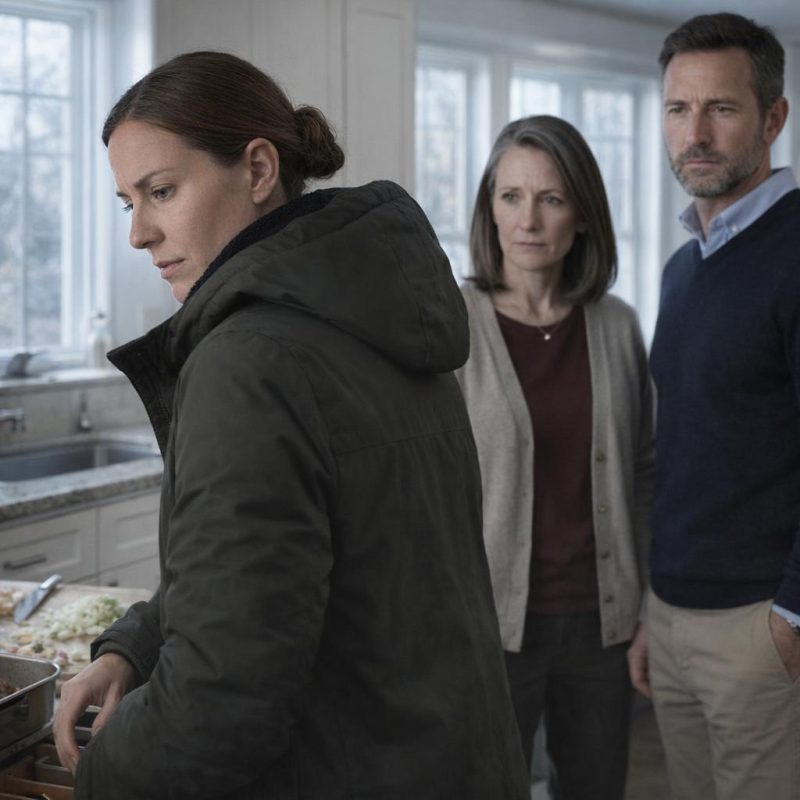 Image by RM AI
The One-Year Anniversary Dinner
Their one-year anniversary fell on a Saturday in October, and I spent most of Friday afternoon in the kitchen making the pot roast Mark had loved since he was small — the one with the carrots cut thick and the broth that goes dark and rich after three hours in the oven. I made a cake too, two careful layers with the buttercream I only bother with for occasions that deserve it. Vanessa brought flowers when they arrived, pale yellow ones, and she set them in the center of the table without being asked, like she already knew where the center was. We ate slowly, the way you do when nobody wants the evening to end. After dinner, when the plates were mostly cleared and the candles had burned low, Mark leaned back in his chair and said it quietly, almost to himself — that he hadn't been this happy in a long time. He wasn't making a toast or performing for the room. He was just saying something true, the way he used to say things when he was a boy and hadn't yet learned to be careful with his words. Vanessa reached over and covered his hand with hers. I looked at my son's face in the candlelight and held that moment as long as I could.
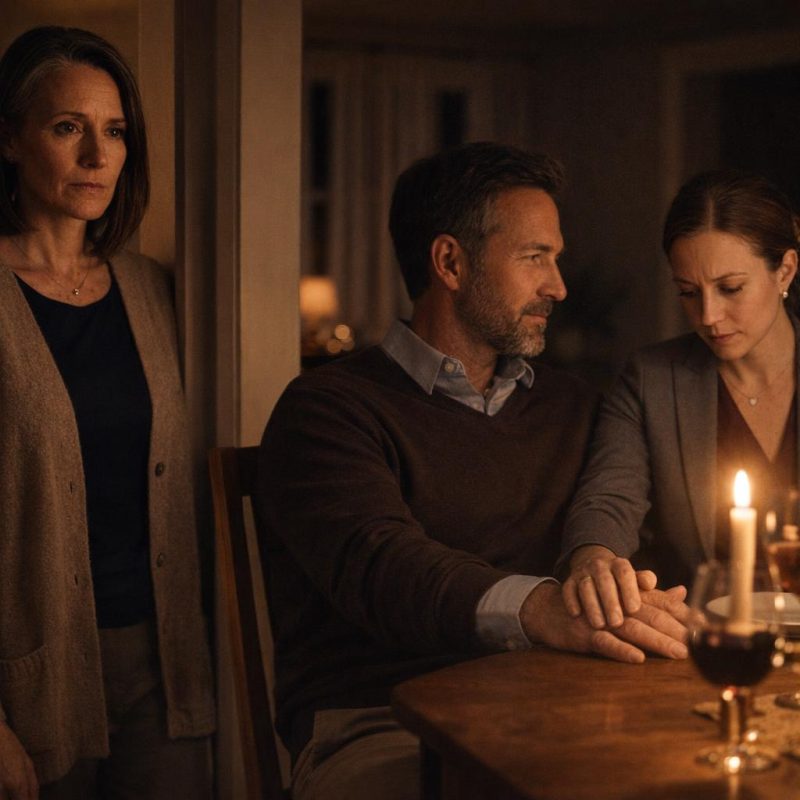 Image by RM AI
Vanessa's Gratitude
Mark stepped out after dinner to move his car — something about a street cleaning sign he'd noticed on the way in — and Vanessa stayed to help me with the dishes. We worked quietly for a few minutes, the comfortable kind of quiet that doesn't need filling. Then she set down the dish towel and said she wanted to thank me, really thank me, for the way I'd welcomed her from the beginning. I told her there was nothing to thank me for. She shook her head a little and said not every mother would have been so open, that she'd been nervous the first time she came to the house and I'd made her feel like she already belonged. I thought about that for a second — the nervousness I hadn't seen, the effort she'd apparently been making that had looked so effortless to me. I told her she'd made it easy by being exactly who she was. She smiled at that, a real smile, not the polished one she sometimes wore in company. We stood in the kitchen together in the kind of silence that doesn't ask anything of you, and I felt, with a certainty I hadn't expected, that my son had found exactly the right person.
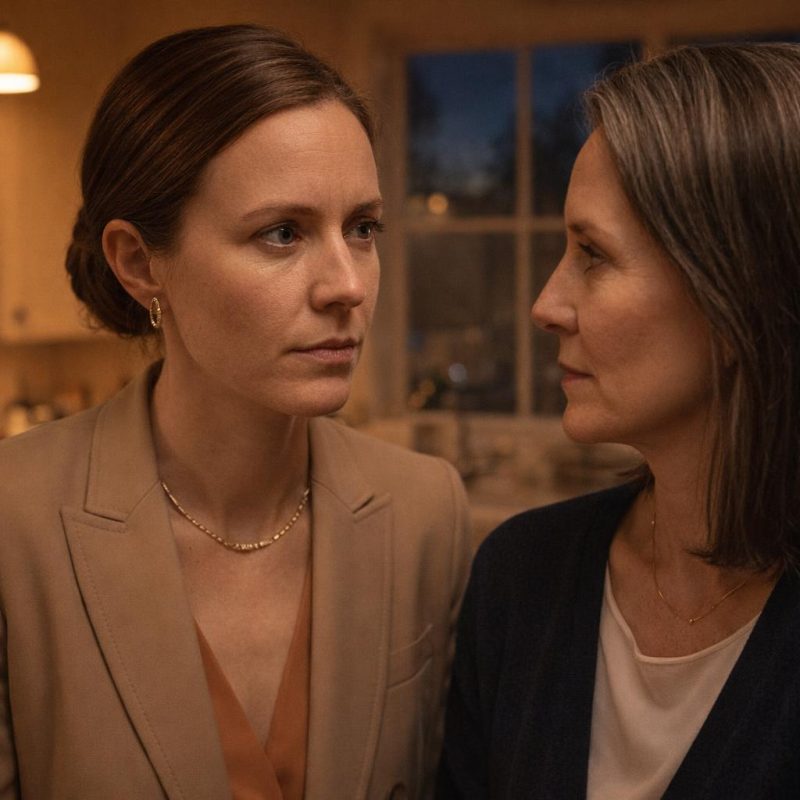 Image by RM AI
The Engagement
They showed up on a Tuesday evening without any warning, which should have told me something right there. Mark had that look he used to get as a boy when he was carrying a secret too big to hold — eyes bright, jaw working like he was physically containing it. Vanessa had a bottle of champagne pressed against her chest with both hands. I barely had time to ask what was going on before Mark said they had something to tell me, and then he said it, just like that, standing in my front hallway with his coat still on. I pressed both hands over my mouth. I'm not sure I made a sound. I hugged him first, then Vanessa, and I was crying before I even registered that I was crying — the good kind, the kind that comes up from somewhere deep and doesn't apologize for itself. We sat at the kitchen table for two hours after that, talking about venues and seasons and whether fall or spring made more sense, and the champagne got warm and nobody cared. At some point Vanessa lifted her hand to gesture at something and the ring caught the light from the overhead fixture, throwing a small bright arc across the wall.
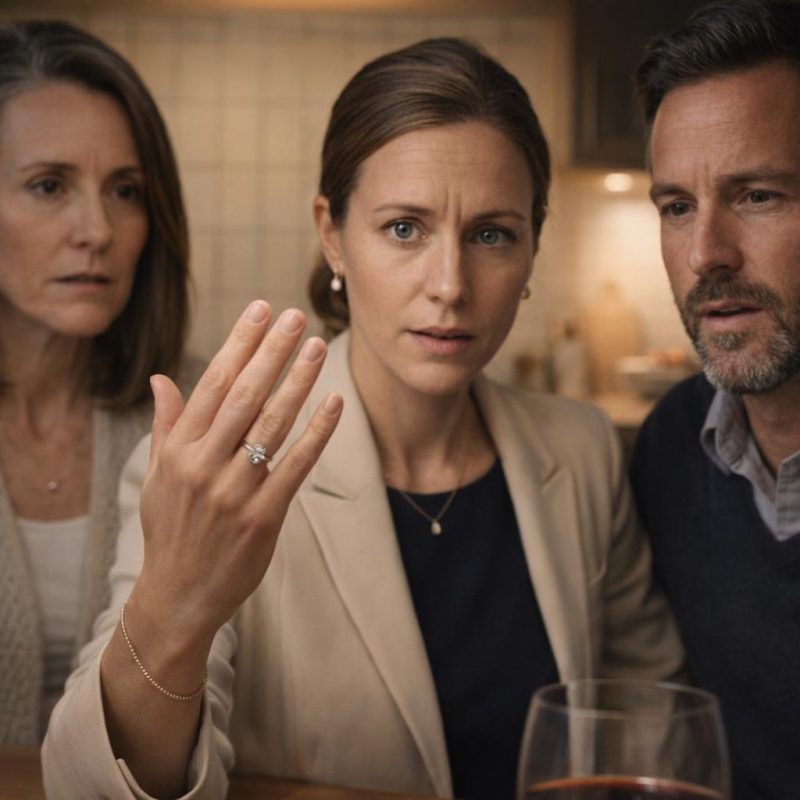 Image by RM AI
The First Missed Sunday
The call came on a Sunday morning, earlier than he usually arrived. I heard his voice and already knew from the first word that he wasn't coming. He said they had two venue appointments back to back, that the second one had been hard to get and they couldn't move it. I told him of course, no problem, don't worry about it, and I meant every word of it. Planning a wedding was a lot of work and I knew that. I spent the day doing laundry and watching a film I'd been meaning to get to for months. Around noon I went to set the table out of pure habit — reached for his plate before I caught myself and put it back in the cabinet. It was such a small thing. A decade of Sundays had made the motion automatic, that was all. I told myself the absence made complete sense, that this was what the beginning of a new chapter looked like, that I should be glad he had somewhere to be. And I was glad. I was. The house just felt different with the afternoon light coming through and only one chair pulled out at the table.
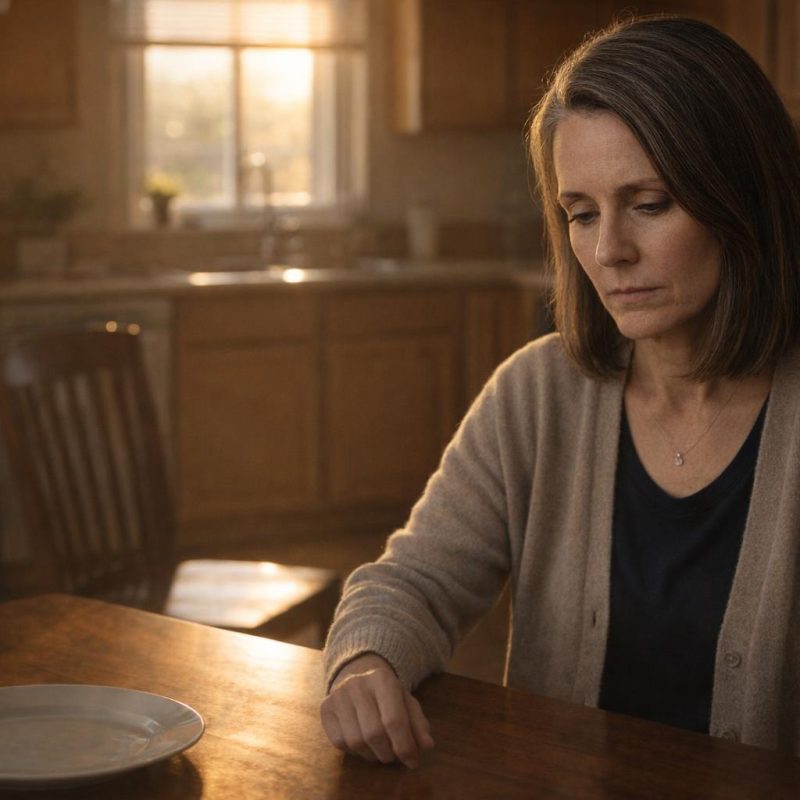 Image by RM AI
The Second Missed Sunday
The following Sunday he called again. Cake tastings this time, a whole afternoon of them across two bakeries. I said I understood and asked him to tell me which one they picked when they decided. He said he would, but his voice had a rushed quality to it, like he was already halfway out the door while we were still talking. I made myself a simple dinner — soup from a can, bread I didn't bother to toast — and ate it in front of the television with the volume up a little higher than I needed it. I kept reminding myself that this was temporary, that wedding planning had a season to it and the season would pass, that the last thing he needed was his mother making him feel guilty for living his life. I believed all of that. I still do. I went to bed early and lay there in the dark running through the same reassurances until they started to sound less like comfort and more like something I was reciting. The words were right. I just had to keep saying them until they felt that way too.
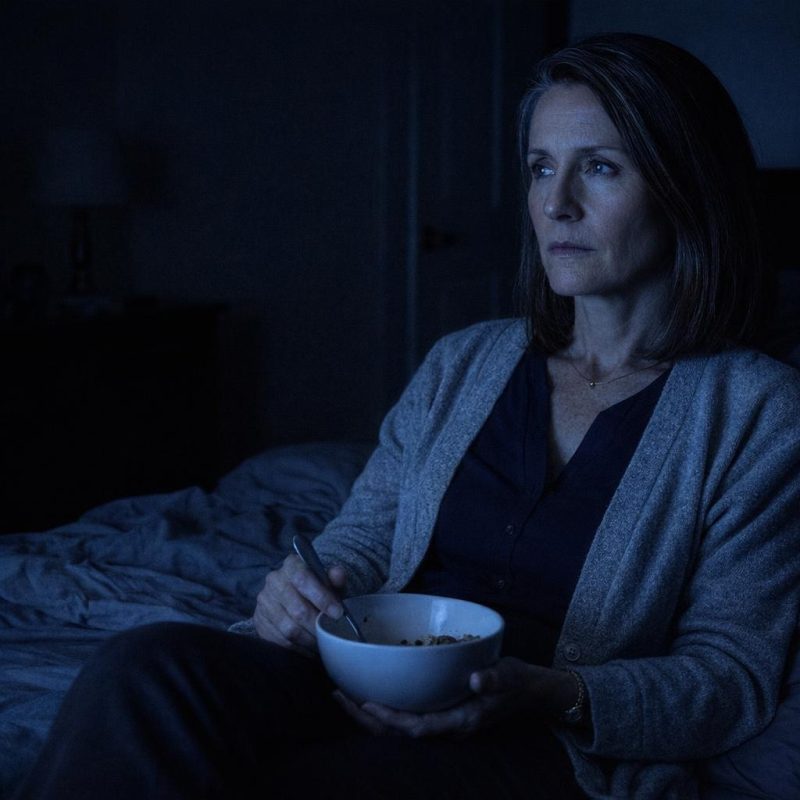 Image by RM AI
The Distracted Calls
It started small enough that I almost talked myself out of noticing it. Three mornings in a row, no call during his commute — the slot of time that had been ours for years, that I'd come to count on the way you count on the coffee being ready when you come downstairs. When he did call, the conversations were shorter than they used to be, clipped at the edges in a way I couldn't quite account for. He'd answer my questions but not add anything to them, not circle back to something I'd said the way he always had. I asked him once, carefully, if everything was okay. He said yes, just busy, the wedding stuff was a lot. I said of course, I understood. But there was something in the pause before he answered — not long enough to mean anything definite, just long enough to notice. I told myself I was reading too much into a pause. I told myself I was the kind of mother who could make a problem out of nothing if I wasn't careful. I put the phone down and the quiet that followed sat in the room with me for a long time after.
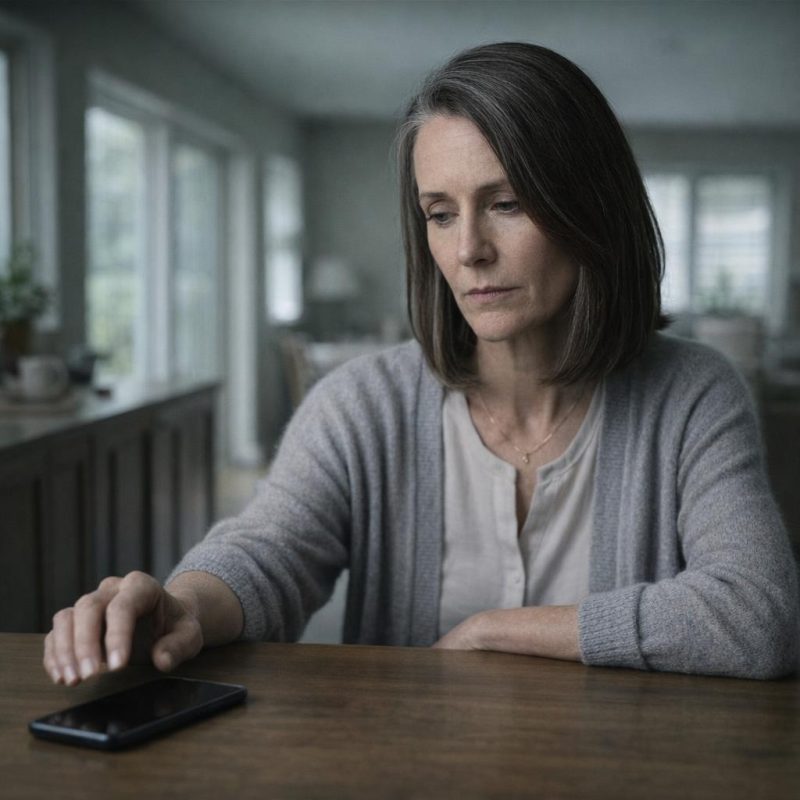 Image by RM AI
A Month of Absences
Four Sundays. I counted them eventually, though I tried not to. The first was the venue appointments, the second was cake tastings, the third was something about a family obligation on Vanessa's side that he mentioned only briefly, the fourth was the florist and a photographer meeting that had been rescheduled twice already. Each reason was reasonable. Taken one at a time, none of them would have meant anything. I stopped cooking big meals and started making simple things — enough for one, eaten at the counter more often than the table. I suggested a weeknight once, a Tuesday or Wednesday, whatever worked for him. He said things were hectic right now but he'd look at the calendar. I said that was fine. I asked again the following week and he said maybe next week, and I said okay.
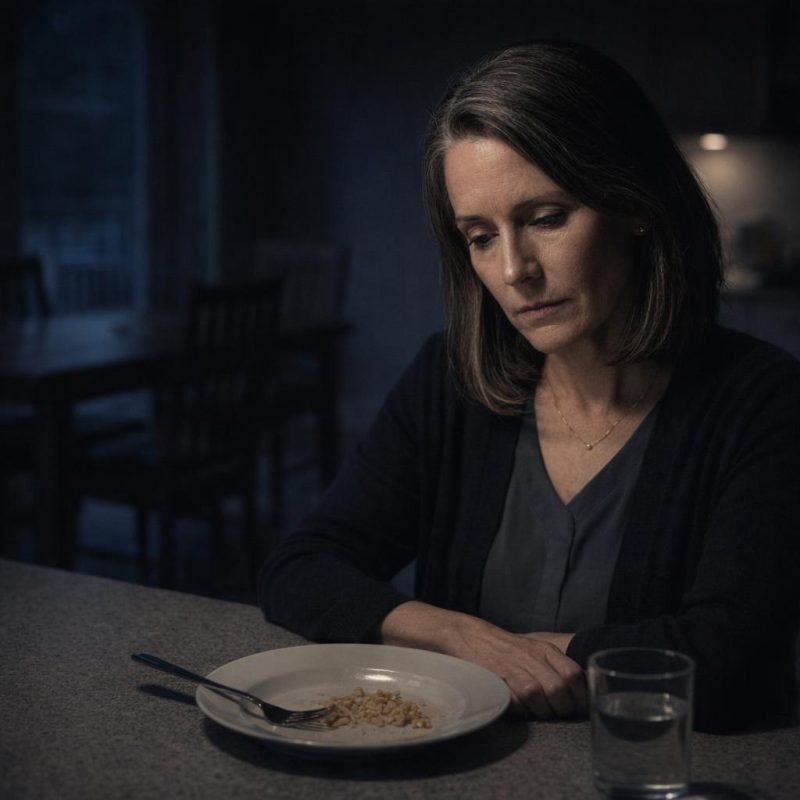 Image by RM AI
The Growing Silence
I kept telling myself it was the wedding. That was the reasonable explanation, the one I reached for every time I noticed the silence stretching longer than it used to. Mark had always called on weekend mornings — not always long calls, but something, a check-in, a story about whatever he'd been watching or eating or thinking about. By October those calls had thinned to maybe once a week, and when they did come, there was a quality to them I couldn't quite name. He sounded present but also somewhere else, like he was half-watching the door. I'd ask how things were going and he'd say busy, good, a lot to coordinate. I'd ask about the venue or the invitations and he'd give me a sentence or two and then mention he had to get going. I told myself this was probably normal. Couples planning weddings were stretched thin — I knew that, or I thought I did. I had no real frame of reference for what this was supposed to look like from the outside. So I kept my phone charged and close, and I waited, and I tried to be patient. But patience and peace aren't the same thing, and the quiet between his calls had started to feel like something I was carrying.
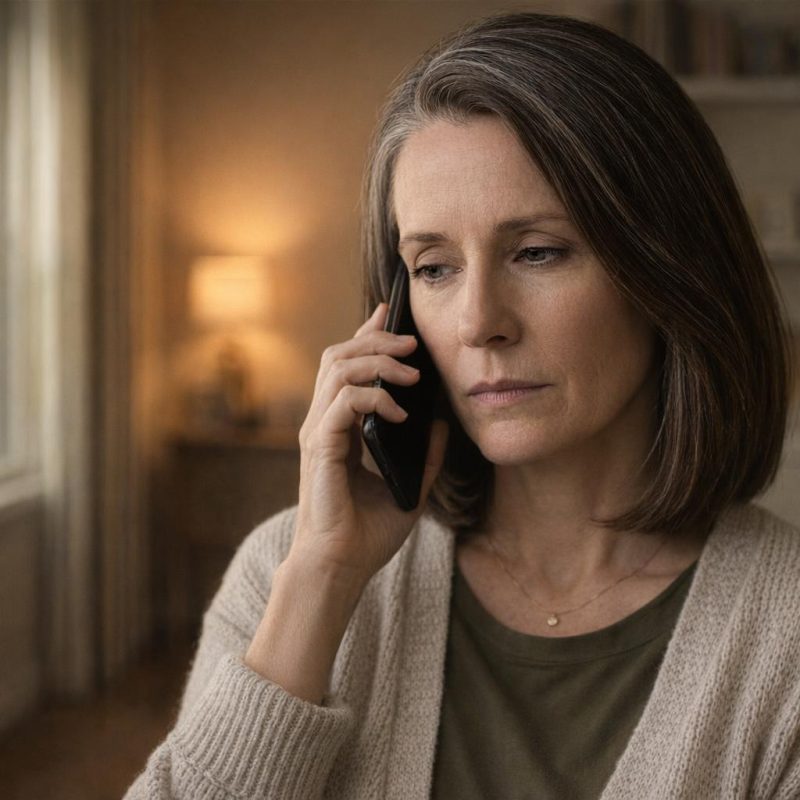 Image by RM AI
The Unreturned Calls
There was a Tuesday I called him just to hear his voice — nothing urgent, no reason beyond missing him. I left a message, something light, told him to call when he had a minute. He called back the next afternoon. I noticed the gap but didn't say anything about it. A few days later I tried again, and this time I watched the clock in a way I never used to. Six hours passed before my phone lit up with his name. He apologized, said it had been a hectic day, and I said of course, no worries, because what else do you say. But I kept thinking about the way things used to be — how he'd call back within the hour, sometimes within minutes, how he'd text if he couldn't talk just so I'd know he'd seen it. That version of him had always made me feel like I mattered in the small, daily way that counts most. Now I was the one watching my phone. I was the one calculating how long was too long before trying again. I didn't know if I was being unreasonable. I genuinely didn't know. But something in my chest had gone tight in a way that wouldn't quite ease, and I sat with that tightness long after I put the phone down.
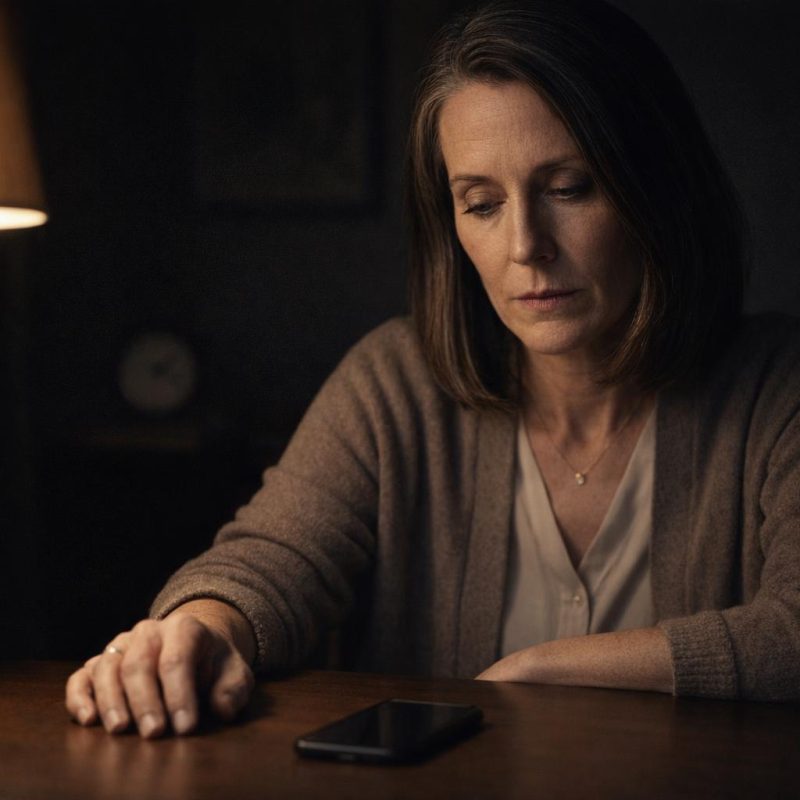 Image by RM AI
Never Alone
I suggested coffee — just the two of us, nothing formal, the kind of thing we used to do without even planning it. He said that sounded good, and for a moment I felt the relief of it, the small ordinary pleasure of having something to look forward to. Then he said Vanessa would come too since she was free that day, and I said of course, that was fine. We met at a café near his apartment on a Saturday morning. Vanessa arrived looking put-together in a way that made me feel underdressed in my own coat, and she was warm, attentive, full of wedding details and opinions about centerpieces. I smiled and asked questions and tried to be present. But I kept watching Mark, waiting for a moment — just a glance, a small aside, the kind of shorthand that belongs only to the two of us. It didn't come. He was focused on her, laughing at something she said, leaning slightly in her direction. I sat across from them and did the math quietly in my head. I couldn't remember the last time Mark and I had been alone together. Not a quick call, not a passing moment — actually alone. It had been more than a month. I was still turning that over when my phone buzzed with a text from him the following week, and I opened it hoping, and he said Vanessa would be there too.
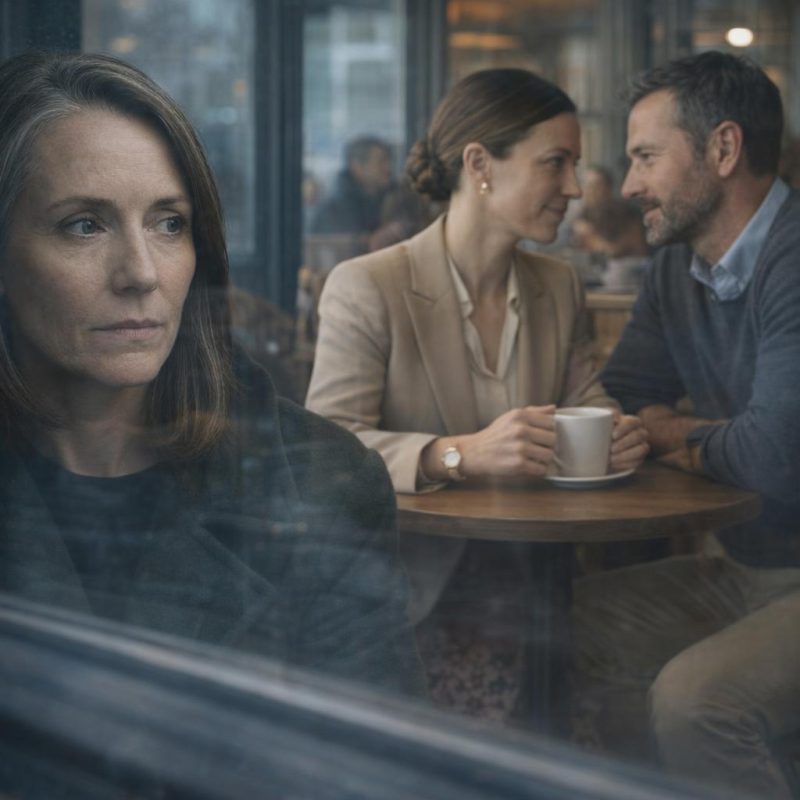 Image by RM AI
Answering His Phone
It was a Saturday morning, ordinary enough — I'd been up since seven, had my coffee, was thinking about calling Mark to see if he wanted to come for dinner that week. I dialed his cell the way I had a thousand times. It rang twice and then someone picked up, and the voice wasn't his. It was Vanessa. She said he was in the shower and asked if she could take a message. I said no, no message, I'd call back later. She said she'd let him know I called, and her voice was pleasant, helpful even, the way it always was. I said thank you and hung up. I stood in my kitchen for a moment with the phone still in my hand. I couldn't have told you exactly what felt strange about it. People answer their partner's phones. It happens. It was probably nothing. I turned that thought over a few times, trying to make it settle. But something about hearing her voice come through his line sat wrong with me in a way I couldn't shake loose, and I set the phone down on the counter without calling back.
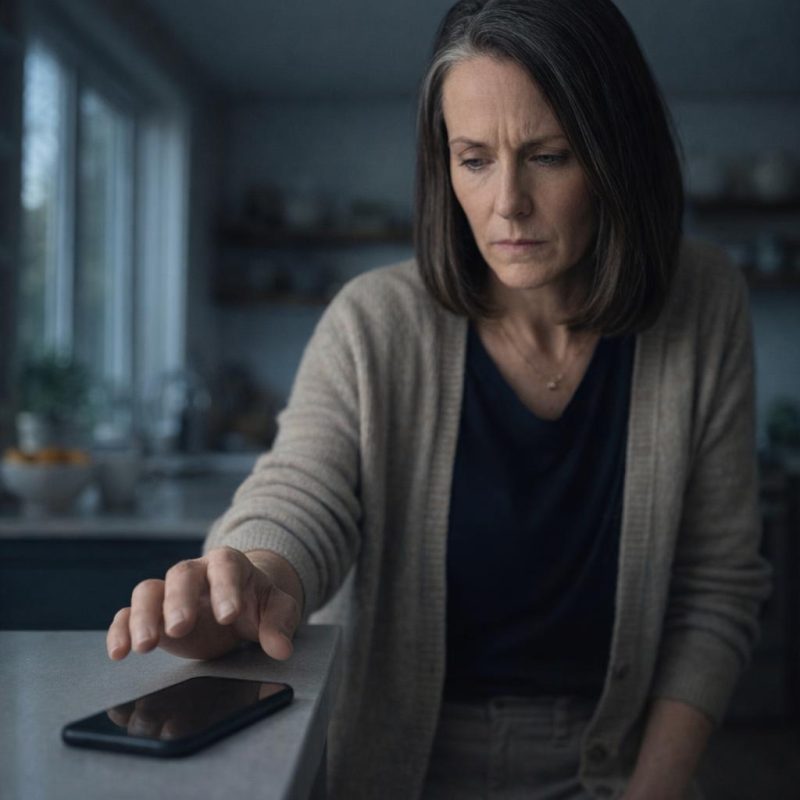 Image by RM AI
The Last-Minute Cancellation
We had plans to visit my husband's grave together — something we'd done every year since he died, just the two of us, quiet and unhurried. I'd been looking forward to it in the way you look forward to things that hurt a little but also hold you together. I was already in the car when Mark called. He said he was sorry, something had come up, they needed to use the afternoon to finalize the seating charts. I asked if everything was okay and he said yes, just a lot to get done before the venue deadline. I said okay. I said I understood. I sat in the cemetery parking lot for a while after we hung up, engine off, watching the light move through the trees. I went in alone and stood at my husband's headstone and talked to him the way I always did, but the space beside me felt wrong. On the drive home I kept replaying the call, the specific words Mark had used. He hadn't said we decided or I need to cancel. He'd said Vanessa thought they should use the afternoon for the seating charts.
 Image by RM AI
Kevin's Concern
I ran into Kevin at the grocery store on a Wednesday, which felt like the kind of coincidence that doesn't mean anything until it does. We ended up talking in the parking lot longer than either of us planned. He asked how I was doing, and I gave him the honest version instead of the easy one — that I was fine but worried, that Mark felt far away lately. Kevin got quiet for a second. Then he said he'd barely seen Mark in months himself. He said every time he tried to make plans, Mark had wedding stuff or something going on with Vanessa. He said it with a kind of careful neutrality, but I could see something behind it — a look that said he'd been sitting with the same question I had. I felt something loosen in my chest the moment he said it. I hadn't imagined it. The distance was real, and it wasn't only happening to me. But that loosening didn't last long, because the other side of being believed is that the thing you feared is also real. I drove home with both of those feelings sitting in the passenger seat — the relief of not being alone in it, and the sharper, colder worry that something was genuinely wrong with my son.
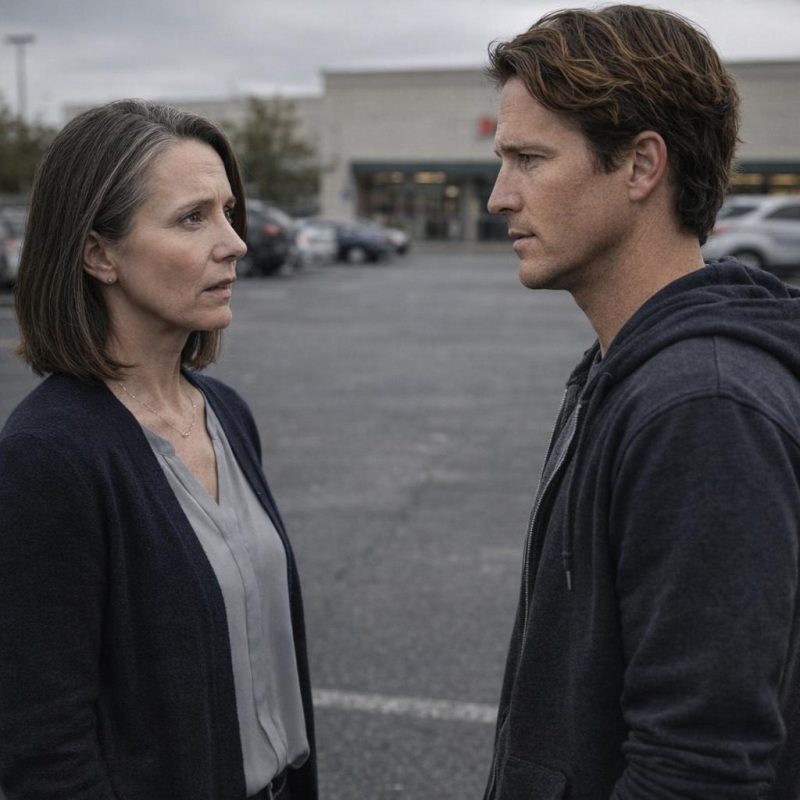 Image by RM AI
Patricia's Warning
I called Patricia that evening and told her everything — the missed Sundays, the slow calls, the café where I couldn't catch Mark's eye, the cemetery parking lot, Kevin in the grocery store. She listened without interrupting, which wasn't always her way, and that alone told me she understood it was serious. When I finished she was quiet for just a moment. Then she said, Linda, this isn't normal wedding planning. I've watched couples plan weddings. This isn't that. She said something was wrong and I needed to stop talking myself out of what I was feeling. I'd been holding myself together through the whole conversation, keeping my voice even, presenting the facts like I was making a case rather than falling apart. But something about hearing her say it plainly — not as a question, not hedged — broke through whatever I'd been using to hold the tears back. I told her I was scared. I said it out loud for the first time, and my voice cracked on the word scared in a way I couldn't control. I was scared of losing him. Not to death, not to distance, but to something I couldn't see clearly enough to fight. Patricia said we would figure it out together. I sat with the phone pressed to my ear long after we said goodbye, and for the first time in weeks I didn't feel entirely alone with it.
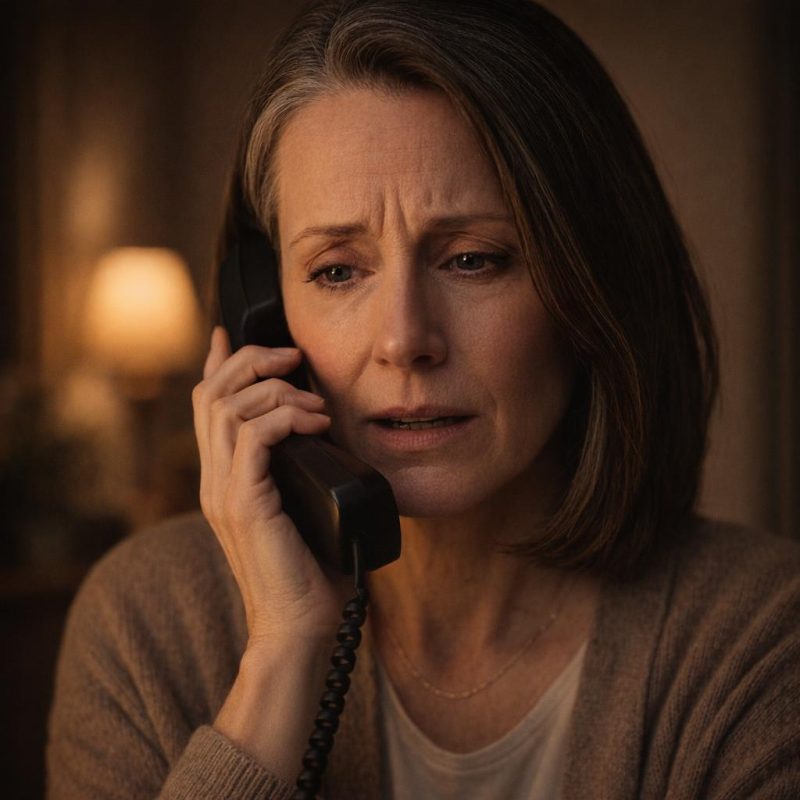 Image by RM AI
The Defensive Response
I asked Mark to come over, told him I just wanted to talk, that I missed him. He showed up looking guarded in a way I'd never seen on his face before — not angry, just braced, like he was expecting something he'd already decided how to handle. I told him I missed him. I told him it felt like we'd lost something between us and I didn't know how to get it back. He said wedding planning was stressful and I needed to give him some room. I said I understood that, I did, but this felt like more than stress. His jaw tightened. He said I was making things harder than they needed to be. I tried to stay calm. I told him I wasn't trying to cause problems, I just wanted my son back. He stood up before I finished the sentence, and I watched him move toward the door with that same braced look, and then he turned and said I was being unfair to Vanessa, who had done nothing wrong.
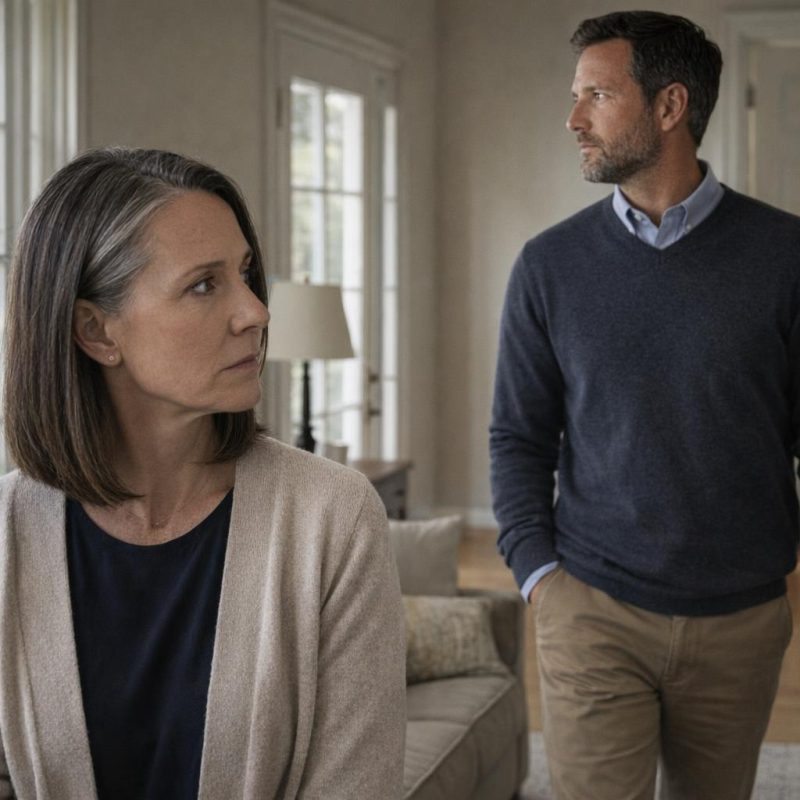 Image by RM AI
What Diane Saw
I called Diane the morning after Mark left, and she met me at the coffee shop on Elm Street before the lunch crowd came in. I told her everything — the way Mark had changed, the distance that had grown between us, the small moments that had felt wrong but that I couldn't explain to anyone without sounding paranoid. She sat across from me with her hands wrapped around her mug and she didn't interrupt once. When I finally stopped talking, she was quiet for a moment, and then she said something I hadn't expected. She said that when someone's instincts are this persistent, this specific, they're usually picking up on something real. She said the details I was describing — the gradual withdrawal, the way every concern I raised got turned back on me — those weren't the kinds of things a worried mother invented. She told me not to dismiss what I was feeling. She told me to look closer. She said she'd help me however she could, that I didn't have to do this alone. I drove home with the windows down, and for the first time in months, the tightness in my chest had loosened just enough to let something else in — the quiet, steadying weight of finally having permission to trust myself.
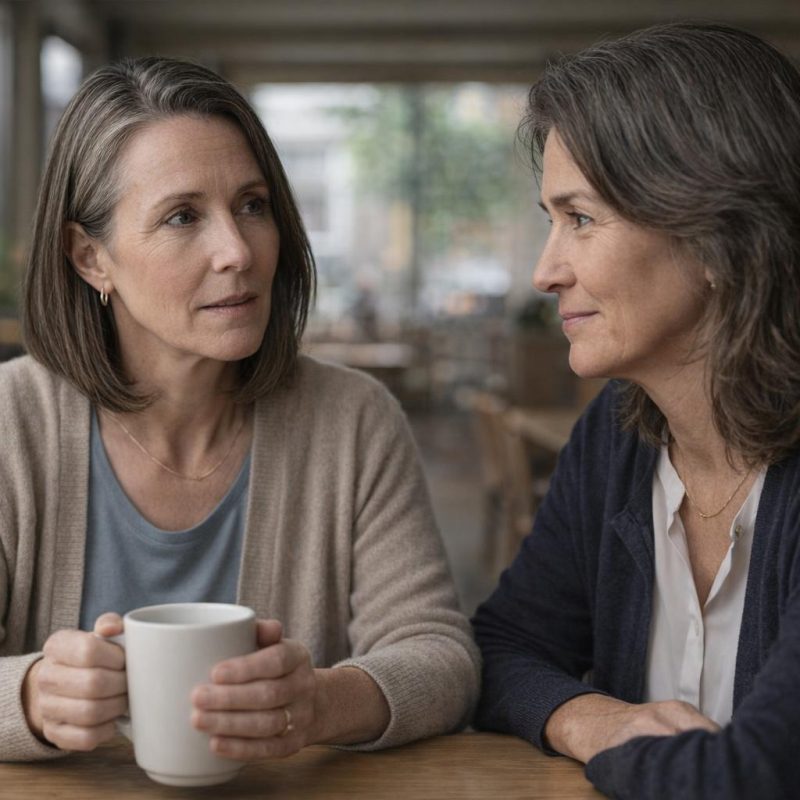 Image by RM AI
The First Search
I sat down at my computer after ten o'clock that night, when the house was quiet and I had no more excuses to put it off. I typed Vanessa's name into the search bar and then just stared at it for a second before I hit enter. Her LinkedIn profile came up near the top. I'd glanced at it once before, early on, the way you do when your son brings someone home and you're curious. This time I read it carefully. The dates were what stopped me. There was a gap — eighteen months, right in the middle of her career history, with nothing listed to account for it. Before the gap she'd been at a financial services firm in Phoenix. After it, she appeared at the company she'd told us about, the one in the city where she'd met Mark. I searched the Phoenix firm's name alongside hers and found a single mention in an archived employee spotlight, a small paragraph with her photo. The dates in that article didn't match what she'd told us about when she'd started her current job. I couldn't say what any of it meant. I took screenshots anyway and saved them in a folder I labeled simply 'V,' and I sat there looking at that eighteen-month gap that nobody had ever explained.
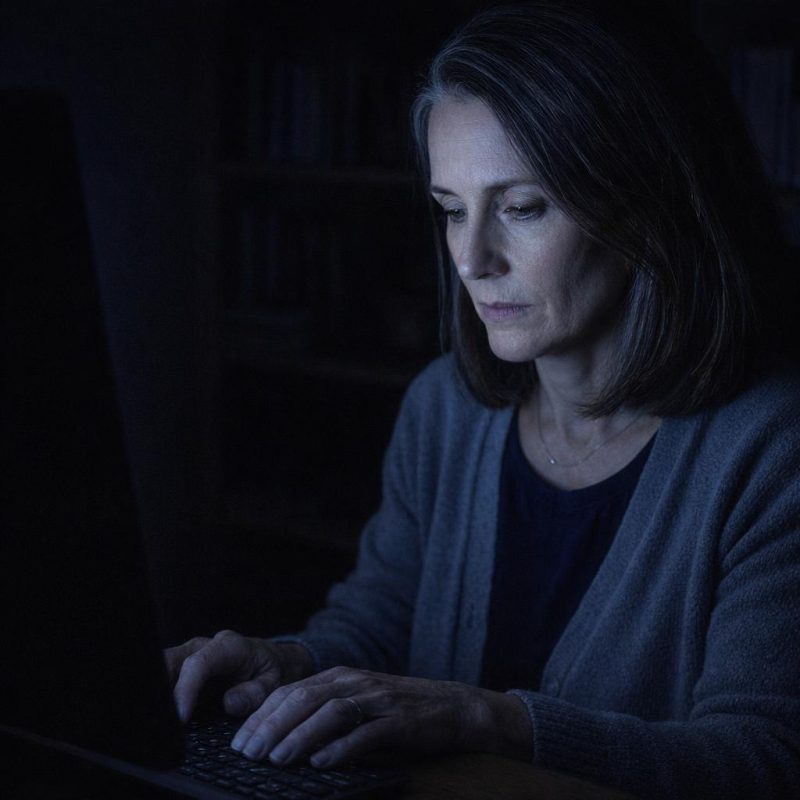 Image by RM AI
Finding Thomas
I kept going back to the screenshots over the next few days, turning the timeline over in my head, and then one night I went looking again and found something I hadn't seen before. It was an old photo on a community event page, tagged with Vanessa's name — a fundraiser of some kind, five or six years back. She was standing next to a man I didn't recognize, both of them smiling at the camera. His name was tagged too: Thomas. I found his profile without much trouble. He lived two states away, worked in construction management, and his page was quiet — not much activity, a few photos of a dog and a job site. I sat with the cursor hovering over the message button for a long time before I typed anything. I kept it simple. I said I was trying to learn more about someone named Vanessa Chen, that I thought he might have known her, and that I'd be grateful if he was willing to talk. Then I closed the laptop and tried not to think about it. Three days passed. When his reply finally came through, my hands went still on the keyboard. He said he knew her. He asked why I was asking. I wrote back and told him she was engaged to my son. His next message came within the hour: 'We should talk.'
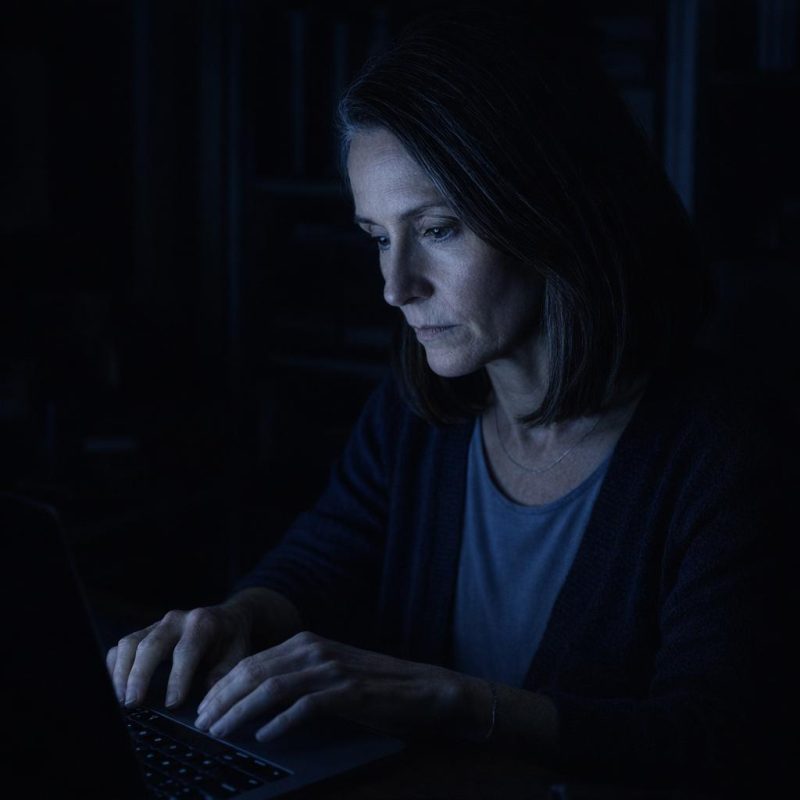 Image by RM AI
Thomas's Story
I called Thomas the next morning, and he picked up on the second ring. His voice was careful at first, measured, like someone who had learned to be cautious about this particular subject. He told me he'd been engaged to Vanessa four years ago. They'd met through mutual friends, dated for about eight months before he proposed, and for a while everything had seemed fine. Then, gradually, things shifted. His mother had opinions, he said — the way mothers do — and Vanessa had a way of reflecting those opinions back to him that made them sound like control. Sunday dinners became less frequent. Phone calls got shorter. He said he barely noticed it happening until he was already on the other side of it. Around the time they started wedding planning, she'd offered to help manage the joint account they'd opened for expenses. He'd thought nothing of it. A few months later he found transfers he hadn't authorized — not all at once, but steady, over time. By the time he understood what had happened, she was gone. He never recovered the money. His mother died fourteen months later, and they had never fully reconciled. I sat on the edge of my kitchen chair listening to him describe his life, and the details kept landing against mine — the same shape, the same sequence, the same slow erosion — each one clicking into place like something I had been afraid to name.
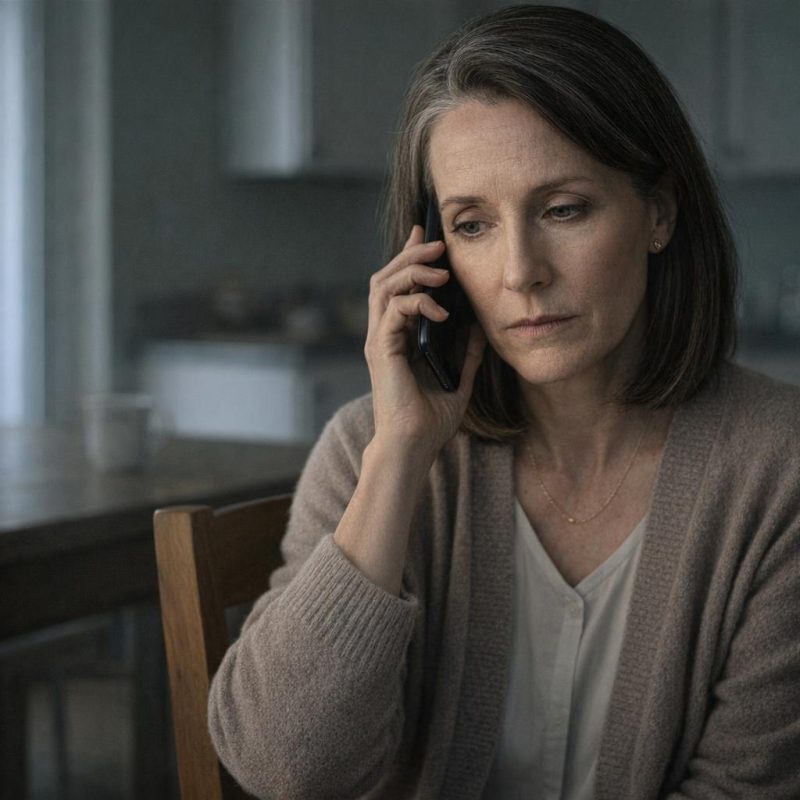 Image by RM AI
The Pattern Revealed
Thomas emailed me a folder of documents two days later — bank statements, transfer records, screenshots of messages. He also put me in touch with another man, David, who had a story that ran almost parallel: a deceased father, a close relationship with his mother, an engagement that ended with drained accounts and a severed family. Diane came over that evening and we spread everything across my kitchen table. We went through it piece by piece. The pattern was undeniable once you could see it laid out — Vanessa moved toward men who had lost their fathers and were tightly bonded with their mothers. She learned the family. She asked the right questions. She remembered the details that mattered. She made herself indispensable, then she made the mother into a problem, then she gained access to the finances, and then she was gone. Every man had described the same arc. Every mother had been painted the same way. Diane said it quietly, almost to herself: this wasn't impulsive, this was practiced. I looked at the table covered in other people's wreckage and I thought about the pot roast recipe, the weekend invitation, the way Vanessa had leaned in close and asked me what Mark had loved most as a little boy — and I understood that every single moment had been reconnaissance.
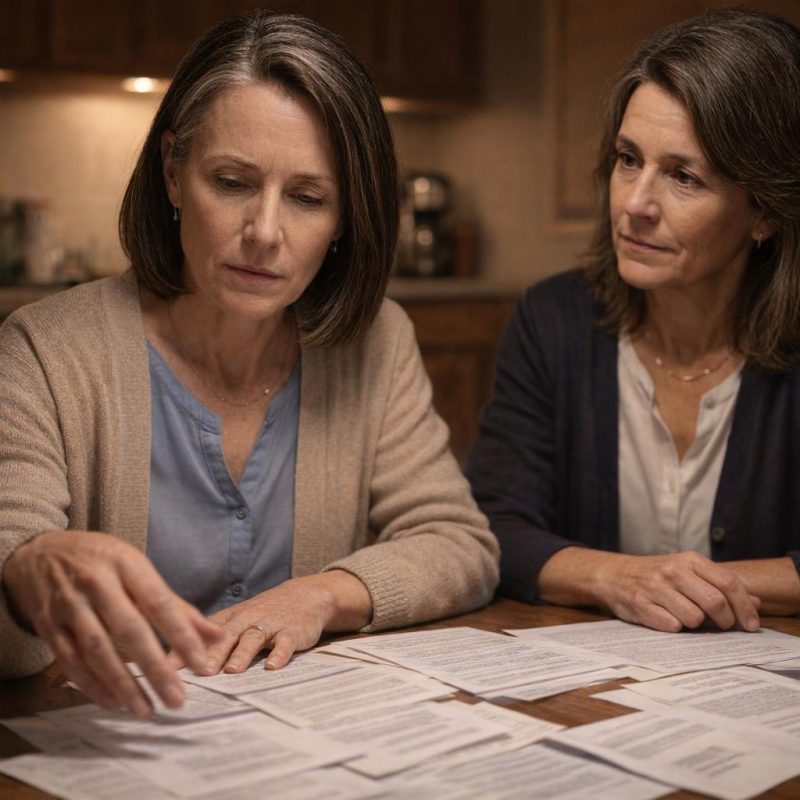 Image by RM AI
Reframing Everything
After Diane left I sat alone with the evidence still spread across the table and I went back through the past year in my head, but differently now. The afternoon Vanessa asked about Mark's favorite childhood meal — she'd tilted her head and smiled like she was just being thoughtful, and I had loved her for it. It wasn't thoughtfulness. It was inventory. The weekend getaway invitation, the one that had made me feel so included, so welcomed into their life together — that had come right before the distance started. I'd felt grateful for it. I understood now what it had actually been. The morning she answered Mark's phone and said he was in the shower, her voice easy and warm — she'd been learning the shape of his communications, who called, how often, what mattered. Every gesture I had read as warmth had been something else entirely. I felt nauseated in a way that had nothing to do with my stomach. She had studied us. She had walked into my home and sat at my table and asked me questions and I had answered every single one, happy to be asked, happy that she cared. I kept coming back to one specific afternoon — Vanessa sitting at my kitchen counter with a notepad, pen in hand, asking me to slow down so she could write the recipe down correctly.
 Image by RM AI
The Weight of Knowing
I didn't move from the living room for a long time after I finally gathered the papers into a pile. I just sat there. I thought about Thomas saying his mother died before they could reconcile, and the way his voice had gone flat when he said it, like that was the part he still couldn't fully touch. Mark was on the same road. I could see it now with a terrible clarity — the Sunday dinners already gone, the phone calls already shorter, the friends already drifting. Vanessa had legal access to nothing yet, but the wedding was four months away. After that, everything he had would be reachable. I thought about how close it already was, how much ground had already been covered without me understanding what I was watching. I wanted to call him. I picked up my phone and set it back down three times. He had stood up and walked toward the door the last time I tried to talk to him. He had told me I was being unfair. I didn't know how to reach someone who had already been taught to hear my voice as a threat. The evidence sat in a pile on the coffee table in front of me, and the room was very quiet, and I held what I knew the way you hold something that cannot be put back down.
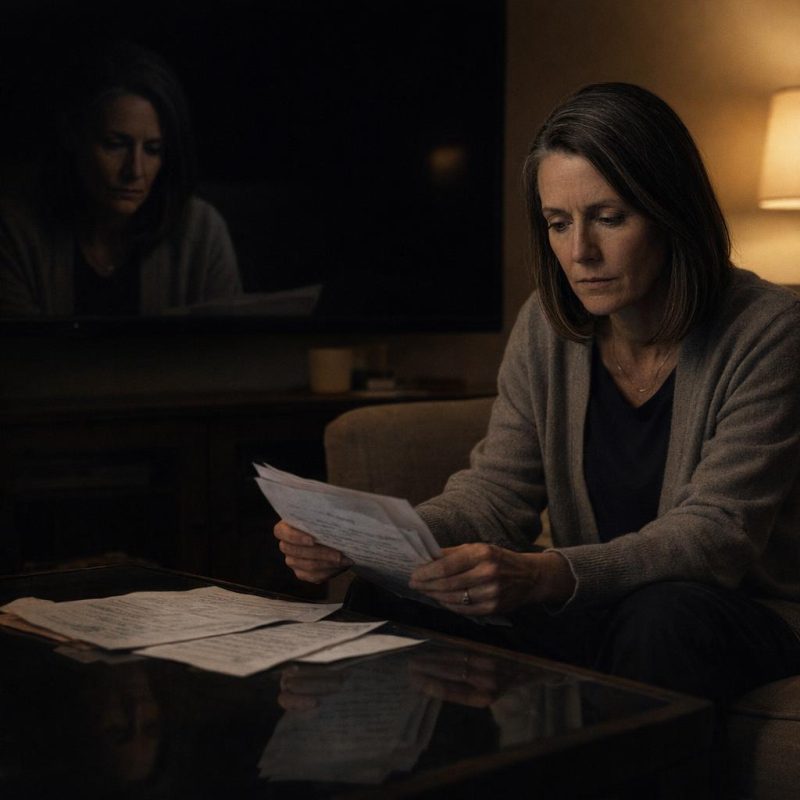 Image by RM AI
Building the Case
Patricia was at my door within an hour of my call, still in her coat, and Diane arrived twenty minutes later with her laptop already open. We sat at the kitchen table and we worked. Diane had started a timeline the week before — dates, inconsistencies, the employment gaps — and she pulled it up and walked us through it. We laid out Thomas's documents, the records from David's situation, the screenshots I'd saved. Patricia took charge of the organization the way she always does, sorting everything into categories: financial evidence, employment history, the testimony from both men. She found a set of tabbed folders in my office drawer and we filled them one by one. I practiced saying it out loud — what Vanessa had done, what the pattern showed, what was at stake — and the first two times my voice broke and Patricia just waited until I was ready to try again. She said Mark was going to push back. She said we had to make it impossible to dismiss. Diane printed the last of the screenshots and added them to the stack, and I watched the folder grow thicker under my hands, page by page, and felt the strange, grim steadiness of someone who has run out of time for anything except what has to be done.
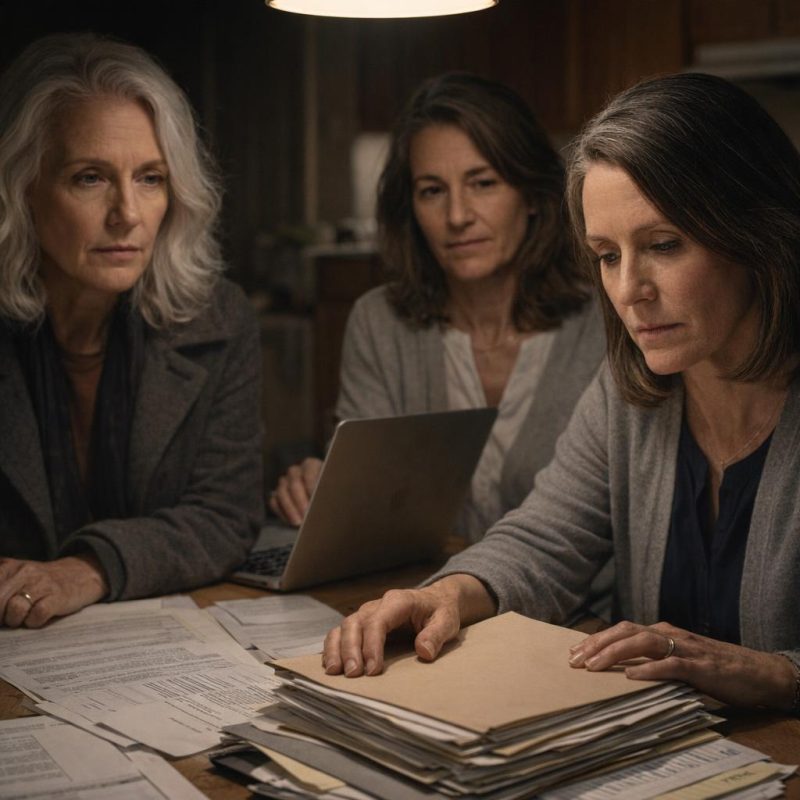 Image by RM AI
The Request to Meet
I waited two days before I called him. I needed to be steady when I did it — not crying, not shaking, not the version of myself that had been falling apart at the kitchen table with Patricia and Diane. I needed to sound like his mother, not like someone who was terrified of losing him. When he picked up, his voice was careful in a way it had never been with me before, and that alone nearly broke my composure. I told him I needed to see him in person. I said it was important. I said I needed him to come alone. There was a silence that stretched long enough that I started counting my own heartbeats. Then he asked if this was about Vanessa again. I said, please, just come. I told him I wouldn't take long and I wouldn't make it a fight. I just needed him to sit with me for an hour. I spent the rest of that day going over the folder, rehearsing what I would say, trying to find the version of the truth that would reach him without pushing him further away. I knew I might only get one shot at this. And then my phone lit up with his name, and the message said he would come tomorrow evening.
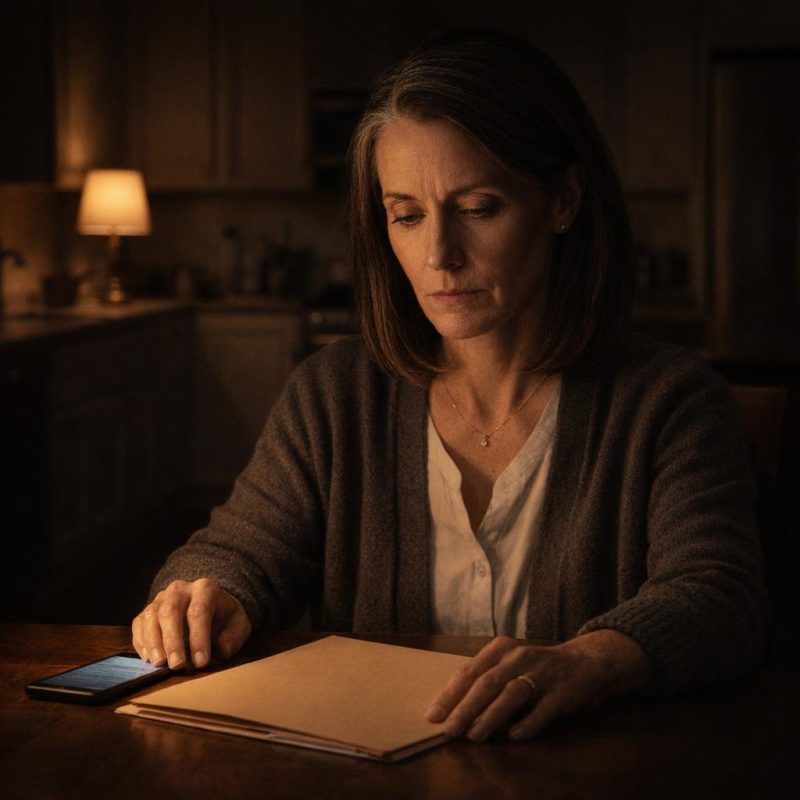 Image by RM AI
Showing Him the Truth
He arrived looking like he hadn't slept well, his jaw set and his eyes already braced for something unpleasant. I asked him to sit down. I told him I just needed him to listen, and that I would show him everything and let him draw his own conclusions. He sat, arms crossed, and I set the folder on the table between us. I walked him through it slowly — Thomas's account first, then the financial records, then the second man whose story Diane had found, then the timeline I had built showing how the pattern matched, beat for beat, what was already happening in his own life. I watched his face as he read. The color drained out of it somewhere around the third page. His hands tightened on the documents. He kept saying there had to be an explanation, that these were strangers, that he didn't know where any of this had come from. But he kept reading. He didn't put the folder down. His voice got quieter the further he got, and at some point he stopped offering explanations altogether and just sat there, staring at the timeline, his hands not quite steady against the paper.
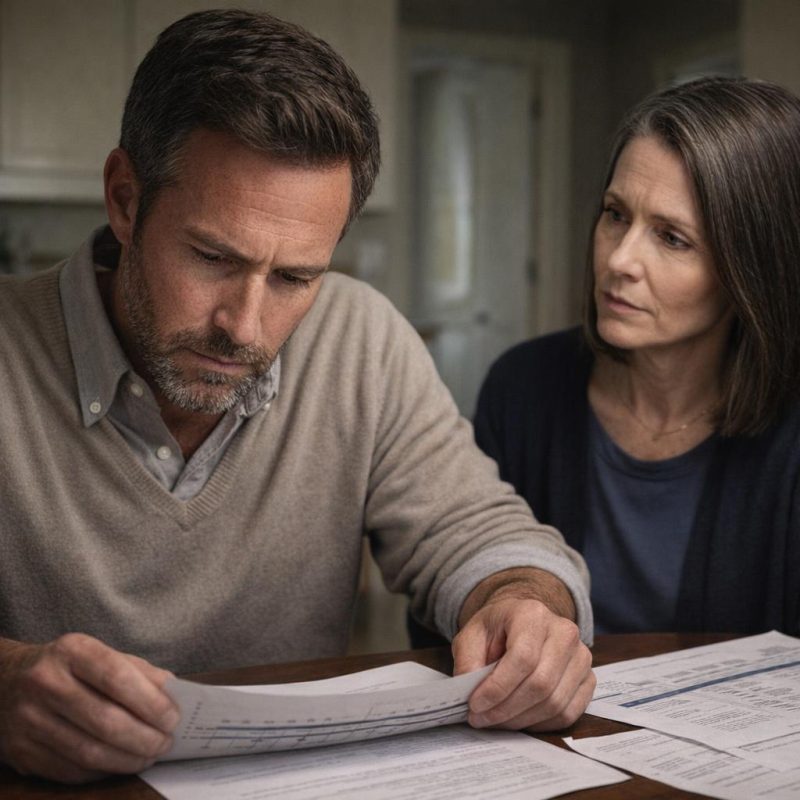 Image by RM AI
The Denial
Then he stood up. He pushed the folder back toward me and said it was all circumstantial. He said Vanessa had already told him about the employment gap — it was a family matter, something private, and she hadn't wanted to get into it. I asked him, as gently as I could, whether he had verified any of it. He said he trusted her and he didn't need to verify anything. His voice had an edge I hadn't heard from him before, something brittle underneath the certainty. I told him I understood that. I told him trust was good and I wasn't asking him to stop trusting her — I was asking him to look at the pattern. He said I was looking for problems because I didn't want him to get married. He said I had never really given Vanessa a chance. I felt something crack open in my chest, because I had. I had tried so hard. I begged him to at least call Thomas himself, just one conversation, just to hear it from someone who had no stake in his life. He said he didn't need to talk to anyone. He was breathing hard, his shoulders up near his ears, and he looked like a man who was fighting very hard not to see something he had already started to see. That was the part that hurt the most — knowing he was right there, and watching him turn away from it anyway.
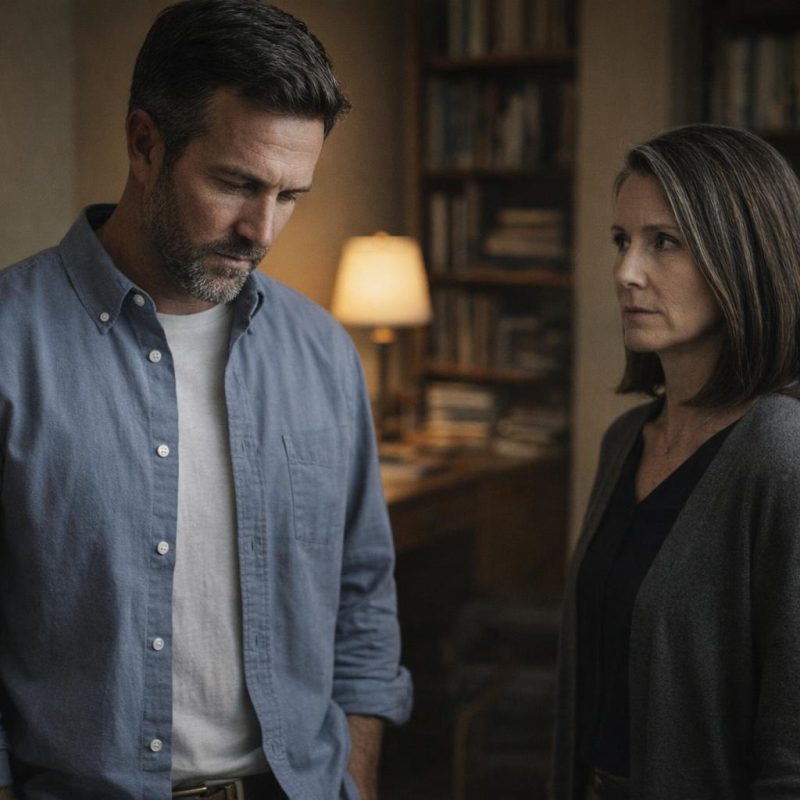 Image by RM AI
The Accusation
He turned back toward me and said I had always been too involved in his life. He said I couldn't handle him having someone else, that I had never been able to let go, that this whole thing was about my inability to accept that he was building something without me. I went very still. The words were coming out of his mouth, but they didn't sound like him. Mark had never talked to me that way — not once in thirty-two years, not even in the worst moments after his father died. The phrasing was too smooth, too complete, like something that had been rehearsed. I asked him quietly if Vanessa had said those things to him. He stopped. There was a flicker of something across his face — not anger, something more complicated than that. Then he said it didn't matter who said it first, that it was still true. He said I was trying to control him by making Vanessa look bad, and that I needed to understand that she was his future. I tried to reach him. I said his name. But he was already pulling back, already retreating behind something that wasn't entirely his own. Those words — her words, in his voice — settled over the room like a weight I couldn't lift.
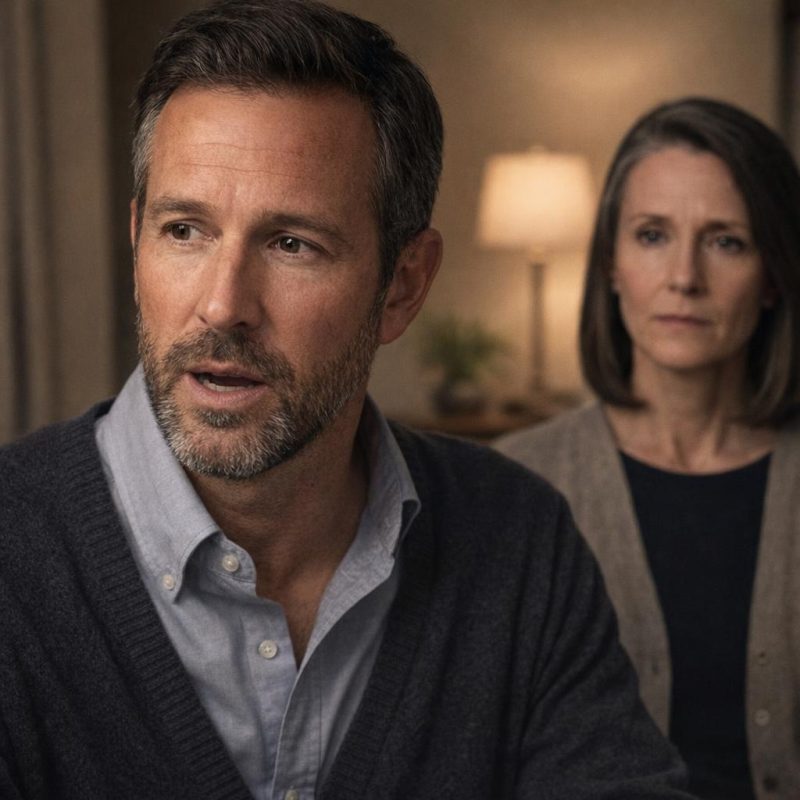 Image by RM AI
The Final Push
I asked him to wait. He had his hand on the back of the chair, ready to leave, and I asked him to just give me one more minute. I told him about the night his father died — how we had sat together in that hospital hallway for four hours, just the two of us, and how I had promised him that I would always tell him the truth even when it was hard. I said that was what I was doing now. I wasn't trying to take anything from him. I wasn't trying to control who he loved. I was trying to keep him safe the way I had always tried to keep him safe, and I needed him to believe that even if he didn't believe anything else I'd said. I asked him for one thing. Just one. Call Vanessa's previous employer and check the dates she had given him. That was all. Not a confrontation, not an accusation — just a phone call to confirm what she had told him. His jaw was tight and his eyes were wet and he looked like a boy I recognized from a very long time ago. He said he needed to go. He picked up his keys and walked toward the door, and the folder stayed on the table where I had left it, untouched, in the silence that came after.
 Image by RM AI
The Breaking Point
He stopped at the door and turned back. He said I was being unfair. He said I was jealous of what he had with Vanessa and I couldn't stand to see him happy with someone who wasn't me. His voice cracked on the last word and I think he knew, somewhere underneath all of it, that he was saying things that didn't belong to him. I tried one more time. I said his name and I told him I loved him and that nothing I had shown him tonight came from anything except that love. He shook his head. He said he couldn't do this anymore, that every conversation with me had become about Vanessa, that he was exhausted. I told him I understood. I told him to take whatever time he needed. He looked at me for a long moment — and I thought, for just a second, that something was going to shift. Then he said he needed space from me, that he couldn't be around me right now, and he walked out and pulled the door shut behind him.
 Image by RM AI
Vanessa's Escalation
I called him the next morning and it rang through. I called again that evening and it went straight to voicemail. Patricia tried from her number and got nothing back. I told myself he needed time, that this was the anger talking, that he would come back around once the dust settled. Then I saw the post on Vanessa's social media — a photo of the two of them, soft light, her head on his shoulder, and a caption about protecting their peace and knowing who truly supports your growth. I stared at it for a long time. Three days passed. Then my phone buzzed with a voicemail from a number I didn't recognize at first. It was Mark. His voice was flat and measured in a way that didn't sound like him at all, like someone reading from a script they had memorized. He said Vanessa had been right about me all along. He said I was trying to sabotage their relationship because I couldn't let go of him. I listened to it five times, standing in my kitchen, and each time I heard it I heard her — her cadence, her phrasing, her conclusions — coming out of my son's mouth.
 Image by RM AI
The Space He Needed
Four days after the voicemail, my phone rang from a number I didn't have saved. I answered on the second ring. It was Mark. He said he had been thinking about everything and he had made a decision. His voice was quiet and deliberate, and there was a distance in it I had never heard before — not anger anymore, something worse than anger, something that sounded like a door being closed from the other side. He said he needed space from me indefinitely. He asked me not to call, not to come by, not to reach out through Patricia or anyone else. I asked him — I kept my voice as steady as I could — if I could at least know that he was safe. He said he was fine and that Vanessa was taking care of him. I told him I loved him. The line went quiet for a moment, and then it clicked off. That distance in his voice — flat, resolved, with nothing left in it that sounded like mine — was the last thing I heard.
 Image by RM AI
The Desperate Move
I waited four days after that phone call before I accepted that there was no direct path left to him. Every number I had for Mark went to voicemail. Every message sat unread. So I did the thing I had told myself I wouldn't do — the thing I knew could blow up in my face and make everything worse. I called his office. I asked the receptionist for his supervisor by name, a man I'd met once at a company holiday party two years ago. When he came on the line, I kept my voice steady and I told him that my son was in a dangerous situation and that I had documentation he needed to see. I didn't use words like manipulation or fraud out loud — I just said I had evidence of serious financial misconduct involving someone close to Mark, and that I was afraid he wouldn't see it through normal channels. I sent the email while we were still on the phone — every scan, every document, Thomas's written account, the bank records Diane had helped me compile. There was a long pause on his end. Then he said he would make sure Mark saw it.
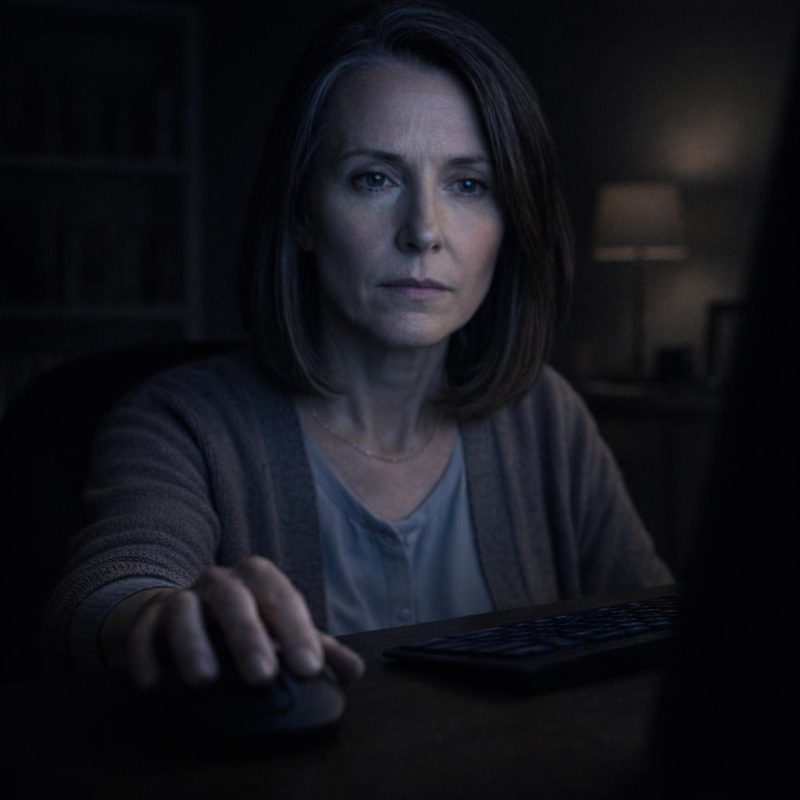 Image by RM AI
The Silence
Three weeks passed and my phone never rang with his name on the screen. I kept it charged and close — on the nightstand, on the kitchen counter, in my cardigan pocket when I walked to the mailbox. Patricia came over most evenings and we sat together without talking much, which was its own kind of kindness. Diane checked in every morning, a short text that just said she was thinking of me, and I was grateful for it even when I couldn't respond. One afternoon I drove past Mark's house without planning to. Vanessa's car was in the driveway. I didn't slow down. I didn't know if the email had reached him, or if his supervisor had handed it over, or if it had simply made Vanessa's case against me stronger. I didn't know if I had helped or made everything worse. The Sunday dinner table stayed empty. His chair was there, pulled in the same way I always left it, and I couldn't bring myself to move it. I had done everything I could think to do, and now there was nothing left but the waiting — and the particular kind of grief that has no name because the person you're mourning is still alive.
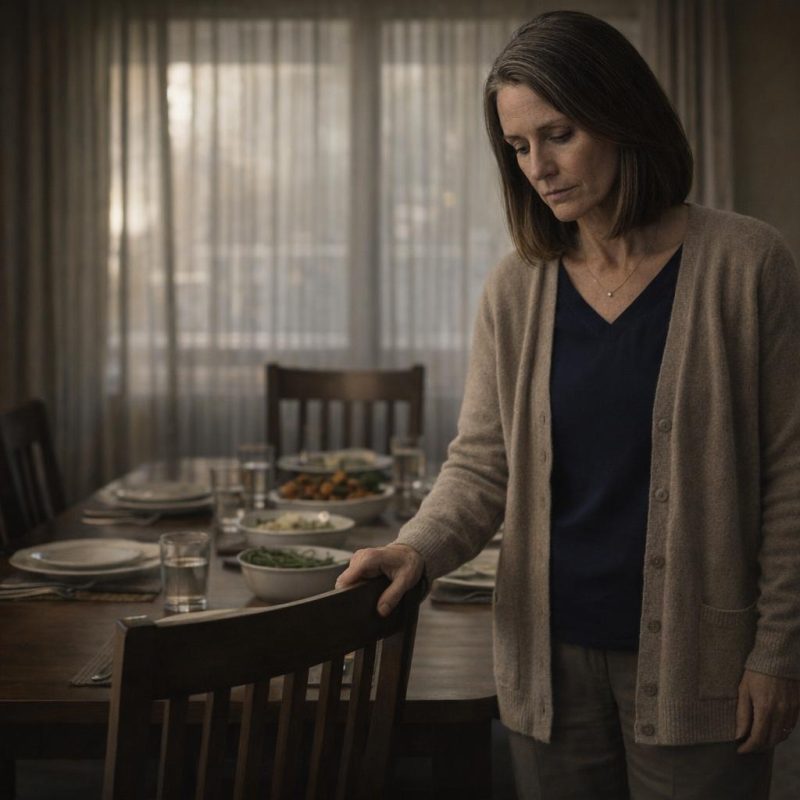 Image by RM AI
The Return
The knock came at ten-thirty on a Tuesday night. I wasn't asleep — I hadn't been sleeping well in weeks — and I crossed the living room with my heart already in my throat. When I opened the door, Mark was standing on the porch in a jacket he'd grabbed in a hurry, his face drawn and pale and exhausted in a way I hadn't seen since the days right after his father died. He said, "I got the emails, Mom." His voice cracked on the second word. He told me he'd started pulling at threads after that — calling Thomas himself, going through Vanessa's documents, checking the joint account she'd opened in both their names without telling him. He said she'd transferred money twice already. When he confronted her, she admitted parts of it, and then she was gone — bags packed, car out of the driveway, phone going straight to voicemail. He stood there in my doorway looking like something in him had been hollowed out, and I pulled him inside and held him the way I had the morning we stood in a hospital corridor and the doctor told us his father wasn't coming back. He said he was sorry. I told him it didn't matter. He was home, and for a long moment neither of us moved.
 Image by RM AI
The Long Road Back
The weeks that followed were quiet and careful, the way things are when you're both trying not to break something fragile. Mark moved back into his house after Vanessa disappeared. He filed a police report and spent long hours on the phone with his bank working to recover what she'd taken. We talked — really talked — for the first time in months, sitting at my kitchen table with cold coffee between us, going over everything. He apologized for not listening. I told him I was sorry too, that I hadn't found the words sooner, that I'd let my fear of losing him slow me down when he needed me to be faster. We both understood it would take time. The closeness we'd had wasn't quite back yet — there were moments when I could feel the distance Vanessa had carved between us, still there like a scar — but we were finding our way. Patricia and Diane came for Sunday dinner three weeks after he came home. Mark and I made pot roast together, the same recipe his grandmother had used, and the kitchen smelled the way it used to. When we all sat down, the table felt full again. The next morning, my phone rang during the early commute hour, and Mark's name was on the screen.
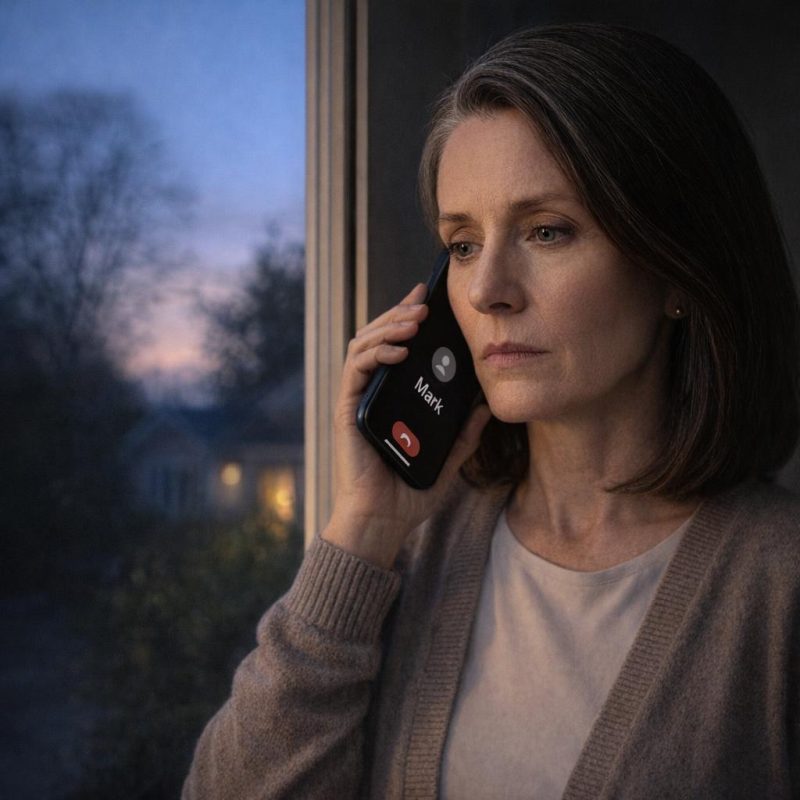 Image by RM AI