
The Weight of Silence
The cemetery was quiet in the way that only cemeteries can be — a stillness that feels imposed rather than natural. Jordan stood at the edge of the gravesite with hands folded, watching the minister's lips move through the final words of the service. Awake since four in the morning, and somewhere between the drive over and the first hymn, the grief had gone flat. Not gone. Just flat. Marcus stood a few feet to Jordan's left, shoulders back, jaw set, the picture of composed mourning. Chloe was beside him, dabbing at her eyes with a folded tissue in a way that felt practiced. Vanessa had positioned herself slightly apart from the rest of them, sunglasses on despite the overcast sky, one hand resting on her forearm like she was posing for something. Jordan didn't judge any of it. People grieve in the ways they know how, and Jordan wasn't sure the stillness looked any more genuine from the outside. The minister closed his book. Someone nearby pressed a button, or pulled a lever — no one saw who — and the casket began its slow, mechanical descent into the ground.
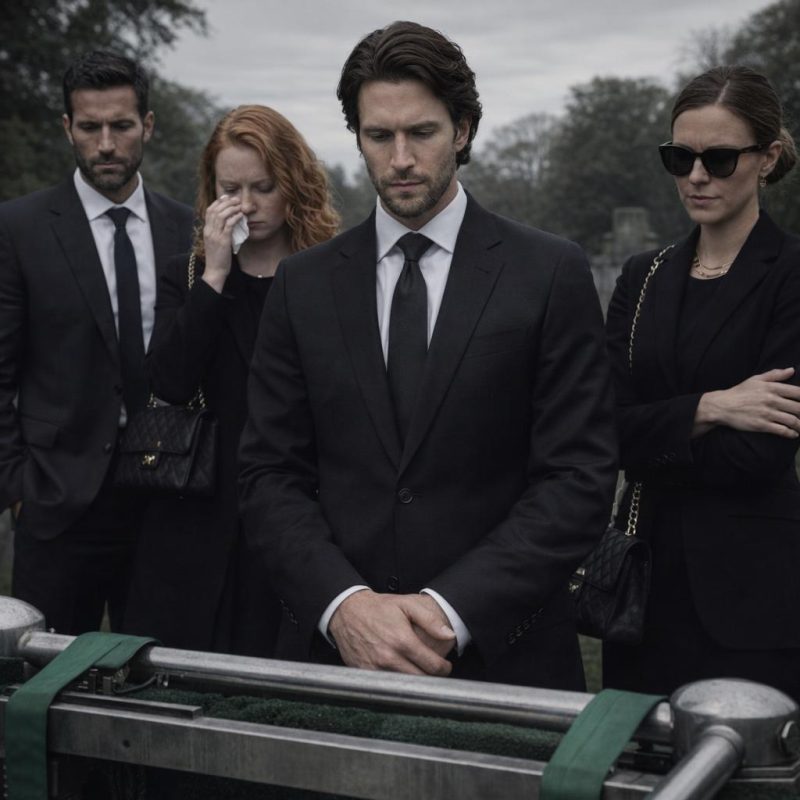 Image by RM AI
The Reading Begins
Edward's office was the kind of place that made you lower your voice without being asked — dark wood paneling, framed diplomas, the faint smell of old paper and leather. Jordan arrived a few minutes early and took a seat on the far side of the conference table, across from where Marcus and Chloe had already settled in together. Vanessa came in just behind, glanced around the room like she was appraising it, and chose the chair closest to the window. Nobody spoke much. Edward introduced himself with the measured calm of someone who had done this hundreds of times — family lawyer, executor of the estate, here to carry out the terms as written. He explained the process briefly: he would read the document in full, there would be time for questions at the end, and he asked that everyone hold their reactions until he had finished. Vanessa was already on her phone before he'd finished the sentence. Marcus leaned back in his chair with the easy confidence of someone who expected good news. Jordan kept both hands flat on the table and tried to look like the minutes weren't being counted. Then Edward reached into his briefcase and set a leather portfolio on the table, thick with sealed envelopes.
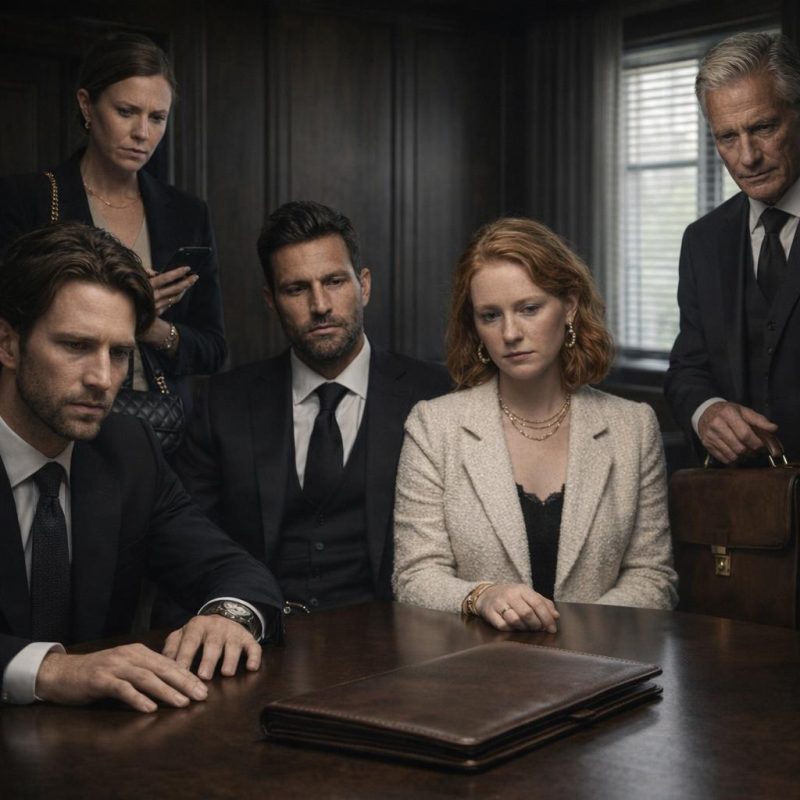 Image by RM AI
Standard Provisions
Edward opened the portfolio and began reading in a steady, unhurried voice. The first several pages were exactly what Jordan had expected — standard legal language about the validity of the document, the appointment of the executor, instructions regarding outstanding debts and tax obligations. He read a clause about the maintenance of the family property in its current condition. He read another about a standing charitable donation to a local hospital foundation that the grandfather had supported for decades. Jordan nodded slightly at that one. It sounded like him. Marcus shifted in his chair about ten minutes in, crossing and uncrossing his legs. Chloe leaned toward Vanessa and whispered something that didn't quite carry, though Vanessa's small, impatient exhale was audible. The restlessness was understandable. The language was dense and repetitive in the way legal documents always are, each clause carefully constructed to close every possible gap. Jordan kept attention on Edward and tried to follow each provision as it came. There was something almost comforting about the formality of it — the sense that everything was proceeding in the correct order, that the right words were being said in the right sequence. The formal language settled over the room like dust.
 Image by RM AI
The First Names
Edward set aside the preliminary pages and picked up the next section. His voice didn't change — same measured pace, same careful enunciation — but the room shifted slightly when he said Marcus's name. Marcus Blake would receive three million dollars in cash, to be distributed within ninety days of probate. Jordan watched Marcus sit up straighter in his chair, a slow smile spreading across his face like he'd been waiting for permission to feel it. Edward continued without pausing. Chloe Blake would receive two point five million dollars under the same terms. Chloe made a small sound — somewhere between a gasp and a laugh — and pressed both hands over her mouth. Vanessa reached over and squeezed her arm. Then Edward read Vanessa Hartley's name and the figure of two million dollars, and Vanessa's chin lifted almost imperceptibly, the way someone does when they've just been confirmed in something they already believed. Jordan sat with both hands still flat on the table and waited. The name would come next. It made sense that it would come next. The figures were substantial, and there was no reason to think the pattern would break. The numbers settled into the silence, and Jordan kept waiting.
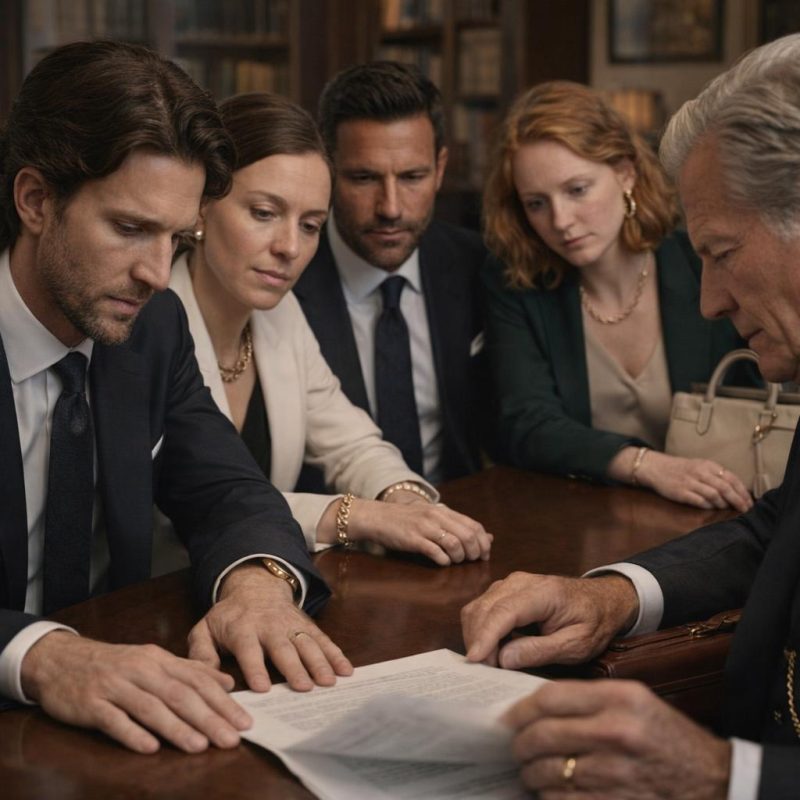 Image by RM AI
The Omission
Edward kept reading. There were smaller bequests — a distant cousin in another state, a longtime family friend, a modest sum to the church where the grandfather had been a member for forty years. Jordan listened to each name as it came, and none of them were the right one. There was probably a separate section, Jordan thought. A different category. Maybe the property was handled differently from the cash, and the name would appear there. Edward's voice moved through the remaining items at the same unhurried pace, and Jordan tracked each sentence the way you track a train you're supposed to be on, watching it slow and then stop and then start moving again without you. The chest had gone tight somewhere in the middle of the church bequest, and the effort to keep breathing even was real. Marcus had stopped smiling and was now watching Edward with a different kind of attention. Chloe had gone very still. Jordan kept eyes on the table and held on to the thought that there was still time, still another page, still another envelope in that portfolio. Then Edward's voice settled into a closing cadence, and the soft sound of the document being set face-down on the table followed.
 Image by RM AI
Eyes on Him
The silence that followed was the kind that has weight. Not the comfortable quiet of a room between conversations, but something denser — the kind that presses. Jordan kept eyes on the middle distance and focused on keeping the face still. Movement registered in the peripheral vision before it was fully processed: Marcus turning in his chair, his gaze settling on Jordan with an expression that was difficult to read. Then Vanessa, glancing between Jordan and Edward with her eyebrows raised, as if waiting for a correction that wasn't coming. Chloe's mouth had come open slightly, and she was staring in a way that felt less like concern and more like fascination. Edward remained focused on the documents in front of him, methodically straightening the edges of the pages, not looking up. Jordan kept the expression neutral. Enough years in professional settings had taught how to hold a face when something unexpected happened, and every bit of that was being used now. Not looking at Marcus. Not looking at Chloe. Attention fixed on a point just above Edward's shoulder. Every pair of eyes in that room had turned toward Jordan.
 Image by RM AI
The First Cut
Marcus cleared his throat. It was a deliberate sound — the kind that announces itself before the words do — and Jordan's jaw tightened before he'd said anything at all. He leaned back slightly in his chair and said, in a tone that was almost conversational, that grandfather had always been a man who knew his own mind. That he clearly had his reasons for the choices he made. The words themselves were neutral enough. It was the delivery that carried the edge — the slight pause before 'his reasons,' the way his eyes stayed on Jordan the whole time, steady and almost amused. Jordan's face felt warm. It stayed still anyway. Chloe looked down at her hands in her lap, which Jordan noticed but didn't interpret. Vanessa's lips curved at the corner — just slightly, just enough — as she watched Jordan absorb it. Edward continued shuffling papers at the far end of the table, his attention apparently fixed on the documents, giving no indication that he'd heard anything worth acknowledging. Jordan said nothing. There was nothing to say that would have helped in that room. Then Marcus laughed — a short, quiet sound — and said something about grandfather always having had good judgment about people.
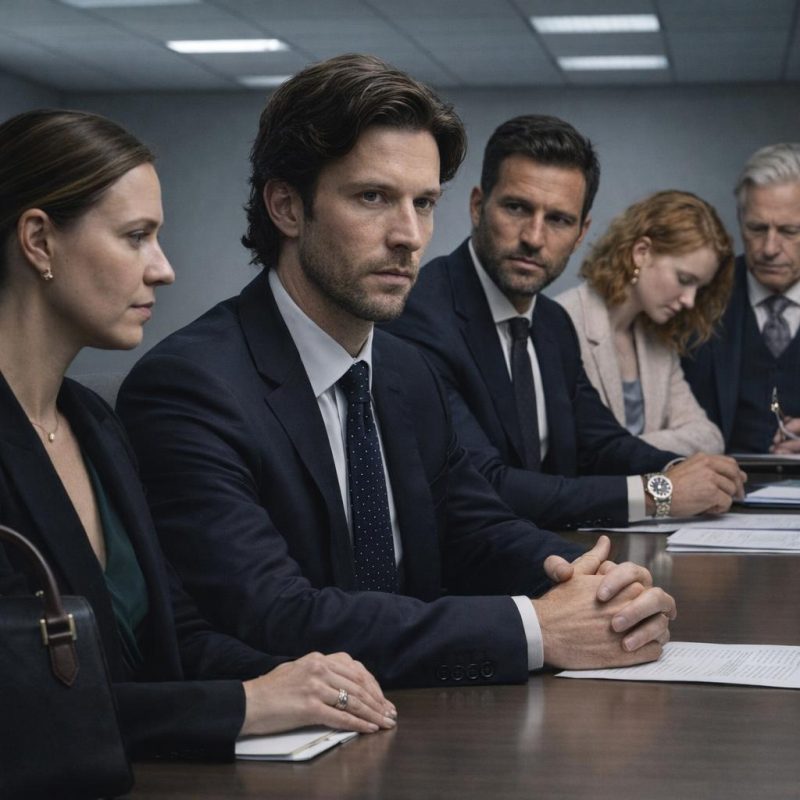 Image by RM AI
Vanessa's Addition
Vanessa let the laugh fade before she spoke. She adjusted the bracelet on her wrist — a slow, deliberate movement, the kind that buys time while still looking composed — and then said, almost gently, that grandfather had always placed a great deal of value on certain qualities. Drive. Ambition. A particular kind of presence in the world. She didn't look at Jordan when she said it. She looked at the middle of the table, as if she were simply making an observation about the weather. But the implication sat in the room like something solid. Marcus nodded once, the way you nod when someone has said the thing you were thinking but were too polished to say yourself. Jordan kept the gaze fixed on a point on the wall just past Vanessa's shoulder — a small scuff in the paint that had been serving as an anchor for the last several minutes. Chloe said nothing, which in its own way was its own kind of answer. Edward organized the remaining documents into a neat stack at his end of the table, his movements unhurried and precise, as if the conversation happening around him were simply ambient noise. Jordan sat with the sting of her words and did not move.
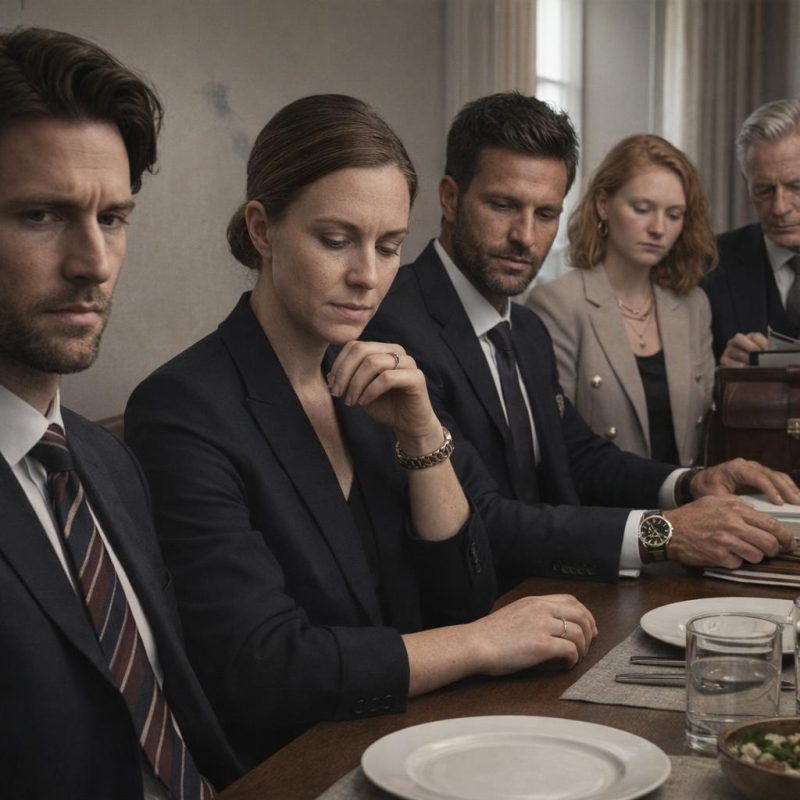 Image by RM AI
Chloe's Whisper
Chloe leaned in close to Vanessa, one hand raised to shield her mouth, and said something Jordan couldn't catch. Whatever it was, Vanessa's eyes widened just slightly — a small, controlled reaction, the kind that still manages to communicate everything. She nodded once, and then both of them turned their heads toward Jordan at the same moment. It lasted maybe two seconds. Then they looked away, and the conversation resumed as if it had never paused. Marcus checked his watch, already somewhere else in his mind, already done with this room. Edward cleared his throat from his end of the table, a quiet, professional sound that briefly pulled the air back to order, though no one seemed particularly interested in order anymore. Jordan kept his expression neutral and his eyes forward. He found himself turning over the same question he'd been circling since Edward had read the final line of the will — what his grandfather had been thinking, what calculation or conclusion had led him here. He didn't have an answer. What he had instead was the particular, airless feeling of being talked about by people sitting close enough to touch.
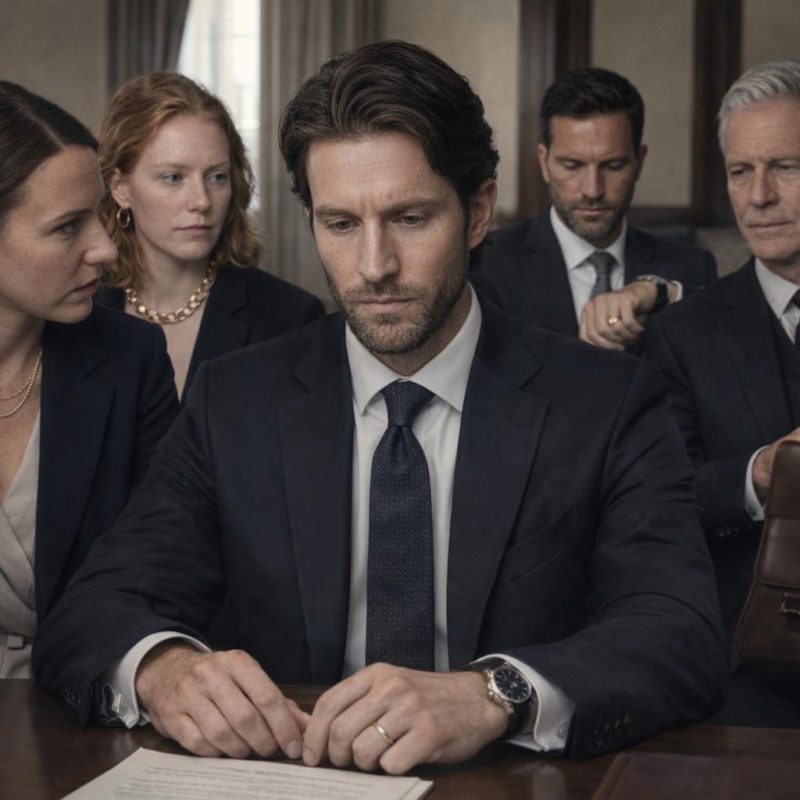 Image by RM AI
Alone in the Crowd
The reception area of the law office was all pale carpet and framed prints, a table along one wall set with coffee and small pastries that no one seemed to be eating with any real appetite — except Marcus, who had already claimed a position near the center of the room like he was hosting. Jordan drifted toward the window. Outside, the street moved at its ordinary pace, indifferent to everything that had just happened on the floor above it. A server came by with a tray and offered coffee. Jordan took a cup and held it without drinking, something warm to do with his hands. Across the room, Marcus was talking, and Chloe was laughing at something he'd said, and Vanessa had her phone out but kept glancing up to add to the conversation. They were animated in a way Jordan hadn't seen from them in years — loose and easy, the way people get when something has gone exactly the way they wanted. No one came over. No one caught Jordan's eye and waved him in. The three of them stood close together, shoulders angled inward, and the circle they made had no opening in it.
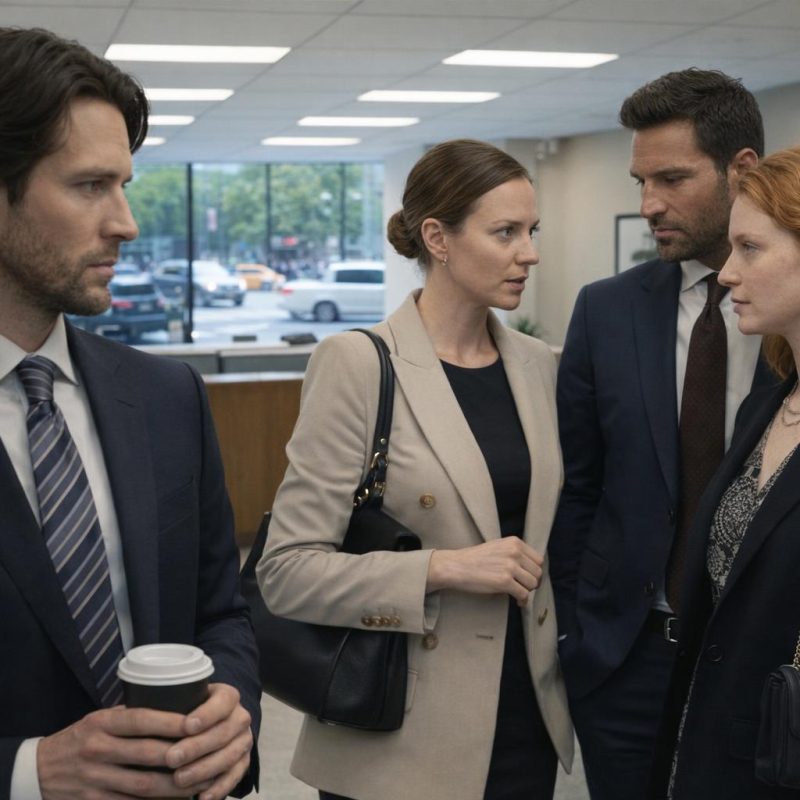 Image by RM AI
Dreams and Plans
Jordan stayed near the window long enough to stop being invisible and become furniture — just another fixed point in the room that no one needed to account for. That was when the voices came through clearly. Vanessa was talking about the Hamptons, something about a property she'd had her eye on for two years, how the timing had finally worked out. Chloe said she deserved it, and meant it as a compliment. Marcus mentioned a portfolio manager he'd already been in contact with, then pivoted to something about a storage facility for assets he hadn't purchased yet. Jordan sipped his coffee and kept his gaze on the window. Chloe said something about finally being able to live the way she'd always known she should be living, and Vanessa laughed in agreement. They weren't whispering. They weren't making any effort to lower their voices, and why would they — there was nothing in their conversation that required discretion. Two million here, a property there, a portfolio, a lifestyle. The numbers moved through the air between them as lightly as if they were discussing weekend plans.
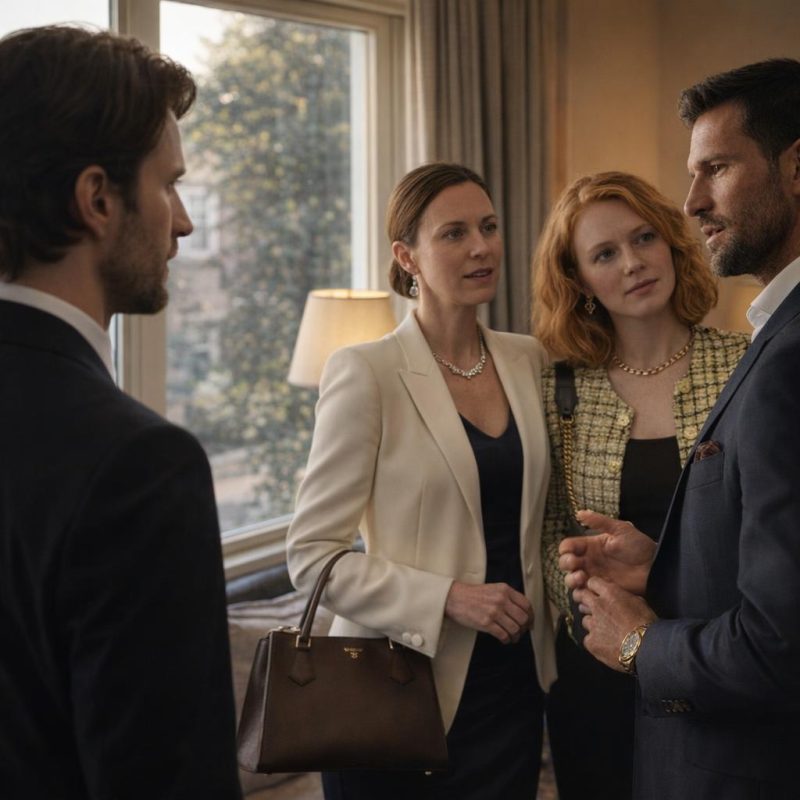 Image by RM AI
The Yacht
Marcus set his coffee cup down on the edge of the table with a small, decisive click and straightened up to his full height. He had the posture of someone about to make an announcement, and the room — or at least the corner of it that mattered to him — seemed to sense it and quiet down. He said he'd been doing some thinking, and that he'd already pulled up listings on his phone during the reading, and that he was putting a deposit down on a forty-foot yacht before the end of the week. Chloe made a sound that was somewhere between a gasp and a squeal. Vanessa said something about finally, as if this had been a long time coming. Marcus described the layout — the cabin, the deck space, the range — with the fluency of someone who had memorized the brochure. Then he looked at Chloe and said she had to be there for the first voyage, and turned to Vanessa and said the same. He described the route he was already planning. His gaze moved around the small circle, landing on each face in turn — and then it moved past Jordan, smooth and uninterrupted, as if Jordan were part of the wall behind him.
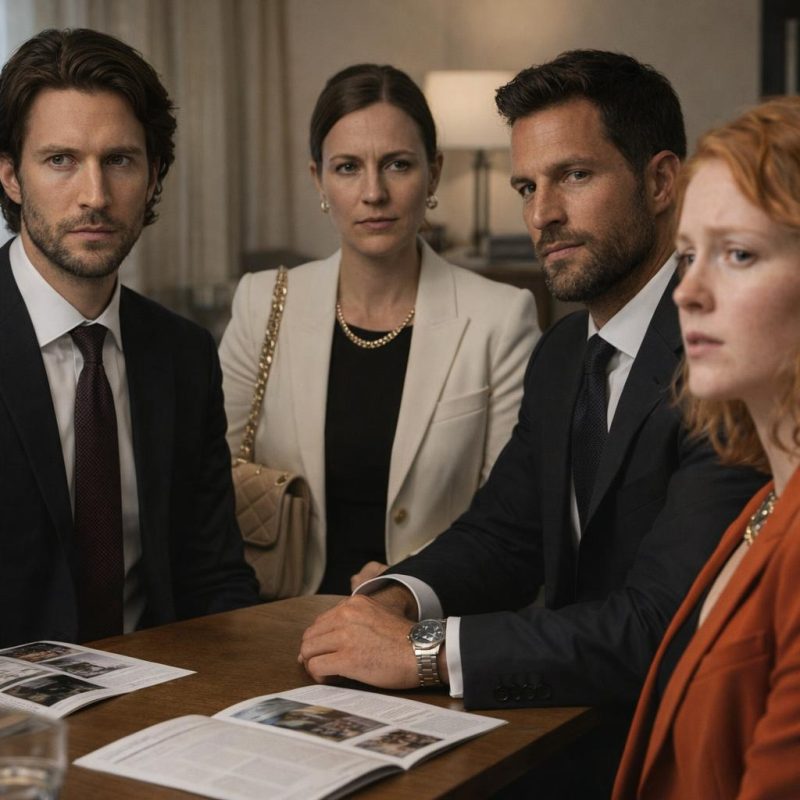 Image by RM AI
European Dreams
Vanessa had her phone out again, and this time she was showing Chloe something on the screen — a boutique, from what Jordan could see, all marble floors and soft lighting. She said Paris first, then Milan, then London, and she said it the way someone reads from a list they've already memorized. Chloe leaned in and asked if she could join for part of it, and Vanessa said they'd figure it out, which in their language meant yes. Jordan was standing close enough to hear all of it, pretending to scroll through his own phone, though the screen had stayed dark. Vanessa mentioned private shopping appointments, a designer whose atelier didn't take walk-ins, a hotel in the seventh arrondissement she'd been saving for an occasion worth the rate. Chloe asked about the budget, and Vanessa said two million goes surprisingly far in Europe if you know where to go, and laughed a little at her own answer. Jordan looked at his phone screen, dark and unhelpful. There was nothing performative about their conversation — no cruelty in it, not exactly. They were simply happy, and the happiness had a shape that didn't include him, and they had long since stopped noticing.
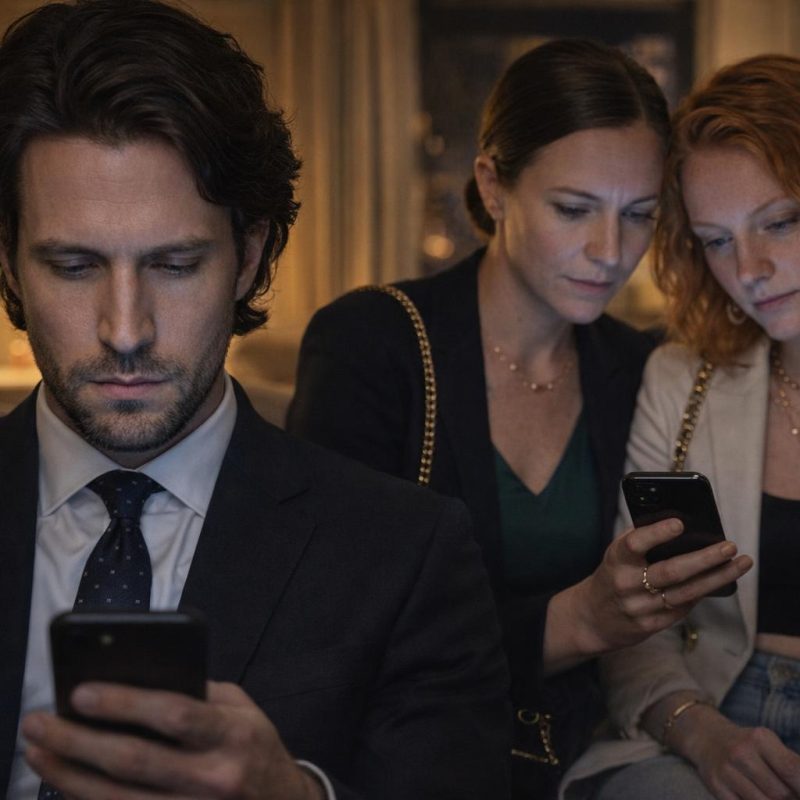 Image by RM AI
The Sports Car
Chloe pulled up the photos without any preamble — just turned her phone outward and held it up so Marcus and Vanessa could see. A red convertible, low and sharp-lined, the kind of car that exists to be looked at. Marcus leaned in and asked about the engine specs, and Chloe rattled them off with a confidence that suggested she'd been researching this for longer than today. Vanessa said it suited her, and she meant it as the highest possible compliment. Chloe said she'd already called the dealership that morning, before the reading, and that she was going in tomorrow to finalize. Marcus made a joke about racing his yacht against her car, and Vanessa laughed, and Chloe laughed, and the sound of it filled the corner of the room they occupied. Jordan stood at the edge of their circle, close enough that moving away would have been its own kind of statement, so he stayed. No one turned to include him. No one made the small social gesture of angling a shoulder outward. The laughter continued, bright and uncomplicated, and Jordan held his empty coffee cup and stood in the warmth of it without being part of it at all.
 Image by RM AI
Comparisons
Jordan decided to get some air and started moving toward the exit, taking the long way around the edge of the room to avoid cutting through the center. Near the doorway, a small cluster of relatives Jordan recognized but rarely spoke to were talking in the lowered voices people use when they think they're being discreet. Jordan wasn't trying to listen. He caught it anyway. Someone said Marcus had always been the ambitious one — said it warmly, admiringly, the way you'd describe a quality you wished you had. Vanessa's voice came in underneath it, smooth and certain: some people just have what it takes. There was a pause, and then a voice Jordan didn't immediately place said something about never quite fitting in, and the pause that followed had a shape to it, a small, weighted silence that told him the comment had landed exactly where it was aimed. Marcus said nothing. Jordan kept walking. He didn't slow down, didn't turn his head, didn't give anyone the satisfaction of knowing he'd heard. He made it to the edge of the room and stopped near the door, and then a voice he hadn't expected cut through the ambient noise of the reception — clear, unhurried, and aimed directly at him.
 Image by RM AI
The Lawyer's Gaze
Jordan turned toward the sound and found nothing there — he'd misread the noise of the room, caught a stray syllable and shaped it into something it wasn't. But the turning had done something useful: it brought Edward into his line of sight. The lawyer was standing near the doorway that led back toward the conference rooms, slightly apart from everyone else, the way he'd been all afternoon — present but not participating, watching without appearing to watch. Except that now he was watching Jordan directly. His expression was composed, the same careful neutrality he'd maintained through the entire reading, but there was something in the steadiness of his gaze that felt different from professional detachment. Jordan couldn't have said what it was. Edward wasn't frowning. He wasn't signaling anything Jordan could name. Jordan held his gaze for a moment, uncertain whether he was reading something into nothing, the way a person does when they're looking for meaning in a room that's offered them very little. Then Edward gave a single, small nod — deliberate, unhurried, and aimed at no one else in the room but Jordan.
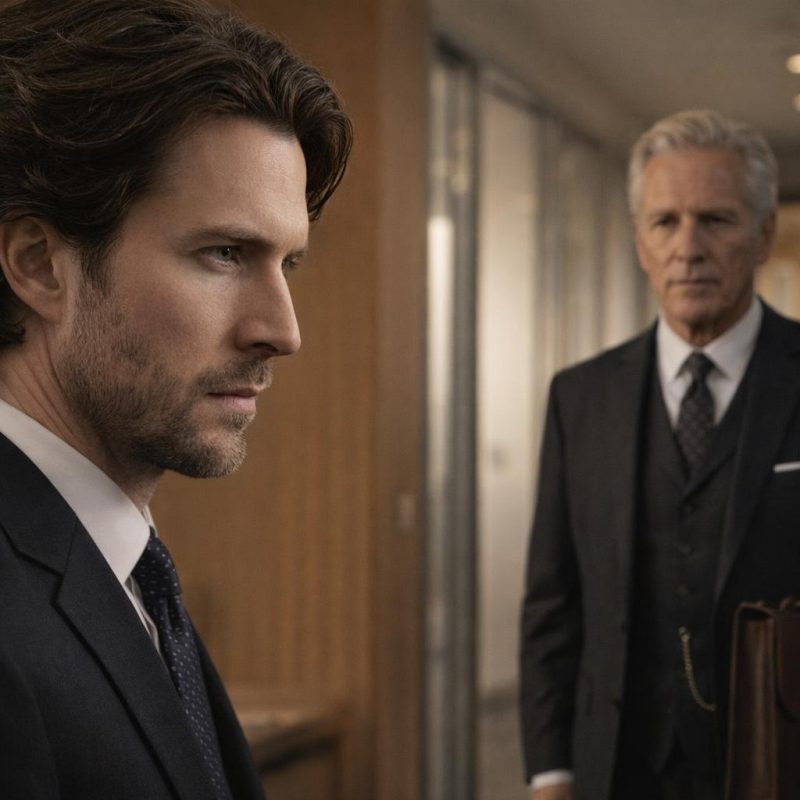 Image by RM AI
Last Words Remembered
I needed air. I pushed through the side door of the law office and stood on the concrete step, loosening my collar, letting the afternoon settle around me. The noise from inside — the laughter, the clinking, Marcus's voice carrying over everything — faded to a low murmur through the glass. And in the quiet, my grandfather came back to me. Two weeks before he died, I'd sat beside his hospital bed with my hand in his. He'd been tired, the kind of tired that lives behind the eyes, but he'd been lucid. He'd talked about the property records I'd helped him organize the previous spring, about patience, about how some things only make sense in hindsight. I'd thought he was just being philosophical the way old men get when they know time is running short. But then he'd squeezed my hand, looked at me with those steady eyes, and spoken quietly and without any drama. I hadn't been able to shake his words since the moment Edward read that will. My grandfather had said I'd understand soon enough.
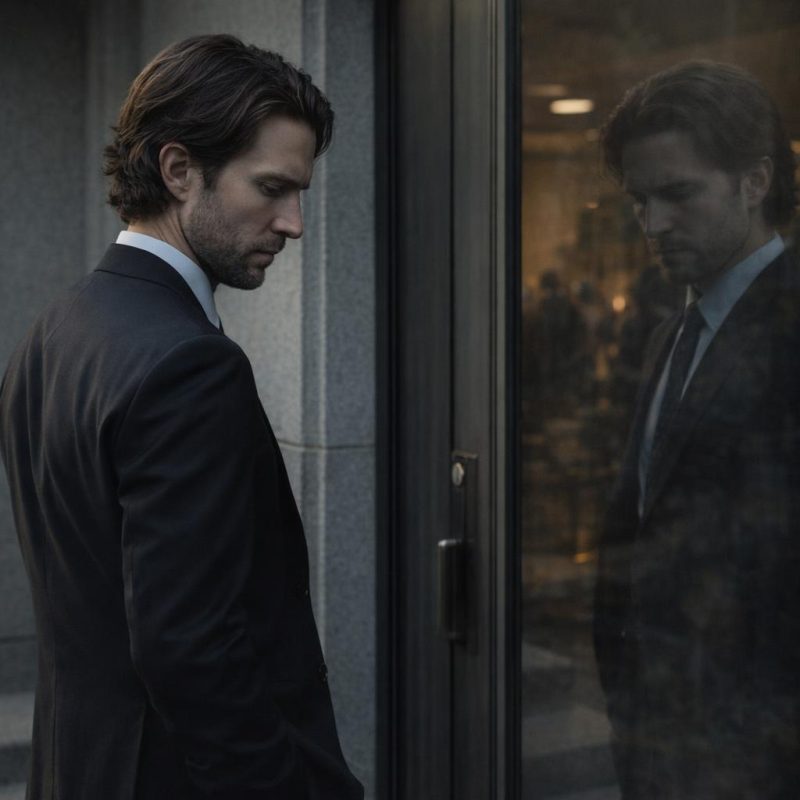 Image by RM AI
The Cold Shoulder
I went back inside before I talked myself out of it. Marcus was standing near the refreshment table, a glass in one hand, jacket still perfectly pressed like the afternoon had cost him nothing. I crossed the room toward him. I didn't have a speech prepared — I just wanted to say his name, maybe ask if we could talk somewhere quieter. I got close enough that he would have had to work not to notice me. He glanced over. For just a second, his eyes landed on mine. Then he turned, smoothly and without any pause, and directed his full attention to my cousin Vanessa, who was standing just to his left. He said something to her — I didn't catch the words — and she laughed, and just like that the two of them were in a conversation that had no room in it for anyone else. I stood there for a moment, the words I'd been about to say still sitting somewhere in my throat. Vanessa glanced at me once, briefly, the way you glance at furniture you've decided doesn't belong in the room. Then she turned back to Marcus. I stepped away without saying anything. The distance between us felt less like a gap and more like a door that had already been closed.
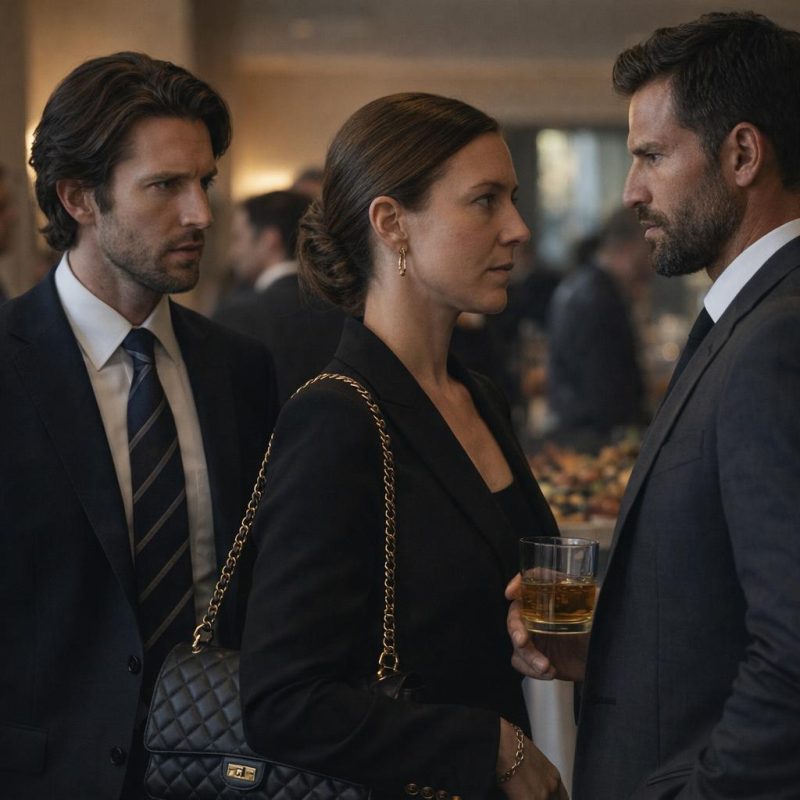 Image by RM AI
Searching for Reasons
I sat in my car in the parking lot for a long time without starting the engine. I went back through the years the way you do when you're trying to find the thing you missed. My grandfather and I had been close — or I'd believed we were. I'd driven him to appointments when he stopped trusting himself behind the wheel. I'd spent two weekends helping him sort through property paperwork he'd let pile up for years, organizing deeds and lease agreements into folders while he sat across the table and told me stories about each one. I remembered family dinners where he'd catch my eye across the table and nod, the small private acknowledgment of someone who sees you. I couldn't find a falling out. I couldn't find a moment where I'd let him down or said the wrong thing or failed to show up. I turned it over from every angle I could think of and came up empty. Maybe I'd misread the closeness. Maybe what felt like a bond to me had registered differently to him. Maybe there was something about who I was, or who I wasn't, that I'd never been able to see clearly from the inside. The parking lot sat quiet around me, and I had no answer.
 Image by RM AI
The Cutoff
I came back through the front entrance and spotted Marcus near the exit, standing with my sister Chloe and my cousin Vanessa. The three of them had the loose, easy posture of people who'd already decided the day had gone well. I was still a few steps away when Marcus looked up and saw me coming. Something shifted in his expression — not surprise, more like a decision being made. He raised his voice just enough that it carried. He said he wanted to be clear with everyone present that he wasn't in a position to be lending money out, not to anyone, not after a day like today. He said it measured and even, and his eyes stayed on me the entire time. Chloe glanced at Vanessa. Vanessa looked at the floor for a half second, then back at Marcus. Nobody said anything to contradict him. I hadn't asked Marcus for a single thing. I hadn't even opened my mouth. I stopped walking and stood still. Then Marcus looked directly at me and said I was on my own now.
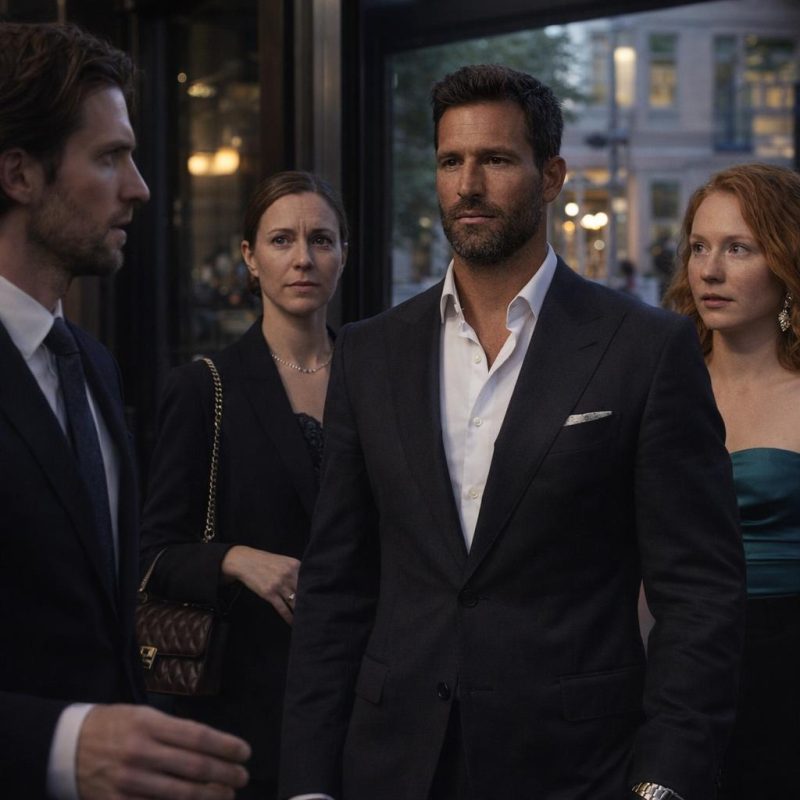 Image by RM AI
The Celebration Without Him
Three days after the will reading, I was sitting on my couch with the television on and the sound turned low, not really watching it. I picked up my phone out of habit and opened the first app I came to. The feed loaded and I almost kept scrolling past it, but the image caught me — champagne flutes raised, a dining room I recognized as Vanessa's, light bouncing off crystal and polished surfaces. I stopped. I scrolled back up. There were several posts, all from the same evening, timestamped within the last hour. My cousin Vanessa's dining room, decorated with flowers and candles. Marcus in a blazer, laughing at something off-camera. My sister Chloe with her arm around someone I recognized from a family reunion years ago. More photos followed — a long table set with food, relatives I hadn't spoken to in months filling the background, everyone holding glasses and smiling the way people smile when they feel like they've won something. I set my phone face-down on the cushion beside me. I hadn't been told about any party. No text, no call, no mention of it in the parking lot three days ago. The light from the screen bled faintly through the back of the case, warm and steady in the dim room.
 Image by RM AI
Filtered Lives
I told myself I was done looking. I set the phone down twice and picked it up again both times. New posts kept appearing as the evening went on — a close-up of a charcuterie board arranged like something out of a catering catalog, a video of the dining room with soft music playing underneath, Vanessa's voice narrating off-screen about the flowers she'd ordered. Then my sister Chloe posted a selfie, her smile wide and practiced, with a caption about new beginnings and fresh chapters. A few minutes after that, Marcus shared a short video of himself raising a glass, saying something about their grandfather's generosity and the future ahead. The comments filled in quickly — relatives I hadn't spoken to in months, some I'd seen at holidays for my entire life, all congratulating the heirs, tagging each other, adding heart emojis and champagne glasses. I scrolled through every one of them. Not a single private message had come through to me. No one had thought to send a quiet word, a check-in, even a perfunctory how are you holding up. I put the phone down on the coffee table and left it there. The screen dimmed and went dark, and the room felt exactly as quiet as it had before I'd started looking.
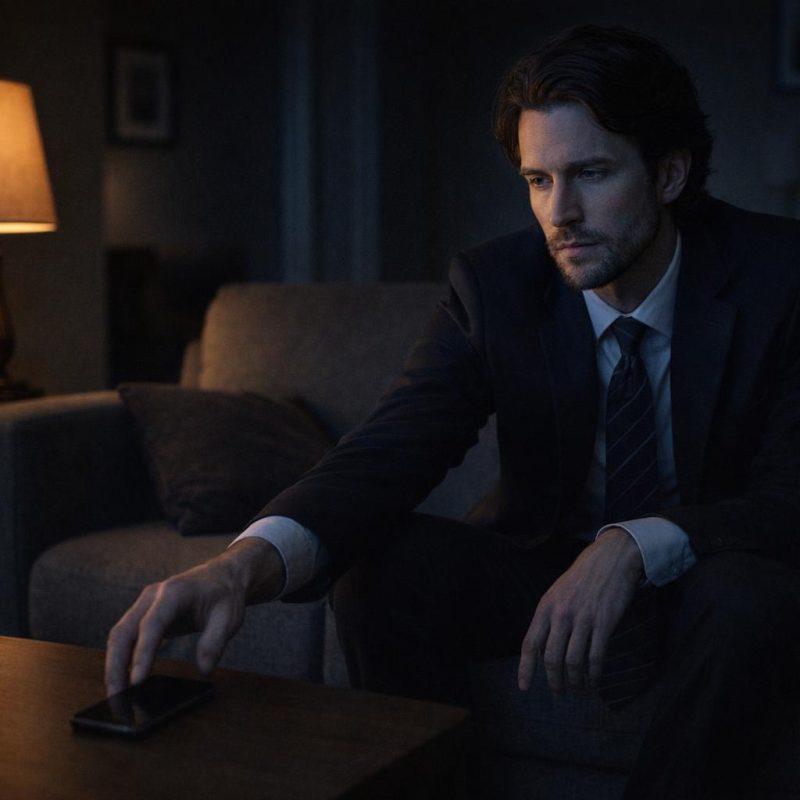 Image by RM AI
The Rumor
I was in the kitchen the next morning when my phone buzzed on the counter. I didn't recognize the number at first — it took me a moment to place the name when I opened the message. A cousin I hadn't spoken to in at least three years, someone I associated with a single Thanksgiving and a handful of birthday posts over the years. The message was short. She said she'd been hearing things from other family members and wanted to know if it was true what they were saying about the will. She said she hoped I was okay. Then, in the same message, almost as an afterthought, she asked what I had done to make our grandfather so disappointed in me. I read it twice. I set the phone down on the counter and stood there looking at it. I didn't know what to say, or whether to say anything at all. What I kept coming back to was the phrase she'd used — what I had done — as though my exclusion was already settled fact, already explained, already filed away with a cause attached to it. I wondered how many conversations had happened in the last three days that I hadn't been part of, and what version of me was being passed around in them.
 Image by RM AI
Taking Sides
The messages I'd sent three days ago sat unread in several threads, the small indicators showing they'd been seen and left unanswered. I noticed it first with one cousin, then checked another, then a third. I opened a group chat I'd been part of for years — family logistics, holiday planning, the ordinary back-and-forth of a large extended family — and found I was no longer in it. No notification, no explanation, just gone. That afternoon, a photo appeared on my feed: a wide shot of what looked like a backyard gathering, maybe fifteen people arranged in loose rows, everyone smiling. I recognized the house. I recognized most of the faces. I scrolled through the comments and saw relatives tagging each other, adding names, marking themselves present. I went to my contact list and moved through it slowly. One by one, the people who used to respond within a day had gone quiet. Relatives who had commented on my posts for years had stopped, their profiles still visible but no longer reaching toward mine in any direction. The photo stayed on my screen — fifteen people, the same family I'd grown up inside, assembled in a backyard I knew well, and not one of them had thought to tell me it was happening.
 Image by RM AI
The Cryptic Words
I almost missed the notification entirely. My phone had been quiet for days — the kind of quiet that stops feeling like peace and starts feeling like something else — so when I saw a missed call from a number I didn't immediately recognize, I almost let it go. Then I saw the name attached to it. Edward's office. I sat down and pressed play. His voice came through measured and unhurried, the way it always did, like every word had been considered before it left his mouth. He said he hoped I was well. He said the estate had been largely settled but that there were additional matters requiring attention — his phrase, not mine. He said these matters were of a nature that warranted a private conversation, and that he would appreciate it if I called back at my earliest convenience to arrange a time. That was it. Forty-three seconds. I played it again, slower this time, listening for something I might have missed. The phrasing was careful in a way that felt deliberate — not alarming, not warm, just precise. I set the phone down and stared at the wall for a moment. Then I picked it up and played it a third time, because something in the way he said there were matters that required discussion didn't sit right with me.
 Image by RM AI
Patterns in Memory
I sat at my kitchen table with the phone face-down in front of me and tried to think. The apartment was quiet. Outside, the city moved at its usual pace, indifferent to whatever was turning over in my head. I kept coming back to the same word Edward had used — matters. Not a matter. Matters, plural. And then, without meaning to, I was somewhere else entirely. I was maybe fourteen, sitting in my grandfather's study on a Sunday afternoon, watching him spread a large paper map across his desk. He'd traced the boundaries of something with his finger and said, quietly, that land was the only thing that didn't lie to you. I remembered him pulling out old documents — thick paper, faded ink — and explaining how property lines worked, how ownership transferred, how records were kept. He'd asked me once, years later, whether my work in real estate ever brought me into the older parts of town. I'd said yes. He'd nodded like that meant something. I hadn't thought about those afternoons in a long time. Now I was turning them over one by one, looking for something I couldn't name, each memory arriving clear and separate, none of them connecting to anything I could hold.
 Image by RM AI
The New House
I wasn't looking for it. I was just scrolling, the way you do when you're trying not to think too hard about something, and then there it was. My brother Marcus had posted a photo. Several, actually — a wide exterior shot of a large house, brick facade, mature trees lining a curved driveway, the kind of property that announces itself without trying. The caption thanked our grandfather for making it possible. I stopped scrolling. I recognized the neighborhood immediately — one of the oldest in town, the kind of streets where the houses had been standing for a hundred years and the lots ran deep. People didn't move there on a whim. The comments were full of congratulations, fire emojis, people tagging each other. Marcus had replied to a few of them with the kind of easy confidence that came naturally to him. I looked at the photos again. The grounds were substantial. The house itself was well-maintained, clearly updated but keeping its original character. I thought about my own apartment, the lease renewal sitting on my counter, the numbers I'd been quietly running in my head for weeks. I closed the app and set the phone down. The image of that driveway, those trees, that address in a neighborhood I knew well — it stayed with me longer than I wanted it to.
 Image by RM AI
Business Expansion
The newsletter arrived in my inbox the way those things always do — sandwiched between two things I actually needed to read, easy to skip. I almost did. But the subject line mentioned local business expansions, and out of habit more than interest, I opened it. Vanessa's boutique was the second feature. The article was brief and flattering, the kind of write-up that local business publications do well: a photo of her outside a storefront, a quote about vision and timing, a mention that a recent inheritance had enabled the move to a larger commercial space. I read it twice. The new location was described as a prime downtown address, a historic building that had been a fixture in the neighborhood for decades. Then I got to the address itself, printed in the caption beneath the photo. I read it once, then again. I knew that building. I'd walked past it dozens of times. It sat on a corner lot in the oldest commercial block downtown, the kind of property that didn't change hands often. I sat back and looked at the address on my screen — the street number, the building name printed in small type just below it — and something I couldn't quite name settled uneasily in the back of my mind.
 Image by RM AI
Connecting Locations
I don't know exactly when it shifted from coincidence to something I couldn't ignore. I had my laptop open on the kitchen table, a half-finished cup of coffee going cold beside it. I'd looked up Marcus's new address first, just to confirm what I already knew — old neighborhood, large lot, the kind of property that had been in the same hands for generations before it wasn't. Then I pulled up Vanessa's business address and dropped it into the same map. Two pins, close together, both inside the same town boundaries. I sat with that for a minute. Then I remembered something Chloe had mentioned weeks ago, almost in passing, about her new condo being downtown. I searched for the building she'd named and added a third pin. I zoomed out. All three properties sat within a tight radius, clustered in the oldest part of the municipality — the historic district, the original grid, the part of town that predated everything built around it. I hadn't gone looking for a pattern. I'd just been following addresses. But there it was on the screen in front of me, three points forming something that felt less like coincidence the longer I looked at it, the shape of it quiet and unresolved in the blue light of the map.
 Image by RM AI
The Luxury Condo
I wasn't planning to look at Chloe's feed. I'd been avoiding most of it, honestly — the family updates had started to feel like dispatches from a place I no longer had access to. But I was already on the app, and her name came up, and I clicked through before I'd made a conscious decision to. The photos were exactly what I would have expected: floor-to-ceiling windows, polished concrete floors, a kitchen that looked like it had never been used for anything as ordinary as cooking. She'd tagged the location in every shot. The building was called The Hartwell Towers. I read the name and kept scrolling, then stopped. I read it again. Something about it pulled at the edge of a memory I couldn't quite reach — not a strong one, not something I could place immediately, just a name that felt like it had lived somewhere in my past. I sat with it for a moment, trying to locate it. And then it came: my grandfather's study, a Sunday afternoon, a stack of documents on the corner of his desk. I hadn't read them closely. I was a teenager and they were just papers. But that name — Hartwell — had been printed across the top of at least one of them, I was almost certain of it.
 Image by RM AI
The Envelope Arrives
The knock came mid-morning, sharp and deliberate, the kind that meant business rather than a neighbor borrowing something. I opened the door to a courier in a dark jacket holding a clipboard and a large envelope. He confirmed my name, I signed, and he was gone before I'd fully processed what I was holding. The envelope was substantial — heavy cream-colored paper, the kind that felt expensive even before you knew what was inside. Thornton Legal Services was printed in the upper left corner in clean, dark type. I turned it over. A wax seal held the back flap closed, deep burgundy, pressed with what looked like an embossed initial. I stood in the doorway for a moment, then stepped back inside and let the door close behind me. I set the envelope on the kitchen table, next to the cold remnants of my morning coffee, and looked at it. I didn't open it. I'm not entirely sure why — maybe I wasn't ready, or maybe some part of me understood that whatever was inside would change the shape of things, and I wasn't in a hurry to find out how. I pulled out a chair and sat down. The envelope sat there, sealed and still, and I felt the quiet weight of it in a way that had nothing to do with paper.
 Image by RM AI
The Call
My phone rang the next morning while I was standing at the kitchen counter, still in the same clothes I'd slept in, the envelope exactly where I'd left it the night before. The number was Edward's office. I answered on the second ring. His voice was the same as it had been on the voicemail — unhurried, precise, each word placed with the care of someone who had spent decades choosing them. He asked whether I had received the envelope. I said I had. He said he was glad, and then he paused in the way that people pause when they're about to say the thing they actually called to say. He told me the matters outlined in the documents required an in-person conversation. He said he wanted to meet at his office, privately, without other family members present. He used that word — privately — more than once, and each time it landed with a weight that the rest of the sentence didn't quite carry. I told him I could come the following afternoon. He said that would be suitable. We confirmed the time and he thanked me, and then the call was over. I set the phone down on the counter and stood there in the morning quiet, the sealed envelope still on the table, and what stayed with me was not the meeting itself but the particular formality in Edward's voice when he said it must be private.
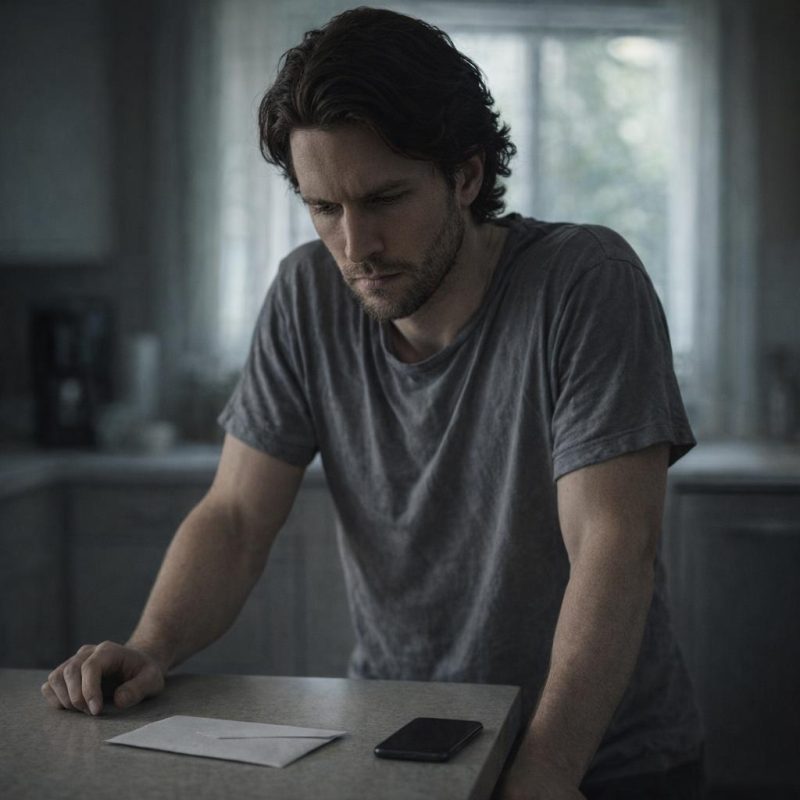 Image by RM AI
The Walk to Truth
I left my apartment just after noon with the envelope tucked under my arm, the same one Edward had sent, still sealed. The air outside was cool and sharp, the kind of day that makes everything feel more consequential than it probably is. I walked instead of taking a cab. I needed the time. Downtown was busy in the way it always is on a weekday — people moving with purpose, heads down, coffee cups in hand — and I moved through it feeling like I was the only one standing still inside. I passed the block where Vanessa's new boutique sat behind a plate-glass window, the kind of storefront that costs more per square foot than most people earn in a month. I didn't stop. I kept my eyes forward and kept walking. My mind kept circling back to Edward's voice on the phone — that particular pause before he said the word privately. I ran through possibilities the whole way there, none of them satisfying, all of them incomplete. The lobby of Edward's building was quiet marble and low light. I took the elevator to the fourth floor. The hallway was empty. At the far end, a frosted glass door read Edward Hargrove, Attorney at Law. I walked toward it, the envelope pressed against my side, and reached for the handle.
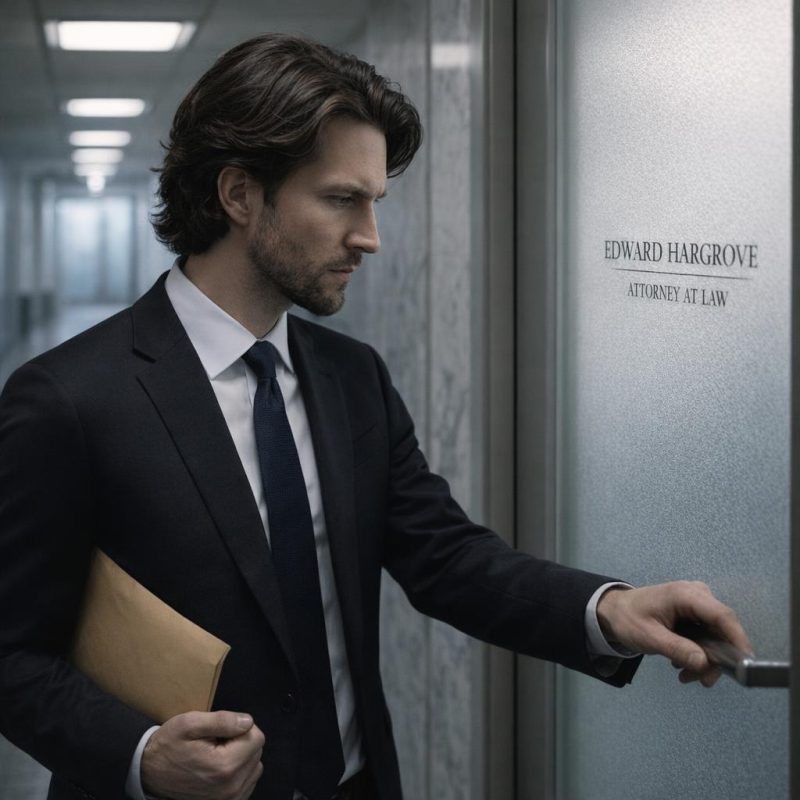 Image by RM AI
The Wax Seal
Edward's office was exactly what I would have expected from him — dark wood, ordered shelves, nothing out of place. He stood when I came in and shook my hand with the same measured formality he'd used at the will reading, as though the intervening days hadn't happened. He thanked me for coming. He gestured to the chair across from his desk and waited until I was seated before he sat down himself. I set the envelope on my knee. He folded his hands on the desk and looked at me for a moment without speaking, the way someone does when they're deciding where to begin. Then he said there was something he needed to give me before we discussed the documents I'd already received. He turned to the credenza behind him and produced a small key from his breast pocket. He unlocked a narrow drawer and removed an envelope — thicker than the one I was holding, heavier, the kind of envelope that carries weight before you even open it. He set it on the desk between us with both hands, carefully, as though placement mattered. I looked down at it. The paper was cream-colored and old, the edges slightly worn. Pressed into the center in dark red wax was a seal I recognized immediately — my grandfather's personal crest, the one he used on formal correspondence his entire life.
 Image by RM AI
The True Intention
Edward didn't rush. He let me look at the envelope for a moment before he began speaking, and when he did, his voice had the same unhurried precision I'd come to expect from him. He said that what I had witnessed at the will reading was only one part of a larger estate plan — the public portion, the part my grandfather had always intended to be seen. He said my grandfather had spent the last several years of his life thinking carefully about what he wanted to leave behind and, more specifically, about who he wanted to leave it to. He paused there. He said my grandfather had believed that money given without context reveals something about the people who receive it. He said the cash distributions — the amounts read aloud in that room while my brother and sister and cousin watched me walk away with nothing — were not the substance of the estate. They were, in his words, a measure. I sat very still. I wasn't sure I was following him correctly, and I didn't want to interrupt and lose the thread. Edward looked at me steadily over the rim of his glasses and said it plainly, in the same tone he might use to read a legal definition: the cash was never the real inheritance.
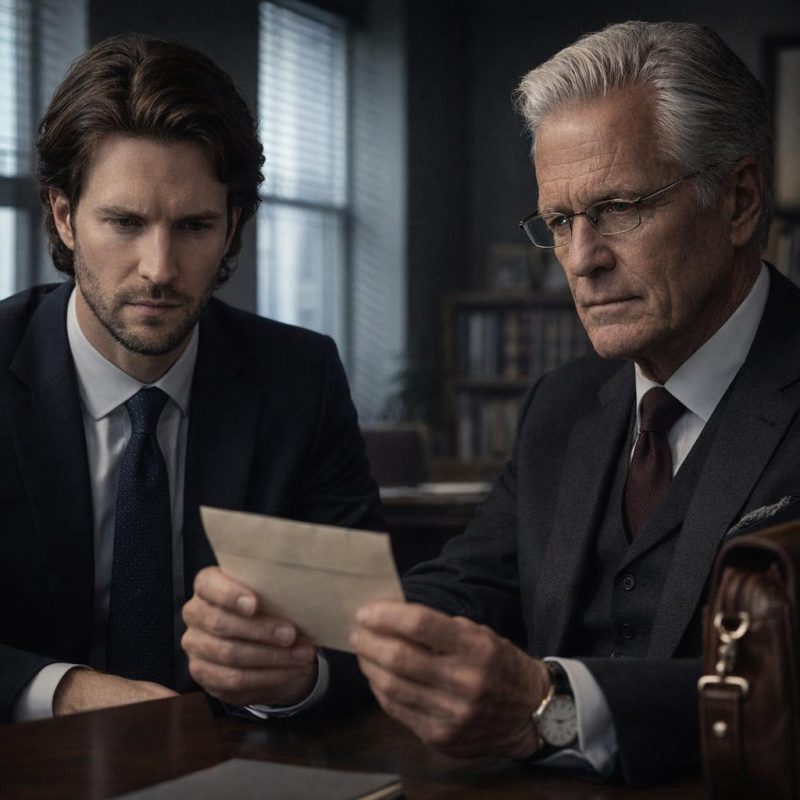 Image by RM AI
The Historical Records
Edward gave me a moment with that sentence before he moved. Then he reached beneath the desk and lifted a large leather portfolio onto the surface — the kind that architects use, wide and flat, with a zipper around three sides. He unzipped it slowly and opened it flat between us. Inside were documents, many of them, arranged in a sequence that suggested they had been ordered this way for some time. The paper was old. Not antique-fragile, but genuinely aged — the kind of yellow-white that comes from decades in a file rather than a drawer. He began laying them out across the desk, one by one, smoothing each sheet with the flat of his hand. Property records. Survey filings. Title documents. Each one bore official stamps and signatures, and each one carried dates I had to look at twice. The earliest ones went back to the 1950s. Edward pointed to a name that appeared across multiple pages, in different typefaces, on different forms — my grandfather's name, repeated across decades of official record. I leaned forward without meaning to, my hands resting on the edge of the desk, and I felt them tremble slightly as I tried to take in what was spread before me. I had no frame for the age of it, or the scope.
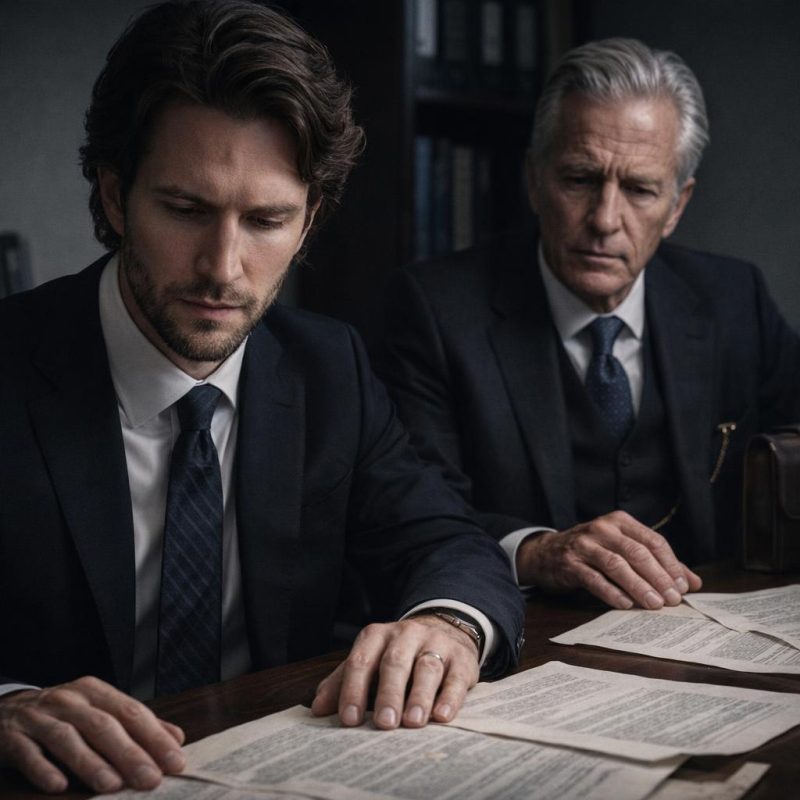 Image by RM AI
The Deed
Edward let me look at the older documents for another minute before he reached to one side and lifted a single sheet from a separate folder — heavier stock, with an embossed seal at the top that caught the light. He placed it directly in front of me, centered, the way you'd present something you wanted a person to read carefully. The header read Property Deed and Title Transfer in the kind of formal typeface that doesn't leave room for ambiguity. Below it, the document moved through legal description — parcel numbers, boundary references, recorded easements — the dense language of official transfer. I read slowly, not because I didn't understand the words but because I kept expecting to find an error, a misprint, something that would explain why I was sitting in this chair looking at this page. I reached the section marked Grantee. I read the name printed there. I read it again. It was my name. Not my grandfather's. Not a trust or an entity. My name, in full, as the sole named recipient of the transfer. I looked up at Edward. He was watching me with the same composed expression he'd held since I walked in, and I had no idea what question to ask first.
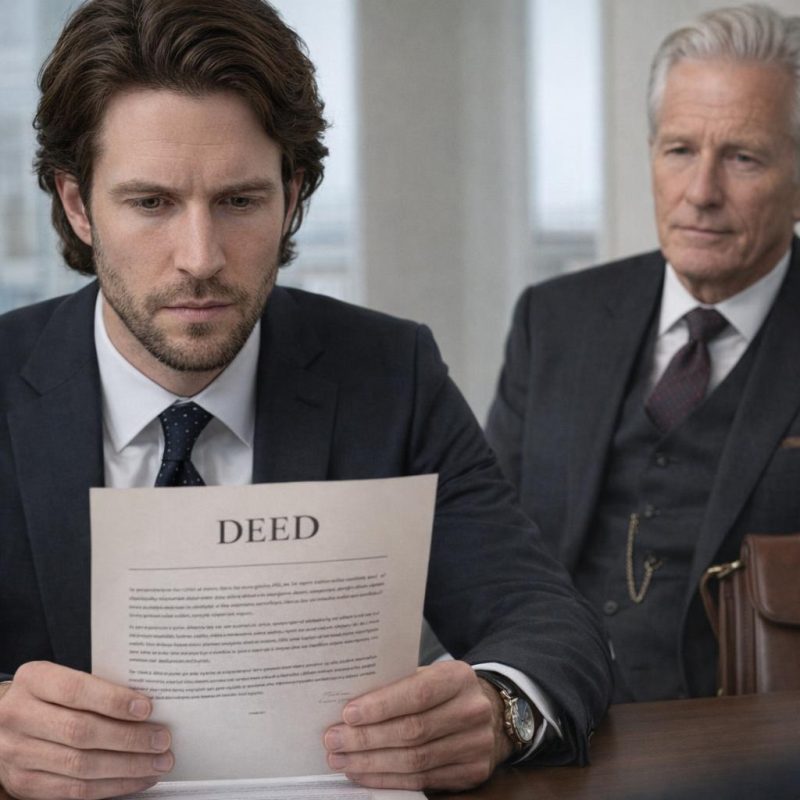 Image by RM AI
The Boundaries
Edward didn't wait for me to find the question. He reached to the side of the desk and unfolded a large sheet of paper — a surveyor's map, the kind with fine grid lines and precise notations in the margins. He spread it across the top of the other documents and smoothed it flat with both hands. Then he picked up a pen and began tracing a line along the map's surface, slowly, following a boundary that ran in a wide, irregular shape across the page. He named landmarks as he went. The old courthouse. The transit hub on Fifth. The commercial corridor along Meridian. The residential blocks east of the park. I knew every one of them. I had walked past them that morning. He kept tracing, and the boundary kept going, and I sat there watching the line move across a map of a city I had lived in my entire life. He said the outer boundaries had been established by my great-grandfather in the early part of the last century and had remained legally intact through every subsequent generation. He said the holdings included dozens of individual structures within those lines. I stopped trying to count the buildings he was pointing to. The map covered most of the desk, and the territory it described spread before me like something I didn't yet have the language to hold.
 Image by RM AI
Commercial Holdings
Edward set the pen down and folded his hands again. He said he wanted to walk me through the composition of the holdings before I looked at the tenant documentation. He spoke methodically, the way someone does when they've prepared for a conversation and intend to deliver it in order. Retail spaces — ground-floor commercial units along the main corridors, most of them occupied by long-term tenants on rolling leases. Office buildings — four of them, mid-rise, clustered near the civic center. Residential units — a mix of single-family properties and multi-unit buildings spread across the eastern residential blocks. He said the entire portfolio had been managed by a third-party property firm for the past eleven years, operating under a trust structure that kept my grandfather's name off the active records. The income generated was substantial — he used that word without elaborating, and something in the way he said it made me think the elaboration would come later. I asked about the tenants. He said the list was long and that he would provide the full documentation, but that he wanted me to see certain entries before I reviewed the rest. He opened a folder on the corner of the desk and removed a printed sheet. I leaned forward slightly, the edges of the page not yet in focus.
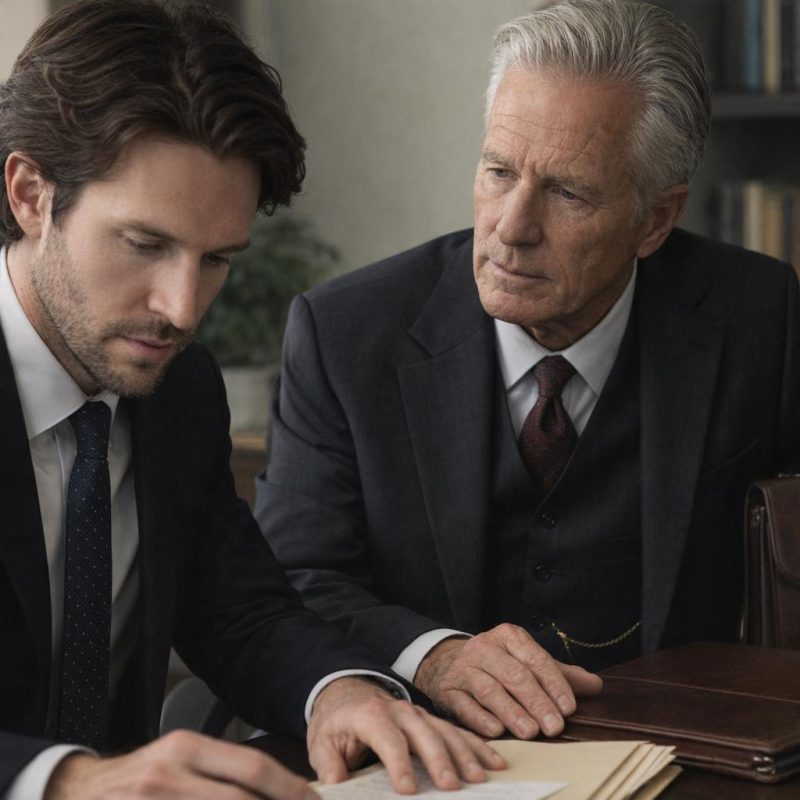 Image by RM AI
The Addresses
Edward placed the printed sheet in front of me and uncapped a yellow highlighter. He moved down the list with deliberate strokes, marking certain addresses without comment, letting me read as he went. The list was dense — columns of unit numbers, street addresses, tenant names, lease terms. My eyes moved down the page, taking in addresses I half-recognized, street names I knew from years of living in this city. Then I stopped. The address was on the third highlighted line. I knew it. I had been to that house. I had stood in the driveway while my brother gave me a tour of the renovation he'd paid for with his inheritance, the one he'd described in detail at the family dinner two weeks after the will reading, the one he'd said was the smartest investment he'd ever made. I looked up at Edward. He was watching me with the same still expression he'd held all afternoon, and he gave a single slow nod. I looked back down at the page. There it was, in plain type under the column marked Tenant: Marcus's address, his full street address, listed among the properties I now owned.
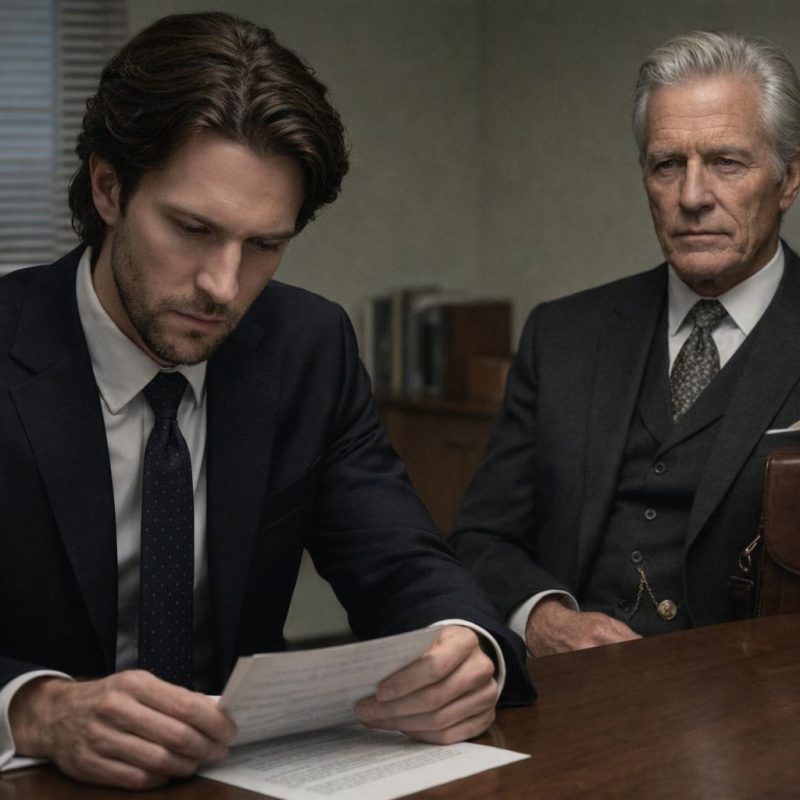 Image by RM AI
The Family Properties
I kept reading. My eyes moved down the highlighted lines slowly, and with each one, something in my chest pulled tighter. Below Marcus's address, Edward had marked a commercial listing on Main Street — 447 Main Street, unit 102. I knew that address. Vanessa had mentioned it at least twice at family gatherings, always with that particular lift in her voice, the one she used when she wanted everyone to know she'd arrived somewhere. Her boutique. I looked up at Edward, then back down. The next highlighted line was a residential tower I recognized from the skyline — The Hartwell Towers. I'd heard Chloe talk about her unit there more times than I could count, the views, the concierge, the address itself spoken like a credential. And then, near the bottom of the page, one more address stopped me cold. I knew that street. I knew the house number. It was the house I'd grown up in, the one my grandfather had owned for as long as I could remember. Every name I'd been turning over in my mind for weeks was there on that page, each one sitting quietly in a column under a heading that now meant something entirely different to me.
 Image by RM AI
The Transfer Date
Edward set the tenant list aside and placed a different document in front of me — a deed transfer, official and dense with legal language, the kind of paperwork that doesn't leave room for ambiguity. He pointed to a line near the top of the page without saying anything. I leaned in. There was a date printed there, clean and unambiguous, and I read it twice before it settled. Eight months before my grandfather died. I sat back slowly. Edward folded his hands on the desk. He said my grandfather had been in good health when the transfer was executed, that it had been done with full legal capacity and with considerable care to make it unassailable. He said the word unassailable the way someone says it when they want you to understand it was chosen deliberately. I thought about the will reading, the room full of relatives counting their cash, my brother's voice carrying across the table. My grandfather had been sitting with this for eight months before any of that happened. He had watched everything unfold, and he had already made his arrangements long before the first envelope was opened. I sat with the quiet weight of how far ahead he had seen.
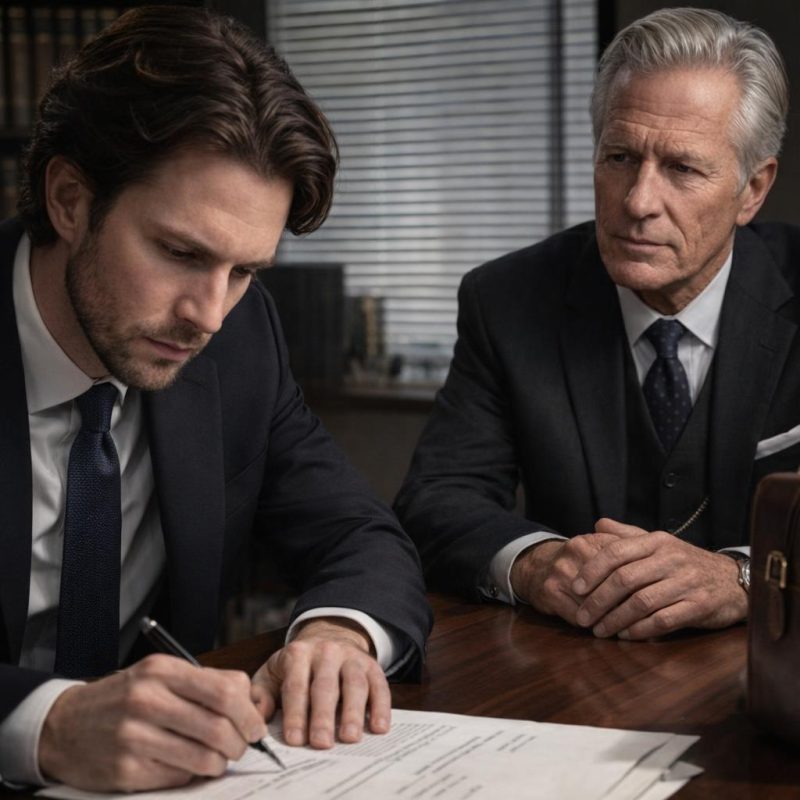 Image by RM AI
The Lease Agreements
Edward reached beneath the desk and lifted a binder onto the surface between us — thick, tabbed, the kind of thing that takes time to assemble. He opened it to the first divider and explained that each property had a current, executed lease with its own terms and conditions. He turned to the first signature page and slid it toward me. Marcus Blake. My brother's signature, in his own hand, on a residential lease for 2847 Riverside Drive. I recognized the signature — the oversized M, the way the letters ran together at the end. I turned to the next tab. Vanessa Hartley, signed on a commercial lease for 447 Main Street, the date less than a year old. Edward confirmed each lease was legally binding and fully enforceable under current property law. I turned another tab. I found the page before Edward had to direct me to it, and I stopped when I saw the name printed above the signature line — Chloe Blake, unit 3204, The Hartwell Towers, her signature neat and unhurried beneath it.
 Image by RM AI
The Current Tenants
I looked up from the binder and asked Edward directly whether Marcus, Vanessa, and Chloe knew who held the title on their properties. He said they did not. He explained that all tenant interactions — maintenance requests, billing, correspondence — were handled through a property management company, and that the ownership behind it had never been disclosed to any of them. I asked what rights I held as the owner. Edward's answer was measured and precise. He said I had full legal authority over all lease terms within the bounds of applicable landlord-tenant law. I could adjust rents with proper notice. I could choose not to renew leases at the end of their terms. I could sell, transfer, or develop any property in the portfolio. Every decision about those properties was mine to make. I set the binder down on the desk. Across from me, Edward waited with the same composed expression he'd held all afternoon. The people who had stood in that room after the will reading and laughed — my brother, my sister, my cousin — were paying rent to me, and not one of them knew it.
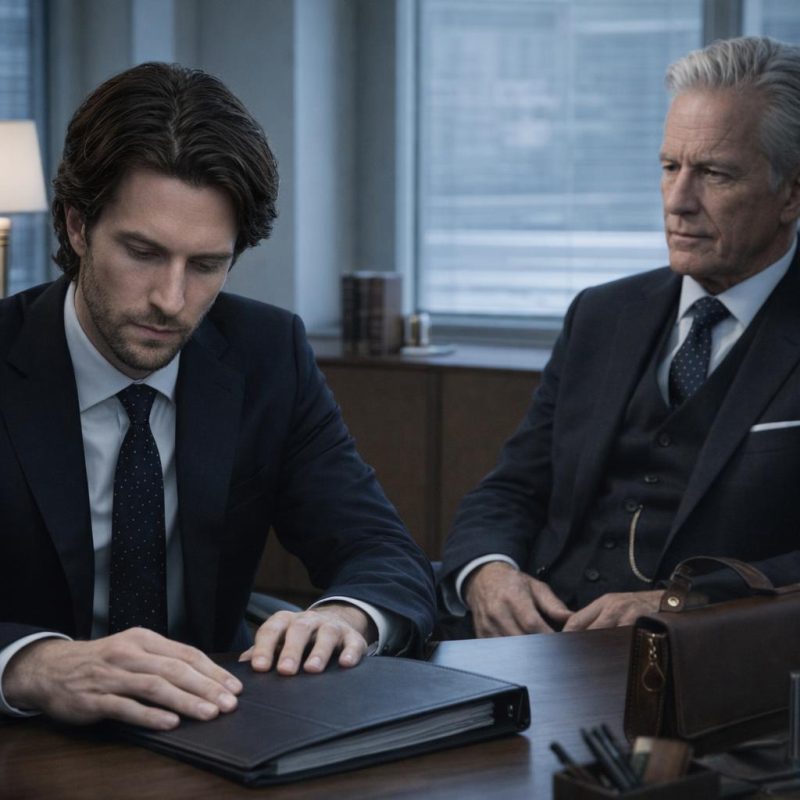 Image by RM AI
The Truth Revealed
Edward spread the remaining documents across the desk in a single deliberate arc — deeds, lease summaries, property assessments, title records — until the surface between us was covered. He spoke plainly. Every property my relatives had purchased or leased in the past year sat on land that now belonged to me, or in buildings I held the title to outright. Marcus's renovated house on Riverside Drive. Vanessa's boutique on Main Street. Chloe's unit in The Hartwell Towers. The childhood home. All of it. Edward said my grandfather had spent years positioning these assets, that the cash distributed at the will reading was never the point — it was what people with short horizons reach for. The real inheritance had been transferred quietly, legally, and completely, months before anyone sat down in that room. My grandfather had known exactly what each of them would do with a lump sum. He had known what I would do without one. I looked at the documents spread across Edward's desk — the deeds, the signatures, the addresses I now knew by heart — and understood for the first time the full shape of what my grandfather had built and left for me.
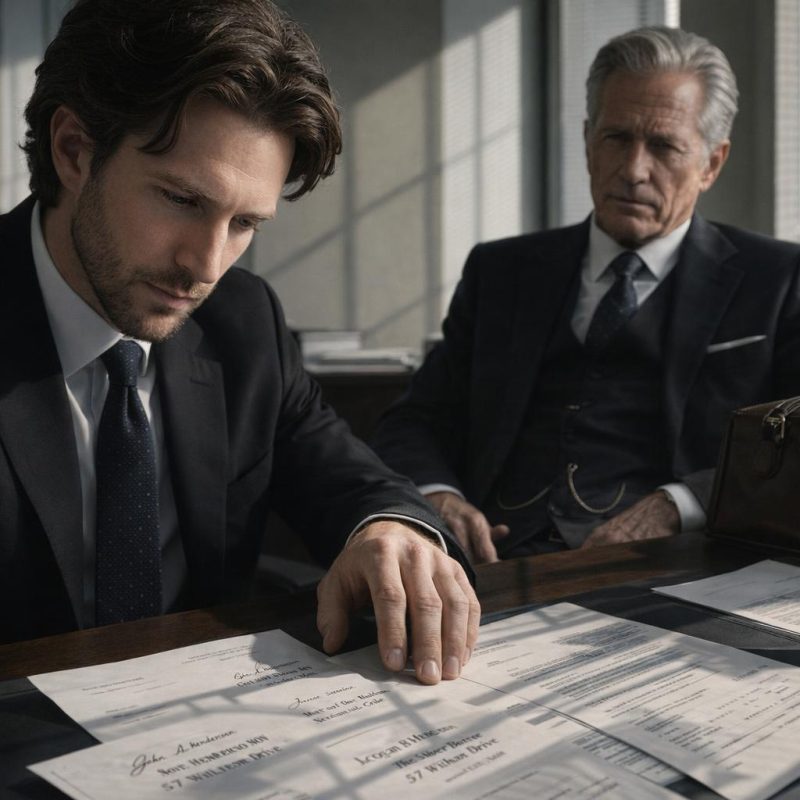 Image by RM AI
Marcus's Lease Terms
Edward separated one lease from the stack and handed it to me — 2847 Riverside Drive, Marcus Blake, residential tenancy. I read through it carefully this time, not scanning for names but reading the actual terms. The monthly figure was there in section two, and Edward had already noted beside it in pencil that it sat well below current market rate for the neighborhood. I kept reading. Near the middle of the document, in a clause I might have skimmed past under other circumstances, I found it: rent adjustments permitted with sixty days written notice to the tenant, increases not to exceed current market value as determined by independent appraisal. Marcus had signed directly below it. Edward explained that when my brother had negotiated the lease, the below-market rate had looked like a win. He'd taken it without pushing back on the adjustment clause. I thought about the dinner two weeks after the will reading, my brother describing the renovation in detail, the pride in his voice, the way he'd looked at me when he said it was the smartest investment he'd ever made. I turned to the clause again and read the line allowing annual rent increases at the landlord's sole discretion.
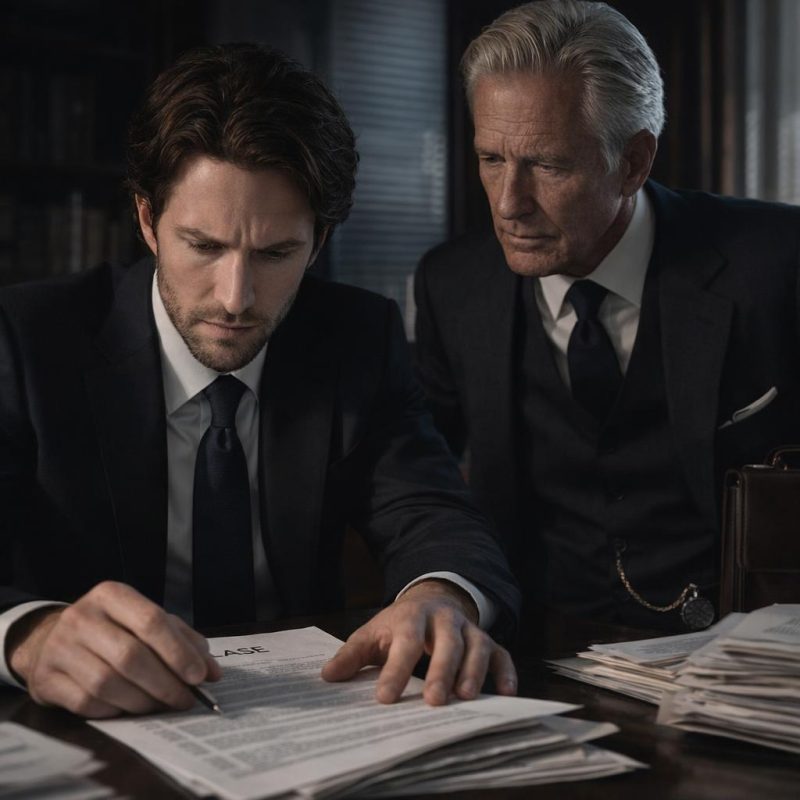 Image by RM AI
Vanessa's Commercial Lease
The next lease in the stack was thinner — commercial, six pages, the address printed at the top in bold: 447 Main Street, unit 102. Vanessa's boutique. Edward slid a single comparison sheet across the desk alongside it, a column of comparable retail rental rates for that block of Main Street. I looked at the numbers. Vanessa was paying roughly sixty percent of what the neighboring units were listed at. The location was premium — corner exposure, high foot traffic, the kind of address that costs what it costs. Her lease term was two years, and I found the renewal section on page four: renewal at landlord's discretion, terms to be renegotiated at time of renewal. No automatic extension. No rate lock. Edward said nothing while I read. He didn't need to. I thought about Vanessa at the will reading, the way she'd leaned toward Chloe with that practiced smile, the comment she'd made just loud enough to carry. She had walked out of that room certain she understood exactly where everyone stood. She had signed this lease the following month, in a building she had no idea belonged to the same family she'd just finished mocking. I sat with that for a moment, the quiet irony of her confidence settling over everything like dust.
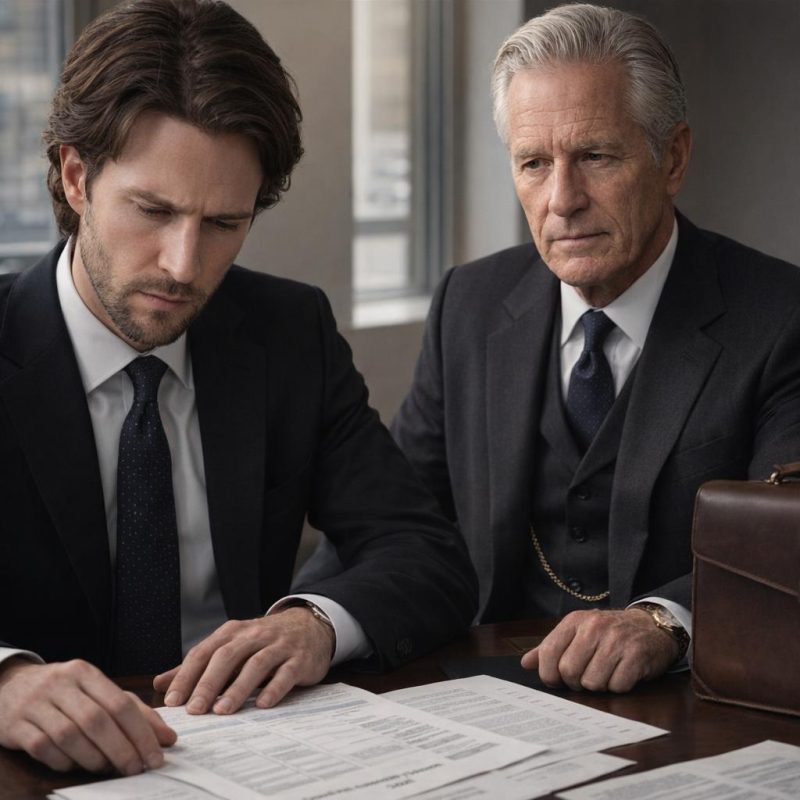 Image by RM AI
Chloe's Condominium
Edward set the last document in front of me — the deed for The Hartwell Towers, a full city-block high-rise, forty-eight units across thirty-two floors. He told me my grandfather had developed the building thirty years ago, that it had been his first major construction project and that he'd held the title ever since, never selling, never subdividing. The name on the deed matched the name above the lobby entrance I'd walked past a dozen times without thinking about it. Hartwell. Edward said it quietly — that was my grandmother's maiden name. My grandfather had named the building after her when he finished it. I turned to the lease summary for unit 3204. Chloe's signature was there, her monthly rate listed at the top, premium pricing for what she'd described to anyone who would listen as an exclusive address. She had no idea the man who built it had been her grandfather too, or that the title had passed to the grandson she'd laughed at in a lawyer's office three weeks ago. I held the deed in both hands and thought about my grandfather choosing that name thirty years ago, building something that would still be standing when all of this played out exactly as he'd planned.
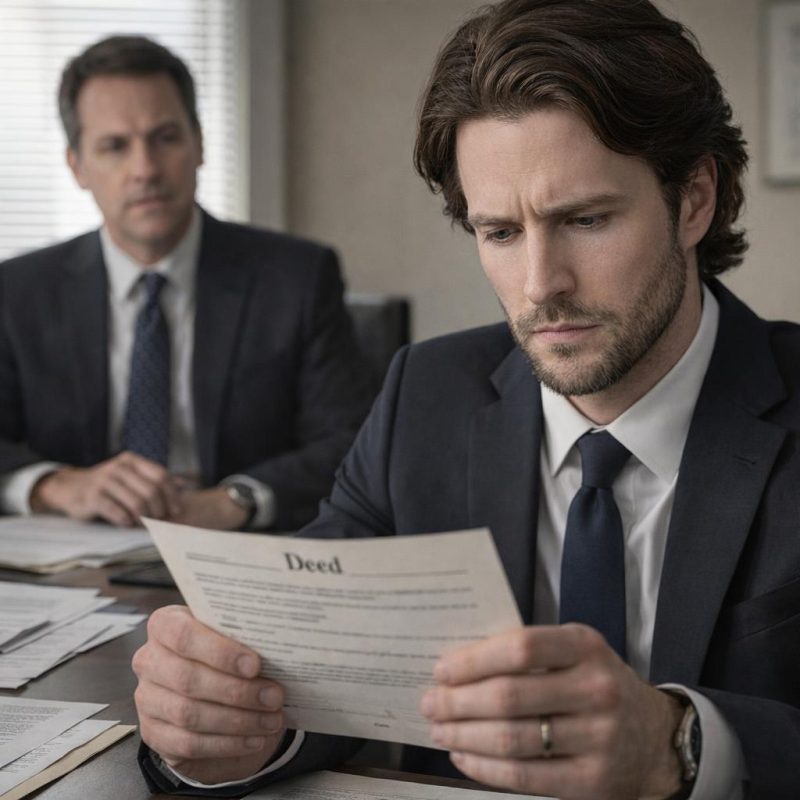 Image by RM AI
Rental Rights Explained
Edward walked me through everything methodically, the way he did everything — no flourishes, no editorializing, just the facts laid out in order. As the titled owner of record, I had the right to adjust rents within the parameters set by state landlord-tenant law. I could issue increases with proper written notice. I could decline to renew leases when they reached their expiration dates. I could engage or terminate the existing property management company at my discretion. He explained the sixty-day notice requirement for rent adjustments, the specific language required in formal notices, and the documentation I'd need to keep on file. I asked about the management company's role going forward — whether they reported to me now or to the estate. Edward confirmed they reported to me, effective the date of transfer. He slid a summary sheet across the desk, each point numbered, each option clearly stated. I read through it twice. My grandfather had built something that ran like a machine, and now I was the one holding the controls. Edward folded his hands on the desk and told me, in the same even tone he used for everything, that every decision going forward was entirely mine to make.
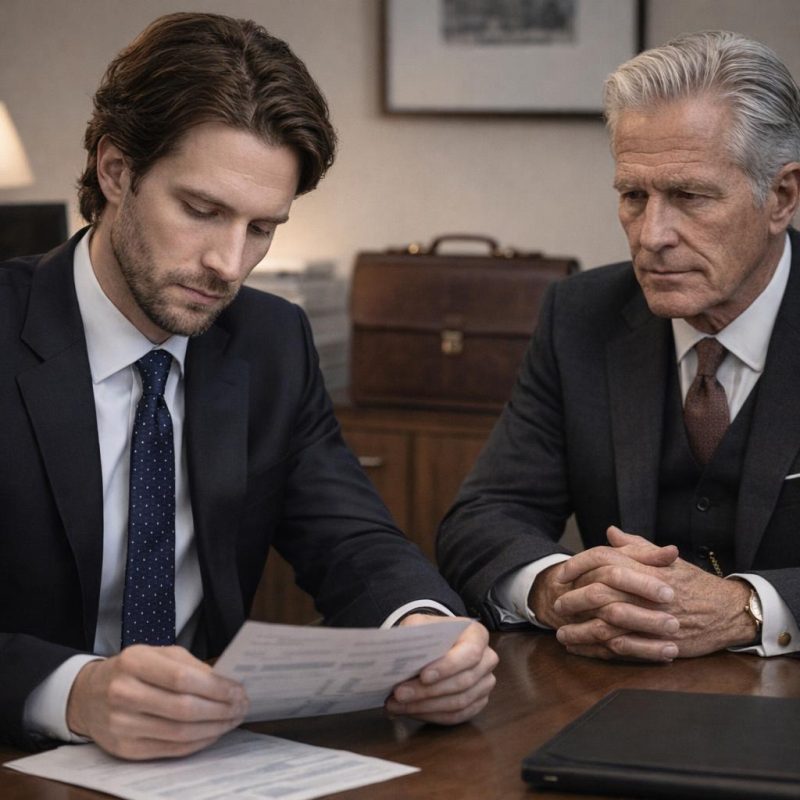 Image by RM AI
Rate Adjustment Clauses
I spread all three lease agreements across Edward's conference table side by side — Marcus's residential lease on the left, Vanessa's commercial lease in the middle, Chloe's condo lease on the right. Edward set a printed market rate comparison next to each one without being asked. I found the rent adjustment clauses first in Marcus's lease. His current monthly rate was sitting nearly twelve hundred dollars below comparable units in the same building. I moved to Vanessa's commercial lease next. Her boutique space was paying roughly half the going rate for retail square footage in that corridor — Edward's data showed the market rate had nearly doubled since her lease was originally signed. Chloe's condo was already priced closer to market, but the adjustment clause allowed for increases tied to the annual market index, and the index had moved. I pulled out a notepad and started writing numbers. I worked through each one carefully, checking the clause language against the market figures Edward had provided. When I finished, I set the pen down and looked at the three columns of numbers on the page — what they were paying, what the market said they should be paying, and the difference.
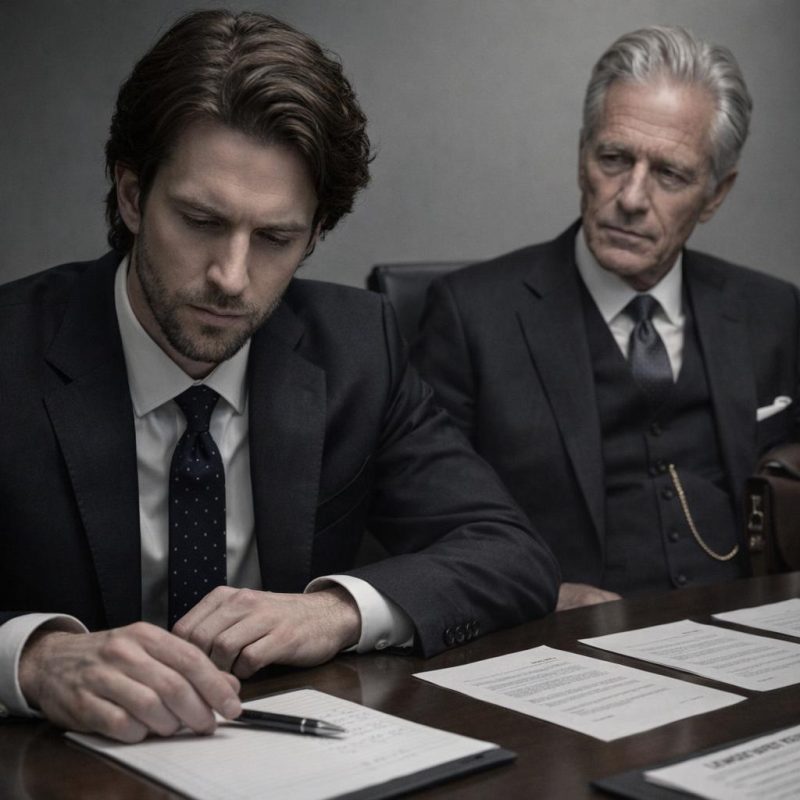 Image by RM AI
The Decision
I sat back in the chair and let the room go quiet for a moment. Edward waited. He was good at that. I thought about the will reading — the way Marcus had laughed, loud enough for the whole room to hear, when my name came up with nothing attached to it. I thought about Vanessa's expression, that particular brand of satisfaction she'd worn like an accessory. I thought about Chloe texting someone before she'd even made it out of the building, already turning it into a story to share. None of them had asked why. None of them had wondered what my grandfather might have been thinking. They'd just taken their pieces and walked out, and I'd been left standing there with nothing but my dignity and a lawyer asking to see me alone. I looked at the three lease agreements still spread across the table. Then I looked at Edward and told him I wanted to proceed with the rent adjustments on all three properties. He nodded once, uncapped his pen, and pulled a fresh legal pad toward him. I watched him write the date at the top of the page, and something in my chest settled into place and stayed there.
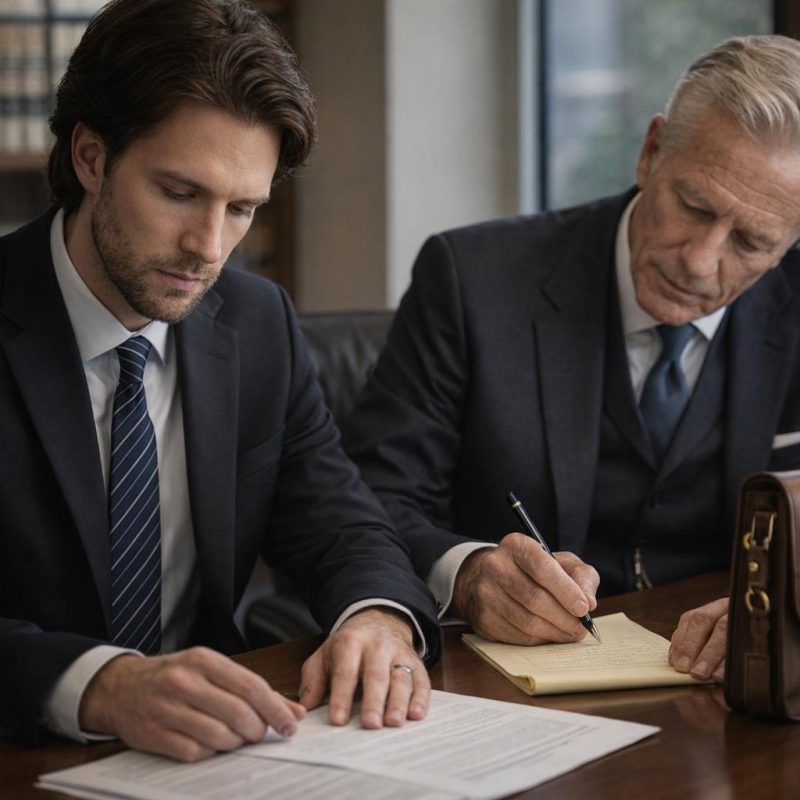 Image by RM AI
Notices Prepared
Edward typed each notice on law firm letterhead, reading the language aloud as he went to confirm the figures matched what I'd approved. The tone was formal and precise — property owner, effective date, new monthly rate, sixty-day notice period, all of it exactly as required by statute. He printed Marcus's notice first, then Vanessa's, then Chloe's. I reviewed each one carefully before he moved to the next, checking the amounts against my notepad, checking the dates against the calendar. Everything was accurate. Edward signed each notice as the authorized representative of the property owner, folded them into official envelopes, and sealed them. He filled out the certified mail forms by hand — name, address, return receipt requested — one for each recipient. He stacked the envelopes neatly at the corner of the desk and set the completed mail forms on top. I looked at them sitting there, three sealed envelopes with three names on the front, and thought about how ordinary they looked — just paper, just ink, just the ordinary machinery of a legal process doing exactly what it was designed to do. The weight of what was inside them had nothing to do with how they looked on the outside.
 Image by RM AI
Marcus Receives Notice
My phone rang four days after the notices went out. Marcus. I let it ring once more before I answered. He didn't bother with a greeting — just launched straight into it, wanting to know what was going on, why there was a letter from some law firm about his rent, and what exactly I had to do with any of it. His voice was loud and clipped, the tone he used when he expected to be taken seriously. I told him calmly that I owned the property he was leasing. He told me that wasn't possible. I told him it was, that the title had transferred to me as part of our grandfather's estate, and that the increase was legal and would take effect in sixty days as stated in the notice. He said my name like it was a question. I didn't fill the silence. I just waited. I could hear him breathing on the other end of the line, and then nothing — no comeback, no argument, just the particular quiet of someone trying to reorganize everything they thought they knew and finding that none of it fits the way it used to.
 Image by RM AI
Vanessa's Panic
Vanessa called less than an hour after Marcus. I knew it was her before I picked up — they'd always moved in a pack like that, one after the other. Her voice was controlled but strained, each word placed carefully, like she was trying to sound composed and not quite managing it. She asked about the notice, said there must have been some kind of error, that the increase was significant and her boutique operated on tight margins. I told her there was no error. I told her I owned the commercial property her boutique occupied, that the title had transferred to me months ago, and that the new rate reflected current market pricing for that corridor. She asked how long I'd owned it. I told her since before the will reading. The line went quiet for a moment. When she came back, her voice had shifted — the careful composure was gone, replaced by something thinner and less certain. She asked me how this was possible.
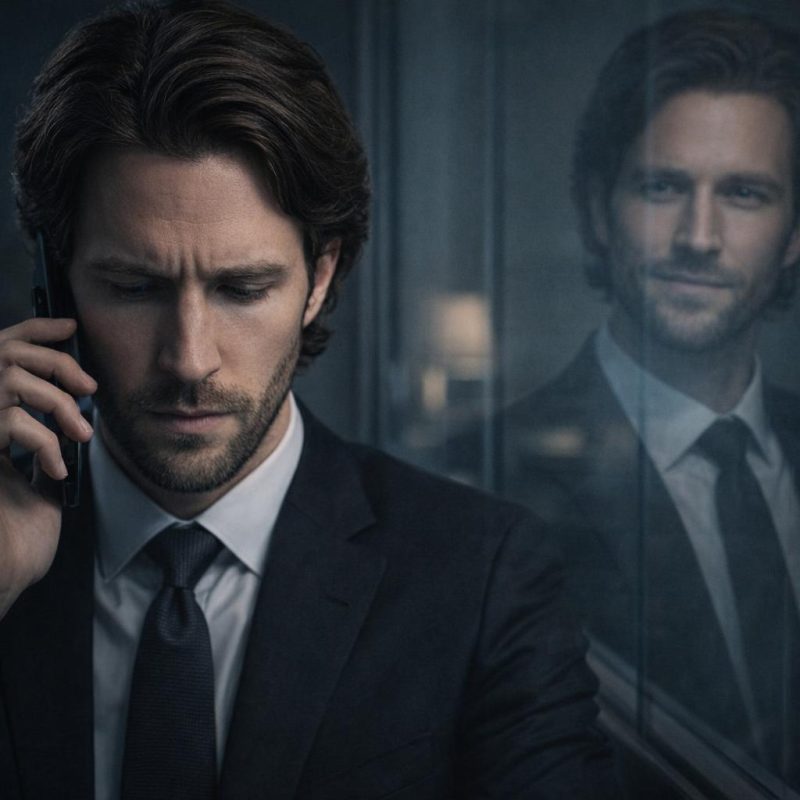 Image by RM AI
Chloe's Confrontation
Chloe didn't call. She showed up. I heard the knocking from the kitchen — three hard raps, the kind that aren't asking, they're announcing. I opened the door and she was standing there holding the notice in one hand, her expression somewhere between furious and disbelieving. She wanted to know what I thought I was doing. I stepped back and told her to come in. She walked in without looking around, still holding the paper, and told me the increase was excessive and unfair and that I had no right. I told her, as evenly as I could, that I owned The Hartwell Towers — all forty-eight units, including hers. I told her the adjustment was within the legal parameters of her lease agreement, which she had signed, and that the sixty-day notice period was as required by law. She started to say something about family, about how this wasn't how family treated each other. I reminded her, quietly, of the will reading. I didn't raise my voice. I didn't need to. I watched her face as the words landed, and then I watched the argument leave her — not all at once, but steadily, like air going out of something that had been holding too much pressure for too long. She looked down at the notice in her hand and said nothing.
 Image by RM AI
Terms Issued
I met Edward at his office the following morning. He had everything laid out already — the certified mail return receipts, each one signed, each one timestamped. Marcus, Vanessa, Chloe. All three delivered, all three received. Edward walked me through the new rent amounts one final time, confirming the figures against the lease adjustment clauses and the market data we'd used to calculate them. I asked him directly whether any of them had grounds to challenge the increases. He took his time answering, which I'd learned meant he was being thorough rather than uncertain. He said the notices were properly formatted, the amounts were within the legal adjustment parameters, the notice period was compliant, and the documentation was clean. He said if any of them retained counsel, their counsel would reach the same conclusion. He set the return receipts in a neat stack, aligned the edges, and told me that all three notices had been legally served.
 Image by RM AI
The Family Realizes
They requested the meeting through Edward's office, which told me everything I needed to know about how seriously they were taking it now. I agreed, and when they walked in — Marcus first, then Vanessa, then Chloe — none of them looked the way they had at the will reading. Marcus sat down without making eye contact. Vanessa set her bag on the table carefully, like she was buying time. Chloe looked at her hands. Marcus spoke first. He said they'd looked at their options and the numbers didn't work — breaking the leases, finding comparable space, covering moving costs. He said it plainly, without the usual edge in his voice. Vanessa followed. She said her client base was tied to her current location and a relocation would cost her more than a year of the increase. Chloe said almost nothing, just that most of what she'd received was already gone. I listened to all three of them without interrupting. When they finished, I told them the rent adjustments would proceed on the schedule already communicated, that the terms were documented, and that Edward would handle the paperwork. I didn't raise my voice. I didn't need to. The three of them sat across from me, and I held every card on the table.
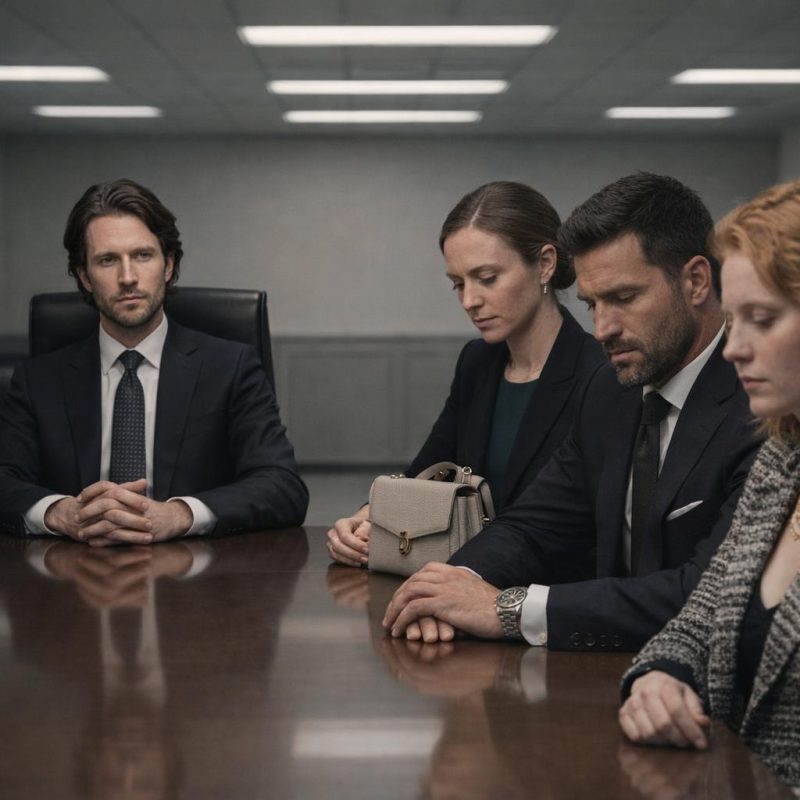 Image by RM AI
Agreements Signed
Edward set the three folders on his desk in a neat row and opened each one in turn. Marcus's signature was on top — a tight, controlled script that looked like it had been pressed harder than necessary into the page. Vanessa's agreement came next, her name signed across the commercial lease adjustment in the same precise hand she used for everything that was supposed to project competence. Chloe's was last, her signature looser, a little uneven, the kind of handwriting that suggested she'd signed it quickly and wanted it over with. Edward confirmed that all three agreements were fully executed, that the new payment amounts were now in effect, and that the documentation was clean and enforceable. He asked if I wanted copies filed with the property records or kept separately. I told him both. I took my set of the agreements and held them for a moment before sliding them into my folder. Three signatures. Three acknowledgments. The office was quiet except for the sound of Edward closing the folders, and I sat with the weight of what those pages represented.
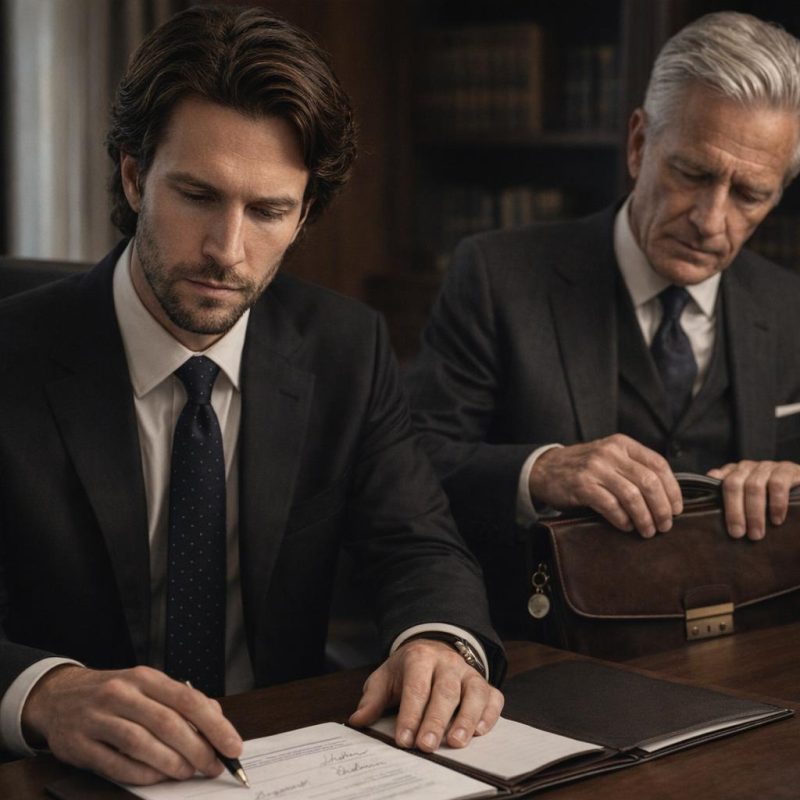 Image by RM AI
The New Arrangement
The confirmation came through the following week — all three payments received, each one at the new amount, each one on time. Edward had the updated financial statements ready when I came in. He walked me through the numbers property by property, and I followed along without needing him to slow down. The figures were clear. The income from Marcus's unit, Vanessa's commercial space, and Chloe's condo, combined with the other properties in the estate, added up to something I hadn't fully absorbed until I saw it laid out on a single page. Edward explained the broader scope of what my grandfather had assembled over the decades — the structure of it, the way each piece supported the others. He said my grandfather had been deliberate about every acquisition, every lease term, every clause. I thanked Edward for everything he'd done since the day he first asked to see me alone. He nodded and said my grandfather had trusted me with something that required patience to understand. I thought about that on the drive home. My grandfather had known exactly what he was doing, and the income now arriving each month from the people who had laughed at me was the quietest proof of it.
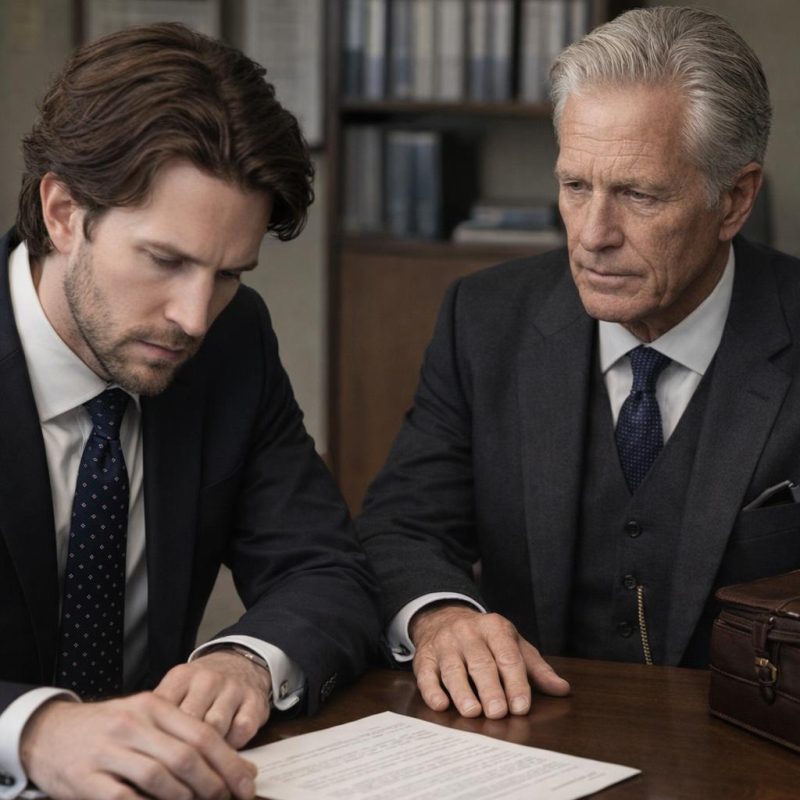 Image by RM AI
The True Inheritance
I sat at my kitchen table that evening with the property deeds spread out in front of me. Edward had organized them by acquisition date, and I went through them slowly, reading my grandfather's name on the older ones and my own on the transfer documents. I thought about what he'd said to me the last time I visited him — that patience was the only inheritance worth passing on, and that I'd understand eventually. I hadn't understood then. I thought the will reading was a punishment, a public verdict on my worth delivered in front of everyone who had ever looked past me. But sitting there with the documents laid out across the table, I could see the shape of what he'd actually done. He hadn't excluded me. He'd positioned me. The cash went to Marcus, Vanessa, and Chloe — and they spent it, leveraged it, built their lives around it, and handed me the leverage in return. The deeds, the leases, the signed agreements — those were never just assets. I set the last transfer document down on the table, my name printed clearly at the top, and understood that my grandfather had never been leaving me behind — he had been leaving me in charge.
 Image by RM AI