The Dust Road to Villa Moretti
I drove up the gravel road to Villa Moretti with one suitcase in the back seat and a vague sense that I had run out of other options. The road was long and unpaved, cutting through rows of vines that climbed the hillside in uneven lines, some of them clearly in need of attention. I didn't know anything about vines then. I just thought they looked tired, the way I felt. My aunt Zia Lucia was waiting at the kitchen door when I pulled up — not waving, not calling out, just standing there with her arms loosely crossed, watching me come. She gave me a brief embrace that smelled of bread and something herbal, then led me inside without ceremony. The house was old and solid, its stone walls thick enough to hold the cool even in the afternoon heat. She showed me to a small bedroom at the back, with a single window that looked out over the vineyard rows. We ate dinner together at a worn kitchen table, and she told me the land had been in the family for three generations. She said the work would be hard but honest. I didn't say much. I unpacked my few things after she went to bed, and sat on the edge of the mattress looking at nothing in particular, the weight of everything I'd left behind settling quietly around me.
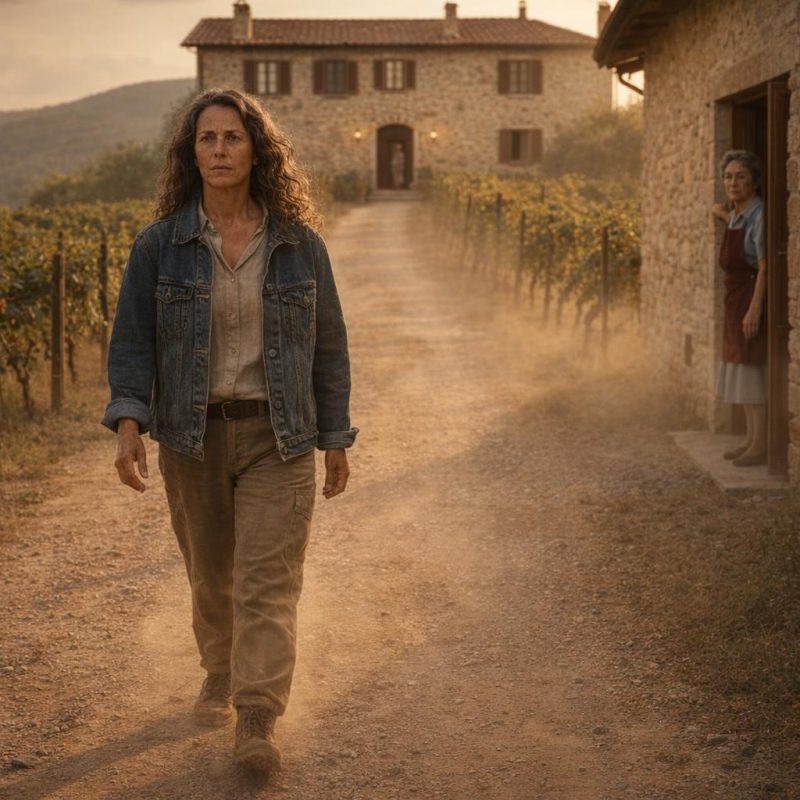 Image by RM AI
Lessons in the Rows
Zia Lucia had me up before dawn on my first real morning, handing me a pair of pruning shears before I'd finished my coffee. We walked the rows together in the grey early light while she explained the vine cycle in the same tone she might use to describe the weather — matter-of-fact, unhurried, as if the information had always existed and I was simply late to it. She showed me the difference between a fruiting cane and a water shoot by holding each one up without comment and waiting for me to see it myself. My hands blistered within the first hour. I didn't mention it. She demonstrated the angle of a proper pruning cut twice, then moved on, and I understood that watching was the lesson. We worked side by side in long stretches of silence, and I found I didn't mind the quiet. She showed me how to read the soil by pressing a handful between my fingers and bringing it close to smell — mineral and damp and alive in a way I hadn't expected. I asked about the different varietals planted in each section, and she answered briefly, naming each one like an old acquaintance. Then she stepped back and told me to try a cut on my own. I chose a cane, positioned the shears the way she'd shown me, and cut — and when I looked up, her expression told me immediately that I'd chosen wrong.
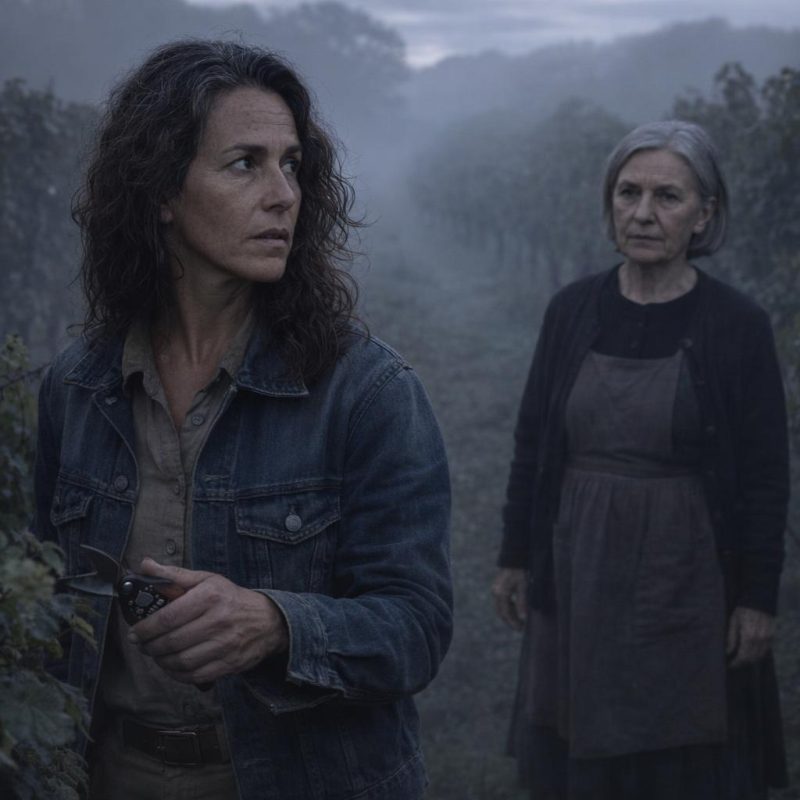 Image by RM AI
The Rhythm of Seasons
Harvest came in late September and it arrived like a wall. Zia Lucia brought in temporary workers, and Paolo was among them — a man of few words and absolute precision, who moved through the rows as if he'd been born in them. I learned to cut clusters without bruising the fruit, though it took me most of the first morning to get the motion right. We started at first light and didn't stop until the light was gone. Carrying full crates up and down the hillside rows was the kind of work that finds muscles you didn't know you had. Zia Lucia walked the rows throughout the day tasting grapes, pressing them between her fingers, checking sugar levels with a quiet focus that made everything feel urgent. My back and shoulders burned by midday. By afternoon I'd stopped noticing the burning because everything hurt equally. Paolo watched me struggle with the crate positioning and then, without a word, adjusted the angle of my carry with one hand and walked on. It was more efficient immediately. The pressing began the same evening to preserve the freshness of the fruit, and the cellar filled with a smell that was sweet and sharp and ancient all at once. I collapsed into bed each night without reading, without thinking, without anything — just the ache in every muscle holding me still until morning.
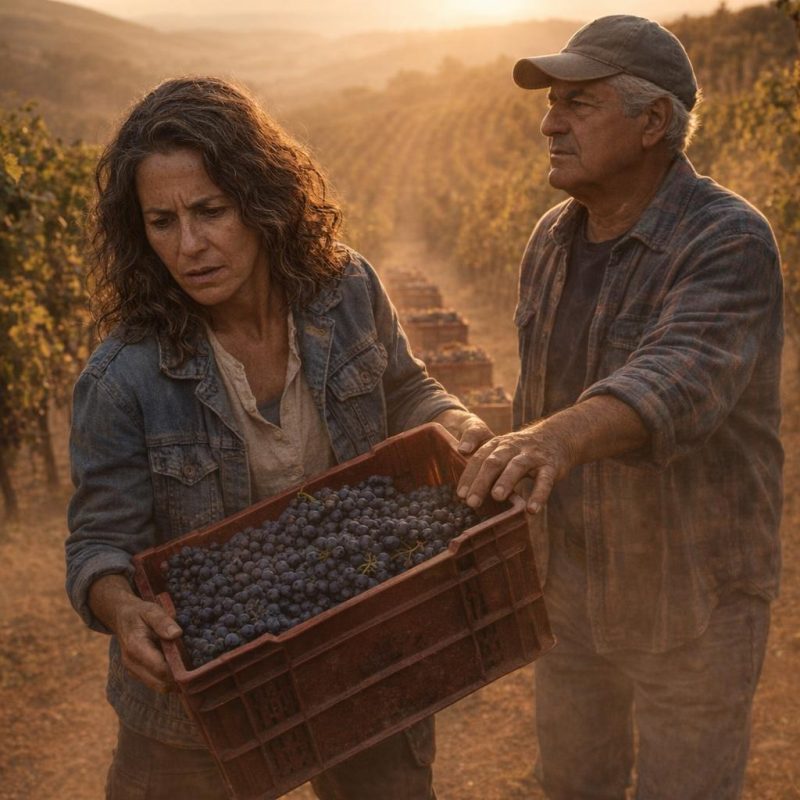 Image by RM AI
Winter Pruning
After the first hard frost, the vineyard went quiet in a way that felt almost deliberate. The vines shed their leaves and stood bare against the grey hillside, and Zia Lucia told me this was when the real work of shaping the future began. Winter pruning, she explained, was not about removing what was dead — it was about deciding what the vine would become. We worked row by row in the cold, and she taught me to count buds and balance the vine's energy between too much and too little. I kept wanting to leave more growth, more potential, more options. She kept cutting it back. She showed me how to recognize disease scars in the wood and how to identify the weak canes that looked fine but would cost the vine later. I asked once why we didn't prune for maximum grape production, and she paused with her shears open and looked at me the way she did when she thought a question answered itself. Quality comes from restraint, she said. Not from abundance. At the end of each row we burned the pruned canes in small fires, and the smoke drifted across the hillside in thin grey lines. I began to understand, slowly, that I was not managing a crop. I was tending something that would outlast me. The dormant vines stood in their rows in the fading afternoon light, patient and unhurried, asking nothing.
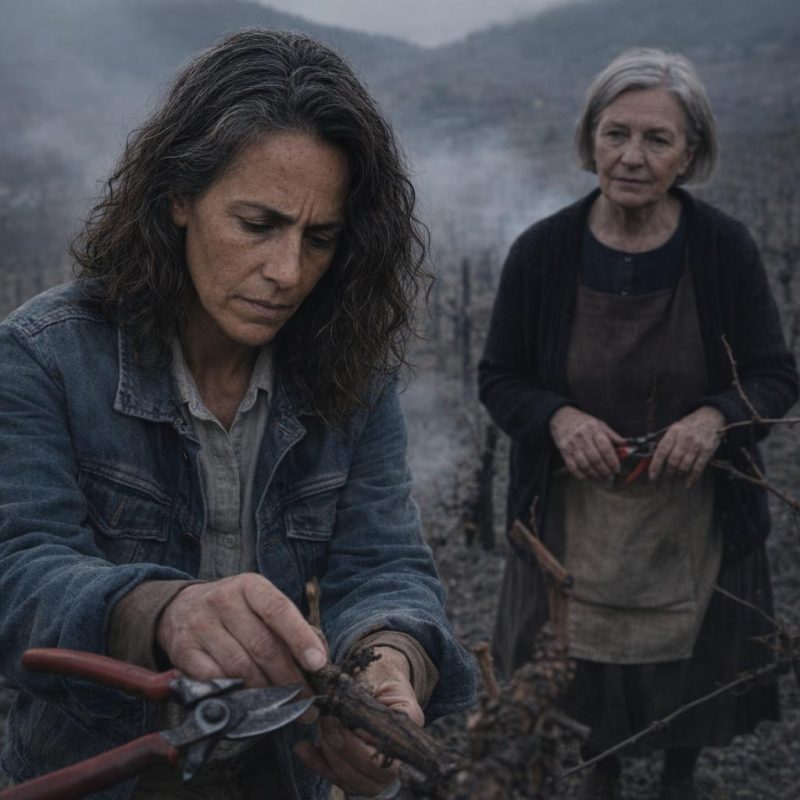 Image by RM AI
Paolo's Hands
Paolo was always there before me. I'd arrive at the equipment shed in the early dark and find him already at the workbench, sharpening shears with a small whetstone at an angle so specific he could have measured it in his sleep. He didn't explain what he was doing — he just did it, and I watched, and eventually I understood I was meant to learn by watching. He showed me a traditional knot for tying new growth to the trellis wire, a looping motion that held the cane firmly without cutting into it, and he demonstrated it once with his thick, scarred hands before handing the wire to me. I got it wrong three times. He didn't comment. He just waited. He taught me to read the sky before starting work — the particular quality of cloud cover that meant rain by afternoon, the wind direction that signaled a temperature drop. He identified the right moment for leaf thinning by touching the canopy and looking at the light coming through, and I started to understand that his knowledge wasn't stored in words. It lived in his hands and his eyes and his decades of early mornings. Zia Lucia watched us work one afternoon from the end of the row and gave a single slow nod before turning back to the house. I asked Paolo how long he'd worked in vineyards. He said he started at fourteen and had never done anything else. One morning I arrived at the shed before first light — and Paolo was already there, waiting.
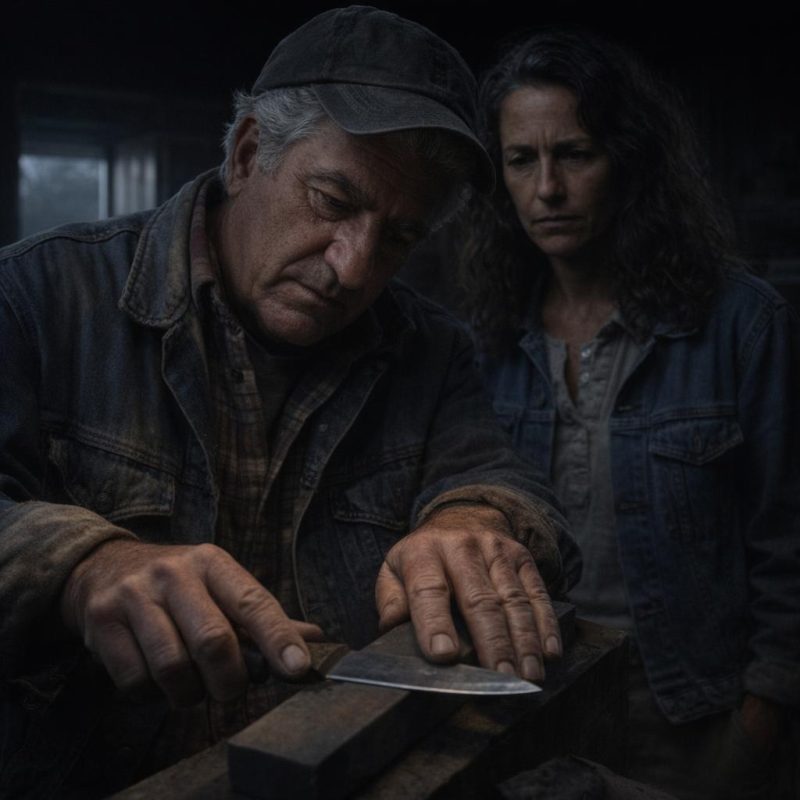 Image by RM AI
The Difficult Season
The late April frost came without much warning. I woke to a temperature drop that felt wrong for the season and went out before dawn to check the buds, which had already begun to open. I suggested to Zia Lucia that we light smudge pots throughout the vineyard, and she agreed without hesitation. We worked through the night, Paolo and I moving between the fires, keeping them fed, watching the thermometer. By morning the buds had survived with only minor damage at the edges of the upper rows. Then summer arrived dry and relentless. Weeks passed without rain, and the soil cracked along the surface in a way that made me uneasy. I monitored the moisture levels carefully and adjusted the irrigation timing, trying to give the vines enough without encouraging shallow roots. I decided to thin more clusters than usual — a significant reduction in potential yield — to preserve the health of the vines through the stress of the heat. Paolo said nothing when I told him, but he started thinning without argument, which I had come to understand was his version of agreement. Zia Lucia watched the decision play out over the following weeks without interfering. The remaining grapes drew concentrated flavor from the struggle, and she told me quietly one evening that my judgment had been sound. Then one morning in late July, moving through the rows on my usual check, I stopped at a vine near the center of the oldest block — and there were the first small clusters forming, tight and green and unmistakable.
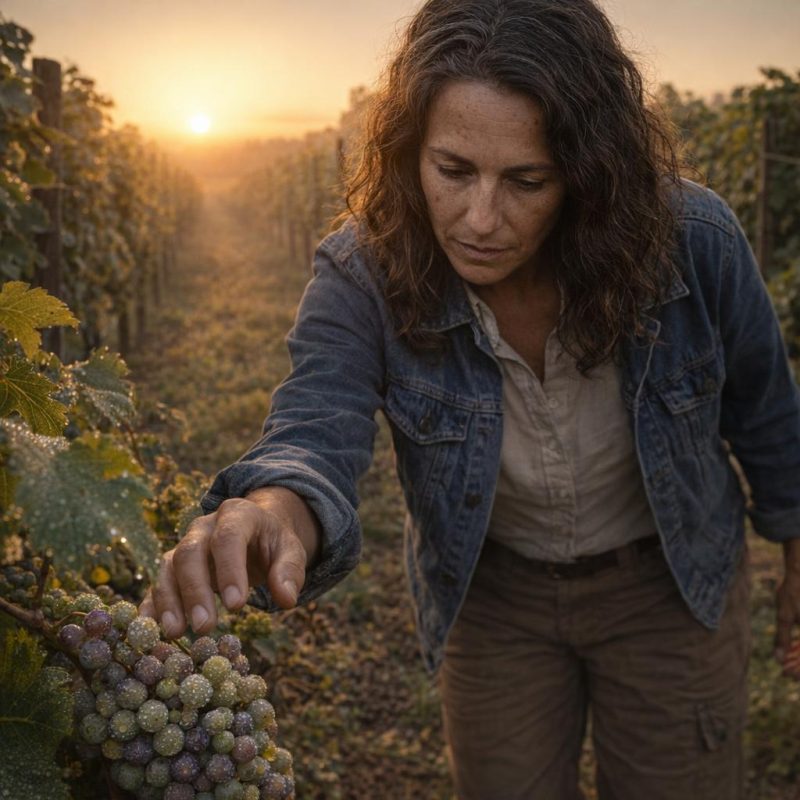 Image by RM AI
Recognition
A winemaker from the neighboring estate came by one afternoon to talk about harvest timing. He was older than me, well-regarded in the valley, and he walked the rows with the easy authority of someone who had been doing this for decades. When he asked about our canopy management approach, Zia Lucia turned to me without a word and waited. I explained what I'd been doing — the leaf thinning schedule, the cluster positioning, the decisions I'd made about shoot selection that season. He listened carefully, asked a few specific questions, and then said the vines were in exceptional condition. I thanked him and tried not to show how much it meant. Later, standing near the end of the row, he asked Zia Lucia directly how long the vineyard had been managed this way. She told him that I had been running the vineyard operations for the past two seasons. That evening she handed me the keys to the wine cellar — an old iron ring with three keys on it — and told me that all decisions about barrel aging were mine to make from that point forward. I asked if she was certain. She said the vineyard had not looked this good in twenty years. I turned the keys over in my hand and didn't say anything for a moment. Then I heard her tell him, just before he reached his car, that I ran the vineyard now.
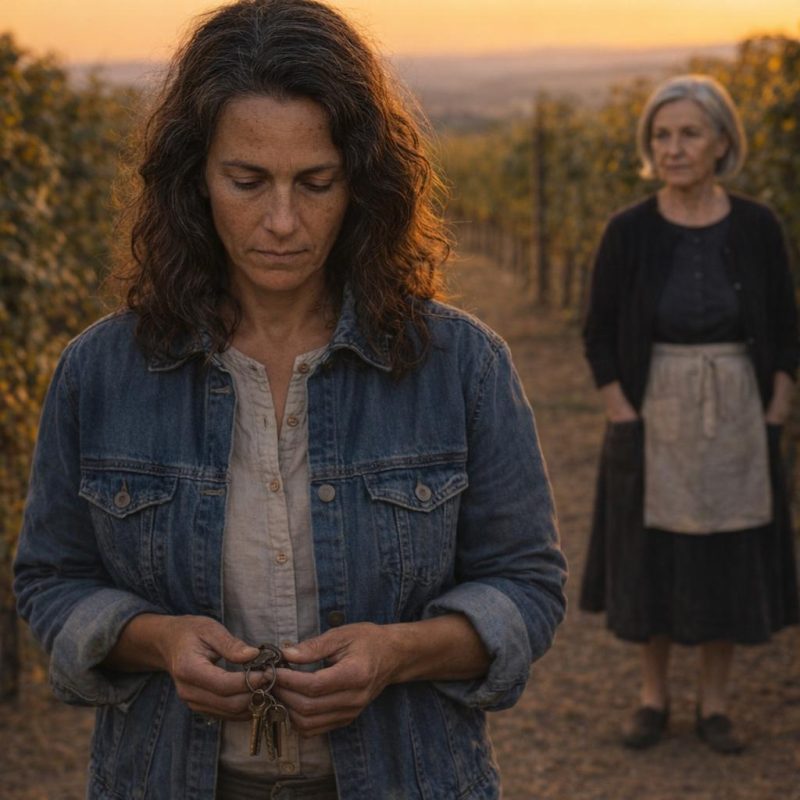 Image by RM AI
The Old Cellars
I spent the first weeks of winter in the cellars. When I'd taken the keys from Zia Lucia I hadn't fully understood what I was inheriting — the space was cluttered with decades of accumulated equipment, broken tools, empty demijohns, and crates stacked without logic against every wall. Paolo helped me clear it out, hauling load after load up the stone steps into the pale winter light. As we worked deeper into the space, the ceiling revealed itself — beautiful vaulted stonework, each arch precise and old, hidden under years of grime and cobwebs. I scrubbed the walls and floor by hand over several days until the stone showed its original color, a warm grey-gold that held the lamplight differently than I'd expected. Paolo built new racks for bottle aging from timber he'd sourced himself, fitting them to the curve of the walls without measuring twice. I reorganized the barrel storage to improve the temperature gradient across the room, moving the oldest barrels to the coolest section near the back wall. While cataloging the stored wines I found several bottles from vintages I hadn't known existed — some of them older than my time at the estate, a few older than I was. I created a proper inventory, labeled and dated, and pinned it inside the cellar door. When I finally stood in the finished space with a lamp in my hand, the barrels in their rows and the stone clean around them, the quiet of it settled over me like something earned.
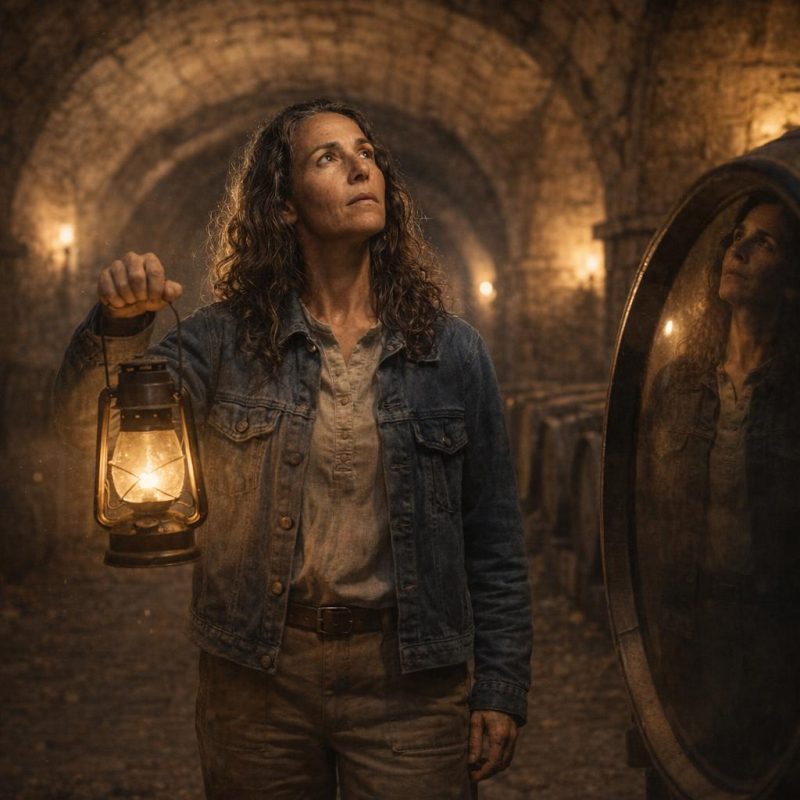 Image by RM AI
The Award
The Sangiovese from my first year of complete vineyard control was the one I worried about most. I'd made every decision myself — the pruning, the harvest date, the fermentation temperatures — and that meant every flaw was mine too. When Zia Lucia suggested entering it in the regional competition, I said yes mostly because I didn't want to seem afraid, but I spent the weeks before the judging second-guessing every choice I'd made that season. The morning the results arrived I was in the cellar checking on the barrels and didn't even hear her come down the steps. She held the letter out without saying anything, and I had to read it twice before it settled in — bronze medal, regional category, Sangiovese varietals. It wasn't the top prize. But it was real, from people who tasted wine for a living and had no reason to be kind. Zia Lucia had the certificate framed and hung it in the tasting room before I'd finished reading the letter a third time. At the market that Saturday, two winemakers I respected stopped to congratulate me. Paolo said nothing at all — he just crossed the courtyard, looked at me steadily, and shook my hand once, firmly. The wine sold out within a fortnight of the announcement. I stood in the empty tasting room that evening, the framed certificate catching the last of the light, and let the quiet of it settle over me.
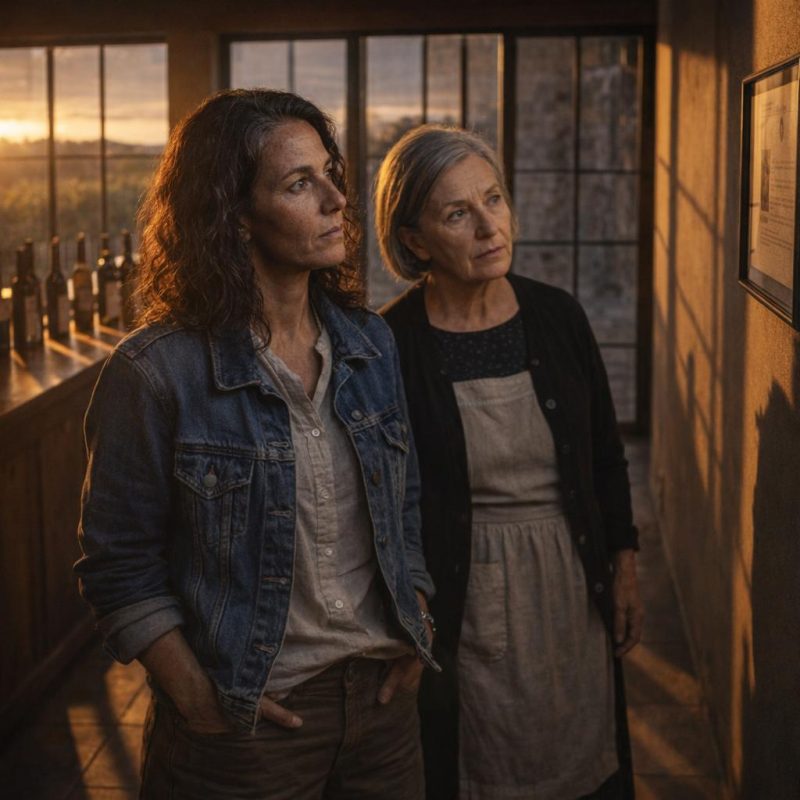 Image by RM AI
Autonomy
The change happened gradually enough that I almost didn't notice it happening. Zia Lucia began stepping back from the vineyard in small ways — deferring to me on harvest timing, letting me handle the conversations with distributors, asking my opinion on decisions she used to make without consulting anyone. I told myself it was trust, and maybe it was. I hired the seasonal workers myself that spring, set the pruning schedule, approved the budget for new equipment. When I proposed replanting the old eastern block with different rootstock, she reviewed the plan for perhaps ten minutes and signed off without a single question. I started thinking in longer cycles — not just this vintage but the next three, the next five. What the soil needed. What the market might want. It was a different kind of thinking, heavier and slower, and I found I liked it. I began keeping a planning journal, writing out decisions and the reasoning behind them so I could look back and learn from them. One morning I came in from the vines to find a folded note on the kitchen table in Zia Lucia's handwriting — all vineyard and production decisions were mine to make as I saw fit, effective immediately, signed with her full name and dated in her careful hand.
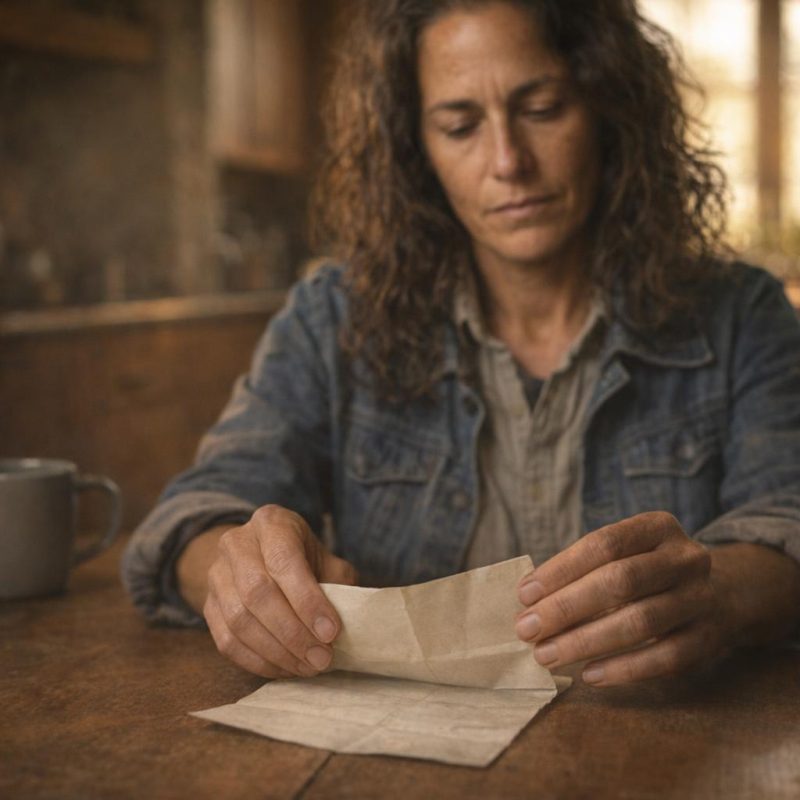 Image by RM AI
The First Signs
It started with small things, the kind you explain away without much effort. Zia Lucia forgot a meeting with a wine distributor she'd dealt with for years — not the time, not the day, but the meeting entirely, as though it had never been scheduled. I rescheduled it and said nothing. A week later she told me a story about a difficult harvest from years past, and I recognized it as one she'd told me the previous week, almost word for word. I listened again as though it were new. She moved more slowly on the stairs, one hand always on the rail now, pausing at the landing in a way she never used to. When I suggested she see the doctor for a routine checkup, she waved it off — she was getting older, that was all, there was nothing wrong with her that rest wouldn't fix. I didn't push. I started handling the household tasks she'd always managed herself: the grocery orders, the correspondence with the accountant, the small repairs she used to organize without asking anyone. She didn't object, which told me more than anything she said. In the evenings I watched her from across the kitchen table, her hands wrapped around her cup, her eyes still sharp and present, and I felt the particular weight of watching someone you love move more slowly through the world.
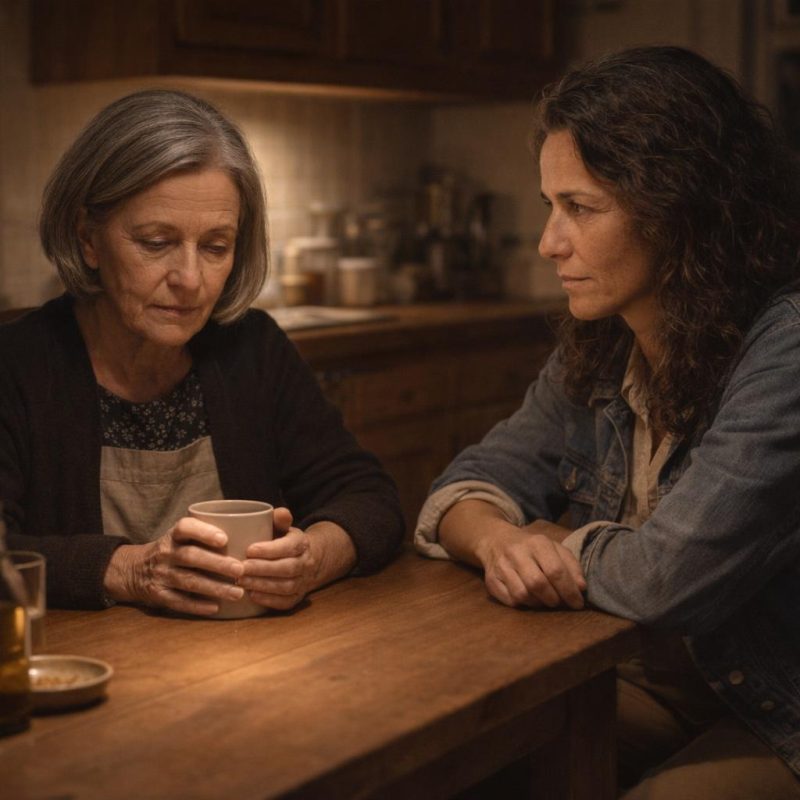 Image by RM AI
Harvest Alone
That harvest, Zia Lucia stayed in the house. She came to the doorway in the mornings to watch the crews move out into the rows, and she asked me each evening how the day had gone, but she didn't walk the vines and she didn't come into the cellar. I don't think she could have managed it, and I think she knew that. Paolo was there every day, arriving before anyone else and leaving after me, and he followed my instructions without comment or hesitation — which from Paolo was its own kind of endorsement. I made every call myself: which blocks to pick and in what order, when to hold back and wait for another day of sun, how to adjust the fermentation when the temperatures climbed unexpectedly on the third night. I worked eighteen-hour days and fell into bed each night with the particular exhaustion that comes from carrying something without being able to set it down. The grapes were exceptional that year — the careful work of the previous seasons showing in the fruit, the skins thick and the sugars balanced. I knew we had something good. When the last load came in and the cellar doors were closed and the crews had gone home, I stood alone in the courtyard in the dark, the smell of crushed grape still on my clothes, and the silence of the finished harvest settled around me like something I had earned and would carry alone.
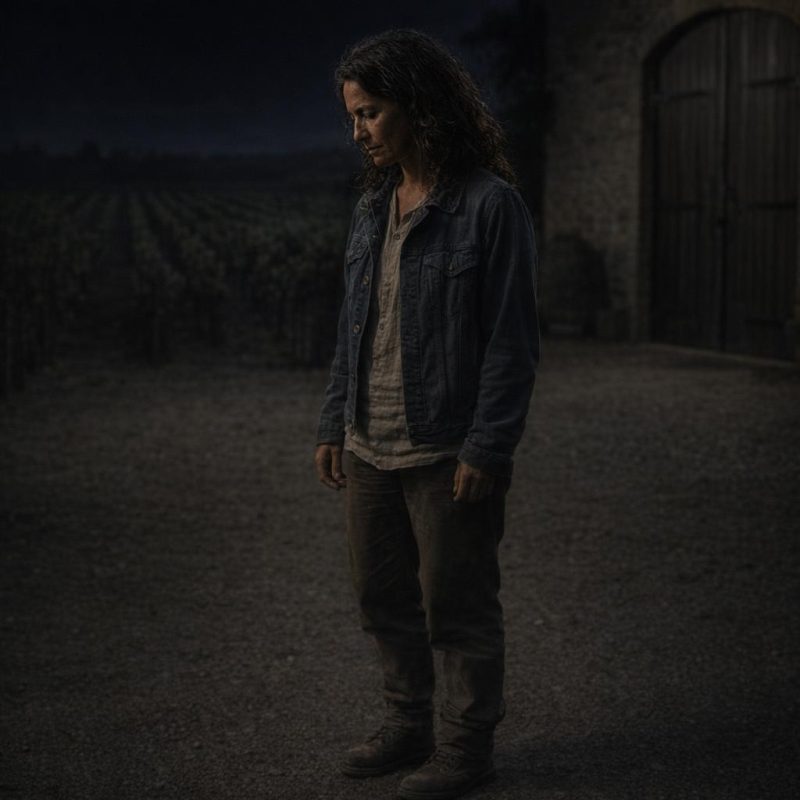 Image by RM AI
The Hospital
I found her on the kitchen floor on a Tuesday morning in February, just before six. She'd gotten up early, the way she sometimes did, and somewhere between the bedroom and the stove she'd gone down. She was conscious and embarrassed and told me firmly that she was fine, but her color was wrong and she couldn't get up without help, so I called the ambulance and rode with her and sat in the hospital corridor for most of that day and all of that night. The doctors ran tests and kept her for observation — low blood pressure, general weakness, nothing acute but nothing to dismiss either. She was sharp the whole time, annoyed at the fuss, asking me about the vineyard from her hospital bed as though I might have let something go wrong in the twelve hours since I'd last been there. I brought her home after three days. Before she came back I moved a bed downstairs into the sitting room so she wouldn't need the stairs, and she accepted this without argument, which frightened me more than the fall had. I took over everything — the meals, the medications, the appointments, the correspondence. She let me. In the evenings she sat by the window with a book and seemed content enough, and I told myself that was what mattered. Then the doctor pulled me aside before we left and said she could go home, but that someone would need to keep a close eye on her.
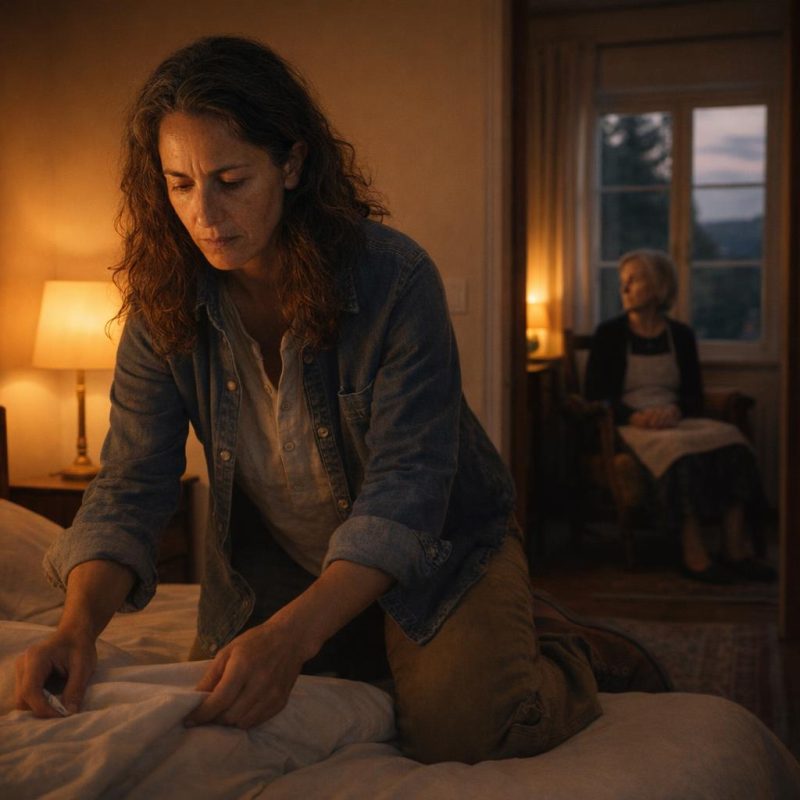 Image by RM AI
The Guardian
After that, the days had a different shape. I woke early, checked on Zia Lucia before going out to the vines, came back at midday to prepare her lunch and sort her medications into the weekly tray the pharmacist had recommended. She remained sharp — she could still read a balance sheet faster than I could, still caught errors in the distributor invoices that I'd missed — but her body had become something she had to negotiate with rather than rely on. She signed whatever I put in front of her after reviewing it carefully, and she trusted my judgment on the vineyard decisions without question. I hired two additional workers to handle the heavier physical tasks so I could move between the estate and the house without the vineyard suffering for it. One evening she called me into the sitting room and thanked me, quietly and directly, the way she did everything — no excess, no sentiment beyond what was true. I told her there was nothing to thank me for. She looked at me in a way that suggested she disagreed but wasn't going to argue about it. The following week I drove her to the clinic for a routine appointment, and the doctor asked who was responsible for her care. I said I was. He slid a form across the desk — medical authorization, designated caregiver — and I picked up the pen and signed my name on the line.
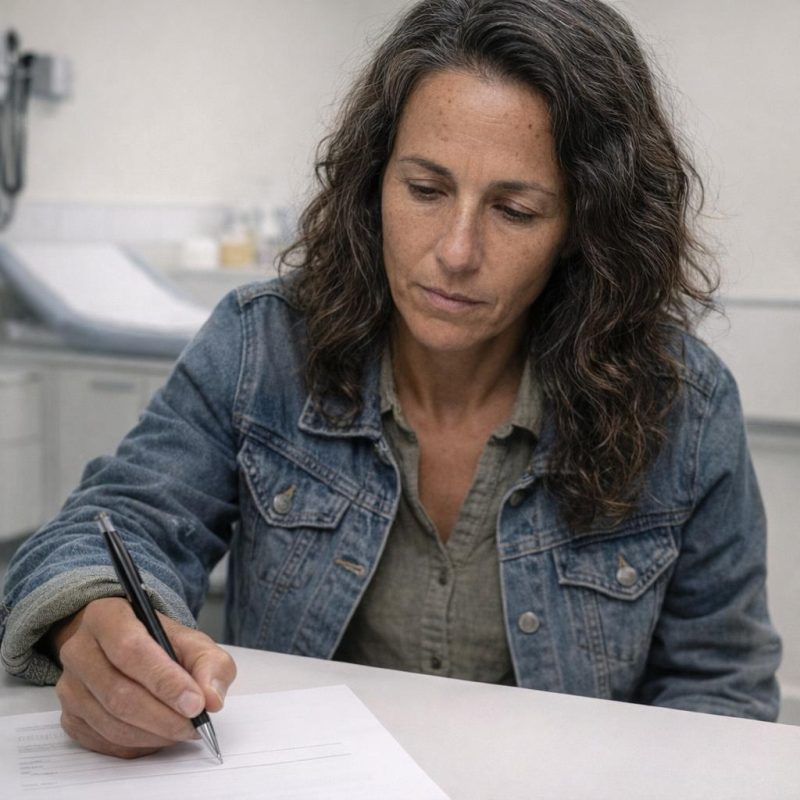 Image by RM AI
The Last Evening
The last evening was a quiet one. I made pasta with the simple tomato sauce she'd always preferred, and we ate at the kitchen table with the window open to the cool air coming off the hillside. She was tired but not unhappy — she talked about the coming growing season, asked whether I thought the new rootstock in the eastern block would show anything meaningful this year, told me she thought the estate was in better shape than it had been in thirty years. She said she was proud of what I'd made of it. I didn't know what to say to that, so I just told her I'd learned from the best. She smiled at that, a small and genuine smile, and finished her wine. I helped her to bed around nine, made sure her medications were on the nightstand, said goodnight, and closed the door softly behind me. In the morning I carried her coffee up the way I always did, knocked once, and pushed the door open — and found her still and cold in the pale early light.
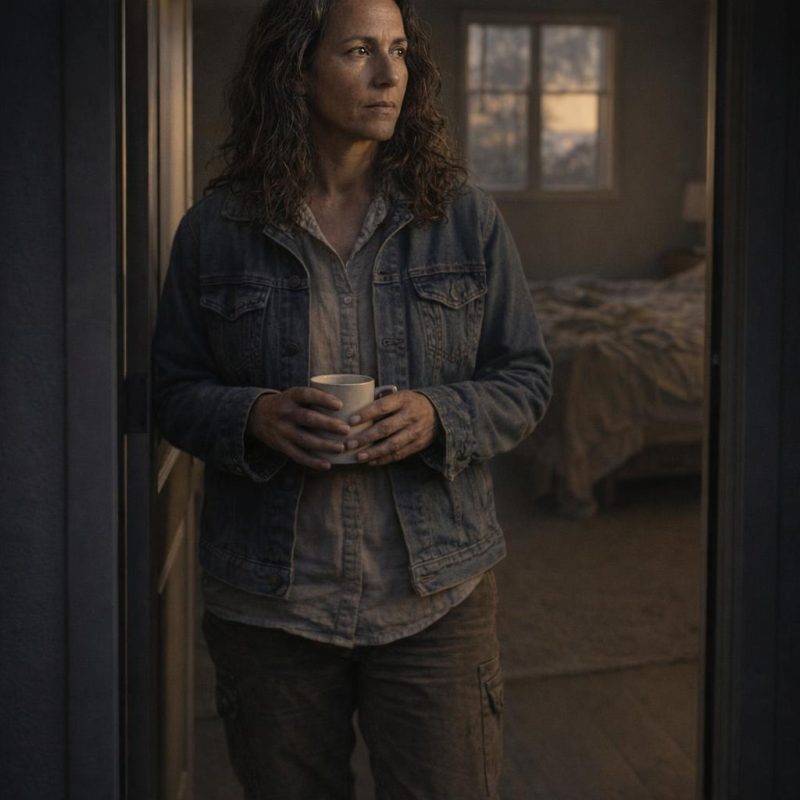 Image by RM AI
The Funeral
I arranged everything myself. Zia Lucia had left instructions — she'd been practical about such things her whole life — and I followed them as carefully as I'd ever followed her guidance on the vines. A simple service at the village church, no excess, no performance. The pews filled with people I recognized: winemakers from neighboring estates, the families of workers who'd spent seasons here, the woman from the cooperative who'd known Zia Lucia for forty years. Paolo and three of the seasonal workers carried the coffin, and I was glad she would have approved of that. I spoke briefly at the service — about the land, about what she'd built, about the kind of patience it takes to tend something for decades without needing to see the result immediately. We buried her in the family plot on the hillside above the vines, in the shade of the old cypress, where on a clear day you could see every row she'd planted. Afterward, people came back to the house and I accepted their condolences and poured her wine and let the afternoon pass the way it needed to. It was only later, when the last car had gone and I was clearing the glasses, that I went through the faces in my memory from the church — and understood that neither Marco nor Alessandra had been there.
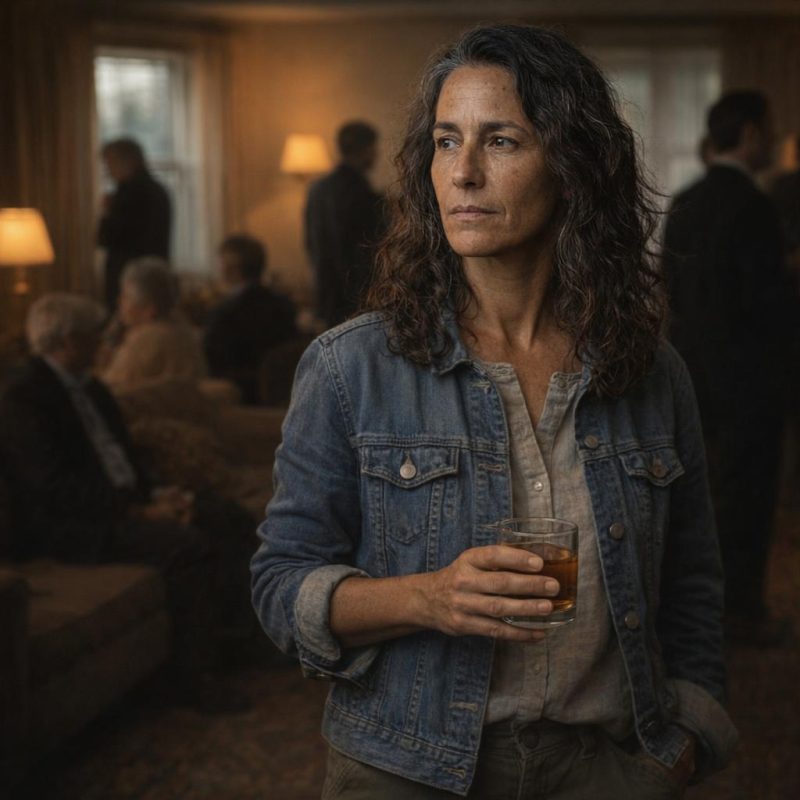 Image by RM AI
The First Season Alone
Spring came the way it always had — indifferent to grief, indifferent to everything except the light and the temperature of the soil. The vines didn't know Zia Lucia was gone. They pushed out their first pale shoots the same week they always did, and I was grateful for that. I threw myself into the pruning with more focus than I'd had in years, maybe because focus was the only thing standing between me and the kind of stillness that would have undone me. Paolo worked beside me without comment, which was exactly what I needed. We moved through the rows in the early mornings when the air still had a chill to it, cutting back the previous year's growth, tying the new canes to the wire with the same practiced rhythm we'd used for a decade. He didn't ask how I was doing. I didn't tell him. There was an understanding between us that the work itself was the answer to that question. Some afternoons I'd stop at the end of a row and look back at what we'd done — the clean cuts, the orderly ties, the vines already reaching — and something in me would settle, just slightly, into the shape of the day.
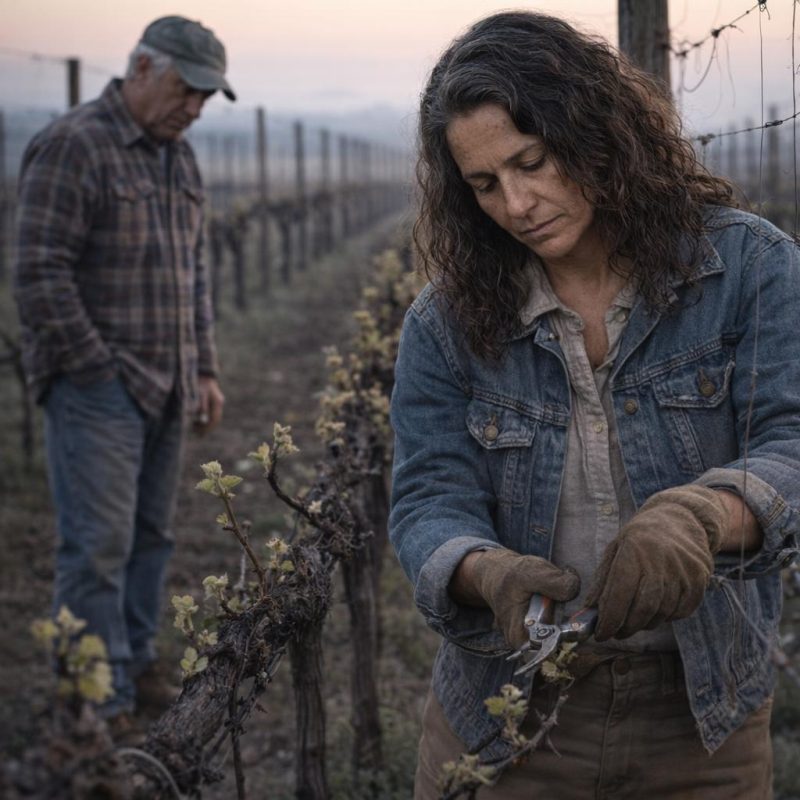 Image by RM AI
Silence from Abroad
Six months passed and I heard nothing from Marco or Alessandra. Not a phone call, not a letter, not a message through anyone else. I kept waiting for something — some acknowledgment that their mother had died, that there was an estate to consider, that there were decisions to be made — but the silence just continued, week after week, until it stopped feeling strange and started feeling like the natural order of things. I paid the bills from the estate accounts the way I always had. I filed the quarterly tax documents. I negotiated the harvest contracts with the cooperative. Nobody questioned any of it, because nobody had ever questioned any of it. I told myself their absence made sense — they hadn't been present for Zia Lucia's life, so why would they be present for its aftermath? I made plans for the following year's planting without consulting anyone, because there was no one to consult. Occasionally, late in the evening when the paperwork was spread across the kitchen table, I'd wonder vaguely what would happen to the property eventually — who it legally belonged to, what Zia Lucia had arranged. But the thought never stayed long. The vineyard needed tending, and that was enough to fill the days.
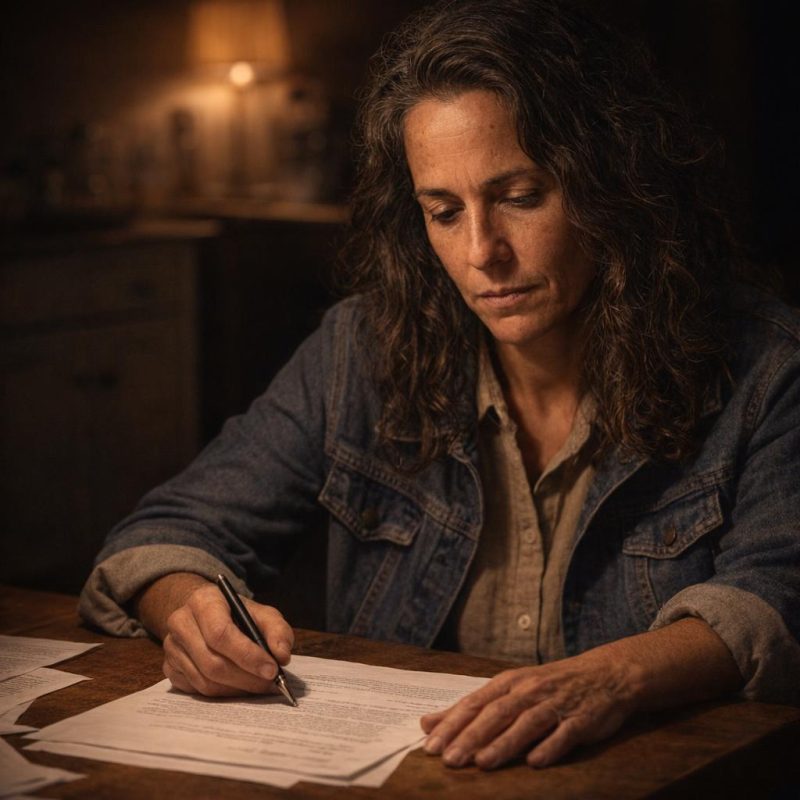 Image by RM AI
New Irrigation
The old irrigation system had been failing in small ways for years — pressure inconsistencies in the lower blocks, a slow leak near the Sangiovese rows that Paolo had been patching with wire and patience since before I arrived. After the harvest that autumn, I sat down with the estate accounts and decided it was time. The numbers supported it. Three strong vintages in a row had built up a reserve I hadn't wanted to touch without good reason, and this was good reason. I hired a contractor from Siena who specialized in drip systems, and for two weeks in November Paolo and I walked the rows with him while he mapped the layout and calculated the flow rates for each varietal block. The installation took the better part of a month. When it was finished, I stood at the control panel in the equipment shed and programmed the schedules myself — lighter cycles for the Vermentino, deeper draws for the older Sangiovese roots, timed to the hour. Paolo watched over my shoulder and said nothing, which from him was the same as approval. I documented everything in the estate records: cost, specifications, expected water savings, projected quality improvement. It felt like writing a letter to the future, and I meant every word of it.
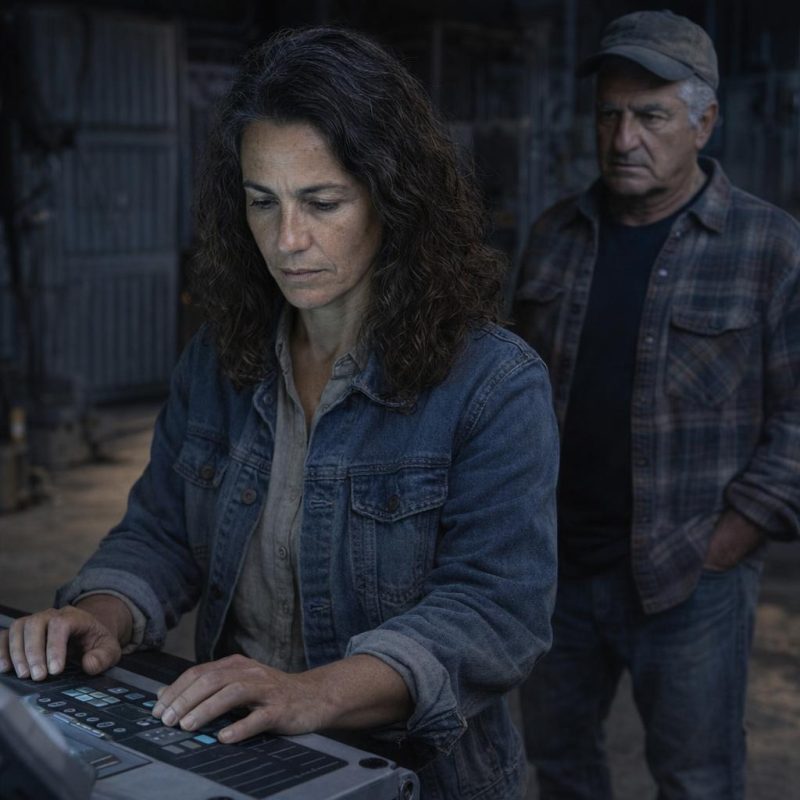 Image by RM AI
The Equipment Shed
The old tractor had been giving us trouble since the previous harvest — a transmission issue that cost more each season to manage than it would have cost to replace. I'd been putting it off the way you put off anything that feels like an admission, but that spring I drove to the equipment dealer in Poggibonsi and came back with a newer model, a proper destemmer to replace the one we'd been coaxing along for years, and a rebuilt sorting table. Paolo spent three days reorganizing the equipment shed to accommodate everything, moving the older tools to the back wall with the careful deliberateness of someone archiving rather than discarding. I kept detailed records of every purchase — receipts, warranties, maintenance schedules — filed in the same binders where I kept the irrigation documentation and the planting maps. The vineyard was in better condition than it had been in decades, and the knowledge felt like something solid to stand on. I was at the kitchen table one evening reviewing quotes for a new press when I noticed an envelope that had been sitting under a stack of invoices for the better part of a week. London postmark. Marco's name in the return address. Inside, a single typed page: he and Alessandra were coming at the end of the month, and they wanted to discuss the future of the estate.
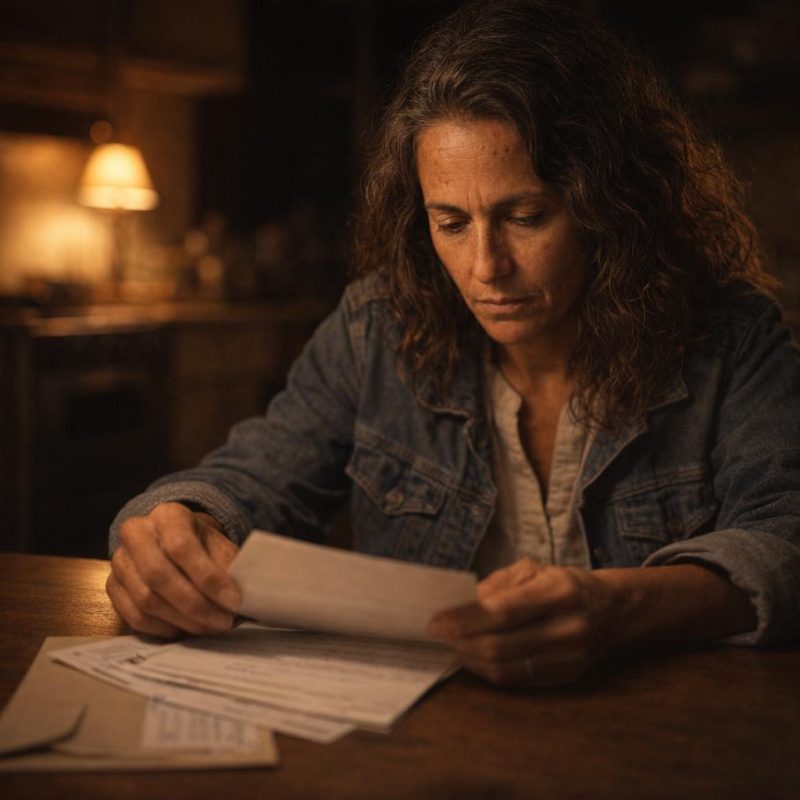 Image by RM AI
Regional Recognition
The call came from a restaurant in Florence — a place I knew by reputation, the kind of room where the wine list was taken seriously. They wanted to carry three of our labels, and they wanted exclusivity on the reserve Sangiovese for the season. I said yes and then stood in the courtyard for a moment afterward, not quite sure what to do with the feeling. Paolo was nearby, checking the ties on the young vines, and when I told him he just nodded slowly and said Lucia would have been pleased. He didn't say more than that, and he didn't need to. Over the following months, inquiries came in from distributors in Siena and Montalcino, and a regional wine publication ran a short piece on estates showing consistent improvement — our name was in the third paragraph. I attended the regional winemakers' association meeting in the autumn and found myself being asked questions rather than just listening to them. Other vintners wanted to know about my canopy management approach, about the timing of my late harvests. I answered as honestly as I could and drove home through the dark hills feeling something I hadn't expected: that I belonged here, not just as a caretaker, but as part of the landscape itself. The estate's name in that magazine column sat on the kitchen table for a week before I finally put it away.
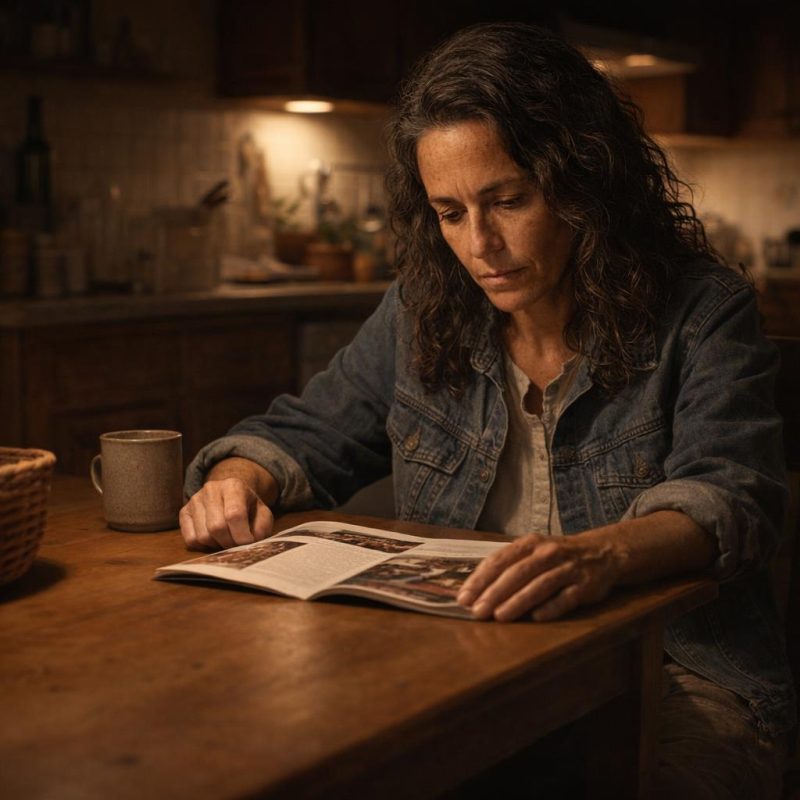 Image by RM AI
New Varietals
I'd been watching the climate data for three years before I made the decision. The summers were running hotter and drier, and the Sangiovese — as much as I loved it, as much as it was the backbone of everything we'd built — was going to need company. I ordered rootstock for Vermentino and Grenache, two experimental blocks in the fallow section on the eastern slope that Paolo and I had been debating for years. He helped me prepare the soil through February, turning it in long passes with the new tractor, working in the compost we'd been building since autumn. The new vines went in during March, small and unpromising-looking, the way all young vines do. I installed the trellising myself over the course of a week, working from a system I'd adapted from a paper by a researcher in Montpellier. Paolo watched me drive the last post and said they wouldn't give us anything worth drinking for four years at minimum. I told him I knew that. He said good, just making sure. I documented the planting coordinates, the rootstock provenance, the soil amendments, the expected timeline — all of it entered into the estate records in the same careful hand I'd used for every decision I'd made here. Those small vines in the eastern slope would take years to become anything. I had planted them anyway, without hesitation, as though the future were simply mine to tend.
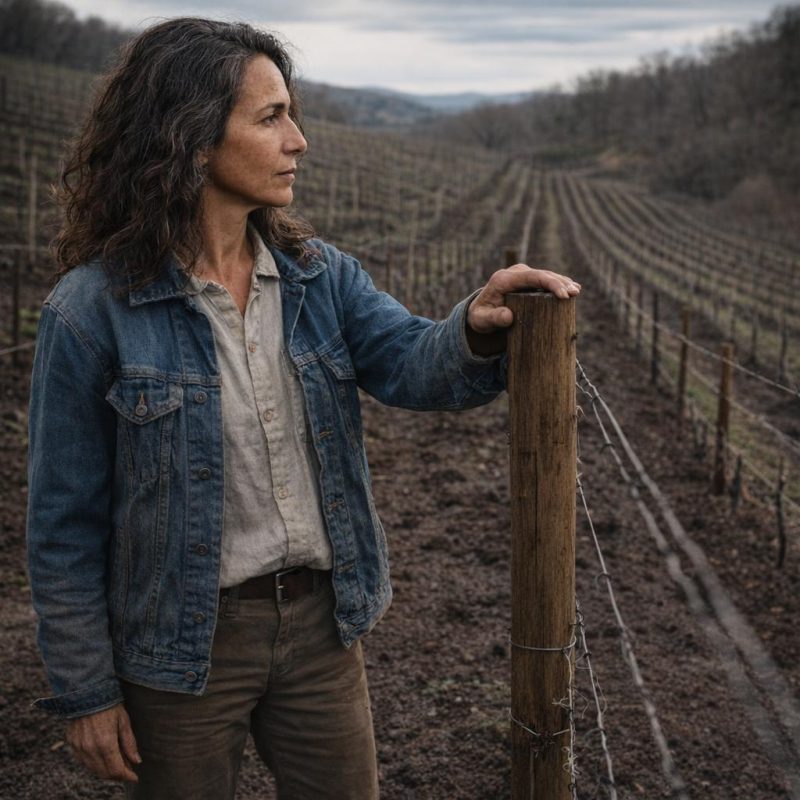 Image by RM AI
The Expansion Plan
I spread the drawings across the kitchen table on a Sunday in January — the ten-year plan I'd been assembling in pieces since the previous autumn. Phased replanting of the oldest Sangiovese blocks, starting with the northwest corner where the yields had been declining for three seasons. A thirty-percent expansion of the cellar, which would require permits and a structural engineer but was entirely fundable from projected revenues. A grant application for sustainable viticulture practices that I'd been researching through the regional agricultural office. I had it all mapped out in a way that felt, for the first time, genuinely comprehensive — not just managing what existed but building toward something. I sat with it for a long time, moving between the drawings and the financial projections, making small notes in the margins. The kitchen was quiet except for the wind off the hills. At some point I reached across the table to move a stack of papers — and there, underneath, was the edge of an envelope, slightly crumpled, buried under the drawings for the better part of two weeks. Marco's letter, the one I'd set aside the night it arrived and hadn't opened since.
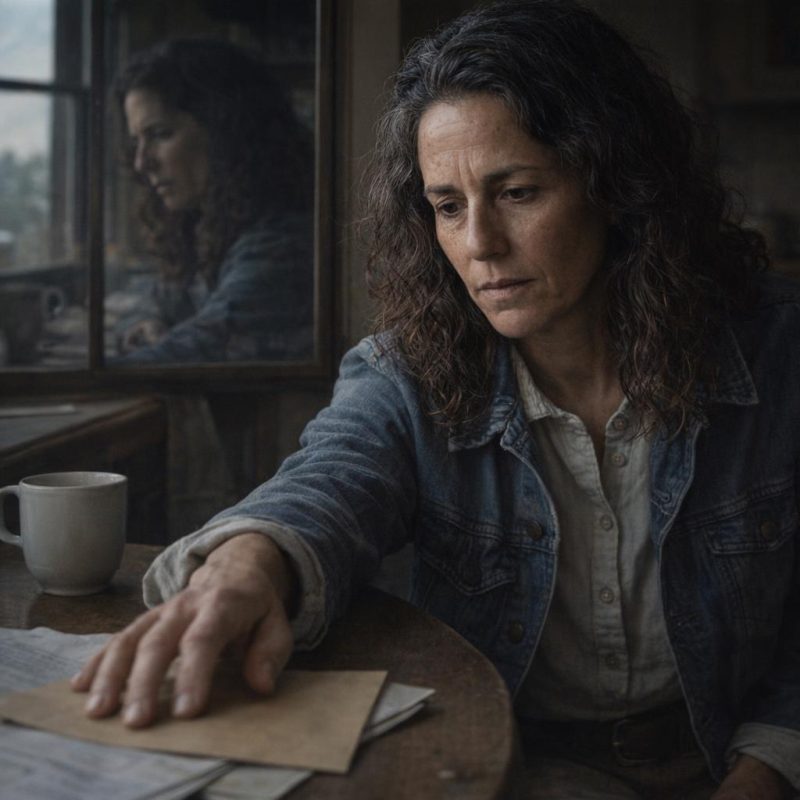 Image by RM AI
Preparing for Visitors
I cleaned the guest rooms myself, which I hadn't done in years — they'd been closed since before Zia Lucia's illness, the shutters latched, the beds stripped. I aired them out over two days, washed the linens, put fresh flowers on the windowsills the way she used to. Paolo found me reorganizing the kitchen pantry on the morning of the third day and asked, without particular inflection, whether the cousins were coming to help with the spring pruning. I told him I didn't know why they were coming. He looked at me for a moment and then went back to work without saying anything else, but something in that pause stayed with me. I pulled the estate's financial records that afternoon and went through them carefully — the accounts, the improvement logs, the harvest records going back eight years. Everything was in order. Everything was documented. The profitability was clear and consistent. I told myself that was enough, that anyone looking at these records would see exactly what had been built here and who had built it. But that evening, standing in the doorway of the guest room with the turned-down bed and the fresh flowers, I understood something I hadn't let myself think clearly before: I had no document, no agreement, no letter from Zia Lucia that named me as anything other than the person who had always been here, and the house felt, for the first time, like it belonged to someone else.
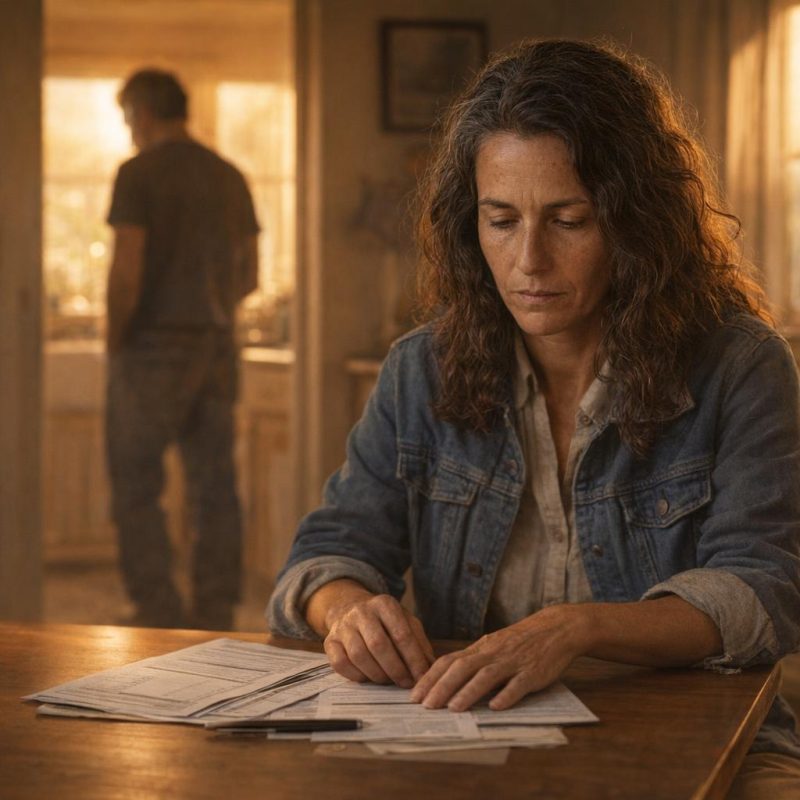 Image by RM AI
The Arrival
They arrived just before five, when the light was going gold over the upper terraces and the air still carried the faint sweetness of the fermentation tanks. I heard the car before I saw it — a black sedan, hired, with city plates — and I wiped my hands on my canvas pants and walked out to meet them. Marco stepped out first, in linen trousers and leather loafers that had never touched a dirt path in their life. Alessandra followed, pulling sunglasses up into her hair, wearing something pale and structured that belonged in a Milan aperitivo bar. I embraced them both, the way you do with family you haven't seen in years — a little stiff, a little too long, neither of us quite sure where to put our hands. Marco said it had been too long. Alessandra said the drive from Florence was exhausting. I said I had the rooms ready and there was cold water and wine inside whenever they wanted. They both nodded, polite and distant, and then they turned and looked at the house — at the stone facade, the courtyard, the rows of vines climbing the hill behind it — the way strangers look at a property they have never lived in.
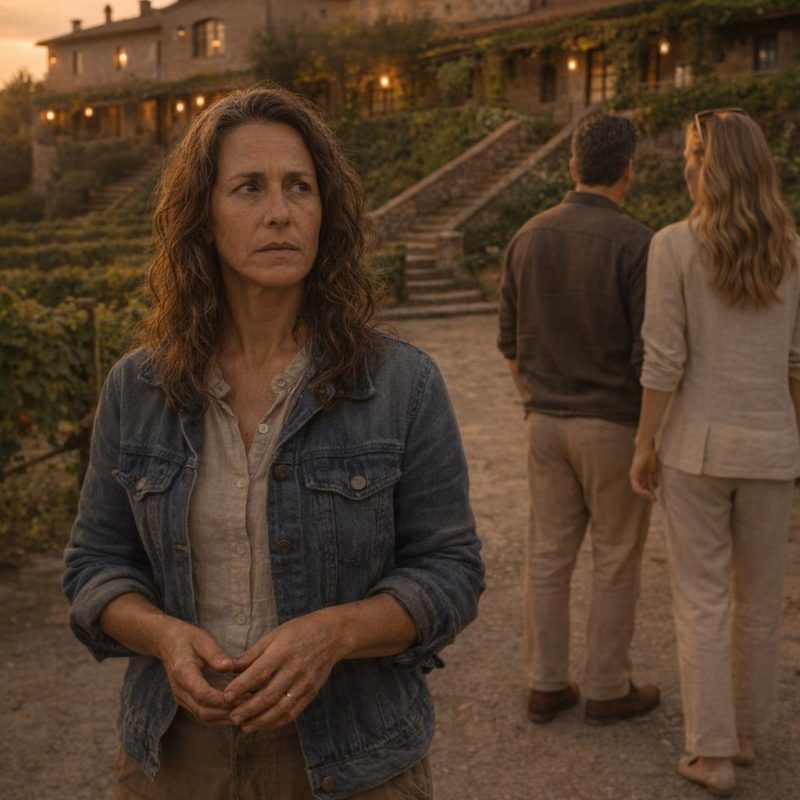 Image by RM AI
The Tour
Marco asked for the tour the next morning, right after coffee, before I'd even finished my second cup. I took them through the vine rows first, explaining the training system I'd shifted to eight years ago, the way I'd replanted the lower terrace with Sangiovese clones better suited to the drainage. Marco walked with his hands in his pockets, nodding, asking about yield per hectare and production volume. Alessandra trailed a few steps behind, taking photographs on her phone — the cellars, the equipment, the tasting room, the view from the upper ridge. I showed them the restored fermentation tanks, the new temperature controls, the barrel room I'd reorganized three seasons ago. I talked about the awards, the restaurant accounts we'd built, the waiting list for the private allocation. I was proud of it. I couldn't help being proud of it. But as we stood in the tasting room and Marco swirled a glass of the current release and asked, very carefully, about the estate's annual revenue, I felt something shift in the quality of his attention — less like a son returning to his mother's land, and more like someone taking careful inventory of everything in the room.
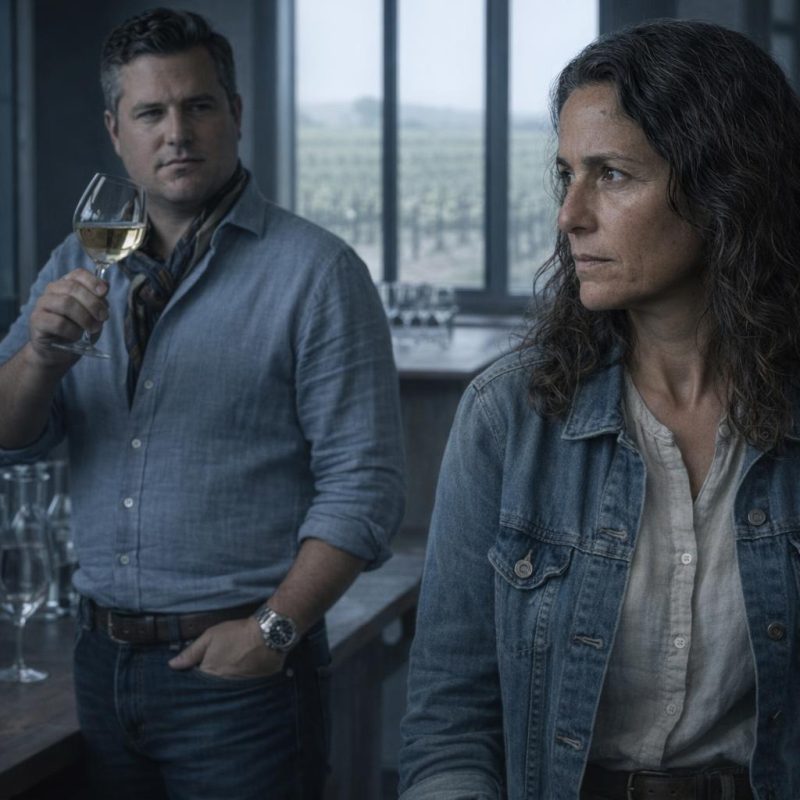 Image by RM AI
Dinner Conversation
I made ribollita that evening, the way Zia Lucia had taught me — the bread torn by hand, the beans soaked overnight, the whole thing finished with a pour of the estate's own oil. It felt like the right thing to do, something grounding and familiar. Marco opened a bottle from the cellar without asking, which I let pass. The conversation started easily enough — their lives in London and Paris, the restaurants they liked, the places they'd traveled. But somewhere between the first course and the second, it turned. Marco asked what comparable estates in the valley had sold for recently. I said I hadn't followed the market. Alessandra mentioned, almost offhandedly, that rural Tuscan properties were attracting serious developer interest. Marco asked whether I'd had any inquiries from outside buyers. I said no, and changed the subject back to the harvest. They let me, but a few minutes later Marco asked what I thought the land itself was worth, separate from the business. I said I'd never thought about it that way. He nodded slowly, like that was an interesting answer. Alessandra refilled her glass. I sat with the question long after the table was cleared, turning it over, unable to find a shape for the discomfort it left behind.
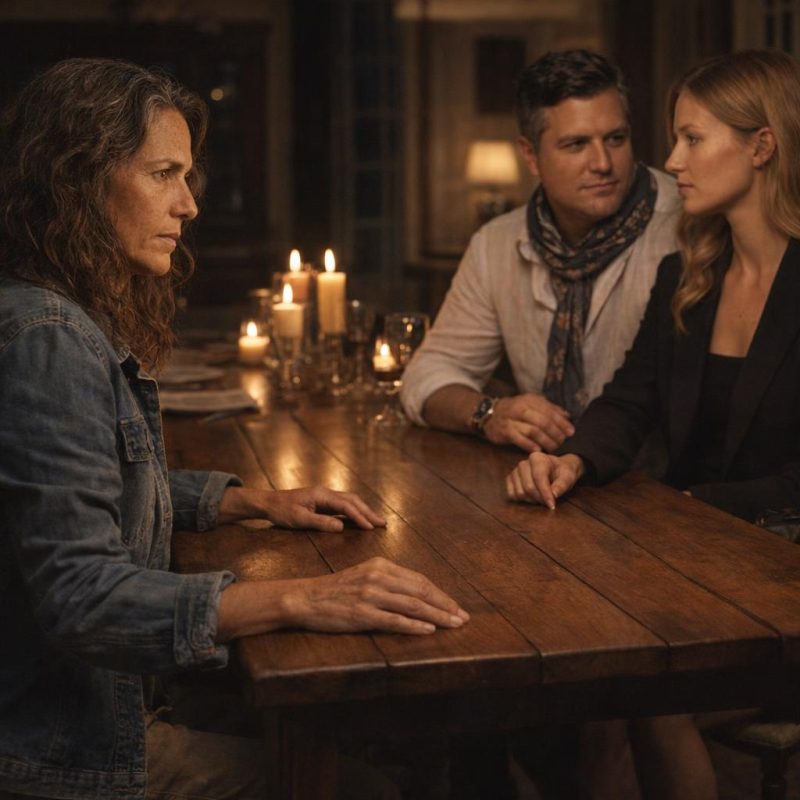 Image by RM AI
The Valuation
It was over breakfast, two days into their visit, that Marco mentioned the appraiser. He said it the way you might mention a dentist appointment — routine, unremarkable, already scheduled. He said he'd engaged a firm from Siena to conduct a formal valuation of the estate, that it was standard practice when managing inherited assets, that it would give them a clearer picture of what they were working with. Alessandra added that it had been years since anyone had done a proper assessment, as though that settled the matter. I asked why they needed a valuation now. Marco said it was simply good estate management, that having accurate numbers was responsible. I asked if they were considering selling. He said they were gathering information, that no decisions had been made, that I shouldn't read too much into it. His tone was patient and even, and I had no legal ground to stand on, nothing I could point to and say this is mine, you cannot do this without me. I spent the rest of that day in the vineyard, going through the motions of work I could do in my sleep, and I couldn't shake the feeling that the ground under my feet was less solid than it had been the day before. That evening Marco found me in the kitchen and mentioned, almost as an afterthought, that the appraiser would be arriving the following week.
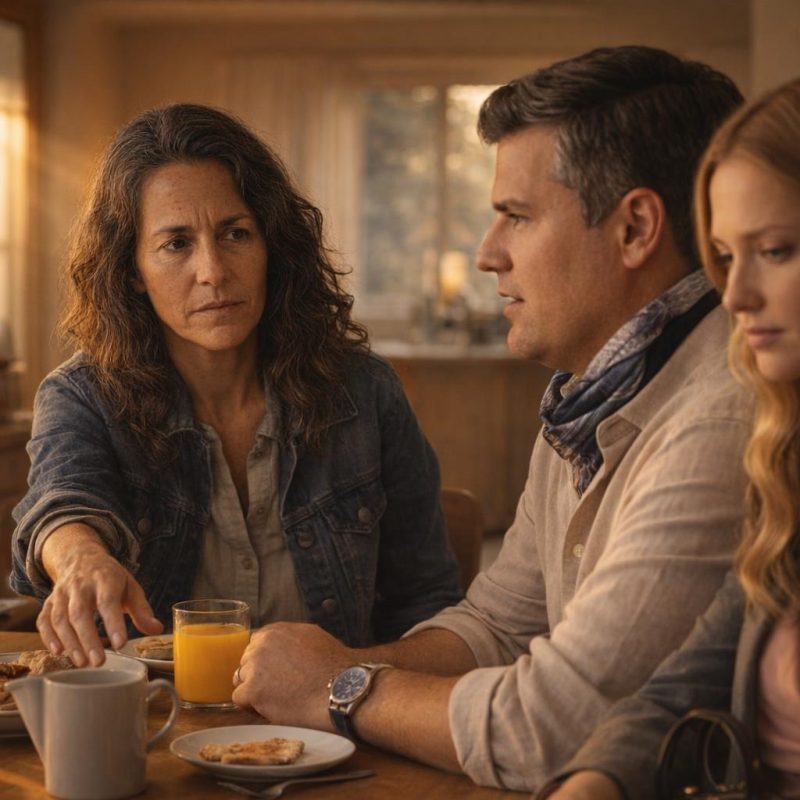 Image by RM AI
Resort Development
Alessandra came out to the vines the next morning, which surprised me. She wasn't dressed for it — thin-soled sandals, a silk blouse — but she fell into step beside me without complaint. For a while she just looked at the landscape, and I'll admit it is beautiful in the early morning, the mist still sitting in the low parts of the valley, the rows running clean and straight up the hill. She said it was stunning, that she'd forgotten how beautiful it was. I thanked her. Then she started talking about agritourism — properties she'd seen in Umbria and the Veneto, boutique resorts built around working farms, the kind of places that charged four hundred euros a night and had waiting lists. She said the landscape was the product, that buyers understood that now. I kept walking and didn't say anything. She asked if I'd ever thought about the resort potential of a property like this one. I said it was a working vineyard, not a hotel. She shrugged and said things change, that the market rewards flexibility. I nodded and moved on to the next row. But I stood there for a long time after she went back inside, looking at the vines I'd planted and trained and tended for nearly two decades, and the morning felt quieter and colder than it had any right to be.
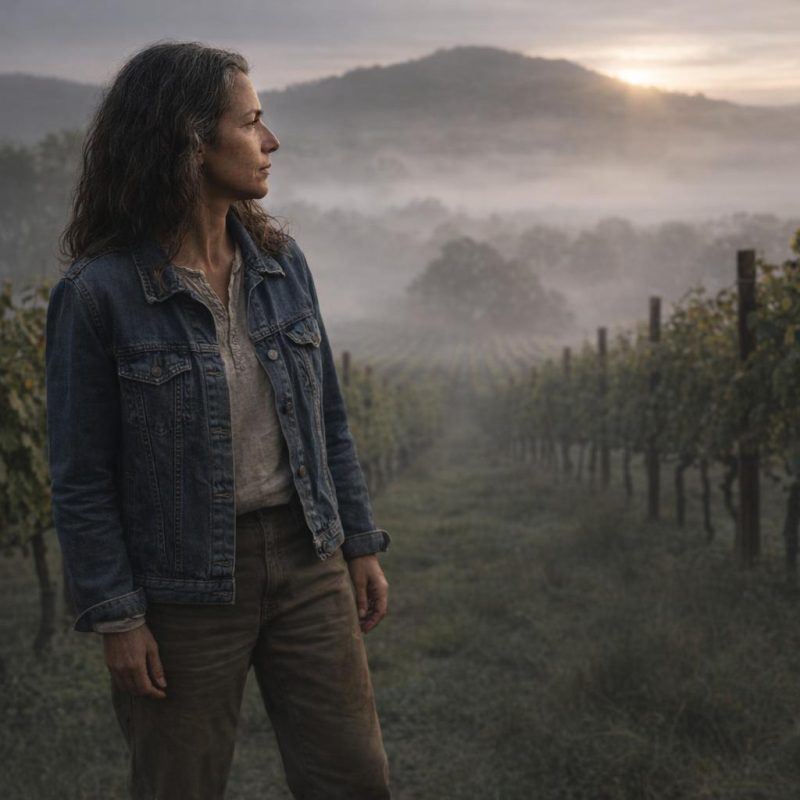 Image by RM AI
The Announcement
Marco called it a meeting. He used that word — meeting — and asked me to come to the dining room at ten, as though I were being summoned to a conference rather than sitting down with family in a house I'd run for eighteen years. They were already seated when I came in, side by side on the far side of the table, and there was something in the arrangement of it that I felt before I understood. Marco said they had made a decision about the estate. He said it clearly and without preamble. They had signed a letter of intent with a development group — a resort company, he said, with projects in Sardinia and the Amalfi coast — and the plan was to convert the property into a luxury agritourism destination. I asked if I had any say in the decision. Marco said the estate had passed to them as Zia Lucia's heirs, that the legal structure was straightforward. Alessandra said the offer was extremely generous, as though that were the part I'd be most interested in. I asked what would happen to the vineyard. Marco said the developers intended to preserve some of the vines for the guest experience. I sat there after he finished speaking, and the room was very quiet, and the decision had the weight of something that had already happened — not something being proposed, but something already done.
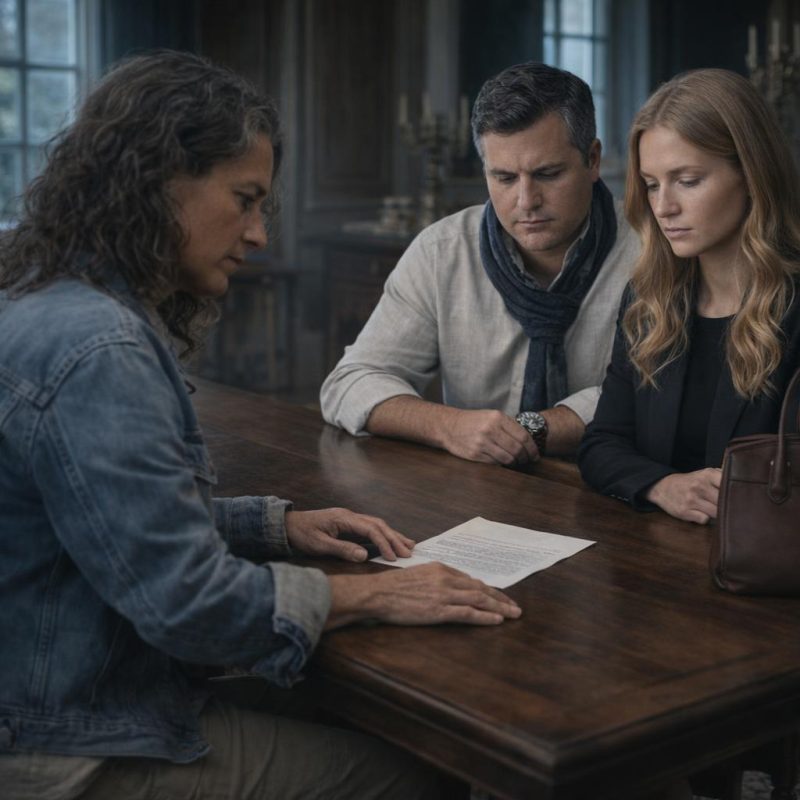 Image by RM AI
Her Position
I waited until Alessandra had left the room before I asked. I don't know why — maybe I thought it would be easier with just Marco, or maybe I just needed to hear it said plainly, without an audience. I asked what would happen to me when the sale completed. He looked genuinely surprised by the question, which was its own kind of answer. He said I had done excellent work, that my management of the property had been exceptional, that anyone in the industry would recognize that. I said I had lived here for eighteen years. He said he understood that, and that they were grateful for everything I had done for their mother. I asked him directly: did they consider me family, or staff? He didn't answer right away. Alessandra had come back to the doorway by then, and the silence stretched long enough that it didn't need filling. Marco said they would give me reasonable time to make new arrangements, that they would write me a strong reference, that my experience was genuinely valuable. Then he said — and his voice was measured and kind, which somehow made it worse — that there were other fine estates in the region, and that someone with my background would have no trouble finding a position at another vineyard.
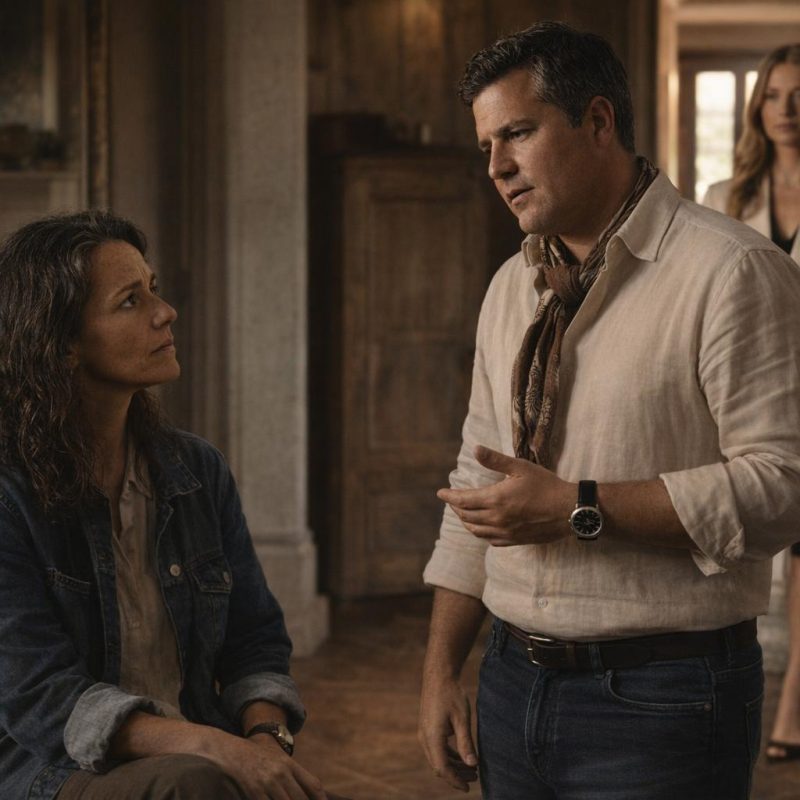 Image by RM AI
Polite Dismissal
I went back to Marco that afternoon, alone, and tried one more time. I told him what the vineyard was — not in sentimental terms, but in real ones. The reputation we'd built, the accounts, the awards, the soil quality on the upper terraces that had taken a decade to develop properly. I told him a working estate like this one, run well, would outperform a resort investment within ten years. He listened. He was good at listening — patient, attentive, his hands folded on the table. He said he appreciated everything I had contributed, that the quality of the operation was a credit to my work. I asked if they had considered what Zia Lucia would have wanted for the land she spent her life building. He said their mother had left the estate to them to manage as they saw fit, and that he believed she would have understood a practical decision. I asked if there was any version of this where the vineyard continued as a vineyard. He said the resort offer represented a better return on the asset. Then he thanked me for my input, stood up, and said he had a call to take. I stayed at the table after he left. The estate records I'd brought to make my case sat in a neat stack in front of me, unopened.
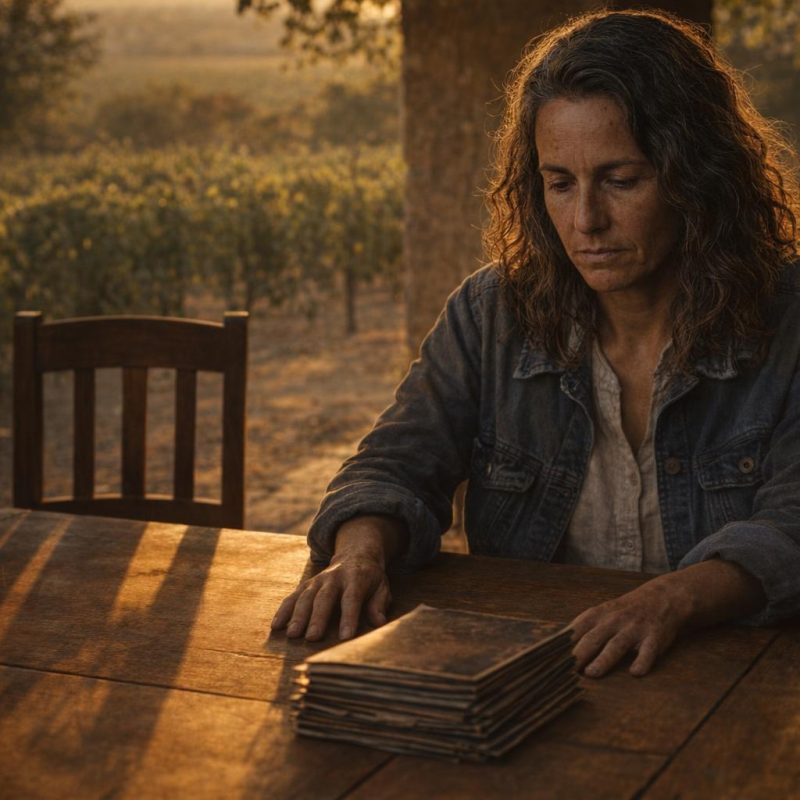 Image by RM AI
The Investors
Marco told me the following morning, with Alessandra standing at his shoulder like punctuation. The investors were coming for a site inspection — due diligence, he called it, as though the word made it cleaner. He said they were serious buyers, well-funded, and that the process would take several days. He expected me to provide full access to the facilities, the equipment, the cellars, everything. He also wanted me to prepare the financial documentation — production records, operating costs, revenue by vintage. Alessandra added that these were not casual buyers, that they had immediate funding in place and were ready to move quickly. I asked how long before the sale would close. Marco said sixty to ninety days after due diligence completed, assuming no complications. I did the arithmetic without meaning to. Less than four months. I asked if there was any mechanism to pause the process, any condition that hadn't been met. Marco said the letter of intent was binding and that neither party had any interest in withdrawing. He said it pleasantly, the way you tell someone the weather. I stood there holding the edge of the doorframe while he checked his phone. Two weeks, he said. That was when they were coming.
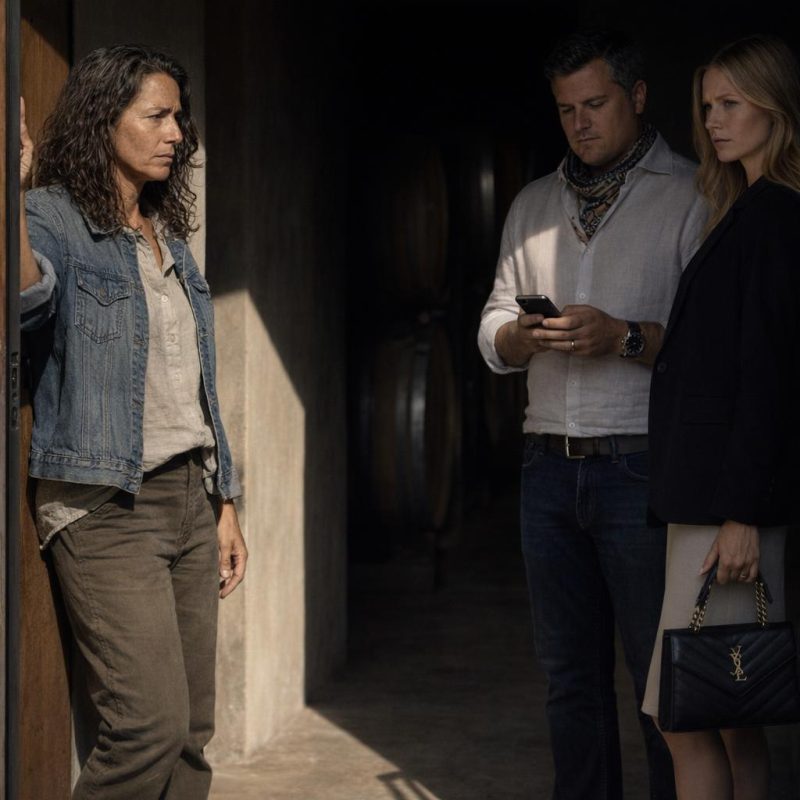 Image by RM AI
Preparing the Records
I started pulling files the next morning before the light was fully up. Eighteen years of records — production logs, harvest reports, soil analyses, equipment invoices, award certificates, distributor contracts. I laid them out across the office table in chronological order, vintage by vintage, and the room filled up fast. The financial ledgers alone took two hours to organize. Every column showed the same slow, patient climb: yields improving, margins widening, quality scores rising year after year. I had documented everything. Every infrastructure investment, every replanting decision, every adjustment to the canopy management. It was all there, meticulous and complete. Paolo found me mid-morning, standing in the middle of it. He looked at the stacks of paper and then at me, and he asked, quietly, what was going to happen to the vineyard. I told him it was going to become a resort. For wealthy tourists, I said. He didn't answer right away. He just stood there with his cap in his hands, turning it slowly. I went back to sorting the files. The records covered every surface in the room — eighteen years of careful work, organized and labeled and ready for people who would use them to calculate demolition costs, and the weight of that sat in the room with us.
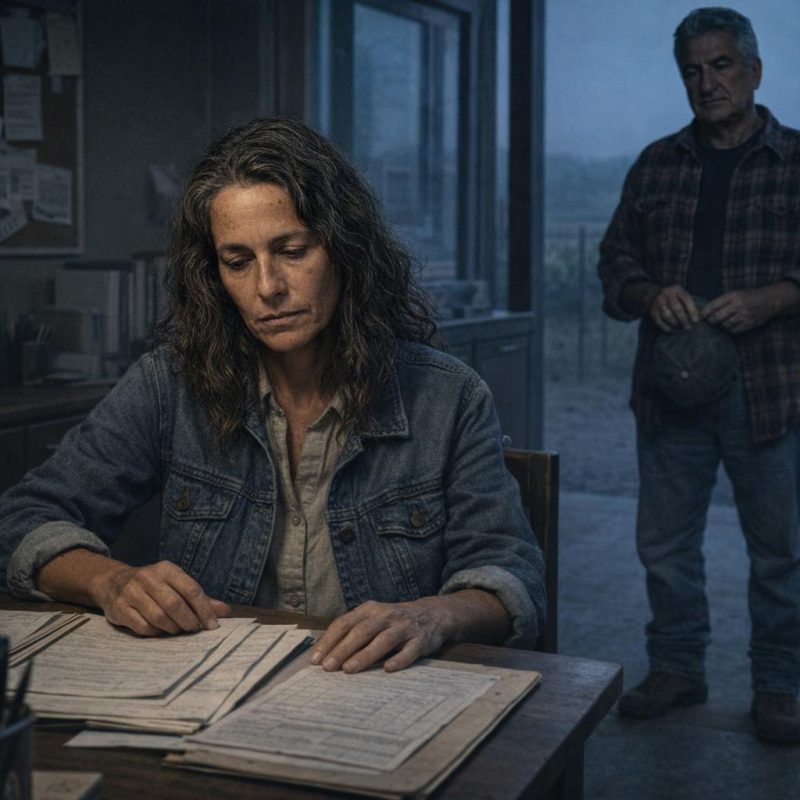 Image by RM AI
The Investor Arrives
Roberto arrived on a Tuesday, just after nine in the morning. A dark sedan came up the gravel drive and he stepped out with a leather portfolio under one arm and a calm that felt almost clinical. His assistant followed with a second bag. Marco and Alessandra were already outside to meet him, all warmth and handshakes, and I stood a few steps back while Marco introduced me as the estate manager. Roberto shook my hand and said he was glad I'd be available for questions. He was polite in the way that professionals are polite — efficient, not unkind. He outlined the inspection process in the driveway: property review, facility access, document examination, interviews. He said it would take three to four days. I told him I'd prepared the production records and that I could walk him through any part of the operation he needed. He nodded and said we'd start with a tour of the grounds. I led him out through the upper terraces first, the way I always did with anyone who came to understand the place. He walked beside me taking notes and photographs, measuring distances with his eyes, asking brief questions about drainage and sun exposure. He looked at the vines the way an engineer looks at a bridge — assessing load, not beauty — and I kept my face neutral and answered everything he asked.
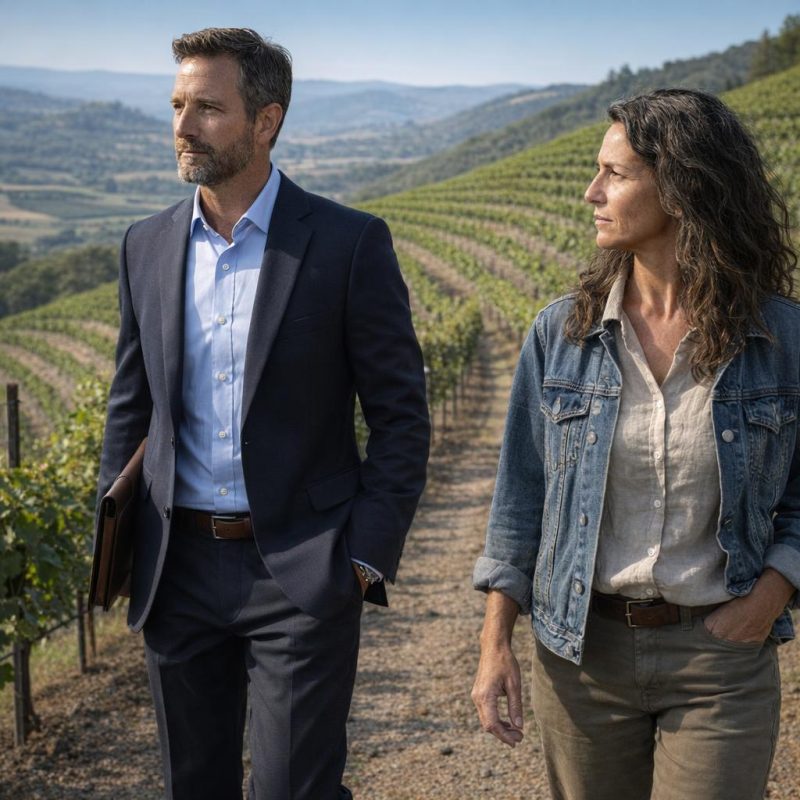 Image by RM AI
Production Questions
Roberto came to find me the next afternoon with his notebook already open. He wanted to talk production. He asked about annual yields per hectare for each varietal, and I gave him the numbers from memory — Sangiovese, Vermentino, the small Trebbiano block on the lower slope. He wrote everything down without looking up. Then he asked about quality control: how I determined harvest timing, what my approach was to canopy management, how I handled a difficult vintage. I walked him through it the way I'd explain it to anyone who genuinely wanted to understand, because the questions were good ones. He asked about the customer base — which regional restaurants we supplied, which distributors, what percentage of production went to direct sales versus wholesale. I described the accounts we'd built over the years, the relationships, the reputation. He asked about operating costs and profit margins, and I gave him the figures. He asked follow-up questions that required me to go back to the records twice. At some point I noticed that his questions had moved well past what I'd have expected from someone planning to pull out the vines and pour concrete. He was asking about the land as though it mattered what the land did — the precision of his interest in what it produced, and how, and why.
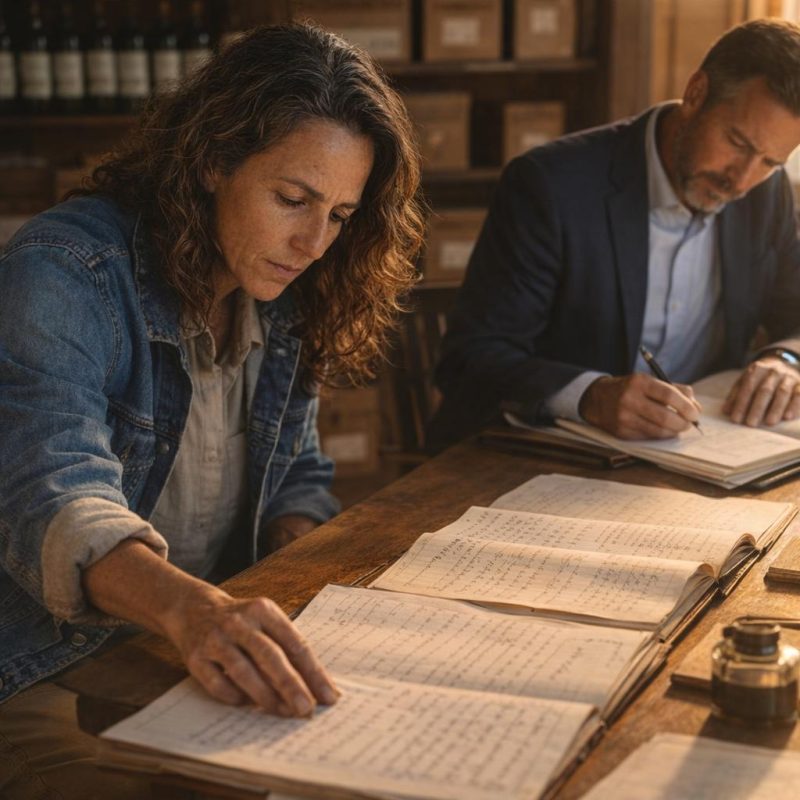 Image by RM AI
Document Review
The document review started on the third morning. Roberto set up at the large desk in the estate office and asked Marco for the property deeds, the title documents, and all inheritance paperwork from Zia Lucia's estate. Marco brought them in a cardboard box. Roberto also asked for corporate registration documents and any business filings associated with the property. Alessandra retrieved a second box from the storage room off the hall. Roberto thanked them both and said he'd need a few hours. The door closed. I went to the kitchen and tried to make myself useful — checked the fermentation tanks, updated the harvest schedule for the coming season out of habit, made coffee I didn't drink. The house was quiet in the way it gets when something important is happening behind a closed door. I could hear occasional voices from the office, low and indistinct, but nothing I could follow. By early afternoon the review was still going. By evening, the light under the office door was still on, and I watched Marco and Alessandra carry two more boxes of files down the hallway and disappear inside.
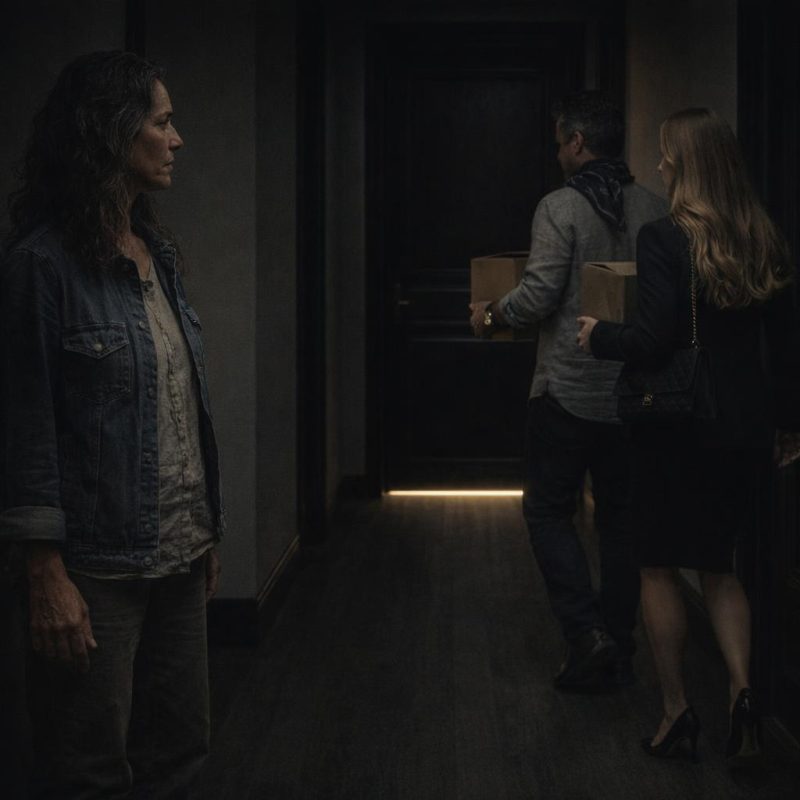 Image by RM AI
The Lawyer Arrives
Avvocato Bernardi arrived the following morning without any warning I'd been given. I was crossing the courtyard when his car came up the drive — the same dark Fiat I remembered from the weeks after my aunt's funeral, when he'd come to the house to handle the estate paperwork. He was carrying his leather briefcase and dressed as he always was, three-piece suit despite the heat, silver hair combed flat. I held the door for him and he thanked me by name, quietly, the way he always had. Roberto met him in the hallway almost immediately, as though he'd been expecting him, and the two of them spoke briefly in low voices before moving toward the office. Marco came out of the sitting room and asked what was happening. Bernardi said Roberto had requested additional estate documents and that he'd brought what was needed. Alessandra appeared behind Marco and her expression shifted — not alarm exactly, but something tighter than she'd been showing all week. Roberto and Bernardi went into the office together and closed the door. Marco and Alessandra settled into the sitting room to wait. I brought coffee on a tray and set it on the table, and no one said much. The meeting ran for over an hour, and the careful, unhurried sound of legal language moving through a closed door filled the quiet of the house.
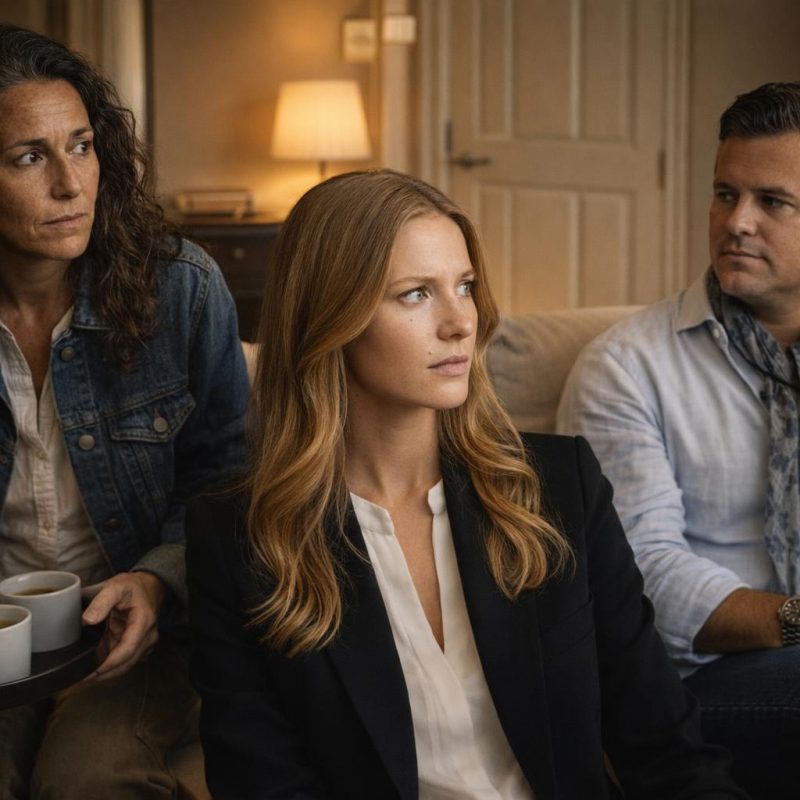 Image by RM AI
The LLC Question
I was in the kitchen when the voices from the office rose enough to carry. Not shouting — but sharper than anything I'd heard all week. I stayed where I was and listened without meaning to. Roberto was asking Marco about LLC registration documents for the vineyard's production operations. Marco said he wasn't aware of any separate LLC. Roberto's voice came back even and measured, and I heard him say he had references to it in Zia Lucia's business filings. Alessandra's voice cut in — she said the entire estate had been inherited as a single property, that there was no separate structure. Roberto asked for documentation of the production vine ownership specifically. Marco said he couldn't provide what he didn't have. There was a pause, and then Roberto said the due diligence couldn't proceed without clarification of the asset structure. Alessandra asked, with an edge I could hear clearly through the wall, what exactly the problem was. Roberto said there appeared to be a discrepancy. After that the voices dropped again, and I stood at the kitchen counter with a dish towel in my hands, not moving, while the silence of a question no one in that room could answer settled over the house.
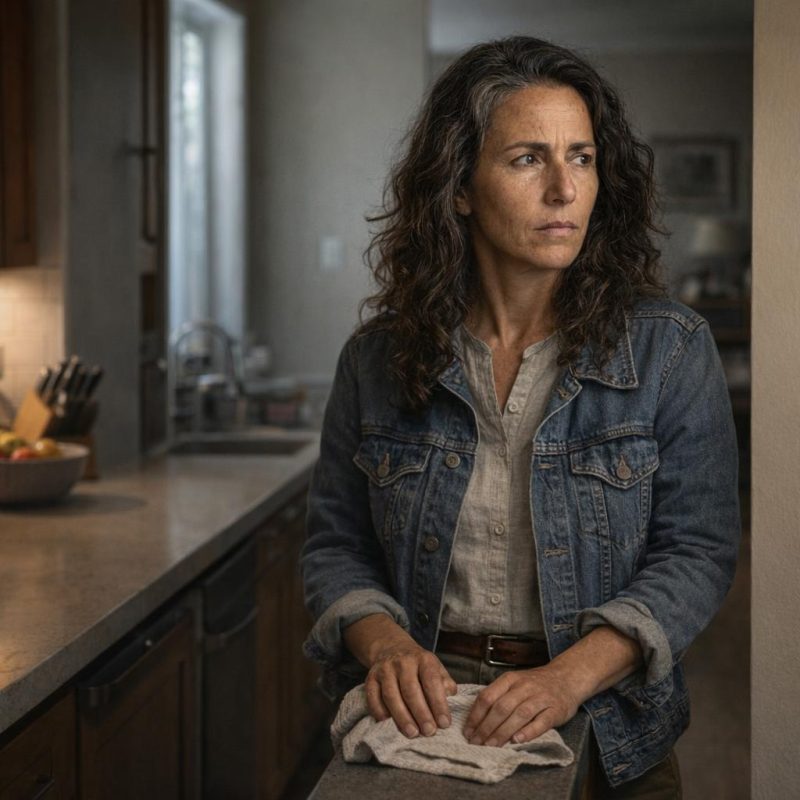 Image by RM AI
Private Request
Roberto came out of the office about twenty minutes later. He looked composed, the way he'd looked every day since he arrived — portfolio under his arm, reading glasses on their chain. Marco was right behind him and asked immediately why that was necessary when Roberto said he had questions about the operational structure. Alessandra said I was just the manager, that anything operational could be addressed through them. Roberto said, without raising his voice, that he needed to speak with the person who had managed the property directly. Marco looked at me for a moment, then said fine, but kept his eyes on Roberto as he said it. Roberto asked me to join him in the office. I followed him down the hall, my pulse louder than my footsteps. He closed the door behind us, leaving Marco and Alessandra on the other side of it, and then he opened his portfolio, set a file on the desk, and said he needed to speak with the vineyard manager alone.
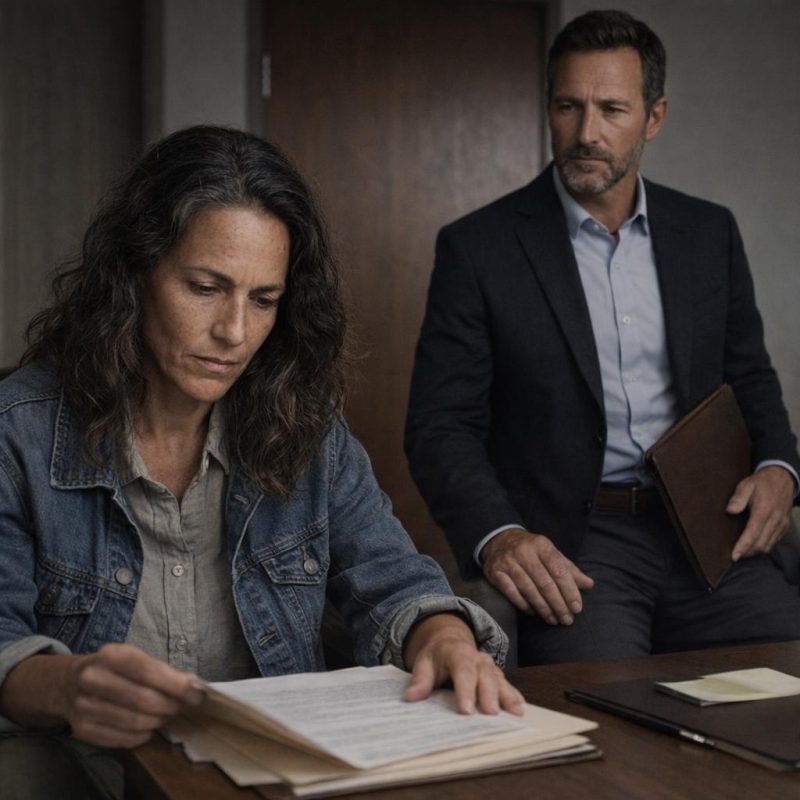 Image by RM AI
The Closed Meeting
Roberto came back out of the office and asked Marco and Alessandra to join him inside. He said it calmly, the way he said everything — portfolio already open, glasses already on. Marco glanced at me once, then followed him in. Alessandra went last and pulled the door shut behind her without looking back. I stood in the hallway and waited. The first twenty minutes were quiet enough that I could hear the birds outside and the distant sound of Paolo running the irrigation line. Then Marco's voice came through the wall — not words, just the shape of anger, the kind that rises when someone pushes back against something you were certain of. It dropped again. Then Alessandra's voice, higher and faster. Then silence. I walked to the end of the hall and back. Paolo found me there on his second pass and asked what was happening. I told him I didn't know, but that something felt wrong. He nodded and didn't press me. I checked the time twice. The meeting had been going for over two hours when Marco's voice came through the door again — louder this time, sharp enough that I caught the edge of it from ten meters away.
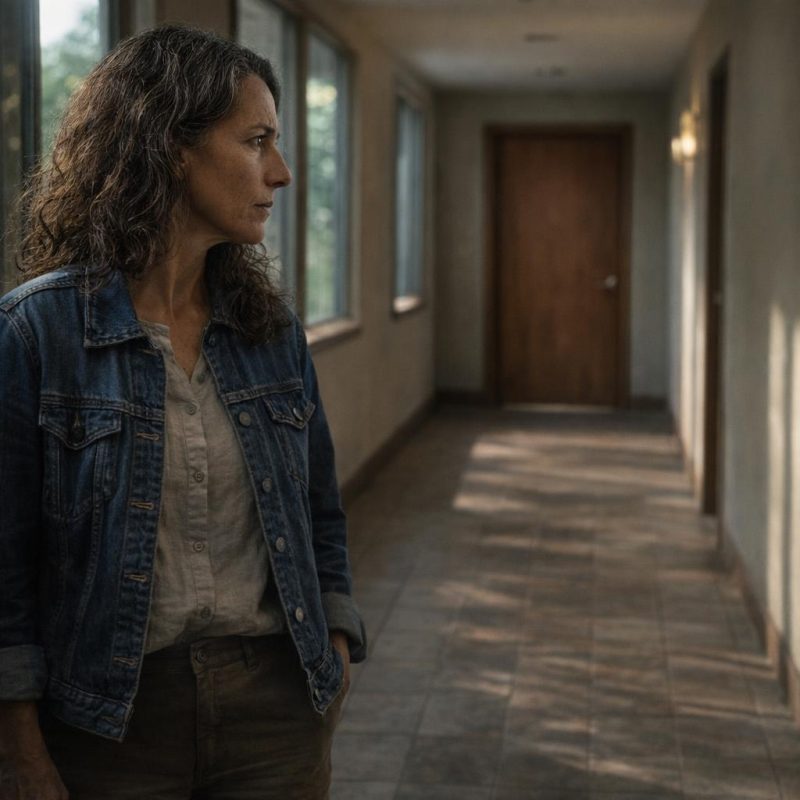 Image by RM AI
Private Conversation
Roberto came out alone about ten minutes later and asked if I had a moment. He said it the same way he said everything else — measured, neutral, giving nothing away. I followed him back into the office. He gestured to the chair across from the desk and I sat down, my hands folded in my lap because I didn't know what else to do with them. He asked how long I had been at the vineyard. I told him eighteen years. He asked what my responsibilities had been. I walked him through it — pruning cycles, harvest timing, fermentation management, equipment maintenance, supplier relationships, the lot. He wrote things down without reacting. He asked whether I had ever received a formal salary. I told him the truth: room and board, meals, a small allowance in the early years that had grown modestly over time, but nothing structured, nothing on paper. He nodded and made another note. He asked whether Zia Lucia had ever discussed the legal structure of the estate with me. I said she handled all the business matters herself and I had never been involved in that side of things. He looked at me for a moment over his reading glasses, then asked if Zia Lucia had ever spoken to me about estate planning.
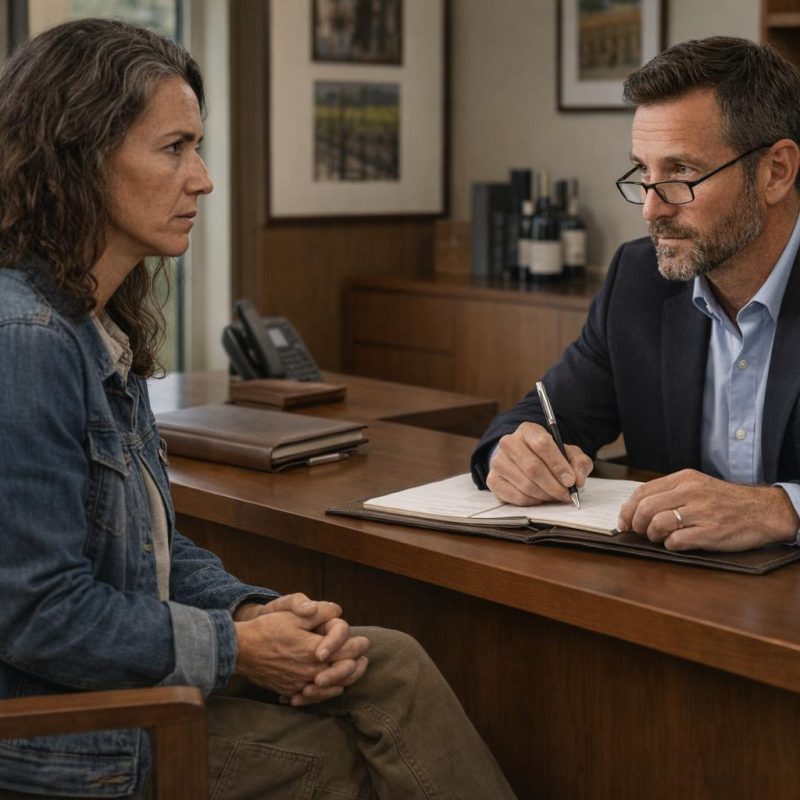 Image by RM AI
The Asset Discrepancy
I told him she hadn't — not directly, not in any way I'd understood as planning. Roberto set his pen down and folded his hands over the portfolio. He said there was a discrepancy in the property documentation that his team had flagged during due diligence. I asked what kind of discrepancy. He said the productive vineyard vines appeared to be registered under a separate legal entity from the house and land. I didn't know what to say to that. He asked if I had ever heard of something called Moretti Vines Production LLC. I said the name meant nothing to me. He explained that the LLC structure was unusual and that it created a complication for the sale — that Marco and Alessandra could not transfer assets they did not legally own. I asked which assets he meant. He said the primary production vines and the associated winemaking equipment. The room felt like it had shifted slightly without moving. I asked him to say it again and he did, in the same even tone, using the same words. I understood each word individually. Together they formed something I couldn't quite hold. I sat there with the legal terminology settling over me like fog over the low rows in November, heavy and slow and not yet clear.
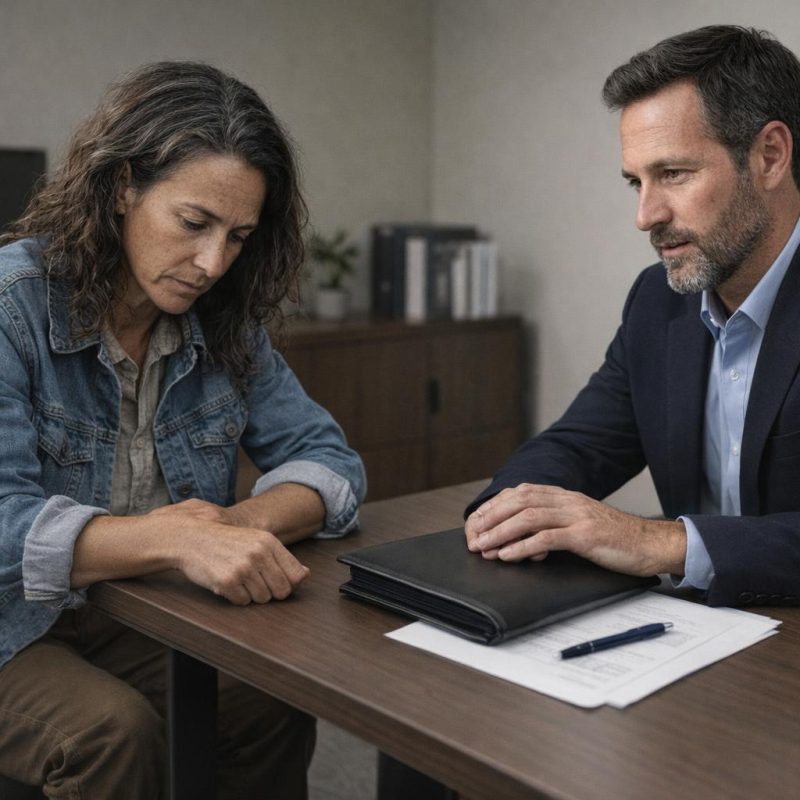 Image by RM AI
The Lawyer's Request
Avvocato Bernardi arrived that afternoon. I hadn't known he was coming — no one had mentioned it — and when I saw him walking up the path in his three-piece suit despite the heat, my stomach dropped in a way I couldn't explain. He greeted me by name, shook my hand with both of his, and said he needed to speak with me privately. Marco stepped forward immediately and said that anything related to the estate should go through him and his sister. Bernardi looked at him with the kind of patience that has nothing gentle in it and said this matter concerned me directly and that he would speak with me alone. Marco's jaw tightened but he didn't push further. I followed Bernardi to the small room off the kitchen that Zia Lucia had used as her reading room. He asked me to sit. He said he had been Zia Lucia's attorney for over thirty years and that she had trusted him with matters she had not shared with anyone else. He said he had documents that related to my position at the estate and that some of what he was about to tell me might be surprising. I nodded, though my hands had started shaking in my lap. He set his portfolio on the table, opened it, and slid a file toward me with my name printed across the top.
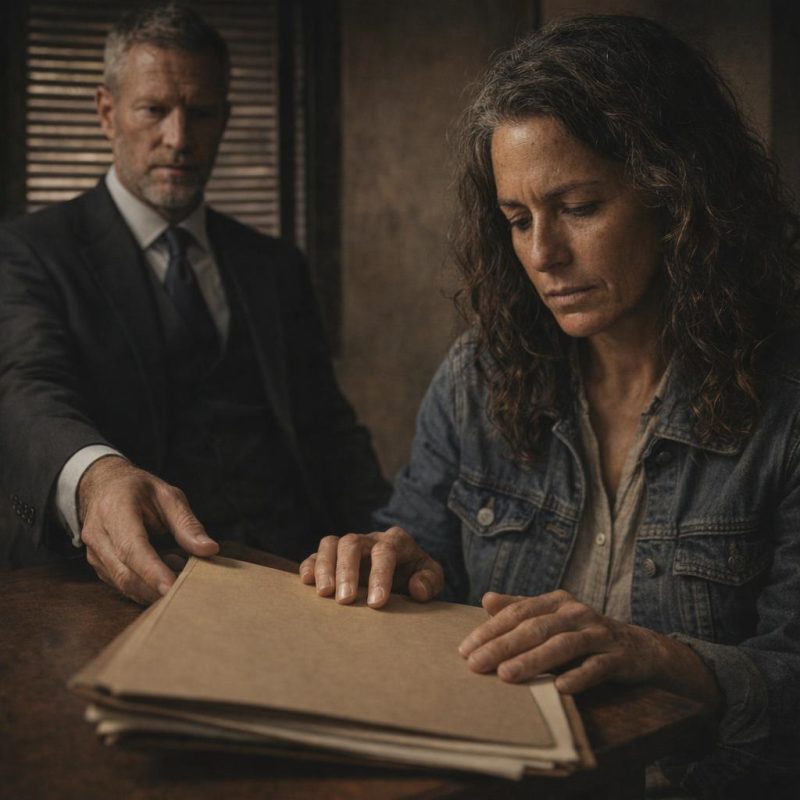 Image by RM AI
The Truth Revealed
Bernardi spoke slowly and I listened the way you listen when you're afraid that moving too fast will break something. He said that eighteen years ago, when I first came to the vineyard, Zia Lucia had established Moretti Vines Production LLC. He said the LLC owned every productive vine on the property and all the winemaking equipment. He said I was registered as the sole member and manager. I told him that wasn't possible — I had never signed anything like that. He turned the registration documents toward me and pointed to a signature near the bottom. I recognized my own handwriting. I remembered the afternoon Zia Lucia had set papers in front of me and said they were for insurance purposes, that I just needed to sign where she'd marked. I had been twenty-three years old and I had trusted her completely. Bernardi explained that the LLC structure meant ownership transferred fully to me upon her death. Marco and Alessandra had inherited the house and the non-productive land, but not the vines, not the equipment, not the revenue. Without those assets, the property was worth a fraction of what Roberto's investors had offered. I sat very still. Zia Lucia had known, all those years ago, exactly what her children would one day try to do — and she had made sure I was protected before they ever arrived.
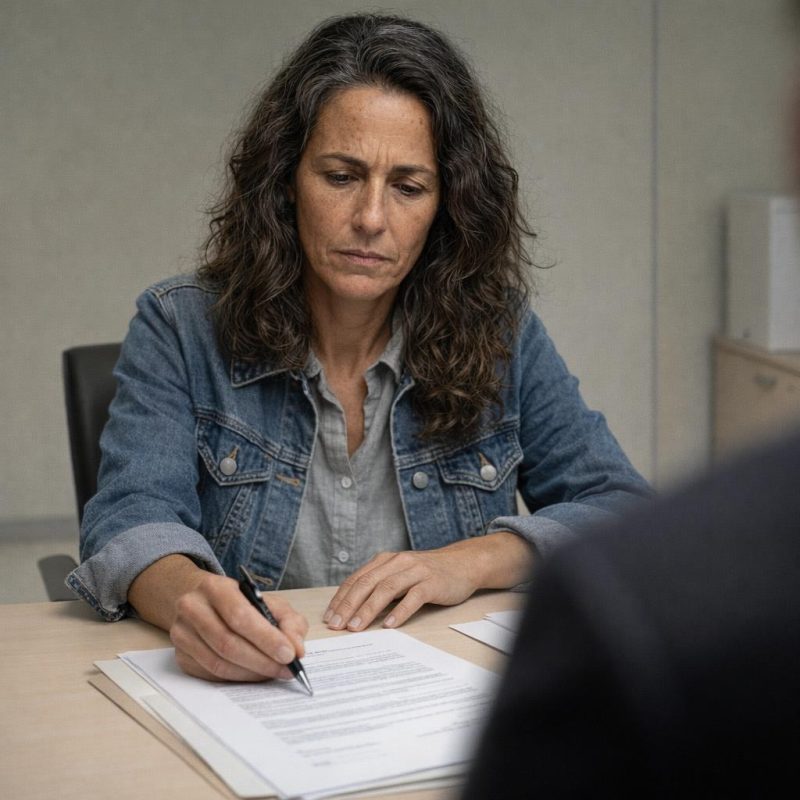 Image by RM AI
The Trust Documents
Bernardi opened a second file and set the trust account statements on the table in front of me. Every year was there — column after column of deposits, each one corresponding to the vineyard's annual profits. I recognized the years by the harvests: the difficult 2012 with its late frost, the exceptional 2016 that had won us a regional award, the steady middle years when we had worked quietly and well. All of it had been going into an account in my name. Bernardi explained that the trust became accessible to me immediately upon Zia Lucia's death. He said she had designed the structure specifically to reward the person doing the work — there was a manual labor requirement written into the trust's terms, which meant Marco and Alessandra had no claim to any of it. I asked him how much was in the account. He told me. I had to ask him to repeat it. I had spent eighteen years believing I was working for love and loyalty and a roof over my head, and all that time Zia Lucia had been quietly translating every harvest, every pruning season, every sleepless night before a frost, into something she was holding safe for me. The number on the page was not abstract. It was every early morning I had ever walked out into the rows before the sun came up.
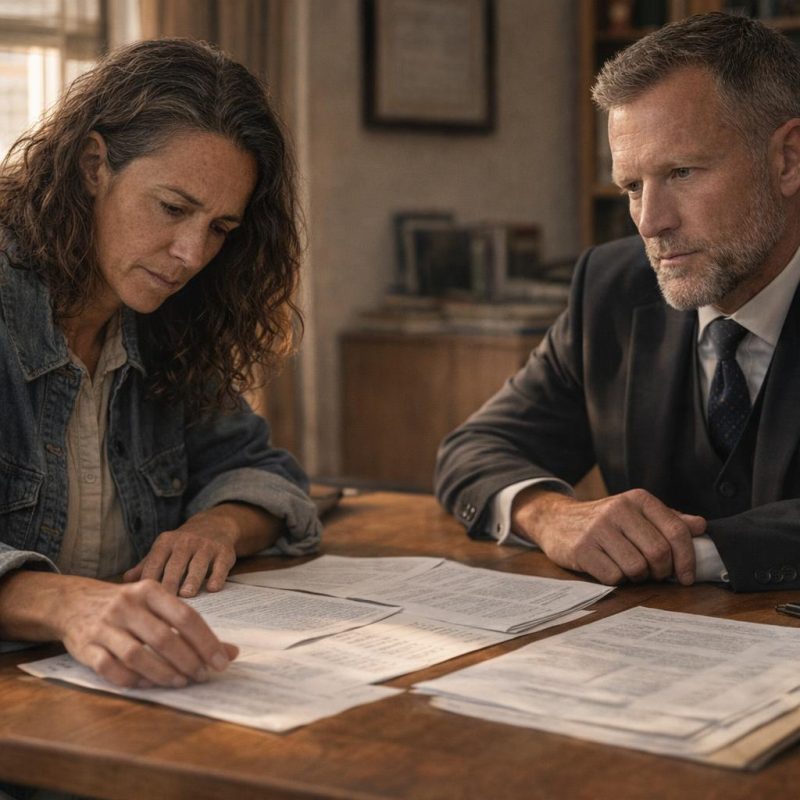 Image by RM AI
Understanding Lucia's Plan
We spent another hour going through the full structure. Bernardi walked me through each layer — the house and non-productive land passing to Marco and Alessandra through standard inheritance, the LLC and its assets passing to me through the operating agreement, the trust accumulating profits under terms that required active management of the vines. He said Zia Lucia had worked with him over several years to make the structure as solid as possible. I asked why she had never told me. Bernardi was quiet for a moment. Then he said that Lucia had been very clear on that point — she wanted me to work the land because I loved it, not because I was waiting for a reward. She also believed, he said, that if I had known, I might have felt pressure to justify myself to her children, and she had not wanted that weight on me. I asked if the structure could be challenged. He said it had been designed specifically to withstand a challenge — the manual labor clause, the LLC registration predating any inheritance dispute, the trust terms all interlocking. I looked at the documents spread across the table: the registration, the trust statements, the operating agreement with its careful clauses. Zia Lucia had not left things to chance or to sentiment. She had built something that would hold.
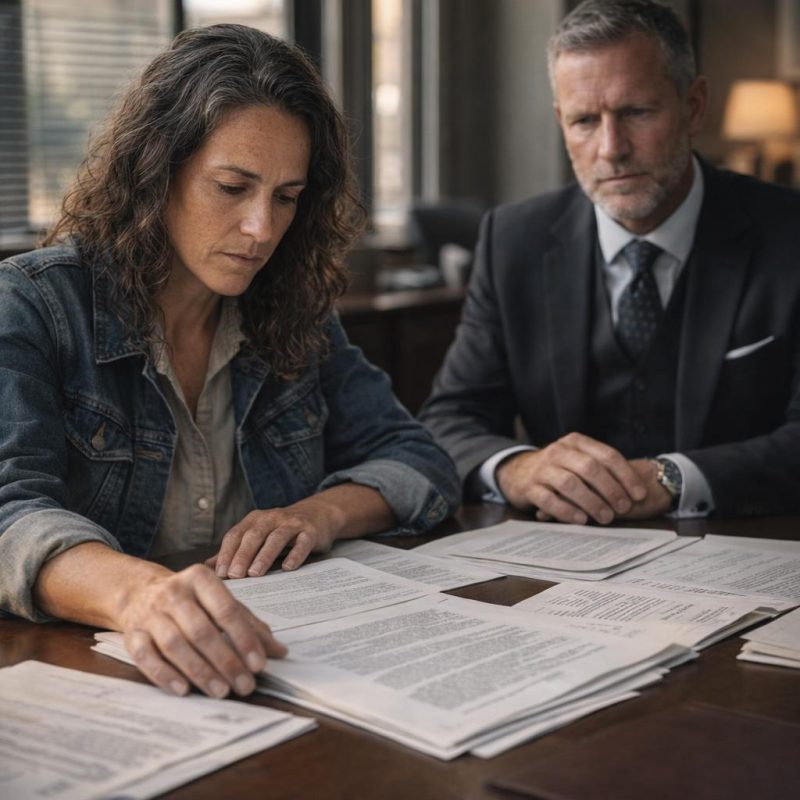 Image by RM AI
The Sale Collapses
Roberto called us all into the main room late that afternoon. He stood at the head of the table with his portfolio open, reading glasses on, the same composed expression he had worn every day since he arrived. Marco and Alessandra sat across from me. Neither of them looked at me directly. Roberto said his due diligence was complete and that he needed to inform all parties of his findings. He said the productive vineyard vines and all associated winemaking equipment were registered under a separate LLC not included in the inheritance. Marco said that wasn't possible and asked what he was talking about. Roberto set the LLC registration documents on the table and slid them forward. Alessandra looked at them, then looked at me, and said I had done something fraudulent. Bernardi, who had been standing near the door, stepped forward and said the structure had been established by Lucia herself eighteen years ago, that it was fully legal, and that it had been properly disclosed in the estate documentation. Roberto waited for the room to settle. Then he said his investors would not purchase agricultural land without the vineyard business attached to it, that the two could not be separated, and that without the LLC assets the transaction had no basis to proceed. He closed his portfolio. Marco started to speak. Roberto said the deal was dead.
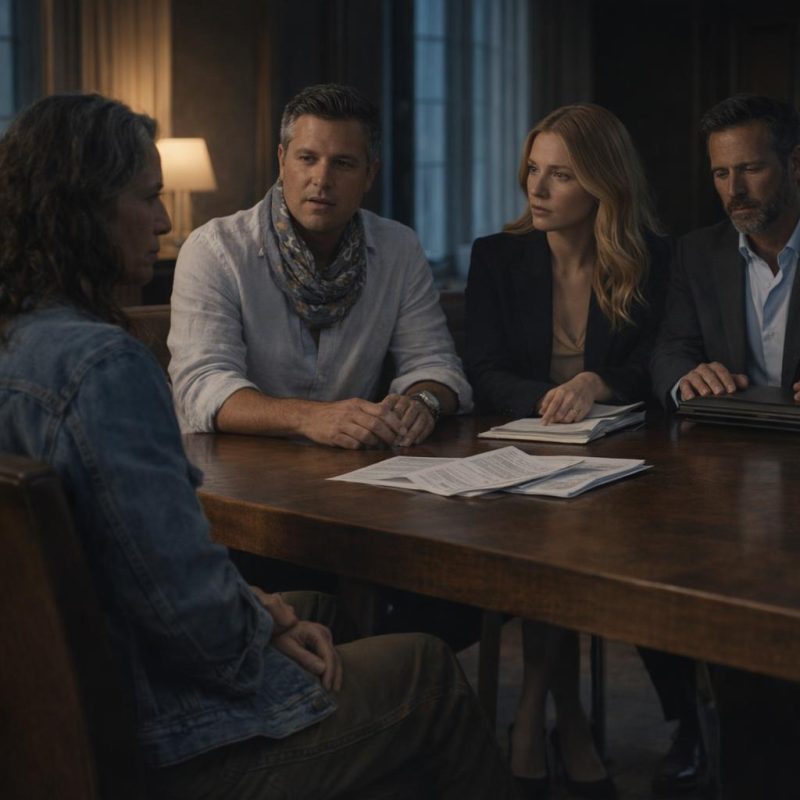 Image by RM AI
Accusations
Roberto had barely cleared the doorway before Marco turned on me. He said I had manipulated their mother, that I had taken advantage of a lonely old woman who didn't understand what she was signing. His voice was loud and his hands were moving, and I let him finish. Alessandra came in right behind him, saying I had stolen what belonged to their family, that I had spent eighteen years positioning myself to take what was theirs. I stood near the window and listened. I didn't interrupt. I didn't explain. When Marco demanded I sign the LLC over to them immediately, I said only that the structure had been Lucia's choice, not mine. Alessandra called me a thief. She called me a liar. Marco said he would take me to court and make sure everyone in the valley knew what I had done. I told him he was welcome to consult his own attorney. Then I walked out of the room. They were still shouting when I pulled the door closed behind me. I stood in the hallway for a moment, listening to the sound of it — the fury of people who had lost something they had never once worked to earn.
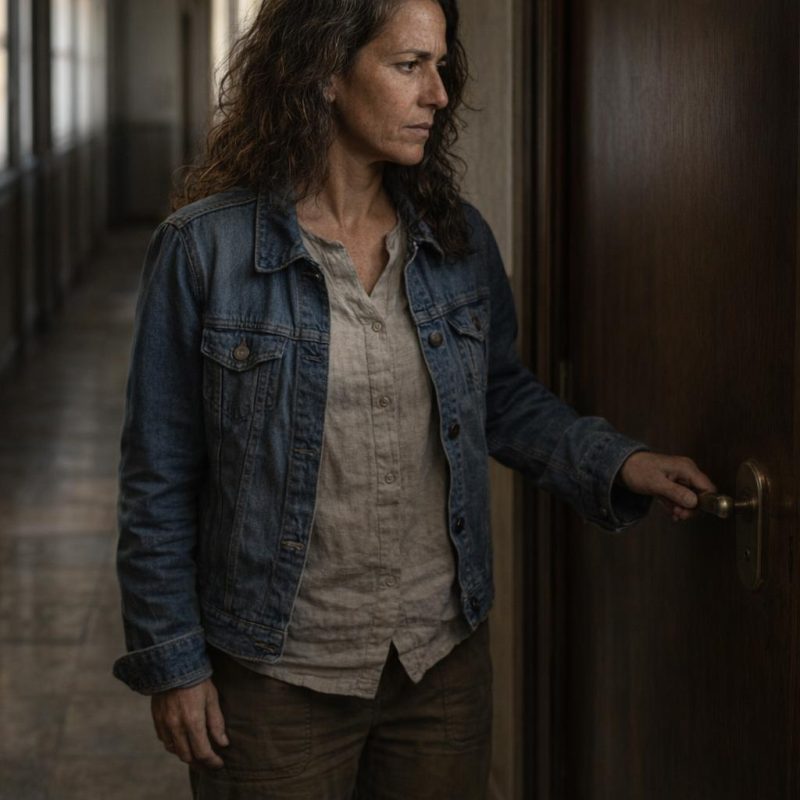 Image by RM AI
The Confrontation
The next morning Marco came to find me in the equipment shed. He had a folder under his arm and his voice was measured, almost friendly. He said there was no reason this had to be ugly, that we could resolve everything quietly. He set the folder on the workbench. Inside were transfer documents, already prepared, with my name on the signature line. I looked at them without touching them. He said he wanted to compensate me fairly for my years of work, that he understood I had given a great deal to this place. I asked how much. He named a figure. It was less than the value of a single good harvest. I told him no. Alessandra appeared in the doorway then, softer than she had been the night before. She talked about family, about what Lucia would have wanted, about how we could all move forward together. I reminded her, quietly, that neither of them had come to their mother's funeral. The softness left Alessandra's face. Marco's composure went with it. He said he would make things very difficult for me, that I had no idea what he was capable of. His jaw was tight, his hands pressed flat against the workbench, and the folder sat between us untouched.
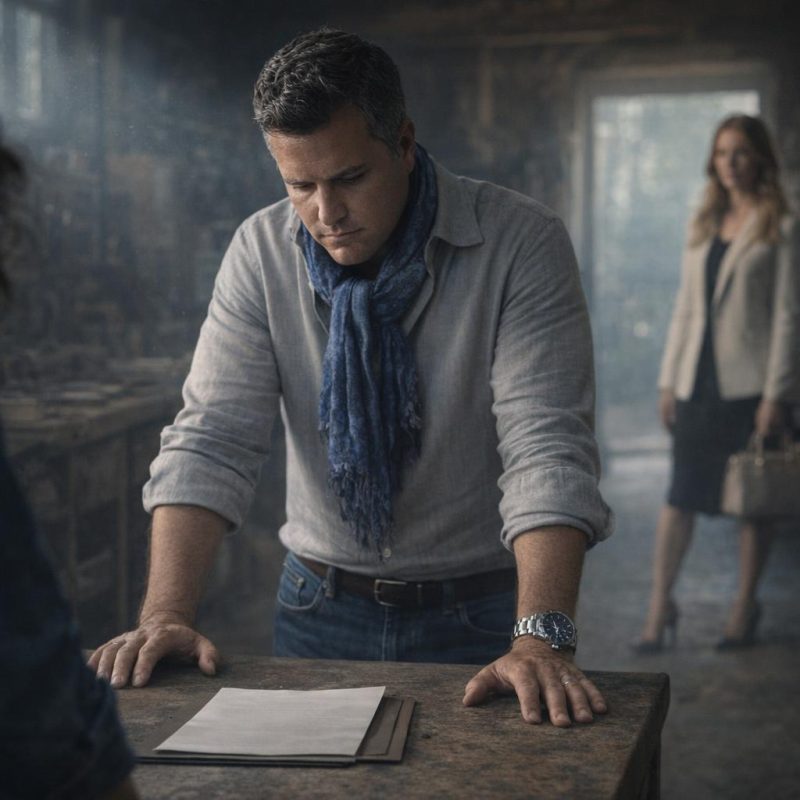 Image by RM AI
Legal Confirmation
I asked Avvocato Bernardi to meet with all of us together. He arrived the following afternoon with a leather briefcase and the same unhurried manner he always carried. He laid the documents out on the dining room table in sequence — the original LLC registration, the operating agreements, the estate filings, eighteen years of properly executed paperwork. He explained that Lucia had structured everything with considerable care, that each document had been filed correctly and on time, that nothing had been done in haste or in secret. Marco asked whether any part of the structure could be challenged. Bernardi said the statute of limitations on contesting the formation had passed more than a decade ago. Alessandra demanded to know why he hadn't told them about any of this when Lucia died. He said he had been bound by attorney-client privilege to Lucia, and that his obligation had been to her wishes, not to their expectations. The room went quiet after that. Marco stared at the documents. Alessandra looked at the wall. Bernardi gathered his papers without rushing, snapped his briefcase closed, and nodded to me once before he left. The documents remained on the table, and the silence that settled over them felt like something that had been a long time coming.
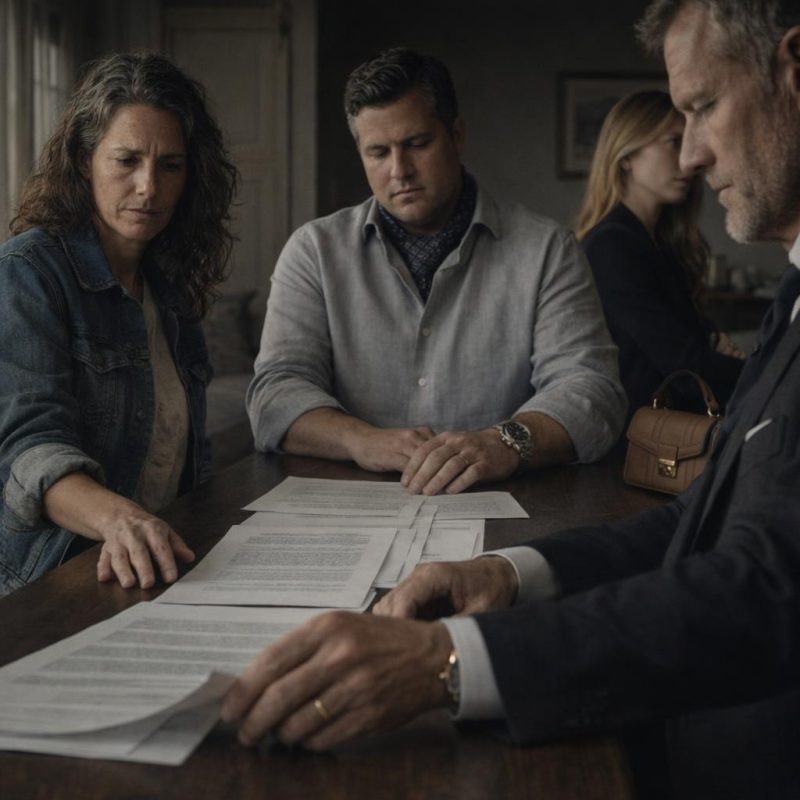 Image by RM AI
Threats and Pleas
They didn't stop after Bernardi left. Alessandra said she would hire her own lawyers, that she had contacts in Rome who handled exactly this kind of dispute. Marco shifted direction entirely and offered me a partnership — a formal role managing the estate on their behalf, a salary, a title. I declined both. Alessandra said I was being vindictive, that I was punishing them for choices they had made years ago when they were young. Marco said we were family and that family found a way. I told him that family showed up. I told him that family came when someone was dying. Alessandra started to cry then, not quietly, and I watched it happen without moving toward her. Marco tried one more angle — he said Lucia would have wanted peace between us, that she would have hated seeing the estate become a battleground. I said Lucia had made her wishes clear through eighteen years of deliberate action, and that I trusted those wishes more than I trusted anything said in that room. After a while they stopped talking. Marco sat back in his chair. Alessandra wiped her face. The afternoon light moved across the floor, and I sat with the weight of their exhaustion settling around me like dust after a long dry wind.
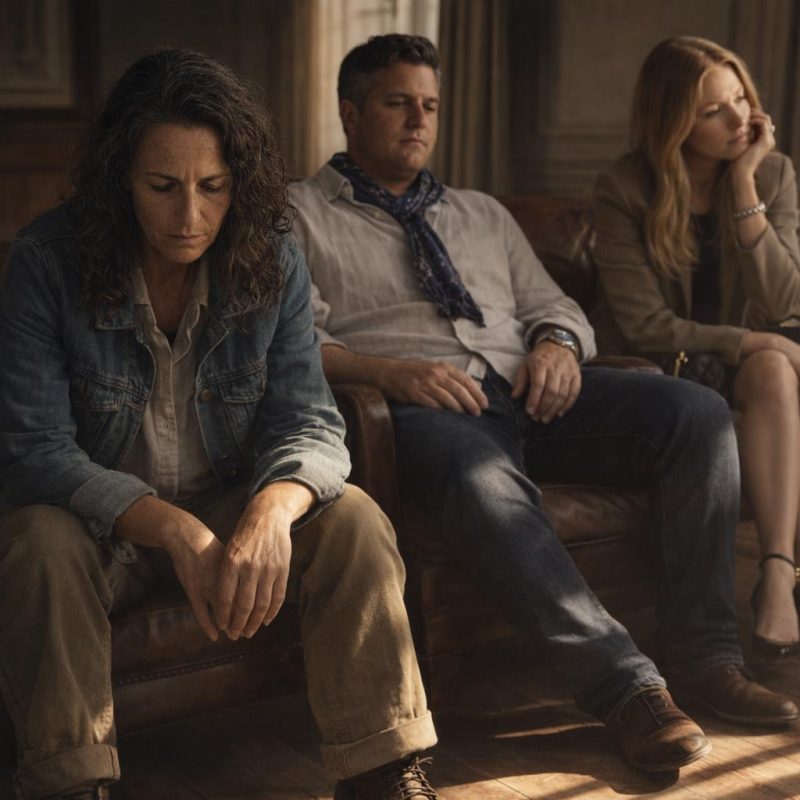 Image by RM AI
The Ironclad Structure
Marco brought an attorney up from Milan two days later — a sharp-looking man in a dark suit who asked for every document we had and spent the better part of two days reading through them. He met with Bernardi privately for nearly an hour. Marco and Alessandra waited in the sitting room, and I worked in the vineyard and tried not to think about it. On the second afternoon I came in through the back and heard voices in the hallway. I stopped near the kitchen doorway. The Milan attorney was speaking to Marco in a low, even tone. He said the LLC formation was valid, that the estate planning had been sophisticated and thorough, that every filing was in order. He said there were no procedural errors, no grounds for a fraud claim, no avenue for challenge that a court would entertain. Marco asked what it would cost to fight it anyway. The attorney's voice came through flat and without hesitation — he said it would be expensive, it would take years, and Marco would lose.
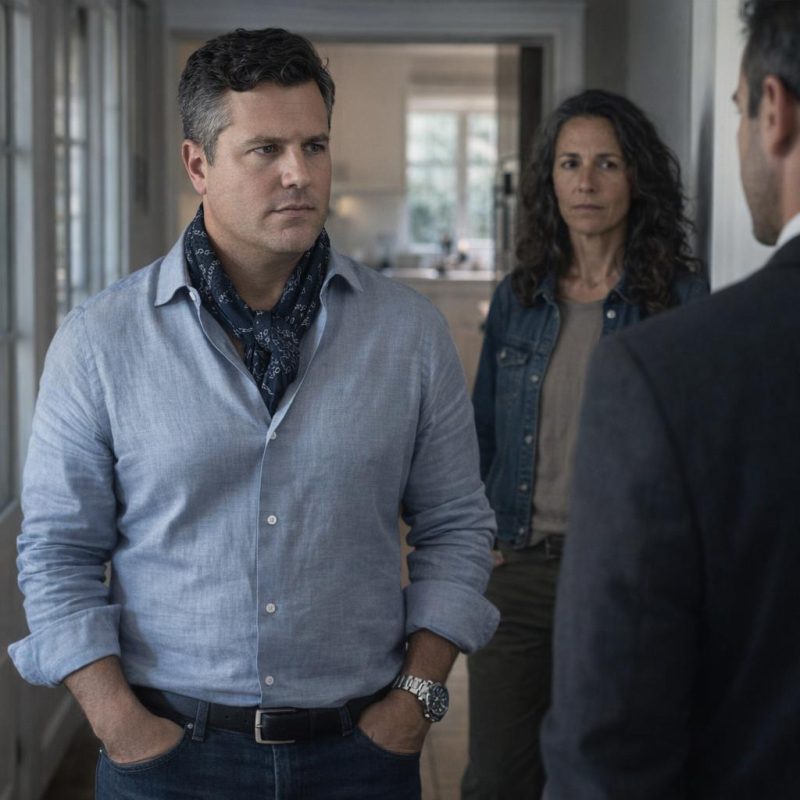 Image by RM AI
The Final Offer
Marco knocked on the door of the winemaking room that evening and asked if we could speak alone. He looked different than he had all week — the polish was gone, the folder was gone, and he sat down on a stool without being invited. He said he had underestimated the situation and that he was willing to admit it. Then he named a number. It was real money — enough to buy land, enough to start over somewhere else entirely, enough that I understood he was serious. He said I could find my own property, build something of my own from the beginning. I looked at him for a moment. I asked why I would leave a vineyard I had spent eighteen years building. He said he and Alessandra needed the capital, that they had obligations, that the house alone wasn't enough to cover what they owed. I told him that wasn't my problem to solve. He sat with that for a few seconds. Then he stood up, straightened his jacket, and looked at me the way someone looks when they finally understand that a door is closed. I told him no — plainly, without softening it — and the word sat between us in the quiet of the room.
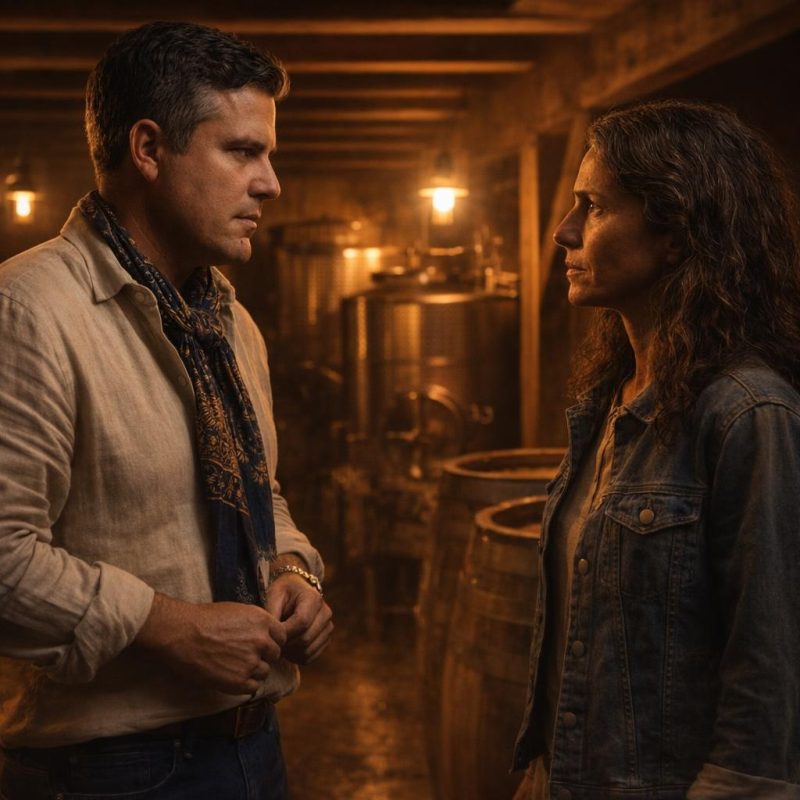 Image by RM AI
Withdrawal
Roberto came back to the estate on a Thursday morning, portfolio under his arm, the same calm expression he had worn throughout. We gathered in the main room — Marco and Alessandra on one side of the table, me near the window. Roberto said his investors had completed their review of the situation and had made a final determination. Without the vineyard business included in the transaction, the agricultural land held minimal productive value. The property as structured — house, outbuildings, land without the LLC — did not meet the investment threshold. He said the withdrawal was formal and final. Marco asked whether there were other buyers Roberto might know of, other investors who might see the property differently. Roberto said the market for non-productive rural estates in this region was limited, and that he couldn't speak to what others might do. Alessandra looked at the table. She had gone very still. Marco asked me directly whether I would consider purchasing the house from them. I said I had no interest in it. Roberto closed his portfolio, thanked everyone for their time, and shook hands around the table. At the door he paused and said, without particular emphasis, that his investors had moved on to other opportunities.
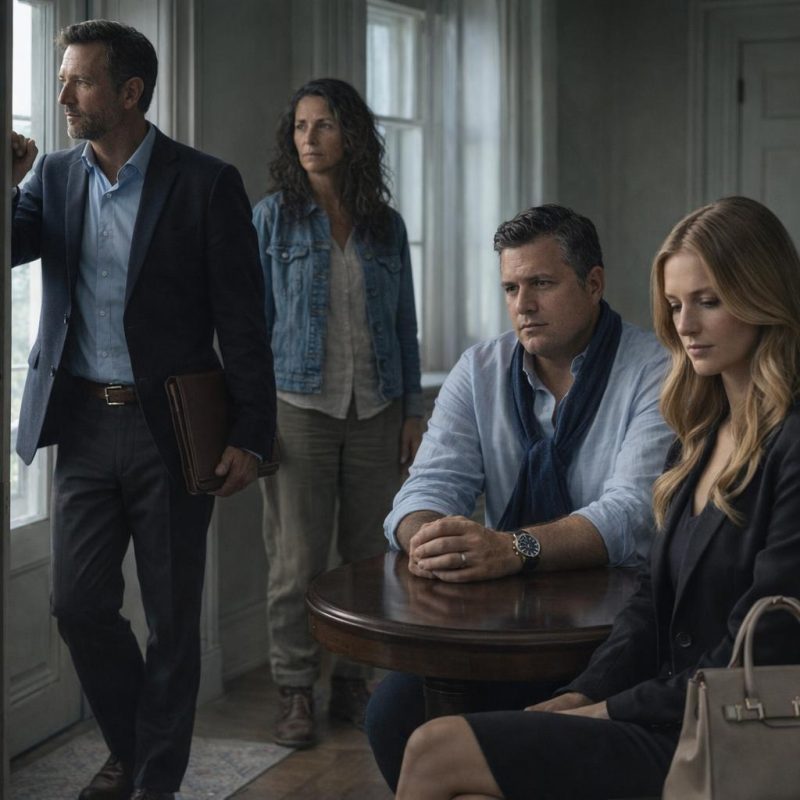 Image by RM AI
The Aftermath
They stayed. I hadn't expected that, but there was nowhere obvious for them to go, and the house was technically theirs. Marco and Alessandra moved through the rooms quietly now, avoiding the parts of the property where I was working. I saw them sometimes from the vineyard — standing on the terrace in the morning, talking in low voices, looking out at the land with expressions I didn't try to read. Paolo came back that week, settling into his old rhythm without ceremony, and one afternoon while we were checking the irrigation lines he asked what would happen now. I told him I would keep doing what I had always done. He nodded and didn't ask again. The cousins owned the house and the land beneath it, but the only thing on the estate that generated income was the vineyard, and the vineyard was mine. They would have to decide eventually what to do with a property they couldn't afford to keep and couldn't profit from. That wasn't something I could solve for them, and I had stopped trying to. I walked back through the rows that evening as the light dropped behind the hills, and the vineyard was quiet around me in the way it always was after something hard had finally passed.
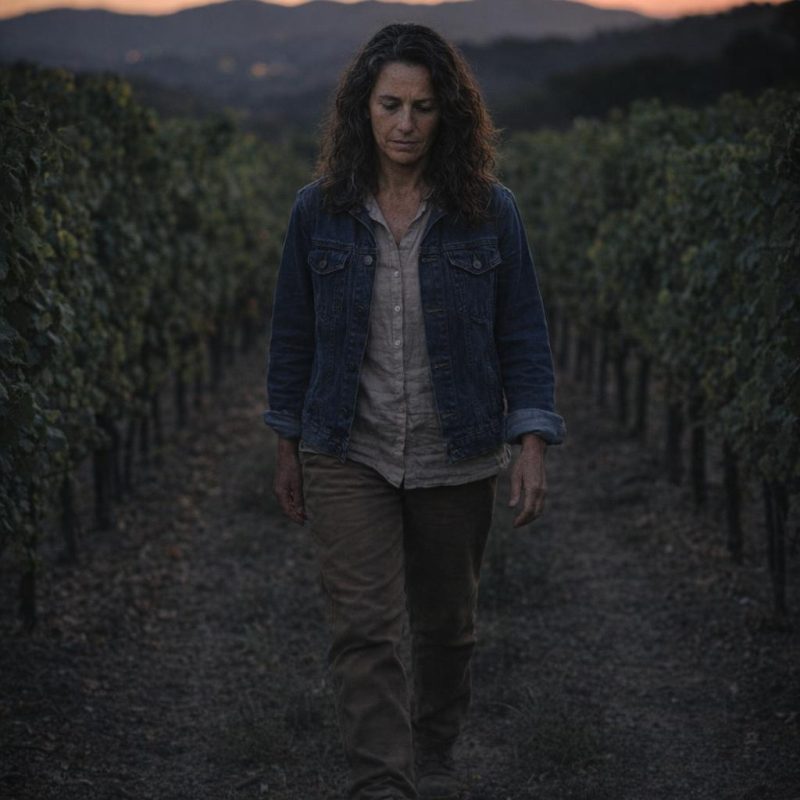 Image by RM AI
Financial Reality
The property tax bill arrived on a Tuesday. I know because I was at the kitchen table going over irrigation notes when Marco came in from the post box holding the envelope like it had burned him. He didn't say anything to me. He just stood there reading it, and I watched his face go through several things in quick succession before he set it down on the counter and walked out to find Alessandra. I heard them through the open window that afternoon — not every word, but enough. The roof over the east wing needed work. The heating system was old. The car needed servicing. Alessandra said something about her cards being declined, and Marco's voice went tight and flat. They talked about selling, but I already knew what the market looked like out here, and a farmhouse without a working vineyard attached was worth considerably less than they'd imagined. I kept my head down and finished my notes. I didn't need to say anything. By evening, when Marco came to find me in the vineyard and stood at the end of the row without speaking, the envelope still folded in his hand, the numbers had already done the talking for me.
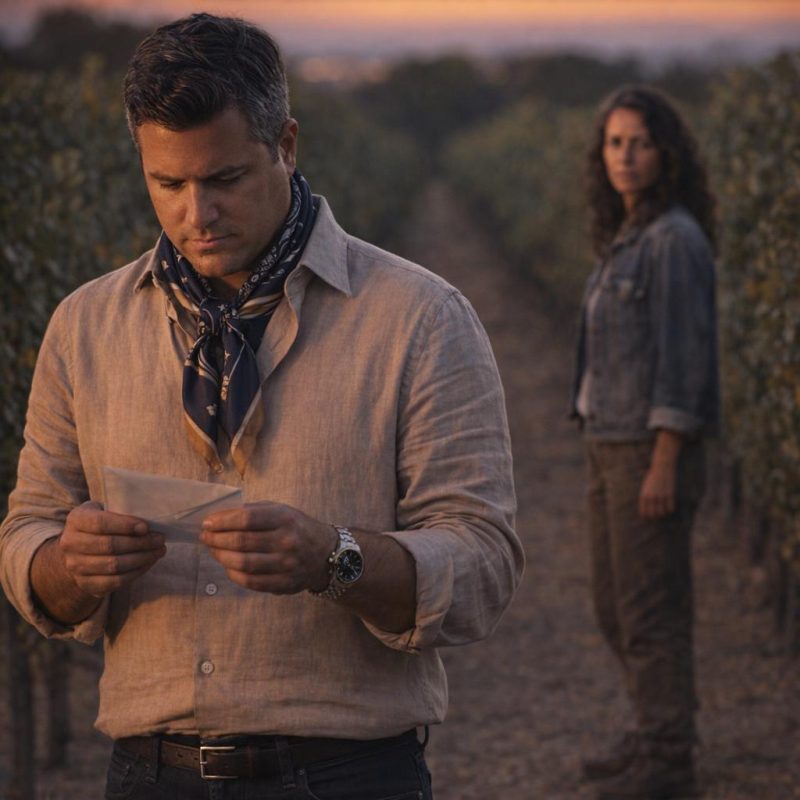 Image by RM AI
Months Pass
Spring came the way it always does here — slowly, then all at once. The vines pushed new growth and I moved through the rows with Paolo, checking each plant the way my aunt had taught me, reading the season in the color of the leaves and the weight of the air. Marco and Alessandra kept to themselves mostly. I'd see Alessandra on the terrace sometimes in the mornings, no longer in the silk blouses she'd arrived in, just a plain sweater and coffee. Marco had stopped wearing the loafers. Their car sat in the courtyard for weeks at a stretch, and I stopped noticing it. Paolo asked me once, somewhere around June, whether he thought they'd leave. I told him I didn't know and that it wasn't something I spent much time thinking about. He nodded and went back to checking the drip lines. By harvest I had a full crew of seasonal workers in, and the rows were loud with voices and the clean smell of cut stems. Marco watched from the upper terrace one afternoon, hands in his pockets, not moving. I didn't wave. I turned back to the work, and the vineyard held me the way it always had.
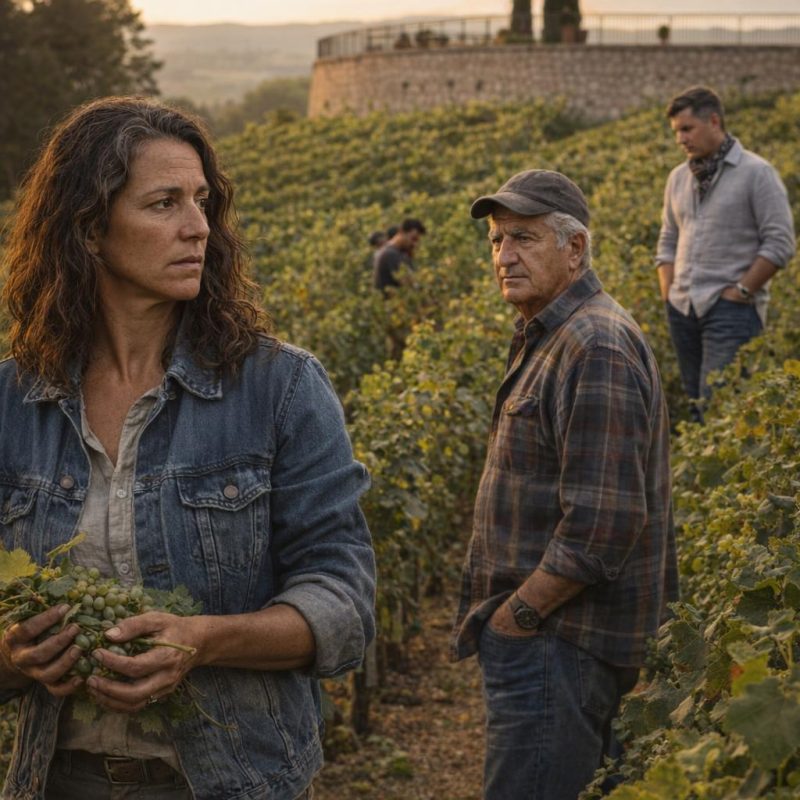 Image by RM AI
The Request
He found me in the lower rows on a Wednesday morning in late October, just after the last of the harvest bins had gone out. I heard him before I saw him — city shoes on dry soil make a particular sound. Marco stopped a few meters away and said he wanted to talk if I had a minute. I straightened up and waited. He looked different than he had in the spring. Thinner, maybe, or just less certain of himself. He said they were out of money. He said it plainly, without the careful framing he used to use, and I gave him credit for that. He said he and Alessandra had nowhere else to go and nothing coming in, and he asked — quietly, looking somewhere past my shoulder — whether I would consider taking them on as workers. Vineyard workers. He said they were willing to learn. He said he knew they knew nothing about it. I asked him if he understood what that actually meant — the hours, the weather, the kind of tired that gets into your hands. He said they had no other choice. I didn't answer right away. I stood there in the rows my aunt had planted, and let the weight of what he was asking settle between us without rushing it.
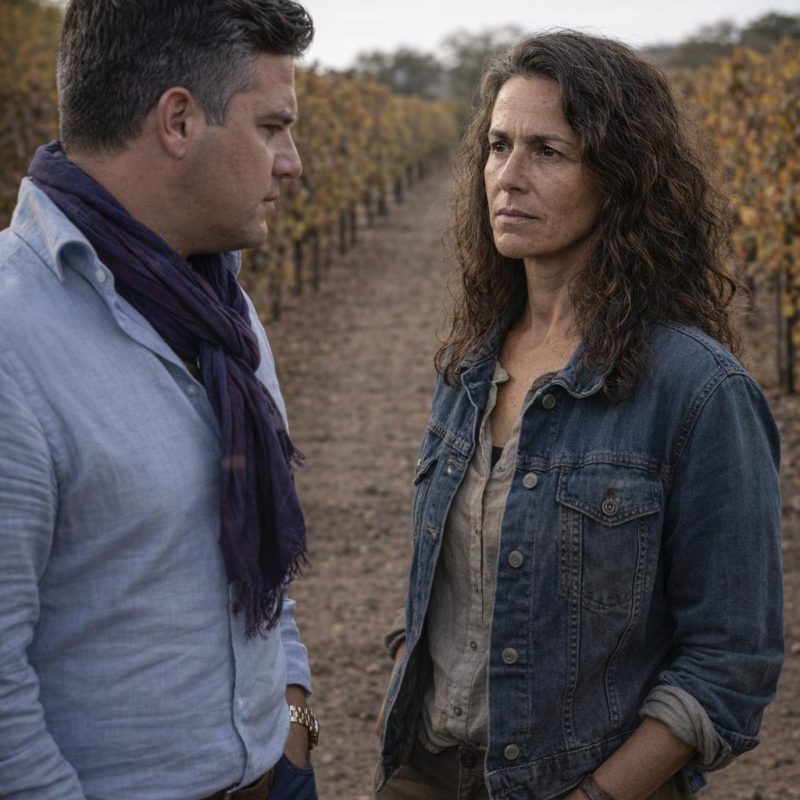 Image by RM AI
Terms
I told him I'd think about it overnight, and I did. By morning I had made up my mind. I asked them both to come to the office after breakfast — the small room off the cantina where I kept the production records and the seasonal contracts. They sat across from me at the old desk, and I noticed Alessandra had her hands folded in her lap the way you do when you're trying to look composed. I told them I would take them on as seasonal laborers. Standard wages, same as anyone else I hired. They would report to Paolo for pruning training and to me for everything else. No adjustments to the schedule because the house was cold or the work was hard. No special arrangements because their names were on the deed. Marco said they understood. Alessandra nodded without speaking. I told them to wear clothes they didn't mind ruining and to be at the end of the lower row at first light the next morning. After they left I sat for a moment in the quiet of the office, my aunt's old pruning calendar still pinned to the wall above the desk. Then I went to find Paolo and told him he had two new students starting at dawn.
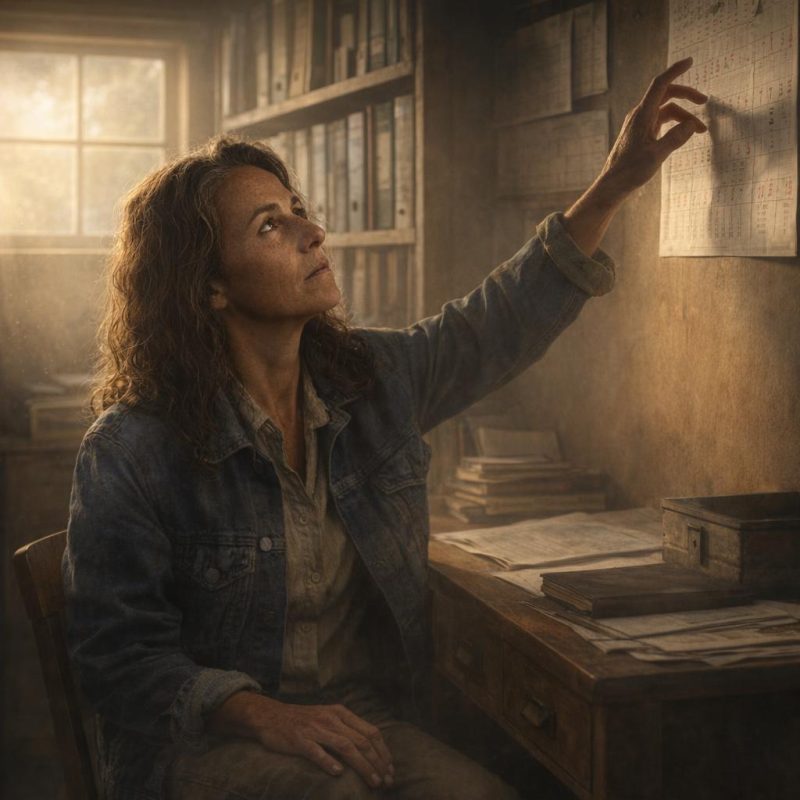 Image by RM AI