
I Ran Our Family Restaurant for 15 Years—Then My Cousins Tried to Sell It Out From Under Me
I Ran Our Family Restaurant for 15 Years—Then My Cousins Tried to Sell It Out From Under Me
Opening the Doors
Marco gets to the restaurant at 5:30 every morning, earlier than anyone else, earlier than he needs to. The alarm code goes in from memory — eight digits he's punched so many times his fingers find them in the dark. He pushes through the front door and the smell hits him first: garlic and old wood and something faintly sweet from the dessert case, the same smell every single morning for fifteen years. He moves through the dining room without turning on the overheads, straightening a chair here, adjusting a fork there, checking that the tables from last night's service are set the way they should be. Then he's in the kitchen, running through the checklist the way he always does — refrigeration temps, prep lists, the walk-in, the line equipment. Everything has a sequence and the sequence has a reason, and he knows both by heart. He's stood in this kitchen through recessions and renovations and nights when he wasn't sure they'd make payroll, and the checklist has always been the same. By the time the morning light starts coming through the front windows and laying itself across the dining room floor, Marco is already deep into the day's work, and the place feels exactly like what it is — his to care for, even if not his to own.
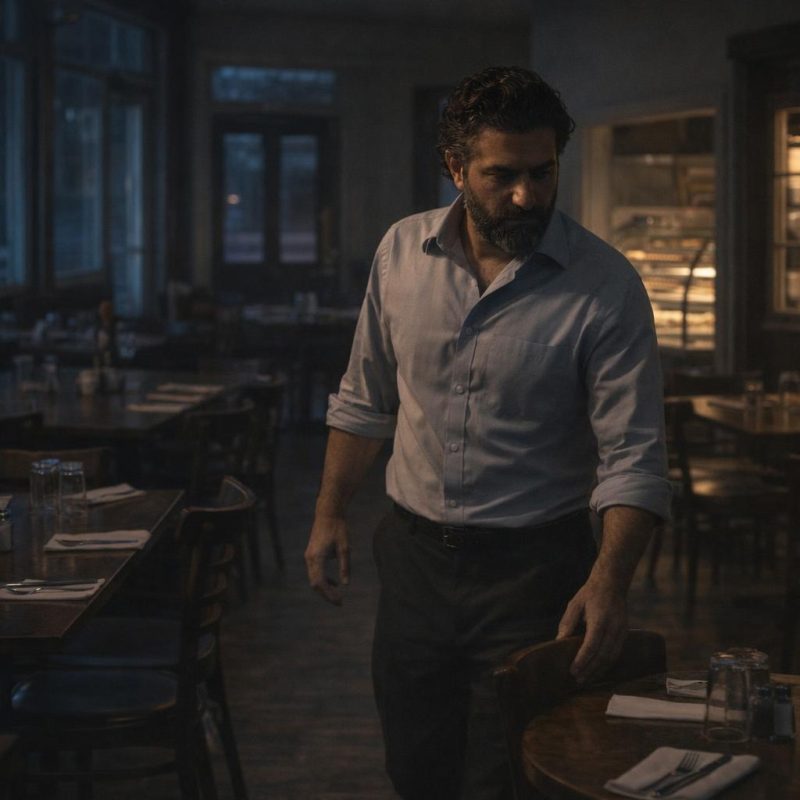 Image by RM AI
The Supplier Call
The call from the produce supplier comes in at seven-fifteen, right when Marco is trying to finalize the weekend prep list. Weather delays, the supplier tells him — the delivery that was supposed to arrive Thursday morning is now looking like Friday afternoon at the earliest. Marco pulls up the weekend reservation sheet while the supplier is still talking. Fully booked Friday and Saturday. He tells him Friday afternoon doesn't work and they go back and forth until they land on Friday morning, first thing, which means he needs to rework the prep schedule so Sofia can hold off on anything that requires the fresh stock. He hangs up and spends the next twenty minutes cross-referencing inventory against the weekend menu, identifying what can be substituted and what absolutely cannot. The heirloom tomatoes are a problem. He makes a note to call the backup supplier. By eight-thirty he's got a revised prep timeline drafted and three separate fires managed before the first staff member walks in. That's usually how mornings go. He's refilling his coffee when the email notification comes through — a reminder that the quarterly financial statements are due for review by the end of next week, and that the cousins will be expecting their dividend summary.
 Image by RM AI
Sofia's Kitchen
Sofia arrives at six-thirty on the dot, the way she has for twenty years, and within five minutes her station is organized and she's already moving. Marco brings the weekend reservation printout into the kitchen and they go over it together at the prep counter — Friday fully booked, Saturday the same, a private party on Sunday that's going to stretch them. She listens, nods, asks two sharp questions about the Sunday headcount, and then she's already adjusting in her head. She tells him she's making extra braciole this weekend, her grandmother's recipe, the one that takes three hours and fills the whole kitchen with something that smells like every Sunday the restaurant has ever seen. He watches her work the meat with her hands, the same way she's done it since before he was running this place, and there's a kind of precision to it that no written recipe could capture. They talk about food costs for a few minutes — the way they always do, carefully, without panic — and she says what she always says: they'll manage, they always manage. She's right. They always have. Marco leaves her to her prep and heads back toward the office, and the sound of her moving through the kitchen behind him, the rhythm of it, carries the weight of her loyalty and twenty years of shared work.
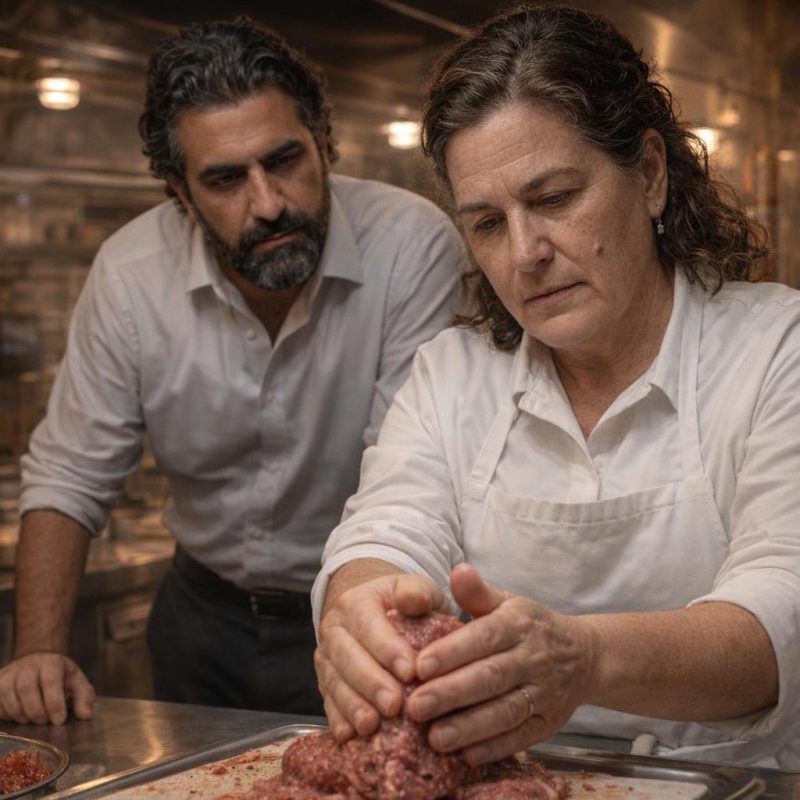 Image by RM AI
The Numbers
Marco closes the office door after the lunch rush and opens the quarterly statements on his computer. Revenue is up about three percent from last quarter, which sounds better than it feels once you run it against the expense side. Food costs are sitting at thirty-one percent of revenue, labor at thirty-four. That's sixty-five cents of every dollar spoken for before touching utilities, insurance, maintenance, or the lease. He works through the numbers methodically, the way he always does, pulling up the shareholder agreement to confirm the dividend formula. Three cousins, equal shares, silent partners since Papa Benedetto transferred ownership a decade ago. He calculates the amounts, prints the summary, and writes out the checks — Vincent, Angela, Tony — the same quarterly ritual he's performed since taking over full management. The margins are thin. They've always been thin. A restaurant in this neighborhood, at this price point, with this level of quality — thin margins are the cost of doing it right. He knows that. He's always known that. He files the statements, seals the dividend envelopes, and sets them aside for mailing. The business is solvent. It's stable. He's kept it that way through worse years than this, and he carries that knowledge the way you carry something heavy that you've learned to balance — not easily, but without dropping it.
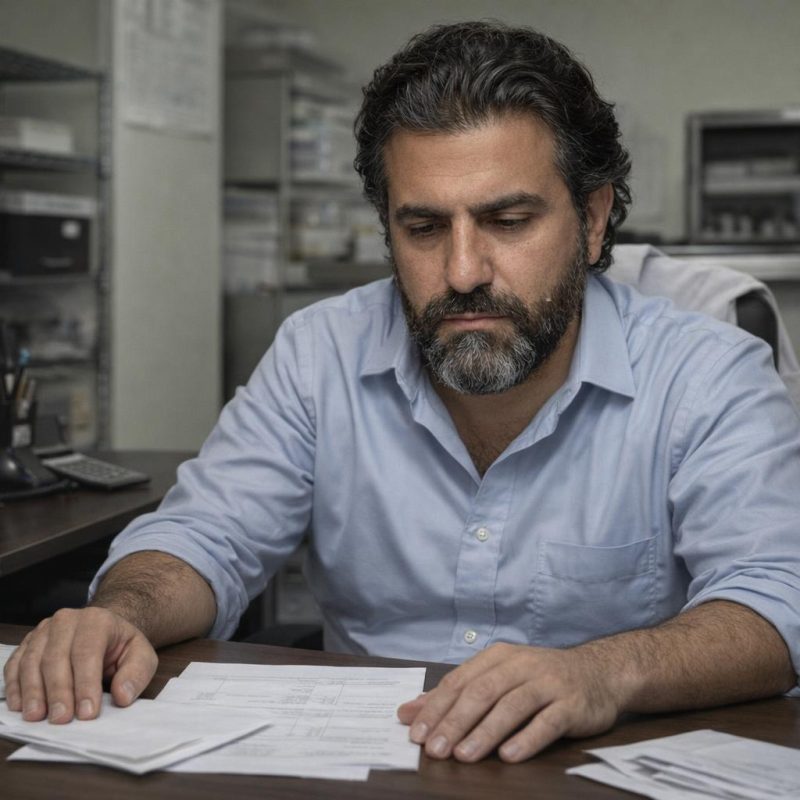 Image by RM AI
Elena's Concern
Marco gets home at eleven forty-five and Elena is in the living room with a book open in her lap, but she's not reading it. She looks up when he comes in and asks how the night went, and he gives her the short version — good covers, one table complaint about wait time, the usual. She sets the book down. She says she barely saw him this week, that he looked exhausted when he left this morning and looks worse now. He tells her it's a busy stretch, that it'll ease up after the weekend. She says he's been saying that for fifteen years. She's not wrong, and they both know it. She talks about the dinners he's missed, the weekends that disappeared into double shifts, the way the restaurant fills every hour he has and then asks for more. He tells her he hears her, that he's going to find a better balance, and he means it when he says it, the way he always means it. She doesn't argue. She just looks at him for a moment, and then she says she knows he loves that place, that she's never doubted that. She says she just wants to make sure he still has something left for everything else. He sits down next to her on the couch, and when he looks at her face he sees a worry she's been keeping quiet — one that goes deeper than tired schedules and missed dinners.
 Image by RM AI
Fifteen Years
There's a window between two-thirty and four-thirty most days when the dining room is empty and quiet, and sometimes Marco just stands in it. He did that today. He stood near the host stand and looked at the room — the tables, the light coming through the front windows, the framed photos on the wall that go back to the original opening. He was twenty-six when Papa Benedetto hired him as assistant manager. He didn't know anything about running a restaurant. He learned it here, in this room, in that kitchen, through every crisis that came at them. The 2008 crash hit hard and they stayed open. The 2012 slowdown, the pandemic shutdowns, the supply chain nightmare that followed — they stayed open through all of it. Every time, he found a way. He made the calls, cut the costs, renegotiated the leases, kept the staff together. He knows this building the way you know a place you've poured yourself into for a decade and a half. And then he thought about something he doesn't think about very often: his name isn't on the deed. It never has been. He's the manager. He's always been the manager. He stood there with that thought for a moment — not with bitterness, just with the plain weight of it — and then he went back to his office to finish the day.
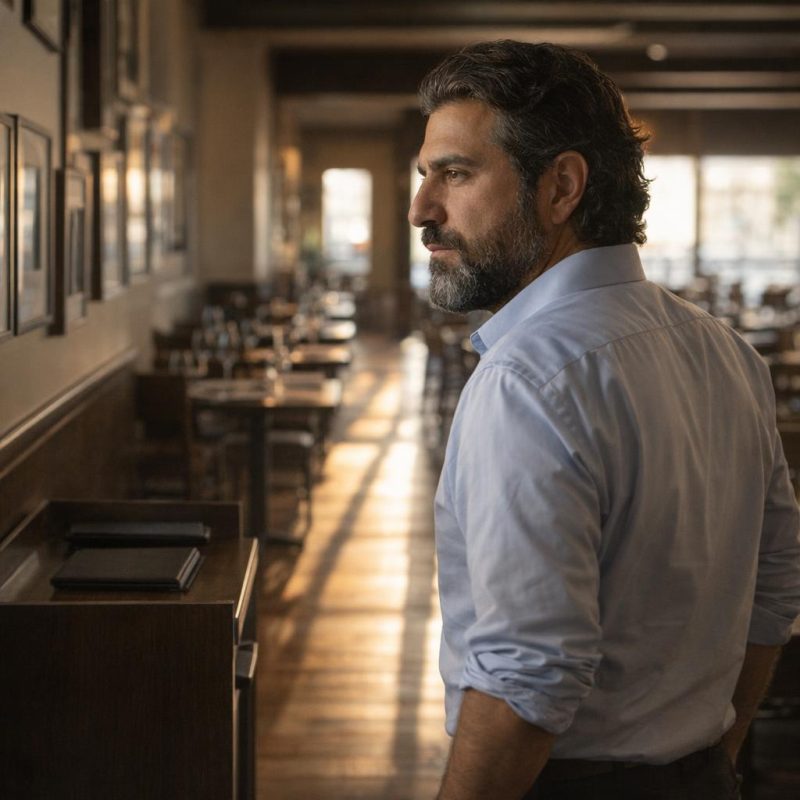 Image by RM AI
Papa Benedetto's Table
Papa Benedetto comes in every Wednesday at noon, moving slowly with his cane, and the whole restaurant shifts a little when he walks through the door. Sofia was already watching for him from the kitchen window. She came out of the kitchen before he reached the host stand, took his arm gently, and walked him to his corner table — the same table he's sat at since before Marco started there. Marco brought out a plate of Sofia's braciole without him asking, because he knows what the old man orders and Papa Benedetto knows he knows. He looked around the dining room the way he always does, taking it in slowly, and he said it still feels like home. They talked about the weekend reservations, about a family that's been coming in for three generations now, about whether the osso buco should go back on the fall menu. He's in his early eighties and his hands tremble a little and his eyes have gone cloudy at the edges, but his mind is sharp and his opinions about food are sharper. At some point he put his hand on the table and looked at Marco directly and said he was grateful — that he'd watched Marco keep this place alive through things that would have broken other people. He said he trusted Marco with everything that matters, and he said it again, quieter, like he meant it to land.
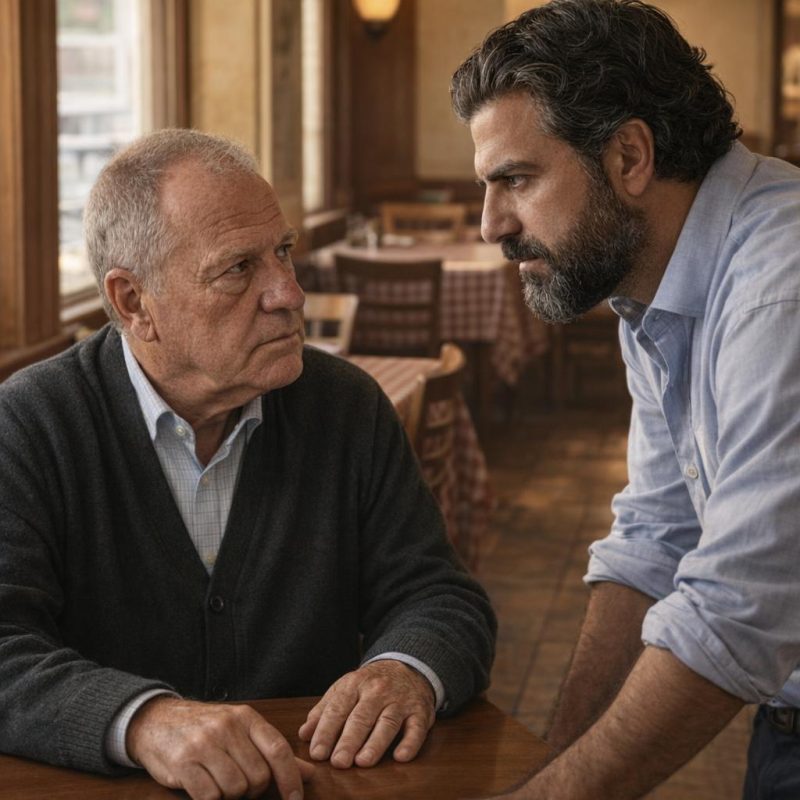 Image by RM AI
The Oven Repair
The main oven starts throwing an error code at three o'clock, two hours before the first dinner reservations. Marco knows that code. It means the heating element is going. He calls the repair company immediately and tells them it's an emergency service call, and after some back and forth they agree to have someone out within the hour. Sofia doesn't wait to be told — she's already rerouting her prep, pulling anything oven-dependent and figuring out what can hold and what can't. The technician arrives at four, confirms the heating element, and gives Marco the estimate: eighteen hundred dollars for parts and emergency labor. He approves it without hesitation because there's no other option. The technician finishes at five-fifteen, forty-five minutes before the first table. Service runs normally. Nobody in the dining room knows anything happened. That's the job — you absorb the crisis so the guests don't feel it. Marco adds the eighteen hundred to the mental ledger he keeps of unexpected costs, the one that never quite closes. Aging equipment in a building this old means something is always failing, always needing attention, always costing more than the budget line allows for. He locks up that night and stands in the kitchen for a moment after the last staff member leaves, and the quiet settles around him like the weight of every repair he's ever approved and every one still coming.
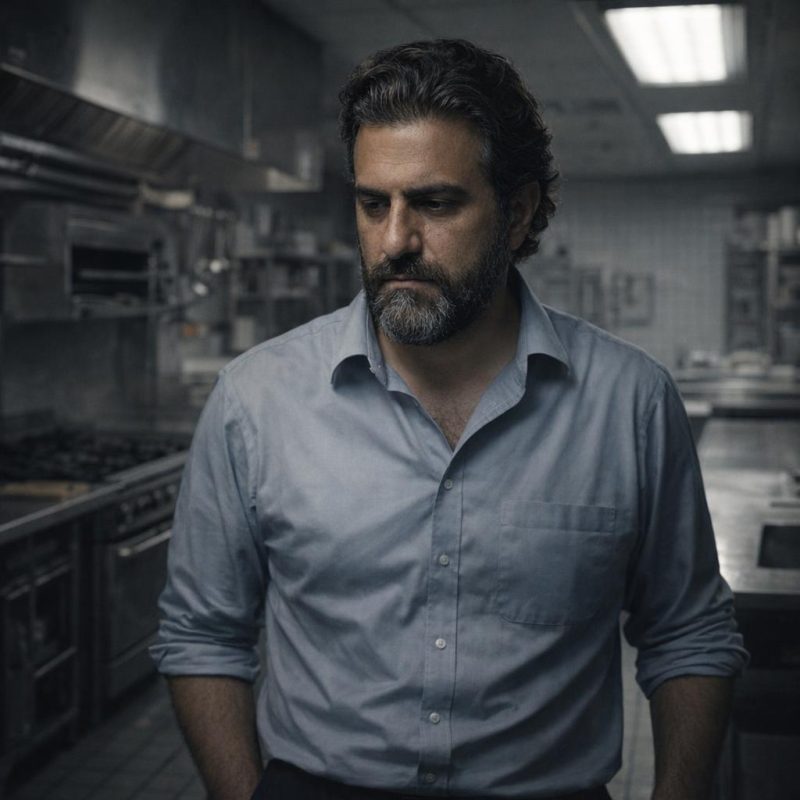 Image by RM AI
Dividend Day
The quarterly dividend run takes about forty minutes, start to finish. Marco pulls the financial statements, cross-references the shareholding percentages he has had memorized for years, and opens the checkbook. Vincent gets the largest check — his share is the biggest, always has been. Angela and Tony get slightly smaller amounts based on their respective stakes. The numbers are modest. Not embarrassing, but not the kind of money that changes anyone's life. Marco writes each check carefully, the same way he has done it sixty times over fifteen years. There is a ritual to it — the date in the upper right corner, the careful spelling of each name, the memo line where he writes the quarter and year. He prepares three envelopes, addresses them from memory, and seals each one. None of them have been in the restaurant in over a year. He knows their addresses better than he knows their phone numbers. The checks represent profit he could have put toward the walk-in compressor that has been running loud, or toward the line cook position he has been holding open for two months. But the arrangement is what it is, and he has never missed a quarter. He sets the envelopes in the outgoing mail tray and sits back for a moment — three sealed envelopes going to people who have never once asked how the place is holding up.
 Image by RM AI
Saturday Night Service
Saturday service starts at five-thirty and by six they are fully in it. Forty-six covers on the books, and the dining room fills fast. Marco moves between the front and the pass, keeping an eye on ticket times and table pacing, watching for the small things that can unravel a busy night before anyone notices. Sofia runs the kitchen like she is conducting something — calling out tickets, plating with precision, keeping her line calm even when the orders stack up. Around seven a couple at table nine asks to be moved away from the service station. Marco handles it himself, apologizes for the placement, gets them resettled with fresh bread and a comp glass of wine. They leave happy. By eight o'clock the rhythm is locked in — food moving, tables turning, the dining room humming at the pitch it is supposed to hit on a Saturday. Marco stands near the host stand for a moment and just watches. Every table occupied. Conversations layered over each other. Sofia's food going out clean and consistent. The staff moving with the kind of quiet efficiency that only comes from doing this long enough to stop thinking about it. The last table clears at ten-thirty. Marco pulls the receipts and runs the numbers. Strong night. One of the better ones this quarter. He finds Sofia in the kitchen and tells her it was a good service, and she nods once like she already knew.
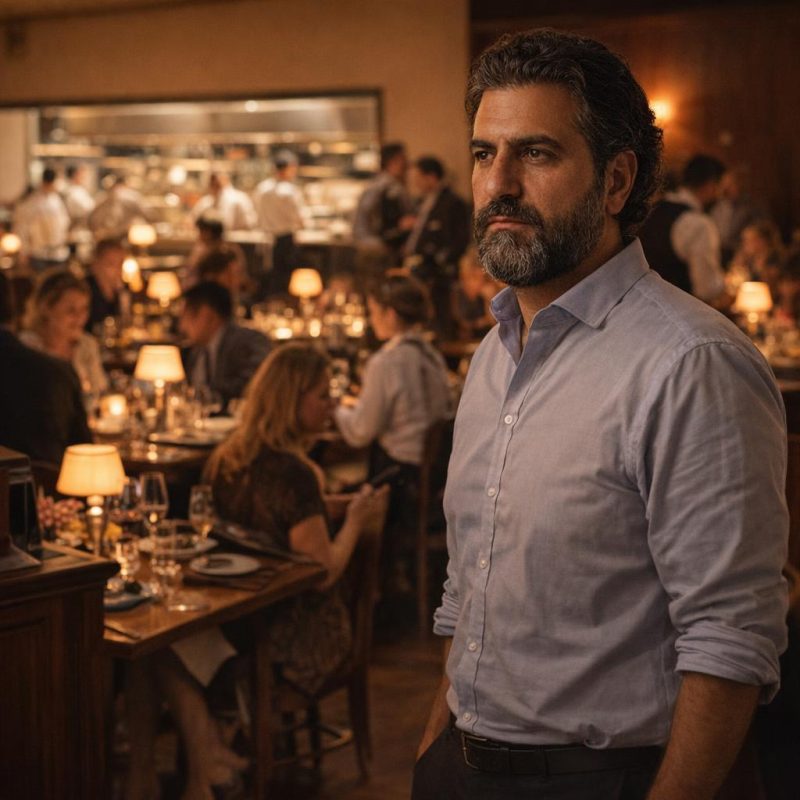 Image by RM AI
Unexpected Visitors
Marco is at his desk at two o'clock, working through the lunch receipts and checking the prep schedule for the week, when the hostess knocks on his office door. She says there are three people out front asking for him by name. He tells her he will be right out and assumes it is a vendor or maybe someone following up on a catering inquiry. When he comes through the dining room and sees who is standing near the entrance, he stops for just a second. Vincent, Angela, and Tony — all three of them, together, dressed like they have come from somewhere with a conference table. He cannot remember the last time he saw all three of them in the same room, let alone in this one. He crosses the floor and greets them, keeping his voice easy. He asks what brings them by. Vincent says they need to talk through some family business and asks if Marco has a few minutes. Angela smiles and says it won't take long, her tone pleasant in the way that people use when they have already decided something. Tony gives a brief nod and doesn't say much. Marco notices they are not looking around the restaurant the way people do when they haven't been somewhere in a while. He offers them coffee and a table, and they accept. He pulls out chairs and they sit, and the afternoon quiet of the dining room settles around the four of them.
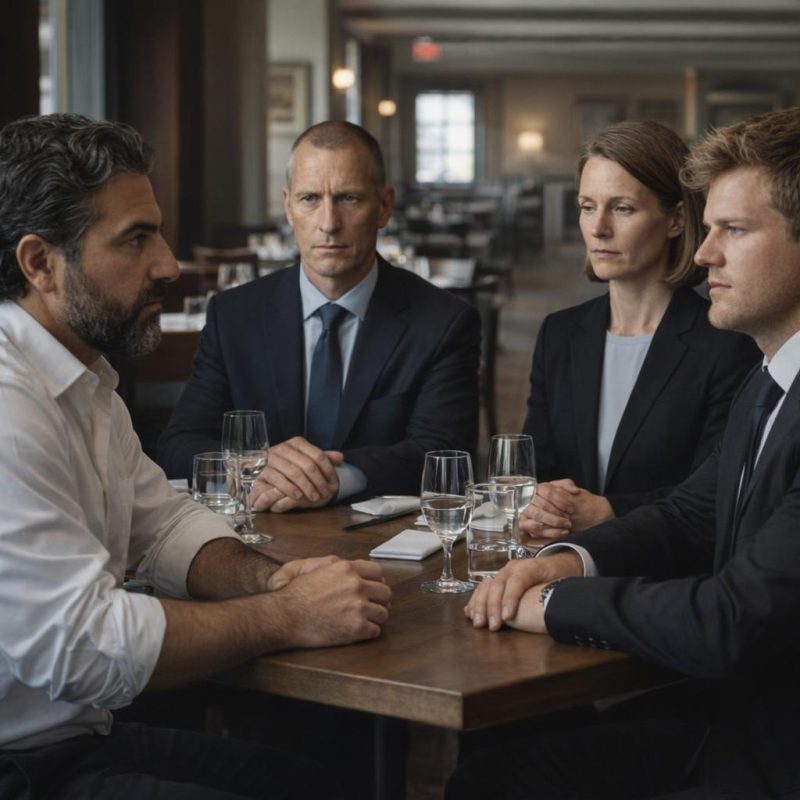 Image by RM AI
The Fourth Man
They are barely settled when Vincent glances toward the entrance and raises a hand. A fourth man comes through the door — mid-fifties, silver hair, expensive suit, carrying himself like someone who is used to walking into rooms and having people adjust. Vincent introduces him as Richard Holbrook, a real estate developer they have been working with. Holbrook shakes Marco's hand with the kind of grip that has been practiced into smoothness and says it is good to meet him. Marco says the same and invites everyone to move to a larger table in the quieter section near the back. They relocate, and as they settle in Marco notices the cousins exchange a brief look — nothing obvious, just a flicker of something passing between them that he cannot quite read. Holbrook sets a leather portfolio on the table and orders coffee when Marco offers it, and Vincent does the ordering for the group with an ease that feels slightly off in a room he does not run. Angela makes a comment about how well-maintained the dining room looks. Tony picks up his napkin and starts folding it. Marco is trying to figure out what kind of meeting this is — whether it is routine or something else — when Holbrook opens the portfolio, removes a stack of documents, and slides them across the table toward Vincent.
 Image by RM AI
Private Meeting
Vincent looks at the documents for a moment, then looks at Marco and says it might be better to speak privately. He asks if they can use Marco's office. Marco says of course and pushes back from the table. He leads the five of them through the dining room and into the kitchen, and he feels Sofia's eyes follow them from her station. She doesn't say anything, but there is a slight pause in her prep work as they pass — five people moving in a line toward the back office is not a normal Tuesday afternoon. The office is small. It fits the desk, two chairs across from it, and not much else. With five people in it, there is barely room to stand. Marco takes his seat behind the desk. The cousins and Holbrook arrange themselves in the remaining space — Vincent and Angela taking the chairs, Holbrook standing to one side, Tony positioning himself near the door like he is keeping his options open. Vincent reaches back and pulls the door shut. The room gets smaller. Holbrook reopens his portfolio and begins laying documents across the desk in a careful row. Angela smooths her skirt and glances at Vincent. Marco asks, keeping his voice level, what this is about. Vincent says they have something important to discuss regarding the property. The word 'property' sits in the air between them, and the room holds it.
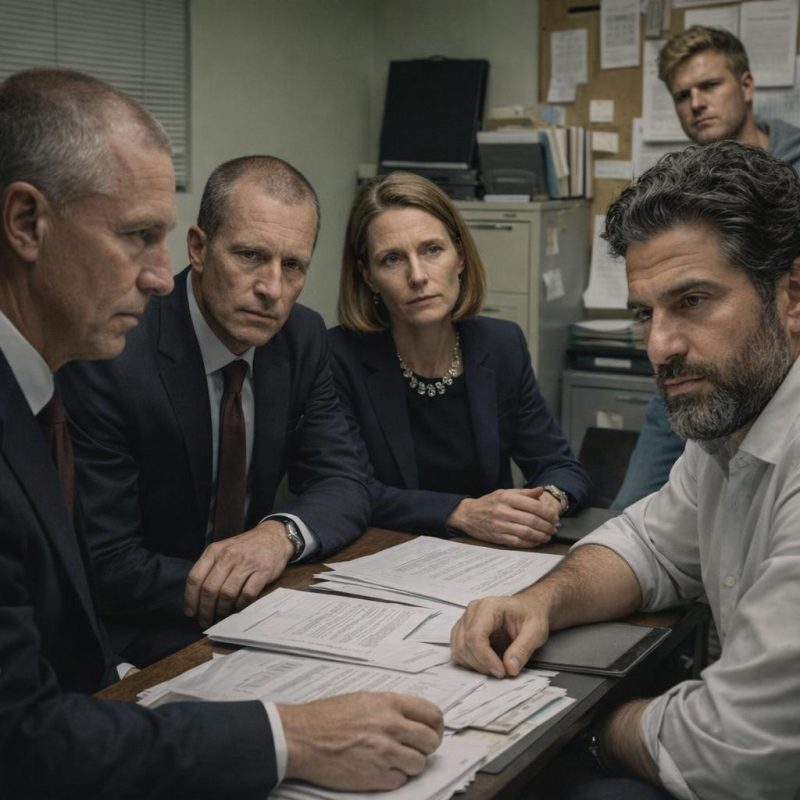 Image by RM AI
The Documents
Vincent lifts the stack of documents from Holbrook's portfolio and sets it in front of Marco. He says these are important papers that affect the family business and that he wants Marco to have the full picture. Marco looks down at the stack. It is thick — tabbed, flagged with colored stickers, multiple signatures visible on the pages visible from the edge. Legal contracts, clearly. Marco asks what kind of opportunity they are talking about. Holbrook speaks for the first time since they sat down, mentioning property development, market conditions, the neighborhood's trajectory. His delivery is smooth and practiced, the kind of presentation that has been given before. Angela says they wanted Marco to see everything and understand the situation, which is the kind of sentence that sounds considerate and doesn't quite land that way. Tony shifts his weight near the door and keeps his eyes somewhere past Marco's shoulder. Vincent suggests Marco read through the documents carefully and take his time. Marco pulls the stack closer and turns to the first page. The header is clean, formatted, official. It reads 'Purchase and Sale Agreement' at the top, and below that, the address of the restaurant — this address, this building, the one he has been inside nearly every day for fifteen years. He sits with the stack in front of him and the room very quiet around him, and he does not look up yet.
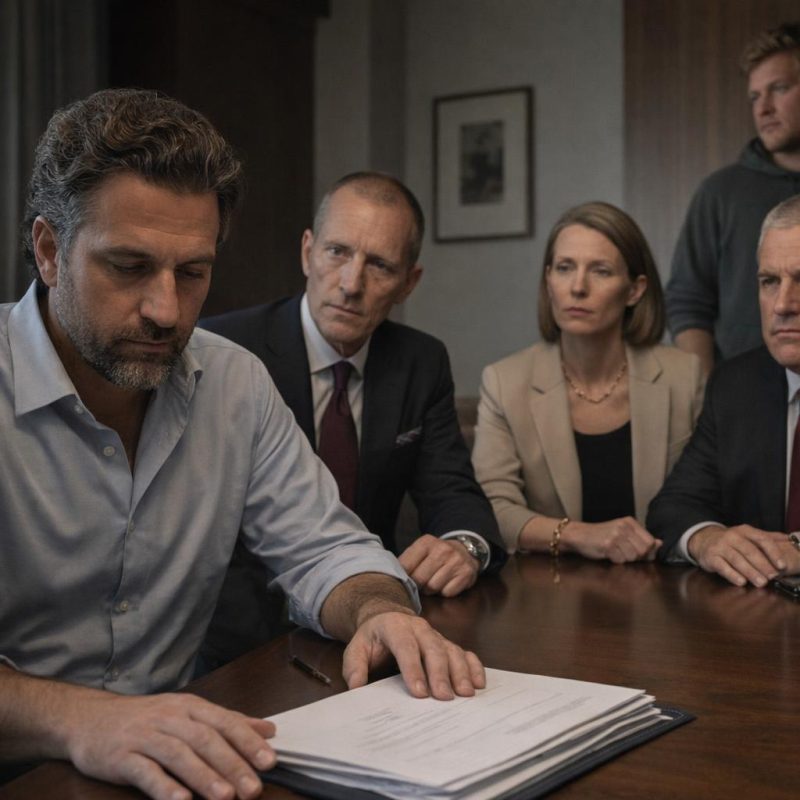 Image by RM AI
The Sale
Marco reads slowly, which is not how he usually reads contracts. He goes line by line because something in him needs to be sure he is understanding it correctly. The document identifies the sellers — Vincent, Angela, and Tony, listed by full legal name with their ownership percentages beside each one. The buyer is listed as a development company, Holbrook's name in the principal section. The property description is exact: the address, the lot dimensions, the building. The purchase price is two point eight million dollars. Marco looks up and asks what this means for the restaurant. Vincent says they have decided to sell the property. He says it is a family decision. Angela says the real estate market is strong and this is the right time. Marco asks if anyone consulted him before signing. His voice comes out tighter than he intends. Vincent says Marco is the manager, not an owner, and that this is a shareholder decision. Marco looks back at the documents. He finds the execution page. Three signatures, dated two weeks ago. He asks about the deposit. Vincent says a non-refundable deposit has already been accepted and the sale is moving forward.
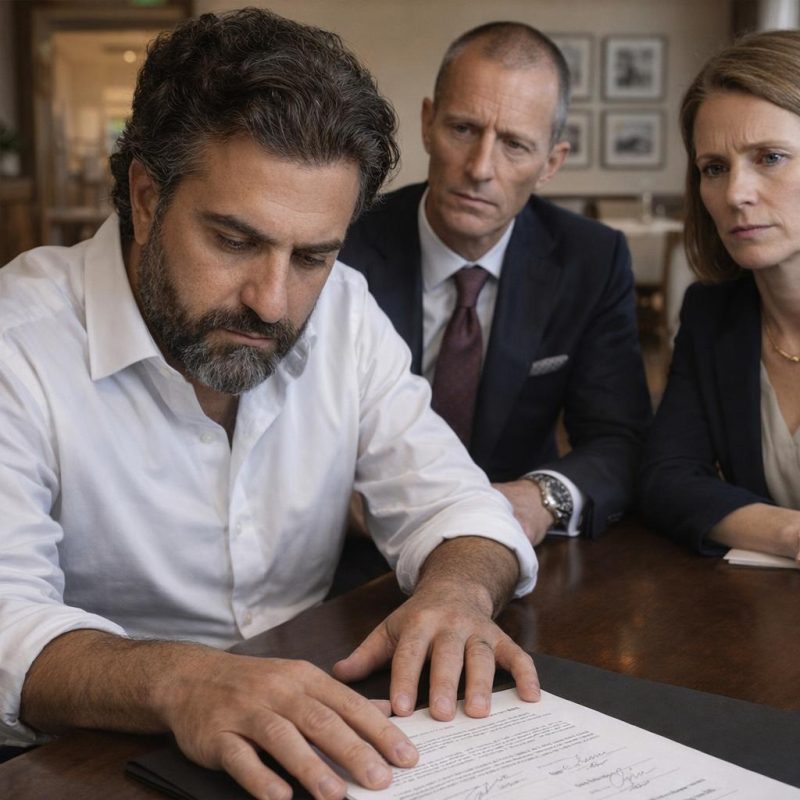 Image by RM AI
Demolition Plans
Holbrook takes over from there. He speaks about the property the way people speak about vacant lots — in terms of zoning classifications, floor-area ratios, projected returns. The site is zoned for mixed-use development up to six stories. He describes the plan: luxury condominiums on the upper floors, ground-floor retail. He mentions the timeline with the same matter-of-fact delivery he has used for everything else — demolition in four months, construction running eighteen months after that. Marco asks what happens to the restaurant. He already knows the answer, but he asks anyway. Holbrook says the business would need to relocate or close, and he says it the way you would say a tenant needs to vacate — procedural, not personal. Angela says they have thought about Marco's situation and want to be fair about the transition. Vincent says Marco has done good work here but that this is a business decision. Tony, who has barely spoken since they arrived, says quietly that things change. Marco sits with that for a moment. Holbrook keeps talking — market studies, comparable sales, projected absorption rates. Marco hears the words but he is looking at the first page of the contract, still sitting on the desk, with the restaurant's address printed in clean block letters just below the word 'demolition' in the project description.
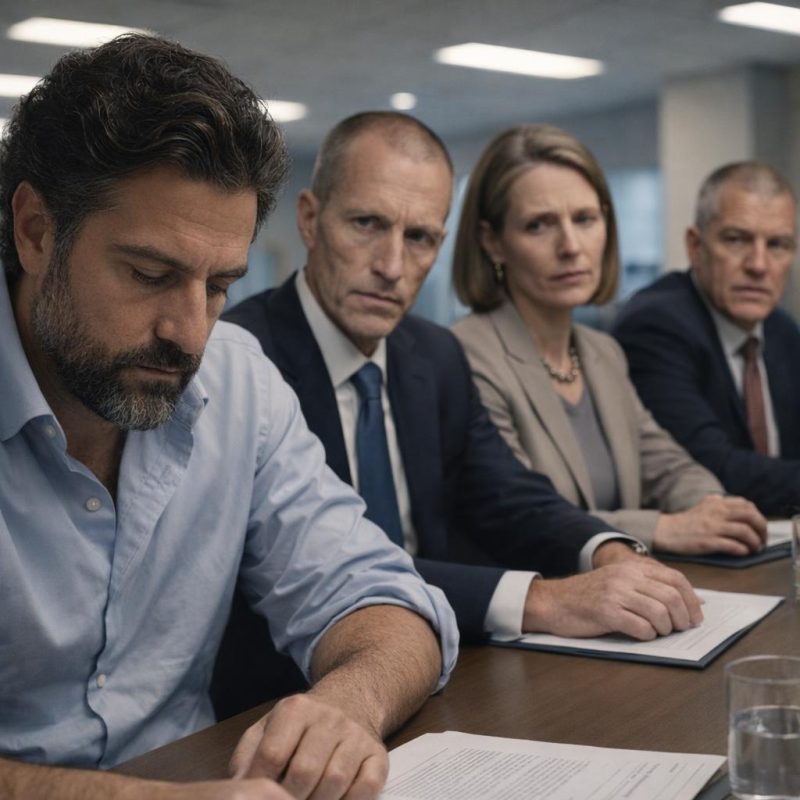 Image by RM AI
Non-Refundable
I wait until Holbrook finishes his sentence before I ask. I try to keep my voice level. I ask if there's any way to stop this — any mechanism in the contract, any window where the sale can be reversed. Vincent shakes his head before I even finish the question. He says the purchase agreement is fully executed and legally binding. Holbrook adds that the deposit is non-refundable under the terms both parties signed. I ask how much the deposit was. My voice comes out tighter than I intend. Vincent glances at Angela, then back at me, and says four hundred thousand dollars. Angela says that if they tried to walk away now, they'd forfeit the entire amount. Holbrook says his company would also pursue damages for breach of contract — lost planning costs, carrying costs, the works. I ask why no one consulted me before committing to terms like that. Vincent says, again, that property decisions belong to the shareholders, not to management. Tony is looking at the wall. I sit with the number. Four hundred thousand dollars, already in escrow, already gone if anyone blinks. The cousins aren't just committed to this sale — they're locked inside it.
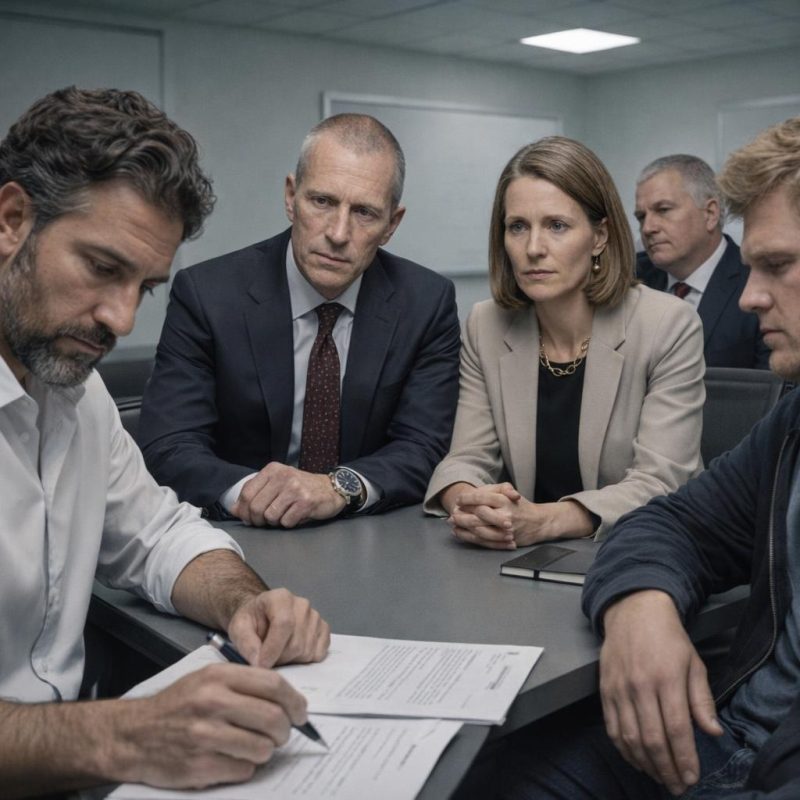 Image by RM AI
Generous Timeline
Angela shifts in her chair and says she wants to talk about practical matters. She says Holbrook has agreed to a four-month transition period before demolition begins, and she says it the way you'd announce a favor — like she's handing me something. She says many developers wouldn't offer that kind of runway. I ask what exactly I'm supposed to accomplish in four months with a fully operational restaurant. She says I could look for a new location, help the staff find other positions, wind things down properly. Vincent nods and says four months is more than enough time to close out operations. Holbrook mentions the closing date is scheduled for early next month, with the transition clock starting from there. I do the math without meaning to — leases, equipment, suppliers, the staff who've been here longer than some of my cousins have held jobs. Sofia. Papa Benedetto, who sits at his corner table every Sunday like it's a sacrament. Angela says they want to make this as smooth as possible for everyone. Tony is still staring at the floor. I keep my face still and my hands flat on the desk, and I sit with the weight of being offered time to take apart everything I've spent fifteen years building.
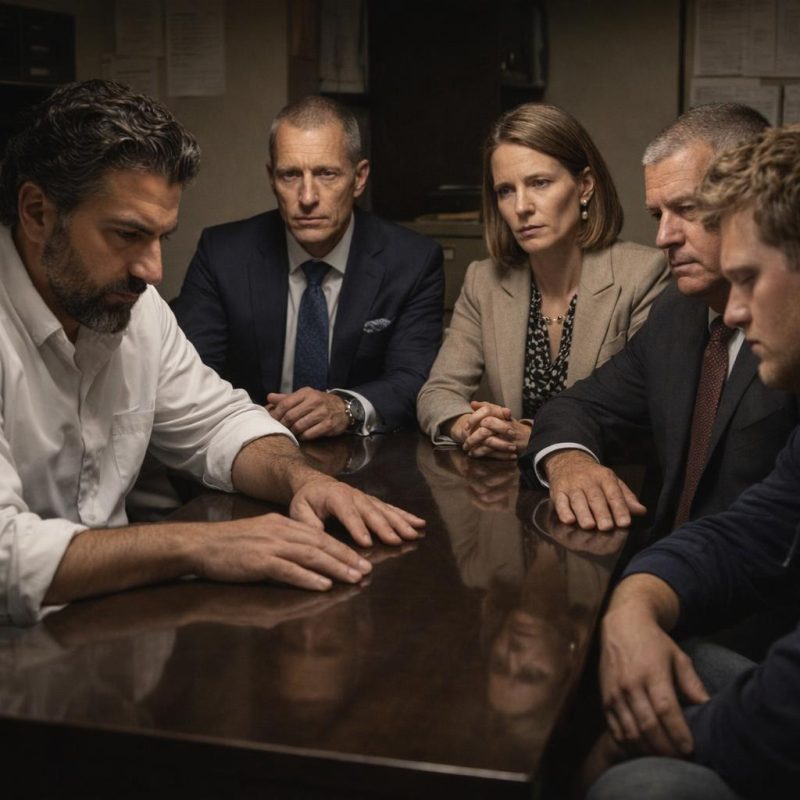 Image by RM AI
Final Decision
I ask if there's any room for a different arrangement — a buyout, a lease structure, anything. Vincent cuts me off before I finish. He says the decision is final and not open to negotiation. He says the cousins are the property owners and they've made their choice. Angela says they hope I'll be professional about the transition, and she uses the word professional the way people use it when they mean compliant. Vincent says they expect my full cooperation in winding down operations smoothly. Holbrook says he'll need access to the property for inspections and planning work starting next month. I ask, quietly, what happens if I don't cooperate. Vincent's expression doesn't change but something in his voice pulls tighter. He says that would be unwise and potentially create legal complications for me. Angela steps in and says we're all family and should handle this maturely. Tony finally speaks — he says he hopes I understand this isn't personal. I don't answer him. Vincent stands, which is apparently the signal that the meeting is over. He says they'll be in touch about next steps. I stay in my chair and listen to the word family settle into the room, flat and airless, like something that had already stopped meaning what it was supposed to mean.
 Image by RM AI
Contract Copies
Before anyone reaches the door I ask if I can keep copies of the contract to review in detail. Vincent says yes without hesitating — says I should understand all the terms clearly. Holbrook offers to answer questions about the development timeline whenever I'm ready. I tell him I need time to process everything first. Angela reminds me they expect normal operations to continue through the transition. Vincent says they'll be in touch next week to go over specific steps. The four of them stand and move toward the door in a loose group. Tony pauses at the threshold and turns back, his mouth opening slightly, but nothing comes out. He turns and follows the others. I stay seated and listen to their voices carry through the kitchen — a few words I can't make out, then the back door, then nothing. The office feels different when it's just me. I pull the contract stack across the desk and set it squarely in front of me. I find the first page and begin reading from the top, slowly this time, the way you read something when you're not sure yet what you're looking for but you know you can't afford to miss it.
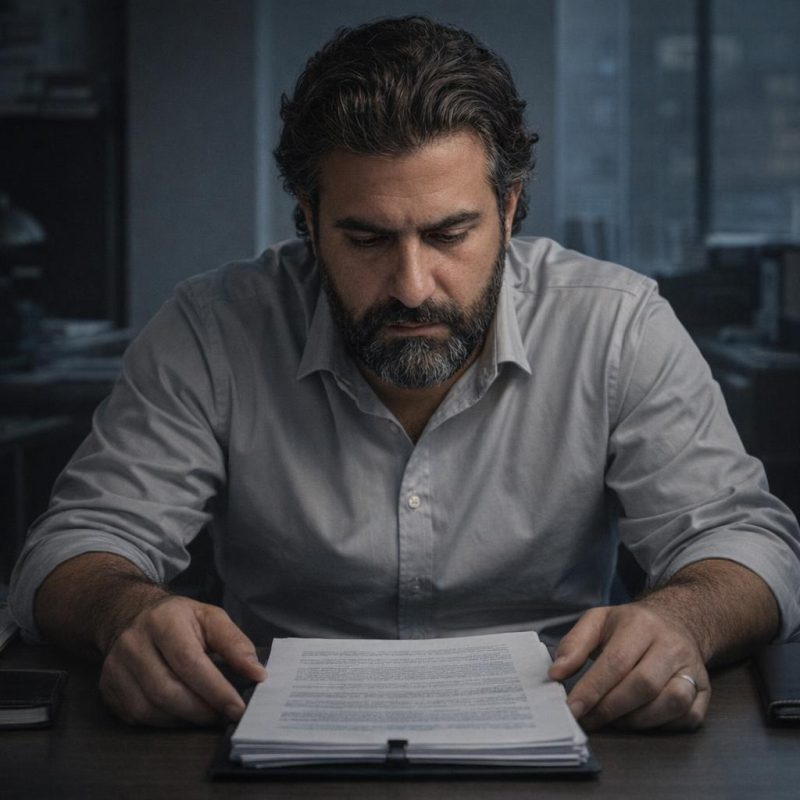 Image by RM AI
Reading the Fine Print
I close the office door and turn my phone face-down. The contract is forty-one pages. I start at page one. The opening recitals identify the parties — the cousins listed as sellers, Holbrook's development company as buyer. The legal description of the property runs half a page, parcel numbers and metes-and-bounds language I have to read twice. I note the closing date: thirty-two days from the signing date, which means it's already counting down. The deposit terms are on page six — four hundred thousand dollars held in escrow, non-refundable upon execution, exactly as Vincent described. I keep reading. The representations and warranties section lists what the sellers are guaranteeing to the buyer. Standard language, mostly. Then I reach the asset provisions and I slow down. The contract assumes the sellers have authority over all business assets associated with the property. I read that section again. Then I read it a third time. I pick up a pen and draw a line in the margin — not a note, just a mark, the kind you make when something doesn't sit flush with what you know but you can't yet say exactly why. I turn the page and keep going, the pen resting in my hand.
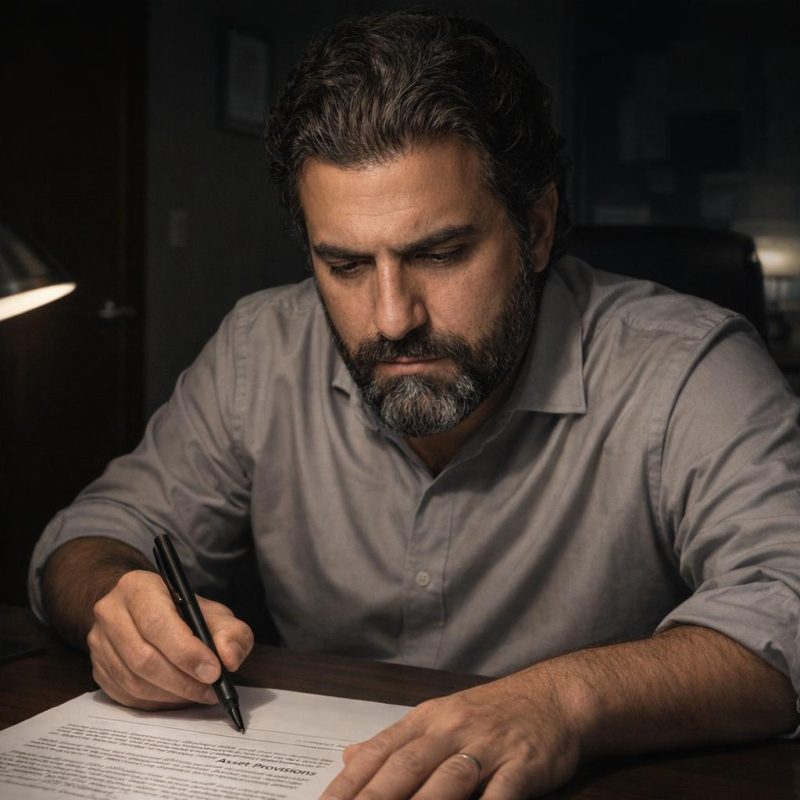 Image by RM AI
Asset Assumptions
Section 4 is titled Included Assets and Property. I read it slowly. The building and land are listed first, then all improvements and fixtures. Then a subsection: Business Assets and Equipment. The language is specific — all restaurant equipment, kitchen fixtures, dining room furniture, and point-of-sale systems convey with the property as part of the sale. I run my finger down the list. The liquor license is there, explicitly named, described as a transferable operational asset included in the transaction. I check for attachments — a separate bill of sale, an asset schedule with ownership documentation. There isn't one. The warranties section, two pages later, has the sellers guaranteeing clear title to all listed assets. I set the pen down. The contract is written as though everything inside this building belongs to the cousins the same way the walls and the roof do — as though the question of who owns what was settled before anyone thought to ask it. I sit with that for a moment, the pages spread across the desk, the liquor license line still visible where I left my finger, the contract's assumptions sitting there in clean legal type as though assumption and fact were the same thing.
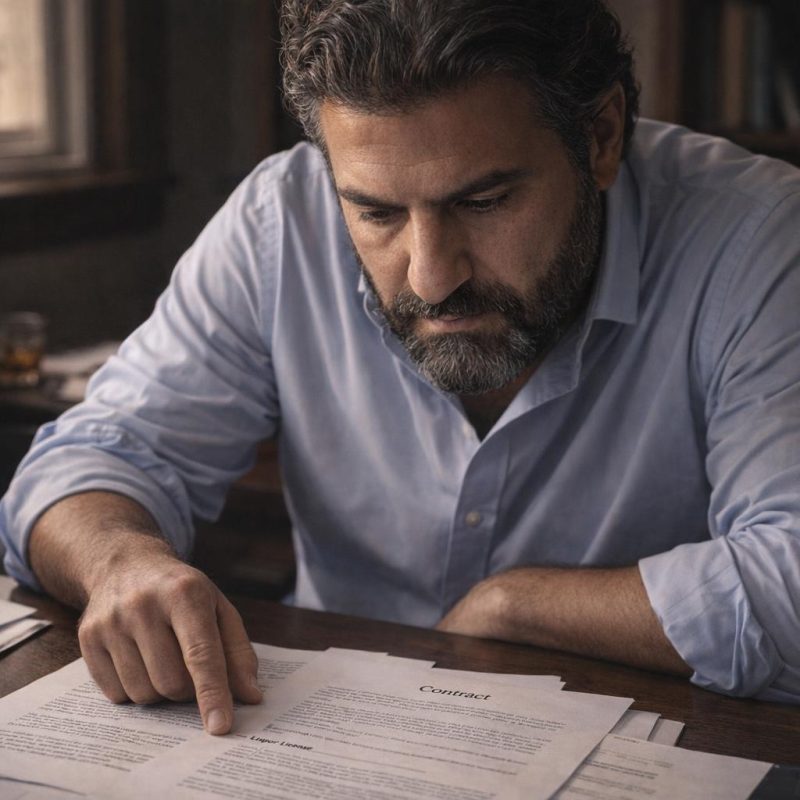 Image by RM AI
2008 Memories Surface
I set the contract down and lean back. The asset list is still in front of me but I'm not reading it anymore. I'm somewhere else — September 2008, the month the whole industry felt the floor drop out. Revenue fell thirty percent in eight weeks. Suppliers started calling before deliveries, wanting payment upfront. The bank froze the operating line without warning. I remember calling Vincent. He said the restaurant needed to survive on its own or it needed to close — those were the options he saw. Angela said the same thing, more politely. Papa Benedetto was already slowing down by then, trusting me to handle whatever needed handling. I handled it. I remember the liquor license renewal notice sitting on this same desk, the fee due in thirty days, no business funds to cover it, and the cousins not answering their phones. I remember making a decision that I never told the cousins about — one I carried quietly through the years that followed, waiting for the crisis to pass. I pick the contract back up. The liquor license line is still there, third item in the subsection, listed as though its ownership had never been in question.
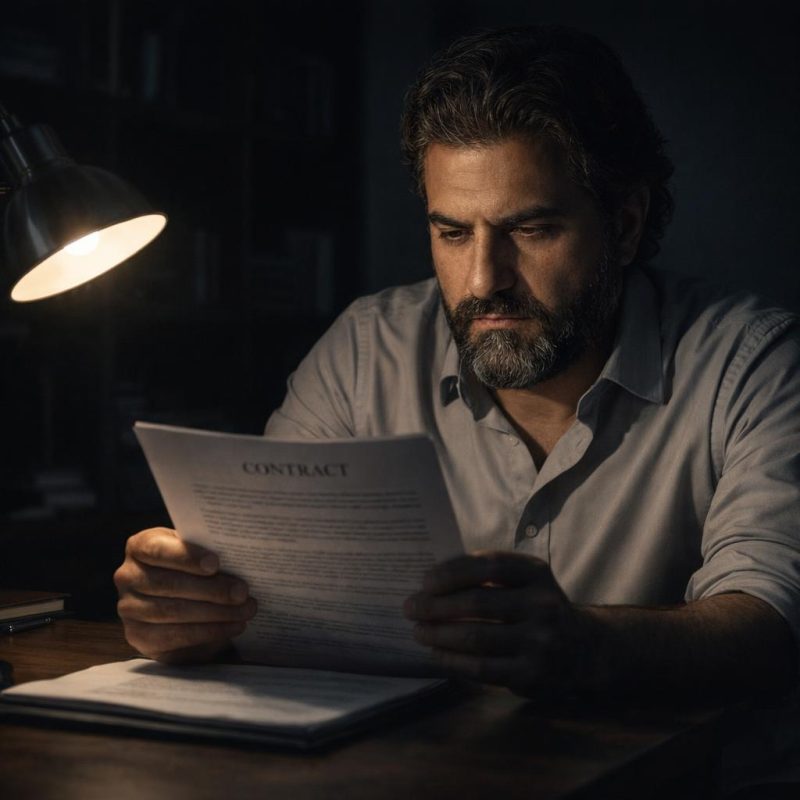 Image by RM AI
The Crisis Year
October 2008 is the month I remember most clearly. The bank sent the letter on a Tuesday. No extension, no negotiation — the operating line was closed. By Thursday two suppliers had called threatening to pull deliveries. The liquor license renewal fee was twelve thousand dollars and due in eighteen days. I called Elena that night after the dinner service. I told her what we had and what we needed and what would happen if we didn't cover it. She was quiet for a moment and then she said to do what I had to do. Sofia offered to defer two weeks of salary when she heard — I told her no, that wasn't her problem to carry. The following Monday I drove to the bank before opening and withdrew twelve thousand dollars from our personal savings account. The state licensing form required a named individual as the license holder. The restaurant's ownership structure was complicated, the cousins were unreachable, and the deadline didn't care about any of that. I filled in a name. I signed at the bottom. I dated it October 14, 2008, and I mailed it the same afternoon with a certified check drawn on my personal account.
 Image by RM AI
Personal Investment
The commercial oven went first. Late November 2008, middle of a Friday dinner service — the heating element failed and that was it. The business account had forty-two dollars in it. Marco called three repair companies and got three quotes he couldn't cover. So he found a restaurant supply company willing to do a lease-to-own on a replacement unit, and he signed the agreement himself, his home address in the lessee field, his personal credit on the line. The walk-in refrigeration system followed in January. A compressor failure on a Sunday morning, forty pounds of protein at risk. He put the replacement on a personal credit card and set up a payment plan. The POS system that spring — the old one kept dropping card transactions and they were losing sales. He leased a new one through a vendor, personally. The dishwasher that summer, eight thousand dollars financed through a restaurant supply account in his name. Each time, he told himself he'd transfer everything to the business once things stabilized. He kept copies of every agreement in a folder at home, thinking about tax deductions, thinking about reimbursement someday. Things did stabilize, eventually. But he never went back and completed those transfers. The equipment kept running. The leases kept running. And somewhere in the back of his mind, a question he'd never thought to answer sat waiting — what exactly did he own here, and what did the business own?
 Image by RM AI
The Inventory
Marco set the cousins' contract down on the desk and let his eyes go unfocused for a moment. Then he started going through it in his head — not the contract, but the other list. The one nobody had ever asked him to make. The liquor license: registered with the state alcohol control board in his name, renewed every two years, the last check drawn on his personal account. The main commercial oven: lease-to-own agreement, his name, nearly paid off. The walk-in refrigeration unit: owned outright, purchased in January 2009, his personal credit card, his home address on the receipt. The POS system: personal equipment lease, two years still remaining. The dishwasher: financed through his personal account with the supply company. The espresso machine he'd bought during a slow stretch in 2010 when the old one seized up. The wine storage system he'd upgraded the following year on his personal credit when the cousins couldn't be reached for approval. He ran through each one slowly, the way you'd count inventory before a delivery. The restaurant couldn't operate without any of them. Without the liquor license alone, the dining room was just a room with tables. He wondered if Vincent or Angela had ever looked closely enough at the paperwork to know whose name was actually on any of it. Sitting there with the contract beside him, he wasn't sure what that gap between what they assumed and what was actually true amounted to.
 Image by RM AI
Documentation
The filing cabinet in Marco's home office is a two-drawer unit he bought at an office supply store in 2007. Bottom drawer, toward the back, behind the folders for vehicle maintenance and home insurance — a manila folder he'd labeled in ballpoint pen: Personal Business Expenses 2008–2009. He pulled it out and set it on the desk next to the cousins' contract. Inside, everything was still in order. The liquor license renewal receipt from October 2008, the state registration showing him as licensee, his home address printed clearly in the issuing authority's records. Behind it, the lease-to-own agreement for the commercial oven, four pages, his signature on the last page. The financing paperwork for the walk-in refrigeration unit, the purchase receipt with his credit card number partially visible. The POS equipment lease. The dishwasher financing agreement from the restaurant supply company. The espresso machine receipt. The wine storage upgrade paperwork. Every document had his name on it. Every address listed was his home address. He'd organized them years ago thinking he'd eventually sort out the reimbursements, get everything transferred properly, close the loop. He never did. He smoothed the stack flat with his palm and set it beside the sales contract the cousins had sent. Two piles of paper on the same desk, and the distance between them felt much larger than the few inches of wood separating them.
 Image by RM AI
Legal Consultation
Marco found Castellano's number in his contacts under the entry he'd made three years ago after she reviewed a supplier agreement for him — Maria Castellano, business attorney, the note beside it reading 'thorough, direct, worth the rate.' He called at eight-fifteen in the morning. Her assistant answered and he explained he needed an urgent consultation about a property sale contract. She offered him an appointment Thursday. He said the matter was time-sensitive and asked if anything was available sooner. She put him on hold. When the line clicked back, it wasn't the assistant — it was Castellano herself, voice measured and unhurried. She asked him to describe the situation briefly. He told her a property he'd managed for fifteen years had been placed under a sales agreement by the shareholders, that he'd received the contract two days ago, and that there were questions about asset ownership that he thought might affect the transaction. She asked if he had documentation of the asset ownership in question. He told her he had original agreements, licenses, and purchase records, all in his personal name. There was a short pause. She said she could see him tomorrow morning at nine, and to bring both the sales contract and every piece of personal ownership documentation he had.
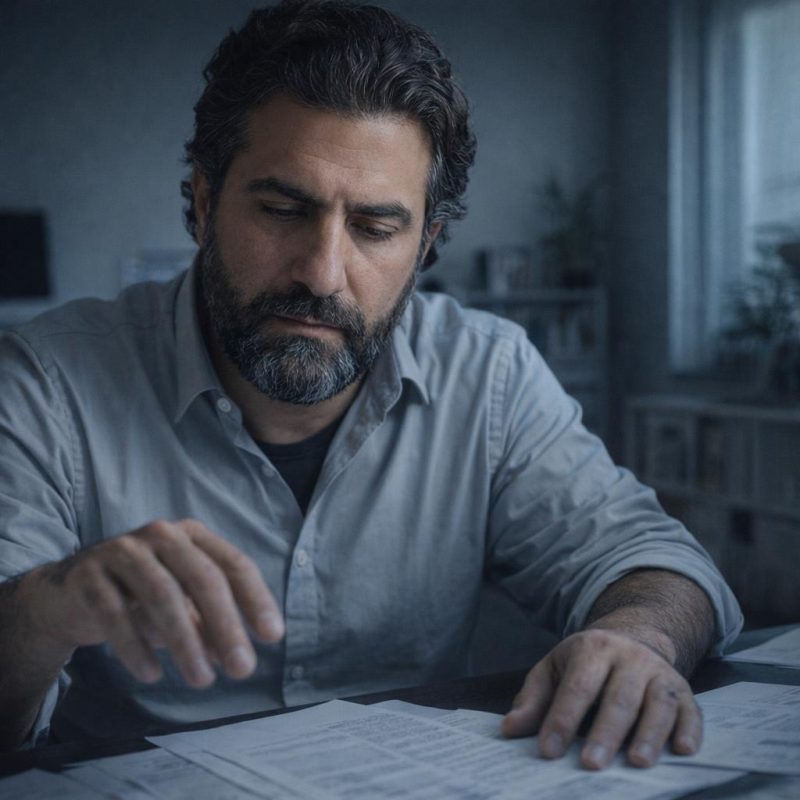 Image by RM AI
Pressure Builds
Marco's phone buzzed during prep, Vincent's name on the screen. He stepped into the office and closed the door before answering. Vincent asked if Marco had finished reviewing the contract. Marco said he'd read through it and was still working through the implications. Vincent said there wasn't much to work through — the sale was final, the deposit was non-refundable, and they needed to start transition planning. He asked when Marco was going to notify the staff about the closure. Marco said he needed more time to understand the full situation before saying anything to anyone. Vincent's tone shifted, tightening. He said Holbrook was already asking about property inspection access and that delays were going to create problems. He wanted a transition timeline from Marco by the end of the week. Marco told him he was consulting with an attorney to review the contract terms. The line went quiet for a moment. Vincent asked why Marco needed an attorney. Marco said it was standard practice when reviewing significant contracts. Vincent said the contract was straightforward and Marco was wasting time and money on something that was already decided. Marco told him he'd be in touch and ended the call. He sat with the phone in his hand for a moment after, the office quiet around him, Vincent's certainty still hanging in the air like something he hadn't quite finished hearing.
 Image by RM AI
Sofia's Questions
Sofia found Marco near the host stand during the lull between the early and late seatings. She didn't ease into it — she asked directly what the meeting with the cousins had been about. Marco told her it was family business related to the property. She said all three of them had come at once, which had never happened in twenty years, and the man with them didn't look like family. Marco confirmed he was a real estate developer they'd brought in. Her expression shifted in the way it does when she's decided something is wrong and is waiting for him to admit it. She asked if something was happening with the restaurant. Marco told her the restaurant was operating normally and there was no immediate problem. She said she'd worked there long enough to know when he was carrying something he wasn't saying out loud. She asked if the family was planning changes that would affect the staff. Marco told her he'd explain everything once he understood the situation better, that he wasn't holding back to be difficult — he just didn't have the full picture yet. She looked at him for a moment, then nodded once and went back to the kitchen. At the pass-through, she glanced back over her shoulder. Marco turned toward the dining room so he didn't have to hold that look, and the weight of what he hadn't told her settled across his shoulders and stayed there.
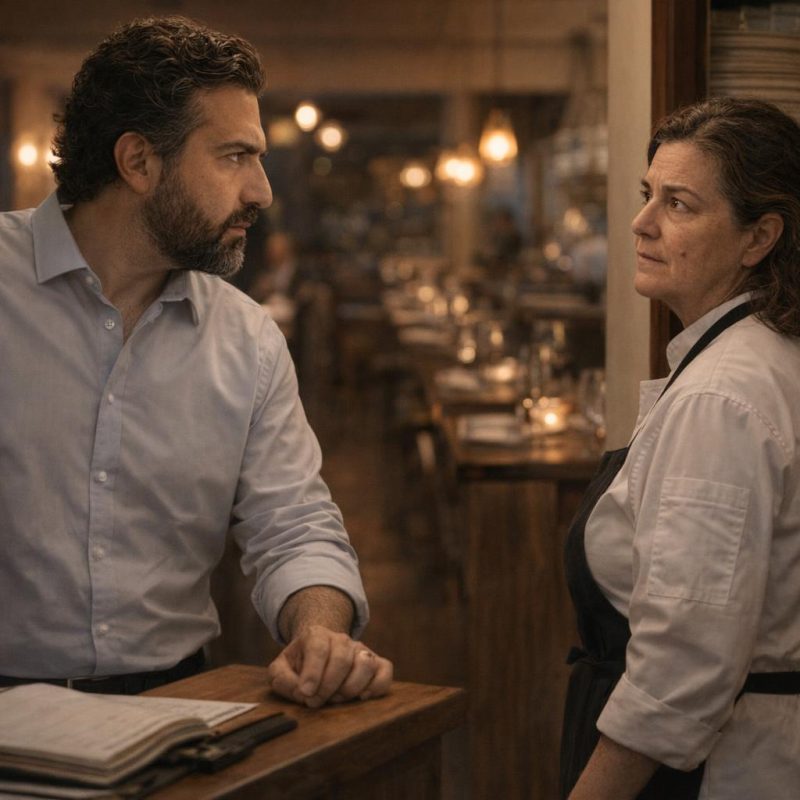 Image by RM AI
Deflecting Staff Concerns
The head server, Danny, caught Marco near the service station before the second seating and asked straight out if the restaurant was in financial trouble. Marco told him the business was stable and there were no immediate concerns. One of the line cooks mentioned to Sofia — loud enough that Marco heard it — that the cousins' visit had the whole kitchen on edge. Marco told him it had been a routine family business meeting and to focus on the ticket flow. The hostess pulled Marco aside near the coat rack and asked quietly if she should start putting out applications. Marco told her there was no reason for that and to stay focused on the floor. He said it calmly, the same way he'd said everything else that evening, and he meant it to land as reassurance. He wasn't sure it did. He watched the staff move through service — competent, professional, doing their jobs — and he felt the weight of fifteen people who showed up every day because they trusted that the place would be there when they did. After the last table cleared, Marco stayed to do the closing count rather than go home. He was sitting at the corner table with the cash drawer when he heard two of the servers talking near the kitchen door, their voices low but carrying — saying they'd heard the restaurant might be closing.
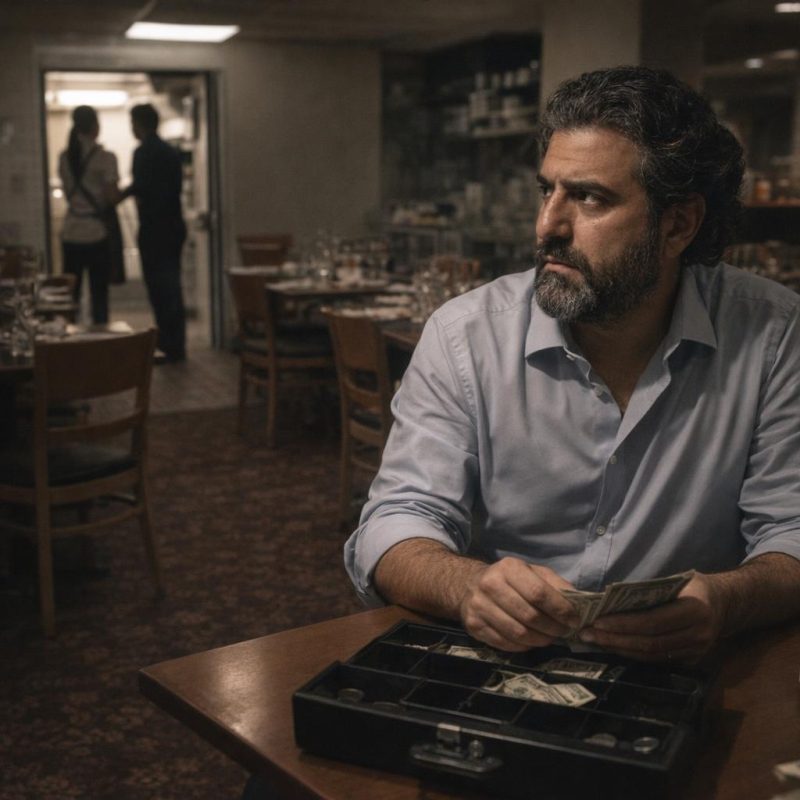 Image by RM AI
Elena's Worry
The kitchen light was on when Marco pulled into the driveway, which told him everything before he opened the door. Elena was at the table with a cup of tea that had gone cold, still in her work clothes. She asked what had been going on for the past two days. Marco sat down across from her and told her — the cousins' visit, the man they'd brought with them, the sales contract that had arrived by email the same afternoon. He watched her face move through concern and into something harder as he laid it out. She asked if they'd consulted him before signing anything. He said they'd treated it as a shareholder decision, that his input wasn't part of the process. She asked about the staff — what would happen to them. He said he didn't have answers to that yet. She asked if there was any way to stop it, and he mentioned the non-refundable deposit, the legal commitment the cousins had already made. She was quiet for a moment, then asked what fifteen years of this meant now, what it added up to. He told her he had a meeting with an attorney in the morning and that he was trying to understand what options existed. She reached across the table and took his hand. Then she asked what he was going to do. He told her he didn't know yet.
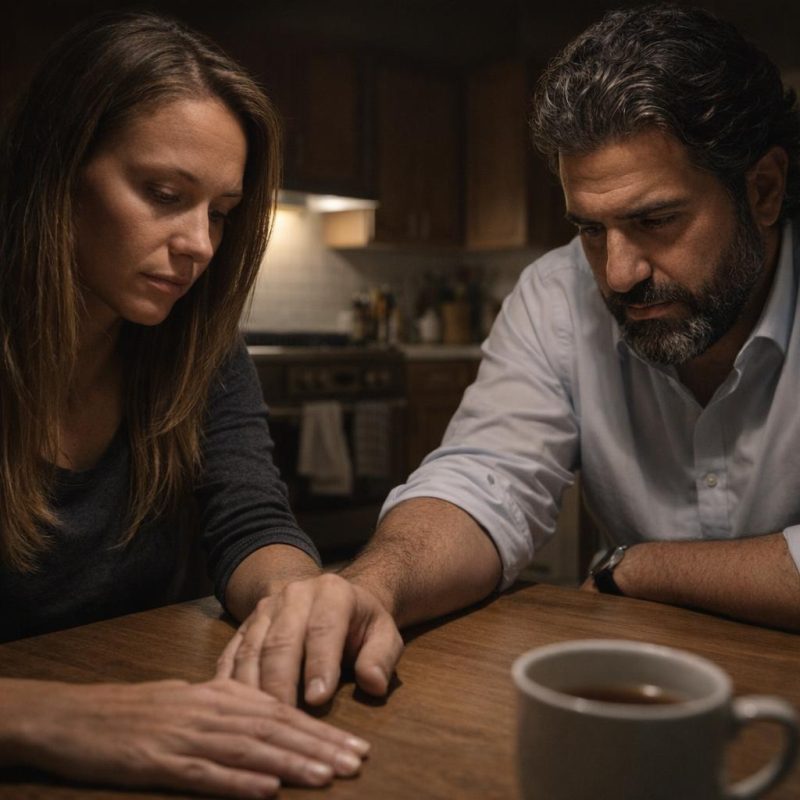 Image by RM AI
The Attorney's Office
Marco gets to Castellano's office at nine sharp, carrying two folders he spent the previous night organizing. She meets him at the door herself, reading glasses already on the chain around her neck, and walks him back to the conference room without small talk. He lays the cousins' sales contract on the table first and walks her through it — the timeline, the deposit, the asset list, what Holbrook's company is expecting to acquire. She reads every page without interrupting, making small notes in the margins. Then she asks about his relationship to the property. He tells her he has managed the restaurant for fifteen years but holds no ownership stake in the real estate itself. She asks about the asset list specifically — the equipment, the licenses, the operational infrastructure. He says that is why he brought the second folder. He slides it across the table and explains the 2008 situation: the business had been weeks from collapse, the cousins were unreachable, and he used personal funds to keep it alive. He never sought reimbursement because the restaurant was still fragile for years afterward. Castellano does not say anything. She picks up the liquor license registration first, then the equipment leases, then the purchase receipts, moving through each document slowly. Marco watches her expression shift as she reads.
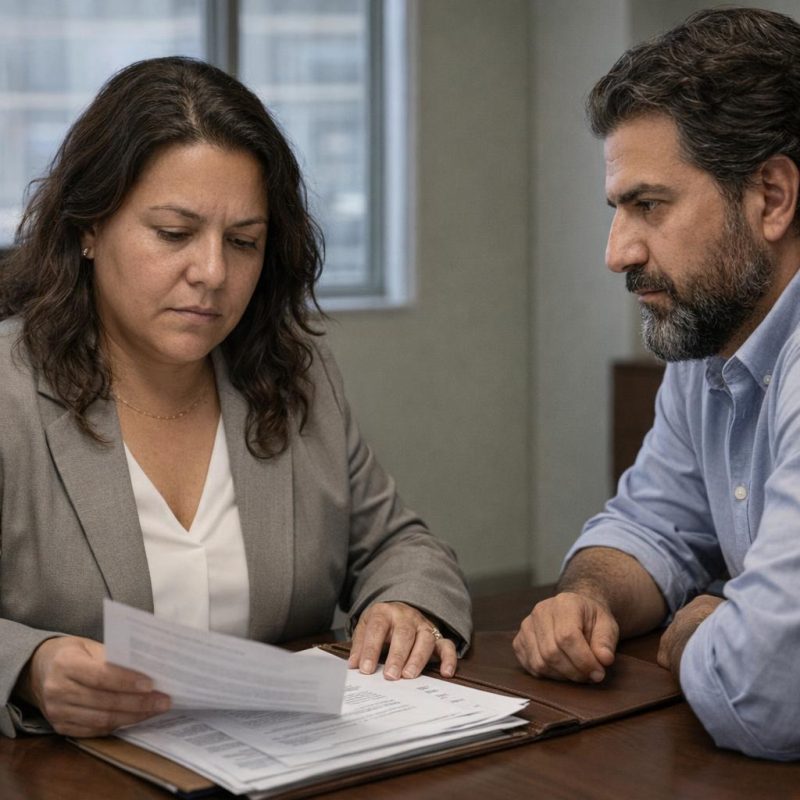 Image by RM AI
Legal Analysis
Castellano sets the last receipt down and takes off her reading glasses. She says the liquor license is registered to Marco personally with the state — not to the family partnership, not to the property, to Marco. She confirms the equipment leases are active, in good standing, and in his name. The purchase receipts and financing agreements are all properly documented with clear chains of ownership. Then she says it plainly: the cousins cannot transfer assets they do not own. Marco asks her to walk him through what that means for the contract. She points to the asset schedule on page four of the sales agreement — the cousins warranted to Holbrook that they were conveying a fully operational restaurant, including all equipment and licenses necessary for continued operation. Without the liquor license, she says, the property cannot function as a restaurant on day one. Without the essential equipment, the building is a shell. She says the contract's representations are materially inaccurate as written, which likely makes it unenforceable in its current form. She mentions the non-refundable deposit and says that creates additional financial pressure running in the wrong direction for the cousins. Marco sits with that for a moment, not saying anything. The conference room is quiet, and the weight of what she has just laid out settles over him slowly.
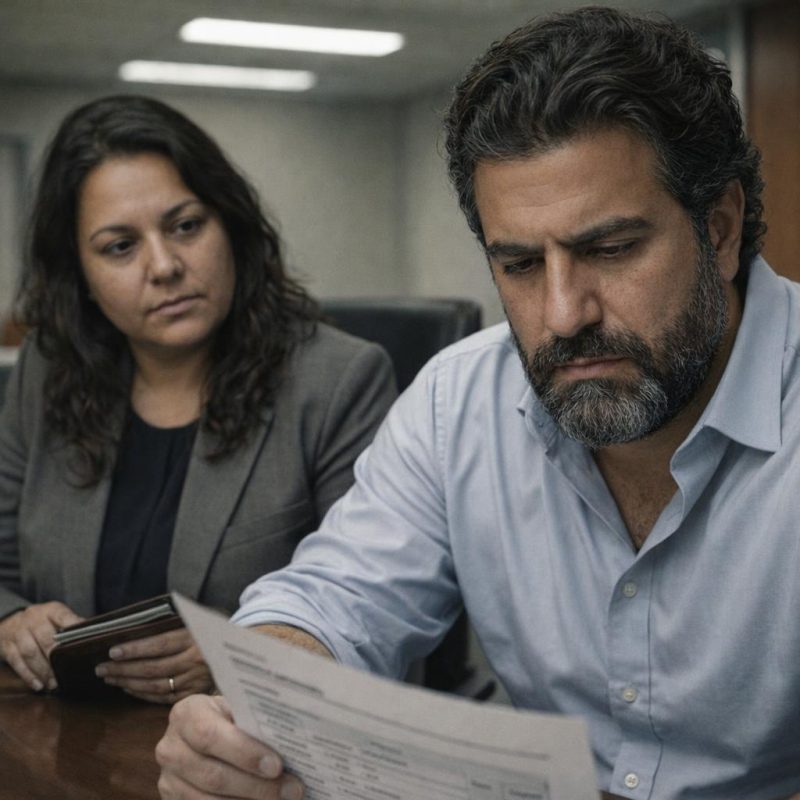 Image by RM AI
Ownership Confirmed
Castellano goes back through the documents a second time, slower, checking dates and registration numbers against the contract's asset schedule. She confirms the liquor license is current, valid, and has been in Marco's name for over a decade. The equipment leases are active with no lapses. Every purchase receipt is properly dated and documented. She notes that the length of ownership actually strengthens his legal position — these are not recent arrangements that could be questioned. Then she asks if the cousins know about any of this. Marco tells her he never explicitly laid it out for them, and they never asked. She says their assumption does not create actual ownership — that is not how property law works. She says his documentation would hold up in any legal challenge. Then she folds her hands on the table and looks at him directly. She says that without his cooperation, the sale as structured simply cannot proceed. The cousins signed a contract promising to deliver assets they do not possess. Marco asks what his options are going forward. She says they will get to that, but first he needs to understand one thing clearly. She says, "You hold all the cards in this situation."
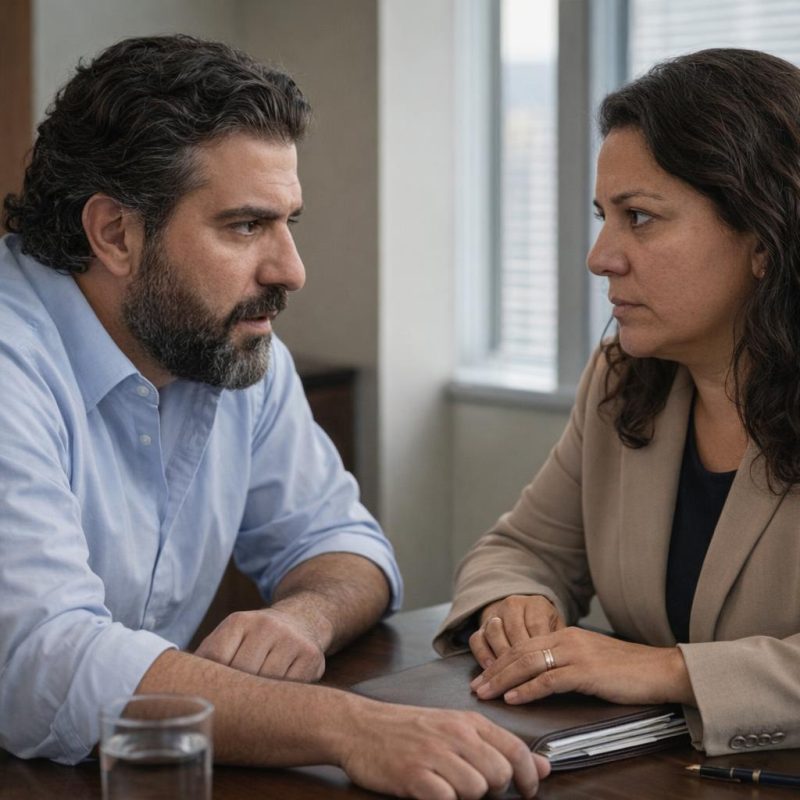 Image by RM AI
Strategic Counsel
Castellano outlines three possible approaches, and she is methodical about it. The first is immediate disclosure — contact the cousins directly, inform them of the ownership issue, and force a renegotiation. She says that is the fastest path but gives them the most time to find workarounds. The second is waiting. Let the cousins and Holbrook continue under their current assumptions, document every demand and communication in the meantime, and reveal the ownership position at the moment of maximum commitment — closer to closing, when the financial stakes are highest and the pressure on everyone is greatest. The third is legal intervention, filing a formal challenge now. She recommends against that unless the cousins escalate. She says to call her immediately if they make any direct demands about the assets or the license. She also says something Marco keeps turning over: the most effective moment to act is when the other side is most certain they have already won. Marco asks about the family relationships. She says they will likely take damage regardless of how this resolves, and he should be prepared for that. He tells her those relationships had already been damaged by what the cousins had done. She nods once and does not argue the point. Marco drives home with both folders on the passenger seat, and the decision about when to move sits with him the whole way.
 Image by RM AI
Understanding Leverage
Marco sits in the car outside Castellano's building for a few minutes before he starts the engine. The two folders are on the passenger seat. He goes through what she explained, piece by piece. The cousins signed a contract promising to deliver a fully operational restaurant. The liquor license that makes it a restaurant is his. The equipment that makes it functional is his. They made assumptions for fifteen years without once asking how the business survived 2008, without once looking at whose name was on the lease agreements. The non-refundable deposit is already gone from their side of the ledger. The closer they get to closing, the more that pressure will build. Marco does not feel satisfaction about any of it. What he feels is closer to the stillness that comes after a long period of noise — something has stopped moving that had been moving for weeks. He thinks about Sofia, about the line cooks who have been there for years, about the lunch regulars who come in every Tuesday. That is what the information is for. Not to win something. To protect something. He starts the car and pulls out onto the street, and the knowledge sits quietly in the back of his mind the whole drive back — something the cousins do not know they do not have.
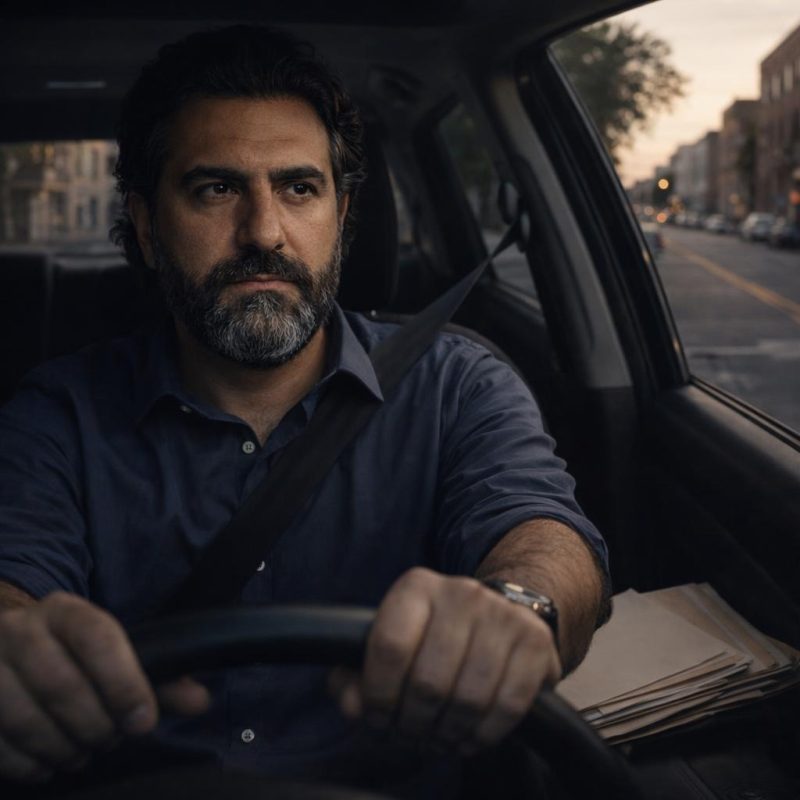 Image by RM AI
Waiting Game
The lunch reservations are light, which gives Marco time to go through the supplier invoices and check in with Sofia on the evening prep. She asks, somewhere between the bread delivery and the sauce reduction, whether he met with his attorney that morning. He tells her he did and that he is getting clarity on the situation. She looks at him the way she does when she knows there is more — that steady, patient look she has had for twenty years — and asks if there is anything she should know. He tells her he will have more information soon and asks her to trust him a little longer. She goes back to the kitchen without pushing. The afternoon moves the way afternoons do when you are waiting for something: slowly, with too much space to think. Marco processes the routine paperwork, handles a call from the linen supplier, walks the dining room before the dinner rush. Castellano's advice about timing keeps surfacing — wait until they are most committed, most certain. Let the pressure build on their side. He is still thinking about it when his phone buzzes on the office desk. It is a text from Vincent. He says he needs to meet tomorrow to go over transition planning and staff notifications, and that he expects Marco to be available.
 Image by RM AI
Developer's Visit
Holbrook comes in during afternoon prep, around two-thirty, with a contractor Marco does not recognize carrying a measuring tape and a clipboard. He walks straight toward Marco like the dining room is already a job site. He says he needs to take measurements for demolition planning. Marco asks if the cousins arranged the visit. Holbrook says he has the right to inspect the property as the buyer and that the closing is a formality at this point. Before Marco can respond, the contractor is already pacing off the far wall of the dining room. Sofia comes out of the kitchen, wiping her hands on her apron, and looks at Marco. He introduces Holbrook and says he is the developer involved in the property sale. Her expression does not change, but her eyes do. Holbrook moves toward the kitchen doorway and asks about the equipment — whether it is all functional, whether there are any outstanding service issues. Marco says everything is maintained and operational. Holbrook makes a note on his phone and mentions the building will be completely razed within four months of closing. He says it matter-of-factly, the way you would talk about a parking lot. Sofia stands very still near the service station. Holbrook looks around the dining room one more time and says, "We'll need full access to the kitchen next week."
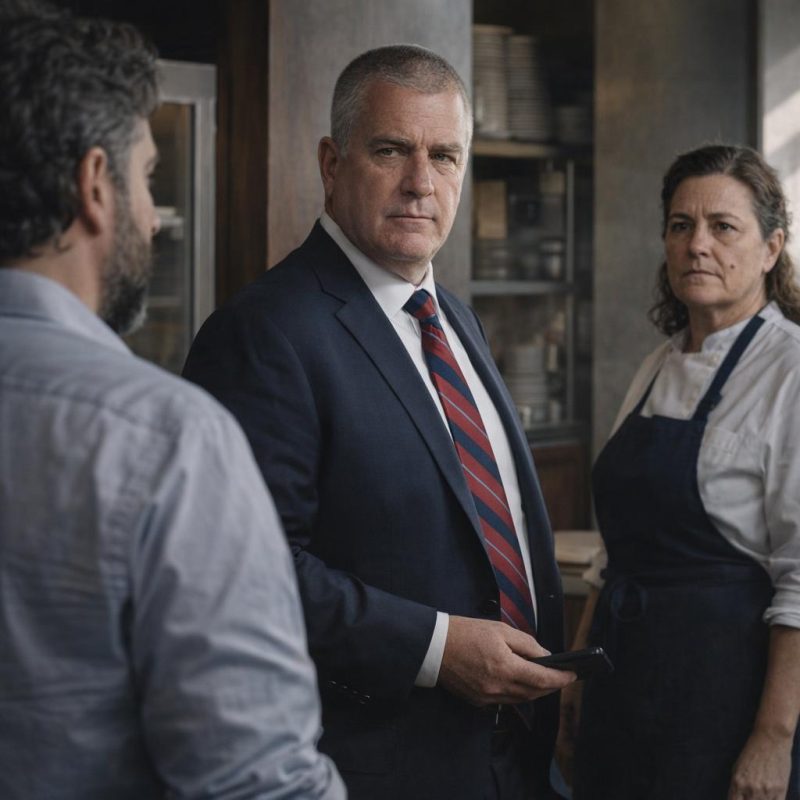 Image by RM AI
Closing Date
Marco's phone rings during dinner prep, Angela's name on the screen. He steps into the office and closes the door. She says the closing is scheduled for three weeks from today, that the title company has confirmed all documents are in order, and that Holbrook wants to begin demolition immediately after. Her tone has the quality of someone reading from a checklist. She asks if Marco has started notifying staff about the closure. He tells her he is still reviewing his options. There is a pause, and then her voice pulls tighter. She says there are no options, that this is decided, and that the family expects his full cooperation through the transition. She says she will send a detailed timeline for winding down operations and that keys and access codes will need to be transferred at closing. Marco asks, as evenly as he can, whether the cousins have verified they can deliver everything the contract promises. She asks what he means by that. He says he is just making sure all the details are handled properly before the closing date. She dismisses it — says everything is in order — and tells him she will see him at tomorrow's meeting before ending the call. Marco sets the phone down on the desk. Through the office door he can hear the kitchen moving, the clatter of the dinner service starting up, Sofia calling out an order. Three weeks sits in the room around him, concrete now, no longer a threat but a date.
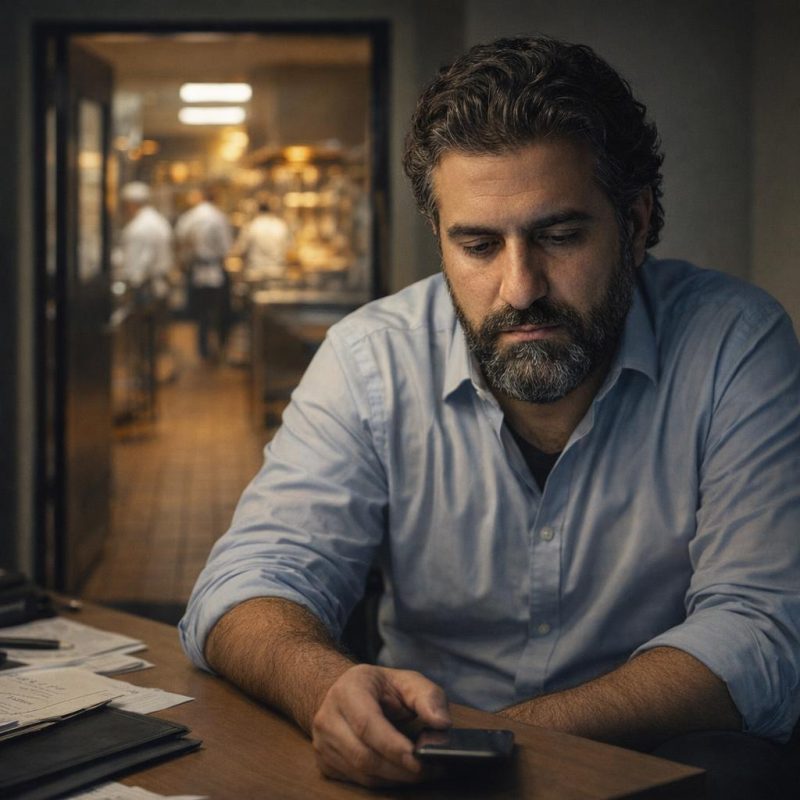 Image by RM AI
Legal Action Threatened
They arrive together, which says something. Vincent leads, Angela close behind, Tony trailing with his hands in his pockets and his eyes on the floor. Marco has set three chairs across from the desk and they fill them without being asked. Vincent drops a folder on the desk like he has done this before. He says Marco has legal obligations as the restaurant's manager — fiduciary duty to the family, to the property owners, to the transition process. He uses the phrase "breach of duty" twice in the first two minutes. Angela slides a timeline across the desk: staff notifications within one week, vendor terminations within two, keys and access codes transferred at closing. Marco asks what legal basis they have for compelling his cooperation. Vincent says the employment agreement requires Marco to act in the family's interest, and that their attorney has reviewed everything and confirmed their position. Angela adds that obstruction could result in personal liability. Marco asks whether their attorney understands the full picture. Vincent says there is nothing to understand — the sale is decided, the documents are in order, and Marco's role is to cooperate. Tony shifts in his chair but doesn't speak. Marco lets them finish. He doesn't argue. He sits with the weight of everything they assume they know, and everything they don't.
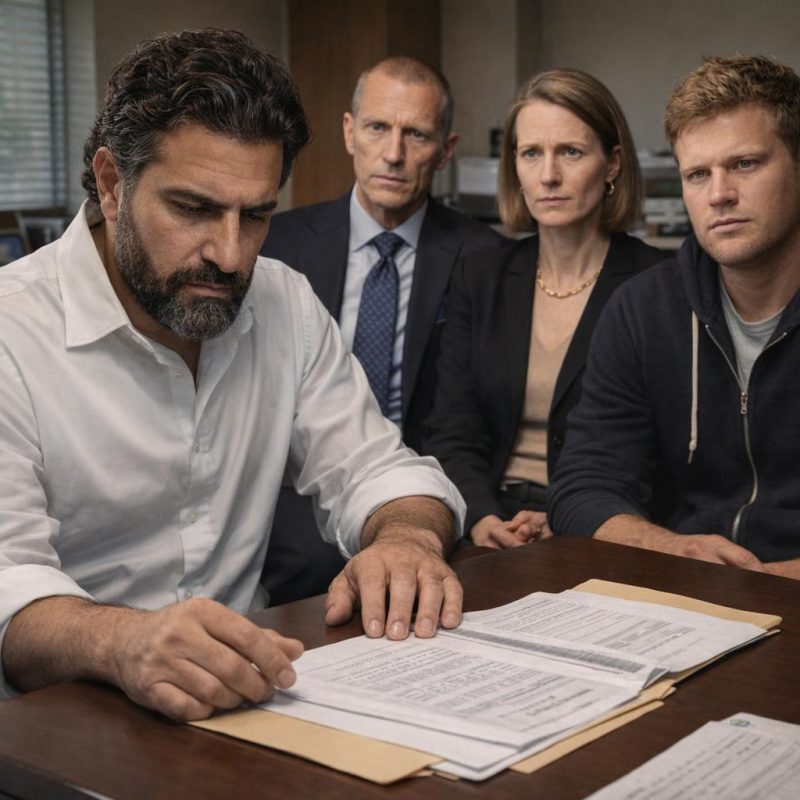 Image by RM AI
The Formal Meeting
Holbrook arrives twenty minutes into the meeting, carrying a leather portfolio and moving like a man who expects rooms to rearrange themselves around him. He sets additional documents on the desk without introduction. Vincent produces a cooperation agreement — four pages, drafted by their attorney — and slides it across to Marco. It requires Marco to facilitate every aspect of the business transition: training Holbrook's team on daily operations, providing all vendor contacts, transferring passwords and access codes, documenting every procedure built over fifteen years. Angela says signing is a formality, that it protects everyone legally. Holbrook says he needs Marco's cooperation to maintain business value through closing, and that the institutional knowledge is part of what he's paying for. Marco reads through the agreement carefully, all four pages, without speaking. Vincent asks if there are any questions. Marco tells him he needs time to review it with his attorney. Vincent's patience breaks fast — he says there's nothing to review, that their attorney has already cleared it. Angela says they need to move forward today. Marco sets the pen down on the desk beside the document and says he won't sign anything without legal counsel. The agreement sits there on the desk, waiting for a signature that won't come.
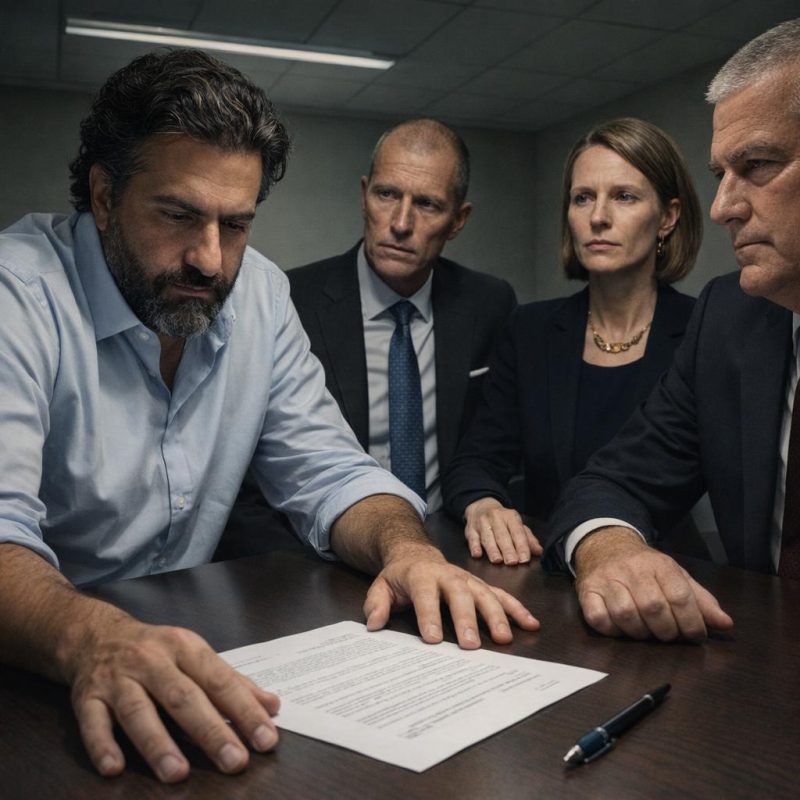 Image by RM AI
Demolition Timeline
Holbrook doesn't wait for the signature dispute to resolve. He unrolls architectural drawings across Marco's desk like the question of cooperation is already settled. He walks Marco through the demolition sequence in technical detail — interior gutting first, then structural removal, asbestos testing already scheduled, environmental clearances filed. He shows a construction timeline spanning eighteen months. He says his crew needs access to the building seven weeks from today for pre-demolition assessment. Vincent interjects that the final service date should be six weeks out, to allow for proper wind-down. Angela agrees, says staff need two weeks' notice minimum. Marco asks what happens if the building isn't vacant by the time Holbrook's crew arrives. Holbrook says that's not his problem — it's the sellers' responsibility under the contract. He rolls the drawings back up with the efficiency of someone who has done this many times. He pulls out his phone, checks something, and says the demolition crew is scheduled to begin work eight weeks from today.
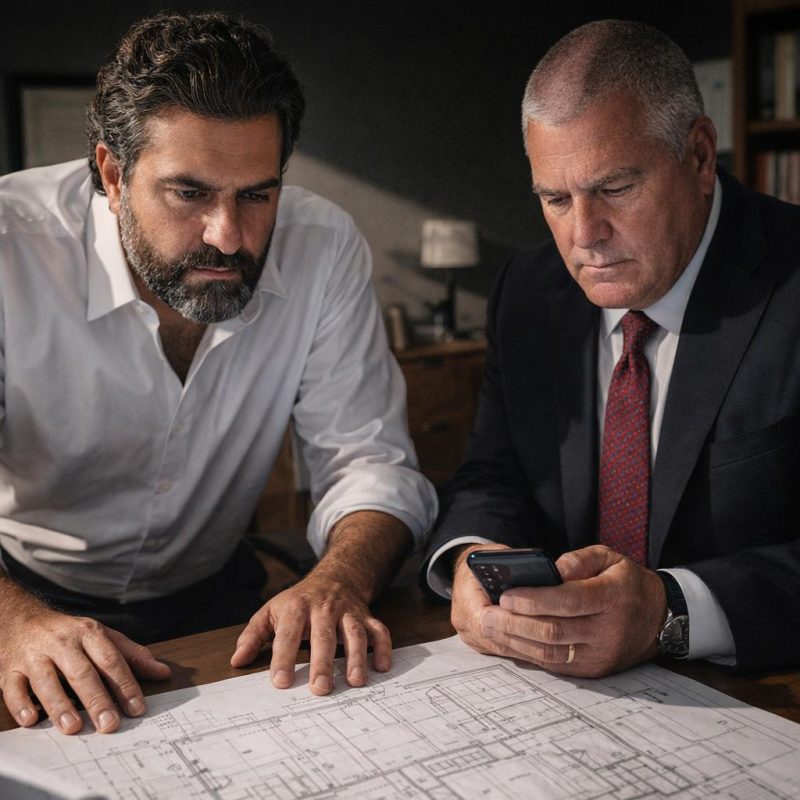 Image by RM AI
Cooperation Demanded
Vincent pushes the cooperation agreement back across the desk toward Marco. He says sign it now, before the meeting ends. Marco asks what happens if he refuses. Vincent says they'll pursue legal remedies for breach of duty — his attorney is already prepared to file. Angela says Marco is making this harder than it needs to be. Holbrook says he has other appointments and needs this resolved today, that cooperation is a contractual assumption baked into the purchase price. Marco asks, evenly, whether they've verified they can deliver everything the contract promises. Vincent asks what he means by that. Marco says the contract makes certain assumptions about asset ownership. Angela dismisses it as a delaying tactic, says he's grasping. Vincent's expression tightens. He asks directly what Marco is talking about. Marco says perhaps they should discuss what assets are actually included in the sale, and tells them he won't sign anything that assumes facts not in evidence.
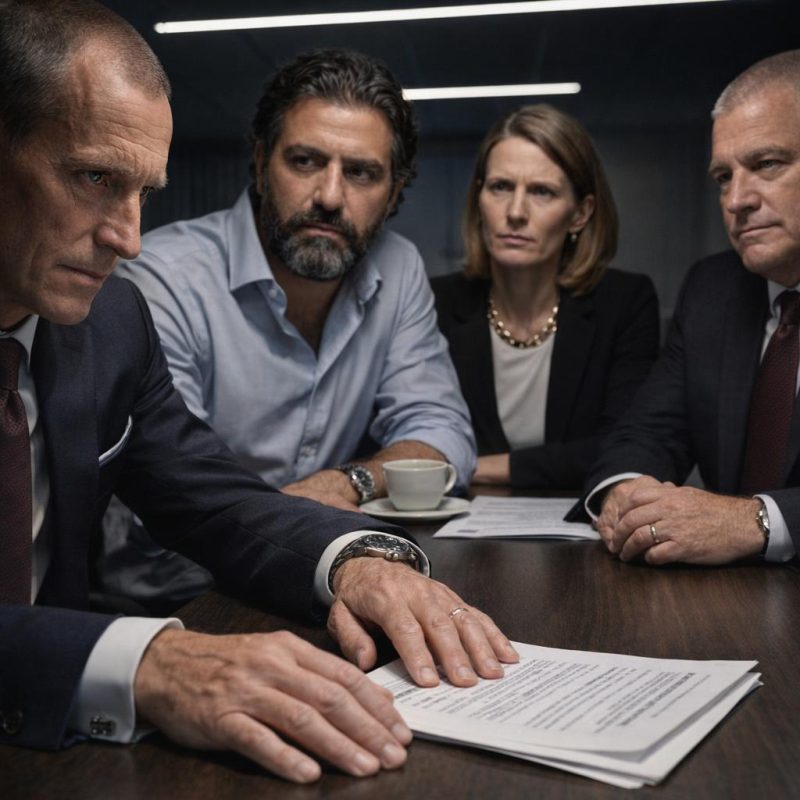 Image by RM AI
The Liquor License
Vincent demands an explanation. Marco opens the desk drawer and removes a folder kept in his personal files for sixteen years. He places the liquor license registration on the desk face up and tells them the license is registered in his personal name — not the family's, not the business entity's, his. Vincent grabs it. The color leaves his face as he reads. Marco explains that in 2008, the renewal fee was $12,000 and the business had no funds. He used personal savings. The state required a named licensee, and Marco listed himself because he was the one writing the check. Angela asks why he never transferred it back. Marco tells her the business never reimbursed him, so the asset remained his. He places the equipment lease agreements on the desk one at a time: the commercial oven, the refrigeration system, the POS system, the dishwasher. Each document shows Marco's name, his home address, his personal bank account. Holbrook sets down the cooperation agreement and picks up the lease documents, reading with the focused attention of someone whose deal just changed shape. Vincent looks up from the liquor license and asks how much of the restaurant's equipment Marco personally owns, and Marco watches the question land on all three of their faces at once.
 Image by RM AI
Implications Sink In
Vincent sets the liquor license down. His hand isn't steady. Angela asks how much equipment Marco personally owns, and Marco lists it without rushing: the commercial oven, the refrigeration unit, the dishwasher, the POS system, the wine storage. Each one purchased or leased in his name between 2008 and 2010. Tony speaks for the first time all meeting. He asks why Marco never told them. Marco tells him they never asked, and that he assumed they understood the business had been in serious trouble. Holbrook interrupts. He asks Vincent for the sales contract. Vincent hands it over, and Holbrook reads the asset list with his finger moving down the page. He stops. He points out that the contract explicitly includes the liquor license and all operational equipment as part of the sale. He looks up at the cousins. Angela says they assumed everything was family property — that it had always been family property. Holbrook's tone pulls flat. He says assumptions don't fulfill contract obligations. He sets the contract on the desk and asks the cousins how they plan to deliver assets they don't own.
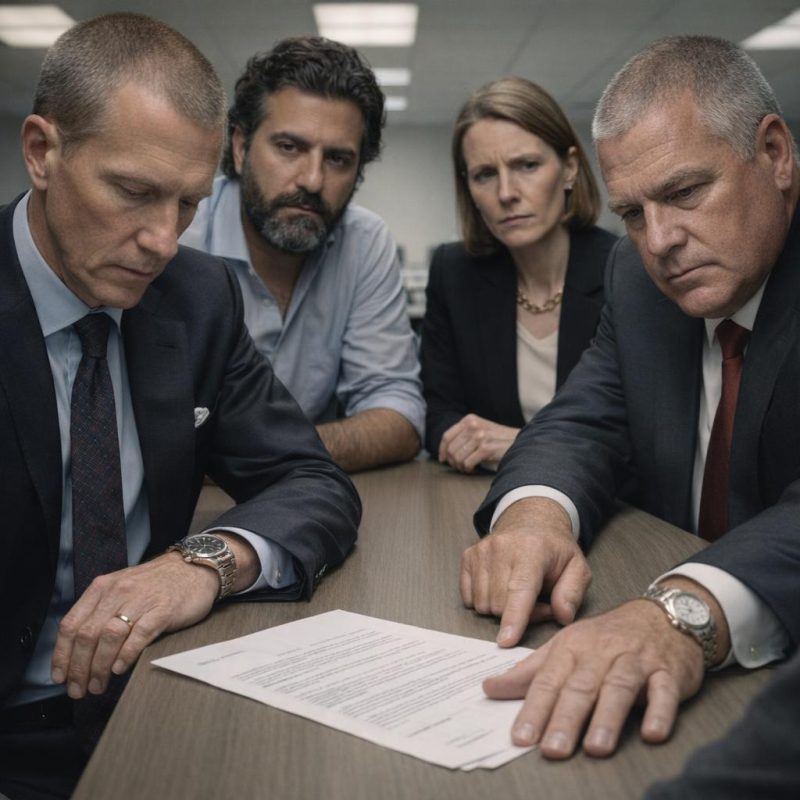 Image by RM AI
Documentation Review
Marco spreads the documentation across the desk in organized stacks — the files have been in order for years. The original liquor license renewal receipt from 2008, the check stub in his name, the state confirmation letter. The equipment lease agreements with full payment histories attached. Bank statements showing the transfers from his personal account. Every document carries Marco's name, his address, the dates. Holbrook examines them methodically, checking dates against the sales contract's asset list. He notes aloud that every purchase falls within the 2008 to 2010 window. Marco explains that the business had no operating credit during that period — no bank would extend a line, and the family had declined to inject capital. Angela asks if Marco kept these documents hidden intentionally. Marco tells her they were in his personal files, properly organized, the same place they've always been. He never claimed reimbursement because the restaurant was still fragile and he didn't want to destabilize it further. Holbrook sets the last document down and looks at the cousins. He says that without the liquor license and this equipment, the property cannot operate as a restaurant. Vincent asks if the contract can be amended. Holbrook says amendments require mutual agreement — and Marco's cooperation. The documents sit in their stacks on the desk, every date and signature exactly where it needs to be.
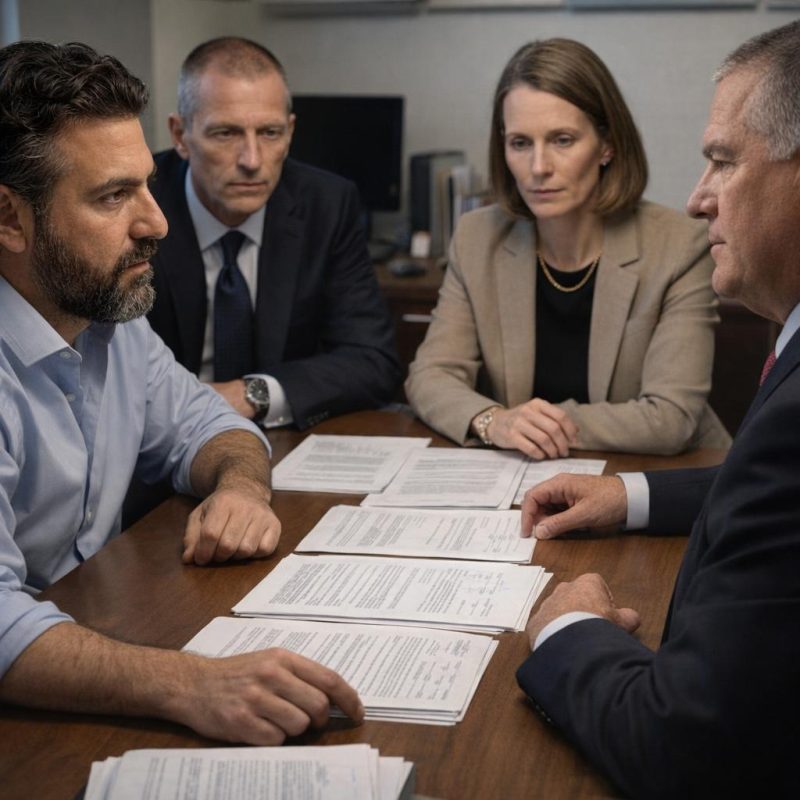 Image by RM AI
The Crisis Years
Vincent asks why Marco never told them about any of this. Marco reminds him that in 2008 he requested $50,000 from the family to cover the liquor license renewal and critical equipment repairs. Vincent says he doesn't remember that conversation. Marco describes it: the meeting at Angela's kitchen table, the spreadsheet he brought, the specific numbers he walked them through. Angela says the family decided the business should be self-sustaining. Marco tells her that decision left him with two choices — let the restaurant close or cover the expenses himself. Fifteen employees had families. He chose to cover it. Tony asks why Marco didn't transfer the assets back once things stabilized. Marco tells him he waited for reimbursement that never came. While he was waiting, the cousins continued receiving quarterly dividends — through the crisis years, through the recovery, every quarter without interruption. Holbrook asks the cousins directly whether they knew about any of this. The room goes quiet. Vincent says nothing. Angela says nothing. Marco doesn't fill the silence for them. He thinks about Elena sitting across from him at their kitchen table in 2009, going over the personal bank statements, neither of them saying out loud what they were giving up. The cousins never asked. They never once asked.
 Image by RM AI
Contract Failure
Holbrook sets the sales contract on the conference table and doesn't touch it again. He addresses the cousins directly, not Marco. He says they represented ownership of assets they don't possess — the liquor license, the commercial equipment, the operational infrastructure. He says that constitutes a material breach of the contract's warranties. Vincent starts to say something about restructuring the deal at a lower price, and Holbrook cuts him off. His board approved this purchase as a turnkey restaurant property. A vacant building with a stripped kitchen is a different transaction entirely. Angela pivots fast, suggesting they could simply purchase the assets from Marco and fold them into the sale. Holbrook turns and asks Marco directly whether he's agreed to sell. Marco tells him he hasn't agreed to anything. The room goes very quiet after that. Holbrook checks his watch, then reminds the cousins that closing is three weeks out. He says the $400,000 deposit is non-refundable under the contract terms. Vincent asks how much additional damages they're looking at. Holbrook says the deposit is forfeit if the sale doesn't close — and that's before they get to additional damages.
 Image by RM AI
Developer's Threat
Holbrook's tone shifts. The frustration drains out of it and something colder takes its place. He tells the cousins his company has invested significant resources in due diligence, architectural planning, and permitting preparation. He says the contract includes provisions for damages well beyond the deposit forfeiture. Vincent asks what that means in actual dollar terms. Holbrook says his company will pursue full legal remedies — damages could exceed $200,000 on top of the deposit. Angela's face goes pale. She says they can't absorb a $600,000 loss. Holbrook says that's not his concern. They made representations they couldn't fulfill. Tony asks quietly whether there's any path that avoids litigation. Holbrook says only one: deliver the assets as promised in the contract. He looks at Marco and asks directly whether Marco will sell. Marco tells him he needs time to consider his options. He gives the cousins forty-eight hours to produce a solution. Then he stands, buttons his jacket, and walks out of the office without another word. Vincent, Angela, and Tony sit there in the silence he leaves behind — and Holbrook doesn't look back once.
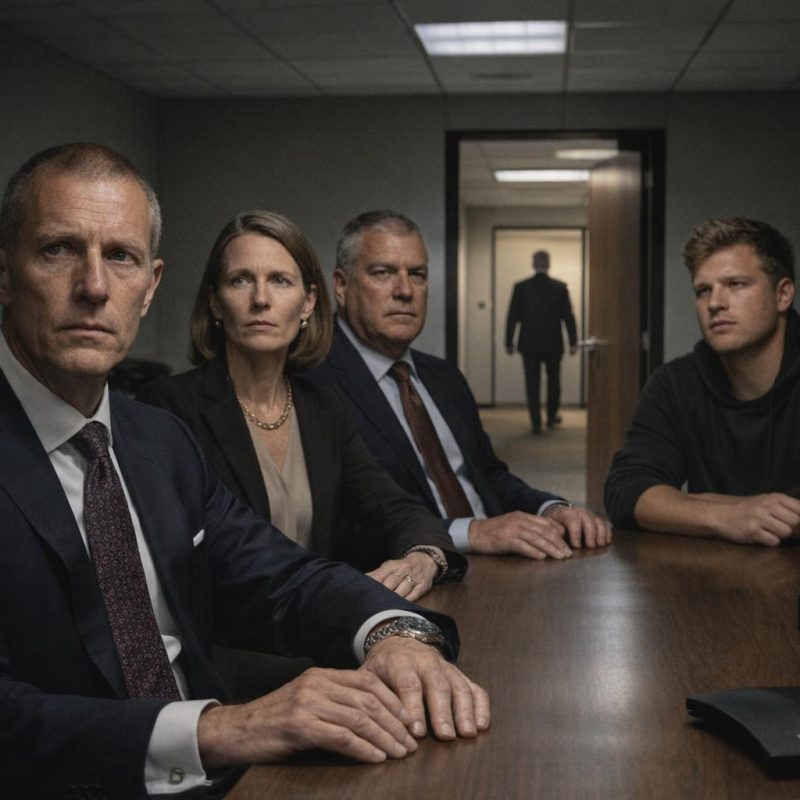 Image by RM AI
Desperate Demands
Vincent breaks the silence first. He tells Marco to name his price — whatever he wants for the assets, he'll pay it. Angela adds a 20% premium on top of fair market value before Marco can respond. Marco asks them why he would sell the assets that keep the restaurant running. Vincent says the restaurant is closing anyway, so Marco might as well profit from it. Marco points out that's only true if he cooperates with the sale. Tony says they're family and should find a way to work together. Marco reminds him they didn't consult him before signing the contract. Vincent's voice tightens and he raises the premium to 30%. Angela says they'll lose everything if Marco doesn't help them. Marco asks whether they considered that before accepting Holbrook's deposit. Vincent says they made a mistake and they're asking for help. Marco tells them he needs time — he'll give them an answer in twenty-four hours. Angela asks how much time. Marco repeats: twenty-four hours. Vincent nods, jaw set, and the desperation in his voice when he'd said they'd lose everything still hung in the air between them — quieter now, but no less real.
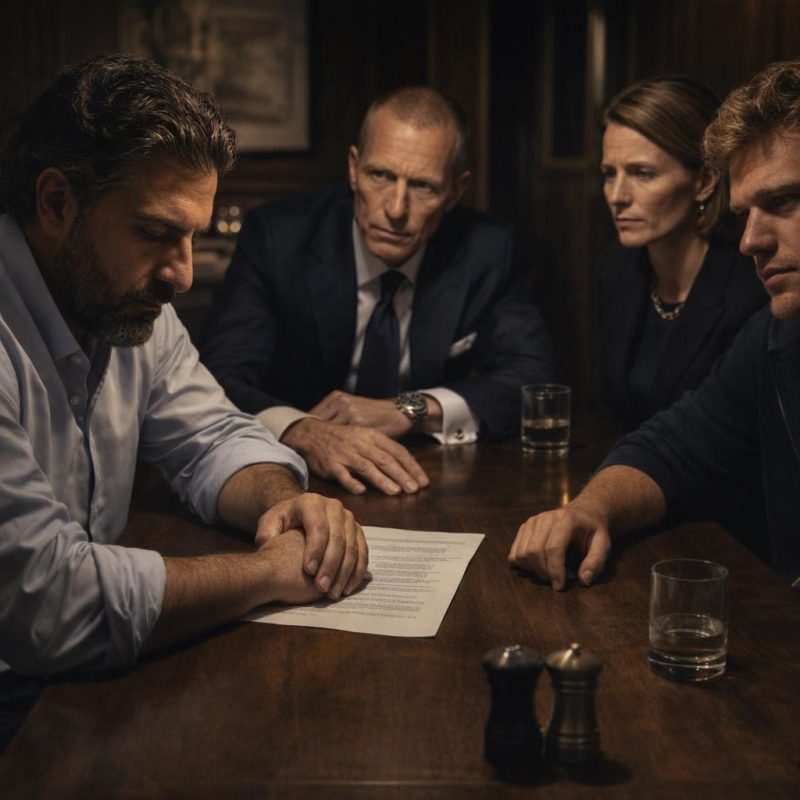 Image by RM AI
Marco's Decision
They come back the next morning. Vincent asks if Marco has made a decision. Marco tells him he has. He won't sell his assets, and he won't facilitate the sale in any form. Angela asks him to reconsider — says they'll lose everything. Marco tells her they should have considered that before signing the contract. Vincent asks what Marco actually wants from them. Marco tells him he wants to keep doing what he's done for fifteen years: run this restaurant. Angela says that's impossible now, that the contract exists. Marco points out the contract is unenforceable without his cooperation. Tony asks if there's any compromise that could work. Marco tells him the only acceptable outcome is the sale falling through. Vincent says they'll forfeit the $400,000 deposit. Marco tells him that's the consequence of their decision to sell without consulting him. Angela says Marco is destroying the family. Marco reminds her they tried to destroy his life's work without a single conversation. Vincent asks if Marco understands they'll face additional damages from Holbrook. Marco tells him he understands completely. The word no had never felt so final, or so earned.
 Image by RM AI
Intimidation Attempts
Vincent threatens to sue Marco for tortious interference. Marco tells him his attorney has confirmed he has no legal obligation to sell personal property. Angela calls Marco vindictive and petty. Marco tells her he's protecting the business he spent fifteen years building. Vincent brings up Papa Benedetto — says he'd be disappointed in how Marco is behaving. Marco tells him Papa Benedetto trusted him to preserve this restaurant, and that's exactly what he's doing. Angela shifts tactics, softer now, appealing to family loyalty. Marco asks her where that loyalty was when they signed the contract without telling him. Vincent says he'll make sure Marco never works in this industry again. Marco points out that he owns the assets that make this restaurant functional — that threat doesn't land the way Vincent intends it to. Tony finally speaks up and says this approach isn't working. Vincent tells him to stay out of it. Angela asks whether Marco has thought about the staff who'll suffer. Marco tells her the staff keeps their jobs if the restaurant keeps operating. Marco looks at each of them in turn. They had nothing left — no leverage, no legal ground, no argument he hadn't already heard and answered.
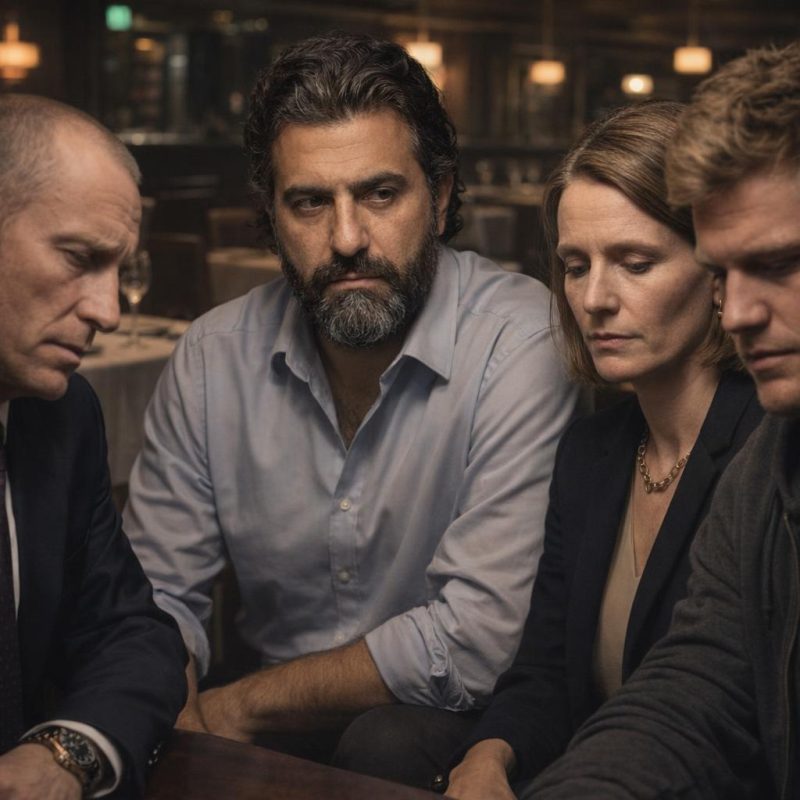 Image by RM AI
Legal Intervention
Marco called Castellano the morning after the threats started. She arrives within the hour, reading glasses on their chain, a folder of prepared documents under her arm. She introduces herself to the cousins as Marco's legal counsel. Vincent asks when Marco retained an attorney. Castellano says she's been advising Marco since he first reviewed the sales contract — weeks ago. She sets a cease-and-desist letter on the table in front of each of them. The letter demands they stop all harassment, threats, and attempts to coerce Marco into selling personal property. Castellano states clearly that Marco has no legal obligation to sell, and that any further threats will result in a restraining order application. Angela asks if Castellano understands the financial consequences for the family. Castellano says her client's interests are her only concern. Vincent asks what Marco expects them to do about Holbrook's lawsuit. Castellano says that's a matter between the cousins and Holbrook — not Marco's problem. She advises them to retain their own counsel immediately. Then she slides the final copy across the table, and Marco watches Vincent pick it up and read the first line, his face going still as it registers that Marco had been ready for this long before they were.
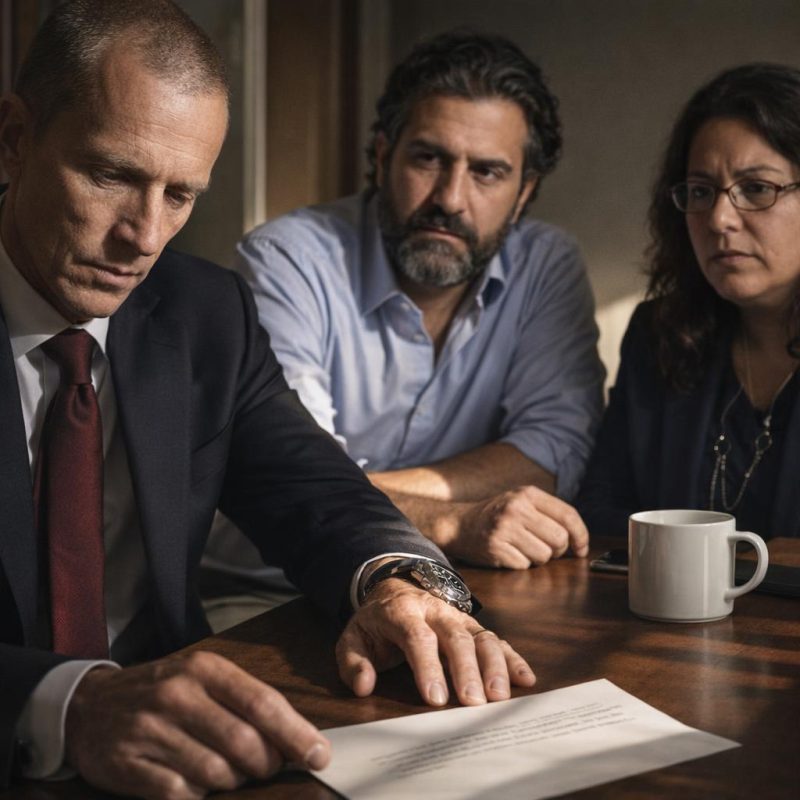 Image by RM AI
Tony's Apology
Vincent and Angela leave without another word. Tony doesn't follow them. He stands near the door for a moment, then asks if they can talk privately. Marco tells him to sit down. They take a table in the empty dining room, the lunch service finished, chairs still pushed in around them. Tony says he owes Marco an apology. He says he knew the sale was wrong — knew it from the beginning — but didn't have the courage to say so. He's always been the youngest, he says, and he's spent his whole life going along with whatever Vincent decided. Marco asks him why he's telling him this now. He says watching Marco stand his ground made him see his own cowardice clearly. He apologizes for not questioning the plan, for not defending Marco, for only thinking about the money. He says he doesn't expect forgiveness — he just needed Marco to know. Marco asks if he understood what the sale would have meant for the staff. He says no. He says he didn't think about them at all, and that was selfish and wrong. Marco tells him the apology doesn't change what happened. He says he knows, and that he'll face whatever comes alongside Vincent and Angela. Then he said it plainly: he knew it was wrong, and he went along anyway.
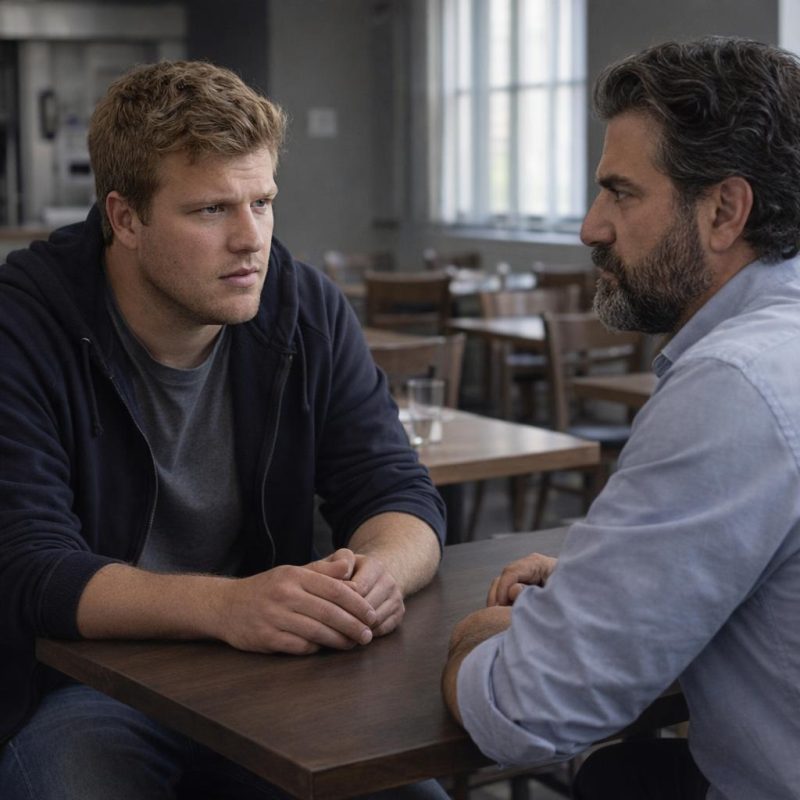 Image by RM AI
Holbrook Withdraws
Holbrook requests one final meeting. He arrives with his attorney and a set of formal termination documents. He tells the cousins his company is exercising its right to terminate the purchase agreement — they failed to cure the breach within the required period. The $400,000 deposit is forfeited per the contract terms. His attorney sets down a notice of intent to sue: $250,000 in lost opportunity costs and development expenses, filed within thirty days. Vincent asks if there's any way to avoid litigation. Holbrook says only if they return the deposit. Angela says they don't have $400,000 to return. Holbrook says that's not his problem — they breached the contract. Tony asks whether Marco's cooperation at this point would change anything. Holbrook says it's too late. His company has moved on to other projects. He and his attorney gather their documents and leave without further discussion. Marco stays in his seat and watches the cousins absorb it. The deposit was gone. The sale was dead. And Holbrook's attorney had just told them a lawsuit for $250,000 more was coming — a number that could cost them everything they thought they were going to gain.
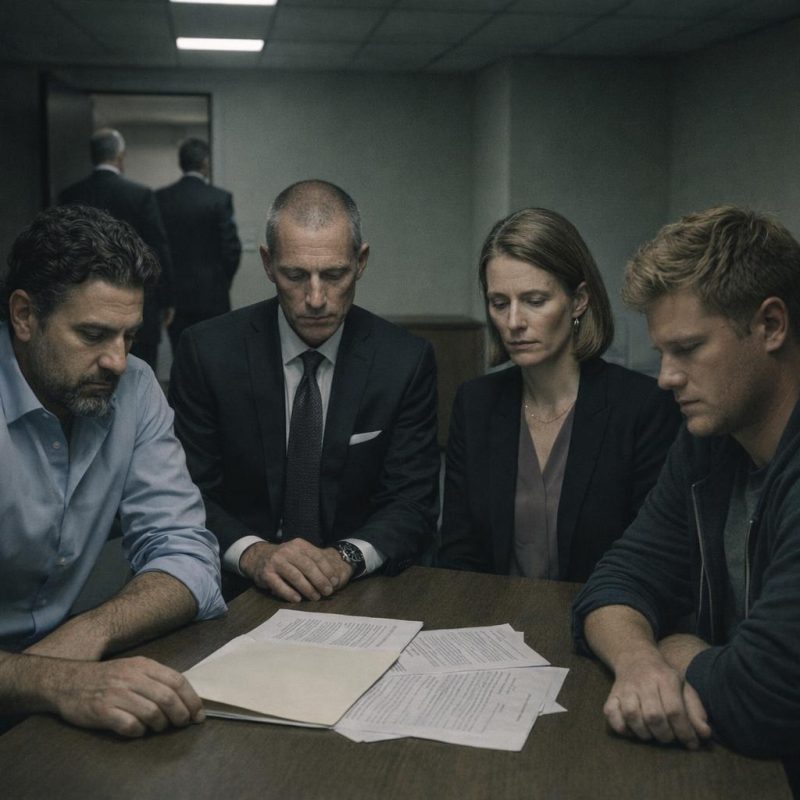 Image by RM AI
The Restaurant's Future
That night, after Holbrook and his attorney walked out and the cousins sat there staring at the wreckage of their own plan, I drove home and sat at the kitchen table with Elena for a long time. She didn't push. She just made coffee and waited. When I finally talked, I told her I could keep managing the restaurant the way I always had — show up, run the numbers, keep the lights on. She looked at me and said, quietly, that after everything I'd been through, just managing didn't seem like enough. She asked if I'd ever thought about buying the cousins out. I told her I didn't have that kind of capital sitting around. She said maybe not all at once, but over time — a structured buyout, a partnership stake, something that gave me actual equity in what I'd spent fifteen years building. I sat with that for a while. Then I called Sofia and asked her to meet me at the restaurant. Standing in the dining room with the chairs still up on the tables, I laid it all out — the assets I owned, the leverage I had, the proposal I was starting to shape in my head. Sofia listened without interrupting. When I finished, she said her father would support whatever kept the restaurant alive. I told her I wanted to go see Papa Benedetto. I was going to propose purchasing the cousins' shares gradually and restructuring the ownership — and I was going to make it formal.
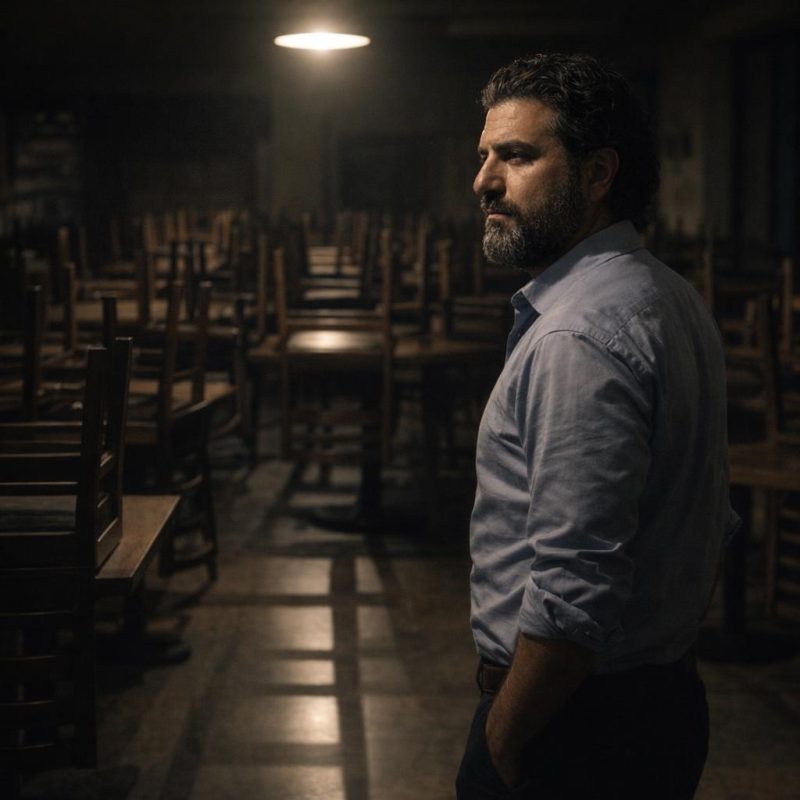 Image by RM AI
Staff Meeting
I called the staff meeting two hours before dinner service. Everyone came — kitchen crew, front-of-house, the hostess who'd been with us eleven years, the prep cook who'd started as a dishwasher. They stood in the dining room looking at me with that particular expression people get when they know something serious is coming. I didn't dress it up. I told them the property owners had tried to sell the building out from under us. I told them the sale would have meant demolition and closure. I watched the shock move through the room — a few sharp intakes of breath, someone's hand going to their mouth. Then I told them the sale had collapsed, that the restaurant was staying open, and that nothing was changing in daily operations. Sofia said, loud enough for everyone to hear, that I had fought for every one of their jobs. The head server asked directly whether their positions were secure. I told him yes. I said I was working on a long-term plan to make sure this place was still standing in another fifteen years. The hostess thanked me, and I told her the truth — that they had all shown up, every shift, every season, and I owed them the same. Someone started clapping. It spread across the room before I could say anything else. I stood there looking at their faces — the relief settling in, the tension finally leaving their shoulders — and it was the quietest kind of gratitude I'd ever felt.
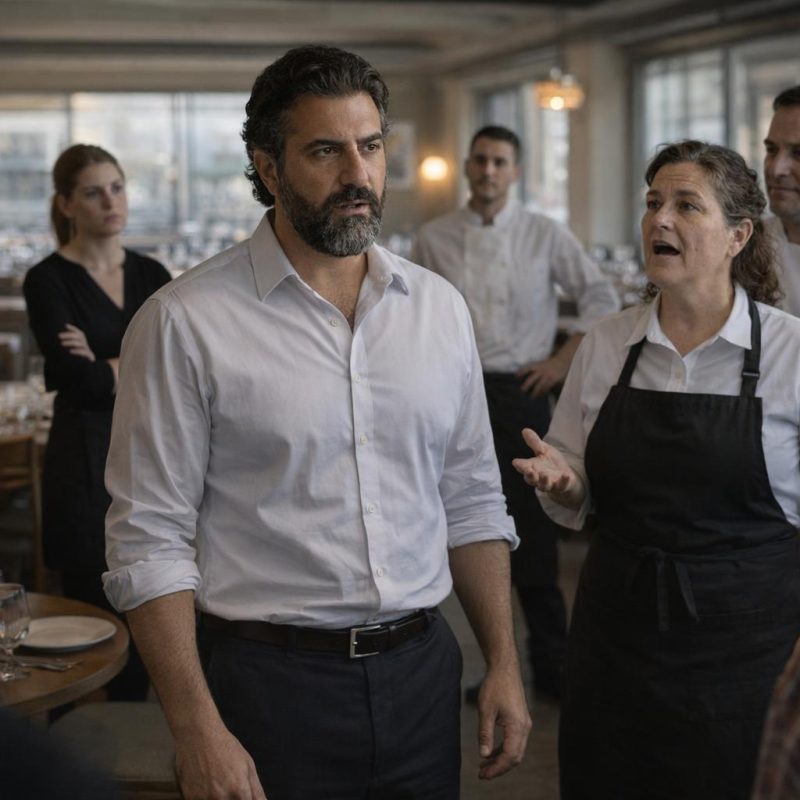 Image by RM AI
Papa Benedetto's Blessing
Sofia drove us to her father's house on a Sunday afternoon. Papa Benedetto was sitting at his usual spot near the window, a cup of tea going cold beside him, and he looked up when we came in with those clouded eyes that still caught everything. I sat across from him and took my time. I told him what his grandchildren had tried to do — the sale, the developer, the demolition plan. He listened without interrupting, his trembling hands folded in his lap, and the sadness on his face was quiet and deep, not surprised. When I described how I'd used the equipment and the lease rights I personally owned to block the transaction, he nodded slowly, like a man confirming something he'd already suspected. He asked why I never told him about the 2008 crisis, all those years ago. I said I didn't want to put that weight on him. He was quiet for a moment. Then I laid out the proposal — purchasing the cousins' shares over time, restructuring the ownership, keeping the restaurant exactly what it had always been. I asked for his blessing. He reached across and put one hand over mine, and his grip was steadier than I expected. He said the family recipes would stay. He said he would speak to the cousins himself. Sofia was crying quietly beside him, her hand on his shoulder. The old man looked at me and said the restaurant had always been mine — that he had known it from the first year I was there.
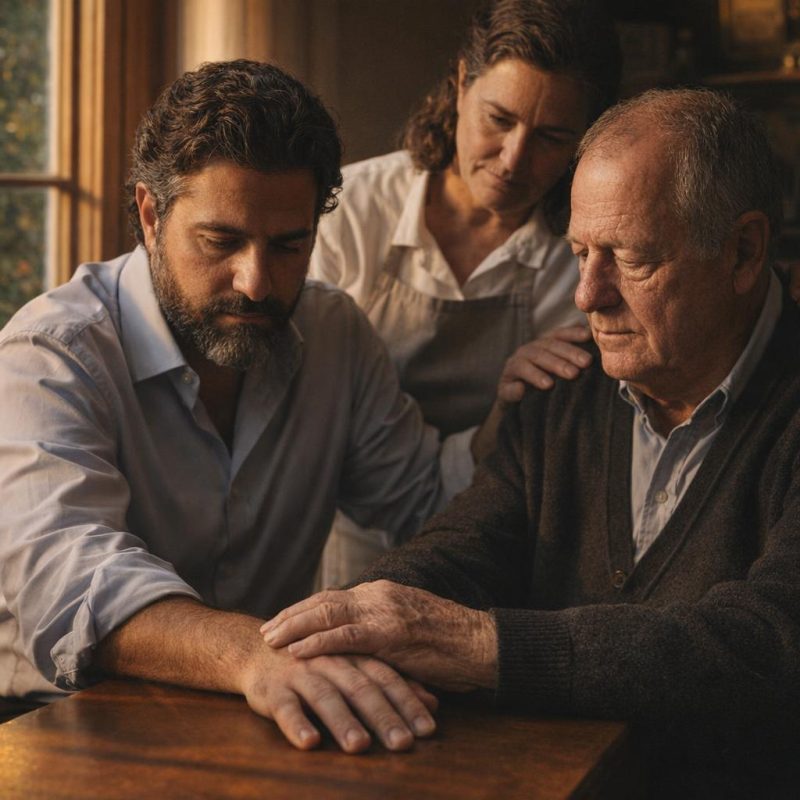 Image by RM AI
New Beginning
I unlocked the front door at six-fifteen in the morning, same as I had for fifteen years. The key turned the same way. The dining room smelled the same — old wood and olive oil and something faintly sweet from the pastry Sofia had already started in the back. But something was different, and I felt it the moment I stepped inside. Sofia was already at the prep station, moving through her routine with the same unhurried certainty she always had. She mentioned that Papa Benedetto had called her the night before, happy, relieved, ready to make the calls he'd promised. I told her we'd get the paperwork moving this week. Elena stopped by just before the lunch rush, still in her work clothes, and stood in the doorway for a moment looking at me. She said she was proud of me. I didn't have a good answer for that, so I just squeezed her hand. The first regulars came in around eleven-thirty — a couple who'd been eating here since before I started. I greeted them by name and showed them to their usual table. The dining room filled the way it always did, steadily, without fanfare. I stood in the kitchen doorway and watched Sofia plate a dish with the same care she'd brought to every service for twenty years. There was still a long road ahead — the buyout negotiations, the legal structure, the slow work of building equity. But standing there, watching the room hum with people who kept coming back, I knew with a quiet, settled certainty exactly where I belonged.
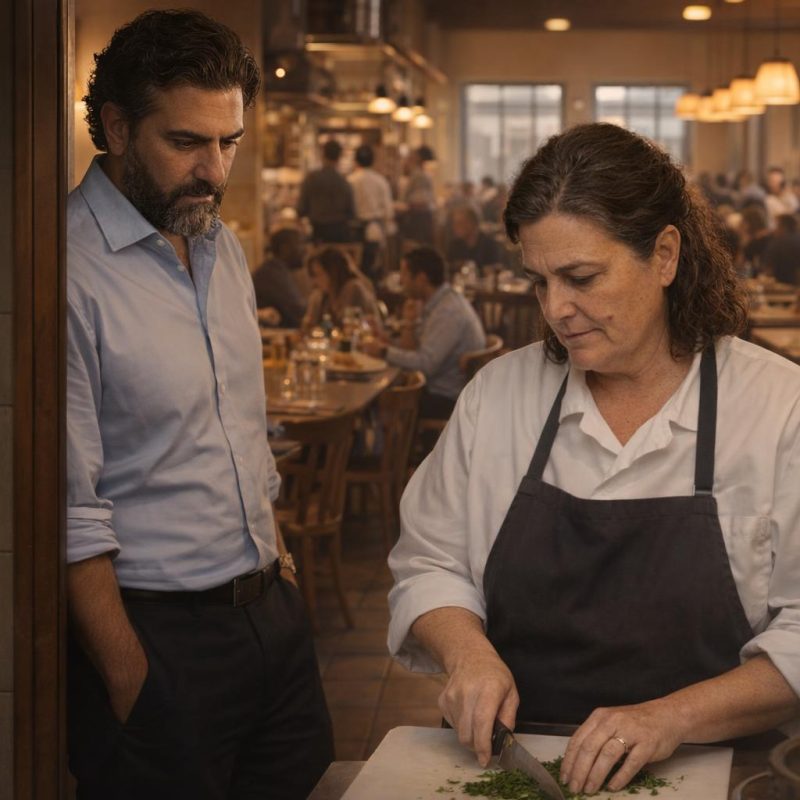 Image by RM AI