
I Discovered My Family Had Millions While I Struggled—But the Truth Was Far More Twisted
I Discovered My Family Had Millions While I Struggled—But the Truth Was Far More Twisted
The Years I Carried Alone
David died on a Tuesday in March, twelve years ago, and I remember thinking the world should have paused for at least a moment — but it didn't. The mortgage was still due. Sophie still needed lunch money and a ride to school. The medical bills started arriving before I'd even picked out a headstone. He was forty-four years old, and we had no life insurance worth speaking of, and suddenly I was a widow with a fifteen-year-old daughter and a house I couldn't afford to keep. I sold it anyway — not on my terms, but the bank's. We moved into a two-bedroom apartment that smelled like someone else's cooking, and I told Sophie it was an adventure. She was kind enough to pretend she believed me. I picked up a second job within the month. Morning shift at a medical office, evenings at a retail store, weekends wherever they'd have me. My family called. They said they were sorry. They said they wished things were different. I believed them, because why wouldn't I? They were my family. I wasn't angry. I wasn't even bitter, not really. I was just tired in a way that settled into my bones and stayed there, the kind of tired that doesn't lift no matter how many hours you sleep.
 Image by RM AI
The Chorus of Empty Pockets
I never asked my family for money outright — not once. But there were moments when I came close, when the numbers just wouldn't stretch far enough, and I'd pick up the phone and call my mother Margaret or my older brother Mark or my younger sister Denise, and somehow the conversation would turn before I could get the words out. My mother would sigh and explain that retirement had eaten through their savings faster than she and my father Robert had expected. She'd say it with such genuine sadness in her voice that I'd end up comforting her. My father would look pained at family dinners whenever money came up — he'd go quiet and stare at his plate, and I never wanted to add to whatever was already weighing on him. Mark told me his business was barely keeping the lights on, that he was juggling invoices and praying nothing broke down. Denise talked about credit card debt and a landlord who kept raising her rent. They all sounded so tired, so genuinely stretched. I never doubted any of it. Why would I? I knew what financial stress sounded like — I was living it. I still have a voicemail from my mother saved on an old phone. I've listened to it more times than I can count. Her voice, soft and apologetic: "I just wish I could do more, sweetheart. I really do."
 Image by RM AI
The Appearance of Struggle
I want to be fair about what I actually saw back then, because memory has a way of rewriting itself once you know how a story ends. But in those years, everything I observed matched what my family told me. When I visited Mark for the holidays, his house was modest — a split-level in a neighborhood that had seen better days, the kind of place where the gutters needed replacing and the carpet was ten years past due. He complained about business expenses over dinner with the specific, exhausted detail of someone who had been running the numbers in his head all week. Denise's apartment was small and cluttered, her car older than mine. She'd mention credit card statements the way people do when the number keeps them up at night. Both of them seemed stressed in a way that felt real — the tight jaw, the distracted look, the way they'd change the subject when something expensive came up. I remember feeling guilty for even letting the thought cross my mind that they might be able to help me. They were struggling too. We all were. That was just the shape of our family's life, and I accepted it without question. I held onto that belief for years, turned it over in my hands like something solid, and never once thought to look at the other side.
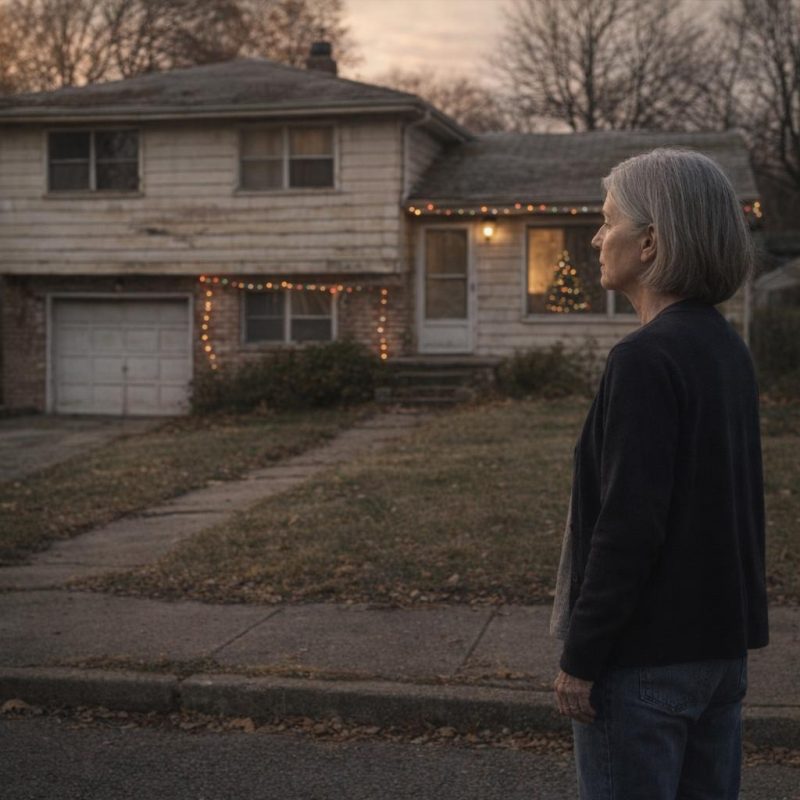 Image by RM AI
The Surgery I Postponed
The doctor used the word "necessary" when she described the surgery, which I understood to mean it wasn't optional so much as it was something I could delay if I had to. And I had to. The deductible alone was close to four thousand dollars, and I had maybe three hundred in savings at the time. I told my family at a Sunday dinner, keeping my voice steady, because I didn't want anyone to feel obligated. My mother Margaret cried — quiet tears she tried to hide behind her napkin. My father Robert immediately offered to look up hospital payment plans on his phone, scrolling through results with the focused energy of a man who wanted badly to fix something he couldn't fix. Mark suggested a medical credit card, said he'd heard they had good promotional rates. Denise started calling me every few days after that, sending care packages with soup and crossword books and little notes that said she was thinking of me. The concern was real. I never doubted that. I postponed the surgery for eight months and worked through the pain, taking over-the-counter medication and adjusting how I moved through my shifts. When I finally had it done, I paid in installments that took two years to clear. My family's worry had been warm and genuine, and I carried that warmth with me even when it couldn't cover what I actually needed.
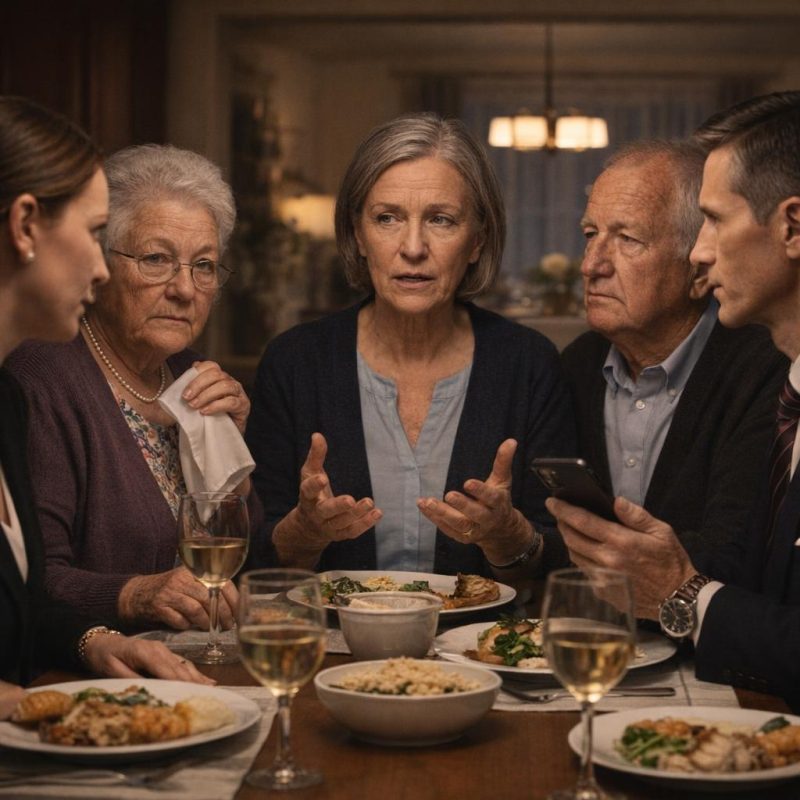 Image by RM AI
Sophie's Childhood Without Safety Nets
Sophie never complained. That was the thing that got me, even then — she just adapted, quietly and without drama, the way kids do when they understand the rules of their household without being told. She stopped asking about the school trips after the first couple of times I had to say no. Her birthday parties were small, just a few friends and a homemade cake, and she acted like that was exactly what she wanted. She wore thrift store clothes and found ways to make them her own. When it came time for college applications, we sat at the kitchen table together and went through the financial aid calculators, crossing off schools one by one until we had a list that was realistic. She had a dream school — a private university three states away — and she never said a word about it after the first conversation, just folded that particular hope up and put it somewhere I couldn't see. She worked part-time all four years of college and graduated without asking me for a single extra dollar. I was so proud of her I could barely speak at the ceremony. But pride and guilt live close together, and I felt both. I was going through an old box of her things last spring, the kind of sorting you do when you finally have a quiet afternoon, and near the bottom, still in its original envelope, was a letter from that dream university — a rejection citing her inability to meet the remaining balance after aid.
 Image by RM AI
The Wedding Ring I Sold
The transmission went on a Wednesday morning in November, two blocks from the medical office where I worked the early shift. The mechanic's estimate came in at fifteen hundred dollars, and I sat in the waiting room of that shop for a long time doing math that didn't work out. I needed the car. Without it, I couldn't get to either job, and without both jobs, nothing else held together. I went through every option I could think of — payment plans, borrowing from a coworker, selling things I didn't need. I called my family, not to ask directly, just to think out loud, and the conversation went the way those conversations always went. Everyone was sorry. Everyone was stretched. I understood. I did. I went home that night and opened the small wooden box I kept on the top shelf of my closet. David's voice came back to me when I lifted the lid — not words exactly, just the feeling of him. The wedding ring and the necklace he'd given me on our tenth anniversary. I had them appraised the next morning. The jeweler offered twelve hundred dollars, and I took it without negotiating, because I didn't have the heart to sit there any longer than necessary. I used the money for the repair and had three hundred dollars left over, which I put toward the electric bill. The empty ring box sat back on the shelf in my dresser drawer, and I left it there.
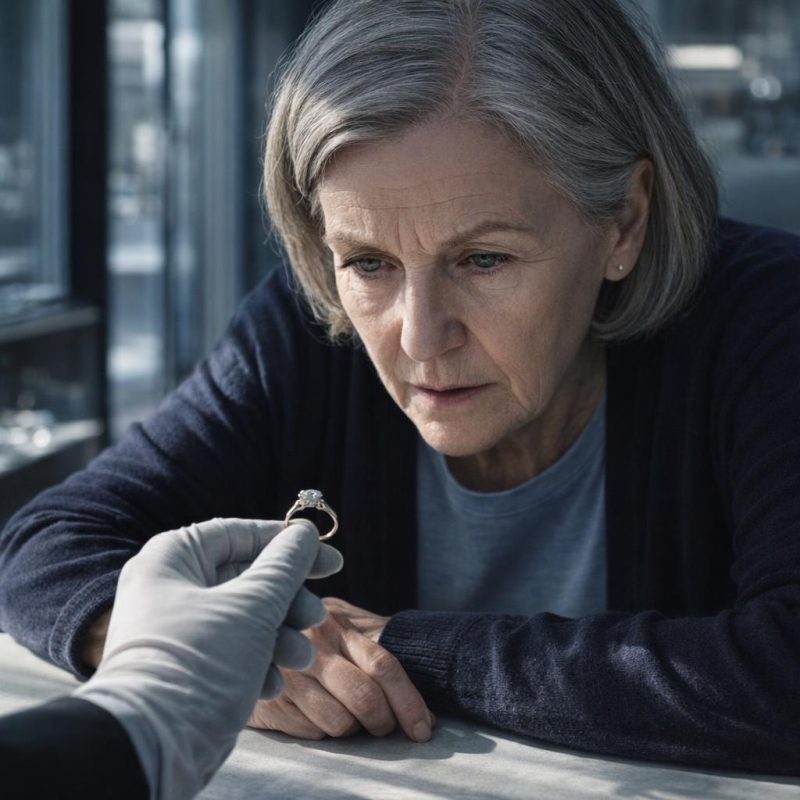 Image by RM AI
The Double Shift Life
The alarm went off at five every morning, and I was usually already half-awake by then, lying in the dark running through the day's logistics before my feet hit the floor. The morning shift at the medical office started at six — I'd be at the front desk by five-fifty, coffee in hand, badge clipped on, ready to smile at the first patients of the day. I'd eat lunch in my car in the parking lot between jobs, usually something I'd packed the night before, sometimes just crackers and whatever was left in the break room. The retail shift started at four and ran until ten, sometimes ten-thirty if we were short-staffed. By the time I got home, Sophie would be asleep, and I'd stand in the kitchen for a few minutes eating whatever was easy before I could bring myself to move again. Weekends weren't rest — they were just a different schedule, different uniforms, different registers. My coworkers at the retail job started asking if I was okay, and I learned to say yes in a way that ended the conversation. I told myself it was temporary. I told myself that for years. The years had a way of not caring what I told myself. I'd fall into bed at midnight, still in my work clothes half the time, and the alarm would be set for five.
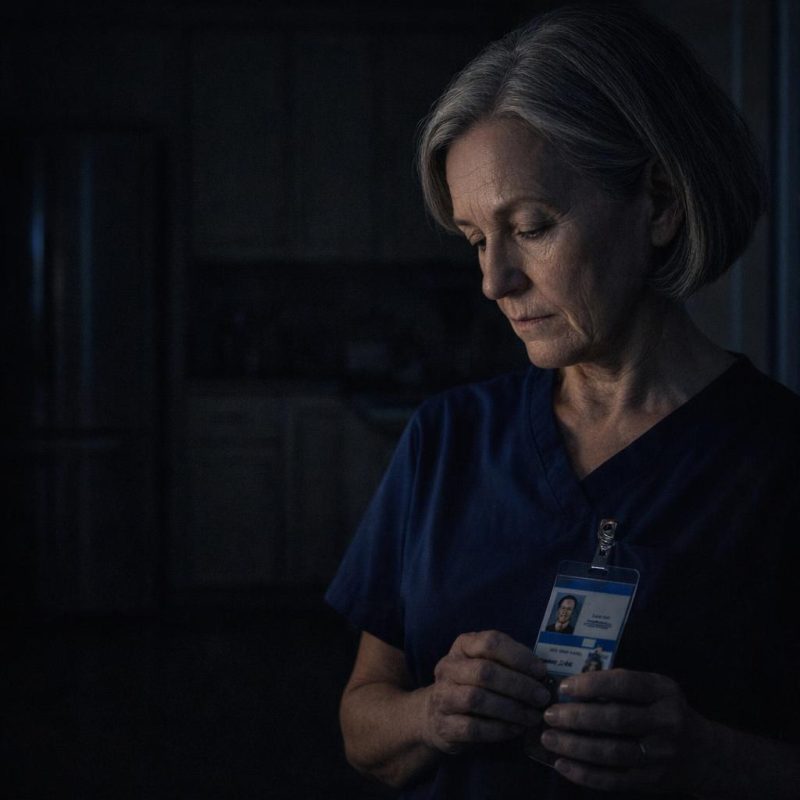 Image by RM AI
Mother's Fall
The call came on a Thursday afternoon — my father Robert, his voice careful and measured the way it got when he was trying not to alarm me. My mother Margaret had fallen in the bathroom that morning, bruised her hip, spent the night in the hospital for observation. She was fine, he said, but the doctor had recommended they start thinking about assisted living. He asked if I could come by the house and help sort through some of the financial paperwork — insurance documents, account statements, things that would need to be organized before any facility could be contacted. I took a personal day and drove over that Friday. My mother was home by then, moving slowly, her expression tight with something I read as embarrassment about needing help. She mentioned twice that some of the papers in the study were private, old things that didn't need to be gone through. I told her I'd only pull what was relevant. Robert hovered for a while, then settled into his chair in the living room with the television on low. The study was floor-to-ceiling boxes and filing cabinets, decades of accumulated paper, the kind of accumulation that happens when people never throw anything away. I sat down on the floor with a box cutter and started at the nearest stack, and the house settled quietly around me in the way old houses do when the people inside them have finally gone still.
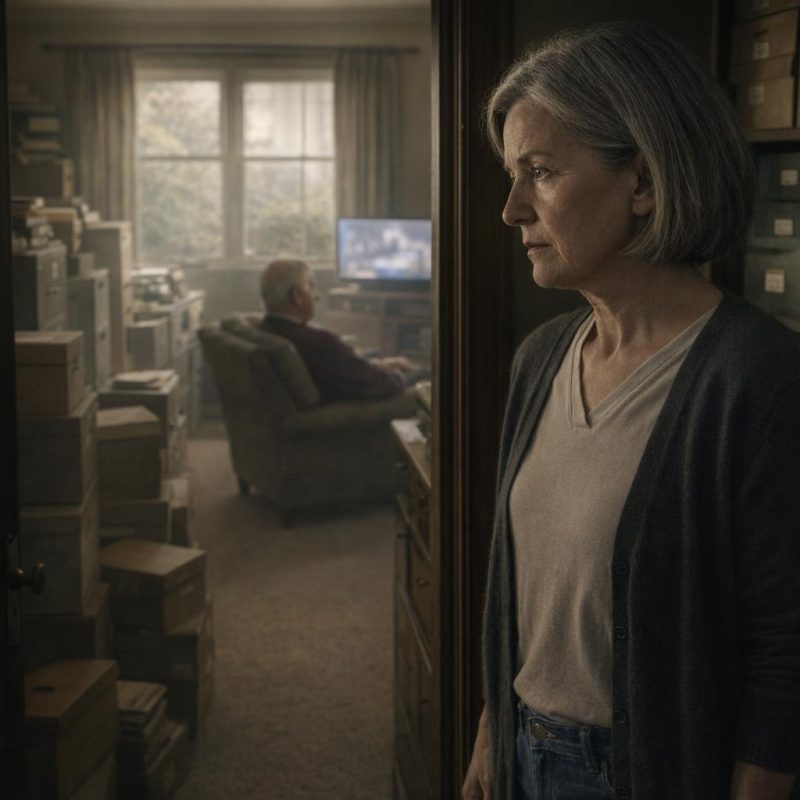 Image by RM AI
The Statement That Changed Everything
I'd been at it for about two hours when I found it — tucked between a homeowner's insurance renewal and a folder of old medical receipts, like it had slipped there by accident. A bank statement. I almost set it aside without looking, the way you do when you're moving fast through someone else's paperwork and trying to respect the boundaries. But the account holder line caught my eye: Margaret and Robert Brennan. I looked at the balance column. One million, nine hundred thousand dollars. I read it again. Then a third time, moving my finger along each digit the way I used to check my own grocery receipts when I was afraid I'd been overcharged. The number didn't change. My hands had started shaking somewhere between the second and third read, and I didn't notice until I set the paper down on the carpet and saw it trembling against the floor. From the kitchen, my mother called out asking whether I wanted a sandwich, her voice easy and ordinary, the way it always was. I called back that I was fine, thank you, and sat very still in the middle of the study floor. The number on the page just sat there, refusing to arrange itself into anything that made sense.
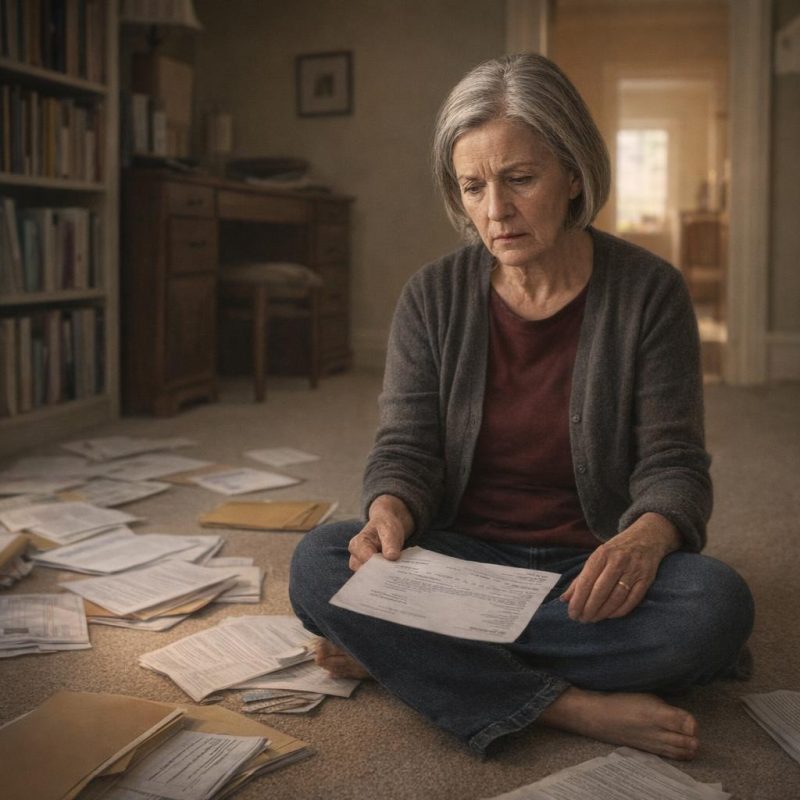 Image by RM AI
Searching for Explanations
I told myself there had to be an explanation. An inheritance, maybe — some distant relative I'd never heard of. A life insurance payout. A settlement. Something that had arrived recently and hadn't been mentioned yet because my parents were private people and the timing just hadn't come up. I kept my movements slow and deliberate so nothing would sound different from the other room, and I started pulling folders more carefully, reading dates before I set anything aside. The statements went back further than I expected. Three years. Five years. I found one from seven years ago and held it under the desk lamp, checking the balance column the way I'd checked the first one. The number was different — slightly lower, but not by much. Still well over a million. No large deposit in the months before it. No sudden spike that would suggest something had recently arrived. The account had simply been there, steady and substantial, for as far back as the paper trail went. I sat back on my heels and tried to think. Seven years ago I had been working double shifts at the hospital and eating rice and canned soup so Sophie could have lunch money. I checked the date on the statement again — and found statements from five years before that showing the same kind of balance.
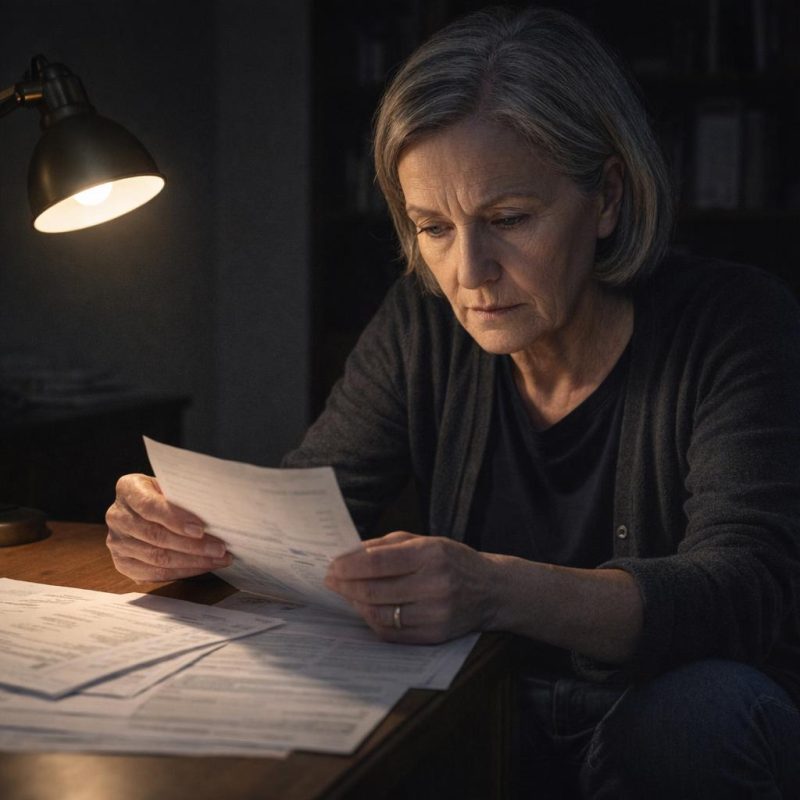 Image by RM AI
Memories Reframed
I drove home on autopilot, and by the time I got inside I couldn't sit down. I kept moving through the apartment, picking things up and setting them back, my mind running the same loop. Seven years ago. I remembered that conversation with my mother so clearly — the kitchen table, the afternoon light, the way she'd pressed her hands flat against the tablecloth. Sophie needed new textbooks and the school fees were due and I'd asked, quietly, whether there was any way they could help, even a small amount. My mother had cried. Actually cried. She'd said there was nothing left, that they were barely managing themselves, that she wished things were different. My father had come in partway through and stood in the doorway with that pained expression he got when money came up, and he'd talked about fixed income and rising costs and how they hated not being able to do more. I had thanked them for listening. I had driven home and figured out how to cover it myself. I wasn't angry at the memory, not exactly — I didn't have enough certainty for anger yet. But I kept turning it over, the conversation on one side and the bank statement on the other, and I couldn't find a way to make them face the same direction. Everything I thought I'd understood about those years had taken on a different shape.
 Image by RM AI
The Luxury I Hadn't Questioned
The next few days I kept catching myself replaying things I'd filed away without thinking much about them at the time. Mark had gone to Hawaii three years ago — a whole week, nice resort from the photos he'd posted. He'd mentioned it was a business write-off when I'd said it looked beautiful, and I'd accepted that without a second thought. He wore a watch I'd noticed once and then forgotten about, the kind with a face that catches the light in a particular way. Denise had moved into a larger house two years back, complained about the mortgage the whole time, but she'd made it work. Her kitchen had been redone recently — new countertops, new appliances, the kind of renovation that doesn't happen on a tight budget. I'd been in that kitchen a dozen times and never let myself think about what it cost. Both of them had always seemed stressed about money when the subject came up. Stretched thin, overwhelmed, just getting by. And I had believed them, the same way I'd believed my parents, because it matched the story I thought we were all living inside. I hadn't questioned any of it. I'd been too busy trying to keep my own head above water to look closely at theirs. Sitting with it now, all those small details I'd let pass without examination were suddenly, plainly visible.
 Image by RM AI
The Search Continues
I volunteered to come back the following Saturday, told my mother I hadn't finished sorting the study and wanted to do it properly. She seemed genuinely relieved — she'd been moving slowly since the fall and the paperwork clearly overwhelmed her. I worked steadily through the morning, but this time I wasn't just organizing. I was reading. Investment account statements, retirement fund summaries, brokerage records — all of it filed in the kind of careful order that suggested someone had been maintaining it for years. The balances were substantial across the board. Not one account, not a windfall sitting in a single place, but multiple accounts, layered and consistent. I photographed everything with my phone, keeping the screen angled away from the door. My mother was in the living room watching her programs, occasionally calling in to ask if I needed anything. I kept my voice light each time I answered. Near the back of the bottom filing cabinet drawer, behind a set of hanging folders labeled by year, there was a separate manila folder that had been filed on its own, slightly apart from the rest. The label on the tab was written in my father's handwriting — neat, careful block letters. It read: Brennan Family Trust. Margaret called me for dinner before I could open it.
 Image by RM AI
The Quiet Investigation
That night I sat at my kitchen table with my laptop and started with the county property records. It took about ten minutes to find my parents' address in the public database. The record showed the mortgage on their house had been satisfied in 2003. Paid off. Twenty years ago. I sat with that for a moment, because I could remember — clearly, specifically — my father mentioning the mortgage within the last few years. Not in a dramatic way, just in passing, the way you mention a recurring expense. Rising costs, fixed income, the mortgage still there. I'd had no reason to question it. I pulled up my older brother Mark's business registration next, then Denise's property records. Mark's business had been active and registered for years. Denise's house had been purchased with a down payment that, according to the records, was well above the standard threshold — the kind of number that doesn't come from scraping things together. None of it proved anything on its own. Public records don't tell you the whole story. But each one sat at a slight angle to the version of things I'd been given, and by the time I closed the laptop my stomach was tight in a way that didn't ease when I went to bed. The county record for my parents' address showed a single clear line: mortgage discharged, 2003.
 Image by RM AI
Maintaining the Facade
Sunday dinner had always been pot roast and the same mismatched serving dishes my mother had used since I was a child. I drove over telling myself to be normal, to just get through it. My mother talked about grocery prices going up and how she'd had to switch brands on a few things. My father was quieter than usual, cutting his food carefully, not saying much. Mark talked about a potential deal he was working on, kept the details vague the way he always did with business. Denise complained about her daughter's college expenses, said the numbers were staggering, that she didn't know how families managed. I passed the bread basket and said something sympathetic and kept my face arranged the way I needed it to be. I watched my father's hands. I watched the way Denise held her wine glass. I noticed that Mark's watch caught the light when he reached across the table. Small things, the kind I'd always let slide past. At one point my mother said they needed to be careful with money right now, what with the medical bills from her fall adding up. She said it lightly, the way she always did, like it was just a fact of life. My father's eyes dropped to his plate, and a muscle along his jaw pulled tight and then went still.
 Image by RM AI
The Trust Documents
I went back the following Tuesday, told my mother I wanted to finish what I'd started. She was tired from a physical therapy appointment and went to lie down after lunch, which gave me the study to myself. I waited until I heard her bedroom door close, then I went straight to the bottom drawer and pulled out the Brennan Family Trust folder. The documents inside were legal-sized, printed on heavy paper, the kind that comes from an attorney's office. The trust had been established thirteen years ago. I read through the first page slowly, then the second. The language was formal and dense, but the structure was clear enough. There were two named beneficiaries. Mark Brennan. Denise Brennan. I went through every page twice, running my finger down each column, each clause, each line where a name appeared. I photographed every page before I put the folder back exactly as I'd found it. Then I sat on the floor of my parents' study with my back against the filing cabinet, the phone in my lap, the images of those pages sitting in my camera roll. The trust was worth several million dollars. My brother and my sister were in it. My name was nowhere in those documents — not on a single page — and the weight of that absence settled into my chest like something I didn't yet have words for.
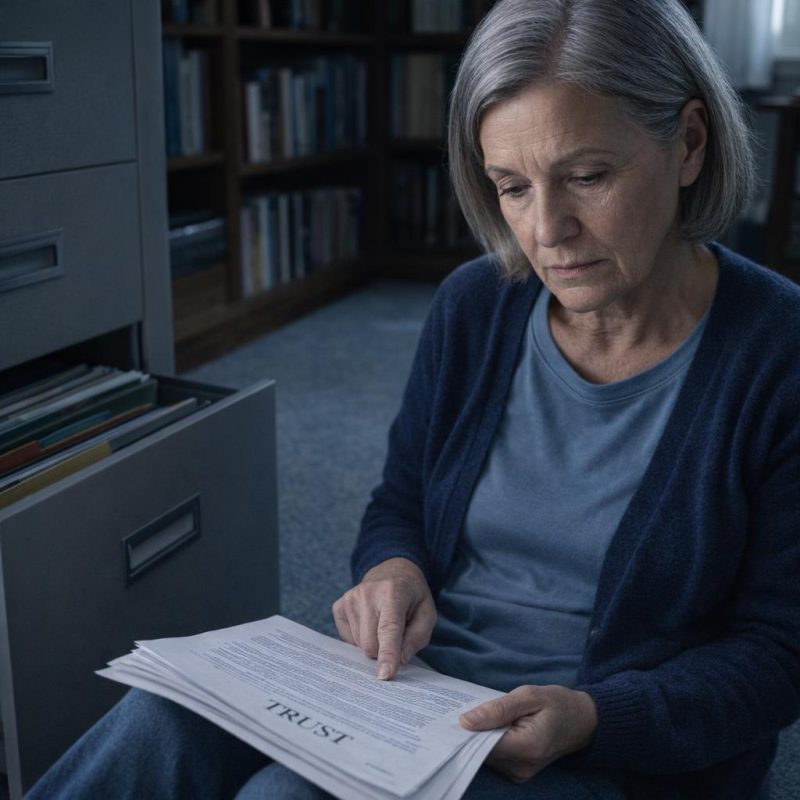 Image by RM AI
Confronting Mark
I sat in my car in my parents' driveway for a few minutes before I called him. I'd been rehearsing what to say the whole drive over, but when Mark picked up and said hello in that easy, distracted way he has, all the careful phrasing went out the window. I just asked him straight out. I told him I'd been helping sort through Mom and Dad's paperwork for the assisted living move, and I'd come across the Brennan Family Trust documents. I asked him why my name wasn't in them. There was a pause — not long, maybe two seconds — but I felt it. When he came back, something in his voice had shifted. He said I was probably misreading the legal language, that trust documents were complicated, that things weren't always what they looked like on paper. I told him I'd read every page twice and I wasn't misreading anything. He said this wasn't a good time, mentioned something about the stove, said we could talk later. I asked him what that meant. He said he had to go. The line went dead before I could say another word.
 Image by RM AI
Denise's Accusations
I drove to Denise's house without calling first. I knew if I gave her warning she'd find a reason not to be home. She answered the door in her weekend clothes, a glass of iced tea in her hand, and her expression when she saw me was not a welcoming one. I asked if I could come in. She stepped back and let me, but she didn't offer me anything to sit down with. I told her what I'd found — the trust, the names, the absence of mine. She set her glass down on the counter and her whole posture shifted. She said I had no business going through private family papers. I told her I was helping our parents prepare for assisted living and the documents were in an unlocked filing cabinet. She said some things were family business and not everything needed to be picked apart. I asked her what that meant. She said the trust was complicated and there were reasons for how it was structured, but she wouldn't say what those reasons were. Her hands were moving the whole time — straightening things on the counter that didn't need straightening. I noticed a name on one of the photocopied pages I'd brought: Gerald. I didn't know who that was yet. When Denise finally looked at me, her eyes were bright and angry, but there was something else underneath — a catch in her voice, a hesitation, something I couldn't quite read.
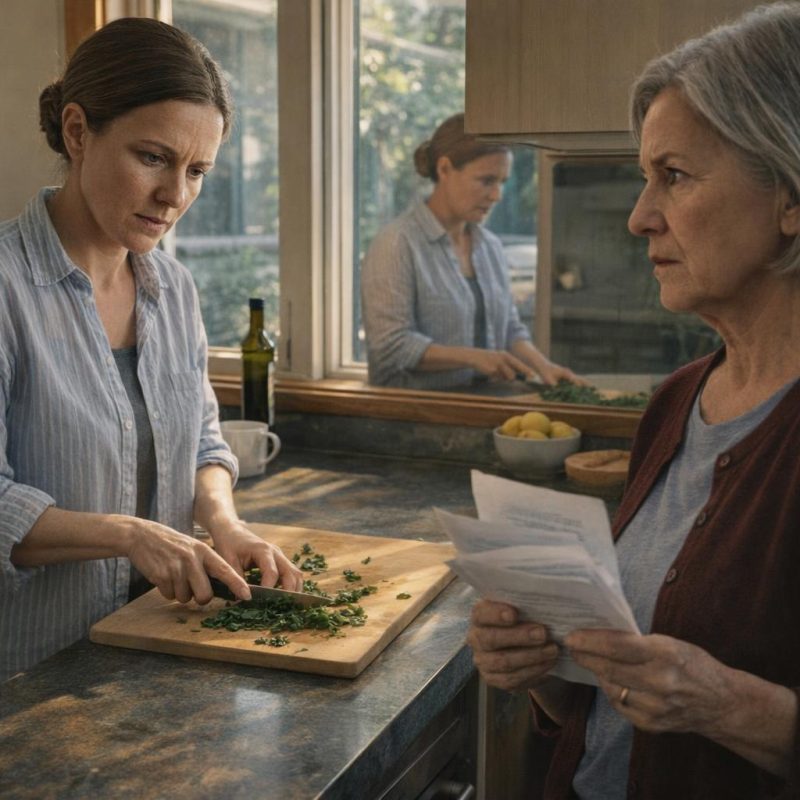 Image by RM AI
The Siblings' Defense
Mark texted me the next morning. He said he was sorry for cutting the call short, that he thought we should all sit down together when things were less heated, and that I should probably talk to Mom and Dad before drawing any conclusions. I read it twice, then set my phone face-down on the kitchen table. About an hour later, Denise texted. She said she was sorry too, that she hadn't meant to be short with me, and that some things needed to be discussed as a family rather than in pieces. She also said I should talk to Mom and Dad first. I put both messages side by side on my screen and read them again. The phrasing wasn't identical, but it was close enough. Both of them apologizing in the same measured tone. Both of them steering me toward our parents. Both of them saying nothing at all about the actual question I'd asked. Neither message addressed the trust. Neither message addressed why my name wasn't in it. I sat at the kitchen table for a long time after that, the two texts glowing on my screen. I didn't know what they'd said to each other, or when they'd talked — but the shape of those two messages, the sameness of them, left me with a feeling I couldn't quite put down.
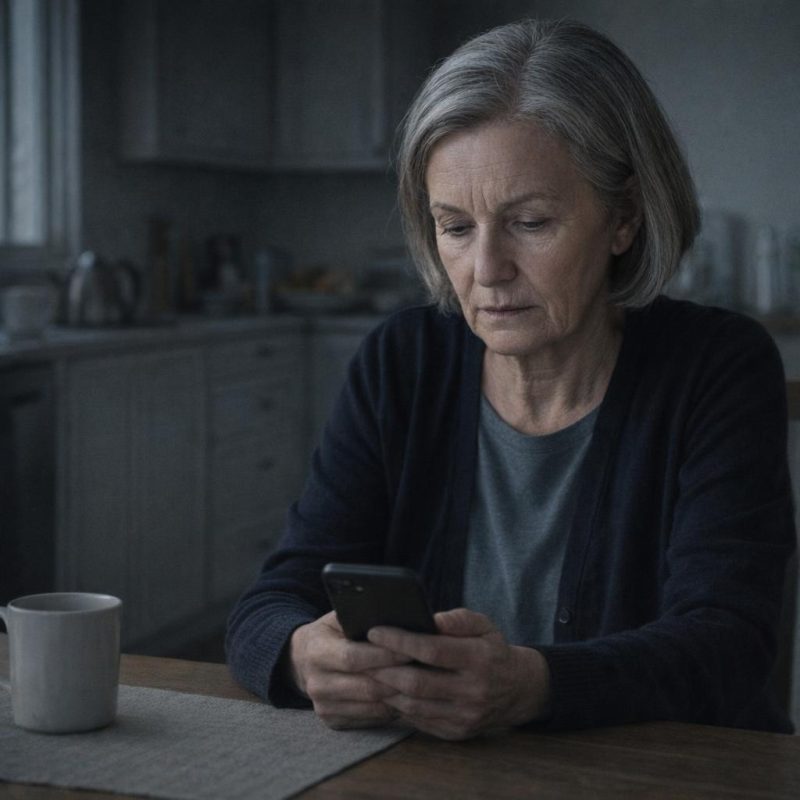 Image by RM AI
The Paternity Question
I went back to my parents' house on a Thursday when my father had a cardiology appointment and my mother was resting. I told myself I was just finishing the sorting, but I knew that wasn't the whole truth. I worked through two more boxes before I found the photographs. There was a gap — a stretch of maybe eighteen months in the early sixties where the family photos simply stopped. Before the gap, my parents were in every picture together. After it, they were together again, but something in the way they stood had changed. My mother had mentioned once, years ago, a rough patch early in the marriage, and I'd never thought much of it. I started doing the arithmetic in my head, and my stomach dropped. The gap fell in a range that included the months before I was born — and I didn't know what to do with that. I kept sorting. Near the bottom of the third box, I found a bundle of letters tied with kitchen twine, my father's handwriting on the envelopes. Most were short — a few lines, dates from that same stretch of time. I unfolded one carefully. It was addressed to my mother. The language was formal in the way people wrote then, restrained and careful. But near the end of the page, my father had written that there were questions between them that still needed answering before he could come home. I sat on the floor of that study holding the letter, the words blurring slightly at the edges.
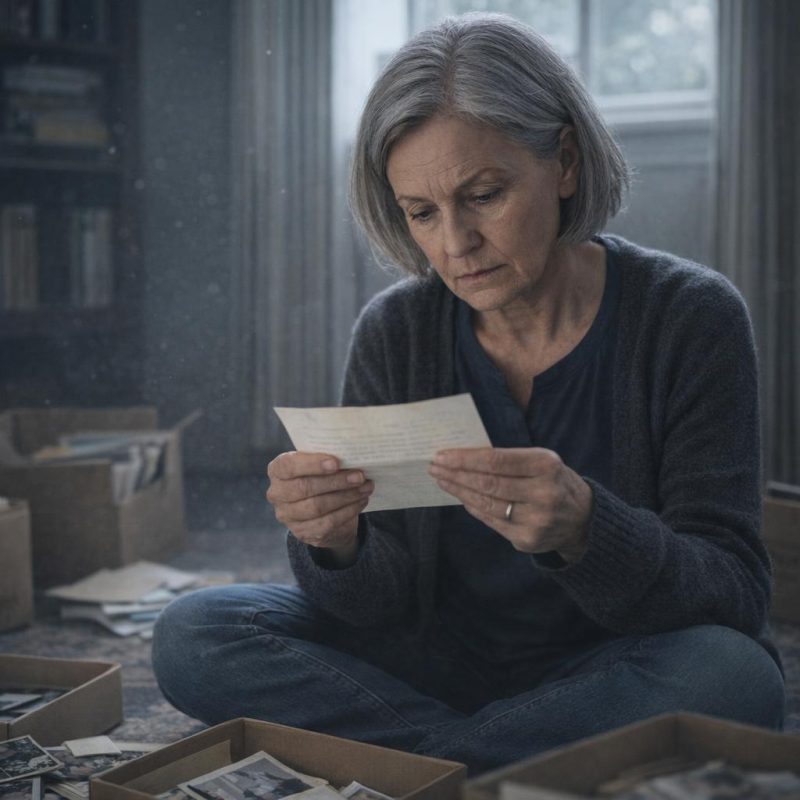 Image by RM AI
Denise's Refusal
I called Denise that evening. I didn't lead with the trust this time. I asked her, as calmly as I could manage, whether she knew that our parents had separated before I was born. She was quiet for a moment, then said she didn't know what I was talking about. I told her about the gap in the photographs, about the letters, about the timing. She said old photos didn't mean anything and that I was building a story out of nothing. I asked her about the letter — the one where Dad wrote about questions that needed answering before he could come home. Her voice went up a register. She said I had no right to be reading their private correspondence, that those letters were personal, that some things from the past were meant to stay there. I told her I wasn't trying to cause trouble. I just wanted to understand why my name wasn't in that trust. She said the two things had nothing to do with each other. I asked her how she could be sure of that. She didn't answer right away. When she did speak, her voice had changed — quieter, tighter. She said some things should stay buried. The words came out uneven, and for just a moment something shifted in her voice, though I couldn't have said what it was.
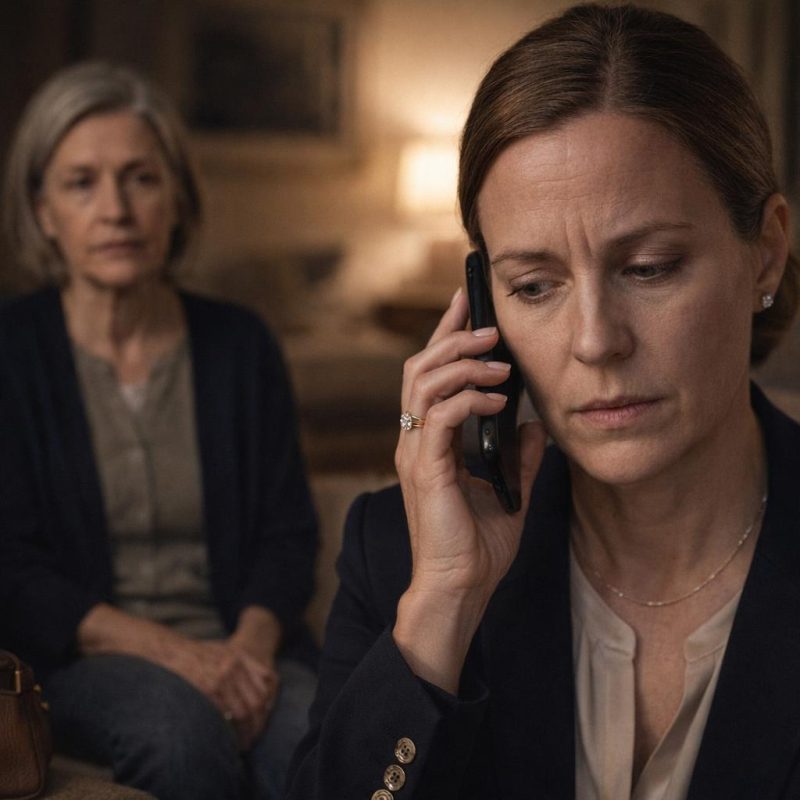 Image by RM AI
Mark's Uncomfortable Silence
Mark agreed to meet me for coffee on Saturday morning. He was already there when I arrived, both hands wrapped around a mug, and he looked like a man who hadn't slept well. I sat down across from him and we made small talk for about thirty seconds before I let it go. I asked him directly: were there ever any questions about whether Robert was my biological father? He didn't answer. He looked down at his coffee cup and stayed there. I watched the muscle in his jaw work. I told him I wasn't asking to blow anything up. I just needed to understand what I was dealing with. He said it wasn't his place to discuss it. I asked him whose place it was, then. He said I should talk to Dad. I asked him if he could at least tell me I was wrong — that there was nothing to it, that I was chasing shadows. He picked up his mug and took a slow sip and set it back down. He didn't say I was wrong. He didn't say anything at all. Outside, someone's car alarm went off and then stopped, and the coffee shop noise filled back in around us, and Mark sat there looking at the table, and the silence between us stretched out long enough that it began to feel like something I couldn't ignore.
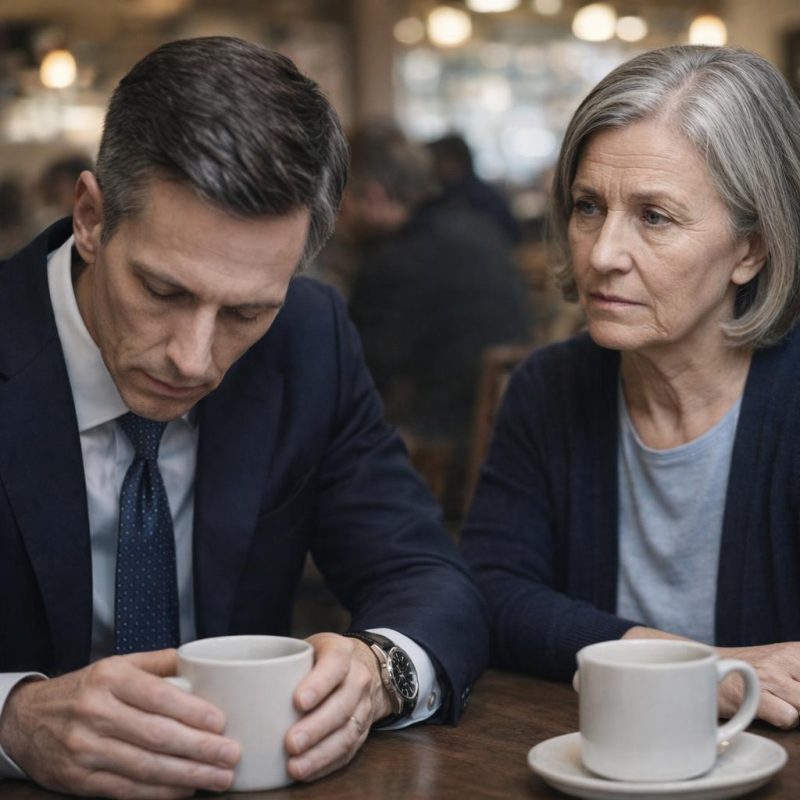 Image by RM AI
Childhood Memories Reconsidered
I drove home from that coffee shop and I couldn't stop my mind from going back. Not to the documents, not to the letters — to the small things. The family photos where I always seemed to be standing a half-step outside the natural cluster of the four of them. The birthday parties where Mark and Denise had themes and cakes with their names written in frosting, and mine were simpler, quieter. The college fund conversation, when I was seventeen, and my father had said the money wasn't quite there the way they'd hoped — and I'd accepted it, because I always accepted it. The way my mother sometimes watched me with an expression I'd never been able to name, something between love and worry. My father had been kind to me — genuinely kind, I believed that — but there were moments. A distance that came and went. A quality I'd always filed away as his personality, his generation, the way men of his era weren't always comfortable with feeling. And then I remembered a work event, sometime in the mid-seventies, a company dinner my father had brought us to. I was maybe twelve. He'd moved through the room introducing us to his colleagues, easy and proud with Mark and Denise, and then he'd reached me, and there had been a pause — just a beat, barely a breath — before he said the words: my daughter.
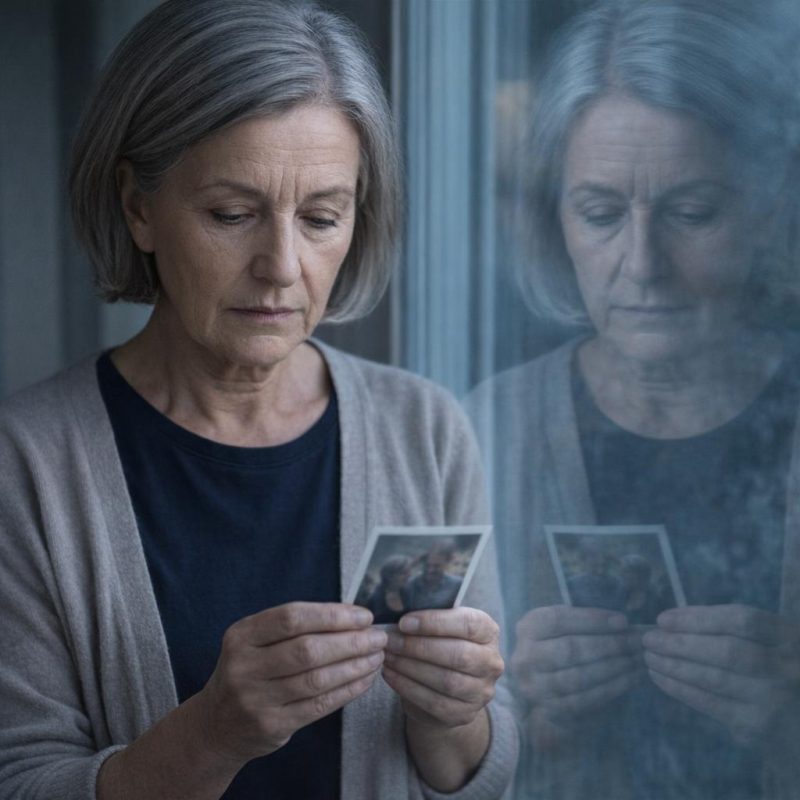 Image by RM AI
The Separation Details
I went back to the boxes on Sunday. I told myself I was looking for anything that might settle it one way or the other, though I wasn't sure I was ready for either answer. I found more letters from the separation period — a small stack of them, my mother's handwriting on some, my father's on others. My mother had stayed with a friend during that time, someone whose address appeared on the envelopes but whose name I didn't recognize. My father's letters from those months were careful and hurt in equal measure. He wrote about trust, about time, about not knowing how to move forward. My mother's responses were shorter and harder to read — apologetic in tone but vague about the specifics of what she was apologizing for. And then there was a name. It appeared in one of my father's letters, then in a second, then in a third — always in passing, always without explanation, the way you mention someone whose significance you assume the other person already understands. The name was Thomas. I set the letters down on the floor beside me and looked at the three envelopes, each from that same stretch of months, the name sitting there in my father's careful handwriting without context or explanation.
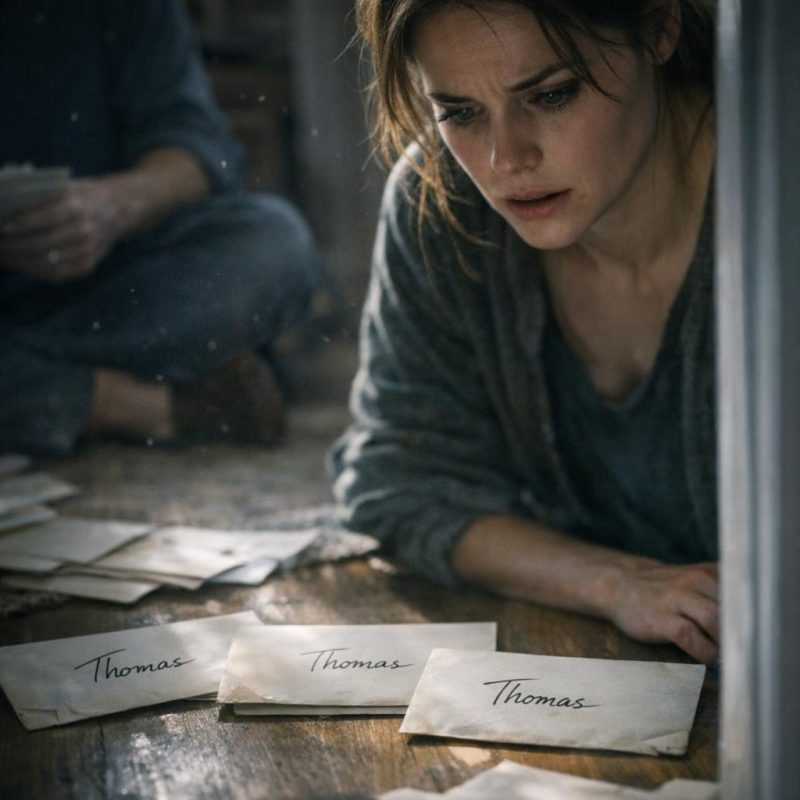 Image by RM AI
Sophie Learns the Truth
I'd been carrying it alone for weeks, and I finally couldn't anymore. I called Sophie on a Tuesday evening and asked her to come over, told her I had something important to show her. She arrived with takeout containers and that look she gets — the one that means she already knows something is wrong. I spread everything across the kitchen table: the bank statements, the trust documents, the letters, the name Thomas appearing three times in her grandfather's handwriting. I walked her through all of it slowly, watching her face move from confusion to disbelief. When I got to the part about the separation timeline and what it might mean about my place in the family, she went very still. Then she wasn't still anymore. She pushed back from the table and said it wasn't possible, that there had to be another explanation, but her voice was shaking in a way that told me she was already doing the math the same way I had. I told her I didn't know what was true yet, that I was still looking. I said I needed her to stay calm with me. She looked at the documents for a long time without speaking. Then she picked up her phone and said she was calling her grandfather right now and he was going to explain every single one of these pages.
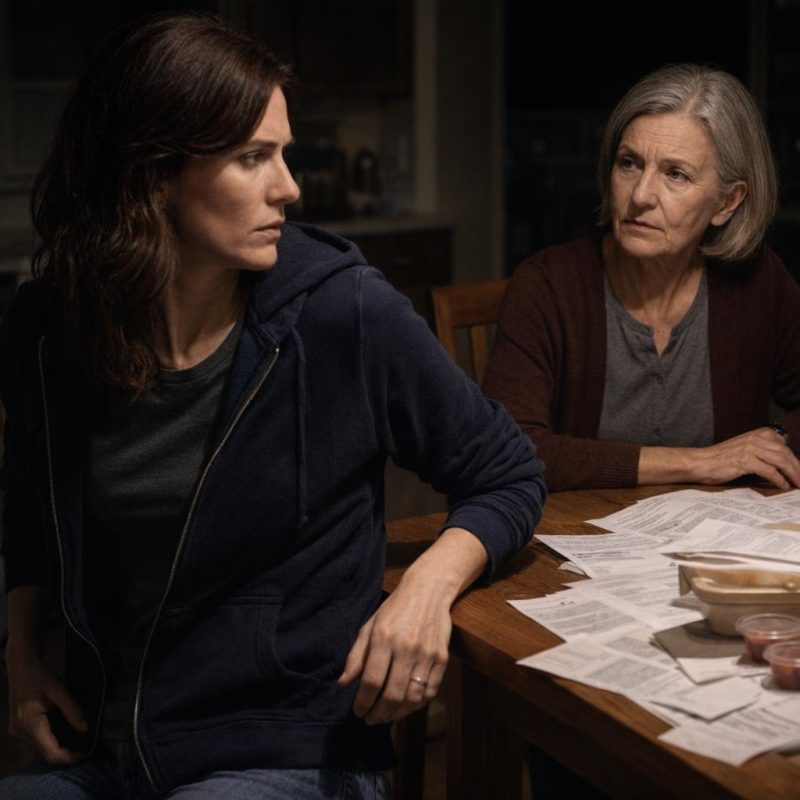 Image by RM AI
The Confrontation Elaine Couldn't Stop
I reached for her arm but she was already dialing. I said her name twice and she shook her head without looking at me, the phone already at her ear. Robert answered on the third ring, and even from across the table I could hear how tired he sounded — that particular tiredness that isn't about sleep. Sophie didn't ease into it. She asked him directly why her grandmother's trust had excluded me, why there was money the family had never mentioned, why her mother had spent twelve years working double shifts while the rest of them apparently hadn't needed to. There was a long pause on his end. He said it was complicated. Sophie said that wasn't an answer. He said there were reasons he couldn't get into over the phone, that it wasn't the right time. She told him there was never going to be a right time if he kept deciding that. I sat at my own kitchen table feeling like I was watching something happen through glass — present but unable to reach it, unable to slow it down or steer it. Robert's voice got quieter and more strained, and I could hear him trying to find words that would hold without actually saying anything. Sophie's voice kept rising to meet his deflections, filling the kitchen with a kind of grief I recognized because I'd been carrying it quietly for years and she was carrying it loudly now, all at once.
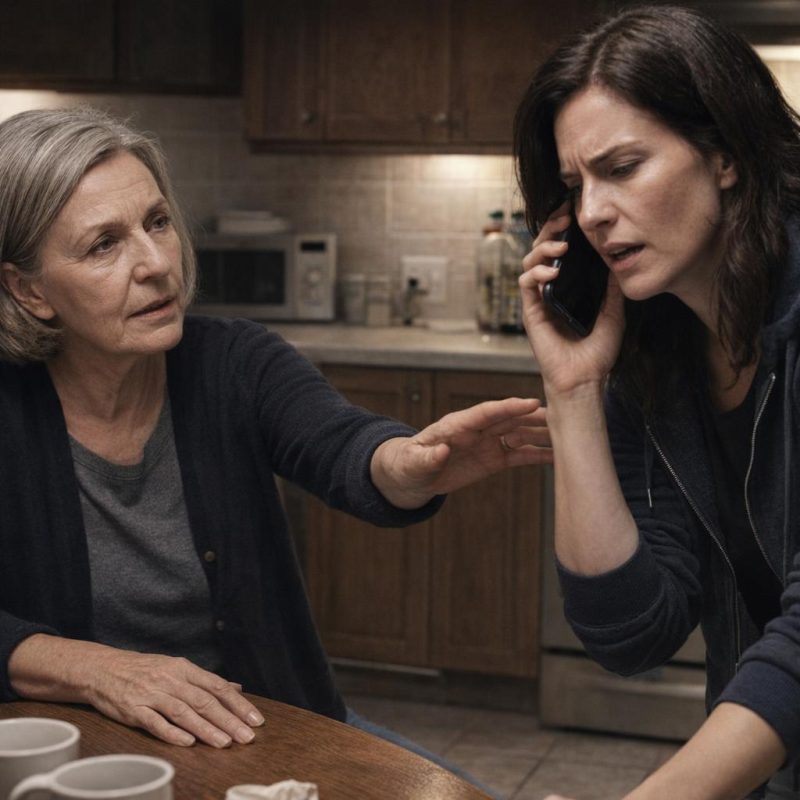 Image by RM AI
Evidence That Doesn't Fit
After Sophie left I requested my own birth certificate from the county records office, something I'd never had reason to do before. It arrived in a plain envelope four days later. I sat at the kitchen table and opened it carefully, like it might say something different depending on how I handled it. It didn't. Robert's name was printed in the father field, clear and unambiguous, no amendments, no corrections, no secondary notations of any kind. I went back through the boxes and found old medical records from my childhood — pediatric visits, a hospital stay when I was seven, a school physical from fourth grade. Robert was listed as father on every single one. No gaps, no inconsistencies, no indication that anyone had ever questioned it. I laid everything out in a row on the floor and looked at it for a long time. The documents were official. They were consistent. They contradicted the theory I'd been quietly building for weeks, the one that had started to feel like the only explanation that made sense of everything else. I didn't know whether to feel relieved or more lost than before. The separation, the name Thomas, the exclusion from the trust — none of it disappeared just because the paperwork said what it said. The documents were certain. Everything around them was not.
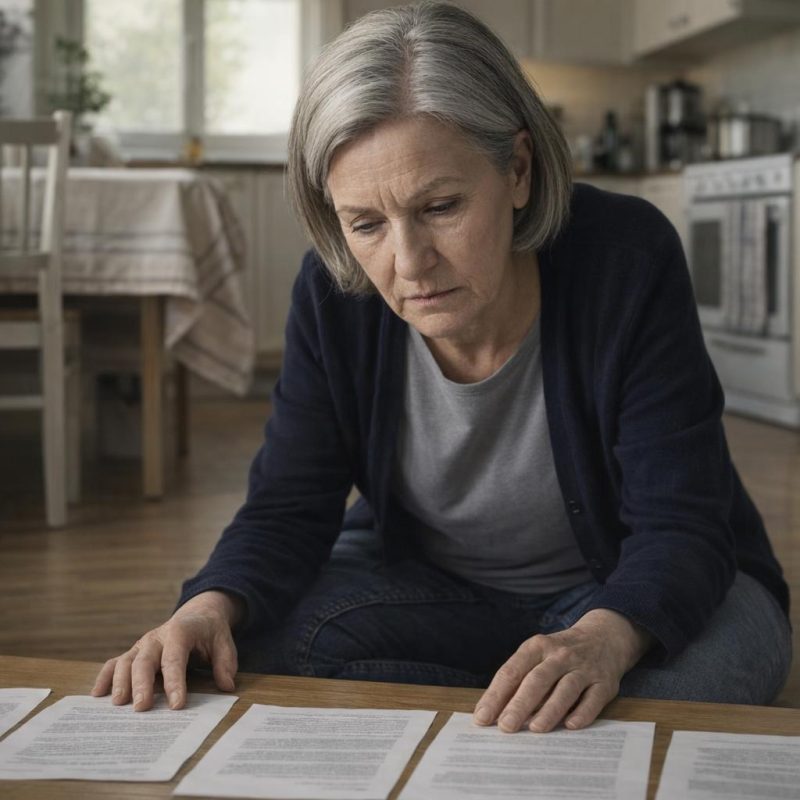 Image by RM AI
The Family Fractures
The Sunday dinner had been on the calendar for two weeks, scheduled before any of this started. I thought about canceling but Margaret had called to confirm and I didn't have the heart. Sophie came with me, which I should have anticipated would not go the way I hoped. We weren't twenty minutes in before she brought it up — not gently, not as a question, but as a statement directed at Mark across the dining room table. She said she wanted to know why her mother had been left out of the family trust. Mark told her this wasn't the time or place. Denise said Sophie was being disrespectful. Sophie said she was being direct, which was apparently something this family had trouble with. Robert stood up and asked everyone to lower their voices. Margaret had gone pale. Mark and Denise started talking over each other, and then they were talking at me, and then old things were surfacing — money borrowed years ago, perceived slights, choices that had calcified into grievances nobody had ever actually resolved. I tried to say something twice and couldn't get a word in. Sophie held her ground in a way that made me proud and terrified at the same time. Robert kept saying please, just please, in a voice that was getting smaller. Then Margaret stood up from her chair without a word, walked down the hallway toward the back of the house, and I watched her go.
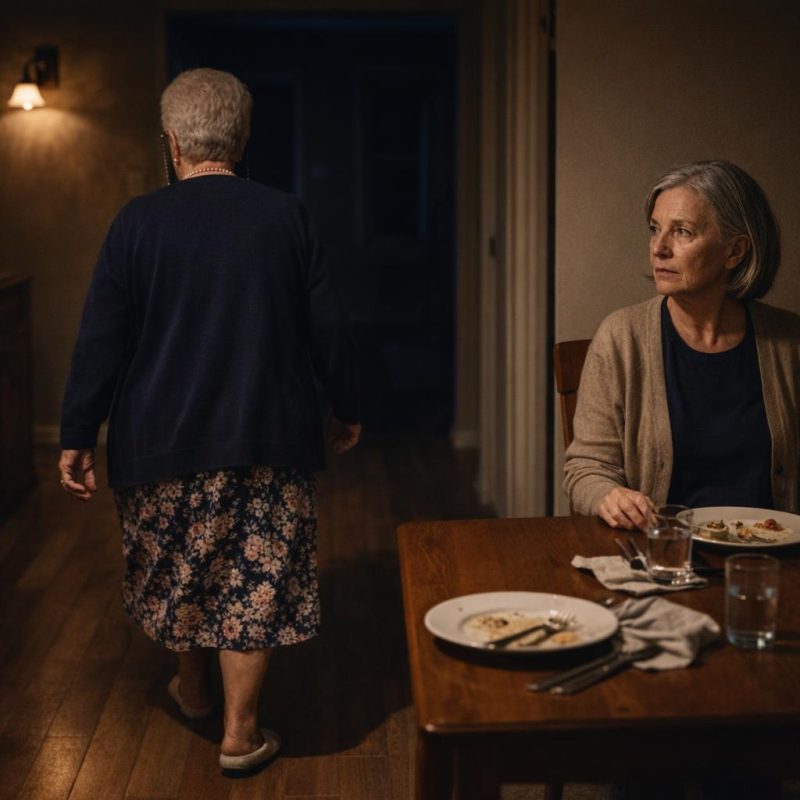 Image by RM AI
The Aftermath
I got home just after nine and sat on the couch without turning on any lights. The apartment was quiet in a way that felt earned rather than peaceful. Sophie had texted on the drive home — three words: not sorry, Mom. I held the phone for a while and then set it face-down on the cushion beside me. Mark and Denise weren't answering. I'd tried both of them from the car and gotten voicemail both times. Margaret had sent a message around eight-thirty asking for time, just that, no explanation of what she needed time for or how much. Robert hadn't contacted me at all. I got up and went to the kitchen and looked at the bank statements still spread across the table from the night I'd shown Sophie. I'd looked at them so many times the numbers had stopped feeling like numbers and started feeling like a language I almost understood. I thought about what the dinner had looked like from the outside — a family tearing itself apart over money, over old wounds, over a daughter who'd asked too many questions. Maybe that was all it was. Maybe I'd pulled at something that was always going to unravel this way. But then I thought about the documents, the letters, the name written three times in my father's careful hand, and I knew I wasn't done. The weight of what I'd set in motion settled over me and I didn't move for a long time.
 Image by RM AI
Cousins and Consequences
The calls started Monday morning. A cousin I hadn't spoken to in two years rang while I was getting ready for work, asking in a careful voice what exactly had happened at Sunday dinner because she'd heard things. I tried to explain — the trust documents, the bank statements, the years of exclusion — and she listened without interrupting, which I appreciated. Then she said Mark had told her a different version, that I'd shown up looking for a fight, that Sophie had been out of control. I said that wasn't what happened. She said she believed me but her voice had gone careful again. By afternoon a text came from someone on my mother's side saying she was sorry I was going through this and that she'd always thought something was off about how the family handled money. Then another message, from a different direction entirely, accusing me of being greedy and trying to tear apart a family over something I didn't understand. I stopped responding after that one. By evening I had six conversations in various states of incompletion, each one carrying a slightly different version of events, each one pulling the story a little further from what I actually knew. I sat with my phone on the kitchen counter and understood that whatever this was, it had moved past my immediate family now. The fracture had spread somewhere I couldn't see the edges of anymore.
 Image by RM AI
The Lawyer's Letter
The call came on a Wednesday afternoon from a number I didn't recognize — a local area code but not one I knew. I almost let it go to voicemail. The man on the other end introduced himself as an attorney and said he'd been trying to reach me for some time. He said he had been David's attorney, briefly, in the months before David died. I sat down. He said there were documents that had been held in escrow per David's specific instructions, and that those instructions had included a condition: the documents were not to be delivered until twelve years after his death. I asked him to repeat that. He did. I tried to think of something to say and couldn't. David had never mentioned an attorney, never mentioned documents, never mentioned anything like this in all the years we were together. The lawyer said he understood this was a lot to take in. He said the documents concerned my family and that he thought it was important we meet in person rather than discuss the details over the phone. I asked him why twelve years. He paused, and then he said that David had left specific instructions about when to contact me.
 Image by RM AI
David's Warning
I met the attorney at his office two days later, a quiet suite on the fourth floor of a building downtown. He was older than I'd expected, unhurried in the way of someone who had been sitting with this for a long time. He set a sealed envelope on the desk between us and said it had been in his firm's keeping since David brought it in, eight weeks before he died. I picked it up. My name was on the front in David's handwriting — that particular slant I would have known anywhere. Inside was a single folded letter, two pages, written by hand. David wrote that he'd noticed things in the months before he died, irregularities in how my family's finances were being managed, numbers that didn't line up when he looked at them from his side of things. He wrote that he hadn't said anything to me yet because he wanted to be sure, that he didn't want to cause damage he couldn't repair if he turned out to be wrong. He mentioned someone was handling accounts in a way that didn't make sense to him, that he'd been quietly trying to understand it. The letter stopped mid-thought on the second page, the last sentence trailing off without a period, as if he'd meant to come back to it. I turned the envelope over in my hands. In the upper corner, in David's careful print, was the date — three days before he died.
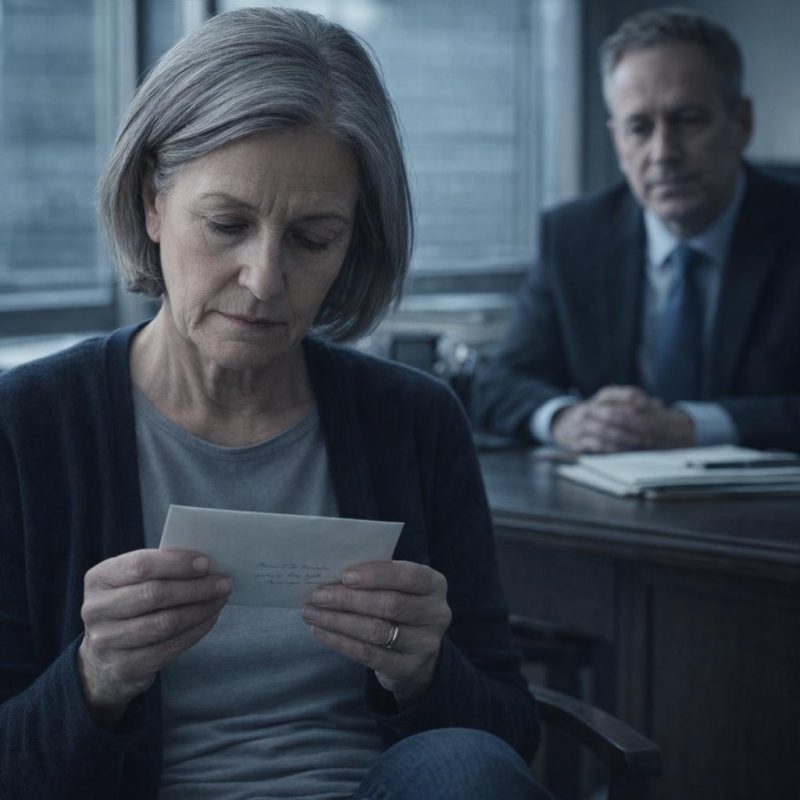 Image by RM AI
The Hidden Connection
I read David's letter three more times that night, slower each pass, trying to hear what he'd been trying to say. The attorney had given me a copy of the trust documents too, and I spread everything across the kitchen table — the letter, the trust paperwork, the dates. David had written his letter in the spring, twelve years ago. I checked the trust filing date on the cover page. It had been established four months after David died. I sat with that for a long time. Four months. I kept telling myself it was probably nothing, that estates take time, that people create trusts for all kinds of reasons. But David had been looking at something. He'd noticed numbers that didn't line up. He'd been trying to understand who was managing the accounts and how. He hadn't named anyone in the letter itself, but he'd tucked a folded notepad page inside the envelope — I'd almost missed it when I first pulled the letter out. Three lines in his handwriting: account references, a bank name, and below that, circled twice, a name I didn't recognize. Gerald Hutchins, Attorney at Law.
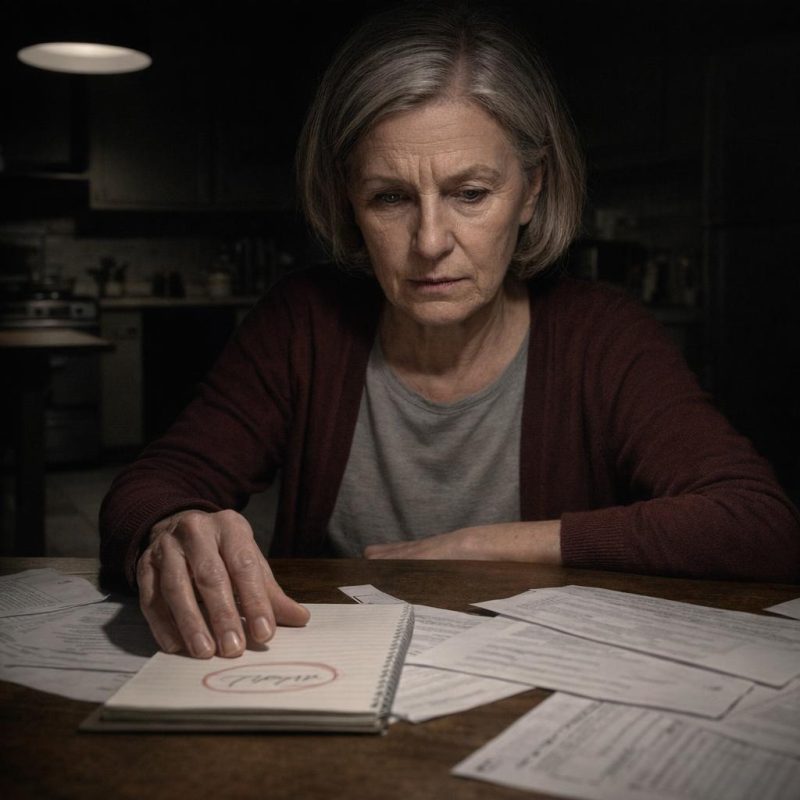 Image by RM AI
Questions About David's Death
David had a heart attack on a Tuesday morning in October. He was fifty-one years old. He'd had a physical eight months before and the doctor said everything looked fine — blood pressure normal, cholesterol manageable, no flags. We weren't worried about his heart. I wasn't worried about anything except the usual things: the mortgage, Sophie's school fees, whether we'd have enough saved by the time she graduated. He was gone before the ambulance arrived. The death certificate said natural causes, and I never questioned it. Why would I? People die. Hearts stop. I had a fifteen-year-old daughter and a funeral to arrange and I didn't have the space to question anything. But sitting at that kitchen table with his letter in front of me, I kept coming back to the timing. He'd been looking into my family's finances. He'd written something down, sealed it in an envelope, left it with an attorney. And then he died. I told myself I was doing what grieving people do — finding patterns in coincidence, building meaning out of loss. I told myself that. I just couldn't quite make myself believe it, and I didn't know which frightened me more: that I might be right, or that I might never know.
 Image by RM AI
Finding Walter Chen
It took me two weeks to track down Walter Chen. His name appeared on some older account correspondence I found in a box of my parents' papers — a letter from the bank, countersigned by a branch manager. I called the bank first and was told he'd retired several years ago. A former colleague gave me a number. Walter answered on the third ring, cautious but not unkind, and when I explained who I was and what I was trying to understand, he went quiet for a moment and then said he could meet me Thursday. We sat across from each other at a corner table in a coffee shop near his apartment. He was in his early seventies, silver-rimmed glasses, a worn leather briefcase he set on the floor beside his chair. He chose his words carefully, reminding me twice that there were limits to what he could share about accounts he'd managed. I told him I understood. I asked about the general structure of my parents' finances, the accounts he'd been aware of, whether anything had seemed unusual to him. He nodded slowly, like he'd been waiting for someone to ask. Then I mentioned the name from David's notepad. The moment I said Gerald Hutchins, Walter's hands went still on the table and the color shifted in his face.
 Image by RM AI
The Secret Account
Walter didn't speak for a moment after I said the name. Then he picked up his coffee cup, set it back down without drinking, and looked at me steadily. He said he'd been uncomfortable with certain arrangements for years and that he'd told himself it wasn't his place to interfere. He described a separate account he'd helped manage — not the main family accounts, but a secondary one, set up with its own instructions. Regular transfers had gone into it, quarterly, for years. Substantial amounts. He said the account had a specific directive attached to it, something he'd been told came from legal counsel. He paused there, and I asked him what the directive said. He looked at the table. The instruction, he told me, was that the account's existence was not to be discussed with me. Not with any of the other children — specifically with me. He said my name appeared in the instruction. He'd questioned it once, early on, and been told it was a legal matter, that there were reasons, that he should simply follow the paperwork. He'd retired a few years later, and he said he'd thought about that account more than once since. I didn't say anything for a while. Outside the coffee shop window, people moved past on the sidewalk, unhurried, ordinary. My name, written into an instruction telling people to keep something from me.
 Image by RM AI
The Paper Trail
Walter reached into his briefcase and pulled out a small notebook. He said he'd kept personal notes during his years at the bank — not official records, just his own habit of writing things down. He'd looked through them after I called. He wrote out two account numbers on a paper napkin, along with the name of the bank and the branch. The transfers had started, he said, about five months after David died. Quarterly after that, without exception, for more than a decade. The amounts varied — sometimes modest, sometimes considerably larger — but they never stopped. He slid the napkin across to me. I asked if he knew where the money had come from, who had authorized the transfers. He said the instructions had always come through Gerald Hutchins's office. He didn't know more than that. Then he set his pen down and said he was sorry. He said he should have asked more questions at the time, that he'd told himself the arrangement was above his level and moved on, and that he'd regretted it. I told him I was grateful he'd agreed to meet me at all. I folded the napkin carefully and put it in my bag. On the drive home I kept thinking about those dates — quarterly, for more than a decade, starting five months after I buried my husband. The list of transfers sat in my bag like something with weight.
 Image by RM AI
Obtaining the Records
I called a lawyer the following week — someone a colleague had recommended, a woman who handled estate and financial disputes. I brought her the account numbers Walter had given me, the trust documents, and David's letter. She listened without interrupting, then told me what we were dealing with and what it would take. The bank's first response was a form letter citing privacy regulations and account holder protections. My lawyer sent back a formal request citing my standing as a potential beneficiary and requesting disclosure under applicable estate law. The bank came back with another refusal. She filed a legal motion. Three weeks passed. I went to work, came home, checked my email, and waited. There were two more exchanges of correspondence, each one slower than the last, each one requiring my lawyer to push harder. I paid her invoices and tried not to think about what the records might show. I tried not to think about what they might not show. Sophie called twice during those weeks and I kept my voice steady and told her things were moving along. Then on a Wednesday evening, while I was eating dinner alone at the kitchen table, my phone showed a new email from my lawyer's office. The records were ready for pickup.
 Image by RM AI
The Night Before
I didn't sleep. I tried — I lay down around eleven, turned the light off, listened to the house settle — but my mind kept moving through everything I'd gathered over the past months. David's letter. Walter's notebook. The account numbers on a paper napkin. The instruction with my name written into it. Sophie called just after nine that evening, before I'd even attempted bed. She asked how I was doing and I told her the truth, that I was nervous. She said she could drive up in the morning, that she'd come with me. I told her I needed to do this part alone, and she was quiet for a moment before she said she understood, that she'd be by her phone all day. After we hung up I sat in the kitchen with a cup of tea I didn't drink, going over the sequence of things in my head, trying to prepare myself for whatever the documents would say. I thought about what it would mean if the records confirmed what I suspected. I thought about what it would mean if they didn't. Around four in the morning I gave up on sleep entirely and moved to the chair by the window. The sky outside was still dark, and I sat there while the darkness thinned and the first pale light came through the glass.
 Image by RM AI
The Account Kept For Her
The bank gave me a private room — a small table, two chairs, a stack of folders. I sat down alone and opened the first one. The account had been established decades ago, not recently, not around the time of David's death. The name on the originating documents wasn't my parents'. It was my grandparents'. I turned the pages slowly. The account had been designated from the beginning with a specific beneficiary: me. My full name, typed on the original trust instrument. My grandparents had set it aside for my security — that was the language used, for her security and future stability. My parents had been named as custodians, and over the years they had added to it regularly, the deposits steady and patient alongside the original principal. The balance on the most recent statement was more than I could absorb in a single reading. I set the page down and picked it up again. I went through every document in the folder twice. Nothing in any of it explained why I hadn't been told. Nothing explained the instruction Walter had described, the one with my name written into it, telling people not to speak to me about its existence. The account had been built for me, tended for me, grown for me — and I had spent twelve years working double shifts and borrowing against my house, never knowing it was there. I sat in that small room with the documents spread in front of me, and the silence held everything I didn't yet understand.
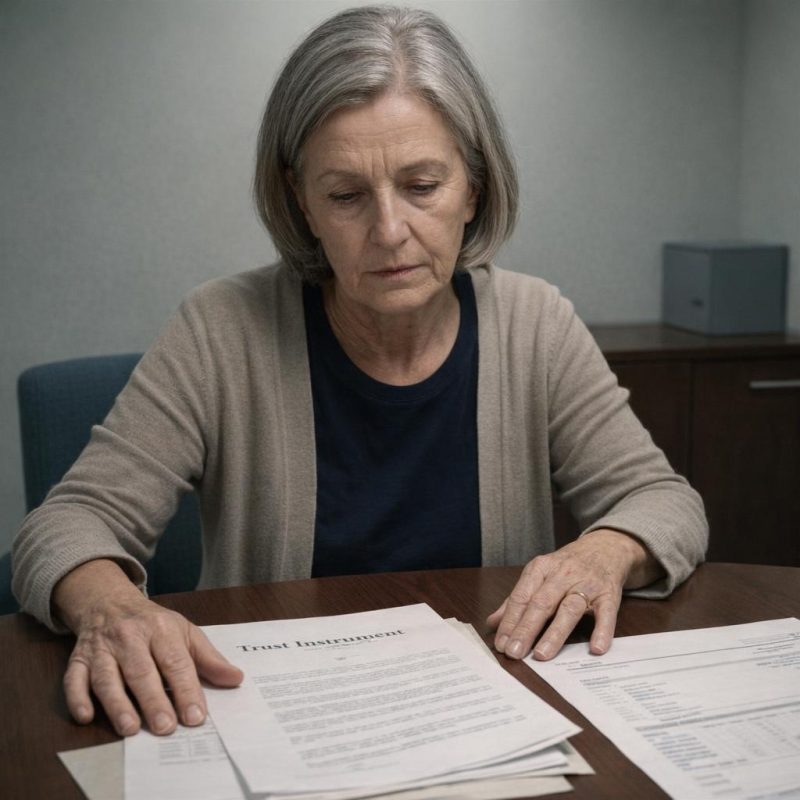 Image by RM AI
The Inheritance Meant for Me
I went through the documents a second time, slower. The account had been opened in 1985 — I was in my early twenties then, just starting out. My grandparents had signed the originating papers themselves, and the stated purpose was written in plain language: to ensure my financial security and future stability. Not a gift. Not a gesture. A deliberate provision, built for me. My parents had made quarterly deposits for thirty years without missing a single one. The balance on the most recent statement was over eight hundred thousand dollars. I had to read that number three times before it stopped looking like a misprint. I turned to the next page, and the next, looking for something that would explain the silence — some legal complication, some dispute, some reason. I found nothing like that. What I found instead was a single notation near the back of the folder, typed in the same formal language as the rest of the documents: the funds were to be released upon the beneficiary reaching age sixty, or upon documented emergency, whichever came first.
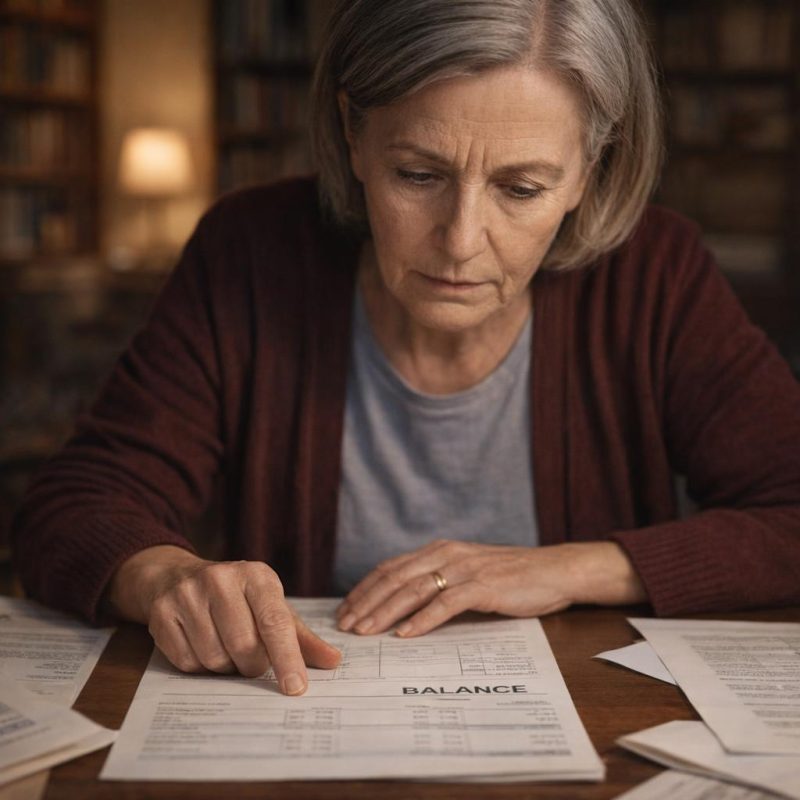 Image by RM AI
Confronting Father
I drove to my parents' house without calling first. I didn't trust myself to stay calm on the phone, and I needed to see my father's face. Robert answered the door before I even knocked — he must have heard the car. He looked older than I remembered, stooped in a way that hadn't been there at Christmas, and when he saw the folder in my hands his expression shifted into something I couldn't name. I stepped inside without being invited. Margaret appeared in the doorway to the kitchen, wiping her hands on a dish towel, and she went very still when she saw me. I set the copies on the dining room table and spread them out. I told my father I had been to the bank. I told him I had seen the account, the deposits, the release conditions. His hands shook as he picked up the first page. I asked him directly — why had I never been told? Why had the money never been released? I had faced emergencies that qualified. I had struggled for twelve years after David died. I had worked double shifts and gone without so Sophie could have what she needed. He looked at the papers for a long time. Then he looked up at me and said he had been trying to protect me. His voice was barely above a whisper, and his face had collapsed into something that looked like grief — but his answer made no sense at all.
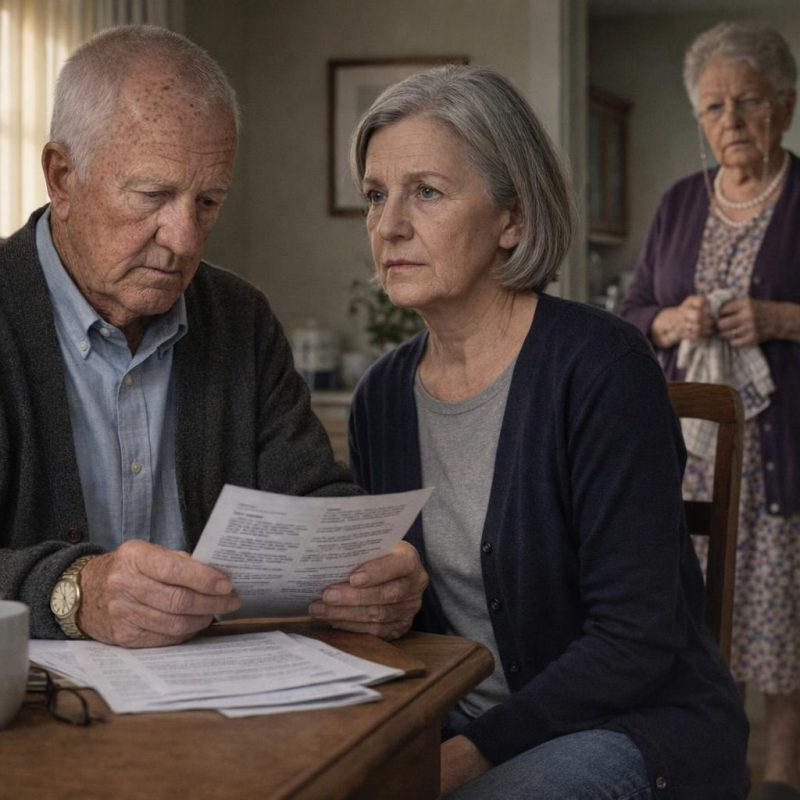 Image by RM AI
The Attorney's Warnings
My father sat down heavily at the table, like his legs had simply decided they were done. Margaret came and stood beside him, one hand resting on his shoulder, and neither of them spoke for a moment. Then Robert started talking. He told me about Gerald Hutchins — their attorney for forty years, the man who had helped establish the inheritance account in the first place. Gerald had been the one to explain the tax implications, the legal structures, the risks. Years ago, when I was still young, Gerald had warned them that releasing the funds too early could trigger complications — estate tax exposure, he'd said, creditor claims if I ever faced financial hardship. He told them the safest thing was to leave the money untouched and let him manage the arrangements. Robert said they had believed him completely. He was their attorney. He had handled everything for decades. Margaret nodded slowly beside him, confirming each piece as he said it. Gerald had told them that even mentioning the account to me could create legal vulnerability — that silence was the protective measure, not cruelty. My father's voice broke once, near the end. He said they had thought they were doing the right thing every single year. I sat across from him and watched the weight of thirty years settle across his shoulders, and I didn't have words for what I felt sitting in that room with him.
 Image by RM AI
The Control Gerald Gained
Robert kept talking, and the more he said, the colder I felt. After David died, Gerald had suggested creating a broader family trust — for protection, he'd said, for efficiency. He offered to manage several accounts together to get better returns. My parents had signed documents they admitted they hadn't fully read, because Gerald always had an explanation ready and they trusted him the way you trust someone who has never given you a reason not to. He had discouraged them from discussing finances with Mark or Denise, telling them it would only create jealousy and hurt feelings among the siblings. He said transparency in family money matters caused more damage than it prevented. Robert said it gradually became easier to let Gerald handle things than to try to understand the arrangements themselves. They had become dependent on his guidance in a way that crept up on them slowly, year by year. Margaret said she sometimes asked questions and Gerald would answer with so much technical language that she stopped asking. I listened to all of it, and something in my chest was pulling tight. Then my father mentioned, almost as an aside, that over the years Gerald had gained signature authority on multiple family accounts — not just the inheritance, but others as well.
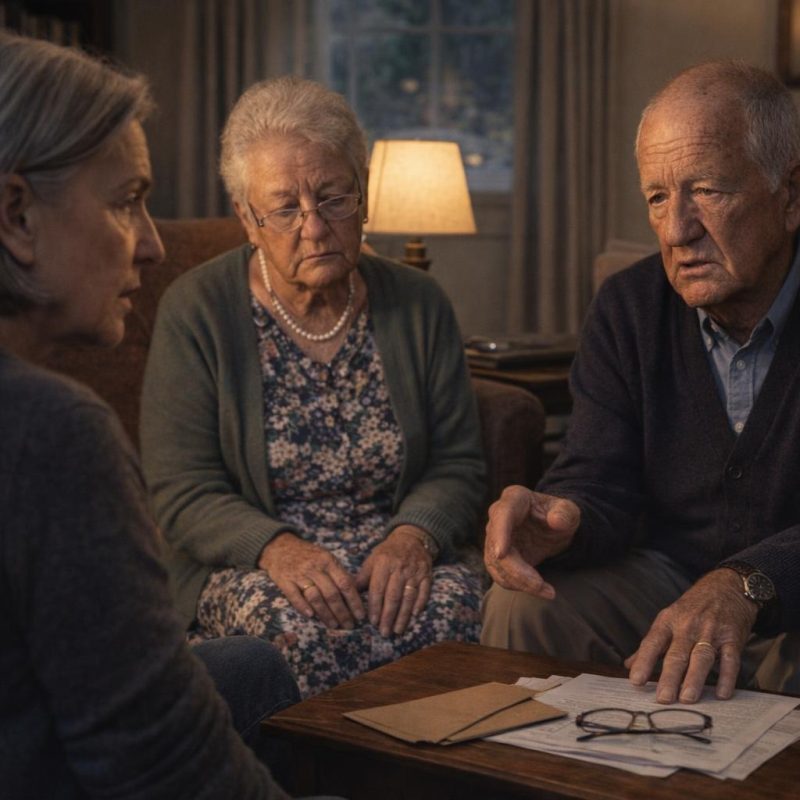 Image by RM AI
The Web of Lies
I asked my father to bring me every document Gerald had ever prepared. Robert disappeared into his study and came back with two cardboard boxes, the kind that hold hanging files. We spread everything across the dining room table. The trust documents listed Gerald as primary administrator with broad discretionary authority. The account statements showed transfers I couldn't account for — fees labeled with vague descriptions, withdrawals routed to accounts I didn't recognize. Then I found a separate folder near the bottom of the second box. It held Gerald's own notes — handwritten, organized by family member. There were pages for Robert and Margaret, pages for Mark, pages for Denise. Each set outlined a different explanation for the family's financial arrangements. The notes for Mark and Denise said that Elaine had received substantial assistance from the family over the years, kept quiet to avoid friction. The notes for Robert and Margaret said that discussing the inheritance with me would cause emotional harm and undermine my independence. Every explanation pointed away from Gerald and toward someone else in the family. The account statements told the rest of the story — his fees had climbed steadily over thirty years, and the transfers to his accounts added up to hundreds of thousands of dollars. And tucked into the back of that folder were pages of notes in his handwriting that mapped out, in plain language, exactly which story each family member had been told to keep us from ever comparing notes with each other.
 Image by RM AI
What Mark and Denise Believed
I called Mark from my parents' kitchen. He picked up on the second ring and I asked him, as calmly as I could manage, what Gerald had told him about my finances over the years. There was a pause. He said he didn't know what I meant. I told him to think carefully. Another pause, longer this time, and then he said Gerald had mentioned — more than once — that I had received help from our parents that the rest of them hadn't. That it was kept quiet to avoid making anyone feel bad. Mark said he had believed it. He said it explained things he'd wondered about. I asked him to stay on the line and called Denise on a second phone. When she picked up I put them both on speaker. Denise confirmed the same story almost word for word — Gerald had told her I'd received money for medical bills after David died, and that our parents had quietly covered Sophie's college costs. She said she had felt the sting of it for years, the sense that I was the one they worried about most. Both of them had carried that for decades. I told them none of it was true. The silence that followed was long and strange. Then Mark said he had always assumed our parents had given me money for Sophie's college.
 Image by RM AI
The Years of Manufactured Resentment
We stayed on the phone for a long time after that. Mark described feeling quietly pushed out of family financial conversations for years — he had assumed it was because decisions had already been made in my favor. Denise said she had felt guilty for resenting me, but she had resented me anyway, and hearing that out loud seemed to cost her something. I told them about the inheritance account — the one my grandparents had established for me, the one my parents had contributed to for thirty years, the one I had never known existed while I worked double shifts and borrowed against my house. I told them about the release conditions I had met and never been told about. I told them about Gerald's notes, the separate stories, the transfers. Mark went quiet in a way that felt different from his usual silences. Denise said she needed a minute and I heard her breathing change. Gerald had told each of us a version of the family that kept us at arm's length from each other — suspicious, resentful, careful. He had told us not to talk about money because it caused hurt feelings, and we had listened, and the years had passed. We had missed things we couldn't get back. When the three of us finally stopped talking, the quiet on the line held more weight than anything any of us had said.
 Image by RM AI
The Scope of the Theft
Two days later we all gathered at my parents' house — Robert and Margaret at the head of the dining room table, Mark and Denise on one side, me on the other, boxes of documents stacked between us. Mark brought his laptop and started building a spreadsheet while the rest of us sorted through statements and folders. Gerald's fees in the early years had been reasonable, the kind of thing you'd expect from a family attorney. Then they climbed. Slowly at first, then faster, always attached to explanations that sounded professional — administrative costs, management adjustments, restructuring fees. Unexplained transfers appeared across multiple accounts: the inheritance, the family trust, my parents' retirement accounts. Mark called out figures and I tracked them against the statements. Denise found a cluster of transfers from a single year that alone totaled more than I had earned in three years of double shifts. My mother sat with her hands folded in her lap and didn't speak. My father stared at the table. By the time Mark finished the spreadsheet, the total losses across thirty years came to just under six hundred thousand dollars. Nobody said anything for a while. We just sat there with the columns of numbers laid out in front of us, each line a year of our family's life quietly drained away.
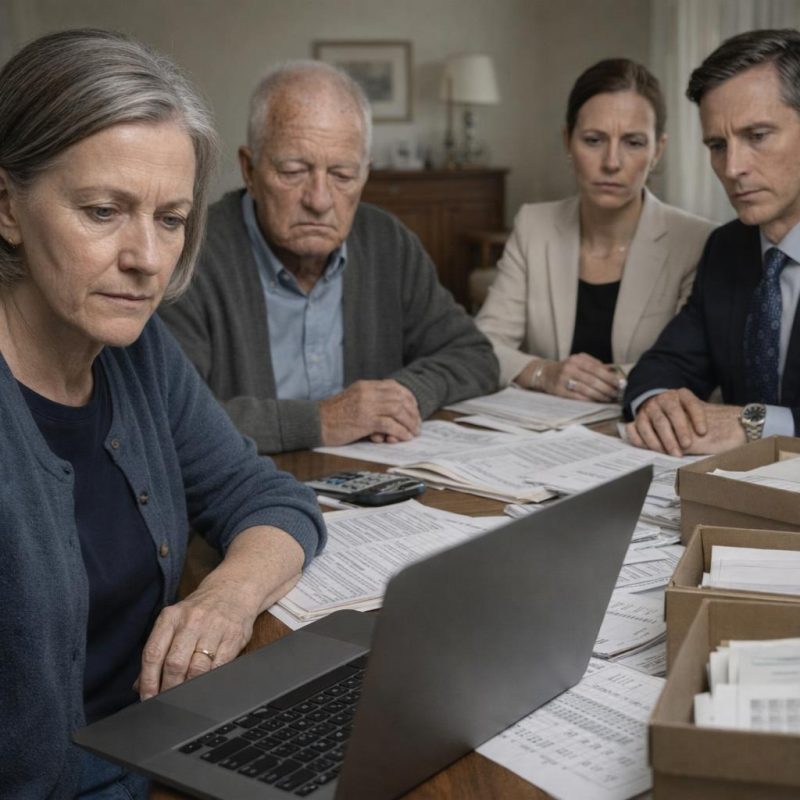 Image by RM AI
David's Investigation
After everyone left that night, I went to the closet shelf where I'd kept David's letter and the small notebook tucked behind it — the one I'd found in his desk drawer after the funeral and never fully understood. I'd read both so many times over the years that the paper had gone soft at the folds. But sitting down with them now, after everything we'd laid out on that table, felt completely different. David had written about Gerald in the notebook — not by name at first, just 'the attorney,' with question marks next to fee totals he'd pulled from my parents' statements. He'd asked to see those statements once, said something felt off, and my father had handed them over without much thought. David had written down dates, account numbers, transfer amounts. He'd circled one cluster of withdrawals and written 'why does he have this much discretion?' in the margin. I sat there with the notebook open across my knees, cross-referencing his handwriting against the spreadsheet Mark had built that afternoon — and the transfers David had circled twelve years ago were the same transfers we'd spent the day documenting.
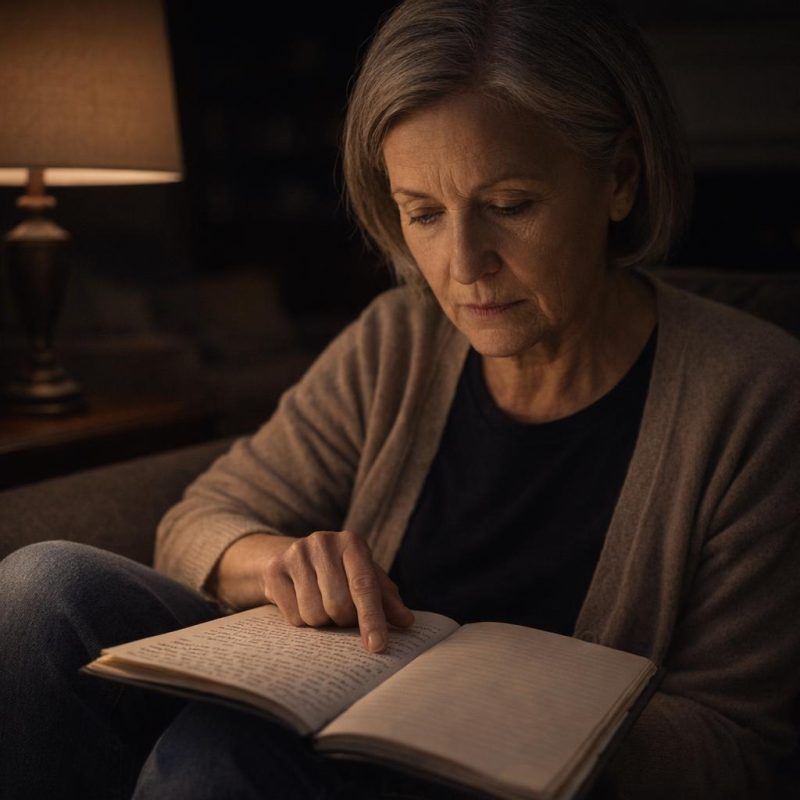 Image by RM AI
The Decision to Act
Sophie drove in the next morning and sat beside me at the dining room table while we waited for the attorney to arrive. She didn't say much — just squeezed my hand once and kept her eyes on the door. The attorney my mother's neighbor had recommended was a criminal defense lawyer who'd handled financial fraud cases for twenty years. He spread our documentation across the table, asked a few precise questions, and spent about forty minutes reading in near silence. When he finally looked up, he said the pattern was clear — systematic embezzlement, breach of fiduciary duty, and likely fraud across multiple accounts. He said the statute of limitations in our state covered most of the transfers, especially the more recent ones, and that the volume of documentation we had was unusually strong. He recommended filing a complaint with the state bar immediately, in parallel with a police report, so both investigations could run at the same time. My father nodded slowly. Mark asked about a civil suit and the attorney said that would come after the criminal process, but yes, it was viable. We all looked at each other around the table — my parents, my older brother, my younger sister, my daughter — and nobody argued. The attorney set down his pen and said we had a strong case for both criminal and civil action.
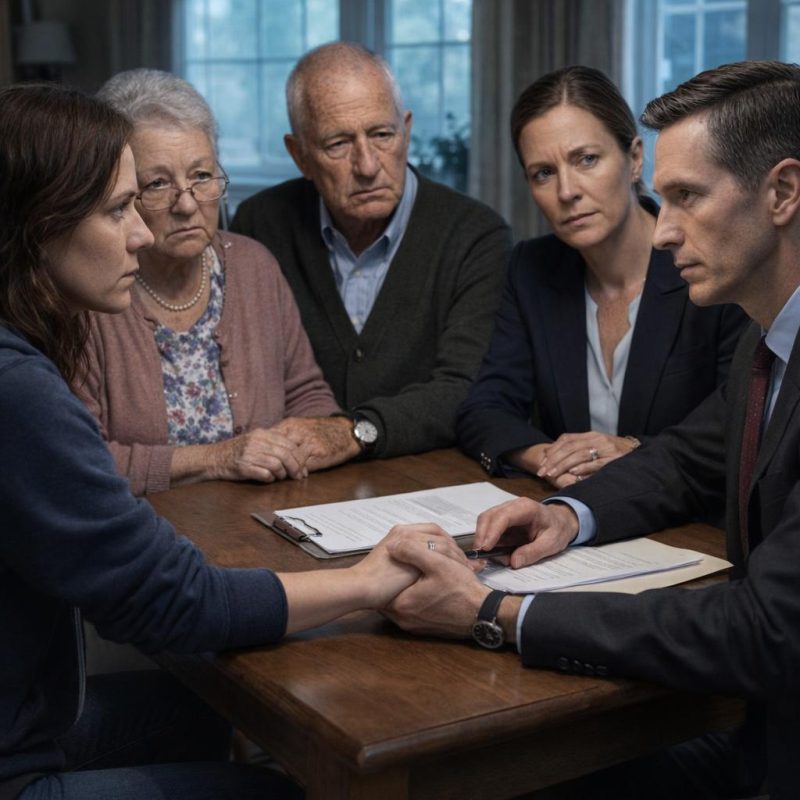 Image by RM AI
Filing the Complaints
My father barely spoke on the drive to the police station. He sat with his hands folded in his lap, staring at the road ahead, and I didn't push him. We met with a detective who specialized in financial crimes — a quiet, methodical woman who took notes by hand and asked my father to walk her through the relationship with Gerald from the beginning. He did, slowly, his voice steadier than I expected. She told us the case would be assigned for formal investigation and that we'd be contacted within two weeks. From there we drove across town to the state bar association office, where a bar investigator met us in a small conference room and accepted our complaint along with the full documentation packet the attorney had prepared. He explained that Gerald would be formally notified of the investigation and that the bar had its own parallel process independent of the criminal case. My father signed the last form and set the pen down on the table. He looked exhausted in a way that went beyond the afternoon — like something he'd been carrying for a very long time had finally been set down somewhere outside of him, and his body hadn't caught up yet. I drove home with the copies of everything filed neatly in a folder on the back seat, and the quiet in the car felt different from the quiet on the way there.
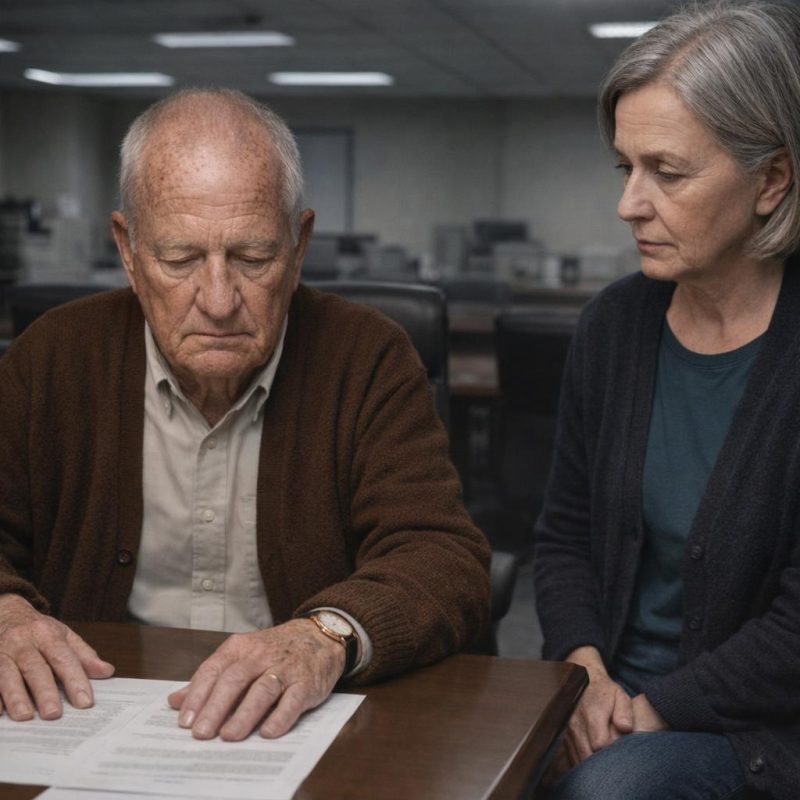 Image by RM AI
The Investigation Expands
The detective called about three weeks later and asked if she could meet with my parents and me together. We sat in the same small conference room at the station, and she laid out what the investigation had turned up so far. Gerald's client files, once subpoenaed, showed a pattern that went well beyond our family. She said they had identified at least six other families with similar structures — trusts and estate accounts where Gerald had held broad discretionary authority, and where fees and transfers had escalated in the same slow, methodical way over years and decades. The total embezzlement across all identified victims exceeded two million dollars. Some of those families had been clients of his for over forty years. She said the tactics were consistent: he created distance between family members, discouraged them from comparing notes with each other, and positioned himself as the sole reliable interpreter of their financial picture. My mother sat very still through all of it. My father asked once whether the other families knew yet, and the detective said notifications were going out, and that more victims were likely to come forward once the case became public. I drove home thinking about all those other dining room tables, all those other families who had spent years believing the numbers just didn't add up, never knowing why.
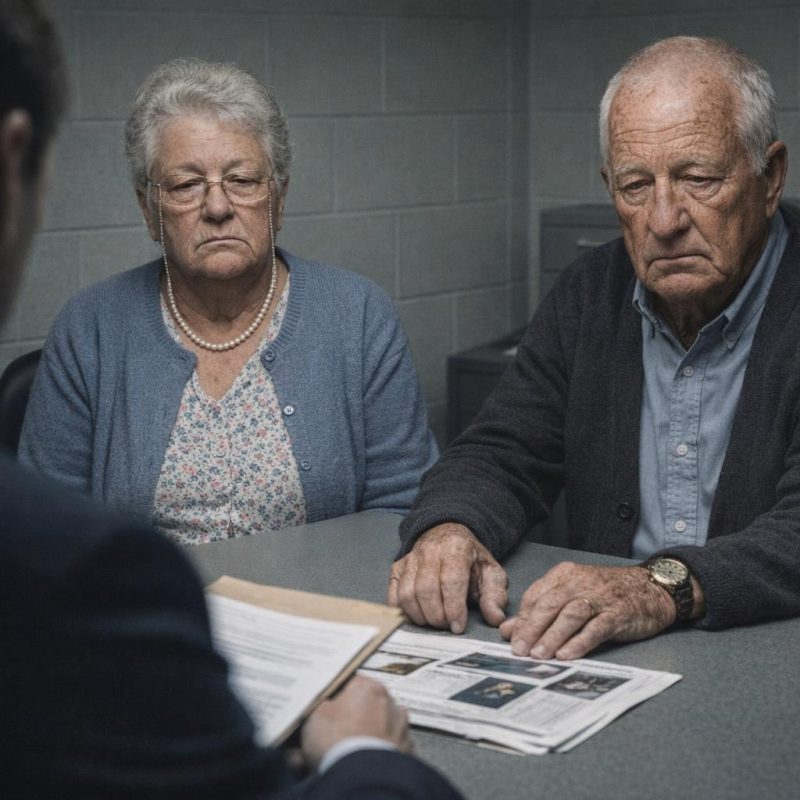 Image by RM AI
Gerald's Arrest
The news broke on a Tuesday morning. Sophie called me before I'd even had coffee, and by the time I got to my parents' house, Mark and Denise were already there. We sat in the living room with the television on, and within the hour a local news segment showed Gerald being led out of his law office in handcuffs. He was wearing a dark suit, the same kind he'd worn to every meeting I could remember, and he kept his chin down as the officers walked him to the car. The chyron listed twelve counts of embezzlement, plus additional charges of fraud and breach of fiduciary duty. Bail was set at five hundred thousand dollars. They cut to interviews with two other victims — older couples who spoke carefully into the camera about years of confusion and misplaced trust. My mother watched without speaking. My father reached over and took her hand. Mark said something under his breath that I didn't catch. Denise cried quietly into a tissue. Sophie sat close beside me on the couch, her shoulder against mine. None of us cheered. None of us said much of anything. The segment ended and the anchor moved on to the next story, and the television kept going, and we all just sat there in the living room with the image of Gerald in handcuffs still settling somewhere behind our eyes.
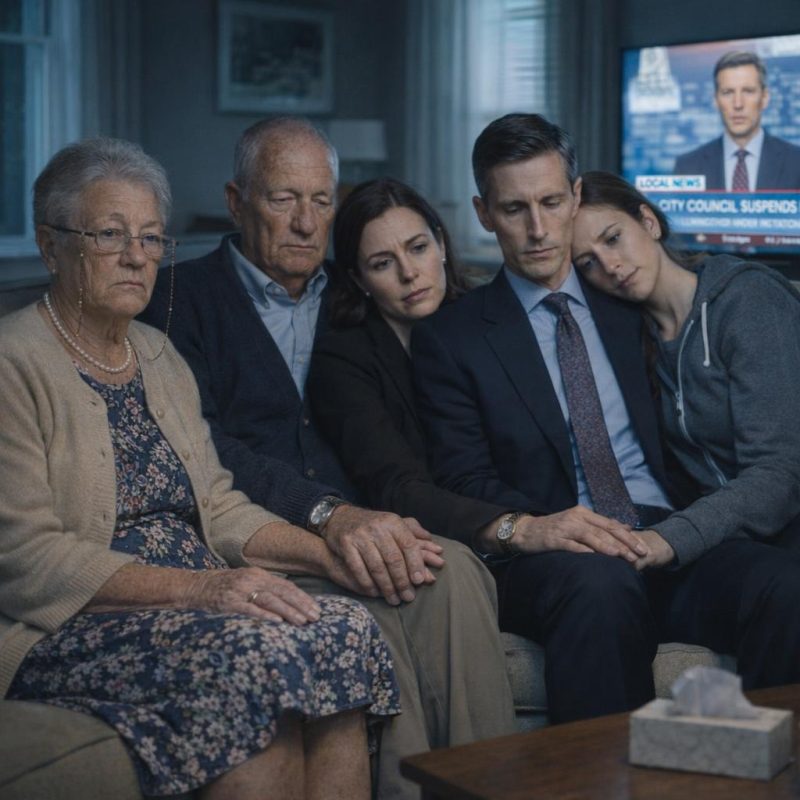 Image by RM AI
Recovering the Assets
The weeks that followed were full of paperwork and phone calls I hadn't anticipated. A forensic accountant assigned by the prosecution contacted us to walk through the tracing process — she explained that Gerald had moved money through a combination of offshore accounts, real estate purchases, and investment vehicles, layering it in ways that had taken her team considerable time to untangle. Mark sat in on most of those calls and kept a running document of every figure. My father asked the same question twice in one meeting, and I could see the accountant register it without comment and simply repeat the answer. Denise asked whether the civil suit would run alongside the criminal restitution or separately, and the accountant said that was a question for the attorney, but that the two processes could complement each other. Some of the money was gone — spent on renovations to a vacation property, on travel, on things that couldn't be clawed back. Prosecutors had obtained court orders to freeze his remaining assets. I was on a call with the accountant and the prosecutor's office together when the prosecutor said they had completed the asset trace and that the estimate had been finalized — approximately seventy percent of the total stolen amount across all accounts could be recovered and returned to the victims.
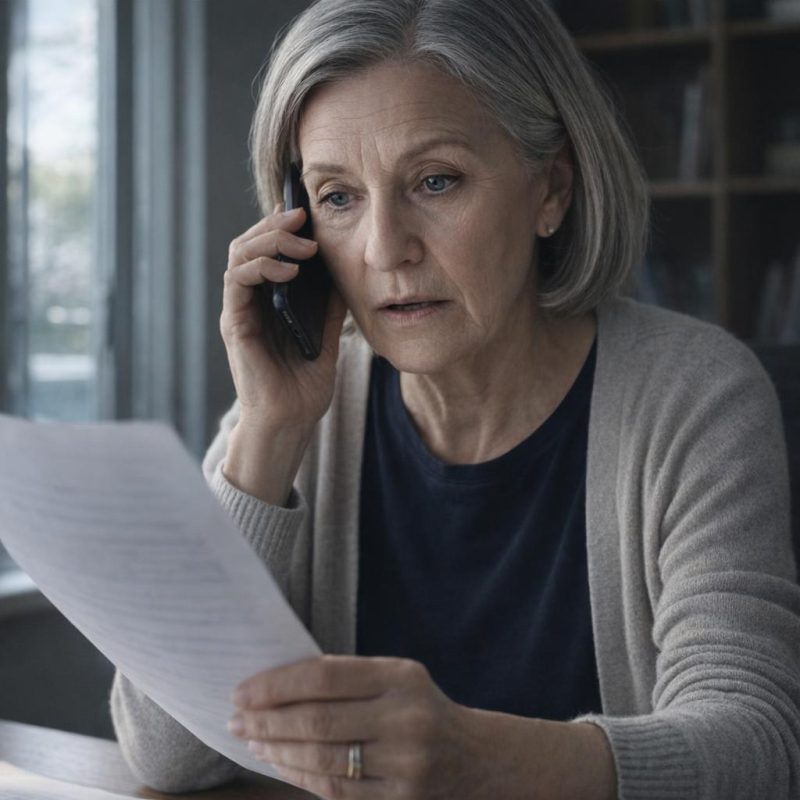 Image by RM AI
Gerald's Plea
We all drove to the courthouse together the morning of the plea hearing. The courtroom was fuller than I expected — rows of people I didn't know, other families who had made the same drive for the same reason. Gerald stood at the front in a gray suit, his silver hair combed back the same way it always had been, and pleaded guilty to all charges. The judge accepted the plea and sentenced him to twelve years, with full restitution ordered for all identified victims. Then Gerald turned slightly toward the room and read a brief statement from a folded piece of paper. He said he understood the harm he had caused. He said he was deeply sorry. He said he hoped the families could find peace. Sophie reached over and took my hand. My mother sat perfectly straight beside my father, her face unreadable. Mark stared at the floor. Denise pressed her lips together. The words were the right words in the right order, and they landed in the room and dissolved without leaving anything behind. The judge called his actions a profound betrayal of trust and reminded the court that no sentence could fully restore what had been taken. Gerald folded his paper, and his voice came through flat and even as he said he was sorry — and I sat there holding Sophie's hand, knowing that those words, however many times he said them, would never be the right size for what they were supposed to cover.
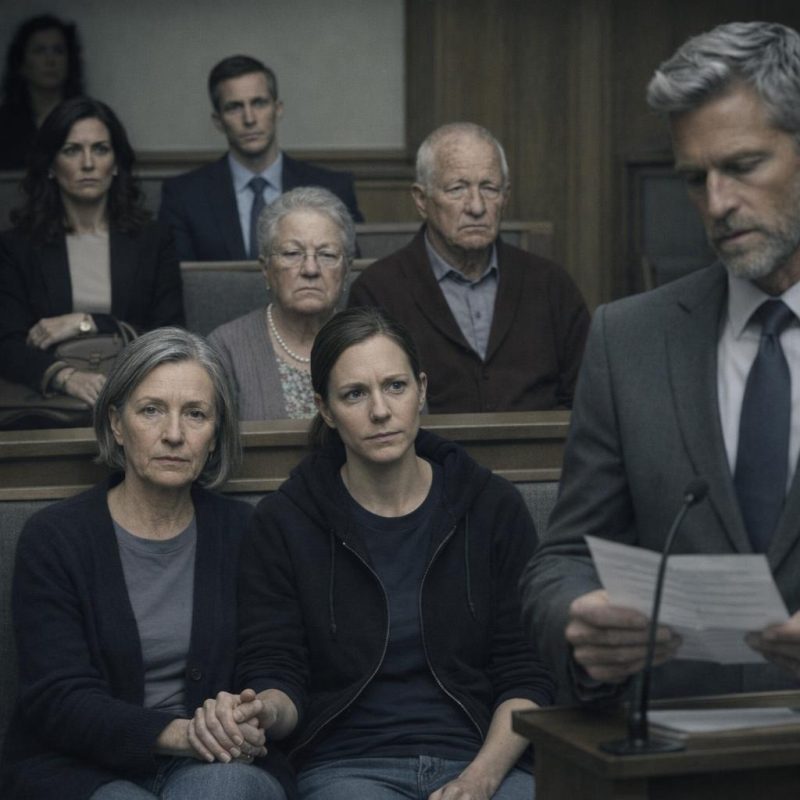 Image by RM AI
The Inheritance Released
Sophie drove me to the bank two weeks after the sentencing. The court order had come through, and the account — the one my grandparents had set up decades ago, the one Gerald had managed and manipulated and slowly drained while still leaving enough to avoid suspicion — was being transferred into my name. A bank representative walked us through the paperwork at a small desk near the back of the branch. Sophie sat beside me and didn't say anything, just kept her hand near mine on the table. I signed where they indicated. The representative typed for a moment, then slid a printed statement across the desk. The balance was eight hundred and forty-three thousand dollars, with a note that additional recovered funds would be distributed in a later disbursement. I sat with that number for a moment. I thought about the surgery I'd put off for two years because I couldn't afford the recovery time. I thought about the mortgage I'd refinanced twice. I thought about David, who had noticed something was wrong before anyone else and hadn't lived long enough to see it proven. Sophie asked if I was okay and I told her I didn't know yet. Then I picked up the statement and looked at the top of the page, where my name sat alone in the account holder field.
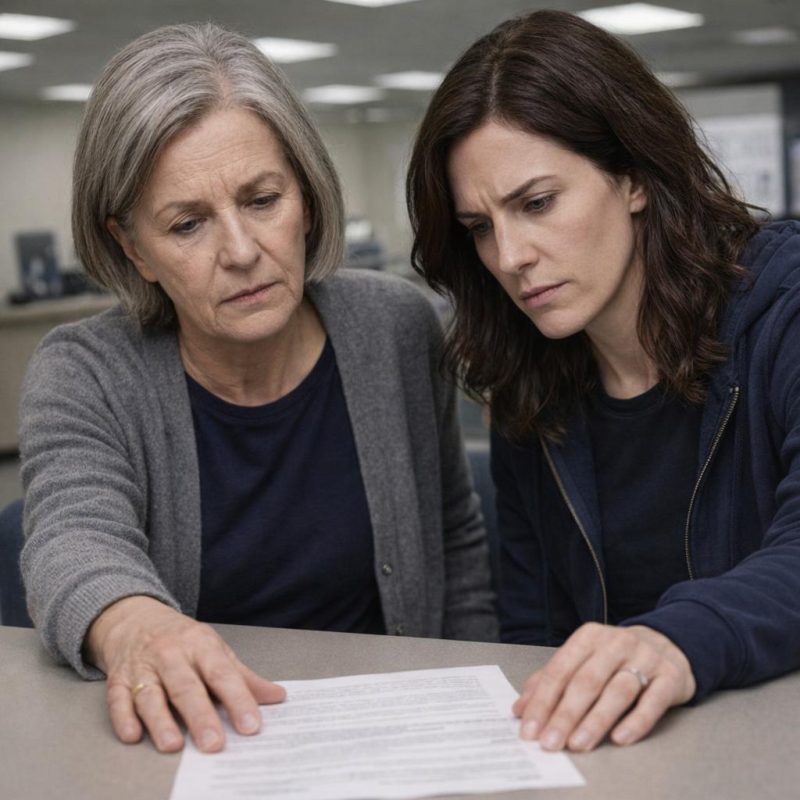 Image by RM AI
The Difficult Conversations
We gathered at my parents' house on a Sunday in late October, about six weeks after the sentencing. Nobody called it a family meeting out loud, but that's what it was. Sophie sat beside me on the couch. Mark and Denise took chairs across the room. My mother and father sat together at the small table near the window, the way they always had, though nothing about that evening felt the way things always had. We ate first, because that's what our family does — we feed people before we ask hard things of them. Then the plates were cleared and nobody moved to leave, and the silence stretched long enough that Mark finally said he owed me an apology. He said it stiffly, like the words had been rehearsed but still didn't fit right in his mouth. He admitted he'd resented me for years — resented what he called my stubbornness, my refusal to ask for help — without ever stopping to ask why I might have needed it. Denise said she'd known something was wrong and had told herself it wasn't her place. Sophie didn't say much, but her jaw was tight the whole time. My mother talked about trusting Gerald the way you trust a doctor — completely, without question. Then my father set down his coffee cup, looked at the table, and said he'd had doubts about Gerald more than once but had been too afraid to say anything out loud.
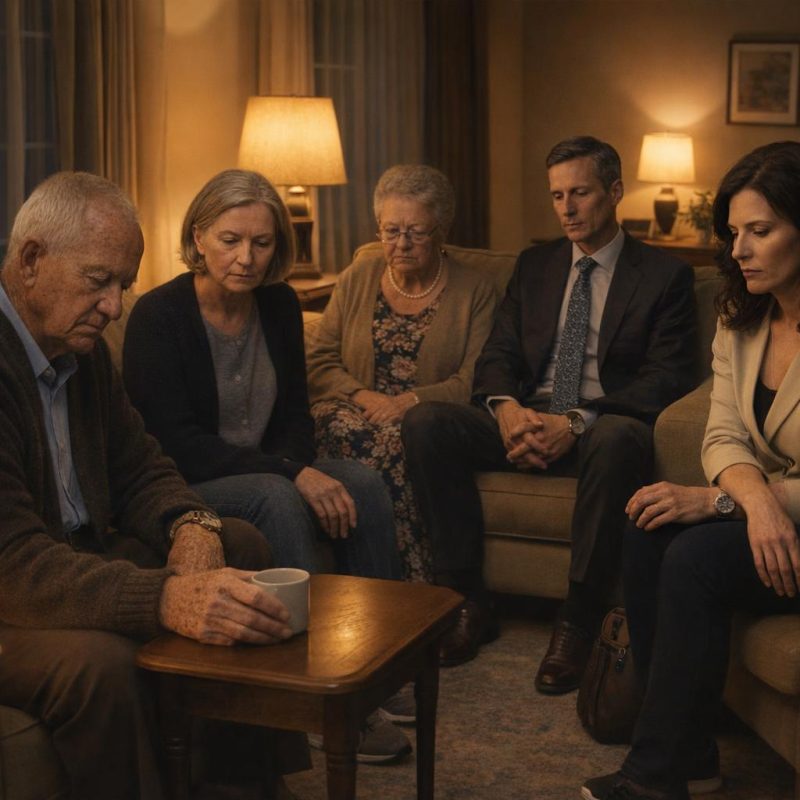 Image by RM AI
Forgiveness and Its Limits
Sophie and I talked about it a few days later, sitting at my kitchen table with the kind of quiet that only comes after everything has already been said once. I told her I'd been turning the word forgiveness over in my mind like a stone, trying to find the right side of it. She asked me what I was actually forgiving them for — my parents, Mark, Denise — and I had to think about that for a long time before I answered. I told her I understood now that my parents had been deceived, that Gerald had worked on them for decades, that they hadn't withheld money out of cruelty. I even understood that Mark's resentment and Denise's silence had come from their own confusion and shame. But understanding something and being unhurt by it aren't the same thing. The surgery I'd delayed had left permanent nerve damage in my left hand. Sophie had worked two jobs through college because I couldn't cover her tuition. Those weren't abstractions. Those were years. I told her I thought I could forgive them — genuinely, not as a performance — but that some things between us would always be different now, shaped by what had happened whether I wanted them to be or not. She nodded slowly and didn't try to talk me out of it. The gap between forgiveness and healing sat between us, quiet and real.
 Image by RM AI
Building Something New
The idea for the fund came to me about three months after the settlement, when Walter mentioned that several other families from Gerald's client list were still trying to navigate the legal process without resources. I'd been thinking about what to do with the money in a way that felt like more than just spending it — more than just correcting the ledger of my own life. Sophie helped me work through the legal structure over several weekends, spreading paperwork across my dining room table the same way she used to spread her homework there as a teenager. We named it simply, after the purpose rather than after anyone. My parents contributed a portion of their own recovered funds without being asked. The first round of grants went to four families from Gerald's victim list — people who needed legal fees covered, or time to recover, or simply someone to tell them they hadn't been foolish for trusting a professional. I started having dinner with my parents again on Sundays. Mark came occasionally. Denise more often. The conversations were careful at first, then gradually less so. The relationships weren't what they'd been before all of this — but then, what they'd been before had been built on a foundation none of us had known was hollow. Something quieter and more honest had taken its place, and I found I could sit with that.
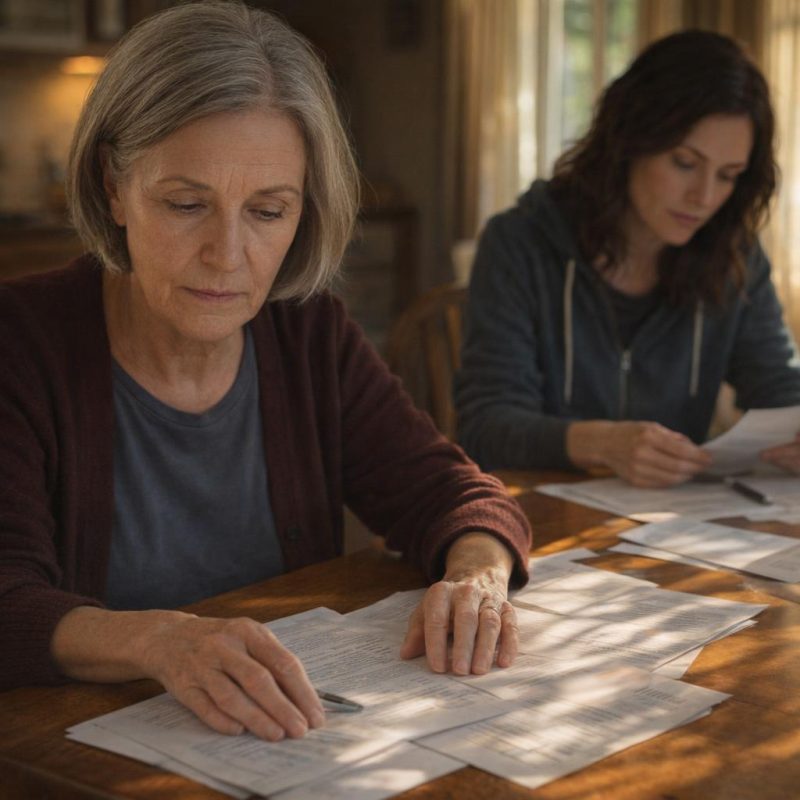 Image by RM AI
The Letter David Left Behind
I was packing up the last of the storage boxes when Sophie found it. I'd been moving to a smaller apartment — not out of necessity anymore, but because the old place had too many rooms I'd stopped using. There was a box I'd carried through three moves without ever fully opening, one of David's boxes from the year he died. Sophie lifted out a stack of folders and there, tucked flat against the bottom, was a sealed envelope with my name on it in his handwriting. The date on the back was the day before his heart attack. My hands weren't steady when I opened it. David wrote that he'd been going through my grandparents' account statements — the ones he'd quietly requested from Gerald's office under the pretense of updating their estate plan — and that what he'd found had made him confront Gerald directly. He wrote that Gerald had told him, calmly, that if David reported anything, he would make sure the family believed David had been the one mismanaging the accounts. David said he needed more documentation before he came to me. He said he was sorry for not telling me sooner. The last lines said he loved me and that he was going to fix it. Sophie was sitting on the floor beside me, not speaking. The letter was dated the morning of October fourteenth. His heart attack came the next day.
 Image by RM AI