
I Took a Gig Job Cleaning Out an Attic—I Didn't Know It Belonged to the Boss Who Destroyed My Life Until I Found His Secret
I Took a Gig Job Cleaning Out an Attic—I Didn't Know It Belonged to the Boss Who Destroyed My Life Until I Found His Secret
The Glass-Walled Office
I'd been at Miller & Associates for nine years when Julian called me into his office on a Tuesday afternoon in March. Nine years of quarterly reviews that landed in the top tier, nine years of staying late when the numbers needed to balance, nine years of believing that competence was its own kind of armor. His assistant waved me through without the usual small talk, which I registered somewhere in the back of my mind but didn't think much of. Julian was standing at the window when I walked in, which was unusual — he was a desk man, a throne-and-scepter type — but I assumed he was working through something strategic and needed the skyline to think. He turned, gestured to the chair across from his desk, and sat down with the measured weight of someone carrying difficult news. He said there were financial discrepancies in the contingency fund. He said the audit committee had flagged irregularities. He used the word irregularities three times before he used the word missing, and then he said forty thousand dollars, and then he said my name, and the room went very quiet. Not the ordinary quiet of a closed-door meeting. Something heavier than that — the kind of silence that doesn't leave when the sound comes back.
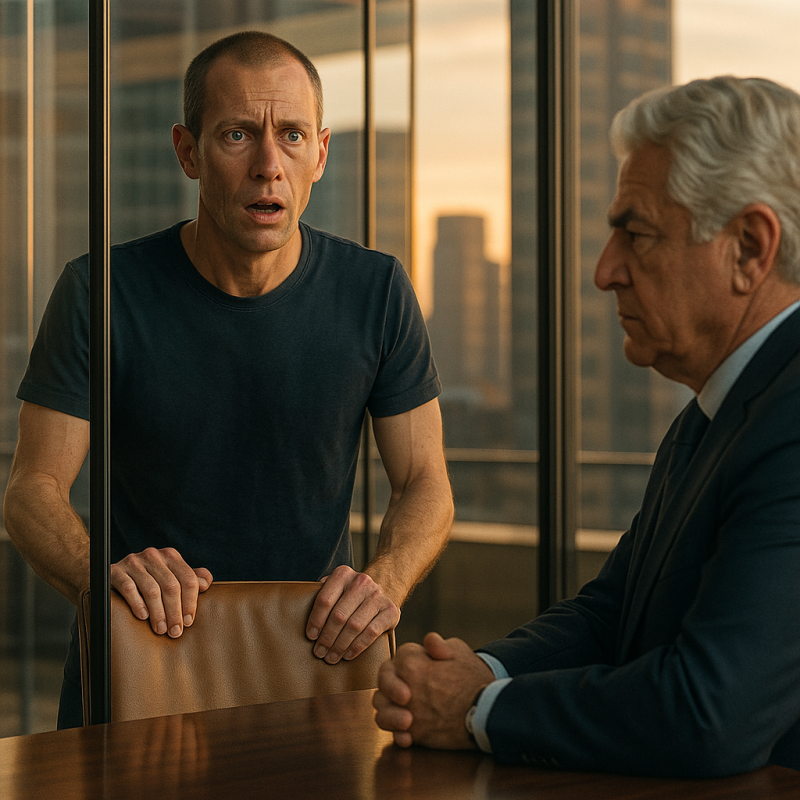 Image by RM AI
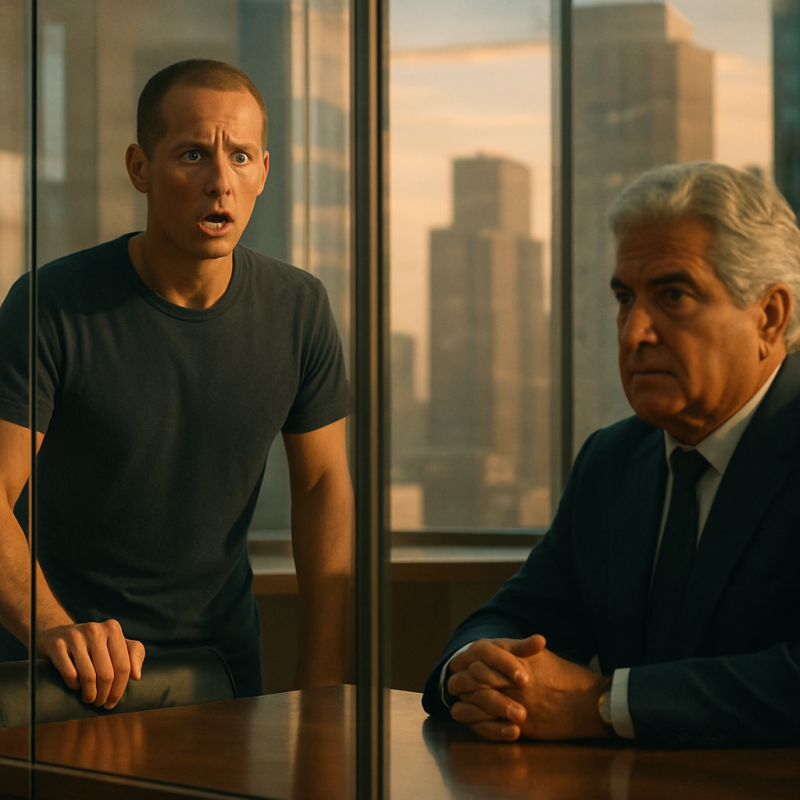 Image by RM AI
The Digital Trail
I asked him to repeat himself, which was a stupid thing to do because I had heard every word perfectly. Julian didn't repeat himself. Instead, he turned his monitor around so it faced me across the desk, and I leaned forward because that's what you do when someone shows you something — you look at it. The screen showed an audit trail, rows of transaction records formatted in the clean, indifferent typography of enterprise software. My employee ID was in the left column. My workstation's IP address was in the next. The timestamps ran across the right side of the screen in a neat column: 11:47 PM, 12:03 AM, 12:31 AM. Three separate sessions. Three separate transfers. I told him there was an error in the system, that someone had made a mistake, that I had never accessed those accounts after hours in my life. Julian's expression didn't shift. He said the IT department had already reviewed the logs and found them consistent. I said I wanted to see the raw server records, the full chain of custody, anything that could show where the actual access had originated. He said that could be arranged through proper channels. I looked back at the screen. There was my username, sitting in the timestamp column like it had always belonged there.
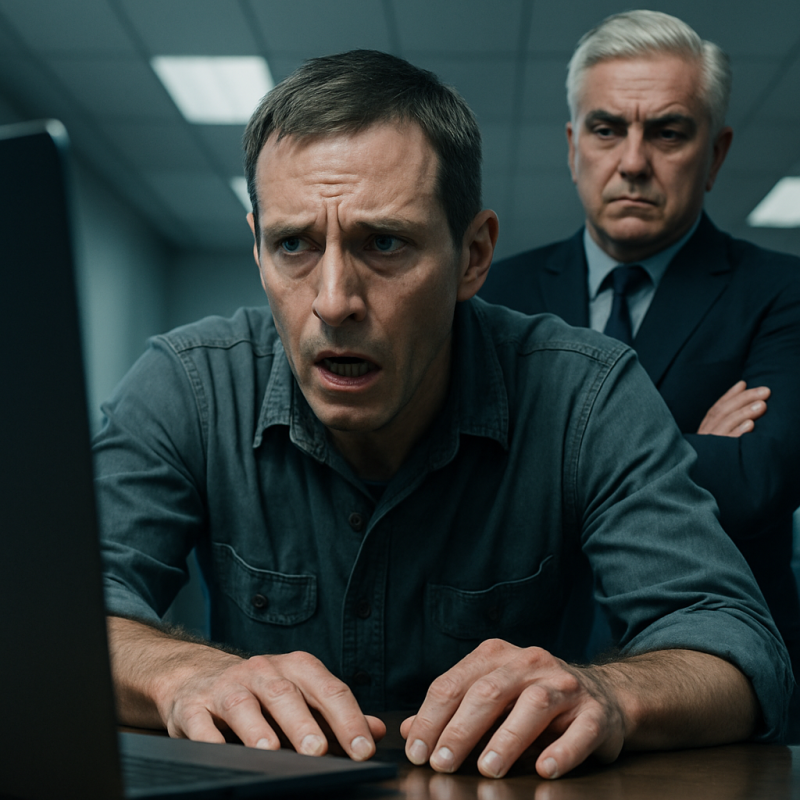 Image by RM AI
 Image by RM AI
The Impossible Defense
I told him I'd been home sick that week — a bad flu, the kind that keeps you horizontal for three days. I had pharmacy receipts, a telehealth appointment on record, texts to my team lead explaining I'd be out. Julian listened with his hands folded on the desk and said that remote access was possible from any network. I told him my home computer had been at the repair shop that entire week — a hard drive issue, I had the work order — which meant I had no device capable of accessing the company's VPN. He said the IT department had already verified the logs as internally consistent and that the board had been notified. I asked for time. I said I could pull the repair shop invoice, the telehealth record, my pharmacy history, my phone's location data — anything. Julian said the decision had already been escalated and that further investigation would proceed through the appropriate legal and HR channels. He said it with the tone of someone reading from a document they had already signed. I sat there trying to construct a sentence that would make the data wrong, that would introduce enough doubt to pause whatever machinery had already started moving. There was no such sentence. The numbers on that screen didn't care what I remembered about that week.
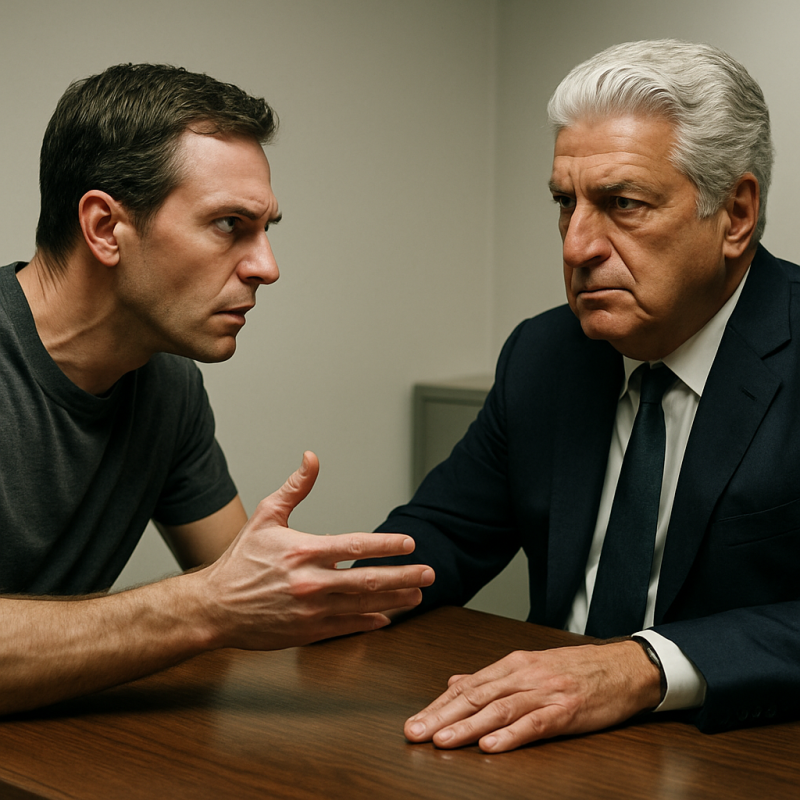 Image by RM AI
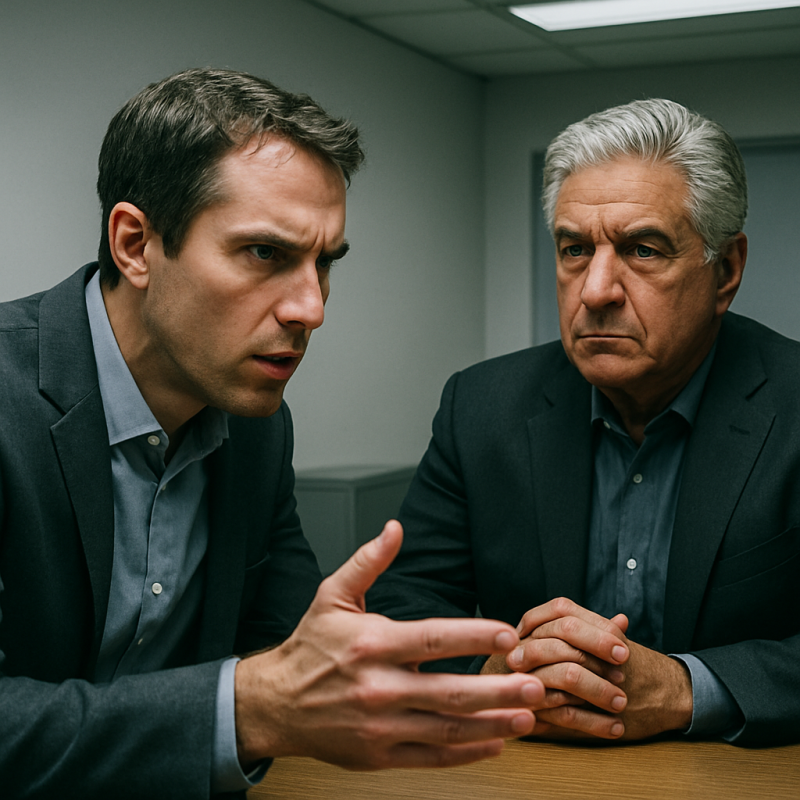 Image by RM AI
The Walk of Shame
The security officer appeared at the office door before Julian had finished speaking — which, looking back, told me something about the timing of all of it, though I couldn't have articulated what. I was told to surrender my access card and my keys immediately, right there, in front of Julian's desk. I set them on the corner of the desk like I was leaving a tip. The walk across the office floor took maybe two and a half minutes. I know because I counted my steps without meaning to, the way your brain reaches for something measurable when everything else has gone abstract. People looked up. Of course they looked up — a security escort through an open floor plan is not a subtle event. But no one said anything. Not a word, not a gesture, not even the small mercy of looking away quickly. My personal items, I was told, would be boxed and mailed within five business days. I wasn't permitted to stop at my desk. The elevator doors closed and I watched the floor numbers descend, and then the lobby doors opened onto the afternoon light, and I was standing on the sidewalk in the middle of a Tuesday with my hands empty and the city moving around me like nothing had happened at all. The silence of that office floor followed me out.
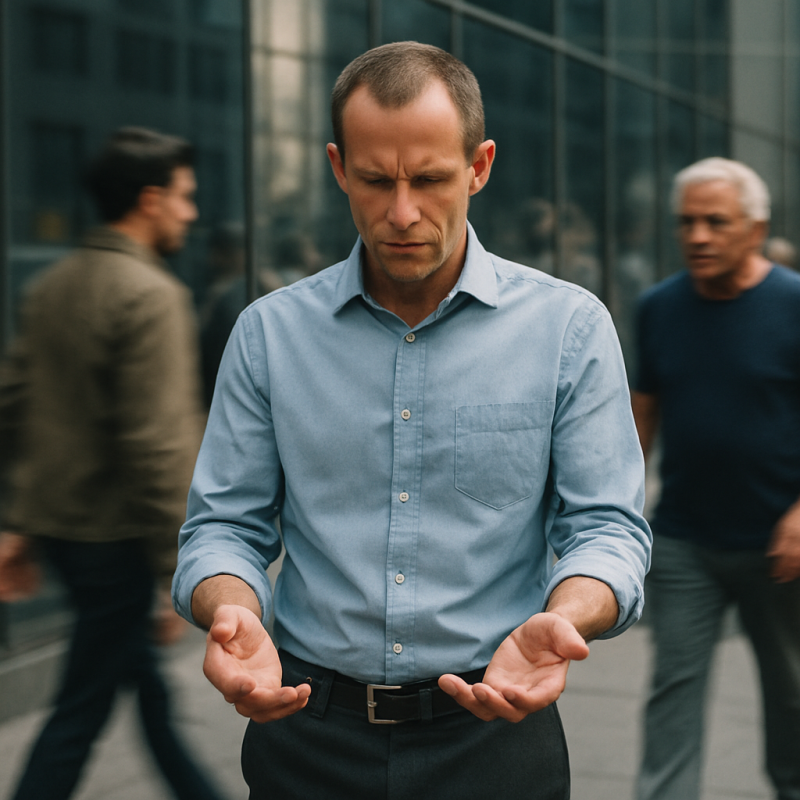 Image by RM AI
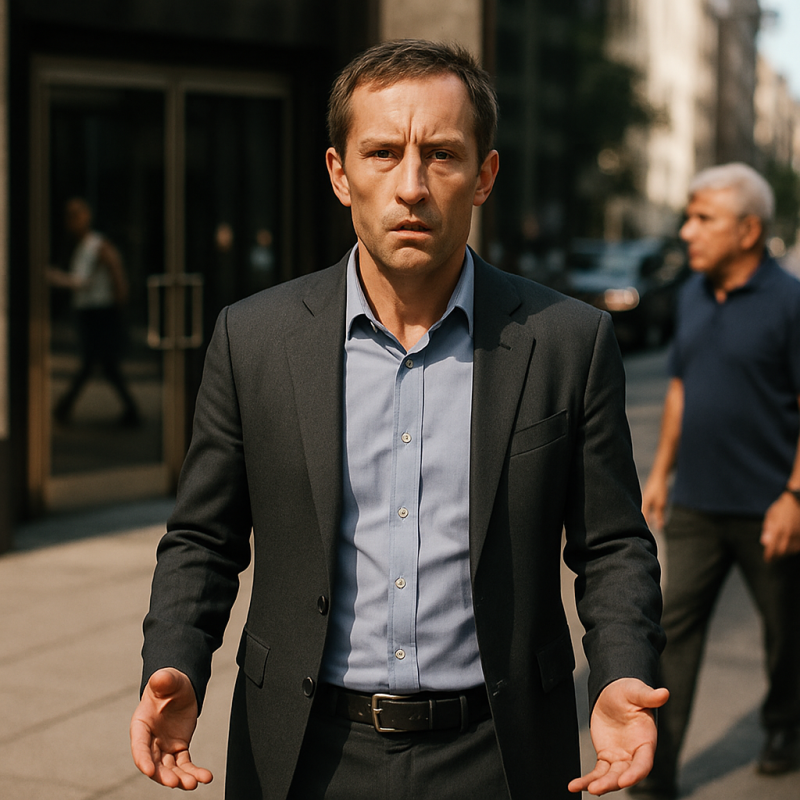 Image by RM AI
The Lawyer's Retainer
Three days after they walked me out, I sat in a leather chair across from a defense attorney whose office smelled like old coffee and expensive carpet, and I laid out everything I had — the timeline, the repair shop invoice, the telehealth record, the pharmacy receipts, the texts to my team lead. He listened without interrupting, which I appreciated, and then he told me that digital evidence in employment cases was notoriously malleable and that a qualified forensics consultant could find inconsistencies that a standard IT review would miss. He said it with the measured confidence of someone who had said it many times before. He also said his retainer was fifteen thousand dollars. I had been careful with money for a decade — the kind of careful that comes from watching your parents not be careful — and I had a savings account that reflected that discipline. That afternoon I transferred fifteen thousand dollars out of it, which left me with just over twenty-two thousand to cover rent, legal fees, and whatever came next. I told myself it was an investment in the truth, which is the kind of thing you tell yourself when you're terrified and out of options. The retainer agreement was two pages of dense legal language. I read every word. Then I picked up the pen, and my hand was shaking when I signed my name.
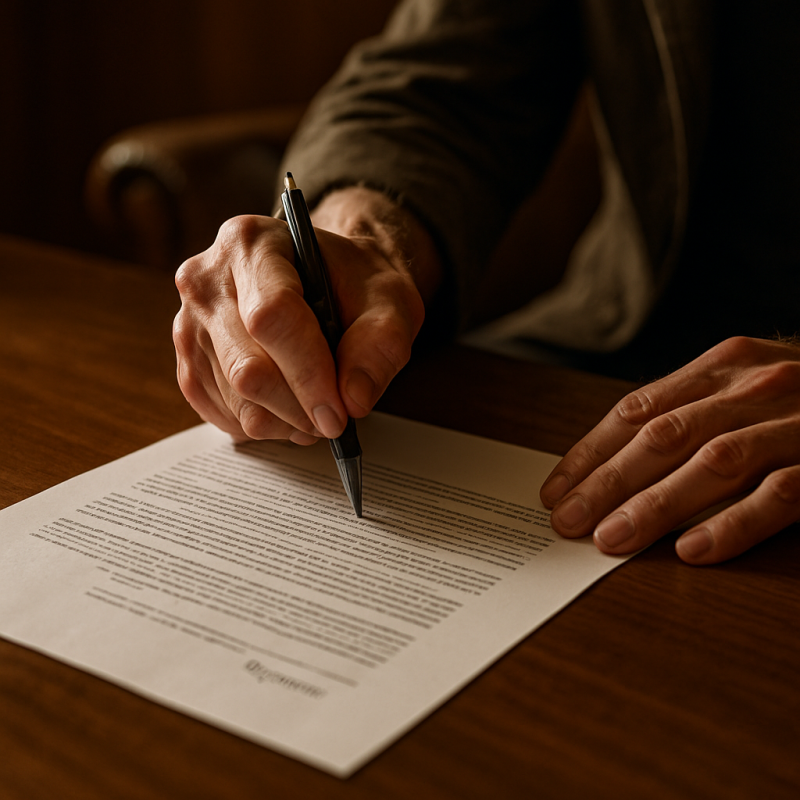 Image by RM AI
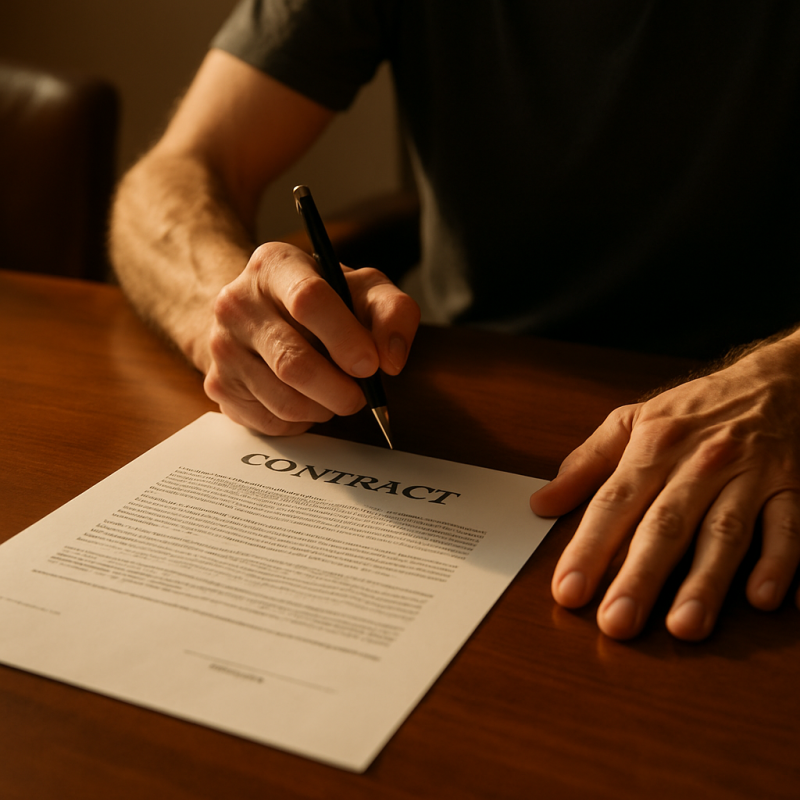 Image by RM AI
The Forensic Report
The forensics report took fourteen days. I called the lawyer's office on day ten and was told the consultant needed more time to be thorough, which I chose to interpret as a good sign. When I finally sat across from the lawyer in that same leather-and-coffee office, he slid the report across the desk without preamble. It was twenty-three pages. I read the executive summary first, then the methodology section, then the findings. The consultant had examined server logs, network traffic records, authentication protocols, and workstation activity across the relevant dates. No credential theft. No spoofing. No malware on the company's servers. No evidence of unauthorized third-party access. The login sessions had originated from my assigned workstation's IP address, authenticated through my credentials, with no anomalies in the access pattern. The consultant noted, in language that felt almost apologetic, that the evidence was unusually clean — no artifacts, no irregularities, nothing that suggested tampering. The lawyer said we could still challenge the chain of custody in a formal proceeding, but his voice had shifted into a register I recognized from people delivering bad news they'd already made peace with. I turned back to the report's conclusion. The final line read: no external access detected during the periods in question.
 Image by RM AI
 Image by RM AI
The Silence
I gave it a week before I started reaching out. That felt like the right interval — long enough to let the initial shock settle in the industry's collective memory, short enough that I hadn't disappeared entirely. I emailed six former colleagues asking for character references. I wrote careful, professional messages that didn't mention the specifics, just said I was in transition and would value their support. Three days passed. Nothing. I called a former mentor — someone who had written my recommendation letter twice and once told me I was the sharpest analyst he'd worked with in fifteen years. It went to voicemail. I left a message that I'm still a little embarrassed about, too earnest, too much explanation. He didn't call back. My LinkedIn connections began to quietly contract, the way a tide goes out — gradual, then suddenly noticeable. A recruiter who had contacted me twice in the past year, both times with roles I'd been too settled to consider, stopped responding mid-thread. I sent follow-up emails to the colleagues who hadn't replied. I drafted messages to industry contacts I hadn't spoken to in months, people who used to seek out my opinion on market trends. The silence coming back was total and uniform, the same non-answer from every direction. I picked up my phone for what I later counted as the eighteenth time that day, and the screen showed no new messages.
 Image by RM AI
 Image by RM AI
The Dwindling Account
The second invoice from the lawyer arrived on a Thursday, eight thousand dollars for two weeks of forensic consultation fees and case preparation. I sat at my kitchen table with the invoice and my laptop open to my banking portal and I did the arithmetic the way I used to do budget reconciliations — methodically, without flinching from the numbers. Savings: three thousand seven hundred dollars after the transfer. Rent due in twelve days: eighteen hundred. That left nineteen hundred dollars to cover groceries, utilities, transportation, and whatever the lawyer needed next, which he had already indicated would be substantial if we moved toward a formal challenge. I canceled the streaming subscriptions that afternoon. I moved my grocery budget to sixty dollars a week, which I knew from experience was tight but survivable if you were disciplined about it. I made a spreadsheet — old habit — and projected forward week by week. The math ran out in approximately six weeks, assuming no new income and no additional legal fees, both of which were optimistic assumptions. I had managed corporate budgets in the hundreds of thousands. I had built financial models for quarterly projections. Now I was calculating whether I could afford both electricity and protein in the same week. The number on the screen sat there, small and final, and I couldn't make it mean anything other than what it was.
 Image by RM AI
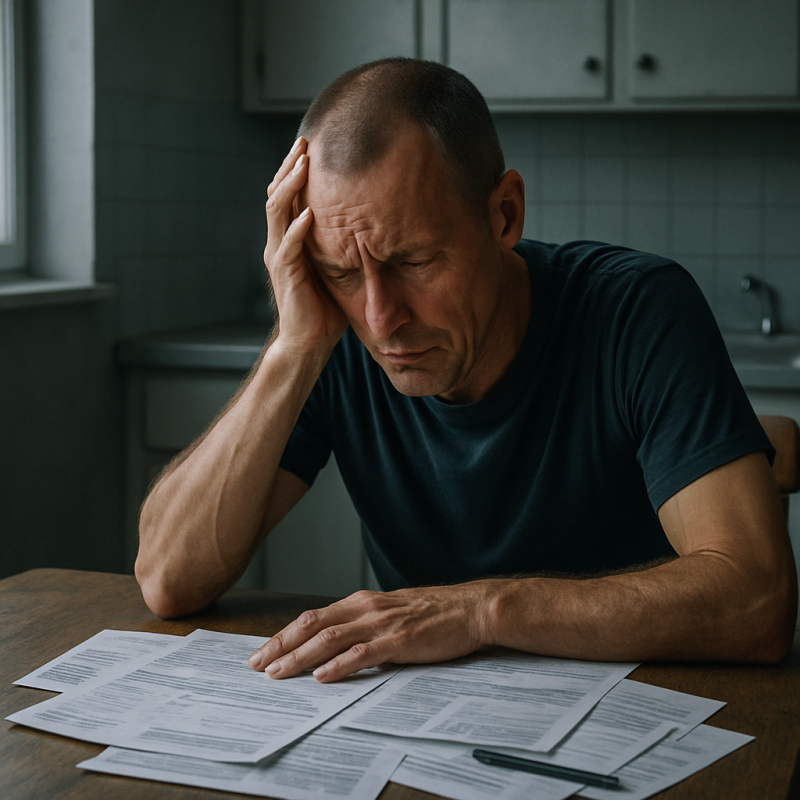 Image by RM AI
The Cold Case
The lawyer called on a Wednesday afternoon, six weeks after I'd handed him the last of my savings. I was standing in my kitchen when the call came, and I remember thinking, from the careful neutrality in his voice, that whatever he was about to say had already been decided before he dialed. He walked me through it methodically — the internal audit had found no additional discrepancies, no offshore transfers, no unusual movement of funds beyond what had already been attributed to me. The digital trail ended at my credentials and went nowhere else. He said he was sorry, and I believed him, which somehow made it worse. I asked about a civil suit. He paused the way people pause when they're trying to be kind about something unkind, and explained that without new evidence, any civil action would be expensive, protracted, and almost certainly unsuccessful. He recommended I conserve what resources I had left. I thanked him, which was an absurd thing to do, and ended the call. I stood at the kitchen window for a long time after that, watching nothing in particular, the phone still warm in my hand. The case was closed. The number on my banking screen hadn't changed. Outside, the afternoon went on as if none of it had happened at all.
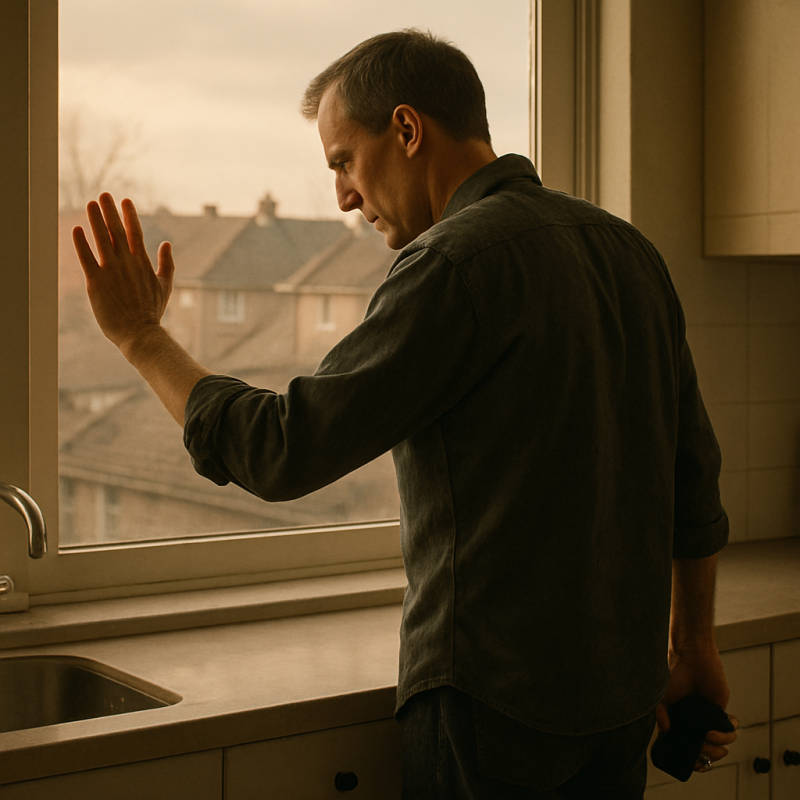 Image by RM AI
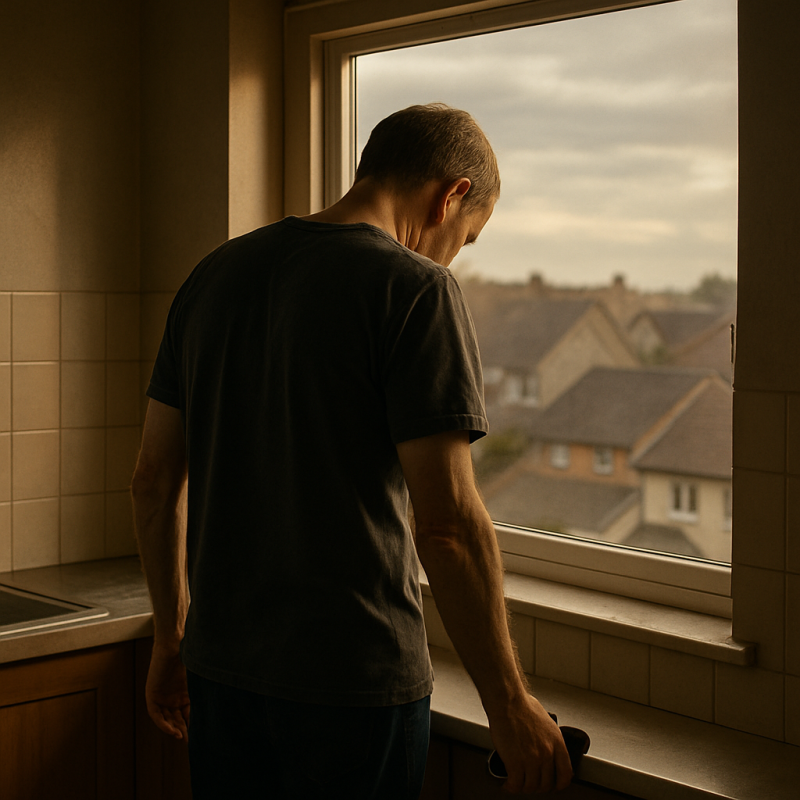 Image by RM AI
The Blacklist
The phone interview for the operations coordinator role had gone well enough that I'd let myself feel something close to cautious optimism, which I should have known better than to do. The hiring manager had laughed at something I said. She'd asked follow-up questions. Two days after the background check request, the rejection email arrived — three sentences, no specifics, the standard language about pursuing other candidates. I might have accepted it as ordinary bad luck if a former colleague hadn't called me back. He'd heard I was looking, he said, and he wanted me to know something before I kept applying. His voice had the careful quality of someone delivering news they'd rather not deliver. Miller and Associates had reported my termination to the National Operations Registry as financial misconduct. The flag was sitting there, attached to my name, visible to any employer in the industry who ran a standard check. He said he was sorry. I said I appreciated the call. After I hung up, I pulled up the registry's public verification portal and typed in my own name. The results loaded in under three seconds. There it was — my name, the notation, the date, all of it exactly as he'd described.
 Image by RM AI
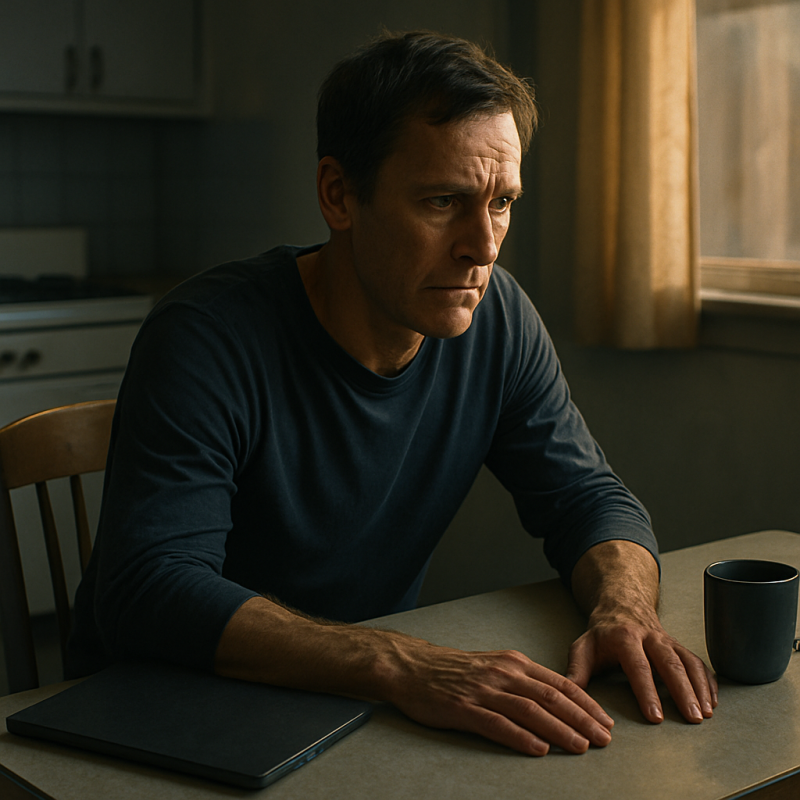 Image by RM AI
The Basement Apartment
The basement apartment on Crestfield Avenue cost six hundred dollars a month, which was the only thing it had going for it. The landlord — a quiet man who communicated primarily through handwritten notes slid under the door — required first month and security deposit upfront, which left me with two hundred and thirty-seven dollars in checking after I handed over the envelope. I moved everything I owned in a van borrowed from a neighbor I barely knew, three trips up and down a concrete stairwell that smelled of old pipe water and someone else's cooking. The single window sat at ground level, which meant I spent the first week watching the feet of strangers pass by at eye height, shoes and boots and the occasional dog, the whole world reduced to its lower third. The water stains on the ceiling had the organic, spreading quality of something that had been happening for years and intended to keep happening. I unpacked my boxes in the order I'd packed them, methodically, because that was the only way I knew how to do anything anymore. I hung my remaining clothes in the closet and put my books on the shelf I'd assembled from a kit. By the time I was done, the apartment smelled like cardboard and damp concrete, and by the end of the first week, so did everything I owned.
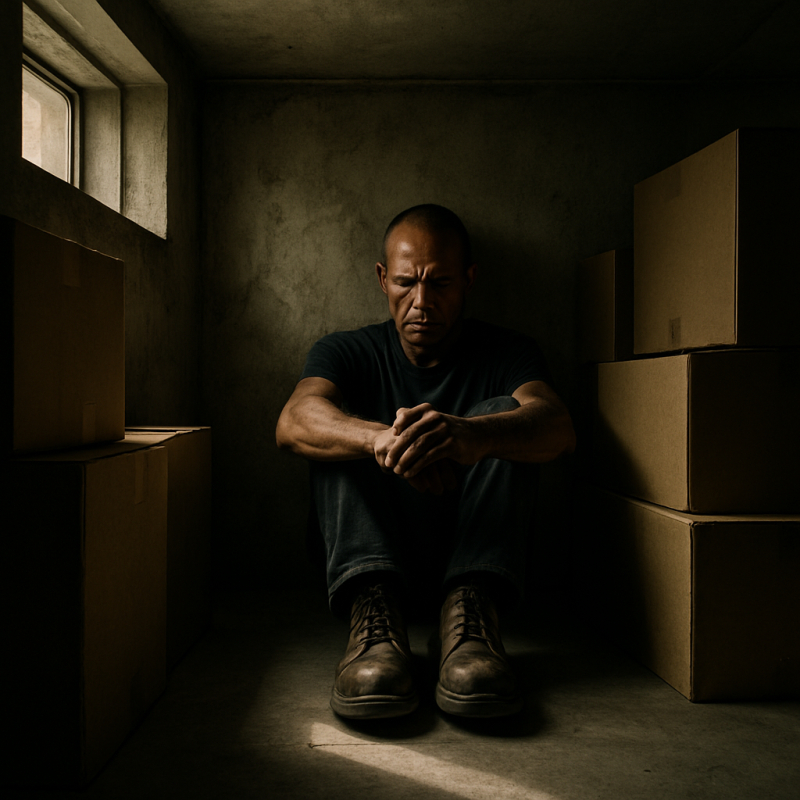 Image by RM AI
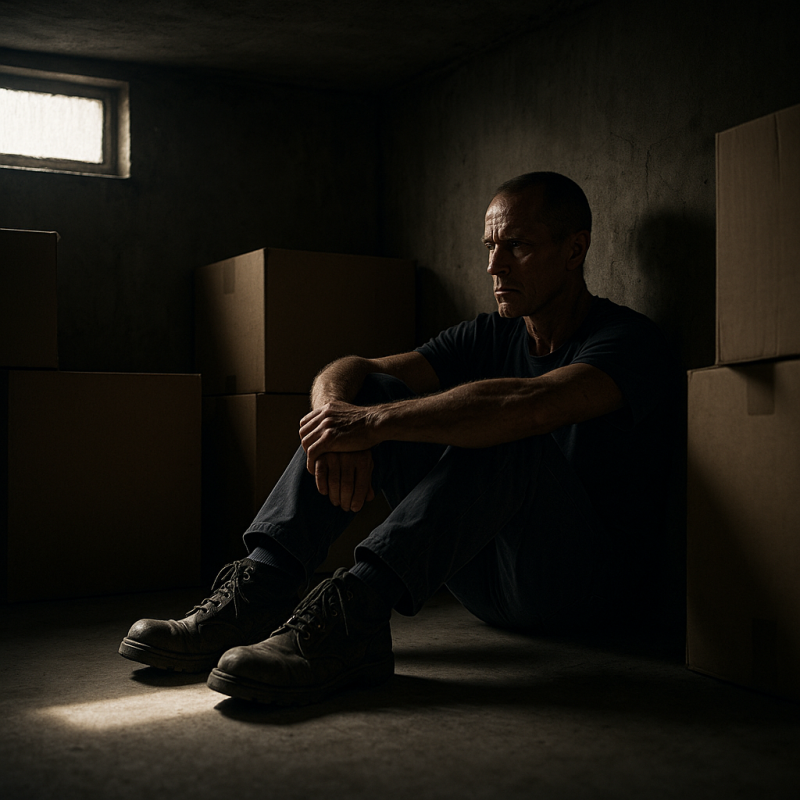 Image by RM AI
The Eighth Week
I built the spreadsheet on a Sunday night and spent the following week filling it in. Forty-three applications across eight days — operations roles at nonprofits, coordinator positions at small logistics firms, administrative work at medical offices, anything that looked like it might not run an industry-specific check. I tracked each one: company name, position, date submitted, response received. The response column stayed mostly empty. Two automated rejections arrived, both citing other candidates, both arriving within forty-eight hours, which meant they hadn't looked at anything beyond the flag. The other forty-one produced nothing — no acknowledgment, no automated reply, just the particular silence of an inbox that has decided you don't exist. I kept the spreadsheet open on my laptop the way some people keep a television on for company. I added rows. I refreshed my email. I ate sixty-dollar-a-week groceries at a folding table under a water-stained ceiling and told myself that persistence was a strategy. On the eighth day, an email arrived from a regional electronics retailer. The store manager had reviewed my application for the floor supervisor position and wanted to schedule a phone interview for the following Tuesday.
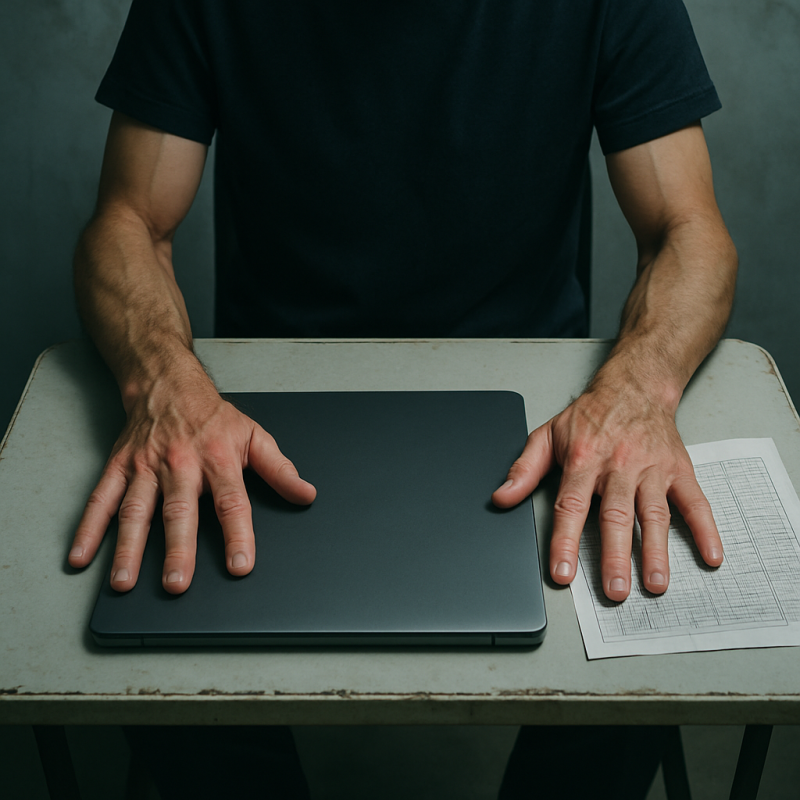 Image by RM AI
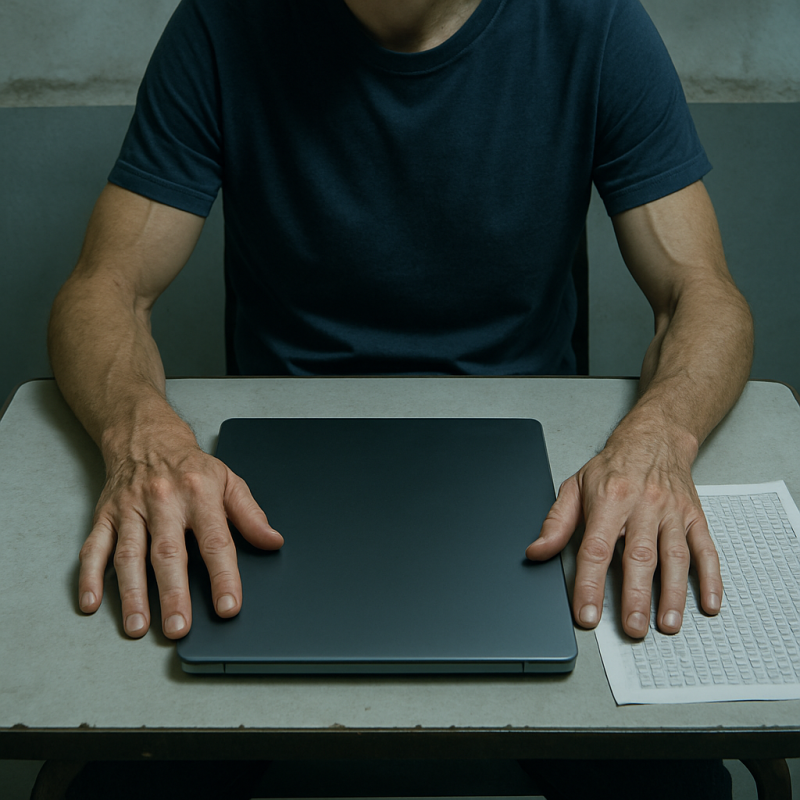 Image by RM AI
The Closet Sale
Rent was due in five days and I was short by two hundred and forty dollars, which is how I ended up standing in my closet at seven in the morning, pulling suits off hangers. Four of them — Italian wool, two charcoal, one navy, one a deep slate gray that I'd bought the year I made director. Six dress shirts still in their dry-cleaning bags. Three pairs of leather shoes that had cost more individually than my current weekly grocery budget. I carried them to the consignment shop on Meridian Street in two trips, the suits draped over my arm like I was delivering them somewhere important. The woman behind the counter examined each piece with the practiced efficiency of someone who had seen better things come through in worse condition. She said the suits were high quality. I said thank you, as if she'd complimented me rather than the clothes. She offered three hundred and twenty dollars for everything. I didn't negotiate. I took the cash, paid the rent that afternoon, and came home to a closet that now held work pants, two flannel shirts, and a jacket I'd bought at a discount chain three weeks earlier. I stood in the doorway for a moment before I turned off the light. The empty rod ran the full width of the closet, and the space where the suits had hung held nothing but air.
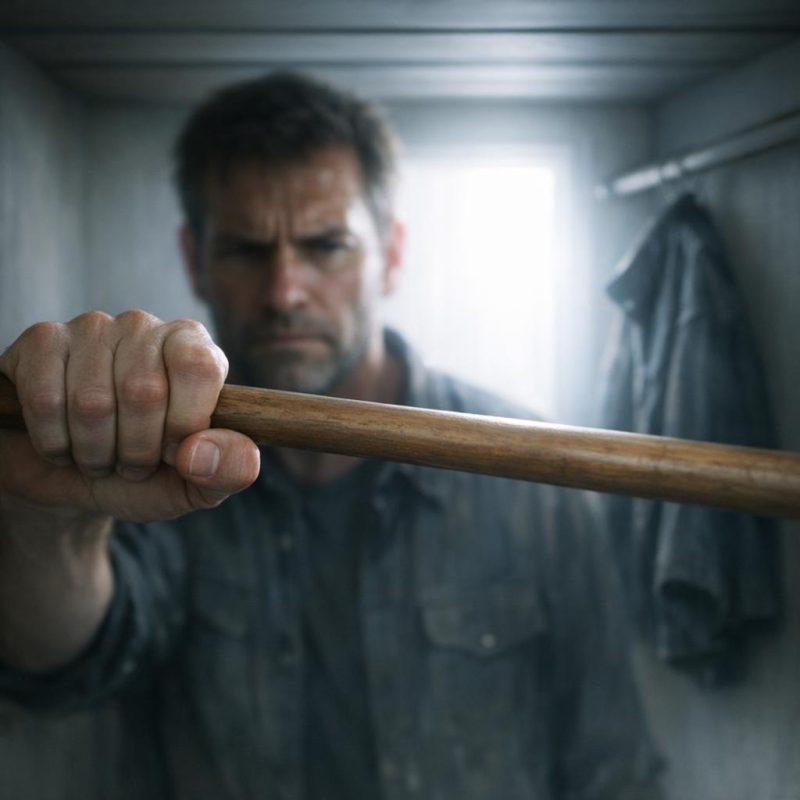 Image by RM AI
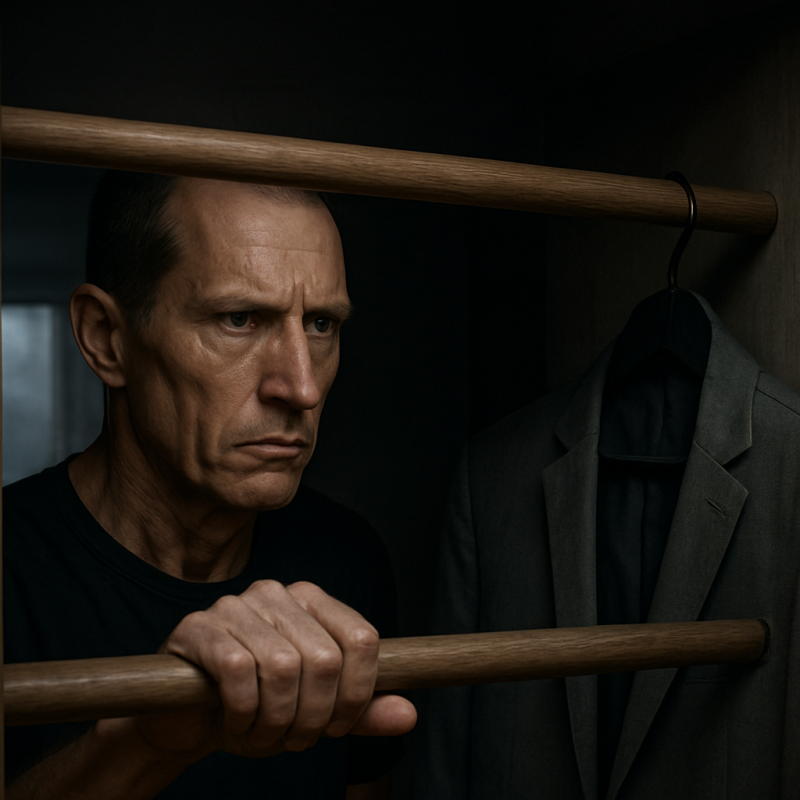 Image by RM AI
The Twelfth Week
The data entry position at the insurance company was supposed to be safe. No industry registry, no financial oversight, no reason for anyone to connect a name on a resume to a story that had run in a trade publication fourteen weeks ago. The first fifteen minutes of the interview went well enough — the hiring manager was pleasant, the questions were straightforward, and I answered them with the careful vagueness I'd been practicing. Then she paused while scrolling through my resume, the way people pause when something has snagged their attention. She asked about the gap in my employment history. I gave her the transition explanation I'd rehearsed, kept it brief, kept my voice even. Her expression shifted — not dramatically, just a small recalibration, the kind that happens when something clicks into place. She said she thought she'd seen something about Miller and Associates a few months back. I said it had been a difficult period. She said she understood, and her voice had moved into the register people use when they've already made a decision. The interview ended four minutes later with standard language about being in touch. I walked to the parking lot and sat in my car for a long time. The story had traveled further than I'd understood, and the weight of being known for the wrong thing settled over me like something I'd have to learn to carry.
 Image by RM AI
 Image by RM AI
The Glass Office Replay
Sleep had become a negotiation I usually lost. I'd lie on the mattress in the basement apartment, the ground-level window showing nothing but the dark underside of the city, and the meeting would start playing again whether I wanted it to or not. Julian's office. The glass walls. The two HR representatives I'd never seen before that morning. I'd been through it so many times that I'd started noticing things I hadn't registered at the time — the way the documents were already laid out on the desk when I walked in, organized and tabbed, as if the meeting had been prepared well in advance. The way Julian had stated each discrepancy without asking me a single question, just presented them, one after another, like items on an agenda. I'd been so focused on defending myself that I hadn't stopped to wonder why he never seemed to need my answers. I turned it over in the dark, looking for the moment when I should have seen something coming, the specific second when I could have changed the outcome. I never found it. What I kept returning to instead was Julian's face when he'd slid the evidence across the desk — composed, unhurried, the expression of a man presenting something he'd reviewed many times before. It was too smooth. Not relieved, not uncomfortable. Just smooth.
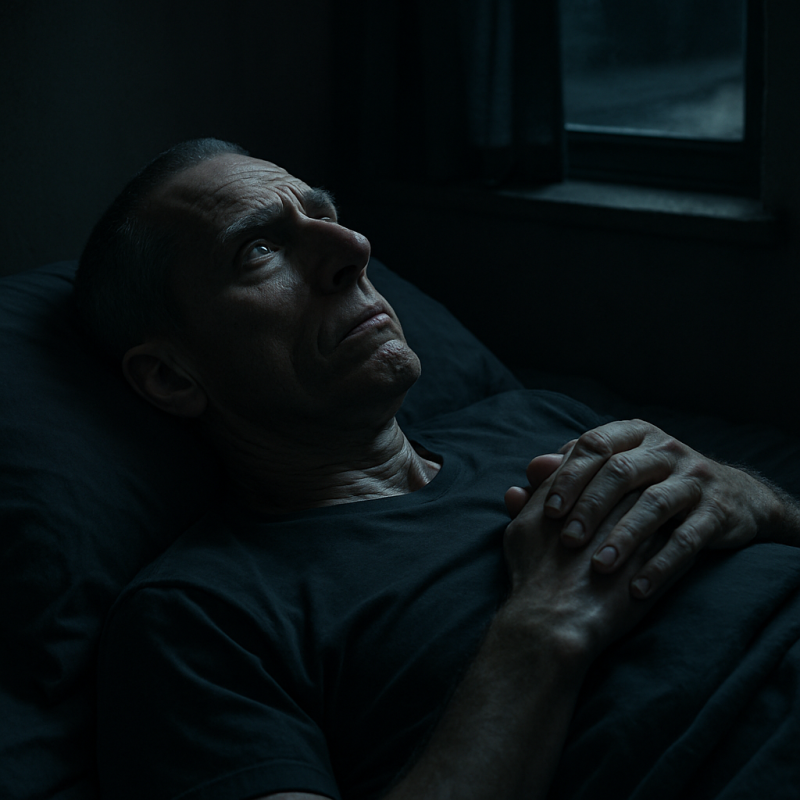 Image by RM AI
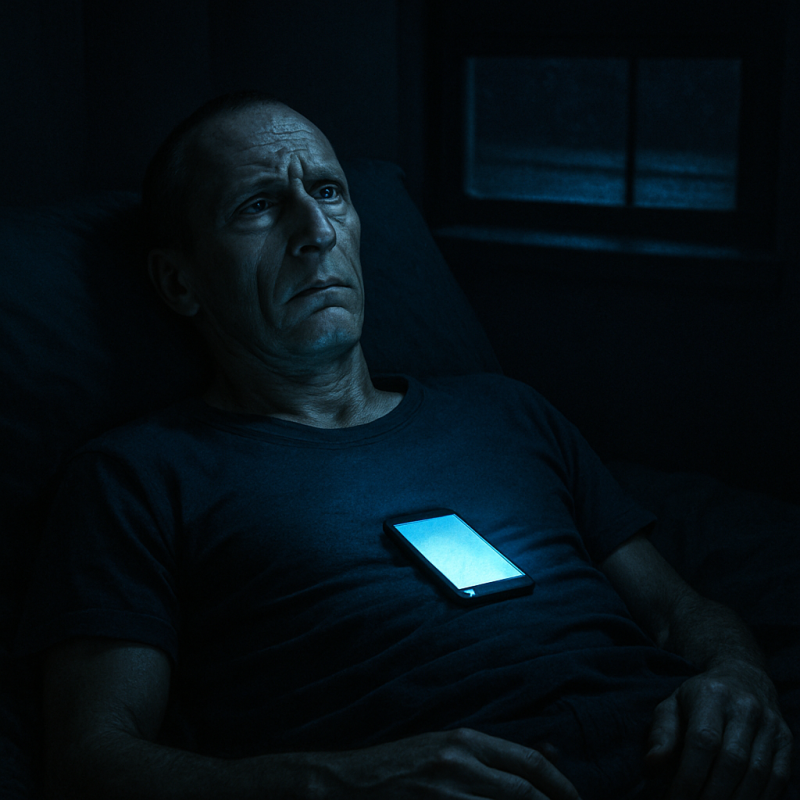 Image by RM AI
The Sixteenth Week
By the sixteenth week I had stopped thinking of job applications as opportunities and started thinking of them as a form of documentation — proof that I was still trying, even when trying had stopped producing results. The overnight stocking position at the grocery store on Halford Street seemed, by any reasonable measure, beyond the reach of the flag. No financial responsibility. No access to accounts. Moving boxes from a loading dock to a shelf in the middle of the night. The phone interview lasted eleven minutes. The store manager asked about my availability and my physical stamina and whether I had reliable transportation, and I answered all three questions honestly. He said the position required a standard background check, which I'd expected, and that he'd be in touch within twenty-four hours, which he was. He called back the following afternoon. He said they'd decided to go in a different direction. He said the background check had surfaced some concerns. He paused, and I heard him find the language he'd been given, and then he said it — that the report had flagged some issues around financial trustworthiness. I was applying to stock shelves at midnight. I held the phone against my ear and said I understood, because there was nothing else to say.
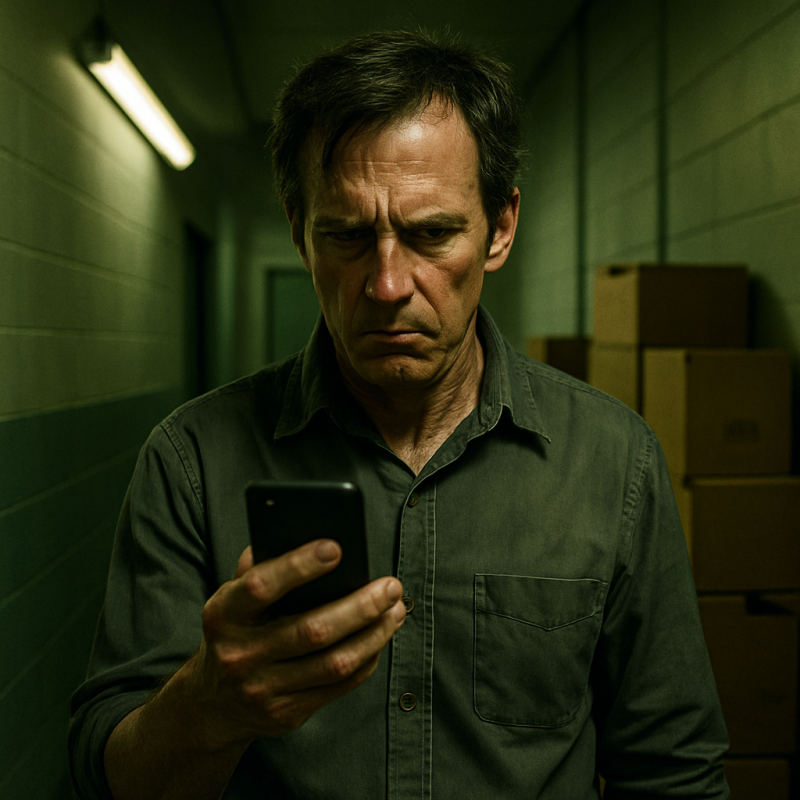 Image by RM AI
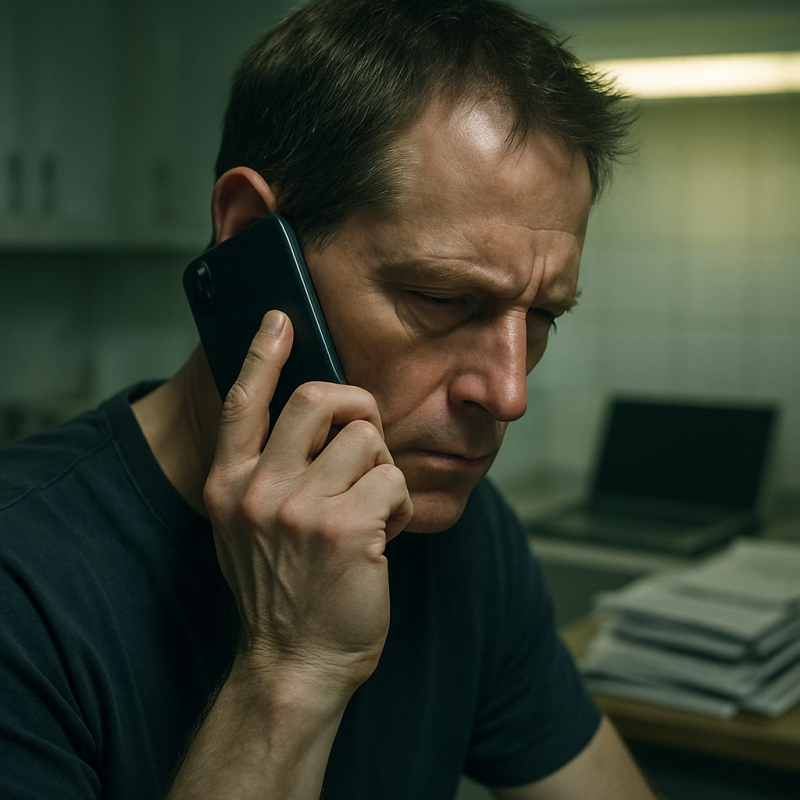 Image by RM AI
The Nineteenth Week
By the nineteenth week I had stopped pretending the situation was temporary. The checking account read forty-seven dollars on a Tuesday morning, and I sat with that number long enough that it stopped looking like a number and started looking like a verdict. I'd found the food bank listing on a flyer taped to the laundromat bulletin board — St. Augustine Community Pantry, distribution Tuesdays and Fridays, bring proof of address. Three bus stops away. I told myself it was a practical decision, which it was, and that practical decisions didn't require shame, which was a lie. I arrived eleven minutes before the doors opened and took a numbered ticket from a volunteer near the entrance. Forty-two. I stood in line between a woman with a stroller and an older man in a postal service jacket, and I studied the sidewalk with the focused attention of someone who had decided not to make eye contact with anyone. The line moved in slow, dignified increments. Nobody spoke much. The volunteer who processed my ticket asked for proof of address without looking up, accepted my utility bill without comment, and handed me a cardboard box containing two cans of chickpeas, a jar of tomato sauce, a box of penne, and a loaf of bread in a plastic sleeve.
 Image by RM AI
 Image by RM AI
The Twenty-Second Week
The eviction warning arrived on a Wednesday, slid under the door sometime before six in the morning, which meant the landlord had done it in the dark rather than face me. Fourteen days to pay the outstanding balance or vacate the premises. I read it twice at the kitchen table, then set it beside my phone and did the arithmetic. Seventy-three dollars in the account. Rent owed: eight hundred and forty. Utilities due by the end of the month: sixty-two dollars I didn't have. The food bank covered maybe half my groceries. There was no one left to call — my parents had been gone for years, and the friends who might once have helped had quietly receded after the charges surfaced, the way people do when association starts to feel like a liability. I spent two hours that afternoon searching emergency assistance programs online at the library. Most had waiting lists measured in weeks. One required a caseworker referral that took ten business days to process. I wrote down three phone numbers and called all three from the library's courtesy phone. Two went to voicemail. The third told me the current wait was four to six weeks. I walked home in the early dark and sat at the kitchen table with the eviction notice and the arithmetic, and the arithmetic didn't change no matter how many times I ran it.
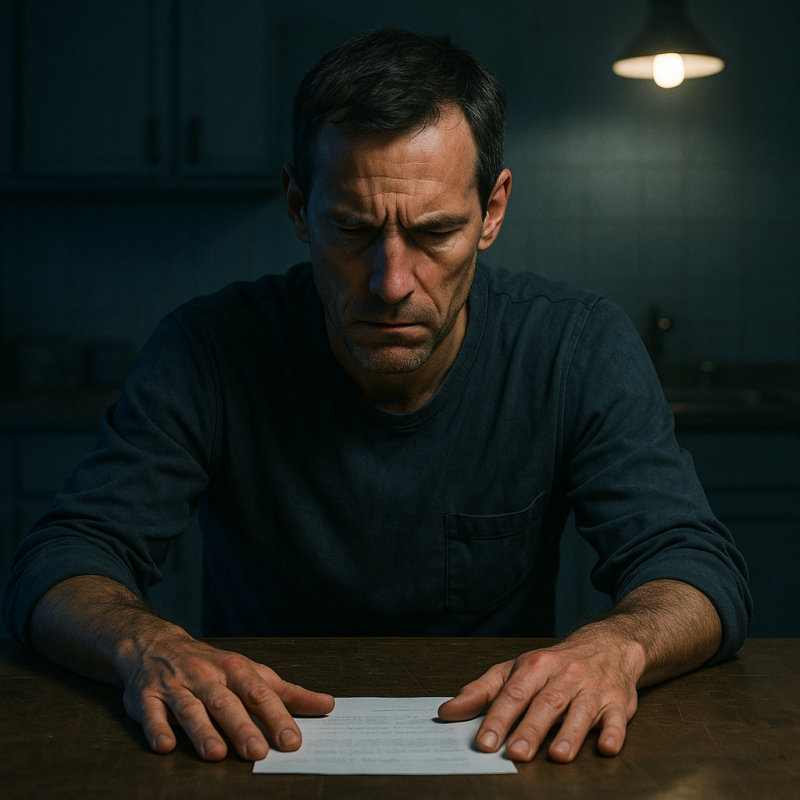 Image by RM AI
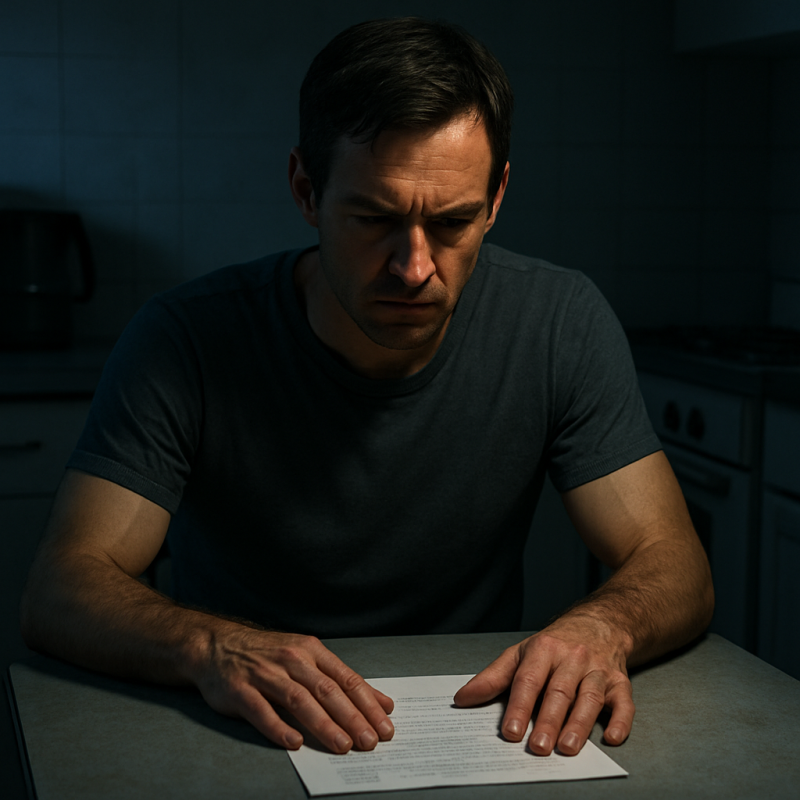 Image by RM AI
The Twenty-Fourth Week
I was at the library when the doors opened at nine and I left when the overhead lights flickered twice at eight PM — the signal they used instead of an announcement, as if the announcement itself might be unkind. Eleven hours. I used three different public terminals because the sessions timed out every ninety minutes and the queue for reassignment sometimes took twenty minutes I couldn't afford to waste. I searched day labor boards, cash gig platforms, informal work listings on neighborhood forums. Most of the day labor postings required a truck or a valid driver's license I no longer had reason to maintain. The gig platforms wanted background checks for anything that paid above twelve dollars an hour. I found a posting for furniture assembly that looked promising until I read the fine print: independent contractor agreement, direct deposit only, processing time seven to ten business days. I took notes on a legal pad I'd bought at the dollar store — three pages of possibilities that dissolved into dead ends the longer I looked at them. By the time the lights flickered I had a page and a half of crossed-out lines. I gathered my notes and walked back through the cold to the basement apartment, and the weight of eleven hours of searching settled into my shoulders like something permanent.
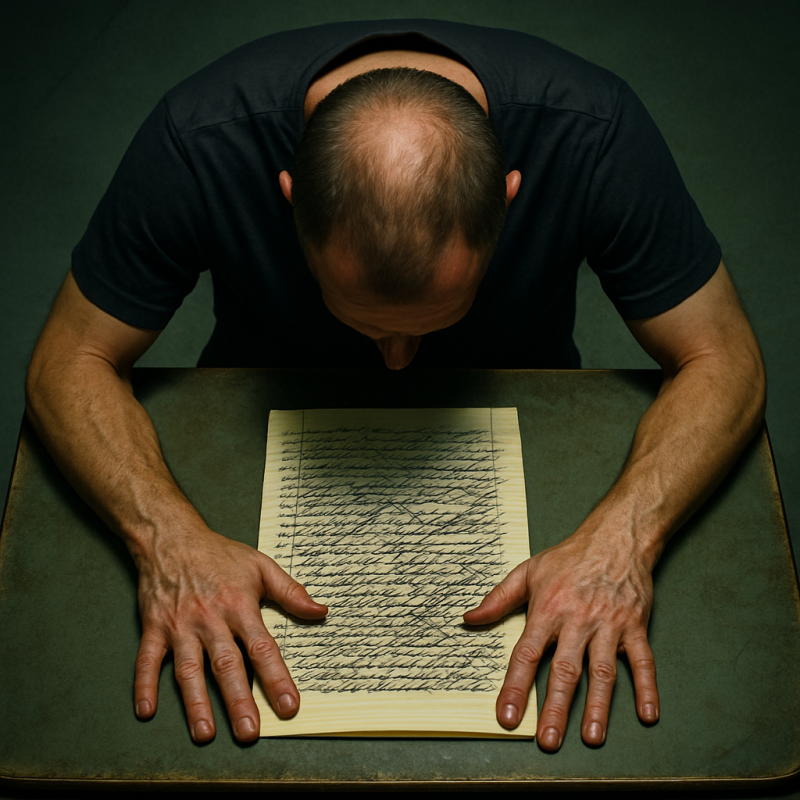 Image by RM AI
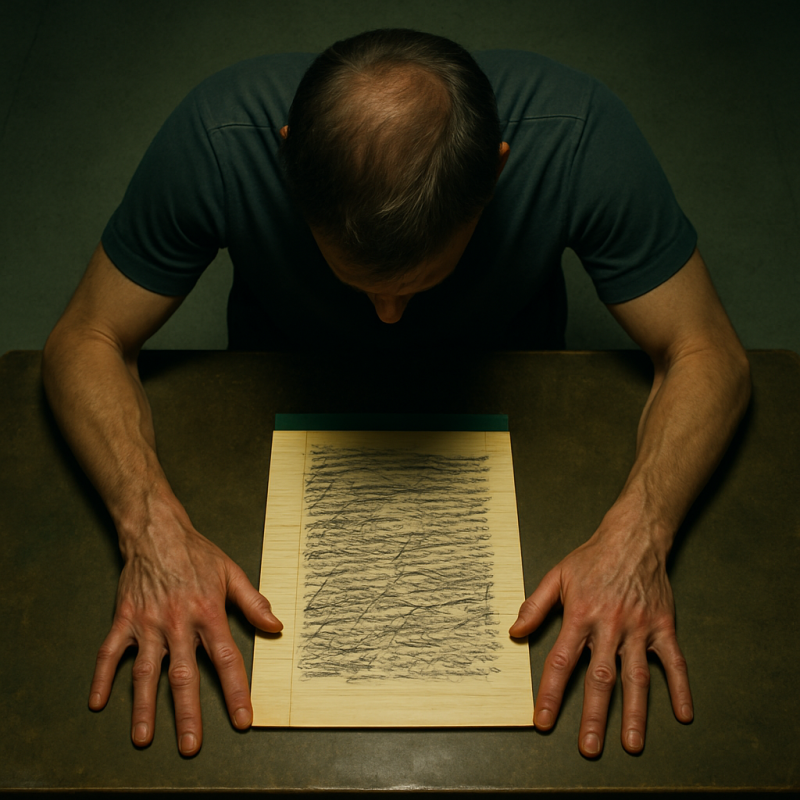 Image by RM AI
The Gig App
The eviction deadline was seven days out when I downloaded the app. I'd seen it mentioned in a comment thread on one of the neighborhood forums — TaskLocal, local gig work, same-day payment available for select jobs. I used the library computer to create an account, uploaded a photo of my ID, and started scrolling. Most of it was what I expected: grocery runs for eight dollars, furniture assembly for ten, pet sitting that paid less than minimum wage once you factored in travel. Then I found it. Manual labor, attic and garage clearout, six to eight hours estimated, thirty dollars per hour. The posting had been up for four days without a taker, which told me something about how much lifting was involved, and I didn't care. I did the math in under ten seconds: two hundred forty dollars minimum, two hundred forty dollars that would cover rent with enough left over to keep the lights on. I accepted the job before I finished reading the full description. The confirmation came through with an address in a suburb I vaguely recognized — one of the older residential neighborhoods on the north side, the kind of streets lined with houses that cost more than I'd earned in five years of corporate work. I stared at the street name on the screen, and then I closed the browser and wrote the address on the back of my legal pad.
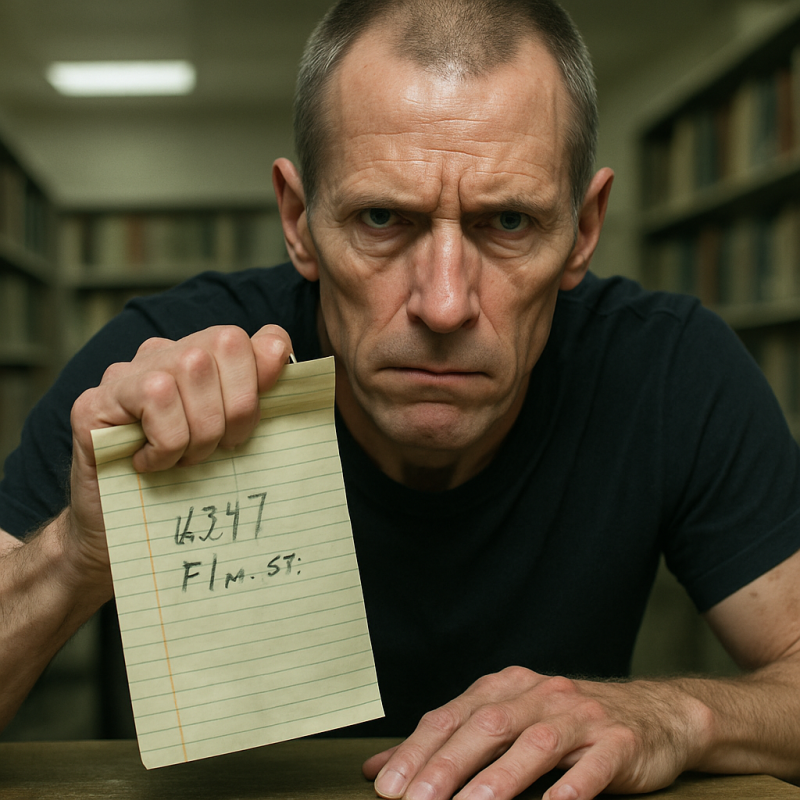 Image by RM AI
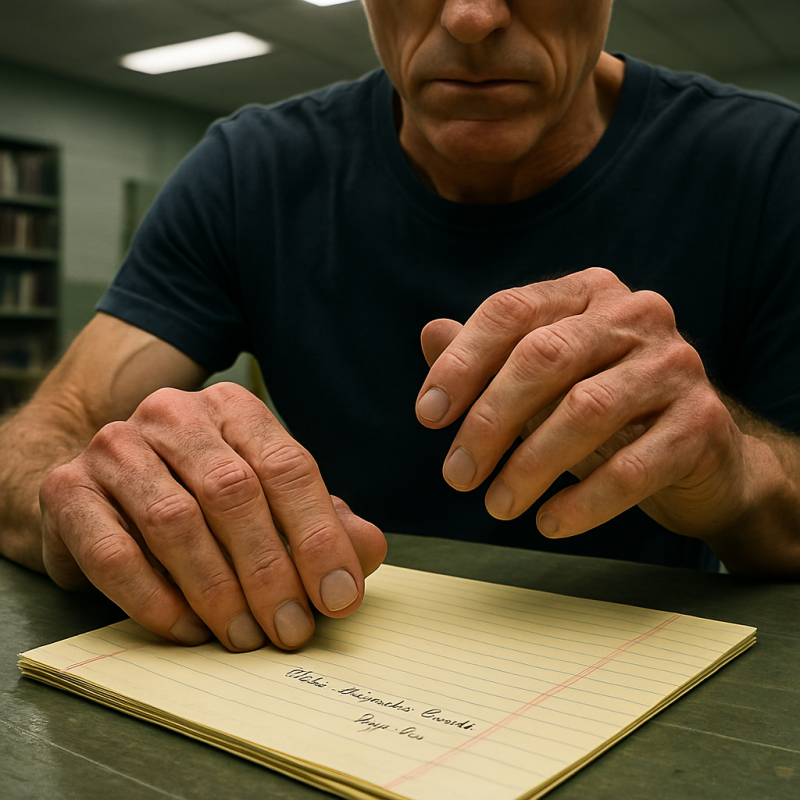 Image by RM AI
The Borrowed Tools
I was up before six. The community shelter on Marsh Street opened its donation room at six-thirty for residents and referrals, and I'd been told they kept work gear in a bin near the back. I found a pair of heavy-duty canvas gloves, barely used, and a utility belt with two intact pouches. A volunteer near the sorting table noticed what I was looking at and handed me a paper dust mask and a pair of safety glasses without being asked, the way people who work in those places learn to read what someone needs before they say it. I changed into my oldest jeans and a long-sleeved shirt I'd kept from the last job that required physical work, then reviewed the posting details on my phone one more time: attic and garage clearout, bring gloves, expect dust and heavy lifting, client will provide boxes and tape. Six to eight hours. Two hundred forty dollars, minimum. I took two buses to reach the suburb, transferring at the Glenwood station, and I spent the ride going over the practical details — how to pace myself through a long physical job, how to be efficient, how to make sure whoever posted this would leave a good review on the app. The money was the only thing that mattered, and I held that fact in my chest like ballast the whole way there.
 Image by RM AI
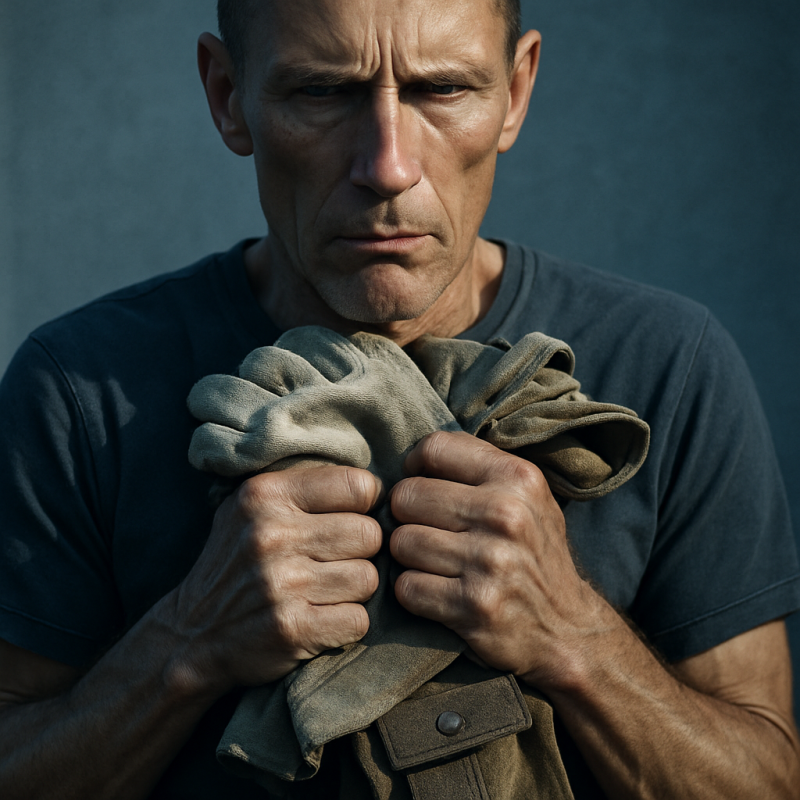 Image by RM AI
The Familiar Street
The bus left me four blocks from the address, and I walked the rest of the way through a neighborhood that seemed designed to remind you of everything you no longer had. The houses were large and set back from the street behind lawns that had been professionally maintained through the season — the kind of lawns that don't happen, they're managed. Stone driveways. Three-car garages. Mature trees that had been there long enough to arch over the road and meet in the middle. I'd been in neighborhoods like this before, years ago, in a different version of my life, and the familiarity was uncomfortable in the specific way that half-remembered things always are. I tried to place it as I walked. A client visit, maybe. Some kind of professional event in this part of the city. The north side suburbs had a particular sameness to them — the same mature oaks, the same stone driveways, the same setbacks from the road — and I couldn't tell whether I was remembering this street or simply recognizing a type. I checked my phone to confirm the street name matched the posting, and it did, and I kept walking, carrying the unease of a place that felt worn in without quite fitting.
 Image by RM AI
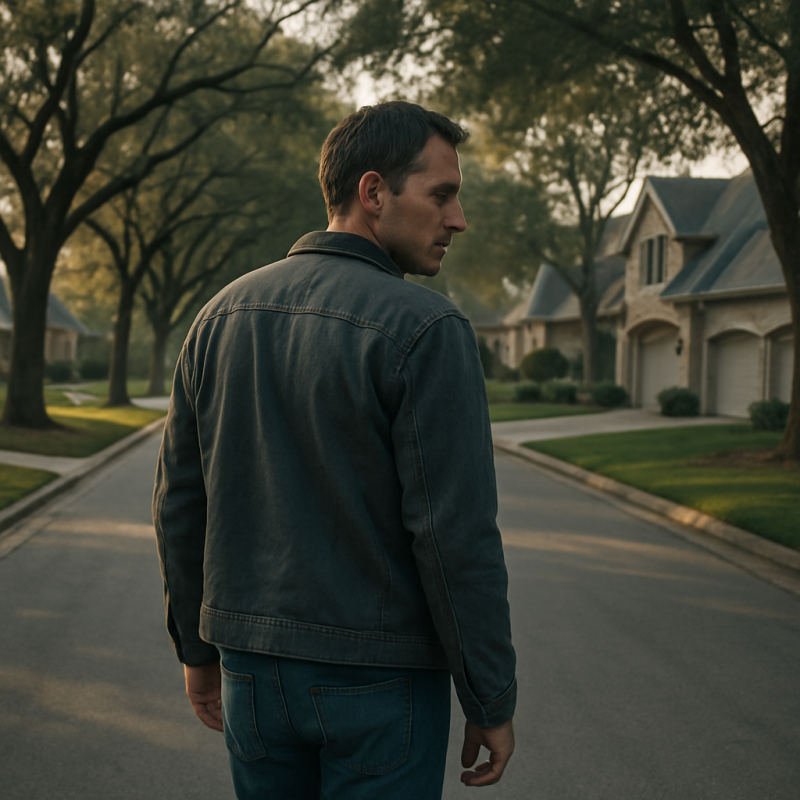 Image by RM AI
The Silver Sedan
I stopped at the end of the driveway and stood there longer than I should have. The house was a large colonial, well-kept, the kind of place that communicated money through restraint rather than excess. A silver sedan sat near the garage door, angled slightly toward the street as if it had been parked in a hurry or parked that way so many times it had become habit. The make and model were familiar in the way that common executive cars are familiar — I'd spent three years in a parking structure where half the reserved spaces held something that looked exactly like it. I told myself that meant nothing. Plenty of people drove that model. Plenty of people lived in suburbs like this one. I was looking for reasons to be uneasy because I was already uneasy, and I knew the difference between a bad feeling and a fact. I needed the money. That was the fact. I started up the driveway, and then I saw it — a rectangular parking permit fixed to the lower left corner of the rear window, the kind issued by building management for reserved executive spaces. The logo was partially obscured by a smear of road dust, and I couldn't make it out clearly from where I stood.
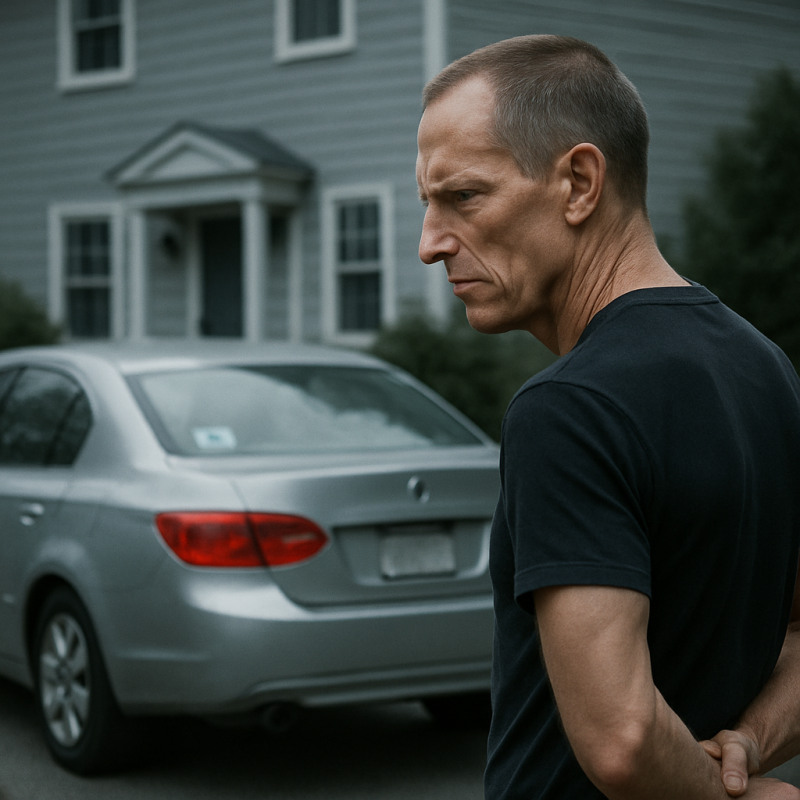 Image by RM AI
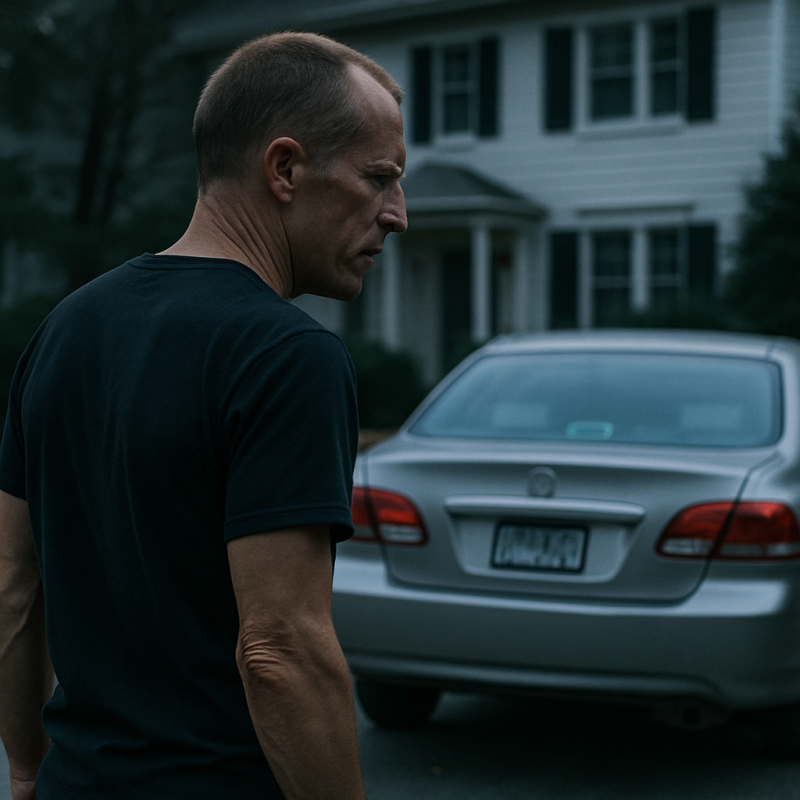 Image by RM AI
The Recognition
I stood in the driveway and let the details assemble themselves the way evidence does when you stop trying to argue with it. The street. The house. The colonial layout with the side-entry garage and the stone path to the front door. I had walked that path once before, in a good coat, holding a glass of wine someone had pressed into my hand at the door. The company holiday party, my second year at the firm. I remembered standing in the foyer and thinking the house was exactly what I'd expected from the man who owned it — large, controlled, expensive in a way that didn't invite comment. The sedan in the executive lot had always been parked two spaces from mine, close enough that I'd learned its license plate the way you learn anything you see every day without meaning to. I looked at the plate now. My hands had started to move before the rest of me caught up, reaching for my phone, pulling up the banking app out of some reflex I didn't fully understand. Fifty-one dollars. The eviction notice was five days from its deadline. I looked back at the front door of Julian Miller's house, and I did not move.
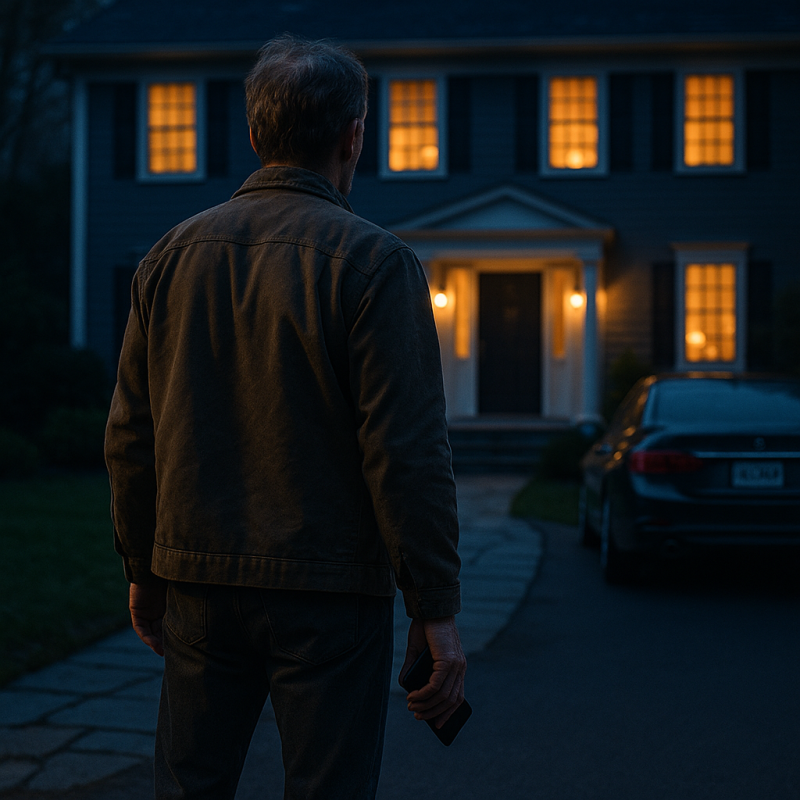 Image by RM AI
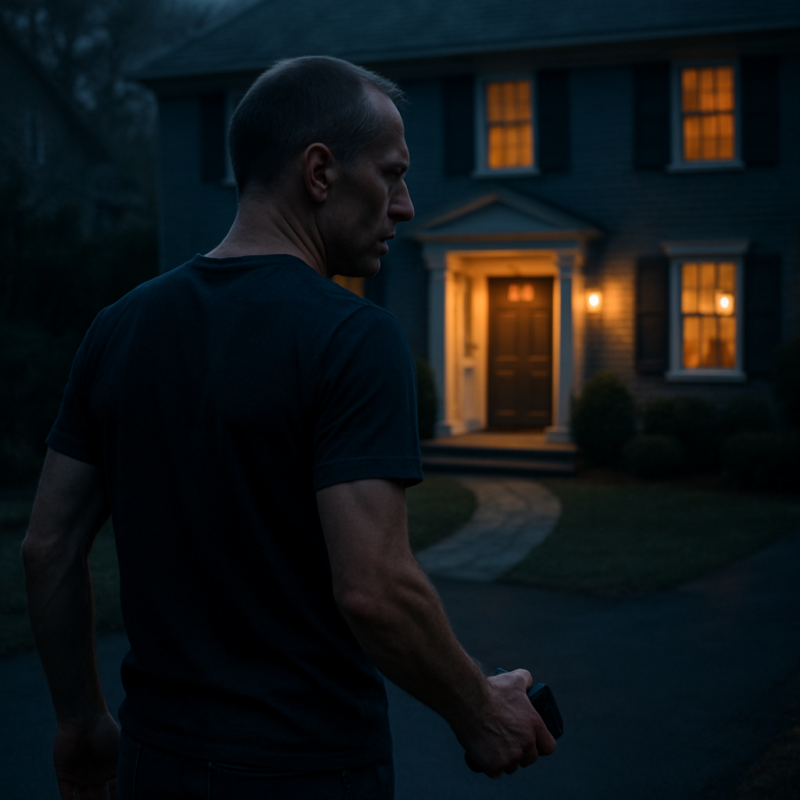 Image by RM AI
The Mask and Cap
I sat in the truck for four minutes by the dashboard clock, which is either a very long time or no time at all depending on what you're about to do. The dust mask was already around my neck — standard issue for attic work, nothing suspicious about it, just a man doing a job in a house full of old insulation and decades of accumulated debris. I pulled it up over my nose and mouth and adjusted the fit until it sat flush against my cheekbones. Then I tugged the baseball cap down until the brim cut my field of vision in half. I checked myself in the rearview mirror. The man looking back at me was not the man Julian Miller had known. That man had worn Italian wool and kept his shoes polished to a mirror finish. This man had lost eighteen pounds to stress and bad meals, wore a faded canvas jacket with a torn left pocket, and had the kind of posture that comes from months of hauling other people's discarded lives up and down staircases. Julian barely looked at the people who worked for him when they were colleagues. He certainly wouldn't look at a gig worker in a dust mask. I picked up my work gloves from the passenger seat, pulled them on one finger at a time, and walked up the stone path to ring the doorbell.
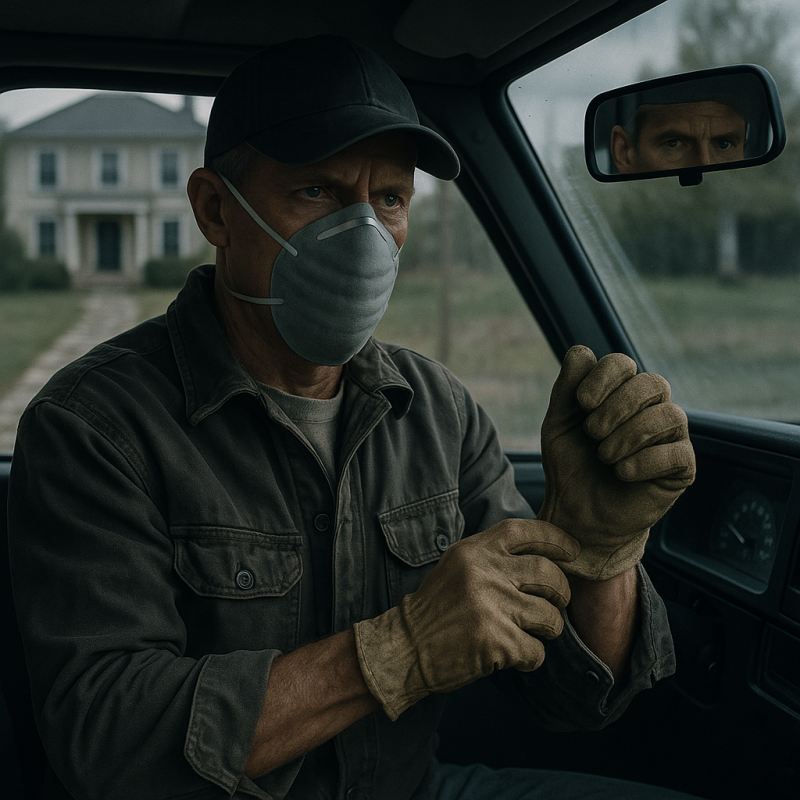 Image by RM AI
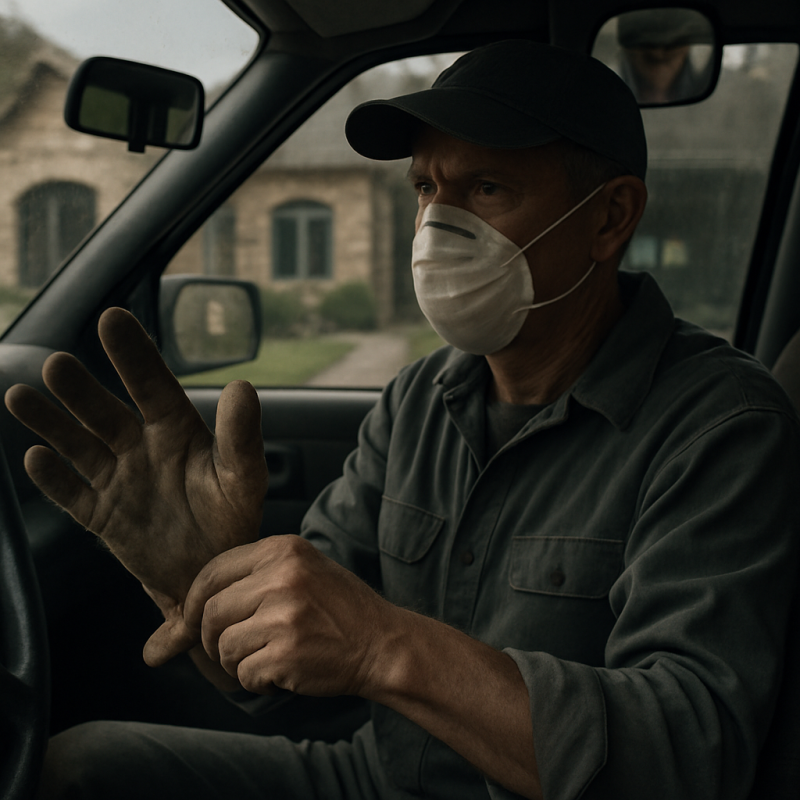 Image by RM AI
The Threshold
The porch was exactly as I remembered it from the holiday party — the same slate tile, the same iron lantern fixture overhead, the same low boxwood hedge trimmed to a precise right angle along the railing. I had stood here once holding a glass of Bordeaux someone had pressed into my hand, making small talk with colleagues I no longer spoke to, feeling like I had arrived somewhere. Now I stood here in a dust mask and work gloves, and the difference between those two versions of the same porch was the whole story of the last two years of my life. I kept my chin down and my shoulders loose, the posture of a man with no particular stake in anything. I reminded myself to speak as little as possible — a muffled yes, a nod, a gesture toward the work. Inside, somewhere past the foyer, I heard a television. Then I heard something else: footsteps. Slow at first, then more deliberate, crossing what I guessed was the hardwood of the front hallway. I adjusted the mask one last time with a gloved finger. The footsteps stopped just on the other side of the door. The lock turned with a sound like a single, quiet note.
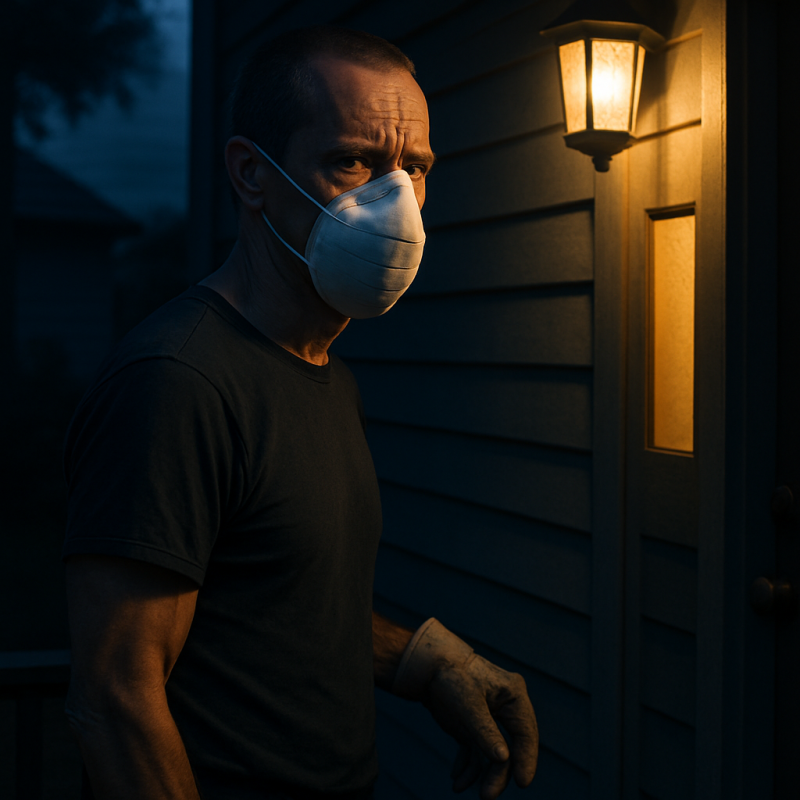 Image by RM AI
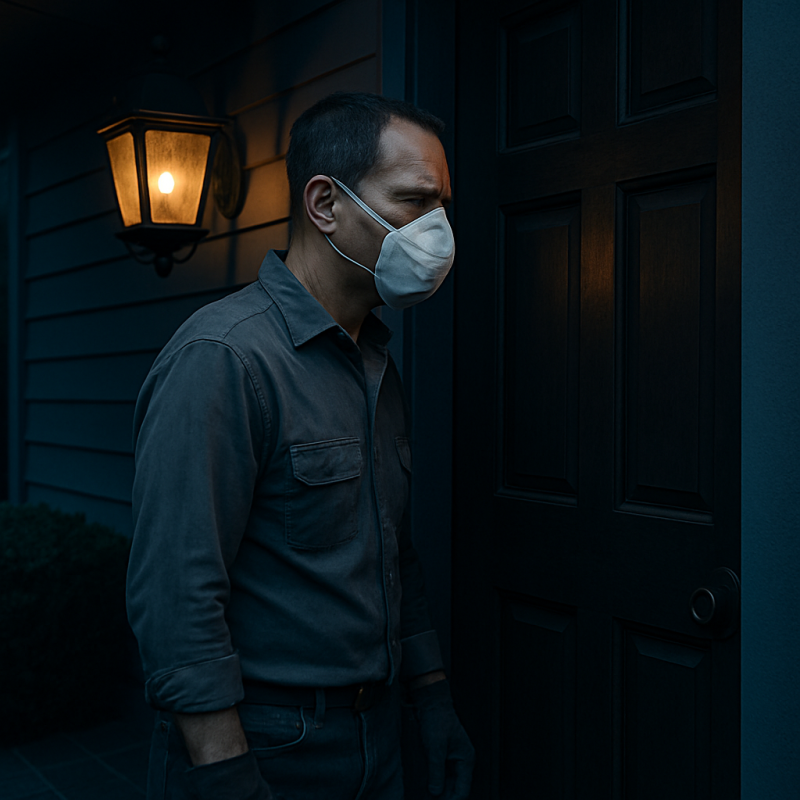 Image by RM AI
The Door Opens
The door swung open and there he was. Julian Miller, in the flesh, looking directly at me — and through me, and past me, all in the same half-second glance. He had aged in the way that men who drink too much and sleep too little age: the expensive grooming was still there, the pressed collar, the watch that cost more than my last three months of rent combined, but underneath all of it his face had gone slack and lined in ways I didn't remember. His eyes were the same pale gray I'd spent two years trying to read across conference tables, but they registered nothing when they landed on me. Not a flicker. Not a hesitation. I was a man in a mask and a cap standing on his porch, and that was the full extent of what I was to him. The smell of scotch reached me before he spoke — faint but unmistakable, the kind of smell that means the day started early. He asked if I was from the gig service. I nodded and said yes, one word, voice low and muffled behind the mask. He stepped aside and gestured for me to come in with the particular economy of motion that belongs to people who have never once considered that a door might not open for them. I had worked for this man for three years. He looked at me the way you look at weather.
 Image by RM AI
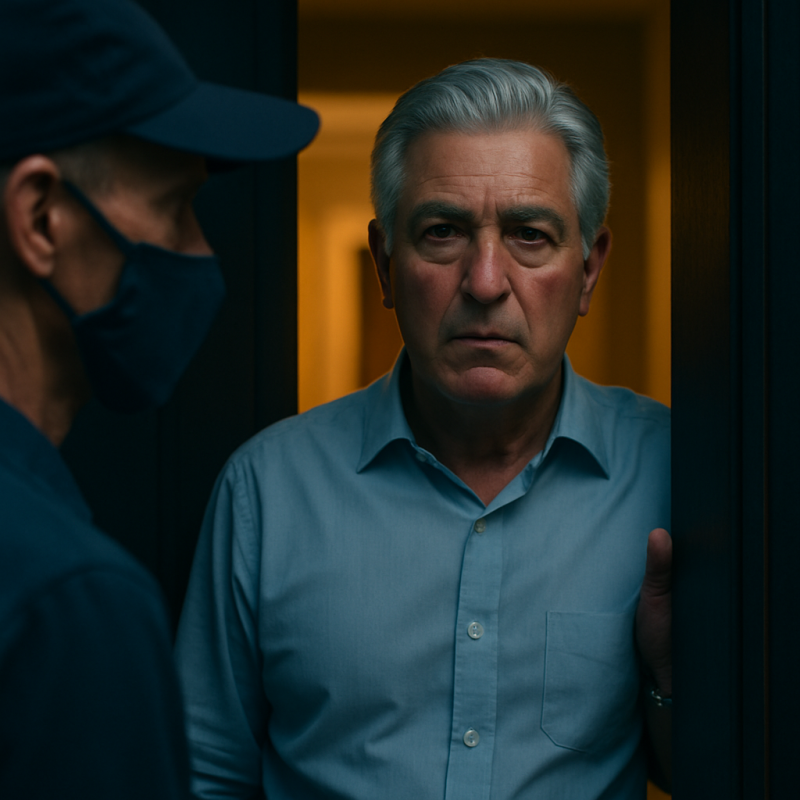 Image by RM AI
The Instructions
He walked ahead of me without looking back, the way people walk through their own houses when they've forgotten anyone else is in them. I followed, keeping two paces behind, eyes moving across the rooms I passed. The foyer. The wide hallway with the herringbone floor. The oil painting above the console table — a coastal scene, dark water, a single boat — I had stood in front of that painting at the holiday party and made some comment about it to a colleague whose name I no longer remembered. It was still there. Everything was still there, preserved and expensive and indifferent. Julian talked as he walked, the tone of a man dictating to someone he didn't expect to respond. The north sector of the attic, he said. Everything goes to the curb. He estimated it would take most of the day. He pointed to the narrow staircase at the back of the house without breaking stride, the kind of stairs that servants used in houses built a century ago. He said he'd be downstairs if I had questions, though his voice made clear he didn't anticipate any. Then, almost as an afterthought, he said he was clearing the place out — getting rid of the excess, he called it, the kind of accumulation that happens when you stay somewhere too long.
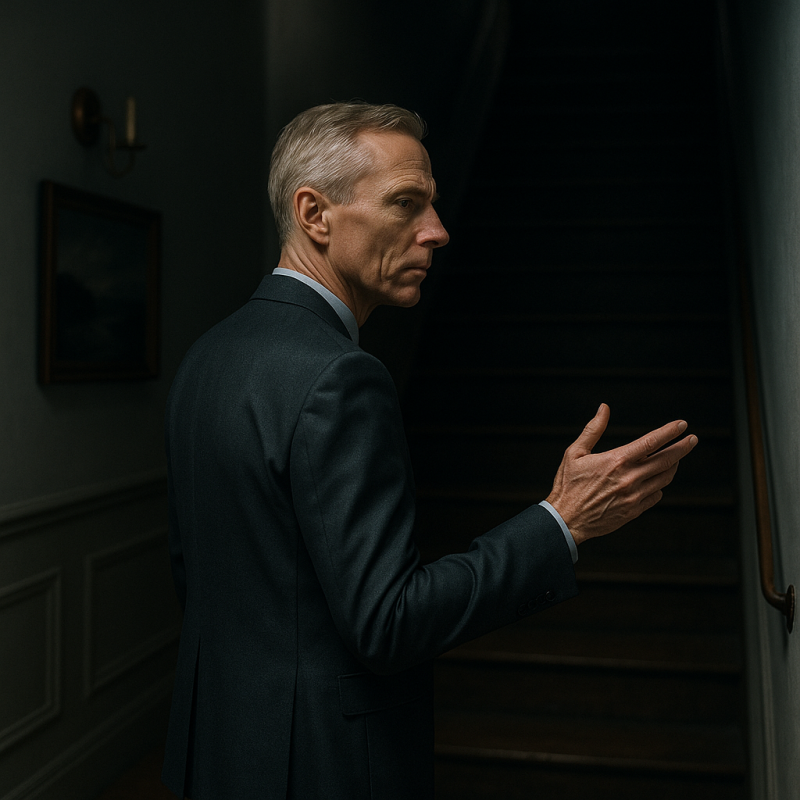 Image by RM AI
 Image by RM AI
The Attic Stairs
The stairs were steep and poorly lit, the kind of narrow passage that makes you feel the house closing in around you. I climbed them one hand on the wall, the other gripping the rail, and behind me I heard Julian's footsteps retreat toward the front of the house, then the low murmur of a television resuming. By the time I reached the top and pushed through the hatch into the attic, I was alone. The space opened up around me — low rafters, bare bulbs on pull-cords, the smell of dust and mothballs so thick it pressed against the mask. Boxes were stacked in columns along every wall. Furniture draped in old sheets. Storage containers in colors that had been fashionable in some other decade. I stood there for a moment and let the scope of it settle. There was enough here to fill a moving truck twice over. I thought about the fifty-one dollars in my account and the five days left on the eviction notice, and I thought about the man sitting downstairs with his scotch and his television, and I took a breath that tasted like dust and old paper. Then I reached for the nearest box and got to work, because the only thing I had left that was entirely mine was the ability to do the job in front of me without falling apart.
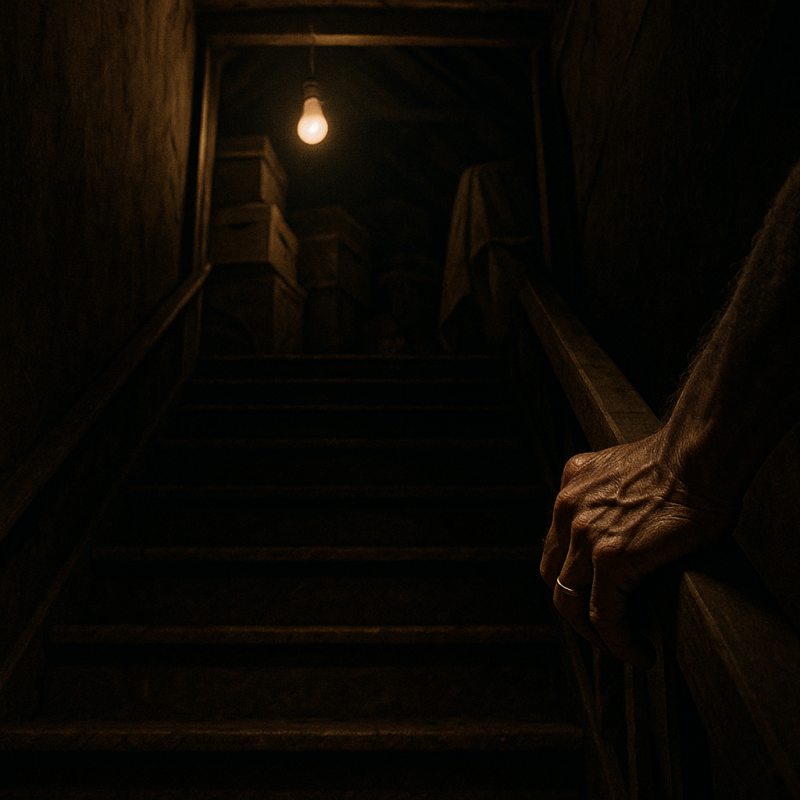 Image by RM AI
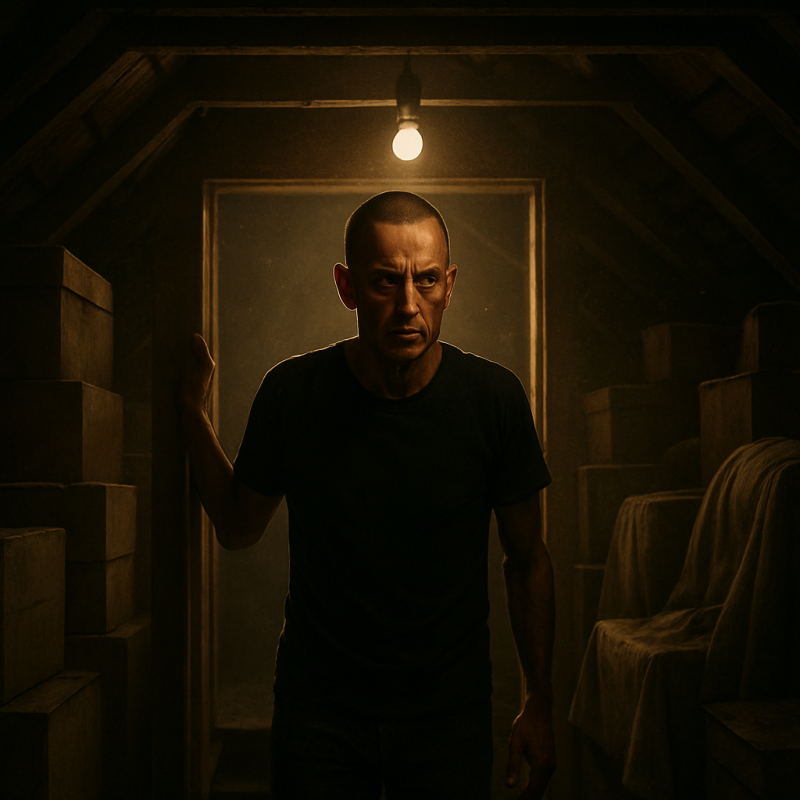 Image by RM AI
The Corporate Graveyard
The first box I moved was heavy enough to make my lower back register a formal complaint. I set it on the landing and went back for the next one, and the one after that, falling into the rhythm of it. Then I started to see what the attic actually contained. A row of trophies along the north wall — Broker of the Year, four consecutive years, the little gold figures on top frozen in poses of professional triumph. Framed photographs in bubble wrap: Julian shaking hands with a state senator, Julian at a ribbon-cutting with the mayor, Julian at some gala with people whose faces I half-recognized from business pages. Hobby equipment still sealed in manufacturer's packaging — a full set of scuba gear, two mountain bikes in their original boxes, ski equipment that had never seen a mountain. Each item had a price tag I could calculate without trying. The scuba gear alone was probably four months of the salary I no longer had. I carried the boxes down the narrow stairs and stacked them in the driveway, trip after trip, while the television played downstairs and Julian's preserved life accumulated on the concrete around me. I had a box of his trophies in my arms and the eviction notice on my kitchen counter at home, and the distance between those two facts was not something I had a word for.
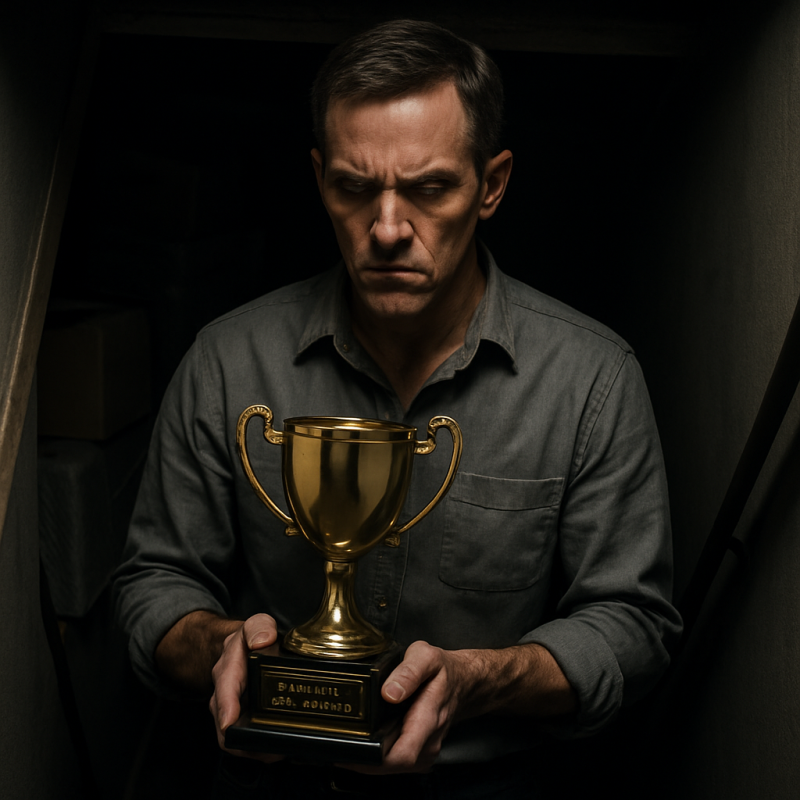 Image by RM AI
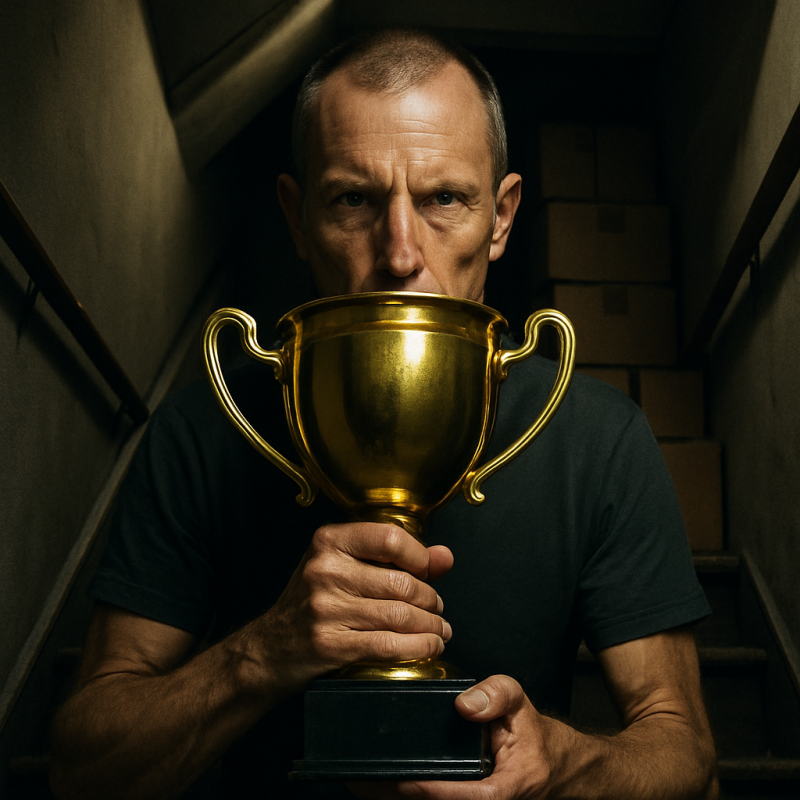 Image by RM AI
The First Hour
An hour in, the sweat had soaked through the back of my shirt and the mask had gone damp against my face, but I kept it on. I moved deeper into the attic, past the trophies and the hobby equipment, into the older layers — the sediment of a long career. Crates of accounting ledgers, the spines labeled by fiscal year going back to the nineties. Outdated computer towers stacked three high, monitors with the thick backs of a different era. Filing boxes sealed with tape that had gone brittle and yellow. I carried them all down, one load at a time, the stairs creaking under the weight. From somewhere below came the sound of the television shifting channels, then settling, then the faint clink of glass on a hard surface. Julian was down there, and I was up here, and the arrangement had a logic to it that I didn't examine too closely. I took a water break by the hatch, standing in the cross-draft between the attic and the stairwell, and drank half the bottle I'd brought from home. The dust had settled into the creases of my knuckles and the collar of my jacket. My arms ached with the specific, honest ache of work that asks nothing of you except that you keep going, and for a little while, that was enough.
 Image by RM AI
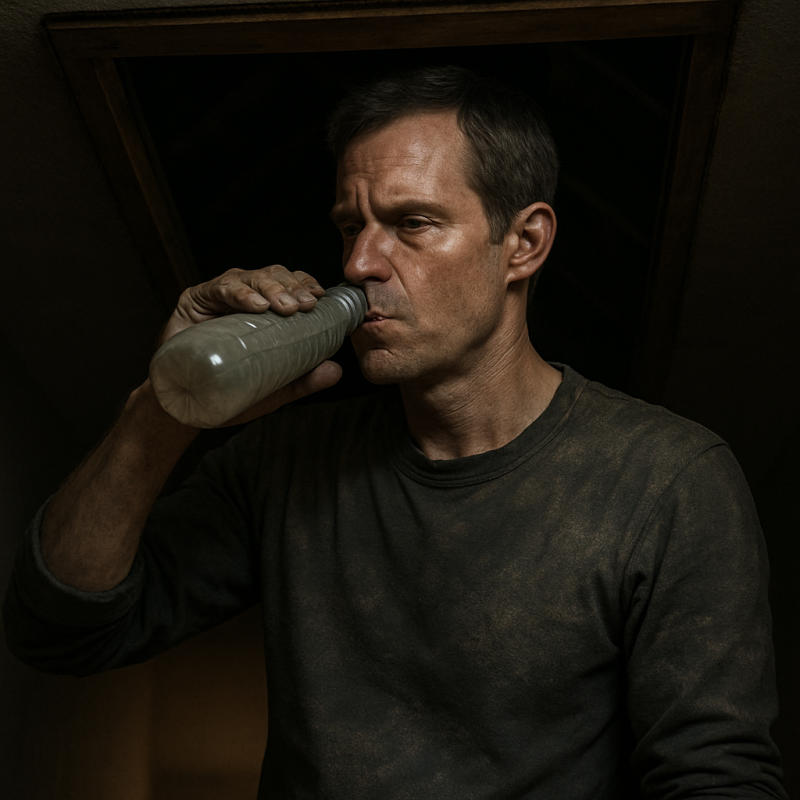 Image by RM AI
The Interruption
I heard the footsteps on the stairs before I saw him — the particular weight of someone who moves through spaces as though they own them, which in this case was literally true. I was crouched over a crate near the far wall when Julian's head came up through the floor hatch, then his shoulders, then the rest of him, and he stood there in the low attic light surveying the cleared space with the expression of a man doing an inspection he hadn't announced. I straightened up slowly and kept my face turned at an angle, chin down, the cap brim doing its work. He asked how much longer I thought it would take. I said three hours, muffled and flat, not looking directly at him. He made a sound that wasn't quite agreement and wasn't quite dismissal, and his eyes moved around the attic — not at the work, exactly, but at the spaces between the work, the corners, the stacked boxes I hadn't reached yet. His gaze had the quality I remembered from performance reviews: looking for the thing that wasn't where it was supposed to be. Then he looked back at me, and his eyes narrowed just slightly, and he asked if I'd been opening any of the boxes or just moving them.
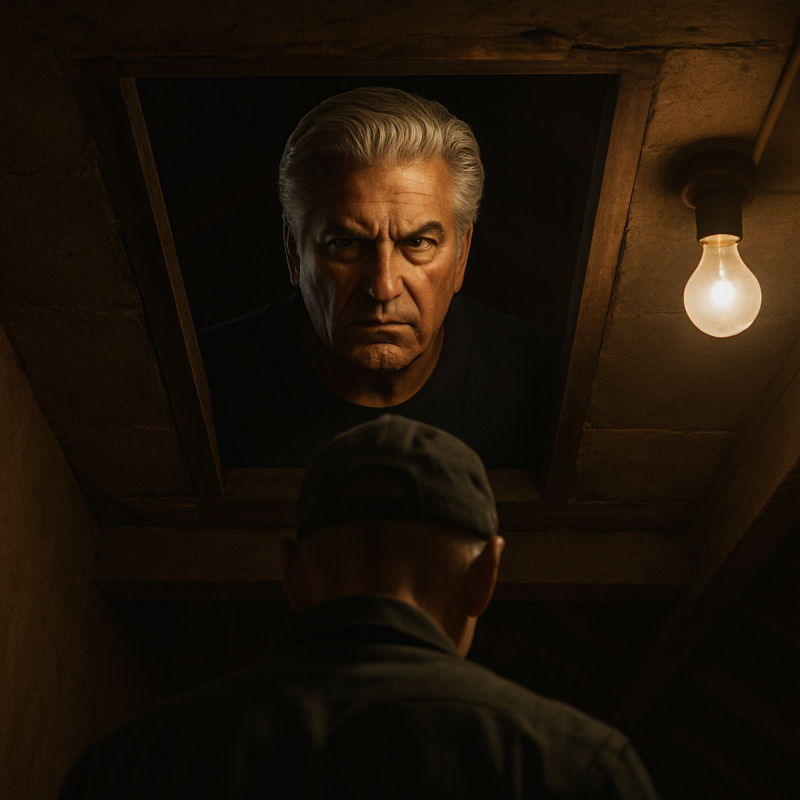 Image by RM AI
 Image by RM AI
The Downsizing
Julian left the way he'd arrived — without ceremony, without explanation, his footsteps retreating down the stairs and the hatch closing behind him with a soft, definitive click. I stood there for a moment, listening to the silence settle back in, then picked up the next box and carried it toward the hatch. He'd mentioned a condo downtown. Downsizing, he'd called it, the word landing with the practiced ease of someone who'd said it enough times to stop hearing it. But the thing about downsizing is that it usually comes with a reason — a divorce, a retirement, a financial reversal. Julian had been none of those things, or at least hadn't appeared to be, not when I'd worked for him. The company had been profitable. He'd driven a car that cost more than my annual salary. I stacked another box and tried to think about the two hundred forty dollars waiting at the end of this job. It didn't work. Some of the boxes near the back wall were packed in a way that felt rushed — lids not quite flush, tape applied at odd angles, like someone had been moving fast and not caring about the result. I couldn't say why that bothered me. I just kept turning over the same question: why did all of this need to happen today?
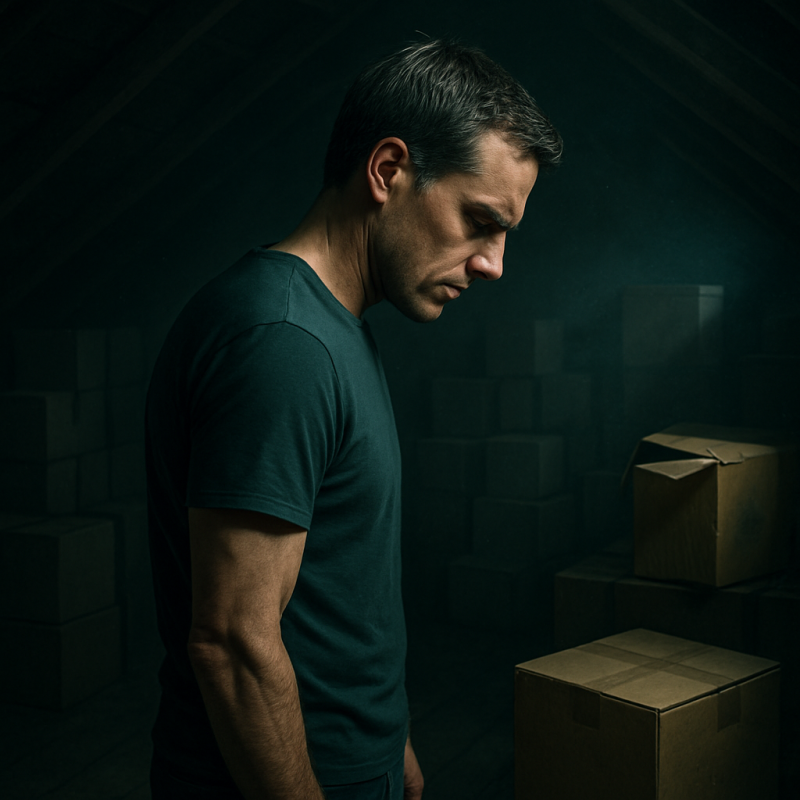 Image by RM AI
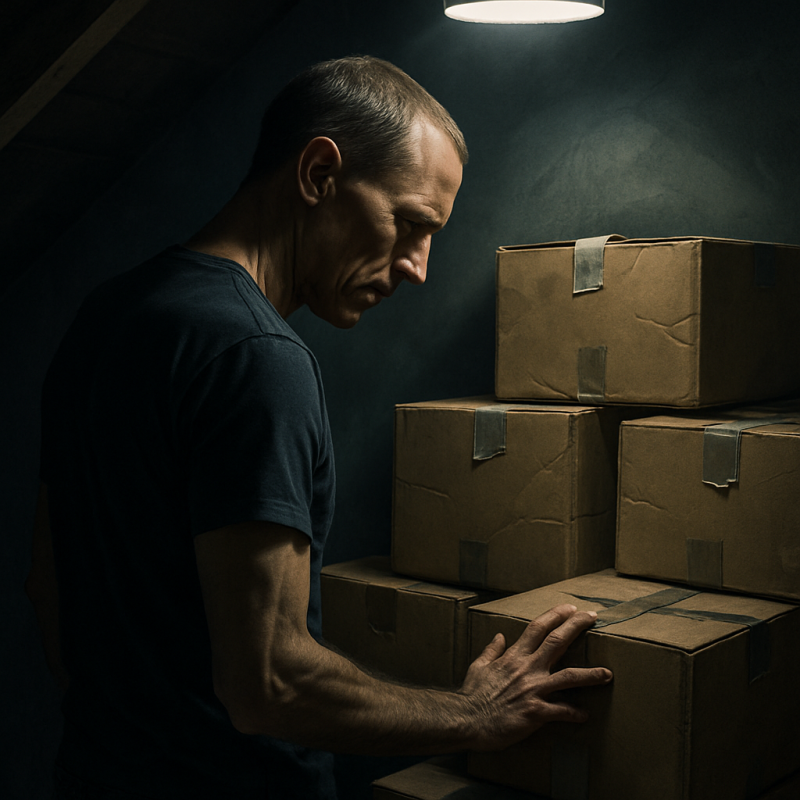 Image by RM AI
The Second Hour
The back corner of the attic was a different country. The ceiling sloped down to meet the floor at a sharp angle, and the single bulb strung from the center beam threw light that barely reached the eaves. I had to crouch to move through it, one hand on the nearest beam for balance, the dust rising with every step in slow, undisturbed clouds that told me no one had been back here in a long time. The insulation had pulled away from the rafters in long, sagging strips, hanging like shed skin. The air was thicker here — mothballs and something older underneath, the particular staleness of a space that had been sealed and forgotten. I moved aside a rolled carpet that weighed more than it had any right to, then a wooden chair with a broken leg, then a stack of picture frames with the glass still intact. I was sweating through my shirt by the time I cleared enough space to see the far wall clearly. And that's when I saw it — pushed into the deepest shadow where the roofline met the floor, too heavy and too deliberate to be anything left by accident: a military-style footlocker, dark green metal with reinforced corners, sitting in the dark like it had been waiting.
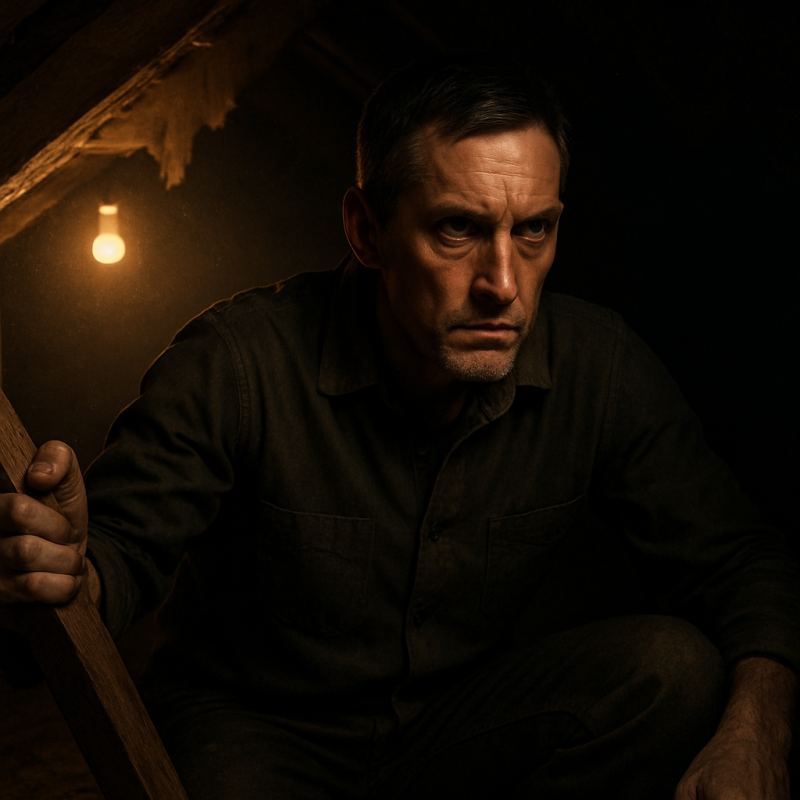 Image by RM AI
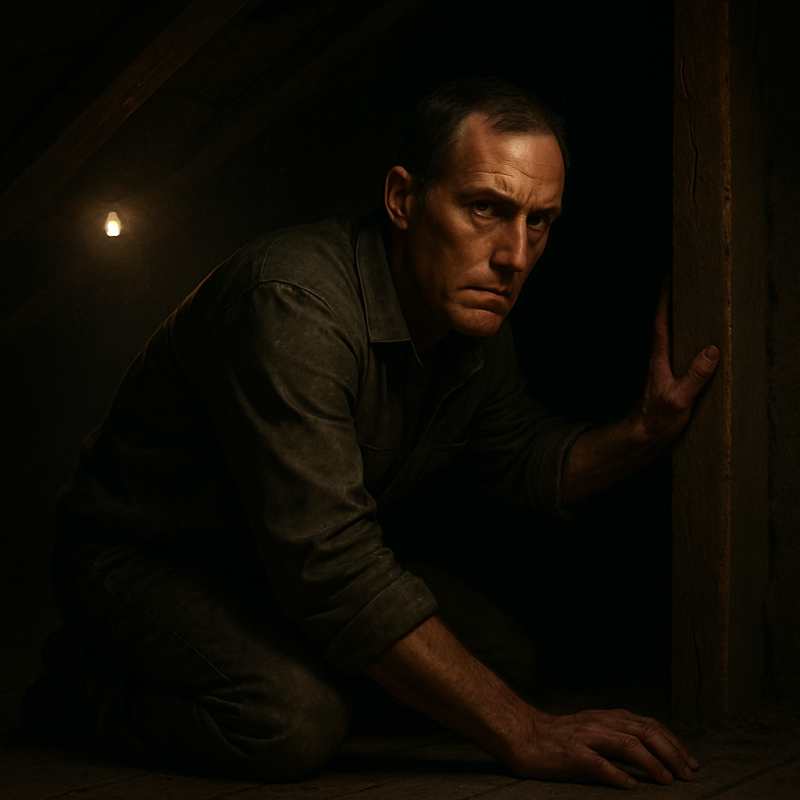 Image by RM AI
The Broken Lock
I knelt down in the dust beside it, one knee sinking into the grit, and looked at it the way you look at something that doesn't quite belong. The footlocker was solid — the kind of thing built to survive rough handling, the kind of thing you'd trust with something you didn't want found. Except someone had already found it. The brass padlock was still threaded through the hasp, but the shackle had been snapped clean, the break catching the dim light with a brightness that didn't match the age of everything else up here. Recent. That fracture was recent. I leaned closer and noticed the label affixed to the top — a strip of white adhesive tape with handwriting on it, faded but legible. I had to tilt my head to read it in the low light. It was a date. Just a month and a year, nothing else. The month and year they'd walked me out of the building with a security escort and a cardboard box. My heart started hammering against my ribs in a way I couldn't slow down, and I sat there in the dust with the broken lock hanging in front of me, the bright metal of the fracture catching the light, and I couldn't look away from it.
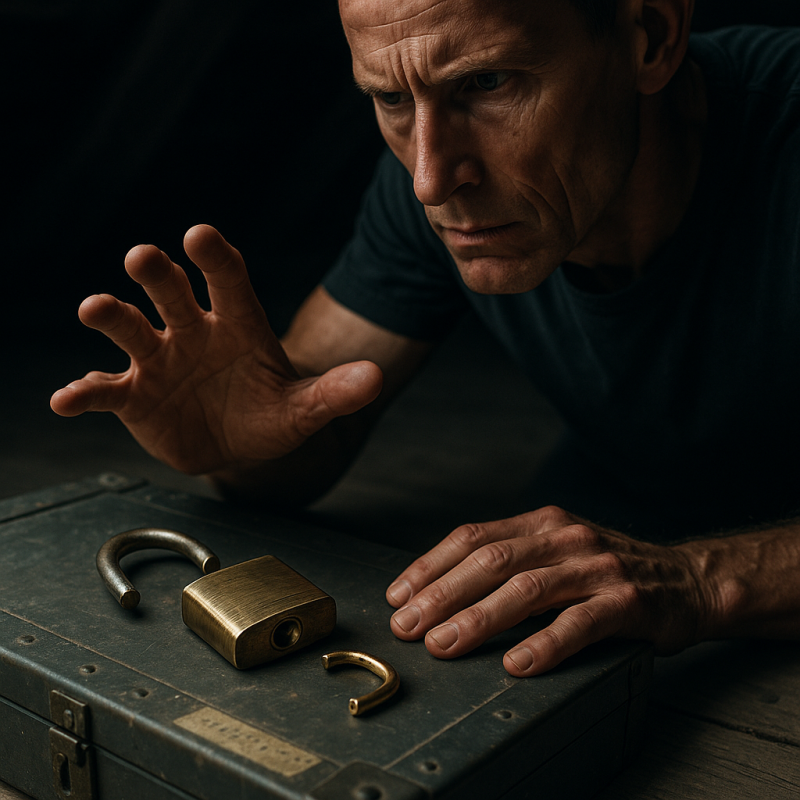 Image by RM AI
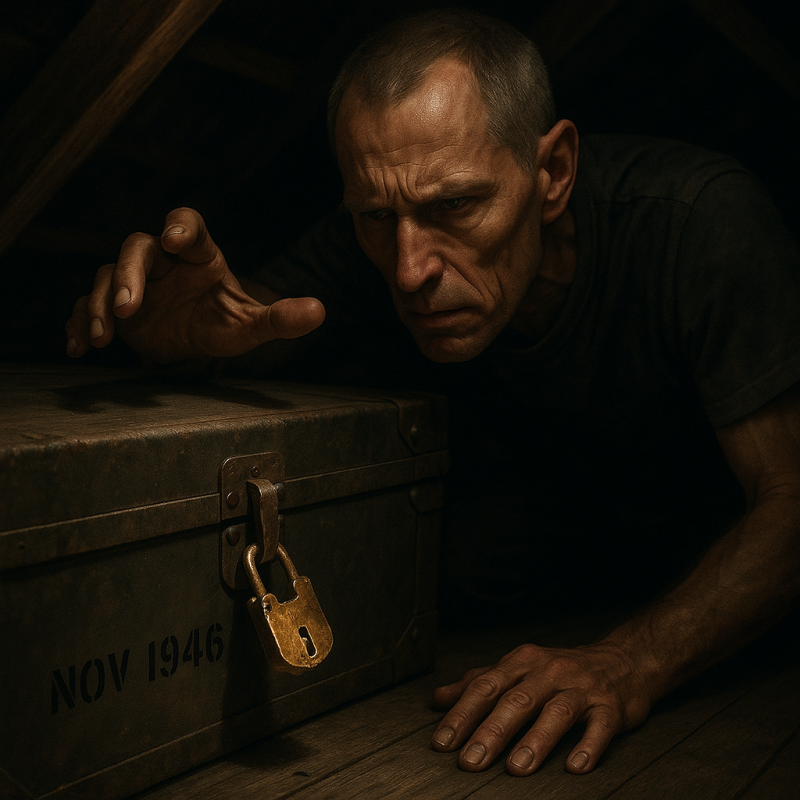 Image by RM AI
The Internal Debate
I sat back on my heels and told myself to be sensible. The job was to move things to the curb. That was it. Two hundred forty dollars for a day's work, no questions asked, no complications. I told myself that whatever was in that footlocker was none of my business, that opening it would cross a line I couldn't uncross, that Julian could come back up those stairs at any moment and find me crouched over his property with the lid open. I told myself all of that, clearly and in order, the way you talk yourself down from something you know is a bad idea. And then I looked at the date on that label again. The month they'd handed me a termination letter and a list of charges I hadn't committed. The year I'd spent the next eight months fighting a case I couldn't afford to fight, watching my savings drain and my references go cold. The two hundred forty dollars felt very far away. I wasn't going to open it, I decided. I was going to stand up, grip the handle, and drag it toward the hatch with everything else. I stayed exactly where I was, not moving, the question of what was inside sitting in my chest like something with weight.
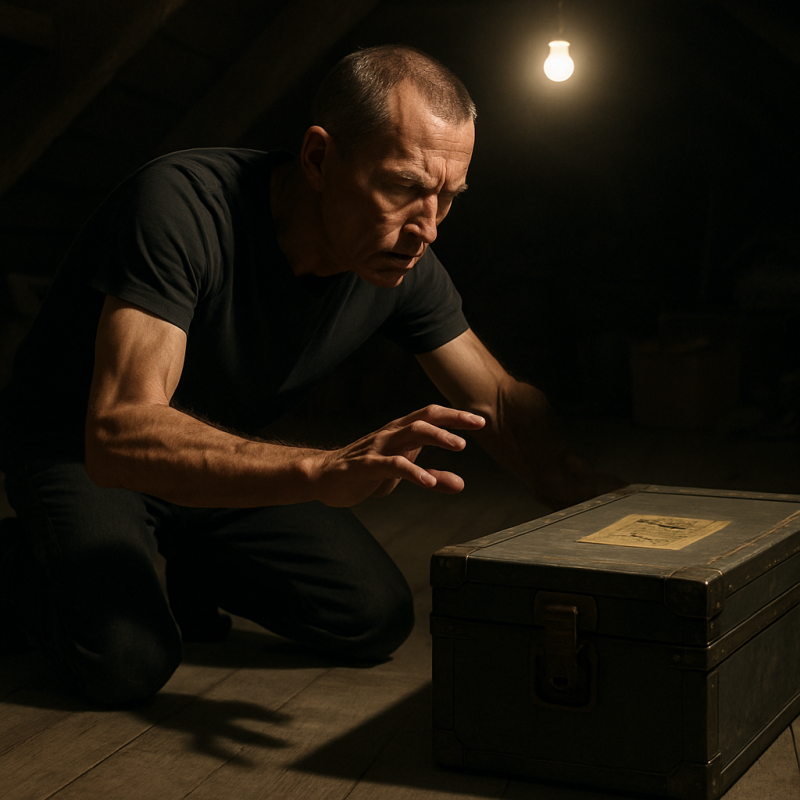 Image by RM AI
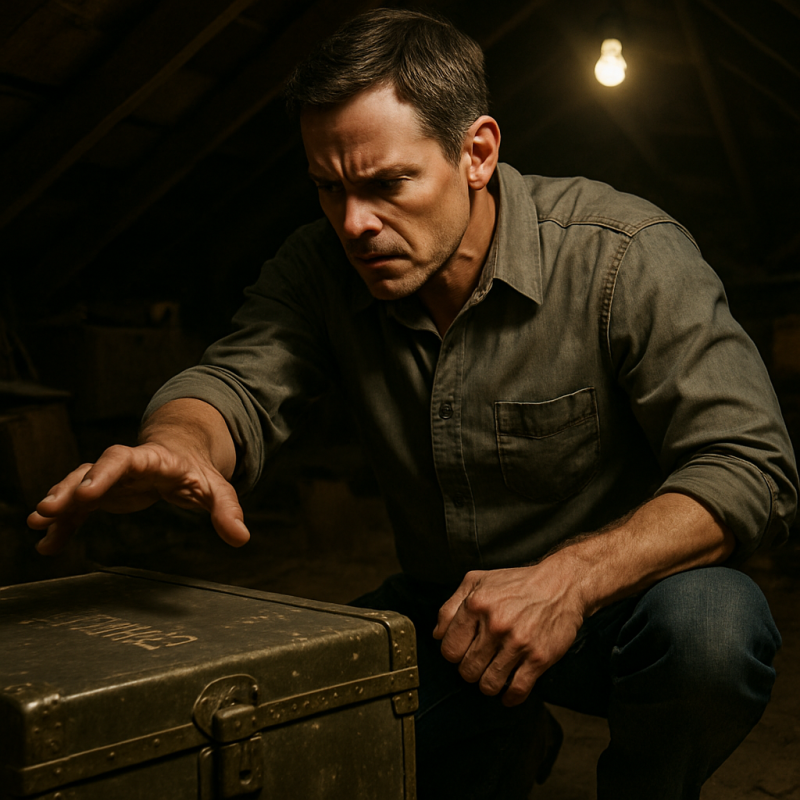 Image by RM AI
The Lid Lifts
I reached for the lid. The hinges were stiff and they creaked — a low, reluctant sound in the quiet of the attic — and I lifted it slowly, half-expecting Julian's footsteps on the stairs, half-expecting nothing at all. What I found was neither. No cash. No documents I couldn't identify. No personal effects that might explain the urgency of the clearout. What I found was a stack of manila folders, each one upright, each one labeled on the tab in the same careful hand. I didn't recognize the first name. I didn't recognize the second. I tilted the third folder forward to read its tab, and the attic seemed to shift around me — not physically, not in any way I could explain to someone who hadn't been there — but the light felt different and the dust felt different and the sound of my own breathing felt very loud. My name was on the third folder from the top.
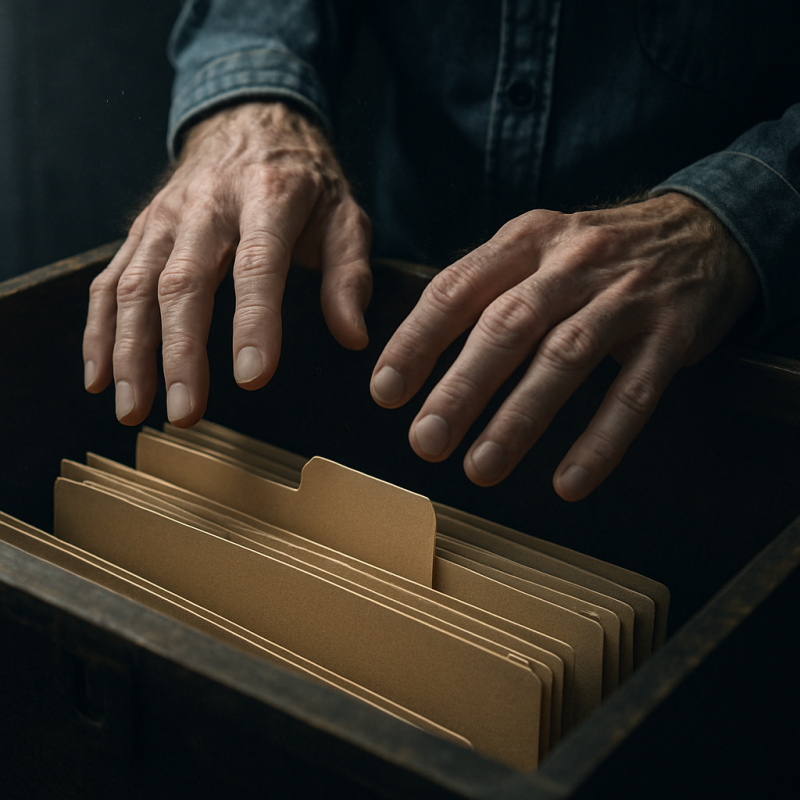 Image by RM AI
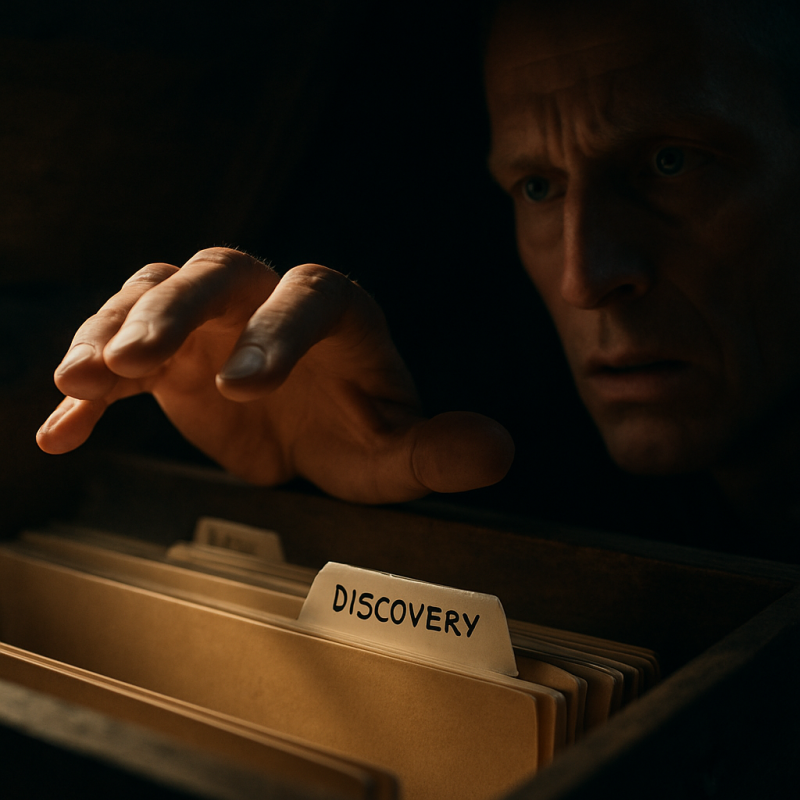 Image by RM AI
The Folder
My hands were shaking by the time I pulled the folder free. I opened it on my knee, the pages fanning slightly in the still air, and I recognized the format immediately — internal server logs, the same columnar layout I'd stared at across a conference table while Julian's HR consultant explained, in a tone of practiced regret, exactly what I was alleged to have done. I knew these logs. I'd seen these logs. Except these weren't the same logs. The timestamps matched, but there was a secondary access point in the data that hadn't appeared in the version presented at my termination hearing — a separate entry, lower in the column, showing an administrative override flagged against my credentials. The originating IP address was listed in a field that had been absent from Julian's version entirely. I stared at it until the numbers stopped swimming. The address wasn't mine. It wasn't a company server. I sat there in the dust with the folder open across my knees, the attic pressing in around me, and the weight of what I was holding settled into my hands like something I'd been carrying for a long time without knowing it had a name.
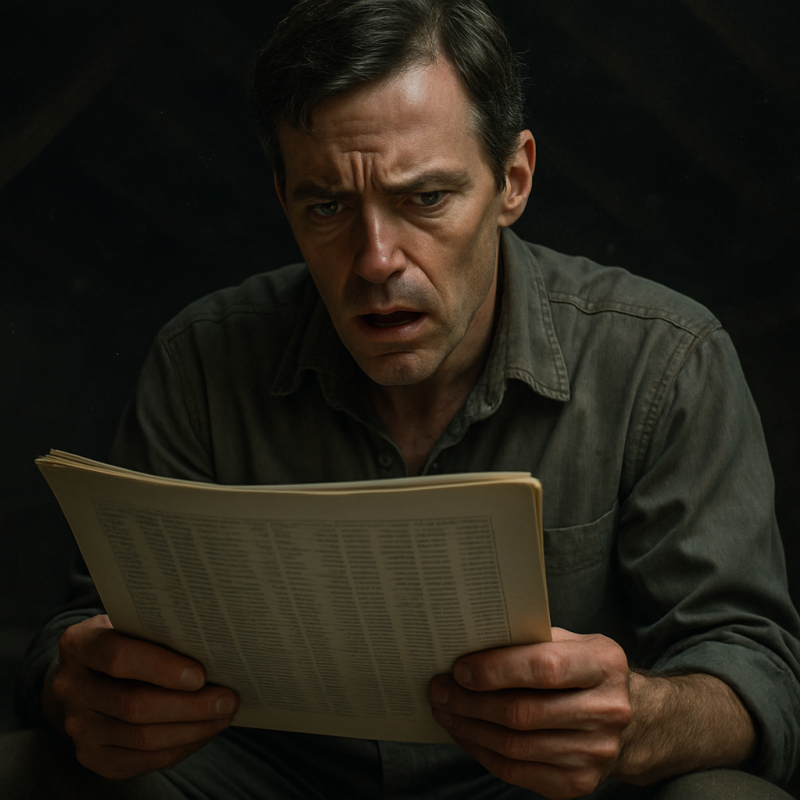 Image by RM AI
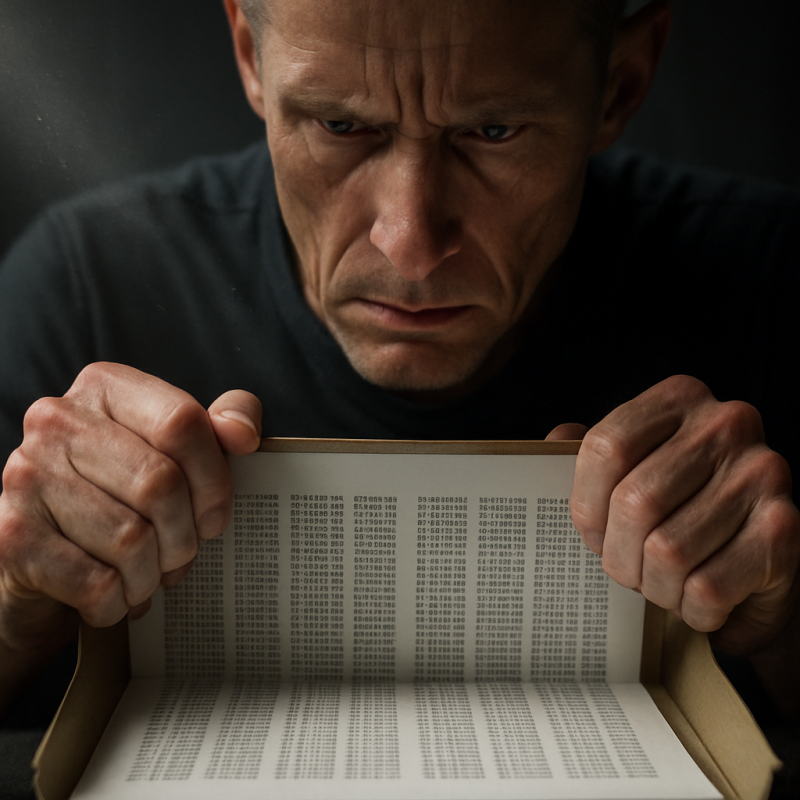 Image by RM AI
The Pattern Emerges
I set my folder down carefully, spine-up, the way you set down something you're not finished with. Then I looked at the rest of the stack. There were six other folders, maybe seven, each one labeled in that same precise hand. I lifted the next one and read the name on the tab: Sarah Jenkins. I hadn't thought about Sarah in over a year, but I remembered her — sharp, conscientious, the kind of person who caught errors before they became problems. She'd resigned in 2019, abruptly enough that people had talked about it for weeks afterward, though no one seemed to know the specifics. The folder behind hers was labeled Mark Thorne. Mark had been gone before I even started at the company — fired for negligence, the story went, though I'd always found that hard to square with the reputation he'd left behind. I set both folders back without opening them. I just looked at the stack. Every name on every tab was someone who had left Miller and Associates under circumstances that hadn't quite added up at the time. I sat there with that observation settling over me, slow and cold, like the temperature in the attic had dropped several degrees without anything actually changing.
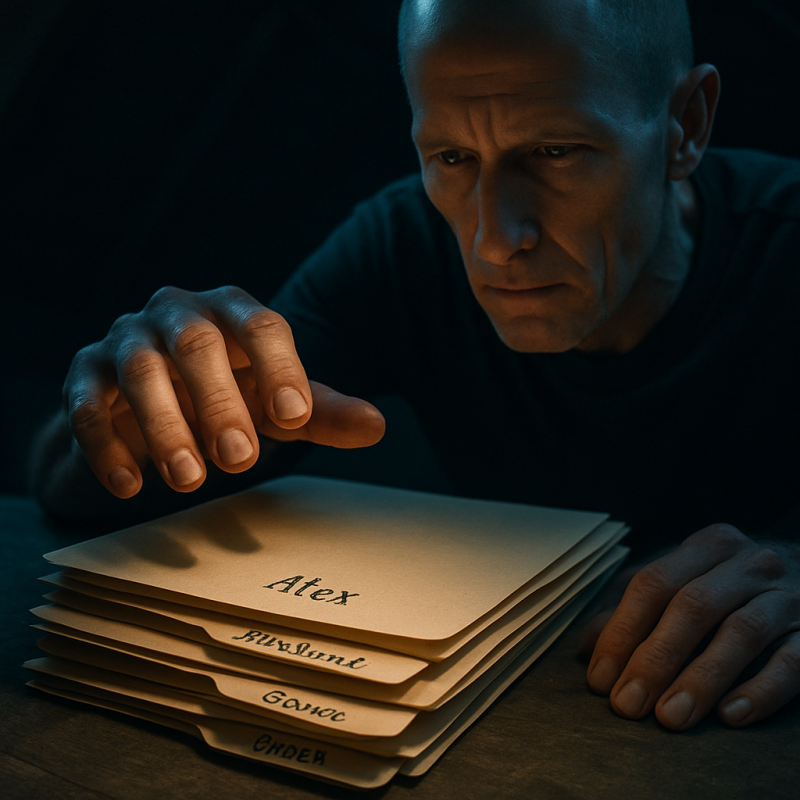 Image by RM AI
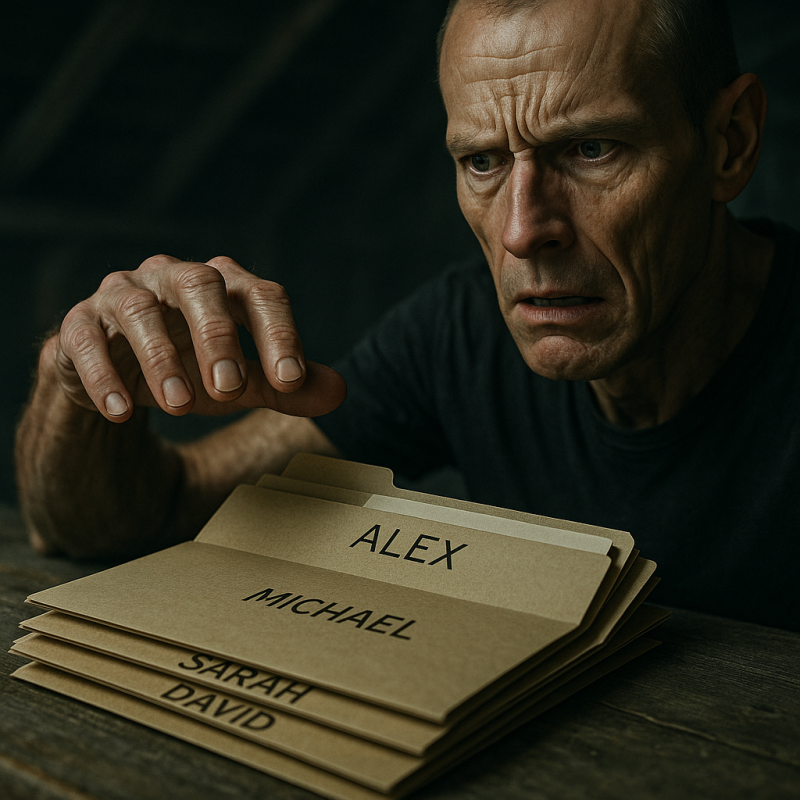 Image by RM AI
The Hard Drive
I moved the folders aside one by one, setting them in a careful row on the attic floor, until I could see the bottom of the footlocker. There was a gym towel folded flat against the base — dark navy, the Miller and Associates logo embroidered in the corner in gold thread, the kind of branded merchandise the company had handed out at the annual retreat. I lifted it out and unwrapped it slowly. Inside was a black external hard drive, compact and solid, the kind designed to survive being dropped. A sticky note was fixed to the top, the adhesive still holding. The handwriting was cramped and precise in a way I recognized without having to think about it — the same hand that had signed my termination letter, the same hand that had initialed every performance review I'd ever received. Four words and a warning: *Backups — DO NOT DELETE.* I lifted the hard drive out of the towel and held it in both hands, and the weight of it — small, dense, unremarkable — pressed into my palms like it was trying to tell me something I wasn't ready to hear.
 Image by RM AI
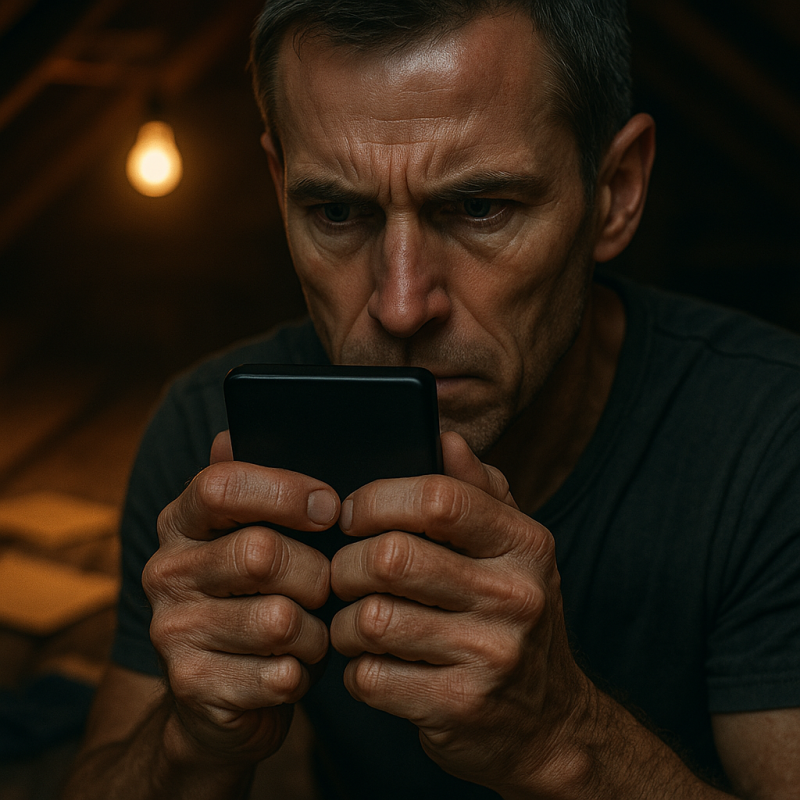 Image by RM AI
The Footsteps on the Stairs
I heard it before I saw anything — the particular creak of the third attic stair, the one that groaned under any weight heavier than a cat. My hands moved before my brain caught up. I shoved the folders back into the footlocker in rough order, not caring about sequence, just depth, just concealment. The hard drive went into the deep side pocket of the work vest in one motion, and I pressed the lid of the footlocker down as quietly as the old hinges would allow. I was on my feet and wiping my palms on my pants when Julian's head came through the floor hatch — that silver-templed, heavy-jowled face I had spent two years trying to impress and the last eight months trying to forget. His eyes swept the attic and landed on me with the particular narrowing of a man who suspects he's being taken advantage of but can't quite prove it. "What's taking so long over there?" The irritation in his voice was thick, almost physical. I gestured vaguely at the footlocker and kept my face angled toward the corner. The first line of Sarah Jenkins's folder was still printed behind my eyes: *Employee: Sarah Jenkins. Termination date: March 14, 2019. Discrepancy attributed: $35,000.*
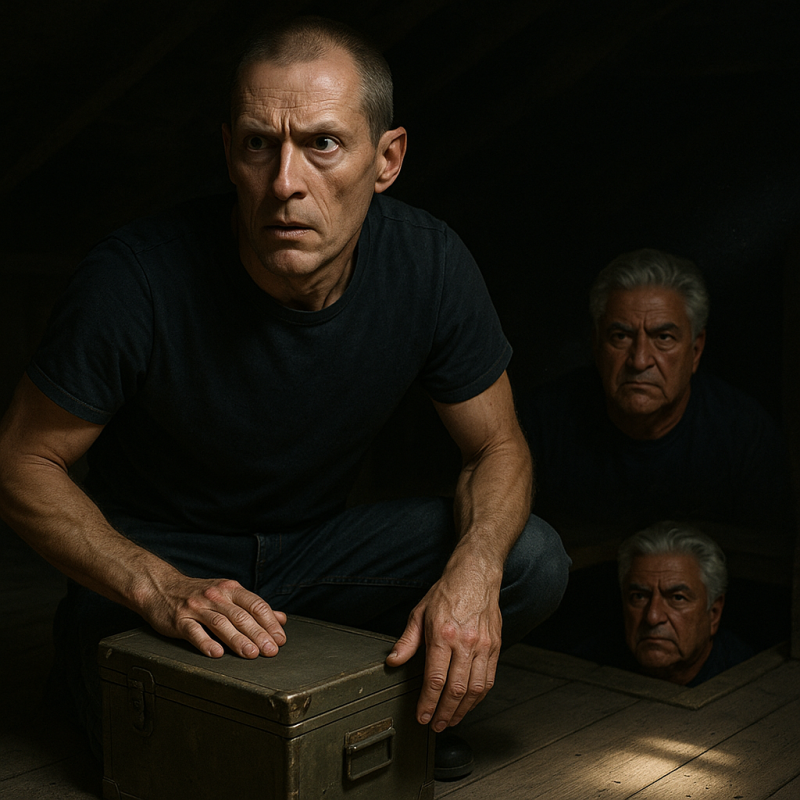 Image by RM AI
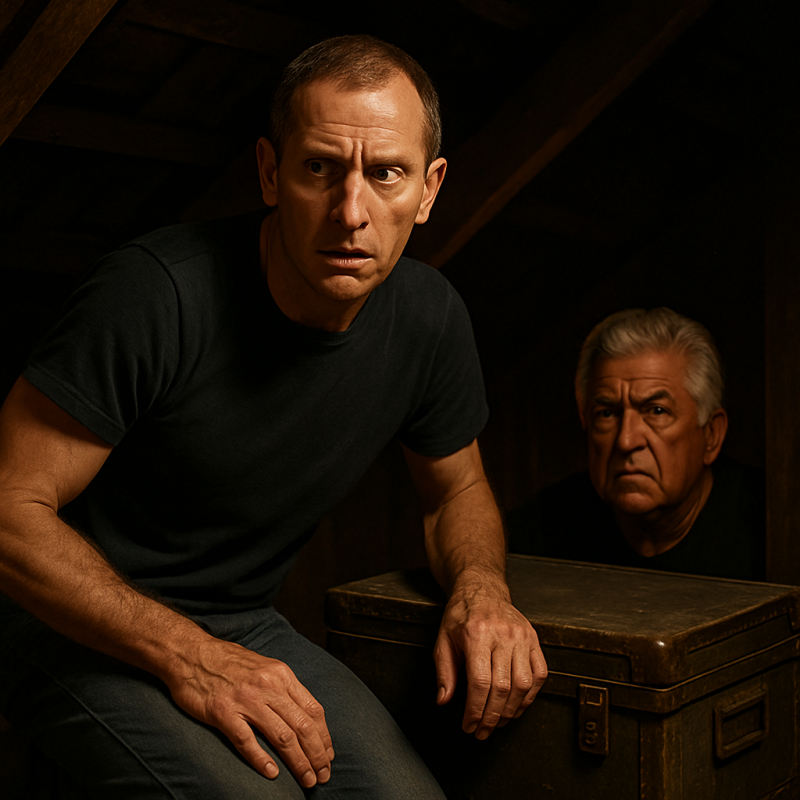 Image by RM AI
The Heavy One
"It's heavy," I said, keeping my voice low and muffled behind the dust mask. "Heavier than it looks. I'd need a strap or a second set of hands to move it safely without damaging the floor." I kept my face angled down, ostensibly examining the footlocker's base, actually just making sure Julian couldn't get a clear look at me. There was a long pause from the hatch. I could feel his gaze moving across the attic like a searchlight. "You should've brought proper equipment," he said finally, the contempt in his voice so practiced it came out smooth. "That's basic preparation." I made a noncommittal sound and crouched beside the footlocker, pressing one hand against its side as though testing the weight. "I'm paying by the hour," he added, "not for history lessons in what you should've packed." I said nothing. Silence, I had learned, was the safest language with men like Julian — it gave them nothing to push against, nothing to remember. There was a grunt, the sound of a man deciding the conversation wasn't worth his time, and then his head disappeared back below the hatch line. I listened to his footsteps retreat down the stairs, each one growing fainter, until the house settled back into its particular midday quiet.
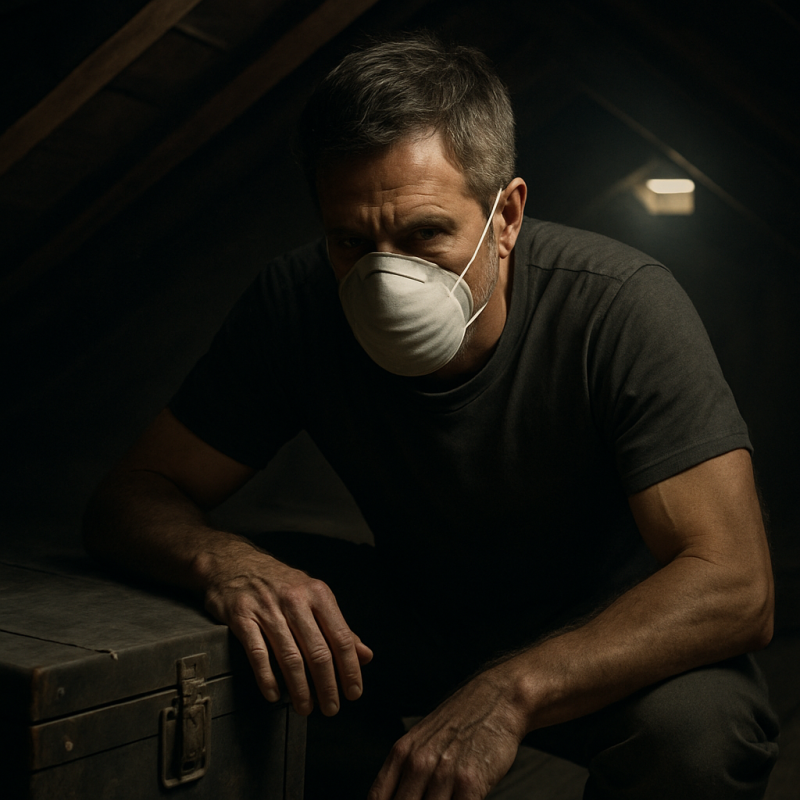 Image by RM AI
 Image by RM AI
The Second Folder
I waited a full two minutes after the last footstep faded before I moved. Then I opened the footlocker again, my hands not quite steady, and pulled out the folder labeled *Sarah Jenkins*. The contents were organized the same way mine had been — server logs printed on company letterhead, financial discrepancy reports with highlighted figures, a termination summary clipped to the front. The discrepancy was thirty-five thousand dollars, attributed to Sarah's credentials through a series of administrative overrides. I spread the pages across the attic floor and went through them line by line. The server logs showed access from Sarah's login at times that matched her recorded work hours — plausible, careful, the kind of detail that would satisfy an HR investigation without inviting deeper scrutiny. But there was something else in the logs, a secondary access string I recognized because I had seen the same string in my own file. The same home IP address. The same override signature. Sarah had resigned in March 2019, citing stress, no formal charges filed, the company's reputation kept clean and intact. I sat back on my heels and looked at the pages arranged around me on the dusty floor, the weight of what I was looking at pressing down on my chest like something I couldn't yet name.
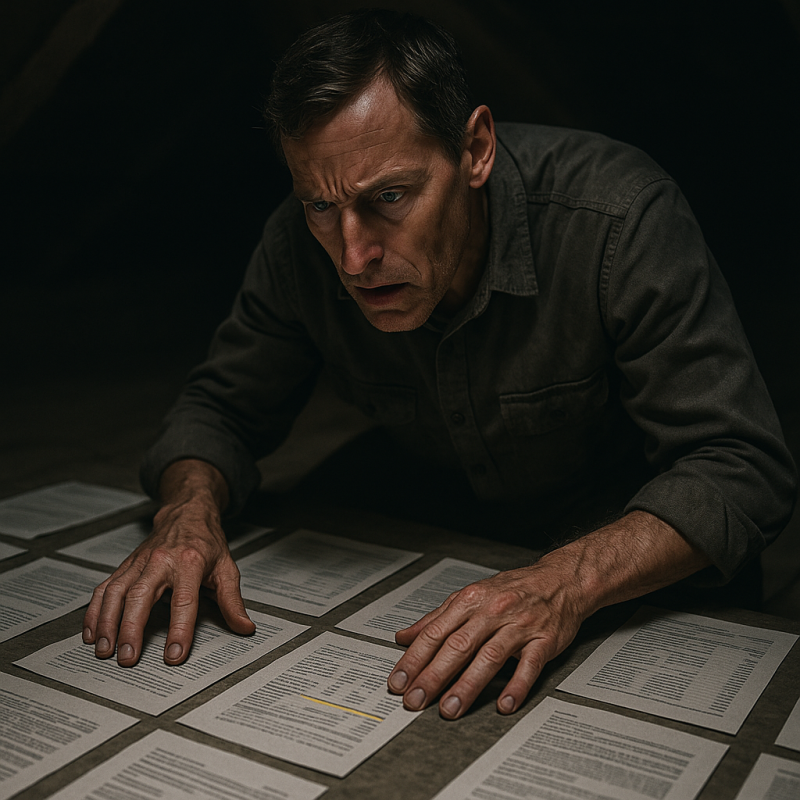 Image by RM AI
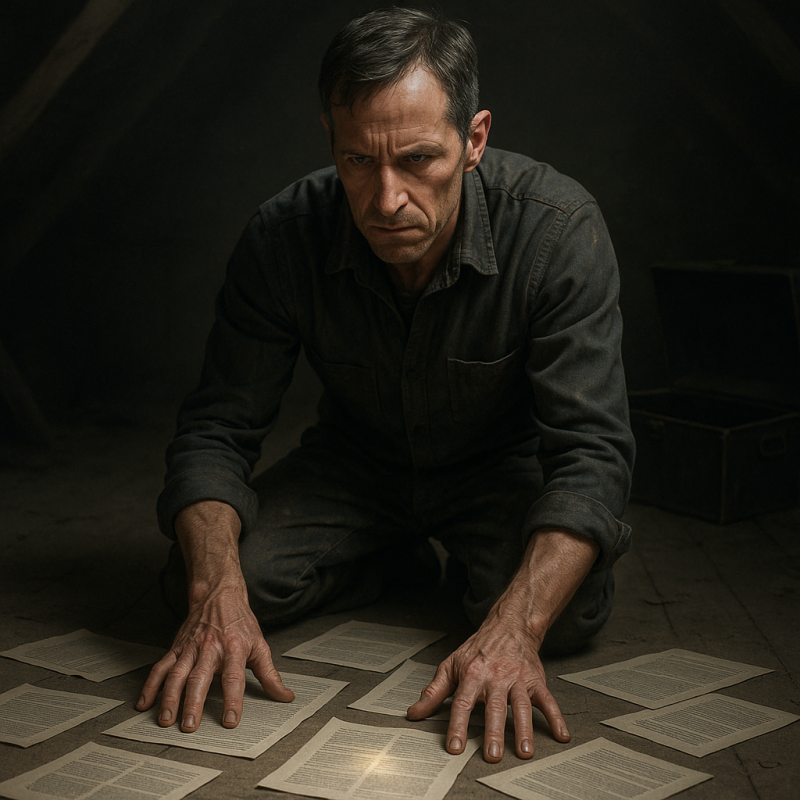 Image by RM AI
Mark Thorne's File
Mark Thorne's folder was thicker than Sarah's. I pulled it from the stack and opened it on my knees, and the first page told me what I needed to know before I'd finished the second paragraph. Thirty-two thousand dollars, attributed to Mark's credentials. The same server log format, the same administrative override signature buried three pages deep in the access records. Mark had been fired for gross negligence — I remembered hearing his name once, early in my time at Miller and Associates, in the way you hear the name of someone who left under a cloud, a cautionary whisper. His termination date was stamped at the top of the summary sheet: September 2017. Eighteen months before Sarah's resignation in March 2019. I set the folder down and looked at the two sets of documents side by side on the attic floor. September 2017. March 2019. The gap between them sat there on the dusty boards, precise and even, like a measurement someone had taken deliberately. I didn't have a word for what I was looking at yet. I just sat with the two folders open in front of me, the dates lined up in a row, and felt the floor tilt very slightly beneath me, the way it does when something you thought was solid turns out to be balanced on a single point.
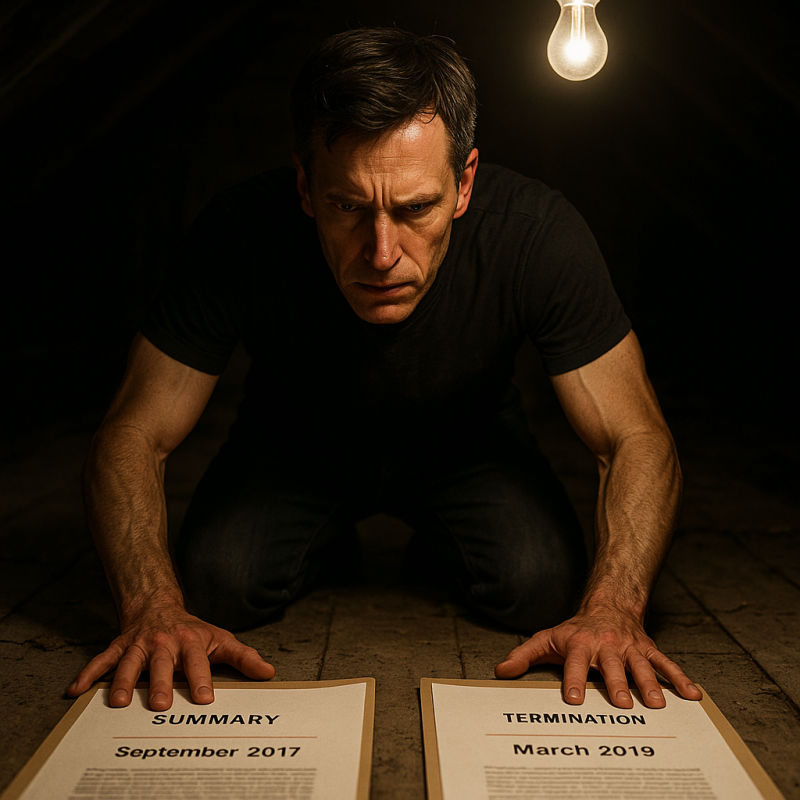 Image by RM AI
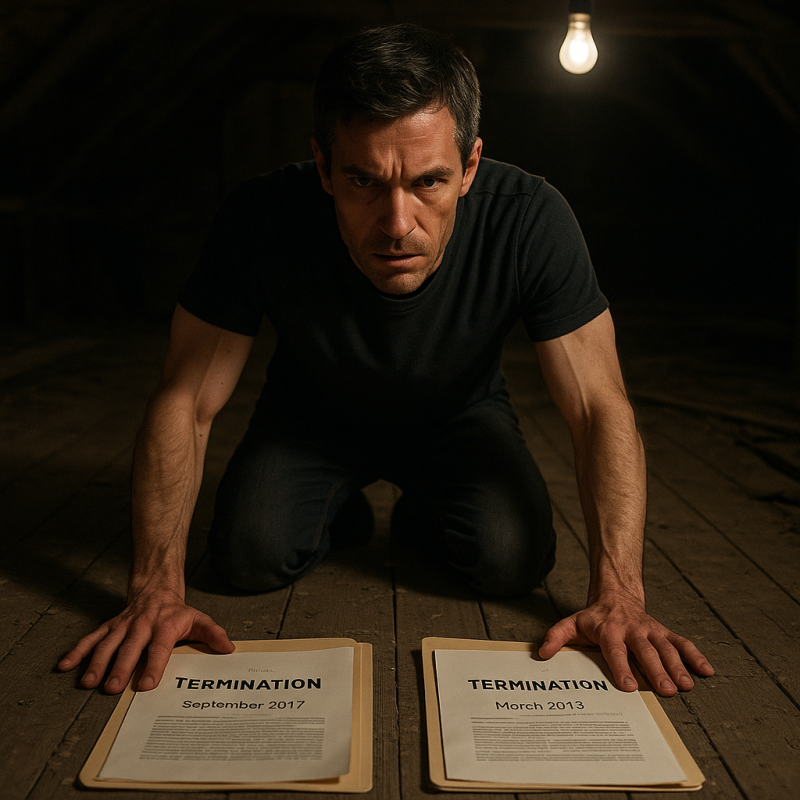 Image by RM AI
The Serial Predator
Two more names I didn't recognize — employees who had come and gone before I ever walked through Miller and Associates' glass doors. But the folders were identical in structure: server logs, financial discrepancy reports, termination summaries, override signatures. The amounts varied — twenty-eight thousand, thirty-two thousand — but the architecture of each case was the same, down to the formatting of the accusation memo. I sat there on the attic floor with five folders spread around me like a hand of cards, and the pattern assembled itself with a clarity that felt almost physical, like something snapping into alignment after years of being slightly off. Julian hadn't made a mistake with me. He hadn't panicked, hadn't acted out of desperation or personal animosity. He had done this before — methodically, patiently, at intervals long enough to let the memory of the last one fade. Each of us had taken the blame for money that was never ours to take. Each of us had walked out of that building carrying a crime that belonged to someone else. I wasn't an anomaly. I was an installment. And beneath the last folder in the row, pressed flat against the footlocker's base, were two more folders I hadn't yet opened.
 Image by RM AI
 Image by RM AI
The Scope of the Theft
I went through the financial documents across all five folders with the methodical focus of a man who had once been very good at his job and hadn't entirely forgotten how. First victim: twenty-eight thousand dollars. Second: thirty-two thousand. Sarah Jenkins: thirty-five thousand. Mark Thorne: thirty-two thousand. My own case: forty thousand. The numbers climbed in a gentle, almost elegant progression, each theft slightly larger than the last, as though Julian had been testing the tolerance of the company's books the way you test ice — a little more weight each time, waiting to see when it cracks. The five cases alone totaled more than one hundred sixty thousand dollars, and that figure sat in my chest like a stone. But it was the two unopened folders that kept pulling at me, and when I finally worked through them — names I still didn't recognize, amounts I had to add twice to believe — the number climbed further still. I was still adding when my hand touched something flat and stiff at the very bottom of the footlocker, beneath the last folder: a leather-bound notebook, the kind with a clasp, the pages inside dense with columns of handwritten figures and dates going back further than I had thought to look.
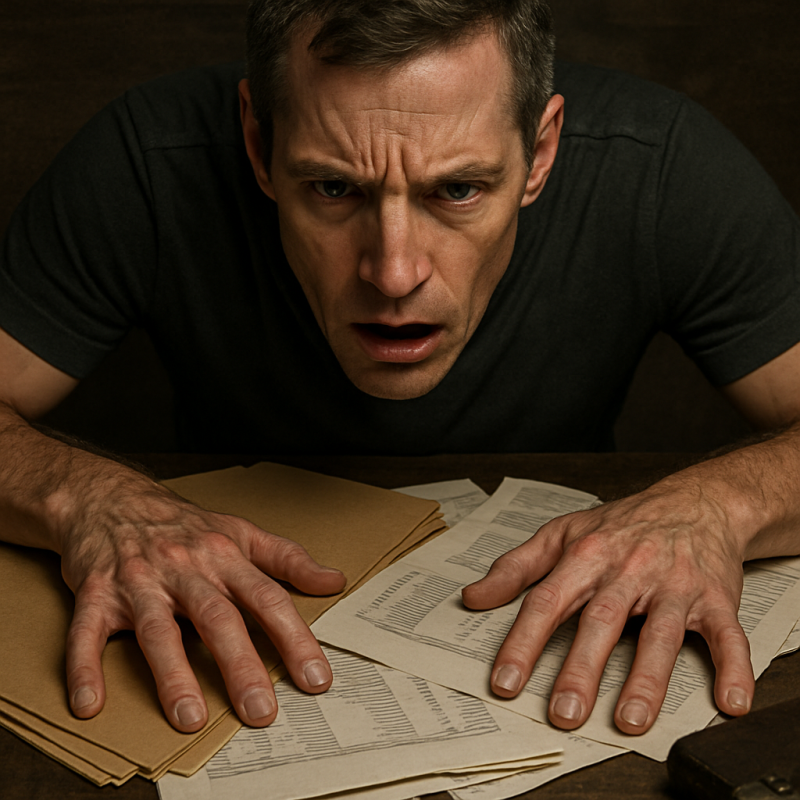 Image by RM AI
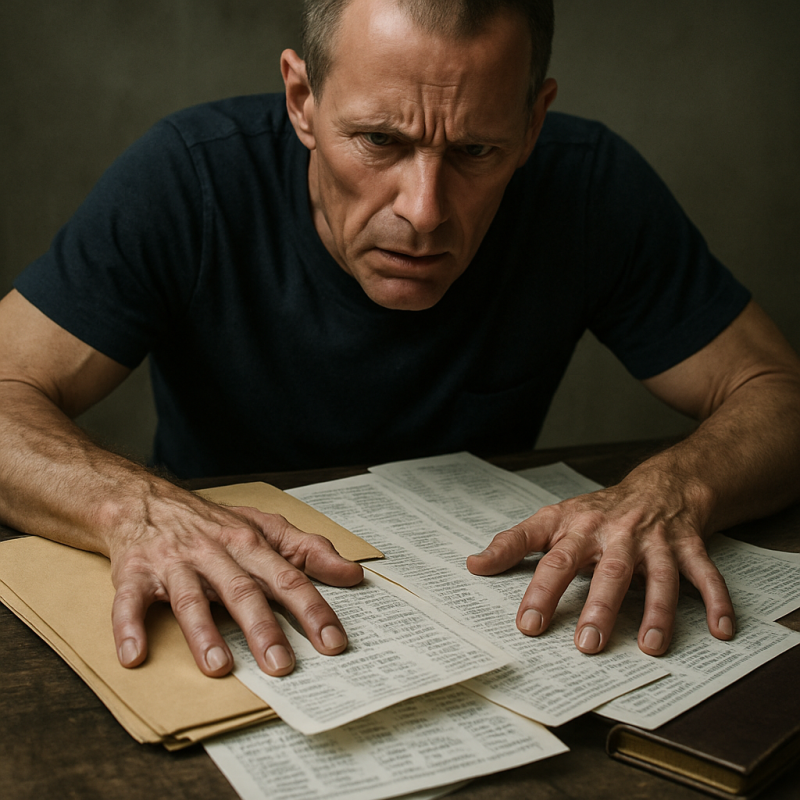 Image by RM AI
The Professional Ghost
I set the ledger down and just sat for a moment, my back against the attic wall, the folders spread around me in the thin afternoon light coming through the single gable vent. I thought about what kind of man does this — not once, not twice, but across years, across careers, across the accumulated wreckage of other people's professional lives. Julian had chosen carefully. Every victim I could see in those folders had been in a position of financial access, had been well-regarded enough to be believable as a thief, and had been discreet enough — or frightened enough, or simply too exhausted — to leave quietly. No lawsuits. No press. No pattern visible to anyone looking at a single case in isolation. The accusations were spaced far enough apart that no one inside the company would have connected them, and each departure was framed as an individual failure rather than a symptom of anything systemic. Julian's own reputation had floated above it all, untouched, the steady executive hand guiding the firm through the unfortunate business of employee misconduct. I had spent eight months believing I was the victim of a single, catastrophic act of cruelty. Sitting in that attic with the evidence arranged around me like a map, I understood I was one point on a line that had been drawn long before I arrived.
 Image by RM AI
 Image by RM AI
The Backup Drive
I reached into the deep pocket of the work vest and pulled out the hard drive. It sat in both my palms the way it had before — small, dense, unremarkable — but it felt different now that I knew what surrounded it. I turned it over and read the sticky note again in Julian's cramped, precise handwriting: *Backups — DO NOT DELETE.* The forensic team that had built the case against me had flagged gaps in the company's financial records, data that should have existed and didn't, transfers that appeared in summary reports but left no detailed trail. I had assumed the gaps were the result of deletion, of someone covering their tracks after the fact. But Julian hadn't deleted anything. He had moved it. Everything the forensic team couldn't find — every transfer, every override, every record of where the money had actually gone — was almost certainly sitting on the drive in my hands, organized and intact, because a man like Julian didn't destroy evidence he might one day need to use. My hands were shaking badly enough that I had to press the drive against my thigh to keep from dropping it, and I sat there in the dust and the thin light with the weight of it resting against my palms, unable to move.
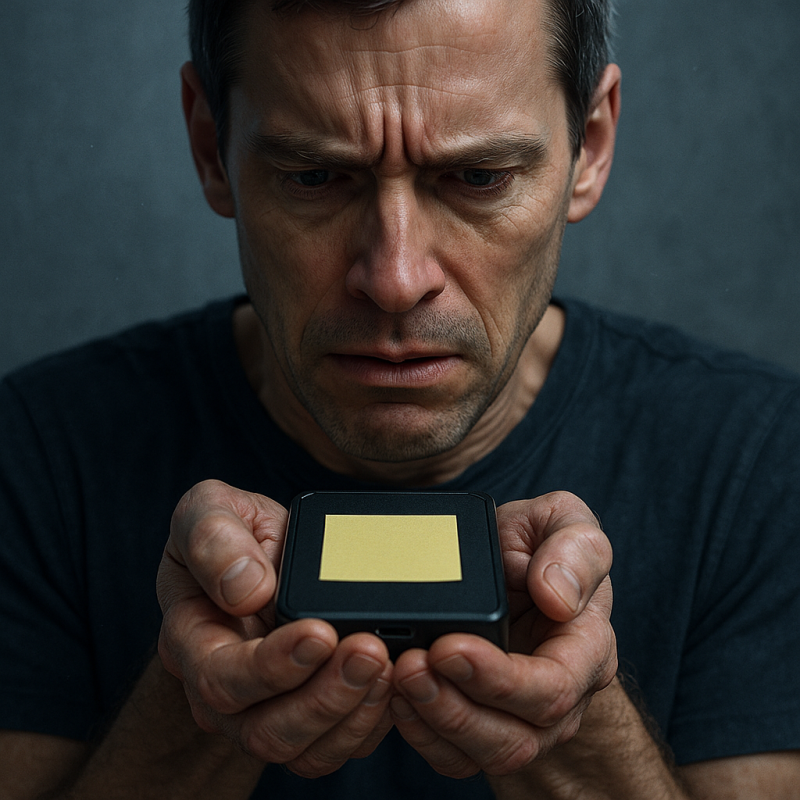 Image by RM AI
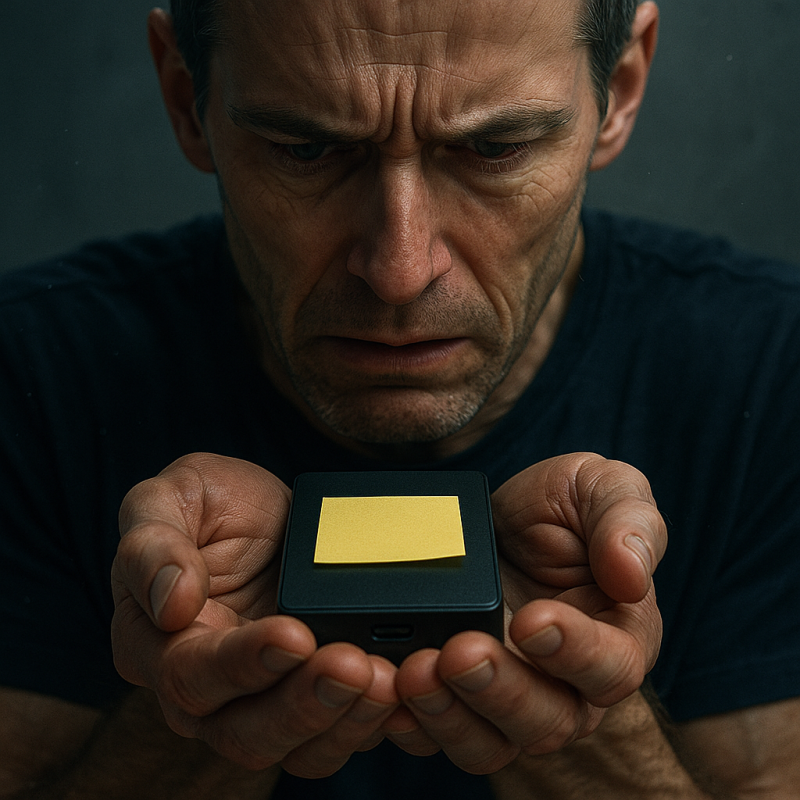 Image by RM AI
The Downsizing Truth
The drive was still warm in my hands when it clicked into place — the whole story of why I was here at all. Julian hadn't posted that gig listing because he wanted to downsize into some sleek city condo. That was the cover story, the plausible surface explanation, the kind of thing you say at a dinner party and nobody questions. What he actually wanted was for every physical trace of what he'd done to disappear before he did. The attic wasn't clutter. It was an archive. And he needed someone expendable to haul it to the curb without knowing what they were touching. The one-day timeline, the cash payment, the insistence on finishing everything before he returned — none of it was about convenience. It was a schedule. His schedule. I pressed the drive flat against my thigh and made myself breathe slowly, counting the seconds the way you do when panic is right at the edge of manageable. Then I heard it — footsteps below, crossing from one room to another, the deliberate back-and-forth of a man moving through his own house with somewhere specific to be.
 Image by RM AI
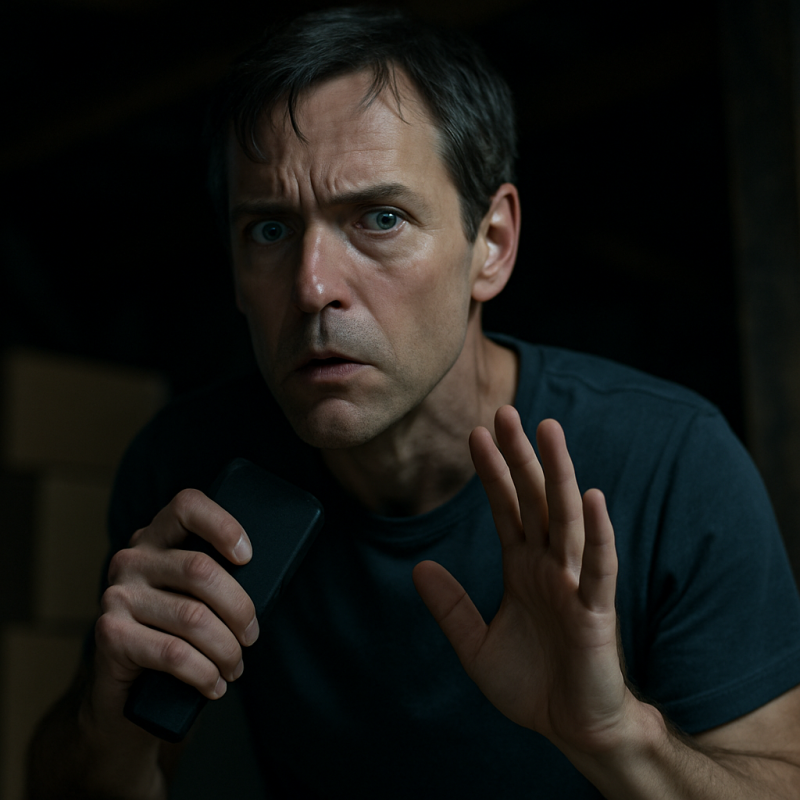 Image by RM AI
The Suspicious Return
I had maybe four seconds. I heard the creak of the attic stairs before I'd fully processed the sound, and my body moved before my brain caught up — I dropped the drive into the footlocker, pressed the lid down, and was on my feet with a half-filled trash bag in my hand by the time Julian's head cleared the hatch. He didn't say anything at first. His eyes went straight to the corner where the footlocker sat, the way a man's eyes go to the thing he's been thinking about. I kept my expression neutral and held up the bag like I was mid-task, like I hadn't just been sitting on the floor with my hands shaking over evidence that could put him in federal prison. "Making progress," I said. He looked at me. Then he looked at the footlocker again. "You haven't moved it," he said. It wasn't a question. "It's heavier than it looks," I said. "I'll drag it to the stairs last." He nodded slowly, but his eyes stayed on the corner long after his head had stopped moving.
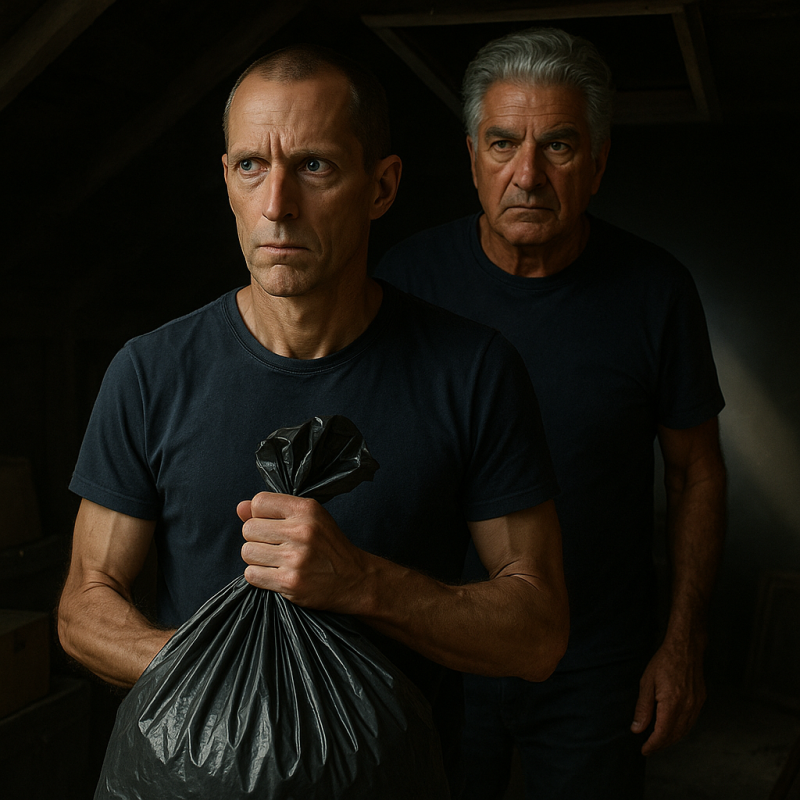 Image by RM AI
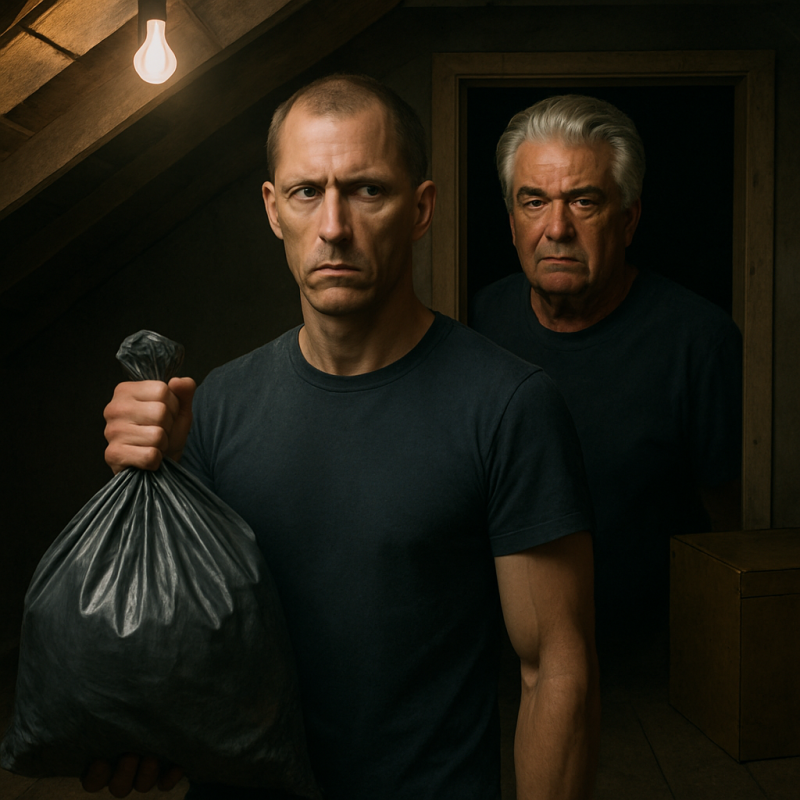 Image by RM AI
The Changed Instructions
Julian stood at the top of the hatch for another moment, and I could see him working through something behind his eyes — the kind of calculation that doesn't show on the face of a man who's spent decades learning to keep his face still. Then he said it. "Leave the footlocker." I looked up from the bag I was tying off. "Leave it?" "I'll deal with it myself," he said. "Just finish the rest within the hour." I nodded and said, "Understood," and watched him descend the stairs without another word. I waited until his footsteps crossed the floor below and faded toward the back of the house. He'd decided the footlocker was too close to something he couldn't afford to lose. He wanted it where he could control it, where no stranger's hands would sort through it on a curb somewhere and ask questions. What he didn't know — what he couldn't have known — was that the most important things inside it were already in my vest pocket, pressed flat against my ribs. The relief of that was almost physical. So was the frustration of how close it had been.
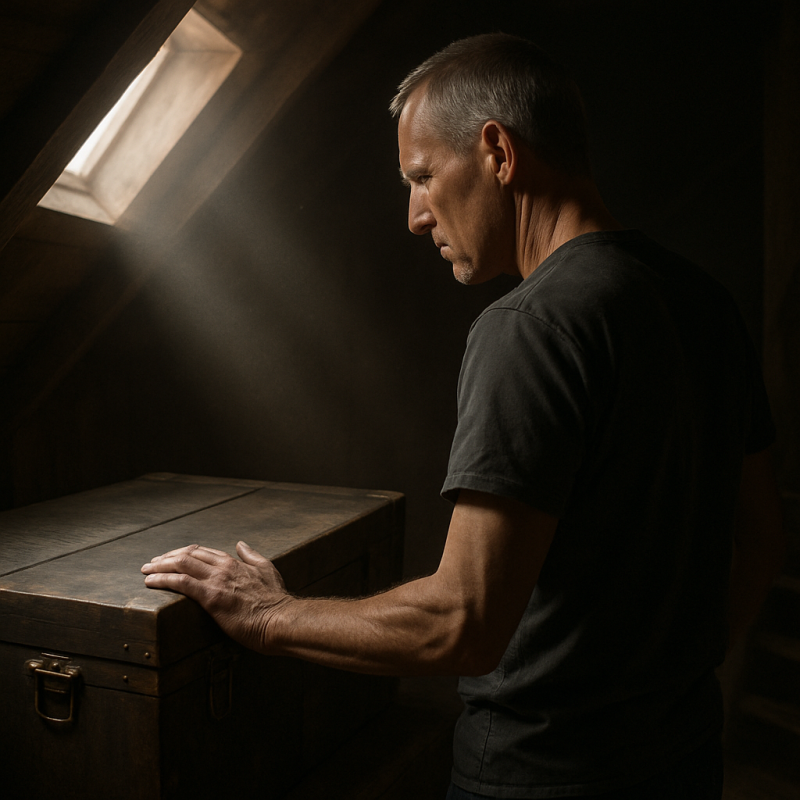 Image by RM AI
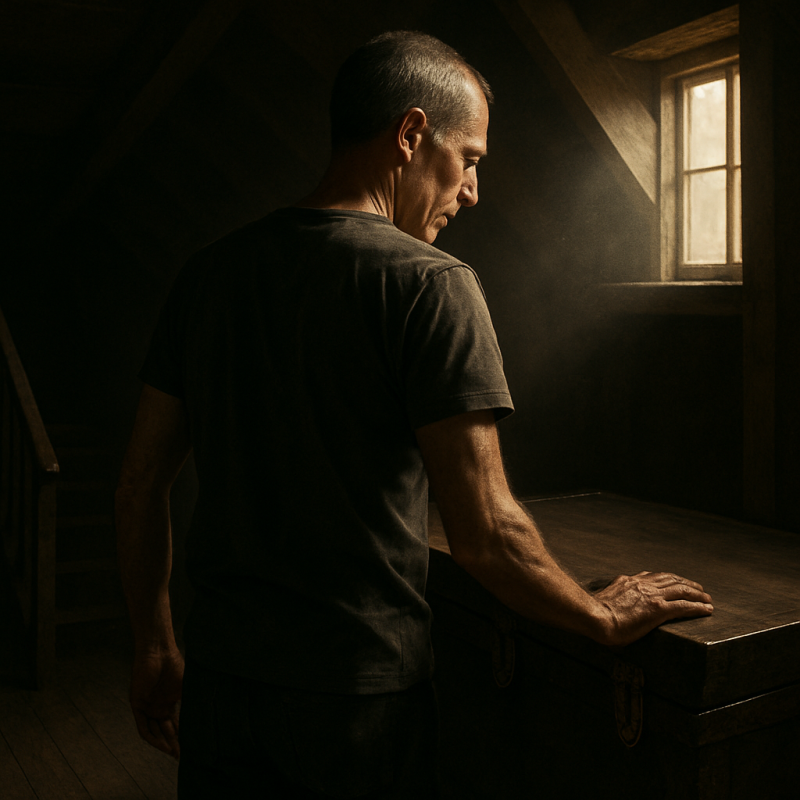 Image by RM AI
The Theft
The television came on downstairs about ten minutes later — a news broadcast, volume turned up the way people do when they want the noise to fill a room. I gave it another two minutes. Then I opened the footlocker one final time, working the latch slowly so the metal wouldn't catch. My folder was already in my vest. I pulled out Sarah's folder, then Mark's, and set them on the floor beside the hard drive. I found a trash bag I'd labeled for donations earlier in the afternoon and shook it open. The folders went in first, then the drive, wrapped in an old dish towel I'd set aside from a box of kitchen linens. I closed the footlocker and positioned it exactly as it had been — same angle, same distance from the wall. I picked up the donation bag and two others I'd actually filled, holding all three the same way so there was nothing to distinguish one from the others. The television was still going when I reached the top of the attic stairs and started down, each step placed carefully, my weight distributed so the old wood wouldn't announce me.
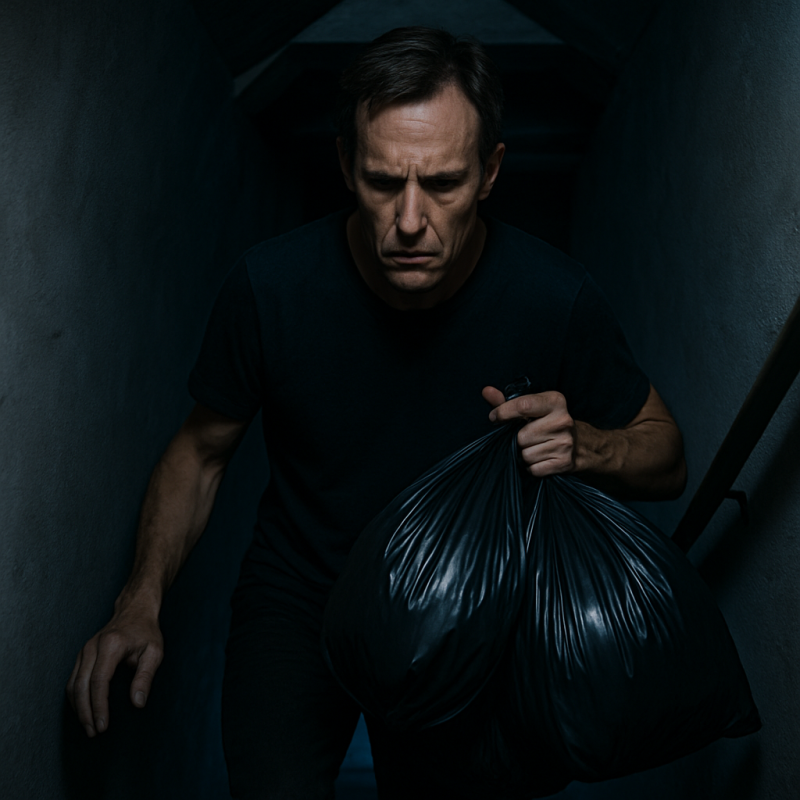 Image by RM AI
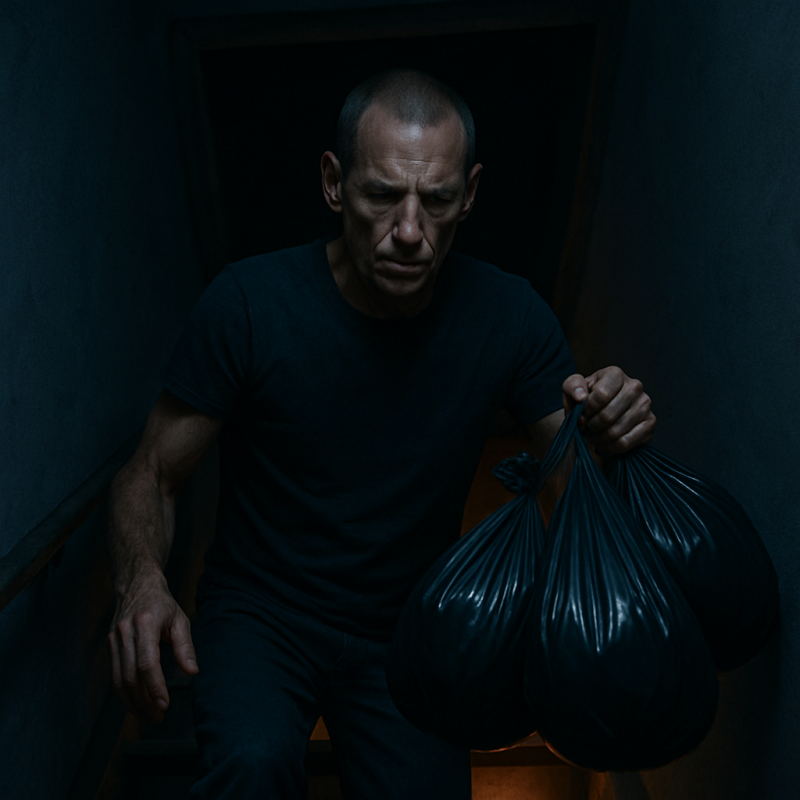 Image by RM AI
The Exit
I reached the bottom of the attic stairs and stood still for a moment, listening. The television was in the living room — some anchor reading headlines in that flat, authoritative cadence they all use. I could hear Julian shifting in his chair, the small sounds of a man settling in for the evening, comfortable and unsuspecting. I walked through the hallway toward the front door, three trash bags in hand, passing the living room entrance without slowing down or looking in. He didn't call out. Didn't acknowledge the sound of my footsteps. Didn't say goodbye or ask about the ninety dollars he owed me. I opened the front door, stepped outside into the evening air, and pulled it shut behind me with the quietest click I could manage. The driveway was empty. The neighborhood was still. I walked down to the sidewalk with the bags, and when I reached the end of the driveway I didn't stop — I kept walking, one foot in front of the other, the donation bag hanging from my right hand like it weighed nothing at all.
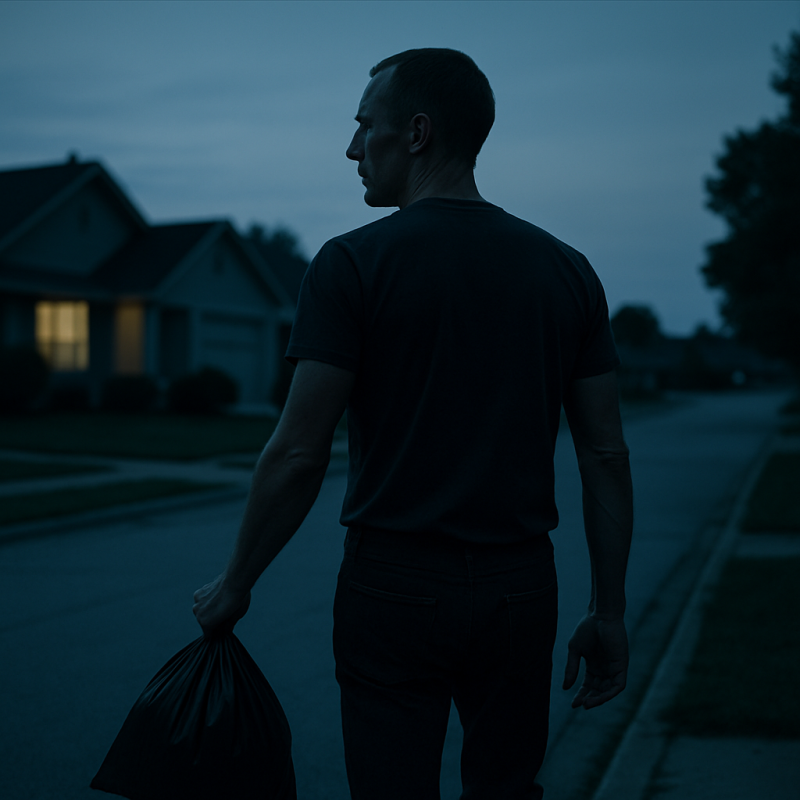 Image by RM AI
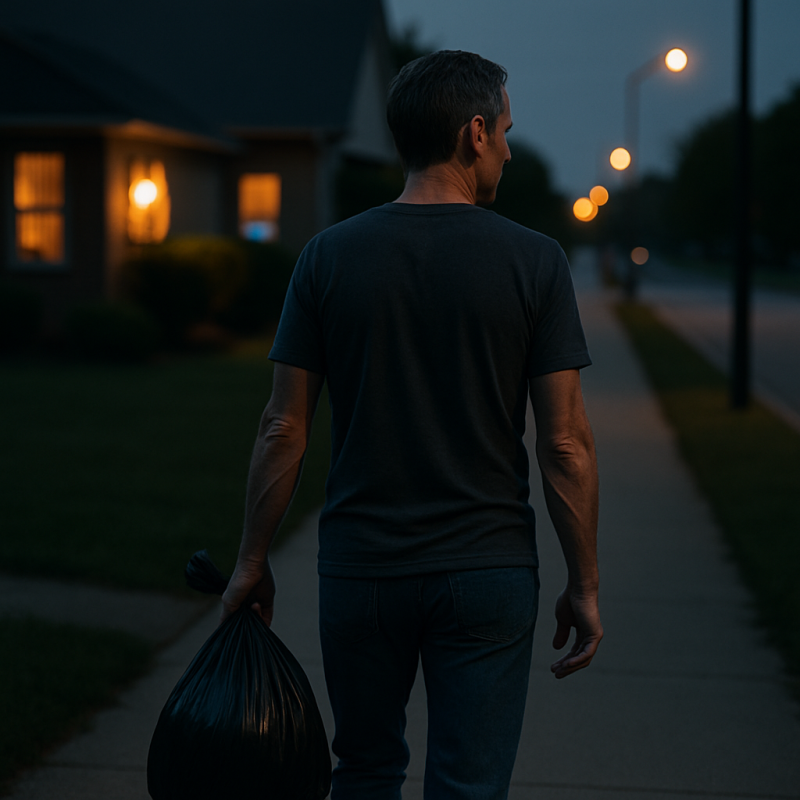 Image by RM AI
The Diner Booth
I took the bus across town and found a twenty-four-hour diner with a back booth far enough from the counter that nobody would bother me. I ordered coffee I didn't taste and pulled out the battered laptop I'd been carrying in my bag for months, the one I used for gig applications and not much else. The hard drive connected on the second try. The folder structure that opened on the screen was so organized it was almost elegant — years listed in sequence, and within each year, names. Client names. Employee names. Some I recognized, some I didn't. Each folder contained transaction records, routing numbers, account statements, shell company registrations. The offshore account information was there in plain text, no encryption, because Julian had never imagined anyone would find it. He'd kept it the way careful men keep things they intend to use again — sorted, labeled, complete. I scrolled for a long time without writing anything down, just reading, letting the full shape of it settle over me. The documentation didn't have gaps. It didn't have ambiguities. Every transfer was logged with a date, an amount, a source, and a destination, and the picture they assembled together was total.
 Image by RM AI
 Image by RM AI
The Money Trail
My own folder was near the top of the list, filed under my last name with the same clinical tidiness as everything else. I opened it and found the transaction I'd spent two years trying to prove existed. Forty thousand dollars, moved from the contingency fund on the exact date the forensic team had flagged — the date they'd used to build the case against me. From the contingency fund it went to a shell company called MJ Real Estate, which existed on paper in Delaware and nowhere else. From MJ Real Estate it moved to a private account with a routing number I didn't recognize at first. I cross-referenced it against the mortgage documents in a separate subfolder Julian had helpfully included. The account was his. The mortgage was on the house I'd spent the day cleaning. The forty thousand dollars I'd been accused of stealing — the theft that had cost me my career, my reputation, two years of my life — had paid for the attic I'd just walked out of. I sat with that for a while, the coffee going cold beside me, the screen casting pale light across the table.
 Image by RM AI
 Image by RM AI
The Email
I spent an hour finding the current board members at Miller and Associates — three had turned over since my termination, but four of the original seven were still listed on the firm's website. I found professional email addresses for all seven through a combination of the firm's contact page and LinkedIn. Then I opened a new message and started writing. I kept it short and factual: who I was, what I'd found, where I'd found it, and what the attached files would show them. The first attachment was the spoofed server log I'd photographed in the attic — the one showing an administrative override that no junior accounts manager could have executed. The second was a ledger page from the hard drive documenting the total theft across all accounts, with my name's folder highlighted. The third was a timestamped photo I'd taken of the attic interior before I left, with location data embedded in the file. I read the email three times. I changed two words. I read it again. Then I moved the cursor to the send button and held it there, my finger resting on the trackpad without pressing down.
 Image by RM AI
 Image by RM AI
The Send
I pressed the trackpad. One click. The kind of sound a mouse makes that you barely register on any other day — a soft, mechanical exhale — and then the outbox count ticked from one to zero. Sent. I sat there staring at the screen for a moment, waiting for something to feel different, the way you wait for thunder after lightning. The diner was quiet. A cook scraped something on the flat-top in the back. A truck downshifted on the highway outside. I disconnected the hard drive and slid it into my jacket pocket, then closed the laptop. I ordered coffee I didn't need and sat in the booth for another ten minutes, checking my phone every ninety seconds like that would make a board member materialize at 4 a.m. Nobody responded. Nobody was going to respond at this hour, and I knew that. I left a five on the table, tucked the laptop under my arm, and walked out into the pre-dawn dark. The parking lot smelled like diesel and wet asphalt. I sat in my car for a while with the engine off, phone face-up on the passenger seat, the sent folder showing one message delivered and unread.
 Image by RM AI
 Image by RM AI
The Arrest
Two days. That's how long it took. I was eating cereal over the sink when a number I didn't recognize called — a board member named Hartwell, who spoke in the clipped, careful cadence of someone who had already been briefed by legal counsel. He told me the board had convened an emergency session within hours of receiving my email. The hard drive data had gone to federal investigators by the following morning. I listened and said very little. Then he told me Julian had been arrested at the airport. One-way ticket to Belize. Two suitcases. The federal agents had pulled him out of the boarding line before he cleared the gate. I set the cereal bowl down. That evening I watched the news coverage on my laptop — a thirty-second clip, grainy airport security footage overlaid with a reporter's voice. Julian was in a gray suit, the expensive kind, and he was being walked through the terminal with his hands behind his back. He looked smaller than I remembered. The haggard lines I'd seen in that attic were sharper now under the fluorescent lights, the careful grooming undone, the authority he'd worn like a second skin stripped away in a corridor full of strangers. I watched it twice, and then I closed the laptop and sat in the quiet of my apartment, and it was enough.
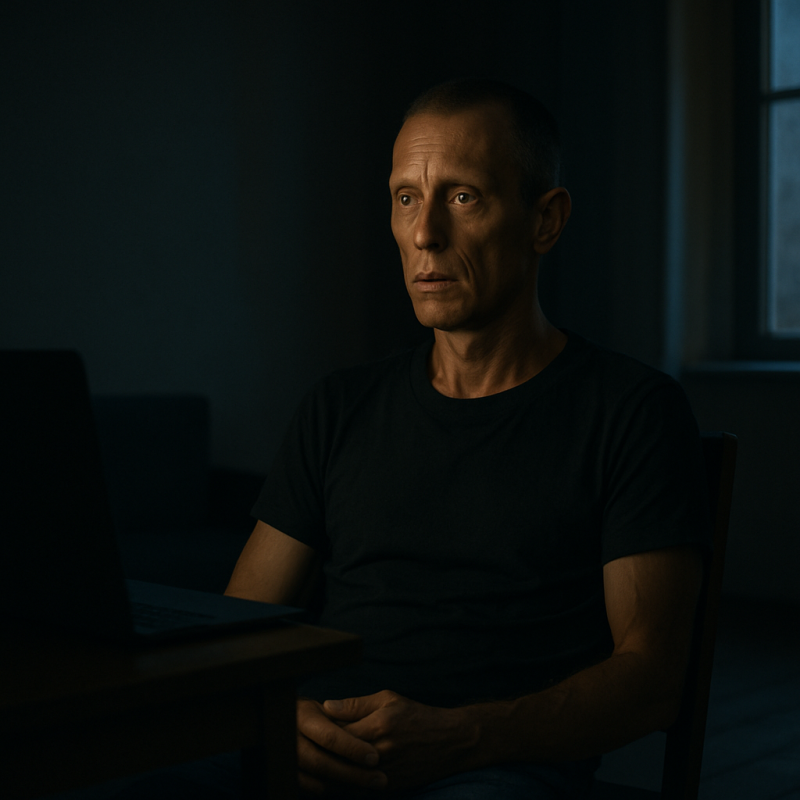 Image by RM AI
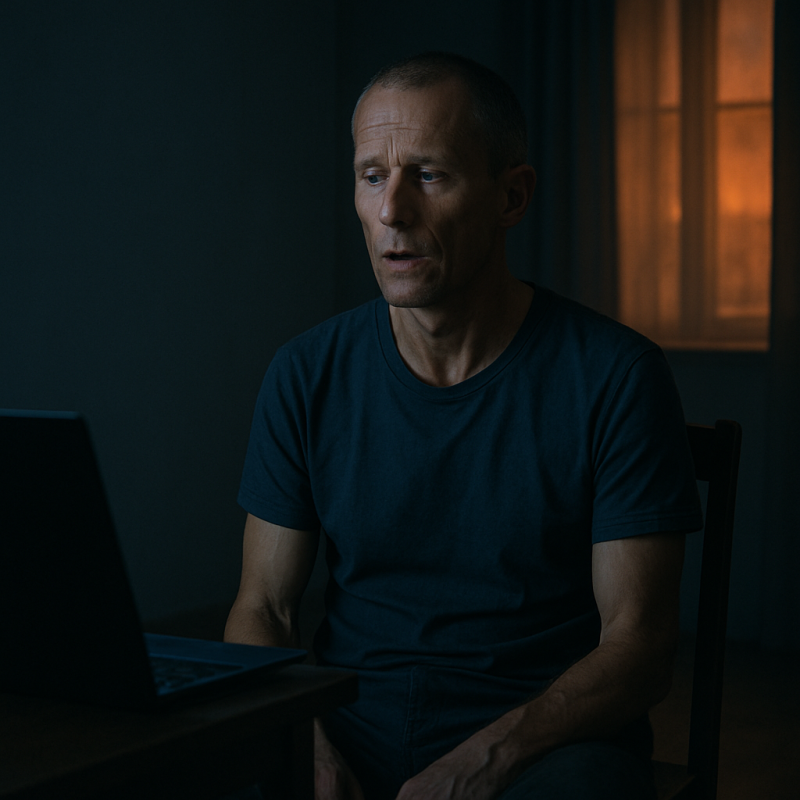 Image by RM AI
The Settlement
The settlement offer arrived exactly one week after Julian's arrest, delivered by a courier in a firm envelope with Miller and Associates letterhead — which struck me as either deeply ironic or deeply appropriate, and I still haven't decided which. Two hundred thousand dollars. Lost wages, legal fees, professional damages, and what the letter called extraordinary harm to reputation and career trajectory. There was also a formal public apology, the kind that gets filed with industry databases and distributed to professional associations — the kind that actually follows your name around instead of the accusation that replaced it. I read the apology three times. I signed the settlement paperwork at a folding table in my apartment with a pen I'd taken from a diner months ago. I learned later that the board had identified the other folders on the hard drive — Sarah and Mark had each received calls of their own, and settlements of their own, and apologies that were years overdue. I didn't know either of them well enough to call. But I thought about them. I thought about the years each of us had spent carrying something that was never ours to carry. The settlement check cleared on a Thursday. I sat with it in my hands for a long time before I put it down.
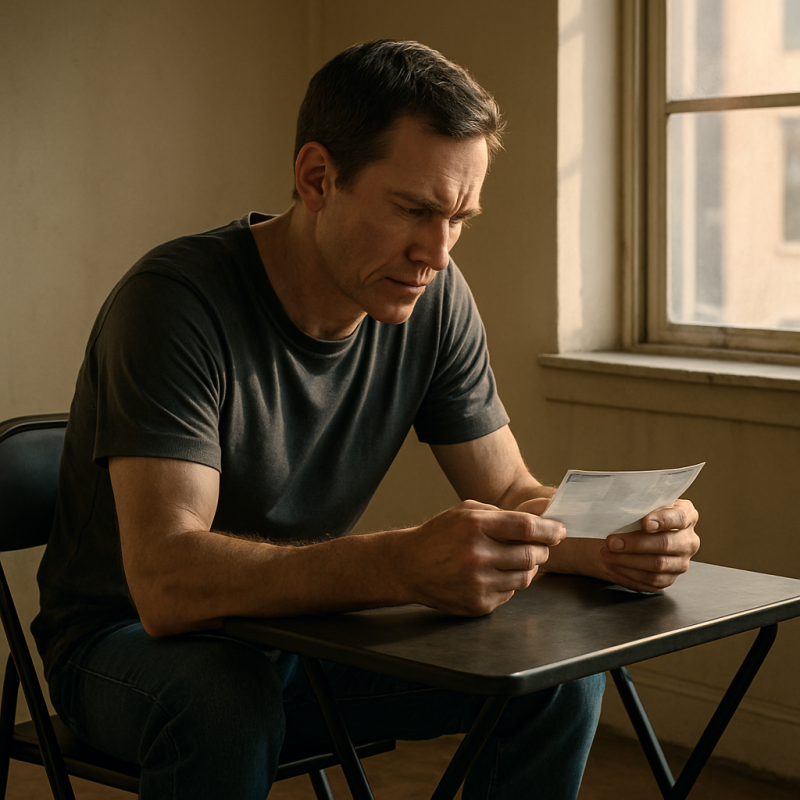 Image by RM AI
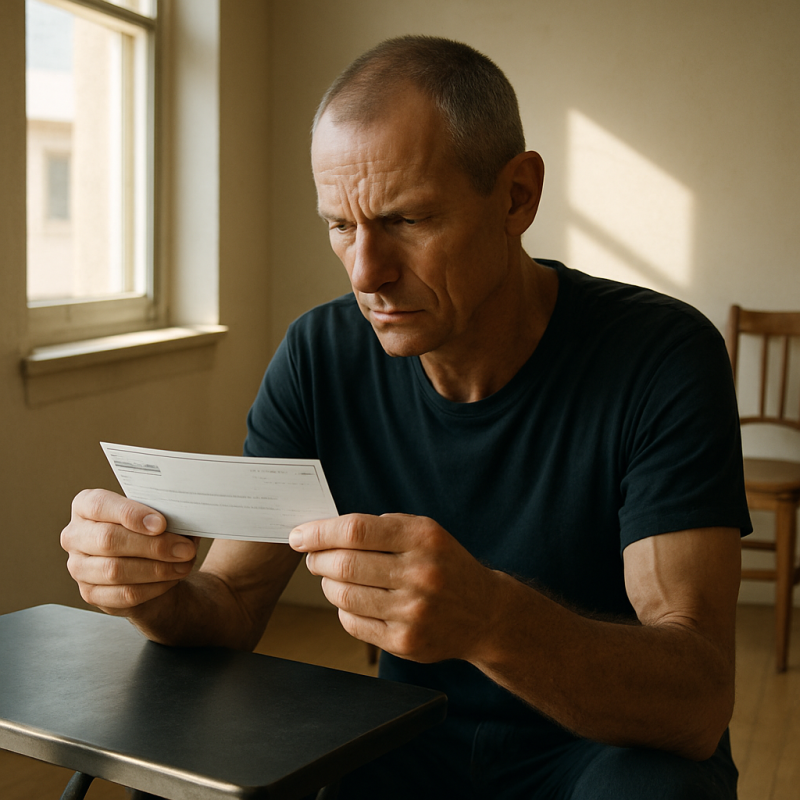 Image by RM AI
The Thorough Junk Removal
People have asked me, since all of this came out, whether I felt bad about taking evidence from a client's home. Whether it crossed a line. I've thought about how to answer that, and I keep coming back to the same place. Julian Miller hired a junk removal service to clear out his attic. He wanted things gone — old files, old hardware, old evidence of what he'd done to three people whose careers he'd quietly dismantled and walked away from. He paid for a thorough job. What he didn't account for was that I was the one who showed up. I did exactly what the listing advertised. I assessed the space. I identified what needed to go. And I removed the most important piece of junk in that attic — the buried truth he'd been storing up there for years, the one he'd counted on staying buried. Sometimes a job turns out to be more than the client bargained for. Sometimes the most valuable thing you haul out isn't furniture or old boxes — it's the thing the client most wanted left behind. I completed the job as described. The attic was cleared.
 Image by RM AI
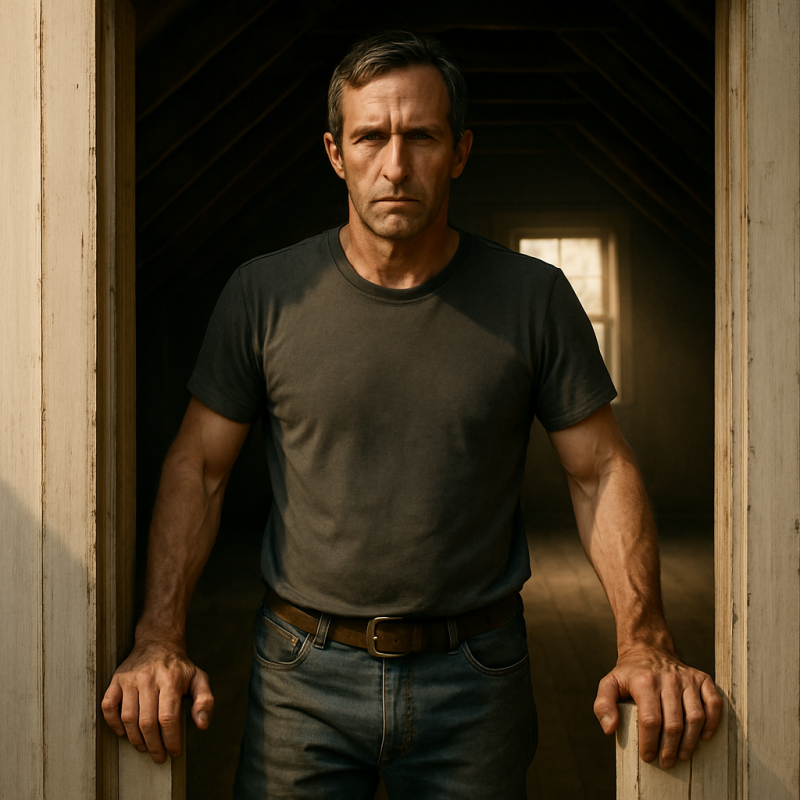 Image by RM AI