I Found a Surgery in My Medical Records That I Never Had—Then I Discovered Who Was in the Operating Room
I Found a Surgery in My Medical Records That I Never Had—Then I Discovered Who Was in the Operating Room
The Line Item
I logged into my patient portal to check a lab result—cholesterol, I think, something routine my doctor had ordered after my annual physical. I'd gotten pretty good at navigating the clunky interface, knew where to click to avoid the ads for wellness programs I'd never sign up for. But that Tuesday morning, scrolling past the usual list of visits and prescriptions, I saw something that made me stop mid-sip of coffee. Right there, between a flu shot and a mammogram, was a line item I didn't recognize: 'Surgical Procedure - Exploratory Laparoscopy.' The date was from two years ago, mid-April. I stared at it, waiting for my brain to catch up, like when you see someone out of context at the grocery store and can't place them. I've had my appendix out, sure, but that was decades ago. A laparoscopy? I'd remember that. I clicked on the entry, my hand suddenly unsteady on the mouse. The summary was sparse—just the procedure name, a date, a surgeon I'd never heard of. But at the bottom, in the 'Family Present' field, there was a name that made my chest tighten. It was my son's name—Adam, who was living overseas at the time.
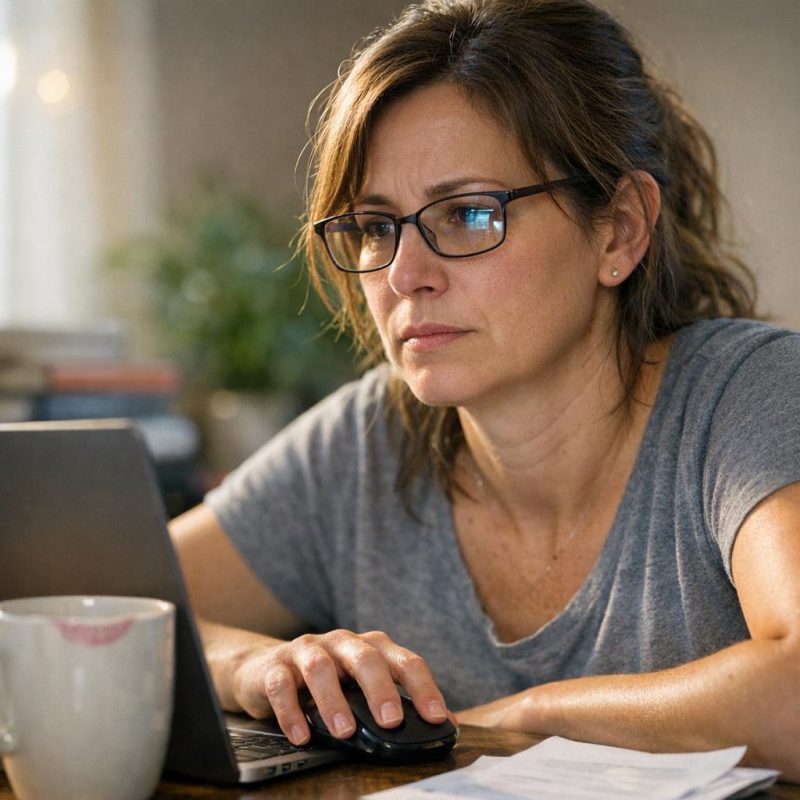 Image by RM AI
Likely Coded Incorrectly
I called the hospital that afternoon, after I'd stared at the screen long enough to convince myself I wasn't losing my mind. The woman who answered—young, cheerful, the kind of voice that's been trained to soothe—listened to my explanation with what I can only describe as professional patience. 'It's probably just a coding error,' she said, like she was telling me my coupon had expired. 'Happens more than you'd think. We can submit a correction request, and it should be cleared up in a few days.' I wanted to believe her. I really did. It was easier than the alternative. She took down my information, assured me someone would follow up, and I hung up feeling foolish for worrying. That night, I checked the portal again before bed—still there. The next morning, I logged in with my coffee, half-expecting it to be gone. It wasn't. But now, when I clicked on the entry, there was more. A full operative report had appeared overnight, complete with timestamps, anesthesia notes, and a detailed narrative I definitely didn't remember living through. The procedure was still there—and now I could see the full operative report.
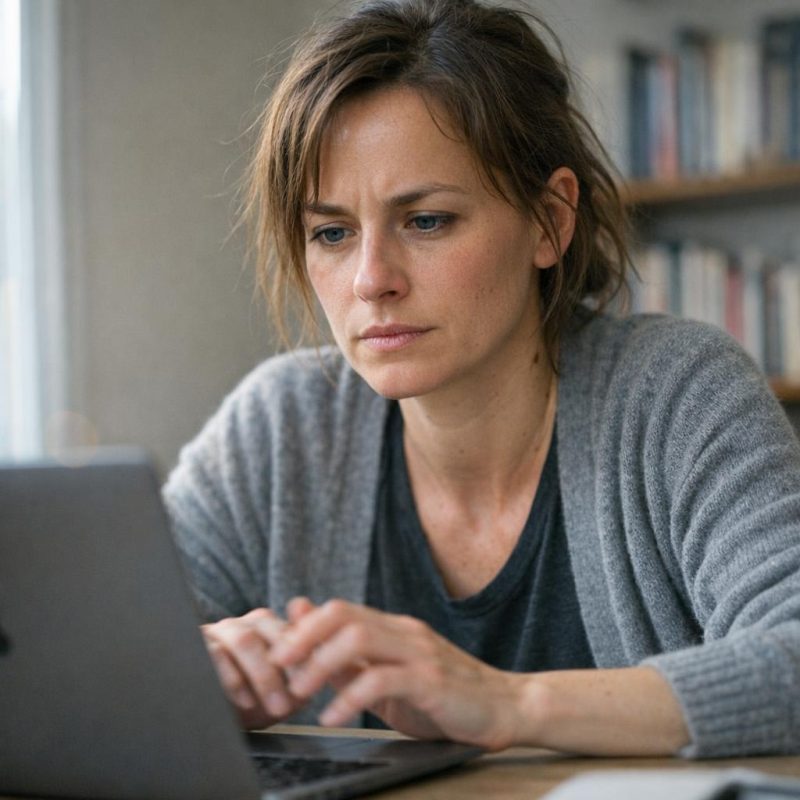 Image by RM AI
Singapore
I read the operative note three times, each pass making my confusion sharper. The surgeon's narrative was specific—incision sites, instruments used, findings that meant nothing to me but sounded disturbingly official. And there, in the middle of the page, was a line that stopped me cold: 'Patient's son Adam present in pre-op and recovery, supportive throughout procedure.' I sat back in my chair, the room suddenly too quiet. Two years ago, mid-April—Adam wasn't even in the country. He'd been working in Singapore, a contract job he'd taken for eight months. I pulled up our old text threads, scrolling back to that spring, and there they were: photos of hawker stalls, complaints about humidity, a blurry selfie with the Marina Bay skyline behind him. I called him that evening, my voice steadier than I felt. 'Where were you in April two years ago?' I asked. He didn't even hesitate. 'Singapore. Why?' He sent me a photo of his passport, entry and exit stamps crisp and official. We stayed on the line for a while, both of us quiet, trying to make sense of it. After we hung up, I walked to the kitchen and pulled out my old calendar from the junk drawer, the one I'd kept because I'm bad at throwing things away. I flipped to that week in April—and there it was, in my handwriting: 'Babysit Emma, 8am-6pm, Tues-Thurs.' I had been babysitting my granddaughter, not lying on an operating table.
 Image by RM AI
The Consent Form
I went back into the portal the next day, this time digging deeper into the documents attached to the procedure. There were scans—lots of them—consent forms, insurance authorizations, post-op instructions I'd supposedly been given. One file was labeled 'Consent - Signed.' I clicked it, and the image loaded slowly, pixel by pixel, until I was staring at a standard hospital consent form. The patient name was mine. The procedure matched. And at the bottom, in the signature field, was a scrawled name that looked like it was supposed to say 'Adam Brennan.' I leaned closer to the screen, my stomach knotting. I know my son's handwriting. I've seen it on birthday cards, grocery lists he left on my counter, the back of photos he labeled for me. Adam writes in block letters, neat and deliberate, the kind of printing you'd expect from someone who spent years drafting engineering specs. This signature was rushed, looping, careless—the kind of scrawl you'd dash off if you were in a hurry or didn't care if anyone checked. I zoomed in as far as the image would let me, studying the curves and slant. It looked like someone had practiced writing his name but hadn't quite nailed it. I zoomed in on the handwriting—it was rushed, looping, nothing like Adam's crisp block letters.
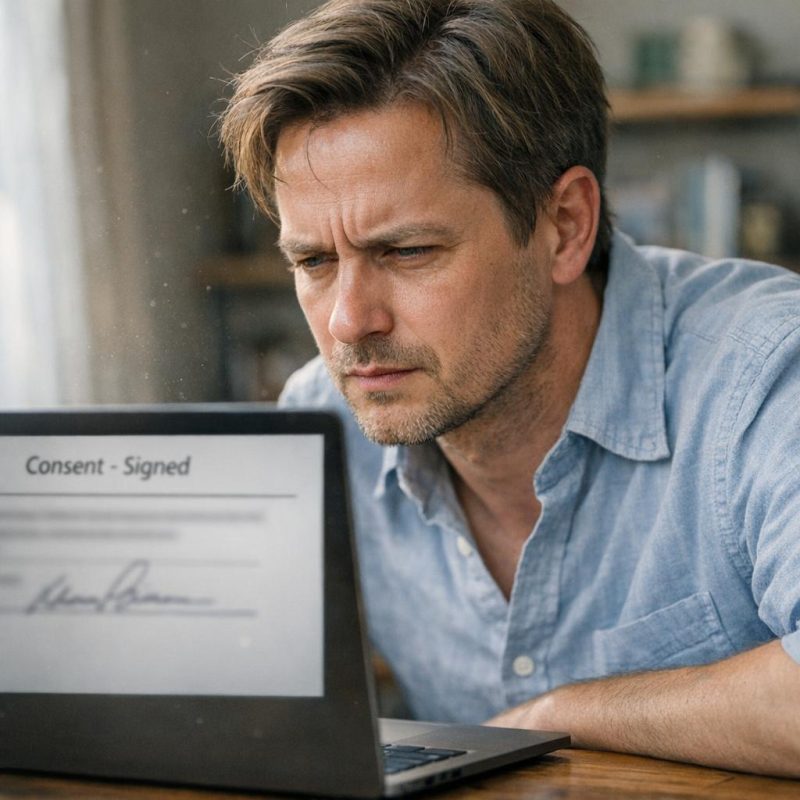 Image by RM AI
 Image by RM AI
 Image by RM AI
Perfect Nails
By Thursday, I'd had enough of phone trees and vague reassurances. I drove to the hospital in person, parked in the visitor lot, and walked straight to the medical records office on the second floor. The woman behind the desk was young, maybe mid-twenties, with perfect nails and a name tag that said 'Becca.' I explained what I needed—my full medical chart, everything from the past three years—and she nodded slowly, like she was weighing whether to say something. 'You can request that,' she said carefully. 'It'll take about a week.' I asked her if she could tell me anything about the procedure listed in April, two years back. Where it happened, who authorized it. She glanced at her computer screen, then toward the hallway, her fingers hovering over the keyboard. 'I can't really discuss specifics without the full file,' she said, but her voice had gone quieter. I filled out the paperwork she handed me, my pen pressing harder than it needed to. She took the forms, scanned them into the system, and told me I'd get a call when the records were ready. As I turned to leave, I caught her glancing toward the hallway again, like she was expecting someone to walk in and stop her from helping me. As I filled out the paperwork, she glanced toward the hallway like she expected someone to stop her.
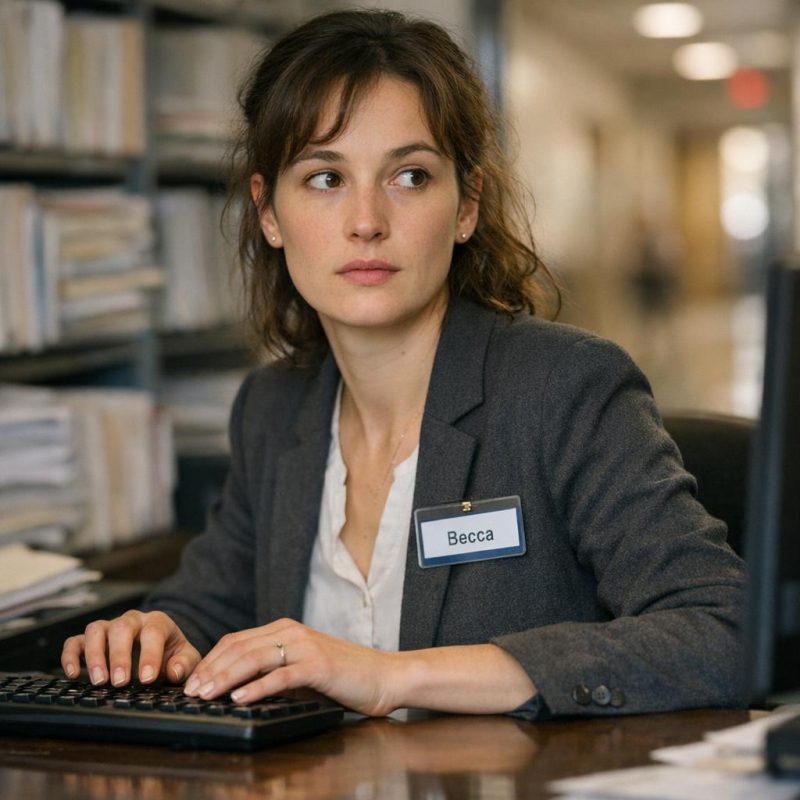 Image by RM AI
The Week I Remember
That weekend, I did what I always do when I need to think clearly—I cleaned. I pulled out the box of old calendars and planners I keep in the hall closet, the ones I can't bring myself to throw away because they hold fragments of years I don't want to forget. I found the one from two years ago, flipped to April, and ran my finger down the grid. There it was, written in blue pen: Tuesday through Thursday, 'Emma 8-6.' My daughter had been working double shifts that week, covering for someone on leave, and I'd offered to watch my granddaughter. I remembered it clearly now—the chipped Elmo mug Emma insisted on using, the endless loop of cartoon soundtracks, the way she'd fallen asleep on my lap while I folded laundry. I remembered the specific dress she'd worn on Wednesday, the one with the yellow ducks. I remembered texting my daughter a photo of Emma covered in spaghetti sauce. I remembered everything about those three days except anesthesia, except a surgeon's hands, except waking up groggy in a recovery room I'd never seen. I sat on the floor of my living room, the calendar open in my lap, and felt the anger settle in, cold and solid. I remembered the chipped mug, the cartoon soundtrack, the double shift my daughter worked—every detail except anesthesia.
 Image by RM AI
Password-Protected
A week later, a padded envelope arrived in my mailbox with the hospital's return address. Inside was a disc labeled 'Medical Records - Colleen Brennan' and a slip of paper with a temporary password. I slid it into my laptop and waited for the files to load, my coffee going cold beside me. The chart was massive—hundreds of pages of visit notes, labs, imaging reports—but I went straight to April two years ago. The operative report was there, longer and more detailed than the summary I'd seen in the portal. It described the procedure step by step: the placement of trocars, the inspection of abdominal organs, the decision to close without intervention because nothing abnormal was found. It was thorough, clinical, disturbingly real. Halfway through, I found the line about Adam again: 'Patient's son present and supportive.' But now there was more. Attached to the operative note was a scanned document titled 'Family Consent Acknowledgment.' It listed Adam's name, his relationship to me, and a signature line at the bottom. The signature was the same rushed cursive I'd seen before—looping, careless, wrong. The report mentioned 'son present and supportive'—but there was also a scanned Family Consent Acknowledgment with Adam's name signed in rushed cursive.
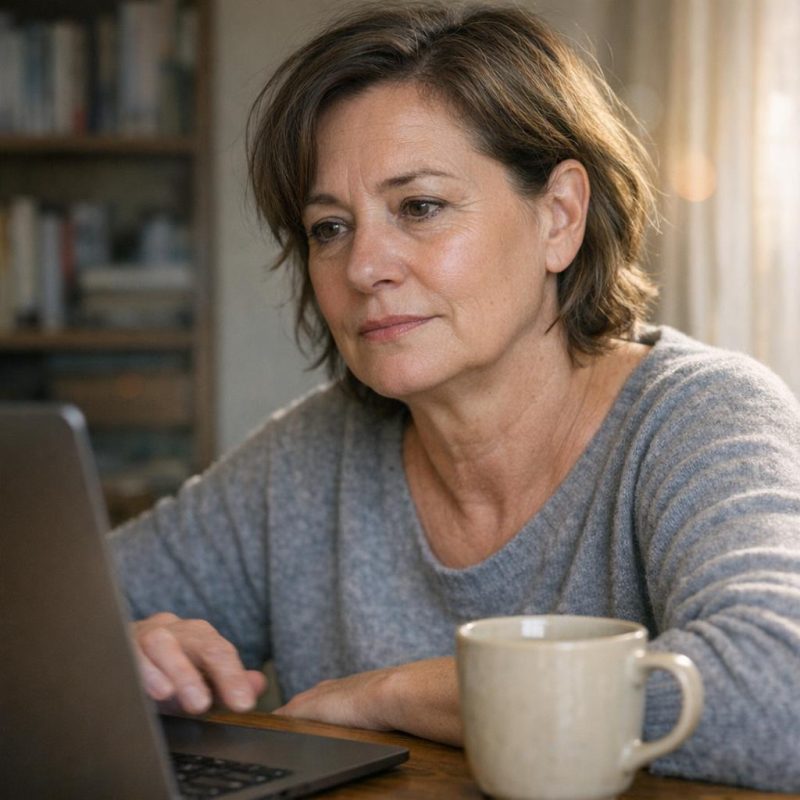 Image by RM AI
Video Call
I called Adam the next evening, asked him if he had time for a video call. When his face appeared on my screen, I didn't waste time with small talk. I held up my phone, showing him the scanned consent form, the forged signature at the bottom. 'Did you ever sign anything like this?' I asked. His expression shifted from confusion to something harder. 'No. Mom, I was in Singapore. I never signed anything.' He disappeared from the frame for a moment, then came back holding his passport, flipping to the page with the stamps. 'Look—I didn't even leave the country until June that year. I wasn't there.' We sat in silence for a moment, the weight of it settling between us. Then he said something that made my chest tighten. 'Why would anyone put me on it? That's not a mistake. That's deliberate.' I nodded, my mouth dry. He was right. A coding error didn't explain a forged signature. It didn't explain a detailed operative report. It didn't explain why someone had gone to the trouble of creating a paper trail that put my son in a room he'd never entered. Adam pulled out his passport and showed me the entry stamps—then he said, 'Why would anyone put me on it? That's deliberate.'
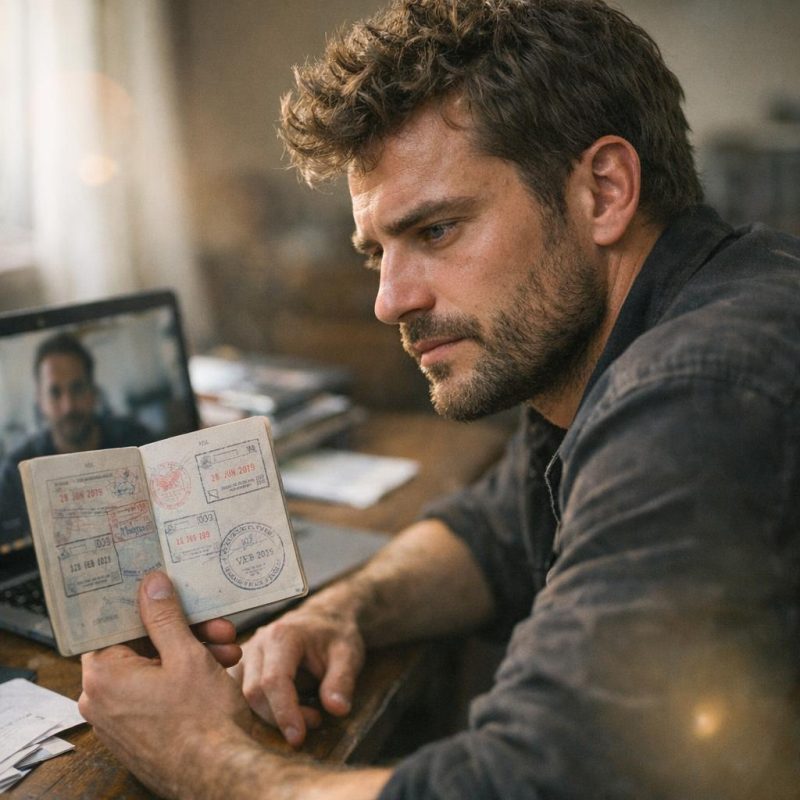 Image by RM AI
Credit Report
That night, I sat at my kitchen table with my laptop and pulled my credit report. I'd learned that trick years ago when my husband dealt with a billing error—sometimes the mistakes show up in places you don't expect. I scrolled through the addresses listed under my name, recognizing most of them: our current house, the apartment we'd rented in '98, my mother's place where I'd briefly forwarded mail. Then I saw one that stopped me cold. It was dated from two years ago, right around the time of the phantom surgery. The address was in the next county over—the same county where the hospital was located. I stared at the street name, trying to dredge up any memory of living there, visiting there, even driving past. Nothing. I'd never heard of Maple Ridge Terrace. I checked the dates again: it had been associated with my name for exactly four months, then disappeared. No explanation. No notation. I grabbed a pen and wrote the address down on the back of an envelope, my handwriting shaky. I stared at it for a long time, that unfamiliar street and number, trying to remember if I'd ever been there—and couldn't.
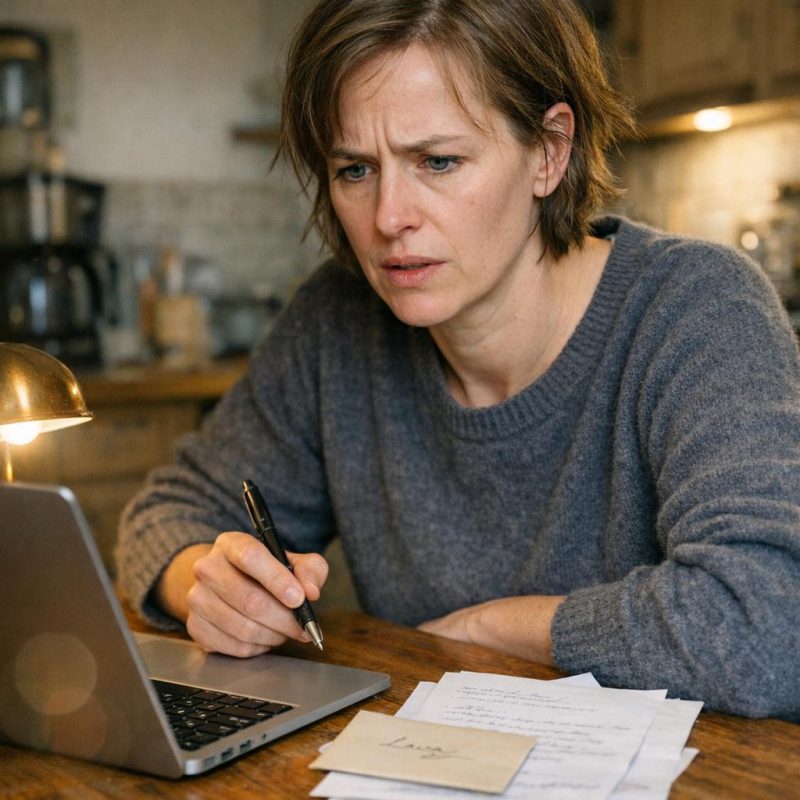 Image by RM AI
Emergency Contact
The next morning, I went back through the medical chart Patrick had sent me. I'd been so focused on the surgical consent form and the dates that I hadn't paid close attention to the smaller administrative details. I scrolled to the patient intake section, the part where they list your emergency contact. I expected to see Adam's name—he'd been my emergency contact since my husband died. But it wasn't Adam. It was Lacey. My daughter-in-law. Lacey Chen, spelled out in neat digital text, with her cell number listed beneath. I sat back, trying to figure out when that would have changed. Adam had always been the one I'd designated. Then I remembered: the afternoon after my husband's funeral, when everything felt like it was underwater. Lacey had come over with a stack of forms—insurance updates, beneficiary changes, medical proxy documents. She'd sat at this same kitchen table and insisted she 'just wanted to make things easier.' I'd signed whatever she put in front of me, grateful someone was handling the paperwork while I could barely function. I remembered her efficiency, her calm voice, the way she'd organized everything into labeled folders. I remembered the afternoon Lacey had filled out my paperwork after my husband's funeral, insisting she 'just wanted to make things easier.'
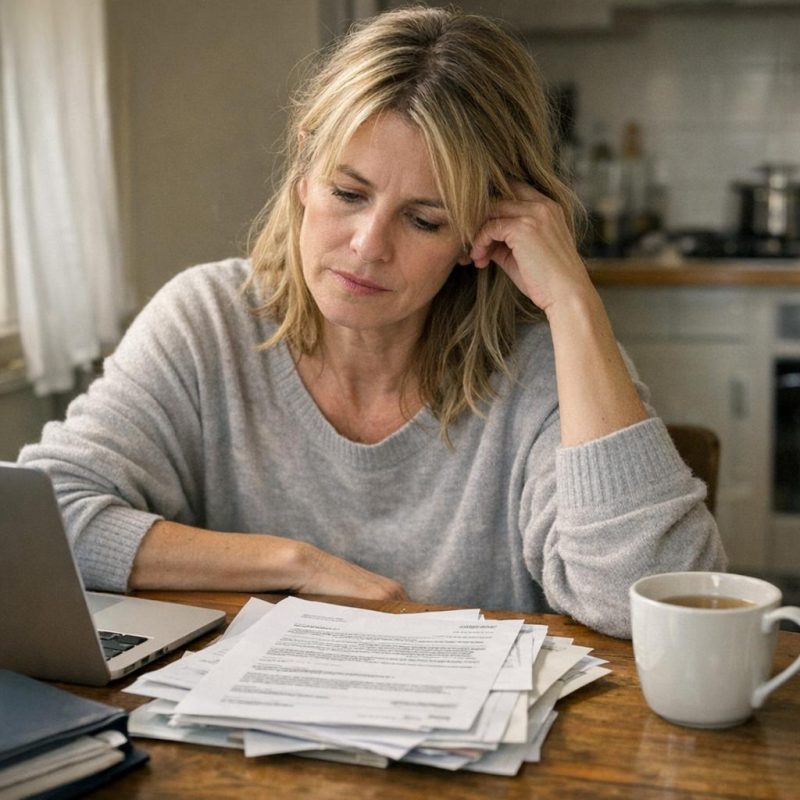 Image by RM AI
Scheduler
I stood up and paced the kitchen, trying to piece together what I knew about Lacey's work history. She'd held a few different jobs over the years—retail, admin roles, a brief stint doing data entry. Then I remembered: two years ago, right around the time of the phantom surgery, she'd been working at a clinic. Not the hospital itself, but a smaller practice that was affiliated with the same health system. She'd been a scheduler. I remembered her mentioning it at a family dinner, talking about how she was finally getting decent health benefits. Adam had seemed relieved—they'd been struggling financially back then. I stood at the counter, my coffee going cold. What exactly did a scheduler have access to? Patient files? Billing codes? I thought about the hours she would have spent in front of a computer, entering appointments, pulling up charts, navigating the hospital's electronic system. How much could she see? How much could she change? I wondered if a scheduler could access patient portals—or if they could create them.
 Image by RM AI
The Daughter's Shift
I needed to confirm my own timeline, make absolutely sure I wasn't misremembering. I called Emma, my daughter, and kept my voice casual. 'Hey, I'm trying to sort out some old dates for my records. Do you remember that week two years ago when you worked those crazy double shifts? When I was watching Maisie?' There was a pause, then Emma groaned. 'Oh God, yes. That was the worst. I was covering for someone on maternity leave and I thought I was going to collapse. You were a lifesaver.' My chest loosened a little. 'So I had Maisie the whole week?' 'Pretty much,' Emma said. 'You were the only one I trusted with her that week—Lacey offered, but you insisted. You said you'd already cleared your schedule.' I thanked her and hung up quickly, before she could ask why I was asking. My hands were shaking. Emma had just confirmed what I already knew: I was with my granddaughter that entire week, not lying unconscious on an operating table. And Lacey had been nearby. Available. Offering to help. Emma said, 'You were the only one I trusted with Maisie that week—Lacey offered, but you insisted.'
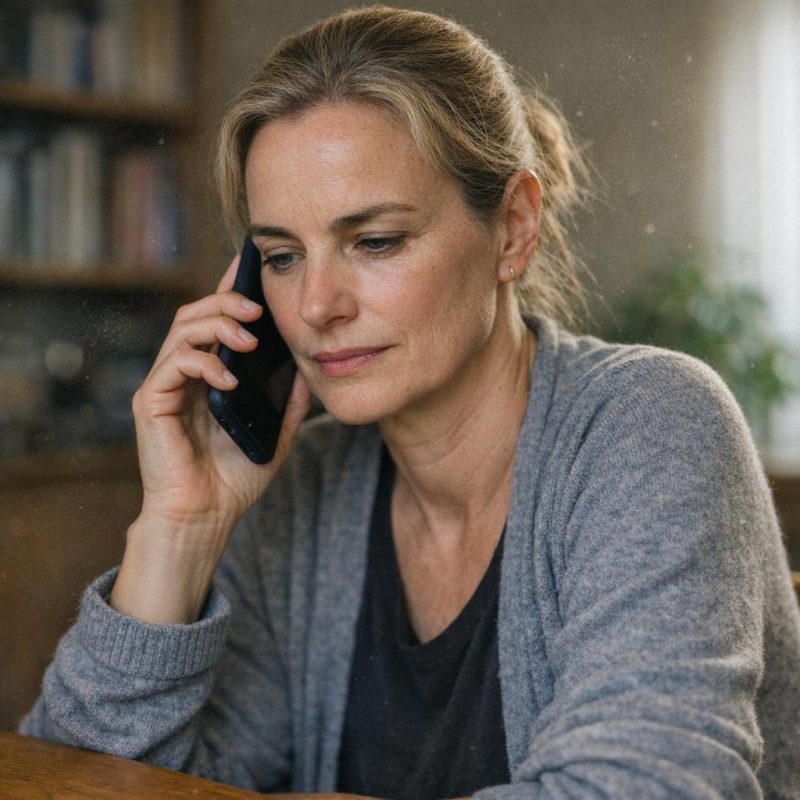 Image by RM AI
Chipped Mug
I went to my office closet and pulled down the box where I keep printed photos—I'm old-fashioned that way, I still like having physical copies. I flipped through the stack from two years ago, looking for anything from that week. Then I found it: a photo Emma had taken on her phone and texted me later. I'd printed it and tucked it away. It showed me in my kitchen, holding Maisie on my hip. She was laughing, her hands sticky with something purple—grape juice, probably. I was smiling, wearing the old cardigan I always wore when I was home with her. And there, on the counter behind us, was my chipped blue mug, the one I'd used every morning for ten years. I could see the date stamp in the corner of the photo. It was the exact day the medical chart said I'd been admitted for surgery. I held the photo up to the light, studying every detail. The clock on the wall. The sun coming through the window. Maisie's grin. I was not under anesthesia—I was watching cartoons and wiping juice off tiny hands.
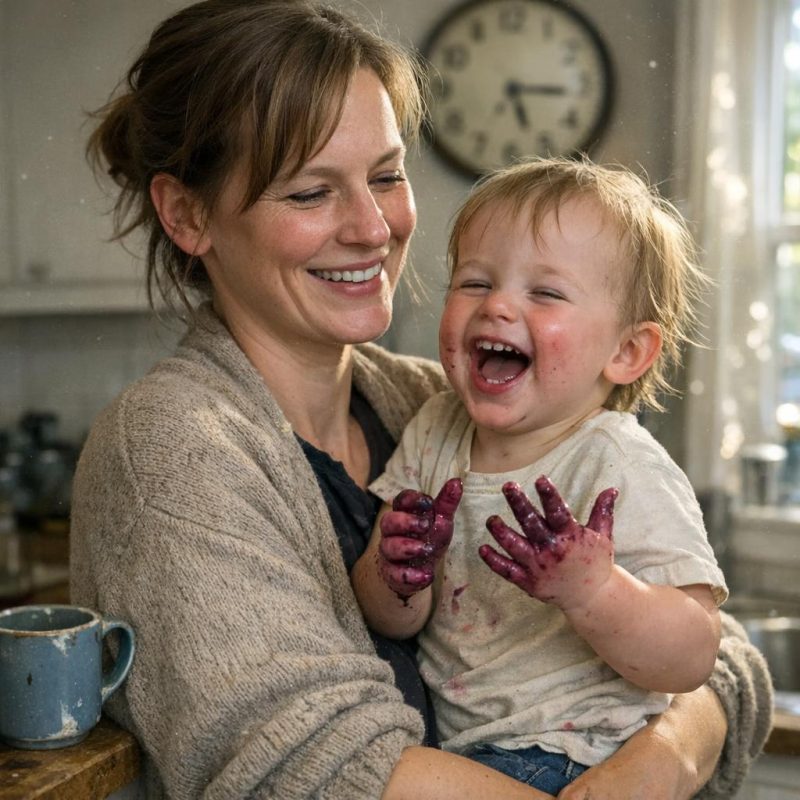 Image by RM AI
Tight and Polite
I decided to call Lacey directly. I didn't want to go through Adam—not yet. I needed to hear her voice, gauge her reaction. When she picked up, I kept my tone light and a little confused. 'Hey, Lacey. I'm dealing with this weird billing thing from the hospital. They have you listed as my emergency contact from a couple years ago. Do you remember filling out any forms for me?' There was a pause, then she laughed. It was easy, dismissive, like I'd told a joke. 'Colleen, that's impossible—hospitals mix up charts all the time. You know how messy their systems are. I wouldn't worry about it.' Her tone was so confident, so matter-of-fact. But something about the way she said it made my stomach turn. She'd used almost the exact same phrasing the hospital had used when they first brushed me off. 'Mix up charts all the time.' Like she'd coached them—or been coached. I kept my voice steady. 'Yeah, you're probably right. Just seemed strange.' We chatted for another minute, surface-level small talk, and then I hung up. Lacey laughed like I'd told a joke and said, 'Colleen, that's impossible—hospitals mix up charts all the time.'
 Image by RM AI
Same Place
Before we ended the call, I asked one more question, trying to sound casual. 'By the way, where were you guys living two years ago? I'm trying to remember—was that before or after you moved to the new place?' Lacey answered quickly. 'Same place.' Then she paused, and I could almost hear her brain catching up to her mouth. 'I mean—well, we stayed with a friend for a couple months that year. But mostly the same place.' I nodded, even though she couldn't see me. 'Right, I forgot about that. Which friend was that again?' 'Just someone from work,' she said, her voice a little tighter now. 'It was temporary. Why?' 'No reason,' I said. 'Just trying to keep my timeline straight.' After we hung up, I sat very still. Adam had mentioned that temporary living arrangement once, in passing. He'd said they'd stayed 'with a friend' in the next county while they looked for a new apartment. I remembered the afternoon Adam mentioned they'd stayed 'with a friend' for a few months—in the next county.
 Image by RM AI
Calm Persistence
I decided not to push Lacey any further. Not yet. Confrontation wasn't going to get me answers—it would only make her defensive, give her time to cover her tracks. What I needed was evidence. Hard, undeniable evidence. I called the hospital's medical records department again and asked for a copy of the admission bracelet scan and the photo ID they would have taken when I checked in. The woman on the phone hesitated. 'We don't typically release those.' I kept my voice calm, reasonable. 'I understand. But there's been a discrepancy in my records, and I need to verify my identity in your system. I'm happy to submit a written request. I can also file a formal complaint with the state if necessary, but I'd prefer to resolve this directly.' There was a long silence. Then she sighed. 'Let me transfer you to my supervisor.' It took three more calls, two formal requests, and one very polite but firm email citing patient rights statutes. They resisted until I used the one tool women like me learn over time—paperwork and patience.
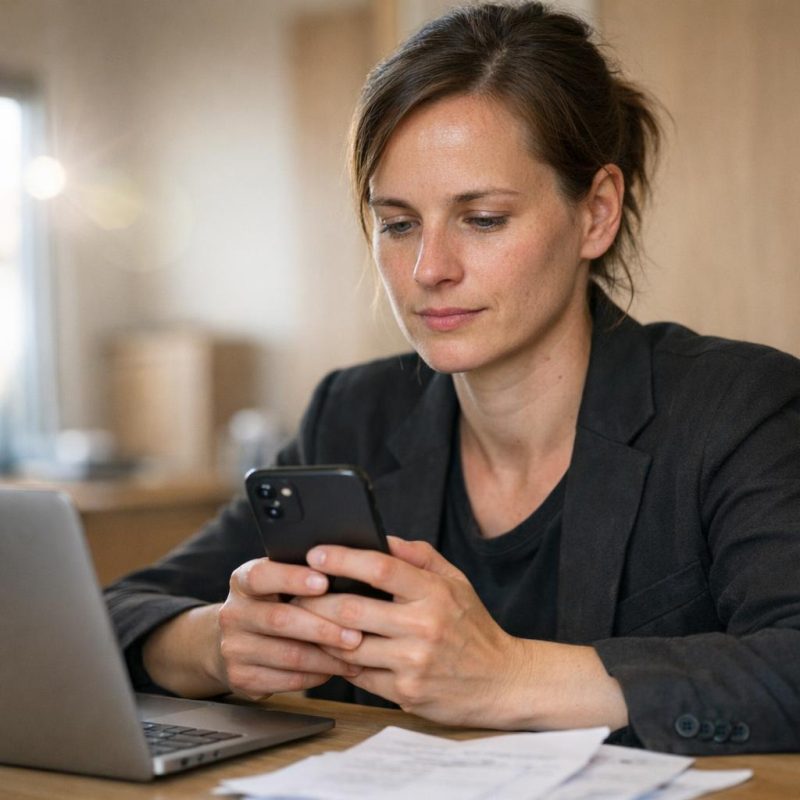 Image by RM AI
Fraud Department
I called my insurance company the next morning and asked to be transferred to the fraud department. Not billing disputes. Not member services. Fraud. The word felt powerful in my mouth, like finally speaking the language they understood. I explained the situation calmly—the surgery I never had, the records that didn't match, the admission I'd never authorized. The woman on the other end of the line went quiet. Then she said, 'Hold please,' and I was transferred again. This time to someone who introduced himself as a fraud investigator. He took my information, asked pointed questions, and told me they'd flag my file and launch an internal review. Within hours, my phone started ringing. The hospital's billing department. The records supervisor. People who'd ignored my calls for weeks suddenly had time for me. Their voices were different now—less breezy, more careful. One woman actually apologized for the 'delay in processing your concerns.' I hadn't filed a lawsuit. I hadn't threatened legal action. I'd just used the one word that made bureaucracies sit up and pay attention. The tone on the phone changed—voices a little less breezy, a little more careful.
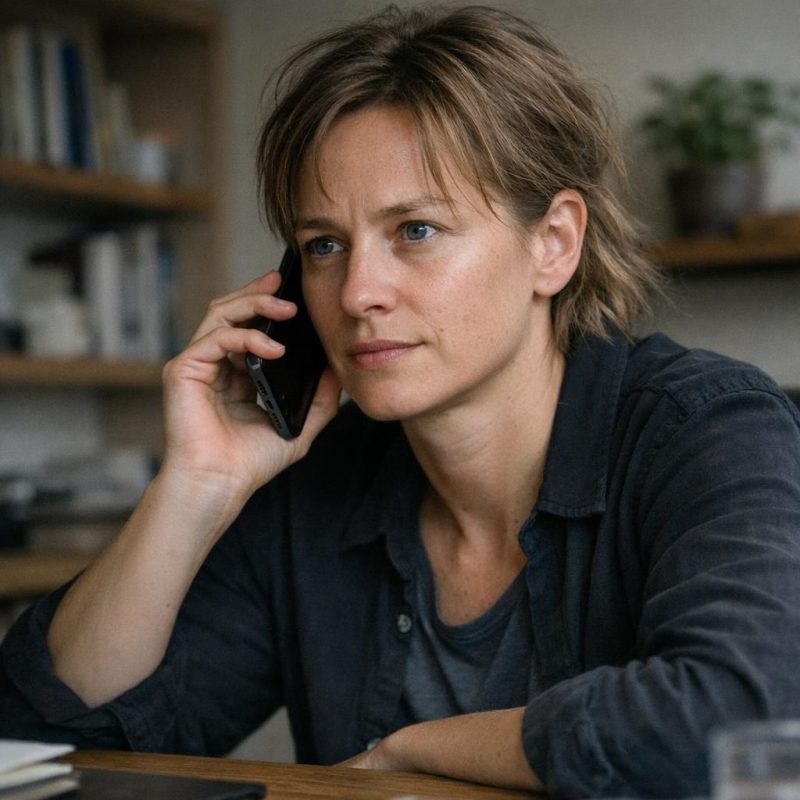 Image by RM AI
Conference Table
Two days later, I sat across from Patricia, the hospital's privacy officer, in a windowless conference room that smelled like carpet cleaner and stale coffee. She was in her early fifties, sharp-eyed, dressed in a gray blazer that looked expensive. She didn't waste time with pleasantries. 'Mrs. Hendricks, I've reviewed your file,' she said, sliding a manila folder across the table. 'There are some irregularities we need to address.' I opened it slowly, my hands steadier than I expected. The first page was a photocopy of an intake form, the kind they make you fill out in the waiting room. My name. My birthdate. My address. Everything correct. Then I turned the page and saw the scanned driver's license. My name was there. My birthdate. The address matched. But the photo—the photo wasn't me. I stared at it, my throat tight. It was a woman, maybe in her late forties, with dark eyes and a similar build. But it wasn't my face. Inside was a scanned driver's license with my name and birthdate—but the photo wasn't me.
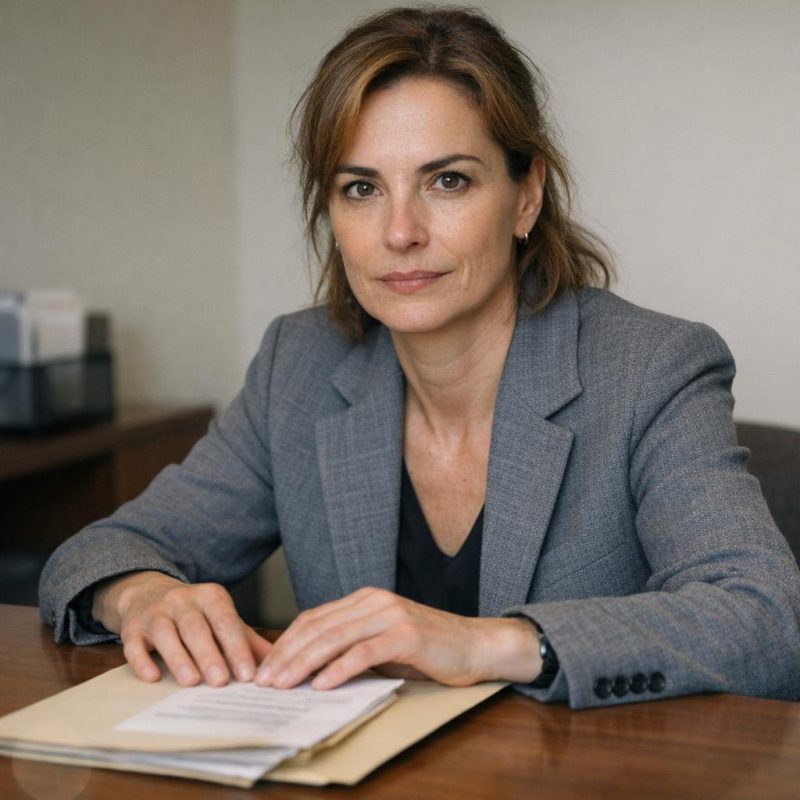 Image by RM AI
Sharper Cheekbones
I studied the photo like I was trying to memorize a stranger. The woman had my coloring—dark brown eyes, brown hair cut in a similar length. She had a rounded chin like mine, the kind I'd hated in every photo since high school. But her cheekbones were sharper, more angular. Her eyebrows sat differently, a little higher, more arched. And there was something in her expression—a faint smirk, like she knew something I didn't. She looked enough like me that a busy intake nurse wouldn't question it. But she wasn't me. Patricia sat quietly across the table, waiting. I flipped to the next page and saw the signature line at the bottom of the consent form. My name, written in looping script that looked almost right. Almost. The capital C was too round. The double L in Colleen had a flourish I'd never used. It was close enough to pass a glance, but it wasn't my handwriting. Under the photo, the signature was my name in handwriting that was almost convincing—almost.
 Image by RM AI
Old Number
I went back to the intake form, scanning the rest of the information. Everything matched—my insurance policy number, my emergency contact, even my allergies. And then I saw the phone number listed under 'Patient Contact.' I stared at it. It looked familiar. I pulled out my phone and scrolled through my contacts, my heart beating harder. There it was. Lacey's old number. The one she'd had before she switched carriers last year, before she upgraded to some unlimited plan and got a new SIM card. I'd kept it in my phone under 'Lacey (old)' because I'm the kind of person who doesn't delete things. I looked up at Patricia. 'This phone number,' I said, my voice tight. 'It belongs to my daughter-in-law. Or it used to.' Patricia made a note on her legal pad, her face carefully neutral. I pulled out my own phone and scrolled back through my contacts—it was a perfect match.
 Image by RM AI
Unable to Be Physically Present
Patricia turned to another page in the file and pointed to a nurse's note, dated the morning of the procedure. I leaned forward and read it. 'Patient's husband, Adam Hendricks, provided verbal consent via speakerphone. Unable to be physically present due to work-related travel. Patient confirmed identity and relationship. Consent documented per protocol.' I read it twice. It was so careful. So thorough. It explained exactly why Adam wasn't there in person. It covered the one fact that should have raised red flags—that my husband, who would never authorize surgery without me, had somehow given consent from hundreds of miles away. Except he hadn't. But this note made it look legitimate. It made it look like the hospital had followed procedure, like they'd done their due diligence. It wasn't sloppy. It wasn't careless. The note made the lie look airtight—it explained away the very fact that would have proved it was fake.
 Image by RM AI
Built a Story
I sat back in the chair, my hands cold. Patricia was watching me, her expression unreadable. 'Someone thought this through,' I said quietly. She nodded. 'Yes.' I stared at the nurse's note again. Whoever did this had anticipated the exact question that would expose them. They'd known that a missing husband would look suspicious. So they built a story around it. They made him present, just not physically. They made it reasonable. I thought about the forged signature, the fake ID, the old phone number. Each piece was carefully chosen. Each one was just close enough to pass. This wasn't someone panicking and making a stupid mistake. This wasn't opportunistic. I felt cold all over, the kind of cold that starts in your chest and spreads. This wasn't carelessness—this was thought through.
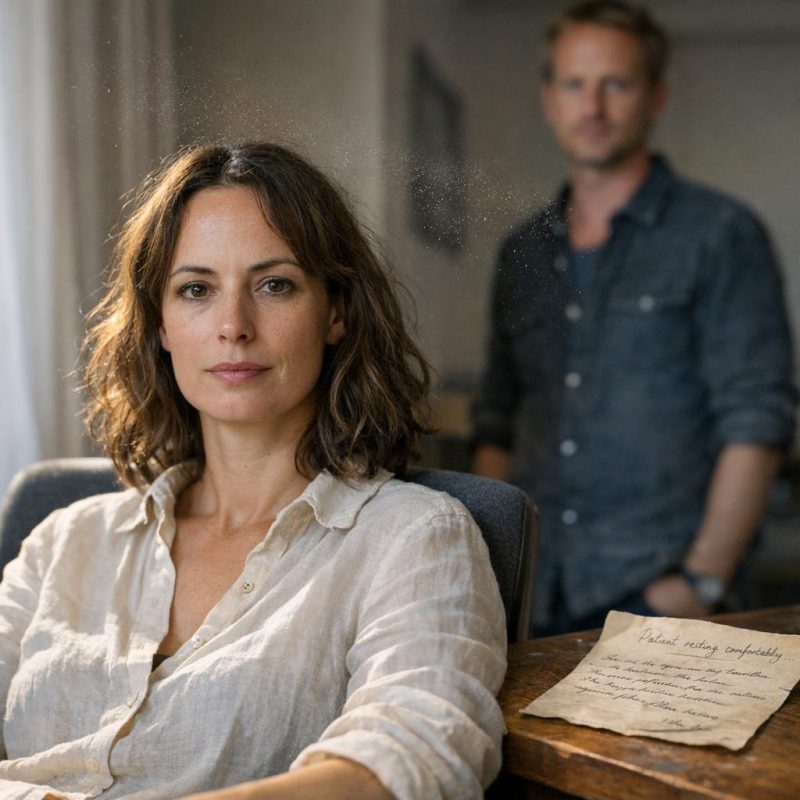 Image by RM AI
Three Claims
Patricia flipped to another section of the file, and I saw more pages—more claims, more dates. 'The fraud investigation flagged your file because of the pattern,' she said. 'This wasn't just one procedure. There were three separate claims submitted under your name and policy number, all within a six-week period.' I stared at her. 'Three?' She nodded. 'A minor outpatient procedure. A follow-up consultation. And a diagnostic imaging scan. Each one was under the threshold that typically triggers an automatic review. Small enough to slip through. But together—' She paused. 'Together, they create a more comprehensive record.' I felt something shift in my chest, a kind of free-fall feeling. One fake surgery was alarming. But three? That wasn't a one-time scam. That was methodical. Each one was small enough not to trigger alarms on its own—but together, they built something.
 Image by RM AI
Not Just a Procedure
I looked at Patricia. 'I don't understand. If this was about money, wouldn't they bill for something bigger? Something more expensive?' She met my eyes, and I saw something shift in her expression—something that looked almost like sympathy. 'That's the part that concerns us,' she said. 'The total payout on these claims was less than eight thousand dollars. That's not nothing, but for this level of coordination, it's not worth the risk.' I felt my stomach drop. 'So what was it for?' Patricia tapped the folder. 'These claims don't just generate payments, Mrs. Hendricks. They create a medical history. A documented record under your name, in the hospital system, that could be referenced later by other providers, insurers, or—' She paused. 'Or legal entities.' A record that could be referenced later, a record that could be used as proof of something I'd never had.
 Image by RM AI
Simplify Your Finances
I sat at my kitchen table that night with a cup of tea I didn't drink, and I started thinking about conversations I'd had with Lacey over the past year. Little things that hadn't seemed odd at the time. She'd suggested I 'simplify' my finances—consolidate accounts, let her help with the bills. 'You're not getting any younger, Colleen,' she'd said, laughing like it was a joke we were both in on. She'd offered to pick up my mail when I was out of town, said it would be easier if she had a key. 'Just in case,' she'd said. I'd told her no, that I had a neighbor who did it, and she'd smiled and dropped it. But now I replayed that smile in my head. It had been tight around the edges. She'd also mentioned setting up automatic payments, getting me off paper statements. 'Everything's digital now,' she'd said. 'You don't want to miss something important.' I'd thought she was being helpful. I'd thought she was concerned about me keeping up with modern life. Now, sitting there in the dark with my tea going cold, I wondered if she'd been trying to make sure I wouldn't notice things. Charges. Changes. Documents I should have seen. At the time, I'd thought it was kindness—now I wondered if it was preparation.
 Image by RM AI
Health Proxy
There was something else, too. About six months ago, Lacey had brought up the idea of a health proxy. She'd been sitting right where I was now, flipping through a magazine she'd brought over, and she'd said it casually, like she was suggesting I try a new brand of yogurt. 'At your age, Colleen, it's smart to have someone who can make decisions if something happens. Someone family.' She'd looked up at me with this earnest expression. 'Adam's overseas so much. It should probably be me.' I'd told her I appreciated the thought, but I wasn't ready to think about that yet. She'd pressed a little—said it was just paperwork, that it didn't mean anything unless I was incapacitated. I'd smiled and changed the subject, and eventually she'd dropped it. But she'd brought it up again a month later. And then again after that. Each time, I'd declined politely. I wasn't being stubborn; I just didn't see the need. I was fifty-seven, not eighty-seven. I could still fold my own laundry and balance my own checkbook. Now, though, sitting with everything Patricia had told me, I felt something cold settle in my chest. I'd declined politely—but now I wondered what would have happened if I hadn't.
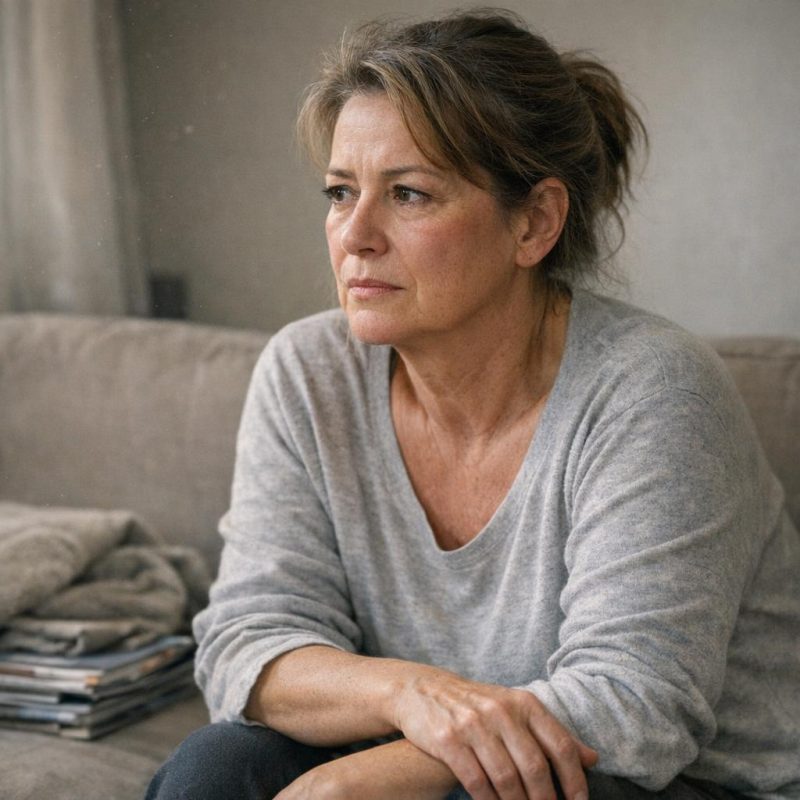 Image by RM AI
The Hair on My Arms
I sat at my dining room table the next morning with my laptop open and a notepad beside me, and I let the full picture form. Someone had used my identity to create false medical records. Someone had tried to get me to sign over health decisions. Someone had wanted access to my mail, my finances, my day-to-day life. I didn't want to be the kind of person who jumped to conclusions. I didn't want to be paranoid. But the pattern was there, and ignoring it wouldn't make it go away. If my chart showed I'd had procedures I couldn't remember, if I seemed confused about my own medical history, it would be easier to paint me as unreliable. Forgetful. Someone who needed help managing her affairs. I thought about the health proxy again, the way Lacey had kept bringing it up. I thought about her offers to handle my bills. And I thought about what Patricia had said: these claims create a medical history that could be referenced later by legal entities. I didn't know exactly what the endgame was. I didn't have proof of intent. But I could see the outline now, like furniture under a dust sheet. Someone wanted to make me look like I couldn't take care of myself. If my chart showed I'd had a procedure and needed support, it would be easier to paint me as forgetful, confused.
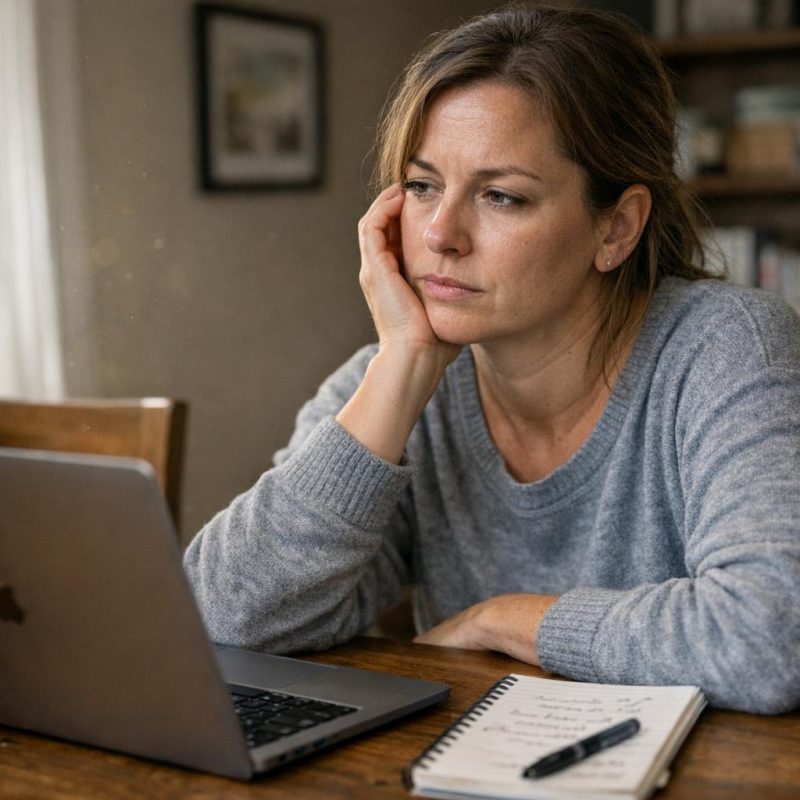 Image by RM AI
Telling Adam
I called Adam that night. It was morning in Singapore, and he answered on the second ring, sounding rushed. 'Hey, Mum, can I call you back? I'm heading into a—' 'No,' I said. 'You can't.' There was a pause. Then his voice changed. 'What's wrong?' I told him everything. The fake ID with my driver's license number. The phone number that wasn't mine. The three claims, the eight thousand dollars, the medical history someone was building in my name. I told him about Lacey's offers to simplify my finances, to handle my mail, to be my health proxy. I laid it all out, piece by piece, and I heard him breathing on the other end of the line. When I finished, there was a long silence. Then he said, 'Are you telling me Lacey's been stealing your identity?' 'I'm telling you someone has,' I said. 'And she's the only person who's been pushing to get access to my accounts.' Another pause. Then his voice came back, low and tight. 'I'm calling her. Right now.' 'Adam—' 'No,' he said. 'No, this is done. She doesn't get to do this to you.' For the first time in years, Adam sounded like the little boy who used to get protective when someone teased me at the grocery store.
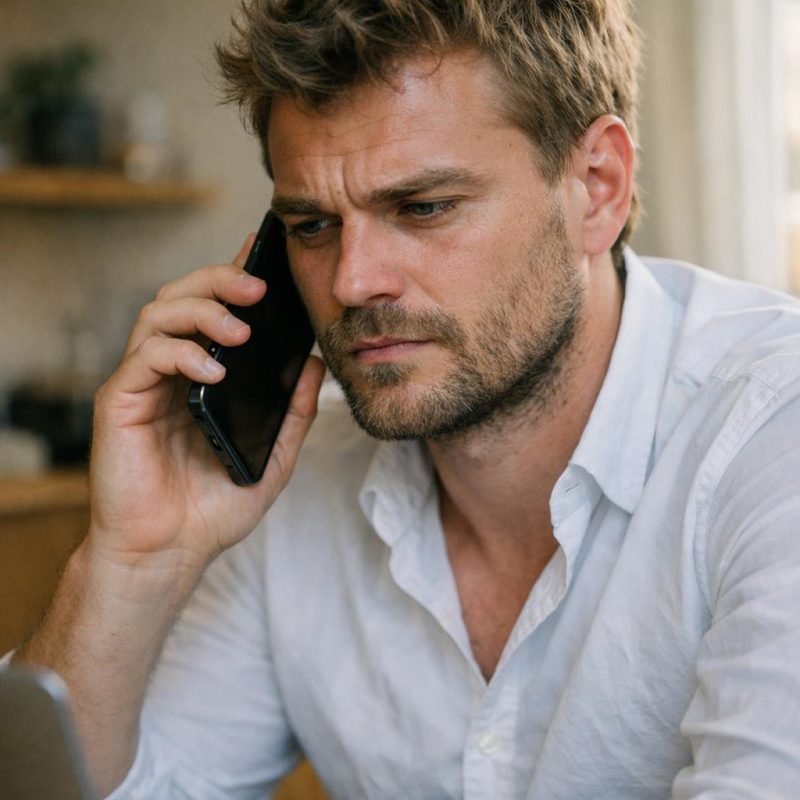 Image by RM AI
Overseas Confrontation
Adam called me back twenty minutes later and said, 'Get on speakerphone. I'm video calling her now.' My hands were shaking as I set my phone on the table. I heard the ringtone, then Lacey's face filled Adam's screen. She looked startled. 'Adam? It's like two in the morning there—' 'We need to talk,' he said. His voice was calm, but I could hear the edge underneath. 'About Mum's medical records.' Her expression shifted. Just slightly. 'What about them?' 'About the surgery she never had,' Adam said. 'And the phone number that's not hers. And the claims filed under her name.' Lacey's face went very still. Then she laughed, but it sounded wrong. 'I don't know what you're talking about.' 'The hospital has proof,' Adam said. 'So does the insurance company. They have documentation. They have a photo ID.' Her smile flickered. 'Adam, I don't—' 'Stop,' he said. 'Just stop.' She looked down. For a long moment, she didn't say anything. Then, quietly, she said, 'I was trying to help someone.' My stomach dropped. 'Who?' Adam asked. She shook her head. 'It was just once. I didn't think—' 'Who, Lacey?' She started crying. Lacey didn't deny it so much as redirect it—she cried, said she was 'trying to help someone,' said it was 'just once.'
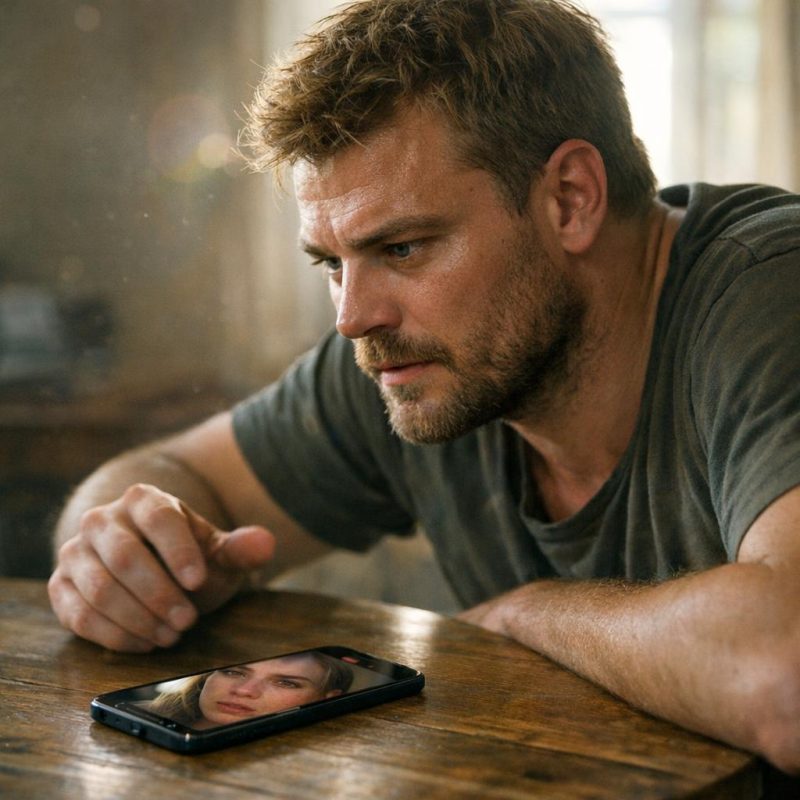 Image by RM AI
Didn't Think It Would Matter
Adam pressed her. 'Once? Mum's investigator found three separate claims.' Lacey wiped her eyes. 'Okay, maybe more than once. But I didn't think it would matter. She's insured. It's not like anyone got hurt.' I felt something cold move through me. 'It matters because it's fraud,' Adam said. 'It matters because it's Mum's name.' 'I know,' Lacey said, her voice breaking. 'I know, okay? But you don't understand. My friend needed help. She didn't have insurance, and she needed a procedure, and I just—' 'You used Mum's identity,' Adam said flatly. 'Yes,' Lacey said. 'But it was for something small. Minor. It's not like I was trying to hurt anyone.' 'You built a false medical history under her name,' Adam said. 'You tried to get her to sign a health proxy. You offered to manage her finances. What exactly were you trying to do?' Lacey's face changed. The tears stopped. Her jaw tightened. 'You don't get it,' she said. 'You're halfway across the world. You don't see what it's like here. I'm the one who has to deal with everything. I'm the one who has to show up.' Then, in a slip of anger, she snapped, 'You don't understand what it's like to be the one who has to fix everything.'
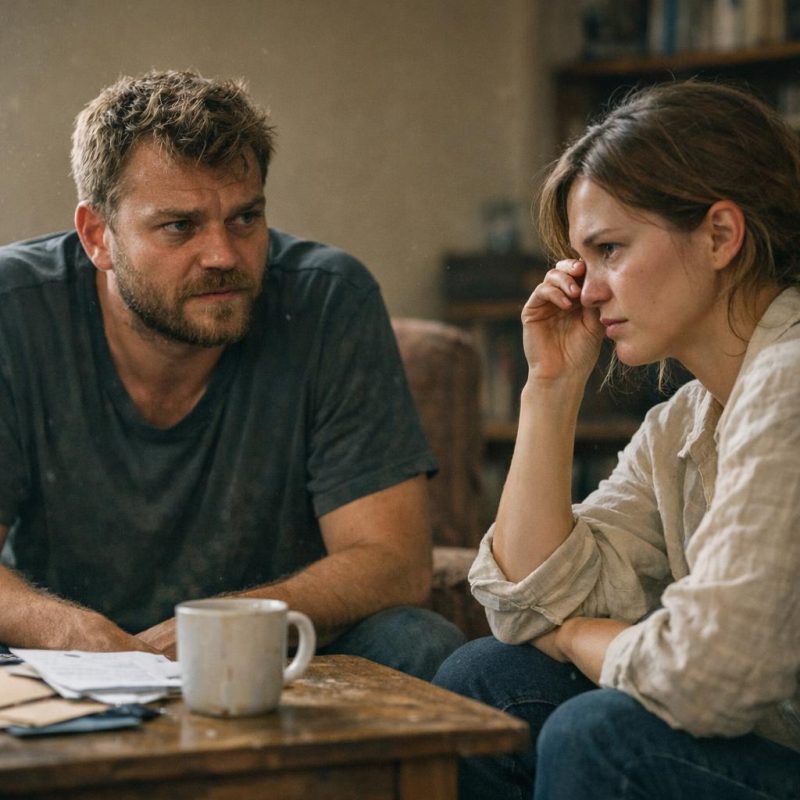 Image by RM AI
Which Lives Count
After Adam ended the call, I sat there staring at my phone. Lacey's words kept replaying in my head. 'You don't understand what it's like to be the one who has to fix everything.' Fix what, exactly? I didn't need fixing. I paid my bills. I kept my appointments. I lived my life without asking her for anything. But that wasn't really what she'd meant, was it? She'd meant she was the one who had to deal with me. The one who had to 'show up.' As if my existence was a burden she'd been stuck with. I thought about the health proxy again. The offers to manage my mail, my accounts. The way she'd framed it all as helping me, as doing me a favor. And I realized her slip wasn't about desperation. It wasn't about being overwhelmed or making a panicked mistake. It was about entitlement. She felt entitled to decide what I needed, entitled to use my name if it served a purpose she deemed worthy. Entitled to decide whose problems mattered more. Her friend needed a procedure, and I had insurance, so why shouldn't she use it? I was just sitting there anyway, wasn't I? Not doing anything important. She felt entitled to decide which lives counted as 'everything.'
 Image by RM AI
The Investigator Calls
Two days later, Mark called. The insurance fraud investigator. His voice was careful, measured, like he was choosing every word before he said it. 'Mrs. Hendricks, I'd like to set up a time for you to come in. There are some additional findings we need to discuss.' 'Additional?' I said. My mouth felt dry. 'Beyond the three claims?' 'Yes,' he said. 'We've been reviewing the broader timeline, and there are some patterns we'd like to walk you through in person. I think it would be helpful for you to see the documentation.' I sat down at my kitchen table. 'What kind of patterns?' He paused. 'I'd rather not discuss it over the phone. But I want you to know that this goes beyond simple insurance fraud. We've identified activity that suggests a longer-term plan.' A longer-term plan. The words settled over me like a weight. 'How much longer?' I asked. 'Mrs. Hendricks,' Mark said gently, 'I think it's better if we do this face-to-face. Can you come in tomorrow?' I told him I could. I told him I'd be there. But after I hung up, I sat there staring at the wall, my heart pounding. He told me they'd found something else—something bigger than the three claims.
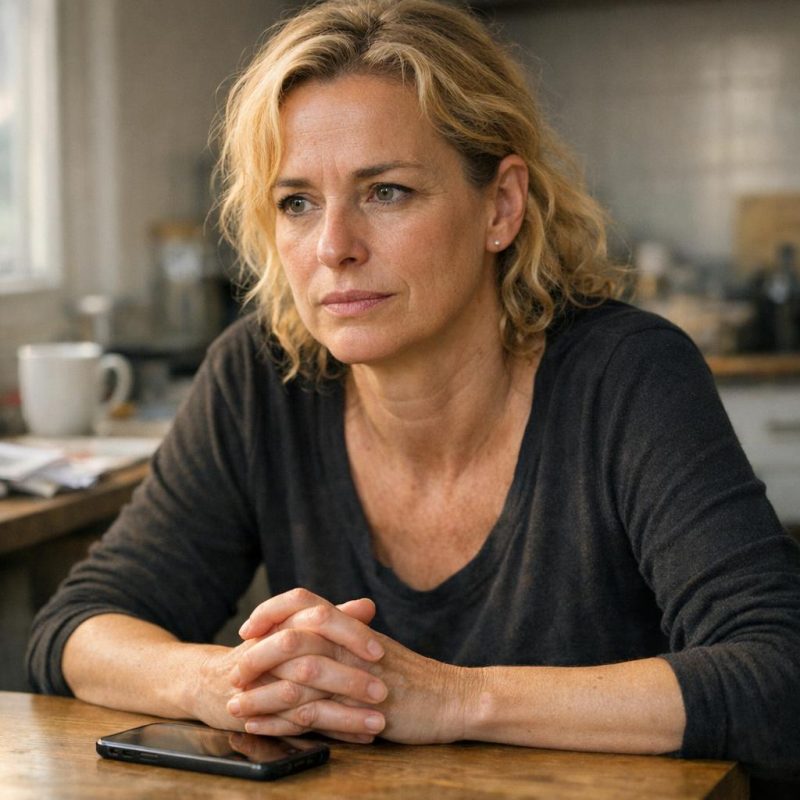 Image by RM AI
Referenced Later
Mark's office smelled like burnt coffee and printer toner. He had files spread across the table between us, color-coded tabs sticking out like warning flags. 'Mrs. Hendricks,' he said, 'I want to explain something about medical records that most people don't realize.' I nodded, my hands folded in my lap. 'These fraudulent procedures—they're not just about billing. They become part of your permanent medical history. They can be referenced later as proof that you had a condition, that you underwent treatment, that you have ongoing health issues.' The room felt smaller. 'Referenced by who?' 'By anyone who has access to those records,' he said carefully. 'Doctors, certainly. But also family members making medical decisions on your behalf. Legal representatives. Courts.' Courts. The word hung there. 'Why would a court need my medical records?' I asked. Mark looked at me for a long moment, and I could see him weighing how much to say. 'In cases where someone's capacity is being questioned,' he said quietly, 'medical history becomes evidence.' My stomach dropped. I thought of Lacey again—her concern, her offers, her gentle insistence that things were getting harder for me. He asked me, 'Has anyone suggested you might need help managing your affairs?'
 Image by RM AI
Managing My Affairs
I sat there, my mind racing backward through every conversation. 'My daughter-in-law,' I said slowly. 'Lacey. She's... she's been very helpful lately.' Mark didn't react, just waited. 'She suggested I sign a health proxy. Said it would make things easier if anything happened. And she offered to handle my mail, help with bills—said I seemed overwhelmed.' The words sounded different out loud, in that fluorescent-lit office. Things that had seemed like kindness now had sharp edges. 'She mentioned getting power of attorney,' I continued, my voice steadier than I felt. 'Just in case. She said it was responsible planning.' Mark was taking notes, his pen moving in quick, efficient strokes. 'And did you sign anything?' 'No,' I said. 'I told her I'd think about it, but something felt... off. I couldn't put my finger on it.' He set down his pen and looked at me directly. His expression was both sympathetic and grave, the look of someone who's seen this before and knows how it ends. 'Mrs. Hendricks, these offers—the health proxy, the mail handling, the concerns about your capacity—they align with the medical record manipulation we've found.' He leaned back slightly. 'That's the pattern we're seeing.'
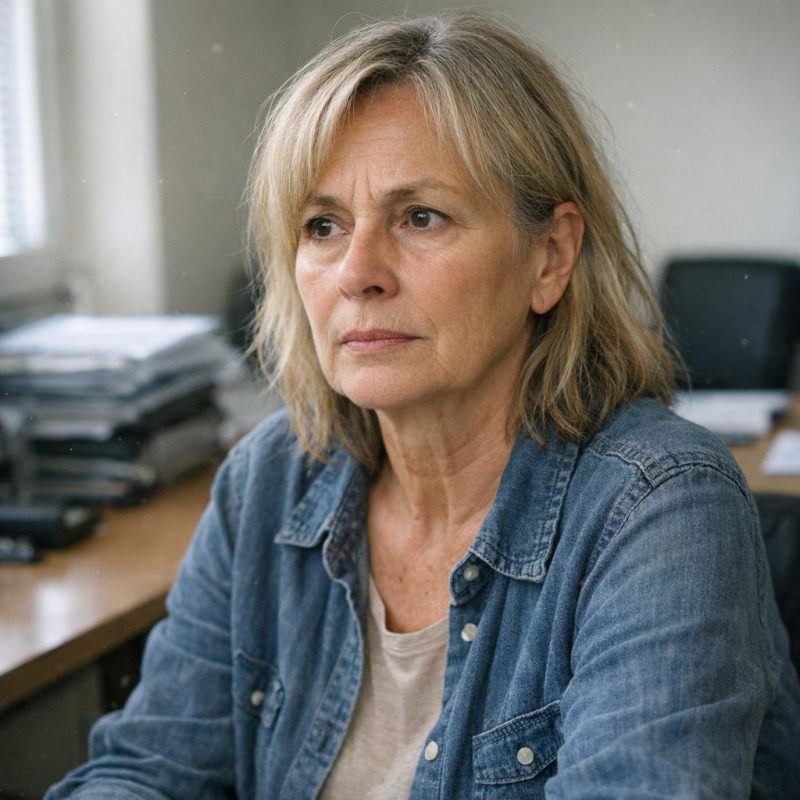 Image by RM AI
Not the First
Mark opened another folder, this one thicker than the others. 'I want to be transparent with you,' he said. 'This isn't the first case like this I've seen. Elder fraud is becoming increasingly sophisticated.' The term 'elder fraud' made me flinch. I wasn't elderly—I was fifty-seven, for God's sake. But I understood what he meant. 'How often does this happen?' I asked. 'More than people realize,' he said. 'And it's usually not strangers. It's family members, caretakers, people in positions of trust. They establish a pattern of helpfulness, create documentation of decline—sometimes real, sometimes fabricated—and then petition for control.' He slid a document across the table, a case summary with names redacted. 'This was from last year. Woman in her early sixties, similar situation. Fake medical procedures, manufactured evidence of cognitive decline. Her son-in-law was building a case for guardianship.' I stared at the document. The procedural codes were different, but the structure was the same. The careful construction of a medical narrative. 'What happened to her?' I asked. 'We caught it before he filed,' Mark said. 'But it was close. Another few months and she would've lost legal control of her own life.' He looked at me with something like apology in his eyes. 'Usually it starts with small things—helpful offers, paperwork, access.'
 Image by RM AI
The Friend in the Next County
I remembered the address on my credit report, the one I'd never lived at. 'The credit application,' I said. 'The address in the next county—can you trace that?' Mark made a note. 'I can look into it. Do you have the exact address?' I pulled out my phone and found the screenshot I'd taken. He wrote it down, then added it to his growing file on me. My life, reduced to color-coded tabs and printed spreadsheets. 'I'll run it through our databases,' he said. 'See who it's registered to, cross-reference it with the other information we have.' I left his office feeling both lighter and heavier. Lighter because someone was taking this seriously, because I wasn't imagining things. Heavier because I knew we were going to find something. I could feel it. Two days later, my phone rang. Mark's name on the screen. I was folding laundry when I answered, and I remember setting down one of my husband's old work shirts, the fabric soft from years of washing. 'Mrs. Hendricks,' Mark said, 'I traced that address.' I sat down on the edge of the bed. 'And?' 'It belongs to a Margaret Chen,' he said. 'Does that name mean anything to you?' Margaret. Lacey's aunt. The 'friend' she'd stayed with when things got rough with David. 'Yes,' I said quietly. 'That's Lacey's aunt.'
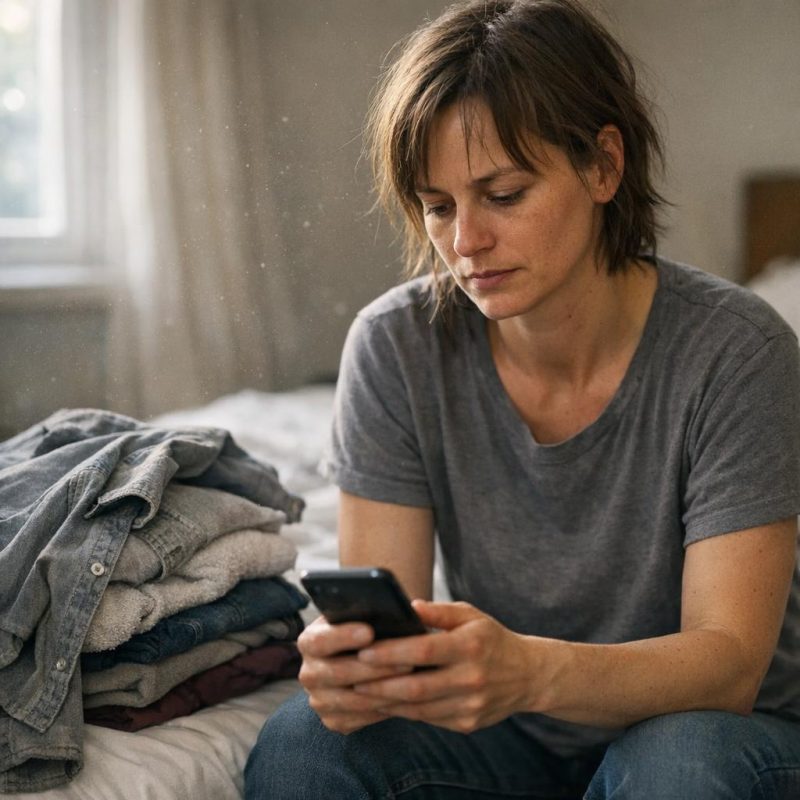 Image by RM AI
The Woman in the Photo
The next day, Mark called again. 'Mrs. Hendricks, I need to ask you something that might seem strange.' I was in my kitchen, wiping down counters that were already clean. Busy work to keep my hands from shaking. 'Okay,' I said. 'The hospital ID photo—the one used to check in for these procedures. We've confirmed it's not you. But the resemblance is close enough that it passed initial security checks. Do you know anyone who resembles you enough to pass as you in a photo?' I thought about it. My niece maybe, but she lived in Oregon and we barely spoke. My cousin Janet, but she was ten years older than me. And then I remembered. 'Lacey has a younger sister,' I said slowly. 'Mallory. She visited once, maybe two years ago. We went shopping together.' The memory came back clearly now. She'd tried on my scarf in the store, looked at herself in the mirror. 'It looks better on me anyway,' she'd said, laughing. Not mean, just... casual. The kind of statement that could be a joke or not, depending on how you chose to hear it. 'She's younger than me,' I continued, 'but we have similar bone structure. Same coloring. People commented on it.' Mark was quiet for a moment. 'Could you find a photo of her?'
 Image by RM AI
Borrowed My Scarf
I went to Facebook as soon as we hung up. Found Mallory's profile—public, full of selfies and vacation photos. I scrolled back to around the time of the first fake surgery. There. A photo from that summer, her at someone's wedding. Clear, well-lit, straight-on angle. I pulled up the hospital ID photo Mark had emailed me, the one supposedly of me checking in for a procedure I'd never had. I put them side by side on my laptop screen. The cheekbones matched. Same slightly asymmetrical smile, same way her left eyebrow sat just slightly higher than her right. The nose was close enough—close enough that in a driver's license photo quality image, you wouldn't notice the small differences. Her hair was lighter than mine, but hair color changes. What got me was the expression. That slight smirk, like she was in on a joke the rest of us hadn't heard yet. I'd seen that look on Lacey too, come to think of it. Must run in the family. I took a screenshot of both images side by side, my hands shaking slightly as I did it. The cheekbones matched, the smirk matched—everything except the kindness I'd shown her.
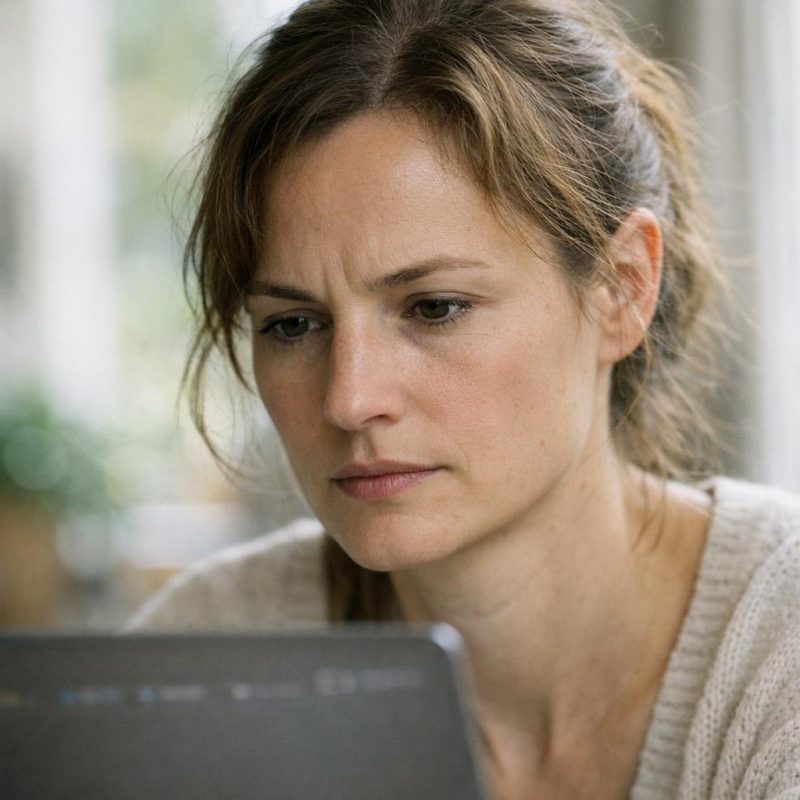 Image by RM AI
Forward to Mark
I forwarded the comparison to Mark immediately, my email subject line simple: 'Mallory Chen (Lacey's sister).' His response came within an hour: 'This is strong. I'm forwarding to hospital legal and their security team.' Three hours after that, my phone rang again. 'Mrs. Hendricks, I've shared the photo comparison with the hospital's legal department,' Mark said. 'Their security team is pulling footage from the dates of those check-ins to see if we can get additional confirmation. But based on what we have—the resemblance, the family connection, the timing—this is substantial evidence.' I felt a strange mix of vindication and dread. I'd been right. But being right meant this was real. 'What happens now?' I asked. Mark's voice was careful again, that measured tone that meant he was about to say something I wouldn't like. 'Mrs. Hendricks, this has moved beyond insurance fraud. Identity theft, medical fraud, potentially conspiracy—these are criminal offenses. We need to involve law enforcement.' Law enforcement. Police reports. Investigations. My daughter-in-law's sister arrested, probably my daughter-in-law too. My son caught in the middle. 'Okay,' I said, because what else could I say? Mark was still talking. 'This is now a criminal matter—we need to involve law enforcement.'
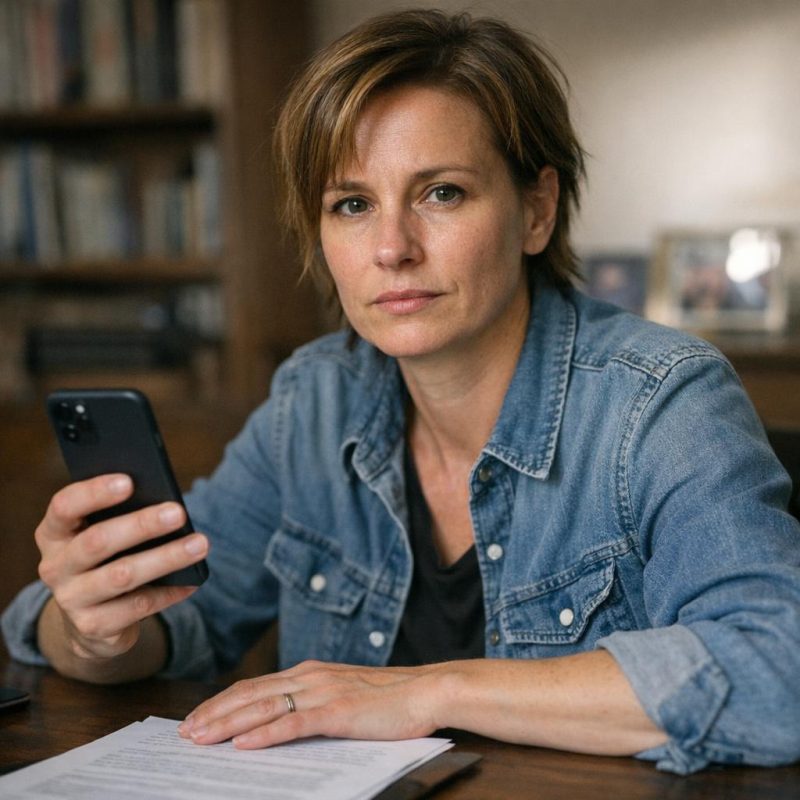 Image by RM AI
No More Access
That evening, I sat down at my computer and started changing passwords. Every single one. My bank accounts, credit cards, email, insurance portal, the utility companies, everything. I removed Lacey's name from my online banking access—she'd offered to check my accounts for fraud, ironically enough, and I'd added her as a viewer months ago. I called the bank the next morning and had them remove her from my authorized contact list. Then I did the same with my insurance company, my doctor's office, the pharmacy. Every place that had her name attached to mine, I severed the connection. It felt like pulling weeds—satisfying and necessary, but you knew the roots went deeper than what you could see. I was just finishing when my phone rang. Lacey. I almost didn't answer, but I knew I had to. 'Colleen,' she said, her voice tight. 'The bank called me. They said I no longer have access to your accounts. Is everything okay?' Her concern sounded genuine. It probably was genuine. That was the thing about Lacey—she could mean every kind word while planning something terrible. 'Everything's fine,' I said calmly. 'I'm just making some changes.' 'But why? I don't understand. Did I do something wrong?' When Lacey called to ask why, I told her calmly, 'Because I need to know I'm the only one managing my life.'
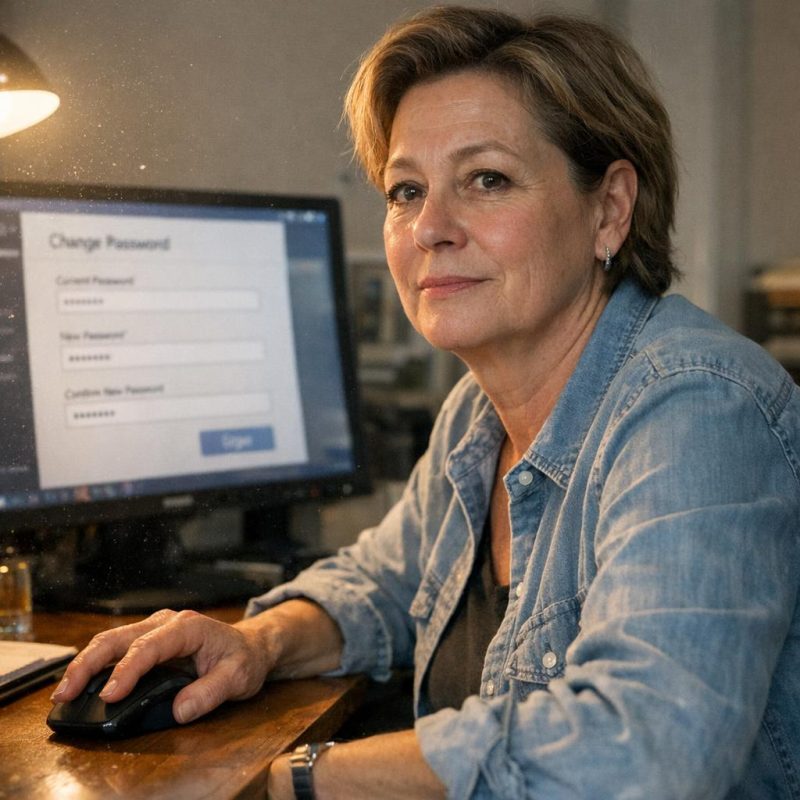 Image by RM AI
Too Smooth
The thing that kept nagging at me after that phone call was how smoothly Lacey had deflected my question. I'd told her I needed to manage my own life, and she hadn't pushed back at all. She'd just said, 'Of course, I understand completely,' and then pivoted to asking if I was feeling stressed, if I needed anything, if there was something she could help with. The words felt polished, like she'd known this conversation might happen eventually and had prepared exactly what to say. It reminded me of the hospital administrator who'd explained away the billing error—same calm tone, same reasonable phrases, same way of acknowledging concern while suggesting it was all just a misunderstanding. When I asked if anyone else had been confused about the procedure, Lacey said, 'These things happen with insurance codes, you know. It's really common.' That phrase—'really common'—the billing department had used those exact words. I'm not saying she was reading from a script, but it felt practiced. Like when you rehearse what you'll say if your boss questions a project, so you don't fumble. She sounded like someone who'd thought through the questions I might ask and had answers ready. It felt rehearsed, like she'd practiced what to say if anyone ever asked.
 Image by RM AI
Paperwork and Proof
I spent the next two days building what I started calling my 'defense binder.' I know that sounds dramatic, but I didn't know what else to call it. I printed out every credit report I'd pulled, highlighting the accounts that weren't mine. I organized my medical records chronologically, with sticky notes marking the fake procedure and the dates I'd actually been out of town. I printed the ID photo from the hospital system—the one that wasn't me—and put it side by side with my actual driver's license photo. I included phone records showing I'd called the billing department multiple times. I even printed emails where I'd asked Lacey about paperwork and she'd said she'd 'taken care of it.' Everything went into a three-ring binder with dividers and labels. It felt excessive, honestly. Like I was preparing for a trial instead of just protecting myself. But I needed to see it all in one place, to know that I wasn't imagining things. If someone dismissed me, if someone suggested I was confused or mistaken, I wanted to be able to open that binder and show them proof. I was building my own paper trail, the kind that couldn't be dismissed or deflected.
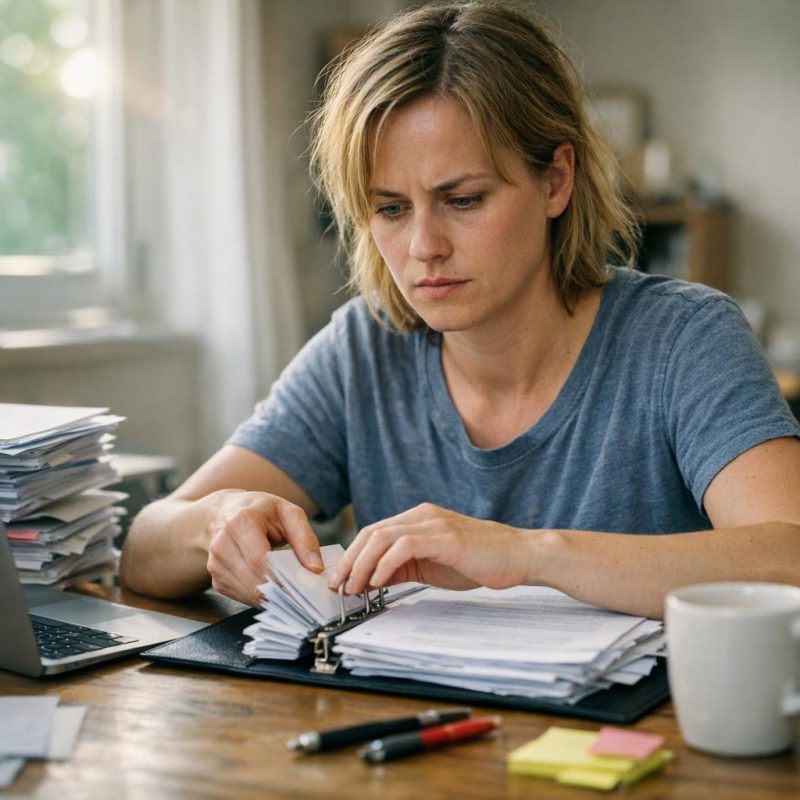 Image by RM AI
The Frightened Nurse
A few days later, I got a phone call from a number I didn't recognize. When I answered, a woman's voice said, 'Is this Colleen?' She sounded nervous, like she was calling from a bathroom stall at work. I said yes, and she hesitated before continuing. 'My name is Angela. I'm a nurse at the hospital where you had the procedure—well, where someone had a procedure under your name.' My heart started pounding. She said she'd heard through the grapevine that I was asking questions, and she wanted me to know that she'd been on duty that day. She'd been the one who prepped the patient and noticed something felt off. 'The woman in the bed didn't look like the age on the chart,' Angela said. 'I mentioned it to my supervisor, but she told me billing would handle it. I let it go, but I shouldn't have.' Her voice cracked a little. She said she'd been thinking about it ever since, wondering if she should have pushed harder. She told me, 'They said billing would handle it—but I knew something was wrong when I saw the consent form.'
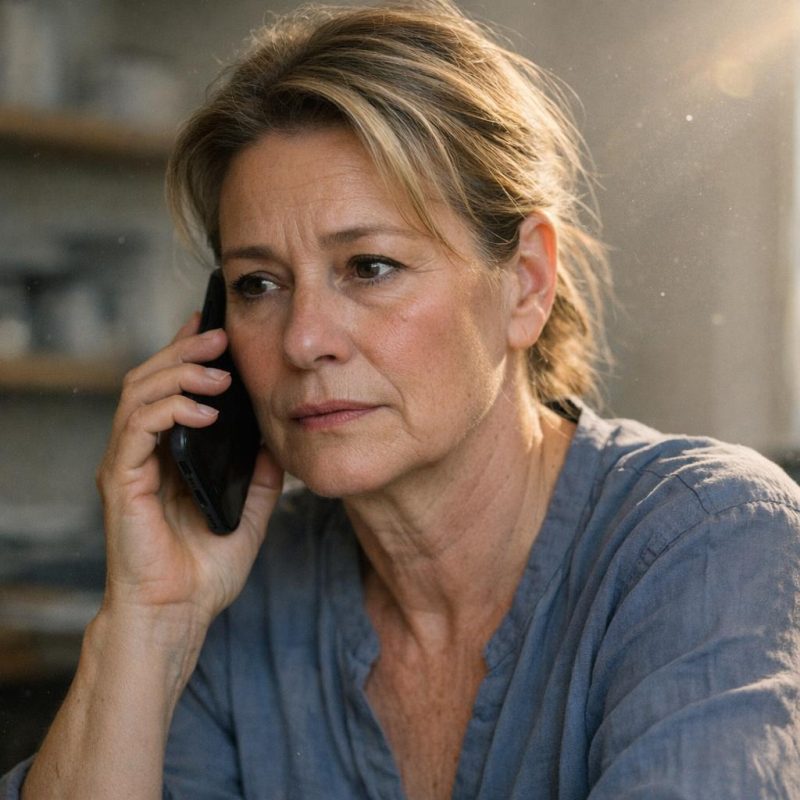 Image by RM AI
Let Billing Handle It
Angela told me she'd pulled up my file photo that morning—the one with my correct birthdate—and compared it to the woman she'd prepped for surgery. 'The photo showed someone in her fifties,' she said, 'but the patient in the bed looked about thirty. I asked if we had the right person, and my supervisor said not to worry about it. She told me to let billing handle patient identity issues.' I asked Angela why she was calling me now, and she said she'd been carrying guilt about it for weeks. She'd seen the insurance investigation paperwork come through and realized I'd been fighting this on my own. 'I should have documented my concerns that day,' she said. 'But my supervisor made it sound like I was overstepping, like I was questioning things that weren't my responsibility.' She gave me specifics—what the patient had been wearing, what time the procedure started, how the consent form had been signed in handwriting that didn't match the signature on file. She'd noticed all of it. She said, 'I've been waiting for someone to ask—I'm glad it's you.'
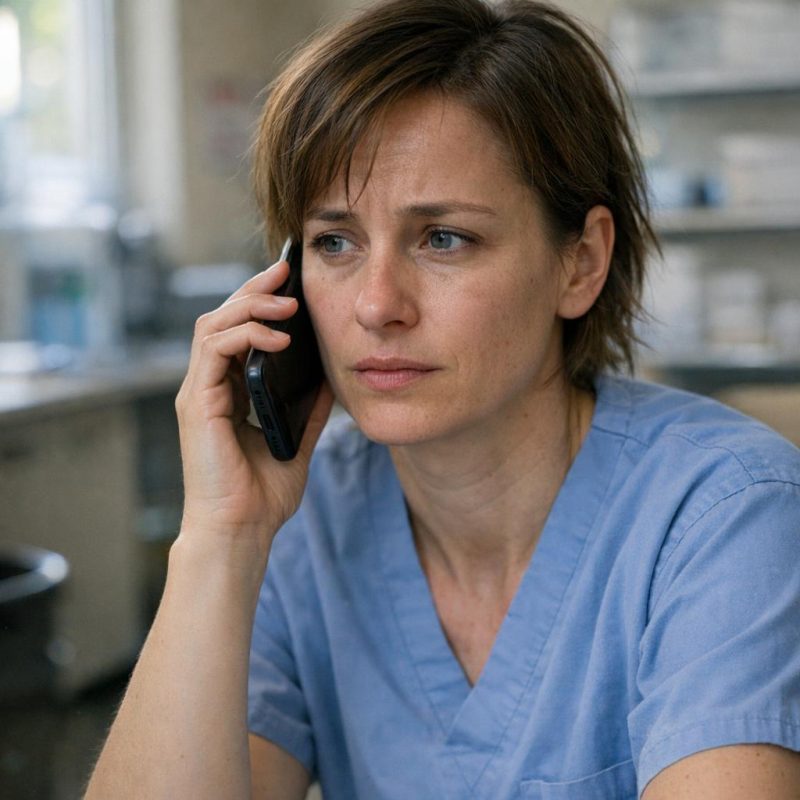 Image by RM AI
The Supervisor's Email
The next day, Angela called me again. This time, she said she had something to send me. 'I went back through my work emails,' she said, 'and I found one from my supervisor that I think you should see.' Ten minutes later, it landed in my inbox. The subject line was 'Patient Identity Protocol,' and it was addressed to the entire surgical staff. The email instructed nurses to 'avoid making assumptions about patient identity discrepancies' and to 'direct any billing or insurance questions to the administrative team rather than delaying procedures.' It went on to say that visual discrepancies between patient photos and in-person appearances were 'common due to outdated records' and should not be treated as red flags. I read it three times, my hands shaking. The email was dated the same week as my fake procedure. This wasn't just Angela's supervisor brushing off a concern—this was a policy. Someone had sent a memo telling the staff not to question identity mismatches. The email was dated the same week as my fake procedure—it wasn't negligence, it was a policy.
 Image by RM AI
Starting to Suspect
I sat at my kitchen table with the binder open in front of me, the email from Angela's supervisor printed and tucked into the front sleeve. I started laying everything out like puzzle pieces—the fake surgery, the credit card in my name, Lacey's offers to help with paperwork, the health proxy she'd wanted me to sign. I kept thinking about what Mark had said: someone was building a story. But what kind of story needs a fake surgery, fraudulent credit, and a health proxy? I started writing down possibilities on a legal pad, drawing arrows between events. What if the surgery wasn't about stealing insurance money? What if the goal wasn't financial fraud at all? What if someone needed proof that I was unreliable, that I couldn't manage my own affairs? The credit card I 'forgot' about. The surgery I 'forgot' I had. The appointments I 'forgot' to attend. If someone wanted to paint a picture of me as confused, forgetful, maybe even mentally declining, this would do it. I started to suspect the fake surgery wasn't about money—it was about creating a story that I was unreliable.
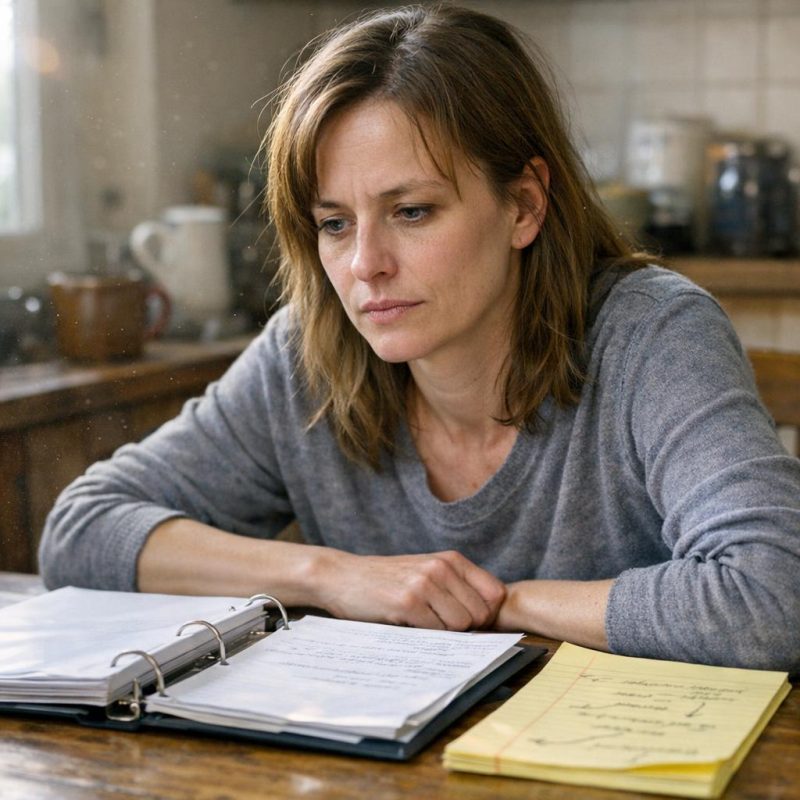 Image by RM AI
Couldn't Shake the Feeling
The more I thought about it, the more I couldn't shake the feeling that every 'helpful' offer from Lacey had been leading somewhere specific. She'd offered to update my paperwork—why? She'd suggested I sign a health proxy 'just in case'—in case of what? She'd volunteered to check my credit for fraud, and then fraud appeared. She'd been so eager to help me organize my medical records, right around the time a fake procedure showed up in my file. Each gesture had felt kind in the moment, but lined up together, they looked like steps in a plan. A plan for what, I wasn't sure yet, but I knew it wasn't good. I kept thinking about that health proxy. If I'd signed it, Lacey would have had the legal authority to make medical decisions for me. And if my medical records showed I'd had procedures I didn't remember, if my credit report showed accounts I'd opened and forgotten about, would anyone have believed me when I said I was fine? If I'd signed that health proxy, would I be sitting here now, or would someone else be making my decisions?
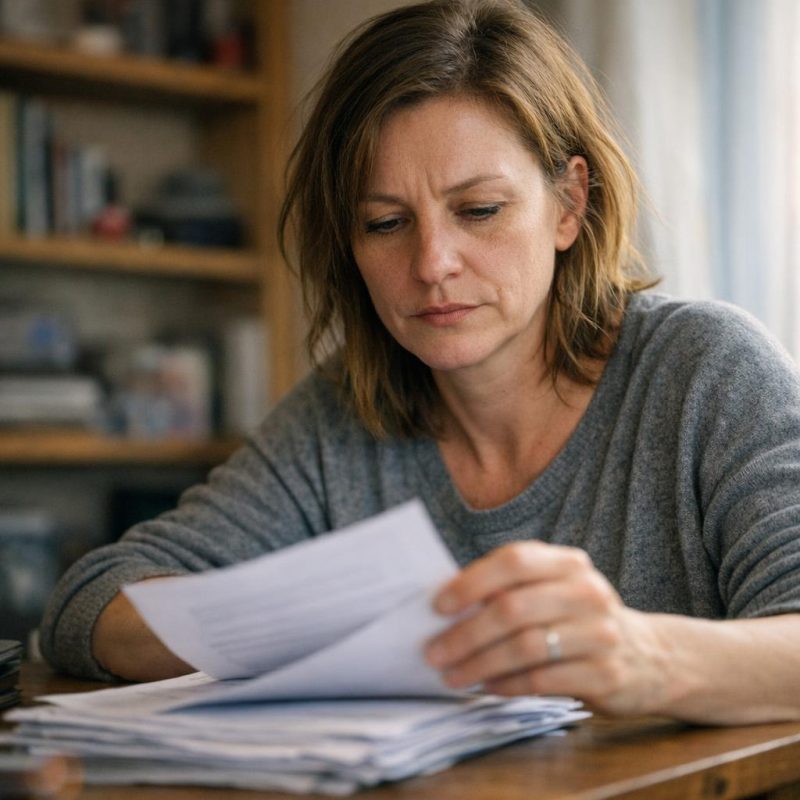 Image by RM AI
The Groundwork
Mark called me two days later. His voice was serious, the kind of tone that means the news isn't good. He said, 'Colleen, we finished the fraud investigation, and I need to explain what we found.' He told me the fake surgery, the credit card, the medical records—they weren't random acts of identity theft. They were groundwork. 'Groundwork for what?' I asked. He paused, and I could hear him choosing his words carefully. 'For a guardianship petition,' he said. 'The pattern we're seeing is consistent with cases where someone is building evidence to declare another person mentally incompetent. If you have medical records showing procedures you don't remember, credit accounts you supposedly opened but forgot about, and a history of needing help managing paperwork, it creates a narrative. A judge might look at that and agree you need someone to manage your affairs.' My stomach dropped. Lacey hadn't been helping a friend. She'd been collecting proof that I couldn't take care of myself. Lacey hadn't been helping a friend—she'd been building a case to declare me mentally incompetent and take control of my finances.
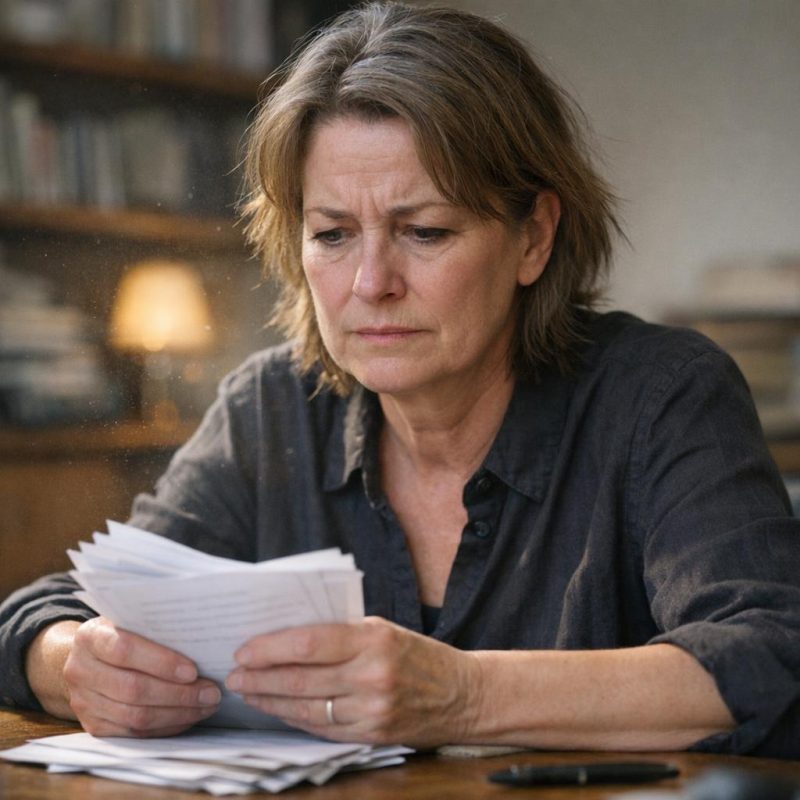 Image by RM AI
Building a Narrative
Mark walked me through it like he was explaining a recipe, which somehow made it worse. 'The fake surgery wasn't meant to be permanent,' he said. 'It was meant to be confusing. You'd find it, you'd report it, and then there'd be a record of you being confused about your own medical history. The credit card application creates a pattern—you open accounts you don't remember. The paperwork mistakes, the missed signatures, all of it builds a narrative that you're declining cognitively.' I felt like I'd been punched. Every single thing Lacey had done, every bit of 'help' she'd offered, had been part of this. 'And Adam?' I asked. My voice came out flat. Mark hesitated. 'His name on the consent forms would actually help her case,' he said. 'It would show that family members were already stepping in to help you manage medical decisions. That you couldn't handle them on your own.' I thought about Adam, halfway around the world, working in Singapore while his wife built a case to steal his mother's life. He had no idea his signature had been weaponized. With Adam's name on the consent forms, it would look like family already agreed I needed help managing my life.
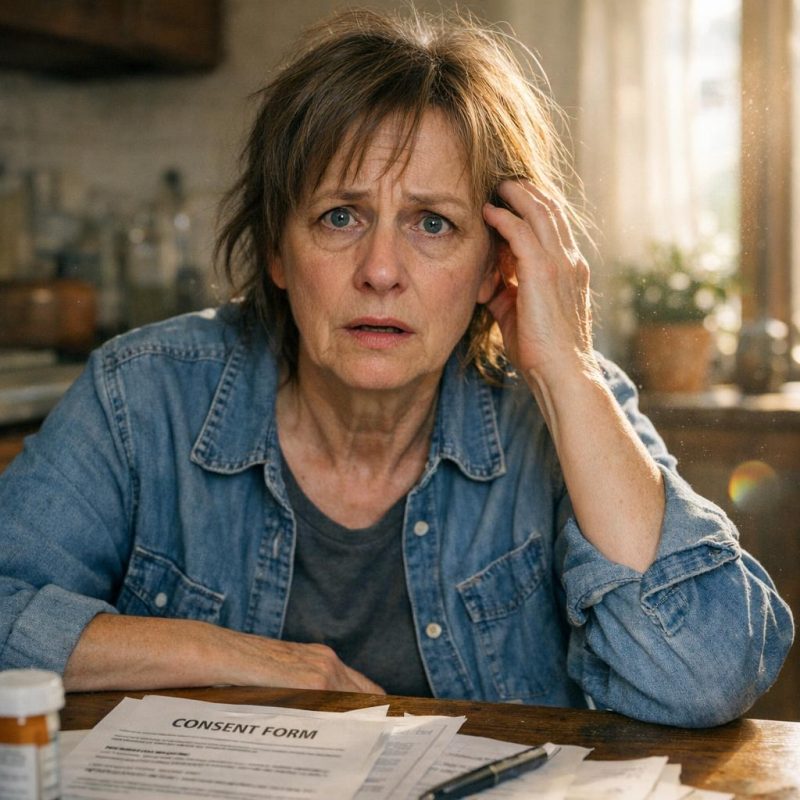 Image by RM AI
The File That Didn't Exist Yet
Mark's voice got quieter when he told me about the file. 'We found something on Lacey's laptop during the investigation,' he said. 'A draft guardianship petition. It wasn't filed yet—it was saved as a template, dated six months from now.' I didn't say anything. I just sat there holding the phone, staring at the kitchen calendar on my wall. 'The petition listed all the evidence she'd been building,' he continued. 'The surgery you didn't remember. The credit issues. It even referenced the times you'd asked her for help with paperwork. She was documenting everything, Colleen. Every conversation, every time you second-guessed yourself.' I felt cold. This wasn't impulsive. This wasn't opportunistic. This was methodical. She'd had a timeline. She'd been counting down. 'Why six months?' I asked. Mark sighed. 'Our forensic analyst thinks she was waiting to build more incidents. One surgery, one credit card—it's not enough. But if there were three or four over the span of a year? That starts to look like a pattern of decline.' My hands were shaking. She'd been planning to wait until I had 'enough' medical history to make the petition look justified.
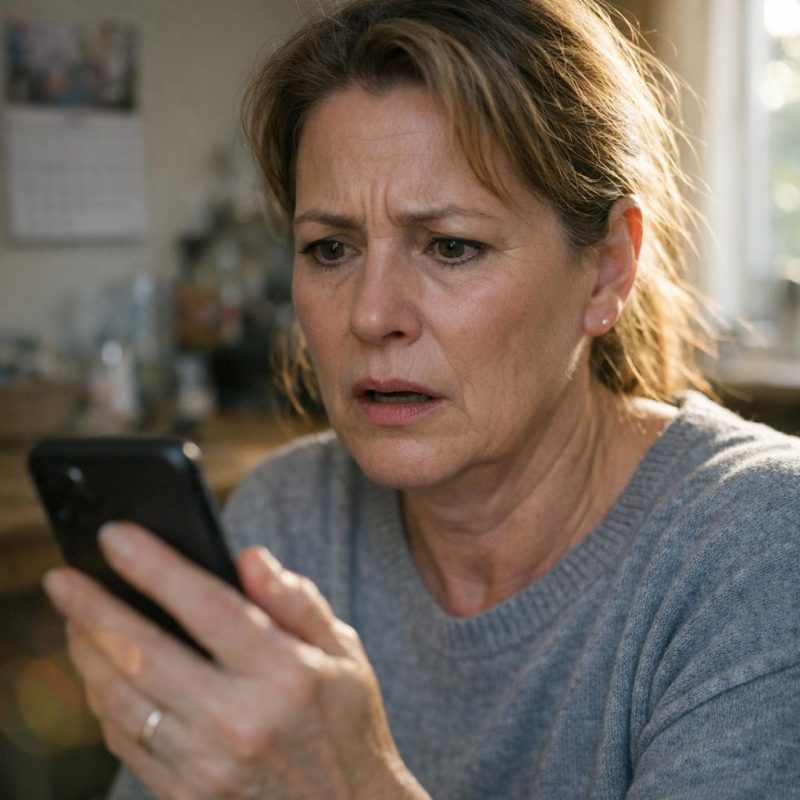 Image by RM AI
Confrontation at the House
Adam flew back from Singapore two days later. He didn't tell Lacey he was coming. He called me from the airport and said, 'I'm going to the house. I want you there.' I met him in the driveway. He looked exhausted, like he hadn't slept on the entire flight, but his jaw was set in a way I recognized from when he was a teenager and someone had really made him angry. We walked in together. Lacey was in the kitchen, and when she saw us, her face went pale. 'Adam,' she started, 'I didn't know you were—' 'Sit down,' he said. His voice was calm, but it had an edge I'd never heard before. She sat. He pulled a folder out of his bag, the kind with a clasp, and set it on the table between them. I stood near the doorway, not sure if I should be there or not, but Adam glanced back at me like he needed me to stay. 'Mark sent me everything,' Adam said. 'The investigator's report. The fraud findings. All of it.' Lacey's hands were folded on the table, and she was staring at them like she was praying. Lacey tried to say it was a misunderstanding, but Adam held up the printed petition and said, 'Explain this.'
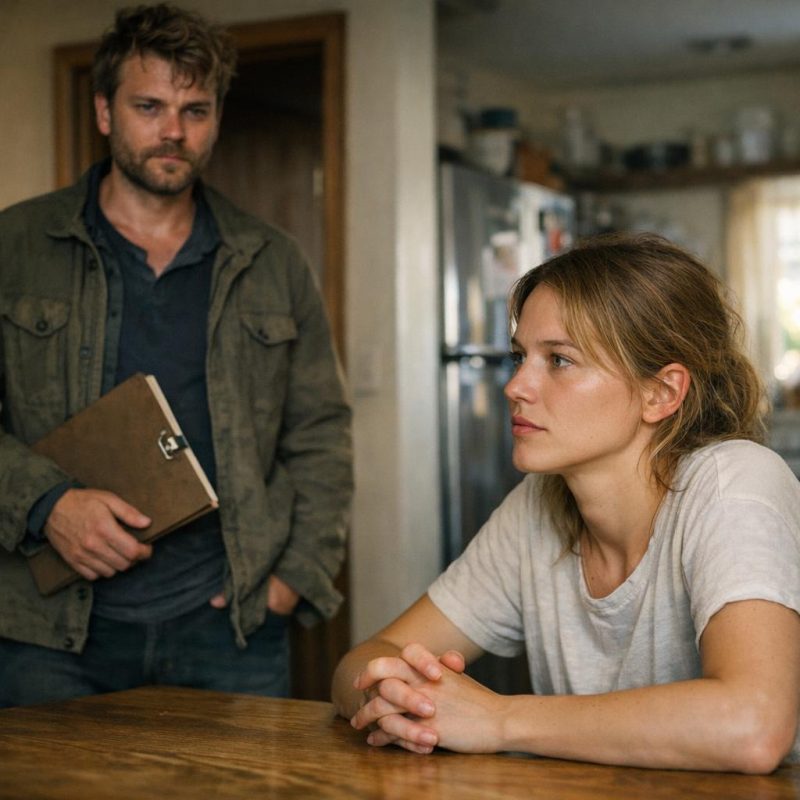 Image by RM AI
She Didn't Deny It
Lacey didn't deny it. That's what got me. She didn't try to claim the file was fake or that someone had planted it. She just started crying. 'You wouldn't have understood,' she said, her voice breaking. 'You're so independent, Colleen. You would've fought me on everything. I was trying to protect us—protect our future.' I felt my stomach turn. 'Protect it from what?' I asked. She looked at me, her eyes red. 'From the mess. From the fights over money later. From you making decisions that would hurt everyone.' Adam's face was stone. He hadn't moved. He was just staring at her like he was seeing her for the first time. 'You were going to have my mother declared incompetent,' he said slowly. 'You were going to take control of her finances, her house, everything—and you think that's protecting the family?' Lacey wiped her eyes. 'I was protecting us,' she said again. 'You and me. So we wouldn't have to deal with this when she got older.' The air in the room felt thick. I couldn't believe what I was hearing. Adam said quietly, 'Protecting it from who? From my mother?'
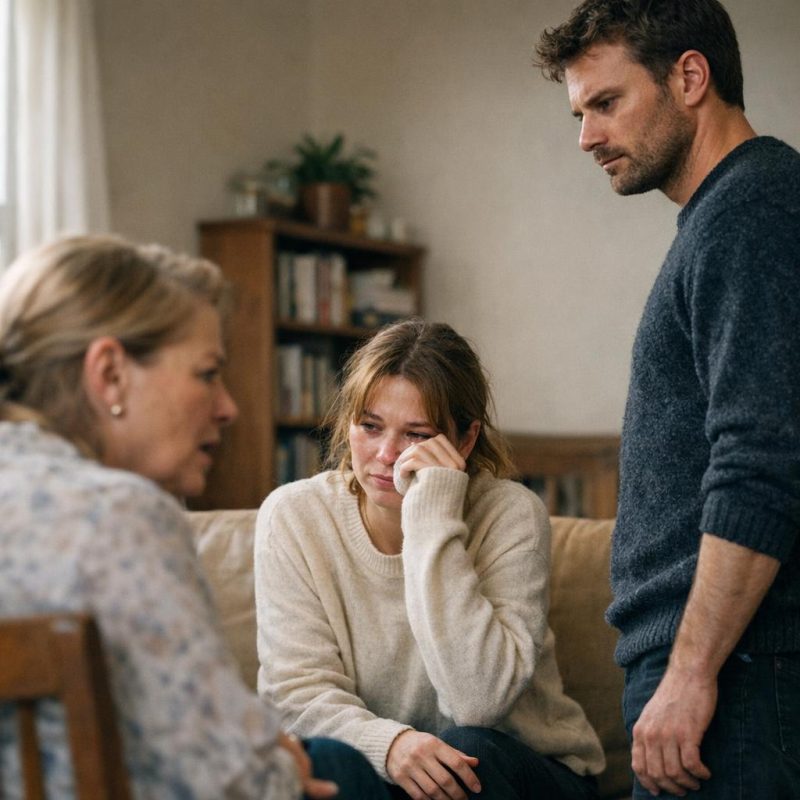 Image by RM AI
Whose Future
Lacey kept talking, like if she explained it enough, we'd understand. 'I did it for us,' she said, looking at Adam. 'So we wouldn't have to worry later. So we'd have stability. Your mom's house, her savings—she wasn't going to need all of it forever, and I was just trying to make sure it didn't get wasted or tied up in legal battles down the road.' She said it like it was reasonable. Like planning to steal my autonomy was some kind of financial strategy. Adam just shook his head. 'She's fifty-seven,' he said. 'She's not dying. She's not declining. She's fine.' Lacey's face twisted. 'But what if she wasn't? What if something happened, and we had to scramble? I was being smart, Adam. I was thinking ahead.' I felt something shift in me, something that had been coiled tight for weeks. 'You weren't thinking ahead,' I said. My voice was steady. 'You were thinking about yourself. About what you wanted. I'm fifty-seven, not ninety—and I wasn't the one who needed to be managed.'
 Image by RM AI
Adam's Choice
Adam stood up. He didn't raise his voice. He didn't yell. He just looked at Lacey and said, 'I want a divorce.' She froze. 'What?' 'I want a divorce,' he repeated. 'And if this goes to court, I'll testify. I'll tell them everything.' Lacey's face crumpled. 'Adam, please. I made a mistake. I can fix this.' 'You didn't make a mistake,' he said. 'You made a plan. You forged documents. You stole my mother's identity. You were going to take everything from her, and you thought I'd just go along with it.' She reached for his hand, but he pulled back. 'I did it for us,' she said again, her voice desperate now. He shook his head. 'No. You did it for you.' I stood there, watching my son defend me in a way I didn't know I needed. Lacey looked at me, then back at Adam, and I could see the exact moment she realized she'd lost. Her face went blank. Lacey stared at him like she couldn't believe he was choosing me over her—but he already had.
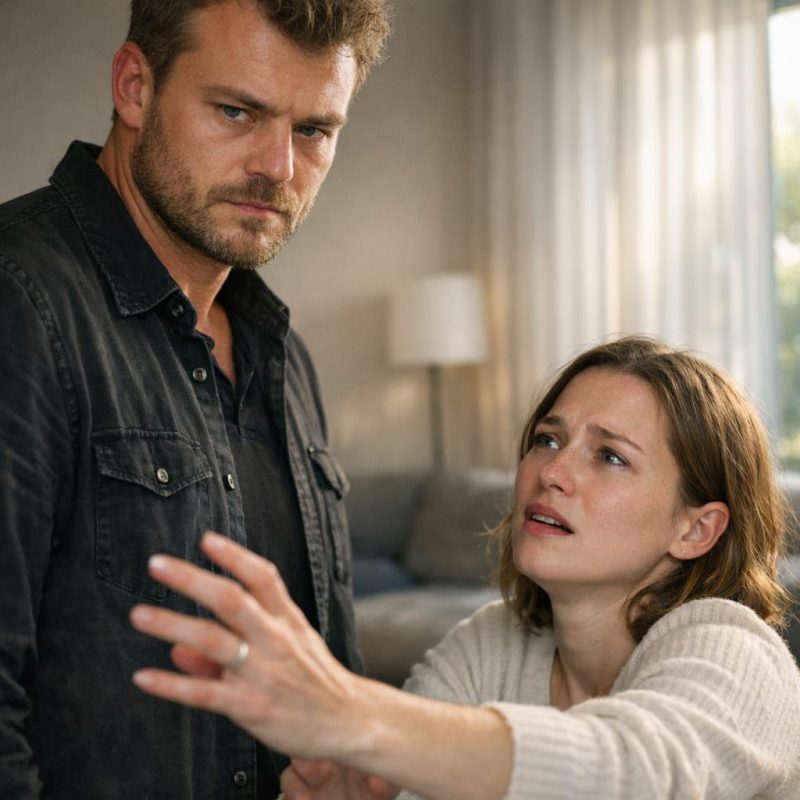 Image by RM AI
Fraud Affidavit
I went back to the hospital a week later. Not to imaging, not to billing—to the privacy office. Patricia met me in the same conference room where this whole thing had started. She had a stack of papers in front of her. 'We've completed the internal review,' she said. 'The entries have been flagged as fraudulent, and we're attaching an affidavit to every page of the false records.' I asked if that meant the surgery would just be marked as 'disputed.' She shook her head. 'No. It will say explicitly that the procedure did not occur and that the documentation was falsified. The affidavit will be part of your permanent record, so if anyone accesses it in the future, they'll see the fraud warning immediately.' She showed me the stamp—a red box with bold text that read 'FRAUDULENT ENTRY – DO NOT RELY ON THIS RECORD.' I watched as she went through the file, page by page, stamping each one. It felt like she was erasing Lacey's fingerprints from my life. The hospital's legal department agreed, and I watched as they stamped each page with a warning that the entries were fraudulent.
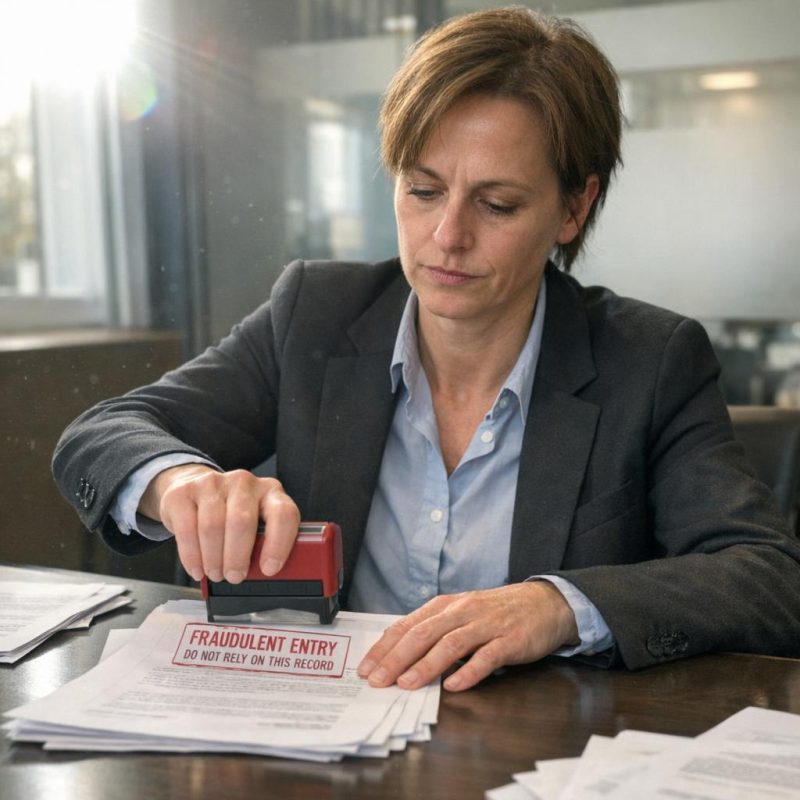 Image by RM AI
Criminal Charges
Mark called me three weeks later. 'The DA filed charges,' he said. 'Against both Lacey and her sister.' I sat down. I hadn't realized how much I'd been bracing for the possibility that nothing would happen, that this would all just fade into paperwork and apologies. 'What charges?' I asked. 'Identity theft, fraud, conspiracy, and attempted financial exploitation of a vulnerable adult,' he said. 'The conspiracy charge is what ties them together. They coordinated this. The sister was the one in the OR, but Lacey orchestrated it.' I felt a strange kind of calm wash over me. 'What happens now?' 'They'll be arraigned,' Mark said. 'And then it depends on whether they take a plea or go to trial. But either way, Colleen, this is on record. They can't walk away from this.' I thanked him. I didn't know what else to say. After I hung up, I sat at the kitchen table for a long time, just breathing. Mark called to tell me the charges had been filed, and I felt something I hadn't felt in months—relief.
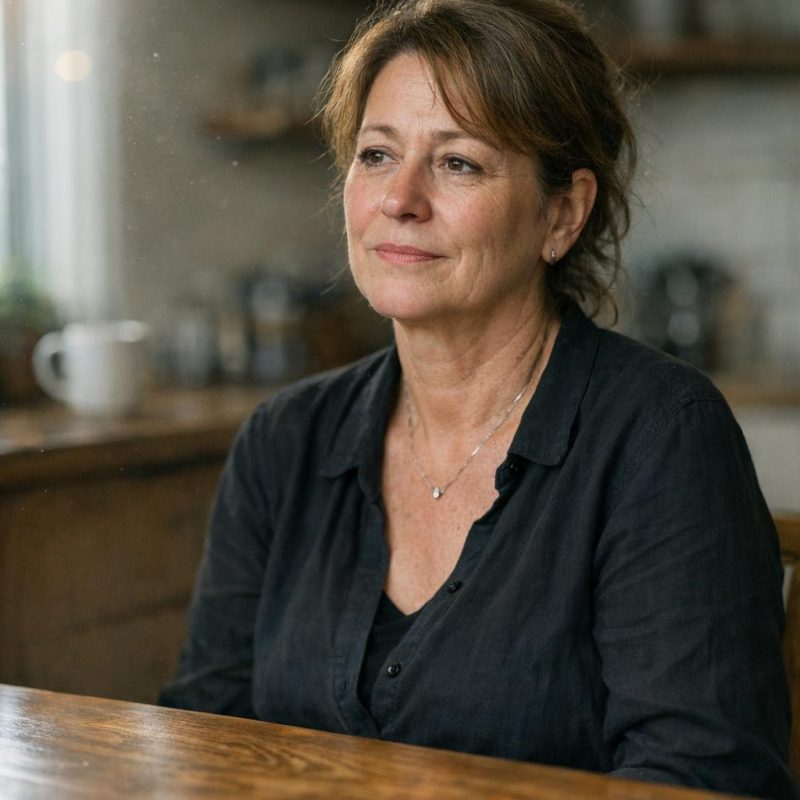 Image by RM AI
The Hearing
The courtroom was smaller than I expected—institutional beige walls, fluorescent lights that hummed, the kind of space that felt designed to drain emotion out of everything. I sat in the gallery with my binder on my lap, the one I'd compiled with every document, every timeline, every piece of evidence I could pull together. Lacey sat at the defense table with her lawyer, a polished woman in a navy suit who kept shuffling papers with the brisk confidence of someone who thought this was all a misunderstanding. When it was her turn to speak, the lawyer stood and said Lacey had only been trying to help me—that she'd been concerned about my health, that she'd taken steps to ensure I was cared for, that any confusion was just 'administrative oversight.' I felt my jaw tighten. The prosecutor presented the evidence: the fraudulent consent forms, the financial records, the sister in the OR. And then the judge asked to see my binder. I handed it over. He flipped through it slowly, his expression unreadable. Finally, he looked up at Lacey's lawyer and said, 'This doesn't look like help—this looks like fraud.'
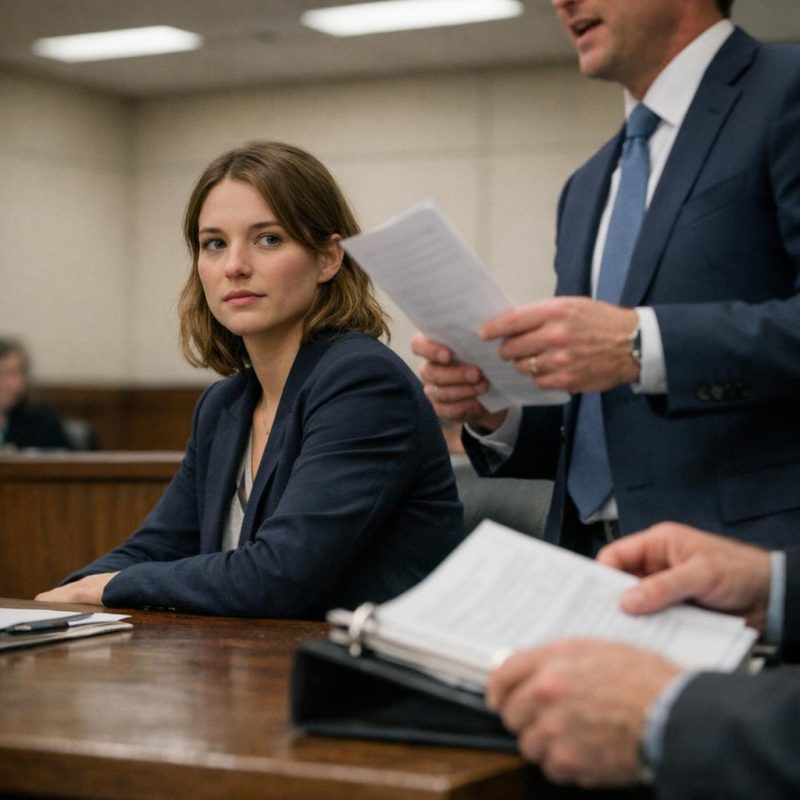 Image by RM AI
The Settlement
Two weeks later, Lacey's lawyer called the prosecutor to propose a plea deal. Mark called me to explain the terms: Lacey would plead guilty to identity theft and fraud, serve probation, and pay restitution. 'They want to avoid trial,' Mark said. 'It's a strong case, and they know it.' I listened quietly. Then I said, 'I have one condition.' Mark paused. 'What's that?' 'She has to admit to it publicly,' I said. 'Not just in a courtroom. I want it on record—her name, what she did, all of it. I want anyone who searches her name to know.' Mark was quiet for a moment. 'That's not standard,' he said. 'But I'll push for it.' And he did. The final agreement included a formal statement, filed with the court and made public, admitting to the fraud. It wasn't just for me. I kept thinking about all the people out there who might be sitting at their dining room tables right now, staring at a bill or a record that doesn't make sense, wondering if they're imagining things. She wanted it on record—not just for herself, but for anyone else who might be sitting at a dining room table wondering if they were imagining things.
 Image by RM AI
Kitchen Calendar
Life went back to normal, or whatever normal looks like after something like this. I still write my appointments on the kitchen calendar in ink. I still keep my receipts in a shoebox under the bathroom sink. I still go to the same grocery store and buy the same brand of coffee and fold laundry on Sunday afternoons. But something shifted. A neighbor offered to help me set up online banking a few weeks ago—she meant well, I'm sure—and I thanked her and said no. No explanation, no apology, just no. She looked a little surprised, but she didn't push. I didn't feel guilty about it, either. I didn't feel like I owed her a reason. That was new. I'd spent so much of my life trying not to be difficult, trying not to be the person who made things awkward or inconvenient. And then someone tried to rewrite my entire medical history, and I realized that being polite wasn't the same as being safe. So now I keep my boundaries clear. I keep my records organized. I keep my voice steady. But now, when someone offered to 'help,' I knew how to say no—and I knew how to prove why.
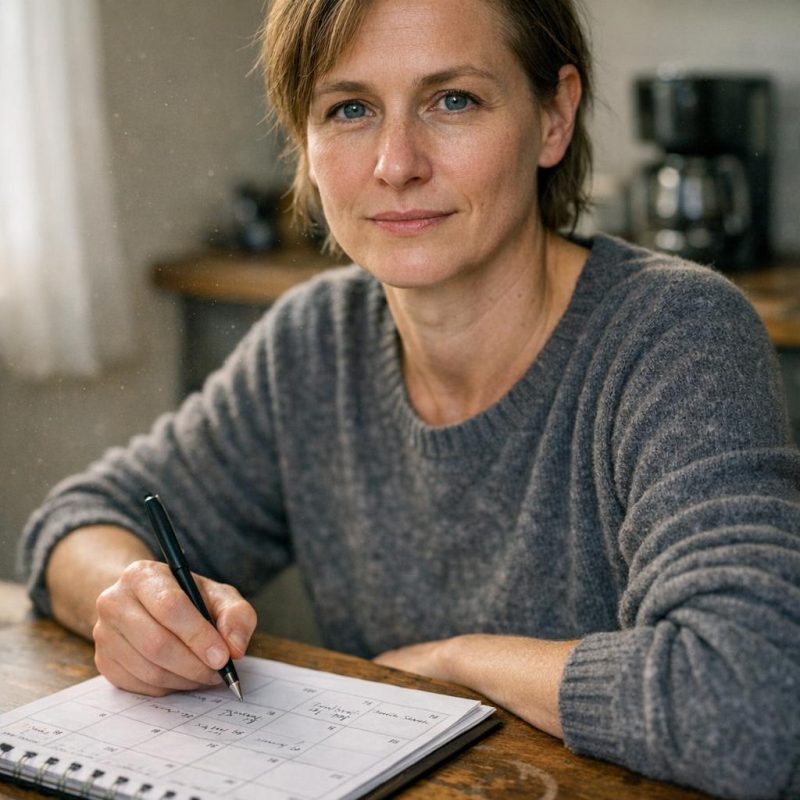 Image by RM AI
That Wasn't Me
I keep the evidence binder on a shelf in my office now, next to the box of old tax returns and the folder of warranty cards I'll probably never need. Sometimes I pull it down and flip through it—not because I need to relive what happened, but because it reminds me of what I did. I didn't let someone gaslight me into thinking I was confused or forgetful or wrong. I didn't let them rewrite my story. I pulled receipts, I asked questions, I made phone calls, and I didn't stop until I had proof. That binder isn't just evidence of fraud—it's evidence that I trusted myself when it would've been easier not to. And honestly? That's the part I'm proudest of. Because the most surprising part of this whole thing wasn't just that a surgery appeared in my chart that I never had. It wasn't even that Lacey and her sister tried to pull it off. The most surprising part wasn't just that a surgery appeared in my chart that never happened—it was that I didn't let them tell me it did.
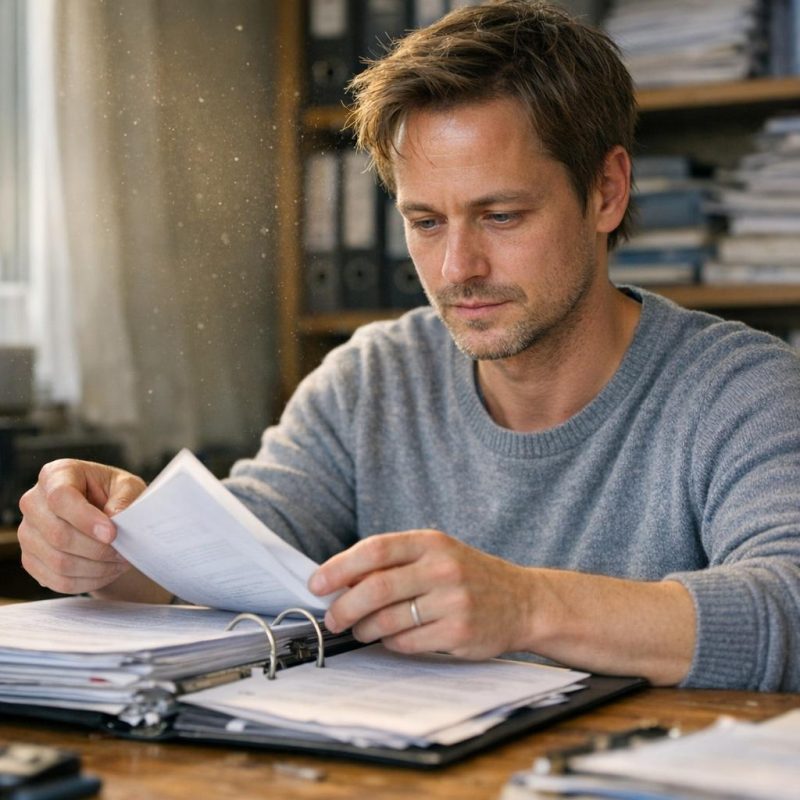 Image by RM AI